LIVE DEVELOPMENTS — updated Tuesday, August 18, 2026
Trump Threatens To Bomb Oman If It ‘Gets In The Way’ Of Iran Negotiations
LIVE
UPDATES
TRUSTED ANALYSIS
LIVE DEVELOPMENTS — updated Tuesday, August 18, 2026
Trump Threatens To Bomb Oman If It ‘Gets In The Way’ Of Iran Negotiations
LIVE UPDATES
- Since Oct. 7, over 1,600 Israelis (968 soldiers) have been killed, and 6,424 IDF soldiers wounded since the start of the war.
- On Oct. 7, 2023, one day after the 50th anniversary of the Yom Kippur War, thousands of Hamas gunmen invaded southern Israel, brutally murdering 1,200 Israelis and kidnapping 251 to the Gaza Strip.
- On Oct. 8, 2023, the Israel Security Cabinet voted to officially declare war for the first time since the 1973 Yom Kippur War.
- On Oct. 27, 2023, the IDF began its Ground Operation in Northern Gaza
- Between October 7th, 2023, and March 31, 2024, the IDF made approximately 100,000 phone calls, dropped 9.3 million leaflets, sent 15.5 million text messages, and 17 million voice recordings in efforts to get Gazan civilians out of harm’s way during military operations.
- Between October 7th, 2023, and August 18, 2025, Israel has allowed and facilitated the entry of over 1.9 million tons of aid into Gaza.
- On June 13th, 2025, the 12 Day War began between Israel and the Iranian regime. Israel conducted massive airstrikes targeting Iran’s military infrastructure and leadership, weapons stockpiles, and nuclear scientists—as the regime rained ballistic missiles down, targeting locations of Israel’s largest civilian populations.
- On June 22, 2025, under the orders of President Trump, B2 Bombers dropped bunker-buster bombs on Iran’s nuclear facilities, thwarting the imminent danger of Iran obtaining nuclear weapons.
- On October 10th, 2025, a fragile ceasefire agreement, brokered by the Trump Administration, came into effect between Israel and Hamas.
- On January 27, 2026, after numerous delays, the body of the last remaining Israeli hostage in the Gaza Strip was returned to Israel.
- On February 28th, 2026, the United States launched a large-scale joint military operation against the Iranian Regime, beginning with the elimination of the nation’s Supreme Leader.
Day 1,047 — Tuesday, August 18
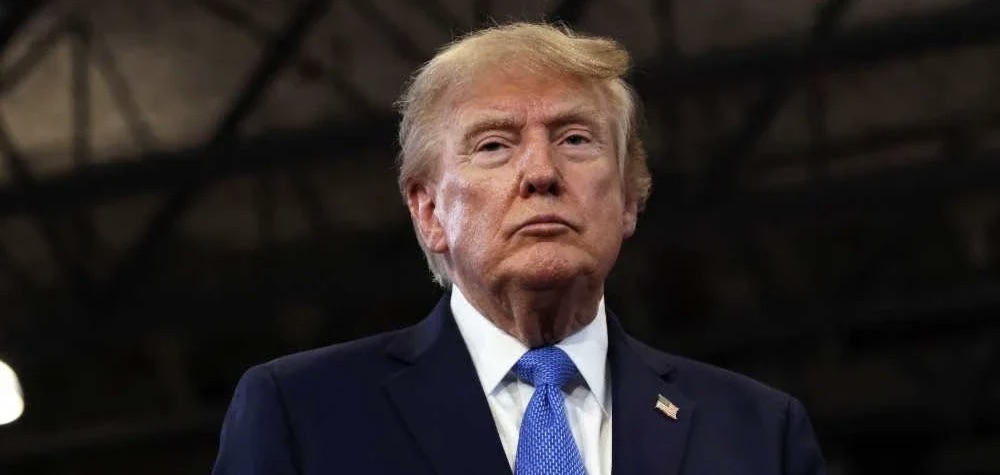 After the Memorandum of Understanding with Iran expired on Monday, U.S. President Donald Trump said the Islamic Republic should “put up the white flag of surrender.”
In a phone conversation with Fox News’ Try Yingst, the president reiterated that the number one goal for his administration is preventing the Islamic Republic from obtaining nuclear weapons.
“The number one Goal is, and always will be, that Iran cannot have, in any way, shape, or form, a Nuclear Weapon,” Trump wrote on his Truth Social account shortly before the phone call with Yingst.
Despite upcoming elections in the United States, the president said he feels no pressure to alter his current course of continued economic sanctions and a blockade on the Strait of Hormuz for Iranian traffic.
“I have no time schedule,” President Trump told Yingst during the call. “I’m not in a hurry.”
“Midterms have nothing to do with my thinking,” he added.
While Hormuz remains a highly contested issue in the negotiations, President Trump issued an odd warning to Oman, which has been negotiating with Iran over the strait for the past several weeks.
“If Oman gets in the way, we’ll bomb the [expletive] out of them,” Trump was reported by Yingst as saying.
“I don’t think they [Oman] behaved very well, but we’d handle them very easily, just like we do others,” the president told reporters in the Oval Office hours later.
Day 1,047 — Tuesday, August 18
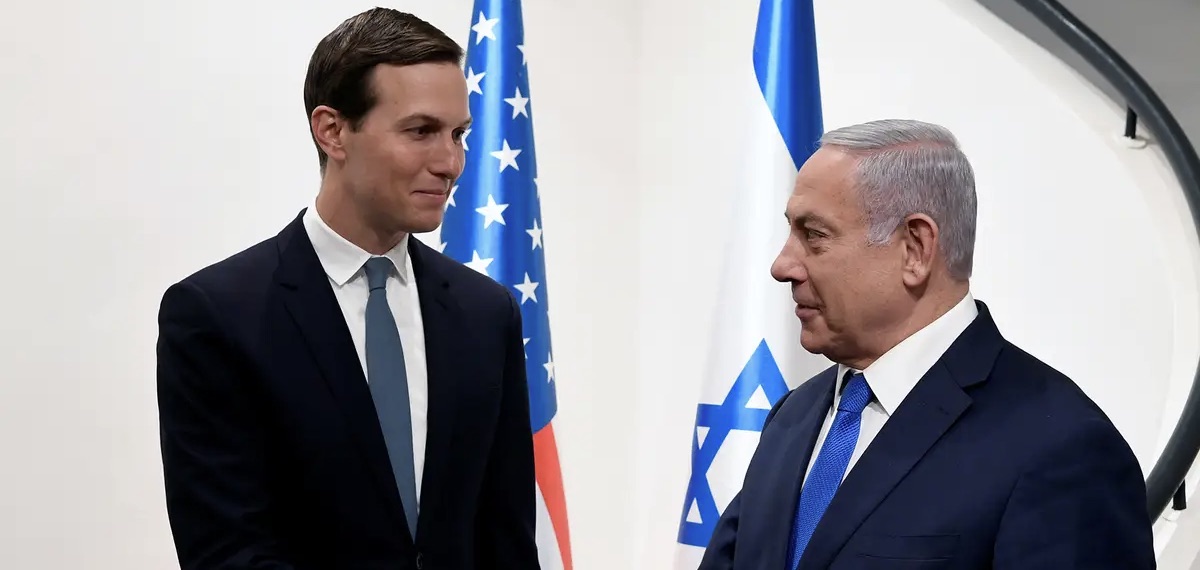 U.S. special envoy Jared Kushner delivered a stark ultimatum to Hamas on Monday, warning that the terrorist group must honor its commitments to disarm in Gaza or face an Israeli military operation to “finish the job.“
Speaking exclusively to Fox News chief foreign correspondent Trey Yingst, Kushner also detailed high-stakes diplomatic meetings in Egypt and Israel over the last 48 hours aimed at advancing President Donald Trump’s Gaza peace roadmap as fighting and disagreements between Israel and Hamas persists.
“Time will tell whether [Hamas disarmament is] going to be implemented,” he added, before stating that Washington feels it could be “very close to knowing, and we’re making a lot of progress towards trying to get to the next steps.“
“If they don’t follow through now on their commitment, everyone will see that they’re not genuine about peace, and then Israel will have a lot more support from the U.S. and others to go and finish the job in the appropriate way,” Kushner also told Yingst of the militant group.
The warning from Trump’s son-in-law followed the rare face-to-face meeting — only Kushner’s second known meeting with the group.
“They said all the right things, but obviously, it’s very, very hard to trust, you know, a terrorist organization that committed these terrible atrocities,” Kushner continued. “But we had a very cordial meeting, and they said all the right things, and so we’re going to give them a chance to perform.
“It’s going to have to be based on actions and steps, and I hope it will be true.“
Day 1,046 — Monday, August 17
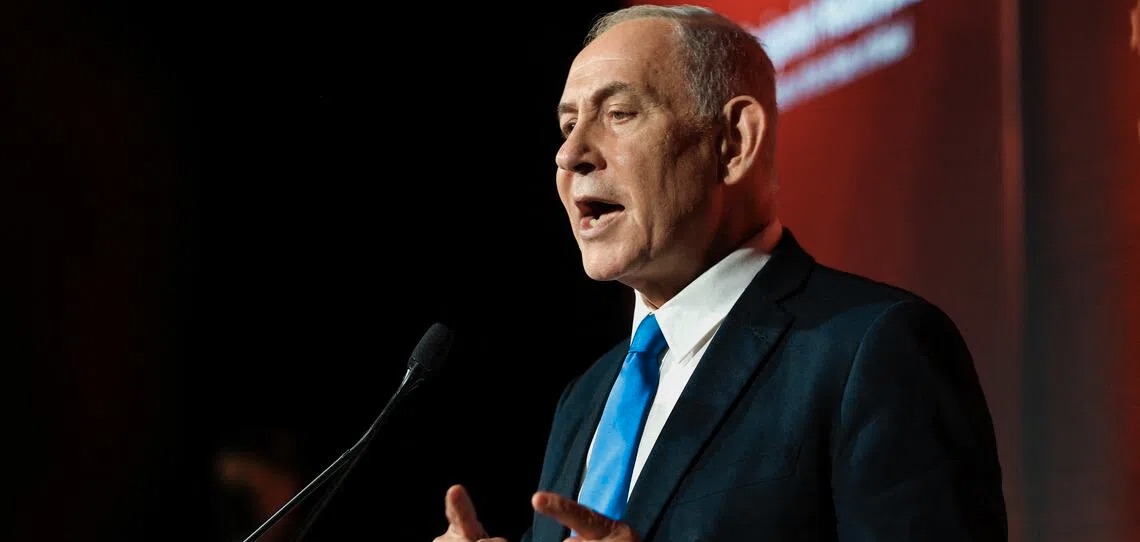 Prime Minister Benjamin Netanyahu refered to Britain as an “Islamic republic” during a lengthy podcast interview with Army Radio.
Discussing Winston Churchill’s son Randolph Churchill and grandson Winston Spencer Churchill, who like the World War II-era UK prime minister were journalists, Netanyahu says the pair “came here and covered the Six Day War in a very positive way for us.”
“Try to find that now in Britain, which you could call the Islamic republic of Britain,” Netanyahu chuckles.
He then responds “yes” when the interviewer asks “if all of Europe isn’t already like that, no?” apparently referring to Muslim communities in countries there and many European governments’ increasingly critical postures toward Israel in recent years.
“The first nuclear Islamic republic will be the Islamic republic of Britain,” Netanyahu further stated. “We’re making sure there won’t be another one in Iran.”
Day 1,046 — Monday, August 17
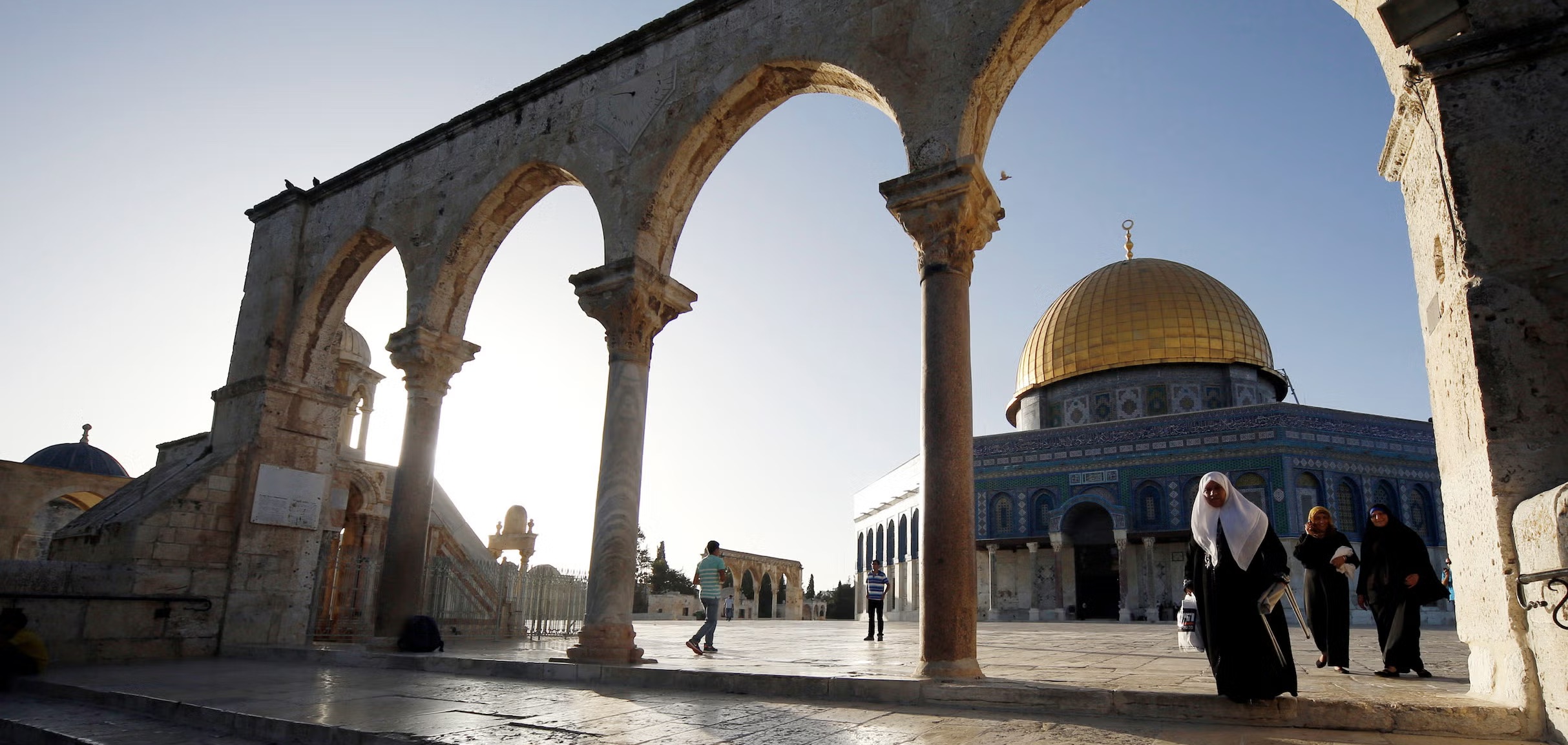 Jewish men were permitted to bring prayer books onto the Temple Mount on Sunday, National Security Minister Itamar Ben-Gvir confirmed to The Jerusalem Post, after right-wing journalist Arnon Segal shared a photo of Jewish men praying and reading from prayer books, claiming the photo was taken from the Temple Mount.
“Still no blanket permit, but an initial experiment aimed at ensuring the Middle East doesn’t lose its mind over this,” Segal claimed in his post. “History.”
“The Israel Police operates on the Temple Mount in accordance with the directives of the political echelon, the established rules governing the site, and operational assessments, with the aim of safeguarding public safety, security, and public order,” Israel Police said in response to the Post’s request for comment.
Under the longstanding status quo, Jews and Christians are permitted to visit the Temple Mount but are generally prohibited from praying there, while Muslims are permitted to worship.
In January, Israel Police began relaxing some restrictions on Jewish prayer at the site, according to the Jewish Telegraphic Agency. Jewish visitors may now enter with a single printed prayer page prepared in advance, although prayer books remain prohibited.
Day 1,046 — Monday, August 17
 Hengli Group, a Chinese company that employs over 300,000 people and earns over $100 billion per year, is a primary importer of Iranian crude oil, The Wall Street Journal reported on Saturday, citing industry analysts, shipping brokers, and the US Treasury.
Hengli is one of the largest companies in a network of “teapot” refineries in China that purchase sanctioned oil, according to the officials cited by WSJ.
Since 2023, Hengli has received at least five million barrels of Iranian oil from multiple ships sanctioned by the United States, the US Treasury and shipping brokers claimed.
Hengli Group, a Chinese company that employs over 300,000 people and earns over $100 billion per year, is a primary importer of Iranian crude oil, The Wall Street Journal reported on Saturday, citing industry analysts, shipping brokers, and the US Treasury.
Hengli is one of the largest companies in a network of “teapot” refineries in China that purchase sanctioned oil, according to the officials cited by WSJ.
Since 2023, Hengli has received at least five million barrels of Iranian oil from multiple ships sanctioned by the United States, the US Treasury and shipping brokers claimed.
Iran has been evading US sanctions and the blockade using a system of ship-to-ship transfers in which sanctioned ships laden with Iranian oil offload their cargo onto another ship in the water before it is sent to China, the WSJ reported in May.
The ships receiving the oil are often part of Iran’s “shadow fleet,” a fleet of old, rusting tankers that obscure their owners and may switch their flags to those of countries with little shipping oversight to conceal their identities. Ships will often turn off their tracking device and may paint over identity numbers.
Day 1,045 — Sunday, August 16
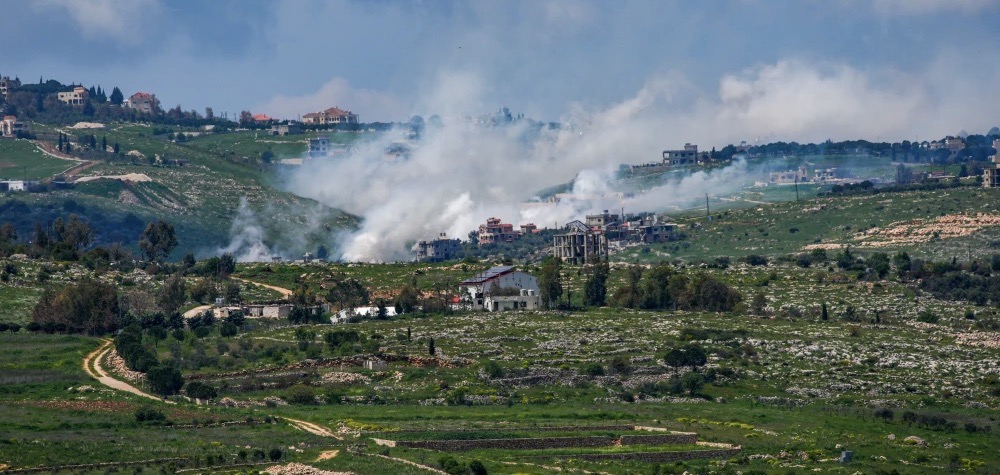 The Israel Defense Forces killed overnight Friday a commander of Hezbollah’s elite Radwan Force in the Ansar area in southwestern Lebanon, the military said.
The strike came in response to an attack earlier in the day on Israeli troops operating in the Security Zone in Southern Lebanon in accordance with the ceasefire agreement, the IDF said.
An IDF officer and two enlisted men were “severely injured” as a result of an explosive drone hit in Southern Lebanon, the military said later on Saturday.
The three were evacuated to a hospital and their families have been notified.
The military identified Ali Samir al-Haj Hassan as a battalion commander in the Radwan Force. Several other terrorists were killed in the IDF strike as well, the army continued.
The Israeli military addressed reports that the commander’s family members were harmed in the attack as well.
Hassan was targeted inside a military headquarters used to command Hezbollah’s operations in the area, the IDF said. “The strike was specifically directed at Hassan, who was a lawful target under international law,” the army emphasized.
“The terrorist used his family as human shields, hiding alongside them inside the military headquarters,” it added.
The Prime Minister’s Office said that the attack on the three soldiers was ordered from this headquarters, and that only later did the IDF learn that Hezbollah “deliberately” placed civilians inside it.
Lebanese media reported that Israeli strikes in the areas of Ali al-Taher Ridge, Ansar, and Nabatieh al-Fawqa killed nine people, among them women and children, according to Ynet.
Lebanon’s Prime Minister Nawaf Salam on Saturday slammed Israel’s retaliation, saying on X in Arabic that it “undermines efforts to stabilize the situation in the south.”
He further stated that the responsibility for dealing with terrorist infrastructure, “if it exists,” on the Lebanese side lies with the Lebanese state.
Meanwhile, U.S Ambassador to Lebanon Michel Issa told reporters in Arabic that while no date for further Israeli-Lebanese negotiations has been set, “they will continue,” LBCI, the Lebanese Broadcasting Corporation International, reported.
Asked whether Washington supports Israel’s latest round of strikes, Issa replied, “I don’t know. You know more than I do.” Israeli operations in Southern Lebanon will stop when Hezbollah lays down its weapons, he continued. “Everything will stop,” he added.
Issa spoke with reporters after meeting with Lebanese Parliament Speaker Nabih Berri in Beirut.
U.S. Ambassador to Israel Mike Huckabee lashed out at Hezbollah, calling it “pure evil.”
Hezbollah wounds Israeli troops, then “rounds up children” in a military compound knowing that Israel will retaliate because Iran’s proxy group “want[s] them to be in harm’s way,” he said.
He equated Hezbollah’s conduct with that of Hamas.
Day 1,044 — Saturday, August 15
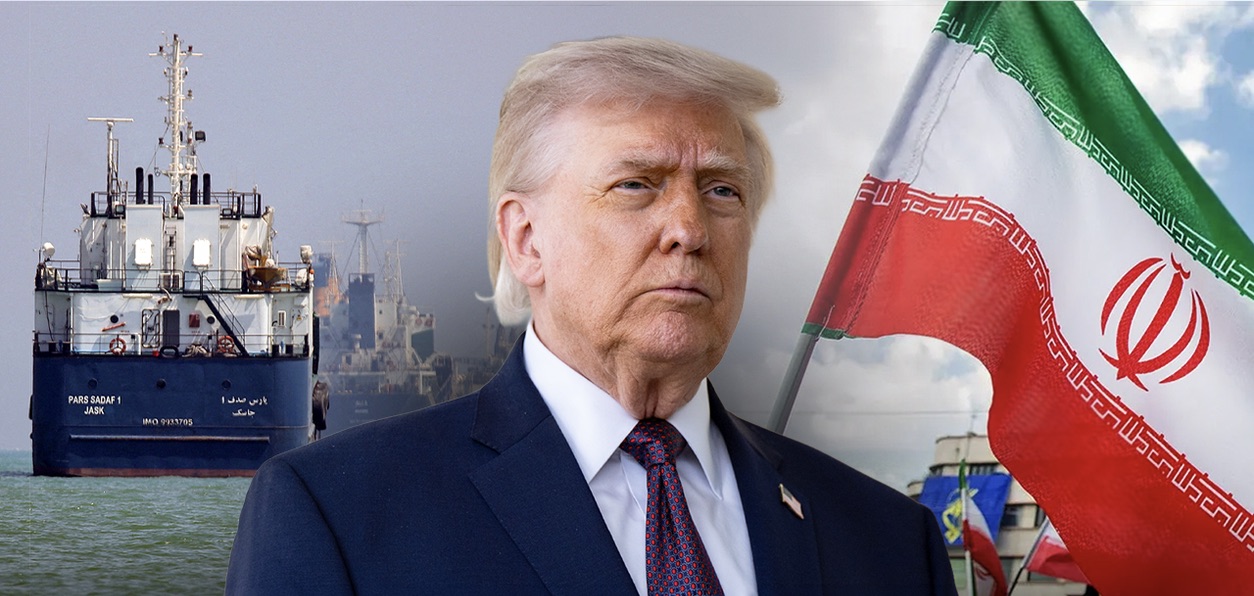 An Iranian official fired back Friday after President Donald Trump said he may eventually declare the Strait of Hormuz “territory of the United States,” insisting Tehran will continue enforcing its blockade of the strategic waterway.
“The Strait of Hormuz cannot be seized by tweet, nor by aircraft carrier, nor by issuing an order, nor by an election speech,” Iranian Deputy Foreign Minister for Legal and International Affairs Kazem Gharibabadi wrote on X. “Iran neither fears threats nor cowers before displays of power.”
Gharibabadi then claimed the U.S. has suffered “strategic and heavy defeats” and asserted that “the Strait of Hormuz has been Iranian, is Iranian, and will remain Iranian.”
“This strait will only be closed and opened under Iran’s command,” he continued, adding that Tehran would maintain the blockade until the U.S. accepts what he characterized as the “reality of defeat.”
Trump said during remarks in Nassau County, New York, earlier Friday that after Iran is defeated, “pretty soon I’ll be declaring the Hormuz Strait a territory of the United States,” while touting the U.S. blockade and saying no ships pass through unless Washington allows it.
The Islamic Republic of Iran’s Foreign Ministry has previously publicly identified Gharibabadi’s X account among its official government accounts.
Day 1,044 — Saturday, August 15
 Israeli Consul General in New York, Ofir Akunis spoke at an event for young Jewish community leaders in New York and addressed the sharp rise in antisemitic hate crimes in New York City since Mayor Zohran Mamdani took office.
“The mayor is busy inciting against and promoting a boycott of the Jewish state. His method is the ‘well-known’ antisemitic one: ‘No matter what – blame the Jews.’ This is exactly the same method that was used a century ago by the Third Reich,” Akunis said.
He stated: “Data released by the New York Police Department points to a sharp increase in antisemitic hate crimes since he took office. This is further proof of his failure to protect the city’s Jewish community. Mamdani continues to incite and fuel his supporters to attack the State of Israel and its Prime Minister. This must stop before it is too late!”
His comments follow the release of the NYPD’s hate crime statistics for the month of July, which show that antisemitic hate crimes in New York City rose sharply in July, accounting for nearly 70% of all confirmed hate crimes reported during the month.
The NYPD recorded 33 confirmed hate crimes in July, including 23 targeting Jews, up 53.3% from the 15 anti-Jewish incidents recorded in July 2025. Muslims were the targets of five confirmed hate crimes, compared with two during the same month last year.
So far this year, the department has recorded 360 confirmed hate crimes, a 9.4% increase from the 329 reported during the same period in 2025. Of those incidents, 205 targeted Jews, 56.9% of the total, while 26 targeted Muslims. Anti-Jewish hate crimes have increased 8.5% year over year, while anti-Muslim incidents have risen 62.5%.
Day 1,043 — Friday, August 14
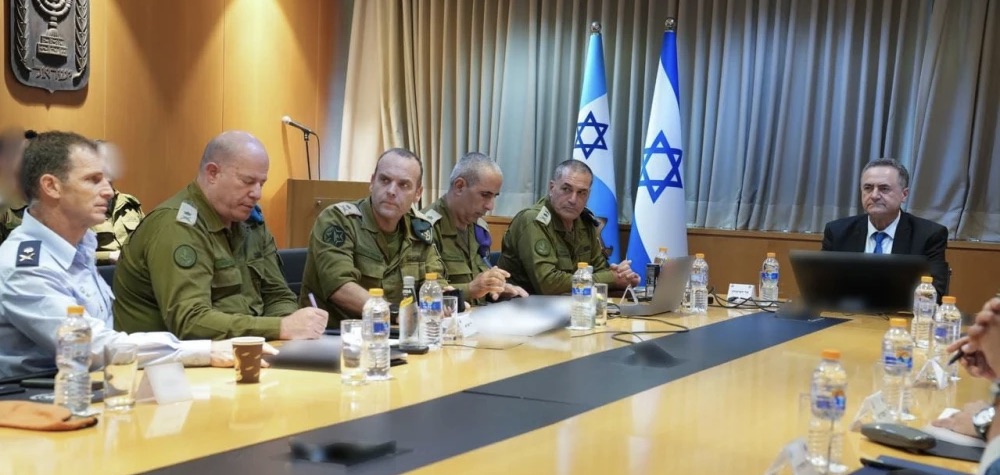 Defense Minister Israel Katz has instructed the military to prepare a plan to transfer all civilian law-enforcement responsibilities in Judea and Samaria to the Israel Police, his office said on Friday.
Katz issued the directive following a meeting on Thursday with IDF Chief of Staff Lt. Gen. Eyal Zamir, the heads of the IDF’s Operations Directorate and Military Intelligence and other senior commanders.
Under the proposed plan, which is to be drawn up in coordination with the Israel Police and other relevant authorities, civilian law enforcement in Judea and Samaria would be transferred from the IDF to the police, as is the case elsewhere in Israel.
The police would establish a dedicated force to handle civilian matters and receive the necessary authority and funding, according to Katz’s office.
The IDF would continue to combat Palestinian terrorism and focus on defending Israeli communities and borders.
“It is not the IDF’s role, nor does it have the capacity, to deal with the enforcement of civilian matters in Judea and Samaria, given the welcome expected increase in the number of residents in Judea and Samaria following the decisions to establish 104 new communities and formalize the agricultural farms, on the one hand, and the growing security threats and challenges that the IDF is facing and is expected to face on the central front, on the other,” Katz said.
“The IDF’s role is to fight Palestinian terrorism, focus on defending the borders and communities against threats, deal with the borders and the territory itself, and address security threats to the communities and the State of Israel—not to chase teenagers on the hilltops. All responsibility for handling and enforcing matters relating to the communities, residents and civilian issues will be transferred to the Israel Police, which will be required to prepare accordingly.”
Katz described the move as “a significant step toward strengthening governance and enforcing law and order throughout Judea and Samaria,” while freeing the military to concentrate on its primary missions.
“The Israeli government and the IDF will delegate to the police all the powers necessary to carry out these missions,” he said.
The announcement came a day after Israeli security forces dismantled two unauthorized outposts near the Palestinian villages of Qusra and Jalud in Samaria.
Israeli forces overnight Thursday cleared Israelis from an unauthorized outpost and sheep pen next to Qusra and dismantled a second unauthorized outpost near Jalud. Both had been established in Area B, where the Palestinian Authority exercises administrative control and Israel retains security responsibility. One Israeli was detained during the operation.
The IDF had previously received reports of Israelis entering Palestinian homes and areas near the villages. The military described the activity as “illegal, obscene and unacceptable” and declared the area a closed military zone, barring anyone who was not a local resident.
The military said it “strongly condemns” such incidents and that those involved would be dealt with in cooperation with the security forces.
Yisrael Gantz, chairman of the Yesha Council, an umbrella organization representing Israeli communities in Judea and Samaria, also condemned the actions.
He described the incidents as “serious and not our way,” saying, “There is no place to privately decide on establishing a hilltop in the yard of a house. There is no justification for violence against uninvolved parties or against security forces.”
U.S. Ambassador to Israel Mike Huckabee also issued a condemnation, saying Israeli security forces had arrived at the scene at the request of the United States. “The actions of those who attacked this family’s home are criminal,” Huckabee said, describing the incident as “a shocking act of terrorism designed to intimidate and harass this family.”
In a subsequent post, Huckabee adopted a more conciliatory tone, stressing that a small minority carried out the actions and should not be attributed to Israeli residents of Judea and Samaria as a whole.
“‘Settlers’ are not the problem in Judea/Samaria. ‘Unsettlers’ are,” the ambassador wrote on X. “Very small minority who do great damage to Palestinian families & to Israel.”
He added, “Real settlers like Ysrael Ganz, Governor of Judea/Samaria condemn the actions of the few,” Huckabee wrote, using an alternate spelling of Gantz’s name. “Let’s hope the media gives attention to this & balances their stories.”
Day 1,043 — Friday, August 14
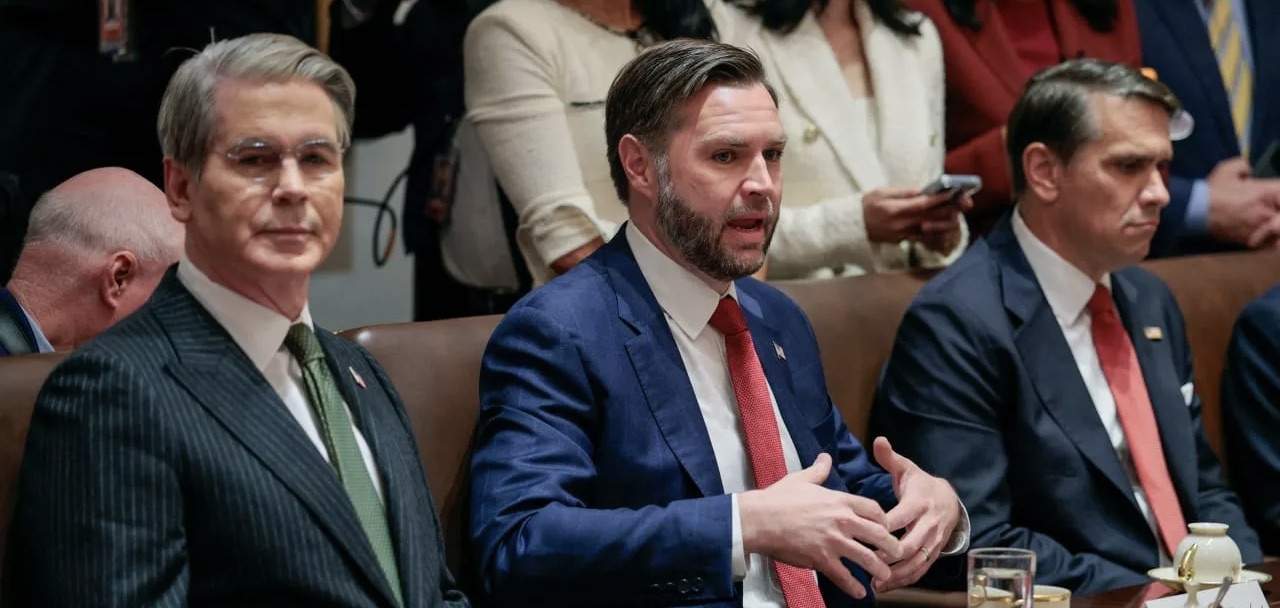 US Treasury Secretary Scott Bessent said on Thursday that the United States is going to apply measures that have “never been seen” on Iran.
“Watch this space for more announcements coming next week because we are going to apply measures like have never been seen in the history of economic isolation on a country,” Bessent said in an interview on on Newsmax’s “Rob Schmitt Tonight” program.
“It will be a combination of economic isolation like the world has never seen before, and the continued blockade in the Strait of Hormuz that will keep anything from going in or out of the Iranian ports,” Bessent said.
Day 1,042 — Thursday, August 13
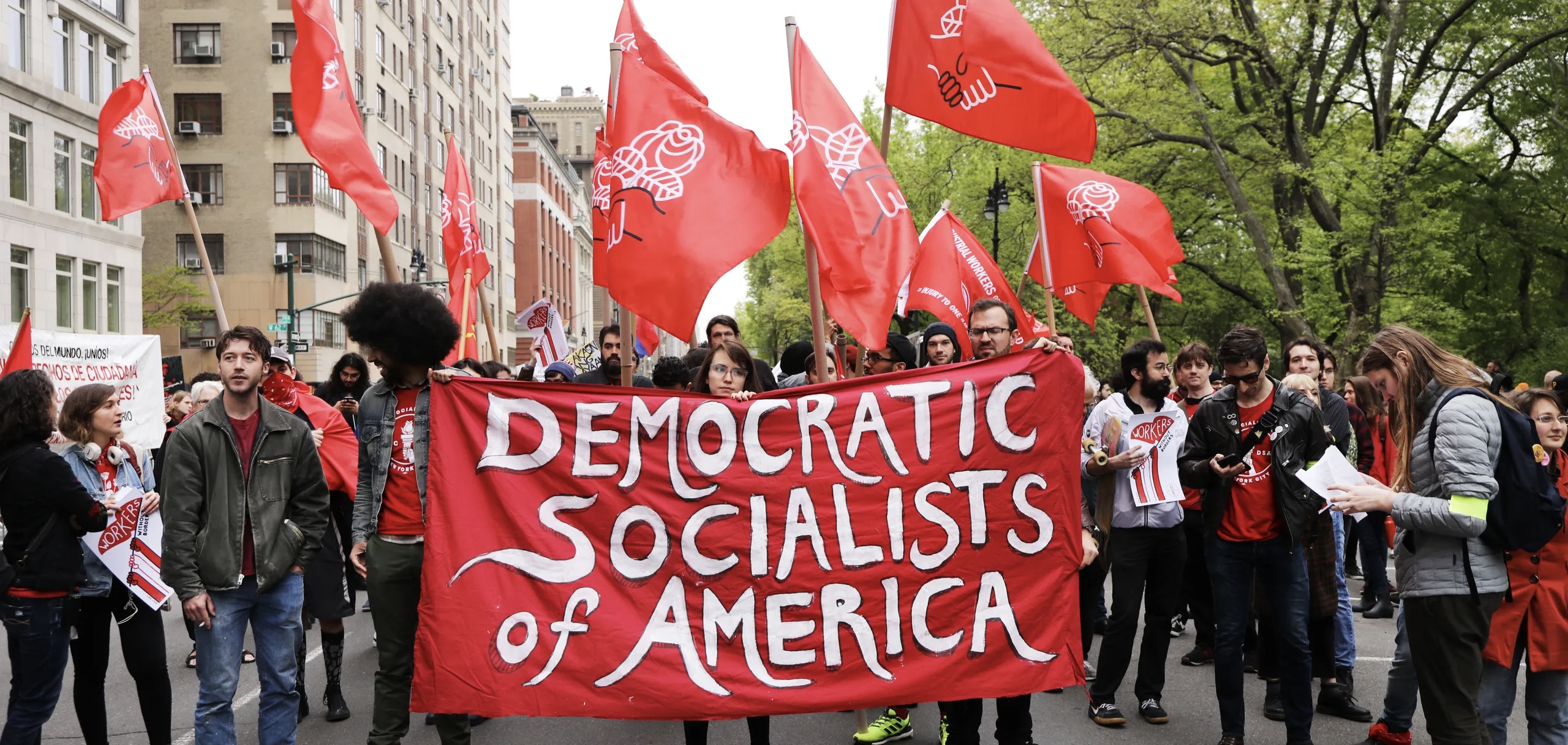 The co-chair of the Democratic Socialists of America (DSA) group is receiving sharp backlash for saying on Friday that the Hamas-led Oct. 7 massacre in Israel was mostly “inevitable.”
During an interview with The New Yorker’s David Remnick, DSA co-chair Megan Romer was questioned about democratic socialist Darializa Avila Chevalier, who attended an anti-Israel, pro-Hamas rally the day after the Oct. 7 terrorist attack in 2023, and was pressed on whether she would have attended if she were in her position.
“You would have gone to that rally, had you been able?” Remnick asked.
“That’s a good question. I probably would have,” Romer replied. “Yeah, yeah. I don’t live in New York City, so I wouldn’t have —”
Remnick pressed further, asking, “One day after the slaughter of 1,200 people and taking of over 200 hostages, you would have come and rallied behind Hamas?”
“I think that Oct. 7 was largely inevitable,” she replied. “If you put people in an open-air concentration camp and you deprive them of rights, of dignity, of food, of the ability to live in safety, you have to expect that they are going to not take that for that long. And that is not defending any harm of civilians or of non-combatants —”
When Remnick accused her remark of being an expression of support for the violence, she pushed back and said “I’m saying that I think it was inevitable.”
Pro-Israel groups condemned her comments.
“I agree with DSA Co-chair Megan Romer that the October 7 attacks were in many ways inevitable — but not for the libelous reasons she cited,” Zionist Organization of America National President Morton A. Klein told Fox News Digital.
“When Gazans elected Hamas – a terror organization whose charter calls for murdering every Jew and destroying Israel, October 7 was the result,” he added. “When Qatar and Iran gave arms and hundreds of millions of dollars to Hamas and Palestinian Islamic Jihad, gave sanctuary to Hamas leaders, and helped terror groups plan attacks on Israel, October 7 was the result.”
“When UNRWA (UN Relief and Works Agency) teaches children to hate and murder Jews, employs Hamas terrorists as teachers and principals, stores weapons for Hamas, and provides communications centers for Hamas, October 7 is the result. When Israel, under pressure from the Biden administration, issued thousands of work permits to enter Israel to Hamas terrorists and scouts, October 7 was the result,” he continued.
He warned that there may be even more October 7th-style violence in the future.
“And now, when Hamas is refusing to really disarm, and is vowing to commit more and more October 7ths, we must enable Israel to ensure its safety by retaining a buffer zone in Gaza and insisting on Hamas’ disarmament prior to any other peace plan steps,” he said. “Or else another October 7 will be the result. Regarding Romer’s lies, the parties ‘imprisoning’ Gaza are Hamas, PIJ and other terror groups. By contrast, Israel facilitated tons of food, water, medical and other supplies into Gaza — while Hamas and Palestinian Islamic Jihad launched 30,000 rockets at Israeli civilians.”
Day 1,042 — Thursday, August 13
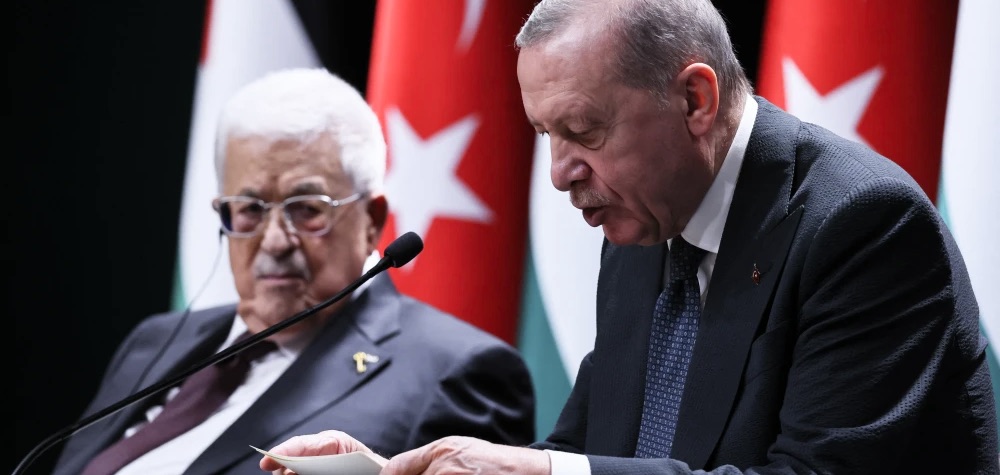 Turkish President Recep Tayyip Erdoğan on Wednesday vowed to “resolutely” work toward a “sovereign and geographically contiguous” Palestinian state with eastern Jerusalem as its capital, Turkish state-run news channel TRT reported.
Speaking at a joint news conference in Ankara with Palestinian Authority chief Mahmoud Abbas, Erdoğan accused Israeli Prime Minister Benjamin Netanyahu of seeking to “remove Palestine from the common agenda of humanity by profiting from chaos and new conflicts in the region.”
“They will not succeed,” he added.
Erdoğan said Ankara “strongly opposes” what he denounced as provocations aimed at changes to the status quo at the Al-Aqsa Mosque and other Jerusalem holy sites, and accused the Jewish state of “unlawful actions” in Judea and Samaria.
The Turkish leader also called for establishing conditions for Gaza’s reconstruction and vowed to continue efforts “to support the Palestinian people and defend their rights.”
Abbas arrived in Ankara on Tuesday afternoon for a two-day visit, Ramallah’s official Wafa agency reported.
Abbas was met at the airport by Turkish Trade Minister Ömer Bolat and the P.A.’s envoy to Ankara, Nasri Abu Jaish, according to the report.
Wafa said the P.A. delegation includes PLO Executive Committee member Ziad Abu Amr; Fatah Central Committee member Maj. Gen. Majed Faraj, who also heads Ramallah’s General Intelligence Service; and Abbas advisers Majdi al-Khaldi and Mahmoud al-Habbash.
Israeli Finance Minister Bezalel Smotrich condemned Abbas’s visit, describing the P.A. leader as “an enemy at the head of a terror authority that encourages and funds terror against the State of Israel.”
Smotrich called on Israeli Prime Minister Benjamin Netanyahu to prevent Abbas from returning to Israel and Judea and Samaria, adding that the Palestinian Authority “must be dismantled.”
Israel’s Foreign Ministry on Tuesday accused Erdoğan of military aggression “that knows no borders,” saying Ankara occupies roughly 36% of Cyprus, 5% of Syria and 2,000 square kilometers of Iraq, with thousands of Turkish troops stationed across the three countries.
The ministry made the comparison amid Turkish criticism of Israel, writing on X, “Turkey has the audacity to criticize Israel. But what are the facts on the ground?”
Israel, by contrast, “temporarily controls merely 0.1% of Syria,” the ministry said, describing it as “a buffer zone to protect its citizens from proven security threats.”
Day 1,041 — Wednesday, August 12
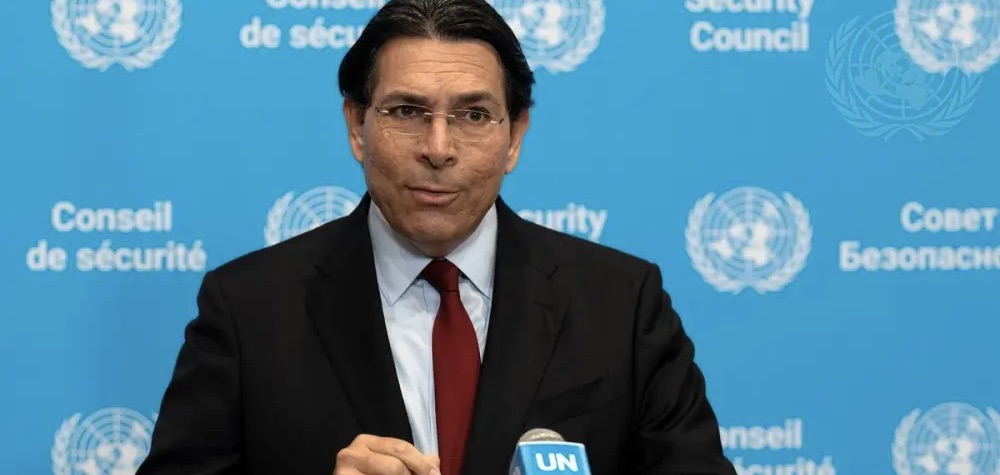 Israel’s United Nations envoy told the U.N. Security Council on Tuesday the facts regarding violence in Judea and Samaria contradict the “rising settler violence” narrative.
The council held a briefing on Judea and Samaria, as requested by European members Denmark, France, Greece, Latvia and the United Kingdom, collectively known as the “E5.”
The briefing was purportedly to condemn the alleged rise of violence by Jewish residents in the region, which the United Nations refers to as “settlers.”
“This May, there were 348 Palestinian terrorist attacks in Judea and Samaria. Eight pipe bomb attacks, 282 stone-throwing incidents, 32 fire bomb attacks, 24 arson incidents and two serious car ramming attacks,” said Danny Danon, Israel’s U.N. ambassador, noting that the high figure was higher than even the 325 recorded attacks in April. Over 400 more attacks were stopped by Israeli security forces preemptively, Danon said.
“How many of you have condemned these terrorist attacks against Jews? None of these numbers were reported by the briefers, and none of these attacks were mentioned by any of you,” he continued. “This is the bias we are confronting today.”
Meanwhile, Danon said Israel is cracking down on attacks by Jews against Palestinians, with 354 investigations opened, 20 indictments filed and 35 residents arrested through the first quarter of this year.
“This has led to a decrease in extremist violence,” said Danon. “That is why calling it ‘settler violence’ is a provocation. It denies our connection to the land of Israel. It distracts from constant terrorist attacks against Israelis and it collectively labels entire innocent communities for the crimes of the marginal extremist minority.
He drew attention to the flow of Iranian weapons and funding into Judea and Samaria, and the Palestinian Authority’s dishonesty about its so-called pay-for-slay program, which rewards terrorists on a sliding scale based on the severity of their crimes.
“The Palestinian Authority is supposed to help us to mitigate this problem,” said Danon, while the U.S. State Department told Congress that the Palestinian Authority continues to administer the program, even as Ramallah said it was converted into a broader social welfare initiative.
Washington’s representative on Tuesday said that the United States “appreciates the Israeli government’s condemnation of, and the increased actions to counter, violence in” Judea and Samaria.
“Israel has taken specific steps, such as increasing law enforcement actions, to boosting the IDF presence and to allocating significant financial resources to counter the violence,” said Jennifer Locetta, U.S. alternative representative for special political affairs.
She doubled down on Danon’s pay-for-slay criticism, telling the council that Washington “will not accept compensation for terrorism under the guise of ‘welfare’ or through any other attempts to evade detection under a different name.”
But, Locetta took a veiled shot at Israel’s approval this week of the advancement of plans to build housing units in areas between northern Jerusalem and the P.A. cities of Ramallah and el-Bireh.
“The United States reiterates its opposition to annexation,” in the area, she said.
Day 1,041 — Wednesday, August 12
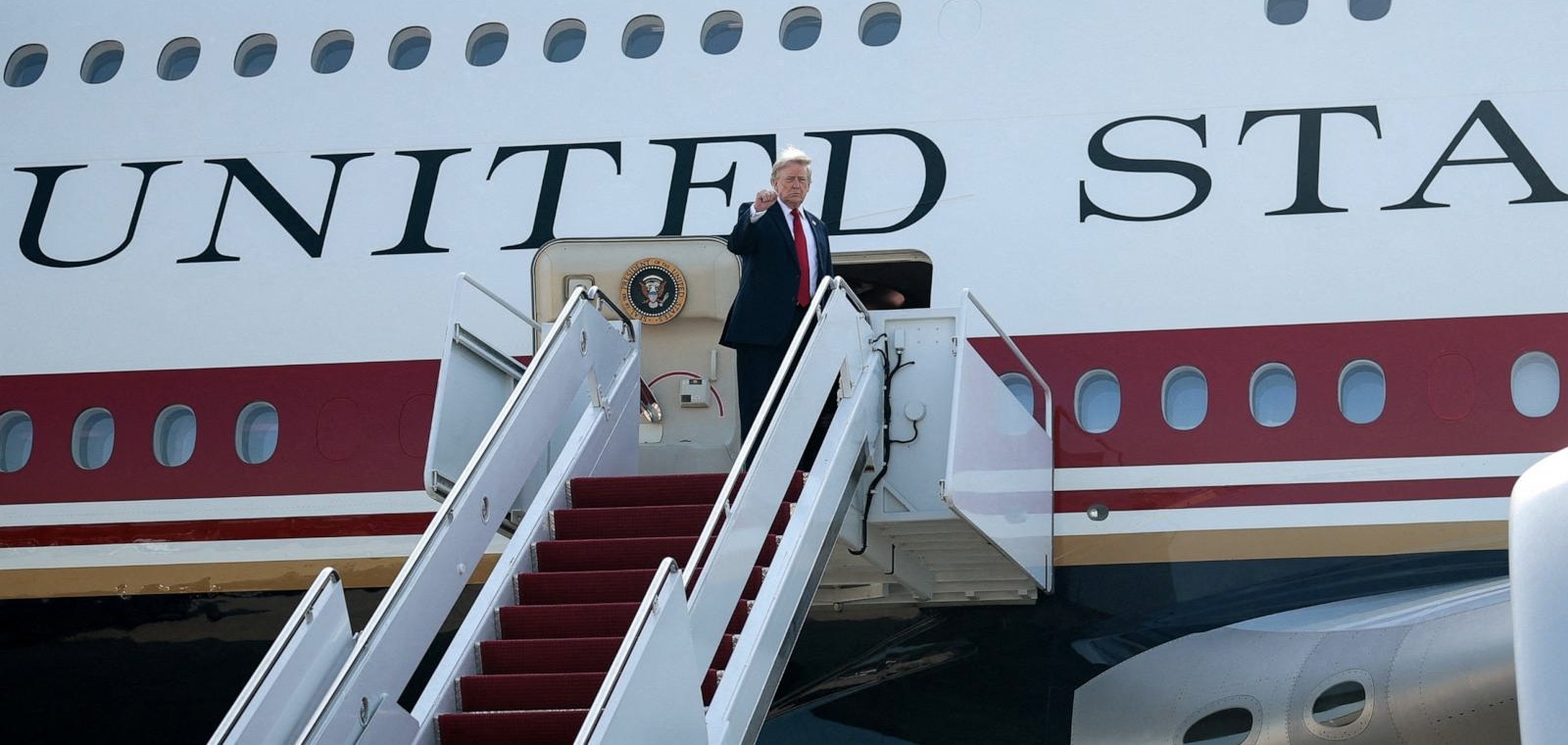 A credible Iranian assassination threat led the U.S. Secret Service to use an elaborate deception to get President Trump safely out of Turkey after the NATO Summit last month.
Trump was taken to an alternate military aircraft while the White House made it appear that he was flying on Air Force One, according to a new report from The Washington Post.
The operation involved a ruse where journalists and some White House staff believed they were on the same plane as Trump. But after boarding Air Force One, Trump was secretly transferred to a smaller Air Force C-32A via an airport catering truck.
The Post said it had reviewed material related to the operation and had confirmed it through a U.S. official with inside knowledge, as well as another person who knew about the president’s travel.
The White House did not directly address the report, but issued a statement highlighting that it uses every tool at its disposal to address threats to the president. The Secret Service declined to comment.
Day 1,040 — Tuesday, August 11
 Israeli Foreign Minister Gideon Sa’ar welcomed on Monday Colombia’s announcement recognizing Israel’s sovereignty over the Golan Heights, calling it a “historic decision.”
Israel’s top diplomat said in a statement that the decision followed his meeting last week with Colombia’s newly elected president, Abelardo de la Espriella. Sa’ar visited the Latin American country to attend the presidential inauguration ceremony.
“I will continue working so that more countries join the United States, under [U.S.] President [Donald] Trump, and Colombia, under President de la Espriella, in recognizing Israeli sovereignty over the Golan Heights, where Israeli law was applied 45 years ago,” Sa’ar said.
Bogota said in an official statement, “In light of the continuing regional instability in the Middle East, and considering the strategic importance of the Golan Heights to Israel’s security, the government of Colombia recognizes Israel’s sovereignty over this territory, as well as the state’s right to defend itself against external threats.”
It added, “For decades, Israel has faced persistent and existential security challenges along all of its borders. These threats have intensified significantly in recent years, culminating in the horrific terrorist attack of Oct. 7, [2023,] which demonstrated both the severity and the evolving nature of the dangers facing the Israeli people. Within this regional security context, Colombia recognizes that Israel’s continued control and sovereignty over the Golan Heights constitutes an essential component of its national security and its ability to defend its citizens and safeguard their security.”
The decision regarding the Golan Heights is but one of a series of diplomatic developments between Israel and Colombia, according to Israel’s Foreign Ministry.
The new arrangements agreed between Sa’ar and the Colombian leadership include the full and immediate restoration of relations between the countries; immediate appointment of ambassadors; relocation of Colombia’s embassy to Jerusalem; abolition of visa requirements between the countries; a free-trade agreement; Colombia’s withdrawal from South Africa’s case against Israel at the International Court of Justice and from the “Hague Group;” and tightening of collaborations in diplomatic, security and economic matters.
Earlier on Monday, Sa’ar spoke over the phone with his Colombian counterpart, Omar Bula Escobar, during which he expressed solidarity with Colombia and its people following the recent earthquake and offered Israel’s assistance, the ministry said.
The moves represent a dramatic reversal from the policies of defeated President Gustavo Petro, who severed diplomatic ties with Israel during the war against Hamas in Gaza and repeatedly criticized the government of Prime Minister Benjamin Netanyahu.
Colombia had long been considered one of Israel’s closest partners in Latin America, maintaining extensive cooperation in trade, agriculture and security before relations deteriorated under Petro.
De la Espriella’s election signals a return to that partnership. During his campaign, he pledged to restore ties with Israel and move Colombia’s embassy to Jerusalem.
The rapprochement between Israel and Colombia is part of Israel’s broader initiative to strengthen its ties with Latin America.
As part of this effort, 2026 has been designated by the Israeli Foreign Ministry as the “Year of Latin America,” establishing a strategic focus on expanding Israel’s engagement across the region.
Day 1,040 — Tuesday, August 11
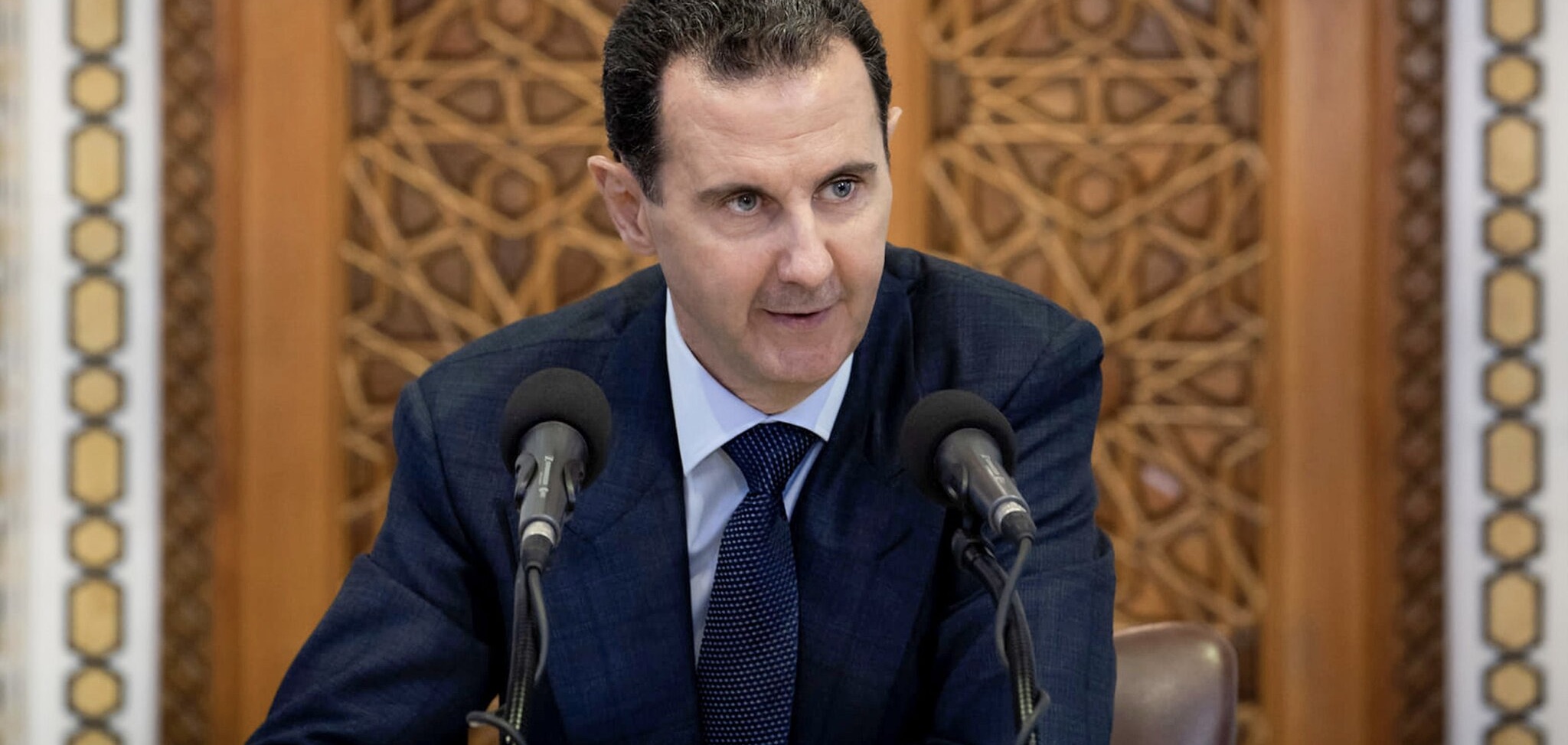 The Fourth Criminal Court in Damascus sentenced Former Syrian President Bashar al-Assad, his brother Maher and former security official Atef Najib to death on charges including murder, torture and incitement to murder. Najib was tried in person, while the Assad brothers were tried in absentia.
The court also ordered that Bashar and Maher be pursued internationally.
Assad was convicted of premeditated murder, including of children, along with torture, arbitrary detention and crimes against humanity.
Assad fled with his family to Moscow in December 2024 as opposition forces closed in on Damascus. The ruling is the first issued under Syria’s transitional authorities, which began prosecuting former government figures this year, both in person and in absentia.
Najib, a former brigadier general who led the Political Security Branch in Daraa in 2011, stood in a cage during sentencing.
Day 1,039 — Monday, August 10
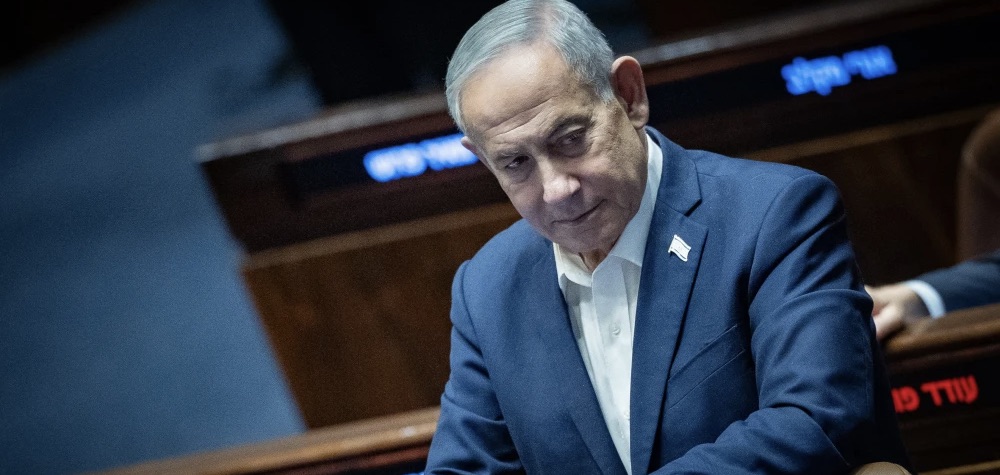 The Israel Defense Forces will not carry out any withdrawal from the Gaza Strip until the Hamas terrorist organization is fully disarmed, Israeli Prime Minister Benjamin Netanyahu said on Sunday.
“Israel rejects the 15-point document,” Netanyahu said during a Cabinet meeting in Jerusalem, referring to the disarmament roadmap announced by U.S. President Donald Trump’s Board of Peace on July 30.
Disarming the Iranian-backed terrorist group means that Hamas gives up its “heavy weapons, the less heavy weapons, all the weapons,” he reiterated, saying there had to be “real disarmament, not fictitious disarmament.”
Jerusalem is discussing the matter with the Trump administration, the premier said, adding that the Americans “have ideas, some of them acceptable to us and some not acceptable to us.”
The IDF will continue to thwart threats against Israeli forces and civilians, he vowed.
Israeli Energy and Infrastructure Minister Eli Cohen said on Saturday that Jerusalem opposes the 15-point Roadmap for Gaza “in its current form,” adding that “Hamas is planning a deception.”
Hamas “will say that it intends to abide by the agreement, hand over some of its weapons, and obtain what we used to call, in the language of the past, a hudna. [But] the era of hudna is over,” Cohen told Israel’s Channel 14 broadcaster.
“Hudna” means truce or armistice in Arabic. Hamas has used ceasefires in the past only to regroup ahead of renewed assaults on the Jewish state.
Cohen continued, “Ultimately, Hamas is a murderous terrorist organization. We do not believe a single piece of paper that Hamas [signs].”
Hamas violated the Gaza ceasefire 17 times in a single day, Doron Spielman, Netanyahu’s international spokesman, said on Saturday.
Citing a situation report he received shortly before an interview with Newsmax host Tom Basile, Spielman noted the Friday violations included attempted infiltrations across the Yellow Line to carry out attacks on Israelis, as well as tunneling and rearming.
He added that the terrorist organization is in blatant violation of the 20-point plan brokered by U.S. President Donald Trump, which requires Hamas to lay down its arms.
Spielman drew a sharp distinction between the Trump framework, to which Israel agreed, and the 15-point BoP proposal reached with Hamas terrorists through Qatar, Turkey and Egypt. Jerusalem is not a party to the newer plan, he said.
Netanyahu publicly rejected the 15-point framework last week, stating that no Israeli withdrawal will occur before full disarmament.
Earlier on Saturday, Hamas informed the Trump administration that it agrees to the terms of the Roadmap, which requires the terrorist group to lay down its weapons and transfer rule over Gaza to a technocratic Palestinian body, AFP reported.
“Hamas and other factions have confirmed to mediators their readiness to begin implementing the agreement and move to the second phase, provided it receives Israeli approval and that Israel begins implementing the agreement,” a Hamas official told the news agency.
“Hamas is urging the U.S. administration to exert pressure on Israel to compel it to abide by the agreement and move to the second phase,” the unnamed terrorist continued.
On Thursday, Netanyahu pledged that Israel will not pull back from its current positions in the Gaza Strip until Hamas is completely disarmed.
“I am standing firm on our security interests: We will not withdraw from our current lines until Hamas is completely disarmed,” Netanyahu said in a Hebrew-language video posted to his Facebook page.
He added that IDF soldiers had been instructed “to do everything necessary to defend themselves, to defend our territory, to defend our citizens.”
U.S. President Donald Trump and his team believe they can persuade Hamas to demilitarize the Gaza Strip, he said, adding, “We are examining that.”
Day 1,039 — Monday, August 10
Pakistan Calls For Islamic Unity Against Israel After Signing Defense Pact With Turkey, Saudi Arabia
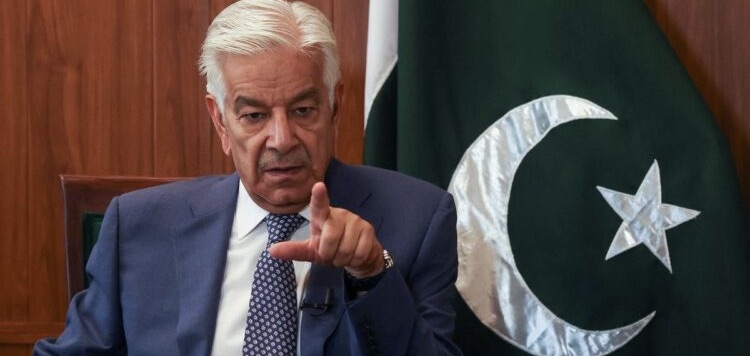 Pakistan’s defense minister urged Islamic countries to coordinate against Israel after Pakistan joined Turkey and Saudi Arabia in a new collective defense alliance that considers an armed attack against one member an attack against all three.
Khawaja Muhammad Asif described Israel as a shared danger following Friday’s signing of the mutual defense agreement in Mecca.
“Israel poses a threat to all of us. Islamic countries must adopt a coordinated approach to address this threat,” Asif said.
“The Islamic world must unite to confront the common threat posed by Israel,” he added.
Asif has previously used strong language against Israel. In April 2026, he caused a diplomatic dispute after posting on social media that Israel was “evil”, a “curse for humanity,” and a “cancerous state.”
The Pakistani defense minister subsequently deleted the post. His statements drew sharp criticism from Israeli leaders and complicated Pakistan’s diplomatic role.
Friday’s agreement formally links the defense commitments of Pakistan, Saudi Arabia and Turkey, with each pledging to respond if another member is attacked. The pact is intended to broaden defense cooperation and collective deterrence among the three countries.
The pact was signed by Pakistani Prime Minister Shehbaz Sharif, Saudi Crown Prince Mohammed bin Salman and Turkish President Recep Tayyip Erdogan.
Pakistan’s Foreign Ministry said the agreement provides for a collective response if any of the three countries comes under armed attack.
Turkish Foreign Minister Hakan Fidan provided further details Saturday, describing the agreement as effectively equivalent to NATO’s Article 5 mutual defense provision. At the same time, Fidan said the alliance was not aimed at Iran.
The three countries plan to establish a ministerial committee based on a structure similar to NATO’s, Fidan told Turkey’s state-run Anadolu news agency. The alliance will also have a general secretariat headquartered in Saudi Arabia.
Fidan said Egypt could join the defense framework in the future if remaining technical issues are resolved.
Day 1,038 — Sunday, August 9
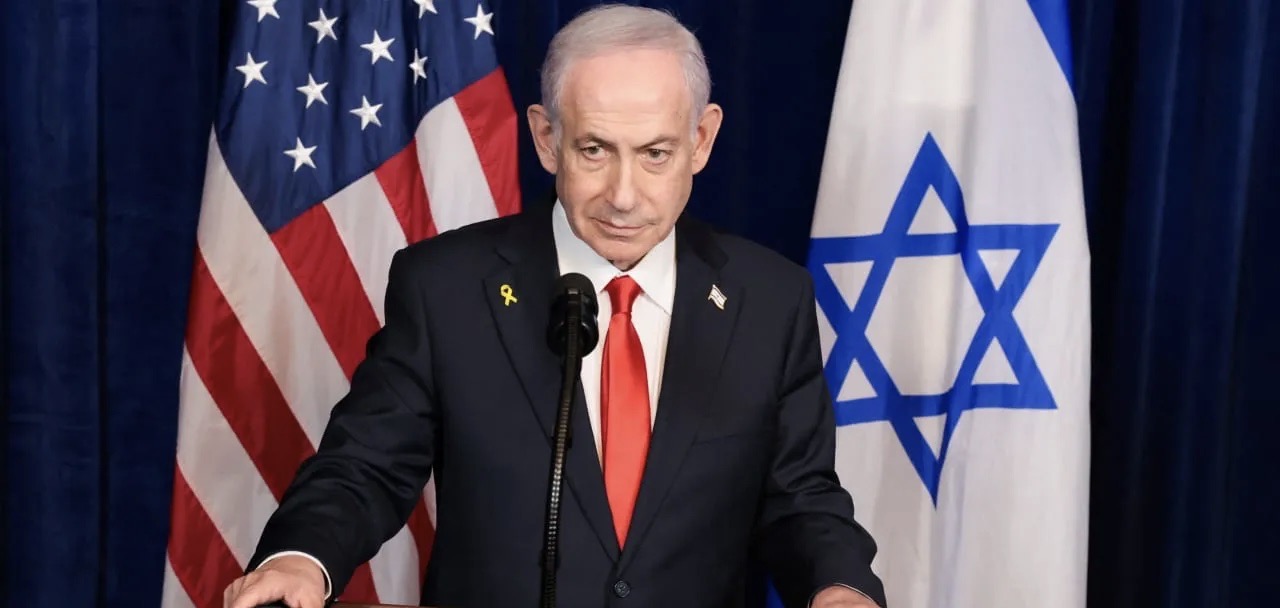 The New York City Police Department (NYPD) is criticizing Mayor Zohran Mamdani for creating what officials describe as a security nightmare ahead of Prime Minister Benjamin Netanyahu’s visit to New York in September, according to a report by the New York Post.
Netanyahu is expected to arrive in the city next month for the United Nations General Assembly and is scheduled to address the assembly on September 26.
NYPD sources said Netanyahu’s visit will require substantial, presidential-level security. They specifically pointed to Mamdani’s recent public statements against the prime minister, which include calls for his arrest and encouragement for the public to protest Netanyahu’s presence as sources of their security concerns.
“Basically, he’s turning what would be considered a category 1 hurricane that we deal with every year into a category 5 because of his words,” a NYPD source told the NYP.
“We have to protect hotels; we have to protect wherever dignitaries go out to eat; we have to protect everything,” the source added. “Having the mayor say, ‘Go ahead and protest, and he should be arrested’ is unfair to your own officers.”
Netanyahu’s complete schedule for his visit to New York is not yet known, so the final number of police officers required for his security detail is still uncertain.
However, up to 60 or more officers could end up being a part of his security detail, including both direct and peripheral personnel, according to another NYPD source.
Netanyahu’s complete schedule for his visit to New York is not yet known, so the final number of police officers required for his security detail is still uncertain.
However, up to 60 or more officers could end up being a part of his security detail, including both direct and peripheral personnel, according to another NYPD source.
“What’s going to stop one of the protesters from becoming a vigilante and trying to hurt or, God forbid, kill him?” the source questioned.
Officers are also reportedly worried that protesters who believe they are acting on the mayor’s behalf “could cause an officer to get hurt or even killed,” the source told the NYPD.
Another NYPD source reminded the NYP about the bomb that was discovered outside Gracie Mansion in March. Two men from Pennsylvania, reportedly inspired by ISIS, allegedly attempted to detonate bombs in a crowd during the “Stop the Islamic Takeover of New York City” protest.
The source expressed concern about the possibility of a similar attempted terrorist attack during Netanyahu’s visit.
Day 1,037 — Saturday, August 8
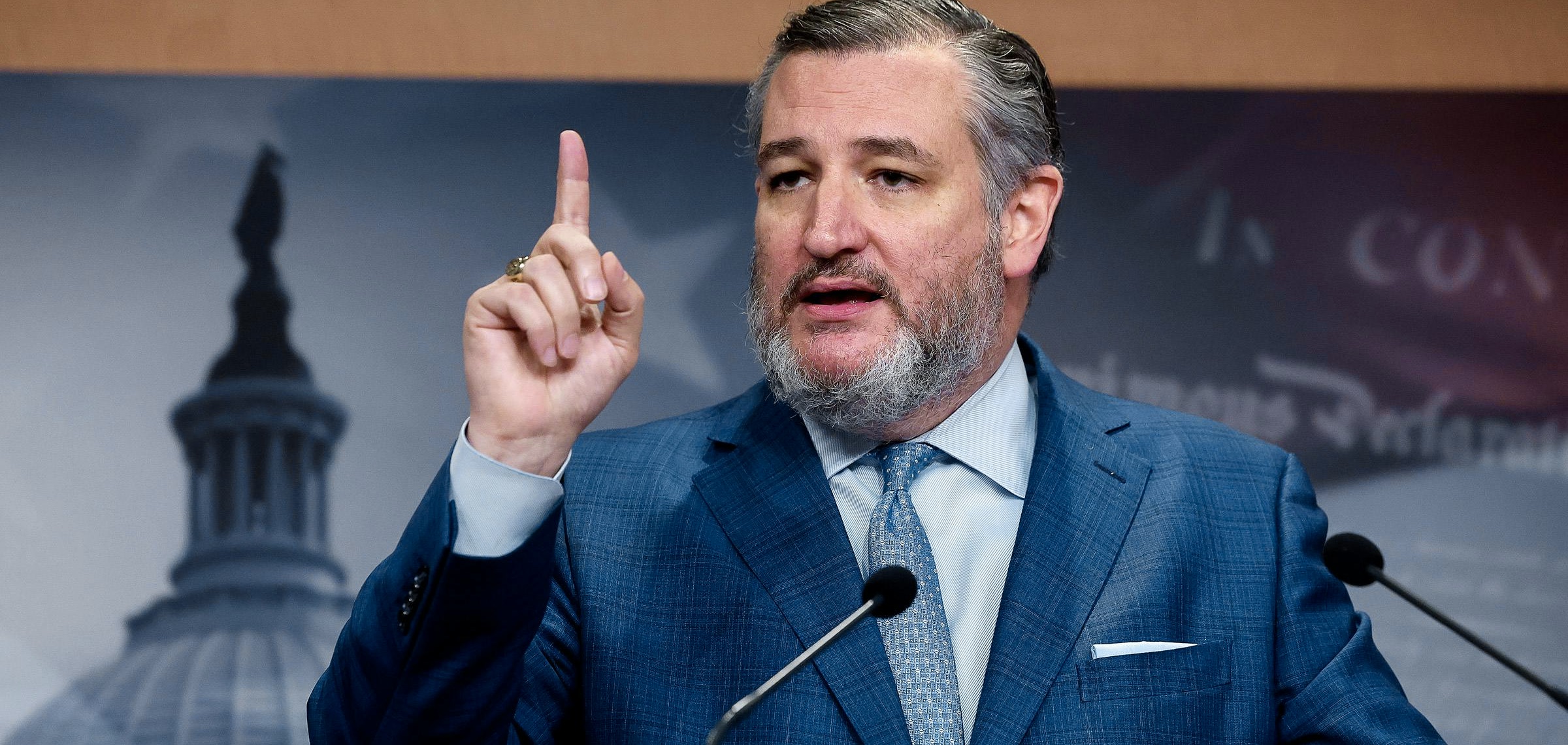 Sen. Ted Cruz (R-TX) used a Senate Judiciary subcommittee hearing Wednesday to argue that the United States has failed to confront what he and three witnesses described as an enduring Muslim Brotherhood infrastructure inside the country.
The hearing, titled “Hidden in Plain Sight: Confronting the Muslim Brotherhood Network in America,” reflected a broader Republican push to revisit questions about domestic organizations accused of supporting or advancing Hamas’ agenda following the Oct. 7, 2023, terrorist attacks against Israel.
Cruz was the only senator present; all five Democratic members boycotted the proceeding, and no other Republicans attended.
“The American people should ask themselves why not a single member of the minority decided that a hearing on terrorism was worth their time,” Cruz said.
The witnesses were retired FBI Special Agent Lara Burns, who led the Holy Land Foundation investigation from 2001 to 2008; Arielle F. Klepach, senior litigation counsel at the National Jewish Advocacy Center; and Kyle Shideler of the Center for Security Policy.
They argued that the Muslim Brotherhood’s strategy has evolved beyond terrorism financing into building influence through advocacy groups, educational initiatives, litigation, political activism, and nonprofit institutions.
Much of the hearing centered on the 2008 Holy Land Foundation prosecution, in which the Texas-based charity and five officials were convicted of providing material support to Hamas.
Burns testified that evidence collected during the investigation revealed what she described as a long-term infrastructure supporting Hamas and the Muslim Brotherhood in the United States.
“The history of this network is not in question,” Burns said. “It was made public decades ago, but few paid attention.”
Cruz and the witnesses repeatedly focused on the Council on American-Islamic Relations (CAIR), which federal prosecutors named as an unindicted co-conspirator in the Holy Land Foundation case.
Burns testified that CAIR’s founders attended a secretly recorded 1993 Philadelphia meeting of Hamas supporters.
CAIR has drawn scrutiny over alleged historical ties to Hamas-linked organizations. In 2009, US District Judge Jorge Solis said the government had presented “ample evidence” establishing CAIR’s association with the Holy Land Foundation, the Islamic Association for Palestine, and Hamas.
However, CAIR was never charged, and Solis also ruled that the government violated its due-process rights by publicly filing the unindicted co-conspirator list.
CAIR has consistently denied supporting Hamas or acting on behalf of the Muslim Brotherhood and says it “unequivocally condemn[s] all acts of terrorism,” including those carried out by Hamas.
Klepach argued that organizations associated with the Brotherhood have reorganized under new corporate structures following legal setbacks. She urged Congress to close what she called a “successor organization loophole.”
She cited litigation stemming from the 1996 murder of 17-year-old David Boim by Hamas terrorists in Israel.
Boim’s parents sued several US nonprofit organizations and secured a $156 million judgment under the Anti-Terrorism Act.
The organizations then shut down, leaving the family largely unable to collect. Less than a year after the 2004 judgment, American Muslims for Palestine was formed; the Boims have alleged in continuing litigation that it is a successor to one of the judgment debtors.
“An entity found liable for material support should not escape by renaming itself, forcing both terror victims and the courts to play whack-a-mole for decades before achieving accountability,” Klepach said.
The witnesses also argued that rhetoric portraying Hamas as a legitimate resistance movement has increasingly entered mainstream political activism, particularly on college campuses since Oct. 7.
Cruz said the post-Oct. 7 encampments reflected years of organized activism rather than spontaneous protest and accused CAIR-linked groups of providing legal and strategic support to campus organizers.
Shideler testified that Brotherhood-linked organizations operate on “nearly every college campus” and have sometimes recruited young American Muslims who later committed terrorist violence.
The hearing also intersected with electoral politics. Cruz questioned witnesses about Michigan Democratic Senate nominee Abdul El-Sayed, citing family relationships and organizational associations that he said warranted scrutiny.
No evidence was presented that El-Sayed himself engaged in criminal conduct or provided material support to terrorism.
Cruz also cited El-Sayed’s response to the March attack on Temple Israel in West Bloomfield, Michigan, and leaked campaign calls in which El-Sayed described his public response as a “risk” and said he wanted to avoid commenting on the killing of Iranian Supreme Leader Ayatollah Ali Khamenei because “there are a lot of people in Dearborn who are sad.”
The Democratic members — Sheldon Whitehouse, Richard Blumenthal, Mazie Hirono, Alex Padilla, and Peter Welch — accused Cruz of attempting to “scapegoat” Muslims.
“Democrats have no intention of indulging this political creepshow, particularly after the recent violence targeting places of faith,” they said.
Blumenthal said the hearing “could well be used as an anti-Muslim, Islamophobia kind of show trial.”
The witnesses urged the Trump administration to reopen investigations into organizations they believe remain connected to Hamas or the Muslim Brotherhood and called for additional sanctions, IRS scrutiny of nonprofits, and more aggressive enforcement of material-support statutes.
Day 1,037 — Saturday, August 8
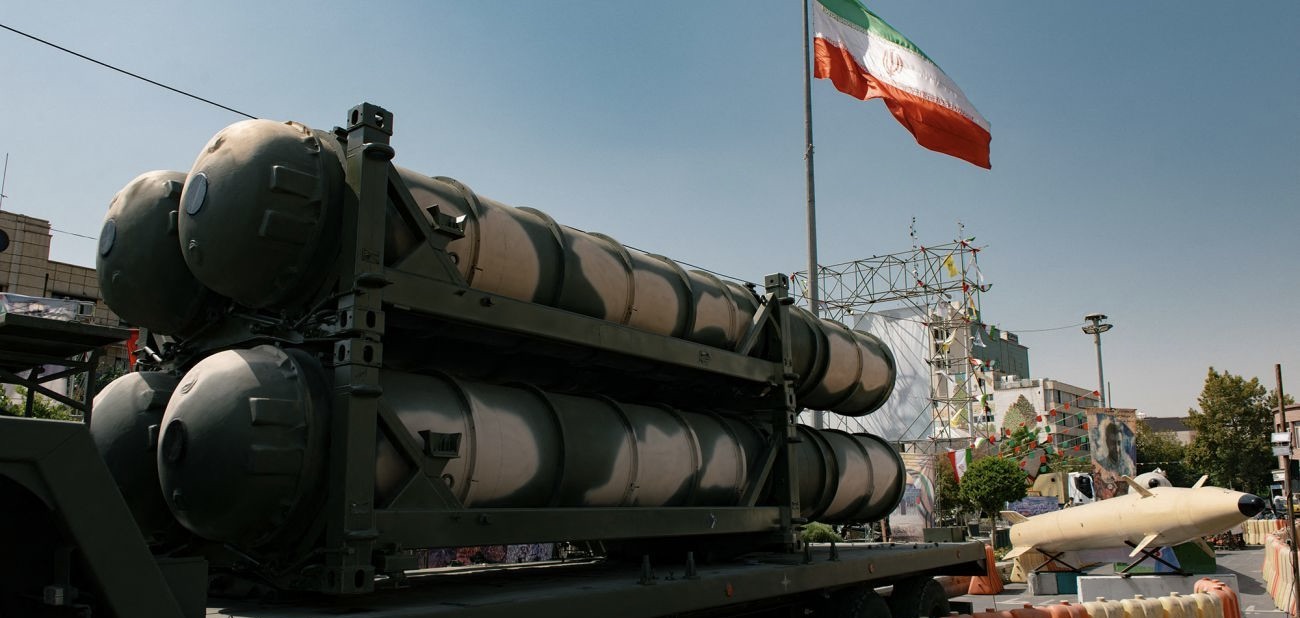 Iran has reportedly received hundreds of shoulder-fired anti-aircraft missiles from Russia and China in recent weeks, the US-funded Arabic-language outlet Alhurra reported, citing sources in the Kurdish and Arab opposition in Iran’s Ahvaz Province.
According to the report, the shipment included approximately 300 advanced 9K333 Verba man-portable air-defense systems (MANPADS), which were transported across the Caspian Sea in five small shipping containers. After arriving in Iran, the missiles were reportedly distributed by the Islamic Revolutionary Guard Corps (IRGC) to military bases and other sensitive sites across the country.
The sources claimed the missiles were deployed in the Tehran area, Kermanshah, Isfahan, near the Iraqi Kurdistan border, and along the Strait of Hormuz – locations considered strategically important by the Iranian regime.
The report claimed that in addition to the deployment of Russian- and Chinese-made air defense systems near Iran’s borders, additional shoulder-fired missiles have were transferred over the past two weeks to Iranian-backed militias operating in Iraq.
Reports of the deal first surfaced in April, but at the time, a spokesperson for the Chinese embassy in Washington denied the allegations, stating that China has not supplied weapons to either side in the conflict. The spokesperson dismissed the report as inaccurate and urged the United States to refrain from what it described as unfounded accusations, calling instead for efforts to reduce tensions.
At the same time, separate reports indicated that Russia has been supplying Iran with advanced drones.
Day 1,036 — Friday, August 7
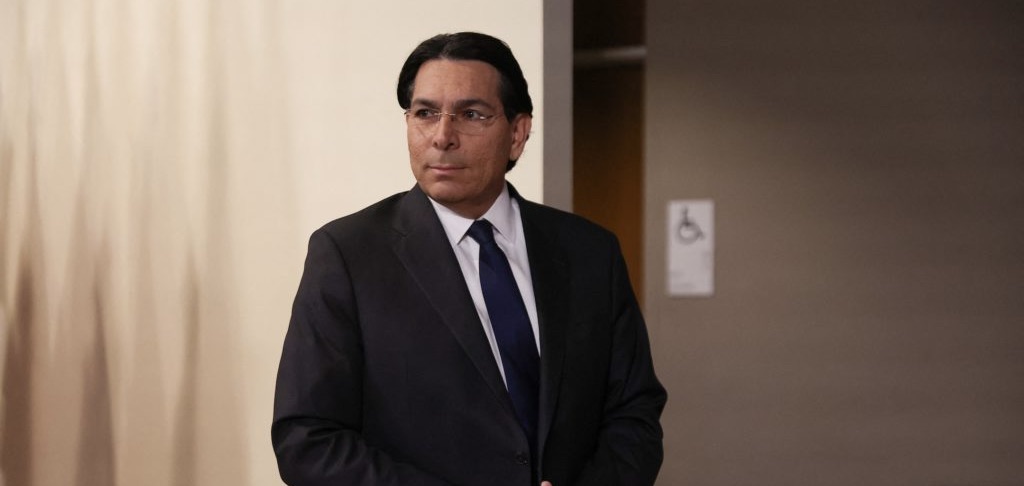 A newly published UNICEF-led survey revealed that the levels of malnutrition in children are lower or similar to those registered before the Israel-Hamas war, with Ambassador to the United Nations Danny Danon saying on Thursday that it was proof that the “false narrative against Israel” of there being a famine in the Gaza Strip is falling apart.
“Once again, facts prevail over fiction,” Danon said. “UN bodies are acknowledging that the false narrative against Israel is falling apart.”
“Israel is not starving children. Israel is fighting Hamas terrorism, while Hamas uses civilians in Gaza as human shields. Those who rushed to accuse Israel must now be held accountable for spreading lies.”
The nutrition survey, which was coordinated by the UNICEF, showed that children in Gaza have low levels of acute malnutrition.
Using internationally recognized World Health Organization (WHO) methodology, researchers measured children’s weight, height, and mid-upper-arm circumference to assess acute malnutrition using the Weight-for-Height Z-score (WHZ).
According to the results of the survey, acute malnutrition rates across Gaza ranged between 0.2% and 0.8%.
These are levels comparable to or below those recorded in Gaza prior to the Israel-Hamas War, and are significantly lower than those reported in neighboring countries, including Egypt, Jordan, and Syria.
“In other words,” the Foreign Ministry, in its own statement to X/Twitter, added, “There is no famine in Gaza.”
“Malnutrition is not only significantly below the critical values – it is exceptionally low in regional comparison. Anyone who is still open to arguments can look at the empirical data themselves.”
Day 1,036 — Friday, August 7
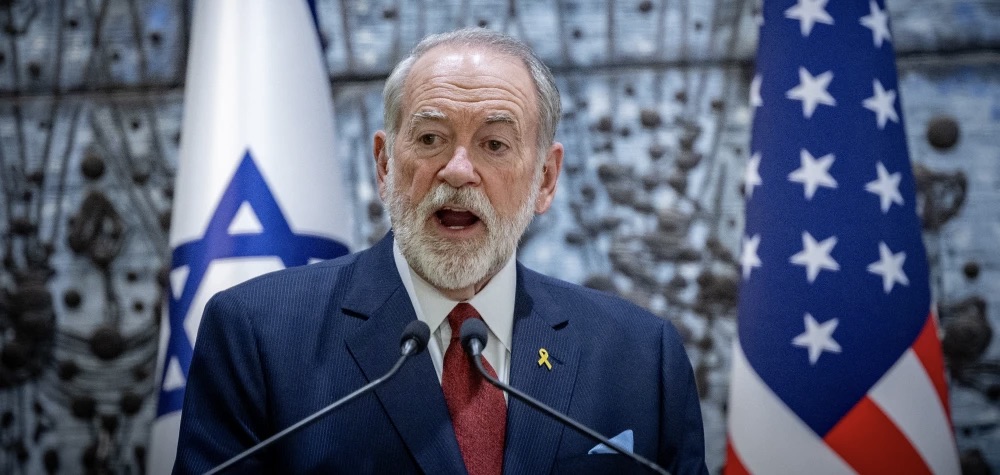 U.S. Ambassador to Israel Mike Huckabee forcefully rejected conspiracy theories blaming Israel for the recent migrant crisis on Spain’s border with Morocco, dismissing claims that Jerusalem orchestrated the influx of migrants into the Spanish enclave of Ceuta.
Speaking with British journalist Piers Morgan on Monday, Huckabee also denounced what he described as growing anti-Israel and anti-Jewish sentiment, arguing that Israel is increasingly blamed without evidence for international events.
Huckabee’s remarks came amid a wave of anti-Israel accusations circulating on social media and echoed by some Spanish political figures following the recent surge of migrants into Ceuta, Spain’s North African enclave bordering Morocco.
The claims, made without evidence, allege that Israel and the United States encouraged the migration in retaliation for Spain’s criticism of Israel’s war against Hamas.
Morgan cited social media posts, including one by Spanish actor Javier Bardem, who blamed the Jewish state for “weakening and destabilizing Spain” and “encouraging the Western far Right to turn migration into a weapon against Muslims.”
“It sounds like Bardem needs to stick to reading a script that someone else wrote,” Huckabee told Morgan.
“It’s ridiculous to say that somehow this is a US-Israel conspiracy and that’s why all those young men flooded to the coast; it’s nonsense,” the U.S. envoy stated.
Spain has emerged as one of Israel’s harshest critics in Europe, and relations between Madrid and Jerusalem have deteriorated sharply since the Hamas Oct. 7, 2023, massacre and the ensuing war in Gaza.
The conspiracy theories have also been echoed by senior Spanish officials. Spanish Transportation Minister Óscar Puente recently insinuated that Israel was behind the migrant crisis in an effort to undermine Spain because of its anti-Israel stance during the Gaza war.
“Things are starting to become quite clear,” Puente wrote on the social media platform 𝕏 without providing any concrete evidence for his claim.
His comment came in response to Israeli Ambassador to the United Nations Danny Danon, who criticized Spain for applying what he described as a double standard toward Israel while maintaining a colonial presence in North Africa.
Asked by Morgan about Danon’s remarks, Huckabee responded that he “thought it was a pretty good observation” that raised “valid questions.”
Huckabee dismissed the broader conspiracies blaming Israel and the United States for global events.
“Everything that seems to happen on earth, somebody has this nutty idea that it must be Israel and/or the US who would be behind it. Why don’t you just accept the fact that there were these people who were wanting to get to that part of Spain?” the U.S. envoy said.
Spanish-Israeli journalist and academic Henrique Cymerman, who lectures at Reichman University, said Israel has become entangled in the conspiracy theories because of its close ties with Morocco.
“Israel enters the picture indirectly because of our alliance with Morocco and with the Americans,” he explained.
“Spanish Prime Minister Pedro Sánchez has become the leading anti-Israel voice in Europe… Some people say this is an attempt by the King of Morocco to show Sánchez what could happen if he compromises on other issues, for example in his relationship with Morocco’s biggest rival, Algeria,” Cymerman continued, referring to the tense ties between Morocco and Algeria.
Israel and Morocco established full diplomatic relations in 2020, and Jerusalem has since supplied Morocco with advanced military equipment.
The interview then turned to the war in Gaza and prospects for reaching a ceasefire agreement with Hamas.
Turning to Gaza, Huckabee expressed skepticism concerning the prospects of reaching a deal with the terrorist organization Hamas.
“I think that’s very important to understand if there’s any way in which Hamas wants to make a deal, the first thing they have to do is what they said they were going to do last October, and that’s they’re going to disarm and demilitarize. They haven’t done it yet,” the U.S. envoy explained, stressing that Hamas was “proud” of the Oct. 7 massacre of 1,200 Israelis and the kidnapping of 251 people from southern Israeli border communities.
Huckabee also dismissed senior Hamas official Ghazi Hamad, who recently denied in an interview with Morgan that Hamas had carried out the Oct. 7 atrocities against Israeli women, children and the elderly.
Huckabee emphasized that Hamas terrorists “strapped GoPro cameras to their heads, and videotaped themselves raping, slaughtering, beheading, butchering, massacring women, children, and elderly people… they boasted about it online, in phone calls, on the videotape that they shot… so this guy [Hamad] has zero credibility.”
The U.S. ambassador argued that Hamas must be excluded from any future governing arrangement in Gaza.
“They don’t need weapons. They need to disappear and go away,” Huckabee said.
Morgan challenged the U.S. ambassador by asking whether a theoretically reformed Hamas could be accepted to rule Gaza in the future.
“I don’t think so. The president [Donald Trump] has made it very clear. Regardless of what Israel would say, President Trump said repeatedly that Hamas has no future in Gaza. I think they forfeited the future,” Huckabee assessed, asking Morgan whether he believed that Nazis should have continued governing Germany after the Second World War.
Huckabee also dismissed conspiracy theories suggesting that Israel pressured U.S. President Donald Trump to strike Iran, saying the president continues to prefer a diplomatic solution while maintaining a military option.
“But if it doesn’t, I think the president has also made it very clear that there is the military option, it’s on the table, and if he takes it, it’s not going to be a mild tap. It is going to be overwhelming,” Huckabee predicted.
The ambassador concluded the interview by expressing concern over what he described as a growing wave of anti-Israel and anti-Jewish sentiment.
“It’s unfair, unfounded, it concerns me a great deal,” Huckabee assessed.
“Obviously there’s an enormous propaganda campaign that is aimed against Israel, and against the Jewish people. And I think that’s really disturbing to me,” he concluded.
Day 1,036 — Friday, August 7
 Foreign Minister Gideon Sa’ar responded to Turkish Foreign Minister Hakan Fidan’s accusations that Israeli actions in Syria are among the greatest threats to the country’s stability, rejecting Ankara’s criticism of Israel’s defensive measures.
Fidan had earlier said that Israel’s operations in Syria were destabilizing the country and posed one of the most serious threats to its stability, arguing that such actions undermine regional security. In his remarks, Fidan warned that “Israel’s continued military interventions are pushing Syria further into instability” and claimed that “no country can justify actions that deepen chaos under the pretext of security.”
He also said that Israel’s policies risk escalating tensions across the region, stating that “what is happening in Syria today is a direct consequence of unilateral military actions that ignore international law and regional sovereignty.”
“Foreign Minister Hakan Fidan accuses Israel of destabilizing Syria for taking the minimum measures necessary to protect Israeli citizens from attacks,” Sa’ar said.
Sa’ar accused Turkey of hypocrisy over its criticism of Israel, saying: “These are the same Turkish leaders who have spent decades violating the sovereignty of Syria while cynically lecturing others on international law.”
According to Sa’ar, Turkey occupies five percent of Syria and intends to establish military bases inside the country in order to undermine Israel’s security.
” In comparison, Israel holds a buffer zone that comprises just one-tenth of one percent of Syrian territory,” Sa’ar said, explaining that the area is intended to protect Israel from terrorist groups seeking to attack it from southern Syria.
Sa’ar said Syrian militants violated the 1974 Israel-Syria Separation of Forces Agreement and entered the buffer zone in December 2024.
He also criticized Turkey’s policies under President Recep Tayyip Erdoğan, citing military campaigns against Kurdish forces across Syria and Iraq, threats against neighboring states, Turkey’s continued occupation of 36 percent of Cyprus and international criticism of its human rights record.
“What Minister Fidan wants is for Israel to stop protecting itself from threats to its security. This will not happen,” Sa’ar said.
“Israel will continue to take all measures necessary to defend its citizens against any threat.”
Day 1,035 — Thursday, August 6
 The Israel Defense Forces (IDF) said it launched “precise strikes” in southern Lebanon on Wednesday after a “blatant” ceasefire violation by Hezbollah, casting a shadow over the ongoing talks between Beirut and Jerusalem in Rome, Italy.
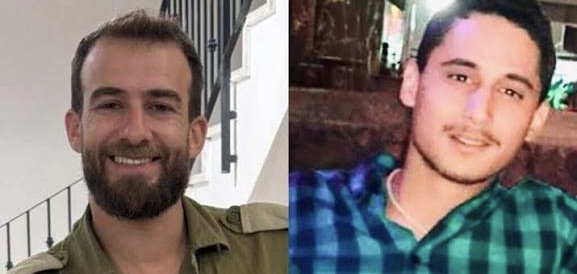
On Thursday, the IDF announced that two reserve soldiers were killed when an explosive device detonated during IDF operations in the town of Majdal Zoun. They were identified as Maj. (res.) Harel Birenstock (34), a company commander from Nokdim; and Sgt. Maj. (res.) Tamir Vaknin (33) from Eilat.
Four other soldiers were seriously wounded and rushed to a hospital. According to Army Radio, the incident happened when an IDF force from the 55th Brigade Combat Team was clearing the area of Hezbollah infrastructure.
The report also cited a senior security source who noted that Israel is treating the explosion as a violation of the ceasefire, though the IDF is currently not certain when the device was planted in the building.
In an immediate response, the IDF launched artillery and airstrikes at Hezbollah targets in the area. Later, the IDF issued a call to the residents of the village al-Mansouri, located in the Security Zone near the coast, to evacuate ahead of incoming strikes.
The security zone was supposed to be empty of civilians, though Lebanese reports suggested that some residents have begun returning to their homes despite the ongoing IDF presence.
A military source told Ynet News that the village “is located within the security zone under IDF control, where military activity is still taking place that endangers the lives of Lebanese civilians. The IDF evacuated them in order to protect their safety. The civilians arrived under the protection of the Lebanese army, which set up a checkpoint in the area in violation of the agreements.”
Doron Kadosh, Army Radio’s military correspondent, noted that it is only one kilometer from Majdal Zoun: “Both are within the security zone, which the IDF is ostensibly supposed to control and prevent civilians from entering, even if there is no permanent IDF presence there.”
“If civilians have recently returned to the village of Al-Mansouri, it is not inconceivable that Hezbollah terrorists also managed to return there—and get to within just one kilometer of Majdal Zoun,” possibly enabling them to plant the bomb there in recent weeks.
The Lebanese health ministry later said that an Israeli strike on a target in Tebnine killed one person and wounded 12 others.
According to Ynet News, the security establishment and Prime Minister Benjamin Netanyahu are still discussing whether to launch more powerful strikes in Lebanon, which the military reportedly requested but Netanyahu rebuffed, for now.
Meanwhile, this week’s round of talks between Israel and Lebanon, the seventh overall, continued in Rome, Italy, with Lebanese network LBCI describing the atmosphere as “delicate and sensitive.”
The main issues were the pilot areas for Israeli withdrawals, a full ceasefire, the demolition of terror infrastructure, and the destruction of villages in southern Lebanon.
Wednesday’s session ended several hours earlier than planned amid conflicting reports as to the cause.
An Israeli source told the Times of Israel that Israeli Ambassador to the United States Yechiel Leiter asked the U.S. mediators to halt the talks on Wednesday due to the Lebanese delegation leaking false information to Lebanese media.
A U.S. State Department official later confirmed to AFP that the talks ended early, but apparently blamed the Israeli strikes while referring to “events on the ground.”
“Discussions focused on a range of political and military issues and were extremely productive. The technical teams made progress on determining key details on implementation of the Trilateral Framework,” the State Department official said.
The talks were expected to resume on Thursday as scheduled.
Day 1,035 — Thursday, August 6
 Israel is quietly reducing the pace of its strikes in Gaza, even as it publicly rejects any diplomatic framework that would allow Hamas to retain influence over its own disarmament process.
Senior former Israeli security officials told JNS in recent days that Hamas’s “acceptance” of the Board of Peace’s 15-point roadmap is a calculated deception designed to preserve both its weapons and its grip on the territory over the long term.
Col. (ret.) Amit Assa, a former senior Shin Bet official with more than 30 years of experience in the security agency, told JNS that the Board of Peace, established by U.S. President Donald Trump, is structurally compromised from the outset.
“The Board of Peace, as it was established by Trump, already constitutes a problem for Israel. It’s ostensibly meant to be an objective body, but in practice it isn’t. Those actually driving developments there are Qatar and Turkey, Erdogan, of course, assisted by the Egyptians. For us, this means the Muslim Brotherhood,” Assa said.
He argued that the entire structure serves as cover for preserving Hamas rather than dismantling it.
“This is essentially a non-violent façade for an organization that is actually working to preserve Hamas’s power by every possible means, in a way that isn’t visible to the eye, and this whole matter, from the moment this Peace Board is established, constitutes a problem for Israel,” he said.
Assa said the plan’s central flaw lies in how it defines disarmament.
“To disarm Hamas of its weapons doesn’t mean leaving heavy or light weapons in Hamas’s possession,” he said, adding that it also cannot mean allowing the terrorist organization to retain any policing capability.
“It means disarming Hamas of its weapons and dismantling Hamas,” Assa argued, warning that any arrangement preserving a Hamas-linked administrative structure would leave the organization intact.
“Hamas is a murderous terrorist organization that cannot continue to exist after Oct. 7, and therefore any action taken today that constitutes dialogue with Hamas, or the creation of some internal body meant only to manage administration, with ostensible officials who continue to run Hamas’s control of Gaza, means Hamas continues to exist as it is. This is something we must not agree to,” he warned.
Pushing for an Israeli withdrawal from Gaza before any actual disarmament is part of Hamas’s survival strategy, he added.
“This entire effort is essentially about planting an idea in the minds of Europeans and Americans that it’s logical for the IDF to be replaced by some other, ostensibly neutral security body established from within the Peace Board, which would replace Israel at the points where Israel is supposed to withdraw to something resembling the pre-Oct. 7 international lines, while they handle security,” he said.
Assa said the approach mirrors past failures.
“We know from our own experience that every time we handed responsibility to an international organization, like the U.N. or other organizations on other borders of ours, when there was some kind of buffer zone, our enemy eventually just entrenched itself there. The best example of this is Hezbollah, which settled in regardless of whatever procedures or understandings existed under which an international organization was supposed to preserve it. Israel cannot live with someone else guarding its security. That, of course, is not going to happen,” he said.
He added that Israel’s intelligence grip on Gaza is now significantly stronger because of the sustained IDF and Shin Bet presence on the ground.
“We now have access to the territory, something we didn’t have when the Oslo Accords led to us not being present at all inside the Gaza Strip and behind the border lines. This relative advantage immediately shows we have greater ability today to locate terror operatives and act against them operationally.”
Assa said Israel’s pursuit of the Oct. 7 perpetrators will continue regardless of any ceasefire or diplomatic arrangement.
Day 1,035 — Thursday, August 6
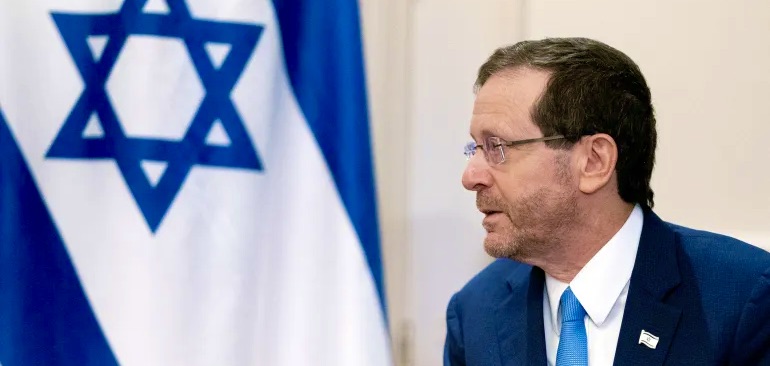 Israeli President Isaac Herzog issued a stern warning about the global spread of antisemitism in an exclusive interview with Fox News Digital at his Jerusalem residence.
“Antisemitism is an age-old plague which should be dealt with by everybody, by all societies. It’s not an Israeli issue or only a Jewish issue,” he said.
“It’s a contamination of societies that starts with the Jews — never ends with them. It’s the most dangerous phenomena that has to be dealt with aggressively, with no mercy, with full adjudication, and most importantly, with education,” he added.
Herzog’s warning comes as newly released New York City Police Department (NYPD) data show anti-Jewish incidents accounted for 56.9% of all confirmed hate crimes since the start of 2026, even though Jewish New Yorkers make up only about 10% of the city’s population.
Herzog pointed to New York City Mayor Zohran Mamdani, whom he accused of spreading hate and compromising the lives of New Yorkers.
“Mamdani does not respect my nation’s right for self-determination — the Jewish people’s inherent right to have a nation of their own. And he’s basically spreading blasphemy, hate, antisemitic rhetoric. He should understand that he’s risking his own citizens, he’s risking their safety, well-being and life,” Herzog told Fox News Digital.
In a video posted on social media on July 21, Mamdani called Israeli Prime Minister Benjamin Netanyahu “a war criminal” and “the architect of a horrific genocide against the Palestinian people.”
Days later, Raul Morales, 51, allegedly yelled “Allahu Akbar” while stabbing two men on Manhattan’s Upper West Side, including one who was visibly identifiable as Jewish.
“We’ve seen the stabbing just a few days ago… just because somebody was dressed as an Orthodox Jew. This cannot be accepted in New York, which is a city that is dear to our heart, dear to Israelis, and dear to me personally,” Herzog said.
More broadly, a report released last month by the J7 Large Communities’ Task Force Against Antisemitism found that 20 people were killed in antisemitic attacks across seven countries outside Israel in 2025, marking the deadliest year for such violence in the Jewish diaspora since 1994.
The J7 comprises Jewish communities in the United States, Australia, Canada, Argentina, the United Kingdom, Germany and France.
According to the report, more than 23,000 antisemitic incidents were recorded across the J7 countries last year, representing a 97% increase in violent attacks and a 136% rise in overall incidents compared with 2022.
“Of course, Israel is doing its best, but it has to be an effort with governments all over the world, law enforcement agencies, educational systems and Jewish communities, which we care about a lot,” Herzog said, in reference to confronting Jew-hatred.
Referencing a recent article by professor Niall Ferguson titled “The Death of History,” he said, “How much TikTok or the social networks distort the facts of history? They negate the worst and greatest horror of humankind, the Holocaust. And that’s why we have to stand up together and combat it,” he told Fox News Digital.
Herzog stressed that misinformation spread through distorted and superficial channels makes it easy to smear Israel on social media, but that such narratives do not reflect reality.
“[Israel] is the place where the Startup Nation flourishes. This is the place where great ideas are given to the world and contribute enormously to the world in so many great fields, from health to energy, to science, to agriculture, to food security, to what not. There’s a reason why Americans who visit our country, young Americans, fall in love with this country,” he said.
Growing antisemitism, coupled with polarization within and between Jewish communities and a weakening sense of Jewish identity in some places, led Herzog to launch Voice of the People in April 2023. The initiative brings together a council of 150 emerging leaders — one-third from Israel, one-third from the United States and the remainder from around the world.
Leaders are selected through an algorithm from thousands of candidates and serve rotating terms of roughly two years, developing ideas to address challenges facing the Jewish world.
The initiative held an in-person kickoff summit in March 2025 in Haifa, featuring Herzog and bringing together all council members, reflecting his belief in building the next generation of Jewish leadership, which he described as one of his main tasks.
“I’m overjoyed by the great ideas I see and feel, and I hope that around November we will have a new registration starting for the next slot, the next cohort, and I invite as many Jewish friends to register,” he said.
Day 1,035 — Thursday, August 6
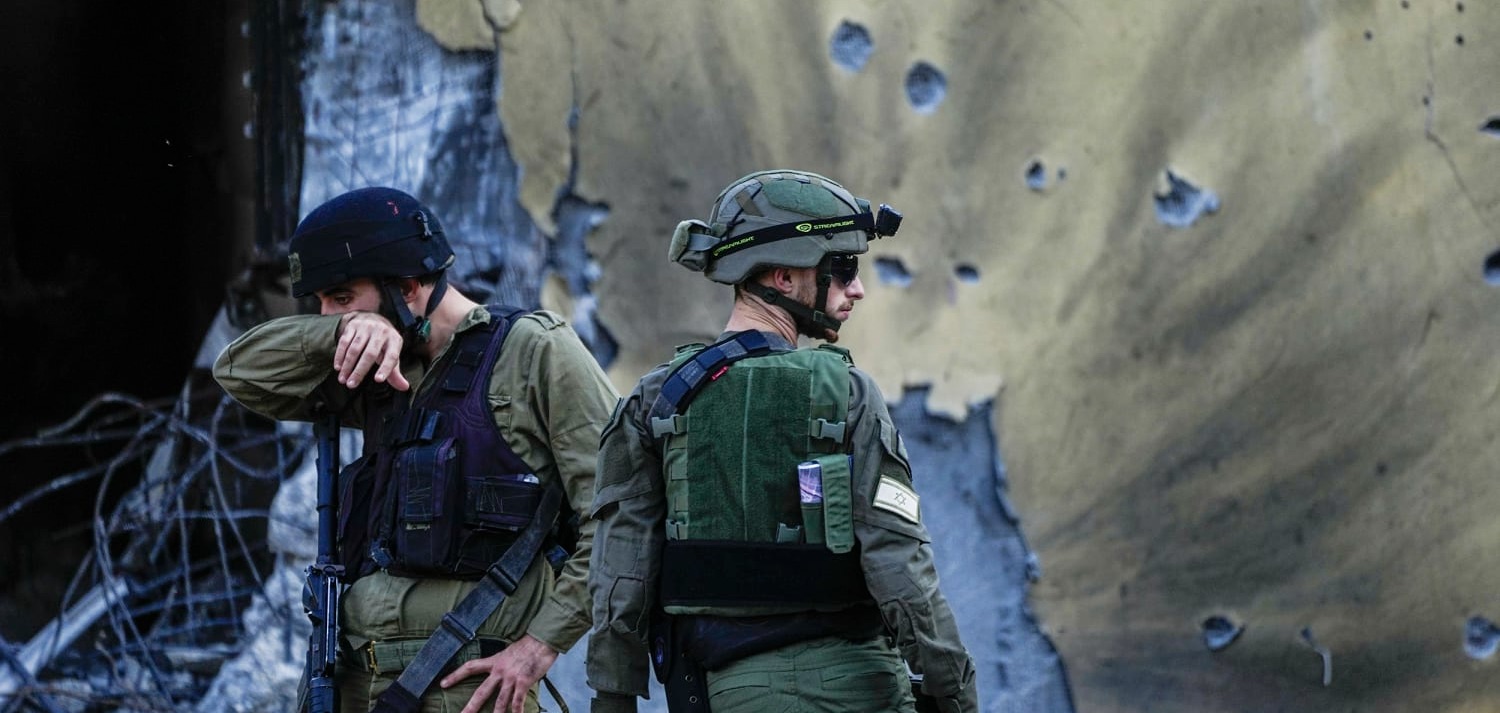 A pro-Palestinian museum exhibit in Canada described the Hamas-led October 7, 2023, invasion of Israel as merely an “attack” while omitting references to the massacre of civilians, and characterized the Second Intifada as a “Palestinian uprising” despite years of suicide bombings targeting Israeli civilians.
The exhibit, hosted by the Canadian Museum for Human Rights (CMHR), came under scrutiny after an investigation by B’nai Brith Canada found that several individuals who advised on its content had previously shared anti-Israel material on social media, including posts defending or minimizing Hamas’ murderous actions.
According to B’nai Brith Canada, members of the Canadian Palestinian Association of Manitoba (CPAM), including Rana Abdulla and Ramsey Zeid, participated in shaping the exhibit.
The watchdog organization said its investigation uncovered a series of social media posts by CPAM and its members that demonstrate intense bias against Israel and the Jewish community.
Among the examples cited, B’nai Brith said CPAM repeated a blood libel in April 2024, alleging that “Israeli forces skinned dead Palestinians and stole their organs before burying them in mass graves in Gaza.”
The organization also said CPAM used its social media accounts in May 2024 to urge followers to “stop condemning October 7.”
Approximately one year after the October 7 attack, Zeid wrote on his X account that “Palestinians had the right to do what they did on Oct. 7.”
CPAM promoted false claims regarding Israeli hostages released by Hamas, asserting that those who returned to Israel “almost seemed as though they were returning from a vacation rather than captivity.”
The exhibit also describes the Second Intifada — which claimed the lives of more than 1,000 Israelis in suicide bombings targeting buses, restaurants, shopping centers, and other civilian locations between 2000 and 2005 — as a “Palestinian uprising.”
It also referred to October 7 simply as a Hamas “attack,” without referencing the large-scale killing of civilians or allegations of atrocities committed during the assault, including rape, torture, and mutilation.
“The social media disseminations associated with Zeid, CPAM, and other members of PCAN demonstrate an inherent bias against and hostility towards the Jewish people and the State of Israel,” said B’nai Brith in a media statement.
“That they authored, shared or reposted such items, and yet, were included in CMHR’s consultation process, is shocking.”
Day 1,034 — Wednesday, August 5
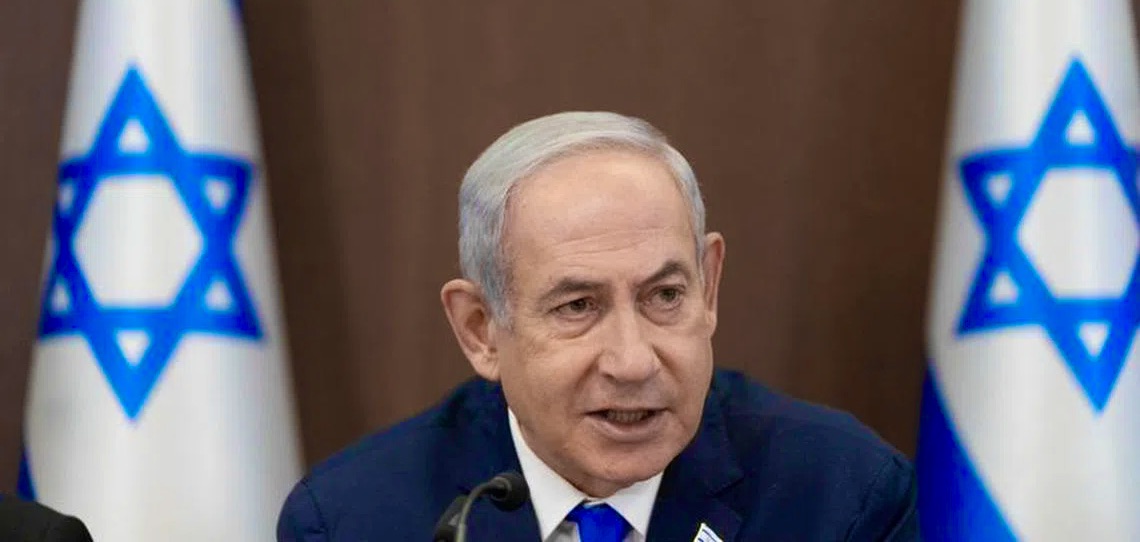 Prime Minister Benjamin Netanyahu said Israel has not accepted the Board of Peace’s proposed roadmap for disarming Hamas, publicly challenging an agreement President Donald Trump had hailed as a major breakthrough toward ending the Gaza conflict.
In a video statement released Tuesday, Netanyahu said the Trump administration believed it might be able to secure Hamas’s disarmament and the broader demilitarization of Gaza, but stressed that Jerusalem had not approved the document negotiated with the terror group.
“They sent us a draft. We did not agree. It is not our draft. We sent our comments,” Netanyahu said.
Netanyahu also declared that the IDF would not withdraw “from our current lines” until “Hamas is completely disarmed,” drawing a distinction between Israel’s position and a roadmap that envisions Israeli withdrawals taking place in stages as Hamas relinquishes its weapons.
The disagreement centers largely on sequencing. The Board of Peace plan calls for Hamas and other armed terrorist groups to be gradually disarmed while Israeli troops pull back in corresponding phases. Netanyahu, by contrast, is demanding that Hamas’s disarmament be completed before Israel leaves any of the additional territory it has taken since the October 2025 ceasefire.
Israeli forces withdrew to the original Yellow Line under that agreement, leaving the IDF in control of approximately 53% of Gaza. Israel subsequently expanded the area under its control to more than 60% of the territory. Netanyahu’s statement indicates that the IDF will not initially return even to the original line envisioned by the ceasefire.
The roadmap approved by Hamas last week calls for Israel and the Palestinian factions to halt military operations and gives the parties 14 days to prepare a detailed timetable and implementation mechanism.
Under the proposal, Hamas would surrender civilian governance and internal security responsibilities to the National Committee for the Administration of Gaza, a Palestinian technocratic body supported by the Board of Peace. An International Verification Committee would determine whether each side had completed its obligations before the process advanced to the next stage.
The plan also provides for the decommissioning and storage of heavy weapons, weapons-production sites, arsenals and tunnels. An international stabilization force would support the new Palestinian administration, supervise security arrangements and assist in training a Palestinian police force.
Israel has objected to several elements of the document. Israeli officials have argued that Hamas’s weapons must be destroyed rather than merely placed in storage and have opposed giving Qatar and Turkey positions on the international committee responsible for verifying implementation.
Jerusalem has also protested that it was not directly involved in negotiating the roadmap and was presented with a finished document after Hamas, the Board of Peace and mediators from the US, Egypt, Qatar and Turkey had reached an understanding.
The Board of Peace maintains that the roadmap is an extension of Trump’s 20-point Gaza plan, which Israel accepted in 2025. A senior US official said last week that Israel was therefore not being asked to accept an entirely new framework and warned that Trump would be “very disappointed” if Jerusalem prevented the proposal from advancing.
Trump announced the Hamas agreement Thursday, describing it as “historic” and saying it would achieve the complete disarmament of Hamas and other armed factions. He later claimed that Israel was “very happy” with the arrangement, an assertion contradicted by Netanyahu’s subsequent declaration that Israel never accepted its terms.
The Board of Peace’s senior Gaza envoy, Nickolay Mladenov, and adviser Aryeh Lightstone met Netanyahu in Jerusalem on Monday in an effort to narrow the differences.
The board described the discussions as “constructive and detailed” and said its objective remained “the complete decommissioning of weapons in the Strip and the transition away from rule by the gun.”
After the meeting, the board appeared to adjust its description of when Israel would be expected to withdraw. It said the IDF would not move beyond the Yellow Line until Hamas’s light and heavy weapons and tunnel network had been decommissioned.
“Withdrawal must move in lockstep with decommissioning,” Mladenov had said when the agreement was announced.
That formulation could allow Israel to remain at the original Yellow Line until the disarmament process is complete. Netanyahu, however, went further, saying Israel would not leave its current positions — including territory captured beyond that line — before Hamas was fully disarmed.
The prime minister also rejected demands for Israel to suspend all military activity while the roadmap is implemented. He said Israeli troops would retain authority to take whatever action was required to protect themselves, Israeli territory and Israeli civilians.
Mladenov reportedly pressed Netanyahu to halt Israeli strikes to prevent further damage to the negotiations. Israel has instead maintained that it must preserve freedom of action against Hamas members who threaten its forces or attempt to rebuild the group’s military capabilities.
Hamas says it will not begin surrendering its weapons until Israel halts its attacks and starts withdrawing.
“We will not take any action regarding disarmament prior to Israel’s withdrawal from the Strip,” Hamas negotiator Ghazi Hamad said.
Day 1,034 — Wednesday, August 5
 Cyberwell has alerted X/Twitter of a new wave of antisemitic conspiracy theories blaming Jews for wildfires across Europe, the NGO announced in a statement on Monday.
The organization, whose goal is to combat online antisemitism, identified “nearly identical narratives” regarding recent wildfires in Norway, France, and Spain, reinforcing what Cyberwell describes as a “recurring pattern of event-driven antisemitism, in which major crises are exploited to spread hate toward Jews.”
Posts in English, French, and Spanish claiming that Jewish people deliberately sparked the fires or orchestrated them for political or financial gain were identified by the organization’s analysts.
Cyberwell found that content on the Norway wildfires surpassed 2 million views on X, “helping transform an isolated conspiracy into a broader wave of antisemitic content,” according to the company.
Meanwhile, content on Spain’s wildfires reached more than 69,100 users, according to Cyberwell’s numbers.
Antisemitic conspiracy theories also emerged following the Los Angeles wildfires in 2025 and the Patagonia wildfires earlier this year, the company said.
Other theories have emerged following the White House Correspondents’ Dinner shooting and the hantavirus outbreak.
“CyberWell found that bad actors and antisemites repeatedly inserted Jews into breaking news through familiar antisemitic tropes portraying them as secretly responsible for disasters or as profiting from human suffering,” said the statement.
“As false claims spread,” it explained, “posts increasingly incorporated dehumanizing language, calls to expel Jews and well-known antisemitic imagery, including the ‘Happy Merchant’ caricature.”
The “Happy Merchant” depicts a Jewish man with exaggerated stereotypical facial features greedily rubbing his hands together, and is popular among white supremacists, according to the Anti-Defamation League.
Cyberwell CEO and Founder Tal-Or Cohen Montemayor said that “the same scapegoating stories, once popular in Nazi propaganda during the Third Reich, now trend on every major social media platform after a crisis. Any major event can become a vehicle for blaming Jews online.”
“Whether the story involves a wildfire, a disease outbreak, a shooting, or another international crisis, we repeatedly see the same conspiracy theories emerge within hours,” explained Montemayor.
“The details change, but the underlying message does not: Jews are maliciously portrayed as secretly orchestrating disasters or profiting from human suffering. This pattern demonstrates how antisemitism continuously adapts to the news cycle while recycling centuries-old myths.”
The content, according to Cyberwell, is reflective of “antisemitic conspiracy frameworks recognized under the International Holocaust Remembrance Alliance (IHRA) Working Definition of Antisemitism, which include collective accusations against Jews and conspiratorial claims of hidden Jewish control.”
Day 1,033 — Tuesday, August 4
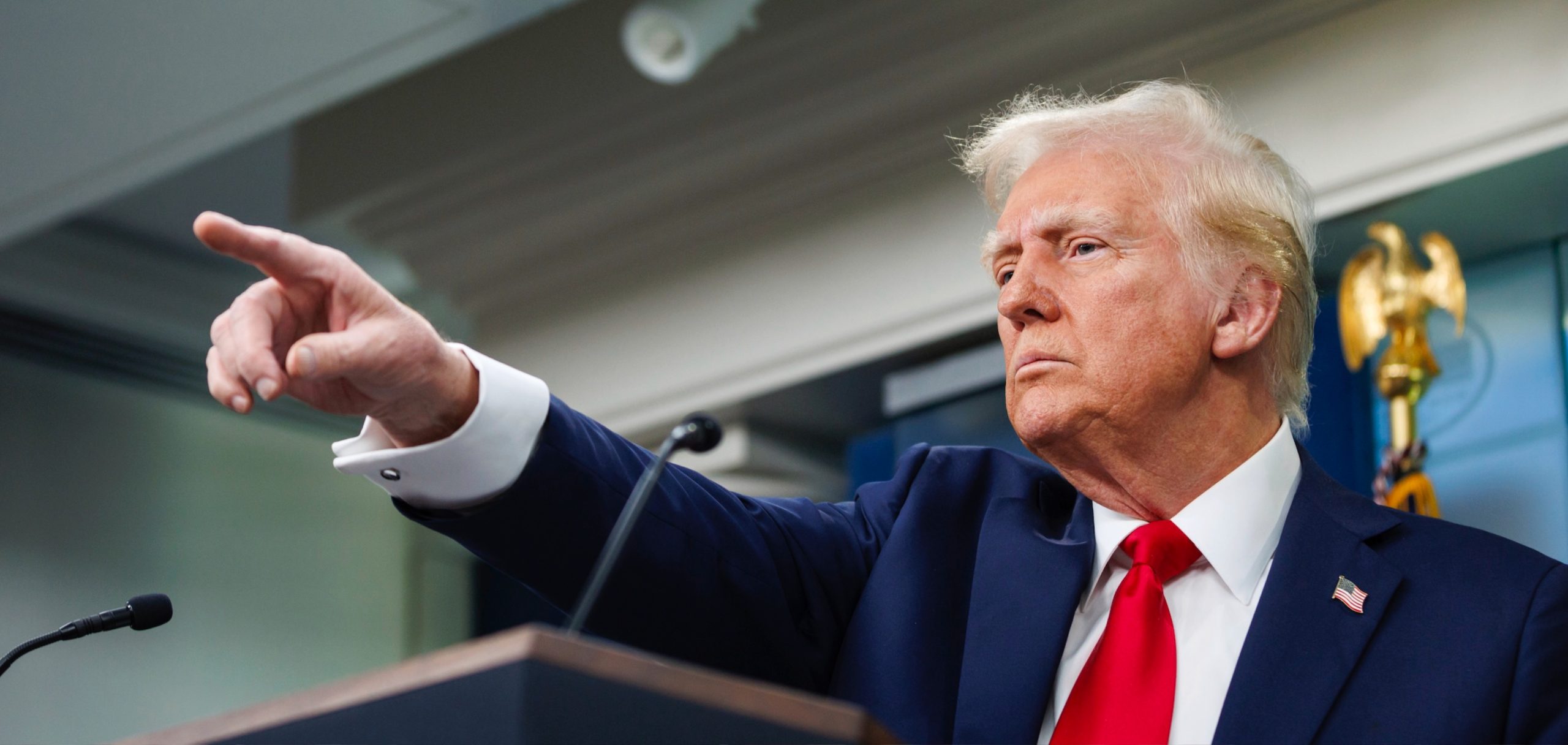 President Donald Trump said the U.S. is in talks with Iran, while warning of a “last chance” for the regime leadership to make a deal.
“We are talking right now,” President Trump said on Monday in response to a question by reporters. “We’re talking, and we’re talking at the request of Iran.”
He again claimed that the talks were being supported by regional nations, saying the talks are “backed by Saudi Arabia, backed by UAE, and backed by Qatar in particular, but others also.”
Trump said the countries wanted to give the Iran deal another chance.
“They all wanted to give this a last chance,” he said. “And this is the last chance.”
“This is a last chance for them to sign a good document,” Trump stated. “I think we’re going to maybe get something, but I want to give them every last chance before decapitation.”
However, Trump’s claims of ongoing negotiations were disputed by Iranian authorities.
Foreign Ministry spokesman Esmaeil Baghaei had previously stated that the Iranian government is not holding discussions with the United States.
Baghaei claimed Iran is only in talks with Oman, to open the Strait of Hormuz.
“Our negotiations are with Oman to secure passage through the Strait of Hormuz,” Baghaei said.
In a post to his Truth Social account, Trump called the Iranian leadership “unbelievably duplicitous,” saying the regime asked for discussions, while publicly denying such negotiations.
“Iranian Leadership is unbelievably duplicitous! They ask for a meeting, some would say ‘beg,’ talks begin, with more scheduled in the immediate future, and they say, openly and proudly, that they’re not having any discussions, that nothing is being talked about, and they’re only dealing with ‘Oman,’” Trump wrote.
He said the U.S. blockade of Iranian vessels is ongoing, calling it “The United States Wall of Steel.”
“Nothing gets through to Iran, unless we want it to, and nothing will get through, unless a Deal, or Total Surrender, is accomplished,” he added.
Meanwhile, shipping through the Strait of Hormuz and Bab el-Mandeb Strait is largely unchanged from the previous week, according to shipping tracking websites. Hormuz traffic was only in the single digits on Monday, with six vessels making the transit with their tracking transponders turned on.
Iranian Foreign Ministry spokesman Baghaei said a deal with Oman is close, which will respect “the sovereign rights of both sides.”
“We are now going to reach an understanding on a route acceptable to both sides – neither the northern route nor the southern route – but one that respects the sovereign rights of both sides and safeguards our national interests and security,” Baghaei claimed.
On Tuesday morning, a vessel was “hit by an unknown projectile” off the coast of Oman, the United Kingdom Maritime Trade Operations (UKMTO) said.
Day 1,033 — Tuesday, August 4
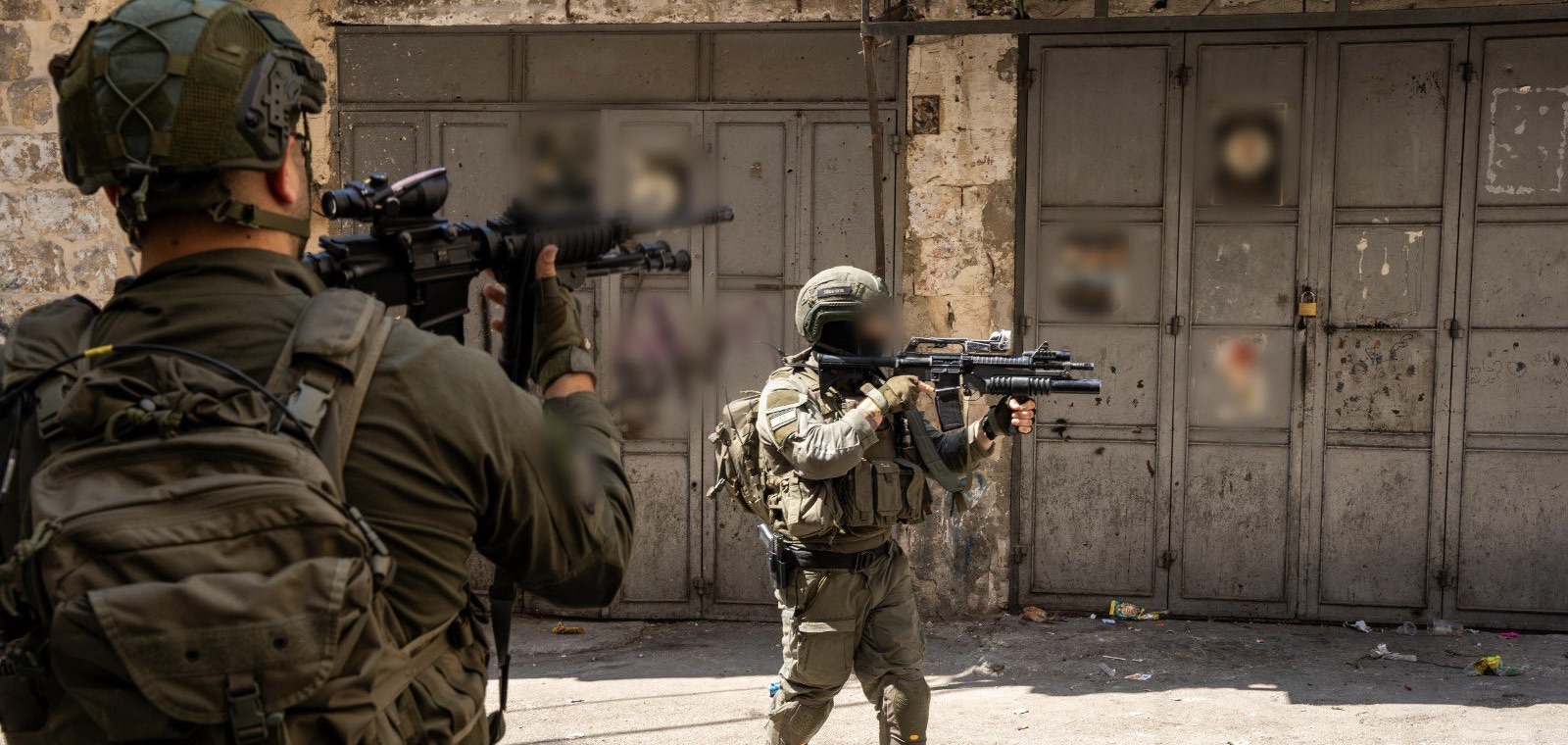 Gaza Board of Peace High Representative Nickolay Mladenov, together with the Board of Peace team, met on Monday with Israeli Prime Minister Benjamin Netanyahu and his team. According to the Board of Peace, the meeting was part of the process of decommissioning weapons in Gaza and enabling the transition to civilian governance, and “creating a safer future in the region” for both Israelis and Palestinian Arabs in Gaza.
The board noted that the meeting was constructive and detailed. Israel and the Board of Peace share a common understanding of the ultimate objectives.
“The goal is clear and is not in question: the complete decommissioning of weapons in the Strip and the transition away from rule by the gun to civilian governance. Reaching it will be a process. And that process will be set out in the next phase of the work,” the Board of Peace wrote in a statement.
The board clarified: “Contrary to inaccurate reports, we note that the withdrawal of the IDF beyond the Yellow Line will take place only once decommissioning is complete, as Hamas committed to the mediators. This applies to light weapons, heavy weapons, and the tunnels alike.”
It noted that implementation will be overseen by the International Stabilization Force and by the Implementation Verification Committee, on which both the United States and the Board of Peace sit.
The board further stated that continued progress towards implementation in full depends on each side fulfilling its obligations under the agreed framework.
Day 1,032 — Monday, August 3
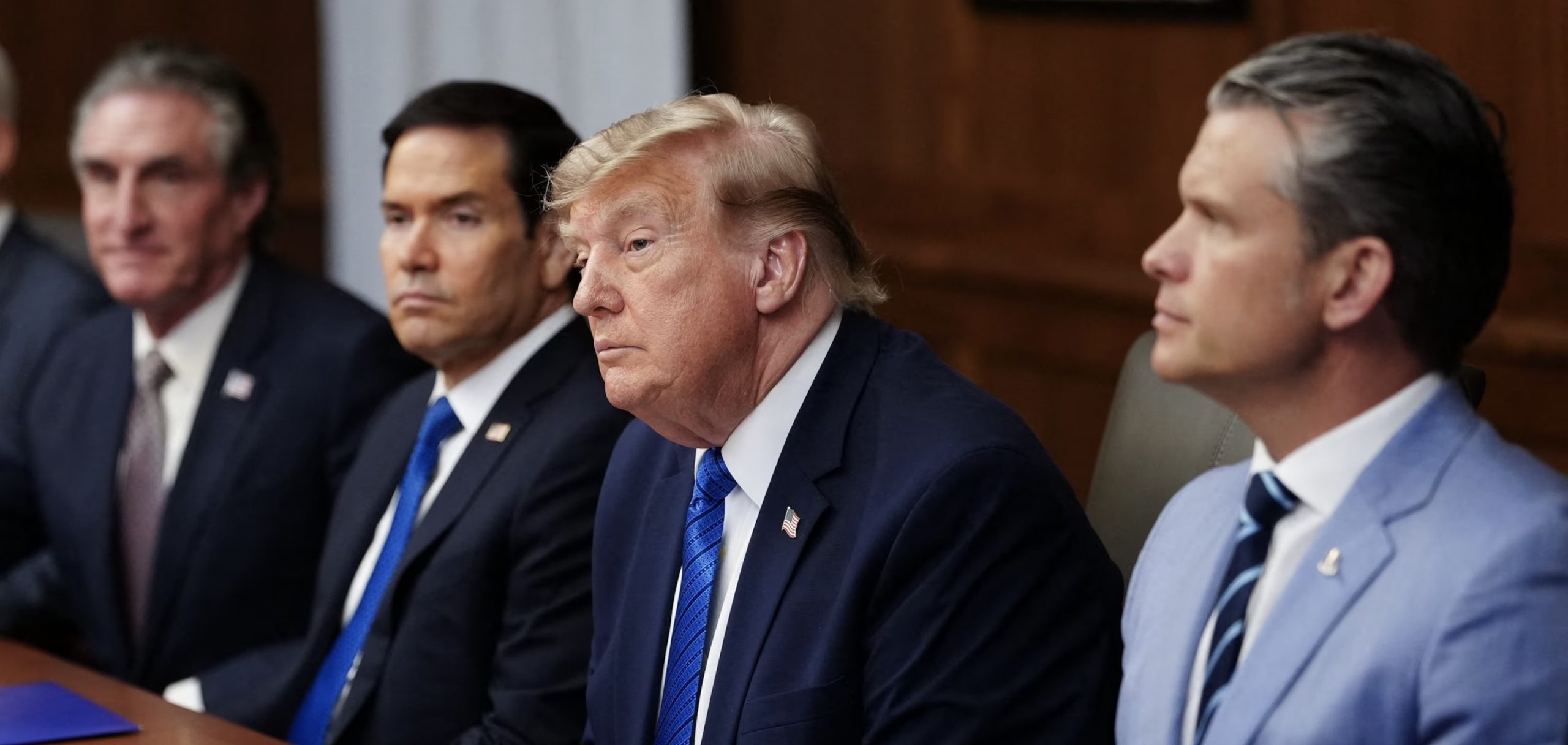 US President Donald Trump announced that renewed negotiations between the US and Iran will begin on Monday afternoon, while speaking to reporters onboard Air Force One on Sunday.
Trump also stated that military strikes against Iran over the weekend were called off after Saudi Arabian, Emirati, and Qatari negotiators called him and said that they thought that “a deal was imminent, both regarding the Hormuz Strait, and ultimately the denuclearization of Iran.“
“When I heard that I said ‘well, do we want to go and be this severe?‘” Trump asked, adding “There is a group of people that would like me to just [go ahead with the strikes], and there’s another group of people that does not want me to do it.“
The President told reporters that the Saudi Crown Prince had asked him to hold off on striking Iran because the outcome of an attack would be unpredictable and could cause “a lot of bad things.“
Trump said that the US military had been “all set to go, and it would have been a massive attack,” adding that talks with Iran had the potential to “save a lot of lives.“
The US was prepared to launch an attack on Iran “that would have been the biggest attack since World War II, which would have been disastrous for them,” Trump explained.
The President has not set a deadline as to when a deal with Iran needs to be reached, however he explained that although the US was holding off on striking Iran, “we can do it any time we want to.“
He added that he would prefer that the US reached a deal with Iran over continuing strikes, and he told reporters that “I’m not looking to kill people,” but the planned strikes would “cause a lot of people to die.“
On Saturday night Trump called for an immediate deal with Iran in a post on Truth Social, saying that the deal would need to include “the Immediate, Complete, and Total OPENING OF THE HORMUZ STRAIT, and an end to Iran’s nuclear threat.“
He explained that the USA was “locked and loaded and ready to go against the Islamic Republic of Iran, at levels of Military Terror, Strength, and Power not seen since World War II,” adding that he had agreed to cancel the strikes as long as Iran agreed to quickly make a deal.
Day 1,032 — Monday, August 3
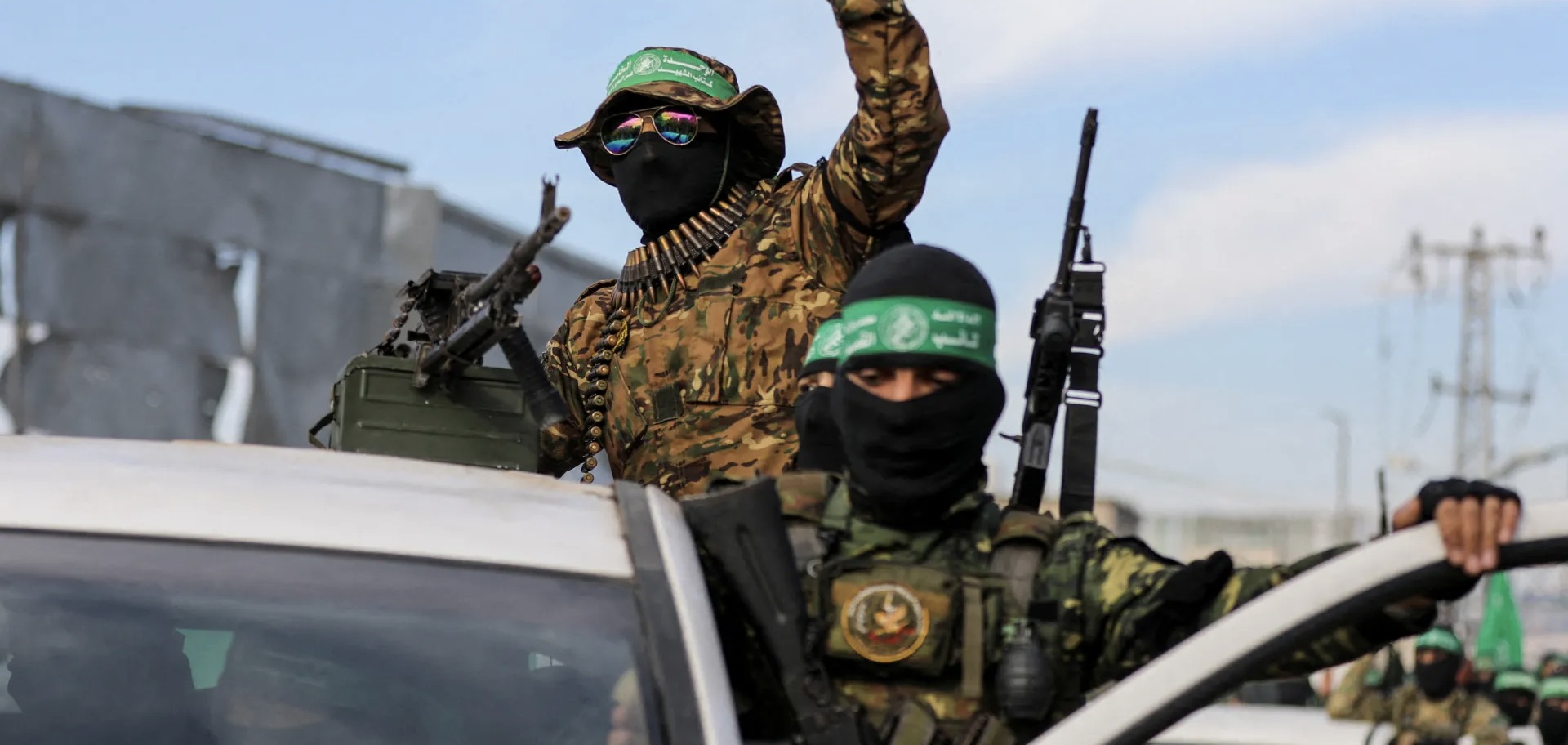 Israel has conveyed “serious security concerns” to the White House over the agreement to disarm the Hamas terrorist organization, an Israeli official said on Sunday.
Doron Spielman, a spokesman for the Israeli Prime Minister’s Office, stated that Jerusalem’s intelligence assessment was that Hamas remained committed to rebuilding its military capabilities, and that the Israel Defense Forces would not withdraw from Gaza until the terrorist group was disarmed.
“Our assessment is that if we redeploy before Hamas is truly disarmed, it will quickly expand its presence throughout Gaza, rebuild its terrorist infrastructure, once again threaten Israeli communities, and seek to carry out another Oct. 7-style attack,” he said, in reference to the Hamas-led Oct. 7, 2023, massacre of 1,200 people in the Jewish state.
“Disarming means physically giving up the weapons. Nothing less,” Spielman added.
The remarks were the first public comments by an Israeli official since U.S. President Donald Trump announced the deal, part of the U.S.-brokered ceasefire agreement signed nine months ago that ended the nearly three-year conflict.
Day 1,031 — Sunday, August 2
Iran General Claims Countries That Make ‘Defensive Shield’ For The US Will ‘Burn In The Fire Of War’
 Iranian Maj. Gen. Ali Abdollahi Aliabadi claimed Saturday that “any country that makes itself a defensive shield for the United States… will burn in the fire of war,” a report said.
“Muslim countries must act with foresight, monitor America’s actions and reconsider their cooperation and alignment with the United States,” he added, according to Iran International.
The remarks come as Iran has been launching missile and drone attacks at countries across the Middle East in recent weeks, with Qatar, Bahrain, Kuwait and Jordan among the countries being targeted.
U.S. Central Command also has launched waves of strikes against Iranian military targets aimed at further diminishing threats “posed by Iran and its proxies to American forces, commercial shipping, and neighboring Gulf countries.“
Day 1,031 — Sunday, August 2
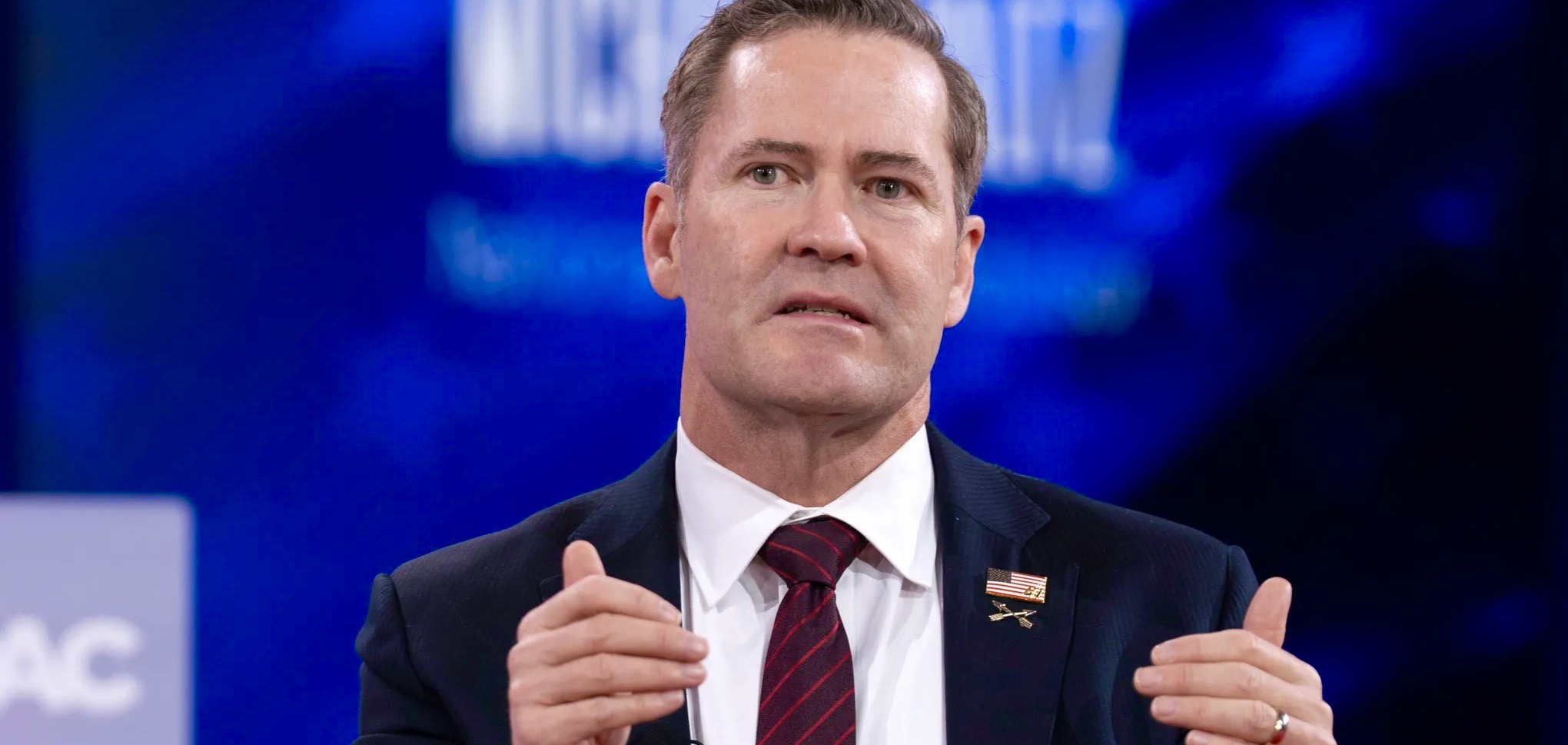 U.S. Ambassador to the United Nations Mike Waltz cited on Friday a recent study highlighting 2025 as the deadliest year for antisemitic attacks outside of Israel in more than 30 years, saying that his mission to the international body “is doing our part every day to expose, confront and defeat this hatred.”
In one of President Donald Trump’s first executive orders of his second term, he “directed his administration to fight antisemitism in the U.S. and around the world,” Waltz tweeted.
“We have defunded, withdrawn from and sanctioned U.N. entities who have engaged in antisemitism,” the U.S. envoy added.
Twenty people were killed in antisemitic-motivated attacks in Australia, the United Kingdom and the United States in 2025, a report published last week by J7 Large Communities’ Task Force Against Antisemitism shows.
The report tracks antisemitic incidents in Argentina, Australia, Canada, France, Germany, Britain and the United States.
“Across all seven countries, there has been a clear rise in antisemitic incidents, particularly violent ones,” the report reads.
“From 2021 to 2025, antisemitic incidents increased by 46% in Argentina, 60% in Canada, 64% in the United Kingdom, 124% in France, 131% in the United States, 215% in Germany and 270% in Australia,” it continues.
What was first treated as a surge after the Hamas-led invasion and massacre in Israel’s south on Oct. 7, 2023, “has become a new and persistently elevated baseline,” it says.
Among the seven nations, Germany recorded the highest rate of incidents by a substantial margin, reaching 69.80 incidents per 1,000 Jewish residents in 2025, compared to 23.50 in 2021, the survey says.
The J7 task force documented more than 23,000 antisemitic incidents in the seven countries.
Day 1,030 — Saturday, August 1
 Secretary of State Marco Rubio on Friday touted the Trump administration’s efforts to bring the International Criminal Court to its knees, which the US president linked to its prosecution of Prime Minister Benjamin Netanyahu.
“The International Criminal Court has made themselves illegitimate because they claim that even if you’re not a member of that court, we can come after you,” Rubio said during a cabinet meeting held at the Camp David presidential retreat.
“We tried to get them to reform and listen to us, they wouldn’t do it. They’re very arrogant. So we’ve now begun an effort to really try to bring them to heel,” he added.
US President Donald Trump chimed in to clarify that Rubio was not advancing the initiative to defend him, as the ICC is not currently seeking to prosecute the US president.
“He’s trying to defend Bibi and various other people,” Trump added, referring to the Israeli premier.
The secretary of state’s remarks Friday came several weeks after he unveiled the administration’s effort to “dismantle” the ICC, which Trump and other senior US officials have long said should not have the authority to investigate and prosecute Americans, particularly members of the US military.
The ICC was established in 2002 by the international community to prosecute war crimes, genocide, and crimes against humanity. It asserts jurisdiction only if a member state is unable or unwilling to prosecute atrocities itself. The United States has never been a member of the court, nor has Israel.
Trump’s hostility toward the court goes back to his first term. It manifested again with a plan to punish ICC officials, an idea hatched in November 2024 when Trump was reelected and the ICC issued warrants for Netanyahu and former defense minister Yoav Gallant over alleged war crimes in Gaza.
Israel has dismissed the ICC’s warrants against its officials as biased and antisemitic. It also entirely rejects the jurisdiction of the Hague-based court to arrest or prosecute its leaders, having never joined the international conventions that created it, and argues that the membership of the Palestinian Authority does not grant the ICC jurisdiction either, due to explicit provisions of the Oslo Accords.
The ICC has no enforcement methods and relies on the cooperation of party nations to carry out its warrants.
Day 1,030 — Saturday, August 1
 President Donald Trump said Friday that Americans should be prepared for the fighting with Iran to continue, predicting Tehran would eventually “peter out” as U.S. strikes steadily weaken its ability to retaliate.
Asked whether the back-and-forth attacks could continue until Iran was no longer capable of striking back, Trump said, “Yeah, sure, I think so. I’d be foolish to say no. You know, you always have to keep your guard up.“
“They’ll get weaker. They’ll get a little stronger, maybe. But they’ll get weaker, and then they peter out,” Trump said during a Cabinet meeting at Camp David, Maryland.
“I think we just want to win,” Trump said. “We’re doing very well. We’re trying to be nice — as nice as you can be in a situation like that — but they’re being decimated.“
“They have no navy. They have no air force. They have no anti-aircraft,” he added. “It doesn’t mean they don’t have any capability. They have some, but very little.“
The latest fighting also complicates the administration’s earlier declarations that it had eliminated Iran’s ability to project military power.
The White House said in April that U.S. forces had achieved the objectives of Operation Epic Fury, including destroying Iran’s Navy and its ballistic missile and drone capabilities. Iran has nevertheless continued launching missiles and drones at U.S. bases and threatening commercial shipping.
Day 1,029 — Friday, July 31
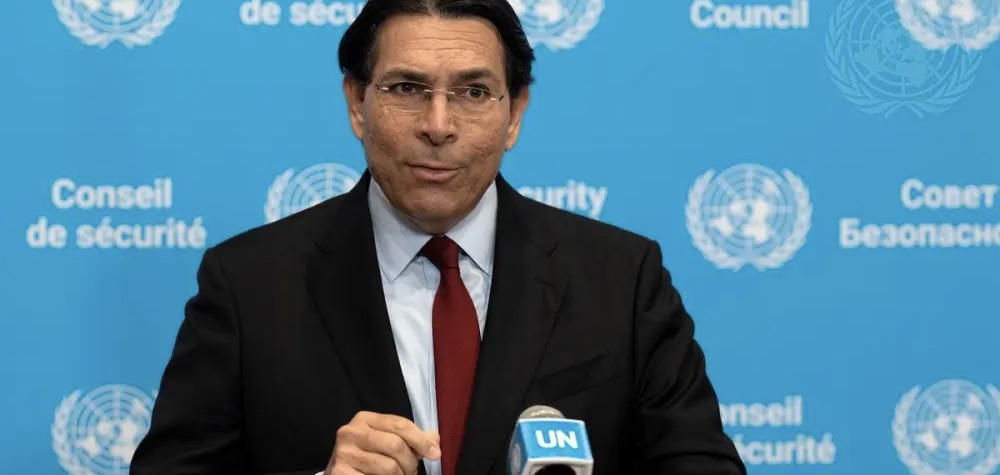 Israeli Ambassador to the United Nations Danny Danon accused Spain of hypocrisy on Friday after Madrid declared a state of emergency and deployed military forces to its North African enclave of Ceuta in response to a mass influx of migrants from neighboring Morocco.
In a post on X, Danon said Spain, which “never misses an opportunity to lecture Israel,” was now confronting the consequences of its own immigration policies.
“Maybe before it continues lecturing us, it’s time it explained to the world why it still maintains colonial enclaves in Africa,” he wrote, referring to the Spanish territories of Ceuta and Melilla on Morocco’s Mediterranean coast.
Spain dispatched military units to Ceuta on Thursday after an estimated 2,000 to 3,000 migrants crossed into the enclave by sea and land from Morocco, according to Spanish state broadcaster TVE. Video footage showed migrants swimming around border barriers or using inner tubes to reach the city, while others forced their way through a land crossing.
The surge turned deadly, with nine bodies recovered in Ceuta on Thursday, adding to at least 60 migrants reported to have died attempting the crossing in recent months.
Juan Jesús Vivas, president of Ceuta’s regional government, called the situation “a total humanitarian and social emergency” and urged Madrid to declare a national state of emergency.
In response, the Spanish government deployed military platoons, increased naval and air assets and sent diving teams to patrol the coastline. The European Union also offered assistance through its border agency, Frontex (the European Border and Coast Guard Agency).
Ceuta and Melilla have the European Union’s only land borders with Africa. Morocco does not recognize Spanish sovereignty over either territory and considers them occupied Moroccan land.
The crisis has sparked political criticism inside Spain, with opposition leaders blaming the government’s immigration policies. Vox party leader Santiago Abascal described the influx as “an invasion,” while Popular Party leader Alberto Núñez Feijóo called the situation “desperate” and urged the government to declare a national emergency.
Danon spoke against the backdrop of increasingly strained relations between Jerusalem and Madrid. Since the start of Israel’s war against Hamas following the Oct. 7, 2023, terrorist attacks, Spanish Prime Minister Pedro Sánchez has emerged as one of Israel’s sharpest critics, repeatedly condemning Israeli military operations, backing sanctions against Israeli officials and supporting measures targeting Israeli communities in Judea and Samaria.
Day 1,029 — Friday, July 31
 The End Jew Hatred movement has formally launched a petition calling on New York Gov. Kathy Hochul to initiate removal proceedings against New York City Mayor Zohran Mamdani under Section 9 of the New York Public Officers Law. The campaign follows a series of incidents and mounting political backlash over the administration’s public safety record and rhetoric.
The push for his removal stems directly from violent attacks in Manhattan, including an incident on July 23 in which two men were stabbed four minutes and two blocks apart on the Upper West Side.
The victims included Chok Sung, 57, and Moshe Grunhaus, 50, who was “stabbed in the torso as he walked home from his synagogue on West 86th, 200 feet from the doors.”
Activists and community organizers argue that the administration has failed to protect vulnerable minorities, noting that neither man was protected from a man yelling “Allahu Akbar!”
Central to the petition’s grievances are accusations regarding equal protection and hate crimes, noting that the mayor revoked the city’s antisemitism framework [International Holocaust Remembrance Alliance] on his first day in office and replaced it with nothing.
Three months later, Mamdani’s own police commissioner reported hate crimes up nearly 12% citywide, with 55% targeting Jews, who represent about 10% of the city’s population.
Furthermore, the petition’s authors took issue with the administration’s use of official platforms, highlighting that city channels were used to declare a foreign head of government, Prime Minister Benjamin Netanyahu, a war criminal and unwelcome in a video seen over 90 million times, while the mayor later conceded he had no power to arrest the premier.
Beyond these core allegations, the petition cites further executive failures, including the mayor’s veto of school safety legislation Intro 175-B, questions over relaxed child welfare screenings, and whistleblower retaliation within the Department of Probation.
The campaign launch featured a demonstration outside state offices where journalist and commentator Zack Sage Fox said, “We are standing outside of Kathy Hochul’s office to demand proceedings to remove Mayor Mamdani” and emphasized, “we are doing this with a legal argument, with the law on our side.”
Day 1,029 — Friday, July 31
 Israeli Minister of Diaspora Affairs and Combating Antisemitism Amichai Chikli on Friday sharply criticized Turkey after Turkish Foreign Minister Hakan Fidan met in Ankara with a Hamas delegation led by the terrorist group’s new leader, Khalil al-Hayya.
In a post on X, Chikli accused Turkish President Recep Tayyip Erdoğan’s government of becoming “the command center for Hamas’s rapists and murderers,” saying that the Islamist group’s operatives live comfortably in Turkish hotels while planning terrorist attacks in Europe.
“Erdoğan and Fidan are Hamas,” Chikli concluded.
According to Turkey’s state-run Anadolu Agency, Fidan congratulated al-Hayya on his election as head of Hamas’s Political Bureau and reaffirmed Ankara’s support for what he described as the “just” Palestinian cause.
Fidan also reportedly told the Hamas delegation that Turkey would continue supporting Gaza and that he appreciated the role the terrorist organization has played in efforts to achieve peace.
The meeting appeared to be al-Hayya’s first high-level diplomatic engagement since he was elected Hamas political chief on July 20.
According to Anadolu, al-Hayya briefed Fidan on developments in Gaza and Judea and Samaria, accused Israel of expanding communities and attacking holy sites in Jerusalem, and said Hamas remained committed to ceasefire negotiations and reconciliation efforts with other Palestinian factions.
Turkish pro-government newspaper Yeni Şafak separately reported that Fidan reaffirmed Ankara’s commitment to supporting the Palestinian cause through diplomatic, political and humanitarian channels.
Al-Hayya, 65, left Gaza before Hamas’s Oct. 7, 2023, massacre and has since been based primarily in Qatar. He has led Hamas’s negotiating team in ceasefire talks with the United States.
In January 2025, al-Hayya described the Oct. 7 massacre, in which Hamas-led terrorists murdered some 1,200 people and abducted 251 others into Gaza, as “a source of pride for our people … to be passed down from generation to generation.”
Day 1,028 — Thursday, July 30
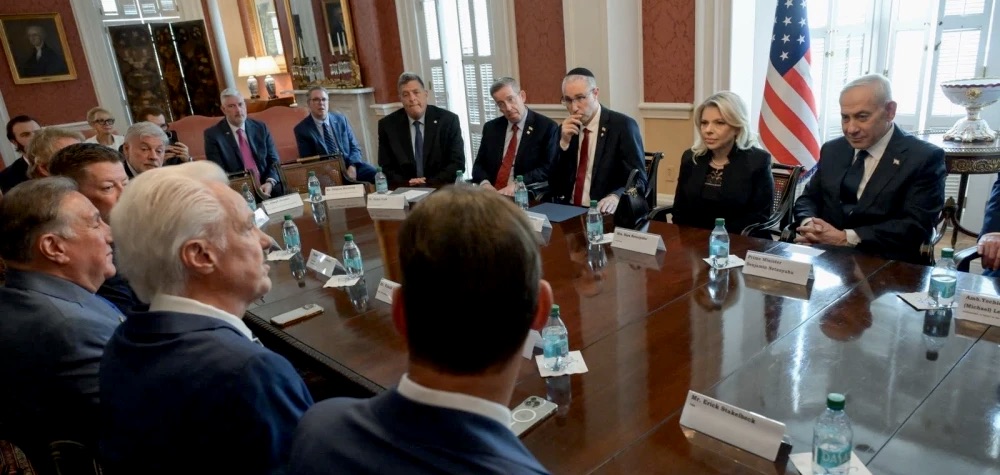 Prime Minister Benjamin Netanyahu met with evangelical leaders in the U.S. on Wednesday and thanked them for their “steadfast and unwavering support” for the State of Israel.
“We are the descendants of the original Hebrews from the Holy Land, and we are the first part of that Judeo-Christian heritage that is dear to our hearts and has given the world—human civilization—freedom and faith,” Netanyahu said during the Washington, D.C., meeting.
“And again, we have to stand up and defend it. It is under attack from the rising wave of antisemitism and anti-Evangelicalism. It’s not accidental that the two are coming under a joint attack, because we are one.”
He urged the Christian leaders to remain resolute in their support for the Jewish state.
“What I ask of you is only one thing: Stand up. Stand up and don’t cower. When you are faced with an attack, what do you do? Attack back. I am very grateful to you for your consistent support and for the constancy of your friendship. And now it’s time to fight, fight, fight; that’s it.”
Netanyahu has repeatedly stated that evangelical Christians are Israel’s best friends and strongest allies.
Day 1,028 — Thursday, July 30
 U.S. forces launched fresh strikes against Iran at 8 p.m. ET Wednesday in what U.S. Central Command (CENTCOM) said was a “powerful response” to Iran’s attempted attacks on American military forces in the Middle East.
“U.S. forces began launching strikes against Iran at 8 p.m. ET today,” the command said in a post shared on X.
“The strikes are a powerful response to yesterday’s attempted Iranian attacks on U.S. forces based in the Middle East.”
President Donald Trump said earlier that Iran was “going to get a beating” for the attempted overnight missile attack against U.S. forces in Jordan.
Day 1,027 — Wednesday, July 29
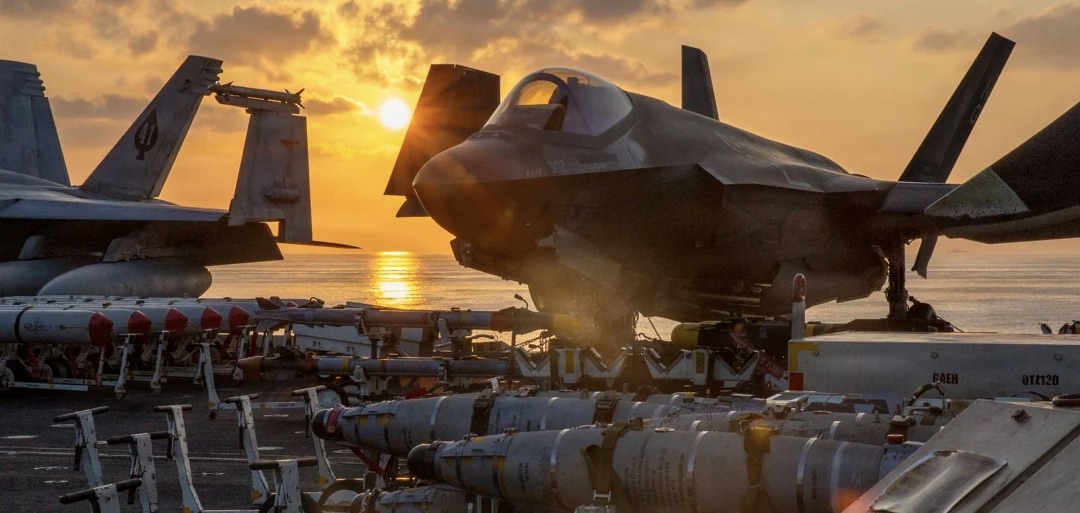 After several days of quiet, fighting between the U.S. and the Iranian regime erupted again overnight, triggered by a surprise Iranian missile attack on American troops in Jordan on Tuesday.
In response, U.S. and Saudi forces conducted heavy airstrikes against Iranian proxy militias based in Iraq, which had carried out several drone attacks in recent days, including against Saudi infrastructure, and which were also apparently responsible for drones intercepted at the Israeli border.
U.S. Central Command (CENTCOM) announced that the U.S. “and the Saudi Arabian Armed Forces conducted precision strikes in Iraq, July 28, against Iran-aligned terrorists that the Islamic Revolutionary Guard Corps (IRGC) directed to attack U.S. forces and Saudi energy infrastructure.”
“U.S. and Saudi fighter aircraft struck multiple terrorist logistics and weapons sites across eastern Iraq in a strong response to over 30 IRGC-directed aerial drone attacks in the last 72 hours. The unwarranted attacks against U.S. forces were not successful,” CENTCOM noted.
Iraq’s Popular Mobilization Forces (PMF), the umbrella group that includes several Iranian-backed militias, stated that several of its headquarters in different parts of Iraq were attacked, and that at least 20 operatives were killed and 32 wounded.
PMF later added that strikes hit sites in Baghdad, Kirkuk, Ninveh, Diyala and other cities. The Lebanese, Hezbollah-affiliated channel Al Mayadeen also reported strikes in the northern Mosul area, as well as the southern city of Karbala, a holy city for Shiite Muslims.
The spokesman for the Saudi armed forces, Turki al-Maliki, officially confirmed that the kingdom carried out strikes against targets belonging to militias linked to the recent attacks on Saudi oil facilities, stressing that “the Kingdom emphasizes that it does not seek escalation but will respond to any aggression it faces.”
“Significant step by the Saudis to jointly strike militia sites in Iraq. A sign that Gulf states are growing impatient with the Iraqi government’s inability to rein in these groups, who remain a security threat to the region (as well as to Iraq),” wrote Victoria Taylor, Iraq expert at the Atlantic Council and former U.S. State Department official, in a post on X.
Over the past 24 hours, the Israeli and Jordanian militaries also announced the interception of several drones from unknown origin. A security source told Walla News that the indications point to one of the Iraqi militias having launched the drones on orders from Iran.
Earlier Tuesday, CENTCOM stated that the “Islamic Revolutionary Guard Corps forces launched multiple ballistic missiles from Iran in an attempted surprise attack on U.S. forces based in the Middle East. All Iranian missiles were successfully intercepted.”
“The IRGC and its terrorist proxies must cease these attacks to avoid further U.S. military response,” CENTCOM warned.
However, on Wednesday morning, the Jordanian military said it shot down five more missiles “coming from Iran targeting the kingdom’s territory.”
The escalation came shortly after a meeting between U.S. President Donald Trump and Prime Minister Benjamin Netanyahu in the White House. Netanyahu described it as “excellent” and “one of the best we’ve ever had,” while a senior official close to him told The Times of Israel that they “talked about all arenas — primarily Iran.”
Earlier on Tuesday, Trump had told Fox News that the regime knows he will order new military strikes “if they don’t make a deal. The bridges are going to be gone, literally in less than—I would say in two hours, most of the bridges, the major bridges will all be gone, and the power plants in one day,” he warned.
The new flare-up also followed a report by the Wall Street Journal that the latest push for mediation between the sides, which focused on finding an agreement for Iran and Oman to evenly divide control of the Strait of Hormuz, had failed.
Iran’s deputy foreign minister, Kazem Gharibabadi, stressed that Tehran would allow progress in the negotiations only if Oman signed off on the Iranian Hormuz proposal, while dismissing the Omani plan as not addressing Iranian “security concerns.”
“The inbound shipping lane must be entirely under Iran’s control, while part of the outbound lane may remain under Oman’s control,” Gharibabadi said.
A senior Iranian official confirmed to Reuters that the regime had ruled out the Omani proposal, adding that the U.S. and Saudi Arabia are trying to push the Sultanate to advance their “unrealistic plans.”
Day 1,027 — Wednesday, July 29
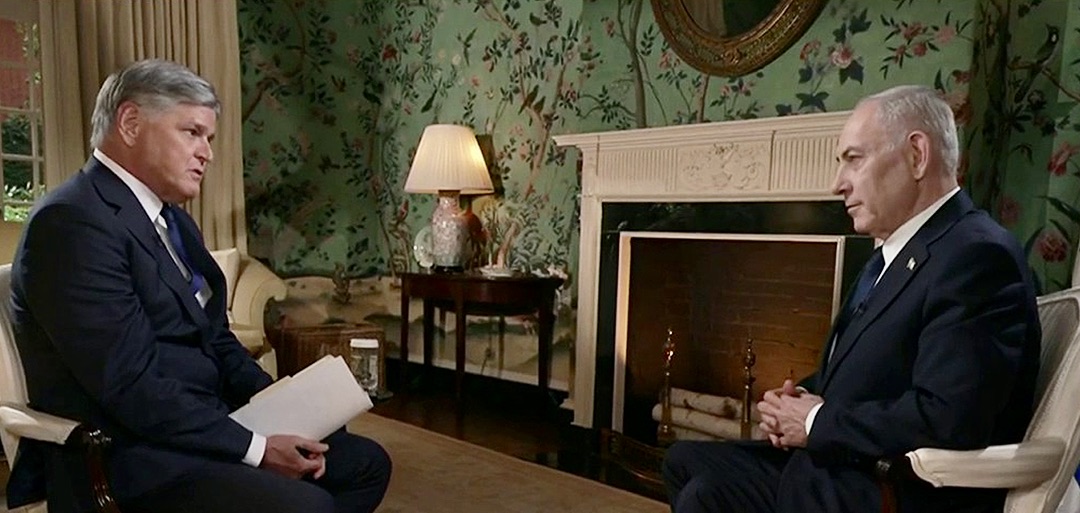 Israeli Prime Minister Benjamin Netanyahu made it clear that he has no plans to cancel his attendance at the United Nations General Assembly in New York in September despite Mayor Zohran Mamdani’s repeated calls for his arrest if he were to visit the Big Apple.
“I’m going to New York,” Netanyahu said during an interview with “Hannity” following his White House meeting with President Donald Trump Tuesday.
“I’m going to speak the truth in front of this hate-spewing elected official who’s pitting one group of New Yorkers against the others. He’s turning them against New York Jews.”
Mamdani has long criticized Netanyahu over alleged atrocities committed by Israeli forces in military campaigns in Gaza and Lebanon.
He recently called Netanyahu a “war criminal” and “the architect of a horrific genocide against the Palestinian people.” Tens of thousands of Gazans were killed in the war.
While Mamdani acknowledged that city officials lack the legal authority to arrest him under the International Criminal Court’s (ICC) warrant, the mayor urged federal officials to do so.
Netanyahu, in turn, has accused Mamdani of fomenting hate and denounced his rhetoric, saying he is purposefully attempting to turn the people of New York against its Jewish population.
“What are we in the 1930s? What is this? So much hate, so many lies,” Netanyahu told host Sean Hannity.
Meanwhile, Trump has criticized Israel’s continued strikes in the Middle East, specifically Lebanon, saying “too many people are being killed,” and New York City’s former Mayor Bill de Blasio joined Mamdani’s calls to arrest the Israeli leader.
Netanyahu slammed the ICC as a “corrupt, evil organization” and questioned why it calls him a war criminal and not Hamas.
“They don’t charge Hezbollah… Supposedly, they charged Hamas , but a guy who’s already dead. So no, it’s fake. It’s one big fake,” he told Fox News.
The Israeli leader warned the ICC, an “unelected bureaucracy,” could classify President Trump, or even U.S. servicemembers as war criminals.
“They could say that the president of the United States is a war criminal, that American soldiers – valiantly fighting next to us, shoulder to shoulder, against the tyranny in Tehran – that they’re war criminals.”
Netanyahu also told “Hannity” about his meeting with President Trump, describing it as “one of the best meetings” he has ever had with the president.
“I always hate to disappoint our would-be critics who are trying to find cracks in our alliance. And what they find, like today, is a wall of granite,” he said.
“We don’t want to see this fanatic regime in Tehran have nuclear weapons to threaten every American and to threaten the peace of the world, and to threaten the existence of Israel,” he continued. “So we have a common goal, and it’s gonna be achieved, either through diplomatic means or other means.”
Day 1,026 — Tuesday, July 28
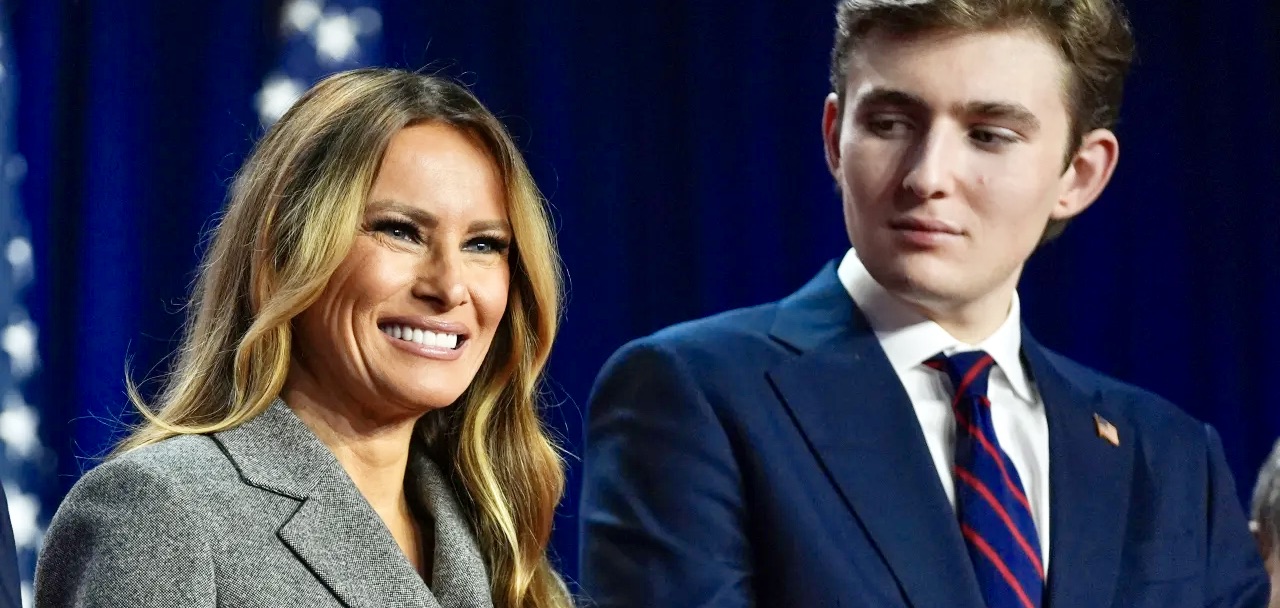 A video published by the Iranian regime-affiliated Mehr News Agency has drawn attention for depicting scenarios targeting U.S. First Lady Melania Trump and ending with a direct threat against President Donald Trump’s son, Barron Trump.
The video focuses on footage of Melania Trump during public appearances, including motorcade travel and visits to New York City. It claims to analyze her security arrangements using what it describes as satellite imagery and anonymous sources, alleging that predictable movement patterns and routines can be identified. Among its claims is that the U.S. Secret Service uses the code name “Muse” when referring to the First Lady.
Later in the video, the narrator claims that Melania Trump’s interest in fashion makes her vulnerable, pointing to luxury retailers along Manhattan’s Fifth Avenue as potential locations of concern. It also describes alleged security procedures surrounding her shopping trips, including advance screenings, the removal of trash bins, the sealing of manholes, and preparations for emergency evacuation routes.
The video goes on to discuss Melania Trump’s alleged online shopping habits, naming brands including Saks, Michael Kors, Dolce & Gabbana, and Dior, while encouraging efforts to target clothing intended for her. It also describes hypothetical methods of recruiting people working around the First Lady through financial incentives.
The video concludes with a direct message to the president’s son, stating: “This is only the beginning, Barron Trump, wait for us.”
Day 1,026 — Tuesday, July 28
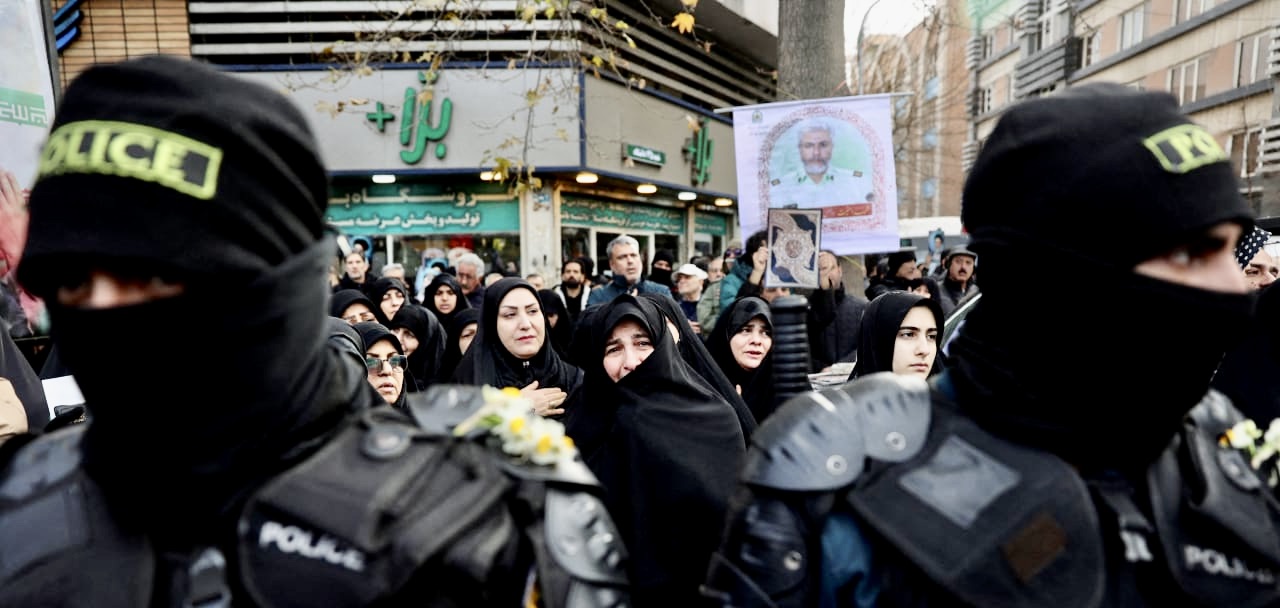 Iranian former Crown Prince Reza Pahlavi visited Israel on Sunday for a meeting with the president of the World Jewish Congress, Sylvan Adams, where the two discussed the future of Iran, the Iranian people’s struggle for freedom, and the possibility of renewed ties between Iran and Israel.
Pahlavi, who lives in exile and is the de facto leader in Iranian diaspora communities, spoke about recent events in Iran and expressed support for those opposing the Islamic Republic. Many members of the Iranian diaspora, particularly in the United States, left Iran following the 1979 Islamic Revolution.
“Thousands of Iranians have recently been killed,” Pahlavi told Adams, referring to the crackdown on nationwide protests in January that human rights groups have said resulted in thousands of deaths.
Pahlavi said those who died were not motivated by geopolitical issues but by a desire for freedom, saying they “did not die so that a strait would remain open or for the sake of a nuclear deal. They died for freedom.”
Adams, who heads the World Jewish Congress, an international organization representing Jewish communities worldwide and advocating on issues including antisemitism, Jewish security, Holocaust remembrance and relations with governments, expressed support for Pahlavi’s vision of a future Iran.
“We are discussing the hope for the freedom and liberation of the Iranian people, who have suffered for many long years and thirst for freedom,” Adams said.
“I believe this will happen in the very near future. The entire Jewish people supports your vision of a free, pluralistic, representative and democratic Iran, and we will stand with you shoulder to shoulder.”
Pahlavi also highlighted the historical relationship between Iran and the Jewish people. “What we seek to achieve in the 21st century actually began 2,500 years ago. Iran and Israel are the only two countries in the world that have a biblical connection. We have always had the support of Jews around the world and Israelis in the struggle for Iran’s freedom, and for that we are grateful.”
During the meeting, Pahlavi discussed his plans to rebuild Iran after the current regime is removed. He also invited Adams to visit Tehran with him in the future to explore potential locations for an Israeli embassy, while discussing the possibility of an Iranian embassy in Jerusalem.
Adams said he intends to accept the invitation and presented Pahlavi with two mezuzahs made from Jerusalem stone with parchment scrolls inside that were inscribed by a Jewish man of Iranian origin. A mezuzah is a small parchment scroll containing verses from the Torah, including the Shema prayer, traditionally affixed to the doorposts of Jewish homes and buildings as a sign of faith and observance.
“One mezuzah is intended for the future Israeli embassy in Tehran, and the other for the future Iranian embassy in Jerusalem,” Adams said.
The meeting comes amid continued tensions between Iran’s government and opposition figures abroad, as well as ongoing debate over the future of Iran’s relations with the international community.
Before the Islamic Revolution in Iran in 1979, an estimated 100,000 Jews lived in the country, descended from communities that had settled there through various historical periods, including the Assyrian conquest of the northern Kingdom of Israel in the 8th century BC, the Babylonian Exile in 586 BC, and the later conquest of Babylon by the Persian Emperor Cyrus the Great in 539 B.C.
Over the centuries, these Jewish communities developed deep roots in Persia and made significant contributions to the societies in which they lived. Following the Islamic Revolution in 1979, however, the vast majority of Iran’s Jewish population left the country, with only a few thousand, mostly elderly residents, remaining. Many Iranian Jews immigrated to Israel, and today an estimated 250,000 Israeli citizens are first-, second- and third-generation descendants of these communities.
Persia, the ancient name for Iran, is mentioned 36 times in the Bible, and other ancient writings describe historical connections between the kingdoms of Israel and Judah and Persia. Persia is also mentioned prominently in biblical prophetic writings, including Ezekiel 38-39, where it is listed among the nations that would attack Israel before God intervenes and saves His people from destruction.
Day 1,026 — Tuesday, July 28
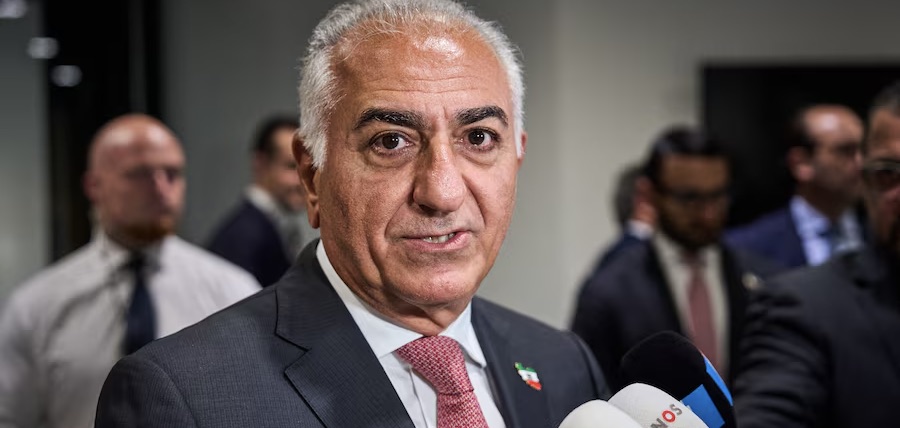 Iranian former Crown Prince Reza Pahlavi visited Israel on Sunday for a meeting with the president of the World Jewish Congress, Sylvan Adams, where the two discussed the future of Iran, the Iranian people’s struggle for freedom, and the possibility of renewed ties between Iran and Israel.
Pahlavi, who lives in exile and is the de facto leader in Iranian diaspora communities, spoke about recent events in Iran and expressed support for those opposing the Islamic Republic. Many members of the Iranian diaspora, particularly in the United States, left Iran following the 1979 Islamic Revolution.
“Thousands of Iranians have recently been killed,” Pahlavi told Adams, referring to the crackdown on nationwide protests in January that human rights groups have said resulted in thousands of deaths.
Pahlavi said those who died were not motivated by geopolitical issues but by a desire for freedom, saying they “did not die so that a strait would remain open or for the sake of a nuclear deal. They died for freedom.”
Adams, who heads the World Jewish Congress, an international organization representing Jewish communities worldwide and advocating on issues including antisemitism, Jewish security, Holocaust remembrance and relations with governments, expressed support for Pahlavi’s vision of a future Iran.
“We are discussing the hope for the freedom and liberation of the Iranian people, who have suffered for many long years and thirst for freedom,” Adams said.
“I believe this will happen in the very near future. The entire Jewish people supports your vision of a free, pluralistic, representative and democratic Iran, and we will stand with you shoulder to shoulder.”
Pahlavi also highlighted the historical relationship between Iran and the Jewish people. “What we seek to achieve in the 21st century actually began 2,500 years ago. Iran and Israel are the only two countries in the world that have a biblical connection. We have always had the support of Jews around the world and Israelis in the struggle for Iran’s freedom, and for that we are grateful.”
During the meeting, Pahlavi discussed his plans to rebuild Iran after the current regime is removed. He also invited Adams to visit Tehran with him in the future to explore potential locations for an Israeli embassy, while discussing the possibility of an Iranian embassy in Jerusalem.
Adams said he intends to accept the invitation and presented Pahlavi with two mezuzahs made from Jerusalem stone with parchment scrolls inside that were inscribed by a Jewish man of Iranian origin. A mezuzah is a small parchment scroll containing verses from the Torah, including the Shema prayer, traditionally affixed to the doorposts of Jewish homes and buildings as a sign of faith and observance.
“One mezuzah is intended for the future Israeli embassy in Tehran, and the other for the future Iranian embassy in Jerusalem,” Adams said.
The meeting comes amid continued tensions between Iran’s government and opposition figures abroad, as well as ongoing debate over the future of Iran’s relations with the international community.
Before the Islamic Revolution in Iran in 1979, an estimated 100,000 Jews lived in the country, descended from communities that had settled there through various historical periods, including the Assyrian conquest of the northern Kingdom of Israel in the 8th century BC, the Babylonian Exile in 586 BC, and the later conquest of Babylon by the Persian Emperor Cyrus the Great in 539 B.C.
Over the centuries, these Jewish communities developed deep roots in Persia and made significant contributions to the societies in which they lived. Following the Islamic Revolution in 1979, however, the vast majority of Iran’s Jewish population left the country, with only a few thousand, mostly elderly residents, remaining. Many Iranian Jews immigrated to Israel, and today an estimated 250,000 Israeli citizens are first-, second- and third-generation descendants of these communities.
Persia, the ancient name for Iran, is mentioned 36 times in the Bible, and other ancient writings describe historical connections between the kingdoms of Israel and Judah and Persia. Persia is also mentioned prominently in biblical prophetic writings, including Ezekiel 38-39, where it is listed among the nations that would attack Israel before God intervenes and saves His people from destruction.
Day 1,025 — Monday, July 27
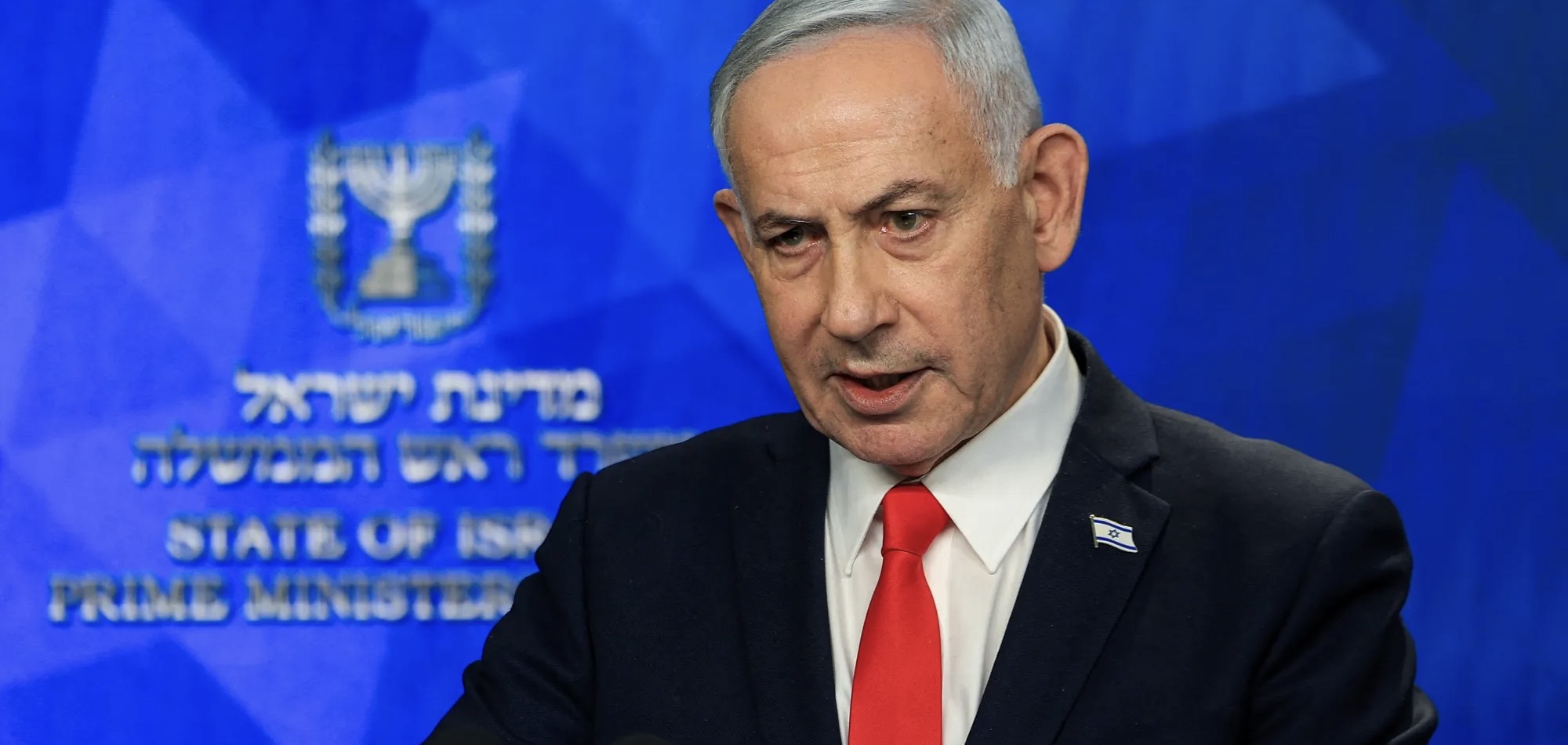 Israeli Prime Minister Benjamin Netanyahu on Sunday accused New York City Mayor Zohran Mamdani of “fomenting hate” and aligning with Hamas, linking recent anti-Israel rhetoric to rising fear among Jewish residents of NYC.
In an interview on Fox News‘ “Sunday Morning Futures,” the premier dismissed Mamdani’s threat to arrest him during his September visit to address the United Nations General Assembly based on the ICC’s “bogus charges” of war crimes.
The NYC mayor is “trying to turn one group against the other, and he’s foisting hate and fear,” Netanyahu said. “I speak to Jewish-Americans in New York and they’re afraid right now.”
Referring to Mamdani’s recent “hate speech against Israel and me,” Netanyahu linked it to a stabbing days later of a Jewish man on Manhattan’s Upper West Side.
“I intend to come and speak the truth, speak for Israel and for the Israeli-American alliance from the podium of the United Nations,” Netanyahu asserted.
Turning the tables, Netanyahu accused Mamdani of supporting the “Hamas murderers who raped our women, then beheaded them, burnt babies alive, slaughtered our men, took innocent people hostages: 251 men, women, children, babies. That’s who he’s supporting.”
Hamas “are the ones responsible for genocide,” Netanyahu said, referring to the terrorist group’s charter and proclamations to kill “every single Jew in Israel and every Jew in the world.” Jerusalem is “trying to fight this genocidal terrorist organization that embeds itself among civilians.”
“That’s where the real criminals are, but Mamdani is aligning himself with the criminals, with these murderers. But the worst thing is that he’s tormenting his own citizens, his own voters. No, that is wrong,” he said.
On Iran, Netanyahu said the war would end when Tehran either changes course or its regime is weakened enough to halt its nuclear ambitions. He said joint Israeli and U.S. operations had set back Iran’s nuclear program by “a good few years,” including the killing of 20 nuclear scientists and damage to key facilities.
He warned that any Iranian attack on Israel—directly or through proxies—would trigger a “very, very forceful” response.
Addressing Lebanon, Netanyahu said Israel has significantly degraded Hezbollah’s capabilities, claiming about 94% of its missile arsenal had been destroyed. He pointed to ongoing U.S.-mediated talks with Lebanon as a potential pathway toward disarming Hezbollah and advancing a future peace agreement.
On regional diplomacy, Netanyahu expressed support for a potential U.S.-brokered deal in which Saudi Arabia would normalize relations with Israel in exchange for a civilian nuclear program, emphasizing that such a program must not include military capabilities.
He also said Israel is in contact with additional Arab states about expanding the Abraham Accords but declined to name them.
Netanyahu voiced concern about what he described as rising antisemitism within parts of the Democratic Party, warning that intimidation of lawmakers could undermine bipartisan U.S. support for Israel.
Day 1,025 — Monday, July 27
 The IDF on Monday morning intercepted two UAVs on the Israel-Jordan border.
The UAVs, which were identified by Israel’s security forces, did not cross into Israeli territory.
“A short while ago, the IDF intercepted two UAVs identified in the area of the Jordan border,” the IDF confirmed. “The UAVs did not cross into Israeli territory. The origin of the launch is under review.”
“No sirens were sounded in accordance with protocol.”
Initial reports indicate that the interception was carried out near the border, in the Dead Sea area.
Day 1,024 — Sunday, July 26
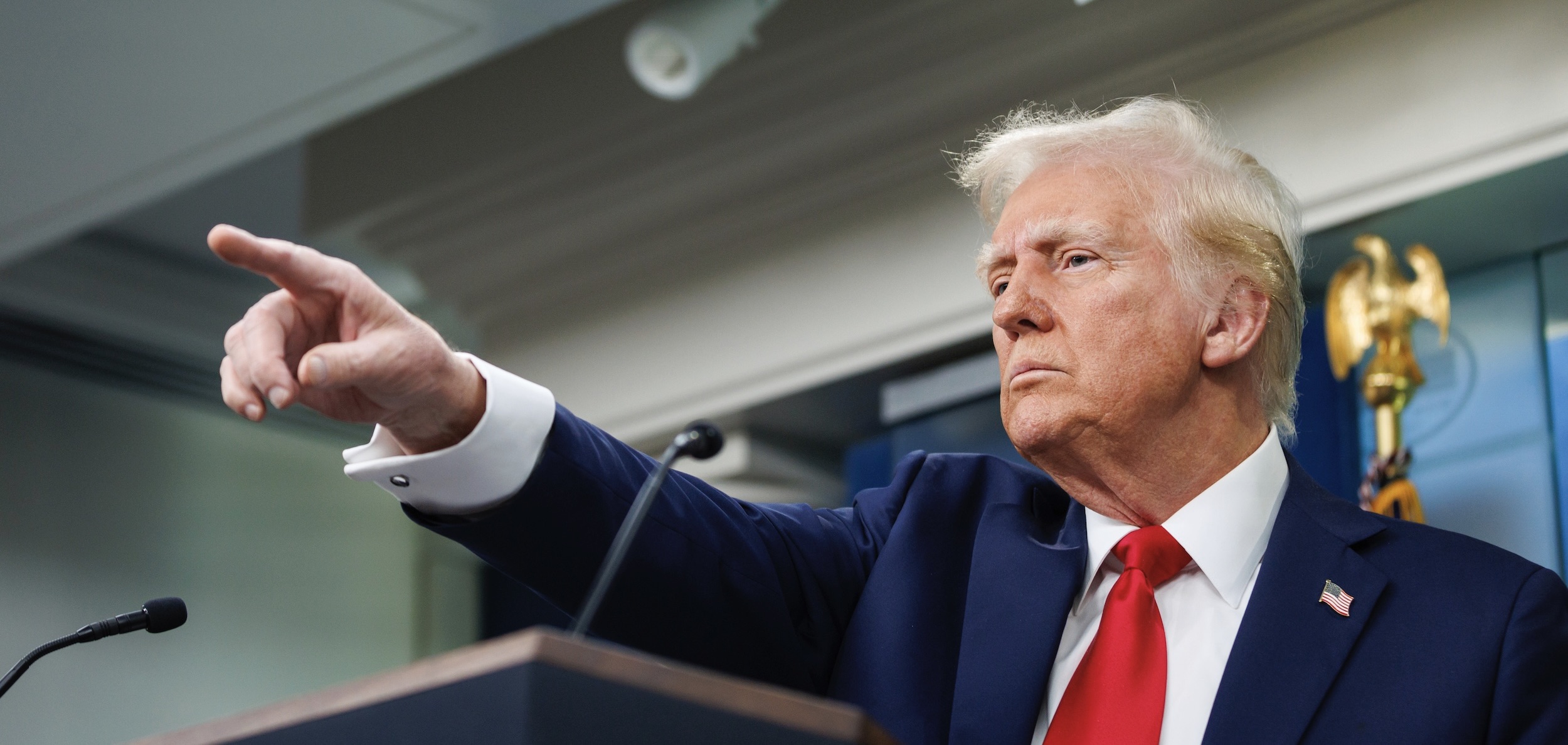 The White House pushed back Saturday after a New York Times report said President Donald Trump had shelved plans to significantly escalate military operations against Iran, emphasizing that the president continues to keep all options on the table.
“President Trump has always been consistent in saying he prefers a diplomatic solution, but he continues to retain all options if Iran continues terrorist activities in the Strait of Hormuz or against allies,” White House Communications Director Steven Cheung told Fox News Digital.
Cheung added that, after “successful sanctions that have crippled Iran’s economy and 13 straight days of strikes against military targets in response to their repeated aggression, it would be wise for Iran to work towards a negotiated deal. Otherwise, they know what will happen.”
The statement comes in response to a New York Times report that Trump has, for now, held off on a broader military campaign against Iran after advisors raised concerns about expanding the conflict.
Day 1,023 — Saturday, July 25
 The International Criminal Court prosecutor whose arrest warrant against Israeli Prime Minister Benjamin Netanyahu became central to New York Mayor Zohran Mamdani’s threat to arrest the Israeli leader was dismissed Friday after member states voted to remove him over sexual misconduct allegations.
Karim Khan, the ICC’s chief prosecutor, was removed after a vote by the Assembly of States Parties, the court’s 125-member governing body, following disciplinary proceedings tied to allegations involving a junior female staffer in his office. Khan has denied wrongdoing.
The decision marked the first time in the ICC’s history that a sitting chief prosecutor has been removed from office. Khan’s removal comes days after Secretary of State Marco Rubio launched a U.S. campaign to “dismantle” the ICC, accusing the court of threatening American sovereignty.
Khan became one of the world’s most controversial prosecutors after pursuing ICC arrest warrants for Netanyahu and former Israeli Defense Minister Yoav Gallant over Israel’s war against Hamas in Gaza. The ICC issued the warrants in November 2024, prompting fierce condemnation from Israel and the United States, neither of which is a member of the court.
The warrants also became a flashpoint in New York politics after Mamdani repeatedly invoked the ICC case against Netanyahu. Mamdani said during his campaign that he would seek to arrest Netanyahu if the Israeli prime minister came to New York, and later acknowledged as mayor that the city lacks authority to enforce the warrant while calling on the federal government to do so.
The ICC, based in The Hague in Holland, is a permanent international court created under the Rome Statute to prosecute individuals accused of genocide, war crimes, crimes against humanity and the crime of aggression when national courts are unable or unwilling to act.
The allegations against Khan have triggered a crisis for the court. Reuters reported that 82 of the ICC’s 125 member states voted in favor of his removal, exceeding the absolute majority required. Khan had previously stepped aside in May 2025 while a U.N. oversight investigation was underway and was suspended in June 2026 pending the final vote.
The Associated Press reported that the court’s oversight body found Khan had committed “serious misconduct.” The case involved allegations from a female aide who said Khan engaged in nonconsensual sexual conduct. Khan’s lawyers have denied the allegations and called the removal process legally flawed and unsupported by evidence.
The woman, identified only as Sarah, went public in a CNN interview last week. “There is no way for something to be consensual when you have such a power disparity,” she told CNN.
Khan’s legal team rejected the vote and said he would challenge the decision. Tayab Ali, partner at Bindmans LLP and head of Khan’s legal team, said in a statement that the Assembly of States Parties had disregarded due process concerns raised publicly by more than 180 nongovernmental organizations and senior international lawyers.
“The decision is unsupported by any lawful or properly reasoned finding that Mr Khan KC committed misconduct or breached his duties as Prosecutor,” Ali said. “He has denied the allegations from the outset and continues to do so.” Ali said the allegations were investigated for more than a year by the U.N. Office of Internal Oversight Services and argued that “there is not a single finding of misconduct, including sexual misconduct, anywhere in the OIOS report.” He also said a three-judge panel unanimously determined in March 2026 that the factual findings made by OIOS did not establish misconduct or breach of duty by Khan.
Khan’s lawyers accused the Assembly of States Parties of removing him through a politically driven and procedurally unfair process, saying Khan and his lawyers were not allowed to make formal submissions to the Assembly before the vote.
“The Prosecutor of this Court has been removed by an executive vote while under sanctions and while the Court is under immense political pressure,” Ali said.
Ali said Khan “will challenge the lawfulness and fairness of the decision through all available legal mechanisms.”
Israeli officials argued Friday that Khan’s removal undermined the legitimacy of the ICC’s actions against Netanyahu.
Israeli Ambassador to the United Nations Danny Danon told Fox News Digital that Khan believed “by launching a political witch hunt against Israel and issuing a politically-motivated arrest warrant against Prime Minister Netanyahu, the world would ignore the grave sexual misconduct allegations against him.”
“He was wrong,” Danon said. “He sought to scapegoat Israel in an attempt to divert attention from his own misconduct. The international community rejected that cynical attempt today.”
Danon added, “The attacks against Israel, which were intended to distract from his disgraceful conduct, did not save Karim Khan, and they will not help Zohran Mamdani either.”
Day 1,023 — Saturday, July 25
 Israel on Friday blasted the United Nations Educational, Scientific and Cultural Organization (UNESCO) after it recognized the Samaria town of Sebastia, an ancient Biblical site, as an endangered “Palestinian World Heritage Site”, accepting the Palestinian Authority’s (PA) bid while completely ignoring the town’s Jewish history.
In addition, UNESCO also added the Beaufort Castle in southern Lebanon, which was taken over by the IDF as part of its counterterrorism operations against Hezbollah, to its list of endangered World Heritage Sites.
Ambassador Nina Ben-Ami, Deputy Director General for UN and International Organizations at Israel’s Ministry of Foreign Affairs, denounced the decision, noting, “In line with Israel’s longstanding position, Palestinian membership of UNESCO has no legal effect under international law. Accordingly, Israel does not recognize nominations submitted by the Palestinian delegation.”
Ben-Ami continued, “The decision to submit a dozen tentative sites for UNESCO World Heritage status, including the ancient Jerusalem water system, the fortress of Herodium, and the Hasmonean Palaces, represents another Palestinian attempt to rewrite Jewish history in the Land of Israel. Try though it may, neither the Palestinians nor this committee can erase the people of Israel’s ancient roots in our ancestral homeland. While the move may pass muster today in this conference, it will not stand the test of time.”
She pointed out that the latest move “is part of a broader pattern of Palestinians using UNESCO’s heritage mechanisms to advance political objectives, which have nothing to do with genuine cultural preservation.”
“Jerusalem’s water systems were engineered by ancient Jewish rulers to protect the city during foreign invasions. The construction of this water system is documented in the Bible, in the book of Kings. The Hasmonean palaces were built in the 1st and 2nd centuries BCE by the Maccabees and house one of the oldest synagogues ever discovered. Herodium, the monumental palace fortress and burial site of Herod, king of Judea, is a crucial piece of classical Jewish and Roman history,” stated Ben-Ami.
“Attempting to claim exclusive cultural custody over palaces from the ancient Kingdom of Judah, while ignoring their Jewish heritage, denies history. This constitutes a clear example of the politicizing of UNESCO and this honorable forum to promote one-sided political agendas,” she added.
“Israel remains fully committed to preserving the cultural heritage of all peoples and all faiths. UNESCO should reject the weaponizing of history. We urge the World Heritage Committee to safeguard the integrity of the Convention and ensure its procedures remain guided by professional considerations, not political agendas,” concluded Ben-Ami.
Over the years, the Paris-based UN cultural agency has passed numerous politicized resolutions sharply criticized by Israeli officials and international observers.
In 2016, UNESCO approved resolutions ignoring Jewish historic ties to Jerusalem, describing the Temple Mount and the Western Wall Plaza strictly as Muslim holy sites and referring to Israel as “the occupying power.”
In 2017, UNESCO voted to register the Old City of Hebron and the Cave of the Patriarchs as an “endangered Palestinian World Heritage site.” In 2018, the agency adopted resolutions declaring both the Cave of the Patriarchs in Hebron and Rachel’s Tomb near Bethlehem to be an “integral part of the Occupied Palestinian territory.”
In September 2023, UNESCO listed Ancient Jericho (Tel es-Sultan) as a “Palestinian World Heritage site,” drawing fierce condemnation from legal experts and Israeli diplomats for ignoring ancient Jewish ties to the area.
Due to the agency’s entrenched anti-Israel posture and structural bias, the first Trump administration withdrew from UNESCO in 2017, citing its anti-Israel bias. Israel withdrew from UNESCO in 2019.
Although the Biden administration rejoined the agency in July 2023, the second Trump administration announced a second withdrawal from UNESCO in July 2025, again citing pervasive political bias and measures targeting Israel.
Day 1,022 — Friday, July 24
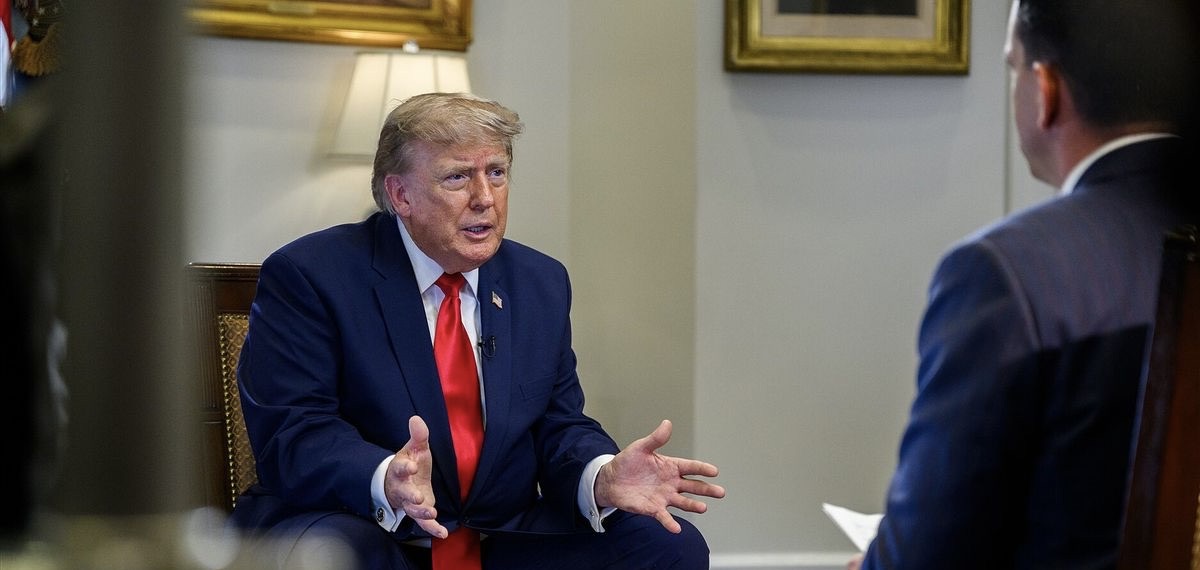 U.S. Central Command (CENTCOM) said Thursday it completed its 13th night of strikes against Iranian military targets and maritime infrastructure.
“U.S. Central Command (CENTCOM) forces successfully completed the 13th consecutive night of strikes against Iran on July 23 at 9 p.m. ET,” it said in a post shared on X.
CENTCOM said it targeted Iranian military command centers, drone storage facilities, communication networks, coastal surveillance sites and maritime capabilities to “further diminish the threat Iran poses to civilian mariners and commercial vessels transiting the Strait of Hormuz.”
“The international waterway remains open for transit despite recent attacks from Iran’s Islamic Revolutionary Guard Corps. Commercial vessels continue to freely navigate the Strait of Hormuz with U.S. military support,” CENTCOM added before stating that more than 50,000 U.S. service members are currently operating across the Middle East.
Explosions were heard across multiple parts of Iran on Thursday after the U.S. military launched another wave of strikes targeting Iranian military capabilities, according to local media.
An explosion was heard on the southern coast of Qeshm Island, Iran’s state broadcaster reported, according to Reuters.
The outlet also said multiple explosions were reported in the southern city of Ahvaz, according to Iran’s Fars News Agency.
A separate explosion was heard west of the port city of Bandar Abbas, Iran’s state broadcaster reported, also according to Reuters.
President Donald Trump said Thursday that any further damage to vessels in the Strait of Hormuz would be paid for using Iranian funds held by the United States, bolstering Washington’s economic pressure on Tehran.
“Please let this statement serve to represent, until further notice, that from this point forth, any and all damages done to Ships, Cargo, or anything related thereto, will be paid for by Iranian Money that the United States has in its possession, and controls,” Trump said in a post shared on Truth Social.
“These damages may be very substantial but, nevertheless, this is the fair and equitable thing to do. Thank you for your attention to this matter!” Trump added.
President Donald Trump is considering launching a “massive attack” on Iran that would eclipse the first strikes the U.S. and Israel carried out in the early days of Operation Epic Fury, Axios reported.
Trump has not made a decision on this and did not say when the attack may happen if he orders it.
“I am considering a massive attack. Bigger than ever before. I am close to making a decision. We are all set for it,” Trump told Axios in an interview.
Trump also said that Israel would join the proposed operation “in two minutes if I ask them to.” He stressed that “we don’t need anybody” to help in the campaign against Iran.
Day 1,022 — Friday, July 24
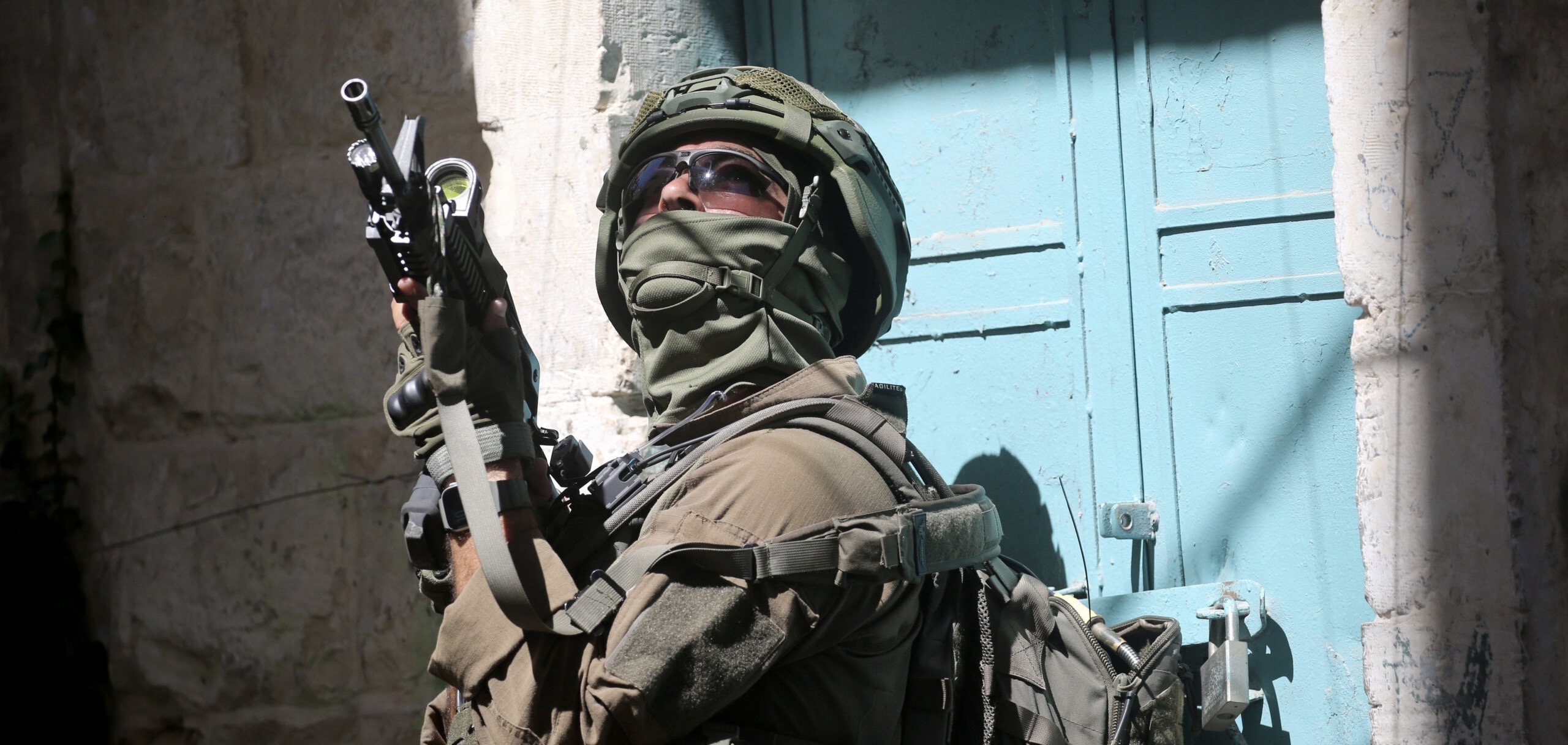 An Israeli was killed and three others were wounded when a terrorist opened fire with a weapon stolen from a security man in the area near Havat Gilad, in the greater Nablus area, early on Friday morning.
According to the Palestinian Authority Health Ministry, four Palestinians, including the terrorist, were killed and four others were wounded in the subsequent exchange of fire.
The shooting came after three stabbing attacks on Thursday, in which an Israeli soldier and a civilian were wounded. It also occurred near Havat Gilad, where a large-scale fire destroyed dozens of homes last weekend. Residents have accused local Palestinians of committing arson as an act of terrorism. Police arrested two suspects, though only on suspicion of causing the fire without intent.
Amid heightened tensions between Jewish and Palestinian residents, several Israeli civilians were hiking near the Palestinian village of Tell. Army Radio reported that they were attacked by residents near a mosque on the outskirts of the village.
The security coordinator of Havat Gilad rushed to the scene to help them, but in an apparent scuffle, a terrorist stole his weapon and opened fire, killing one Israeli and seriously wounding two others. A fourth was lightly wounded.
“Additional IDF soldiers were dispatched to the scene and are currently pursuing the terrorists while establishing security roadblocks in the area. A temporary cordon was imposed on the city of Nablus and the Tell area,” the Israeli military said.
It later added that soldiers recovered the stolen weapon and returned it to its owner. “A joint security agency situational assessment is currently being conducted, led by the Commander of the Central Command, with the participation of representatives from the Judea and Samaria Division, Israel Police officers from the Judea and Samaria District, and the Shin Bet,” the IDF reported.
Day 1,021 — Thursday, July 21
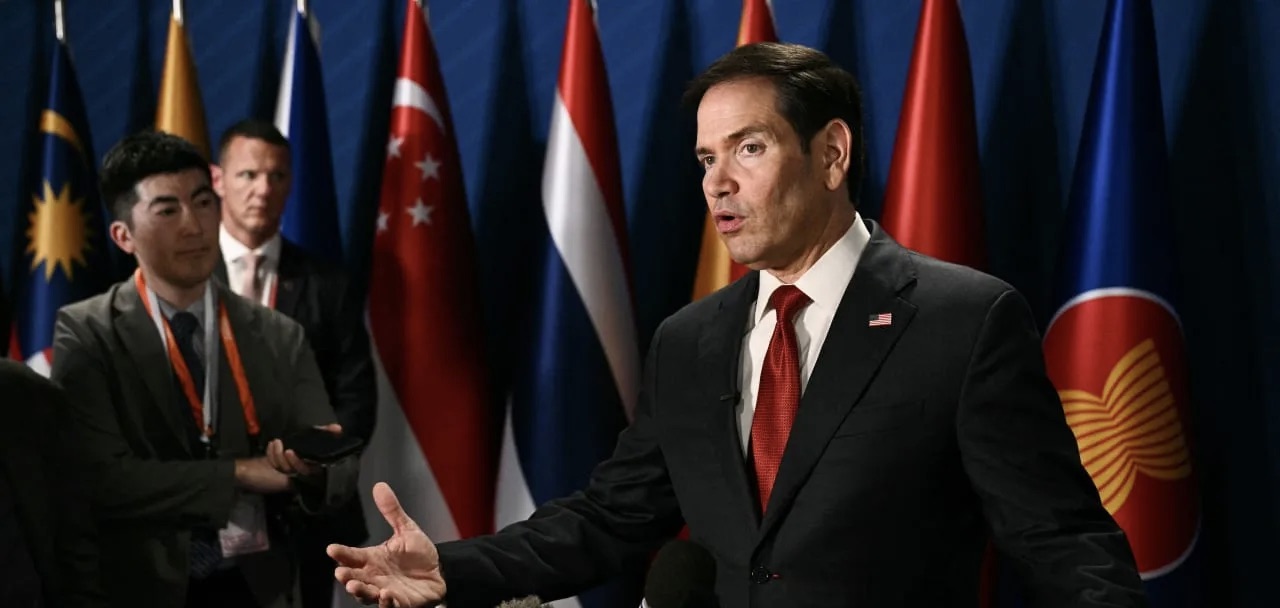 US Secretary of State Marco Rubio said that the price for Iran’s recent escalation in violence will increase every night until leadership in Tehran “come to their senses,” while speaking with reporters on the sidelines of the Association of South East Asian Nations (ASEAN) Regional Forum on Thursday.
He claimed that Iran is begging to make another deal with Washington after the previous US-Iran Memorandum of Understanding collapsed, but noted that “it looks like they are not ready to make a deal.”
“The problem is that any time they make a deal, the people that are in charge either break it or they want to change it,” Rubio said.
He posited that Iran may be ready to make a deal in a few days, “as they continue to suffer great losses.”
Regarding US President Donald Trump’s position on how to deal with Iran, Rubio stated that Trump will take “a head for an eye,” referencing Iranian Foreign Minister Abbas Araghchi’s previous claims that Iran operates with an “eye for an eye” strategy.
Rubio asserted that as long as Trump is in office, Iran will never be allowed to develop or possess a nuclear weapon.
“The number one threat to the world is these lunatics in possession of a nuclear weapon,” he said in reference to Iran’s leadership, adding that “some of them are lunatics, some of them are evil, and some of them are evil lunatics.”
Rubio asserted that Iran has the potential to be the richest country in the Middle East but decried Tehran for choosing to fund terrorist proxies, rather than investing in its own people.
“They take their money, and they give it to Hezbollah, they give it to Hamas, they give it to the Houthis, they give it to Shia militias, they give it to sponsor terrorism all over the world,” he elaborated.
When asked about whether the US is still seeking regime change after having killed many top Iranian officials during Operation Epic Fury, Rubio stated that the US’s top priority is pursuing a denuclearized Iran that will never have a nuclear weapon.
Day 1,021 — Thursday, July 21
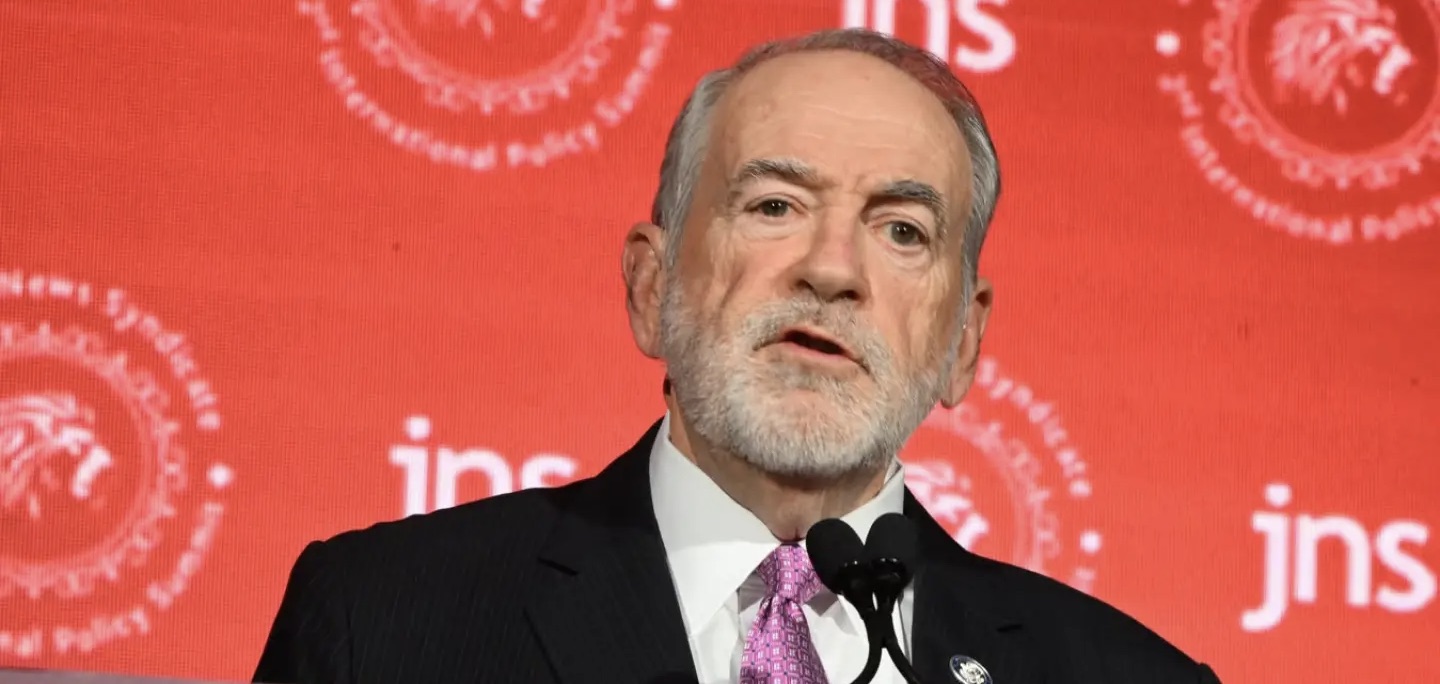 U.S. ambassador to Israel Mike Huckabee lashed out at New York City Mayor Zohran Mamdani on Wednesday, calling him an “evil antisemite” in the wake of his recorded message branding Prime Minister Benjamin Netanyahu as a “war criminal.”
“Would be easy to say NY Mayor is just an ignorant bigot, but he is not dumb,” Huckabee tweeted.
“He’s an evil anti-Semite who deliberately lies about serious things like ‘genocide’ to stoke Jew hate. If anyone should be arrested, it’s the Mayor of NY for incitement. NYC should be ashamed,” the diplomat said.
The vociferously anti-Israel mayor released a video on Tuesday in which he said that New York City does not have the authority to arrest Netanyahu, a campaign promise that he had made when running for mayor.
Benny Polatseck, a Chassid and a former multimedia producer in the mayor’s office under Mamdani’s predecessor, Eric Adams, told JNS that Mamdani’s video was “red meat” for his democratic socialist base.
“That’s all this is about. Part of why he wanted to be mayor was to do this,” Polatseck said. “This is what he believes, and he doesn’t really care about the consequences for the Jewish community.”
Day 1,021 — Thursday, July 21
 The UK government considered suspending its trade agreement with Israel and conducted an impact assessment on the possibility last summer, according to a report by Sky News.
According to the report, the Department for Business and Trade carried out the assessment in August 2025, examining the potential suspension of the UK-Israel Trade Partnership Agreement, the post-Brexit continuity arrangement signed in 2019 that grants Israeli imports preferential tariff treatment.
Impact assessments are understood to examine the economic and social effects of potential policy changes and are routinely used in trade policy. The report said the assessment was conducted as part of the UK’s response to the Israeli government’s actions in Gaza and Judea and Samaria.
The UK suspended negotiations on a new free trade agreement with Israel in May 2025. However, the existing UK-Israel Trade Partnership Agreement has remained in force.
Trade minister Chris Bryant said in the House of Commons in October that exports to Israel support thousands of jobs in the UK. In a written response, he also stated that suspending preferential trade treatment could risk significant economic disruption for British businesses.
Sky News reported that neither Parliament nor the public was informed that the government had carried out the assessment, and the government has not released its findings. When asked about the status of the agreement in Parliament, ministers did not disclose that suspension had been considered.
The existence of the assessment became public only after the Department for Business and Trade responded to a freedom of information request submitted by the UK-based campaign group Global Justice Now earlier this month.
The department withheld details regarding the scope of the assessment, when it was commissioned and completed, and any decisions that may have resulted from it.
Day 1,020 — Wednesday, July 22
 A majority of Americans continue to support Israel over Hamas, but voters under 25 favor Hamas by a wide margin and most Democrats say Israel should not be defined as a Jewish state, according to a new Harvard CAPS/Harris poll.
In a forced-choice question asking voters whether they supported Israel or Hamas more in the conflict, 73% chose Israel and 27% chose Hamas.
The result was sharply divided by age. Among voters aged 18 to 24, 60% supported Hamas more, compared with 40% who chose Israel. Support for Israel increased steadily among older voters, reaching 62% among those aged 25 to 34, 67% among those aged 35 to 44 and 88% among voters aged 65 and older.
The poll also found a significant partisan divide, although majorities in all three political groups favored Israel.
Republicans supported Israel over Hamas by 85% to 15%, while independents chose Israel by 69% to 31%. Among Democrats, Israel led by a narrower 63% to 37%.
The results showed that choosing Hamas over Israel in the conflict did not necessarily indicate a generally favorable opinion of the terrorist organization.
Only 11% of respondents said they viewed Hamas favorably, while 59% held an unfavorable opinion, giving the group a net favorability rating of minus 48 points.
Israel received equal favorable and unfavorable ratings, with 37% expressing a positive opinion and 37% a negative one. The remaining respondents either had no opinion or were unfamiliar with it.
The Palestinian Authority was viewed favorably by 17% and unfavorably by 45%, producing a net rating of minus 28 points.
The survey also found broad support for Israel’s right to exist as a Jewish homeland, but considerably less agreement that the country should formally be defined as a Jewish state.
Seventy-six percent said Israel had a right to exist as the homeland of the Jewish people, while 24% said it did not.
Even among voters aged 18 to 24, 52% affirmed Israel’s right to exist as the Jewish homeland, compared with 48% who rejected it. Support rose to 92% among voters aged 65 and older.
When respondents were asked about Israel’s political character, however, 56% said Israel should be defined as a Jewish state. Forty-four percent said it should instead be “a state without an official religious or ethnic identity.”
Democrats narrowly rejected the Jewish-state definition. Fifty-two percent said Israel should have no official religious or ethnic identity, while 48% said it should be defined as a Jewish state.
Republicans supported the Jewish-state definition by 70% to 30%. Independents were nearly evenly divided, with 49% supporting a Jewish-state definition and 51% favoring a state without an official religious or ethnic identity.
The generational division was again most pronounced among the youngest voters. Sixty-two percent of respondents aged 18 to 24 said Israel should not have an official religious or ethnic identity, while 38% said it should be defined as a Jewish state.
Voters aged 25 to 34 supported the Jewish-state definition by 54% to 46%. Support remained at 54% among those aged 35 to 44 and increased to 63% among voters aged 65 and older.
The distinction between the two questions indicated that some respondents believed Israel had a right to exist as the Jewish homeland while opposing its formal definition as a Jewish state.
Day 1,020 — Wednesday, July 22
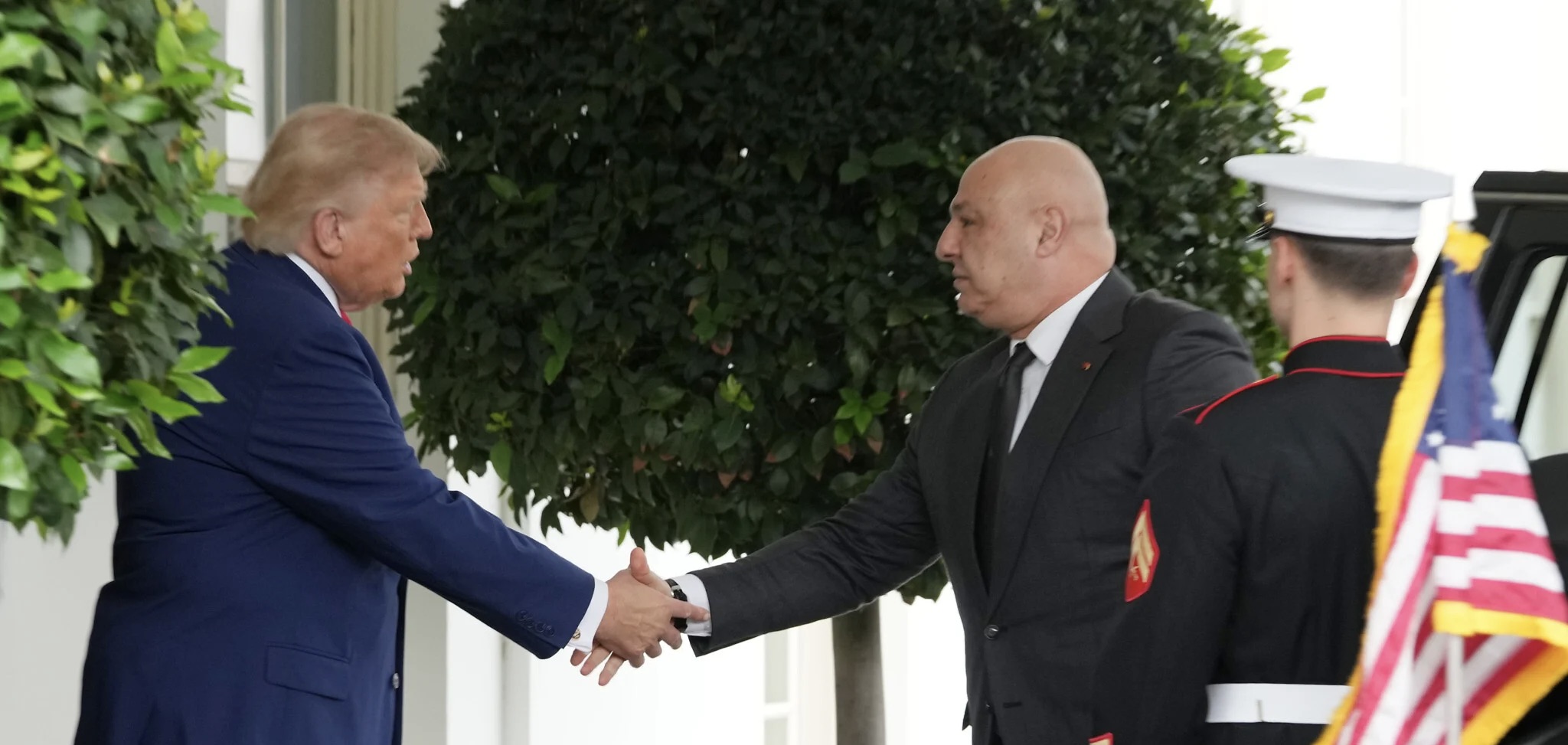 Lebanese President Joseph Aoun told U.S. President Donald Trump during their White House meeting on Tuesday that Lebanon is committed to permanently ending hostilities with Israel, describing the effort as a potential legacy achievement for Trump.
“I would like to thank President Trump and his team for the historic visit and for the historical achievement that we did together, by signing the framework, with the ultimate objective of ending the state of hostility between Lebanon and Israel forever,” Aoun said at the White House meeting.
Referring to Trump’s broader regional peace efforts, Aoun added, “I think, Mr. President, this will be your legacy,” and said, “I think my vision coincides with your vision.”
bollah terror group under the agreement signed with Israel in June, and based on a Lebanese government Cabinet decision made in 2025.
The Lebanese leader has been gradually increasing pressure on Hezbollah to disarm, both domestically and through international channels, as his government seeks to end decades of Israeli strikes and incursions into Lebanese territory aimed at reducing the terrorist organization’s ability to threaten Israel.
Aoun embraced the U.S. government’s call for the Lebanese government to exercise “a monopoly on arms” in the country. Hezbollah’s military capabilities rivaled those of the LAF before Israel began systematically destroying its infrastructure and targeting its leadership in 2024, leading many analysts to describe it as a “state within a state.”
Ending Hezbollah’s presence in southern Lebanon has been an international concern for years, leading to the adoption of UN Resolution 1701 following the 2006 Second Lebanon War. However, neither the LAF nor the United Nations Interim Force in Lebanon (UNIFIL) took concrete steps to enforce the resolution or address Hezbollah’s military presence in the area.
This failure has meant that Israeli forces have continued to confront the Shia terror group directly in an effort to maintain security along its northern border and protect nearby communities. It has also contributed to the continued presence of IDF troops in southern Lebanon after the December 2024 ceasefire agreement, as Israel sought to prevent renewed fighting from spilling across the border.
The signed agreement between Lebanon and Israel envisions a series of IDF withdrawals from southern Lebanon, based on a successful entry of the LAF into “pilot zones,” and a demonstrated ability to prevent Hezbollah reentry into those same areas.
President Aoun emphasized the need for continued international support for the Lebanese army they take on an expanded role in southern Lebanon.
“We need to support the LAF,” Aoun said. “Without the LAF, everything will collapse.”
“We don’t want that. I think President Trump doesn’t want that,” Aoun, the former LAF commander, said.
At the same time, as Lebanese soldiers entered the first pilot zone on Tuesday, tensions briefly rose with Israeli forces, which fired warning shots during the encounter.
The LAF accused Israeli soldiers of firing toward Lebanese troops as they entered the town of Zawtar al-Gharbiya, which is part of the first pilot zone.
Israel reported LAF troops crossing into the Israeli security zone and breaching barriers in the neighboring town of Zawtar al-Sharqiyah, which is not part of the pilot zone.
“IDF soldiers operating in the area fired warning shots into the air only, which did not endanger the Lebanese Armed Forces personnel, in order to distance them from the area,” the Israeli military said in a statement.
The IDF also reported: “The Lebanese Armed Forces personnel withdrew from the area, and no injuries were reported.”
Despite Aoun’s request for Trump to press Israel for a swift withdrawal, Trump did not provide a timeline for a potential Israeli withdrawal.
When asked about Israeli withdrawal and the Lebanese army taking control of southern Lebanon, Trump said there are “very concrete plans already in store for that, with others going in and helping, but they’re also becoming much more self-sufficient.”
The U.S. president said he would be willing to begin dialogue with Hezbollah on behalf of Aoun, saying, “if the president wanted me to speak to Hezbollah, I would.”
Following the nearly one-hour meeting, the senior advisor for Africa at the U.S. State Department, Massad Boulos, of Lebanese descent, said the agreement would take time to implement.
“It’s all about implementation. It’s going to take time. This is not easy,” Boulos said. “Nobody believes for a second that this is going to be an easy task in any way.”
“We are determined, President Trump is absolutely determined to see this through,” he added.
The meeting with President Trump is a diplomatic achievement for Aoun, as he seeks to gather support inside Lebanon for what could be a long, complicated process.
Day 1,020 — Wednesday, July 22
 An online campaign calling on people to surveil and report the whereabouts of Jewish and Israeli tourists, or anyone suspected of having ties to “Zionists,” has sparked anger among Israeli diplomats, local Jewish leaders and Italian politicians.
The anonymous campaign, focused in Milan, and spread via social media and messaging apps, involved a link which opened to a Google document. It asked questions to identify the exact locations of Jewish and Israeli individuals, including specific hotels, vacation rentals, and commercial establishments, to create what it called “a mapping of Zionist tourism.”
The information would be used for unspecified future initiatives, the form said.
“This form is intended to record cases of Zionist tourism, property purchases, and, more generally, Zionist neo-colonization in Italy,” according to the document. “The data collected will be received by the Global Sumud Movement and will remain protected and confidential.”
The Global Sumud Movement, which organizes anti-Israel activities in Europe, including the recent flotillas to the Gaza Strip, denied any involvement in the campaign following the backlash.
“I think we’re going back to the 1930s, to the hunt for Jews,” Milan Jewish Community President Walker Meghnagi said. “Mapping where Jews are is extremely serious.”
He called on the judiciary to intervene and for all parties to take a stand against the campaign.
Undersecretary of State to the Presidency of the Council of Ministers, Alessandro Morelli, a member of the conservative League Party, a junior partner in Italy’s ruling coalition, condemned the form as “abhorrent,” harking back to “the dark ages of Nazi-Fascism.”
He also called for the unanimous political condemnation of the “racist initiative.”
“We’re essentially talking about blacklists. We’re returning to the extremely dangerous climate that preceded the racial laws,” said Italian Senator Graziano Delrio of the Democratic Party, the main opposition party, referring to a series of antisemitic and segregationist decrees enacted by Benito Mussolini’s Fascist regime between 1938 and 1943.
Israeli Ambassador to Italy Jonathan Peled posted to X on Sunday, “The initiative to map Zionist tourism in Italy is an abominable action that highlights the alarming growth of antisemitic hatred in Italy and reveals, once again, the extremist and discriminatory drifts of the Pro-Pal movement.”
The European Jewish Congress, the main umbrella organization for Jewish communities across Europe, said of the questionnaire, “Presented as a ‘mapping of Zionist tourism,’ the initiative effectively encourages the identification and targeting of individuals based on their actual or perceived Jewish identity or nationality.
“Such attempts to single out individuals based on their identity create fear, fuel hatred and place Jewish communities at greater risk. The Italian authorities must act swiftly to ensure those responsible are held accountable and that such dangerous practices are stopped immediately,” it added.
Day 1,020 — Wednesday, July 22
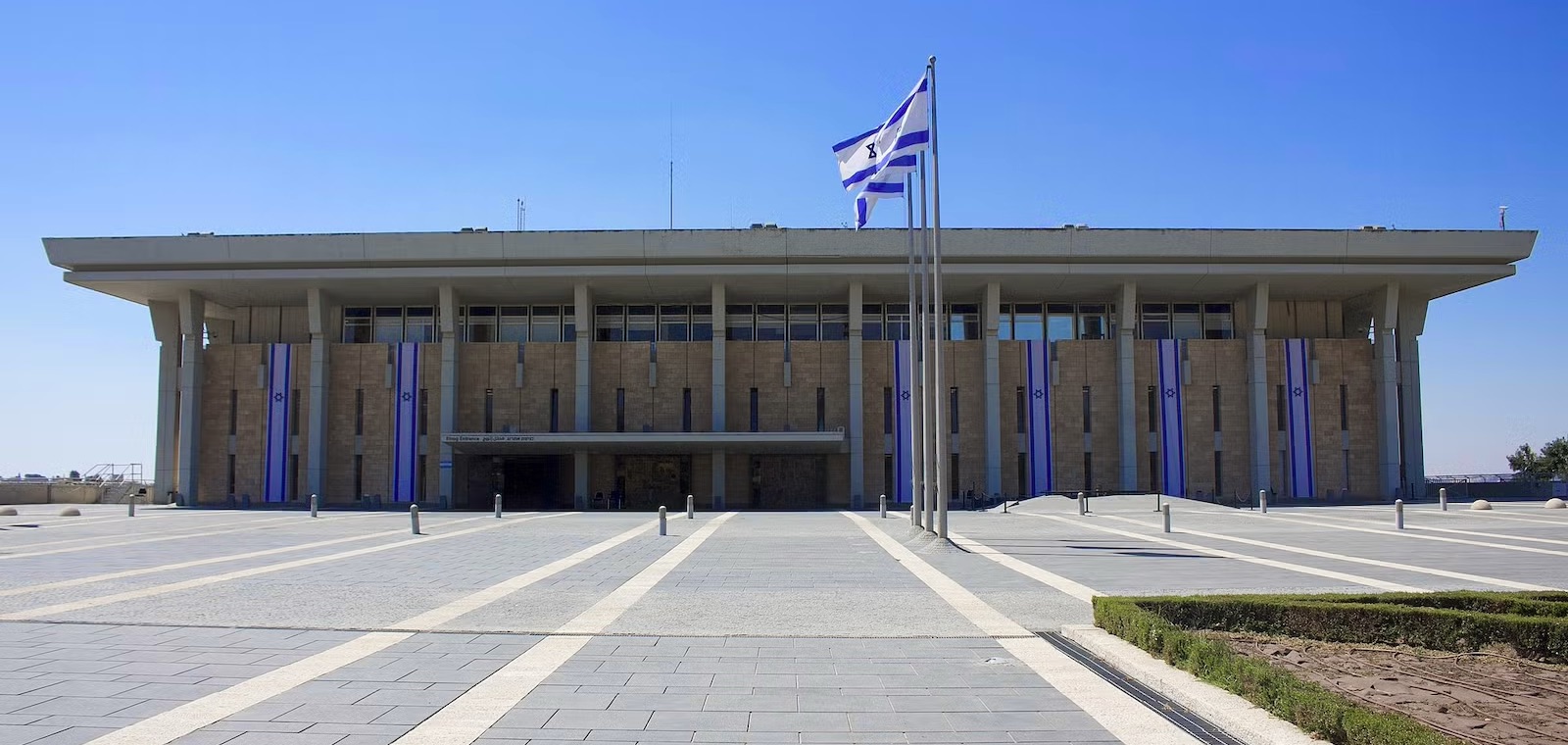 The State Attorney’s Office has filed an unprecedented request with the Central District Court to revoke the Israeli citizenship of two security prisoners, Rani Ouf and Shadi Aidi.
The request was submitted at the direction of the Prime Minister, who holds the Interior Minister’s authority for such matters, and with the approval of the Attorney General, after the two were convicted of, among other offenses, conspiring to assist the enemy during wartime and passing information to the enemy with the intent of harming State security.
According to the State Attorney’s Office, this is the first request filed under the criminal track of the Citizenship Law to revoke citizenship on the grounds of breach of allegiance. The State argued that “the offenses for which the defendants were convicted justify the step of revoking citizenship, as they constitute an extreme and extraordinary breach of the duty of loyalty that citizens owe the State.”
According to the request, the two men worked for Cellcom and held extensive access privileges to the company’s computer systems and communications infrastructure; they spent years advancing a plan to disable the company’s computer and information systems during a war or military operation in order to assist the Hamas terrorist organization. The request also noted that the plan included the transfer of sensitive information about the company’s communications infrastructure and cybersecurity systems, as well as the introduction of tools that would allow the disruption of the communications network.
Both terrorists were convicted after pleading guilty to conspiring to assist the enemy during wartime and passing information to the enemy with the intent of harming the country’s security.
Rani Ouf was also convicted of expressing intent to commit treason and maintaining contact with a foreign agent. In 2024, he was sentenced to 11 years in prison, a suspended sentence, and a fine. Shadi Aidi was sentenced to five-and-a-half years in prison, a suspended sentence, and a fine.
The State argued that the pair’s actions amounted to “acts of outright treason and a blatant violation of the fundamental duty of loyalty to the State,” stressing that the plot was intended to be carried out during wartime, was motivated by nationalist and ideological considerations, for the purpose of assisting Palestinian Arab terror organizations.
The request also notes that the Citizenship Law’s provision allowing revocation of citizenship for breach of allegiance was created precisely for cases such as these, in which the fundamental bond between a citizen and the State has been severed.
Day 1,019 — Tuesday, July 21
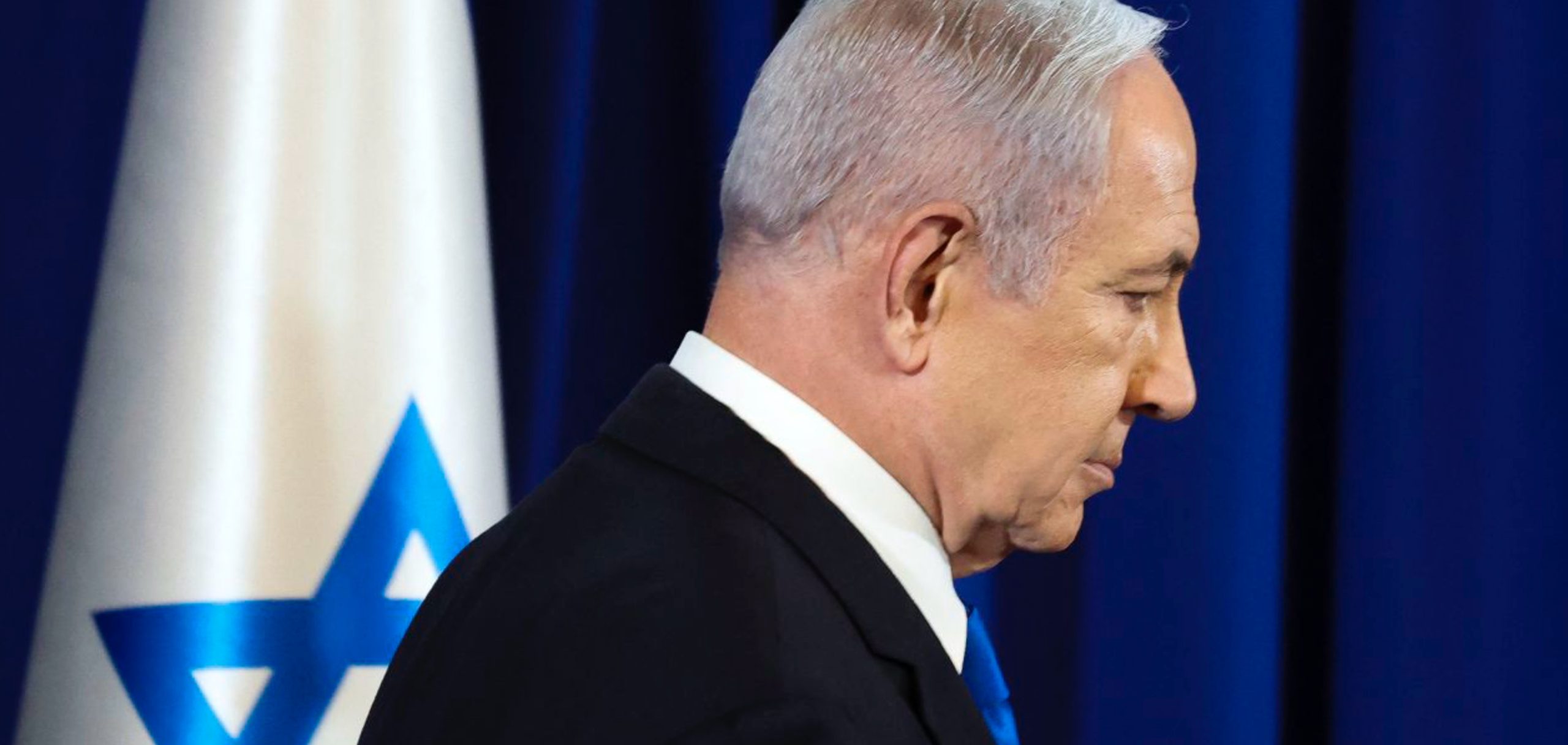 Prime Minister Benjamin Netanyahu will not be arrested if he visits the US, US President Donald Trump insisted in a post on Truth Social on Monday.
Netanyahu “is fighting against the Islamic Republic of Iran, which recently killed 52,000 innocent protestors, and has spent the last 47 years killing American soldiers, and others,” Trump said.
The only individuals who should be arrested, Trump added, are those who “led Iran into this unprecedented spiral of death and destruction.”
Trump was referring to comments made by NYC Mayor Zohran Mamdani, who told the New York Times that Netanyahu belongs in the Hague, and that he is investigating arresting the PM at the UN General Assembly in September.
Day 1,019 — Tuesday, July 21
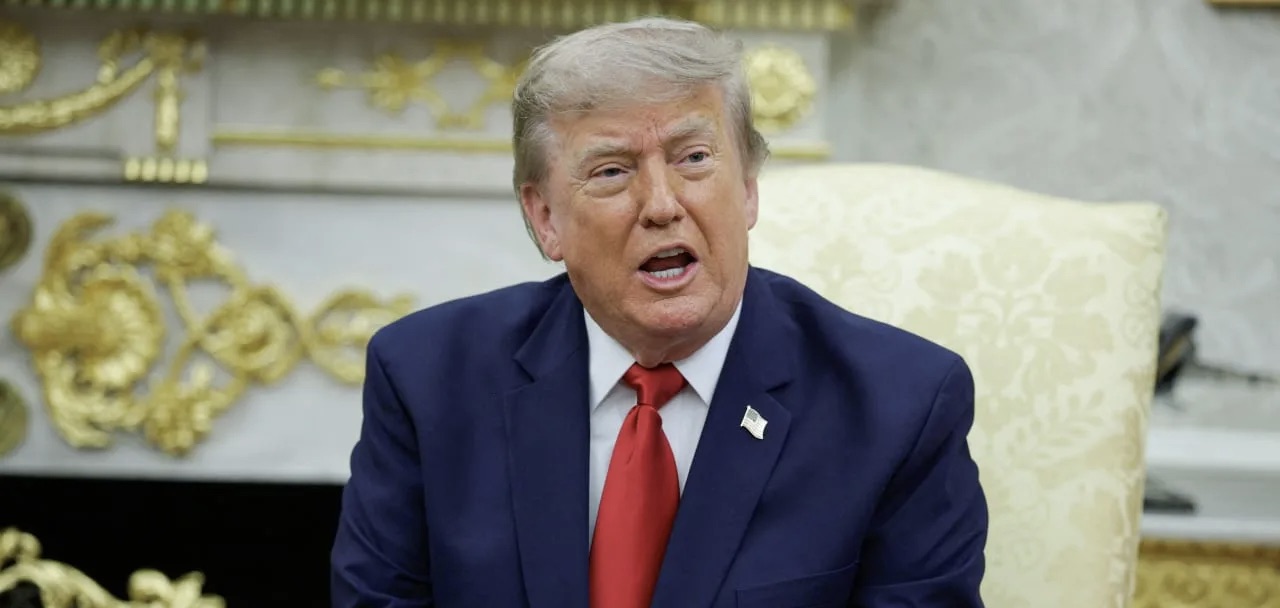 President Donald Trump pledged Monday that Iran will pay “many times over” for each American service member it kills.
Trump took to Truth Social with his message in the afternoon.
“Every time Iran kills an American Soldier they will pay for that killing many times over!” Trump wrote. “This directive has been passed on to Secretary of War, Pete Hegseth, Chairman of the Joint Chiefs of Staff, Daniel Caine, and every Leader in the Military.”
The post comes after Iran killed three U.S. service members over the weekend. Two U.S. service members were killed, and another remains missing, following an Iranian attack on a U.S. base in Jordan on Friday, U.S. Central Command (CENTCOM) announced this weekend.
Army Pvt. Isabella Gonzales, 19, and 1st Lt. Tyler James Feehan, 25, have been identified as the soldiers killed.
Four other service members were medically evacuated to hospitals as a result of Iran’s drone and ballistic missile attacks in Jordan. They have been discharged.
On Saturday, another U.S. service member was killed in northern Iran “during a controlled detonation of unexploded ordnance from a downed Iranian one-way attack drone,” CENTCOM said.
Another service member is receiving treatment for what is described as a “minor injury.”
Trump said on Sunday that the United States, carrying out its ninth consecutive night of strikes on Iran, hit Iran “very hard” in retaliation for the killing of the three service members.
“We hit them very hard again tonight, and we did that in honor of the probably three — it’s probably three, as opposed to two — great patriots,” Trump told reporters after the World Cup final, adding that Iran has been “very, very, badly damaged.”
“They’ve lost everything, almost, militarily,” he said. “They’ve got very little left. They’ve got some missiles. They’ve got some drones. They’ve got some manufacturing ability — not much.”
“We control the strait. They don’t control anything,” Trump added. “So, we’ll see what happens.”
Trump is set to attend the dignified transfer of the three service members at Dover Air Force Base on Tuesday, White House press secretary Karoline Leavitt said Monday.
Day 1,019 — Tuesday, July 21
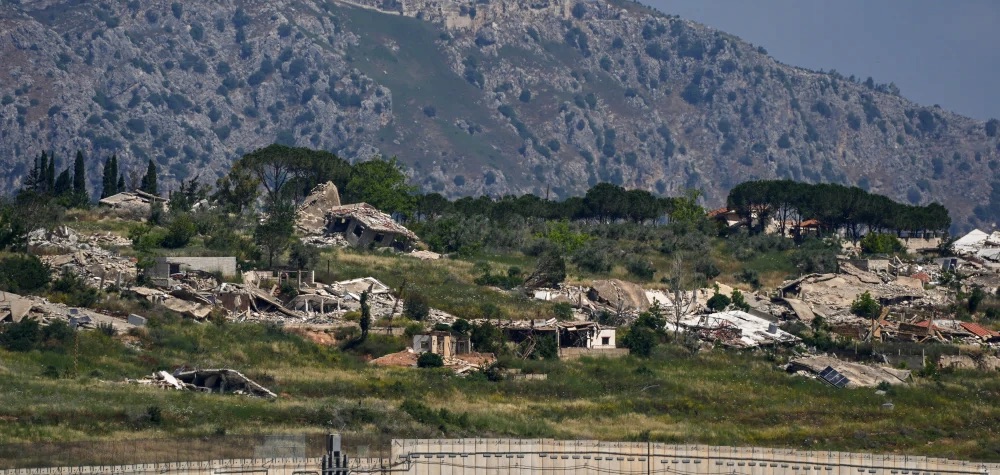 Israel slammed the “cynical politicization of cultural heritage” at UNESCO on Monday, calling its silence over Hezbollah’s systematic desecration of a historic Lebanese castle while referring to Israel’s defensive operation at the site as “a moral abdication.”
The harsh condemnation comes as the United Nations cultural body is expected to designate the strategic Beaufort Castle and several other Southern Lebanese sites as world heritage locations in danger, in order to protect them from further conflict.
The 900-year-old Crusader-built site, which was captured by Israeli forces in May, was used by Hezbollah as a strategic military stronghold and included an extensive underground tunnel network just a few miles from the Israeli border.
“For years, Hezbollah has systematically weaponized and desecrated this historic Crusader fortress, converting it into a military stronghold,” the Israeli Foreign Ministry wrote on X. “UNESCO’s silence on Hezbollah’s systematic desecration at Beaufort, while targeting Israel’s defensive operations, is a moral abdication.”
Israel formally withdrew from UNESCO in 2018, citing systemic anti-Israel bias capped by a resolution downplaying Jewish ties to the Temple Mount, but still maintains working relations on specific heritage conventions and remains a signatory to several protocols.
The U.S. administration has announced its latest withdrawal from UNESCO, which is set to take effect at the end of the year, labeling the organization as “woke” for promoting diversity, equity and inclusion (DEI) policies and harboring anti-Israel and pro-China biases.
The Trump administration previously pulled out of the U.N. cultural group in 2018, only to have the move reversed by the Biden administration.
The United States first quit the body in 1984 under the Reagan administration.
The Israeli capture of the castle during the latest war with Hezbollah, which began when the terrorist group fired rockets into northern Israel two days after the United States and Israel attacked its main backer, Iran, marked its deepest incursion into Lebanon in more than a quarter-century.
Day 1,018 — Monday, July 20
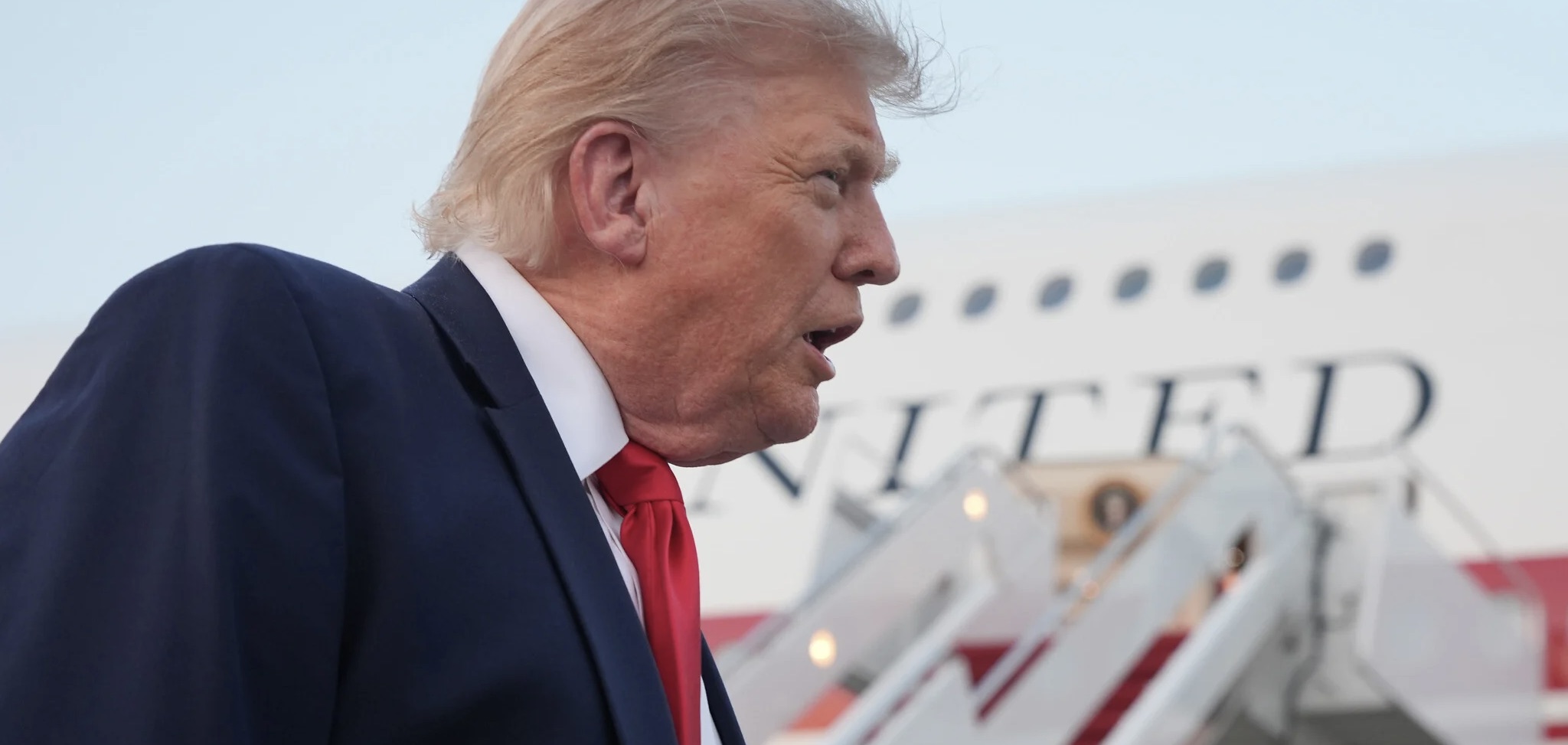 US forces struck Iran for a ninth consecutive day on Monday as the number of confirmed American military deaths in the renewed fighting rose to three, and concerns grew over shipping through the Strait of Hormuz, which the Trump administration accused the Islamic Republic of seeking to control “as leverage against the world.”
In a statement, US Central Command said the strikes were aimed at “degrading” Iran’s ability to attack commercial vessels in the strait’s vital shipping lanes, targeting military command centers, air defense and coastal surveillance sites, maritime capabilities, missile and drone launch sites, and communications networks.
“The US military is holding Iran accountable at the commander in chief’s direction,” said Central Command. “CENTCOM forces remain highly vigilant, focused, lethal, and ready.”
Iran’s semi-official Tasnim news agency, citing its own reporters, said US missiles struck several Iranian cities early Monday, with explosions heard in Tabriz, Chabahar, Konarak, Bandar Mahshahr and Bandar Imam Khomeini. State media reported that strikes also hit several locations in Iran’s southern port city of Bushehr, home to the country’s only civilian nuclear plant.
Announcing the latest casualties in the war, the US military said on Sunday that a servicemember was killed on Saturday in northern Iraq, where the US has military bases, “during a controlled detonation” of a downed Iranian attack drone.
Earlier in the weekend, the US military said two of its service personnel died in Jordan and that a third was missing in action. On Sunday, Central Command said in a statement that “unidentified remains” had been found at the site of Friday’s attack and that “an examination process to verify the remains is ongoing.”
The casualty announcements brought the total number of US military personnel killed since the war began to 17, with more than 420 others wounded.
“We hit them very hard again tonight, and we did that in honor of the, probably three, it’s probably three great patriots,” Trump told reporters amid the latest strikes as he returned to Washington following the World Cup final.
Trump said “we feel very badly,” when asked about the military fatalities, adding that those who died were fighting so that “Iran cannot have a nuclear weapon.”
Day 1,018 — Monday, July 20
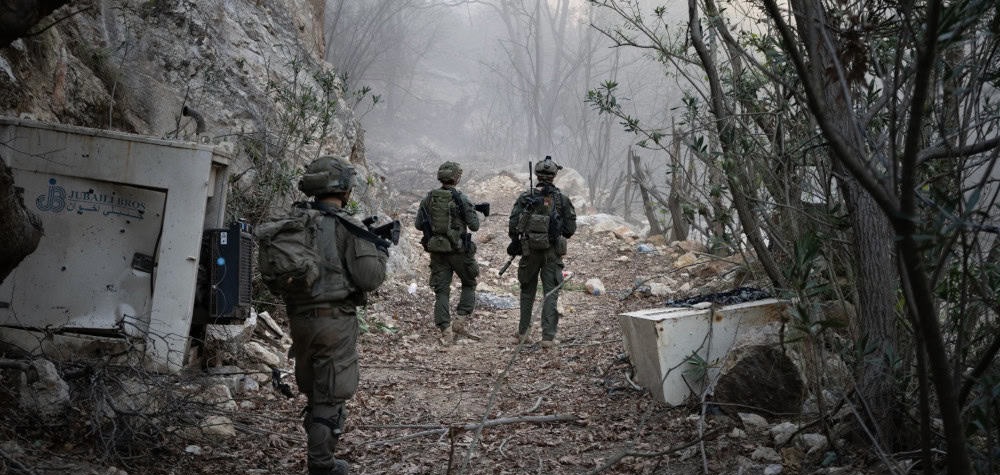 Israeli forces have reportedly surrounded approximately 40 Hezbollah fighters inside an extensive tunnel network beneath the Ali Taher ridge in southern Lebanon, an area that has become one of the main flashpoints in the fighting between Israel and the Iran-backed Shiite group.
According to Israeli security assessments, troops have secured the tunnel system’s entrances and exits, effectively preventing those inside from leaving. Israeli officials believe the fighters’ supplies of food and equipment are likely to run out within the coming days.
In anticipation of possible developments, the Israel Defense Forces (IDF) are preparing for the possibility that the encircled fighters may attempt to break through the siege or launch attacks against Israeli positions. Israeli military officials say those inside the tunnel network have limited options for escaping the cordon.
The Ali Taher ridge is described by the Israeli military as its most challenging operational area in southern Lebanon. According to Israeli assessments, Hezbollah has constructed an extensive underground complex there, with tunnels and bunkers extending for more than a kilometer. The network is believed to function as a command-and-control center while also housing weapons stockpiles and facilities used to launch rockets.
Israel has conducted multiple airstrikes targeting the underground complex. However, Israeli military officials assess that the facility’s deep underground construction prevented it from being fully destroyed from the air. As a result, ground forces have focused on sealing the tunnel system’s access points rather than attempting to eliminate the complex through additional strikes.
Day 1,017 — Sunday, July 19
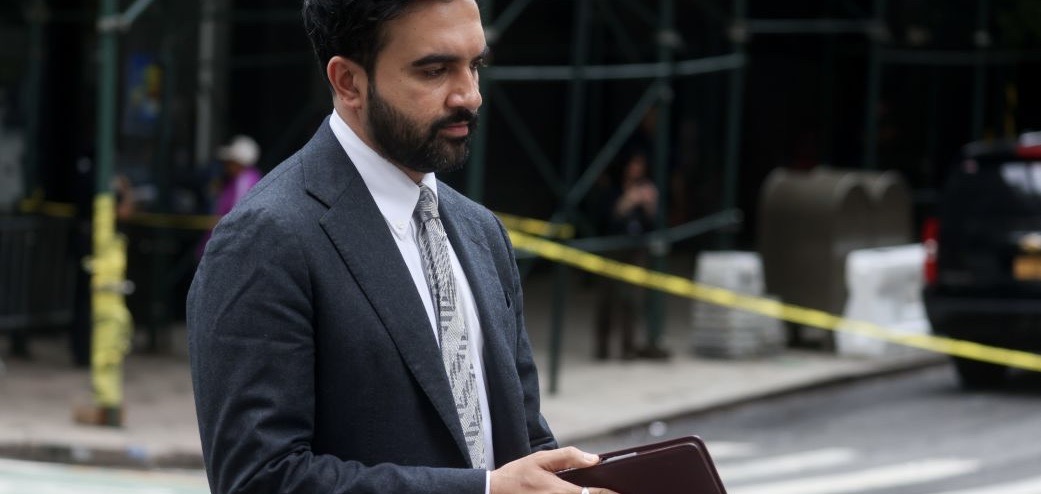 Israeli Ambassador to the United Nations Danny Danon said on Saturday that threats by New York City’s Mayor Zohran Mamdani to possibly order the arrest of Israel’s prime minister will not dissuade Benjamin Netanyahu from speaking “proudly” at the U.N. General Assembly’s annual General Debate in the Big Apple in September.
“Zohran Mamdani has failed at managing New York, and instead of fulfilling his role as mayor and fighting the rising wave of antisemitism in his city, he chooses to engage in incitement and generate headlines through attacks against the State of Israel,” Danon tweeted in Hebrew.
Nevertheless, Netanyahu will “stand before the world to clearly proclaim Israel’s truth and its uncompromising right to defend its citizens.”
“And if someone needs to be arrested—it’s Mayor Zohran Mamdani,” the diplomat added.
In an interview with The New York Times published earlier on Saturday, Mamdani again said he was floating the idea of arresting Israel’s prime minister if he steps foot in New York City.
“I believe that Prime Minister Netanyahu belongs in the Hague,” the mayor said, referring to an arrest warrant issued by the International Criminal Court for Netanyahu in the wake of the war against Hamas in Gaza.
“He’s a war criminal who has been charged [sic] by the International Criminal Court. And what you will find is that is an opinion that is held by many, purely because of what his actions have wrought over these last many years,” he continued.
Mamdani qualified his remarks by adding that he was unsure whether he has the legal authority to detain a foreign leader, but is in “an active conversation” with the city’s Law Department over the matter, according to the Times.
“Whatever the law allows me to do in New York City, that’s what we will do, but we won’t be writing our own laws to that end,” he said.
Day 1,016 — Saturday, July 18
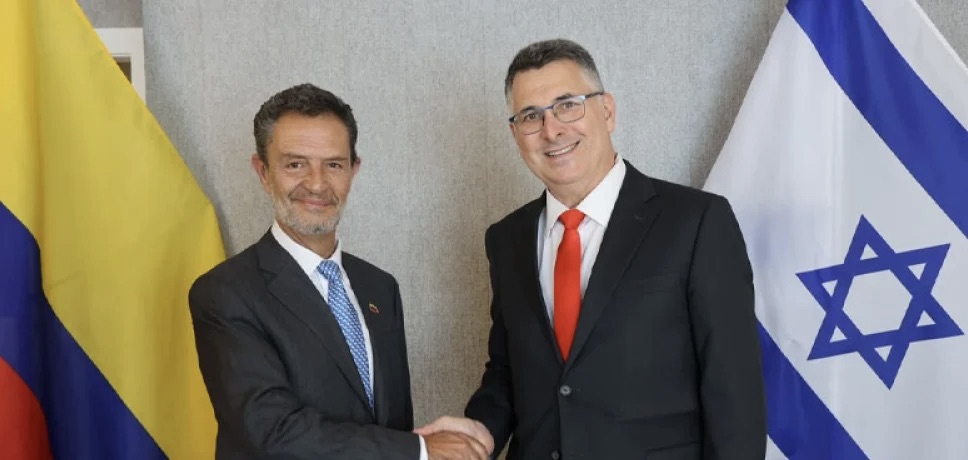 Colombia’s president-elect, Abelardo de la Espriella, is withdrawing his country’s support for South Africa’s genocide case against Israel at the International Court of Justice in The Hague, a move confirmed by Israel’s Foreign Ministry on Friday.
The announcement followed a meeting in Washington on Wednesday between Israeli Foreign Minister Gideon Sa’ar and Colombia’s incoming foreign minister, Omar Bula.
According to the Foreign Ministry in Jerusalem, de la Espriella’s office said Colombia would “return to a responsible position in the international arena,” including by ending its participation in the ICJ proceedings, when he takes office.
South Africa lodged the case in late 2023, accusing Israel of violating the Genocide Convention through its military campaign against Hamas in Gaza. Israel has rejected the allegations as baseless, arguing that its campaign targeted Hamas following the terrorist group’s attacks in southern Israel on Oct. 7, 2023.
In May, the ICJ granted South Africa’s request for additional time, extending the proceedings by three years. The U.N.’s principal judicial body has given Pretoria until Nov. 22, 2027, to file its reply, with Israel’s rejoinder due by May 22, 2029.
Since late 2023, the ICJ has been hearing South Africa’s case.
During their meeting, Sa’ar and Bula agreed to fully restore diplomatic and economic relations between the two countries and exchange ambassadors.
According to Israel’s Foreign Ministry, Bula said Colombia intends to open an embassy in Jerusalem, recognizing the city as Israel’s capital. The Foreign Ministry said preparations are already underway to appoint a new ambassador to Bogotá following Sa’ar’s telephone conversation with de la Espriella in June.
Colombia has traditionally been one of Israel’s closest allies in Latin America. Relations deteriorated sharply under outgoing President Gustavo Petro, who severed diplomatic ties with Israel in May 2024 over the war against Hamas in Gaza and ordered Colombia’s intervention in South Africa’s genocide case against Israel at the ICJ.
Israel recalled its ambassador to Bogotá in June 2024, while Colombia’s ambassador to Israel completed her term and departed Jerusalem later that month.
The Foreign Ministry said the latest agreements are intended to ensure that the historic relationship between Israel and Colombia is restored quickly after de la Espriella is inaugurated on Aug. 7.
Day 1,016 — Saturday, July 18
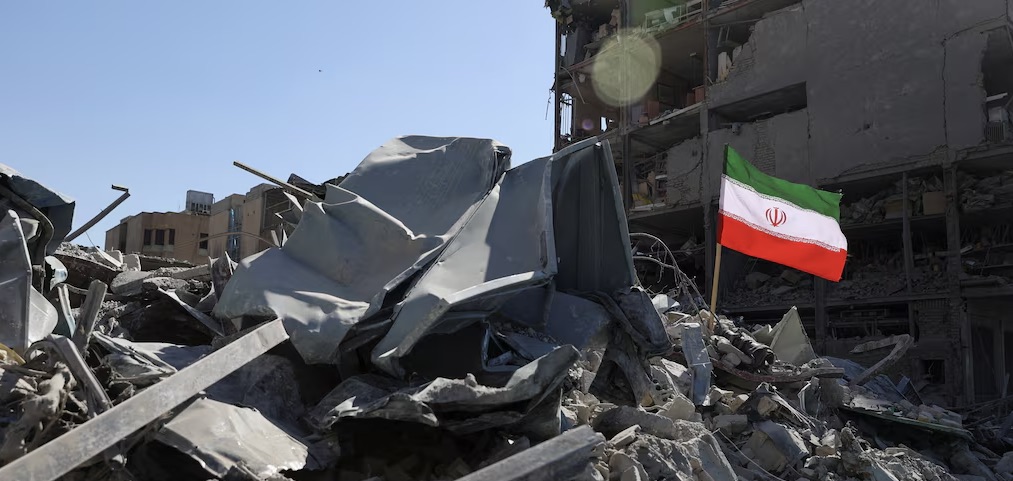 The US completed its seventh consecutive night of strikes against Iran in the early morning hours of Saturday, US Central Command (CENTCOM) announced in a statement on X/Twitter.
According to CENTCOM, US forces struck Iranian surveillance sites, military logistics infrastructure, underground weapons storage, and naval capabilities.
Fighter jets, drones, and warships were used to carry out the strikes.
On Friday night, when announcing the start of the strikes, CENTCOM stated that the attack was “designed to continue degrading Iranian military capabilities.”
In a separate statement, CENTCOM also announced that since reimposing the US’s blockade on Iranian ports along the Strait of Hormuz, US forces have redirected four commercial vessels, disabled one vessel, and boarded an additional vessel to ensure compliance with the blockade.
Shortly after CENTCOM announced the strikes, Iranian state media outlets reported that multiple explosions were heard in the central Iranian city of Yazd and that areas of the southwestern city of Ahvaz were attacked by US missiles.
Kuwait’s Electricity, Water, and Renewable Energy announced that a fire broke out at a power and water desalination plant as a result of ongoing Iranian drone attacks
The ministry stated that emergency services are currently working to deal with the fire and that several of the plant’s units have been shut down as a precautionary measure.
On Friday, CENTCOM announced that US forces destroyed a surveillance tower along Iran’s Gulf of Oman coastline, part of a surveillance network used for decades by the Islamic Revolutionary Guard Corps (IRGC) to track and target commercial vessels transiting the Strait of Hormuz.
According to CENTCOM, the tower’s destruction “directly degrades IRGC’s ability to coordinate attacks on innocent civilian crew members.”
The strike on the Chah Bahar Shahid Kalantari Port surveillance tower came as part of the US’s most recent wave of strikes against Iran conducted early Friday morning.
The US also denied the IRGC’s claim that they had attacked a US special operations command center and captured or killed US soldiers at al-Tanf in Syria in retaliation for the strikes.
“Fact: No US troops in the region have recently been killed or captured,” CENTCOM wrote in a post.
On Friday, advisor to Iran’s Supreme Leader Mohsen Rezaei threatened that Tehran will “move into a phase of full-scale offensive operations” if the US continues strikes against Iran for “several more days,” during an interview with Iran’s State TV.
He also warned that if the US attempts to seize any locations, Iran may engage in an “offensive war instead of a defensive one.”
Day 1,015 — Friday, July 17
 US Central Command (CENTCOM) announced that it completed its latest major wave of strikes against Iran at 9:40 p.m. ET on Thursday night (4:40 a.m. Friday morning Israel time).
“US forces, including fighter jets, aerial drones, and warships, launched precision munitions that hit dozens of Iranian military targets such as coastal surveillance and air defense sites, military logistics infrastructure, and maritime capabilities,” CENTCOM said in a statement, adding, “This was the sixth consecutive night of US strikes against Iran.”
“At the Commander in Chief’s direction, CENTCOM is further degrading Iranian military capabilities and holding Iran accountable for recent attacks on commercial shipping,” said the statement.
It noted that more than 50,000 US service members are operating across the Middle East “and remain vigilant, lethal, and ready.”
Iranian media reported that the US strikes targeted a wide range of objectives, including Iranshahr Airport. Further reports indicated that the bridge connecting Bandar Abbas and Shiraz was attacked, as was a railway station in Bandar Abbas.
As the US attacks continued, the Iranian military claimed that it carried out a strike using unmanned aerial vehicles against US military helicopters and reconnaissance aircraft stationed at Sakhir Air Base in Bahrain.
Meanwhile, the Kuwaiti military announced that the country’s air defense systems were operating to intercept incoming missile and drone threats.
Loud explosions were also heard in Doha, the capital of Qatar, as the country’s air defense systems engaged to intercept missiles launched from Iran.
Earlier reports indicated that the United States is preparing to escalate military pressure on Tehran and has informed Israel of its intentions to expand the current campaign.
In talks between US and Israeli officials, it was noted that the US Air Force’s next strike targets are expected to include vital infrastructure and strategic energy sites across Iran.
Day 1,015 — Friday, July 17
 Five landing craft capable of delivering troops, light vehicles and logistical equipment deep inside enemy territory have been acquired by Israel’s Defense Ministry in recent months. Known as Tritons, these are small, fast vessels.
They join two larger landing ships, INS Nahshon and INS Komemiyut, which arrived in Israel from the U.S. in 2024. In addition to carrying troops, the larger vessels can deploy armored fighting vehicles, including tanks and armored personnel carriers, as well as logistical supplies directly onto enemy coastlines.
Landing craft are considered a strategic capability that would only be used in specific scenarios requiring the insertion of forces beyond Israel’s borders. Military officials say that simply possessing such a capability expands the Israel Defense Forces’ operational options, including the possibility of conducting covert amphibious landings deep inside enemy territory while bypassing frontline defenses under air cover.
Although the IDF has not carried out a large-scale amphibious landing during the current war, senior officials say the capability will be important in future conflicts.
At present, the Israeli Navy’s northern fleet is focused on defensive operations extending to the Yellow Line, where IDF forces remain deployed inside Southern Lebanon. Since the ceasefire with Hezbollah took effect, fishing boats have also returned to waters where the Navy operates. Military officials believe Hezbollah terrorists may be using civilian maritime traffic as cover, requiring the Navy to maintain constant vigilance to protect Israeli forces operating south of the Yellow Line inside Lebanon.
At the same time, both the IDF and the Israeli Navy have increasingly begun examining what military officials refer to as a potential Turkish front. The issue has gained urgency following reports that President Recep Tayyip Erdoğan has asked U.S. President Donald Trump to approve the sale of F-35 fighter jets to Turkey, a move Israeli officials fear could challenge Israel’s qualitative military edge and air superiority in the region.
At sea, however, Turkey already enjoys a significant numerical advantage. The Turkish Navy operates dozens of frigates and amphibious landing ships capable of deploying entire divisions onto enemy shores. Israeli defense officials argue that if Turkey is openly preparing for amphibious operations “deep inside enemy territory,” Israel cannot afford to ignore the possibility.
Turkey also fields a substantial submarine fleet, missile boats and drone carriers that could be adapted into light aircraft carriers.
Although the Anatolian nation remains a NATO member and is not officially designated as an enemy state, Israeli defense circles are increasingly discussing the concept of a “Turkish front.”
Officials argue that Erdoğan is attempting to establish a strategic encirclement of Israel, overland through Syria and, potentially in the future, at sea.
Military officials warn that if Israel decides it must prepare for a direct military threat from Turkey, it would require a comprehensive restructuring of the IDF, particularly the Navy.
Day 1,014 — Thursday, July 16
 The U.S. military launched two more waves of attacks on Iran’s coastal defenses and missile sites on Wednesday after reimposing a naval blockade on Iranian traffic through the Strait of Hormuz.
According to U.S. Central Command (CENTCOM), its forces targeted “Iranian command centers, air defense sites, missile and drone capabilities, and coastal surveillance facilities to further degrade Iran’s ability to threaten innocent mariners crewing commercial vessels transiting the Strait of Hormuz.”
Iranian media reported explosions in Tehran, Bandar Abbas, Sirik, and Qeshm Island following the strikes. The strikes on the capital of Tehran mark the first such activity since this most recent round began last week.
According to Iranian state TV, a separate U.S. strike targeted a barracks for Iran’s 388th Mechanized Infantry Brigade, which operates tanks and armored vehicles, in Sistan and Baluchestan province. The report said at least 13 missiles struck the barracks, killing seven and wounding several others.
CENTCOM also announced it disabled an empty oil tanker attempting to sail toward an Iranian port, which ignored repeated warnings to stop.
“U.S. Central Command (CENTCOM) forces observed Curacao-flagged M/T Belma transiting international waters toward Kharg Island,” the command center said in a statement. “The commercial vessel ignored multiple warnings as it attempted to violate the U.S. blockade. A U.S. aircraft disabled the vessel after firing hellfire missiles into the ship’s smokestack. The ship is no longer transiting to Iran.”
U.S. President Donald Trump claimed shortly after the strikes that Iranian leaders contacted his administration claiming they want to resume negotiations.
Following the U.S. strikes, the IRGC retaliated by targeting U.S. military sites in neighboring countries, declaring it is in an “existential war” with America.
Air raid sirens were reported in Kuwait and Bahrain, while the Jordanian military said it intercepted eight Iranian missiles. The IRGC said it targeted the U.S. al-Azraq Air Base in Jordan and U.S. military assets at the Ali al-Salem Air Base in Kuwait.
“The early warning radar of the C-RAM system at Ali Al Salem Air Base in Kuwait, as well as the gathering place of the criminal soldiers of the terrorist U.S. Army, became the target of combined attacks,” the IRGC said in a statement carried on Tasnim News.
An Iranian army spokesman later told Tasnim, “We have destroyed all American bases in the region.”
The spokesman for the Central Khatam al-Anbiya Headquarters also stated the Strait of Hormuz would remain closed until the U.S. recognizes Iranian sovereignty over the waterway.
Iranian state media said the country’s air defense systems downed a U.S. Air Force MQ-9A Reaper drone over the city of Andimeshk, in the Khuzestan Province. There was no confirmation of the loss by CENTCOM.
The renewed strikes came after President Donald Trump convened a meeting with senior national security officials in the White House Situation Room Wednesday evening.
Reports in U.S. media say that Trump is considering expanding the strikes in an effort to force Iran to soften its positions in negotiations, as the issue of the Strait of Hormuz has become the focal point of conflict.
Iranian Parliament Speaker and lead negotiator Mohammad-Bagher Ghalibaf said Wednesday evening that the Memorandum of Understanding does not bind the Islamic Republic while strikes are taking place.
“A memorandum of understanding only makes sense if its provisions are valid and being implemented,” Ghalibaf was quoted as saying on the regime’s Islamic Revolutionary News Agency (IRNA). “If Iran is not to benefit from the memorandum of understanding, we have no reason to adhere to such an agreement.”
“We are in an essential and existential war with America,” Ghalibaf continued, saying Iran has “full freedom of action to counter enemy aggression.”
In a statement to Telegram, Ghalibaf said Iran’s national security depends on its control over Hormuz, reiterating statements of other regime officials.
Iranian Foreign Ministry spokesperson Esmaeil Baghaei reiterated Ghalibaf’s stance regarding negotiations, saying, “We have no plans for negotiations at the moment and are focused on defense.”
Traffic through the waterway has continued to decline amid renewed hostilities between the two sides. Only seven vessels crossed through the strait with their transponders active on Wednesday, according to tracking site Kpler, compared to 13 the previous day.
Alongside the expansion of military strikes, the U.S. Treasury Department imposed sanctions on a weapons procurement network aiding the IRGC. The Treasury’s Office of Foreign Assets Control (OFAC) identified seven individuals and organizations involved in attempts to purchase and transfer weapons to the IRGC, levying sanctions against them.
“Treasury will continue to target and disrupt the illicit procurement networks that fund Iran’s weapons programs and war machine,” Secretary of the Treasury Scott Bessent said in a statement.
Meanwhile, as Israel continues to monitor the Iranian situation, Defense Minister Israel Katz spoke with U.S. Secretary of War Pete Hegseth, Katz’s office said Thursday morning.
Secretary Hegseth updated Katz “on the American military’s activities in Iran, and the two agreed to continue cooperation between the countries in the face of any possible developments,” the statement said.
Minister Katz also pushed back against claims that the U.S. is acting on Israel’s interests.
“We have never asked the United States to act on our behalf along our borders. We are committed to defending the citizens of Israel against every threat, and that is what we intend to do,” Katz said in the statement.
Day 1,014 — Thursday, July 16
 A massive billboard depicting President Donald Trump lying in a coffin has been erected in central Tehran, days after calls to assassinate the U.S. president were made during funeral ceremonies for Iran’s Supreme Leader Ayatollah Ali Khamenei.
The display, installed at Islamic Revolution Square, features the English-language phrase “We Kill Trump” alongside graffiti-style messages written across the image.
The billboard comes as tensions between the United States and Iran continue to escalate, with U.S. forces carrying out multiple rounds of strikes on Iranian military targets this week and enforcing a naval blockade on Iranian ports.
Day 1,013 — Wednesday, July 15
 U.S. Ambassador to Israel Mike Huckabee has pushed back on Rep. Ro Khanna’s account of a recent incident in Judea and Samaria, saying that the U.S. Embassy had no advance notice of the California Democrat’s visit and disputing elements of his claim.
In a post on X on Wednesday, Huckabee said embassy officials were contacted only after Khanna’s vehicle was stopped.
The envoy on Tuesday retweeted video of the incident in which the congressman was briefly stopped in a restricted military zone.
“The left-wing activist who set up this stunt says ‘The embassy is involved.’ That is NOT TRUE. We did NOT know a member of Congress was coming. We would have said don’t go to restricted zone. As FACTS come out, it’s not helping the desired narrative. Not ‘held at gunpoint,’” Huckabee wrote in the Tuesday post.
Responding to Khanna directly in Wednesday’s post, Huckabee said he condemns all violence, “whether Israeli to Palestinian or Palestinian to Israeli,” and suggested the lawmaker’s visit presented a one-sided view of the situation. He invited Khanna to return for meetings with Israelis and Palestinians, including a visit to Hadassah Medical Center and a security briefing, to counter claims of “apartheid” and “genocide.”
Khanna, in his own post, said Israeli authorities later clarified the area was not restricted and that U.S. embassy officials were informed of the trip. He credited Deputy Chief of Mission David Brownstein with helping ensure the delegation’s safety and called for action against “extreme settlers” he said had blocked Americans.
However, the IDF has confirmed to JNS that the site was indeed a restricted military zone. It was originally declared a closed military zone (CMZ) in February 2025, and the order was extended on Dec. 31, 2025 into 2027, according to documents obtained by JNS. Both orders apply specifically to Israeli nationals.
Khanna and his delegation were on their way out of the area when armed civilians (later identified as IDF reservists on leave), blocked their path and alerted authorities to their presence, according to the IDF. Troops responding to the call were initially unaware that the area was a CMZ, and did not know who was in the vehicle, the military told JNS. After investigating the situation, they allowed the delegation to pass after they assessed that there was no threat posed of any kind, according to the IDF.
Israeli Ambassador to the U.S. Yechiel Leiter on Tuesday accused Khanna of orchestrating a “cheap, anticipated provocation.”
Khanna, who is facing backlash at home after supporting a Maine Senate candidate with a Nazi tattoo who dropped out after being accused of rape, said on Saturday that he had been detained by “settlers” during a trip to Israel.
“Israeli settlers, brandishing American made M4s, detained me and other Americans on my trip to Palestine,” he said. (The United States does not recognize an independent state of “Palestine.”)
“When the IDF arrived, they sided with the settlers and continued our detention,” Khanna said in the social media post, in which he shared a four-second video. “They made a huge mistake. You will be hearing more soon.”
Khanna, who has accused the Jewish state of committing “genocide,” told The New York Times that it was “not a good idea to detain long-shot presidential candidates.”
Day 1,013 — Wednesday, July 15
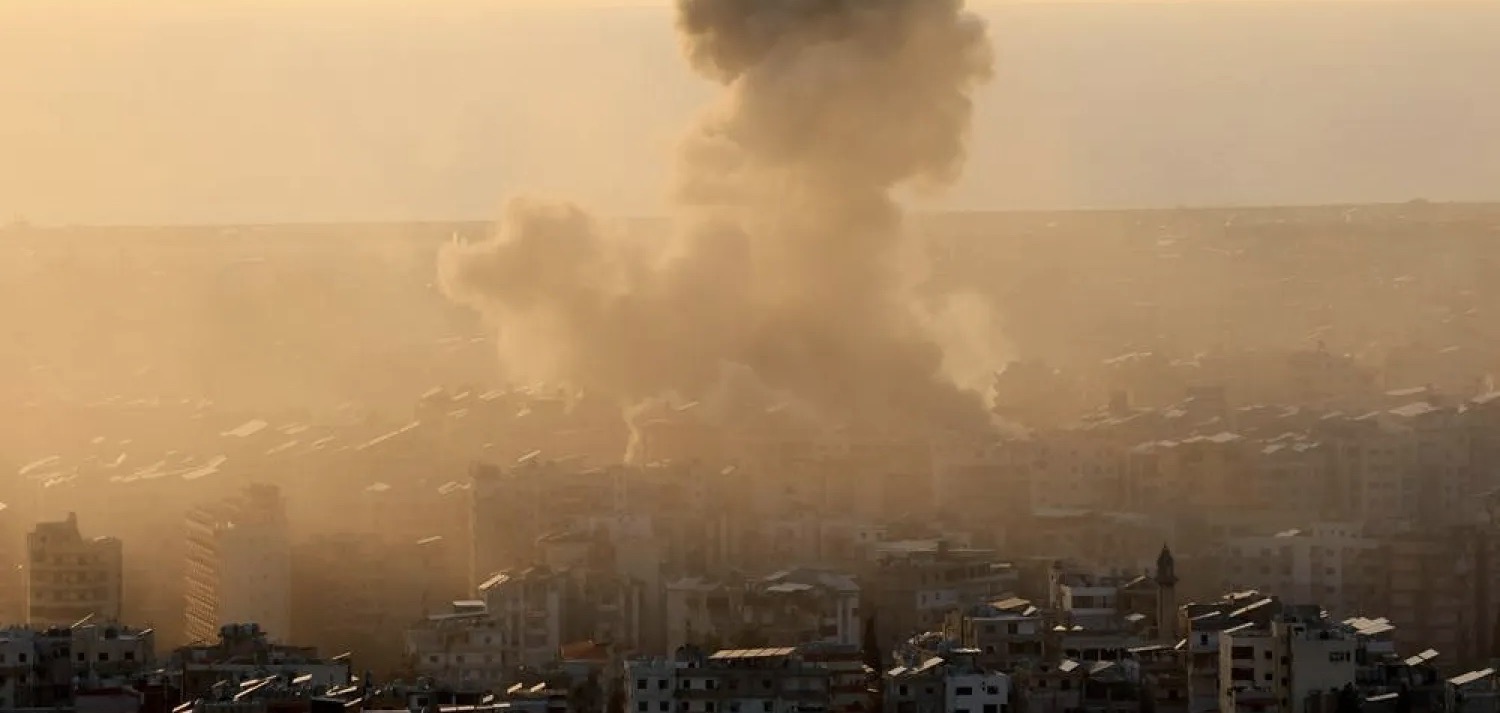 US President Donald Trump said that the United States will target Iranian power plants and bridges next week, during an interview with Fox News’s Trey Yingst on Wednesday.
“We’re going to hit them very hard tonight. We’re going to hit them very hard tomorrow night. We’re going to hit them very hard the night after,” said Trump. “Will save energy targets for last. Next week it gets really bad for them.”
“We’re gonna knock out all their power plants,” he said. “We’re gonna knock out all their bridges, unless they get to the table and negotiate.”
US President Donald Trump said that the United States will target Iranian power plants and bridges next week, during an interview with Fox News’s Trey Yingst on Wednesday.
“We’re going to hit them very hard tonight. We’re going to hit them very hard tomorrow night. We’re going to hit them very hard the night after,” said Trump. “Will save energy targets for last. Next week it gets really bad for them.”
“We’re gonna knock out all their power plants,” he said. “We’re gonna knock out all their bridges, unless they get to the table and negotiate.”
President Trump also alluded to the effect of recent US Central Command (CENTCOM) strikes on the Islamic regime along the Strait of Hormuz.
“We’re beating them up really badly,” Trump said. “They have to be beaten up.”
“We’re hitting them very, very hard,” he added. We’re hitting every single thing they have along the [Hormuz] shore.”
Trump noted the success of the renewed US military operations in the region, saying that it is “hard to find” targets left to strike.
Day 1,013 — Wednesday, July 15
 Secretary of War Pete Hegseth said Tuesday that Iraq must “assert its sovereignty” and disarm Iran-aligned militias, following a meeting with Iraqi Prime Minister Ali al-Zaidi at the Pentagon.
“To deepen our partnership, Iraq must assert its sovereignty and disarm the Iran-aligned militias responsible for 600+ attacks on U.S. personnel this spring,” Hegseth wrote on X.
“The U.S. is also looking to the Iraqi Security Forces, including the Peshmerga and other Iraqi Kurdistan Region security forces, to lead in D-ISIS efforts as the OIR military missions winds down.”
Hegseth added, “A secure Iraq opens the door to strong commercial and defense cooperation.”
Day 1,012 — Tuesday, July 14
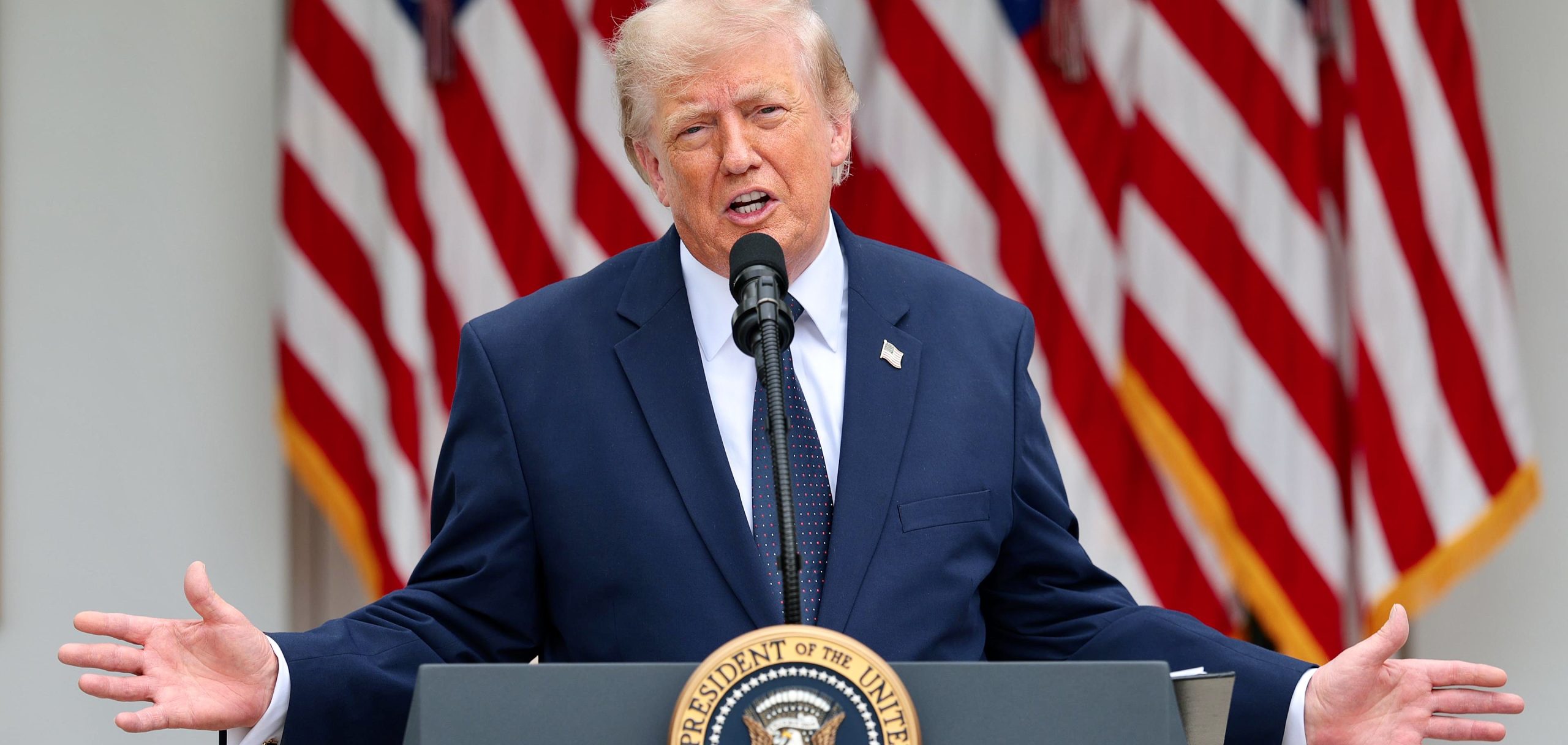 President Donald Trump on Monday defended U.S. strikes on Iran, saying Tehran’s military capabilities have been badly weakened and warning that another “major attack” is coming tonight.
“We were in Vietnam for 19 years. We’re here for four months, so I think we’ve done a lot,” Trump told reporters when asked whether months of U.S. strikes on Iran have become the “new normal” for Americans.
Trump said U.S. forces have “knocked out” Iran’s navy, air force, missile capabilities and drone manufacturing. He argued the strikes were necessary to prevent Tehran from obtaining a nuclear weapon.
The president also said the U.S. should be reimbursed for “protecting” the Strait of Hormuz, the key shipping route at the center of escalating tensions in the region.
“I want to be reimbursed because we’re protecting a very rich portion of the world,” he said.
Trump accused Iran of dragging out negotiations for decades and said his administration has taken a tougher approach than previous presidents.
“This is what they’ve done for 47 years,” Trump said. “The difference is nobody negotiated like I do. And this should have been done by Bush and Obama and Biden and people before them.”
Day 1,012 — Tuesday, July 14
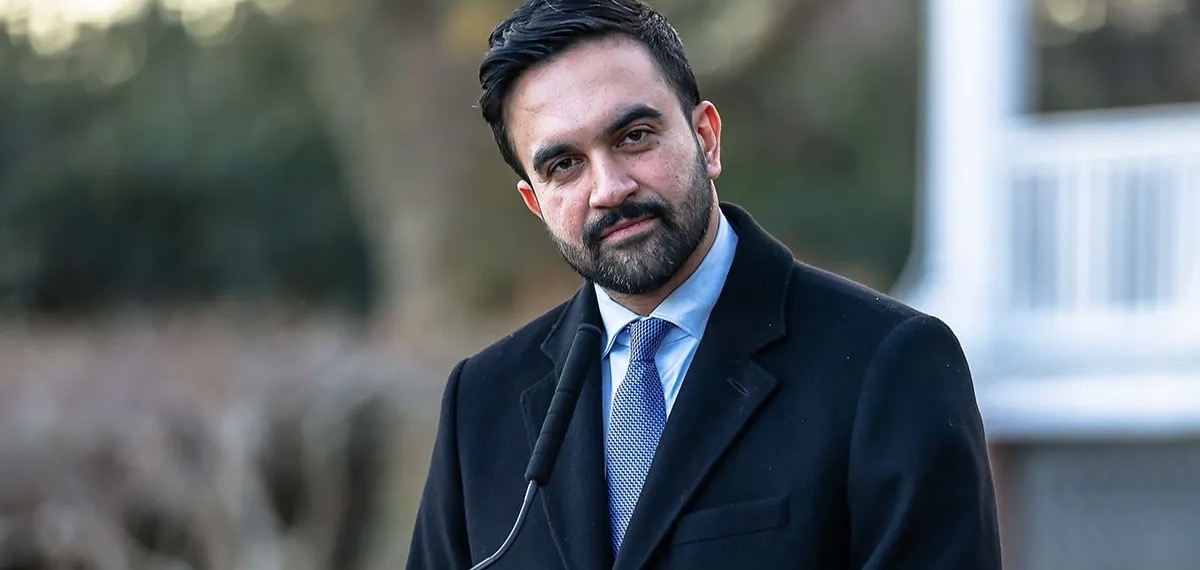 Israeli Prime Minister Benjamin Netanyahu has accused New York City Mayor Zohran Mamdani of siding with terrorist forces while dismissing the mayor’s repeated pledge to have him arrested if he visits the city.
Netanyahu made the remarks Monday during an interview with New York radio host Sid Rosenberg on 77 WABC, as he discussed Israel’s conflicts with Iran and its regional proxies, his relationship with President Donald Trump and the prospect of returning to New York for the United Nations General Assembly.
The Israeli leader accused Mamdani of making excuses for Iran, whose government has supported Hamas, Hezbollah and other armed groups opposed to Israel’s existence.
“He basically apologizes and makes excuses for Iran, the greatest terror regime on earth,” Netanyahu said. “So he’s with the terror actors.”
Netanyahu argued that Mamdani had aligned himself against Israel despite the country’s role as a US ally and a military opponent of Iran and Islamist organizations in the Middle East.
He also warned that hostility toward Israel would ultimately translate into hostility toward the United States, saying those who hate Jews and Israel eventually turn against America.
The comments marked Netanyahu’s latest confrontation with Mamdani, a democratic socialist and outspoken critic of the State of Israel who became mayor of New York in January.
Mamdani has repeatedly said that New York authorities should arrest Netanyahu if he enters the city, citing an arrest warrant issued by the International Criminal Court in November 2024.
“This is something that I intend to fulfill,” Mamdani said during the 2025 mayoral campaign, describing New York as “a city that stands up for international law.”
The ICC accused Netanyahu and former Israeli defense minister Yoav Gallant of alleged war crimes and crimes against humanity connected to Israel’s military campaign in Gaza. The allegations include using starvation as a method of warfare and responsibility for murder, persecution and other inhumane acts.
Netanyahu and the Israeli government have rejected the accusations, denied that the ICC has jurisdiction over Israeli officials and described the warrant as politically motivated.
The United States is not a member of the ICC and does not recognize the court’s authority over American or Israeli citizens. US law also restricts state and local governments from cooperating with the court, creating serious legal obstacles to any attempt by New York City authorities to carry out the warrant.
New York Gov. Kathy Hochul said in December that Mamdani did not possess the legal authority to arrest Netanyahu.
“The New York City mayor does not have the power to do that,” Hochul said.
Netanyahu has made clear that the arrest threat will not prevent him from traveling to New York, where Israeli prime ministers traditionally address the UN General Assembly each September.
Asked at a New York Times event in December whether he would still visit the city, Netanyahu answered, “Yes, of course I will.”
When asked whether he intended to test Mamdani’s threat, Netanyahu replied, “Wait and see,” before repeating that he would come to New York.
During a White House appearance in July 2025, Netanyahu also dismissed Mamdani’s proposal as “silly” and suggested that he could travel to New York alongside Trump.
Day 1,011 — Monday, July 13
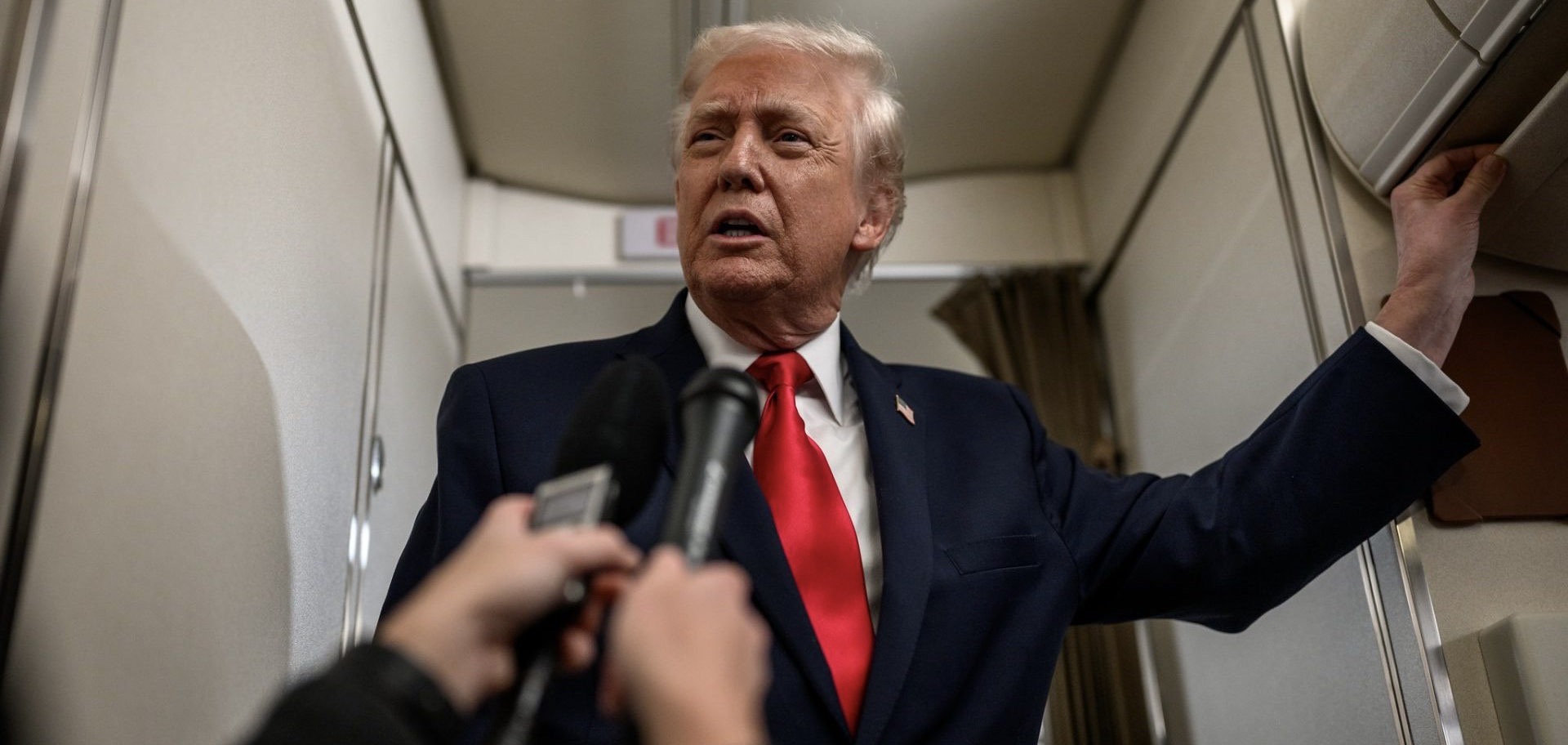 The United States renewed strikes on Iranian military sites on Sunday evening, after the Islamic Revolutionary Guard Corps claimed to have closed the Strait of Hormuz and rejected claims it was still negotiating with the Americans.
Strikes targeted Iranian military air-defense systems, coastal radar sites, missile and drone facilities, and IRGC fast boats, U.S. Central Command said in a statement.
“U.S. Central Command (CENTCOM) completed a new wave of offensive strikes against Iran, July 12, hitting dozens of targets at multiple locations with precision munitions to degrade Iran’s ability to continue attacking international shipping flowing through the Strait of Hormuz,” the statement read.
The renewed strikes came after the IRGC leadership claimed that the Hormuz Strait was closed to commercial traffic.
“The Strait of Hormuz is a vital maritime corridor for global trade. Iran does not control it,” the CENTCOM statement concluded.
The Iranian regime views control of the Strait as a critical issue, and has attempted to enforce that control several times since the start of the U.S.-Israeli campaign in late February.
In recent days, the IRGC targeted ships passing through the Strait outside of the regime-approved route, using drones, missiles, and fast boats. The U.S. strikes on Saturday and Sunday nights targeted some of the docks known to house the IRGC fast boats.
As in previous U.S. strikes in recent days, Israeli forces did not participate, nor did Iran target Israeli sites in retaliation.
Iranian state media confirmed the strikes, saying one person was killed, with explosions reported in several areas of the country, including the port city of Bandar Abbas, and the oil production region of Khuzestan Province.
Following the U.S. strikes, the IRGC said it targeted several American bases in Kuwait, Bahrain, and Jordan in retaliation.
The Jordanian military reported shooting down four Iranian missiles targeting Prince Hassan Air Base, while Kuwait’s defense ministry said it was responding to “hostile aerial targets.”
“The Armed Forces are currently intercepting hostile aerial targets within Kuwaiti airspace,” the head of Kuwait’s military said in a statement carried on state media.
According to reports in Arab news, the Iranian attacks destroyed radar systems in Oman. Bahrain also reported air raid sirens.
The regime militia also refuted claims by U.S. President Donald Trump that the Strait is open, saying, “The only way to open the Strait of Hormuz for vessels is to end the interventions of the US military in this strait and to respect the sovereignty of countries over their own coastal waters.”
Meanwhile, ship tracking data showed that traffic through the Strait slowed drastically over the weekend, following the U.S. strikes on Saturday evening, with only 6 vessels passing through on Sunday with trackers on. However, some vessels appeared to have turned off their transponders, to avoid detection as they passed through the waters near Oman.
Day 1,011 — Monday, July 13
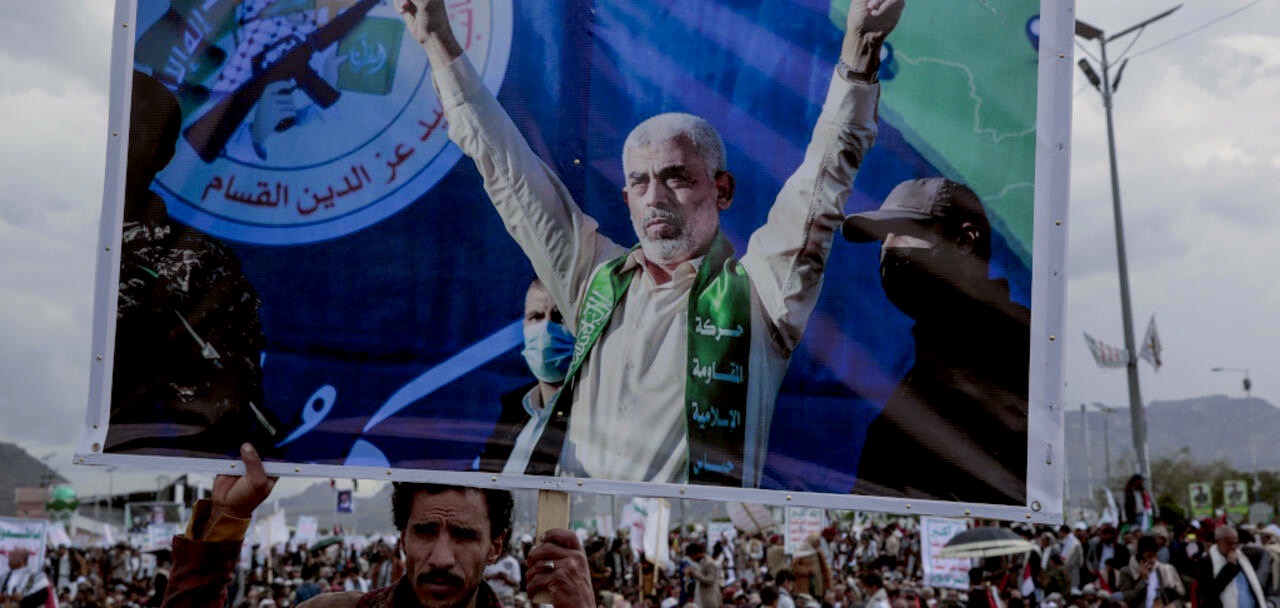 Hamas October 7 mastermind Yahya Sinwar believed Israel might respond to the invasion by using nuclear weapons against Gaza; a new document that he wrote by hand on August 24, 2022, has been revealed to the public on Monday.
This latest document was disclosed by the Amit Terrorism and Intelligence Research Institute as part of an ongoing series of rolling reveals of Hamas documents captured by the IDF during its counter-invasion of Gaza.
Prior documents revealed by the Amit Institute or the IDF in October 2025 or earlier were also written by Sinwar and addressed similar topics, with one even written on the same day, but this document goes into the nuclear weapons scenario in the most depth.
In an overlapping document, Sinwar warned that the window of opportunity for achieving the surprise effect of the invasion was six to ten hours, during which Israel’s ability to launch a counteroffensive had to be impeded.
Sinwar then added in the currently revealed document that Israel would in any case mount a powerful response, and he did not rule out the possibility that it would use nuclear weapons.
“Defense plan: The enemy will not hesitate to use all the means and weapons at its disposal, not only through attack but also by other means,” Sinwar wrote in the document. “It may even use a nuclear bomb. But first it will be surprised by the attack and descend into chaos. As an additional precaution, a popular operation should be organized to return to the villages and symbolically reoccupy them. This campaign is a battle of life or death, and there will be life, with Allah’s help.”
Despite his concern that Israel using nuclear weapons in response to an invasion was a real risk, “he did not abandon his messianic vision and emphasized that it would be a ‘battle of life or death,’ even if the price was the destruction of the Gaza Strip,” wrote the Amit Institute.
The new document also discussed an invasion force of up to 10,000 Hamas fighters for over 200 Israeli communities and IDF outposts, whereas later versions of the plan and the actual invasion involved around 2,000 Hamas terrorists in the first wave, a similar number in the second wave, and a disorganized additional around 1,600 untrained Gazans in the third wave, for a total of around 5,600 invaders.
On June 18, new secret Hamas internal documents which IDF intelligence had provided to the Amit Institute were provided exclusively to The Jerusalem Post.
An analysis by the Amit center included six documents viewed by the Post, showing the progression of Hamas’s secret plans 2022-2023 to systematically deceive Israel into complacency so as to surprise the IDF during the October 7, 2023 invasion.
Although much is already known about Hamas’s deception, these original documents had not previously been viewed by the public and revealed a variety of new pieces of color in the puzzle of Hamas’s strategy and tactics.
One document was from September 13, 2022, and was titled “Building a Strategic Deception Plan Which Will Be the Basis for a Surprise Attack by Hamas on Israel.”
Day 1,011 — Monday, July 13
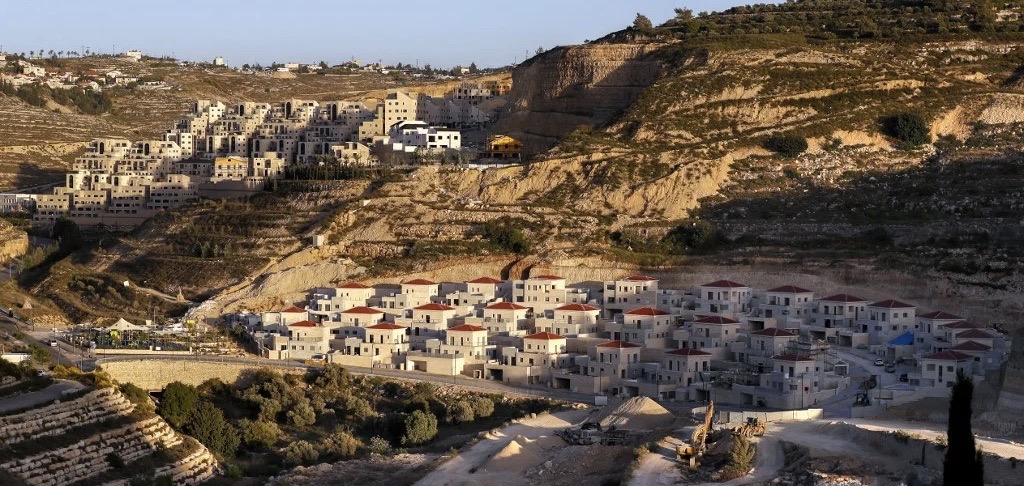 Israeli authorities on Sunday granted city status to the Jerusalem suburb of Givat Ze’ev, officially making it the fifth Jewish city in Judea and Samaria.
The declaration, signed by Maj. Gen. Avi Bluth, head of the Israel Defense Forces’ Central Command, came after initial approvals by the Defense Ministry’s Settlement Administration and the Interior Ministry, Arutz 7 reported.
Givat Ze’ev, located in Samaria some three miles northwest of Jerusalem, has more than 35,000 residents, and the new municipal status is intended to allow for further growth.
Mayor Yossi Asraf called the move “a historic moment” for Givat Ze’ev, saying city status would help strengthen municipal services and manage the community’s expansion plans.
“Turning Givat Ze’ev into a city is first and foremost a major growth engine,” Asraf said in a statement cited by Arutz 7. He added that despite the new status, the municipality would seek to preserve the community’s “warm and rural atmosphere.”
Israeli Finance Minister Bezalel Smotrich, who also serves as a second minister in the Defense Ministry tasked with civilian affairs in Judea and Samaria, welcomed the decision.
“The declaration of Givat Ze’ev as a city is part of a broader policy we have been leading in recent years to reinforce and strengthen settlement through the establishment of dozens of new communities, the legalization of farms, declarations of state land and now a new city—Givat Ze’ev,” Smotrich stated.
Yisrael Ganz, head of the Binyamin Regional Council and chairman of the Yesha Council, the umbrella organization representing Judea and Samaria residents, noted that Givat Ze’ev had become the fifth city in the region, after Modi’in Illit, Beitar Illit and Ma’ale Adumim in Judea, and Ariel in Samaria.
“Thousands of families have chosen to build their homes in Givat Ze’ev over the years, and it has grown into a thriving city of more than 35,000 residents,” Ganz said.
“We will continue to strengthen the settlement not through words but through actions, and ensure continued development and construction throughout Judea and Samaria,” he added.
Prime Minister Benjamin Netanyahu’s government has led an unprecedented drive to expand Israel’s control of Judea and Samaria, having approved tens of thousands of homes and dozens of new communities in the past three-and-a-half years.
Day 1,010 — Sunday, July 12
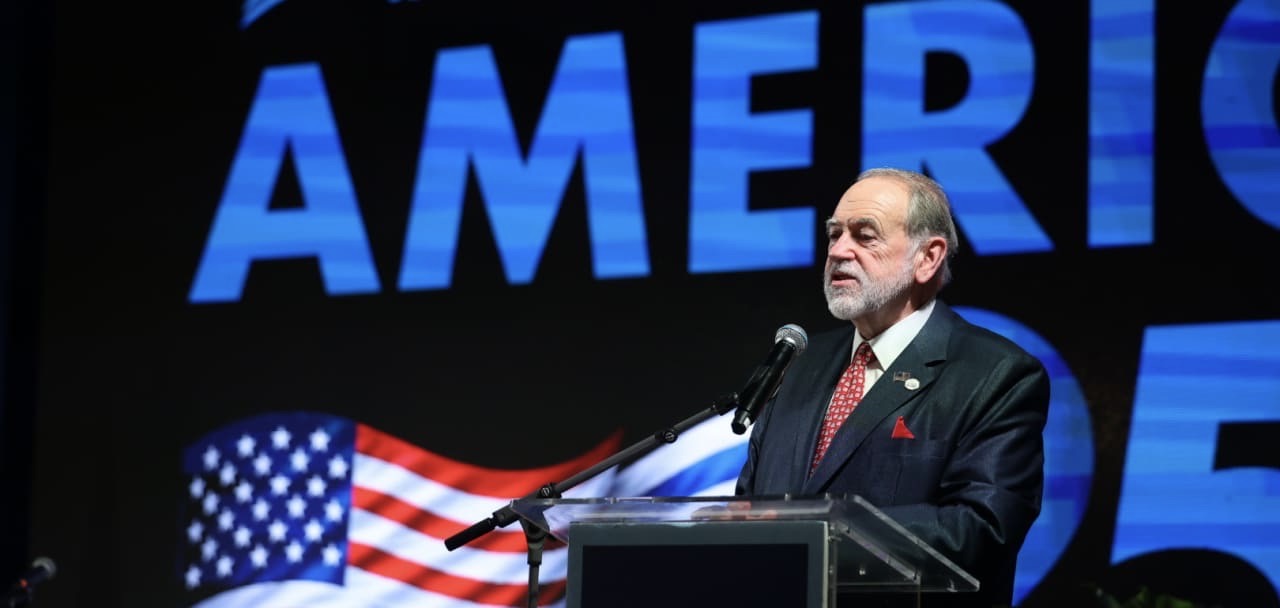 US Ambassador to Israel Mike Huckabee has confirmed that Israeli intelligence passed US President Donald Trump information on a concrete assassination plan that Tehran police attempted to carry out.
Earlier on Saturday, Trump wrote on Truth Social, “1000 Missiles are Locked and Loaded and aimed at the Islamic Republic of Iran, with thousands of more to immediately follow, should the Iranian Government act on its threat, pronounced in many corners of the Globe, to assassinate, or attempt to assassinate, the sitting President of the United States of America, in this case, ME! Orders have already been given, and the U.S. Military is ready, willing, and able, for a one year period of time, subject to extension, to completely decimate and destroy all areas of Iran…“
Also on Saturday, Iranian Supreme Leader Mojtaba Khamenei promised to avenge his father’s death by killing a list of leaders, among them Trump and Israeli Prime Minister Benjamin Netanyahu.
Earlier this week, after The Wall Street Journal reported that Israeli intelligence had uncovered a fresh plot against the American leader, Trump discounted the notion of a brand-new conspiracy. Instead, he underscored that Tehran’s desire to eliminate him has been an ongoing baseline for years.
“No, no. Israel came up with nothing. No, no,” Trump noted. “I’ve been No. 1 [on Iran’s kill list] for a long time, and it’s the way life is, you know.“
He added, “I hope you’ll miss me.“
Day 1,009 — Saturday, July 11
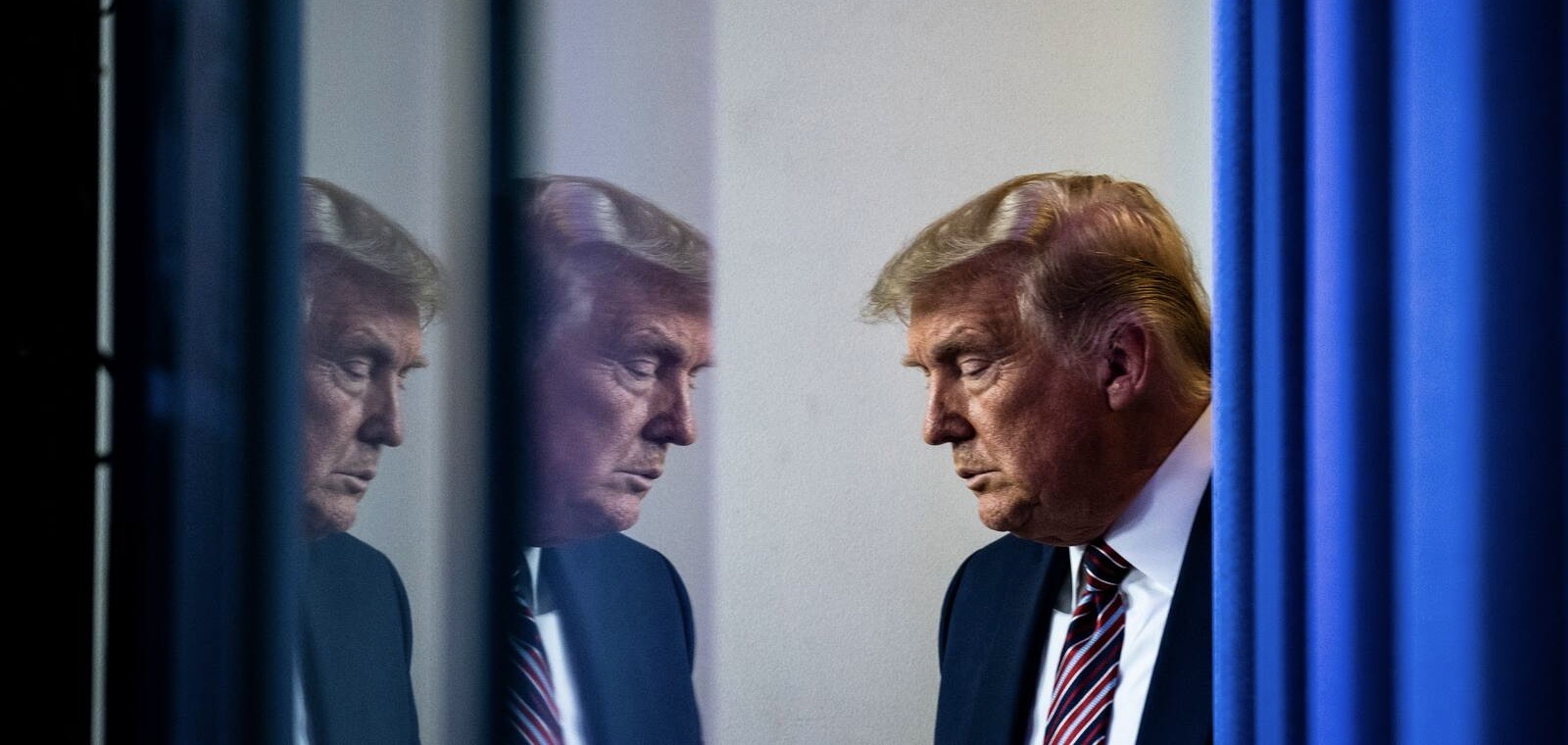 President Donald Trump said Friday he has already given orders for how the United States should respond if Iran ever succeeds in assassinating him.
Speaking with the New York Post, Trump said he has long been aware that Tehran has targeted him. He revealed standing orders are already in place in case Iran succeeds in killing him.
“I’ve been on their list for a long time. That’s what we’re dealing with,” Trump said. “The only thing is, I’ve left instructions — if anything happens, to just literally bomb them at levels that they’ve never seen before.”
When asked about reports claiming Israel recently shared intelligence about a new Iranian assassination plot, Trump said he was not aware of any new threat.
Day 1,009 — Saturday, July 11
 New York City Mayor Zohran Mamdani’s international affairs commissioner attempted to arrange a meeting with Iran’s ambassador to the United Nations, but U.S. State Department officials intervened before it could take place, the City Journal reported, citing sources.
The proposed meeting between Ana María Archila and Amir-Saeid Iravani, Iran’s permanent representative to the United Nations, was ultimately canceled after State Department officials learned of the plans while the U.S. conflict with Iran remained ongoing, the report said.
One source told the City Journal that Archila organized the meeting without permission or consultation.
“She scheduled it without checking in with anybody,” the source said of the planned Tuesday meeting.
The City Journal reported that Mamdani was unaware of Archila’s plans. T
he mayor previously criticized President Donald Trump’s decision to launch strikes against Iran in February, calling it an “illegal war of aggression.”
Another source reacted critically to the planned meeting, telling the publication, “I mean, read the room people. I’m sure the president is thrilled.”
Archila, a former New York lieutenant governor candidate, has no diplomatic experience, according to the report.
The New York Post, citing staff members, reported that Archila has struggled in the role, prompting the administration to retain her predecessor, Aissata M.B. Camara, as a second international affairs commissioner. Insiders described the arrangement as unprecedented.
Camara’s LinkedIn profile continues to identify her as the commissioner. She also appeared in photographs with foreign dignitaries as recently as Wednesday.
Despite Camara’s continued public presence in the role, insiders told The New York Post that Mamdani’s administration had pushed her out during the spring.
The reported attempt to arrange the meeting came as Washington launched strikes against Iran for attacking ships in the Strait of Hormuz.
Day 1,008 — Friday, July 10
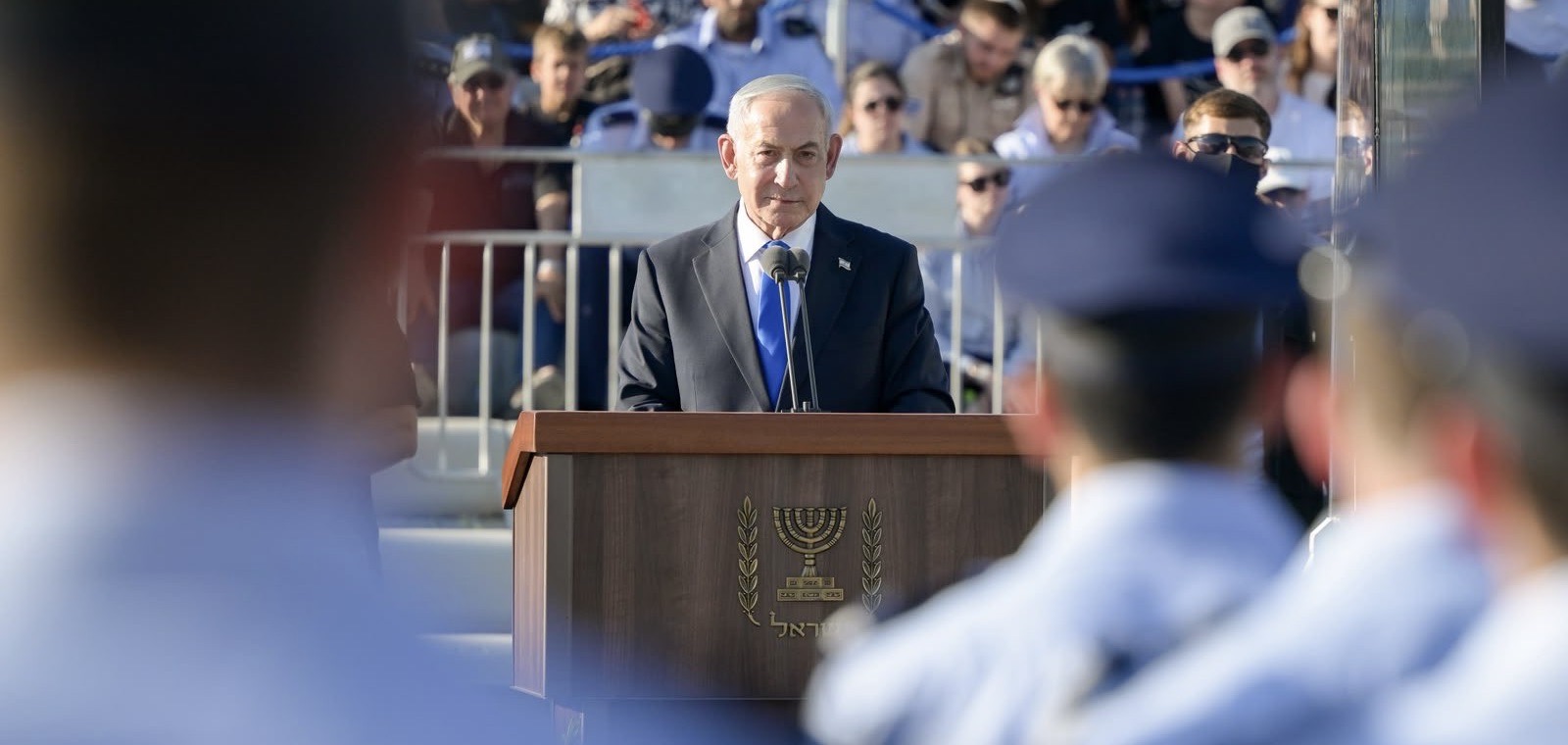 Prime Minister Benjamin Netanyahu declared on Thursday that Israel will prevent Iran from acquiring nuclear weapons “with or without an agreement,” as he praised the Israeli Air Force’s role in recent operations against the Islamic Republic and addressed graduates of the latest IAF pilots’ course.
Speaking at the Israeli Air Force Wings Ceremony at Hatzerim Airbase near Beersheva, Netanyahu described the opening of “Operation Rising Lion,” when Israeli aircraft struck targets deep inside Iran, as “one of the most moving moments of my life.”
“I am certain it was also one of the most moving moments in your lives and in the lives of all Israeli citizens,” he said in addressing the new IAF aircrew members.
The prime minister told the graduates they were joining the Air Force after taking part in what he called the “War of Redemption,” including operations “Rising Lion” in June 2025 and “Roaring Lion,” which began on Feb. 28.
“This Wings Ceremony teaches us once again that a wonderful young generation has risen,” he said. “A generation committed to ensuring Israel’s existence. A generation that did not fear and did not hesitate. The generation of victory!”
Netanyahu thanked the families of the graduates for raising “a generation that loves the country,” paid tribute to bereaved families and wished a full recovery to wounded soldiers.
He also highlighted the Air Force’s role in evacuating wounded troops from the battlefield.
“The commander of the Air Force just told me that the number of these rescues exceeds 3,500,” he said after recounting a recent visit to wounded soldiers at Rambam Health Care Campus in Haifa. “This is a staggering figure, unparalleled anywhere else in the world.”
He added that Israel would remain in its security zone in Southern Lebanon “for as long as necessary to ensure the security of our communities in the north.”
Netanyahu devoted much of his speech to operations “Rising Lion” and “Roaring Lion,” saying they established Israeli air superiority across the region and prevented Tehran from obtaining nuclear weapons.
“If we had not acted when we did, and with the force that we did, Iran would have armed itself with nuclear weapons to destroy Israel,” he said. “Therefore, we launched these operations alongside our American friends to ward off an immediate danger of destruction from ourselves, and also a great danger to the entire Western world.”
He said Israeli pilots flew thousands of sorties and carried out thousands of strikes during the campaign.
“With an agreement or without an agreement, Iran will not have nuclear weapons,” Netanyahu declared.
He said Israel had eliminated senior Iranian nuclear scientists, destroyed key elements of Iran’s nuclear and ballistic missile infrastructure, and inflicted heavy damage on Iran’s air force, navy and the economic assets of the Islamic Revolutionary Guard Corps.
Netanyahu also praised the close operational cooperation with the United States.
“The cooperation with the U.S. military was a major force multiplier,” he said, citing Defense Secretary Pete Hegseth’s description of the integration between the Israeli and American air forces as “unprecedented and invincible.”
The prime minister credited the Israeli Air Force with playing a decisive role throughout the war, from operations in Gaza and along the Philadelphi Corridor on the Strip’s border with Sinai to the elimination of senior Hamas and Hezbollah leaders, including Hassan Nasrallah, and the destruction of much of Hezbollah’s missile arsenal before the campaign against Iran.
“The Iranian axis is weaker than ever, while Israel is stronger than ever,” Netanyahu said. “Together, we changed not only the face of the Middle East; first and foremost, we changed ourselves.”
He cautioned, however, that Israel’s military campaign was ongoing.
“The war is not yet over,” he said. “Alongside old challenges, new ones are emerging. Axes fall and axes rise. We are prepared for any scenario.”
Netanyahu said maintaining Israel’s aerial superiority remains a cornerstone of the country’s national security doctrine. He noted that the government has approved an additional 350 billion shekels ($118 billion) for defense over the coming decade, with a significant portion allocated to the Air Force and to expanding Israel’s domestic munitions industry.
“Force buildup and independence are the two central principles that guide us,” he said.
Concluding his remarks, Netanyahu told the new pilots and navigators they were assuming one of the nation’s greatest responsibilities.
“From today, you man the army of the skies of the State of Israel, and there is no greater privilege,” he said. “Spread your wings, fulfill your missions safely, safeguard us, and safeguard yourselves.”
Israel Defense Forces Chief of Staff Lt. Gen. Eyal Zamir also stressed that the Israeli Air Force remains on constant alert despite the recent successes.
“In recent weeks, hundreds of Air Force aircraft have stood on immediate standby for takeoff,” Zamir said at the Wings Ceremony. “Behind those hundreds of aircraft are tens of thousands of people—technicians, controllers, air traffic personnel, logistics and administrative staff, planners at headquarters and commanders in the operations bunker.”
He added that the military continues to closely monitor developments in Iran and Lebanon.
“Even at this moment, we are closely following what is happening in Iran and Lebanon and are prepared for immediate action,” Zamir said. “Against anyone who tries to harm us, we will respond with overwhelming force.”
Day 1,008 — Friday, July 10
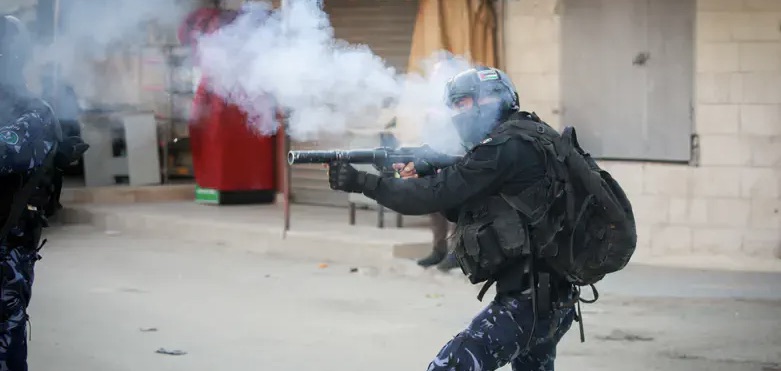 Lt. Col. (res.) Adv. Maurice Hirsch, a researcher at the Jerusalem Center for Security and Foreign Affairs, has published a new study titled “22 Kilometers – The Threat Posed by the Palestinian Authority’s Terror Army.”
The study warns of the real and growing threat posed by the Palestinian Authority’s security forces.
At the outset of the study, Hirsch compares Hamas’ October 7 attack with the size of the Palestinian Authority’s security apparatus. He notes that approximately 6,000 terrorists infiltrated Israel during the massacre, including around 3,000 trained members of terrorist organizations. By contrast, he estimates that the Palestinian Authority currently maintains some 70,000 armed security personnel in Judea and Samaria, equipped with tens of thousands of firearms. According to Hirsch, these forces train for combat scenarios against Israel and could eventually turn their weapons on the Jewish state.
Hirsch notes that under the Oslo Accords, the Palestinian Authority’s police force was limited to 30,000 personnel in total, including 12,000 in Judea and Samaria, equipped with only 4,000 rifles, 4,000 pistols, 120 machine guns, and 15 armored vehicles.
According to the study, that police force has in practice evolved into a large-scale security apparatus comprising approximately 70,000 personnel, extensive military equipment, military training programs, and an organizational structure resembling that of an army.
According to the figures cited, the Palestinian Authority’s police already numbered around 18,000 personnel in 1995, despite an authorized limit of only 9,000 at the time. The force subsequently grew to approximately 32,000 in 1997, 40,000 in 2001, 52,000 in 2003, 61,000 in 2006, and around 65,000 in the years that followed.
Hirsch notes that since Hamas seized control of the Gaza Strip in 2007, most of the expansion has taken place within the Palestinian Authority’s security forces in Judea and Samaria.
The study adds that members of the Palestinian security forces receive advanced military training through American and European assistance, as well as at Pakistan’s military academy. According to the study, this training includes armored warfare, artillery, sniper operations, parachuting, heavy machine gun use, and shoulder-fired missiles. The Palestinian Authority itself presents its personnel in official publications as the “Army of Palestine.”
Hirsch also reviews Israeli policy over the years, arguing that successive governments approved the transfer of weapons and armored vehicles to the Palestinian Authority’s security forces.
He acknowledges that security coordination between Israel and the Palestinian Authority continues, but argues that in practice the security forces primarily act against Hamas political rivals rather than systematically combating terrorism carried out by Fatah-affiliated groups and other organizations.
A central section of the study examines a scenario known within Israel’s defense establishment as the “turning of the guns” – a situation in which members of the Palestinian Authority’s security forces turn their weapons against Israel.
Hirsch emphasizes that this is a realistic threat, recalling the participation of Palestinian security personnel in the Second Intifada. He warns that because Judea and Samaria’s cities lie within a radius of only about 22 kilometers from Israel’s major population centers, such an attack could endanger millions of Israelis, similar to the distance Hamas terrorists penetrated on October 7.
The study concludes by urging the Israeli government to change its policy toward the Palestinian Authority’s security forces. Hirsch recommends halting all transfers of weapons to the PA, reducing the size of its security forces to the limits established by the Oslo Accords, creating an independent mechanism to monitor weapons, shutting down military training facilities, preparing operationally for a “turning of the guns” scenario, and working with foreign governments to end military training programs provided to Palestinian security personnel.
“Continuing to ignore the strengthening of the Palestinian Authority’s ‘terror army’ is a dangerous gamble with the lives of millions of Israelis. The writing is on the wall, less than 22 kilometers from the heart of the country. The danger is real and almost certain. To prevent a disaster far greater than the October 7 massacre, we must act proactively before we are left counting the victims.”
Day 1,007 — Thursday, July 9
 The American military had attacked about 90 military targets in Iran, including “air defense systems, coastal surveillance assets, missile and drone storage sites, naval capabilities and military logistics infrastructure along Iran’s coastline,” U.S. Central Command said shortly before midnight on Wednesday night.
“The latest strikes follow successful execution of offensive strikes in Iran the night before,” CENTCOM said. The strikes “further degrade Iran’s ability to attack commercial shipping and innocent civilian mariners in the Strait of Hormuz,” it added.
Hours before the strikes began, U.S. President Donald Trump said that negotiating with Iranian regime leaders was “just a waste of time,” calling them “liars,” “scum” and “sick people.”
“If they had a nuclear weapon, they’d use it,” Trump said. “As far as I’m concerned, it’s over.”
Trump ordered the additional strikes to “further degrade their ability to threaten freedom of navigation in the Strait of Hormuz,” according to CENTCOM.
“The United States is holding Iran accountable for recent unjustified aggression against commercial shipping and civilian crews freely navigating a vital international waterway,” it added.
Trump shared video footage on Wednesday of loud booms, explosions and fire coming out of a building, including apparently at Iran’s Chabahar Port, and stated that “this is in retribution for yesterday’s bombing of ships by Iran.”
“If it happens again, it will get much worse,” he said.
Iran’s Islamic Revolutionary Guard Corps said early on Thursday that it had retaliated against U.S. military bases in Kuwait and Bahrain, after air-raid sirens sounded in the two Gulf states.
The IRGC warned it would expand its response to other U.S. bases in the Gulf if the U.S. military continued its campaign.
Iranian Parliament Speaker Mohammad Bagher Ghalibaf, Tehran’s lead negotiator, wrote in a post on X on Thursday morning that the Strait of Hormuz “will only open under Iranian arrangements, not American threats.”
Ghalibaf said the United States had yet to learn that “bullying and breaking its commitments no longer come without a cost.” He added, “Let me put it plainly: If you strike, you’ll get hit.”
Trump told reporters aboard Air Force One at Royal Air Force Mildenhall in England on Wednesday that Iran’s representatives “called a little while ago” because “they want to make a deal so badly.”
“We have many ways we can win, but we’ve already won militarily. They have very little left and they want to make a deal so badly,” the president said. “I just don’t know if they’re worthy of making a deal. I don’t know that they’re going to honor the deal. That’s the problem.”
On Tuesday, the U.S. military said that it had hit more than 80 targets in Iran with “precision munitions as an immediate response to Iran’s latest attacks on commercial vessels transiting the Strait of Hormuz.”
“U.S. forces struck Iranian air defense systems, command and control networks, coastal radar sites, anti-ship missile capabilities and more than 60 Islamic Revolutionary Guard Corps small boats in and near the strait to degrade Iran’s ability to continue attacking international commerce flowing through the international trade corridor,” CENTCOM said at the time.
Earlier on Wednesday, CENTCOM said that more than 20 U.S. naval warships were “patrolling waters across the Middle East, as CENTCOM forces continue promoting regional security and stability.”
Day 1,007 — Thursday, July 9
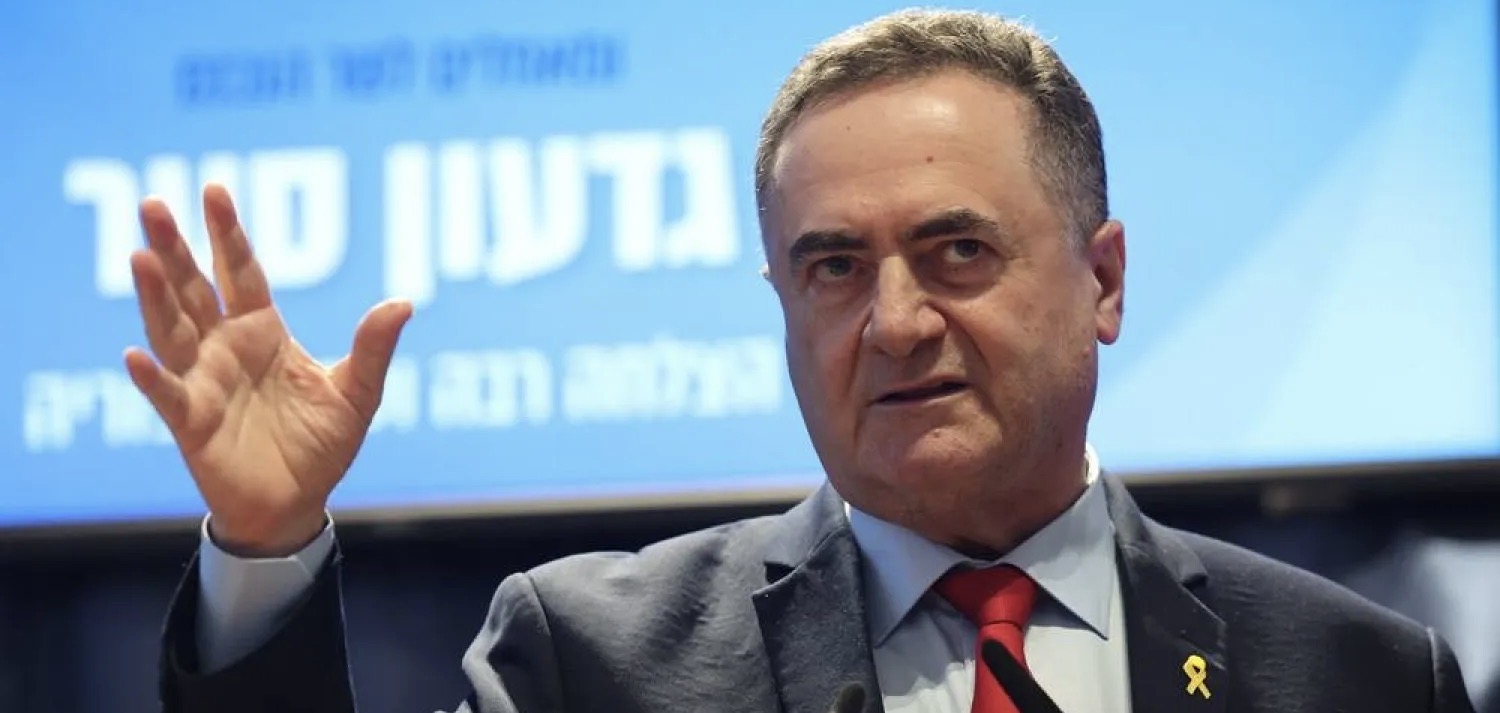 Defense Minister Israel Katz declared Thursday morning that Israel is acting entirely independently regarding its military presence and the expansion of the security zone in southern Lebanon.
Addressing Israel’s operational freedom, Katz said: “We did not ask anyone for permission to enter Lebanon, and we do not need permission to remain in Lebanon. It is our right and our duty to protect the residents of the Galilee and the citizens of Israel from the threats posed by the jihadist terrorist organization Hezbollah, which seeks to destroy the State of Israel.”
Recalling the beginning of the conflict, he stressed, “The Hezbollah terror group attacked Israel on its own initiative twice: after Hamas’ murderous October 7 attack, and at the start of Operation Roaring Lion in Iran, when, under orders from the Iranian terrorist regime, it began firing at the State of Israel.”
“Israel responded with force and, over the past two and a half years, destroyed most of Hezbollah’s capabilities and its leadership, chief among them arch-terrorist [Hassan] Nasrallah, one of the architects of the plan to destroy Israel.”
“Thanks to the decisions of the political leadership, the determination of the IDF command, the courage and bravery of the IDF’s soldiers, and the resilience of the residents of the north, we have established a strong security zone in Lebanon – from the [Mediterranean] sea in the west to the Beaufort Ridge and the approaches to Mount Hermon in the east. It has been cleared of residents and terrorist infrastructure both above and below ground in order to protect the residents of the Galilee from the threat of infiltrations, anti-tank fire, and [other] direct threats,” he added.
Concluding his remarks, Katz emphasized that both he and Prime Minister Benjamin Netanyahu remain committed to maintaining Israel’s presence in the security zone until its objectives are achieved.
“As Prime Minister Benjamin Netanyahu and I have made clear, we will continue to remain in the security zone in Lebanon and operate from within it as long as necessary, until Hezbollah is disarmed throughout Lebanon and the threat to the residents of northern Israel is removed. We promised security to the residents of the north, and that is what we have done and what we will continue to do.”
Day 1,006 — Wednesday, July 8
 U.S. Central Command (CENTCOM) stated in the morning that its forces “completed a new round of offensive strikes against Iran, July 7, hitting over 80 targets with precision munitions… [including] Iranian air defense systems, command and control networks, coastal radar sites, anti-ship missile capabilities, and more than 60 Islamic Revolutionary Guard Corps small boats in and near the strait to degrade Iran’s ability to continue attacking international commerce.”
The military command said the reason for the strikes was that “Iran recently attacked three commercial vessels transiting the strait… The unwarranted aggression by Iranian forces is a clear and dangerous violation of the ceasefire and undermines freedom of navigation.”
The attacked ships suffered significant damage, with one reportedly in danger of exploding due to a fire in the engine room. The attacks caused no casualties.
The regime responded by launching drones and ballistic missiles at targets in Bahrain and Kuwait, which host U.S. bases, a U.S. official confirmed to the Wall Street Journal. The Revolutionary Guards (IRGC) claimed to have hit dozens of U.S. military facilities in Bahrain and Kuwait.
In an earlier response to the Iranian attacks, the Trump administration announced it would revoke the temporary waivers on oil sanctions. A U.S. official told Axios, “President Trump and the administration have repeatedly affirmed, the MOU in effect with Iran is entirely performance-based.”
“Iran will only reap benefits if they exhibit good behavior. Iran’s actions in the strait were wholly unacceptable to the United States and will be met with consequences.”
Regime officials reacted angrily, accusing the U.S. of violating the deal. The Foreign Ministry said Wednesday that the American “violations” and the Israeli “attacks in Lebanon are making the interim arrangement ineffective.”
The Speaker of Iran’s Parliament and chief negotiator in the talks with the U.S., Mohammad-Bagher Ghalibaf, listed alleged violations of the MoU, which also included Israeli actions in Lebanon, while declaring: “The era of bullying and extortion is over. It leads nowhere. We don’t fold.”
The Iranian military also explicitly threatened more attacks on U.S. bases in the region.
Meanwhile, Israel is sitting on the sidelines of the new military escalation while warily monitoring developments. According to Walla News, Defense Secretary Pete Hegseth was due to travel from Ankara to Israel on Wednesday for meetings with Prime Minister Benjamin Netanyahu and Defense Minister Israel Katz; however, the trip was canceled after Trump’s remarks.
Kuwaiti and Bahraini officials strongly condemned the attacks on their territory.
Anwar Gargash, a senior adviser to the President of the UAE, wrote on 𝕏 that the Iranian attacks “are a clear indication that Tehran is still incapable of adhering to the demands of de-escalation and ending the war. The Gulf states cannot remain a target for Iran’s hesitation between escalation and the path of rationality, stability, and peace.”
The U.S. strikes also received backing from NATO Secretary General Mark Rutte, who called them “absolutely necessary.”
“When you have a ceasefire and Iran is basically violating the ceasefire, I think it is totally crucial that the US forcefully react,” Rutte told reporters on the sidelines of the NATO summit.
Day 1,006 — Wednesday, July 8
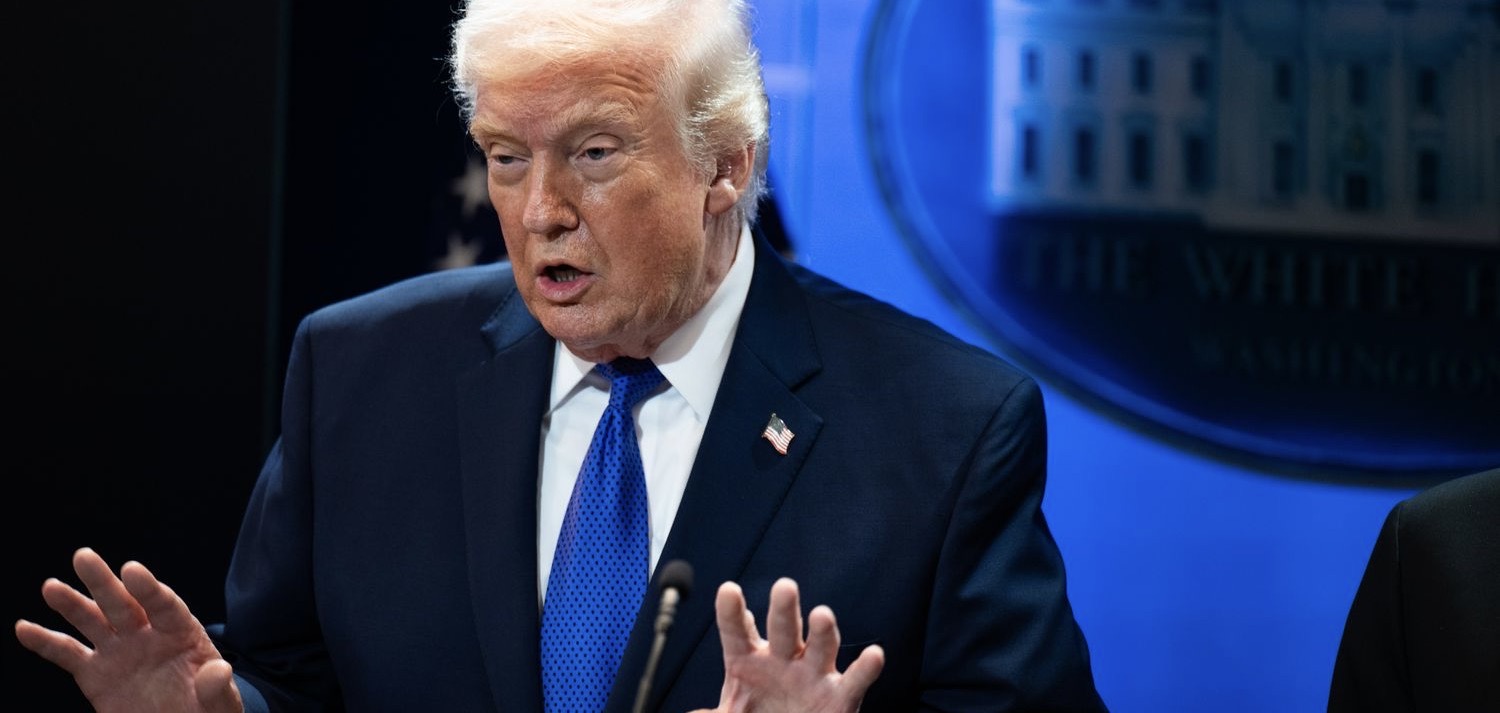 US President Donald Trump on Wednesday spoke about the exchange of strikes between the US and Iran, declaring an end to the ceasefire agreement.
At the NATO summit, Trump was asked whether the memorandum of understanding between the US and Iran had ended. He responded, “To me, I think it’s over. I don’t want to deal with them anymore.”
He added, “They’re led by sick people… I’ll speak to our negotiators. They want to negotiate – they’re good people… but they have to come back to me. As far as I’m concerned, it’s just a waste of time dealing with them.”
Trump also called the Iranians “a bunch of scum,” saying, “We don’t like them, they’re evil people. They’re crazy and they’re not going to have a nuclear weapon.”
He also claimed that the Iranian army are “evil, sick people” who had killed “thousands” of US soldiers and “hundreds” of their own people. Claiming that he himself had been on Iran’s list of assassination targets for years, he said that he wanted to get rid of their “cancer,” and that the US had eliminated their top leadership.
According to Trump, Tuesday night’s strikes were “twenty times” as harsh as previous strikes on Iran.
Day 1,005 — Tuesday, July 7
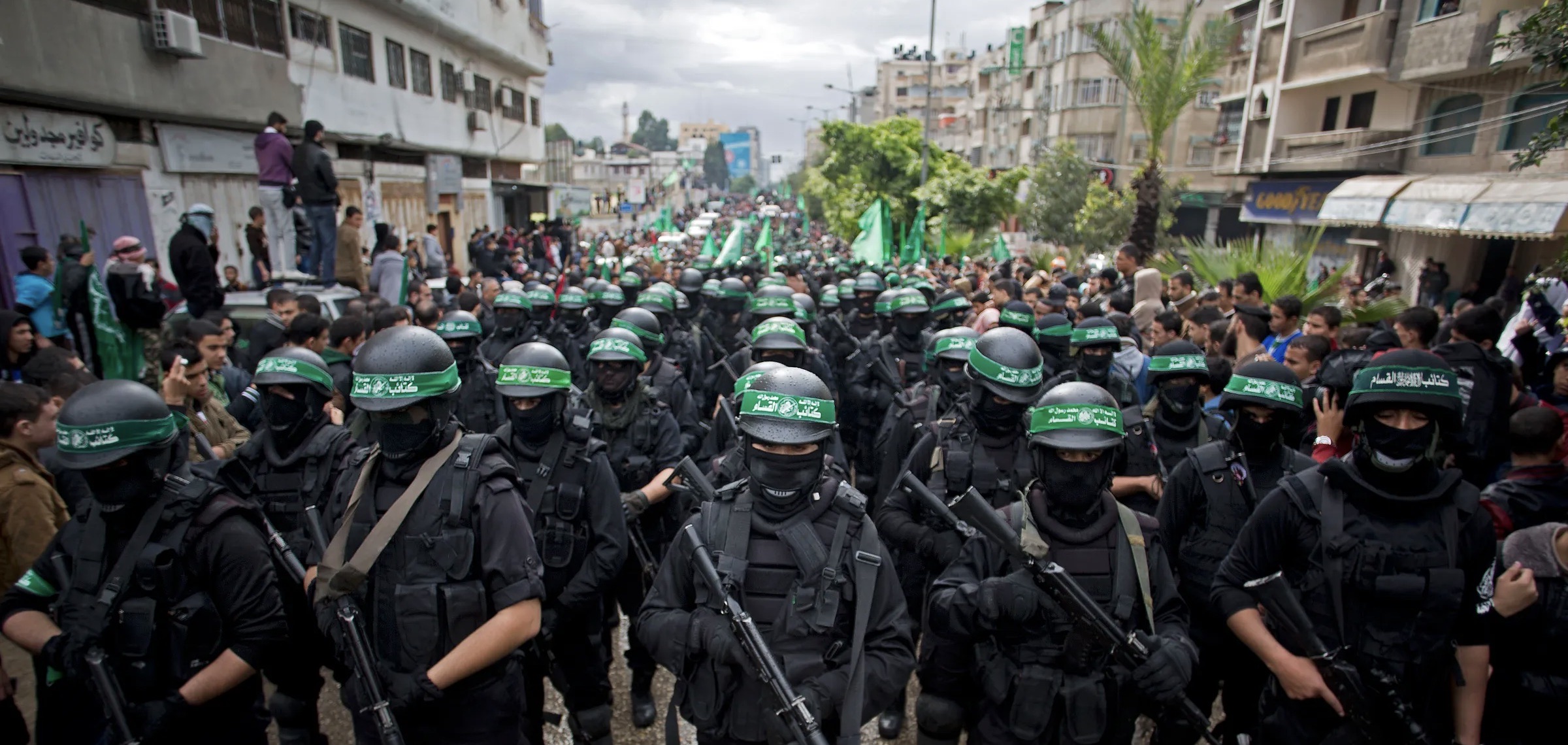 Hamas is attempting to avoid disarmament by signaling openness to a technocratic government in Gaza, Israeli Foreign Minister Gideon Sa’ar said on Monday, warning the move is aimed at preserving the terrorist group’s military power.
Writing on X, Sa’ar said Hamas seeks to replicate a “Hezbollah model,” in which a civilian administration handles municipal affairs, while the terrorist group remains the dominant armed force.
“This would allow Hamas to continue oppressing the Palestinian people in Gaza, while pursuing its jihadist war against Israel,” Sa’ar stressed.
Otzma Yehudit Party lawmaker Yitzhak Kroizer told JNS that “anyone who listens to the statements of a Nazi terrorist organization is living in an illusion.”
“Hamas will not disband itself voluntarily, and it will not give up power because of this or that statement to the press. The only way to ensure that Hamas does not possess weapons is through heavy military pressure, the destruction of the organization’s governmental capabilities, the imposition of sovereignty and settlement in the entire Gaza Strip,” he added.
Hamas earlier Monday announced that it intends to dissolve its governing role in Gaza after 19 years.
Hamas’s Government Media Office said the designated terrorist organization is prepared to hand over administrative control of Gaza to a Palestinian technocratic body under the Board of Peace framework, known as the National Committee for the Administration of Gaza (NCAG), intended to serve as a transitional governing authority.
However, the statement made no mention of Hamas’s disarmament, a central condition of the U.S.-brokered Israel-Hamas ceasefire agreement that took effect in January.
It also said that all current employees of Hamas’s “civilian” apparatus would continue to serve under the NCAG.
An Israeli official told Kan News public broadcaster on Monday that the purported resignation of the Hamas government, while all of its members remain in office, was “a spin that means absolutely nothing.”
The official added, “Hamas fears it will be found to be in violation of the agreement, so it is buying time and engaging in spin.”
Day 1,005 — Tuesday, July 7
 The opening of Spain’s annual running of the bulls festival in Pamplona featured anti-Israel demonstrations, continuing a pattern that has become increasingly visible at the event in recent years.
Large crowds gathered for the festival’s traditional opening ceremony, known as the chupinazo, where anti-Israel slogans were shouted moments before the ceremonial fireworks were launched over Plaza Consistorial.
Representing the group Yala Nafarroa con Palestina, Dyna Kharrat addressed the crowd with the chants, “Stop genocide” and “Free Palestine.”
A large banner reading “Death to Israel” was also displayed during this year’s festivities.
Many participants wore the festival’s traditional red handkerchiefs, some of which were printed with a map labeled “Palestine” in place of Israel.
The design resembled the inverted red triangle that has become associated with Palestinian terrorism targeting Israelis and Jews since the Oct. 7 attacks.
The anti-Israel displays come as Spain’s government has adopted one of Europe’s most critical positions toward Israel.
Under Prime Minister Pedro Sánchez, Madrid has repeatedly criticized Israel’s military operations and has supported a series of diplomatic initiatives directed at Israel.
Spain formally recognized a Palestinian state in May 2024 and backed South Africa’s genocide case against Israel at the International Court of Justice.
The Spanish government has also imposed partial arms trade embargoes involving Israel and has urged the European Union to review its association agreement with the Jewish state.
The political climate has fueled deep domestic division. The pushback extends to the local and institutional levels, with actions such as the Barcelona City Council and local universities previously voting to sever ties with Israel.
Conversely, these measures have faced strong pushback from opposition parties like the center-right People’s Party (PP), which accuses the current coalition government of harboring radical and extreme-left ideologies.
The demonstrations at the festival reflected the broader prominence of anti-Israel activism in Spain, where criticism of Israel has increasingly appeared at public events and political gatherings.
Day 1,005 — Tuesday, July 7
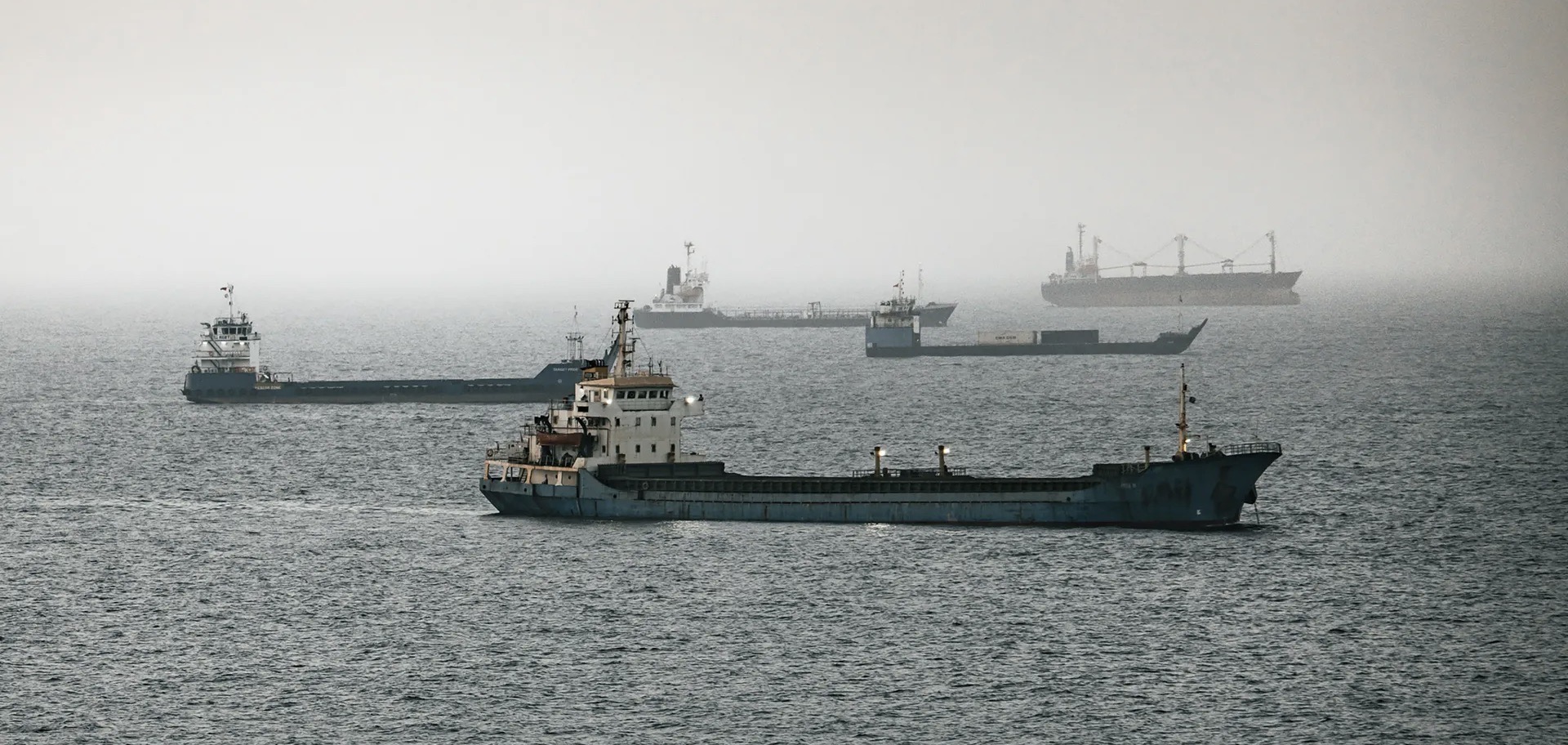 Iran fired at least two missiles at commercial ships transiting through the Strait of Hormuz, Axios reported late Monday night, citing a US official.
According to the report, both ships were damaged significantly, but there were no casualties.
Shortly before the report, the United Kingdom Maritime Trade Operations agency (UKMTO) stated that a tanker was hit by an unknown projectile while traveling about eight nautical miles (14.8 km) east of Oman’s Limah, causing a fire.
The Islamic Revolutionary Guard Corps (IRGC) has warned ships in recent days to remain on Iranian-designated routes rather than the US-designated route near the coast of Oman.
“Our missiles and drones are ready to fire at you,” the IRGC told ships over the weekend, the Wall Street Journal reported.
One of the ships appeared to be Al Rekayyat, a Qatari gas tanker.
Early on Tuesday, a crew member on a ship near Al Rekayyat heard a message from the ship stating that it had been hit on the port side, at the top of the engine room, according to a recording shared with the WSJ.
“Engine room fire and full of smoke. Unable to assess further damage. All crew are safe and mustered on the starboard side,” the WSJ cited the recording as saying.
Day 1,004 — Monday, July 6
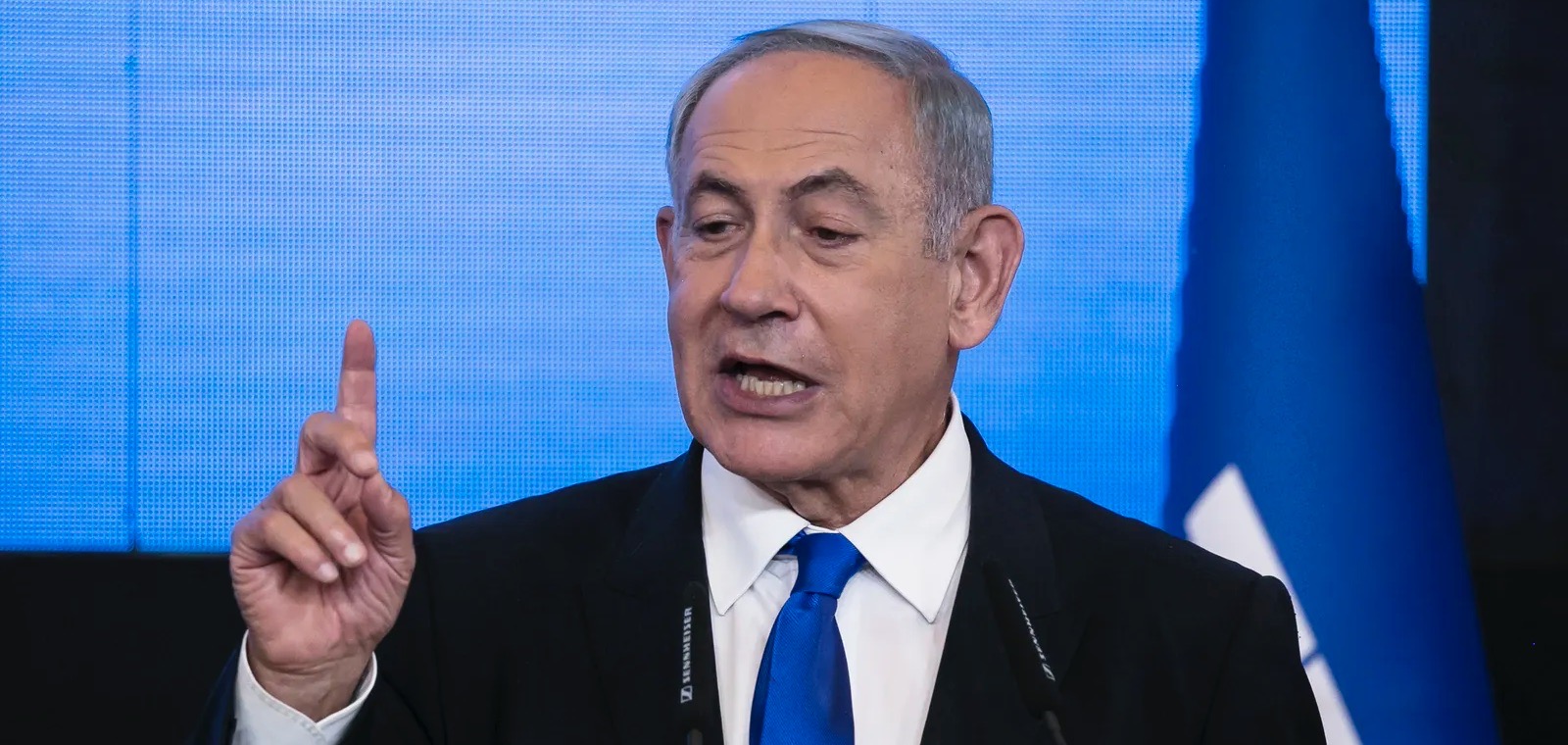 Prime Minister Benjamin Netanyahu on Sunday stated that some Christian villages in southern Lebanon had asked Israel for protection from Hezbollah, and that some had even sought annexation by Israel.
Speaking in an interview with Fox News, Netanyahu said Israel was protecting Christian communities in southern Lebanon from “Hezbollah fanatics,” though he did not identify the villages or say when such requests were made.
“Among the Christian villages in Lebanon, some have even asked to be annexed to Israel, because we protect them from Hezbollah fanatics who want to kill them.”
He continued, “It’s not only the Christians in Lebanon who asked for our protection. It’s the Druze, it’s Muslims, the Sunni Muslims and quite a few of the Shiite Muslims too… they’d like to free Lebanon. I hope we can get more peace deals.”
The prime minister’s remarks come as Israel continues to hold parts of southern Lebanon, where the Israel Defense Forces says they are operating against Hezbollah forces and working to protect local communities from the Iranian proxy.
all israel news
Day 1,004 — Monday, July 6
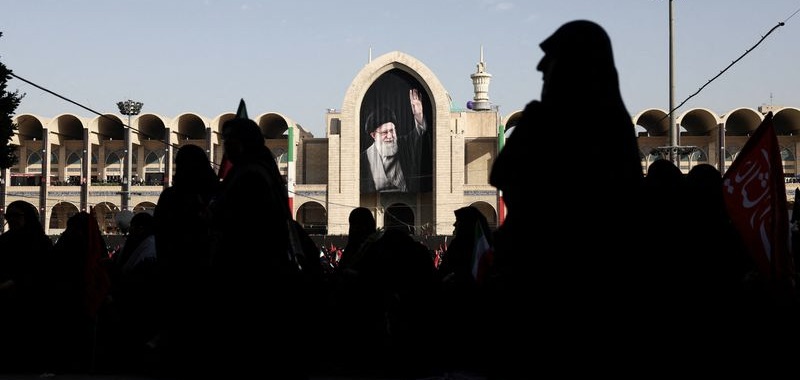 Israeli Defense Minister Israel Katz warned Monday that any Iranian leader who seeks to destroy the Jewish state would be eliminated, as the funeral procession for slain Supreme Leader Ayatollah Ali Khamenei got underway in Tehran.
“Khamenei, whose funeral is taking place now, was eliminated by Israel because he initiated and led the plan to destroy Israel in Iran and across the region,” Katz said in a Hebrew-language statement.
“The destroyer has been destroyed. Any Iranian leader who again tries to advance plans for Israel’s destruction will likewise be eliminated,” he vowed.
Katz said chants of “Death to Trump” during the funeral reflected “the true nature of the ayatollahs’ regime, beyond its campaign of smiles and deception.
“The powerful attack on Iran, led by Prime Minister Benjamin Netanyahu and U.S. President Donald Trump, removed the immediate existential threats hanging over Israel and severely damaged Iran’s strategic capabilities,” he continued. “Israel is prepared to once again defend itself, by its own forces, at any time and against any threat.”
A funeral procession for Khamenei kicked off the fourth day of week-long burial ceremonies on Monday morning.
Khamenei’s remains are set to be taken through the streets of Tehran on their way to Mehrabad International Airport in the western part of the capital.
The funeral cortege will last some 10 to 12 hours, Islamic Revolutionary Guard Corps Brig. Gen. Hassan Hassanzadeh, who is overseeing the event, told state media.
Hassanzadeh said preparations for the procession began at 4 a.m. local time and that the procession would move from east to west.
Regime supporters lined the streets of Tehran early Monday, many carrying red flags symbolizing revenge, the IRGC-linked Fars News Agency reported.
Khamenei’s funeral ceremonies have been marked by repeated calls from Iranian officials, state media and regime supporters for the deaths of U.S. President Donald Trump and Israeli Prime Minister Benjamin Netanyahu.
Day 1,003 — Sunday, July 5
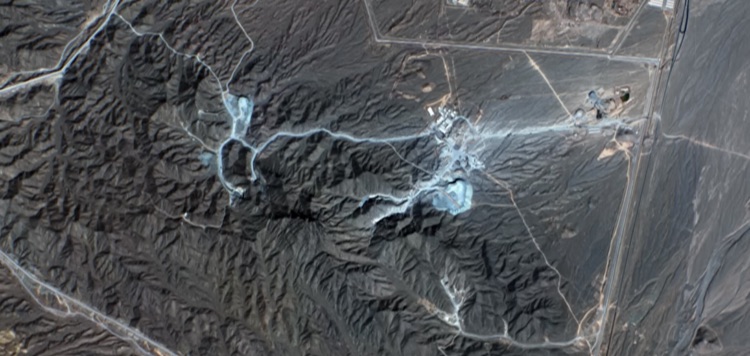 Continued activity at Iran’s underground Pickaxe Mountain complex is fueling new concerns over Tehran’s compliance with its nuclear agreement with the United States, with a Washington-based nuclear watchdog citing fresh satellite imagery and the continued absence of international inspections at the site.
The Institute for Science and International Security (ISIS) said the International Atomic Energy Agency (IAEA) has never been permitted to inspect the facility, which is buried deep within Iran’s Zagros Mountains.
The institute released its assessment as the Trump administration moves to implement the memorandum of understanding reached with Iran following Operation Epic Fury, the joint US-Israeli military campaign launched on Feb. 28 against Iran’s nuclear and missile infrastructure.
According to the institute, imagery captured in late June indicates that work at the underground installation has not stopped.
The organization said the photographs show vehicles entering the western tunnel portals and additional fortification work at the tunnel entrances, which it said points to continued construction inside the mountain.
The institute said such activity appears incompatible with the memorandum of understanding, arguing that Iran is expected to preserve existing conditions at nuclear-related sites until inspection and verification measures are completed.
Spencer Faragasso, senior fellow at the institute focused on Iran’s nuclear program, said the project could provide Tehran with a fallback option should diplomatic efforts collapse.
“The ongoing work at Pickaxe Mountain is deeply concerning. This work has continued steadily since at least 2020,” Faragasso wrote on X. “In my view, this is a hedge by Iran in case negotiations fail—they will then have a nuclear facility in a late stage of construction. We assessed that Pickaxe is likely large enough to hold an enrichment plant.”
Faragasso argued that Tehran could demonstrate its commitment to negotiations by freezing activity at the site and opening it to international inspectors.
“If Iran is serious about negotiating, it should halt construction at Pickaxe Mountain as a token of good faith. But what can be expected from a regime as brutal and conniving as Iran’s?” he wrote.
The institute said the continued denial of IAEA access, combined with ongoing construction at the heavily fortified underground complex, leaves key questions unanswered about the site’s intended purpose.
Day 1,002 — Saturday, July 4
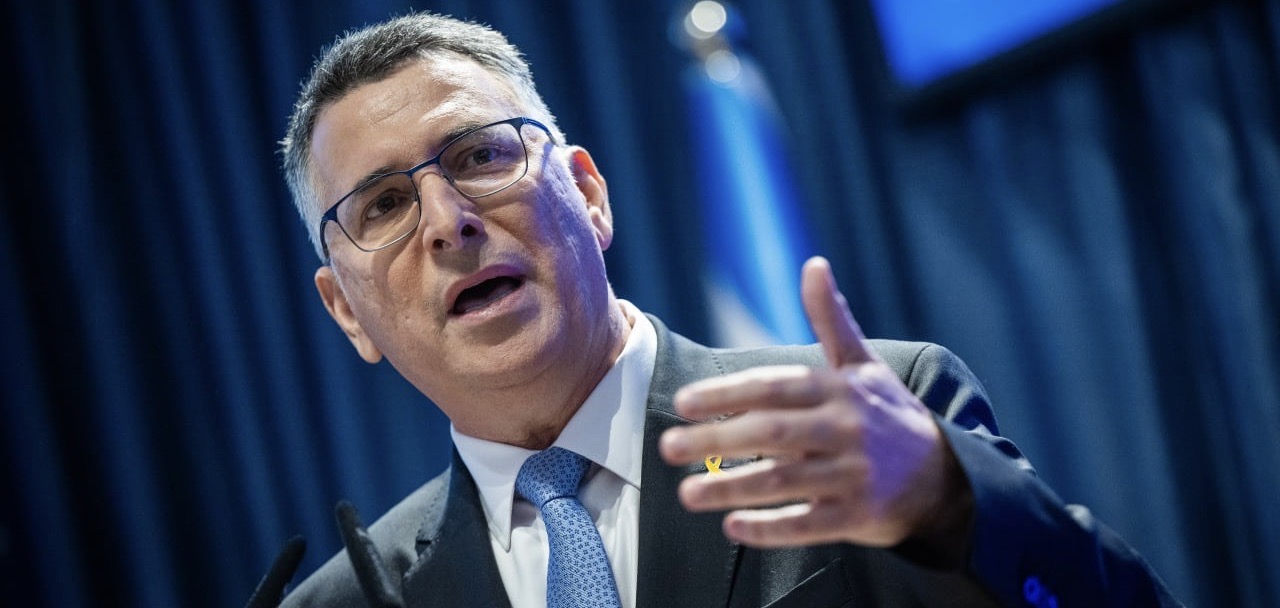 Israeli Foreign Minister Gideon Sa’ar on Friday accused his Turkish counterpart, Hakan Fidan, of incitement to genocide after the latter described Israel as “a burden humanity can no longer bear.”
Speaking in an interview with CNN Türk on Thursday, Fidan said Israel had become “a problem for the entire international community,” adding that “the Israeli authorities have become a burden that humanity can no longer bear.”
Fidan said Turkey had no intention of changing its position toward Israel and defended Ankara’s decision to halt trade with the Jewish state following the war against Hamas in Gaza.
“Israel is not only a problem for Turkey; it has become a problem for the entire world,” he said. He also claimed that anti-Israel sentiment was growing globally “because they are openly committing massacres” and accused Israel of seeking new enemies to divert attention from what he called its deteriorating international image.
Responding on social media, Sa’ar described Fidan’s remarks as “sickening.”
“Dehumanizing the Jewish people as an ‘unbearable burden’ is the classic, horrific language of history’s worst eliminationist regimes,” Sa’ar wrote on X.
“The civilized world and Turkey’s NATO allies must unequivocally condemn this explicit call for the erasure of Israel,” he added.
The exchange marked the latest escalation in tensions between Jerusalem and Ankara, which have sharply deteriorated since the Hamas-led massacre in southern Israel on Oct. 7, 2023.
Earlier this week, Turkish President Recep Tayyip Erdoğan denounced Israel’s decision to recognize the Armenian Genocide, dismissing the move as slander by what he called a “murder network” responsible for the deaths of tens of thousands of Gazans.
Israel’s Cabinet on Sunday unanimously approved Sa’ar’s proposal to recognize the Armenian genocide, a move Sa’ar described as a long-overdue act of historical justice. The decision prompted an angry response from Ankara, which rejected the characterization of the 1915 mass killings of Armenians in the Ottoman Empire as genocide.
Day 1,001 — Friday, July 3
 The Committee for Accuracy in Middle East Reporting and Analysis (CAMERA) on Thursday called on major news organizations to revisit their reporting based on casualty data from the Committee to Protect Journalists (CPJ), after the press organization announced a review of its Gaza database following evidence that individuals it had identified as journalists were members of Hamas and Palestinian Islamic Jihad.
The CPJ announced on June 25 that it was conducting a full review of its database of media workers killed in the Gaza Strip after Hamas and Palestinian Islamic Jihad mourning notices confirmed that several individuals listed as journalists were operatives in the terrorist organizations.
CAMERA said the revelations raised serious questions about reporting by major international media outlets that had relied on CPJ’s casualty figures and allegations without sufficient scrutiny.
Among the outlets cited by CAMERA were CBS, the BBC, Reuters, The Washington Post, CNN, The Associated Press, PBS, MS Now (formerly MSNBC) and The New York Times.
“It is the CPJ that has long put journalists at personal risk by enabling terrorists to masquerade as journalists,” said Tamar Sternthal, director of CAMERA’s Research and Analysis Media Department.
She argued that news organizations had too often accepted CPJ’s findings without independently verifying the identities of those listed as journalists.
CAMERA also criticized interviews in which CPJ officials accused Israel of deliberately targeting journalists, saying the allegations went unchallenged by interviewers.
“Multiple leading media outlets had featured, often without qualification or challenge, CPJ’s now-discredited data on 2025 fatalities, which described terrorists as journalists killed on assignment,” CAMERA said in a press release.
“Among the media outlets that devoted space last February to CPJ’s tainted tally are CBS, which further inflated CPJ’s inaccurate figures; the BBC, which CAMERA has repeatedly called on to amend outdated CPJ-sourced tallies; Reuters, which gave CPJ a platform to accuse those citing links between supposed journalists and Hamas of “deadly smears”; and The Washington Post.
“Since then, media outlets have repeatedly relied on the organization’s dubious allegations and blatant libels. In April, MS Now’s Antonio Hylton failed to challenge CPJ CEO Jodie Ginsberg when she insisted on ‘The Weekend Primetime’ that ‘Israel has deliberately targeted journalists’ and that ‘hundreds of journalists have been killed by Israel since the genocide in Gaza.’ The same month, PBS’s Nick Shifrin likewise neglected to challenge CPJ regional director Sara Qudah, who alleged that Israel targets journalists.”
CAMERA added, “CPJ is a favorite in The New York Times’ proverbial rolodex. It loomed large, for example, in an August 2025 article that alleged “the deadly risks of reporting in Gaza could further stifle the amount of information coming out of the war,” but that entirely ignored Hamas’ total control of Gaza’s media landscape—including its successful casting of its terror operatives as journalists.”
According to CAMERA, more than 100 media executives and senior journalists signed a February 2024 CPJ letter accusing Israel of attacking journalists while relying on casualty figures that are now under review.
Sternthal questioned whether the presence of senior executives from leading news organizations on CPJ’s board—including representatives from The Associated Press, Reuters, NBC News, Agence France-Presse and The New Yorker—created an inherent conflict of interest that discouraged critical coverage of the organization.
“Journalists have no business forsaking their profession by failing to critically report about an organization that has effectively covered for terrorists in press vests who endanger actual journalists,” she said.
Nika Soon-Shiong, publisher of the media outlet Drop Site News, suggested this week that she was removed from the board of the Committee to Protect Journalists after objecting to the organization’s review of its database to determine whether some individuals listed as slain journalists were actually terrorists.
CAMERA, founded in 1982, is a media-monitoring organization dedicated to promoting accurate and balanced coverage of Israel and the Middle East.
Day 1,001 — Friday, July 3
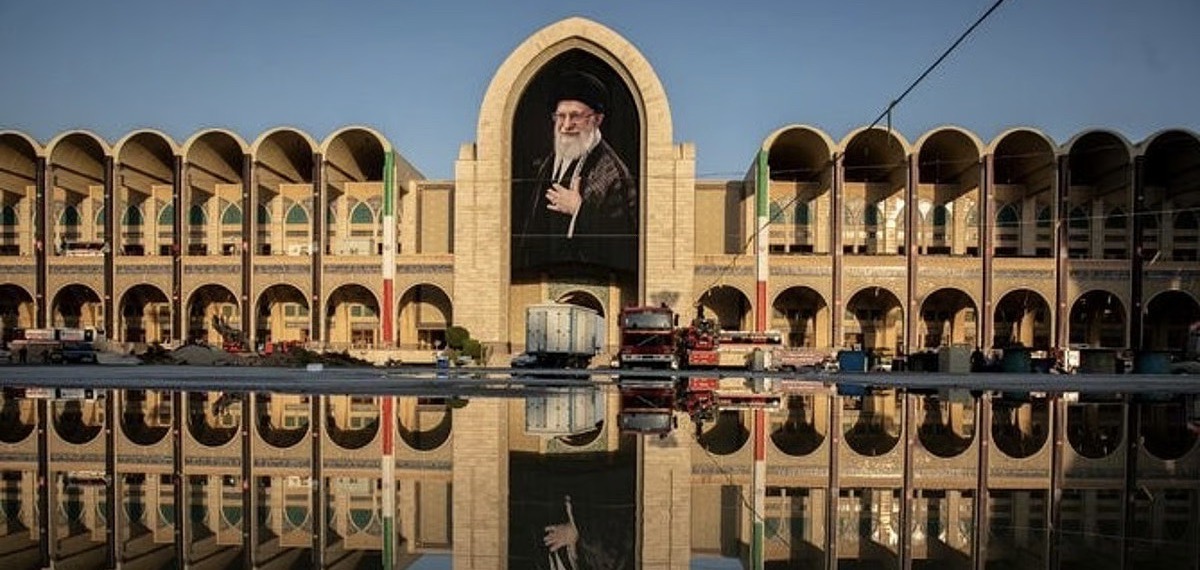 Iran’s military command warned the United States and Israel on Thursday against launching any new attack as the Islamic Republic prepares a massive state funeral for Supreme Leader Ayatollah Ali Khamenei, who was killed in Israeli airstrikes on February 28 at the opening of the war.
Ali Abdollahi, commander of Iran’s Khatam al-Anbiya Central Headquarters, said Iran’s enemies should avoid “miscalculation,” warning that any threat or aggression would be met with harsh retaliation by the country’s armed forces, according to Iranian state media.
Funeral processions for Khamenei are scheduled to begin Saturday in Tehran, where his body will lie in state at the Grand Mosalla complex, and conclude July 9 with burial in his hometown of Mashhad. Additional ceremonies are planned in Qom and Iraq. Iranian officials said the events could draw 15 to 20 million mourners, potentially making it the largest state funeral in the country’s history.
Iranian parliament speaker and chief negotiator Mohammad Bagher Ghalibaf urged Tehran residents to turn out in large numbers, saying the nation’s “call for vengeance” must be heard around the world. Public and private offices in Tehran will be closed from Saturday through Monday, while authorities have announced major traffic restrictions and temporary airspace controls over several cities, including Tehran and Mashhad.
The funeral comes as uncertainty surrounds Iran’s new supreme leader, Mojtaba Khamenei, Ali Khamenei’s son and successor, who was reportedly injured in the same strike that killed his father and has not been publicly seen since taking office. Israeli Defense Minister Israel Katz recently warned that Mojtaba Khamenei was “marked for death,” prompting Tehran to threaten an immediate response to any strike on its leadership.
Tensions also escalated Thursday in the Strait of Hormuz, where Iran’s joint military command warned that oil tankers must use Tehran-approved routes or face a “forceful response.” The warning followed U.S. Central Command remarks emphasizing the free flow of commerce through the strategic waterway, a phrase that appeared to anger Iranian officials.
The Strait of Hormuz, through which a significant share of the world’s oil supply passes, has become a central point of friction in talks aimed at reaching a permanent end to the Iran war. Under an interim arrangement, vessels were allowed to pass without fees for 60 days, though Tehran has insisted it must control routes and later charge passage fees — a demand opposed by the United States and several Gulf Arab states.
Day 1,001 — Friday, July 3
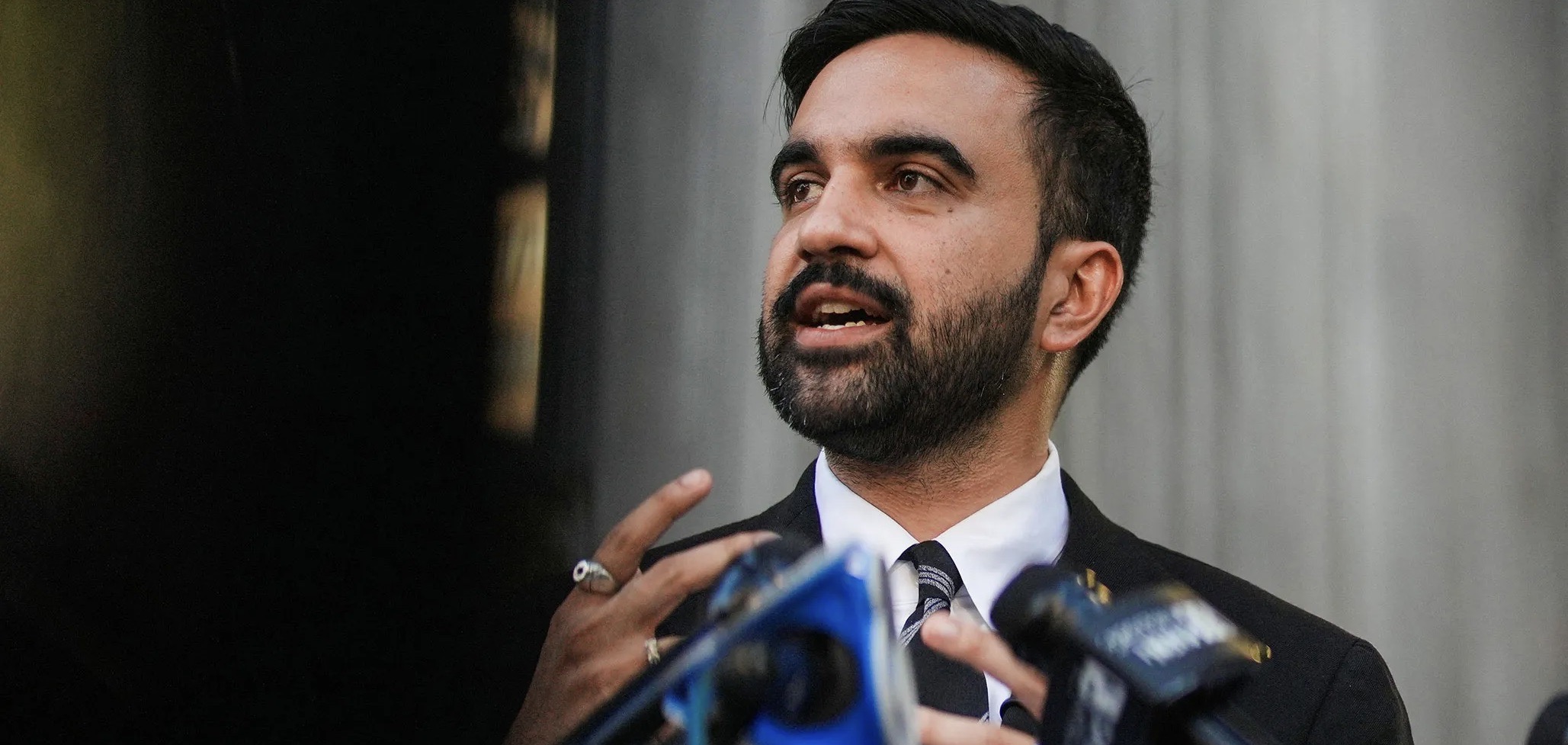 As New York baked under another summer heat wave, parts of the Riverdale neighborhood in the Bronx, home to a large Jewish community, lost power after Con Edison shut off electricity to protect its equipment.
Con Edison announced the outages Thursday, saying it temporarily cut power to some customers in Riverdale to reduce strain on the electrical grid and speed up service restoration. The utility directed affected residents to report outages and seek relief at city cooling centers.
The outages left parts of Riverdale sweating without air conditioning during a dangerous citywide heat wave. The timing also puts intense pressure on Mayor Zohran Mamdani.
The Democratic Socialist ran on promises to protect ordinary New Yorkers, but a neighborhood-wide shutdown like this directly undercuts that message.
Earlier Friday, Mamdani urged New Yorkers to set their thermostats to 78 degrees, turn off unused lights and electronics, and reduce electricity use as the city faced high demand during the heatwave.
Day 1,000 — Thursday, July 2
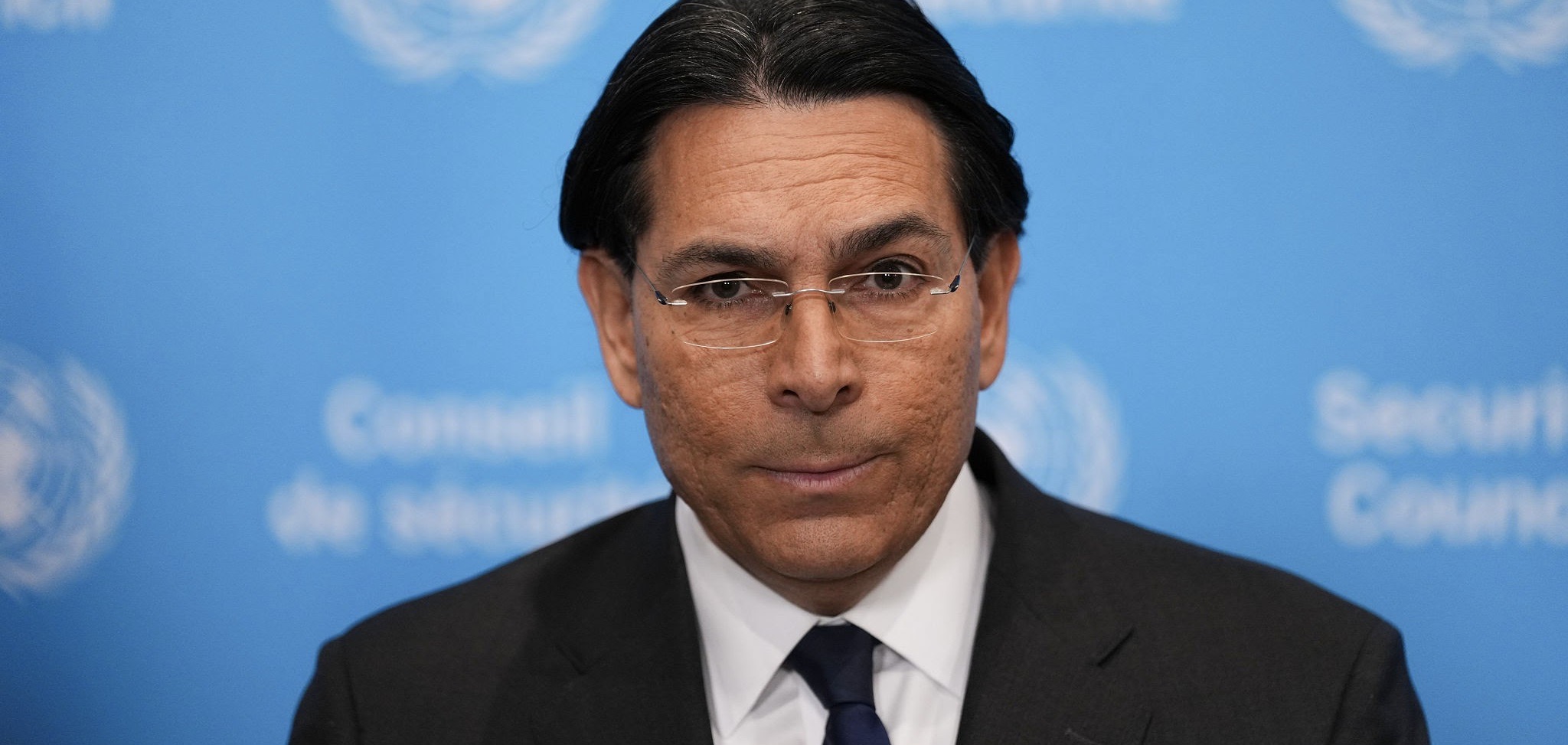 One thousand days after the October 7 massacre, Israel’s Ambassador to the United Nations, Danny Danon, addressed the UN General Assembly during its debate on the UN Global Counter-Terrorism Strategy.
In his remarks, Ambassador Danon condemned UNRWA, reminding member states that Israel had warned for years about Hamas’s infiltration of the agency. He noted that even UNRWA was ultimately forced to dismiss dozens of employees in Gaza over suspected ties to terrorist organizations.
Danon also called on the international community to listen to the victims of terrorism, learn from Israel’s decades of experience in fighting terror, and take a clear and uncompromising stand against terrorist organizations.
“One thousand days after the October 7 massacre, the world must listen to the victims of terrorism and to the country that confronts terrorism every single day,” he said.
“No terrorist deserves a UN badge, a UN paycheck, or the protection of the United Nations. If we are serious about defeating terrorism, we must stand united against it, not provide it with legitimacy or immunity.”
Day 1,000 — Thursday, July 2
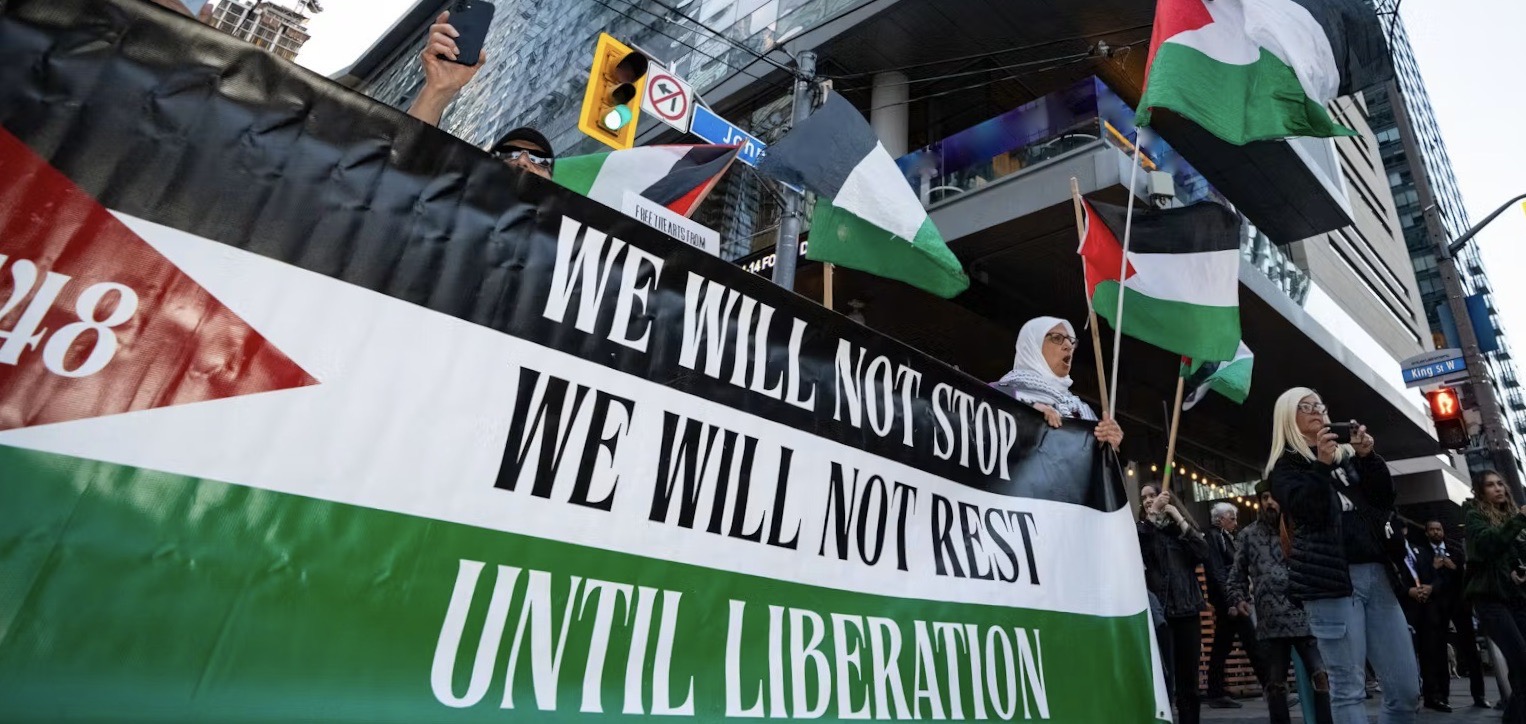 A controversial exhibit titled Palestine Uprooted: Nakba Past and Present opened last weekend at the Canadian Museum for Human Rights despite weeks of objections from Jewish organizations and community leaders, who argue it presents a one-sided account of the Israeli-Palestinian conflict while omitting key historical context.
The museum describes the exhibit as “A moving exploration of the ongoing forced displacement of Palestinians,” linking the Palestinian “Nakba” narrative to “Present‐day violence in Gaza and elsewhere in the occupied Palestinian territory” and placing the war in Gaza “in relation to past experiences of displacement, war and loss.”
The opening comes as Canada’s Jewish community faces what political leaders and advocacy groups describe as an unprecedented surge in antisemitism following the Hamas-led invasion of southern Israel on Oct. 7, 2023.
Although Jews make up approximately 1% of Canada’s population, government data indicate that 70% of reported religion-motivated hate crimes in 2024 targeted Jewish Canadians.
Jewish organizations have sharply criticized the exhibit, arguing that it advances a political narrative while ignoring major historical events that shaped the conflict.
“The controversial ‘Nakba’ exhibit tells a distorted version of history that whitewashes the October 7th Hamas terrorist attacks, the second intifada, and the wars of annihilation against Israel,” CEO of the Centre for Israel and Jewish Affairs (CIJA) Noah Shack wrote in a post on 𝕏 on Monday.
“We warned the museum for months about the dangers of its approach, which rejected consultation with experts and meaningful engagement with impacted communities in favour of advice from extreme activists. We are already seeing the real-world consequences of this, just days after the exhibit’s opening, with hateful messages appearing at the museum,” he said.
CIJA also said the exhibit had been developed “without transparency and with the involvement of activists who have described the core of Jewish identity as ‘a disease to be destroyed.’”
The controversy also prompted the museum’s only Jewish board member, Mark Berlin, to resign on June 22.
all israel new
Day 999 — Wednesday, July 1
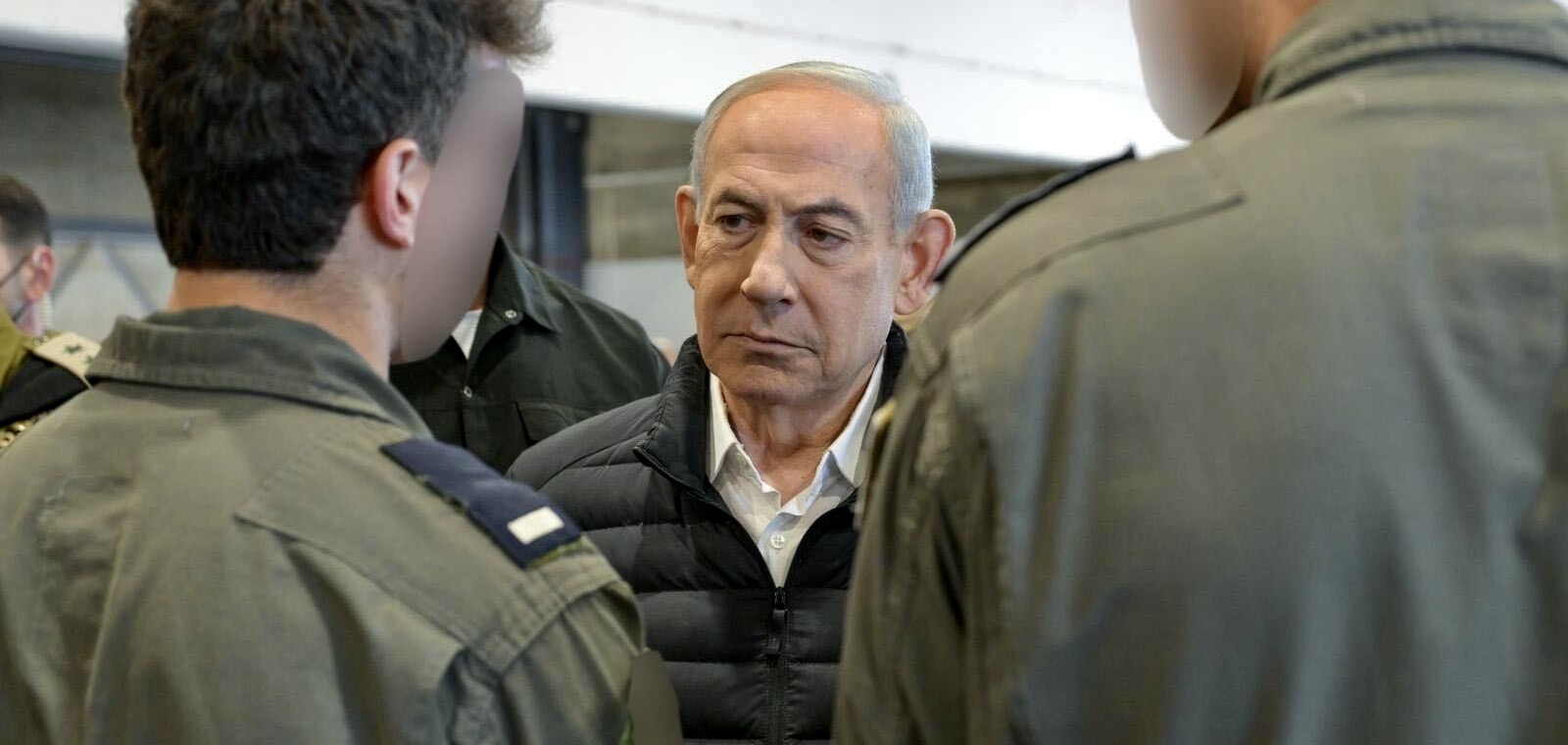 Israeli Prime Minister Benjamin Netanyahu said on Tuesday that Iranian-backed Hezbollah terrorists had “no business” being in Southern Lebanon after Jerusalem and Beirut mutually recognized each other last week.
Visiting Israel Defense Forces troops deployed in the security zone in Southern Lebanon, Netanyahu stated: “We say to both Iran and Hezbollah: Get out of here.”
The premier praised the troops for helping secure the agreement with Beirut, saying it would allow “two sovereign states” to restore “a reality of security and prosperity” along their shared border.
He said the Israel-Lebanon framework agreement signed on Friday was a “slap in the face” to the Iranian axis and warned it “won’t necessarily go unchallenged” by Tehran and its proxies.
“We are very proud of what we have achieved thanks to your brave action and also the decisions we have made,” Netanyahu continued. “Our insistence is that we will not leave Southern Lebanon until the threat is eliminated. As long as Hezbollah is armed and present here, posing a threat to us, we will remain here.”
Netanyahu told troops to “not wait, act” when confronting terrorist threats in the security zone. “The most important thing for you to know is that our directive—from me, the defense minister, the chief of staff and the deputy chief of staff—is to protect yourselves first,” he said.
“This is an ironclad directive,” he added.
Netanyahu said the Jewish state would maintain control of the buffer zones in Lebanon, Syria and the Gaza Strip, adding that it would “no longer allow an army of terrorists to have a foothold on our border.”
He noted that Hezbollah had been “the most important link in the Iranian axis,” with an arsenal that totaled 150,000 missiles and rockets before the war. He claimed the group now retains about 8% of that stockpile and said the IDF eliminated some 9,000 terror operatives, including hundreds in recent weeks.
Israeli forces also pushed Hezbollah back and destroyed infrastructure used to attack citizens and soldiers above and below ground, including tunnels and terrorist hotbeds, he said. “This is the directive: leave nothing behind, and you are doing that,” Netanyahu stated.
Hezbollah renewed its rocket and drone attacks from Southern Lebanon on Israel on March 2, following the targeted killing of Iranian Supreme Leader Ali Khamenei on the first day of “Operation Roaring Lion” on Feb. 28.
In response, Jerusalem launched a broad aerial campaign against Hezbollah targets and expanded military operations in Lebanon aimed at preventing cross-border attacks on Israeli communities.
Following the resumption of hostilities, Lebanese President Joseph Aoun vowed to do “the impossible” to stop cross-border hostilities between Israel and Hezbollah, and moved to outlaw the Iranian proxy.
Israeli and Lebanese officials subsequently held five rounds of historic direct talks at the U.S. State Department, resulting in the framework of understandings that was reached on Friday and is conditioned on Hezbollah being removed from the south.
Israeli Defense Minister Israel Katz told reporters on Monday that Jerusalem made clear to the Trump administration that it will not leave Lebanon, Syria or Gaza as long as threats from Iranian-backed terrorist organizations persist.
The IDF is “prepared and on alert” for Iranian missile fire in defense of its Lebanese proxy and has prepared a bank of targets to strike inside the Islamic Republic, Katz said during a briefing.
The Islamic Republic launched several barrages of ballistic missiles at Israel on June 7-8 in support of Hezbollah, prompting Jerusalem to retaliate with strikes against the regime.
“If we have definitive intelligence about Iranian decisions, we will act on it,” Katz said on Monday. “If Iran attacks us with missiles, we will respond with force, and that has been made clear to the Americans.”
A renewed Iranian attack “could happen even within two days,” he said, adding that the Jewish state “will not interfere with the U.S. president’s course of action vis-à-vis the Iranians.”
Day 999 — Wednesday, July 1
 A growing number of lawmakers on Capitol Hill are sounding the alarm over reports that the Trump administration is considering reopening the door to selling advanced F-35 stealth fighter jets to Turkey, arguing that such a move would reward one of America’s most unpredictable allies while potentially undermining Israel’s security and U.S. interests across the Middle East.
A letter of concern is circulating this week in Washington that would seek to pressure House leadership to introduce a Joint Resolution of Disapproval should the Trump administration move forward with allowing Turkey to acquire F-35 fighter jets. The letter is in the signature-gathering process now.
Among those concerned is North Carolina Congressman Mark Harris, who tells ALL ISRAEL NEWS that Congress needs far more answers before any discussions move ahead.
“It is concerning…there’s no secret that Erdoğan and Turkey have some big question marks over them,” the congressman tells me. “And what their plan is for the region, what their desire is for the region is extremely concerning. And I think we need to move forward with a very, very cautious, cautious move, if you will, in any of those conversations. And, I’m anxious to learn more about why this is happening and what the plan is to send F-35s over there.”
Harris is hardly alone. The question here is whether President Donald Trump ultimately intends to restore Turkey to the F-35 program after years of congressional opposition. Trump himself fueled the speculation when he recently suggested he was likely to do something that would make Turkish President Recep Tayyip Erdoğan “very happy.”
That possibility has triggered bipartisan resistance in Congress. Several lawmakers have already warned that any effort to return Turkey to the F-35 program would face fierce opposition. Critics point to existing U.S. law that prohibits transferring the aircraft to Turkey as long as Ankara continues to possess the Russian-made S-400 missile defense system.
Congress adopted those restrictions after concluding that operating the S-400 alongside America’s most advanced stealth fighter could expose sensitive F-35 technology to Russia.
But for many lawmakers, the S-400 issue is only part of the problem. The larger concern centers on Erdoğan himself.
On paper, Turkey remains a NATO ally – but looks can be deceiving. Turkey does indeed host important American military facilities but it also fields one of NATO’s largest armies, and sits at one of the world’s most strategic crossroads between Europe and the Middle East.
In reality, however, Erdoğan has spent years pursuing what many analysts describe as an increasingly independent – and often anti-Western – foreign policy.
His government has maintained close ties with Russia despite Moscow’s invasion of Ukraine. Turkey purchased the Russian S-400 missile system despite repeated American warnings. Erdoğan has repeatedly hosted Hamas leaders, sharply escalated anti-Israel rhetoric since the Gaza war, and increasingly positioned himself as one of Israel’s most vocal international critics.
In short, Erdoğan is a dangerous wild card at best. His previous actions have caused many in Washington to question whether Turkey still shares America’s long-term strategic goals.
That concern rises to even higher levels when discussing the F-35. Unlike older fighter aircraft, the F-35 represents America’s most sophisticated combat aircraft, incorporating advanced stealth technology and classified software that remain among the Pentagon’s most closely guarded secrets.
Many defense experts argue that simply possessing both the Russian S-400 system and the F-35 creates unacceptable intelligence risks because Russia could potentially gain valuable information about how the stealth aircraft operates.
But beyond the technical concerns lies an even broader strategic question. Can Erdoğan actually be trusted? That question has become increasingly important as Turkey attempts to expand its influence across the Middle East.
Many analysts believe Erdoğan is pursuing what is often described as a neo-Ottoman vision – an effort to restore Turkish influence across territories once controlled by the Ottoman Empire. Others argue Erdoğan increasingly sees himself as the leading political voice of the Sunni Muslim world, positioning Turkey as a counterweight not only to Iran but also to Israel and, at times, even traditional Western influence. Put another way, Erdoğan is looking to be the ultimate player with Turkey as the dominant influence in the region. It’s also cloaked in Islamic religious aspirations but that’s a whole separate story.
Some foreign policy analysts warn that Erdoğan’s long-term ambitions extend well beyond ordinary regional competition. They argue that Turkey has increasingly used military deployments in Syria, Iraq, Libya and the Eastern Mediterranean to expand its influence while simultaneously strengthening relationships with Islamist movements, including Hamas.
That is one reason many pro-Israel advocates view any future F-35 sale through an entirely different lens than a typical arms agreement. It’s a story worth watching. Congress certainly will be.
Day 998 — Tuesday, June 30
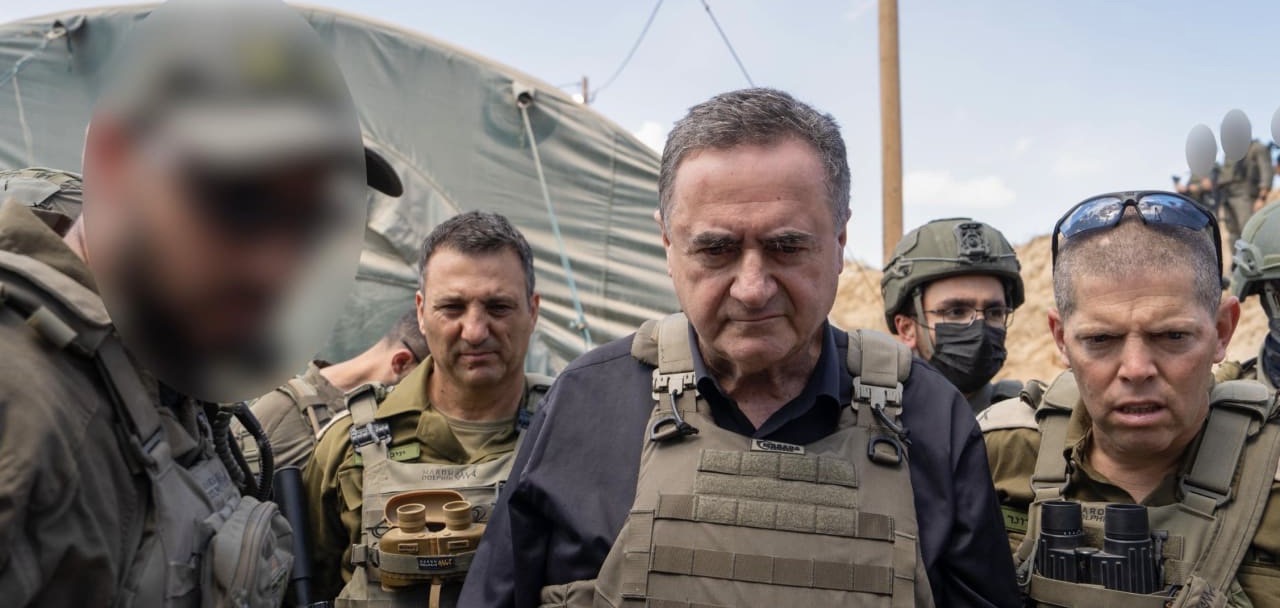 Israeli Defense Minister Israel Katz suggested on Monday that U.S. pressure had spared Hezbollah from collapse, as he warned that Iran could strike the Jewish state in defense of its Lebanese proxy.
U.S. President Donald Trump sought to link the Lebanese and Iranian fronts “because Iran was applying heavy pressure,” Katz told Israeli military reporters during a briefing on Jerusalem’s defense doctrine in the wake of the wars with Hezbollah and Tehran, according to Channel 12 News.
Following discussions with the White House, the Israel Defense Forces was ordered to stand down, the defense minister said, preventing a “massive blow that the IDF had planned to continue delivering to Hezbollah.”
“Linking the fronts saved Hezbollah from a terrible blow, perhaps even its collapse,” he added.
“It was an American interest. They very much wanted to advance the possibility of negotiations with Iran,” said Katz, adding that “when you enter into a partnership, it has advantages, but it also comes with certain constraints.”
After Israel had to stop “bringing down buildings in Beirut,” the IDF expanded ground operations north of the Litani River and enlarged its security zone in Southern Lebanon with U.S. approval, Katz stated.
He said Jerusalem has made clear to the Trump administration that it will not leave security zones in Lebanon, Syria or the Gaza Strip as long as threats from Iranian-backed terrorist organizations persist.
The IDF is “prepared and on alert” for Iranian missile fire toward the Jewish state and has prepared a bank of targets to strike inside the Islamic Republic, Katz continued.
Iran launched several barrages of ballistic missiles at Israel on June 7-8 in support of Hezbollah, prompting Jerusalem to retaliate with strikes against the regime.
“If we have definitive intelligence about Iranian decisions, we will act on it,” Katz said on Monday. “If Iran attacks us with missiles, we will respond with force, and that has been made clear to the Americans.”
A renewed Iranian attack “could happen even within two days,” he said, adding that the Jewish state “will not interfere with the U.S. president’s course of action vis-à-vis the Iranians.”
“The war with Iran would resume under two scenarios: if Trump decides to act and we join him, or, alternatively, if they fire on us,” Katz reiterated.
Trump said on Monday that Iran has requested to continue diplomatic negotiations with the United States, with talks set to take place on Tuesday.
“Iran has requested a meeting. It will take place tomorrow in Doha,” the president wrote on his Truth Social account.
The fragile interim deal between Tehran and Washington signed on June 17 was tested over the weekend when the Islamic Revolutionary Guard Corps struck a cargo vessel and a commercial tanker with attack drones in separate incidents on Thursday and Saturday, prompting U.S. forces to launch retaliatory strikes on Iranian military sites.
The Islamic regime then fired missiles and drones at U.S. military bases in Kuwait and Bahrain on Sunday.
Day 998 — Tuesday, June 30
 Israel’s UN ambassador, Danny Danon, chose to replace his speech to the Security Council with a game of sorts, presenting council members with a series of enlarged photographs and asking out loud: “Terrorist or journalist?”, “UNRWA worker or commander in Hamas’s Nukhba force?”
The purpose of the ambassador’s display was to expose to the international community the method by which the Hamas terror organization uses international bodies and media coverage to protect its military activity.
Danon presented a long list of intelligence-based cases in which the UN and human-rights organizations, he said, adopted Hamas’s false narrative blindly, referring to armed militants as legitimate “media figures” or as aid workers of the UN Relief and Works Agency for Palestine Refugees in the Near East (UNRWA).
Part of the speech by the Israeli ambassador was directed directly at the local politics of the host city housing the UN headquarters. Danon showed council members how New York City Mayor Zohran Mamdani had adopted Hamas’s narrative as well.
Danon demonstrated that Mamdani recently repeated Hamas propaganda when he publicly presented a key activist in the group’s military wing as an “innocent journalist” who was allegedly killed by IDF forces. The ambassador clarified that this is a clear example of how lies manufactured in Gaza filter into the political mainstream in the West, without speakers bothering to verify facts on the ground.
In the next part of his remarks, Danon sharply criticized the UN Secretary-General’s periodic report regarding the implementation of Security Council Resolution 2334. Danon said the report is fundamentally flawed because it continues to rely routinely on unsubstantiated data and propaganda spread by Hamas, instead of resting on solid facts and objective assessments by Israel. He criticized the automatic condemnation Israel receives in UN institutions, alongside deliberate ignoring of terror groups that continue to undermine regional stability.
“Hamas spreads fabrications, the UN repeats them, and the world quickly condemns Israel. Then, when the unambiguous truth is revealed, there is no apology, no correction of the official reports and no retraction of the serious allegations. It is time for the world to stop amplifying Palestinian and Iranian terror propaganda, and to start applying real pressure on Hamas, Hezbollah and Iran, who are the real perpetrators of violence in the Middle East,” Danon concluded.
Day 997 — Monday, June 29
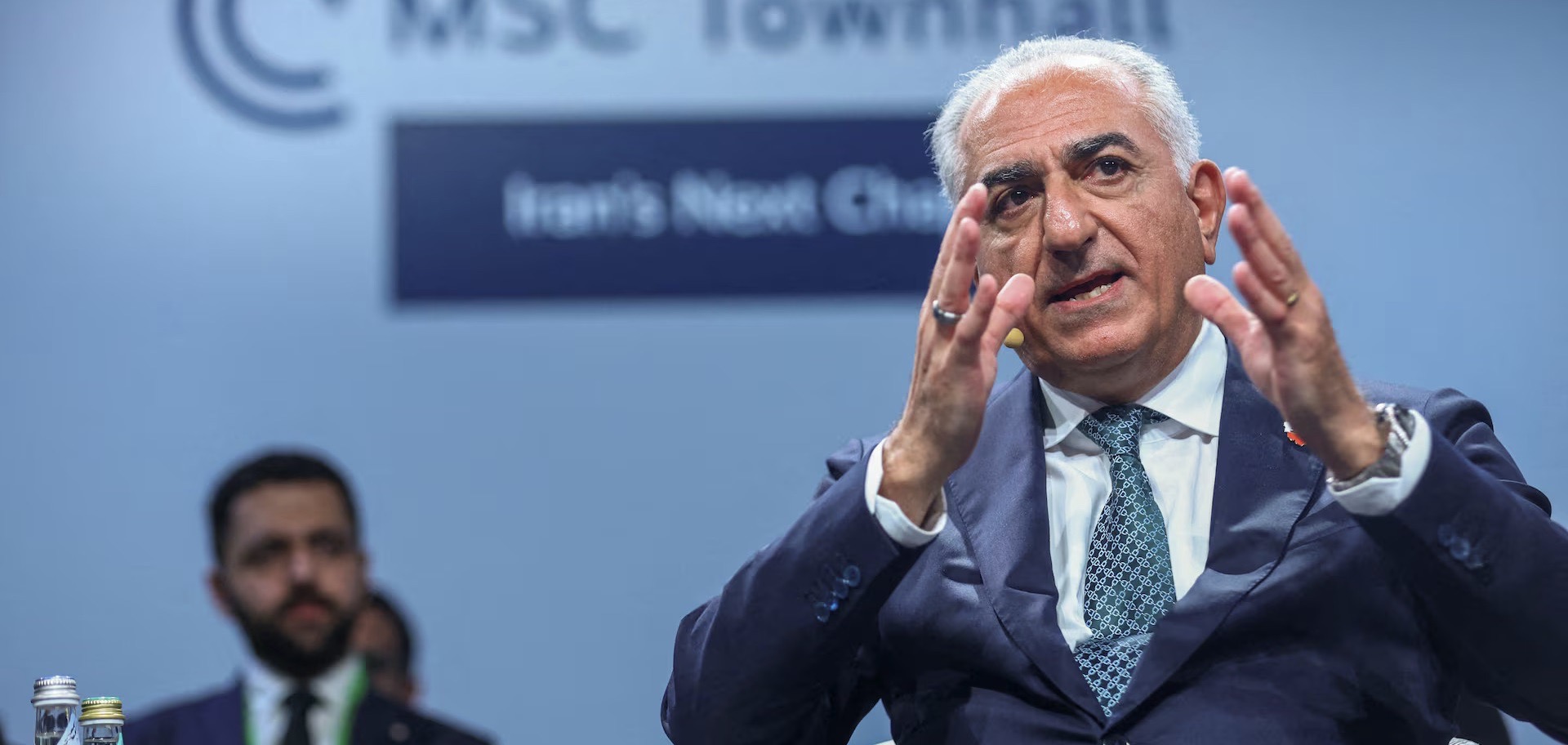 Iran’s exiled Crown Prince Reza Pahlavi has urged the United States to immediately halt ongoing negotiations with Tehran, arguing that the Islamic Republic is using diplomacy to buy time, rebuild its capabilities and prepare for a future round of conflict.
Pahlavi, the son of the late Shah Mohammad Reza Pahlavi, whose family was forced into exile following the 1979 Islamic Revolution, has long been one of the regime’s most prominent opponents. In recent months, he has intensified his calls for international support for Iran’s opposition movement, particularly following the wave of anti-government protests that began in December 2025.
In a statement marking the approach of the United States’ Independence Day, Pahlavi called on supporters around the world to demonstrate outside U.S. embassies in an effort to persuade the Trump administration to abandon negotiations with Tehran.
“Our message to the American people and government on their Independence Day is clear: Do not deal with terrorists. Choose the people of Iran,” he said in a statement urging global protests in front of U.S. embassies, aimed at pressuring Trump to halt negotiations, as quoted by opposition-affiliated outlet Iran International.
Drawing a parallel between America’s founding and the aspirations of anti-regime protesters in Iran, Pahlavi added: “two hundred and fifty years ago, America chose freedom. Today, the people of Iran are also fighting for freedom.”
Pahlavi has consistently argued that diplomatic engagement strengthens rather than weakens the Islamic Republic by providing it with time, financial resources and international legitimacy.
Following the signing of the Memorandum of Understanding (MoU) between Washington and Tehran earlier this month, he sharply criticized the agreement, warning that it would ultimately prove dangerous to the West.
A deal “with this regime will fail and we will all face the consequences,” Pahlavi wrote on Facebook shortly after the agreement was announced.
“The regime’s 47-year war against the Iranian people continues. Just as it has never made peace with its own citizens, it will never truly make peace with the world,” he added.
Day 997 — Monday, June 29
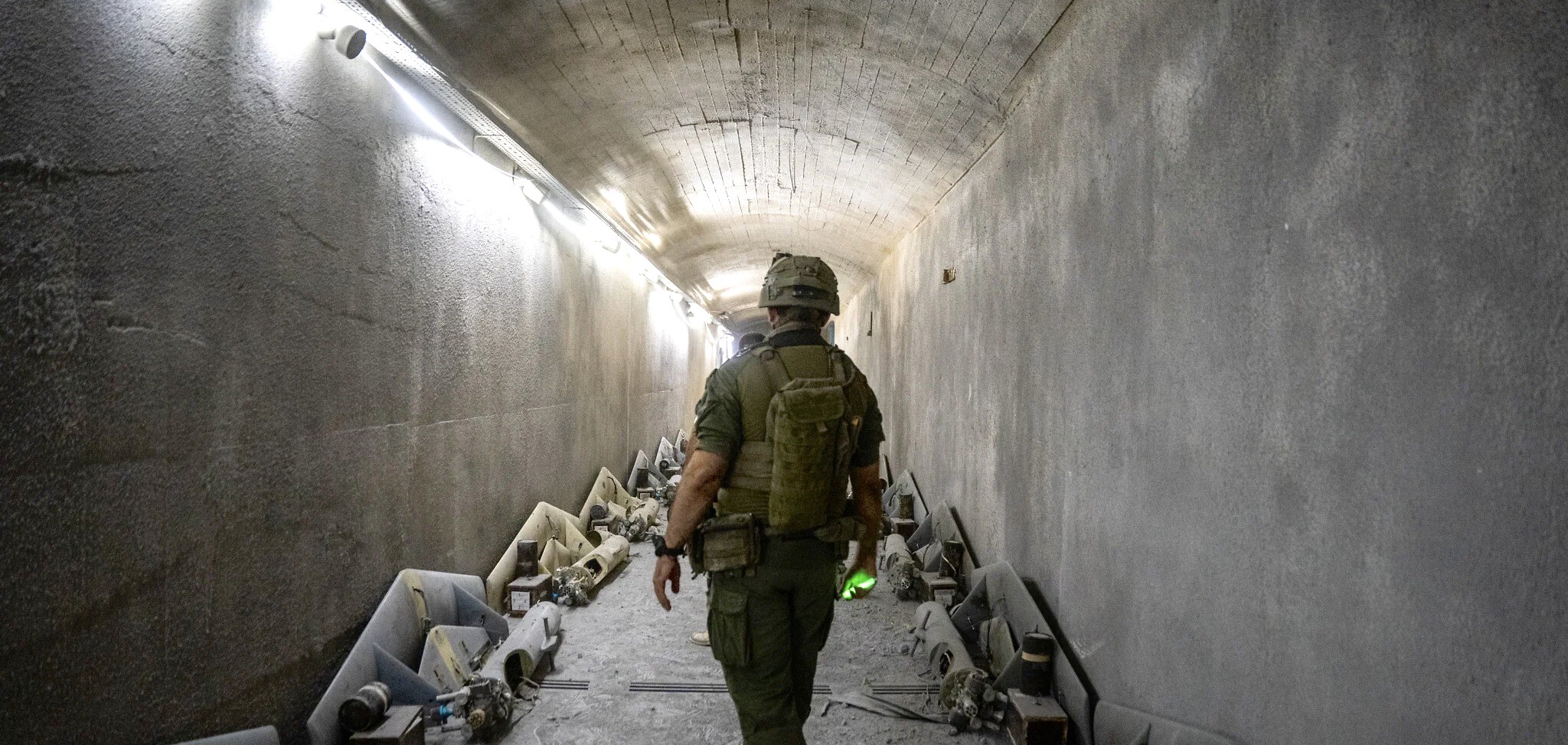 The IDF destroyed a 200-meter terror tunnel used by Hezbollah in Lebanon, Prime Minister Benjamin Netanyahu and Defense Minister Israel Katz announced on Sunday night.
The tunnel, located near the village of Majdal Zoun in southern Lebanon, was over 25 meters deep. It contained hundreds of weapons and several shafts from which rockets would be launched towards Israel, according to Netanyahu and Katz’s statement.
The IDF announced that the demolition mission was carried out by forces from the 551st Brigade in coordination with Yahalom Combat Engineers.
The tunnel system, which the 551st Brigade had taken earlier in June, could not be destroyed by airstrikes and thus had to be captured and destroyed from within.
20 Hezbollah terrorists, including 10 members of the group’s Radwan Force, were killed as IDF forces fought to take control of the tunnel, and 50 items of terrorist infrastructure (including drones, anti-tank missiles, and weapons) were seized and destroyed.
Netanyahu and Katz said that Israel had informed the US in advance of the demolition.
Day 996 — Sunday, June 28
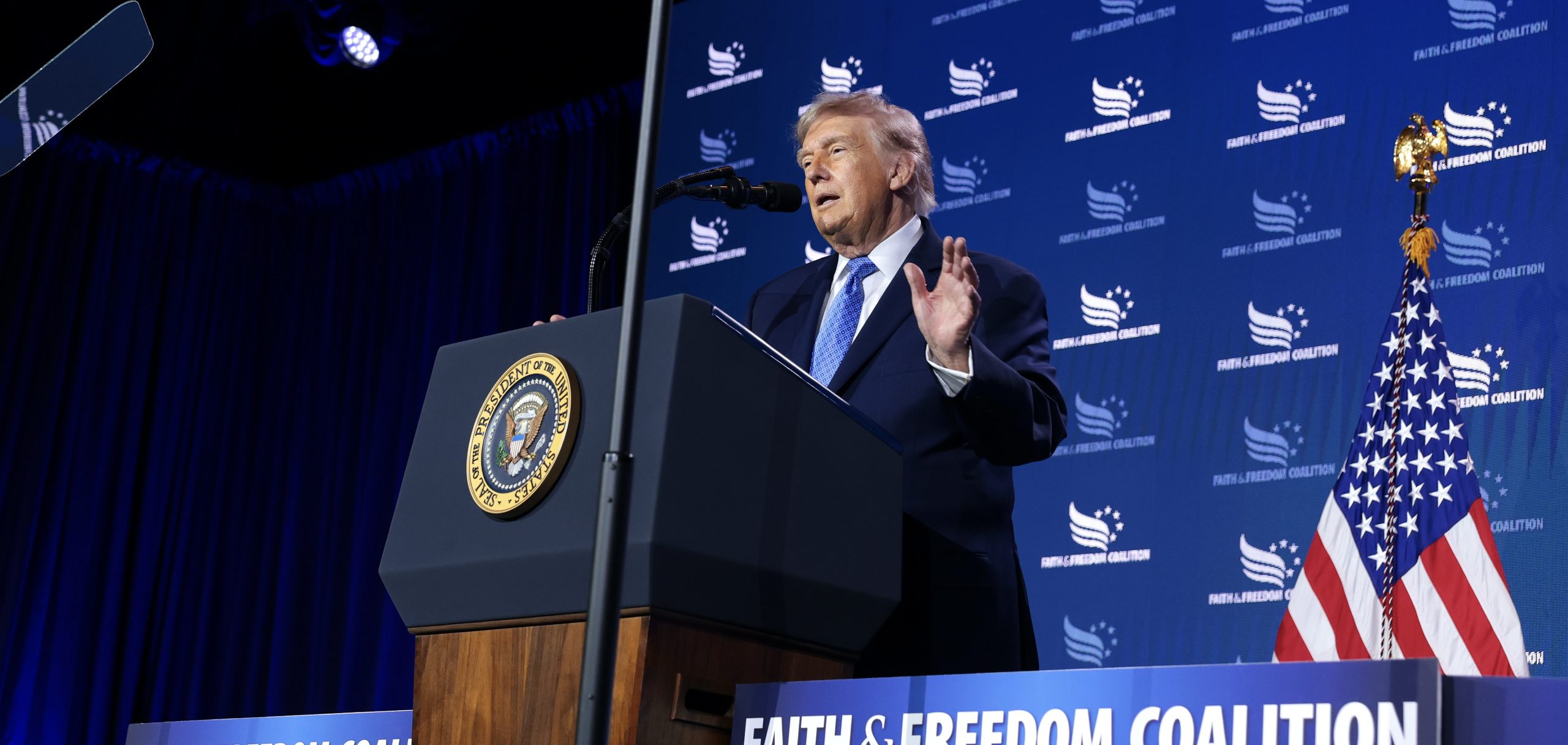 The US military said it struck Iran again on Saturday, hours after a tanker was hit in the Strait of Hormuz, in the worst escalation since the two sides signed an interim peace deal two weeks ago.
US President Donald Trump said in a Truth Social post, “United States aircraft just struck Iranian missile and drone storage locations, and coastal radar sites, for violating the Cease Fire Agreement, AGAIN! It is very possible that they will never learn! There may come a point when we are no longer able to be reasonable, and will be forced to militarily complete the job that we very successfully started. If that happens, the Islamic Republic of Iran will no longer exist!“
US Central Command said its forces carried out fresh strikes after a Panama-flagged tanker was attacked by an Iranian drone early on Saturday. In Iran, state broadcaster IRIB said early Sunday local time that explosions were heard in Sirik in southern Iran, without providing further details.
According to Trump, the US struck missile and drone storage facilities, as well as coastal radar sites.
“Iran was given a chance to honor the ceasefire agreement but elected not to,” CENTCOM said in a statement. It said the strikes were “in direct response to continued Iranian aggression against commercial shipping” and targeted Iranian military surveillance, communications, air defense, drone storage, and mine-laying facilities.
A US defense official later reported that the strikes on Iranian targets were complete, according to Fox News.
Washington said earlier that it hit Iranian targets overnight. Iran said it responded on Saturday by striking targets linked to US forces.
Iran’s Saturday drone attack on the cargo ship M/T Kiku, which, according to CENTCOM, carried more than two million barrels of crude oil, came after an earlier attack on the cargo ship M/V Ever Lovely that triggered the latest escalation on Thursday. Iran has made a fresh bid to assert control over the world’s most important energy shipping route, which has begun to reopen after months of disruption.
Day 995 — Saturday, June 27
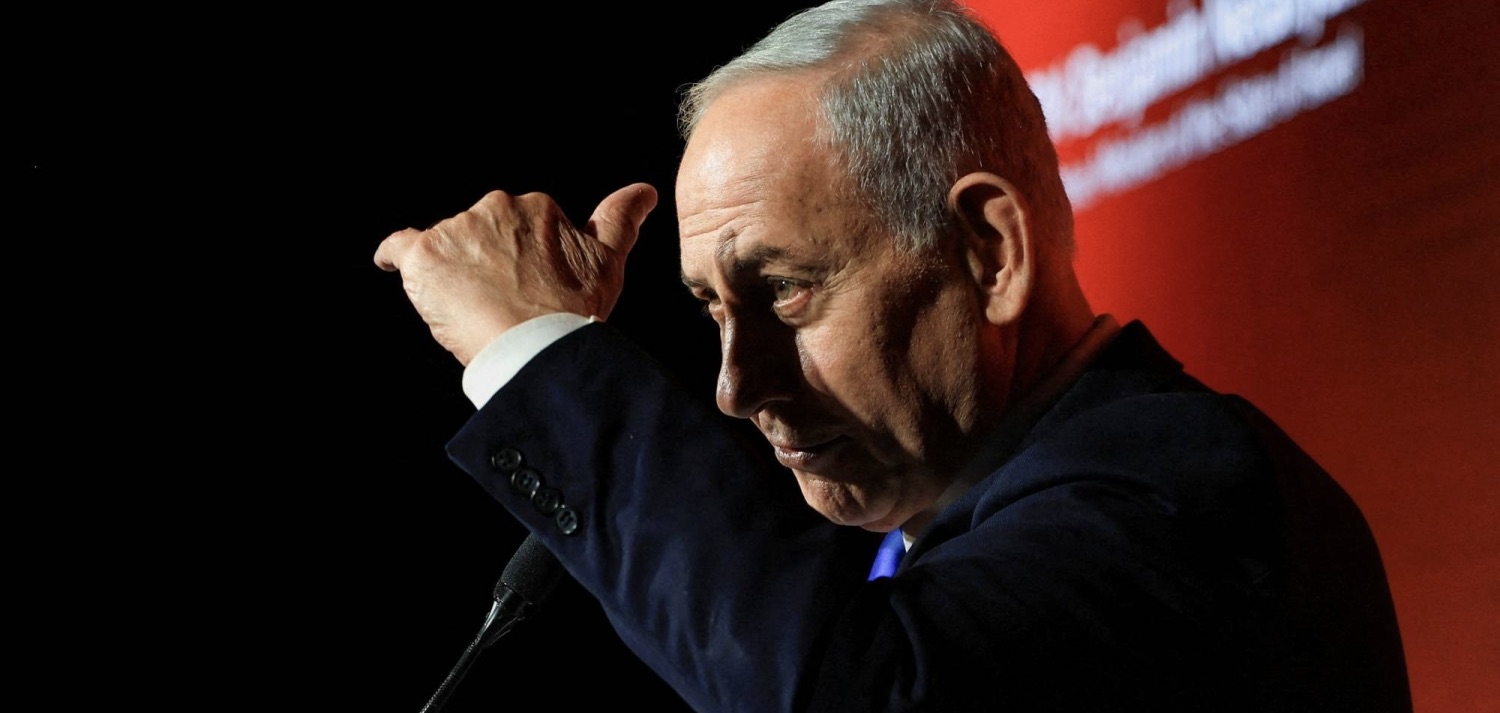 Prime Minister Benjamin Netanyahu on Friday published a video statement commenting on the signing of the historic security framework agreement between Israel and Lebanon.
While the video statement was circulated after the start of Shabbat, a rare occurrence, Netanyahu states at the start of his remarks that the video was recorded before the start of Shabbat.
“Citizens of Israel, before the start of Shabbat, I want to share with you a major achievement for the State of Israel. As you know, we have been conducting negotiations in Washington among representatives from Israel, Lebanon, and the United States. These have been lengthy negotiations, and today they have borne fruit,” began Netanyahu.
He stressed, “The most critical point is that, first and foremost, Israel remains in the security zone in southern Lebanon. This is a significant achievement, and we will maintain this presence as long as Hezbollah is not disarmed, and as long as a threat is posed to the State of Israel.“
On the impact the agreement has on Iran, the Prime Minister explained, “This is also a major blow to Iran. Iran is attempting to force us into a unilateral withdrawal from southern Lebanon. In effect, Israel, Lebanon, and the United States are telling them: this is none of your business. You have no role in Lebanon – neither you, nor Hezbollah, nor any other terrorist organization.“
“Furthermore,” continued Netanyahu, “we are enabling the Lebanese Armed Forces to begin organizing to take over territory. We are establishing two pilot zones, both based on the IDF’s recommendations. One is entirely outside the security zone, south of the Litani, and the second is north of the Litani – a small portion of which sits within the expanded security zone we secured over the past two weeks, which the IDF has explicitly stated it does not need.“
Netanyahu stressed, “We are continuously maintaining the original security zone beyond anti-tank missile range, allowing neither Hezbollah nor the civilian population to enter. It remains secure. Most importantly, Israel is declaring: our security comes before everything else.“
Day 994 — Friday, June 26
 Hillel Neuer, Executive Director of UN Watch, believes the United Nations’ treatment of Israel has become significantly worse since the Hamas massacre on October 7, 2023, pointing to both statements and actions by UN Secretary-General Antonio Guterres.
Speaking to Arutz Sheva on the sidelines of the JNS International Policy Conference in Jerusalem, Neuer reflected on more than two decades of work at UN Watch.
Asked whether the battle has become more difficult, Neuer replied, “It’s hard to imagine, but the pathological UN, which obsesses over Israel, got even so much worse after October 7th, in particular because of Antonio Guterres.”
Recalling remarks made by the Secretary-General shortly after the Hamas attack, Neuer said Guterres condemned the attacks but also stated that “the attacks by Hamas did not happen in a vacuum.”
“He effectively went on to justify what happened because he enumerated numerous alleged grievances by the Palestinians, basically justifying what they did,” Neuer said.
Asked whether his criticism was directed only at Guterres’ public statements or also at UN actions, Neuer responded that it was both.
“It’s statements and actions. He set a tone. UN agencies all around the world have been attacking Israel like never before since October 7th,” he said.
Referring to the recent conflict with Iran, Neuer argued that UN bodies had focused their criticism on Israel and the United States while failing to hold Iran accountable.
“It was shameless propaganda coming out of Guterres’ office,” he said.
Neuer also addressed a recent exchange involving Israeli Ambassador to the UN Danny Danon during a discussion on sexual violence in conflict.
According to Neuer, Danon was criticizing UN officials after “the secretary general shamelessly placed Israel on the same list as Hamas.”
He said a senior UN official, Vanessa Frazier, interrupted Danon’s remarks in a manner that violated UN procedure.
“She interrupted him. She started shouting. And she has no right to do that,” Neuer said, adding that such treatment would not be directed at representatives of other countries.
“The fact that she had the audacity, the chutzpah, to do that is something they would only do against Israel, and it reflects the message that Guterres is sending around the UN.”
Despite the challenges, Neuer rejected the suggestion that the effort to confront anti-Israel bias at the UN is a lost cause.
“What happened with Iran illustrates the importance of fighting on the political battlefield and the global diplomatic political battlefield,” he said.
“You can win great military victories, but if you’re not winning at the political diplomatic level, in the end, maybe you’re losing.”
Neuer acknowledged that Israel faces difficult battles in international forums but stressed that they must still be fought.
“It is a global podium. We do have friends. We need to enable and empower them. You have to fight and make the case,” he said.
He pointed to developments including US funding cuts to UNRWA, Sweden’s decision to defund the agency, a vote in Switzerland’s lower house to do the same, US sanctions against UN Special Rapporteur Francesca Albanese, and condemnation of Albanese by 15 countries.
“We need to be there and fight,” Neuer concluded.
Day 994 — Friday, June 26
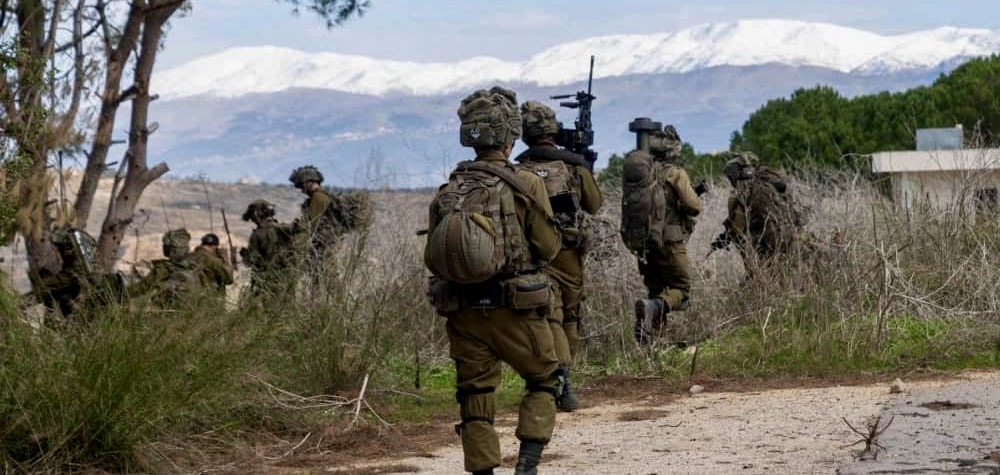 Israeli Prime Minister Netanyahu reaffirmed on Thursday that Israel will maintain its military presence in the security zone in southern Lebanon, dismissing calls for a withdrawal and emphasizing that recent operations against Iran have significantly strengthened Israel’s strategic position.
Speaking at the graduation ceremony for Israel Defense Forces (IDF) officer cadets, Netanyahu said Israel’s recent military actions had eliminated immediate threats and reshaped the country’s security landscape.
“The two operations carried out against Iran have achieved tremendous success. We have eliminated an immediate threat, changed our strategic reality, and broken the wall of fear. Our iron fist has struck everyone who sought to raise a hand against us,” Netanyahu said.
The prime minister stressed that Israel has no intention of leaving the buffer zone in southern Lebanon.
“We will not withdraw from the security zone in southern Lebanon. We will continue to hold the commanding positions and remain there for as long as necessary to ensure Israel’s security,” he said.
Defense Minister Israel Katz echoed Netanyahu’s remarks, warning that any Iranian retaliation, whether in response to Israeli operations in Lebanon or for any other reason, would provoke a decisive military response.
“I hope Tehran fully understands that if Iran attacks Israel because of our actions in Lebanon, or for any other reason, we will respond with overwhelming force, in a way that leaves no doubt about the disparity between our capabilities,” Katz said.
Katz also rejected calls for an Israeli withdrawal from areas currently under IDF control.
“The IDF will remain in the security zones in Lebanon, Syria, and Gaza for as long as necessary to protect our citizens and our communities from jihadist organizations,” he said. “We will make no compromises when it comes to Israel’s paramount security interest: protecting our soldiers and our citizens. We will not withdraw from the security zones.”
Day 993 — Thursday, June 25
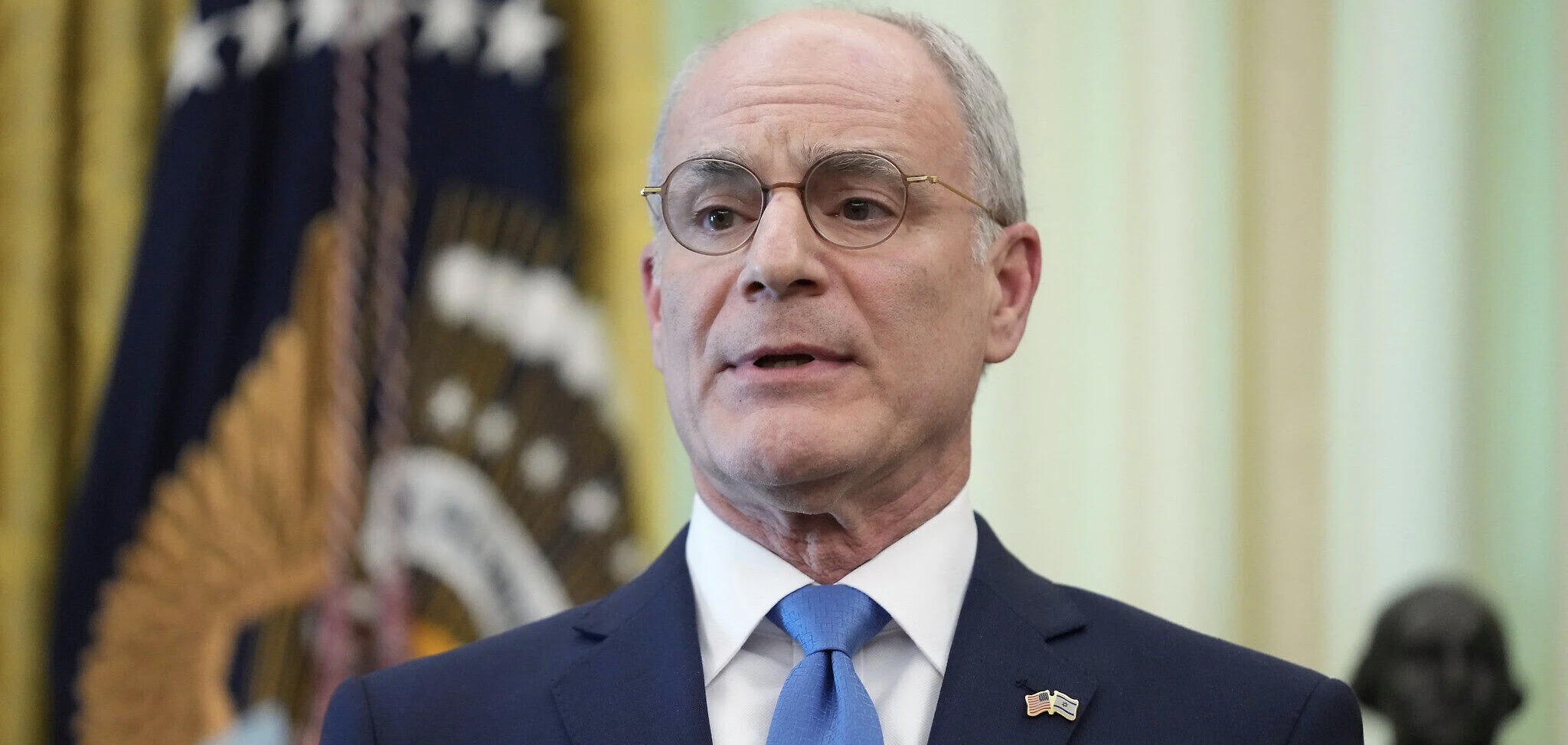 As the fifth round of U.S.-brokered political and security talks between Israel and Lebanon began on Tuesday, Yechiel Leiter, Israeli ambassador to the United States, voiced concern that the Trump administration was allowing Tehran to fold the Lebanon issue into U.S.-Iran negotiations, potentially undermining momentum between Jerusalem and Beirut.
“Four rounds ago, we all got on the same train. We sat in the same car and traveled to the same destination, with the United States serving as the locomotive,” Leiter wrote. “The train was heading in a very clear direction: full peace between the countries, Iran and its malign influence out of Lebanon, the dismantling of Hezbollah, and peace and security for Lebanon and Israel.”
The current trajectory, he said, has become “a train wreck,” adding that “we need clarity.”
Leiter said he supported U.S. President Donald Trump’s “vision of ensuring that Iran no longer has nuclear capabilities, ballistic missiles, or the ability to funnel money to its proxies to threaten its neighbors and establish regional hegemony.”
However, he warned that a newly proposed U.S.-Iran deconfliction mechanism for Lebanon could shift the focus away from the core issue. He said he fears “that the concept of ‘deconfliction’ is misplaced.”
“Israel is not in conflict with Lebanon,” Leiter said. “All that is needed is coordination with Lebanon.”
The ambassador said the biggest issue is Hezbollah, the Iran-backed terror proxy that has long controlled southern Lebanon, adding that the new developments have created “a danger that Hezbollah has received a boost. It certainly feels stronger and bolder.”
He questioned whether Hezbollah’s dismantlement remains the foundation of the negotiations, saying: “For us, it must remain so.”
Leiter also asked whether the ceasefire Israel agreed to still depends on Hezbollah moving north of the strategic Litani River and away from Israel’s border, and whether funds made available to Iran through the U.S.-Iran understanding could be prevented from reaching Hezbollah.
“If we cannot guarantee that, then all the words we agree on here will make no difference, because Hezbollah will simply rebuild itself,“ Leiter wrote.
Day 993 — Thursday, June 25
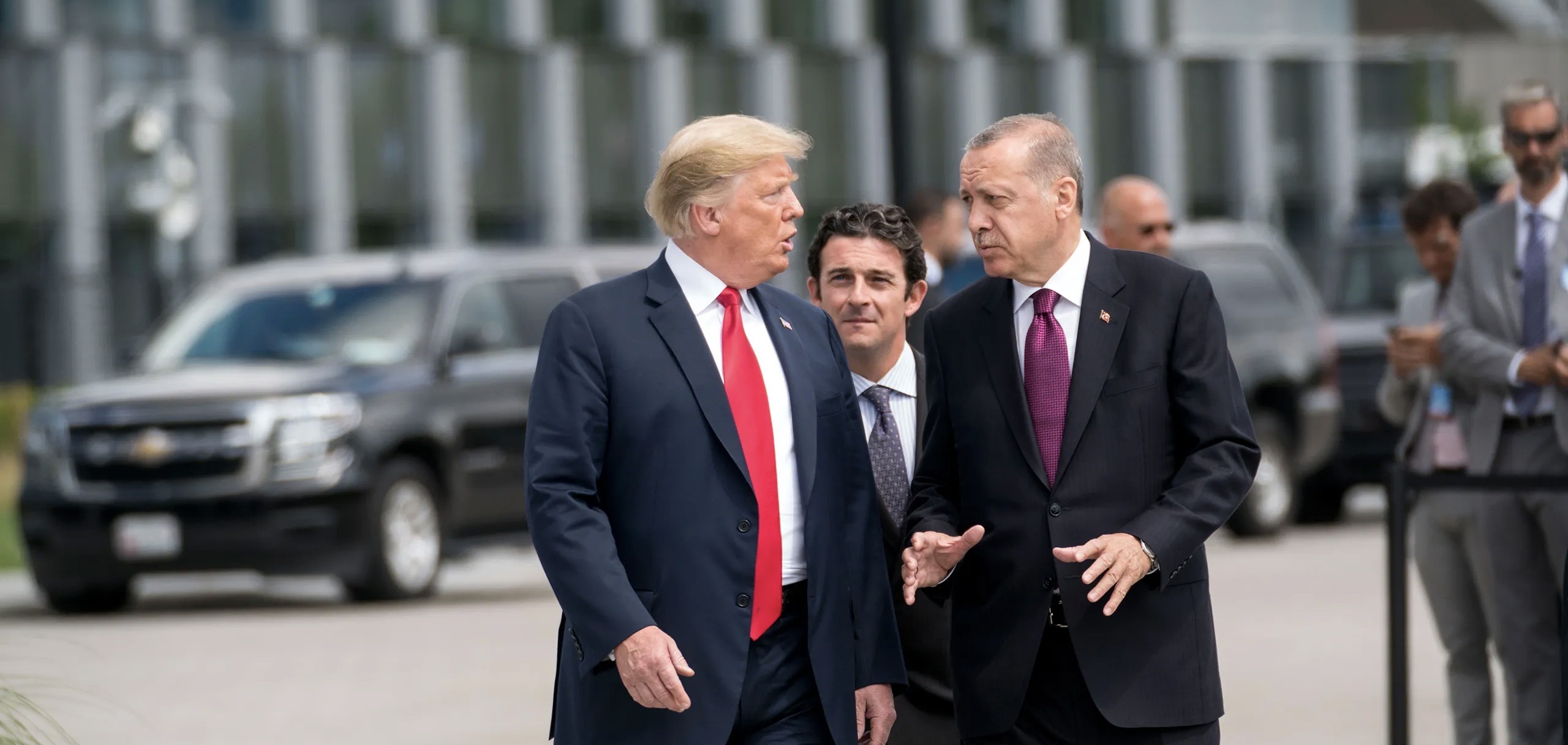 President Donald Trump said Wednesday that Turkish President Recep Tayyip Erdogan stayed out of the recent Iran war at his request, while signaling that Washington may move toward resolving Turkey’s long-running demand to receive F-35 fighter jets.
Speaking in the Oval Office alongside NATO Secretary-General Mark Rutte, Trump described Erdogan as a friend and said the Turkish leader could have entered the conflict against Israel.
“He was a prime candidate to go into the war with Iran, maybe on the Iran side, because he’s not a big fan of Israel,” Trump said.
But Trump said Erdogan agreed not to get involved after he asked him to remain on the sidelines.
“Everything I’ve ever asked him for, he’s done,” Trump added.
The comments came ahead of a NATO summit in Ankara, where Trump and Erdogan are expected to meet. Erdogan said Wednesday that bilateral talks with Trump would “most likely” take place during the July 7-8 summit, which Turkey is hosting.
Trump said Erdogan’s role as host was a major reason he planned to attend.
“I am going to the summit out of respect for President Erdogan,” Trump said, according to Turkish media. “Except for the fact that it was being held in Turkey by President Erdogan, I don’t think I would have gone to it.”
Asked whether the US would provide Turkey with fighter jets and jet engines, Trump said he would “probably do something” that would make Turkey “very happy.”
Vice President JD Vance told reporters that the administration is reviewing whether Turkey can be brought back into the F-35 process despite its 2019 purchase of Russia’s S-400 air defense system, which led Washington to remove Ankara from the F-35 program.
“Pete and the entire team are reviewing this right now, because there are certain things that we have to certify have happened … in order to comply with American law. The president has asked us to do that,” Vance said, referring to Defense Secretary Pete Hegseth.
The F-35 dispute has been one of the most serious points of tension between the two NATO allies.
The Trump administration removed Turkey from the Joint Strike Fighter program in 2019 after Ankara took delivery of the Russian-made S-400 system, arguing that Turkey could not operate the Russian missile defense system while participating in a stealth fighter program.
Day 992 — Wednesday, June 24
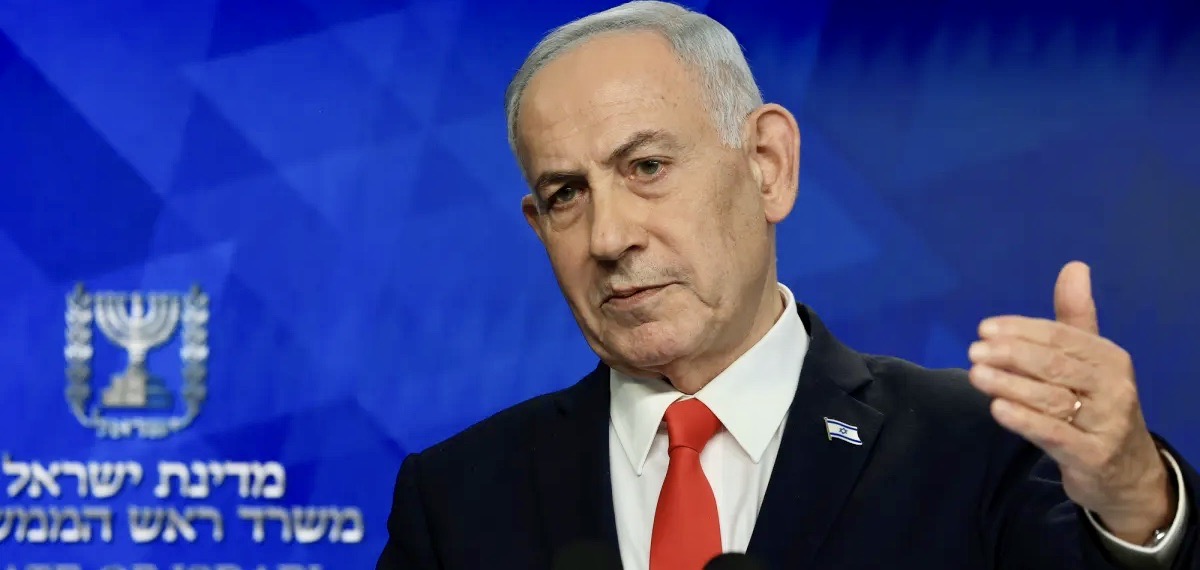 Israeli Prime Minister Benjamin Netanyahu on Wednesday will hold a special discussion on Syria and Lebanon, according to a Wednesday morning report published by Channel 12 News.
The discussion will focus on the Syrian issue and its connection to Lebanon, following recent statements by US President Donald Trump.
Recently, Trump indicated that he is close to transferring responsibility for dealing with the Hezbollah terrorist organization to the Syrian regime of Ahmed al-Sharaa. Israeli officials are deeply concerned by the remarks and believe they are not merely rhetoric but reflect developments taking shape behind the scenes – without Israel’s knowledge or consent.
Despite al-Sharaa’s denials regarding the deployment of Syrian forces, Israel has identified indications in recent weeks that the Syrian president is seeking a way to establish control over areas in Lebanon. Defense officials fear a return to the reality that existed until 2005, when Syria was the dominant power in Lebanon. Currently, the Damascus regime is attempting to strengthen its influence in border regions that for years served as weapons-smuggling routes and to cultivate internal power centers within Lebanon.
Israel is concerned about a scenario in which Damascus receives a more significant role in Lebanese affairs, aided by its ties with Trump and Syria’s growing rapprochement with Gulf states.
Earlier, Trump claimed to Fox News that Netanyahu needs to be “more responsible with respect to Lebanon.” He also suggested that Syria “take care of Hezbollah” instead of Israel. Trump also added that he was “disappointed Israel can’t put Hezbollah away” without blowing up buildings and expressed confidence that al-Sharaa would do a more precise job.
On the other hand, al-Sharaa made clear at the beginning of the week in an interview with a Gulf radio station that he does not intend to comply with American expectations to fight the terror group.
Day 992 — Wednesday, June 24
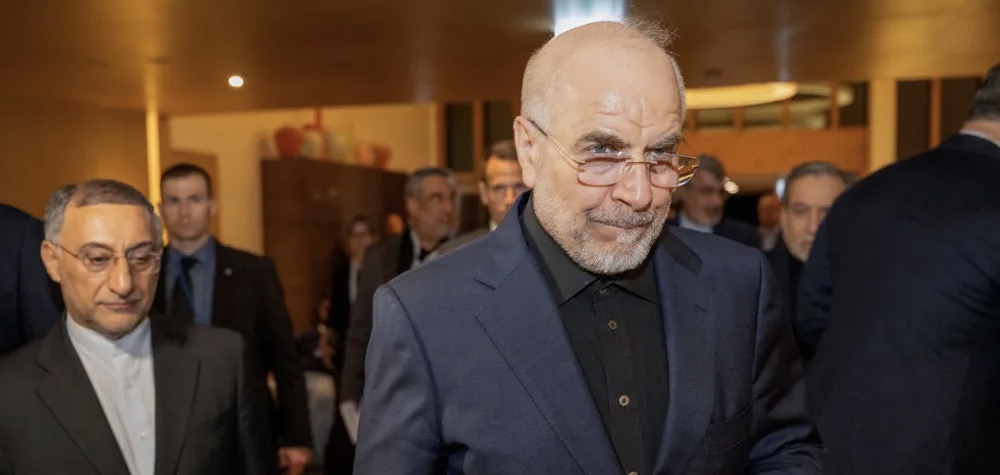 The U.S.-Iran Memorandum of Understanding was “a declaration of America’s defeat,” Iranian Parliament Speaker Mohammad Bagher Ghalibaf said on Wednesday.
Iran’s armed forces imposed “heavy costs on the United States and the so-called Israeli regime” during the 110-day war, Ghalibaf told a meeting of the Parliamentary Union of the Organization of Islamic Cooperation in Baku, Azerbaijan, Tehran’s IRNA news agency reported.
The Islamic Republic forced Washington to “retreat both on the battlefield and at the negotiating table,” Tehran’s top negotiator claimed.
Ghalibaf told attendees that Iran defined the retreat of American forces from the Middle East as a “strategic objective” and denounced Washington’s presence in the region as a “source of instability.”
The parliament speaker in his remarks extended the regime’s “hand of brotherhood and cooperation to all Islamic countries.”
“For us, a ceasefire in Lebanon is as important as a ceasefire in Iran, and ending the war in Lebanon is as important as ending the war in Iran,” Ghalibaf stated. He also defended Palestinian terrorism as “an expression of a nation’s legitimate resistance in the face of occupation.”
Ghalibaf said that “the experience of the past eighty years” showed that no lasting security in the region could be achieved without a “just resolution” of the Palestinian issue.
Iran remains ready to pursue security agreements with regional countries, including Gulf states, in addition to economic cooperation, he added.
U.S. President Donald Trump on Tuesday night claimed that he had Iran “ready to go down for the fall” and “willing to give us practically anything,” as he slammed the Senate for passing a war powers resolution directing him to remove American military forces from the conflict with Tehran.
The resolution conveyed to “the number one sponser [sic] of terror in the world that the United States doesn’t like what I am doing to them, and I must stop,” according to the president.
Earlier on Tuesday, Trump said he lifted the U.S. naval blockade of Iranian ports after the regime agreed to open its nuclear facilities to inspections and made other “major concessions.”
“However, all ships are remaining in place should it be necessary to reinstitute the blockade, which seems, at this point, highly unlikely,” he wrote on Truth Social.
Trump’s statement came after Ghalibaf vowed that conditions in the Strait of Hormuz “will never go back to the way they were before the war.”
“Of course, international regulations will be observed, but Iran will administer the Strait of Hormuz,” Ghalibaf told Iranian media as he returned from talks with U.S. representatives in Switzerland.
While the MoU calls for the immediate reopening of the strait to commercial shipping, Tehran reopened the strategic waterway “according to its own terms and timeline,” the negotiator claimed.
“This is the power of the Islamic Republic,” Ghalibaf said. “We forced Trump to amend the tweet he had published. This is the result of combining our hard and soft power.”
Day 991 — Tuesday, June 23
 American conservative commentator Mark Levin sharply criticized diplomatic efforts involving Hezbollah, questioning the exclusion of Israel and Lebanon from negotiations and condemning the role of outside mediators.
“Has anybody ever heard of a negotiation where the two countries directly affected, Israel and Lebanon, are left out of the negotiation?” Levin wrote, referring to what he described as a Hezbollah renewal negotiation involving Qatar, Pakistan, and the United States.
Levin argued that the outcome of such talks would be imposed on both countries and asked, “Have we ever forced a democratic ally to endanger its own citizens by supporting a terrorist organization that has murdered Americans?”
“Honestly, this is an abomination,” he continued.
Levin accused the negotiators of undermining Israel’s security interests and strengthening Iran’s influence in Lebanon through Hezbollah.
“Even worse, we are smearing Israel for refusing to abandon its security, we ensure Iran’s control over Lebanon via Hezbollah, and we have done absolutely nothing over the 45 year period Hezbollah has slaughtered Americans,” he wrote. “Only Israel has. Why are we helping Hezbollah? Pure appeasement to Iran.”
He also questioned the involvement of Qatar and Pakistan in the negotiations.
“And why the h*** are Qatar and Pakistan lead negotiators?” Levin asked. He described the two countries as “corrupt, brutal, terror-tied regimes with ties to Iran and hate for Israel.”
Levin further claimed that the reported arrangement was “certainly far worse than Obama’s nuclear deal.”
“I can’t think of another time in American history where we’ve done anything as preposterous as this,” he wrote. “Israel must completely reject it. For its country’s security AND ours!”
He added, “Qatar and Pakistan are doing a better job representing Iran than we are supporting our ally.”
Levin also questioned whether congressional Republicans would support the effort. “I wonder how many congressional Republicans support this? No way this escapes scrutiny. Something is going on here that stinks to high heaven,” he wrote.
Concluding his remarks, Levin argued that public support for the initiative would be low if its details were widely understood. “If the public were actually polled on specific major parts of this, like the above lunacy, and it was explained, the polls would be in the toilet.”
Day 991 — Tuesday, June 23
 Iran has no plans to allow International Atomic Energy Agency inspectors to visit nuclear sites targeted during the recent war, a spokesman for its foreign ministry said on Tuesday, a day after U.S. Vice President JD Vance said Tehran had agreed to do so.
“We neither had a meeting with the director general of the International Atomic Energy Agency, nor do we have any plans for the agency to inspect Iran’s nuclear facilities that were damaged as a result of the military aggression by the United States and the Zionist regime,” spokesperson Esmail Baghaei told reporters during a press briefing in Tehran.
“There is no protocol in this regard,” he said. “As a member of the Treaty on the Non-Proliferation of Nuclear Weapons and as a country committed to safeguards agreements, we will continue the existing procedures, and I believe those procedures are already very clear.”
Vance on Monday, following direct talks at a resort near Lucerne, Switzerland, said Iran agreed to allow IAEA inspectors back into the country. Washington succeeded in achieving the four objectives it had set out to accomplish at the first round of talks, Vance told reporters, with a final deal expected to be reached within 60 days.
The vice president described Tehran’s alleged decision to allow inspections as a significant milestone toward addressing concerns about its nuclear program, and “what we’re most excited about, as Americans.
“We laid a very good foundation for a successful final deal,” Vance said. “The final deal is the house. We set the foundation. We haven’t built the house, but we’ve laid a successful foundation to get to a good place for the American people.”
Following the supposed progress in the negotiations, the Trump administration on Monday authorized the regime to produce, deliver and sell “crude oil, petrochemical products and petroleum products of Iranian-origin through Aug. 21.”
“In line with ongoing productive talks in Switzerland, Iran has committed to free and open transit in the Strait of Hormuz and to permit International Atomic Energy Agency inspectors into the country,” wrote Scott Bessent, the U.S. Treasury secretary.
“Treasury has issued a temporary 60-day general license authorizing the production, delivery and sale of Iranian oil,” he stated.
Iranian Parliament Speaker Mohammad Bagher Ghalibaf vowed on Monday that conditions in the Strait of Hormuz “will never go back to the way they were before the war.”
“Of course, international regulations will be observed, but Iran will administer the Strait of Hormuz,” Ghalibaf, who leads Tehran’s negotiating team, told Iranian media as he returned from talks with U.S. representatives in Switzerland.
Under the June 17 Memorandum of Understanding with the U.S., Iran agreed to restore commercial traffic through the Strait of Hormuz. Tehran pledged to facilitate the safe passage of commercial vessels, remove “technical and military obstacles,” including mines, and restore normal shipping within 30 days, while Washington agreed to begin lifting its naval blockade immediately.
The document also calls for discussions among Iran, Oman and other Gulf littoral states regarding the future administration of the Strait.
Day 990 — Monday, June 22
 A senior United Nations official who has repeatedly clashed with Israeli representatives is facing criticism after publicly engaging with an 𝕏 account that had posted antisemitic content, including an image of an Israeli flag bearing a swastika instead of a Star of David.
Vanessa Frazier, the UN secretary-general’s representative on children and armed conflict, commented on a thread Saturday evening from the account, writing: “I look forward to constructive engagement – together we can eliminate this scourge and do justice to all victims and survivors.”
The exchange quickly drew condemnation from Danny Danon, Israel’s ambassador to the United Nations, and added to ongoing tensions between Israeli officials and UN representatives over allegations of sexual violence in the Israeli-Palestinian conflict and Israel’s inclusion on a UN blacklist of countries and organizations accused of committing sexual violence in conflict zones.
“Yesterday she tried to silence me in the UN hall. Today it turns out she is also corresponding with accounts that spread antisemitic content and compare Israel to Nazis. Anyone who shows tolerance for antisemitism cannot present themselves as a defender of human rights. The mask is off,” Danon said.
The criticism came less than 24 hours after a public confrontation between Danon and Frazier during a UN event marking the International Day for the Elimination of Sexual Violence in Conflict.
During Danon’s remarks, Frazier attempted to interrupt him, prompting the Israeli ambassador to respond: “You will be quiet because I am speaking now. You spoke, now I am speaking. Shame on you. You are part of the persecution of Israel. Shame on you. You can leave.”
The dispute is the latest chapter in a broader conflict between Israel and UN officials over allegations that Israeli authorities have committed sexual violence against Palestinian detainees.
One allegation that gained widespread attention claimed that Israel was training dogs to rape Palestinian prisoners. Veterinary experts have spoken up to say that this is physiologically impossible, but the story has nonetheless gained considerable traction in both traditional and online media and it has even been repeated by UN officials and elected officials in several countries around the world.
Danon and his team have held several meetings with UN Secretary-General Antonio Guterres and other UN officials, as well as representatives of various organizations. According to Israeli officials, evidence refuting the accusations was presented during those meetings, and invitations were extended to UN representatives to visit Israel, inspect detention facilities and interview detainees.
Despite those efforts, Guterres decided to include Israel on the blacklist of countries and organizations accused of using sexual violence in conflict after Hamas was placed on the list. Israeli officials accused Guterres of making a political decision and subsequently cut ties with him.
Earlier this year, Danon also called for the resignation of Pramila Patten, the UN secretary-general’s special representative on sexual violence in conflict, because of Israel’s inclusion on the blacklist. Patten had been scheduled to visit Israel earlier in 2026, but the trip was later canceled.
Various UN agencies have for years accused the IDF, Israel Police and Israel Prison Service of sexual violence and other forms of abuse against detainees, allegations that Israeli officials have consistently denied. The issue remains one of the most contentious points in Israel’s relationship with the United Nations.
Day 990 — Monday, June 22
 New York City Mayor Zohran Mamdani is coming under fire after yet another antisemitic statement, this time taking aim at the pro-Israel group AIPAC and labelling it and its supporters as “monsters”.
The controversial comments were made during a June 18 rally Mamdani held with Vermont Sen. Bernie Sanders (I-VT) and progressive candidates ahead of Tuesday’s primary elections.
Mamdani said in his remarks that for AIPAC, “the only thing more frightening than democracy being allowed to run its course is an end to genocide and Netanyahu’s wars.”
He further claimed that AIPAC moves “millions in dark money to accomplish a single goal, to preserve their power so that they can turn us against one another instead of our leaders turning towards the moral change we all know to be necessary.”
“In the wealthiest city in the wealthiest country in the history of the world, we need not live in fear of monsters any longer,” Mamdani said later.
His comments were condemned by Rabbi Chaim Steinmetz, senior rabbi of the Kehilath Jeshurun synagogue in Manhattan, who wrote in a post on social media that “Mamdani is accusing AIPAC of being a monster that subverts democracy, supports genocide and wants to divide Americans.”
“This is pure incitement. It inspires people like Elias Rodriguez to take violent action against AIPAC and its supporters,” added Rabbi Steinmetz, referencing the terrorist who murdered two Israeli Embassy staff members in Washington, DC, last May.
“Well, I’m an AIPAC supporter. And Mamdani is inciting hatred against people like me,” the rabbi wrote, adding, “Mayor Mamdani: you are speaking about me. About millions of New Yorkers who support the very policies AIPAC advocates for. You are demonizing them. And you are the one who is turning New Yorkers against each other in order to grab power.”
“New York already has an antisemitism problem. Right now, you are pouring fuel on the fire. I shudder to think what happens next. But you will be responsible for it,” Rabbi Steinmetz warned.
The head of the Simon Wiesenthal Center also blasted Mamdani’s remarks.
“The claim that AIPAC exists not to pursue a political agenda, but to spread discord and wield influence for its own sake, is not new,” said Simon Wiesenthal Center CEO Jim Berk.
“Soviet anti-Zionist campaigns and earlier antisemitic movements similarly portrayed Jewish organizations as pursuing power not to achieve political goals, but because Jews themselves were said to crave influence and control,” Berk continued.
“The suggestion that Jewish political participation is inherently suspect, illegitimate, or secretly manipulative is abhorrent. This is the same old story, retold in a new language.”
Mamdani has become notorious for his antisemitic and anti-Israel statements and actions. During his election campaign, Mamdani refused to disavow the phrase “globalize the intifada”. He was also called out for criticizing Israel on October 8, 2023 – just one day after the Hamas massacre in southern Israel.
He has repeatedly accused Israel of war crimes in its battle against Hamas in Gaza, and has vowed to arrest Prime Minister Benjamin Netanyahu if he visits New York City.
Mamdani then caused an uproar on his first day in office when he cancelled executive orders related to Israel, which were issued by his predecessor, Eric Adams.
The move cancelled an order signed by Adams in June of 2025 formally recognizing the International Holocaust Remembrance Alliance’s (IHRA) working definition of antisemitism.
Another executive order which was cancelled prohibited mayoral appointees and agency staff from boycotting and disinvesting from Israel.
Mamdani has faced multiple antisemitism controversies since taking office. Most recently, Mamdani boycotted the annual Israel Day Parade in New York City, becoming the first mayor to boycott the event.
Day 989 — Sunday, June 21
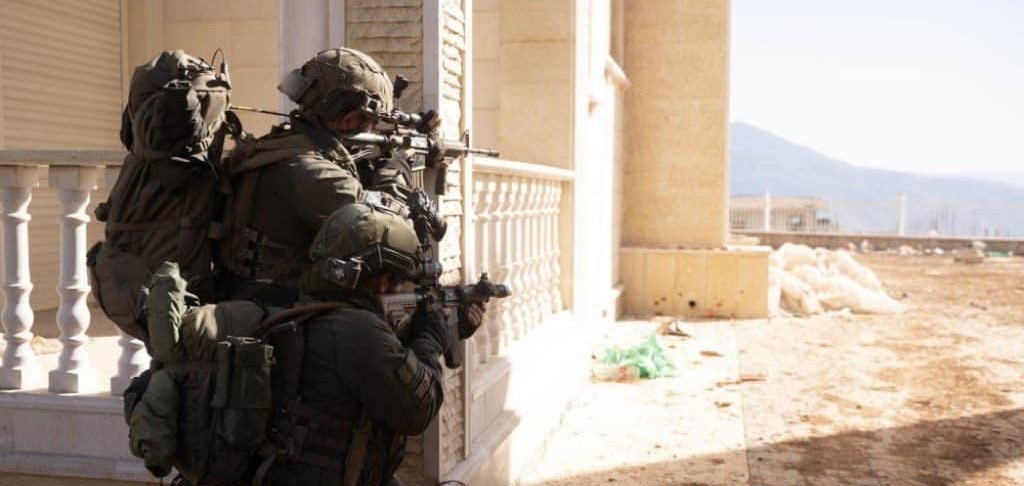 Hezbollah overnight Friday launched more than 50 projectiles at Israeli soldiers stationed in Southern Lebanon in violation of the ceasefire, the Israel Defense Forces said on Saturday.
In response, the IDF struck dozens of Hezbollah terrorist infrastructure sites and terrorists in Southern Lebanon, the military stated.
Among the targets were rocket launch positions, weapons storage facilities and Hezbollah command centers.
“The IDF will not tolerate attacks against Israeli civilians or IDF soldiers and will respond with determination to any act of aggression directed against them,” the army continued.
The Israeli military remains committed to the truce according to the directives of the political echelon and will continue to operate to remove any threat posed to the State of Israel and IDF soldiers, the IDF said.
IDF Spokesperson Brig. Gen. Effie Defrin released a recorded message in which he mentioned the killing of four Israeli soldiers “while protecting their country” overnight Thursday, which led to the escalation in violence.
“Over the course of weeks, and including last night, Hezbollah has launched hundreds of explosive drones and rockets at Israeli civilians and soldiers. … They prove that Hezbollah’s goals remain the same: to remain on Israel’s borders and to plan and carry out attacks on our civilians,” Defrin said.
“This is not a reality we can accept, and this is exactly why the IDF continues to operate in Southern Lebanon. … IDF soldiers must stand between Hezbollah and Israeli civilians. We will not wait for the next attack to reach our homes. We will continue to remove immediate threats, respond to Hezbollah’s violations, and do whatever is necessary to protect our civilians. Our mission remains the same: to ensure that Hezbollah cannot rebuild itself and pose a threat to our civilians,” the spokesperson added.
In a separate statement on Friday, the IDF said that it struck more than 80 command centers, terrorists, launch positions and additional terrorist infrastructure sites in the area of Nabatieh and additional areas in Southern Lebanon, “within the Security Zone and beyond it.”
During these strikes, dozens of Hezbollah operatives were killed, the military said.
The strikes were carried out in response to the killing of four IDF soldiers the previous night by an explosive drone launched by the Iranian proxy group.
In a separate incident on Friday night, the IDF identified rocket fire launched by Hezbollah. Following the identification, the IDF eliminated two terrorists who fled the launch area on a motorcycle.
The IDF subsequently struck and dismantled the launcher from which the rockets were fired toward the soldiers, the military said.
Israeli Ambassador to the U.S. Yechiel Leiter on Saturday lambasted the Shi’ite terrorist organization, stating that it is the one that broke the ceasefire, not Israel.
“Terrorists lie. Hezbollah is a terrorist organization. Hezbollah lies. Iran is using its proxy to extract concessions. That is the modus operandi of the murderous regime in Tehran. Don’t be fooled,” the diplomat tweeted.
He emphasized that Israel has no territorial ambition in Lebanon and that it seeks to live side by side with its neighbors “behind secure and recognized borders.
“Israel is honoring the ceasefire while defending itself against terrorist attacks, as any self-respecting country would,” Leiter said.
In a subsequent tweet, Leiter listed 13 villages in Southern Lebanon from which Hezbollah fired a total of 147 rockets, 20 UAVs and nine anti-tank missiles at Israeli soldiers deployed there and at Israel in the span of 24 hours.
“Hezbollah is Iran’s long arm and they don’t want a ceasefire,” he said.
Israel has agreed to implement a ceasefire in Lebanon in the wake of the Memorandum of Understanding signed last week between the U.S. and Iran.
Discussions between the latter two parties were scheduled to take place in Switzerland on Friday, but were postponed after the flare-up in Lebanon.
The top command center of the Iran Armed Forces announced on Saturday that it is again shutting maritime transit in the Strait of Hormuz, citing hostilities in Lebanon as the driver of the measure, according to Reuters.
Day 987 — Friday, June 19
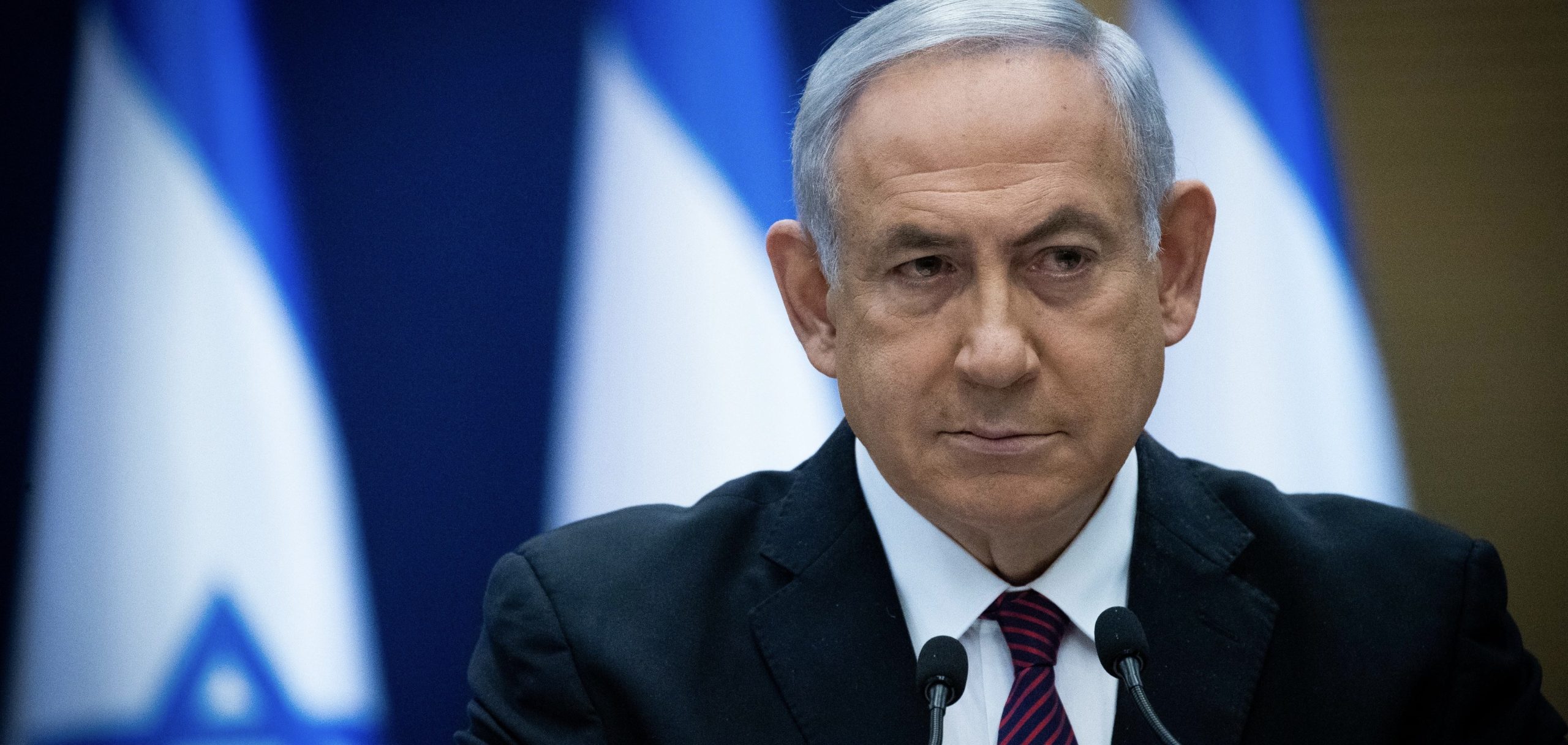 Israeli Prime Minister Benjamin Netanyahu on Friday vowed a forceful response after a Hezbollah drone attack in Southern Lebanon killed four IDF soldiers, including Lt. Col. Dor Gedalia Ben Simhon.
“I send heartfelt condolences to the families of the commander of the Armored Corps 52nd Battalion, Lt. Col. Dor Gedalia Ben Simhon, and of three heroic fighters whose names have not yet been cleared for publication,” Netanyahu said in a statement.
“Following the heinous attack by Hezbollah, which is a flagrant violation of the ceasefire, I instructed the IDF last night to strike Hezbollah with force,” the prime minister said.
According to the premier, Israeli forces struck more than 80 terrorist targets and killed dozens of Hezbollah operatives following the attack. The military subsequently targeted Hezbollah command centers in the Bekaa Valley on Friday morning.
Netanyahu said he had held a security assessment with Defense Minister Israel Katz and IDF Chief of Staff Lt. Gen. Eyal Zamir.
“My directive is clear: Israel will not tolerate attacks on our soldiers or our territory and it will exact a very heavy price from Hezbollah for these attacks,” he said. “The IDF will act to thwart any threat to our forces and our territory.”
The premier also reaffirmed Israel’s intention to maintain its buffer in Southern Lebanon despite international pressure to withdraw.
“Israel will remain in the security zone in Southern Lebanon for as long as necessary for the protection of the communities of the north,” he said.
Katz described the deaths of the four soldiers as a “difficult loss” for the IDF, the defense establishment and the State of Israel.
The defense minister paid tribute to Ben Simhon, calling him “a brave, determined and dedicated commander” who led his troops in combat against Israel’s enemies on the northern front.
“We will not allow harm to come to our soldiers and citizens, and every Hezbollah violation of the ceasefire will be met with great force,” Katz said.
Reaffirming Israel’s policy in Southern Lebanon, he said the IDF would remain in the security zone “from the Mediterranean coast to the heights of the Beaufort Ridge” to protect northern Israeli communities, thwart threats and destroy Hezbollah terrorist infrastructure “above and below ground.”
President Isaac Herzog extended condolences to the families of the slain soldiers.
“This is a very difficult and painful morning,” Herzog said. “Lt. Col. Dor Gedalia Ben Simhon and the additional three fallen soldiers, whose names have not yet been cleared for publication, join a long and unbearably painful list of the daughters and sons who have fallen in defense of our homeland and people.
“Together with the whole of the people of Israel, we embrace their beloved and precious families and send them our heartfelt condolences at this difficult moment,” he added. “May the memory of our heroes be blessed.”
Day 987 — Friday, June 19
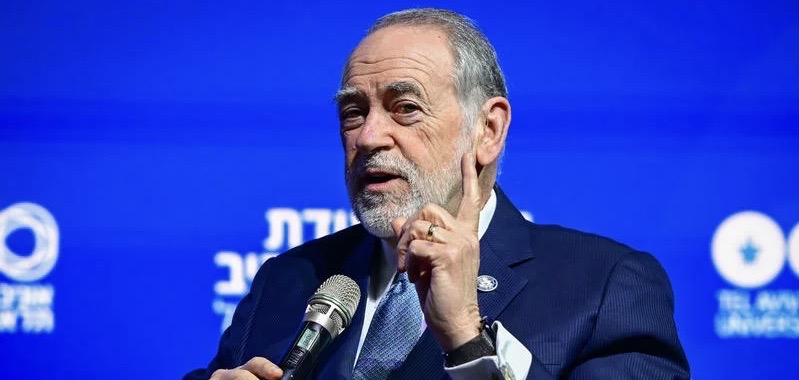 US Ambassador to Israel, Mike Huckabee, backed this morning (Friday) the Israel Defense Forces’ strikes in southern Lebanon in response to Hezbollah’s repeated and ongoing violations, and to an incident in which four soldiers were killed.
“French FM said Israel needs to stop strikes on Hezbollah. Does France get all its info from Hezbollah? Last night, Israel had 4 of its soldiers killed. Israel strikes when struck as [Israel Ambassador to the US] Yechie Lleiter brings FACTS. Ceasefire happens when Hezbollah stops shooting & killing.g,” Huckabee wrote on the X platform.
Earlier, the Israeli ambassador in Washington, Yechiel Leiter, wrote that Israel is committed to maintaining the ceasefire, but will not remain silent in the face of attempts by Hezbollah to harm it.
“Israel remains committed to the ceasefire agreement reached between Israel, Lebanon and the US. If Hezbollah does not violate the agreement, it will be kept,” Leiter wrote on the X platform.
At the same time, he sent a firm message clarifying that Israel will not allow harm to its security interests on the ground. “Under all circumstances, Israel retains its right to respond to attacks against it and to thwart threats to its territory, citizens and soldiers.”
Day 987 — Friday, June 19
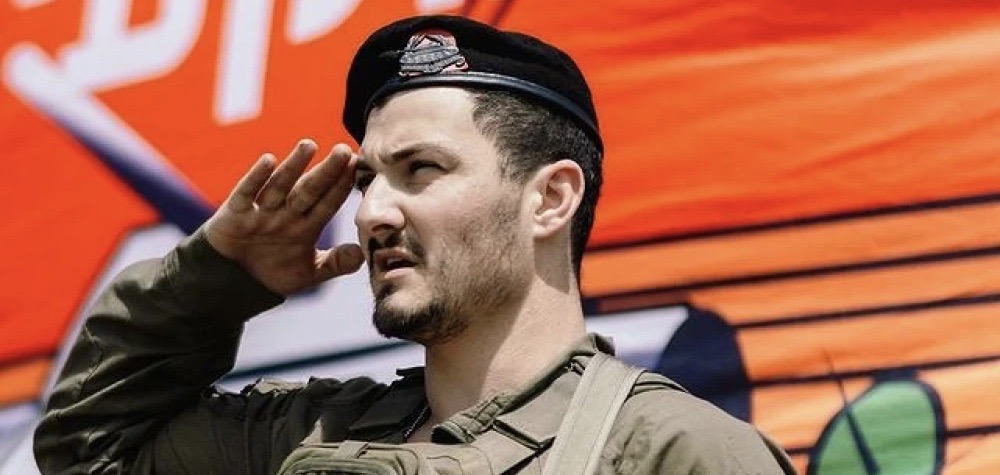 Four Israel Defense Forces soldiers were killed shortly after midnight during new fighting in Southern Lebanon triggered by a Hezbollah drone strike targeting a tank, the military announced on Friday.
The IDF identified one of the slain men as Lt. Col. Dor Gedalia Ben Simhon, 32, from Kibbutz Beit HaShita, commander of the 52nd “The Breachers” Battalion in the 401st “Iron Tracks” Brigade. Ben Simhon took up his post two months ago, after his predecessor was severely wounded. He leaves behind a wife and two young daughters.
The names of the three other soldiers killed in the attack have not yet been cleared for publication. Their families have been notified.
According to initial reports, the soldiers were killed in Kfar Tebnit when an explosive drone struck the battalion commander’s tank.
The incident marked a significant escalation along the northern border and underscored continuing tensions despite the ceasefire arrangements between Israel and Lebanon.
The attack was one of the most serious Hezbollah violations of the ceasefire in recent months, military sources said. Israeli officials said the drone strike on the battalion commander’s tank left the IDF with no choice but to respond forcefully against Hezbollah infrastructure in Southern Lebanon.
In the same area around 4 a.m., an IDF reserve officer sustained severe injuries, and three reserve soldiers and a soldier in regular service were lightly wounded in a Hezbollah explosive drone attack on a Commando Brigade combat team operating under the 36th Division.
Following the attacks, the IDF launched extensive strikes across Southern Lebanon targeting Hezbollah positions and infrastructure. The military said that in response to repeated Hezbollah ceasefire violations, Israeli forces struck more than 80 terrorist targets, including two Hezbollah command centers in the Bekaa Valley, and killed dozens of Hezbollah fighters.
“Hezbollah continues to advance and carry out terrorist attacks against IDF forces,” the military said, adding that the strikes targeted infrastructure used by the group to support its ongoing attacks against Israeli troops.
“Hezbollah has shown time and time again: It is not committed to the ceasefire, but to causing instability in the region,” an IDF statement said.
The latest fighting in Lebanon also appeared to have broader diplomatic repercussions. Iran canceled a planned delegation trip to Switzerland for talks related to the recently signed U.S.-Iran Memorandum of Understanding, reportedly citing Israeli military operations in Lebanon as a violation of the MoU.
The cancellation came after the White House announced that U.S. Vice President JD Vance had postponed his own trip to Switzerland, where technical talks on implementing the agreement had been expected to begin.
The IDF has not yet released additional details about the circumstances of the attack or the identities of the other three slain soldiers.
Ben Simhon is the latest senior officer to fall during Israel’s ongoing military operations against Hezbollah in Southern Lebanon. He and his four brothers all enlisted in the 401st Brigade, and another brother enlisted in the Golani Infantry Brigade, Ynet reported. His wife serves as a combat officer in the IDF Combat Intelligence Collection and Border Defense Corps.
Day 986 — Thursday, June 18
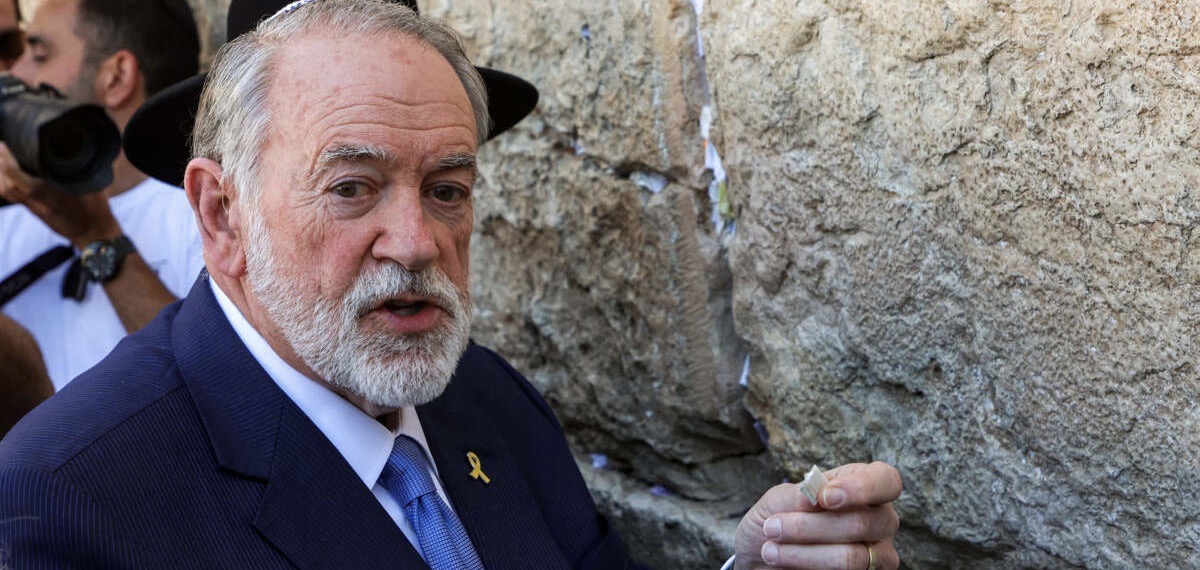 The United States would not exist if it weren’t for Israel, US Ambassador to Israel Mike Huckabee announced during the International Conference on Israeli Heritage in Judea and Samaria on Tuesday.
Huckabee also stated that it was his job to represent the importance of Israel to the US.
“It is your heritage, without a doubt,” he said, “but it is also the heritage of the United States. Without Israel, without the Jewish foundation, there would not be America. We owe our very existence to what happened in this land.”
Huckabee’s statements came following claims made by US President Donald Trump that there would be no Israel without the US.
“Without me, there would be no Israel – because no other president was willing to do what I did,” Trump said in a bilateral meeting with the Qatari Emir Tamim bin Hamad Al Thani.
Trump also added that Israel has been fighting Lebanon for too long, and said that he had suggested Syria take care of the terrorist group instead.
Day 986 — Thursday, June 18
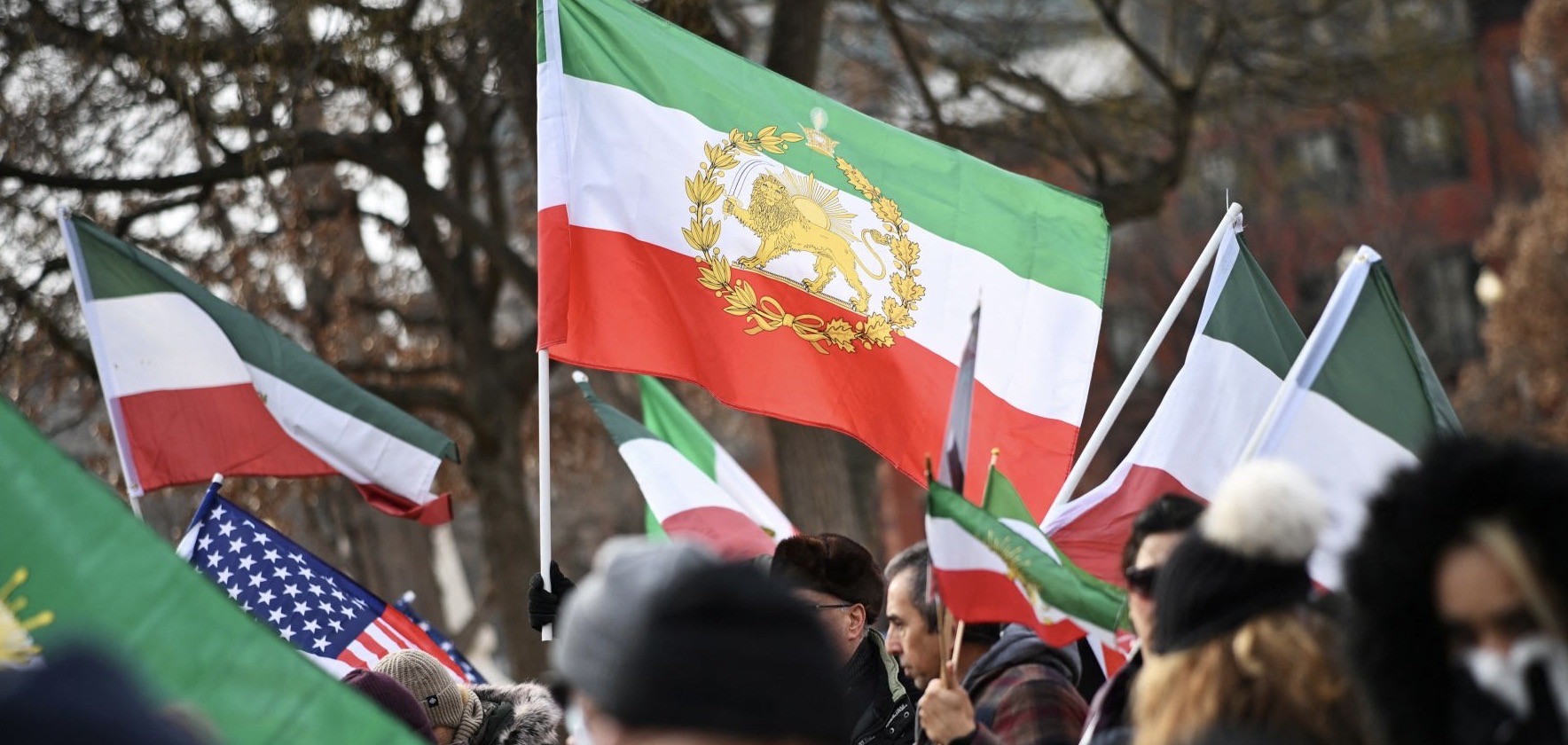 Iranian believers in the diaspora have been responding to the news of the “peace deal” made last Friday by U.S. President Donald Trump, conveying news about the chronic situation for those still inside Iran, living under the regime.
“From what I’m hearing, many Iranians feel deeply disappointed and, frankly, a bit stabbed in the back. After everything that has happened, seeing talk of deals, sanctions relief, business as usual, and the Strait of Hormuz reopening as if nothing happened has been a bitter pill to swallow,” said Iranian exile, Roobin Nozouri.
Pastor Sotoudeh, a church leader from Tehran who currently leads a Farsi-speaking church in the UK, shared similar sentiments. Many of those in his congregation are passing on news from friends and family still in Iran.
“They are very, very disappointed,” he confirmed. “Trump at the beginning promised that he was somehow going to help Iranians to get freedom from this awful government, but he started to negotiate with the Iranian regime. So they were very, very disappointed.”
While Trump claimed at the G7 summit earlier this week that he “never cared about regime change,” Sotoudeh said it seemed he didn’t care about the Iranian people either.
Sotoudeh was forced to flee in the 1990s when friends and fellow pastors began to be abducted and murdered by the Islamic regime. He is under no illusions about what Iranian believers are up against, and expressed the frustration and despair felt by many of those he is in contact with.
“This deal is not helping Iranians at all,” he stressed, warning that releasing funds to the regime will inevitably lead to a resumption of terrorism and violence. “No Iranians trust this government because they can lie in their religion of Islam, they can lie to kuffar [non-Muslims], to fool non-Muslim people… They’re going to do whatever they want to do, but secretly,” he said.
Sotoudeh spoke about the dire economic situation in the country, and how it was affecting ordinary people.
“They have no money, no jobs, and no freedom,” he said, adding that people are afraid to go out knowing that the regime killed 45,000 Iranians in two nights. “The government actually goes door by door to arrest Iranians who are against this regime and takes them by force.”
The pastor said many people connected to his congregation had been abducted and murdered and that in many cases the families were forced to pay thousands of dollars for the bullets used to kill them, just to get the bodies of the loved ones back meaning that some were not even able to bury their dead.
“They took people to jail because they were just protesting. Nothing else,” he continued, adding that two teenage girls from one family known by his church were taken and raped, while other young people had been accused of spying and murdered. “ This regime is just Satanic,” he said.
Sotoudeh estimated that some 80% of Iranians support Reza Pahlavi and believes only a very few support the regime. He said that after 47 years the people of Iran have come to understand the situation very well, but feel powerless to rise up against a regime that had guns and no mercy.
“One of the things this government has done was to show Iranian people real Islam. I would say 90% of Iranians in Iran don’t believe Islam anymore, don’t follow Islam,” he continued. Certainly the mosques in Iran are empty and with around 50,000 now permanently closed. “Please pray for Iranians to find Jesus.”
He strongly refuted the suggestion that Iranians in the diaspora do not represent the attitudes of those living in Iran.
“That’s not correct. I know. Whatever Iranians outside of Iran are saying, they are the voice of Iranians in Iran,” he insisted, “they promised to be a voice for them.”
Sotoudeh also encouraged believers around the world to stand up for the Iranian people in the same way and to speak out on their behalf.
Day 985 — Wednesday, June 17
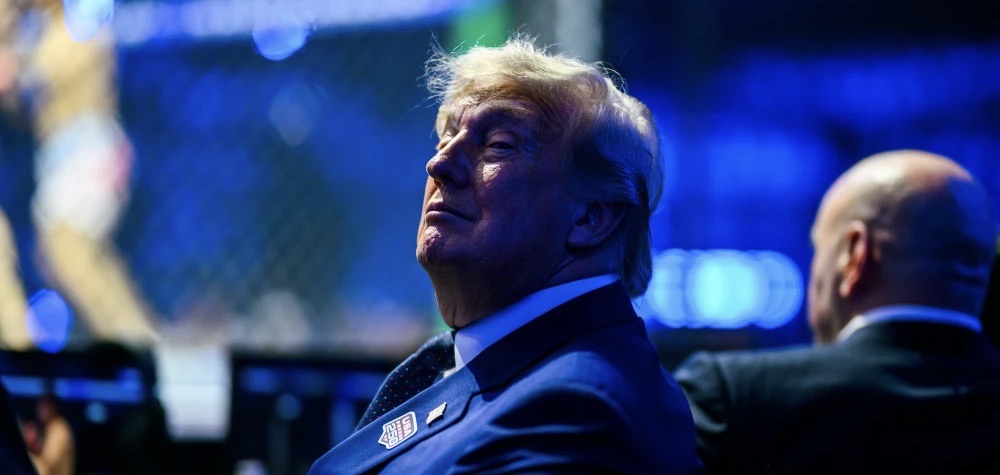 As details of U.S. President Donald Trump’s new Iran framework agreement begin to emerge, Jewish organizations and policy experts said that questions remain whether its terms go far enough and if Tehran can be trusted to adhere to them.
“Whether or not this agreement succeeds lies in strict verification and intrusive enforcement,” Daniel S. Mariaschin, CEO of B’nai B’rith International, told JNS.
“Given Iran’s 47-year history of deceit and deception, its secretive nuclear program and its role as paymaster and armorer of terrorist proxies will mean that monitoring this agreement cannot be passive,” Mariaschin said.
“Given that, nothing here should deny Israel the right to defend itself against any threats that may emanate from Hezbollah or any quarter,” he told JNS.
The memorandum of understanding that Trump, U.S. Vice President JD Vance and Iranian Parliament speaker Mohammad Bagher Ghalibaf signed electronically on Monday calls for the Strait of Hormuz to reopen gradually, the U.S. naval blockade on Iran to be lifted and a 60-day ceasefire period between Washington and Tehran, during which negotiations will occur.
AIPAC stated on Monday that it “looks forward to learning the full details of the framework for these negotiations.”
Congress “will play a critical role” in reviewing any final agreement which “permanently and verifiably ends the regime’s nuclear program—including the removal of all enriched uranium from Iran and the dismantlement of all enrichment sites,” it said.
Some Iran analysts see the framework as a sign that Washington may be softening some of its earlier demands on Tehran’s nuclear program.
“There are just lots of questions, and as the talks have gone on, it seems like the United States is walking back a lot of its initial demands,” Andrea Stricker, deputy director and research fellow in the nonproliferation and biodefense program at the Foundation for Defense of Democracies, told JNS.
One area of concern, Stricker said, is the fate of Iran’s enriched uranium stockpile.
Trump had previously insisted that the material be removed from Iran or destroyed, but more recent discussion of downblending—the process of mixing highly enriched uranium with natural or depleted uranium—raises questions about whether Tehran could be allowed to retain some enriched uranium inside the country.
“If you’re downblending, you’re essentially reducing the purity level, and there’s no reason to do that in Iran unless the United States has caved on its demand that it be exported,” she told JNS.
Stricker also questioned what it would mean for Iran to agree not to operate underground nuclear sites.
“If you’re just not operating it, are you allowed to outfit it with centrifuge equipment for the end of a 15-year moratorium on enrichment?” she said. “Do you have to disable the facility entirely or block access?”
Stricker told JNS that she is concerned the deal may leave Iran pathways to rebuild portions of its nuclear program, even after recent U.S. and Israeli military strikes likely set back the regime’s goal from six months to two-and-a-half years, or longer.
“What you’re worried about is them having or regaining access to any buried enriched uranium stockpiles,” she said. “You’d be concerned that they may have stocks of their fast, advanced centrifuges squirreled away that they could put at a secret site and try to evade intelligence eyes on that and try to build a covert enrichment plant.”
The 60-day negotiating period is also unlikely to produce major Iranian concessions, she said.
“The Iranians are very good at extending the clock on negotiations, so I’m not sure that they have much incentive to make significant compromises if they weren’t already willing to do that in the memorandum of understanding,” she told JNS.
“The gist of the deal is to facilitate the opening of the Strait of Hormuz and to wind down the conflict, essentially extending the ceasefire for another 60 days,” she said.
Any deal focused narrowly on Iran’s nuclear program, and not on the regime’s missile stockpiles or funding of terrorist proxies, could leave major threats unaddressed and is unlikely to inspire a change in behavior, she said.
“The structural problem with all these deals is that you’re dealing with a radical jihadist regime that does not approach rewards in the same way,” Stricker told JNS.
Even if Iran emerges from the negotiations with significant military and nuclear setbacks, Stricker believes that the regime is likely to portray the agreement as a victory.
Morton Klein, president of the Zionist Organization of America, stated that “the pending deal with Iran is concerning.”
Few details have been released, but what has emerged is “deeply problematic,” according to Klein.
“It makes no sense for the United States to immediately give up its pressure on the Iranian regime, the blockade that was strangulating Iran economically, without obtaining immediate removal of Iran’s nuclear stockpile, decommissioning of Iran’s nuclear facilities and destruction of Iran’s deadly missile stockpile,” Klein stated.
Iran and Hezbollah, which reportedly has been included in aspects of the ceasefire arrangement, have a long history of violating ceasefire agreements, according to Klein.
“The deal’s apparent long ceasefire also only plays into the Iranian regime’s delaying tactics,” he stated. “We’ve repeatedly seen that ‘ceasefires’ with the Iranian regime and its proxies mean ‘we cease and they fire.’”
The deal “plays right into the Iranian regime’s hands, undermines necessary deterrence and endangers Israel’s safety,” he said.
“Disturbingly, the interim Iran deal does not appear to be even close to the U.S.-Israel war goals of eliminating the existential dangers of Iran’s nuclear program and ballistic missiles, ending the Iranian regime’s support for its terror proxies and helping the Iranian people overturn the brutal, genocidal Iranian regime,” he added.
Day 985 — Wednesday, June 17
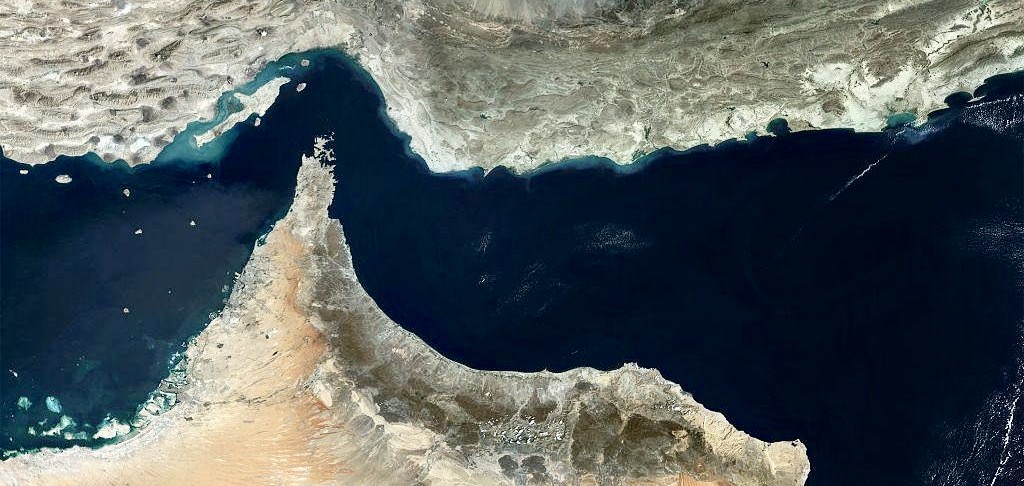 According to a US official speaking to NBC News Iran has launched multiple drones toward commercial vessels transiting the Strait of Hormuz since the United States and Iran signed a memorandum of understanding on Sunday.
The official said the drones were deployed by Iran’s Islamic Revolutionary Guard Corps (IRGC), adding that U.S. forces have intercepted and destroyed the aircraft before they could pose a threat to commercial shipping or American military personnel operating in the region. NBC News reported that the IRGC has conducted these drone launches nightly since the memorandum was digitally signed.
Day 984 — Tuesday, June 16
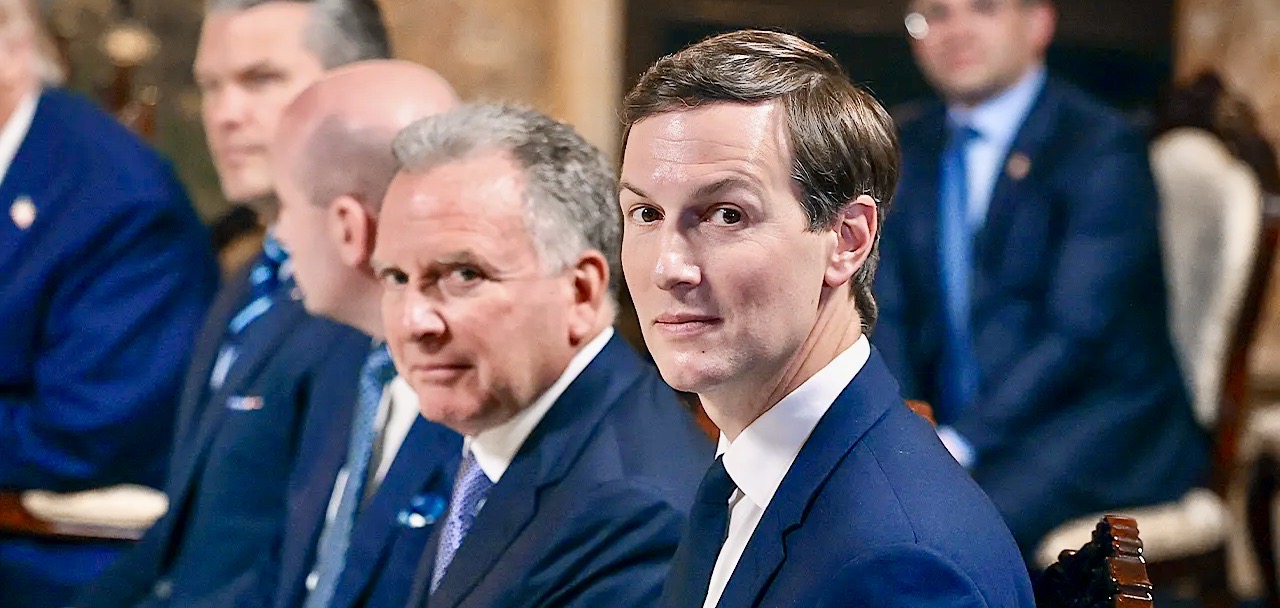 Israeli media figures and commentators turned sharply against Jared Kushner and Steve Witkoff this week, accusing two of US President Donald Trump’s closest Middle East envoys of helping push an Iran deal that many in Israel view as dangerous and incomplete.
The criticism came amid mounting Israeli concern over the emerging US-Iran memorandum of understanding, which critics say prioritizes regional calm and the reopening of the Strait of Hormuz while leaving Iran’s nuclear program, missile program, and support for regional proxies for later negotiations.
Prime Minister Benjamin Netanyahu said Monday that Israel would continue to act to prevent Iran from obtaining nuclear weapons, regardless of the agreement. Israeli officials also told Ynet that Netanyahu had made clear to Trump that Israel did not view itself as bound by the Lebanon clause in the agreement and would keep operating against Hezbollah threats.
But while Netanyahu avoided a direct public attack on Trump’s envoys, some Israeli commentators did not.
Channel 14, a right-wing Israeli television channel often described as Israel’s answer to Newsmax because of its strongly conservative, pro-Netanyahu editorial line and influence among right-wing viewers, carried some of the sharpest criticism.
Channel 14 anchor Tal Meir used her Monday morning program to criticize Kushner and Witkoff, accusing them of turning their backs on Israel “at the moment of truth.”
“They got a little confused in this event,” Meir said, according to Channel 14. “You are part of these people.”
Meir argued that Israel was defending the Jewish people as a whole, including Jews living outside the country.
“We are here, among other things, to defend you too,” she said. “In the end, this is your real home, and we are guarding it for you and for your future generations. And you turn your backs on us like this? Simply losers.”
The comments reflected a broader emotional tone in parts of the Israeli right, where Kushner and Witkoff are being judged as American negotiators and as Jewish figures with obligation toward Israel.
Ynet reported that the memorandum appears to fall short of four demands Netanyahu had set out only days earlier: removing Iran’s enriched uranium, dismantling enrichment infrastructure, limiting missile production, and ending support for terrorist proxies. According to the report, those goals are currently “not on the horizon.”
The Israeli backlash is also linked to the structure of the agreement itself. Critics argue that the deal addresses the immediate crisis around Hormuz while pushing the hardest questions about Iran’s nuclear and regional military capabilities into a later stage.
Channel 14 cited Israeli security officials warning that the agreement was based on a fragile structure, signed in American haste, and left the core of the nuclear threat without a real answer.
Day 983 — Monday, June 15
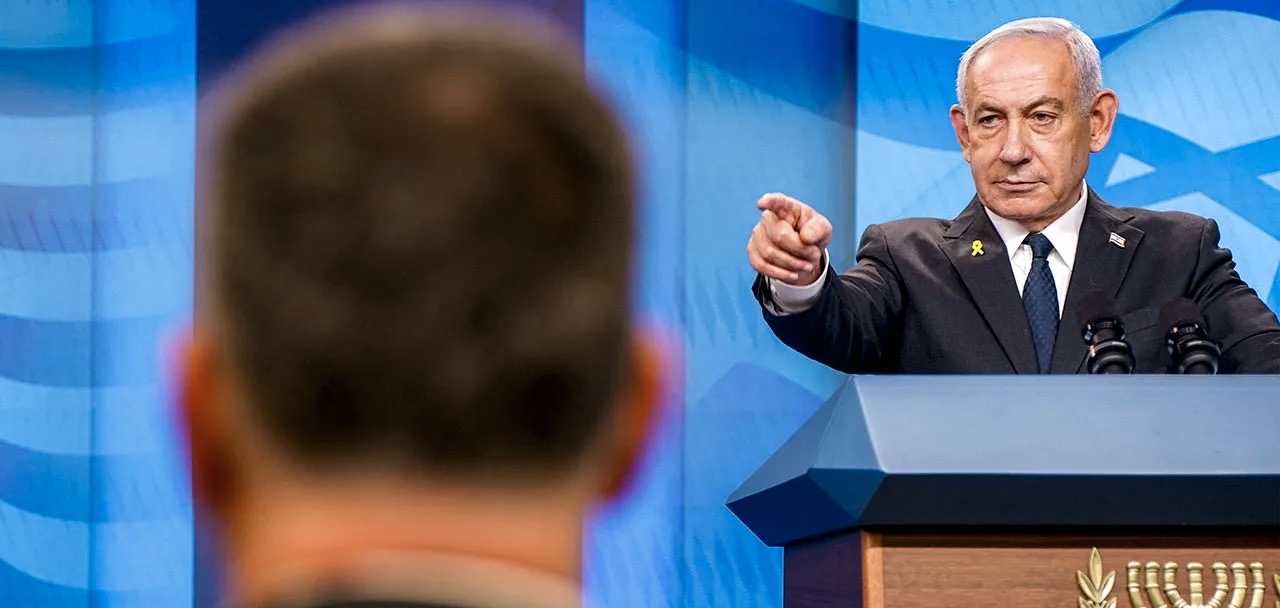 Prime Minister Benjamin Netanyahu made clear to United States President Donald Trump that Israel does not intend to withdraw from its current positions in Lebanon, and does not consider itself bound by the Lebanese clause in the emerging agreement with Iran.
Ynet reported that Netanyahu told Trump in their conversation last night that the IDF will continue to fight Hezbollah, including eliminating terrorist infrastructure and responding to any attack directed against Israel.
The understanding in the security cabinet is that Israel stands by its security interests in Lebanon, and the prime minister received full backing for his position during the most recent cabinet meeting.
At the meeting it was clarified that Israel will not agree to commit to the Lebanese clause in the agreement with Iran, thereby rejecting any limitation on its military freedom of action.
IDF sources noted that the war in Lebanon will continue according to strategic security objectives, including preventing the construction of new terrorist infrastructure and strengthening the defense of communities in northern Israel.
Day 983 — Monday, June 15
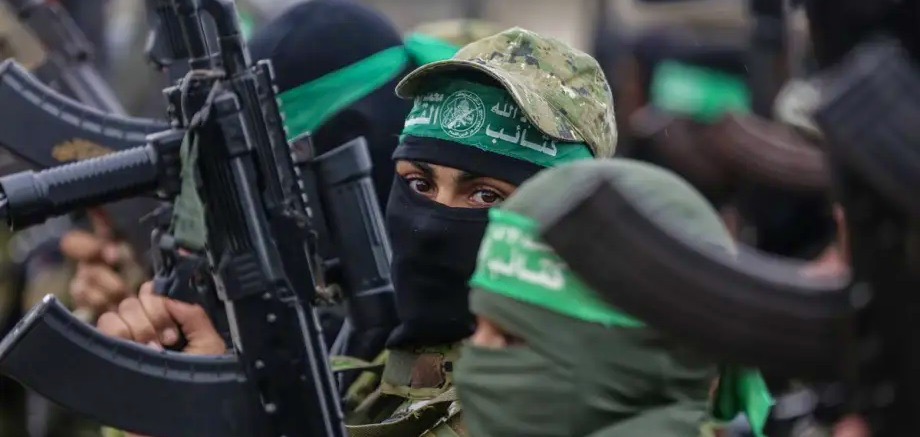 Documents seized by Israel in the Gaza Strip show that Hamas leaders discussed efforts to derail Saudi-Israeli normalization before the October 7 massacre, KAN News reported on Sunday, citing material processed and analyzed by the Amit Institute for Terrorism and Intelligence Research.
According to the report, the documents include internal protocols from Hamas leadership meetings in which the group described normalization between Jerusalem and Riyadh as a strategic threat to Hamas and to the Palestinian issue.
One document from 2022 said Hamas had decided to establish a dedicated body to lead its campaign against normalization, according to KAN.
The body was tasked with shaping Hamas’s strategy, policy, and operational plan for opposing regional normalization efforts, the report said.
In one document cited by KAN, Hamas called for efforts to “increase escalation on the ground, in the West Bank and Jerusalem, in order to disrupt the Saudi kingdom’s normalization process.”
Two weeks before October 7, then-Hamas leader in Gaza Yahya Sinwar presented a document focused on Saudi-Israeli normalization and sharply criticized Saudi Crown Prince Mohammed bin Salman, according to the protocols reported by KAN.
“Saudi Arabia has a special status at the Arab and Islamic level and great influence, and this is a regrettable, troubling, condemnable, and puzzling step,” Sinwar was quoted as saying.
Sinwar also said that bin Salman was seeking to establish himself as the region’s leader, adding that his “growing ambitions” had consequences for the Palestinian issue and the region.
Before October 7, the United States had been working to advance a possible Saudi-Israeli normalization agreement, a move widely seen as a potential expansion of the Abraham Accords, which normalized Israel’s ties with the United Arab Emirates and Bahrain in 2020 and later included Morocco and Sudan.
According to KAN, Sinwar assessed that Hamas might not be able to stop normalization entirely, but could disrupt it and strip it of legitimacy.
At the final Hamas leadership meeting before the October 7 attack, held on October 2, 2023, Sinwar described Saudi-Israeli normalization as a regional threat, the report said.
“There is no escape from an extraordinary action by the movement and the forces of the resistance axis in order to create a major shift or strategic turning point,” Sinwar was quoted as saying.
The documents do not alone establish that Saudi-Israeli normalization was the sole reason for the October 7 massacre, but they provide a rare look into Hamas’s internal discussions in the period before the attack.
Day 982 — Sunday, June 14
 The Israel Defense Forces struck more than 70 terrorist infrastructure sites in Southern Lebanon belonging to Hezbollah in the past 24 hours, the military said on Saturday.
Among these were launchers and structures used by Hezbollah operatives to advance terrorist attacks against Israeli soldiers and civilians, the army noted.
In addition, seven Hezbollah terrorists who were operating from an underground route in Southern Lebanon were eliminated over the past week, the IDF said.
The underground site was used by the terrorists to store ammunition, mortars and food supplies to support attacks on IDF soldiers. In coordination with the Israeli Air Force, artillery forces and unmanned aircraft, the soldiers eliminated all seven, the military said.
Following the strike, the soldiers located Kalashnikov rifles and military equipment on the terrorists, as well as launch positions and additional weapons in the vicinity of the underground route.
On Friday, troops from the 769th “Hiram” Brigade, under the command of the IDF’s 91st “Galilee” Division, completed an operation in the area of Dibbin, in the Marjayoun District north of Metula. The area served as a Hezbollah stronghold used to advance and prepare terrorist attacks against the State of Israel and Israeli soldiers, the military said in a separate statement.
More than 50 targets were struck by the IAF, dozens of terrorist infrastructures were dismantled, significant weapons storage facilities were located, and terrorists were struck and eliminated from the air, the statement read.
More than 30 terrorists have been killed in the Dibbin area since the start of “Operation Roaring Lion” on Feb. 28, the IDF added.
On Thursday, during continued efforts to clear the massive underground tunnel network unearthed beneath the Beaufort Ridge in southeastern Lebanon, a drone operated by IDF soldiers identified Hezbollah terrorists inside the structure, the military said.
The terrorists fled and opened fire at the drone, the military continued. Shortly afterward, the terrorists were identified together with additional operatives attempting to escape from the tunnel route. Guided by the ground forces, the IAF struck and eliminated the terrorists, the army said.
The soldiers located numerous weapons, including mortar shells, fragmentation grenades, RPG launchers, Kornet anti-tank missiles, anti-aircraft machine guns, and Kalashnikov rifles, the IDF noted.
Meanwhile, the IDF revealed on Friday that more than 10 Hezbollah field commanders were recently eliminated, including their appointed successors.
Among those slain was the commander of the Nasser Unit, Hajj Salameh, and less than two months after his elimination, the IDF killed his two successors, one after the other: Mahdi Bazzi and Ashraf Salloum, the army said.
In addition, within less than 12 hours, the IDF eliminated the commander of the Shaqif Sector, Nasser Shaqir, and his successor, Ahmad Sablini, who had previously served as his deputy, the military continued.
In total, more than 1,300 Hezbollah operatives have been killed across multiple areas in Lebanon since the start of the war, the IDF stated.
“The IDF will continue to operate against Hezbollah commanders, who serve as key figures in directing attacks against the civilians of the State of Israel and IDF soldiers,” the military said.
Day 981 — Saturday, June 13
 The United States military shot down several Iranian suicide drones in the Strait of Hormuz, US Central Command (CENTCOM) announced in an X/Twitter post on Saturday.
The drones were an attempt by the regime to target commercial vessels transiting the strait, CENTCOM said.
CENTCOM added that traffic flow through the Hormuz “continues unimpeded” and that the critical waterway “remains open for transit.“
On Thursday, Iranian media reported Iran’s Islamic Revolutionary Guard Corps (IRGC) had fired drones at Kuwait’s Ali Al Salem Air Base in retaliation for US strikes on Iranian military assets on Tuesday.
Additional Iranian strikes were reported in Jordan, with the IRGC claiming to have fired four missiles at the US al-Azraq base, claiming the base housed F-35 fighter jet hangars and a command-and-control center.
In addition, alert sirens sounded in Bahrain on Wednesday, according to the country’s Interior Ministry.
The IRGC warned on Thursday that they were prepared to deliver a “crushing and decisive” response to any additional US strike.
US President Donald Trump warned Iran on Friday against firing more drones at ships attempting to transit the strait, saying Tehran “better get their act together.“
Also on Thursday, Iran’s state news site WANA reported an IRGC Aerospace Force Commander Brig.-Gen. Majid Mousavi as threatening the Middle East with harsh consequences if the US destabilized the Hormuz.
“Will you make the sacred Strait of Hormuz unsafe?” said Mousavi. “We will turn the entire region into hell for you from across Iran.“
Day 981 — Saturday, June 13
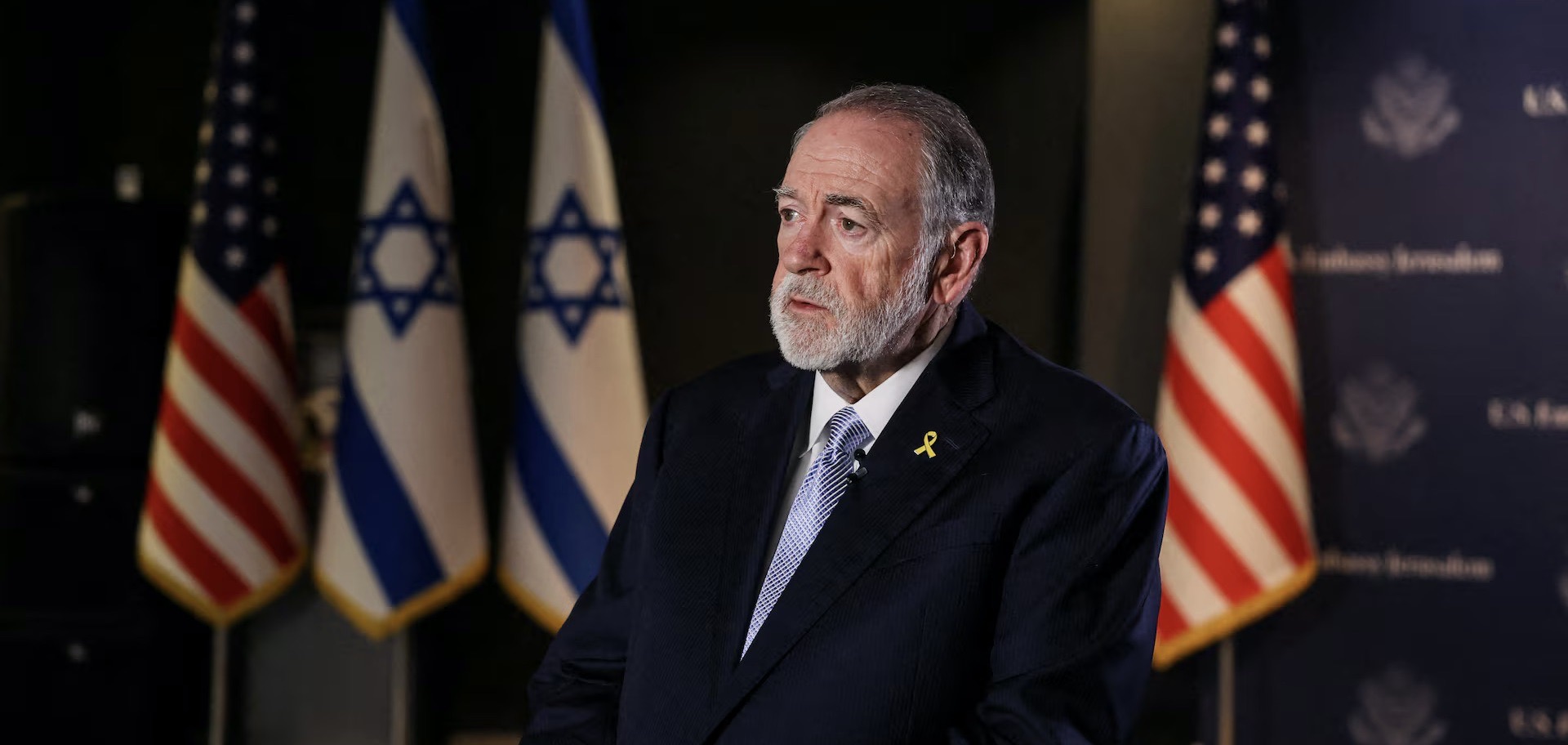 U.S. Ambassador Mike Huckabee credited God and His promise to the Jewish people—not military and technological prowess—as the reason for Israel’s successes and victories.
WATCH: U.S. Ambassador to Israel Mike Huckabee says Israel is “successful” not because of military, economic, or political factors, but because God directly favors and protects it. pic.twitter.com/1oBtJC9Wy2
— Clash Report (@clashreport) June 11, 2026
Day 980 — Friday, June 12
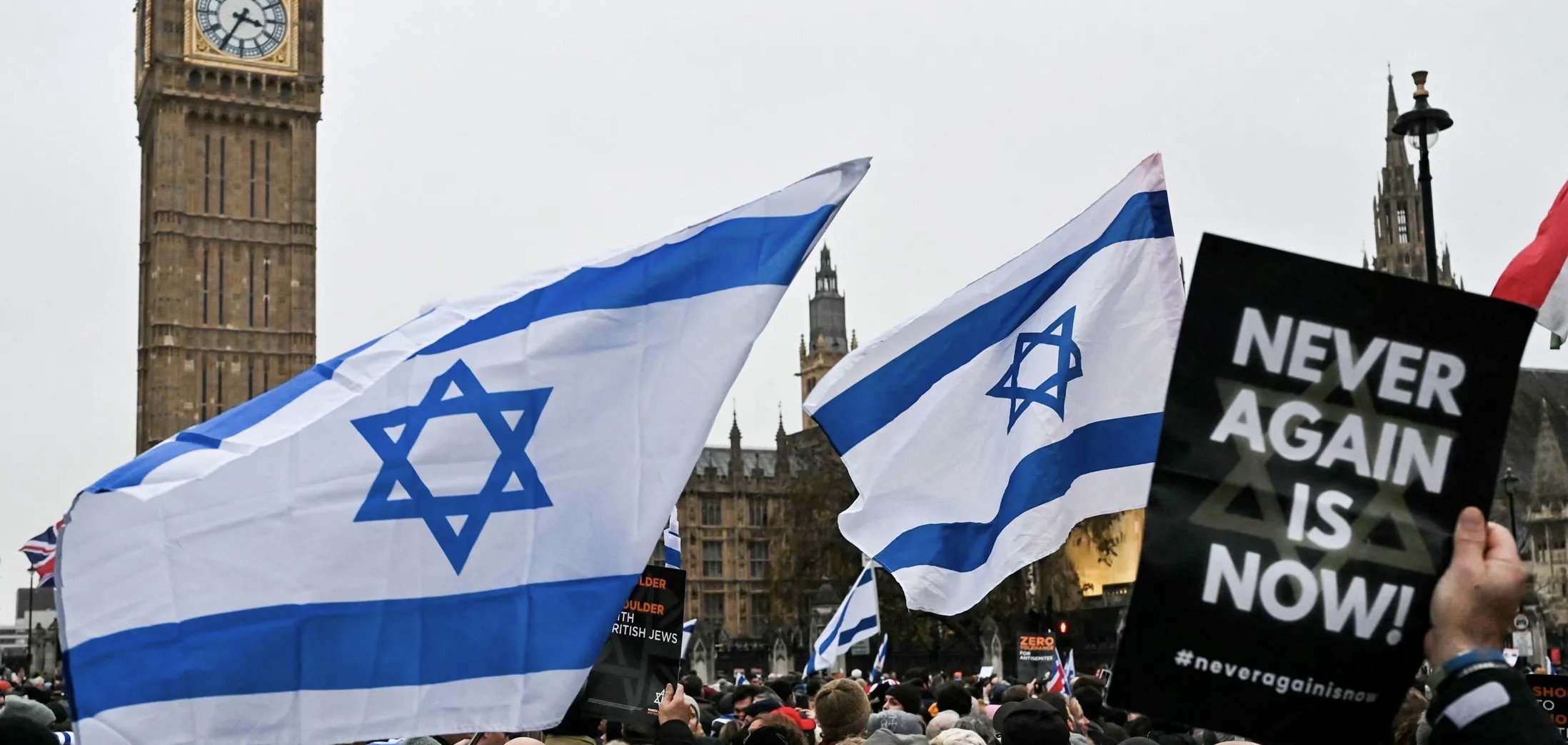 British Jewish groups say they are alarmed about revelations that a fraternal society for Muslim police officers published a policy paper that described Zionism as a form of anti-Muslim hatred and called the Israeli army a “Zionist terrorist group.”
The Board of Deputies of British Jews called the paper posted by the National Association of Muslim Police “disturbing” in its presentation of Jewish identity, history and the nature of antisemitism.
“If this is being circulated among officers, it poses a direct challenge to the integrity of policing and it should be withdrawn immediately,” the group said.
NAMP has distanced itself from the report and, in a statement, rejected any allegation that the group “supports Hamas.”
The 39-page paper titled “From Past Prejudices to Present Policies: Confronting anti-Muslim hatred and Promoting Human Rights,” was written by NAMP’s then-vice president, Khaldoun Kabbani, and published in July 2025. It says “Zionism represents one of the manifestations of anti-Muslim hatred”; likens the war in Gaza to the Holocaust; and disputes facts about Hamas’ Oct. 7, 2023, attack on Israel, including that Israeli children were killed.
The NAMP report has spurred distress for many British Jews who are on edge amid a string of violent incidents targeting Jewish communities. The Campaign Against Antisemitism, a watchdog group, said its polling shows that 83% of British Jews do not think the police are doing enough to protect them — and that the report suggested their concerns were well founded.
“The people responsible for publishing this extremist screed on the official police.uk web domain are unfit to be police officers and must be immediately investigated by their respective forces’ professional standards departments and dismissed,” Steven Silverman, CAA’s director of investigations and enforcement, said in a statement.
“British Jews have long suffered two-tier policing that sees antisemitic crime go unpunished,” he said, adding that CAA would press the British government “ensure a clear message is being sent. This cannot pass with the document being quietly deleted.”
Day 980 — Friday, June 12
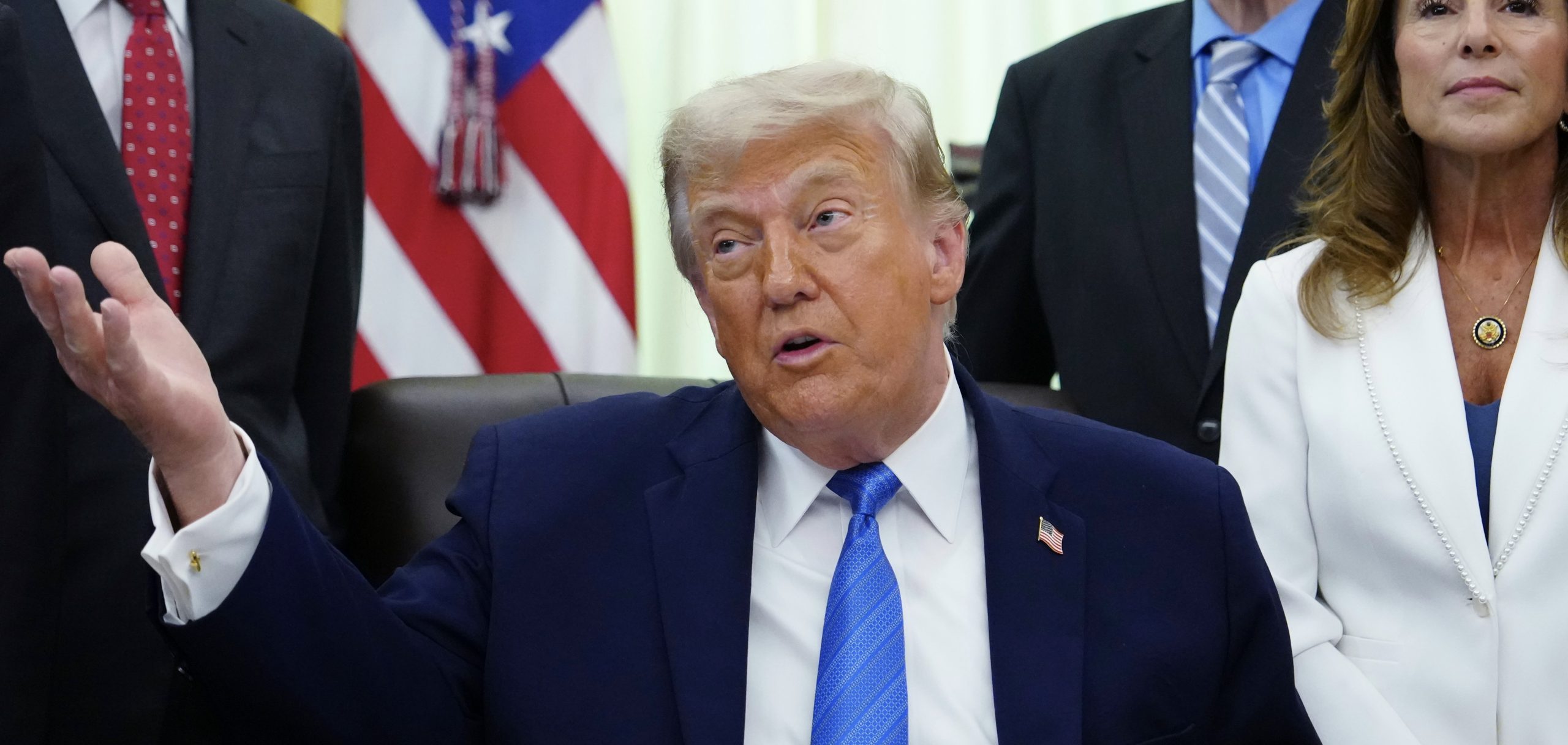 U.S. President Donald Trump said on Thursday that he has called off strikes against Iran after reaching a deal with the regime.
“Based on the fact that discussions with the Islamic Republic of Iran have been brought to the highest level of Iranian leadership and approved, I have, as president of the United States of America, canceled the scheduled strikes and bombings against Iran this evening,” the president stated. “Discussions and final points have been, in both concept and great detail, approved by all parties involved.”
Trump said that the other parties were “Israel, Saudi Arabia, United Arab Emirates, Qatar, Turkey, Pakistan, Bahrain, Kuwait, Jordan, Egypt and others.”
The U.S. naval blockade on the Strait of Hormuz “will remain in full force and effect until this transaction is finalized,” Trump stated. “Time and place of the signing to be announced shortly.”
During a press conference in the Oval Office later in the day, Trump said that “we have a deal that Iran will never have a nuclear weapon, which was the whole purpose of what we had to go through to get this.”
“We have a signing soon, and the documents are in pretty final shape, so we’ll see,” he said. “It should be done and it should be done pretty quickly.”
“They want it every bit as much as everybody else wants it,” the president said. “I think a lot of good relationships can ensue from this.”
Iran reportedly denied approving an agreement with the United States.
“I hope we have in fact reached a diplomatic solution to end the Iranian conflict that will meet President Trump’s red lines and be fundamentally different from the JCPOA,” said Sen. Lindsey Graham (R-S.C.), referring to the past Iran nuclear deal.
“As in the past, any agreement reached with Iran related to their nuclear program will be presented to Congress for review and approval,” the senator stated. “I look forward to that process.”
Jason Brodsky, policy director at United Against Nuclear Iran, told JNS that the president has been “practicing his own brand of coercive diplomacy.”
Islamic Revolutionary Guard Corps-linked media outlets denying that there is a deal is not the same as Iranian officials denying it, according to Brodsky.
“I’ll believe there’s a deal when I see there’s a deal,” he said.
“This is not a final deal,” he added. “This is a memorandum of understanding that paves the way for more talks about Iran’s nuclear program.”
Day 979 — Thursday, June 11
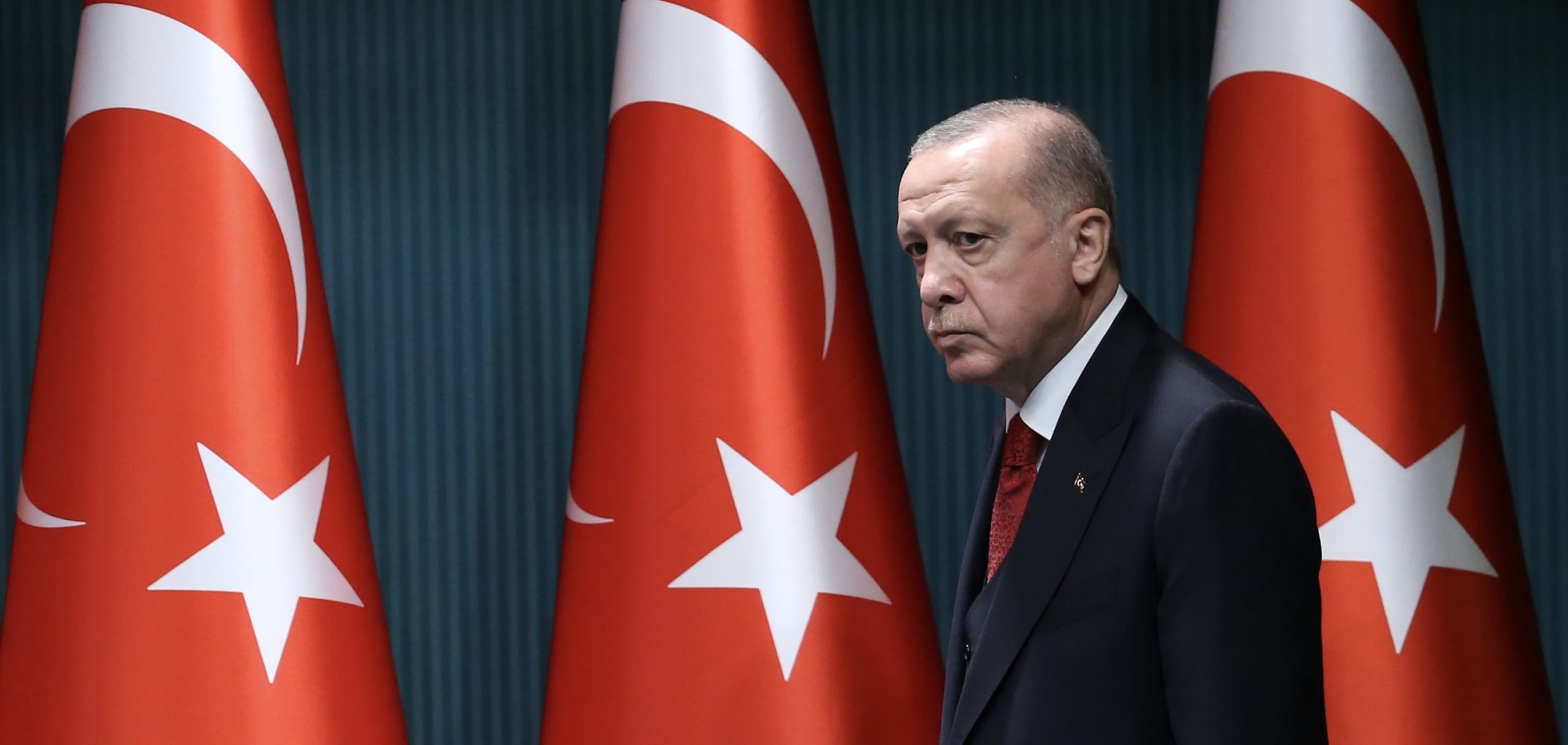 Turkish President Recep Tayyip Erdoğan said today (Wednesday) that Israeli strikes in Syria and Lebanon have reached a point where they also threaten his country, and he warned against further action, saying, “We see comprehensive initiatives led by Israel in the Mediterranean, and no one should pursue adventures there.”
Erdoğan warned against continued Israeli steps in the region and said, “Israel’s aggression threatens the entire world.” He added, “If the rights of Turks or Turkish-Cypriots are harmed in the Middle East – our response will be unequivocal and strong.”
The Turkish president went on to say, “Turkey’s security does not begin in Hatay, but also in Aleppo, Damascus and Beirut. We will not tolerate any ‘fait accompli’ in our brotherly nations, and we will not turn a blind eye to aggression against them.” He also referred to statements in Israel about a “Greater Land of Israel” and declared, “If Allah wills, we will never allow that.”
Erdoğan’s remarks appear to refer to a report published in December by the Greek news site TA NEA, which said that Israel, Greece and Cyprus are examining the formation of a joint military force in the eastern Mediterranean. According to the report, the proposed force would include about 2,500 troops, ships, fighter jets and infrastructure to be deployed on the Greek islands of Karpathos and Rhodes and in Greece, Cyprus and Israel.
According to that report, Athens and Jerusalem are expected to each send 1,000 troops, while Nicosia would send 500 troops. The report also claimed that the air forces of Israel and Greece would each provide one squadron to the force.
Prime Minister Netanyahu responded: “The antisemitic dictator Erdoğan – who is committing genocide against the Kurds, supports the Hamas terrorist organization, oppresses his own people and imprisons political rivals – is the last person who can lecture the State of Israel on morality.”
“The State of Israel and the IDF, the most moral army in the world, will continue to take forceful action against Iran and its proxies, which threaten the Middle East and the entire world.”
Minister Miki Zohar also responded to Erdoğan’s remarks, saying, “The tyrant Erdoğan, whose hands are covered in blood, must be held accountable for his crimes and not preach morality to the only democratic state in the Middle East. If he dares to test us – his fate will be worse than that of the dying Iranian regime.”
Meanwhile, Turkey’s interior minister, Mustafa Çipçi, recently spoke against Israel at a ruling party conference and threatened that Turkey would one day take control of Jerusalem. Çipçi said, “As we saw the liberation of Damascus, Aleppo and Karabakh, so, with Allah’s help, one day we will see the liberation of Jerusalem as well.”
Day 979 — Thursday, June 11
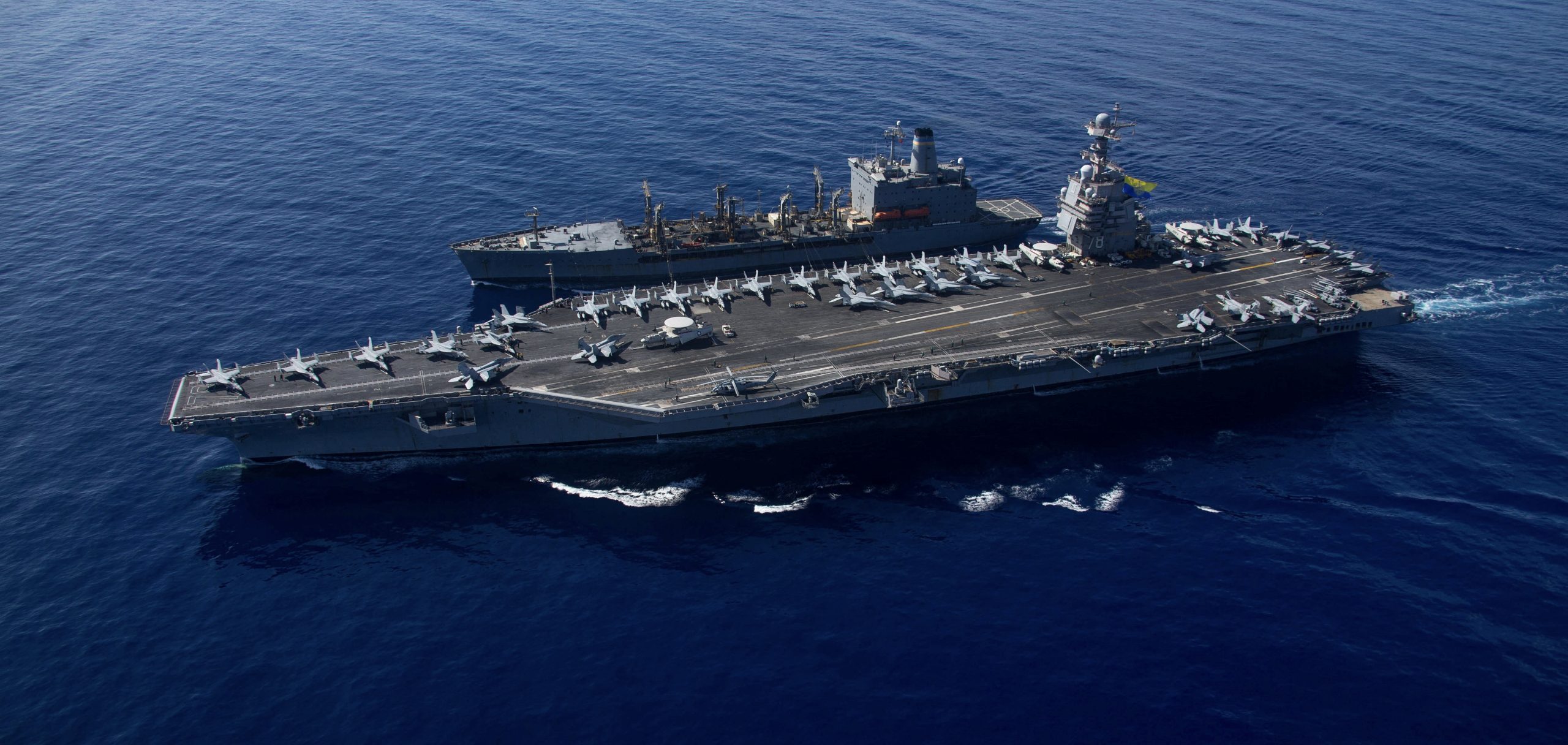 For the second night in a row, the US military launched what it called “self-defense strikes” against Iran early Thursday, as President Donald Trump vowed even more attacks if no peace deal is secured. In response, the Islamic Republic threatened to target any ship going through the Strait of Hormuz.
The US military’s Central Command announced the strikes were complete about four hours after they began shortly after midnight in Tehran, saying in a post on X that the targets included “military surveillance capabilities, communication systems, and air defense sites across Iran.”
“The strikes are in response to Iran’s unwarranted and continued aggression,” CENTCOM said.
Iranian media reported explosions across the country’s south near the Strait of Hormuz, the same area where US forces had already bombarded air defense, radar and other sites on Tuesday. Iranian sources reported new hits by “enemy projectiles” in Qeshm, Kargan and Sirik.
The attacks were the latest development in an escalating exchange of strikes that have further strained the fragile ceasefire declared in early April to halt the US-Israel war with Iran, which began at the end of February.
Iran’s Islamic Revolutionary Guard Corps said in response to Thursday’s strikes that it launched attacks on US military targets at airbases in Jordan, Kuwait and Bahrain.
Iran’s top joint military command also warned it would fire on any vessel attempting to pass through the Strait of Hormuz, which has been largely closed for months. Iranian media reported that two ships were fired upon.
CENTCOM denied the strait was closed, saying commercial ships were still transiting the strait despite Iran’s threats. Trump said earlier in the day that vessels have been crossing the strait without Iran’s permission as part of a clandestine military mission.
Day 978 — Wednesday, June 10
 The United States and Iran traded airstrikes on Tuesday evening, after President Donald Trump ordered retaliatory attacks on Iran in response to the downing of a U.S. helicopter over the Persian Gulf.
After U.S. Central Command (CENTCOM) announced that its forces conducted “self-defense strikes” against Iranian targets, the Islamic Revolutionary Guard Corps (IRGC) in turn responded with attacks on a U.S. base in Jordan and 21 other targets across the Gulf region.
“U.S. Central Command forces completed self-defense strikes against Iran, June 9, at the Commander in Chief’s direction in response to yesterday’s downing of a U.S. Army Apache helicopter,” CENTCOM said in a statement.
The military command said its forces “struck Iranian air defense, ground control stations, and surveillance radar sites near the Strait of Hormuz with precision munitions,” describing the action as “a proportional response to recent attacks on U.S. forces and international commercial ships transiting regional waters.”
Shortly afterwards, the IRGC announced it would launch retaliatory attacks on U.S. targets.
“The warmongering U.S. regime attacked several points in Jask, Sirik and Qeshm early this morning under false pretexts, damaging a telecommunications mast in Sirik and destroying two water tanks in the city,” the IRGC said in a statement released to Iranian media.
The Kuwaiti military confirmed that its air defense systems engaged “hostile aerial targets” shortly after the IRGC said it targeted its Ali Al Salem base with attack drones.
Around the same time, air raid sirens sounded over Bahrain, with several reports of ballistic missile interceptions and at least one impact reported on social media. Those reports came shortly after the IRGC said it targeted four sites, including the U.S. al-Azraq base, using ballistic missiles.
Jordanian armed forces later reported the interception of five Iranian ballistic missiles launched toward the al-Azraq area in Jordan.
The exchange of fire marked the most intense round of hostilities between the U.S. and Iran since the start of the ceasefire in mid-April.
Day 978 — Wednesday, June 10
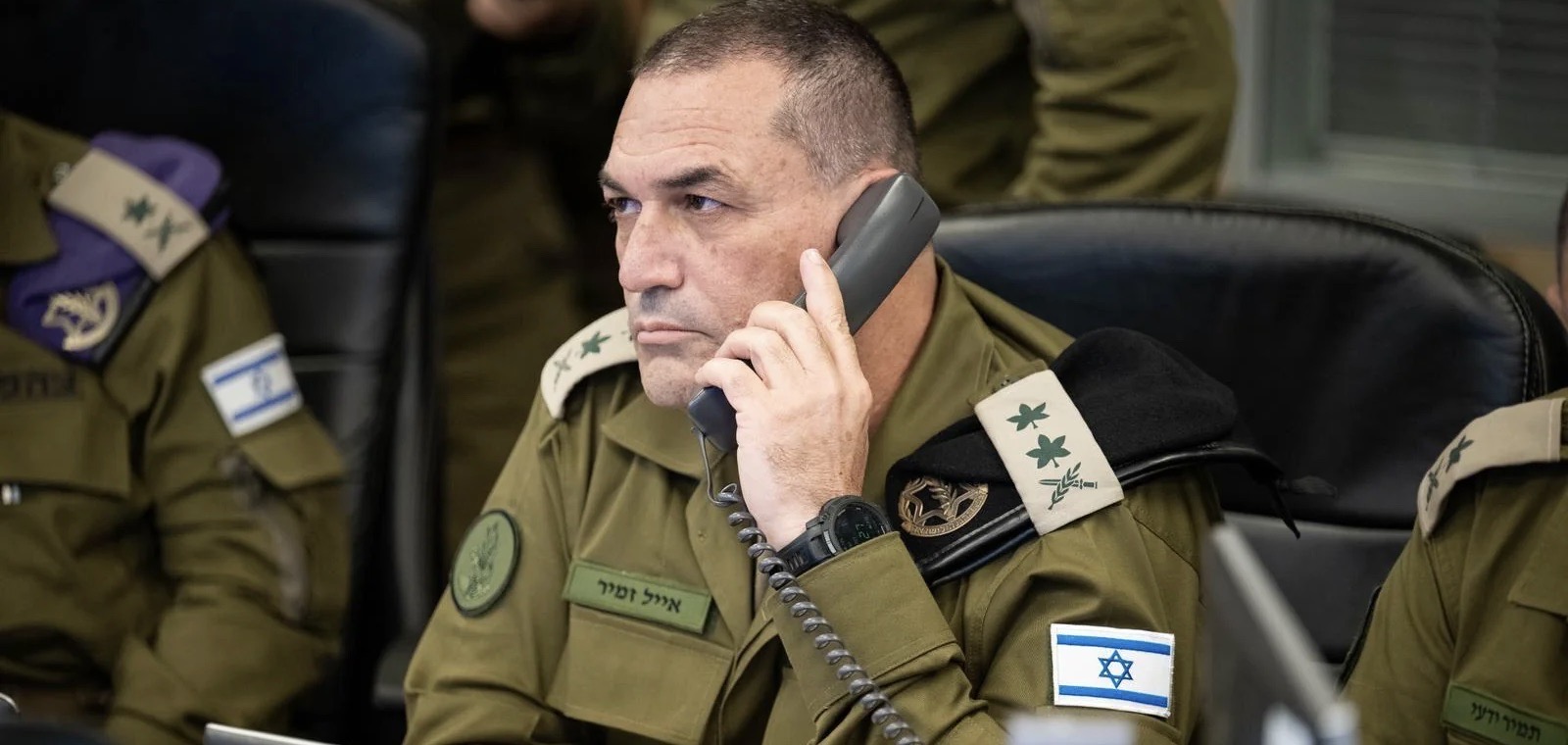 The Israel Defense Forces is prepared to deliver “another severe and deep strike” against the Iranian regime, IDF Chief of Staff Lt. Gen. Eyal Zamir warned on Tuesday.
“The IDF maintained, and continues to maintain, immediate readiness and preparedness to resume operations in Iran,” Zamir told fellow commanders during a training exercise in northern Israel.
The military chief spoke a day after Iran and its Houthi proxy targeted the Jewish state with several volleys of ballistic missiles, prompting Israeli retaliatory airstrikes against targets in the Islamic Republic.
“All of our defensive and offensive capabilities were on high alert and fully prepared—we intercepted the threats launched at us and struck in Iran swiftly and forcefully,” stated Zamir, warning that Monday’s operation was merely a “preparation for a much more significant and powerful blow.”
“Iran’s attempt to dictate new rules and alter the reality will fail,” he declared, in reference to Tehran’s threat to resume attacks if the IDF continues to strike Hezbollah, its Lebanese terrorist proxy.
“We will continue to operate and deepen the damage inflicted on the Hezbollah terrorist organization while defending the communities of northern Israel,” Zamir vowed, adding: “The IDF remains on high alert and will act with determination wherever we identify a threat to the citizens of the State of Israel.”
The IDF’s Home Front Command on Tuesday morning lifted restrictions on civilian life for most of the country after Iranian missile attacks ceased, allowing schools to reopen and daily life to return to normal.
However, the Islamic Republic on Monday afternoon warned it would carry out “far more severe and crushing” missile attacks against Israel if the Jewish state continued military operations against Hezbollah.
“The cessation of armed forces operations is hereby announced,” stated the Khatam al-Anbiya Central Headquarters, Iran’s highest operational military command, according to a translation by Tehran’s Press TV outlet. The announcement came after U.S. President Donald Trump said that Israel and Iran must “immediately stop shooting.”
In a televised address on Monday evening, Israeli Prime Minister Benjamin Netanyahu said the IDF had refrained from further strikes after responding to the Iranian attacks, but warned that the Jewish state would respond with “overwhelming force” if the regime resumed its assaults.
Day 977 — Tuesday, June 9
 Israel is holding its fire after responding to the Iranian attack but will bring “overwhelming force” to bear on the Islamic Republic if the regime resumes its attacks, according to Israeli Prime Minister Benjamin Netanyahu.
“After Iran attacked Israel, I instructed the IDF to attack military and economic targets throughout Iran. We did that, too,” the prime minister said in a brief address to the nation on Monday evening. “At the moment, we are holding our fire, because after we struck the terror regime in Tehran, it ceased attacking us. In the event that the terror regime in Iran makes the mistake of resuming attacks on us, we will respond with overwhelming force.”
“Israel has a full right to self-defense, and we are exercising it to the extent necessary,” he said.
Netanyahu added that he has had “good conversations” with his “friend” U.S. President Donald Trump. That statement came after some reports, which Israel denied, claiming that the U.S. president had spoken harshly to the Israeli premier.
In his address, Netanyahu reviewed the Jewish state’s successes in defanging Iran and its terror proxy Hezbollah in Lebanon.
“A year ago, we launched a historic preemptive attack against Iran’s intention to destroy us with atomic bombs” and “thwarted this immediate threat, and we also eliminated the dictator Khamenei,” he said, of Ali Khamenei, the leader of the Iranian regime who was assassinated on Feb. 28.
“If we hadn’t acted on time and with intensity, we wouldn’t be here today,” Netanyahu said. “I pledge again: Iran will not have nuclear weapons.”
The Jewish state is acting with the same determination against Hezbollah, a terror group that planned to invade the Galilee with thousands of terrorists while simultaneously launching 150,000 missiles and rockets, according to the prime minister.
“We thwarted this threat as well, and we eliminated Nasrallah,” Netanyahu said of the assassinated Hezbollah leader Hassan Nasrallah. “I would like to tell you: our heroic fighters are tearing Hezbollah to pieces. We continue to destroy all of their terror infrastructure in the security zone, including massive underground facilities in the Beaufort Ridge.”
“So massive that they are unlike anything I have ever seen,” he said. “Iran and Hezbollah are weaker than ever, and we are stronger than ever, but our battle against them is still not finished.”
In the past 24 hours, Iran and Hezbollah have tried to impose a “new equation” on Israel that is “intolerable and unacceptable,” according to the Israeli prime minister.
“They thought they would fire at Israel from Lebanese territory and from Iran, and we would not act. That did not happen, and it will not happen,” Netanyahu said. “Not on my watch.”
Israel has a right to act against its enemies, the premier said.
“After Hezbollah fired into Israel on Sunday, I ordered the IDF to attack terrorist targets in Beirut and eliminate Hezbollah operatives there,” he said.
Day 977 — Tuesday, June 9
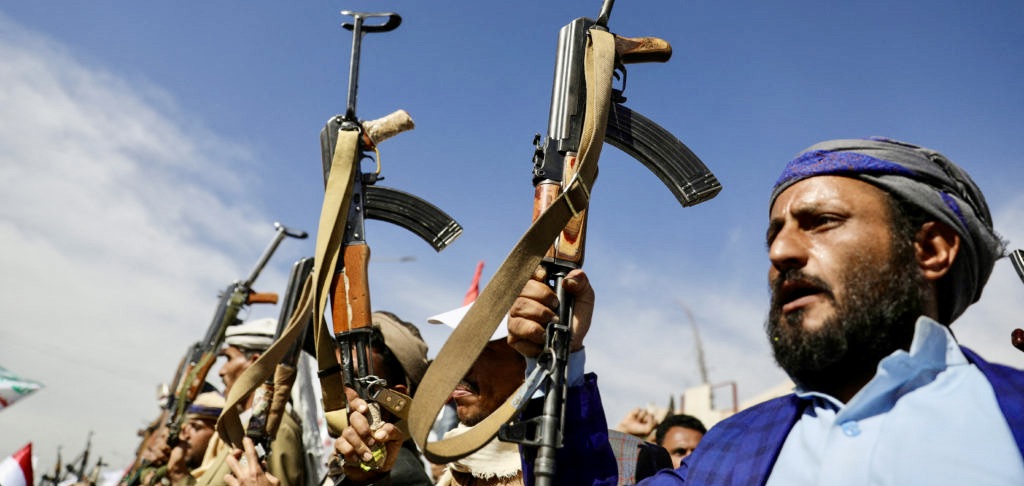 The Iran-backed Houthi insurgents of Yemen declared “a complete and total ban on Israeli maritime navigation” through the Red Sea on Monday.
“We consider all enemy movements to be legitimate military targets for our armed forces,” the Houthis warned.
“Escalation will be met with escalation, and our operations will intensify in accordance with developments,” said Houthi military spokesman Brig. Gen. Yahya Saree, vowing to act “in coordination with the axis of jihad and resistance,” meaning Iran’s network of terrorist proxies across the Middle East.
“Our operations will continue as long as the aggression and siege continue against us and against the axis of struggle and resistance,” he said.
Saree also stated that Houthi forces attacked central Israel with missiles, “in response to Israeli aggression against Lebanon, Iran, and Gaza.”
“The Yemeni armed forces have launched missiles at important targets of the Israeli enemy in the occupied Jaffa area, which were precisely hit,” he said. By “occupied Jaffa,” he meant the area around Tel Aviv.
The Yemeni insurgents were evidently following the lead of their patrons in Iran, who launched missiles at Israel to retaliate against Israeli strikes against Hezbollah, Iran’s proxy in Lebanon. Houthi missiles prompted the first of several alerts in Israel on Monday morning, followed by salvos from Iran.
The Houthis perpetrated terrorist attacks against Red Sea shipping during the 2023-2025 Gaza War, inflicting massive costs on worldwide transit by forcing ships to take a much longer route around the horn of Africa. The Yemeni insurgents have threatened to repeat the same tactics ever since the U.S. and Israel launched Operation Epic Fury against Iran in late February, but have not acted until now.
Day 976 — Monday, June 8
 Israel launched strikes on Iranian military targets and a petrochemical plant on Monday morning in response to the Islamic Republic’s ballistic missile attacks, apparently defying public calls from US President Donald Trump not to retaliate.
After threatening continued barrages if Israel retaliated to its initial attack on Sunday evening, Iran launched more ballistic missile attacks on Monday morning after Israel’s airstrikes on military targets overnight, and was joined by Yemen’s Houthi rebels, who also fired a missile at Tel Aviv.
All the ballistic missiles launched from Iran and Yemen were intercepted, according to the Israel Defense Forces.
The missile fire came after Israel Defense Forces carried out strikes in Iran overnight, saying it was hitting military targets in the center and west of the country.
The IDF later said the “extensive” wave of airstrikes targeted Iranian air defense systems. The military said dozens of Israeli Air Force fighter jets struck “strategic defense systems” in Iran as part of the strikes.
“Recently, defense systems were deployed in numerous areas across Iran as part of the regime’s efforts to restore its detection and defense capabilities, which were degraded during Operation Roaring Lion,” the IDF said, referring to the recent war.
“The strike led to the destruction of these systems,” the military added.
Iran’s Islamic Revolutionary Guard Corps said in a statement that Israel’s attacks were carried out using air-launched ballistic missiles, according to the IRNA news agency.
Day 976 — Monday, June 8
 Iran launched four missile barrages at Israel on Sunday night, shattering a fragile ceasefire that had been in place since April 8.
Some 10 ballistic missiles were fired at northern Israel over the course of an hour, beginning at 10 p.m. local time.
The Israel Defense Forces said the projectiles were intercepted or struck open areas, with no reports of damage.
The Magen David Adom emergency service said paramedics treated two people who were injured while rushing to protected spaces.
A senior Israeli official told Channel 12 that Israel would “respond forcefully” to the Iranian attack.
According to the report, Israeli Prime Minister Benjamin Netanyahu was set to hold security consultations with top military commanders and senior government officials.
Channel 12 journalist Barak Ravid reported that U.S. President Donald Trump would call Netanyahu later on Sunday night to urge him not to respond.
Shortly thereafter, Trump told Fox News that the development was “certainly not going to help negotiations,” adding, “What I would suggest to Iran: You’ve shot your missiles, that’s enough, get back to the table and make a deal.”
Meanwhile, National Security Minister Itamar Ben-Gvir called for a strong retaliation, writing on X: “Tonight, Tehran must burn.”
IDF Spokesman Brig. Gen. Effie Defrin stated on Sunday that Chief of Staff Lt. Gen. Eyal Zamir was conducting an assessment and “approving plans for the future.”
“The Iranian terror regime made a grave mistake,” Defrin said.
He confirmed that the military was prepared for the possibility of additional launches.
“Continue to act responsibly and calmly as you have done so far,” Defrin said. “We are already experienced. We are taking all necessary steps to ensure public safety. The IDF is ready.”
Transport Minister Miri Regev said Israeli airspace remained open for the time being.
Earlier on Sunday, the IDF targeted the Iranian-backed Hezbollah terrorist organization in Beirut’s southern suburbs.
“The IDF struck a Hezbollah terror infrastructure site in the area of the Dahiyeh,” the military stated.
Netanyahu and Defense Minister Israel Katz said they ordered the strike “in response to Hezbollah’s firing toward Israeli territory.”
Hezbollah has continued near-daily rocket and drone attacks on Israel despite a separate U.S.-brokered truce between Jerusalem and the Lebanese government.
Tehran had warned that it would target the Jewish state if the IDF hit Hezbollah’s stronghold in Beirut.
Israel and the United States launched a joint military operation against Iran on the morning of Feb. 28, including the targeted killing of Supreme Leader Ayatollah Ali Khamenei.
Over the following six weeks, Israeli and U.S. forces struck targets across the Islamic Republic, with a focus on degrading the regime’s nuclear and ballistic-missile capabilities.
Since the April 8 ceasefire, intermittent military exchanges had taken place across the region, without any direct engagement between Jerusalem and Tehran.
On Friday, U.S. forces intercepted several Iranian ballistic missiles and drones launched toward Gulf nations and the Strait of Hormuz, the U.S. Central Command said.
In total, the Islamic Republic fired seven ballistic missiles toward Kuwait and Bahrain, hours after CENTCOM downed four Iranian one-way attack drones that were fired toward the strait, the statement read.
In response, U.S. forces struck Iranian coastal surveillance radar sites in Geruk, east of the strait, and on Qeshm Island in the northern part of the waterway as a defensive measure.
Trump told NBC News’ “Meet the Press” on Friday that one reason Tehran is not rushing to reach an agreement with Washington to end the conflict is that it “has been getting away with whatever [it] wanted” for 47 years, since the 1979 Islamic Revolution.
He added that the Iranians are “strong, they are proud; there are things they never thought they’d be doing that they’re going to have to do … they’ve got no choice. And it takes a little while.”
Day 975 — Sunday, June 7
 U.S. Central Command (CENTCOM) intercepted six Iranian ballistic missiles fired toward Kuwait and Bahrain after American forces struck Iranian radar sites, as tensions continue to rise amid stalled negotiations between Washington and Tehran.
Fox News foreign correspondent Jeff Paul reported from Dubai that Iran launched seven ballistic missiles toward the Gulf allies after CENTCOM forces shot down four Iranian one-way attack drones and carried out retaliatory strikes on radar sites in Goruk and on Qeshm Island.
“Officials in Kuwait are describing those recent overnight strikes here in the Gulf as a serious escalation,” Paul said on “Fox Report.”
CENTCOM said six of the seven missiles were intercepted, while the seventh failed to reach its intended target.
Former CIA station chief and Fox News contributor Dan Hoffman said Iran appears to be trying to “drive up the costs of the war” for the United States by disrupting trade through the Strait of Hormuz, escalating Hezbollah strikes against Israel and targeting Gulf allies.
“Iran feels like that gives them added leverage,” Hoffman said, referring to domestic political pressure facing the Trump administration ahead of the midterms.
Day 974 — Saturday, June 6
 Slovenia’s newly inaugurated prime minister, Janez Jansa, ordered the immediate removal of the Palestine Liberation Organization (PLO) flag from the primary government headquarters in Ljubljana less than an hour after taking his oath of office for a fourth tenure, Bloomberg reported Friday. The flag had been displayed at the site for the past two years.
The executive action on Thursday marks a profound geopolitical realignment under Jansa, who maintains strong political alignments with both Israeli leadership and US President Donald Trump.
This pivot is in sharp contrast to the policies of Jansa’s predecessor, Robert Golob, whose four-year administration frequently rebuked Israel.
Golob’s government vocally denounced Israel’s counterterrorism operations against Hamas in Gaza following the murderous October 7, 2023 attacks.
In 2024, Slovenia officially recognized a Palestinian state, after its parliament voted overwhelmingly in favor of the move.
Last year, Slovenia imposed sanctions against National Security Minister Itamar Ben Gvir and Finance Minister Bezalel Smotrich, accusing the two ministers of promoting “genocidal statements” that incite extreme violence and severe human rights violations against Palestinian Arabs.
Jansa is widely anticipated to systematically nullify the previous government’s diplomatic policies, including the formal recognition of “Palestine”, as his administration takes shape, according to Bloomberg.
Addressing the removal of the flag online, the incoming prime minister framed the decision as a return to pragmatic diplomacy.
“The time has come for a responsible Slovenian foreign policy based on facts, Slovenian national interests and international law,” Jansa posted to social media.
“The politically and economically harmful period of government support for activist antisemitism, which was broadly encouraged by commissions from two billion US dollars of laundered Iranian money in the former state owned bank during the left-wing government, has ended,” he added.
On Thursday, Foreign Minister Gideon Sa’ar declared that Israel will open an embassy in Ljubljana following Jansa’s swearing-in.
Sa’ar made the announcement shortly after the Slovenian parliament ratified Jansa’s ruling coalition.
To expedite the initiative, the Foreign Minister ordered Attorney Eden Bar-Tal, the Director General of the ministry, to accelerate all logistical and regulatory frameworks needed to set up the physical complex in Slovenia and to initiate the search for Israel’s inaugural resident ambassador.
“Janez Jansa is a clear and steadfast friend of Israel,” Sa’ar said in a statement. “His election creates a unique opportunity to advance bilateral relations between our countries, which have been at a low point in recent years due to the hostility of the previous government in Ljubljana. The Foreign Ministry under my leadership will act without delay to utilize this opportunity.”
Day 974 — Saturday, June 6
 The US and Iran traded strikes on Saturday, in the latest escalation threatening a fragile Middle East ceasefire.
US Central Command said American forces downed multiple Iranian missiles and drones launched toward the Strait of Hormuz and the Gulf states, saying they posed an immediate threat to maritime traffic. The US military said it then hit Iranian coastal surveillance radar sites to prevent further attacks.
Iran said hours later that it had targeted US bases in the region, prompting air raid alerts in Kuwait and Bahrain. The exchange marked another blow to efforts to extend the truce, already strained by repeated attacks around the key energy corridor.
Day 973 — Friday, June 5
 President Donald Trump blasted four House Republicans on Thursday after they joined Democrats in voting to limit his authority to conduct military operations against Iran.
In a post on Truth Social, Trump called the move “unpatriotic” and accused the lawmakers of undermining his efforts to negotiate an end to the conflict.
The House narrowly approved a war powers resolution Wednesday by a 215-208 vote, marking the first time lawmakers have backed legislation aimed at restricting Trump’s ability to continue military action against Iran without congressional approval.
Four Republicans broke ranks to join Democrats in approving the resolution: Reps. Thomas Massie of Kentucky, Brian Fitzpatrick of Pennsylvania, Tom Barrett of Michigan, and Warren Davidson of Ohio.
“Yesterday, in a meaningless vote, the House voted, 4 bad Republicans and all of the Dumocrats, to limit my War Powers, right in the middle of my final negotiations to end the War with the Islamic Republic of Iran,” Trump wrote.
“Who would do such an unpatriotic thing. They know where the negotiations stand.”
Trump argued that Democrats remain driven by what he called “Trump Derangement Syndrome” and are more interested in denying him a political victory than supporting American interests.
“They would rather have our Country fail than give me another, of many, victories,” he said.
The president reserved particular criticism for the Republicans who sided with Democrats.
“The four Republicans, that’s a whole other story — They’re GRANDSTANDERS!” Trump wrote. “They should be ashamed of themselves.”
The measure faces an uncertain future and would likely face a veto from Trump if it reaches his desk.
Trump’s comments came as his administration continues efforts to secure a broader agreement with Iran following months of military confrontation that have reshaped politics in Washington and across the Middle East.
The president has repeatedly defended his handling of the conflict, arguing that his strategy has strengthened the U.S. position while bringing Iran to the negotiating table.
Day 973 — Friday, June 5
 A raging woman spewing antisemitic hate ripped out a hunk of a Jewish rider’s hair on a Big Apple subway Sunday and screeched, “Jews are eating kids,” according to cops and shocking video.
The suspect, identified by police as Bronx resident Diana Smith, shouted an assortment of vicious remarks against Jews on the crowded C train around 2:15 p.m. in Lower Manhattan before she assaulted a 23-year-old Upper West Side woman, police said.
“I was a ragdoll and I couldn’t defend myself — there should have been a human barricade around me,” the young Orthodox Jewish victim, who asked that her name be withheld, told The Post.
“No one stepped up until it was too late.”
The victim, a nurse and Montreal native, recalled to The Post that she entered the transit system at Jay Street and was riding for one stop when the suspect also hopped on and started speaking to a couple “about the dangers of Jews stealing wealth.”
She then turned to another couple and wildly said, “You could always see the reflection of a Jew,” according to the Jewish woman.
“And then she turned towards me, like very targeted, stared me down, and smiled with this very eerie smile that I’ll never forget,” the nurse said.
“I decided in that moment I really did not want to show fear in the face of that, so I stared at her right back down, and I said, ‘So you see my reflection?’ and she said, ‘Yeah, and I smell it on you too.’”
Part of the encounter was captured on the victim’s phone, which shows Smith’s ugly rhetoric.
“Jews are eating kids,” she shouted.
The tense moment quickly escalated to violence when Smith allegedly placed a hand on the victim’s throat.
A couple of bystanders attempted to defuse the situation, with Smith yelling, “It’s OK for Jews to eat kids, but I can’t choke her down.”
Seconds later, the victim’s phone was knocked to the floor and Smith allegedly had her hands wrapped around her throat, kicking and shoving her to the floor, the 23-year-old said.
Her hair was pulled so forcefully that a clump of it was ripped out.
Once the subway reached the Canal Street stop, the Jewish woman rushed out of the car to get cops’ attention while another straphanger pushed the emergency button, leading to the arrest of Smith.
“When I had to identify her, a ton of people were like, ‘Oh, we saw what happened, are you OK?’ And that was extremely triggering for me, because of course I’m not OK. I kept just thinking, ‘I’m not in Nazi Germany,’” said the woman, who is only 5 feet 3.
“Jews are eating kids,” she shouted.
The tense moment quickly escalated to violence when Smith allegedly placed a hand on the victim’s throat.
A couple of bystanders attempted to defuse the situation, with Smith yelling, “It’s OK for Jews to eat kids, but I can’t choke her down.”
Seconds later, the victim’s phone was knocked to the floor and Smith allegedly had her hands wrapped around her throat, kicking and shoving her to the floor, the 23-year-old said.
Her hair was pulled so forcefully that a clump of it was ripped out.
Once the subway reached the Canal Street stop, the Jewish woman rushed out of the car to get cops’ attention while another straphanger pushed the emergency button, leading to the arrest of Smith.
“When I had to identify her, a ton of people were like, ‘Oh, we saw what happened, are you OK?’ And that was extremely triggering for me, because of course I’m not OK. I kept just thinking, ‘I’m not in Nazi Germany,’” said the woman, who is only 5 feet 3.
The hateful attack came the same time the Israel Day Parade was marching across 5th Avenue in Manhattan – though Mayor Zohran Mamdani was a notable no-show.
“I don’t think New York is protecting Jews. I don’t think Mamdani not going to the Israel Day Parade is helping,” she said.
Day 973 — Friday, June 5
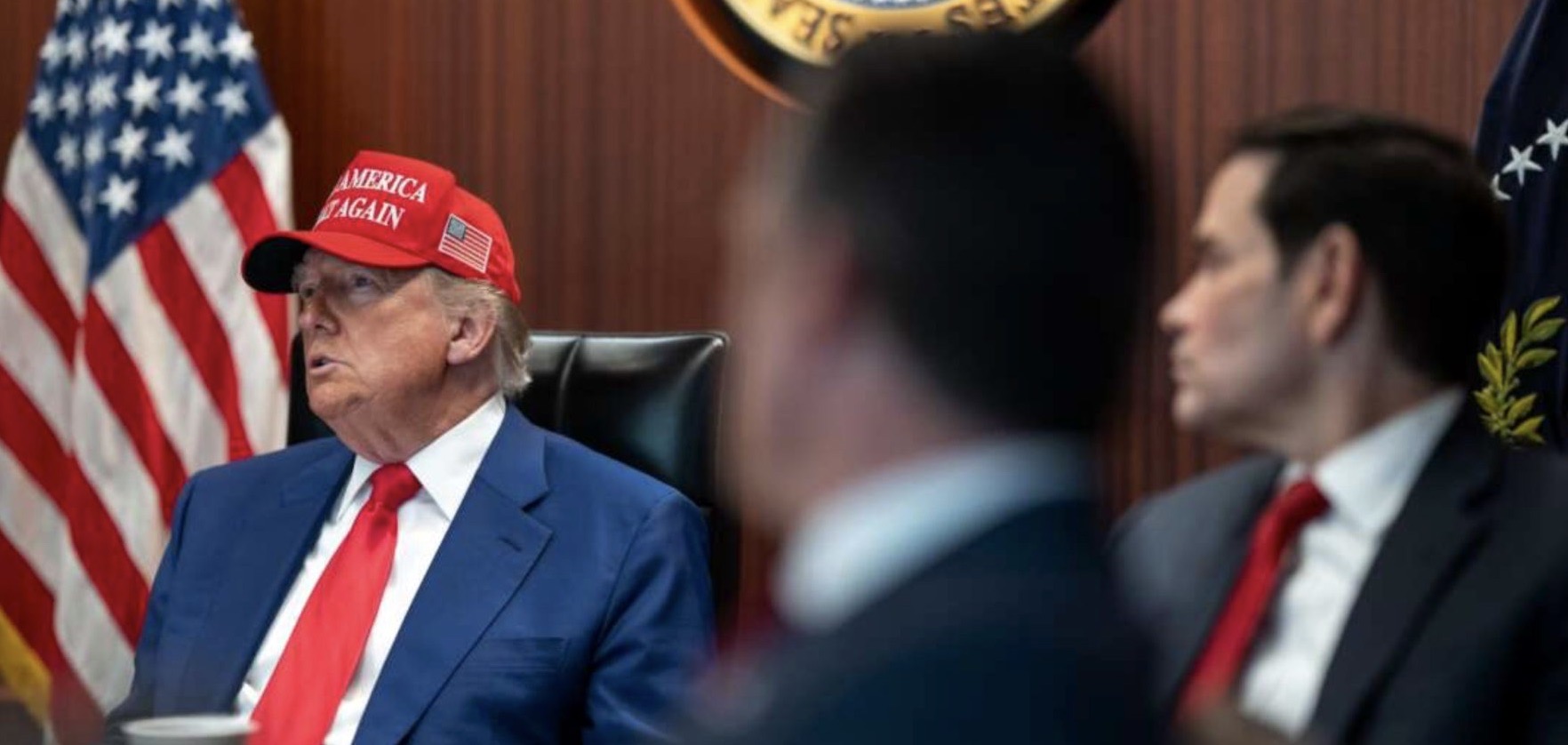 President Trump said Thursday that only the U.S. and China can retrieve enriched uranium from Iran’s buried nuclear sites, adding that the facilities were so badly damaged by strikes that recovering anything would be difficult.
“We attacked their nuclear sites and they were obliterated,” he told reporters in the Oval Office.
“It turned out that, you know, CNN was wrong. They said, ‘Well, maybe they weren’t hit that hard.’ They were hit so hard, nobody knows if you could even get it out,” he added.
Trump went on to argue that only the U.S. and China have the equipment capable of reaching it.
“But the only ones that have the capability of getting it out are us and China,” Trump said.
“We’re the only ones with that kind of equipment that’s powerful enough to go down that deep into a mountain, but that mountain crushed it.”
“That mountain literally collapsed on top of it.”
Referring to assessments by the International Atomic Energy Agency, or IAEA, he said the agency agreed.
“And now the atomic energy, as you know, has backed us up on that. They think it’s a very, very hard thing to get to, but we’ll get it anyway. But we’re the only ones — and China, I believe, does, too — that have the capability,” he said.
Day 972 — Thursday, June 4
 Defense Minister Israel Katz on Thursday praised the ceasefire agreement between Israel and the Lebanese government as a significant achievement.
“Members of the opposition need to apologize and acknowledge the major achievement so far in Lebanon,” he said, stressing that this is an achievement “both on the ground and on the diplomatic level.”
Katz credited the unprecedented talks between the two governments to “the bold and correct decisions led by the political echelon headed by Prime Minister Benjamin Netanyahu, the strength of the IDF’s activity in Lebanon led by the senior command echelon, and the courage and heroism of IDF commanders and soldiers in regular and reserve service who fought and are fighting with determination for the security of the residents of the north, while paying heavy and painful prices, and the resilience of the residents of the north, our wonderful brothers, under complex and difficult conditions in order to allow the IDF to carry out its missions.”
Katz also noted that Wednesday’s “declaration of principles between Israel and the Lebanese government in Washington,” which took place with US mediation and commitment “is an expression of the reality we have created in Lebanon so far.”
This declaration, he said, “includes an unequivocal declaration of the goal of disarming Hezbollah throughout Lebanon and condemnation of Iran’s involvement in Lebanon and the region; a ceasefire conditioned on the prior removal of Hezbollah terrorists from the entire area south of the Litani, and the creation of a demilitarized zone while the IDF continues at this stage its fire and its activity on the ground.”
It also includes “the IDF remaining in the security zone in Lebanon up to the yellow line, including the Beaufort area and without the return of the population, together with the continued thwarting of terrorist infrastructure on the ground; and freedom of action for Israel, with American backing, to strike in Beirut in response to fire at communities and Israeli territory.”
“This is a reality that may, depending on developments on the ground and our continued uncompromising insistence on the State of Israel’s interests, lead to a diplomatic peace agreement with the State of Lebanon, and above all to achieving real and permanent security for the residents of the north for the first time in 50 years. Everything of course depends on the determination and navigational ability of the political echelon and on the IDF’s ability to verify matters – we do not rely on any other party,” he added.
“While opposition figures babbled and attacked without understanding the new security reality in the region after October 7, and the new policy of protecting borders and communities being led by the government and the IDF, with the IDF separating between jihadist forces and Israeli communities and the Israeli border in Lebanon, Syria, and Gaza through security zones – we acted. We promised security to the residents of the north. That is what we did, and that is what we will do,” Katz concluded.
Day 972 — Thursday, June 4
 The United Nations Relief and Works Agency (UNRWA) says it is operating in Judea and Samaria (which it calls the West Bank) assisting 33,000 displaced Palestinian refugees.
UNRWA attributes the mass displacement of Palestinians primarily to what it terms ongoing Israel Defense Forces military operations, heavy bombardment, forced evacuation orders and “settler violence.”
Israel has often disputed the methodology and attribution behind U.N.-reported statistics.
In an email exchange with JNS, UNRWA’s media department says it has set up 12 temporary clinics to ensure continued access to healthcare and is distributing supplies and shelters to displaced families.
Furthermore, UNRWA says it has been working to ensure that the education of Palestinian children is not further disrupted, including by running remote learning programs.
However, some leading Israeli officials and experts on UNRWA question the legitimacy of the group’s activities.
Dr. Einat Wilf, who has written extensively on UNRWA’s perpetuation of the permanent “refugee problem,” told JNS there is zero reason for UNRWA to be operating in Judea and Samaria under the Palestinian Authority.
Wilf, who is the founder of the Oz Party, which is running in the upcoming Knesset elections, explained that the result is two parallel systems. On the one hand, she said, there is the P.A., which on paper is supposed to represent a constructive vision of Palestinian self-determination. On the other hand, you have UNRWA, which sustains a vision in which there should be no Jewish state.
She noted that hundreds of thousands of people living in Judea and Samaria, born in places such as Ramallah, are still defined as Palestinian refugees.
“That status is tied to the idea of a ‘right of return,’ which ultimately means erasing Israel. So UNRWA is not just providing services, it is maintaining that framework,” she argued.
She said UNRWA should not be in charge of schooling if that education is indoctrination. “It doesn’t matter that they provide services—the real question is what they are educating people for,” she said.
Wilf added that UNRWA paints a picture of ongoing hardship and need, emphasizing how poor and desperate Palestinians are. But according to this view, that narrative is being used to sustain a broader political struggle rather than resolve it.
“The continued demand for funding is tied to maintaining this framework, one that keeps the conflict ongoing and centered on opposition to the Jewish state, rather than moving toward a different outcome,” she said.
Israeli Deputy Foreign Minister Sharren Haskel, who was a co-sponsor of the Oct. 28, 2024, legislation banning UNRWA from operating within pre-1967 Israel (including Jerusalem) and severing all official ties with it, told JNS that UNRWA is not a humanitarian agency, but rather a terrorist organization wearing a humanitarian mask. The law took effect on Jan. 30, 2025.
Haskel called UNRWA’s ongoing operations in Judea and Samaria “destructive and malicious,” proving that it has zero interest in solving the problems of the Palestinians, but rather in perpetuating them.
“For years, it has actively covered up terrorist activities, while shielding and abetting terror. This organization has long outlived its relevance, and its mandate should have expired decades ago,” she said.
Haskel added that every civilized nation should immediately follow suit in banning cooperation with the organization.
Under humanitarian guise
Likud MK Dan Illouz, who co-sponsored the 2024 legislation, told JNS that instead of providing aid, UNRWA’s true mission has always been to perpetuate the conflict, eternalize refugee status and incite hatred of Israel.
“We have exposed the truth about UNRWA and its deep ties to terror. … The era of Israel tolerating a terror-linked entity inside our borders under a humanitarian guise is officially over,” Illouz said.
David Bedein, director of the Nahum Bedein Center for Near East Policy Research, who has produced video features and films on UNRWA and its school system since 1987, told JNS that, despite assurances from the ambassadors of the European Union that the current P.A./UNRWA curriculum would be vetted by the U.N. Educational, Scientific and Cultural Organization (UNESCO), this did not happen.
According to Bedein, P.A. leader Mahmoud Abbas publicly claimed that a delegation had been sent to UNESCO to review the curriculum. Bedein said that UNESCO later confirmed that no such delegation ever arrived.
He notes that UNRWA has not been able to provide donor countries with an accounting for more than $1 billion in donations, other than stating that 58% is allocated to “education.”
After 38 years of monitoring UNRWA, Bedein said: “The pattern is that funds from donor nations effectively disappear from clear accountability.”
On May 28, The Washington Free Beacon reported that a U.S. federal investigation into UNRWA staff will soon encompass at least 1,500 UNRWA-linked individuals suspected of terror ties. The media outlet says the U.S. could soon designate the group as a Foreign Terrorist Organization (FTO).
At the same time, JNS reported last week that more than 90 House members of the U.S. Congress, led by Rep. Mike Lawler (R-N.Y.), urged President Donald Trump to dismantle UNRWA entirely, citing longstanding allegations tying the agency to Hamas and other terrorist groups.
Day 971 — Wednesday, June 3
 Danny Danon, Israeli ambassador to the United Nations, said on Monday that the Jewish state had “no choice” but to defend against Hezbollah attacks, as the U.N. Security Council urged de-escalation on both sides to avoid the conflict spiraling further.
The Israeli envoy spoke at an emergency session, which France called after Israeli troops pushed deeper into Lebanese territory to try to thwart Hezbollah, the Iran-backed terror proxy that controls the southern part of the country.
Hezbollah has expanded its rocket, drone and missile attacks into Israel, as Jerusalem negotiates with the government in Beirut over a disarmament of Hezbollah and a longer-term peace between the two countries.
U.S. President Donald Trump said on Monday that Israel and Hezbollah agreed not to attack each other further and that Israeli troops would not march on to Beirut.
Israeli Prime Minister Benjamin Netanyahu said that he told Trump that Israel would strike Hezbollah targets in Beirut if the terror group’s attacks continue. On Sunday, Israeli forces moved deeper into southern Lebanon, capturing Beaufort Castle, which housed Israeli army headquarters from 1982 to 2000 during the long-running war between the two nations.
Hezbollah joined Iran in early March in Tehran’s war with the United States and Israel. Despite pledges by the Lebanese government, it appears unable or unwilling to disarm Hezbollah.
Israel “did not wake up one morning and decide to enter Lebanon,” Danon told the council. It “had no choice,” as Hezbollah has increased its fire on Israel’s northern communities despite a ceasefire in place, Danon said.
Danon asked the French delegate what would happen if Spain attacked his country.
“Would you wait until the drones were buzzing over Paris?” Danon asked.
France, China, Russia and the United Kingdom criticized Israel harshly on Monday. The United States was the only permanent member of the council to stand behind the Jewish state.
Jérôme Bonnafont, the French envoy to the global body, told the council that Israel was making “a major strategic mistake” in Lebanon.
Israel had a right to defend itself against Hezbollah, but “nothing can justify the continuation and scale of its military operations in Lebanon,” Bonnafont said.
James Kariuki, the United Kingdom’s deputy ambassador to the United Nations, called the Israel Defense Forces’ activities a “reckless and disproportionate escalation” that put the Lebanese government “under further strain.”
Mike Waltz, U.S. ambassador to the United Nations, stressed Trump’s direct stewardship of diplomatic efforts to extend the Israel-Lebanon ceasefire.
He praised the Lebanese government for “demonstrating real courage and leadership,” as it tries to regain sovereignty in the south from “a terrorist organization that answers to Tehran.”
Noting that Hezbollah promised to cease its attacks, Waltz said that Iran must stop using Lebanon as “a forward operating base.”
The Iranian regime has insisted that any agreement with the United States to bring an end to the war must include an Israeli commitment to a permanent ceasefire with Hezbollah.
Day 971 — Wednesday, June 3
 Israeli Foreign Minister Gideon Sa’ar inaugurated Israel’s new embassy in Fiji on Tuesday, marking a significant expansion of diplomatic ties between the two countries following Fiji’s decision to open an embassy in Jerusalem in September 2025.
The move is particularly significant because Fiji became just the seventh country to establish an embassy in Jerusalem, a step Israel has long encouraged as part of its efforts to gain broader international recognition of the city as its capital.
The reopening of Israel’s embassy in Suva also comes as Jerusalem seeks to expand its diplomatic footprint in the Pacific region and deepen ties with countries that have supported Israel in international forums.
Israel has maintained diplomatic relations with Fiji since 1970 and operated an embassy in Suva for several years before it was closed in the mid-1990s due to budget cuts at Israel’s Ministry of Foreign Affairs.
The new mission restores a diplomatic presence that had been absent for nearly three decades.
Speaking at the ceremony in Suva, Sa’ar said, “This is a historic day. Today’s move is a clear expression of our intent to deepen our friendship with Fiji and Pacific Island Countries.”
Sa’ar also highlighted the religious and cultural bonds between the two countries. Fiji is a majority Protestant Christian nation.
He praised Fiji’s decision to open an embassy in Jerusalem, saying, “Your bold decision reflects your friendship, moral leadership and deep connection to the Holy Land….you laid a stone in the ancient walls of Jerusalem. In the living history of Jerusalem. The Jewish people are a nation that remembers and we will never forget it.”
He also quoted a passage from the Book of Genesis where God speaks to Abraham and says, “‘I will bless those who bless you … And all the families of the earth shall bless themselves by you.’
“Prime Minister, you and the great people of Fiji are blessed and will be blessed.”
Day 970 — Tuesday, June 2
 The Iranian-backed Hezbollah terrorist organization continued to launch rockets and drones overnight on Monday, the Israel Defense Forces said, hours after U.S. President Donald Trump announced an end to hostilities.
Overnight, sirens sounded across the Galilee and Golan Heights after projectiles were fired from Lebanon. The IDF said two launches crossed into Israeli territory and were intercepted, with no casualties reported. Additional alerts were triggered in the western Galilee over a suspected drone infiltration; the IDF said a “suspicious aerial target” fell near the border and that there were no injuries.
Air-raid sirens were also activated in the eastern Galilee town of Metula after a Hezbollah rocket struck near IDF soldiers operating in Southern Lebanon, the military said. No injuries were reported.
Attacks continued on Tuesday morning, with the Israeli military confirming that “a suspicious aerial target was identified in the area in which IDF soldiers are operating in Southern Lebanon.”
“The incident has concluded. No injuries were reported,” the IDF stated.
Hezbollah’s attacks resumed some three hours after Trump announced he had spoken with “representatives of the leaders” of the terror group, who he said agreed to stop firing on the Jewish state and its troops.
“Likewise, Israel agreed to stop shooting at them,” Trump wrote in a post on his Truth Social platform.
During a phone call with Israeli Prime Minister Benjamin Netanyahu, Trump asked him “not to carry out a major raid on Beirut, Lebanon,” the president added. “He turned his troops around. Thank you Bibi.”
Netanyahu subsequently stated that he told Trump “that if Hezbollah does not stop firing at our cities and citizens, Israel will strike terrorist targets in Beirut.”
Israel’s position on this remains unchanged, Netanyahu’s office said in response to Washington’s announcement. “Concurrently, the IDF will continue to operate as planned in Southern Lebanon.”
Hezbollah renewed its rocket and drone attacks on Israel on March 2, following the targeted killing of Iranian Supreme Leader Ali Khamenei on the first day of “Operation Roaring Lion” on Feb. 28.
In response, Israel launched a broad aerial campaign against Hezbollah targets and expanded military operations in Southern Lebanon aimed at preventing cross-border attacks on Israeli communities.
Netanyahu on April 26 accused Hezbollah of “essentially disintegrating” the fragile ceasefire with Lebanon, which was extended for another 45 days last month.
“Therefore, as far as we are concerned, what obligates us is the security of Israel, the security of our soldiers, and the security of our communities,” the prime minister said. “We are acting vigorously according to the rules we agreed upon with the United States, and incidentally, with Lebanon as well.”
Iranian Foreign Minister Abbas Araghchi warned on Monday afternoon that the U.S. and Israel would be held responsible for “any violation” of the separate ceasefire with Tehran, which he claimed included Lebanon.
“Its violation on one front is a violation of the ceasefire on all fronts,” Araghchi threatened. “The U.S. and Israel are responsible for the consequences of any violation.”
Trump told ABC News following his talks with Netanyahu and Hezbollah that he believes there will be a deal with Iran to extend the truce and reopen the Strait of Hormuz “over the next week.”
“There was a little glitch today, but I turned that one around very quickly, as you probably noticed earlier,” Trump said of the Lebanon issue.
“So, I spoke with Hezbollah, and I said no shooting, and I talked to Bibi and said, no shooting, and they both stopped shooting each other,” he told ABC News.
U.S. and Israeli officials have maintained that the truce with the Islamic Republic does not apply to IDF operations against Hezbollah in Lebanon.
Day 970 — Tuesday, June 2
 The French government barred Israel’s official participation in the June EUROSATORY defense exhibition, according to a Monday statement by the Israeli Defense Ministry, with its French counterpart saying that Israel was limited to defensive platforms.
The Israeli government and the ministry will be unable to participate in the exhibition or establish a national pavilion. Israeli defense firms would be prevented from displaying offensive weapon systems.
The French Defense Ministry said that exhibits would be limited to air defense and anti-missile defense equipment, and that Israeli exhibitors would be able to display their wares if they complied with that framework.
“The French decision encompasses: a ban on government representatives attending the exhibition; a ban on opening an Israeli national pavilion; and a restriction limiting Israeli defense industries to displaying air defense products only, with offensive systems explicitly excluded,” said a statement by the Israel Ministry of Defense.
“This policy is applied selectively and discriminatorily relative to other participating nations – in direct violation of the established norms governing international defense exhibition,” it added.
Participating companies confirm their attendance months in advance and despite the ban on the Israeli government and offensive weapons, many Israeli companies are expected to have their own smaller private desks to present their systems. Defense & Tech by The Jerusalem Post understands that among the Israeli companies still planning to attend with their original lineups including Elbit Systems, Rafael Advanced Defense Systems. Dozens of Israeli companies acquired by the American defense conglomerate Ondas will also participate at the expo.
According to the French ministry, EuroSatory organizers have been informed of the decision and are expected to enforce the restrictions.
The Israeli Defense Ministry decried the restrictions at one of the world’s largest defense industry exhibitions as a selectively applied and discriminatory policy, “in direct violation of the established norms governing international defense exhibition,’ said the ministry.”
“This is a disgraceful decision, one that reeks of political and commercial calculation, and regrettably, it comes as no surprise. It fits a deeply troubling pattern in French conduct in recent years – a pattern that has consistently placed France on the wrong side of history,” said the ministry. “France, which prides itself on the values of liberty and democracy, is acting in direct contradiction to the principles it claims to uphold. It is hiding behind a pretense of political justification to exclude Israeli offensive defense systems from an international forum – systems that have proven far superior to their French counterparts, and that have demonstrated exceptional precision and effectiveness against terrorist organizations and regimes threatening not only Israel, but regional and global stability at large.”
Day 969 — Monday, June 1
 Iranian President Masoud Pezeshkian has submitted a letter of resignation to the Office of the Supreme Leader, according to reports.
Citing a source, Iran International reported Sunday that the letter stated the president and his government had been excluded from major decision-making in Iran.
The report also said the ensuing vacuum had allowed hard-line factions within the Islamic Revolutionary Guard Corps (IRGC) to take control of key affairs.
In the letter, Pezeshkian reportedly wrote that, under such circumstances, he is unable to govern effectively or fulfill his legal responsibilities and, for that reason, requested to step down immediately.
The outlet said it was unclear whether Supreme Leader Mojtaba Khamenei’s office would accept Pezeshkian’s resignation.
On Sunday, President Donald Trump described Iranian officials as “very tough negotiators” and emphasized that the United States is taking a patient approach to securing a broader agreement during an interview with Lara Trump.
In April, Trump also said the regime was “seriously fractured,” citing the country’s internal divisions as one reason for extending the ceasefire indefinitely one day before the previous agreement was set to expire.
Day 969 — Monday, June 1
 The Centre for Israel and Jewish Affairs is urging Prime Minister Mark Carney to use his upcoming national address on antisemitism to signal a tougher government response to what it calls the “unprecedented” crisis facing Jewish Canadians.
In a statement issued on Sunday, CIJA CEO Noah Shack said antisemitic hatred and violence have surged since the Hamas-led Oct. 7, 2023, attacks, citing violent assaults, terrorist plots and shootings and firebombings targeting synagogues, schools, businesses and community centers.
He said Canada’s national security and “way of life” are at risk and called for stricter enforcement of existing laws, action against radicalization and terrorist entities operating in Canada, and “vocal and unequivocal leadership” from all levels of government.
Shack said federal steps to bolster security and introduce new anti-hate measures are welcome but insufficient, urging Carney to make Monday’s address a call to action by governments, law enforcement, public institutions and Canadians “from all walks of life.”
Day 968 — Sunday, May 31
 War Secretary Pete Hegseth said Saturday that President Trump remains “laser-focused” on securing what he described as a “great deal” with Iran, while warning that Tehran could face renewed U.S. military action if negotiations collapse.
“They can either do this now through a deal, and we think we’re in a good place to make that deal, or they can deal with the War Department,” Hegseth told reporters in Singapore during a press availability following the Shangri-La Dialogue security summit.
“We are prepared — we’re postured even stronger today than we were on day one — to address it that way if we have to, but he’d prefer not to,” Hegseth added, referring to Trump’s preference for a diplomatic resolution.
The remarks came one day after President Trump convened a roughly two-hour Situation Room meeting with senior advisers regarding a proposed framework agreement with Iran that would reportedly extend the fragile ceasefire, reopen the Strait of Hormuz, and establish a 60-day negotiating window for additional talks over Tehran’s nuclear program and other unresolved disputes.
Despite Trump stating beforehand that he would make a “final determination” regarding a possible agreement, no formal decision was announced following Friday’s meeting. White House officials later stressed that Trump would only support a deal that satisfies his “red lines,” including permanently preventing Iran from obtaining a nuclear weapon.
Speaking before departing Singapore, Hegseth repeatedly stressed that Trump remains committed to diplomacy but only if Tehran agrees to terms Washington considers enforceable and lasting.
“Any deal that the president is willing to make, he’s only going to make it if he believes it’s a great deal for our country and the security of the world,” Hegseth said.
“And only one president was willing to lay it out on the line and ensure after 47 years that Iran is not capable of having a nuclear weapon,” he continued, adding that Trump’s “goalposts haven’t shifted at all.”
Hegseth also suggested the administration believes Tehran is moving closer to Washington’s demands even as the United States continues maintaining its military and economic pressure campaign against the Islamic Republic.
“Iran knows very, very clearly what our expectations are, and that’s on the negotiating team to deliver,” Hegseth said.
“They’re coming in our direction. The talks have been productive. I think they know where it needs to go.”
The Pentagon chief separately stressed the United States retains overwhelming military capability should negotiations collapse.
“Our ability to recommence if necessary is that we are more than capable,” Hegseth said, adding U.S. stockpiles are “more than suited” for renewed operations both in the Middle East and globally.
The remarks came as tensions remained elevated around the Strait of Hormuz despite ongoing negotiations. Oman’s Maritime Security Centre issued a warning Saturday after a suspected floating naval mine was detected in the strategic waterway, urging vessels to exercise “utmost caution.”
The alert came after CENTCOM warned vessels involved in mine-laying activity in and around the Strait of Hormuz could face U.S. military action amid ongoing efforts to secure and maintain safe maritime transit through the strategic waterway.
Iranian lawmakers meanwhile reportedly discussed legislation aimed at formalizing Tehran’s “sovereignty” claims over the critical shipping corridor — a position directly at odds with the Trump administration’s insistence that the waterway remain open to unrestricted global shipping.
Hegseth also clarified Saturday that the U.S. naval blockade tied to the conflict remains active while negotiations over reopening the Strait continue.
“The blockade is very much still in place,” Hegseth said, later adding that the Strait would ultimately become “an open strait, a toll-free strait that the entire world can use.”
President Trump made clear once again Friday that any final agreement with Tehran must include the immediate reopening of the Strait of Hormuz to unrestricted global shipping, the removal of remaining Iranian naval mines, and a permanent end to the Islamic Republic’s nuclear weapons ambitions.
“Iran must agree that they will never have a Nuclear Weapon or Bomb,” Trump wrote Friday on Truth Social.
Iranian officials, however, continued publicly pushing back against the administration’s characterization of the negotiations while signaling skepticism toward Washington’s demands.
Iranian Foreign Ministry spokesman Esmail Baghaei said Friday that Tehran remains “focused on the end of the war” and is “not discussing the details of the nuclear plan at this point.”
Iranian Parliament Speaker Mohammad Bagher Qalibaf likewise rejected U.S. guarantees, warning that Tehran has “no trust in guarantees or words — only actions are the measure.”
Day 967 — Saturday, May 30
 Israeli and Lebanese military delegations opened Pentagon-mediated talks Friday morning in Washington, launching a new U.S.-brokered security coordination track aimed at preventing renewed escalation along the Israel–Lebanon border and shoring up a fragile ceasefire reached in mid-April.
A State Department official told Fox News Digital that, “As we have continuously stated, the only path to lasting peace is through direct negotiations between the two sovereign governments.“
The discussions mark a shift from diplomatic negotiations into direct military coordination, with talks expected to focus on ceasefire enforcement, border stability, Israeli withdrawal from parts of southern Lebanon and the role of the Lebanese Armed Forces in containing Hezbollah.
The talks come weeks after a U.S.-brokered ceasefire first reached during the broader regional conflict tied to the U.S.–Iran war. While large-scale fighting has eased, Israeli forces continue operating inside parts of southern Lebanon and Hezbollah maintains drone and rocket capabilities, keeping tensions high along the border.
The ceasefire was extended on May 15 for another 45 days, creating pressure on both sides to show progress before the current arrangement expires.
But analysts say the central question overshadowing the talks is whether Lebanon can realistically curb Hezbollah’s military power without risking internal collapse.
“This will be the first meeting between representatives of the militaries since the start of the negotiation process between Lebanon and Israel,” Ahmed Sharawi, a research analyst at the Foundation for Defense of Democracies think tank, told Fox News Digital.
Representing Lebanon in the talks is Lebanese Armed Forces (LAF) commander Gen. Rodolphe Haykal, who previously served as commander of the Lebanese Armed Forces in southern Lebanon, an area where Hezbollah maintains a strong presence. Hezbollah is the Iran-backed Lebanese terrorist organization designated by the United States as a foreign terrorist organization.
“What we should expect is talks regarding de-confliction and what the expectations are for the LAF in terms of the broader disarmament plan against Hezbollah’s weapons,” he said.
Sharawi said the chances of a broader breakthrough remain limited so long as Hezbollah remains heavily armed and politically entrenched inside Lebanon.
“The biggest obstacle here is that the Lebanese state is yet to present a feasible plan to disarm Hezbollah,” he said.
He pointed to the terms of the November 2024 ceasefire agreement, which placed responsibility for disarming Hezbollah on the Lebanese state.
“We are yet to see the confiscation of one single bullet from Hezbollah,” Sharawi said.
He also warned that Hezbollah’s deep support among Lebanon’s Shiite population complicates any attempt to move toward normalization with Israel.
“There’s a fear of a civil war,” he said. “That also accounts for the Lebanese state’s unwillingness to disarm Hezbollah.“
The talks opened as Prime Minister Benjamin Netanyahu signaled Israel intends to maintain military pressure on Hezbollah despite the negotiations.
Sharawi argued the Trump administration nevertheless appears determined to push the process forward as part of a broader effort to weaken Iranian influence in the region.
“The reason behind these meetings is that President Trump is really trying to push for a peace agreement between Israel and Lebanon,” he said. “Peace between these two countries could really undermine Hezbollah and its influence in Lebanon.“
Day 966 — Friday, May 29
 IDF Spokesman Brig. Gen. Effie Defrin expounded on Israel’s goals for the northern front on Thursday following a targeted strike carried out by the Israel Defense Forces in Beirut, the first such strike in more than three weeks.
“As we speak, IDF soldiers—conscripts, career personnel and reservists—are targeting Hezbollah across all its operating systems. Our troops are acting courageously and achieving many successes. The Air Force is operating nonstop, striking Hezbollah in Lebanon. In the past 24 hours alone, we struck in Tyre, Beirut and Southern Lebanon in significant support of operating ground forces,” Defrin said.
“Our goal is clear—to defend the communities of the north, to push the terrorist threat away, and to severely weaken Hezbollah,” he said.
Israel is eliminating dozens of members of the Iranian-proxy each week. Since the beginning of the ceasefire on April 16, Israel has killed more than 800 terrorists in Lebanon. That is in addition to more than 2,500 terrorists killed there since the start of “Operation Roaring Lion” on Feb. 28.
According to the terms of the ceasefire, “Israel retains the right to act in self-defense against imminent or ongoing threats, while refraining from offensive military operations in Lebanon.”
Israel has eliminated one-third of the roughly 30,000 terrorists in Hezbollah’s ranks, Defrin said. In recent days, Israel significantly damaged Hezbollah’s command and control capabilities, hitting top commanders, he added.
Strikes have intensified on the orders of IDF Chief of Staff Lt. Gen. Eyal Zamir. As soldiers systematically dismantle the terrorist group, Hezbollah has become “desperate,” Defrin said.
The IDF spokesman also referred to the death of IDF Staff Sgt. Rotem Yanai, 20, from Giv’at Ada. She served as a service conditions noncommissioned officer in the 435th Battalion of the Givati Infantry Brigade.
“A welfare NCO in the Givati Brigade, Rotem worked on behalf of the soldiers out of deep love for our country and belief in the justice of her service. I share in the family’s grief. We stand together with them in this difficult time,” Defrin said.
Yanai was killed when a Hezbollah drone launched from Lebanon hit soldiers in a military zone near the border. Families of soldiers serving in the base where she was killed had previously complained, having sent a letter two months ago questioning the placement of noncombat soldiers so close to the Lebanese front where they were at risk of drone attack, according to reports.
“We are constantly formulating responses to the drone threat. The best minds in the IDF and outside the IDF are engaged in this effort and working tirelessly. We are focusing on three main efforts—detection, intended to provide early warning to our soldiers; improving interception capabilities; and protecting soldiers on the ground,” Defrin said.
“We will not relent, in any arena, near or far. The IDF remains vigilant and is prepared to return to intense combat against the Iranian terror regime if required. We will continue operating everywhere in order to ensure the security of the civilians and soldiers of the State of Israel. This is our duty.”
Israel and Lebanon agreed to a 10-day ceasefire mediated by the United States on April 16. On April 24, U.S. President Donald Trump announced the ceasefire would be extended for three weeks.
On April 26, Israeli Prime Minister Benjamin Netanyahu said Hezbollah had effectively destroyed the truce. However, it was extended for another 45 days earlier this month.
Day 966 — Friday, May 29
 Security preparations for this weekend’s Israel Day Parade would be “the most extensive” that the NYPD has ever put together, NYPD Commissioner Jessica Tisch announced Thursday.
“To be blunt, we are not messing around with security at this year’s parade,” Tisch said as she was flanked by Mayor Zohran Mamdani at NYPD headquarters. “The NYPD has one of the most robust municipal counterterrorism capabilities of any city in the world, and I am bringing all of that to bear for this year’s parade.”
Mamdani, meanwhile, reiterated his decision to skip the annual parade on Thursday, even as he faced fresh criticism for the decision.
Day 966 — Friday, May 29
 Two U.S. officials told Fox News on Thursday that no American assets were shot down by Iran, pushing back on Iranian state media reports claiming a U.S. aircraft had been downed.
“Not true,” one U.S. official told Fox News when asked about the report.
The denial comes amid heightened tensions between Washington and Tehran following recent drone interceptions near the Strait of Hormuz and ongoing negotiations over Iran’s nuclear program.
Day 965 — Thursday, May 28
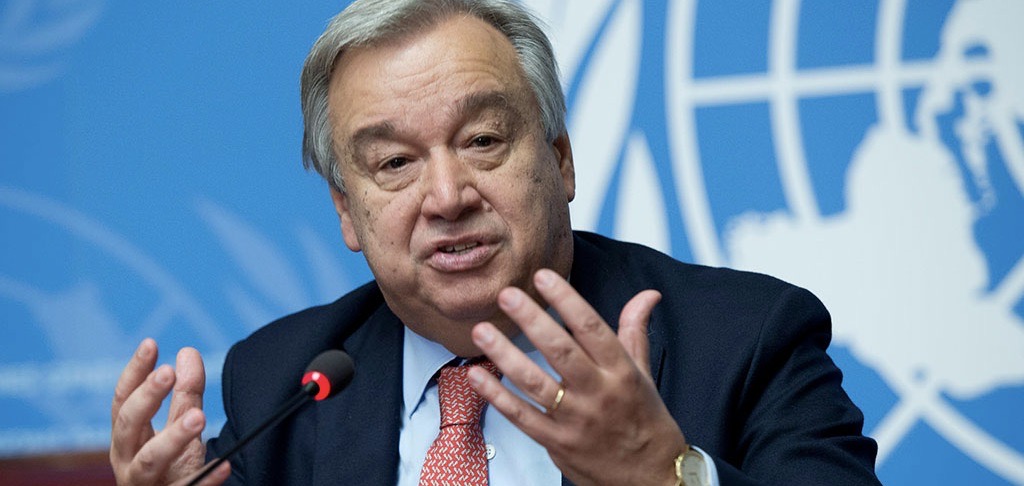 The United Nations has added Israeli entities to a blacklist of countries that commit sexual violence in conflict zones – a list which includes Hamas and other terror organizations.
The Israeli Prison Service will be included on the 2026 list, along with other Israeli authorities that have entered a monitoring framework for the possibility of future inclusion.
A country or armed group remains on the UN Secretary-General’s list for a minimum of one year. Hamas was added in August 2025.
This development follows reports by the UN Secretary-General’s representative on sexual violence in conflict, Pramila Patten, which determined that there were reasonable grounds for Hamas to have committed acts of rape and sexual violence during the October 7 massacre and during the hostages’ captivity in Gaza.
Israel claims that following Hamas’ inclusion, heavy pressure was exerted on the UN Secretary-General to include Israel on the list as well.
In fact, in August 2025, UN Secretary-General António Guterres placed Israel “on notice” for potential inclusion in the UN’s formal blacklist of parties “credibly” suspected of committing patterns of sexual violence in armed conflict, citing “significant concerns” regarding alleged patterns of abuse, claims that Israel denies.
Over the past year, several meetings have taken place between Israeli Ambassador to the UN Danny Danon and his delegation and representatives of the Secretary-General and his team.
Israel provided documents, data, and a detailed response to all the claims raised in the reports and drafts that were forwarded to Israel. In addition, Israel invited UN personnel to visit the country and sites of atrocities and closely examine the false claims.
Nevertheless, despite the information provided, the UN Secretary-General has chosen to include Israel on the list.
Israel has reactively announced the freezing of relations with the UN Secretary-General’s Office and the cancellation of Pramila Patten’s planned visit to Israel.
Israel made it clear that it would not maintain contact with the UN Secretary-General’s Office as long as Guterres heads the organization.
“The UN Secretary-General has put Israel on the same blacklist as Hamas, ISIS, and the most depraved terrorist organizations in the world,” Israeli Ambassador to the UN, Danny Danon, told the Post. “This is a moral disgrace and a complete collapse of any credibility left to the UN.”
Danon explained that Israel cooperated with the UN, provided information, and acted with full transparency.
He said the UN Secretary-General chose to ignore the facts and “continue the campaign of incitement and lies against Israel.”
Day 965 — Thursday, May 28
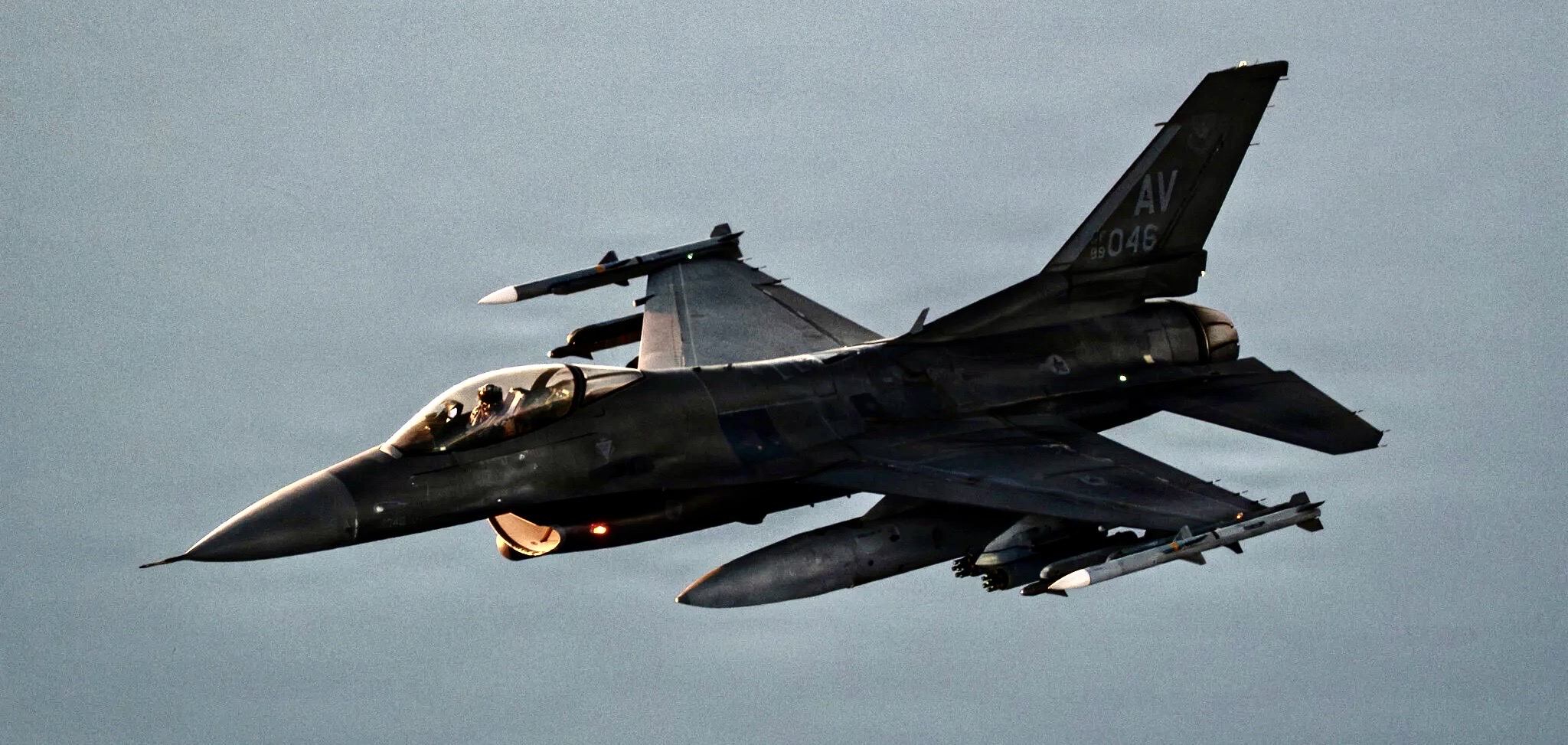 The United States struck southern Iran on Thursday, drawing retaliation from Tehran against a US military base, in the most serious clashes since an April ceasefire began.
The fighting, which drew in US ally Kuwait, threatened to jettison a fragile diplomatic push to forge a peace agreement and reopen the Strait of Hormuz, which has become a key point of contention in efforts to formally end the war.
The fresh fighting appeared to begin when Iranian forces fired at four ships attempting to cross the strait, state broadcaster IRIB reported on Thursday.
“Four vessels attempted to cross the Strait of Hormuz and enter the Persian Gulf without coordination with the security forces,” IRIB posted on Telegram, saying the incident took place at around 12:35 a.m. local time. It did not provide details on the ships.
“They were warned, but after they ignored the warning, warning shots were fired at them, forcing them to return,” the broadcaster added.
US forces launched strikes that hit a ground control station in the southern port area of Bandar Abbas, a US official, speaking on condition of anonymity, told AFP.
According to Reuters [and Fox News], the military also shot down four Iranian attack drones and hit the station before a fifth could launch.
“These actions were measured, purely defensive and intended to maintain the ceasefire,” the official said.
Three explosions were heard east of Bandar Abbas at around 1:30 a.m. local time, Iranian media reported early on Thursday, adding that air defenses were activated for several minutes and that authorities were following up to determine the origin of the sounds.
The attack prompted a swift response by Iran. A Guards spokesperson, quoted by IRIB, said it “targeted” the American base that the attack on Bandar Abbas was launched from at 4:50 a.m.
The Guards did not provide details on the location of the base, though Kuwait’s military said its air defenses responded to an “enemy” attack on Thursday.
Kuwait’s army said air defenses were deployed against missile and drone threats, without specifying their origin. It said explosions heard in the country were from interceptions.
Kuwait repeatedly came under fire from Iran and Iranian-backed Shiite militias in Iraq during the war.
The exchange of fire was the second flare-up in fighting this week. US forces on Monday attacked missile sites in southern Iran and boats trying to lay mines, describing the moves as defensive.
Day 964 — Wednesday, May 27
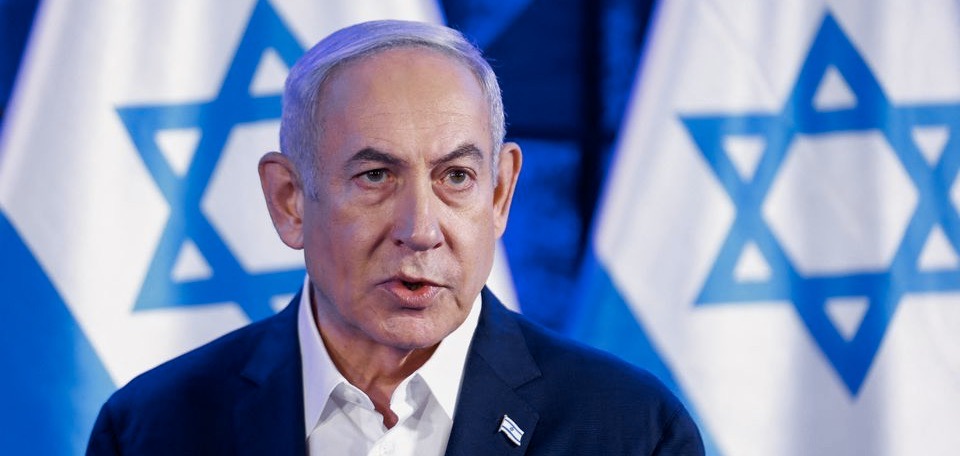 Israeli Prime Minister Benjamin Netanyahu announced on Tuesday night that he had ordered the Israel Defense Forces to expand ground operations against Iranian-backed Hezbollah terrorists in Lebanon.
“The IDF is operating with large forces on the ground and seizing dominant terrain. We are fortifying the security zone to protect the communities of the north,” the premier said, according to a readout of remarks delivered at a Security Cabinet meeting.
“Concurrently, we are leading a massive national effort to advance creative and innovative solutions against explosive drones,” Netanyahu continued. “We back and praise our heroic commanders and soldiers. They are deep in the field. We trust you!”
The announcement came hours after Netanyahu convened Defense Minister Israel Katz and IDF Chief of Staff Lt. Gen. Eyal Zamir for a security assessment at the Kirya military headquarters in Tel Aviv.
In a separate statement on Tuesday night, Netanyahu said the IDF had eliminated some 2,500 Hezbollah terrorists since the terror organization joined the war on Iran’s behalf on March 2.
The prime minister noted that since the U.S.-brokered ceasefire with Lebanon took effect on April 17, the military has eliminated 700 Hezbollah operatives in defensive operations, adding that fewer terrorists were killed during the entire Second Lebanon War in 2006.
“Against Hezbollah, we have not stopped fighting for a moment, and more action is yet to come, until the full security of Israel’s citizens is ensured,” said the premier.
Day 964 — Wednesday, May 27
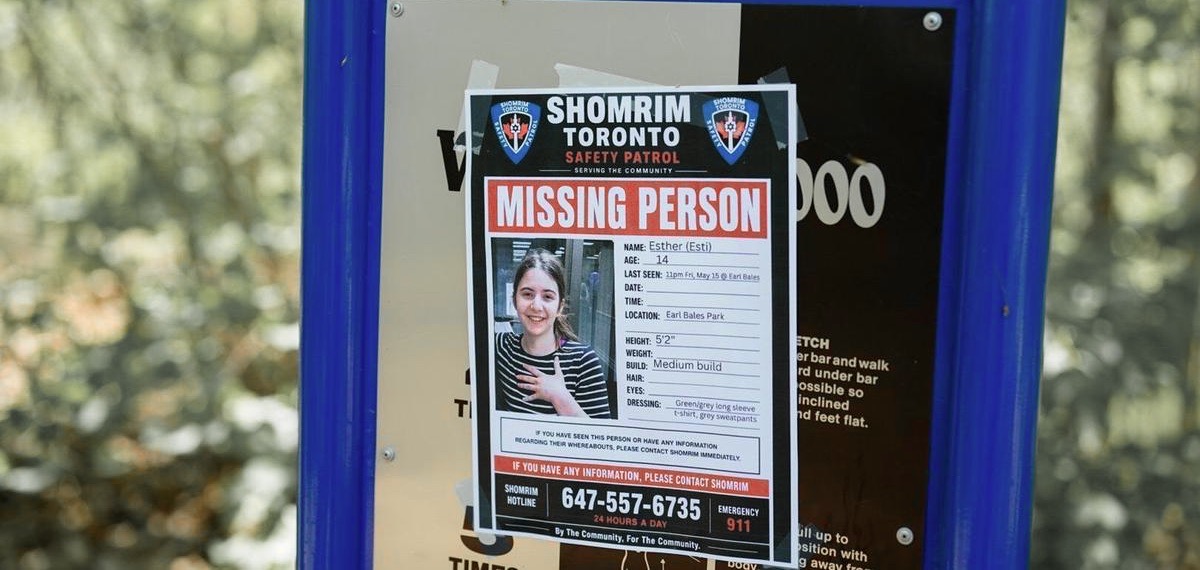 Posters for a Toronto Jewish teenager missing for 11 days have repeatedly been torn down, according to a spokesperson for the family, as volunteers desperate for her safe return have offered a $25,000 reward for vital information.
Esther, who may also go by Esti or Sylvia, has been missing since last Friday, prompting the mobilization of community members, volunteers, and the Toronto Police Service.
Thousands of volunteers have distributed and posted missing-persons posters in the hope that they may prompt recognition from someone who saw her, according to family spokesperson Maureen Leshem, yet those volunteers have been disturbed by the “cruel” repeated and immediate tearing down of the flyers.
“When a family is desperately trying to find their child, this kind of behavior should concern every person in our city. Helping bring a missing child home safely should never be political or controversial. Tearing down posters of a missing girl goes against the compassion, decency, and humanity Canadians pride themselves on,” Leshem said in a statement.
“Right now, the only focus should be on finding Esti. Instead, volunteers who have spent days and nights searching, postering, and raising awareness are watching those efforts deliberately undermined,” continued Leshem.
Family members and supporters have been concerned that the vandalization of the missing persons posters may be motivated by antisemitism, given a rash of antisemitic incidents in Canada and the Greater Toronto Area since the October 7 Massacre.
“This is not about politics,” said Leshem. “This is about a missing 14-year-old girl and a family desperately trying to bring their daughter home.”
Day 964 — Wednesday, May 27
 A major clash is brewing ahead of the 2026 World Cup on American soil as soccer’s unelected global governing body faces aggressive legal action for effectively bending the knee to the Iranian regime.
According to reports, FIFA plans to ban the “Lion and Sun” flag inside tournament stadiums. The green, white, and red tricolor served as Iran’s national flag before the 1979 Islamic Revolution.
While the cruel, anti-American dictatorship in Tehran banned the symbol decades ago, it stands as a symbol of freedom and heated opposition to the Ayatollah’s tyranny for millions of dissidents worldwide.
FIFA defended the restriction by pointing to its stringent Stadium Code of Conduct, which outlaws objects deemed political or offensive in the name of neutrality.
However, critics are blasting the organization for a brazen double standard, noting that FIFA’s guidelines explicitly allow the Palestinian flag to be flown without restriction.
The Institute for Voices of Liberty, a U.S.-based nonprofit represented by attorney Shahrokh Mokhtarzadeh, is spearheading a legal challenge, arguing that enforcing a foreign entity’s speech police tactics inside the United States directly violates our sacred First Amendment protections.
After FIFA arrogantly ignored a strict three-day legal warning to reverse the policy, attorneys announced plans to file a lawsuit in either California Superior Court or U.S. District Court to block the restrictions before kickoff.
Iran is scheduled to open group-stage play against New Zealand on June 15 at SoFi Stadium in Inglewood, California, where tens of thousands of freedom-loving Iranian-American patriots are expected in the stands.
Day 964 — Wednesday, May 27
 New York lawmakers rolled a proposal for a 50-foot “buffer zone” around Jewish day schools and community centers into the state budget on Tuesday.
Sam Sutton, a Democratic state senator who is Jewish, stated that “after the horrific incident outside Park East Synagogue, I became the first legislator to introduce this proposal.”
“Today, buffer zone protections were included in the final state budget,” he said.
Noam Abrahams, Sutton’s communications director, told JNS that the proposal was included in the budget bill that’s being discussed in session.
“Although that means it hasn’t technically passed both houses yet, I’ve never seen a budget bill not pass once it was on the floor,” Abrahams told JNS.
Mark Treyger, CEO of the Jewish Community Relations Council of New York, said that Jewish organizations and partners had turned “pain into purpose and ultimately policy to ensure safety reaches all faiths and communities across New York.”
Members of the state Assembly said that the buffer zone is particularly important after Zohran Mamdani, mayor of New York City, vetoed a buffer zone around educational institutions which passed the New York City Council without a veto-proof majority. The council passed a bill, which calls on the New York City Police Department to come up with a plan to protect houses of worship, with a veto-proof majority.
“Over the last three years, Jewish communities across New York have faced a deeply troubling rise in antisemitism, harassment and violence,” state legislators said in a press release. “From attacks outside synagogues and community institutions to the intimidation of students on college campuses, too many New Yorkers no longer feel secure in the very places that should offer refuge and belonging.”
When an initial proposal for a 25-foot buffer zone “restricting protest at houses of worship” was introduced several months ago, “many of us in the Assembly immediately felt it did not go far enough,” the representatives wrote. “We in the Assembly recognized that a narrow 25-foot boundary simply could not match the magnitude of this crisis.”
They added that the “state intervention became undeniably urgent following the New York City mayor’s veto of the City Council’s school safety perimeter transparency and reporting bill,” they stated. “That municipal failure left many Jewish New Yorkers deeply disappointed and exposed. If the city of New York cannot find it within themselves to take the necessary steps to protect our children, the state of New York must and will step in and act. We refuse to let local executive vetoes dictate the safety of our children, and we came together to fight for a state-level bill with real teeth.”
The Assembly members said that the “final legislation successfully secured in the New York state budget represents a massive legislative achievement.”
In addition to creating 50-foot perimeters, the new law also “creates a misdemeanor for individuals who demonstrate and harass within the 50-foot zone,” the lawmakers said.
Day 963 — Tuesday, May 26
 American forces on Monday destroyed Iranian vessels laying mines in the Strait of Hormuz and struck missile-launch sites in a series of defensive strikes, United States Central Command said.
“U.S. forces conducted self-defense strikes in southern Iran today to protect our troops from threats posed by Iranian forces,” CENTCOM spokesman Capt. Tim Hawkins told Fox News, adding that the military “continues to defend our forces while using restraint during the ongoing ceasefire.”
A senior U.S. official said the attacks “eliminated” two IRGC mine-laying vessels and a surface-to-air missile site in Bandar Abbas that had been used to target American fighter jets.
Two “well-placed sources” cited by Fox News emphasized that the strikes do not indicate that the temporary ceasefire with Tehran was no longer in force.
U.S. Secretary of State Marco Rubio told reporters on Tuesday that the negotiations with Iran could still “take a few days,” stressing that Washington would give diplomacy every chance to succeed before considering taking action against the regime in “another way.”
“The straits have to be open, they’re going to be open one way or the other, so they need to be open,” Rubio said, speaking on his plane during an official visit to India.
“What’s happening there is unlawful; it’s illegal; it’s unsustainable for the world; it’s unacceptable,” he stated. “There were some talks going on in Qatar today, so we’ll see if we can make progress.”
“I think it’s a lot of talking back and forth going on about specific language in the initial document, so it’ll take a few days,” added Rubio. “The president’s expressed his desire to make it. He’s either going to make a good deal or no deal.”
U.S. President Donald Trump in a Truth Social post on Monday reiterated that, as part of the agreement with Tehran, the Islamic Republic should hand over its enriched uranium.
“The enriched uranium (nuclear dust!) will either be immediately turned over to the United States to be brought home and destroyed or, preferably, in conjunction and coordination with the Islamic Republic of Iran, destroyed in place or, at another acceptable location, with the Atomic Energy Commission, or its equivalent, being witness to this process and event,” the president wrote.
Trump earlier on Monday pushed back against critics of the potential deal being negotiated with Iran, writing on his Truth Social account that any such accord “will either be a great and meaningful one, or there will be no deal.”
Day 963 — Tuesday, May 26
 Countries in the Middle East will no longer be able to host US military bases, Iranian Supreme Leader Mojtaba Khamenei’s official Farsi-language X/Twitter account posted on Tuesday.
Khamenei’s apparent statement was timed to commemorate the annual Hajj pilgrimage to Mecca – a holy event and religious requirement for all Muslims.
“The nations and lands of the region will no longer serve as shields for American bases,” Khamenei’s account wrote.
“America will no longer have a safe haven for mischief and the establishment of military bases in the region,” the post continued.
US Central Command (CENTCOM), while headquartered in Florida, has a permanent presence at military bases across the region, including in Qatar, Bahrain, Kuwait, the UAE, Saudi Arabia, and Jordan.
Khamenei supposed statements also threatened Israel, calling it the “shaky Zionist regime and cancerous tumor.”
Israel has “drawn near to the final stages of their cursed demise,” citing a “prescient statement” from the supreme leader’s father and predecessor, Ali Khamenei, approximately a decade ago, which predicted that Israel would no longer exist 25 years from then, i.e., within 15 years from now.
Day 963 — Tuesday, May 26
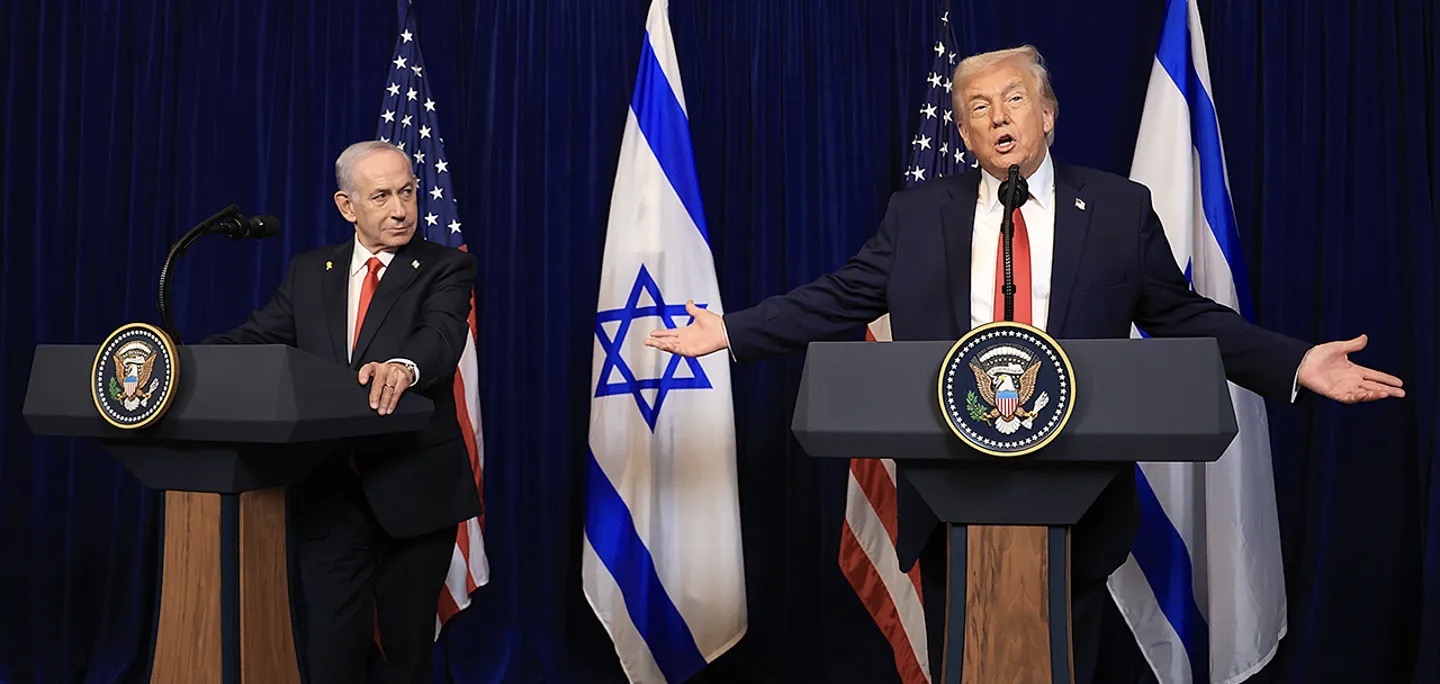 President Donald Trump is pressuring Muslim-majority nations to join the Abraham Accords if they want to participate in a developing Iran agreement, according to multiple reports.
The Abraham Accords are a series of agreements aimed at normalizing diplomatic relations between Israel and several Arab and Muslim-majority nations.
Trump said Saturday that he urged Saudi Arabia, Qatar, Egypt, Pakistan, Turkey and Jordan to normalize relations with Israel during a phone call with regional leaders.
“I stated that, after all the work done by the United States to try and pull this very complex puzzle together, it should be mandatory that all of these Countries, at a minimum, simultaneously, sign onto the Abraham Accords,” Trump wrote on Truth Social.
Day 962 — Monday, May 25
 US Ambassador to Israel Mike Huckabee on Thursday reflected on the moment President Donald Trump informed him of his appointment, describing the call as both unexpected and deeply meaningful, as he addressed the Atlas Award event honoring outstanding Israeli innovation. Huckabee also spoke of Israel’s transformation over the decades, praising the country’s rise as the “startup nation” and expressing optimism about its future.
“He doesn’t say, ‘Would you or could you or would you think about?’ No. He calls and he says, ‘Hi, Donald Trump, you’re going to be my ambassador. Ambassador to Israel. You’re going to go. You’re going to be ambassador there. You’re going to be great. You’ll be great.”
“That’s how it happened,” he continued. “There was no way I was going to say no to him. Number one, you don’t say no to President Trump. Number two, if he’d asked me to do anything else, be a cabinet secretary, didn’t matter what it was, I would have said, “No, sir. Thank you very much. I love my life and I’m enjoying it and I don’tneed a federal job.”
“But when he said, “You’re going to be ambassador to Israel,” I realized that it truly was,as said in the book of Esther, ‘For such a time as this.’
“And I felt it was for me an Isaiah moment, ‘Here am I, Lord. Send me’.”
“I came because I believe that there is an opportunity to see something that was not even visible in 1973, fifty-three years ago when I first arrived here because it was not the startup nation. It was anything but.”
He concluded his speech by saying that despite the wars surrounding it on all sides, Israel had succeeded in building an economy that shows “real growth in gross domestic product.”
Day 962 — Monday, May 25
 Antisemitism in Australia was left unchecked after the October 2023 outbreak of the Israel-Hamas War, fueling violence against Jewish people, the country’s spy chief told an inquiry into the Bondi Beach mass shooting on Monday.
The comments came during public hearings in the wide-ranging inquiry known as a Royal Commission that focuses on the events leading up to last December’s Bondi attack, which killed 15 attending a Jewish Hanukkah celebration.
The spike in antisemitic incidents contributed to the agency’s decision to raise the national terrorism threat level to “probable” in August 2024, said Mike Burgess of the Australian Security Intelligence Organization.
“There is no doubt that the war in the Middle East invoked a range of emotions in Australia,” added Burgess, the agency’s director-general of security.
“Some of those violent aspects… and those behaviors, including antisemitism that, in our view, were left unchecked, were therefore normalized and gave more permission for violence… and Jewish Australians were on the receiving end.“
From late 2024, Burgess said, antisemitism also escalated in severity from “threatening, intimidating behavior to direct targeting of people, businesses, and places of worship.“
Such incidents included vandalism and arson attacks on homes, schools, synagogues, and vehicles in the months before the Bondi attack.
Burgess said the agency concluded that Iran’s Islamic Revolutionary Guard Corps was behind two antisemitic attacks on a kosher restaurant in Sydney and Melbourne’s Adass Israel Synagogue.
That finding led to the expulsion of Iran’s ambassador in August.
Iran was probably involved in more attacks, but ASIO “just can’t quite get there” in its assessments to pinpoint responsibility, he added.
“They use their network of proxies and agents to do their bidding, and that is to bring harm to Jewish people wherever they are in the world.“
The commission’s first block of hearings this month focused on the nature and prevalence of antisemitism, taking testimony from members of the Jewish community.
Day 961 — Sunday, May 24
 Everyone is waiting to see what President Trump will do. On the surface, it seems like he is trying all he can not to attack Iran again. The ayatollahs see this reticence and are using it to their full advantage. The proposals and the counterproposals of the two nations could not be further apart, and the Persian leadership is determined that they will not be the ones who blink.
Thus, we’re back to “will he or won’t he?”. The Iranians are counting on “won’t he” believing that Trump is under a time crunch. Midterm elections are coming up and many conservatives are worried about huge losses, particularly with how high gas prices are. But Trump claims that he’s not concerned and given the conservative victories in minor elections this past week it’s easy to see why. Besides, he knows that he is out of office at the end of 2028, so he’s not concerned about his own reelection. In the meantime, he always seems to find a way to do what he wants to do no matter what the legislative branch has to say.
News reports are asserting that a deal is close. Saudi channels are claiming that it’s almost certain. For Trump’s part, he is talking about how great the Iranians are to deal with. If it was anyone else in the White House, I’d believe that the US is about to capitulate to Iran’s demands. But Donald Trump is the king of smoke screens, and I still believe that it is more likely that we will see another major attack on Iran.
On Wednesday, as Israeli schoolchildren were beginning a Shavuot celebration, an alarm went off indicating that a drone was inbound from across the border with Lebanon. Immediately, the joy was turned to fear as the children took cover under their desks. One of Iran’s demands is that all action by Israel against Hezbollah in Lebanon must end. That’s not going to happen until the last of Hezbollah’s military capabilities are destroyed. Israel is done with the days of our children having to live in fear.
The same is true in Gaza. This past week, the last of the masterminds of the October 7 massacre, a man named Izz al-Din al-Haddad, was removed from the land of the living. Israel has promised that everyone who was involved in that genocidal horror will die. Between the work of our IDF, our special forces, and our intelligence services, we are well on our way to fulfilling that goal.
Day 960 — Saturday, May 23
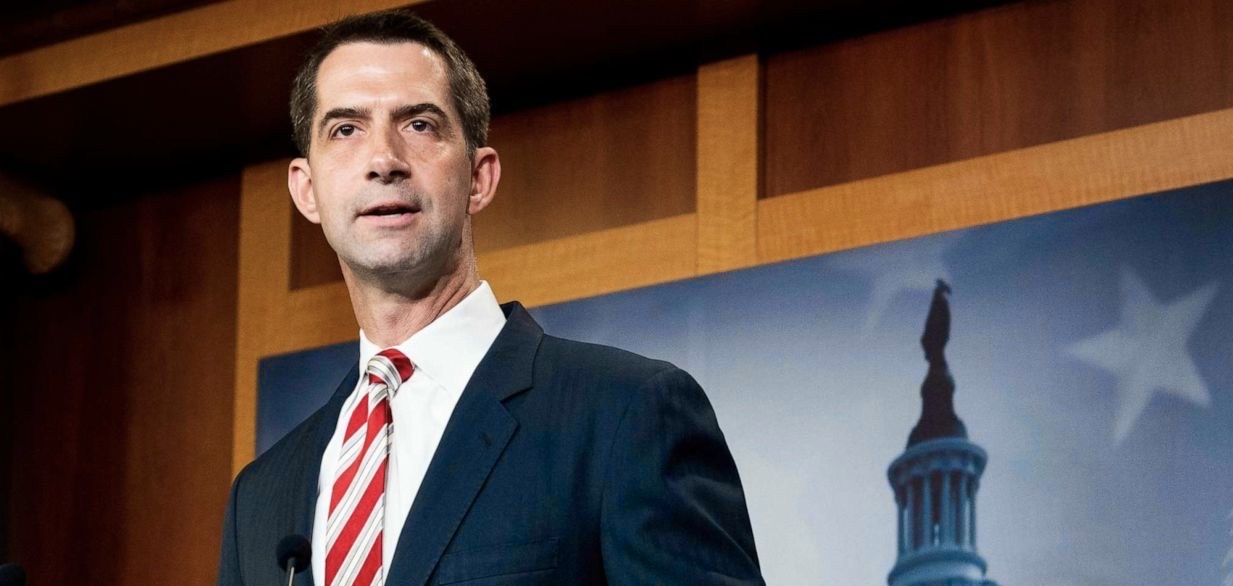 The chair of the Senate Intelligence Committee has asked the Treasury Department to sanction any nation cooperating with Iran in forcing commercial vessels to comply with a new protocol for transiting the Strait of Hormuz under threat of attack.
The move comes as Tehran presses ahead with efforts to assert control over the narrow waterway, a key shipping lane through which roughly 20% of global oil shipments pass.
An application form issued by the Persian Gulf Strait Authority, established by Iran during the Hormuz crisis, must be completed by all transiting vessels to ensure safe passage.
Commercial traffic through the strait has been severely disrupted since the U.S. and Israel launched a campaign targeting Iran’s political leadership and military infrastructure on Feb. 28, 2026.
Amid reports that Iran is in discussions with Oman, a U.S. ally, about partnering in a system to charge fees of up to $2 million for passage through the strait, Sen. Tom Cotton, R-Ark., sent a letter Thursday to Treasury Secretary Scott Bessent regarding the Strait of Hormuz.
“The PGSA cannot operate without the consent of other nations, and the United States must ensure every actor enabling the terrorist Iranian regime is held accountable. I stand ready to work with you and am preparing legislation to further codify your efforts,” Cotton wrote.
“In the meantime, I support the use of existing authorities to impose sanctions on the PGSA, its officers, and any foreign entity that pays, processes, or facilitates tolls to Iran for passage through the Strait of Hormuz.“
The Treasury Department’s Office of Foreign Assets Control warned earlier this month that shippers paying tolls to Iran for passage through the strait could face sanctions exposure, including through “nominally charitable donations” to organizations such as the Iranian Red Crescent Society.
“I applaud your warning that participants in the ‘Tehran toll booth‘ may face punitive sanctions. Iran’s efforts to illegally control the Strait of Hormuz are yet another example of the ongoing threats posed by the terrorist Iranian regime that Operation Economic Fury rightly targets,” Cotton wrote.
“And reports that Iran is coordinating with other governments to jointly regulate traffic through the Strait are particularly alarming.
“Congress stands ready to support any actions that further this mission and hold these entities to account.“
Cotton told Bessent that the PGSA “operates directly under the Islamic Revolutionary Guard Corps,” designated by the U.S. as a foreign terrorist organization, “meaning every dollar collected directly finances a sanctioned terrorist entity.“
“Beyond the immediate revenue it generates for the IRGC, formal recognition of the scheme by any government, shipowner, or financial institution would violate the principle of freedom of navigation,” Cotton wrote.
“It would also set a dangerous precedent for other coastal states near the world’s critical maritime routes.
“Any individual, entity, or nation that lends legitimacy to Iran’s illegal toll booth is enabling the IRGC and undermining the global trading system.“
President Donald Trump and Secretary of State Marco Rubio have said any attempt by Iran to impose tolls or transit fees on the strait would be unacceptable.
“We want it free. We don’t want tolls,” Trump said Thursday in the Oval Office.
“It’s international. It’s an international waterway.“
Day 959 — Friday, May 22
 The U.S. Justice Department lodged an appeal for emergency relief to re-impose sanctions on Francesa Albanese, United Nations special rapporteur for the Palestinians, after a federal judge lifted the designation temporarily.
The Trump administration sanctioned Albanese, who has a history of making antisemitic and anti-Israel statements, in July for what it said was an intimidation campaign against U.S. companies and groups with ties to Israel.
Richard Leon, a U.S. district court judge, ruled that the sanctions likely violated Albanese’s free speech.
Brett Shumate, U.S. assistant attorney general, challenged the judge’s injunction in a filing on Thursday with the Court of Appeals for the District Court of Washington, D.C.
Albanese is a foreign national, who has not lived in the United States for a decade and whose speech in question was expressed outside the United States, making her ineligible for American free speech protection, according to Shumate.
The Justice Department also decried the sanctions being lifted due to claims from Albanese’s husband and daughter, who weren’t sanctioned but say that they were affected deeply. The latter two’s grievances “could easily be addressed by exempting them from the sanctions” without absolving Albanese, the department said.
“The injunction is both legally indefensible and overly broad,” it told the court.
The Justice Department warned that if the injunction stands, “it will undermine important national security and foreign policy interests of the United States.”
The department is asking the court for an immediate administrative stay of the injunction while it considers the motion.
Day 959 — Friday, May 22
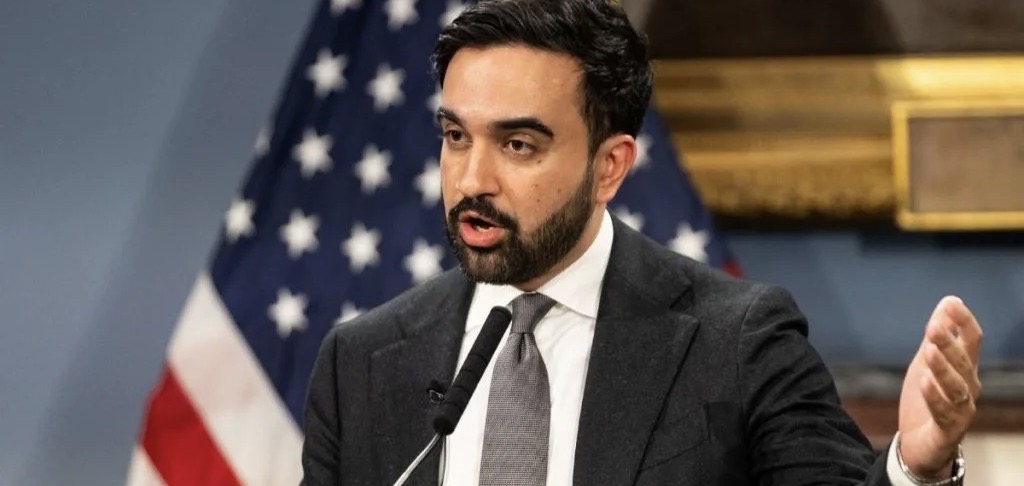 Democratic-socialist Mayor Zohran Mamdani of New York City is being slammed by Jewish groups for his decision to miss the city’s historic Israel Day Parade. His decision comes as the Big Apple wrestles with record levels of antisemitism.
Home to the largest Jewish population outside of Israel, Jewish New Yorkers have long viewed the annual parade as one of the city’s clearest public displays of solidarity with both the Jewish state and the community. On Tuesday, two of the city’s most prominent Jewish organizations declined an invitation to a Jewish heritage event held at Gracie Mansion in response to Mamdani’s latest snub.
“Since the very first Israel Parade in 1964, every single sitting Mayor of New York City has joined in the festive celebrations. New York has historically been proud of its deep relationship with Israel. Not joining the parade is an affront to the history of New York City,” Moshe Davis, former executive director of the Mayor’s Office to Combat Antisemitism under Mayor Eric Adams, told Fox News Digital.
Earlier this month, Mamdani officially confirmed that he would not attend the event, despite soaring antisemitism in New York City and weeks of anti-Israel demonstrations outside synagogues and Jewish communal institutions across the city. Parade, organizers say the event on May 31 is expected to draw record turnout in response to Mamdani’s snub.
While the mayor had previously indicated during an October 2025 interview with the Jewish Telegraphic Agency that he would likely not attend as a matter of political principle, his renewed public confirmation has led to growing criticism.
Day 958 — Thursday, May 21
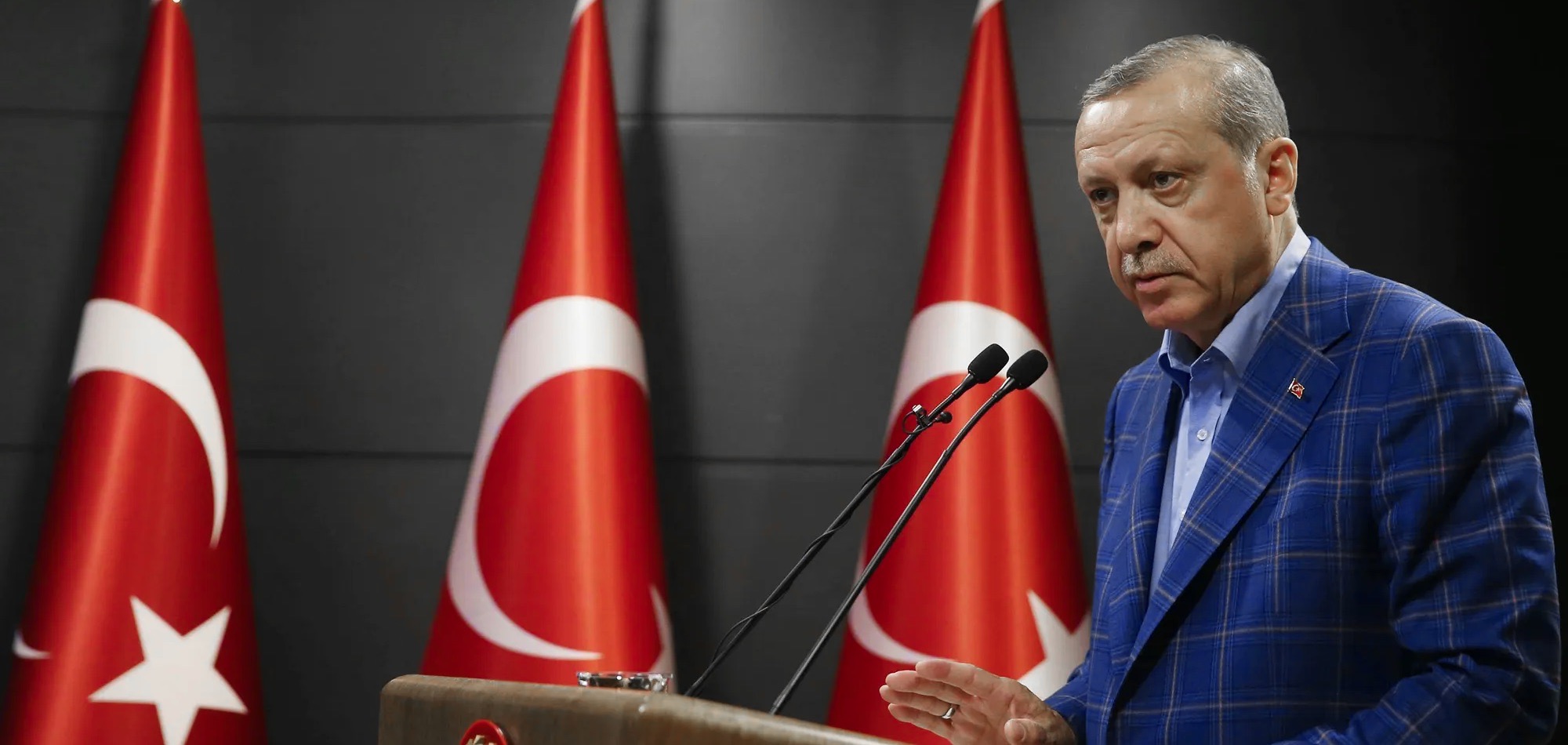 The Coordinator of Government Activities in the Territories (COGAT), Maj.-Gen. Yoram Halevi, demanded on Thursday that the United Nations World Food Programme (WFP) immediately stop transferring any aid or support to the Turkish organization IHH, which has been designated by Israel as a terrorist organization.
COGAT had recently received information that WFP had transferred fuel to IHH within the Gaza Strip, prompting Halevi to write a letter to the organization’s head, Shaun Hughes.
In the letter, COGAT emphasized that Israel designated IHH a terrorist organization in 2008, and as such supporting its activities is illegal and “could carry severe consequences.”
IHH Humanitarian Relief Foundation is a Government-organized non-governmental organization or GONGO, meaning it is closely linked to the Turkish ruling party under President Recep Tayyip Erdogan.
According to Israel’s Meir Amit Intelligence and Terrorism Information Center, IHH has “two hats”: one hat is its work as a humanitarian organization that conducts legitimate humanitarian activity around the world; the other hat is “a radical, jihadi and pro-Hamas organization and involvement in terrorist attacks.”
In addition to its humanitarian actions in Gaza, IHH has also promoted the recent flotillas to the Gaza Strip, including the one stopped by the Israeli Navy earlier this week.
Day 958 — Thursday, May 21
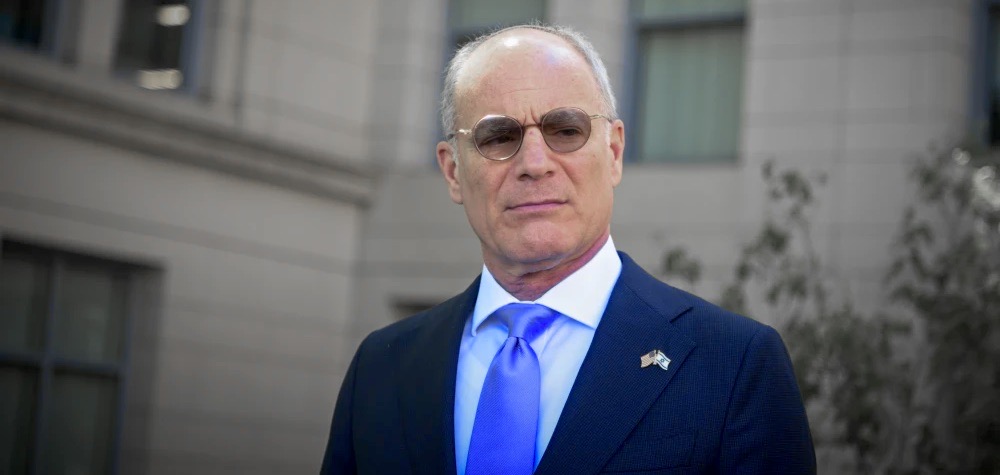 It’s not the sort of language we’re used to hearing from ambassadors, especially not from Israeli ambassadors to the United States when speaking about American Jews. At a National Task Force to Combat Antisemitism meeting at the Museum of the Bible in Washington, Yechiel Leiter called the left-wing J Street lobby “a cancer within the Jewish community.”
That sort of blunt talk about American Jews who band together to bash or pressure the State of Israel has, up to now, generally been regarded as divisive and unproductive by the Jewish establishment here in the United States, as well as the diplomats and bureaucrats back at Israel’s Ministry of Foreign Affairs in Jerusalem.
But as efforts to delegitimize Israel grow, alongside and as part of an unprecedented surge of antisemitism in the United States, diplomatic niceties and happy talk about a big tent is no longer appropriate to cope with a real crisis.
Democrats are falling increasingly under the sway of their intersectional base that regards Israel as a “white” oppressor and an “apartheid” state. Antisemitism that operates under the guise of hatred for Israel has become normative both on the political left and the far right.
All of the instincts and past practices of the organized Jewish community impel it, as well as Israeli diplomats, to tread lightly when it comes to Jews who join the ranks of anti-Zionists. However, in the current crisis, it is vital that the hard truths like those spoken by Leiter be heard rather than the empty talk about inclusion and a big Jewish tent. Under the current circumstances, unity with J Street and openly anti-Zionist and antisemitic groups like Jewish Voice for Peace means giving those who are actively aiding and abetting others waging war on Israel and the Jewish people legitimacy they don’t deserve.
Leiter’s undiplomatic comment was not a one-line mic drop. He explained that “the worst thing about J Street is it’s duplicitous.” Referring to the group’s stand favoring the attempts of Democrats to cut off arms sales to the Jewish state, he asked, “How can you be pro-Israel and advocate for an arms embargo on a state that’s fighting a seven-front war against Iranian proxies?”
While J Street and its defenders say they are just criticizing the Israeli government, Leiter says this stand is disingenuous.
“If they said that they were pro-Palestinian, I wouldn’t have a problem meeting with them,” Leiter said. “I meet with pro-Palestinian groups.”
“But when you come and say in such a two-faced manner, ‘We’re pro-Israel, we’re pro-democracy,’ there’s a democratically elected government in Israel,” he said. “You don’t like Netanyahu, make aliyah, vote in the next election and express yourself. Don’t say you’re ‘pro-democracy,’ and decry and defy the position of the democratic government of Israel.”
J Street, which entered the political fray in Washington in 2008, was criticized harshly in the past by two of Leiter’s predecessors, Michael Oren and Ron Dermer, who also represented Israeli governments led by Prime Minister Benjamin Netanyahu. But they didn’t call the group a “cancer.”
Michael Herzog, who was appointed by the short-lived government led by Naftali Bennett and Yair Lapid from 2021 to 2022, stayed away from attacks on J Street, even if he was blunt about his negative opinion about the organization’s ally in the Senate, Sen. Bernie Sanders (I-Vt).
Leiter’s right about what J Street has been up to. They back the efforts of congressional Democrats to cut off arms sales to Israel in the midst of a war against Iran and its terrorist proxies, which began with the Hamas-led Palestinian Arab terrorist attacks in southern Israel on Oct. 7, 2023. Indeed, since its founding, J Street has made it its sole purpose to aid efforts in pressuring the Jewish state to make suicidal concessions rejected by its democratically elected governments and the voters that put them into office.
Despite their claims to be a nominally Zionist group, the difference between its stands and those of openly anti-Zionist and antisemitic groups like Jewish Voice for Peace is increasingly theoretical, rather than a matter of actual policy and actions.
That was made evident when J Street defended Zohran Mamdani, the virulently anti-Zionist and antisemitic mayor of New York City. When the Anti-Defamation League, which was slow to recognize the peril to the Jewish community from the left, began a “Mamdani Monitor” to note his actions and statements, J Street condemned it. The group claimed that it was wrong to “conflate” what they say is “criticism of Israel’s government” with antisemitism. But Mamdani has never made any effort to conceal his opposition to the existence of the Jewish state and his desire to aid those working to destroy it.
From his time as a student at Maine’s Bowdoin College, where he founded a chapter of the openly antisemitic Students for Justice in Palestine, the 34-year-old mayor has been an ardent anti-Zionist, dedicated to supporting the war on the one Jewish state on the planet.
That takes various forms. It includes his longtime support for illegal BDS discrimination against Israel and Jews, which J Street claims to oppose. It also means falsely labeling Jews who support Israel as taking part in violations of international law, even when that means egging on antisemitic marches and demonstrations outside of synagogues. There is also his consistent backing for mobs who target Jews for intimidation, in addition to violence on college campuses and elsewhere, while chanting for Jewish genocide (“From the river to the sea”) and terrorism against Jews wherever they live (“Globalize the intifada”).
Mamdani’s hate for Israel was front and center this week, but so was his ability to rally support from left-wing Jews.
The mayor has announced that he will be the first person holding his office since the founding of the Jewish state to refuse to march in the annual “Salute to Israel” parade down Manhattan’s Fifth Avenue. Instead of making that token gesture of solidarity with the city’s Jewish residents, he commemorated “Nakba Day,” or “Disaster Day,” referring to the establishment of the modern-day State of Israel in 1948.
Mamdani did so by posting a video and a statement on social media, including a four-minute, documentary-style video created by his government-paid staff that featured an interview with a woman named Inea Bushnaq. “Inea is a New Yorker and a ‘Nakba’ survivor,” said Mamdani. In it, Bushnaq recounted her family’s departure from Jerusalem during the 1948 War of Independence, claiming that they were forced to flee because “the Zionists were coming into Jerusalem.”
Hundreds of thousands of Palestinian Arabs did, in fact, flee the British Mandate for Palestine before May 1948. They did so because of the war that their leaders and the surrounding Arab nations started, most often at the behest of those who claimed they could come back after the Jews were pushed into the sea. They had rejected the U.N. partition vote in November 1947 for an Arab state alongside the new Jewish one, just as they would reject every peace offer from Israel in the decades that followed.
The failure of that effort to carry out a second Holocaust, only a few years after the first one, which resulted in the slaughter of 6 million Jews in Europe, left the Arabs disappointed. But they were still determined to continue their war on the Jewish presence in the country, a self-destructive belief that persists to this day, which has brought nothing but suffering for Palestinian Arabs.
During this same period, an even larger number of Jews were expelled or forced to flee from their homes throughout the Arab and Muslim worlds—from North Africa to the farthest stretches of the Middle East.
The plight of the Palestinian refugees was hard, but unlike the Jews, who were resettled in Israel and the West, they were deliberately kept homeless to serve as props in the ongoing war on Israel that continues 78 years later.
What was particularly egregious about Mamdani’s highlighting of one such refugee lies in the fact that—contrary to the anti-Zionist mantra about the Palestinian Arabs having been in the country from time immemorial—her family were relatively recent immigrants. Bushnaq’s relatives were Bosnian Muslims, who had arrived in what is now Israel in the 1880s, after that country was no longer controlled by the Ottoman Empire.
The Ottomans had ruled over parts of the Balkans for centuries, tyrannizing its Christian inhabitants, and some Muslims fled, fearing retribution from the new rulers. The Bushnaqs first went to Syria and then settled in Jerusalem, which was already starting to grow as a result of the initial wave of Jews returning to their ancient homeland.
Yet far from Jews being new to Jerusalem, as Bushnaq claimed, they had, of course, been there for thousands of years—long before the Muslim conquest in the seventh century C.E. While Jews had been the largest religious group in the city for many years before that, the Ottoman census in 1875 showed that they formed an absolute majority of the population.
And just to show how fake the claim that the city and country she fled was wrongly stolen from her family and other Muslims, Mamdani’s video contained one damning detail that his staff missed. The “Visit Palestine” poster on the wall behind Bushnaq was actually a work of a Zionist and Jewish artist, Franz Kraus, who saw it as part of the effort to promote the burgeoning Jewish homeland prior to 1948. Indeed, as Liel Leibovitz noted in the New York Post, if you look closely in the video, you can see that Kraus signed his work in Hebrew.
That is, as he rightly pointed out, a graphic metaphor for the fraudulent nature of the entire nakba narrative that Mamdani relentlessly promotes. Its purpose is not to help Palestinians, but to build support for the dispossession of the more than 7 million Jews of Israel. That is something that could only be accomplished by genocide—like the one the Arabs of 1948 failed to accomplish, and for which the Hamas atrocities of Oct. 7 were merely a trailer for what they wished to do to every Jew.
Yet Gotham’s Marxist mayor has had no trouble recruiting Jews to collaborate with his efforts to harm their own community.
One such person is Rabbi Miriam Grossman, a member of Jewish Voice for Peace. That’s a group that not only shares Mamdani’s desire to destroy Israel but is responsible for spreading blood libels against it. Yet she will serve in a paid government post as the mayor’s “faith liaison” with the Jewish community.
That’s an outrage and an insult to the overwhelming majority of Jews who rightly understand that Israel and support for Jewish rights to it remain an integral part of their faith and identity as a people. The events of the last 31 months testify to one basic fact: anti-Zionism can’t be separated from antisemitism. The former is merely a variant of the latter.
As much as a third of the city’s Jewish population might have voted for Mamdani last November for a number of reasons, including their blind loyalty to the Democratic Party and justified disgust with disgraced former Gov. Andrew Cuomo, who was the main alternative. Still, Mamdani’s hostility to Jewish safety is no longer a theoretical argument.
The good news, however, is that the leaders of the organized Jewish world in New York have been forced by Mamdani’s actions to show some spine. Their language wasn’t as blunt as Ambassador Leiter’s about J Street. But by boycotting Mamdani’s pre-Shavuot Jewish Heritage Day reception at his Gracie Mansion official residence, they sent a message that the city’s Jews aren’t going to go along with the pretense that the mayor is anything but an open enemy of Jewish life.
Mamdani was nevertheless able to recruit some Jews to show up for his shindig. And they deserve the opprobrium not only of the Jewish community, but of all decent people who realize we are at a tipping point when it comes to the normalization of antisemitism.
Among them was the usual contingent of ultra-Orthodox Jews from the Satmar sect, who proclaim their opposition to Zionism and Israel for theological reasons that treat Jewish powerlessness as a virtue to be embraced until the coming of the Messiah. The far smaller and often violent Neturei Karta group is another problem. Such sectors of the community are willing to do business with anyone in power, regardless of whether or not they pose a threat to Jews.
Far more prominent were the left-wing Jews like Grossman and other JVP members, who see Mamdani’s hostility to Israel and mainstream Judaism as reasons to support him.
Perhaps even more significant were the comments of the man who gave the invocation at Mamdani’s sham event—Rabbi Irwin Kula, president emeritus of CLAL: The National Jewish Center for Learning and Leadership. CLAL became an important focus of efforts to unify the Jewish community under its founder, Rabbi Irving (“Yitz”) Greenberg. But under his successor, Kula, it has become not merely irrelevant but arguably counterproductive.
For Kula and others who seek to normalize Jewish antisemites, as well as those working to undermine and attack Israel, inclusion is the most important value. He mocked the absence of Jewish leaders as illustrative of the collapse of “the liberal Zionist consensus.”
He blessed Mamdani and urged him to “hold the complexity of this city, to parse and nuance, with care and precision, the meanings of Zionism, of antisemitism, and the inextricable connection of Jewish identity and Palestinian dignity.” Such a meaningless word salad speaks to his intellectual and moral bankruptcy. It also demonstrates that Jews, including those who hold the title of rabbi, who won’t take a stand against open Jew-hatred and delegitimization, aren’t merely harmless idealists or starry-eyed dreamers of peace.
When they work to isolate Israel—and strip it of its only ally and the means to defend itself against genocidal regimes and their terrorist auxiliaries, and treat those who seek to destroy it as praiseworthy—they have lost more than the respect of their fellow Jews. They have instead taken on the role of foot soldiers in a globalized intifada against their own people.
The primary focus of Jewish activism must be combating those on the left and the right who are normalizing antisemitism, along with publications like The New York Times that traffic in blood libels against Israel and the Jews. Yet we cannot be silent about those Jews who aid and abet them. They are, like the Satmar Chassidim, turning into a sect outside of normative Jewish life. They have little in common with those who understand that, imperfect as it may be, Israel deserves our love and support regardless of who leads it or what measures of self-defense they choose to employ against murderous enemies.
At a time when antisemitism is surging and Jewish lives are in danger, those who stand with the Israel- and Jew-haters do so outside of the Jewish community. What’s needed when dealing with them is not diplomacy or dialogue, but harsh truths like the ones spoken by Ambassador Leiter.
Day 957 — Wednesday, May 20
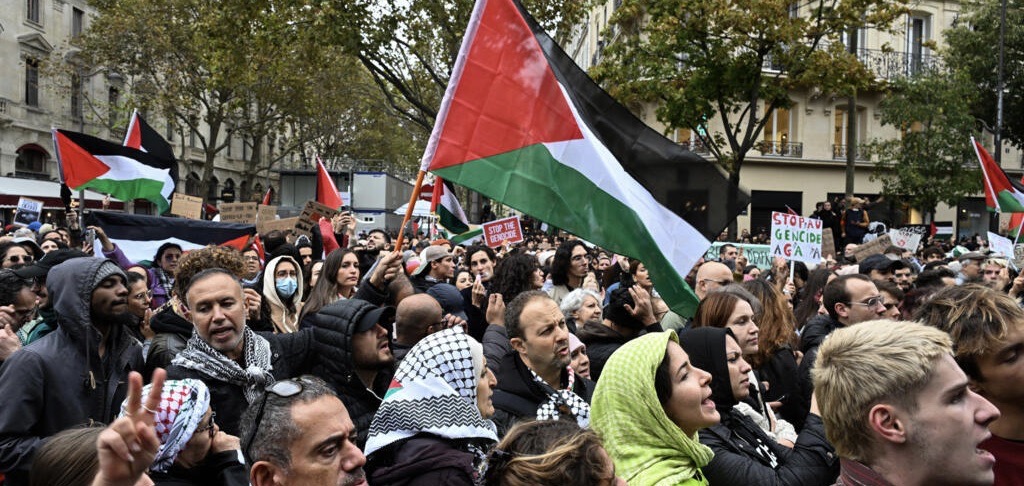 Germany’s domestic intelligence agency has published new guidance warning that some symbols and slogans used in pro-Palestinian activism can serve as vehicles for antisemitic or extremist messaging – including certain depictions of the watermelon symbol associated with the Palestinian cause.
The guidance, issued by the German Federal Office for the Protection of the Constitution (BfV), outlines what it describes as antisemitic and extremist forms of “Palestine solidarity” in political discourse. According to the report, anger over the Israeli–Palestinian conflict can, in some cases, evolve into broader antisemitic narratives targeting Jews collectively.
Among the examples cited were the Handala cartoon figure, the inverted red triangle often associated with “Palestinian resistance,” octopus imagery historically tied to antisemitic conspiracy tropes, and a watermelon symbol depicted in the shape of the land of Israel. The BfV described these as “bridge narratives” capable of connecting different extremist movements through shared antisemitic themes.
The inclusion of the watermelon image sparked criticism online, where the watermelon emoji has widely been used as a symbol of Palestinian identity and solidarity since the 1980s. However, the report focused specifically on versions portraying the entire territory of Israel as Palestinian land.
Additionally, phrases and slogans, such as “From the River to the Sea, Palestine will be free!” and “Yalla, yalla, Intifada!” were identified as expressing a desire for the elimination of the State of Israel or support for violence.
The BfV report, “Hidden Messages – Antisemitic Codes and Ciphers,” explains that these symbols and slogans often serve as “bridge narratives,” connecting disparate groups, from left-wing extremists, right-wing extremists, and Islamic extremists in a common hatred.
The report also noted that since the Oct. 7, 2023, Hamas invasion of southern Israel, certain groups within Germany’s radical left have shown increasing support for the “Palestinian liberation struggle.”
At the same time, Islamic extremist groups and radical leftist groups are merging anti-imperialist ideology into antisemitic discourse, depicting Israel as a “colonial power,” and connected to longstanding antisemitic tropes about Jewish plots to control the world.
Such narratives, the report said, are increasingly being used to justify violence against Jews and Israelis.
The domestic intelligence agency released the 80-page publication on antisemitic symbols, codes, and narratives primarily for teachers, educators, and the general public, to raise awareness about contemporary forms of antisemitism.
Day 956 — Tuesday, May 19
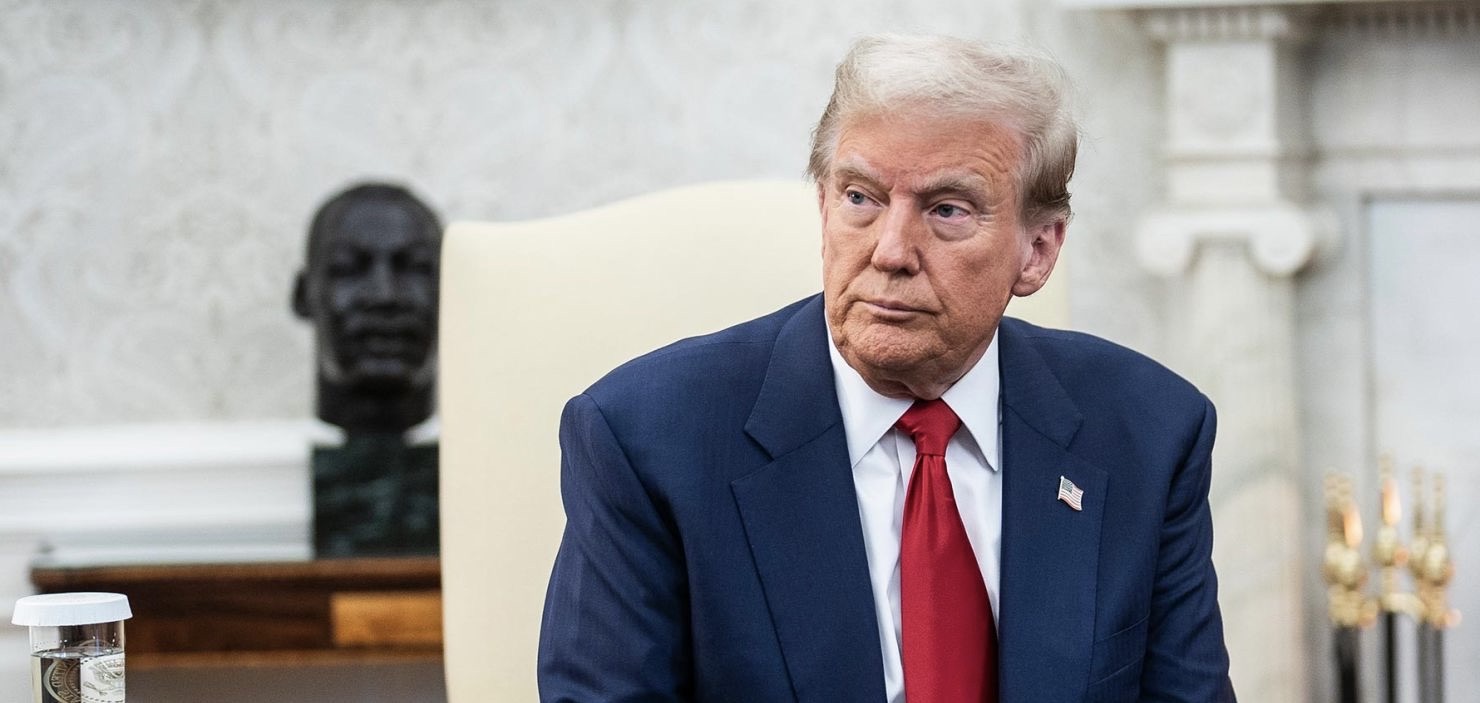 President Donald Trump ripped establishment media on Monday, contending that even if Iran surrendered, outlets like the New York Times would spin it as a victory over the United States.
Trump blasted the Times and others in a Truth Social post on Monday morning:
“If Iran surrenders, admits their Navy is gone and resting at the bottom of the sea, and their Air Force is no longer with us, and if their entire Military walks out of Tehran, weapons dropped and hands held high, each shouting ‘I surrender, I surrender’ while wildly waving the representative White Flag, and if their entire remaining Leadership signs all necessary ‘Documents of Surrender,’ and admit their defeat to the great power and force of the magnificent U.S.A., The Failing New York Times, The China Street Journal (WSJ!), Corrupt and now Irrelevant CNN, and all other members of the Fake News Media, will headline that Iran had a Masterful and Brilliant Victory over The United States of America, it wasn’t even close. The Dumacrats and Media have totally lost their way. They have gone absolutely CRAZY!!! President DJT”
The post comes days after Trump scolded New York Times Chief Washington Correspondent David Sanger aboard Air Force One during the return flight from China on Friday.
“Mr. President, what would the use be of repeating the bombing? You did it for 38 days, and you did not get the political changes in Iran—” Sanger said before Trump jumped in.
“I had a total military victory, but the fake news—guys like you write incorrectly. You’re a fake guy, and guys like you write about it incorrectly. We had a total military victory,” Trump said. “We knocked out their entire navy, we knocked out their entire air force, we knocked out all of their anti-aircraft weaponry, we knocked out all of their radar.”
“We knocked out all of their leaders, number one, and then we knocked out all of their leaders in the second division, and we knocked out numerous of their leaders in the third division, and they’re very confused. We’ve had a total victory except by people like you that don’t write the truth,” Trump continued.
“I actually think it’s sort of treasonous, what you write, but you and the New York Times, and CNN, I would say, are the worst,” he concluded.
Day 956 — Tuesday, May 19
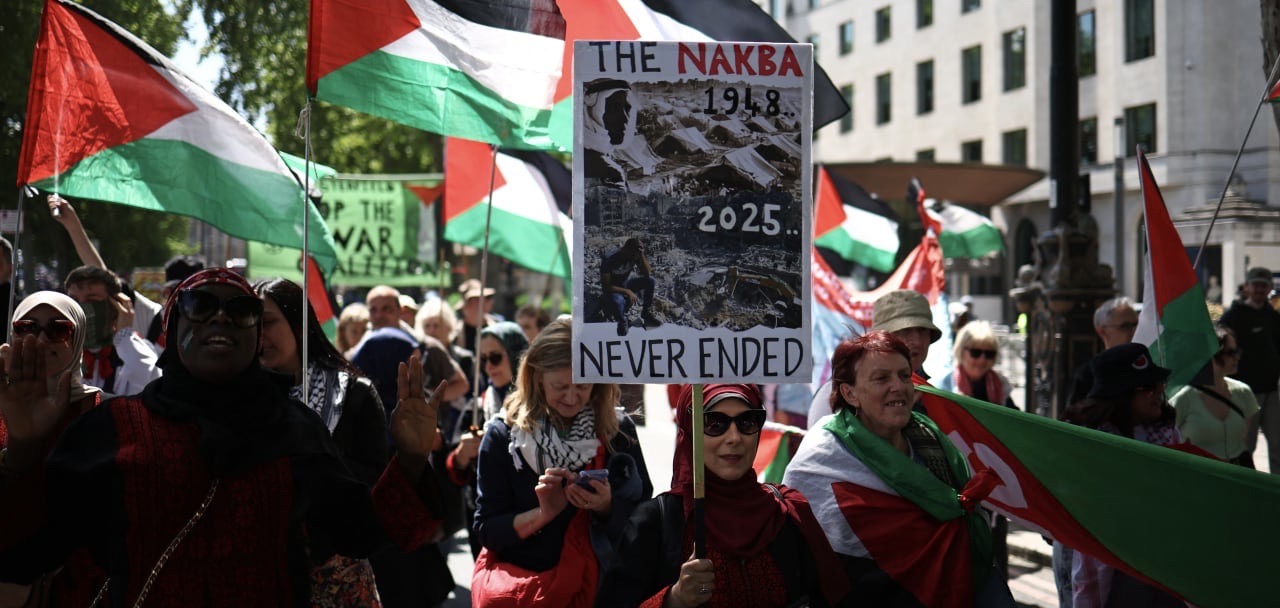 American anti-Israel groups held Nakba Day protests over the weekend, and while they were mainly peaceful, violent extremism and support for terrorist organizations were present at rallies across the country.
Within Our Lifetime’s march through Manhattan saw a Hezbollah flag, a flag bearing the face of deceased Hamas spokesman Abu Obeida, and an Irish flag with the silhouette of a gunman waved alongside banners calling for resistance and revolution, according to videos published by the organization.
“The Nakba lives in every bombing campaign, every demolished home, every checkpoint, every prison cell, every refugee camp, every child buried beneath the rubble, funded by the United States, carried out by Israel, supported by the Gulf countries and every other disgusting complicit actor in the international community,” WOL leader Nerdeen Kiswani said at a speech in Washington Square Park. “But the struggle also continues to live with every resistance fighter, with every Palestinian mother who continues to bear children.”
Activists from a campaign to free Tarek Bazrouk, a self-described “Jew hater” who was sentenced to 17 months in prison for three separate hate crime assaults of Jewish pro-Israel activists, said that on Nakba Day, they wished to uplift those imprisoned for championing their cause. They called for the release of Bazrouk and the Holy Land Five, a group of former Islamic charity organization officers convicted in the US of financing Hamas.
Palestinian Youth Movement, New York City, and Palestinian Assembly for Liberation Al-Awda in New York City and New Jersey (PAL-Awda) organized another protest in Brooklyn on Saturday, with the latter on social media calling the event a demonstration to “dismantle the genocidal Zionist entity.”
With an Abu Obeida flag waving in the background, a PYM NYC activist related in an Instagram video that while the day marked 78 years of “ongoing genocide” and “ethnic cleansing,” it also marked “78 years of the promise of return, the promise that every single Palestinian will return to every single inch of Palestinian land.”
“From Gaza to Jenin, from Nablus to Tulkarem, from al Quds, to Haifa, to Akko, the Palestinian people will never give up this promise, and us here in the diaspora will continue to organize our people until all our prisoners are free, and until every single inch of our land is free, and we return to a free Palestine from the river to the sea,” said the PYM activist.
In Seattle, Tariq El-Tahrir Youth and Student Network, Nidal Seattle, Students United for Palestinian Equality and Return at the University of Washington, and Seattle Students for Justice in Palestine hosted a Sunday rally.
“Long live Operation Al Aqsa Flood,” read a banner belonging to the Seattle Revolutionary Youth, referencing the Hamas operational name for the October 7 Massacre.
Activists with a Hezbollah flag and a flag featuring Abu Obeida marched alongside the banner praising the October 7 Massacre, which also featured the face of Popular Front for the Liberation of Palestine airplane hijacker Leila Khaled.
In Los Angeles, the SJP chapter at UCLA staged a Friday “die in” and marched through the campus, chanting “Resistance is glorious, we will be victorious.”
“The blood of the martyrs is the seed from which resistance blooms,” read the caption accompanying one of the SJP UCLA Instagram videos.
Day 955 — Monday, May 18
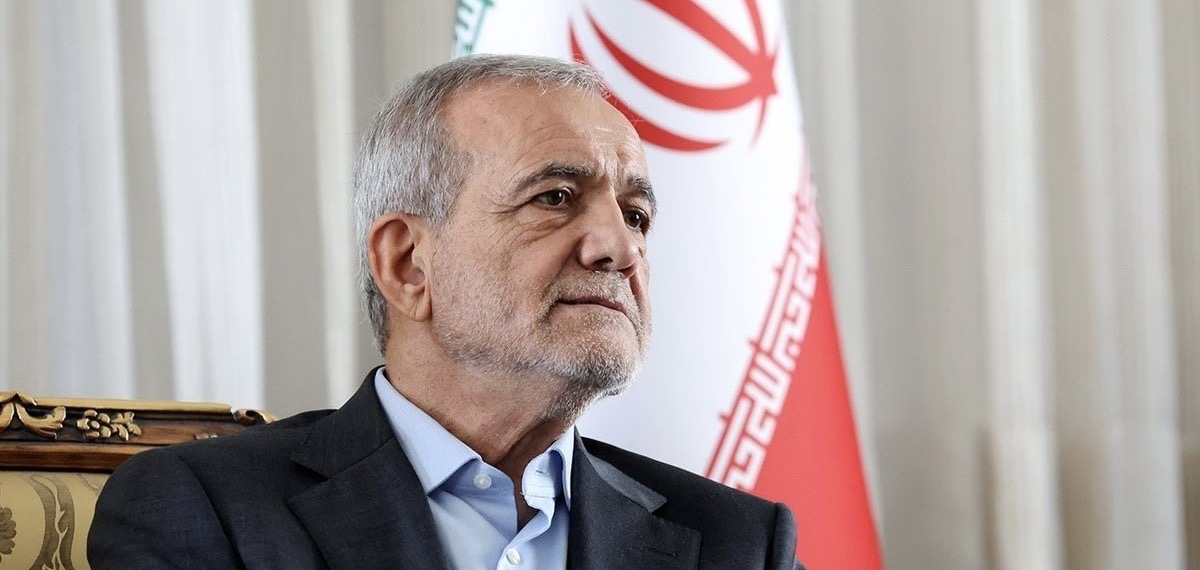 In a coordinated display of diplomatic maneuvering and aggressive rhetoric, top leaders of the Iranian regime used a high-profile diplomatic summit on Sunday to deflect blame for regional instability onto the United States and the State of Israel.
Speaking in Tehran during a meeting with visiting Pakistani Interior Minister Mohsin Naqvi, Iranian President Masoud Pezeshkian accused Washington and Jerusalem of orchestrating a strategic conspiracy designed to fracture the Islamic world.
According to an official statement released by the Iranian presidency and quoted by the Xinhua news agency, Pezeshkian asserted that the United States and Israel have always sought to turn Muslim states against one another through creating division and distrust among them.
Attempting to position the world’s leading state sponsor of terrorism as a force for regional harmony, Pezeshkian claimed that Iran seeks “cordial and lasting relations based on good neighborliness” with Muslim states in the West Asia region.
The Iranian president insisted that his administration’s foundational policy centers on expanding friendly ties with neighboring and regional states, while urging the Muslim world’s major countries to help establish lasting peace, security and stability in the region through strengthening cooperation and interactions.
Pezeshkian explicitly used the platform to lash out at the joint defensive and counter-terrorism operations executed by American and Israeli forces. In his remarks, he condemned the US and Israeli military “aggression” against Iran and the “major crimes” committed during their attacks.
Concurrently, other high-ranking Iranian officials adopted a far more belligerent tone on Sunday, issuing explicit military threats against the West.
Ebrahim Rezaei, speaking on behalf of the Iranian parliament’s national security and foreign policy committee, delivered an absolute ultimatum to Washington via the semi-official Mehr news agency.
Rezaei declared that the United States must accept Iran’s terms or “surrender” to its missiles, adding a firm warning that Iran would under no circumstances back down on its demands.
Similarly, Iranian Defense Ministry spokesperson Reza Talaei-Nik vehemently dismissed recent assessments from US Central Command indicating that the regime’s military infrastructure had been severely crippled. Talaei-Nik countered by stating that Iran stands ready to give a “decisive” response to any threat and aggression.
Capping off the wave of hostile declarations, Iranian armed forces spokesperson Abolfazl Shekarchi issued an ominous warning through the official IRNA news agency, threatening that the regime would unleash “crushing and severe blows” given any “repeated stupidity” by the United States.
The Iranian rhetoric comes amid speculation that US President Donald Trump may order a resumption of strikes on Iran, as talks on a deal to end its nuclear program stall.
Trump on Sunday posted what looked like another warning to Iran to his Truth Social platform.
Trump’s post featured a map of the Middle East and Central Asia, with the entire region overlaid with the pattern of the United States flag. The country of Iran is highlighted at the center of the map with a dozen red arrows pointing directly at the Islamic Republic.
The post came just hours after Trump warned Iran in an earlier post that “the clock is ticking”.
“For Iran, the Clock is Ticking, and they better get moving, FAST, or there won’t be anything left of them. TIME IS OF THE ESSENCE! President DJT,” he wrote in the earlier post.
On Saturday, Trump posted a cryptic message about Iran to his Truth Social account.
The post featured an AI-generated graphic of him and a US Navy admiral in front of stormy waters with several ships, including one flying the flag of the Islamic Republic of Iran, amid reports the war could potentially resume soon.
The text above the graphic read, “It was calm before the storm.”
These posts come amid speculations that Trump is preparing to order a resumption of strikes on Iran.
Trump indicated on Friday that he would be willing to accept a 20-year moratorium on Iran’s nuclear program, but stressed that he would require “a real guarantee” from the Islamic Republic in order to reach a deal to end the war.
Speaking to reporters aboard Air Force One as he was returning from his trip to China, Trump was asked if he had rejected the latest proposal from Iran.
“Well, I looked at it, and if I don’t like the first sentence, I just throw it away,” the President replied, explaining that the first sentence of the Iranian proposal was “an unacceptable sentence because they fully agree, no nuclear, and if they have any nuclear of any form, I don’t read the rest of their letter.
Trump was then asked if 20 years is not enough for him for a moratorium, to which he replied, “No, 20 years is enough, but the level of guarantee from them is not enough. In other words, it’s got to be a real 20 years, not a fake 20.”
On Thursday, Trump warned in an interview with Sean Hannity on Fox News that he is not going to be patient with Iran much longer.
“I’m not going to be much more patient. No, I’m not. They should make a deal. Any sane person would make a deal, but they might be crazy,” Trump clarified.
Day 955 — Monday, May 18
Saudi Arabia Intercepts 3 Drones Launched From Iraq; Kingdom Says It 'Reserves The Right To Respond'
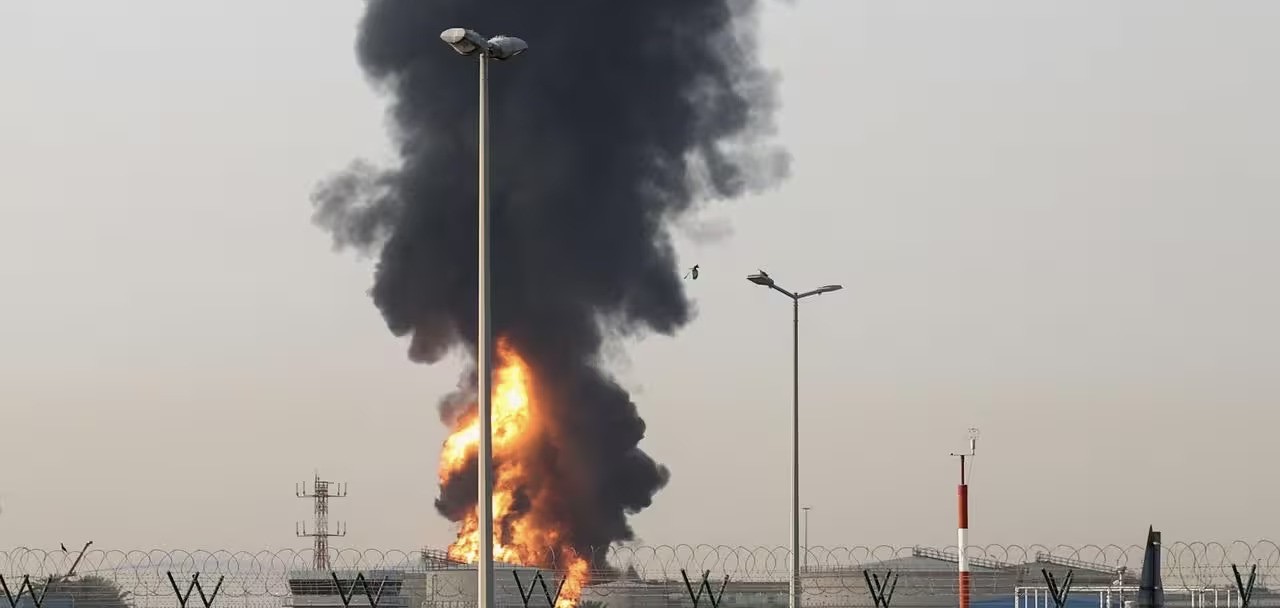 The Saudi military intercepted three drones that entered the country’s airspace from Iraq on Sunday, Riyadh’s Defense Ministry announced.
Ministry of Defense Spokesman Maj. Gen. Turki al-Maliki said the kingdom “reserves the right to respond at the appropriate time and place” and would take “all necessary operational measures” against attempts to threaten the country’s sovereignty and security.
While Iran’s attacks have largely subsided since it agreed to a ceasefire with the United States on April 8, drones have continued to be launched intermittently from Iraq toward Gulf countries, including Saudi Arabia.
The Saudi Foreign Ministry summoned the Iraqi ambassador on April 12 over what it described as ongoing attacks and threats targeting Gulf states with drones launched from Iraq.
The United Arab Emirates on Sunday night “strongly” condemned the drone attack targeting its neighbor.
The statement expressed Abu Dhabi’s “full solidarity” with Saudi Arabia and its support for “all measures aimed at preserving its security and stability.”
Earlier on Sunday, a drone strike sparked a fire outside the Barakah Nuclear Power Plant in Abu Dhabi, according to UAE authorities. It was the first time the nation’s only nuclear plant was targeted. No one as yet has taken responsibility for the strike.
The International Atomic Energy Agency confirmed that the UAE reported the incident, which caused a fire in an electrical generator but did not impact radiological safety levels.
Rafael Grossi, the IAEA’s director, said “military activity that threatens nuclear safety is unacceptable.”
Day 954 — Sunday, May 17
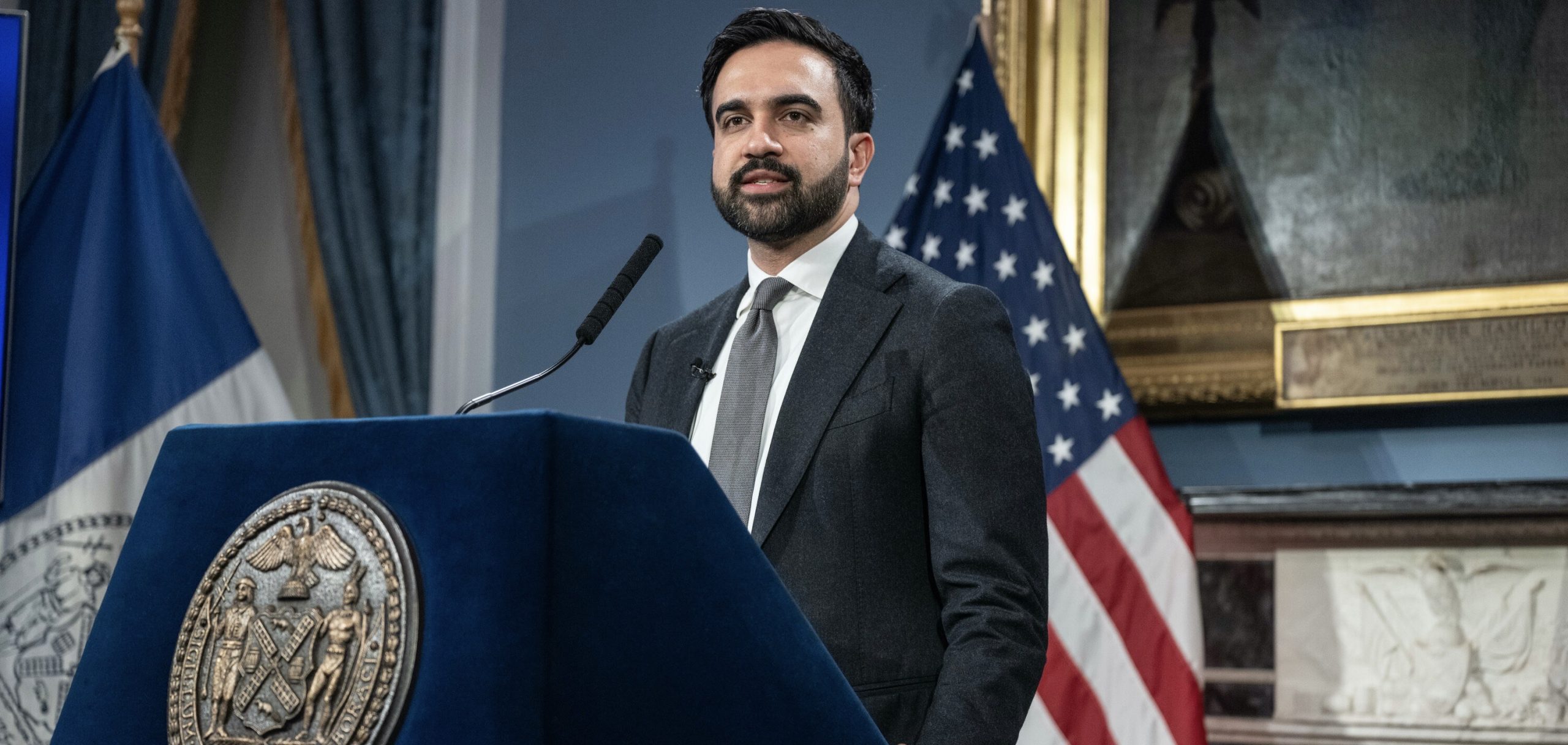 “Nakba Day” protesters gathered in New York and other cities. A video from Washington Square Park showed the crowd calling for Israel’s destruction and stomping on the Israeli flag. The mayor of New York City, Zohran Mamdani, shared a video marking “Nakba Day” on Friday, describing the Nakba as a “catastrophe” that Palestinians say began with the displacement of more than 700,000 people during Israel’s 1948 War of Independence and continues today.
“Nakba is Arabic for ‘catastrophe,’” the text in the video stated. “It refers to the expulsion and displacement of more than 700,000 Palestinians between 1947 and 1949 during the creation of the State of Israel and the year that followed.”
“The Haganah, Irgun and Lehi militias, among others, destroyed more than 400 Palestinian villages and cities, killing thousands of Palestinians and carrying out dozens of massacres,” the video states. “May 15 is the annual commemoration of the Nakba. For Palestinians, their displacement and the Nakba continue to this day.”
The video shared by Mamdani featured an interview with New York resident Inea Bushnaq, described as a “Nakba survivor.” In the clip, Bushnaq says that she fled her home because “the Zionists were coming into Jerusalem,” and noted that keys are used as a symbol of the “right of return.”
“People, of course, locked their houses when they left, and all they had of it was the key when it turned out there was no going back,” she said in the video. “It became sort of a symbol – you have the key but not the house.”
Critics, including Jewish groups, said Mamdani’s post presented a one-sided account of the 1948 War of Independence, noting it omitted Arab invasions, Jewish expulsions from Arab countries, and related violence against civilians.
The UJA-Federation of New York also criticized Mamdani, saying: “The refugees you post about exist because 22 Arab states launched a war to destroy Israel.”
“In its aftermath, 800,000 Jews were expelled from Arab lands. Your post mentions none of this. And you chose 5:40 PM on Friday to post it – as Jewish New Yorkers prepare to light Shabbat candles. We noticed,” the Jewish Federation added.
New York State Brooklyn Assemblymember Simcha Eisenstein accused Mamdani of fueling Jew-hatred in New York. NYPD data reveals that more hate crimes are committed against Jews than against all other groups combined.
“Still wondering why hatred against Jews is so high in NYC? We have a mayor who is using government resources to disseminate a narrative and incite hostile propaganda,” Eisenstein said.
“Mr. International Law guy forgot to include the fact that the Arab world rejected the UN’s partition plan to establish a Palestinian state,” Eisenstein continued, mocking Mamdani for saying he supports international law.
New York State Queens Assemblymember Sam Berger accused Mamdani of denying Israel’s right to exist, saying, “Rewriting history to portray the existence of Israel itself as the original sin is not education or remembrance. It is propaganda.”
Mamdani has been criticized by some pro-Israel groups for his public statements on Israel and the conflict. He has referred to Israeli actions in Gaza as “genocide” following the Oct. 7, 2023, Hamas attack on Israel, which killed 1,200 people. He has also said during his campaign that he would consider arresting Netanyahu if he entered New York while he was mayor, and later faced criticism over his stance on antisemitism definitions and related policy positions.
Day 953 — Saturday, May 16
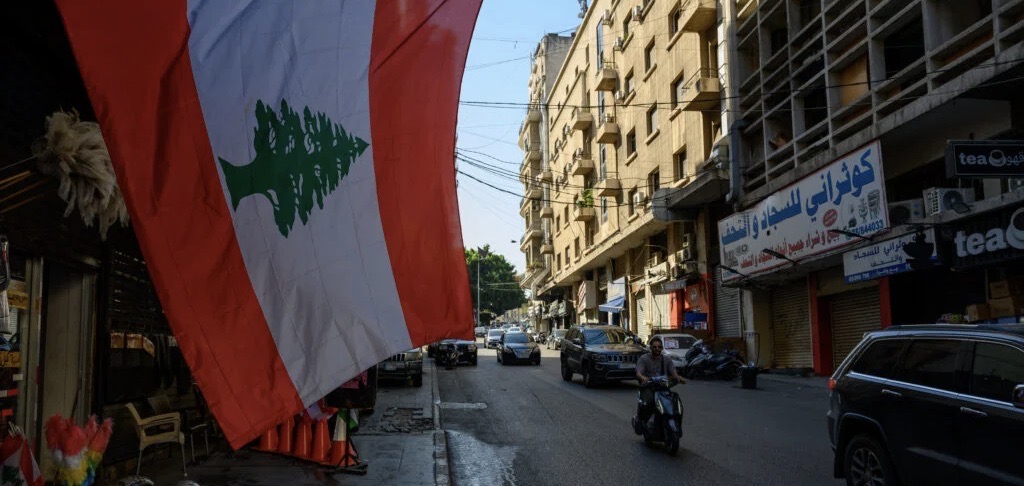 The Lebanese government filed a sharply worded complaint with the United Nations arguing that the Islamic Republic of Iran has abused diplomatic immunity by refusing to recall its ambassador after Beirut demanded his expulsion and to stop alleged terrorist activities on its soil, according to a recently surfaced letter from late April.
The disclosure of the letter, which is reportedly a precedent-setting move by Lebanon, comes amid a second day of talks in Washington between Israel and Lebanon to normalize relations (the countries are in a state of war) and dismantle the Iranian-regime-backed Hezbollah terrorist movement in Lebanon.
A U.S. State Department spokesperson told Fox News Digital on Friday that “The United States facilitated talks between Israel and Lebanon have resumed today and are ongoing. The atmosphere of talks has been very positive, even exceeding expectations.”
State Department spokesman Tommy Pigott wrote on X on Friday that “On May 14 and 15, the United States hosted two days of highly-productive talks between Israel and Lebanon. The April 16 cessation of hostilities will be extended by 45 days to enable further progress. The State Department will reconvene the political track of negotiations on June 2 and June 3.”
He added that, “In addition, a security track will be launched at the Pentagon on May 29 with military delegations from both countries. We hope these discussions will advance lasting peace between the two countries, full recognition of each other’s sovereignty and territorial integrity, and establishing genuine security along their shared border.”
As the sides report back to their capitals, the potentially game-changing letter in which Lebanese ambassador to the U.N. Ahmad Arafa, slammed Iran for inserting alleged terrorists from Iran’s Islamic Revolutionary Guard Corps (IRGC) into Lebanon “under the guise of diplomatic activity,” has given hope to critics of Iran and Hezbollah.
Arafa said, according to the letter, that Iran committed “unlawful acts in blatant defiance of the decisions of the Government of Lebanon.” He continued, “This Iranian conduct constitutes direct and blatant interference in the internal affairs of Lebanon and drags the country into a war it did not choose to become involved in.”
The U.S. and the European Union have classified the IRGC as a terrorist entity.
The letter took the Iranian Ambassador to Beirut, Mohammad Reza Sheibani, to task for “blatant interference” in Lebanon.
According to Lebanon’s U.N. letter, Beirut argued that Iran is violating the 1961 Vienna Convention on Diplomatic Relations and interfering in Lebanon’s state of affairs.
When asked about the details of the letter, a spokesperson for Lebanon’s ambassador to the U.S. declined to comment. The spokesperson also declined to weigh in on the current talks with Israel in Washington.
Walid Phares, a leading U.S. expert on Lebanon and the Mideast, told Fox News Digital that “Many have considered the Lebanese memo to the U.N. as the start of the Lebanese government change of attitude towards Iran and a sign of escalation by Beirut. While the tone of the letter and its narrative make people feel that there is a government resistance to Iran and Hezbollah reality is still lesser.”
He added that “The subject of the last quarrel is a legal change of status regarding the presence of Iranians on Lebanese soil. The Lebanese government has decided not to grant Iranians, government, and private citizens an automatic visa waiver, which upset Iran and Hezbollah. Besides, Tehran is furious at the fact that the Lebanese government has not been helpful in dealing with the elimination of a number of IRGC members killed in Lebanon by Israel. Tehran blames the foreign ministry of Lebanon, particularly foreign minister Youssef Raggi, for the ‘lessening of solidarity with Iran.”‘
According to Phares, “Raggi represents a Lebanese Christian bloc in the parliament, who is not sympathetic to the regime. However, the actual talks in D.C. are designed by the Lebanese government to show the Trump administration that the ‘state wants to talk’ but not to reach an agreement that would trigger Hezbollah’s wrath. The leaders of the Lebanese state are not yet where the U.S. and Israel expect them to be.”
A regional official well-versed in the U.N. dispute told Fox News Digital that Lebanon “argued that Iran had not given the Lebanese foreign ministry the list of all Iranians and the details about their place of stay. And that’s why Israel targeted that hotel in Lebanon in which six were killed, which is true.”
The official said that “Iran had not told the foreign ministry of Lebanon about those six people.”
Day 953 — Saturday, May 16
 As Israel continues fighting wars on the battlefield, another battle is escalating in the media. It is now moving into the courtroom with one of America’s most influential newspapers: The New York Times.
Israel’s government says it plans to sue the Times. In a joint statement, Prime Minister Benjamin Netanyahu and Foreign Minister Gideon Sa’ar condemned an opinion piece by columnist Nicholas Kristoff as “one of the most hideous and distorted lies ever published against the State of Israel in the modern press.”
Kristoff alleged widespread abuse of Palestinian prisoners, including accusations of sexual violence involving specifically trained dogs. A spokesperson for the Times rejected Israel’s accusations, calling the lawsuit “without merit” and “part of a well-worn political playbook.”
The controversy is fueling outrage among pro-Israel advocates in the United States. Jayne Zirkle from #EndJewHatred declared, “We’ve seen this October 7th denialism from The New York Times before, and we are asking them tonight to retract, and we are demanding better honest journalism.”
Demonstrators gathered outside The New York Times headquarters this week, accusing the paper of promoting false narratives about Israel.
Activist Zach Sage Fox claimed, “They are spreading blood libels that are truly unbelievable, to the point where they are scientifically impossible. Dogs do not rape people, but Hamas does.”
Fox continued, “The New York Times was the paper of record that downplayed Hitler’s propaganda. His murder of Jews in the 1930s, 40s, and 50s. And they are doing it again.”
Day 952 — Friday, May 15
 The Israeli defense establishment is operating an accelerated emergency timeline to field effective countermeasures against a new and lethal aerial threat in Southern Lebanon.
Initial solutions to shooting down First-Person View (FPV) fiberoptic drones could appear in a matter of weeks to months.
On Thursday, an IDF official said that the IDF is developing and expanding the response to the drone threat. The IDF, led by the Ground Forces’ Technological Brigade, is supplying troops in Lebanon with wire mesh nets designed to counter explosive drones, the official stated.
“Thus far, approximately 158,000 square meters of netting have been supplied to the IDF. In parallel, an additional procurement of approximately 188,000 square meters is underway and will arrive at a later stage. The total amount of netting procured so far is equivalent to the area of approximately 20 soccer fields,” said the official.
The operational gap between Hezbollah and the IDF in the small drone arena is the most significant vulnerability to open up in the current war against the Iran-backed Lebanese terror organization.
Since March 2026, and particularly following the ceasefire implementation on April 18, fiber-optic-guided First-Person View drones have become Hezbollah’s most prominent weapon against IDF troops. Over a two-and-a-half-week span, Hezbollah launched approximately 80 explosive drones at Israeli troops, with a number striking their targets, resulting in fatalities and injuries.
Hezbollah’s systematic transition to fiber-optic drones is a conscious imitation of innovations from the 2025 Russia-Ukraine war. The physical fiber-optic cable connects the operator to the drone over dozens of kilometers. This fully neutralizes the option of electronic warfare and spectral jamming that Israel’s multi-layered air defenses rely upon.
The drones emit no electromagnetic signals, prevent the location of the launch source, and possess minimal radar and infrared signatures due to their small electric motors and low flight altitudes.
To confront this challenge within the required timeline, IDF Ground Forces commander Maj. Gen. Nadav Lotan established seven dedicated task forces in late April, according to a recent report by Walla News.
The teams are focusing on rapid updates of combat doctrine, detection, warning, and interception, digital and electromagnetic spectrum issues, passive defense, such as physical armor, nets, and liaising closely with defense industries to bypass traditional, slower procurement cycles.
A range of solutions is at hand, including computer-vision fire control sights that can be mounted on assault rifles, the deployment of 5.56mm fragmenting ammunition, of which thousands of crates were reportedly ordered by Israel from the United States, and the defensive nets. IDF soldiers in Southern Lebanon are now routinely spreading nets over their vehicles to prevent final-stage impacts.
Hezbollah’s FPV drones cost an estimated $300 to $400 each.
Meanwhile, Israel’s Security Cabinet decided to establish a dedicated IDF factory to produce thousands of FPV “suicide drones” every month.
The facility will be staffed entirely by Haredi soldiers, according to a report by Channel 13 News. The strategic move aims to dramatically expand the military’s FPV drone arsenal. The IDF has also been offered interceptor drones that can take on attacking FPV drones.
Other options include working with large Israeli defense companies and startups to attach lasers or machine guns to optical or acoustic sensors.
Day 952 — Friday, May 15
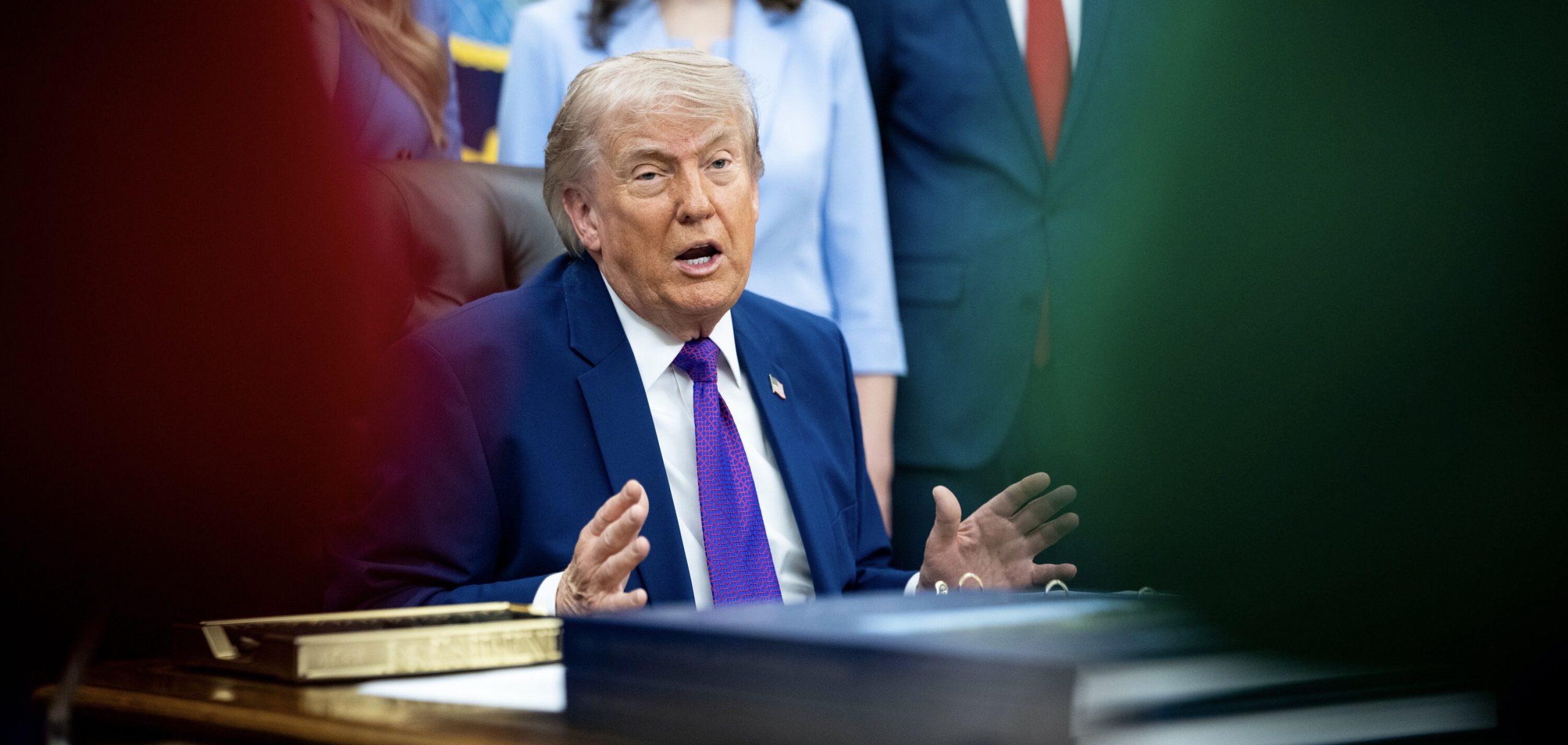 US President Donald Trump said that he is not going to be “much more patient” with Iran’s leadership and that they can either make a deal or “get annihilated” during an interview with Fox News’s Sean Hannity on Thursday.
“I am not going to be much more patient,” Trump asserted. “Now they can make a deal, or they get annihilated,” he said, adding that “any sane person would make a deal, but they might be crazy.”
He reiterated that the US will not allow Iran to develop or obtain a nuclear weapon because “they would use it.”
As for the enriched uranium Iran already has, Trump said that he would prefer to “get it” rather than leave it “entombed” in rubble after US and Israeli strikes destroyed much of Iran’s nuclear weaponization infrastructure in June of 2025 and during Operation Epic Fury and Operation Roaring Lion.
Day 951 — Thursday, May 14
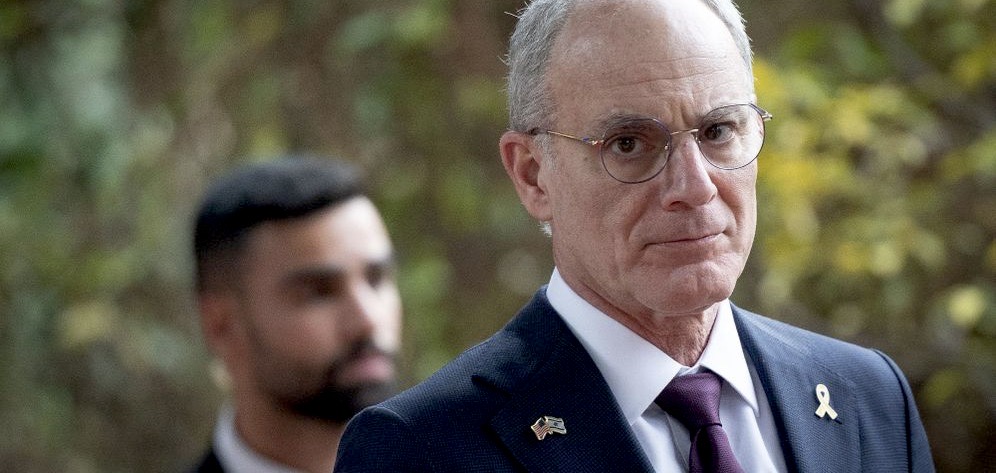 As negotiations between Israel and Lebanon resume this Thursday, Israeli Ambassador to the United States Yechiel Leiter indicates that discussions have advanced beyond initial parameters toward a unique, dual-track framework aimed at both a formal peace treaty and the total dismantlement of Hezbollah.
In an interview with i24NEWS, Leiter described a strategy that separates diplomatic aspirations from immediate military realities. “We’re going to move into, hopefully, setting the framework for two teams,” Leiter said. “One team that will deal with achieving peace, a peace treaty, full peace, as if Hezbollah doesn’t exist, and a security track, as if the peace talks don’t exist.”
The current round of talks marks a departure from previous sessions that centered on Israeli military withdrawals. According to Leiter, the presence of the IDF in Lebanese territory is now widely understood as a direct response to Hezbollah’s arsenal.
“This is the first time that the talks are not focused on when is the IDF going to withdraw” Leiter noted. “The focus is now on, number one, reaching a peace treaty, as if there’s no Hezbollah, and fighting Hezbollah as if there’s no peace treaty. And I think we’re going to accomplish both.”
Leiter emphasized that while Israel seeks a diplomatic breakthrough, the implementation of any agreement is contingent on the “second track”—the neutralization of Hezbollah’s military capabilities.
“We’re not going to be able to implement the peace that we signed unless the second track is fulfilled, and that’s the dismantlement of Hezbollah,” he stated. Addressing the future of the IDF’s footprint in the region, he added, “We have no immediate plans of withdrawal, and we have no designs in Lebanese territory at the same time, but we have designs on our security.”
Despite the complexities of Lebanese internal politics, Leiter expressed cautious optimism regarding a “true partner” for peace. He cited internal surveys suggesting a significant shift in public opinion, even among the Shiite population.
“The Shiites, which used to only support a peace agreement with Israel at five or 10%, has now moved to 40, 50% against Hezbollah,” Leiter claimed. While acknowledging that Lebanon remains a “not exactly functional state,” he argued that the shared goal of removing Hezbollah’s influence will eventually prevail.
“We have to be patient, but be firm at the same time,” Leiter concluded. “The shared interest in freeing that country from Hezbollah is ultimately going to win the day.”
i24 News
Day 951 — Thursday, May 14
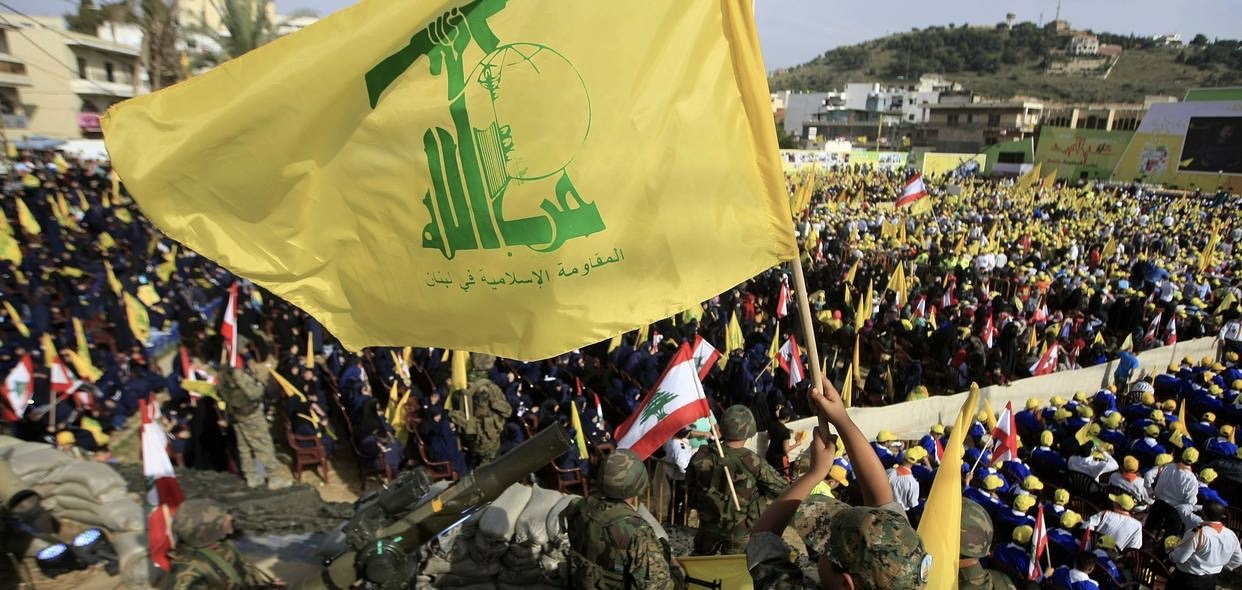 Three Israeli civilians were wounded, two seriously, in a Hezbollah drone attack in the Rosh Hanikra area, the military and hospital officials say.
The drone struck a parking lot close to the border with Lebanon, injuring the civilians. No sirens sounded in the area, indicating that the drone was not detected by the military.
The IDF says the drone attack is a “blatant violation of the ceasefire understandings by the Hezbollah terror organization.”
Galilee Medical Center in Nahariya says it is treating two people in serious condition and one person who was lightly hurt.
Day 950 — Wednesday, May 13
 The Israel Foreign Ministry blasted The New York Times on Monday for publishing what it called “one of the worst blood libels ever to appear in the modern press” after a left-wing columnist reported that Palestinians are regularly being sexually abused by everyone from Israeli prison guards to dogs.
Times opinion columnist Nicholas Kristof penned the controversial piece headlined, “The Silence That Meets the Rape of Palestinians,” that features men and women alleging “brutal sexual abuse at the hands of Israel’s prison guards, soldiers, settlers and interrogators.” Many critics blasted it as “propaganda” and poked holes in the reporting, while the Israeli government promised “the truth will prevail.”
“Whatever our views of the Middle East conflict, we should be able to unite in condemning rape,” Kristof wrote, noting that supporters of Israel denounced sexual violence that occurred during the Hamas-led terror attack on Oct. 7, 2023.
“And yet in wrenching interviews, Palestinians have recounted to me a pattern of widespread Israeli sexual violence against men, women and even children,” Kristof wrote, adding that “American tax dollars subsidize the Israeli security establishment, so this is sexual violence in which the United States is complicit.”
Kristof spoke with “14 men and women who said they had been sexually assaulted by Israeli settlers or members of the security forces.” He noted that the Israeli government rejected the claims but added, “just as Hamas denied raping Israeli women.”
The liberal columnist went on, “Think of it this way: The horrific abuse inflicted on Israeli women on Oct. 7 now happens to Palestinians day after day.”
The Israel Foreign Ministry has condemned the report as malicious and false.
“In an unfathomable inversion of reality, and through an endless stream of baseless lies, propagandist Nicholas Kristof turns the victim into the accused. Israel – whose citizens were the victims of the most horrific sexual crimes committed by Hamas on October 7, and whose hostages were later subjected to further sexual abuse – is portrayed as the guilty party,” the Israel Foreign Ministry wrote on X.
“This publication is no coincidence. It is part of a false and well-orchestrated anti-Israel campaign aimed at placing Israel on the U.N. Secretary-General’s blacklist,” they added. “Israel will fight these lies with the truth – and the truth will prevail.”
Pro-Israel media watchdog Honest Reporting called the piece “journalistic malpractice” and sharply criticized his reliance on “freelance journalist” Sami al-Sai as a source.
Yechiel Leiter, Israel’s ambassador to the United States, posted a video urging Americans not to “buy into their blood libels.”
“The only clear crime on display here is the violation of journalistic standards by Mr. Kristof and his paper,” Leiter said, blasting “questionable” sources with ties to the terror group Hamas.
Kristof is aligned with the Democratic Party, which has become sharply more anti-Israel in recent years, and even made an aborted bid for Oregon governor as a Democrat.
Day 950 — Wednesday, May 13
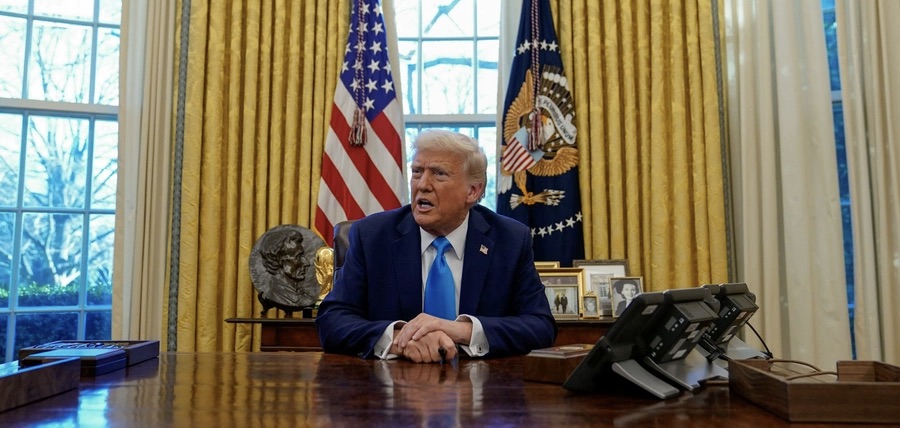 Despite ferocious opposition to the war in Iran by most Democrats and by extreme “Woke Right” Influencers such as Tucker Carlson, Megyn Kelly, Candace Owens, and others, Evangelical Christians in the United States overwhelmingly support the decision by President Donald J. Trump to launch Operation Epic Fury on Feb. 28.
What’s more, 76% of Evangelicals want the commander-in-chief to “finish the job once and for all to protect the United States and our allies.”
They don’t want Trump to cut a weak or premature deal with the mullahs in Tehran.
Why? Because the vast majority of Evangelicals believe that if what’s left of the Iranian regime could ever build a fully operational nuclear bomb or warhead, they are evil enough to use it to cause massive damage inside the U.S. and annihilate Israel or our moderate Arab allies.
These are the intriguing results of a poll of 1,000 American citizens, measuring public resistance and support for the war in Iran.
I have to say that I was surprised – and encouraged – to see that most Americans approve of President Trump’s decision to use the military to eliminate Iran’s nuclear missile program and Tehran’s support for terrorism.
Overall, the poll found that 52% of Americans, regardless of party, gender, race, or religion, approve.
By contrast, 69% of Evangelicals support Trump’s decision.
That indicates Evangelicals back the decision by 17 points more than the general public.
Given the vicious and relentless effort by many in the so-called “mainstream media” – and so many voices on the extreme Left and Right – attacking the war, attacking Trump, and attacking Israeli Prime Minister Benjamin Netanyahu, I would not have expected to see this level of support.
Likewise, I was also encouraged to learn that fully 60% of Americans want President Trump to “finish the job once and for all to protect the United States and our allies.”
Yet significantly more Evangelicals – 16 points more – want the U.S. to finish the job.
Tucker Carlson and other fierce critics of the war insist that Iran would never use nuclear weapons if it ever got them. Tucker himself has even suggested it might be better if Iran did have The Bomb, creating a balance of power in the Mideast. But the majority of Americans disagree.
Fully 61% of the general public believe that “if Iran were to develop and build a nuclear weapon, do you think they would use it to attack the United States, our military, or our allies.”
Evangelicals are even more convinced.
Fully 72% of American Evangelicals say they believe Iranian leaders would use nuclear weapons against the U.S. and Israel if they could.
Day 950 — Wednesday, May 13
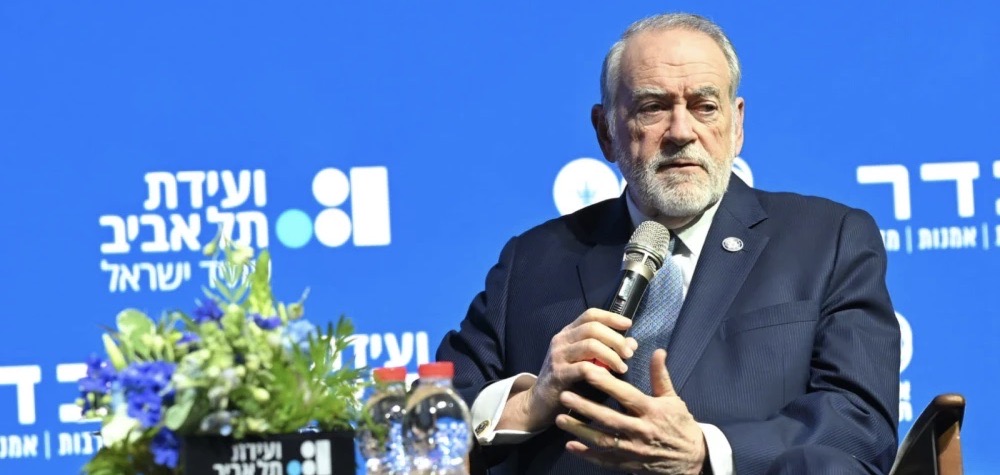 U.S. Ambassador to Israel Mike Huckabee said Tuesday that Israel may have to disarm Hamas, amid growing indications the Islamic terror group is reasserting control over parts of Gaza in defiance of a ceasefire agreement that required it to disarm.
The remarks by the top American envoy hinted at both a growing dissatisfaction over the unsettled situation with Hamas in Gaza since a U.S.-brokered ceasefire went into effect on Oct. 10, 2025, a perception overshadowed by the war with Iran, and a growing realization that disarming Hamas will likely be left to the Israeli military.
“Who’s going to actually do the disarming? I don’t know,” Huckabee told a Tel Aviv University conference. “It may end up that the only entity willing to do it will be the IDF.”
Hamas currently is in control of less than half of the Gaza Strip, with the Israeli military controlling the other half.
He expressed skepticism that the much-touted International Stabilization Force, which several nations have volunteered to join and is meant to secure and govern Gaza, would be able to disarm Hamas, noting that it was a “monitoring border force” and not a demilitarizing force.
The U.S. Ambassador said that the world should thank Israel if it is the only one willing to disarm Hamas instead of censuring it.
“The world can’t condemn Israel for doing what it didn’t have the courage to do, and that’s taking Hamas down,” he said. “You don’t send someone into the fire to put out the fire and then complain because they come out smelling like smoke.”
Day 949 — Tuesday, May 12
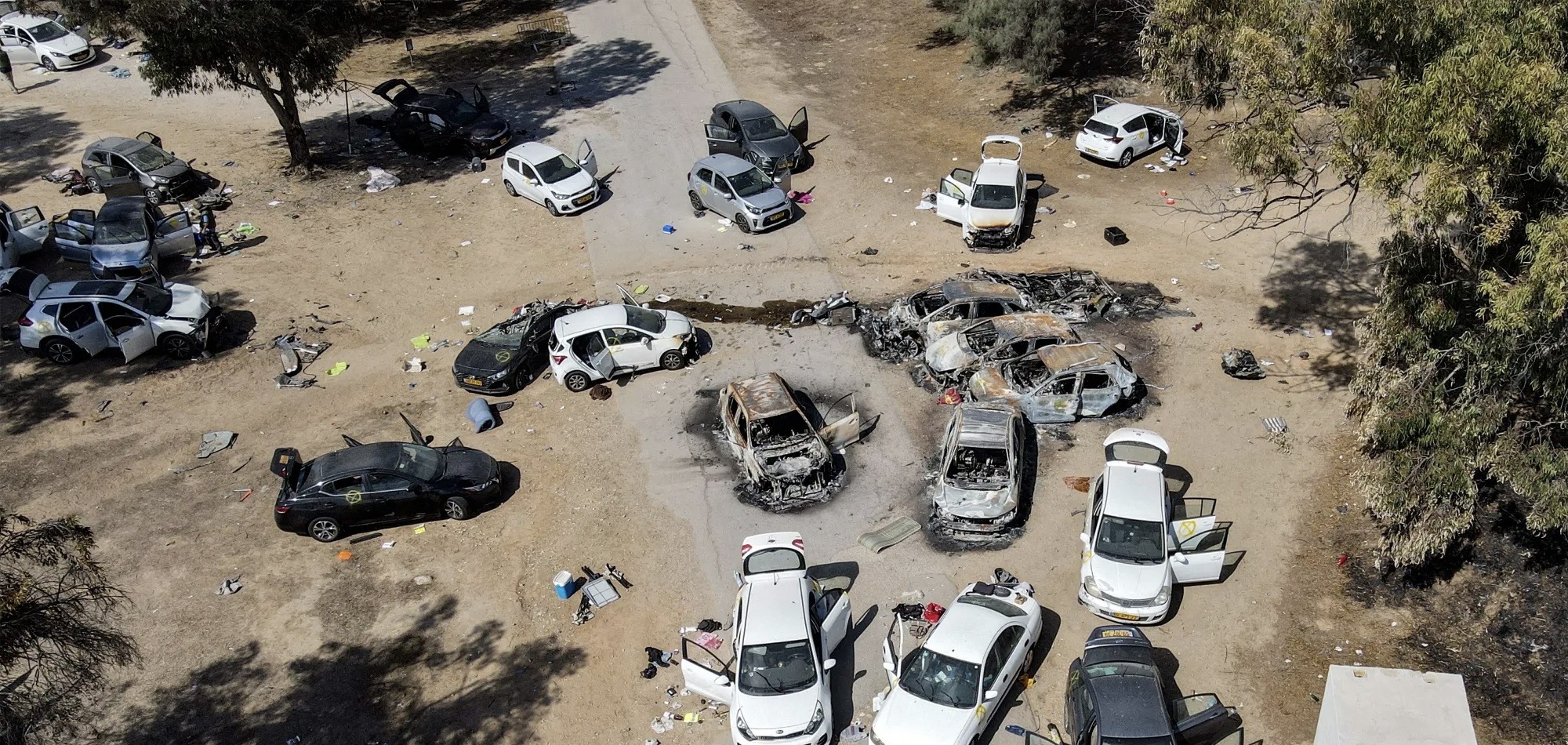 More than two years after the deadliest terrorist attack in Israel’s history, the Knesset on Monday night approved legislation creating a special tribunal to prosecute those accused of participating in the Hamas-led Oct. 7, 2023, massacre.
The measure passed overwhelmingly, with 93 lawmakers voting in favor and none opposed.
“This is one of the most important moments of the current Knesset,” Israeli Justice Minister Yariv Levin said after the vote. “Out of the terrible massacre, we rose up to fulfill our moral obligation to bring the perpetrators to justice.”
The legislation establishes a dedicated military judicial framework to handle prosecutions connected to the Oct. 7 assault, when thousands of terrorists crossed into Israel from Gaza, killing roughly 1,200 people and abducting 251 others, while committing widespread acts of murder, rape, torture and kidnapping. The tribunal will handle cases involving approximately 300 terrorists captured inside Israeli territory during the attack, along with suspects accused of involvement in kidnapping and related crimes.
Under the legislation, suspects could face charges including terrorism, wartime collaboration, genocide-related offenses and violations of Israeli sovereignty.
In the gravest cases, the tribunal would have the authority to impose the death penalty.
The bill was jointly introduced by coalition lawmaker Simcha Rothman of the Religious Zionism Party and opposition MK Yulia Malinovsky of the Yisrael Beiteinu Party.
Rothman told TPS-IL that the legislation sends “a clear and unequivocal message” to Israel’s enemies.
“The State of Israel will not forget and will not forgive,” he said. “Those who slaughtered, murdered, raped and kidnapped Israeli citizens will stand trial and pay the heaviest price.”
“This law will regulate, streamline and shorten the process of bringing the terrorists responsible for the Oct. 7 massacre to justice,” Malinovsky told JNS.
“Given the number of terrorists, crime scenes and pieces of evidence involved, legislation was necessary. This law allows judges to impose the harshest penalties available under Israeli law, including the death penalty,” she continued.
“Without this legislation, those terrorists could have died of old age before ever standing trial,” she said, adding, “This law will bring justice to the victims, their families and all citizens of Israel.”
According to the legislation, hearings will be conducted publicly in Jerusalem and broadcast to viewers. Lawmakers said the proceedings are intended not only to prosecute suspects, but also to preserve evidence of the atrocities for the historical record.
A key provision bars anyone convicted under the framework from being released in future prisoner swaps or diplomatic agreements.
Supporters argued that Israel’s existing judicial system was not designed to manage crimes of such magnitude.
“The unique scope and severity of the atrocities pose an unprecedented challenge,” the bill’s explanatory notes states, citing the number of crime scenes, suspects and victims, along with the difficulties of collecting evidence during wartime.
The law allows judges, in certain circumstances, to depart from standard evidentiary procedures. It also mandates an automatic appeal process in any case involving a death sentence, even if the defendant declines to appeal.
Despite the broad support, the legislation drew criticism from some coalition figures during deliberations. Critics argued the process could become overly lengthy and bureaucratic, and warned that details surrounding implementation of the death penalty were left to future government regulations.
Some lawmakers also questioned the projected cost of the tribunal, estimated at between 2 billion shekel ($690 million) and 5 billion shekel ($1.7 billion).
In March, the Knesset approved separate legislation authorizing the death penalty for non-Israeli terrorists convicted of murdering Israelis. The Knesset stated in Hebrew that the Death Penalty for Terrorists Bill mandates that a “resident of the area, except for an Israeli citizen or Israel resident, who intentionally caused the death of a person in an act of terrorism, shall be imposed with the death penalty, unless the military court finds that special circumstances exist under which it is appropriate to impose a sentence of life imprisonment.”
However, because the law is not retroactive, it does not apply to suspects accused of participating in the October 2023 attacks.
If implemented, the death penalty provision would mark an extraordinarily rare step in Israeli legal history.
The only person ever executed by Israel was Adolf Eichmann, one of the chief architects of the Holocaust. He was hanged in 1962 after being convicted of genocide and crimes against humanity. Israeli courts also sentenced John Demjanjuk to death in 1988 for crimes committed at Nazi concentration camps, but the Supreme Court overturned the conviction in 1993. He was later convicted in Germany and died while appealing the verdict.
Day 949 — Tuesday, May 12
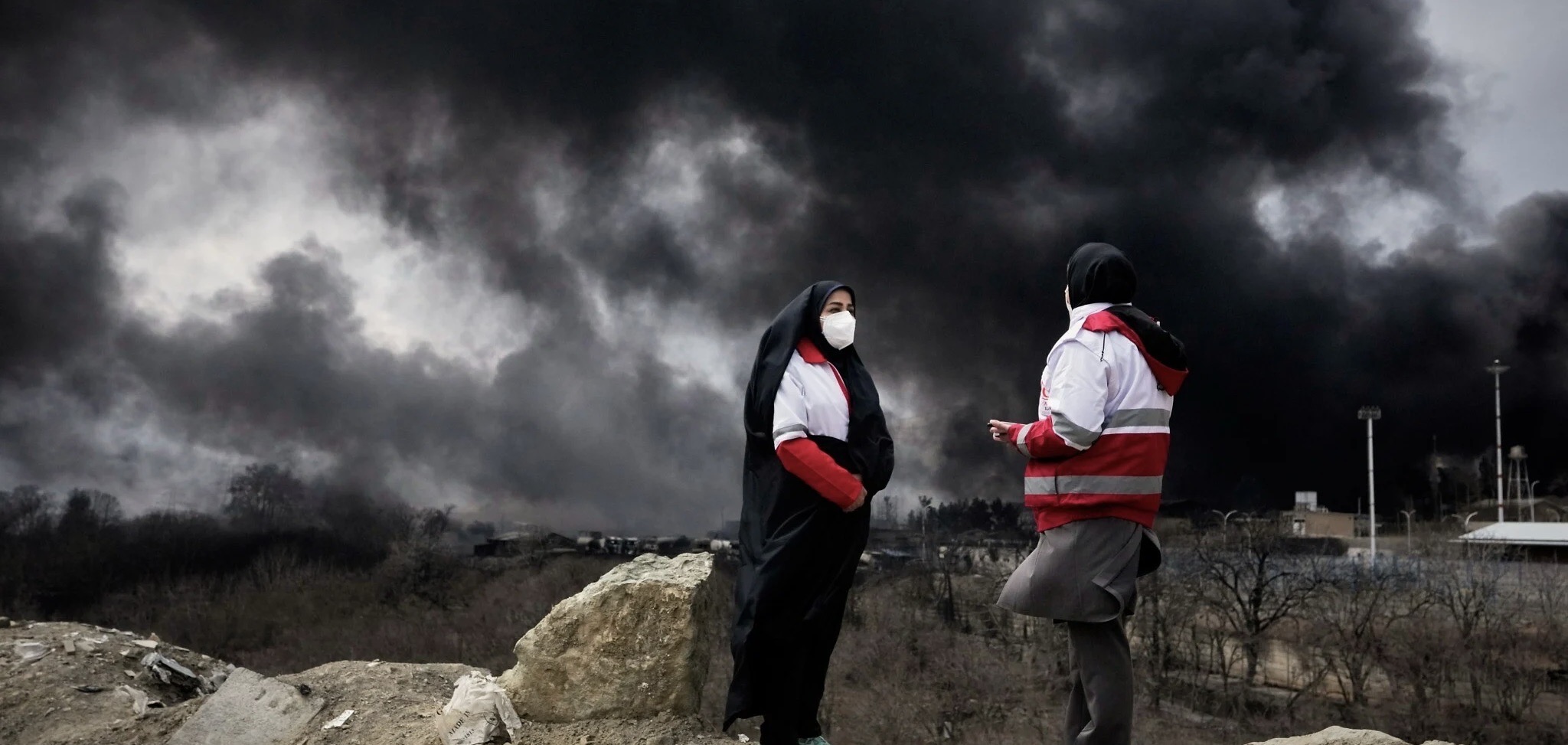 The United Arab Emirates carried out military strikes on Iran, making it the only other country to join the United States and Israel in their war against the Islamic Republic, according to a Monday report.
The strikes, which the UAE has not publicly acknowledged, included an attack on a refinery on Iran’s Lavan Island in the Persian Gulf, the Wall Street Journal reported, citing people familiar with the matter.
The attack took place in early April, according to the report, which said it was around the time US President Donald Trump announced a ceasefire, but did not specify if it was before or after the declaration.
Iran acknowledged at the time that the site had been attacked by an unspecified enemy, then responded by firing missiles and drones at the UAE and Kuwait, the Journal noted.
The Lavan Island attack was the only specific instance of the UAE participating in the war mentioned in the report.
One of the sources told the Journal that Washington positively received Abu Dhabi’s participation in the war, after other Gulf countries refused to actively join in the conflict.
Day 949 — Tuesday, May 12
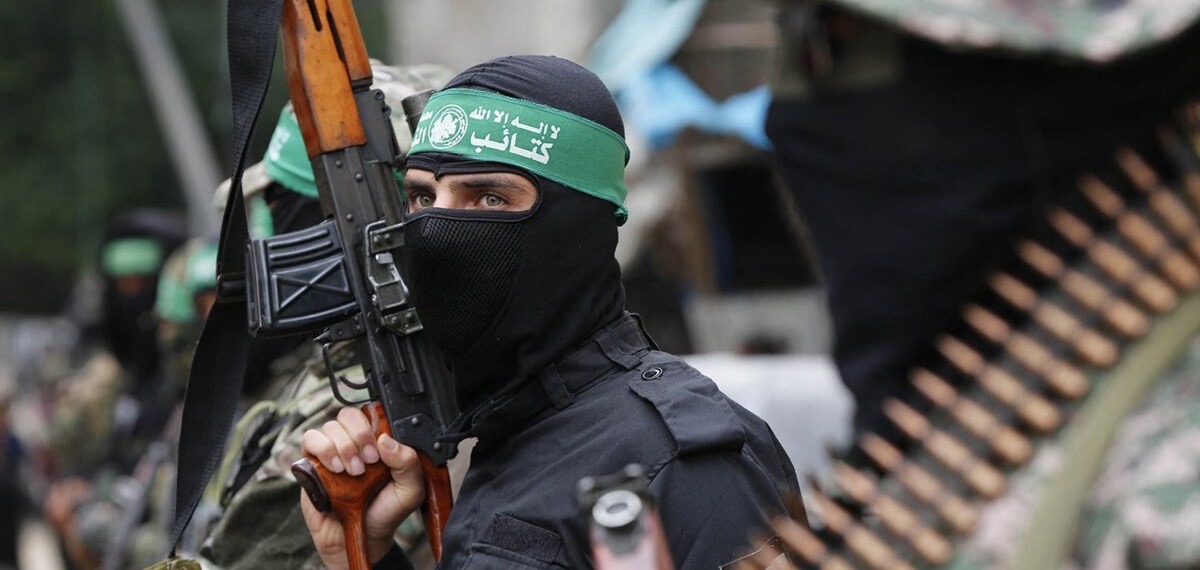 The Coordinator of Government Activities in the Territories (COGAT) sent a strategic warning to the political echelon recently, according to which the scope of the humanitarian aid entering the Gaza Strip is double what is required and, in effect, fuels Hamas.
An internal document written by Major General Yoram Halevi and revealed in Israel Hayom states that Gaza only requires approximately 250 trucks of aid a day to meet its basic humanitarian needs. However, Israel allows 600 trucks to enter daily, mainly due to commitments to ceasefire agreements.
A professional study conducted by COGAT with intelligence officials and international bodies found that Hamas systematically exploits the “substantial surplus” of aid in the enclave.
The document states that “each truck beyond the humanitarian requirement, in effect, strengthens Hamas,” since the organization takes control of the goods, taxes local merchants, and collects food in its storehouses.
These actions allow Hamas to maintain its civil control over the population by creating a system of economic dependence and exclusive control over the distribution frameworks and the market.
Beyond strengthening Hamas’s control, the document also warns that the huge number of trucks makes it difficult for the security forces to conduct quality inspections, dramatically increasing the chance for smuggling.
According to the data, over 75% of the contraband detected contained tobacco and cigarette products, a product of enormous economic value that Hamas uses to finance its activities. In addition, attempts to smuggle sensitive dual-use materials were detected. Additionally, forces also caught attempts to smuggle sensitive multi-use substances.
Day 948 — Monday, May 11
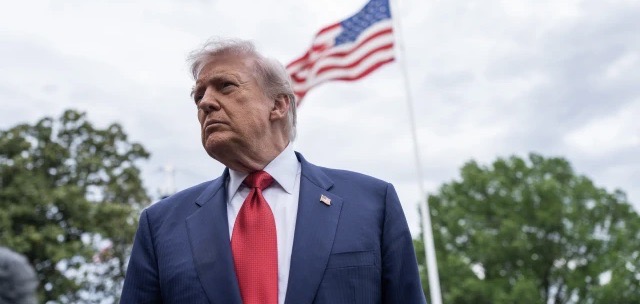 After Iran issued a formal response to the latest U.S. peace proposal for ending the war, President Donald Trump said he rejected the Iranian reply, calling it “totally unacceptable.”
On Sunday, reports said Iran had sent a response to the U.S. proposal via Pakistan, with Iranian media claiming it focused on Tehran’s demands for ending the war on all fronts, including Israel’s operations against Hezbollah in Lebanon, and ending the U.S. blockade of the Strait of Hormuz.
According to Iran-affiliated Tasnim News, the regime called for an immediate end to the war, a long-term ceasefire in Lebanon, a complete lifting of all U.S. sanctions, the release of frozen regime assets and unrestricted Iranian oil exports. The regime also demanded full control of the Strait of Hormuz.
“I have just read the response from Iran’s so-called ‘Representatives,’ Trump posted on Truth Social. “I don’t like it – TOTALLY UNACCEPTABLE! Thank you for your attention to this matter. President DONALD J. TRUMP.”
In another post, berating former U.S. President Barack Obama for giving Iran “suitcases” of cash, Trump said Iran was “laughing at our now GREAT AGAIN Country. They will be laughing no longer!”
“Iran has been playing games with the United States, and the rest of the World, for 47 years (DELAY, DELAY, DELAY!” Trump wrote on Truth Social.
“For 47 years, the Iranians have been ‘tapping’ us along, keeping us waiting, killing our people with their roadside bombs, destroying protests, and recently wiping out 42,000 innocent, unarmed protestors, and laughing at our now GREAT AGAIN Country. They will be laughing no longer!” he continued.
Day 948 — Monday, May 11
 About 20,000 people attended a demonstration against antisemitism in London on Sunday, following a surge in attacks on Jews, the Board of Deputies of British Jews said.
Jeers and booing were heard at the rally in Whitehall, opposite the Downing Street residence of the British prime minister, when Secretary of State for Work and Pensions Pat McFadden spoke.
He told the crowd: “I feel your pain,” and assuring that he wanted to “fight against antisemitism.” One woman shouted at McFadden, the senior-most government representative at the rally: “Action, no more words.”
McFadden continued, “I want to see Jewish people have the freedom to wear religious symbols not only at worship, but in daily life, in work, in all parts of daily life. … Friends, I hear you. I am with you. I want to fight antisemitism.”
Organized by the Board and the Jewish Leadership Council, the rally featured speeches by other senior politicians, including the head of the Conservative Party, Kemi Badenoch, and Richard Tice, deputy leader of Nigel Farage’s right-of-center Reform UK party.
“We’ve heard all the words for so long from politicians and it’s counted for nothing,” Tice told GBNews at the rally. “The scourge of antisemitism is getting worse, the violence is getting worse, the threats, the fear and, you know, I’ve said we need action, not words.”
Tice added: “We’ve got to ban the hate marches, proscribe and ban the IRGC [Iran’s Islamic Revolutionary Guard Corps], proscribe and ban the Muslim Brotherhood, and also take on the weak, failing leadership of our universities that haven’t dealt with the scourge.”
This requires “courage and leadership and that’s been absent for too long and it’s got to stop,” he said.
Day 947 — Sunday, May 10
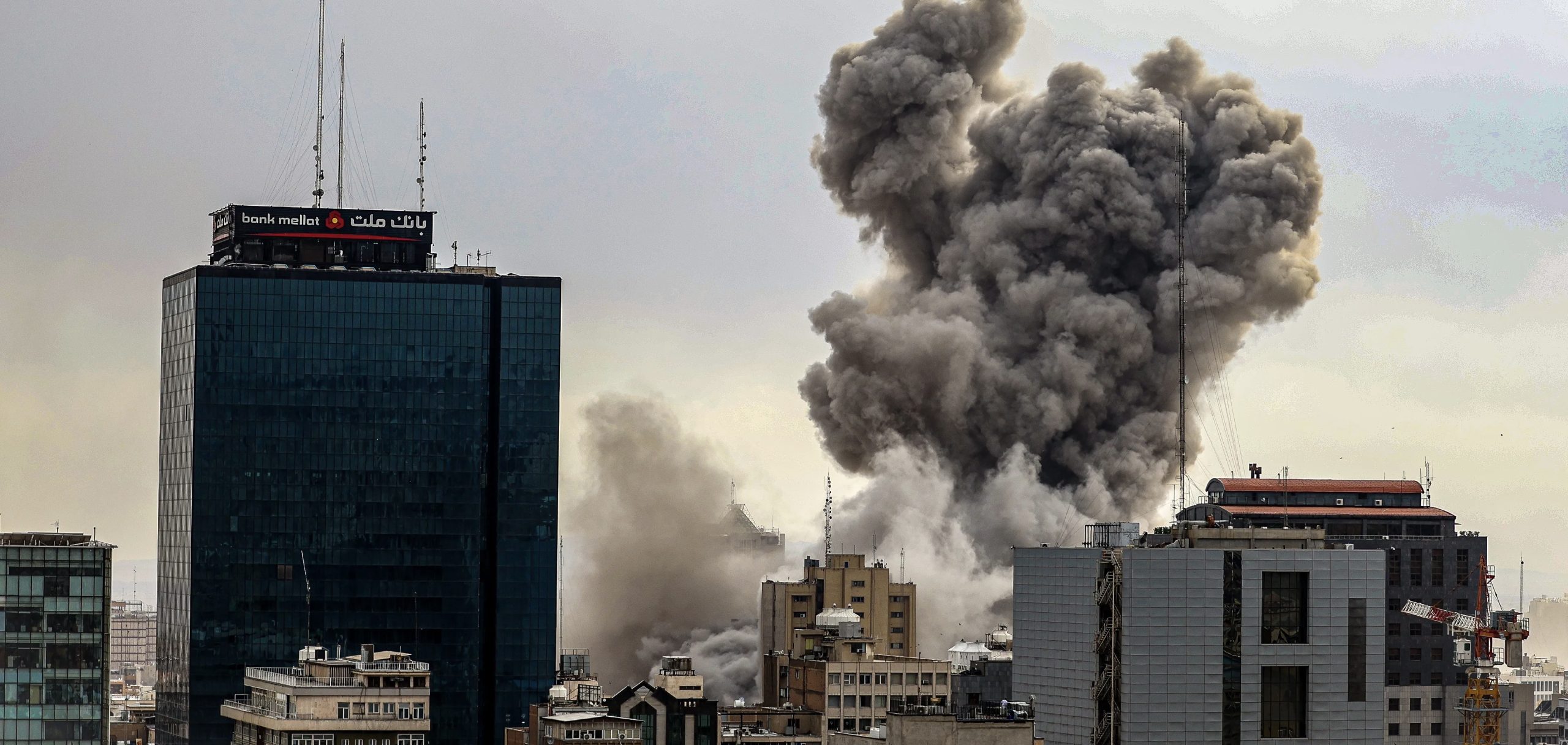 Nuclear weapons experts are raising the alarm bells over the pressing need for the Trump administration to codify in any new deal a ban on Iran’s attempts to use plutonium from its facilities to build an atomic bomb. The administration and non-proliferation experts have largely focused on the Islamic Republic’s atomic weapons facilities that use uranium as the material for building nuclear bombs. Tehran could take advantage of this blind spot and covertly build a plutonium-based nuclear weapon.
Jason Brodsky, policy director at United Against Nuclear Iran (UANI), told Fox News Digital: “I do believe any proposed deal with Iran needs to address the plutonium pathway to nuclear weapons. Israel struck the Arak heavy water reactor twice over the last year — in June 2025 and in March 2026. Intelligence suggested Iran had repeatedly attempted to reconstruct the facility even after the bombing, so any deal with Iran should cover the plutonium pathway.“
Iran’s regime could use plutonium from spent fuel at its nuclear reactor at Bushehr to build an atomic weapons device, according to Henry Sokolski, the executive director of the Nonproliferation Policy Education Center and former deputy for nonproliferation policy in the Department of Defense (1989–1993).
Writing last month on the website of Real Clear Defense, he noted “Washington should make sure that Iran doesn’t remove Bushehr’s spent fuel and strip out the plutonium. This can and should be done without bombing the plant.“
Sokolski wrote the “Pentagon should watch to make sure Iran does not remove any of the spent fuel at Bushehr. It could do this with space surveillance assets or, as it did in 2012, with drones. Second, any ‘peace’ deal President Trump cuts with Tehran should include a requirement that there be near-real-time monitoring of the Bushehr reactor and spent fuel pond, much as the IAEA had in place with Iran’s fuel enrichment activities.“
In another article in the Bulletin of the Atomic Scientists in April, Sokolski argued that Iran has enough plutonium for more than 200 nuclear bombs. He said, “The last time IAEA inspectors visited Bushehr was August 27, 2025. Even when agency inspectors had routine access to the plant, they only visited every 90 days — more than enough time to divert the spent fuel and possibly fashion it into nuclear weapons.“
He added that “President Obama did not insist on such surveillance even though the IAEA asked Iran to permit it. Tehran said no.“
Recent IAEA reports have not addressed the plutonium path to a bomb with any specificity.
Day 946 — Saturday, May 9
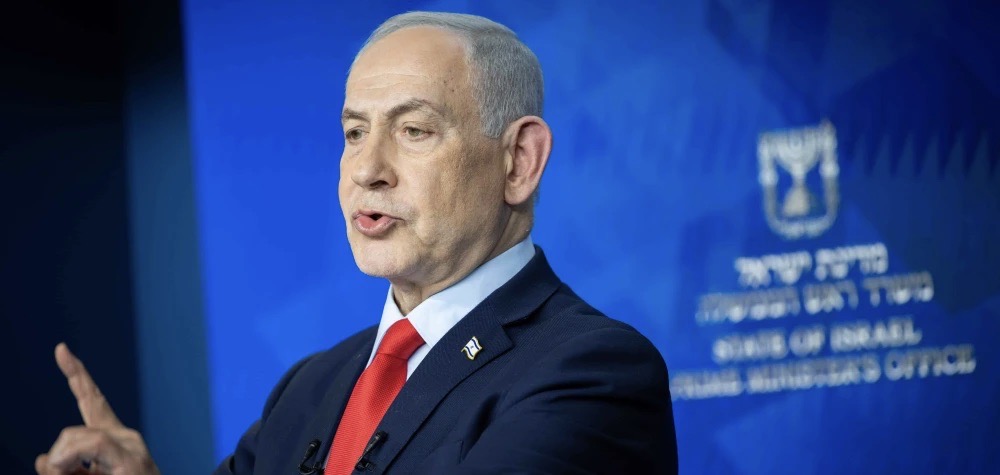 Prime Minister Benjamin Netanyahu released a video statement on Thursday confirming that Israel killed a senior Hezbollah commander in a strike in central Beirut on Wednesday night, identifying the target as the head of the Iranian-backed terrorist group’s Radwan Force.
“This is the same senior terrorist who led the plan to conquer the north,” the premier said. “He thought he could continue directing attacks against our forces and our communities from his covert terrorist headquarters in Beirut. He apparently read in the press that he had immunity in Beirut. So he read—and that will no longer be the case.”
Netanyahu said Israeli forces had killed more than 200 Hezbollah terrorist operatives over the past month and were carrying out similar operations against terrorist cells in Gaza, including on Wednesday.
He warned that “no terrorist has immunity” and said anyone threatening Israel would be targeted. He praised Israeli troops, intelligence services and the air force for their role in the operations.
The prime minister’s statement came shortly after the IDF announced the killing of Ahmed Ali Balout, who the military said “commanded dozens of terror attacks against IDF soldiers operating in Southern Lebanon, including anti-tank missile attacks and the detonation of explosive devices.”
Balout also spearheaded attempts to rebuild the Radwan Force and Hezbollah’s “Conquer the Galilee” Plan, “which was planned and advanced by the unit for years,” the military stated.
Under that plan, the Iranian-backed terrorist organization sought to infiltrate Israel, seize areas along the border and abduct hostages.
The Radwan Force “operates under the sponsorship and direction of the Iranian terror regime with the aim of harming IDF soldiers and Israeli civilians,” the IDF stressed.
Wednesday’s attack in Beirut’s southern suburbs—a Hezbollah stronghold—marked the first IDF strike in the capital since April 8.
Day 946 — Saturday, May 9
 The arrest of two Israeli air force personnel on allegations of espionage has underscored Iran’s expanding efforts to penetrate Israel’s military by recruiting operatives from within.
Over the past year and a half, Israeli police, working alongside the Shin Bet (Israel Security Agency), have investigated more than 20 cases involving an estimated 40 to 50 suspects. Most remain in custody, though investigators believe additional suspects are still at large.
Capt. Sefi Berger of the Israel Police’s Lahav International and Major Crimes Unit, which investigates Iranian espionage cases, told Fox News Digital that Tehran primarily seeks intelligence that could aid attack planning, along with information on high-profile individuals and other sensitive targets.
Payments vary widely. One network of seven suspects reportedly received about $300,000, while an Iron Dome reservist was allegedly paid $1,000 — and in some cases, even less.
“People may think they will get rich, but the money is not life-changing,” Berger said. “In one case last year involving two soldiers, one received just $21 and has been in prison for a year and a half.”
Iranian recruitment tactics include infiltrating WhatsApp and Facebook groups used by Israelis seeking freelance work, as well as pornography websites, where agents allegedly use compromising material to blackmail individuals into cooperating. Recruitment also relies on emotional manipulation of individuals whose moral judgment may be compromised.
“When recruiting a person, a relationship can develop between the handler and the spy. Sometimes the asset is looking for a father figure or a friend — someone who listens without judgment,” Berger said.
Former Shin Bet handler Gonen Ben Itzhak, who spent years recruiting sources within Palestinian society, told Fox News Digital that the issue is particularly serious, saying he has not previously seen so many attempts — and some successful cases — of spying against Israel.
“The million-dollar question is who makes a good recruit. We don’t have a clear answer. There are certain indicators that someone may be more susceptible. The Iranians use social media — something we didn’t have in the same way — and it’s a powerful tool to identify potential motives,” he said.
As a handler, Ben Itzhak said he sought to recruit as many viable candidates as possible while avoiding individuals likely to attract suspicion, such as known criminals. He described the process as gradual and often uncertain.
“At first, they need to agree to meet in secret. Sometimes they come but won’t share information. I would start with simple questions — who leads Hamas in their village,” he said.
“Sometimes it takes time. Some refuse to cooperate, some may even act as double agents. In many cases, they are trained to collect information without being exposed. It’s a process,” Ben Itzhak added.
On Friday, indictments were filed against an Israeli civilian and three soldiers arrested in March on suspicion of working for Iranian intelligence and carrying out security-related missions under its direction before enlisting in the IDF.
As part of the alleged operations, the defendants documented and sent their handlers photos and videos of locations including train stations, shopping centers and security cameras, and were at one point instructed to purchase weapons. They also allegedly transferred documents from the Air Force Technical School, where some of the suspects had studied.
In March, 22-year-old Haifa resident Ami Gaydarov was arrested on suspicion of manufacturing explosives intended to target a senior Israeli figure at the direction of an Iranian agent.
Last month, a man from the Israeli-Arab city of Qalansawe was detained on suspicion of allegedly spying for “a hostile actor, mediated through the Al Jazeera channel.” According to the investigation, Miqdad Moder Hosni Natur made contact with his handler after being introduced while searching for job opportunities through the Qatari-owned news organization.
Under Israeli law, contact with a foreign agent carries a sentence of up to 15 years in prison. Providing intelligence can result in more than 10 years’ imprisonment, while aiding the enemy during wartime carries a minimum sentence of life imprisonment and, in extreme cases, the death penalty.
Berger also warned against attempts by Israelis to deceive foreign agents, stressing that any contact is a serious offense.
“We had a hotel worker near the Dead Sea who falsely told Iranians that a group of Israelis would arrive. He said it was a lie, but I explained he had effectively put a target on that hotel, its staff and guests, and encouraged an attack,” Berger said.
“People unfamiliar with this world should not engage in it. Contact is an offense, providing information is an offense, and aiding the enemy is the most severe,” he added.
Day 946 — Saturday, May 9
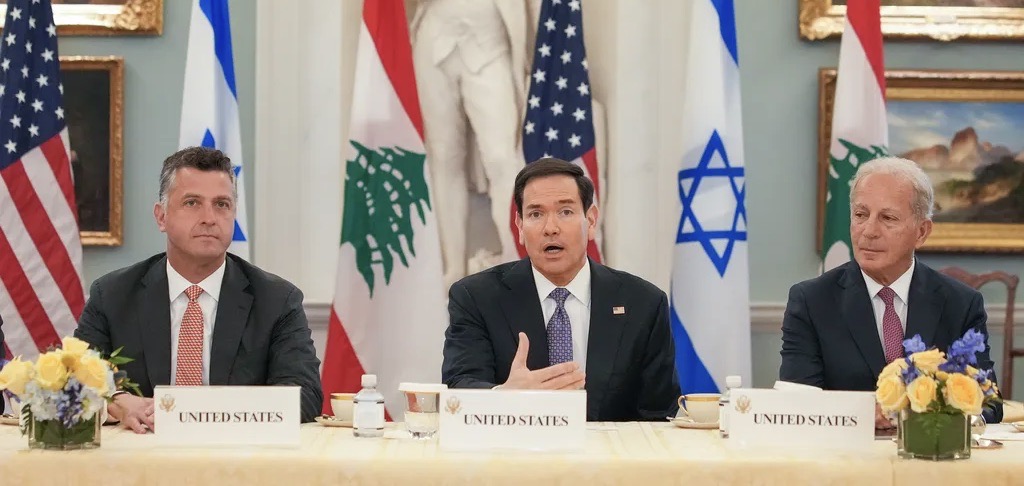 The US State Department announced on Friday that Washington will host another round of talks between Israel and Lebanon on May 14 and 15.
State Department spokesperson Tommy Pigott said in a statement that the meeting will build on the April 23 round of talks, which was led personally by President Donald Trump.
“Both delegations will engage in detailed discussions aimed at advancing a comprehensive peace and security agreement that substantively addresses the core concerns of both countries. These talks aim to break decisively from the failed approach of the past two decades, which allowed terrorist groups to entrench and enrich themselves, undermine the authority of the Lebanese state, and endanger Israel’s northern border,” Pigott’s statement said.
He further said that the discussions in the next round “will build a framework for lasting peace and security arrangements, the full restoration of Lebanese sovereignty throughout its territory, the delineation of borders, and creating concrete pathways for humanitarian relief and reconstruction in Lebanon.”
“Both sides have committed to approaching these talks with their national interests in mind, and the United States will work to reconcile those interests in a manner that delivers lasting security for Israel, and sovereignty and reconstruction for Lebanon,” said the statement.
It noted that the US “welcomes the commitment of both governments to this process and recognizes that comprehensive peace is contingent on the full restoration of Lebanese state authority and the complete disarmament of Hezbollah, a US-designated Foreign Terrorist Organization.”
“These discussions represent another important step toward ending decades of conflict and establishing a lasting peace between the two countries. The United States will continue to support both countries as they seek to reach a breakthrough,” the statement concluded.
After the April 23 meeting which was attended by Israel’s Ambassador to the US, Yechiel Leiter, and Lebanon’s Ambassador to the US, Nada Hamadeh Moawad, Trump expressed hope that a ceasefire between Israel and Lebanon would be possible this year.
Day 945 — Friday, May 8
 Turkey’s Ministry of National Defense research and development center unveiled the Yildirimhan intercontinental ballistic missile as a mock-up at the SAHA 2026 International Defence and Aerospace Exhibition, held at the Istanbul Expo Center on May 5-9, marking a public debut for Ankara’s first ICBM.
According to the defense ministry, the Yildirimhan (“Thunderbolt Khan”) missile can reach a speed of up to Mach 25 and has a declared range of 6,000 kilometers (3,728 miles). It uses liquid nitrogen tetroxide as fuel and is powered by four rocket propulsion engines.
At the biennial SAHA expo, Turkish defense companies and public institutions showcased newly developed platforms and technologies. In addition to the ballistic missile, the expo featured air defense systems and loitering munitions developed by Aselsan A.Ş., one of Turkey’s largest state-linked defense electronics companies.
Turkey continues to expand its defense industry capabilities, including in unmanned systems, missile technologies, air defense, aviation and space-related platforms. SAHA brought together defense and aerospace companies, procurement officials, military delegations and industry representatives from Turkey and other countries.
Day 945 — Friday, May 8
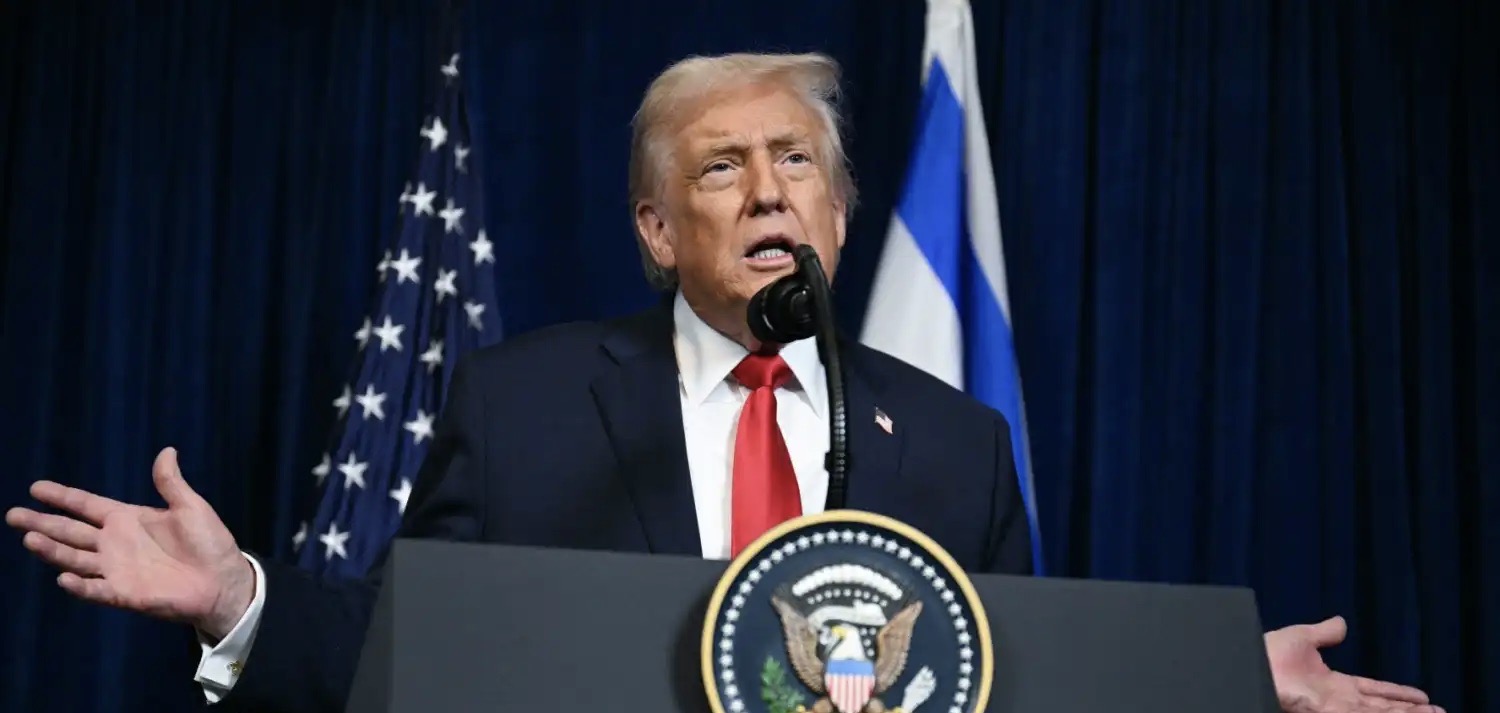 President Donald Trump said Thursday that U.S. retaliatory strikes against Iranian targets were “just a love tap” and confirmed a ceasefire is in effect.
Speaking to ABC News, Trump also said “the ceasefire is going” before adding, “It’s in effect.”
U.S. Central Command (CENTCOM) said Thursday that American forces “responded with self-defense strikes” on Iranian targets after three Navy destroyers came under missile and drone fire from Iranian forces but were not struck.
The U.S. targeted three Iranian ports along the Strait of Hormuz: Bandar Abbas, Qeshm and Bandar Kargan.
The destroyers targeted by Iran in the Strait of Hormuz were the USS Truxtun, USS Mason and USS Rafael Peralta.
Day 945 — Friday, May 8
 A man was arrested yesterday (Thursday) in London after threatening Jewish passengers on a city bus with antisemitic slurs and violent threats, according to the Shomrim organization in London.
The incident occurred at approximately 3:45 p.m. on the Route 254 bus near Jessam Avenue and Clapton Road in Hackney. Shomrim volunteers reported that the suspect shouted it was a “shame Hitler didn’t kill you,” and “You should all go to the gas chambers,” while also threatening to kill Jewish children and claiming that he had a knife.
The Shomrim organization stated that the bus driver stopped the vehicle and activated the emergency alarm. Volunteers from the organization arrived at the scene and detained the suspect until officers from the Metropolitan Police arrested him.
A spokesperson for the Metropolitan Police said: “Police were called at 15:51 on Thursday following reports of a man making threats on a bus on Upper Clapton Road. Officers attended the scene and arrested a 50-year-old man on suspicion of making threats to kill and committing a public order offense. He remains in police custody. Police take incidents of this nature extremely seriously. The matter is being treated as an antisemitic hate crime and our investigation is ongoing.”
This was the second arrest of an alleged antisemitic attacker in less than 24 hours.
Last night, Manchester Police arrested a man in his 60s who allegedly threatened Jews in the Heaton Park area of Salford, home to a large Jewish community. According to reports, the man threatened: “I’ll take knives and slit your throats,” and shouted, “Jew, leave the country, and we’ll do it like the Nazis did in the gas chambers.”
Manchester Police arrested him on suspicion of a racially aggravated public order offense.
Both incidents come amid a broader wave of antisemitic incidents across Britain in recent months, with police treating the cases as hate crimes.
Day 944 — Thursday, May 7
 The US military fired on and disabled an Iranian-flagged tanker that tried to break the naval blockade around the Strait of Hormuz on Wednesday, officials said.
The M/T Hasna was intercepted by American forces at around 9 a.m. EST, with a fighter jet firing its auto-cannon at the ship when it attempted to sail towards an Iranian port in the Gulf of Oman, said US Central Command (CENTCOM).
“After Hasna’s crew failed to comply with repeated warnings, US forces disabled the tanker’s rudder by firing several rounds from the 20mm cannon gun of a US Navy F/A-18 Super Hornet launched from USS Abraham Lincoln (CVN 72),” CENTCOM wrote on X.
“Hasna is no longer transiting to Iran,” the military added.
The US has maintained a blockade against all ships attempting to enter or depart Iranian ports as a means of strong economic pressures against the Islamic republic.
Iranian-linked ships were the only vessels sailing through the Strait of Hormuz after Tehran shut down the oil chokepoint, which saw more than 130 ships cross its waters every day before the war.
President Trump recently said that the blockade will remain in place despite the apparent progress in US-Iranian peace talks.
Iran, which claimed that the peace talks had made no progress, has yet to comment on the latest ship to be caught by the US blockade.
Just an hour after the interception took place Wednesday, US CENTCOM said that 52 commercial vessels had been stopped and redirected by US forces since the blockade went into effect last month.
The latest interception came just two days after the US and Iran exchanged fire in the Strait of Hormuz, with the US sinking six of Tehran’s fast attack boats patrolling the waterway.
Day 944 — Thursday, May 7
 The head of a state-funded university in Norway said on Tuesday he had no plans to discipline a professor who last month called the Hamas Oct. 7, 2023, massacres “the most beautiful thing that has happened in our century.”
Following an uproar this week over comments made on April 21 by Professor Bassam Hussein of the Norwegian University of Science and Technology, Rector Tor Grande told broadcaster NRK that Hussein’s views do not represent NTNU, the country’s largest university.
He added, however, that “freedom of expression is strong in Norway, and it gives Hussein, like other citizens, the freedom to express his opinions, as long as they are within the broad framework of Norwegian law.”
Asked by NRK whether there would be “consequences” for Hussein, Grande replied that the university has no written rules governing how employees express themselves. He added that it would have been “natural” for Hussein to clarify to the Socialist Forum in Trondheim that his remarks were made in his “personal” capacity.
JNS contacted the Norwegian Ministry of Education and NTNU, which receives most of its funding from the state, for comment on how they view the content of Hussein’s remarks during the lecture. Neither responded in time for publication.
Eytan Halon, the chargé d’affaires at the Israeli embassy in Oslo, wrote a letter to Grande urging him to act. “As rector of Norway’s largest university, and as chair of Universities Norway and the Nordic University Association, I urge you to take action to protect your students from the dissemination of support for terror and its glorification by senior members of faculty,” Halon wrote in the letter, which he also posted on X on Tuesday.
“When rhetoric can quickly turn into action, I believe that university leadership must also show zero tolerance and take immediate disciplinary action when it comes to the support and glorification of terror,” Halon added.
Ervin Kohn, head of the National Cooperation Council for the Jewish Congregation in Oslo and Trondheim, told NRK: “I expect the rector of NTNU to go public and distance himself from this statement.”
Hussein told the Adresseavisen newspaper on Monday, “I do not consider Oct. 7 a victory or triumph, especially not in light of the many victims that day and in the time afterward. The loss of civilian life is deeply tragic, without any semblance of beauty. It should never be romanticized.”
He added: “I think there has been excessive attention paid to the use of an adjective.”
Day 943 — Wednesday, May 6
 U.S. ambassador to Israel Mike Huckabee and Sen. Ted Cruz (R-Texas) pushed back on criticism from former Fox News host and current podcaster Tucker Carlson, who accused them of minimizing civilian casualties in Gaza and compared their views unfavorably to those of white nationalist Nick Fuentes because of their support of Israel’s military operations in the region.
In remarks to The New York Times, Carlson accused Huckabee and Cruz of “waving away civilian deaths as if they don’t matter” and “supporting the murder of children and innocent civilians.” When asked by the newspaper to clarify his claims, a representative for Carlson responded with an email that simply said “Gaza.”
Cruz dismissed the condemnation, telling the Times that they should spend their time “actually covering people who still matter.”
“Poor Tucker needs help,” Huckabee wrote. “He’s clearly circling the drain by saying something so outrageous. No sane person ‘advocates’ for the murder of children or civilians. Even the allegation is sick and evil.”
“Tucker apparently limits his compassion to the unfortunate souls who have died in Gaza as a result of the stubbornness of Hamas to release hostages and who murdered their own citizens and intentionally put them in front of military assets where they would be most likely to become victims of the war,” he stated.
The ambassador also accused Carlson of showing selective concern for victims of the conflict and criticized his “irrational hatred of Jews in general and Israel in particular.”
“One never hears Tucker lament the massacre and mutilation of 1200 women, babies and elderly people butchered by Hamas on Oct. 7 or the torture, rape and starvation of the 251 hostages taken and held by Hamas,” Huckabee wrote. “I am heartbroken by the slaughter of innocent civilians wherever they are and whoever they are.”
“The Tucker Carlson I once knew has become someone unrecognizable,” he added. “I pray he finds himself and God. He has become a very angry and bitter man, and it’s truly tragic to watch.”
Day 943 — Wednesday, May 6
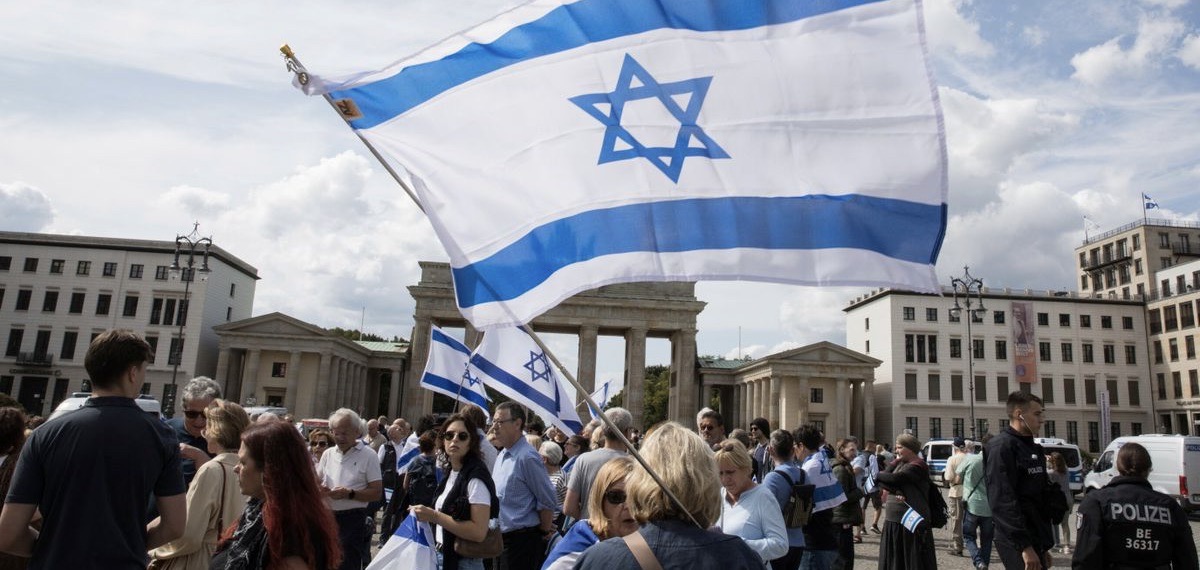 Germany is facing a sharp rise in antisemitism, with officials warning that Islamist and left-wing extremist networks are exploiting the war in the Middle East to spread anti-Jewish rhetoric, mobilize supporters and contribute to harassment and violence against Jewish communities.
These groups are using the Israel–Hamas war and broader regional tensions as a pretext to amplify antisemitic narratives, according to a study by the Hessian State Office for the Protection of the Constitution, which includes accusations of “genocide” in Gaza and portrayals of Israel as a colonial state, language authorities say is increasingly being used to justify hostility and, in some cases, violence against Jews.
German Interior Minister for the State of Hesse Roman Poseck warned that the trend is escalating.
“Antisemitism is one of the greatest threats to our social cohesion — especially from Islamism and the left-wing extremist spectrum,” Poseck said in a statement.
The developments are raising broader concerns beyond Germany, as officials and Jewish leaders warn that similar patterns of antisemitic rhetoric tied to Middle East conflicts are emerging across Western democracies, including the United States. With Germany long seen as a bellwether due to its history and legal framework around hate speech, the findings are being viewed as a warning sign of how extremist narratives can move from the fringes into mainstream discourse.
Poseck, who commissioned the report of the Hessian State Office for the Protection of the Constitution, warned of a deteriorating social climate, saying that “antisemitic sentiments are becoming increasingly intolerable, even in public spaces.”
“I am deeply ashamed of what Jews in Germany have to endure 80 years after the end of the Second World War,” he continued. “We Germans, in particular, bear a lasting responsibility never to forget what happened.”
Forty-six of 102 Jewish communities surveyed in Germany reported antisemitic incidents, highlighting the growing scale of the threat, a new nationwide report by the Central Council of Jews in Germany found.
Among the most common incidents identified in the Central Council survey were verbal abuse, threatening phone calls, vandalism and antisemitic graffiti. Sixty-eight percent of respondents said they feel less safe living in Germany since the Hamas-led Oct. 7, 2023, attack on Israel.
“Following the explosive rise in antisemitism after Oct. 7, a ‘new normal’ has emerged,” Central Council President Josef Schuster said in the press statement. “A situation in which Jewish communities require constant protection and antisemitism has become normalized as part of the public sphere.”
Day 943 — Wednesday, May 6
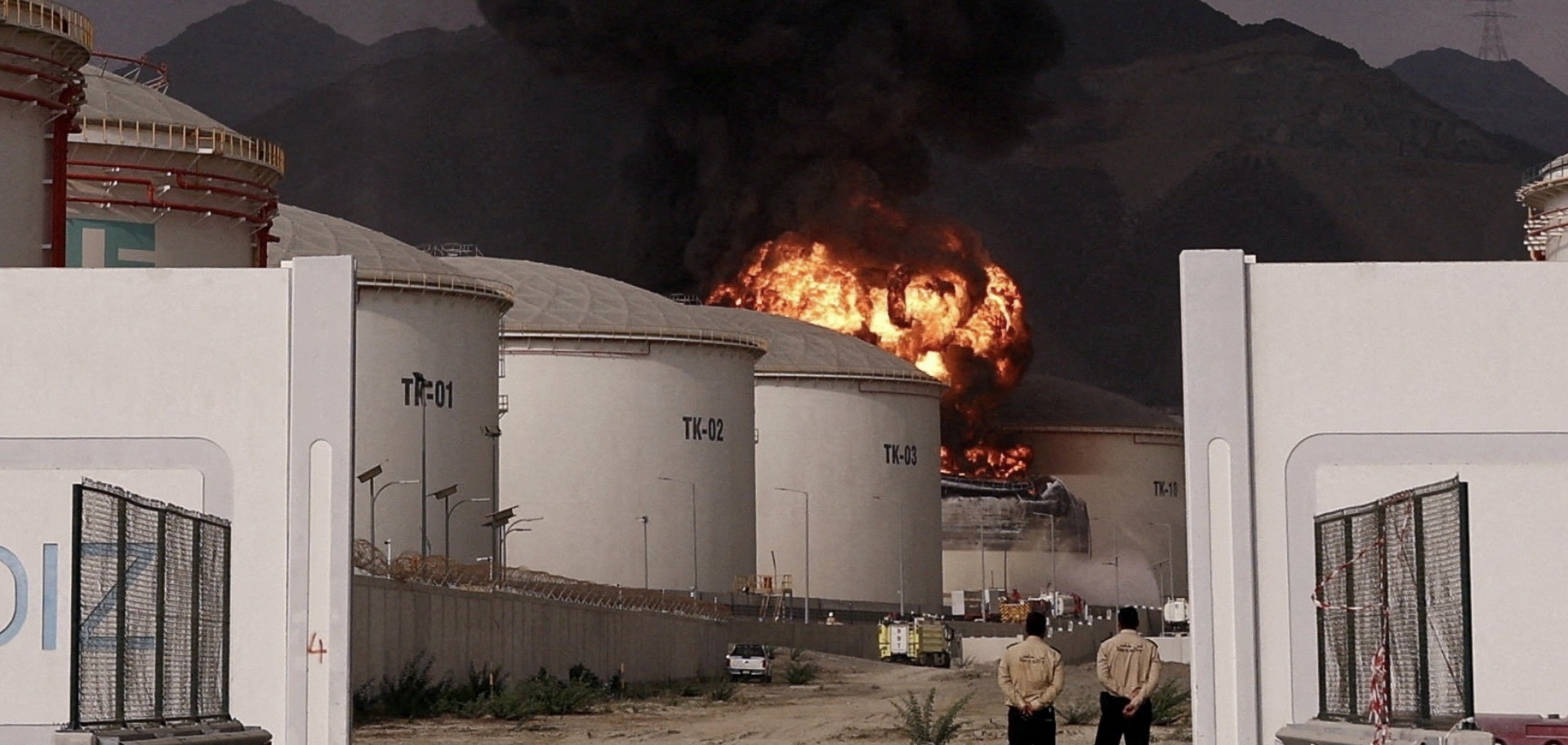 The Iranian Foreign Ministry denied launching missiles and drones at the United Arab Emirates, claiming that they were conducting “defense measures” aimed at US assets in a statement released on Tuesday.
The Foreign Ministry accused the UAE of “collaboration with hostile parties,” warning that such collaboration could have “dangerous consequences.”
Earlier on Tuesday, the UAE Defense Ministry announced that its air defenses were actively engaging Iranian missiles and drones.
Day 942 — Tuesday, May 5
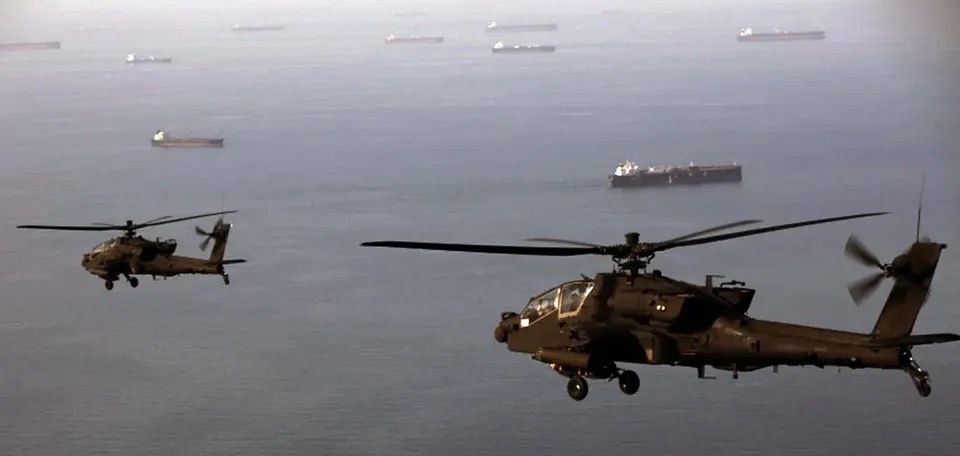 Two U.S. Navy destroyers transited the Strait of Hormuz under Iranian fire Monday as the vessels came under a barrage of small boats, missiles and drones, according to reports.
The USS Truxtun and USS Mason were backed by fighter aircraft and AH-64 Apache helicopters during the encounter, with officials describing it as a “sustained barrage,” the report said.
Despite the attack, neither of the destroyers was impacted, with forces intercepting or deterring each threat.
Day 942 — Tuesday, May 5
 The National Education Association, the largest U.S. labor union, harassed Jewish members and discriminated against them in a “sustained” manner, a complaint to the U.S. Equal Employment Opportunity Commission alleges.
Marci Lerner Miller, director of legal investigations at the Louis D. Brandeis Center for Human Rights Under Law, told JNS that the union, which has about 3 million members, has both overlooked harassment against Jewish members in the presence of union leaders and “created a really hostile environment for Jewish members of that union and also the local and state unions in many cases.”
“Because of the NEA’s permissible discrimination, it sends the message to the local and state affiliates that antisemitism is acceptable,” she said.
The center, which is representing the Louis D. Brandeis Center Coalition to Combat Antisemitism, which is a separate entity, alleges that the union violated Title VII of the 1964 Civil Rights Act. Some members of the coalition are current and former Jewish members of the union.
A spokesman for the union told JNS that the “NEA does not tolerate antisemitism in any form and remains committed to ensuring that all members and students, including Jewish members and students, can work and learn in a safe and welcoming environment.”
The union considers Jews to be “white” in its use of “minority classifications to determine the percentage and numerical goals for each ‘minority’ group,” on which basis it “offers benefits and opportunities to its members,” according to the complaint.
The NEA’s “written policies required allocation of benefits, including leadership positions, mentorship, training based on racial and ethnic classifications,” Miller said.
Since the union requires in its constitution that at least 20% of its board be made up of “ethnic minorities,” white and Jewish union members have “been harmed and continue to be harmed and are denied equal access to opportunities and excluded from full participation in NEA governance,” according to the complaint.
“The policies are unlawful on their face, and it’s easier to see the connection between the NEA and its discriminatory policies and the environment that Jews are facing in the NEA,” Miller told JNS. “They’re excluded from the top down.”
The complaint alleges that Jewish members of the union experienced “severe harassment and intimidation” during a union assembly last summer, during which union leaders were present. Jewish members also faced “open hostility” and “physical intimidation” as the union weighed a proposal to boycott the Anti-Defamation League, Miller said.
“Delegates that were aligned with anti-Israel advocacy groups physically positioned themselves near the caucus members, so they didn’t feel comfortable speaking,” she said, of the union’s Jewish caucus.
“They shouted them down. They stood so close to them that they felt unable to move and trapped to the point where security eventually got involved and broke that up,” she told JNS. “But it made Jewish delegates feel very uncomfortable and made a lot of them relocate to different areas.”
According to the complaint, participants in the union assembly laughed and clapped when a Jewish delegate from Colorado referred to a Holocaust survivor killed in an antisemitic firebombing in Boulder last year.
“This was all in the presence of the leadership, including the president,” Miller told JNS. “They didn’t do anything, and they didn’t discipline anyone after the fact, even though I know there were complaints.”
The complaint also alleges that the union handbook referred to the Holocaust as “generalized tragedy affecting more than 12 million victims,” without specifying that the Nazis targeted Jews. The union changed the language without apologizing, according to the complaint.
The union labeled the entirety of Israel as “Palestine” on a map it emailed to members in October about “celebrating indigenous lands.” It also linked materials “associated with organizations that have expressed support for Hamas’s attacks” on Oct. 7, per the complaint.
Miller told JNS that “again, there was public backlash, and again the NEA removed this resource and issued a statement simply that the resource didn’t meet its standards, but it didn’t advise anyone to stop using it or publish a substitute, and the damage has already been done.”
She added that the center may sue the union. “We’ll see what kind of changes can be made in the EEOC context,” she said.
The center hopes that the complaint will result in “some accountability on behalf of the NEA and changes made to the policies and changes made to behavior,” Miller told JNS.
“This is really an important case, because what we’re seeing in schools and what we’re seeing on college campuses, we’re finding oftentimes starts long before anybody arrives on college campuses,” she said. “They’re being taught this in K-12 schools, and a lot of it is starting from teacher unions, and we really want some accountability for that.”
Day 941 — Monday, May 4
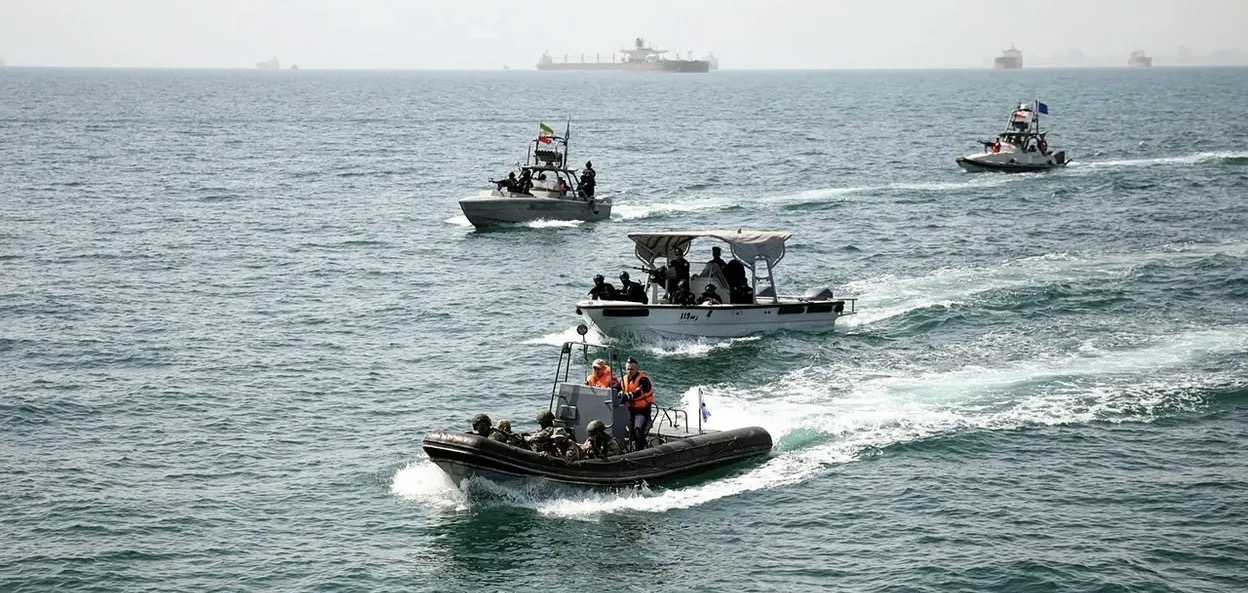 Any U.S. interference in Tehran’s maritime rules in the Strait of Hormuz would be considered a violation of the current ceasefire, a senior Iranian lawmaker warned Sunday.
Ebrahim Azizi, the head of Iran’s Parliament’s National Security and Foreign Policy Committee, also said the key waterway was not the place for rhetoric.
“Any American interference in the new maritime regime of the Strait of Hormuz will be considered a violation of the ceasefire,” he said in a translated post shared on X.
“The Strait of Hormuz and the Persian Gulf would not be managed by Trump’s delusional posts!” he said.
“No one would believe Blame Game scenarios!” Azizi added.
“The Strait of Hormuz and the Persian Gulf are not a place for rhetoric,” Azizi said in another post.
Azizi’s remarks came after President Donald Trump announced “Project Freedom,” in which the U.S. military would begin guiding ships safely out of the strait starting Monday.
The announcement came after Trump expressed doubt about a 14-point peace plan proposed by Iran over the weekend.
Day 941 — Monday, May 4
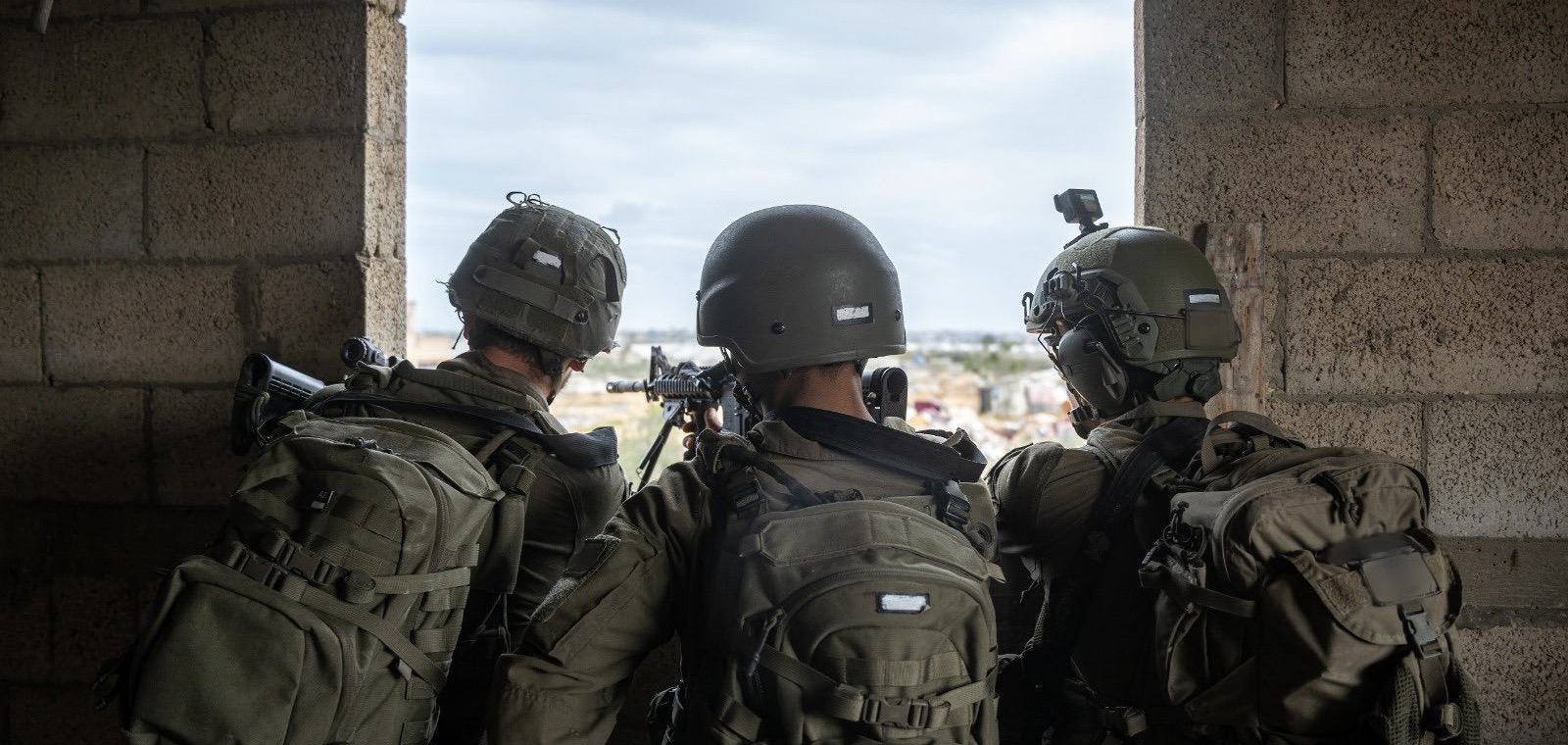 Following reports in Lebanese media alleging that the IDF destroyed a Catholic convent in the town of Yaroun in southern Lebanon, the military acknowledged damaging a building within the compound but denied claims that it had demolished the site.
The IDF said it began operations in Yaroun to counter the activity of Hezbollah forces there, including rocket launches from the compound “multiple times” during the war.
On Saturday, IDF Arabic Spokeswoman Lt.-Col. Ella Waweya said Israeli soldiers were in Yaroun, “working to remove threats and destroy the terrorist infrastructure established by Hezbollah in the area.”
She said that one of the buildings on the convent, “which had no features indicating it was a religious building,” was damaged during the operations. Waweya also said that during the Iran war, “Hezbollah launched rockets several times from inside the complex toward Israeli territory,” which was the reason for the IDF operation in the complex.
Waweya affirmed that the IDF is “committed to destroying the terrorist infrastructure established by Hezbollah in southern Lebanon, and there are no intentions to strike civilian infrastructure or religious buildings.”
“After identifying religious indicators in the complex, the forces acted to prevent further damage,” the military said. The IDF also shared images from the complex showing that the main convent building was not damaged.
Reports in Lebanese media claimed that the entire compound was leveled, with some social media accounts sharing images of damage sustained in 2024, when the IDF struck the site after detecting Hezbollah rocket launches from the compound.
George Deek, Israel’s Foreign Ministry envoy to the Christian world, dismissed the reports as “another lie.” “It’s happening again. Another lie about a monastery being destroyed. Rest assured. The monastery is intact and safe,” Deek posted on 𝕏.
“False stories about Israel are pushed fast, checked later, and used to paint Israel as uniquely evil. This pattern isn’t accidental. It’s deliberate.“
He said that those who published the unverified reports are engaging in “reckless” behavior.
Day 940 — Sunday, May 3
 The U.S. State Department approved a possible sale of $992.4 million worth of laser-guided rockets, or “advanced precision kill weapon system” and relevant equipment, Foggy Bottom said on Friday.
Israel sought 10,000 of the APKWS equipment, which is made by BAE Systems, the State Department said.
“The secretary of state has determined and provided detailed justification that an emergency exists that requires the immediate sale to Israel of the above defense articles and defense services is in the national security interests of the United States, thereby waiving the congressional review requirements,” the department said.
“The proposed sale will improve Israel’s capability to meet current and future threats, strengthen its homeland defense and serve as a deterrent to regional threats,” it added. “Israel will have no difficulty absorbing these articles and services into its armed forces.”
According to the U.S. Navy, APKWS is “intended as an inexpensive way to destroy targets while limiting collateral damage in close combat.”
BAE Systems says that the weapon “has also proven itself capable in air-to-air targeting of unmanned aerial vehicles and low-flying cruise missiles, as part of a counter-unmanned aerial system, as well as in ground-to-ground lethality fired from launchers mounted on vehicles and remote weapon stations.”
Day 939 — Saturday, May 2
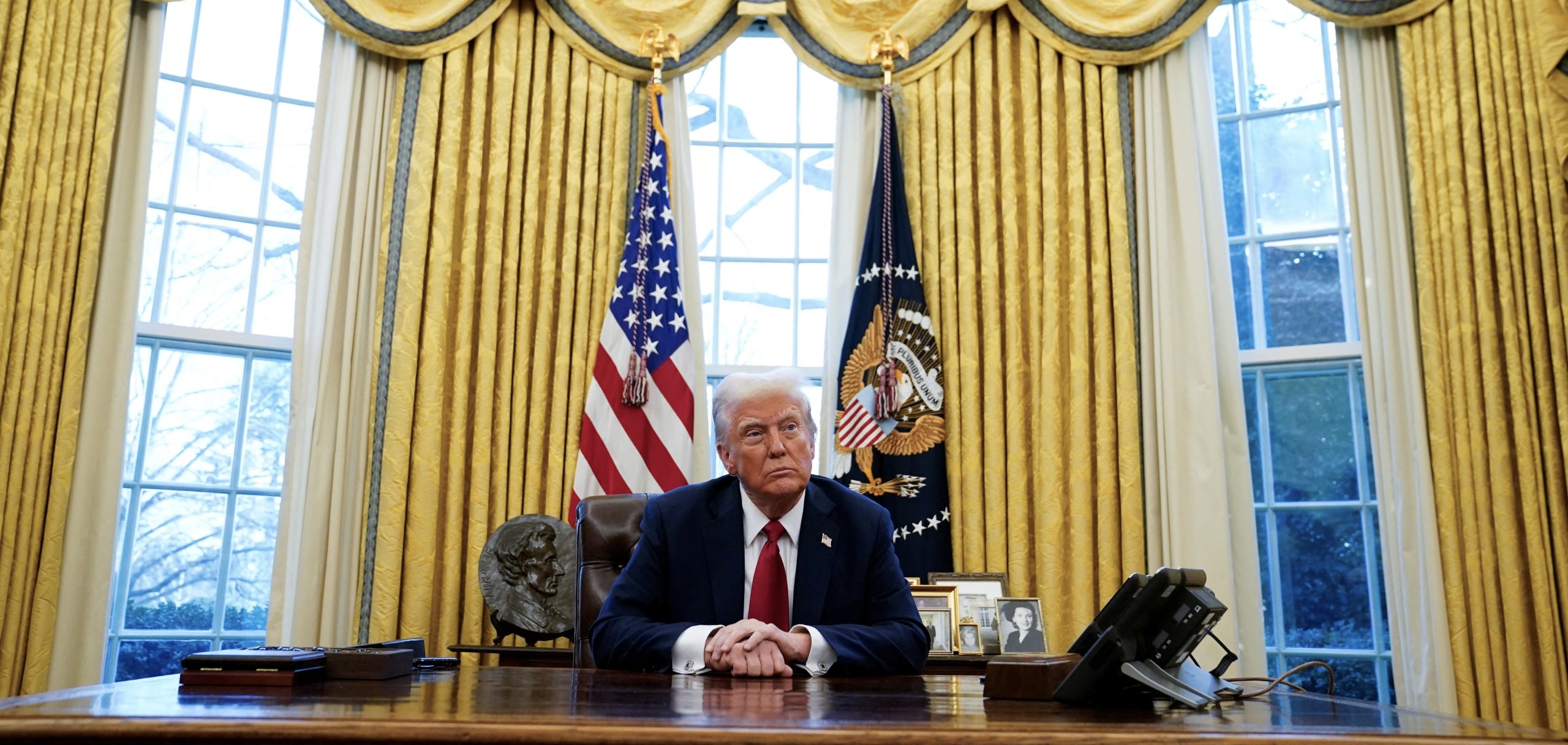 U.S. President Donald Trump told reporters at the White House on Friday that he is “not satisfied” with Iran’s latest proposal to end the ongoing conflict.
“They want to make a deal, but I don’t. I’m not satisfied with it, so we’ll see what happens,” Trump said. “Iran wants to make a deal, because they have no military left.”
“They’re asking for things that I can’t agree to,” he added.
Iran sent the proposal through mediators on Thursday, though details remain unclear. “They want to make a deal so badly, but they’re not there yet,” Trump told reporters. “In my opinion, they’re not there.”
“Do you want to go blast the hell out of ’em and finish them forever, or do we want to try and make a deal?” he said.
The president added that he’d prefer not to continue military strikes. “On a human basis, I’d prefer not, but that’s the option,” he told reporters.
Asked if he was considering new strikes on Iran, Trump said, “Why would I tell you that?
“Right now, we have negotiations going on,” the president said. “They’re not getting there. They are very disjointed. They’re extremely disjointed. They’re not able to get along with each other as leaders. They don’t know who the leader is.”
Trump noted that this puts the United States “in a bad position,” because separate groups in Iranian leadership want different deals.
The president dismissed the need for congressional authorization for further U.S. military action against Iran, arguing that other presidents have considered the War Powers Resolution “unconstitutional” and “exceeded” the law’s 60-day limit. Trump added that the current ceasefire reset the timeline.
Day 939 — Saturday, May 2
U.S. President Donald Trump told reporters at the White House on Friday that he is “not satisfied” with Iran’s latest proposal to end the ongoing conflict.
“They want to make a deal, but I don’t. I’m not satisfied with it, so we’ll see what happens,” Trump said. “Iran wants to make a deal, because they have no military left.”
“They’re asking for things that I can’t agree to,” he added.
Iran sent the proposal through mediators on Thursday, though details remain unclear. “They want to make a deal so badly, but they’re not there yet,” Trump told reporters. “In my opinion, they’re not there.”
“Do you want to go blast the hell out of ’em and finish them forever, or do we want to try and make a deal?” he said.
The president added that he’d prefer not to continue military strikes. “On a human basis, I’d prefer not, but that’s the option,” he told reporters.
Asked if he was considering new strikes on Iran, Trump said, “Why would I tell you that?
“Right now, we have negotiations going on,” the president said. “They’re not getting there. They are very disjointed. They’re extremely disjointed. They’re not able to get along with each other as leaders. They don’t know who the leader is.”
Trump noted that this puts the United States “in a bad position,” because separate groups in Iranian leadership want different deals.
The president dismissed the need for congressional authorization for further U.S. military action against Iran, arguing that other presidents have considered the War Powers Resolution “unconstitutional” and “exceeded” the law’s 60-day limit. Trump added that the current ceasefire reset the timeline.
Day 938 — Friday, May 1
 The chairman of the Joint Chiefs of Staff Gen. Dan Caine told the Senate Armed Services Committee that Russian President Vladimir Putin has aided Iran’s war effort.
He declined to go into details, citing the public nature of the hearing, but said, ”There’s definitely some action there.”
Committee Chairman Sen. Roger Wicker, R-Miss., agreed.
“There’s no question that Vladimir Putin’s Russia is taking serious action to undermine our efforts for success in Iran,” Wicker said.
Wicker’s opening statement warned about the “four dictatorships” aligned, including Russia, China, Iran and North Korea.
“Xi Jinping leads not only China, but also an axis of aggressors,” Wicker said. “This growing alliance cannot be denied. It includes China, Russia, Iran and North Korea.
“These four dictatorships,” he continued “support each other’s aggressive endeavors. They prop each other up financially, and they scheme to undermine America’s objectives.”
Day 938 — Friday, May 1
 The United States recently shipped 6,500 tons of munitions and materiel to Israel within 24 hours, using two large sea vessels and multiple cargo aircraft, the Defense Ministry reported Thursday.
In a large-scale global logistics operation, the two cargo ships docked at the ports of Ashdod and Haifa, carrying thousands of air and ground munitions, military trucks, Joint Light Tactical Vehicles (JLTVs), and additional military equipment, it said.
The operation was led by the ministry’s Defense Procurement Directorate in coordination with its International Shipping Division, its mission to the US, and the IDF Planning Directorate.
The equipment was loaded onto hundreds of trucks from the ministry’s Logistics and Assets Department and the IDF Technological and Logistics Directorate. It was then transferred to IDF bases throughout the country in an operation at the Port of Ashdod overseen by Defense Ministry Director-General Maj.-Gen. (res.) Amir Baram.
The air and sea bridge remains the “central tool for building readiness as the security situation continues to develop,” the Defense Ministry said. “Since the launch of Operation Roaring Lion, Israel has received more than 115,600 tons of military equipment in 403 airlifts and 10 sealifts.”
Defense Minister Israel Katz said Israel “stands ready at every moment to act against its enemies, on every front, and wherever necessary. This expanding air and sea bridge directly strengthens the IDF’s capabilities and operational superiority.”
Baram said: “At any given moment, cargo aircraft and ships are en route to Israel, carrying thousands of tons of munitions and military equipment. This is core to the ministry’s strategy: supporting every IDF need, both through massive near-term procurement and by building readiness for a demanding security decade ahead. The impressive procurement and shipping operation we have completed will continue to expand in the weeks ahead.”
Day 937 — Thursday, April 30
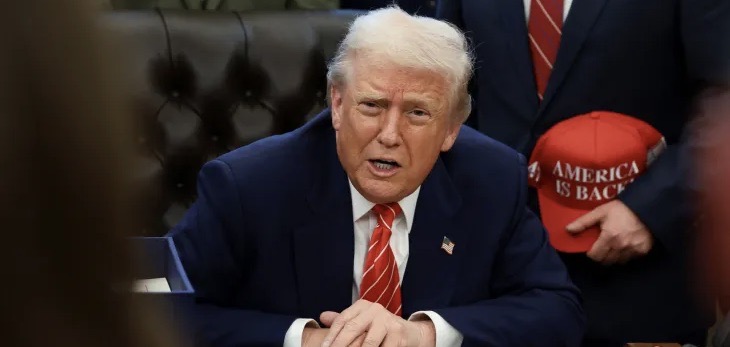 US President Donald Trump told Axios on Wednesday that he intends to maintain a naval blockade on Iran until Tehran agrees to terms addressing American concerns over its nuclear program.
The President dismissed an Iranian proposal that would have involved reopening the Strait of Hormuz and easing the blockade before resuming nuclear negotiations at a later stage.
Sources familiar with the situation told Axios that US Central Command has prepared a plan involving a limited but intense series of strikes on Iranian targets, aimed at breaking the current stalemate. These strikes would likely focus on infrastructure, after which Washington would seek to bring Iran back to negotiations under increased pressure.
Trump indicated that, at present, he views the blockade as a more effective tool than direct military action, telling Axios, “The blockade is somewhat more effective than the bombing.” He has not authorized any strikes as of Tuesday night, according to the report, and declined to elaborate on potential military plans during the interview.
Trump said the blockade is exerting significant pressure on Iran, stating, “They are choking like a stuffed pig,” and emphasized that the United States will not allow Tehran to obtain nuclear weapons. “They can’t have a nuclear weapon,” he said. He added that Iran is interested in reaching an agreement in order to see the blockade lifted, saying, “They want to settle,” but reiterated his reluctance to ease the measure under current conditions.
The President also claimed that Iran’s oil infrastructure is under strain due to its inability to export, though some analysts have questioned the immediacy of such risks.
Meanwhile, a senior Iranian security official, quoted by the English-language state outlet Press TV, warned that the naval blockade could provoke a strong response. The official stated that Iran has so far exercised restraint to allow space for diplomacy, but cautioned that continued pressure could lead to retaliatory measures.
Day 937 — Thursday, April 30
 A 45-year-old man was arrested on suspicion of attempted murder after allegedly running amok in a prominent London Jewish neighbourhood, stabbing two men, in what police are now calling a terrorist incident.
Two men were rushed to hospital on Wednesday morning after being stabbed by a knifeman in the Golders Green area of North London. Both victims were seriously injured but are in stable condition.
The first attack took place outside the Hager’s Shul synagogue, where a 34-year-old Jewish man who had just walked out of the building was set upon and repeatedly stabbed. Security footage from outside the synagogue shows the moment the assailant affects casually walking along the street before suddenly lunging at a man in the process of adjusting his hat, giving the victim no time to react or protect himself.
Shortly after, it is said the assailant struck again further up the road, stabbing a 76-year-old man. Coincidentally, walking between the locations of the two attacks took the assailant past the front doors of the North London Hatzola, a Jewish ambulance charity, which was the site of an antisemitic arson attack last month.
After the two stabbings, the alleged suspect then clashed with Shomrim — a Jewish community security charity active in north London — and police before being arrested. Footage from the scene of the arrest, itself just 300 yards away from where the Hatzolah ambulances were burnt out in March, officers can be seen running with the suspect away from the North Circular road, and employing their ‘tazer’ stun-guns.
Eventually the suspect, an apparently robustly-built African-heritage male wearing light coloured clothes under a navy blue jacket, falls, and is kicked in the head by an officer several times as he resists arrest. A Shomrim volunteer can be seen sitting on the suspect’s legs as officers wrestle the man into cuffs.
The Metropolitan Police said in a statement that “The suspect also attempted to stab police officers, and was Tasered before being arrested. No officers were injured.”
Counter terror police quickly took over investigation into the case, and shortly afterwards it was declared a suspected terrorist incident.
Given the frequency with which British Jews are the target of attacks now, the latest apparent terror attack has quickly seems demands of the UK government to stop talking about the need to take action, and to actually take action. The Isareli Foreign Ministry said in a statement that there have been “enough words” about antisemitism in Britain, and that “The UK must act decisively and urgently”. They said:
“After attacks on synagogues, Jewish institutions, community ambulances and now Jews targeted in Golders Green, the UK government can no longer claim this is under control. Prime Minister Keir Starmer’s statements are no substitute for confronting the roots of antisemitism festering across United Kingdom. British Jews should not need security patrols and emergency volunteers to live openly as Jews.”
Britain’s Chief Rabbi Sir Ephraim Mirvis also said the time for talk is over. He said: “Following the anti-Semitic stabbing of two Jewish people on the streets of Golders Green this morning, words of condemnation are no longer sufficient. This must be a moment that demands meaningful action from every institution, every community, every leader and every decent person in our country. This is a hatred that we must face down together.”
President Trump’s special envoy on antisemitism Ambassador Yehuda Kaploun hit the same notes, adding: “Heartbroken and outraged by another violent anti-Semitic attack – again in the UK. Enough is enough. The UK must take decisive action to ensure the safety and security of Jewish communities now.”
In scenes reminiscent of the recent Manchester Synagogue attack, where the then-Home Secretary David Lammy was heckled by members of the Jewish community who told him the government had failed to keep them safe, the chief of the Metropolitan Police was shouted down by local residents in Golders Green.
Police Commissioner Sir Mark Rowley was met with a barrage of shouts of “resign” and “shame on you” as he attempted to talk to press. Labour Member of Parliament for Golders Green Sarah Sackman was also met with “resign” and “shame” jeers at the same press conference.
Day 936 — Wednesday, April 29
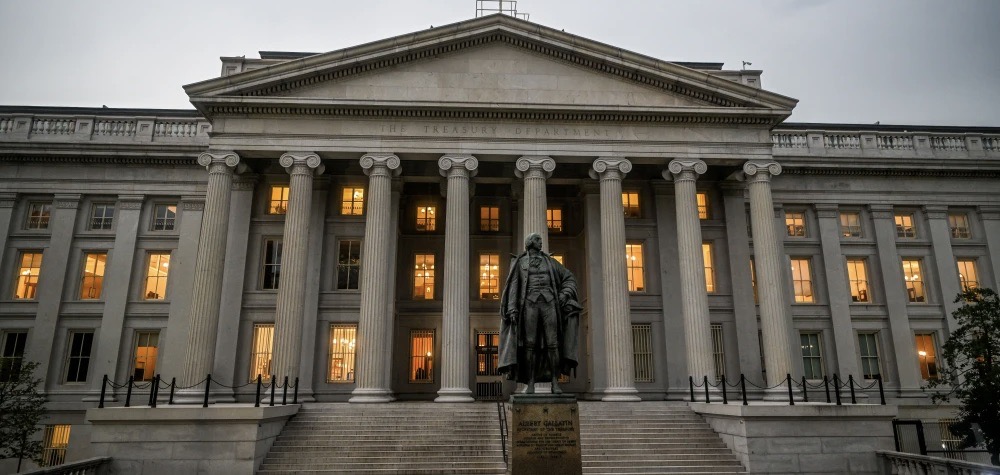 The Trump administration turned up the dial on its “Economic Fury” operation on Tuesday, implementing sanctions on 35 people and entities tied, it said, to Iran’s shadow banking sector.
The U.S. Treasury Department said that the designated people and entities helped move the equivalent of tens of billions of dollars in a coordinated effort to evade sanctions, funding Iran’s military capabilities and terror sponsorship.
“Iran’s shadow banking system serves as a critical financial lifeline for its armed forces, enabling activities that disrupt global trade and fuel violence across the Middle East,” stated Scott Bessent, the U.S. treasury secretary.
“Illicit funds funneled through this network support the regime’s ongoing terrorist operations, posing a direct threat to U.S. personnel, regional allies and the global economy,” he stated. “Financial institutions are on notice. Any institution that facilitates or engages with these networks is at risk of severe consequences.”
Largely cut off from Western financial systems, Iran turns to private companies to manage payments for imports and exports, facilitated through shell companies.
Tuesday’s sanctions hit Farab Soroush Afagh Qeshm Company, which works with Iran’s Shahr Bank to enable Iranian oil sales, the Treasury Department said. Two of the company’s senior executives were also designated.
Other front companies working with Bank Sina and Bank Sepah, affiliated with Iran’s supreme leader and the military respectively, were also sanctioned, as were Nix Energy and Tai Lung Trading, which the department accuses of facilitating the transfer of millions of dollars on behalf of already-sanctioned Iranian individuals.
“By dismantling these financial channels, we advance the administration’s policy in the conflict with Iran and underscore our commitment to imposing maximum pressure on Iran,” stated Tommy Pigott, U.S. State Department spokesman.
“While the Iranian regime enriches corrupt elites, ordinary Iranians suffer under a deteriorating economy,” Pigott said.
The administration’s sanctions-driven “Economic Fury” campaign is being run in tandem with the military’s operation “Epic Fury,” as messaging continues to be passed between Washington and Tehran on a possible resolution to their two-month-old conflict.
Day 936 — Wednesday, April 29
 An American soldier stationed at Fort Polk in Louisiana was arrested last week after he told users on the popular messaging platform Discord that he planned to conduct a mass shooting at a synagogue.
Jakob Marcoulier, 22, was arrested on Thursday and charged with transmitting a threat in interstate commerce after the FBI’s National Threat Operations Center received a tip in February that he had made threats toward synagogues, according to the US attorney’s office for the Western District of Louisiana.
According to court documents, the FBI obtained audio from Discord in which Marcoulier allegedly said, “After this deployment if the Jews still have reign over our government, I am going to walk into a synagogue with my AK, with a 75-round drum mag, and all of my extra mags, with my level four plates, and my haka helmet that’s three plus, and I am going to kill every single Jew I know inside of that synagogue. And that’s my goal in life.”
During the communications, Marcoulier told the other users, “You guys will never do anything about but I will. I just have to finish this. I have to go back overseas and do what I have to do. And then you’ll see me in the news. I promise you.”
The Iran war has put Jewish institutions across the country and around the world on high alert, with attacks on synagogues, including arsons in Europe and a synagogue ramming in suburban Detroit last month.
“Threats against synagogues and Jewish Americans are threats to the religious freedom promised to every single one of us, and this Office and our law enforcement partners are committed to protecting those freedoms,” United States Attorney Zachary A. Keller said in a statement.
Day 935 — Tuesday, April 28
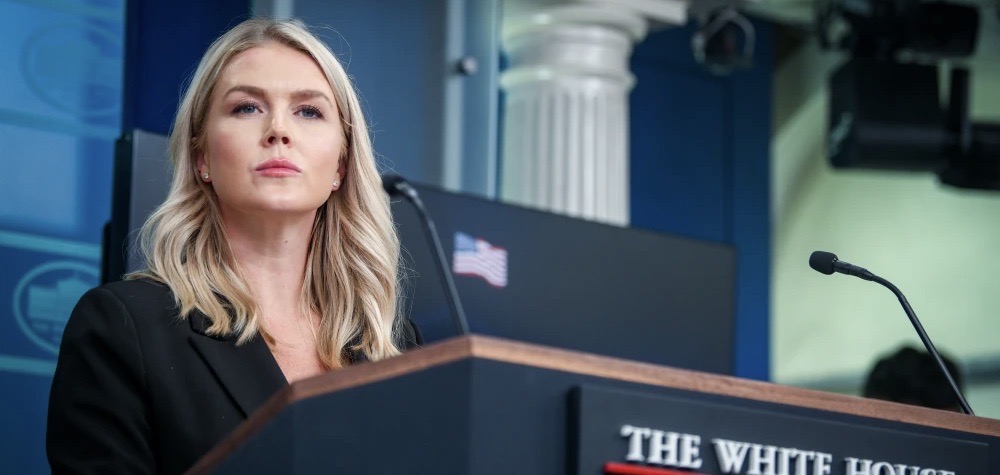 U.S. President Donald Trump’s red lines for a deal with Iran have been made “very, very clear,” White House Press Secretary Karoline Leavitt said on Monday, following Tehran’s latest proposal to end hostilities.
“I will confirm the president has met with his national-security team this morning,” Leavitt told reporters during a briefing. “I don’t want to get ahead of the president or his national-security team. What I will reiterate is that the president’s red lines with respect to Iran have been made very, very clear, not just to the American public, but also to them [the Iranians], as well.”
“I wouldn’t say [the president and national-security team] are considering it,” she added. “I would just say that there was a discussion this morning that I don’t want to get ahead of, and you’ll hear directly from the president, I’m sure, on this topic very soon.”
Under the Islamic Republic’s latest proposal, the regime would reopen the Strait of Hormuz in exchange for a long-term ceasefire or permanent end to the war, a U.S. official and two sources with knowledge of the matter told Axios.
Nuclear negotiations would only start at a later stage, after the U.S. military lifts its naval blockade of Iranian ports, according to the reported details of the plan.
A U.S. official briefed on Monday’s meeting at the White House told Reuters that Trump was unhappy with the proposal.
Washington has repeatedly stressed that the nuclear issue must be dealt with from the outset, and Trump was unhappy with Tehran’s offer for that reason, the official said.
CNN cited a source familiar with the matter as saying that the president was unlikely to accept the plan, as it could remove a key piece of American leverage in the talks.
Israel has reportedly urged the United States to continue its closure of the Strait of Hormuz and not ease the naval blockade as a goodwill gesture during the talks.
According to Israeli assessments cited by Channel 12 on Sunday, the continued blockade is expected to increase pressure on the Islamic regime by reducing revenues, exacerbating internal divisions and leaving it with a choice: ease its negotiating positions or face greater instability, potentially including renewed U.S.-Israeli military action.
According to senior Israeli officials, if Tehran does not soften its position even after a prolonged blockade, the U.S. may opt for a return to fighting. Israeli officials have discussed the option of broad strikes targeting the Islamic Republic’s energy infrastructure, per Channel 12.
The Trump administration will not tolerate Iranian efforts to hold international waterways hostage, U.S. Secretary of State Marco Rubio told Fox News on Monday.
“They cannot normalize, nor can we tolerate them trying to normalize, a system in which the Iranians decide who gets to use an international waterway and how much you have to pay them to use it,” Washington’s top diplomat told Fox‘s chief foreign correspondent, Trey Yingst.
Iranian President Masoud Pezeshkian told Pakistani Prime Minister Shehbaz Sharif in a call on Sunday that Washington “must first remove operational obstacles, including the blockade,” as a condition for “resolving issues.”
Pezeshkian said American maritime restrictions on Iran were a “clear breach of the ceasefire understandings.” Such measures, along with “threatening rhetoric” from the U.S. administration, have increased Tehran’s doubts regarding America’s commitment to the diplomatic process, he said, according to Iran’s semi-official Mehr News Agency.
Day 935 — Tuesday, April 28
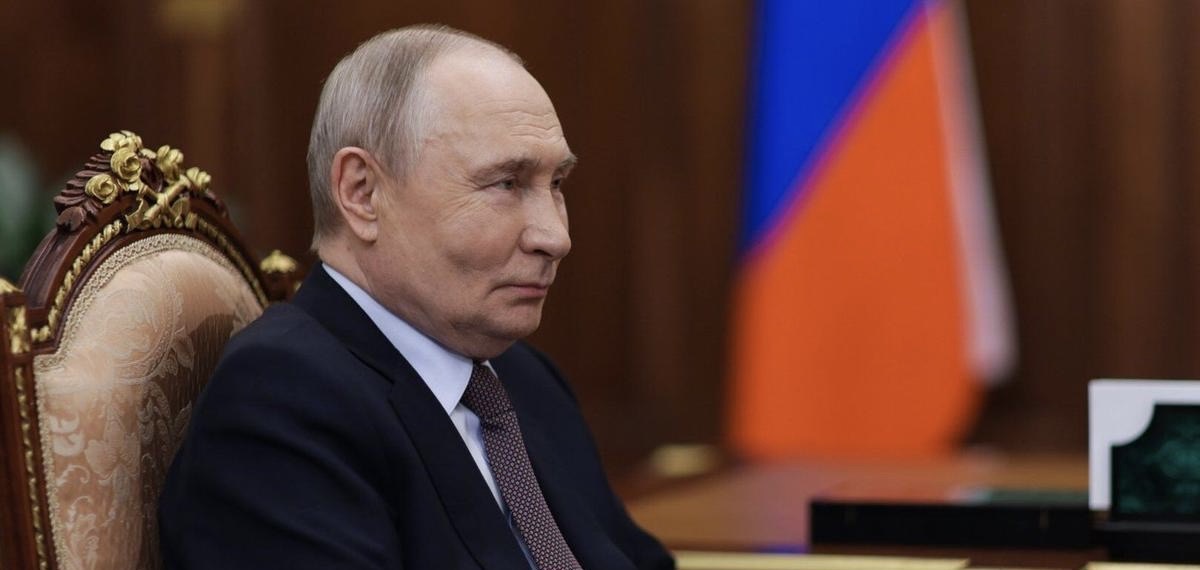 Russia’s ambassador to the United Nations, Vassily Nebenzia, defended Iran and accused Western countries of hypocrisy on Monday, arguing that the Islamic Republic has a right to restrict movement in the Strait of Hormuz.
“There was an attempt to pin full responsibility on Iran as if it was Iran which attacked its neighbors and Iran is deliberately obstructing the navigation through the Strait of Hormuz,” Nebenzia said at a UN Security Council meeting. “In times of war, a coastal state that is under attack may limit navigation in its territorial waters for the purpose of security.”
Nebenzia also compared Western nations to pirates.
“Unlike pirates who raise their black flags with a skull and crossbones in their vessels, Western countries are attempting to conceal their lawless actions with references to unilateral coercive measures,” Nebenzia said.
“This is merely a fig leaf, the purpose of which is to conceal the fact that the [European Union] is engaged in blatant robbery at sea,” he added.
This comes after Russia and China earlier this month vetoed a Security Council draft resolution that sought to secure freedom of navigation in the Strait of Hormuz.
Day 934 — Monday, April 27
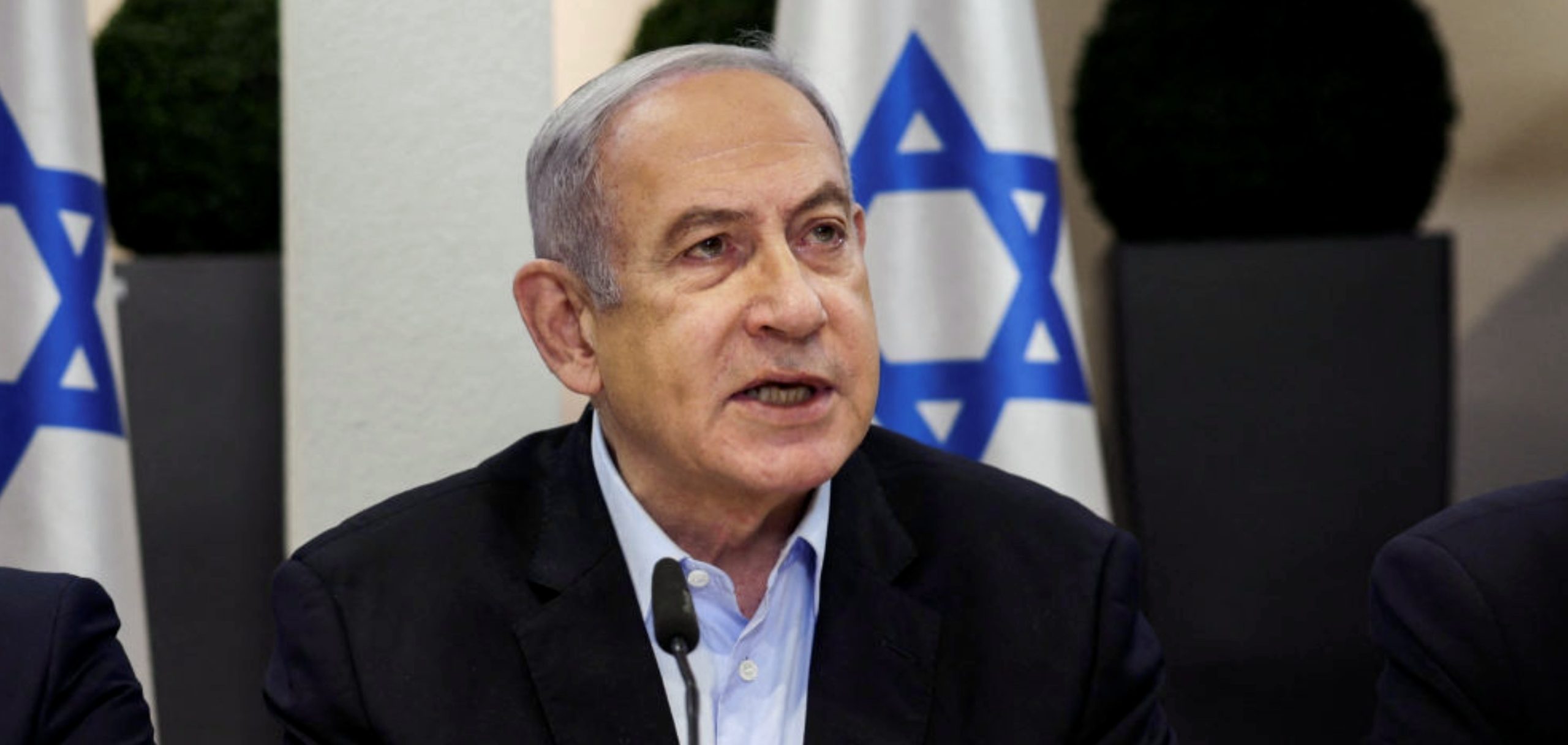 Israeli Prime Minister Benjamin Netanyahu has ordered the Israel Defense Forces to “vigorously” attack the Iranian-backed Hezbollah terrorist group, his office announced on Saturday night.
The announcement followed the launch of several rockets and UAVs from Lebanon toward northern Israeli communities earlier in the day, in violation of the U.S.-brokered ceasefire with Beirut.
The IDF announced the interception of one rocket after air-raid sirens were activated in Kibbutz Manara, Kibbutz Misgav Am and Moshav Margaliot on Saturday afternoon. A second rocket struck in an open area in the north, it said. “There are no casualties; this is a blatant violation of the ceasefire agreement by the Hezbollah terrorist organization,” the military stated.
Approximately an hour later, alerts were activated in several areas in the north due to a drone infiltration.
“The air force successfully intercepted a suspicious aerial target launched from the direction of Lebanon into Israeli territory. Contact was lost with another suspicious aerial target,” the IDF announced.
In response, the military struck Hezbollah terrorist infrastructure in Southern Lebanon, including “military” structures used by its Radwan Force, which functions as Hezbollah’s special operations unit and for years trained to invade northern Israel and seize communities there.
The structures, located in IDF-controlled territory south of the ceasefire line, were struck to remove threats “following Hezbollah’s use of these buildings to advance terrorist activities against IDF soldiers and the State of Israel,” it said.
Some two hours after the army announced the renewed airstrikes, more air-raid sirens blared in the area of Malkia, a kibbutz in the Galilee Panhandle, warning of a suspected UAV infiltration.
“A suspicious aerial target was identified, and contact with it was lost. The incident has concluded,” the IDF stated.
The IDF continued its campaign against Iran’s Lebanese proxy over the weekend, eliminating more than 15 Hezbollah terrorists, including three it said were killed while transporting weapons.
Air-raid sirens continued to blare in Israel’s north on Sunday afternoon, with alarms activated in a number of communities in the Western Galilee. The IDF subsequently announced it intercepted three UAVs before they crossed into the Jewish state from Lebanon.
Speaking at the weekly Cabinet meeting in Jerusalem on Sunday, Netanyahu accused Hezbollah of “essentially disintegrating the ceasefire” through its incessant terrorist attacks.
“Therefore, as far as we are concerned, what obligates us is the security of Israel, the security of our soldiers, and the security of our communities,” the premier said. “We are acting vigorously according to the rules we agreed upon with the United States, and incidentally, with Lebanon as well.”
The IDF will maintain its freedom “not only to respond to attacks, which is obvious, but to thwart immediate threats and also to neutralize emerging threats,” he added.
Over the past two weeks, the military eliminated 46 Hezbollah terrorists, and “we will act with a strong hand and an outstretched arm,” said Netanyahu.
“One might get the impression that the IDF is not active there. It is active, and it is acting with force,” he continued.
Netanyahu on Friday vowed to maintain “full freedom of action against any threat, including emerging ones,” in Lebanon. “We attacked yesterday and we attacked today. We are determined to restore security to the residents of the north,” he said.
Jerusalem has “begun a process to achieve a historic peace between Israel and Lebanon,” and according to the prime minister, “it is clear to us that Hezbollah is trying to sabotage this.”
U.S. President Donald Trump said on Thursday that Israel and Lebanon had agreed to extend the ceasefire between the two countries for three weeks.
The announcement followed a meeting at the White House between Israeli Ambassador to the United States Yechiel Leiter and Lebanese Ambassador to the United States Nada Hamadeh Moawad.
“The meeting went very well,” Trump wrote in a social media post. “The United States is going to work with Lebanon in order to help it protect itself from Hezbollah.”
U.S. Vice President JD Vance told reporters in the Oval Office that the truce would be under the same terms as the 10-day ceasefire which the two countries agreed to on April 16.
Hezbollah ended a previous ceasefire, reached in November 2024, on March 2, when it fired rockets into Israel in solidarity with Iran. Israel and the U.S. launched a military operation in Iran on Feb. 28, which they suspended on April 8 pending talks between Iran and the U.S.
Metula Local Council head David Azulai told Ynet on Sunday that Netanyahu’s announcement of “vigorous” attacks was “pathetic.”
“There was nothing. There were strikes in Southern Lebanon, but not where they needed to be. There’s nothing new—this is just to tell us, ‘See, we’re attacking.’ It’s all one big bluff. We’ve been abandoned to our fate,” he charged.
Moshe Davidovich, head of the Mateh Asher Regional Council in the Western Galilee, added, “We understand that this is a sham ceasefire, and expect the prime minister and the defense minister to give the IDF the freedom of action to do everything necessary so that Hezbollah does not threaten the citizens of the State of Israel.”
Day 934 — Monday, April 27
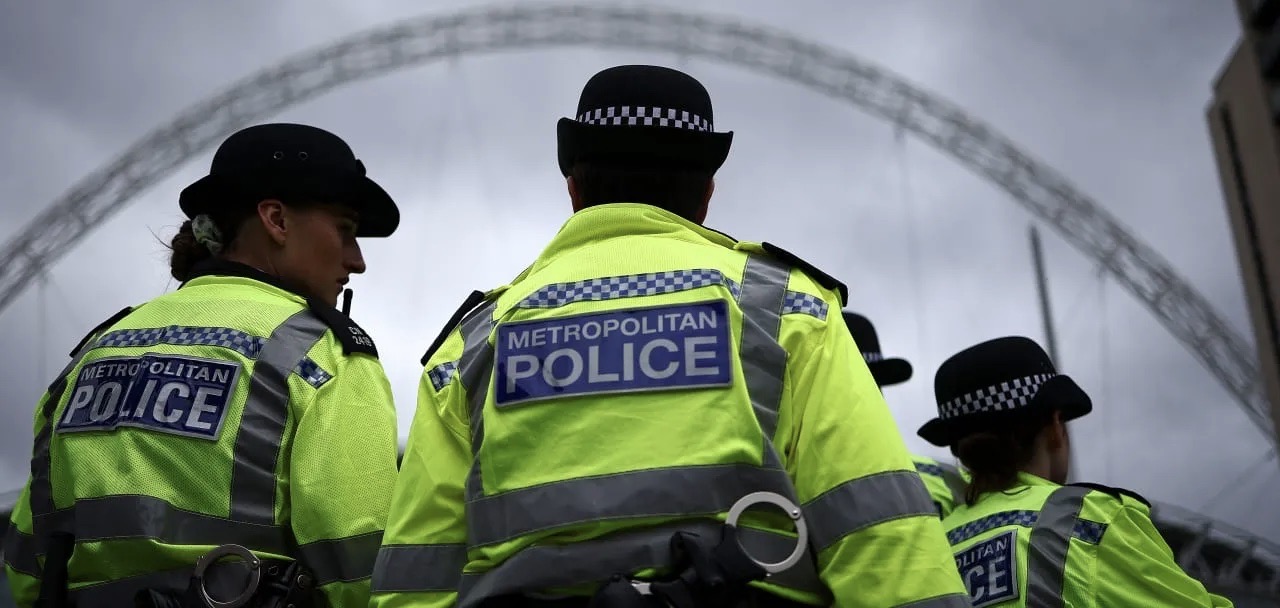 A Devon man was arrested by Counter Terrorism Policing on Sunday on suspicion of preparing terrorist acts in relation to a series of attacks on Jewish, Israeli, and Iranian dissident sites in London, the Metropolitan Police announced on Monday morning.
The 37-year-old Barnstaple man was taken to a London police station for questioning.
The Sunday arrest brought the total number of people arrested since the March 23 Golders Green arsons to 26. According to the Met, eight people have been charged with arson-related offenses, and one person was convicted of arson.
The spate of attacks began with the arson of four Hatzola ambulances in the Golders Green area.
Day 934 — Monday, April 27
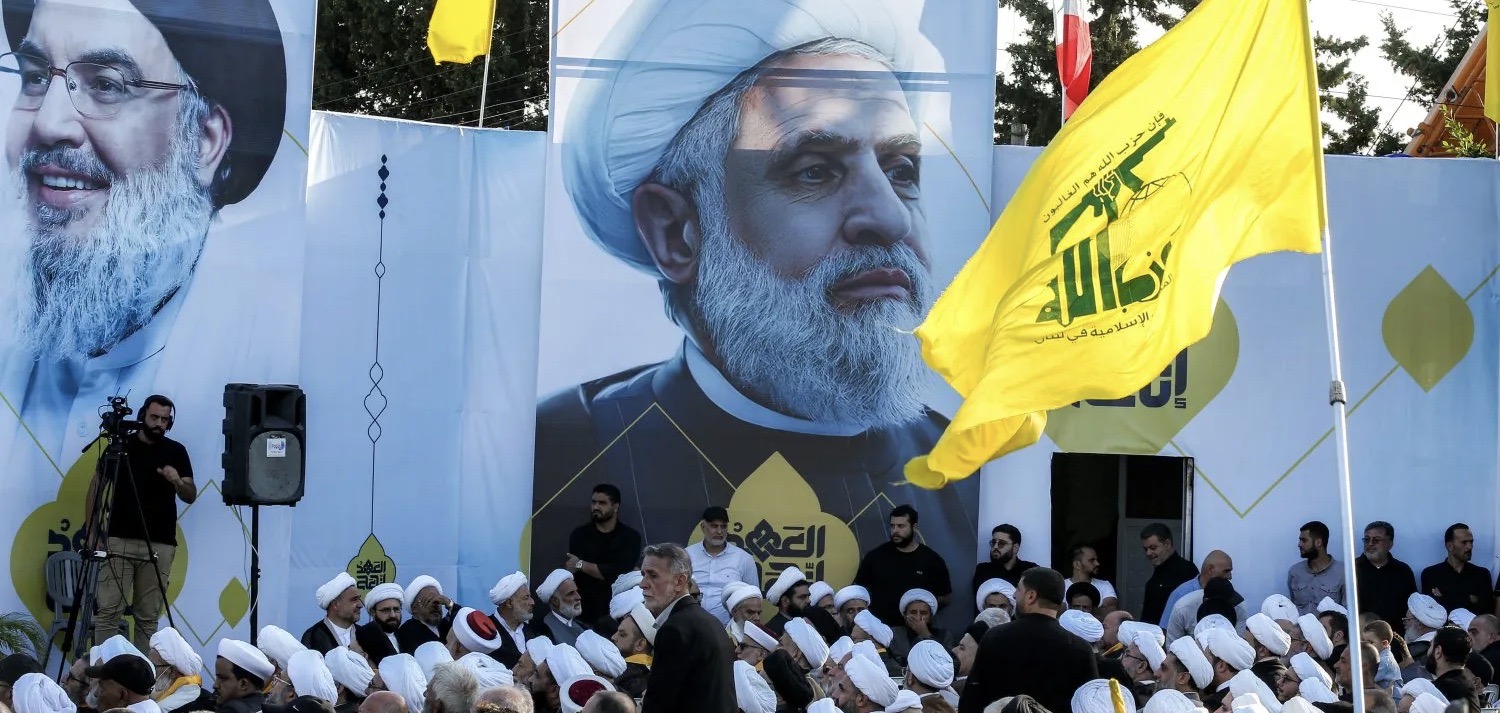 Hezbollah will not surrender its weapons under any circumstances, the group’s leader Naim Qassem said on Friday, amid intensified US pressure on Lebanon to disarm the Iran-backed organisation and ongoing Israeli strikes against its operatives in southern Lebanon.
In remarks broadcast on a Hezbollah-affiliated television channel, Qassem rejected the idea outright. “We will not let anyone disarm Hezbollah or disarm the resistance” against Israel, he said, adding that “this idea of disarmament must be removed from the dictionary.”
Qassem said Hezbollah remained open to discussions about a broader “defence strategy,” but only on its own terms. Such talks, he stressed, could not take place “under the pressure of occupation” by Israel. He also called for Israel to fully withdraw from southern Lebanon, end its military actions, and for the Lebanese state to begin reconstruction efforts in affected areas.
His comments followed similar statements from senior Hezbollah figures, who have also ruled out any transfer of weapons unless Israel halts its “aggression” and withdraws completely from Lebanese territory. One official, Wafic Safa, said the issue was not disarmament but a national defence strategy aligned with the Lebanese presidency’s stated goals.
The debate comes as President Joseph Aoun has pledged to ensure that 2025 becomes the year in which the Lebanese state holds a monopoly on arms. His position reflects growing internal and external calls for Hezbollah to integrate its military capabilities under state control.
However, Hezbollah continues to frame its arsenal as essential to Lebanon’s defence, insisting it will remain armed as long as Israeli forces operate in the region.
Day 933 — Sunday, April 26
U.S. President Donald Trump on Saturday said he canceled the trip of the American delegation to Islamabad for talks on an agreement with Tehran as the Iranian representatives had already left Pakistan.
Explaining his decision on Truth Social, Trump wrote, “Too much time wasted on traveling, too much work! Besides which, there is tremendous infighting and confusion within their ‘leadership.’
“Nobody knows who is in charge, including them. Also, we have all the cards, they have none! If they want to talk, all they have to do is call!!!” the president added.
U.S. envoys Steve Witkoff and Jared Kushner were expected to touch down in Islamabad to continue the indirect negotiations with Tehran through Pakistani mediators, but the Iranian delegation has reportedly left the country.
Iran’s Foreign Minister Abbas Araghchi arrived in Pakistan on Friday and met with Prime Minister Shehbaz Sharif and Pakistan’s Chief of the Army Staff Asim Munir, according to the Associated Press.
Araghchi said on his Telegram account that he is currently on a trip to Islamabad, Muscat and Moscow “to coordinate closely with [Iran’s] partners on bilateral issues and consultations on regional developments.”
He emphasized “Pakistan’s special position in Iran’s foreign policy and relations and Iran’s will to further develop relations between the two countries.”
He did not disclose Tehran’s demands but said that his country’s “principled positions” were conveyed to Islamabad.
Trump spoke with Axios on Saturday, saying that “I see no point of sending [Witkoff and Kushner] on an 18-hour flight in the current situation. … We are not gonna travel just to sit there.”
Asked whether the breakdown in talks means the war was to resume, the president said, “No. It doesn’t mean that. We haven’t thought about it yet. We have all the cards. We are not going to go there to sit around talking about nothing.”
On Thursday, Iranian officials presented a unified front after reports surfaced that Tehran’s leadership was fractured.
“In Iran there are no ‘hardliners’ or ‘moderates,’ President Masoud Pezeshkian tweeted.
“We are all Iranians and revolutionaries. With ironclad unity of nation and state and obedience to the Supreme Leader, we will make the aggressor regret. One God, one nation, one leader, one path; victory for Iran, dearer than life,” he wrote.
Day 932 — Saturday, April 25
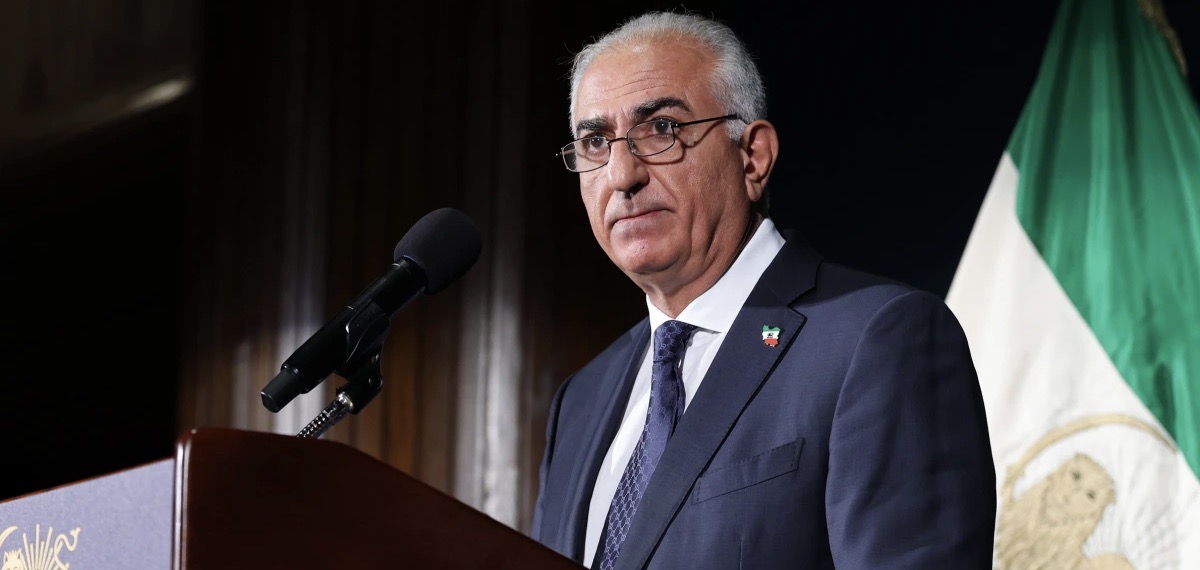 Reza Pahlavi posted a video to X on Friday criticizing European media coverage of unrest in Iran, accusing journalists of ignoring what he described as mass killings and political executions.
In the video, Pahlavi said he recently held press conferences in Stockholm and Berlin attended by more than 150 journalists, claiming that none asked about “40,000 Iranians” he said were killed during protests or about political prisoners facing execution.
He argued that European media has “abdicated their professional responsibilities” by focusing more on criticism of the U.S. and Israel than on the actions of the Iranian regime.
The remarks come a day after Pahlavi was splattered with red liquid while leaving a press conference in Berlin, according to reporting from The Associated Press. He was not injured, and German police detained a suspect at the scene. Authorities said the substance appeared to be tomato juice.
Pahlavi, the exiled son of Iran’s former shah, has been traveling across Europe in recent weeks seeking to rally support and position himself in discussions about Iran’s future. He said in the video he will continue advocating for a democratic Iran regardless of international backing.
Day 932 — Saturday, April 25
 The Trump administration announced it’s imposing new sanctions against Iran’s shadow fleet of oil tankers.
The Treasury Department’s Office of Foreign Assets Control imposed the punishment on a Chinese teapot refinery along with 40 shipping companies and vessels that operate as part of Iran’s shadow fleet, whose transportation of petroleum and petrochemicals provides a financial lifeline to Iran’s regime.
The sanctions are part of a campaign called Economic Fury.
“Economic Fury is imposing a financial stranglehold on the Iranian regime, hampering its aggression in the Middle East, and helping to curtail its nuclear ambitions,” Treasury Secretary Scott Bessent said in a statement.
“At President Trump’s direction, Treasury will continue to constrict the network of vessels, intermediaries, and buyers Iran relies on to move its oil to global markets,” Bessent added.
“Any person or vessel facilitating these flows — through covert trade and finance — risks exposure to U.S. sanctions,” he continued.
The shadow fleet is the name given to the hundreds of illegal tankers that countries such as China, Venezuela, and Russia operate while trying to evade sanctions from countries including the U.S., the Washington Examiner reported.
Experts told the Examiner they believe 1,000 vessels are transporting oil in violation of various sanctions.
Hengli Petrochemical Refinery Co., the sanctioned Chinese refinery, is one of Iran’s largest buyers of crude oil and other petroleum products, having purchased billions of dollars’ worth of Iranian petroleum.
China-based independent teapot refineries continue to play a vital role in sustaining Iran’s oil economy.
Since at least 2023, Hengli has received Iranian oil cargoes from a host of sanctioned shadow fleet vessels, which alone have delivered over 5 million barrels of Iranian crude oil.
“Constraining Iran’s maritime trade through the blockade directly targets the regime’s primary revenue lifelines,” a senior administration official told the Examiner.
“Any person or vessel facilitating these illicit flows — through covert trade and finance — risks exposure to U.S. sanctions,” the official added.
Day 931 — Friday, April 24
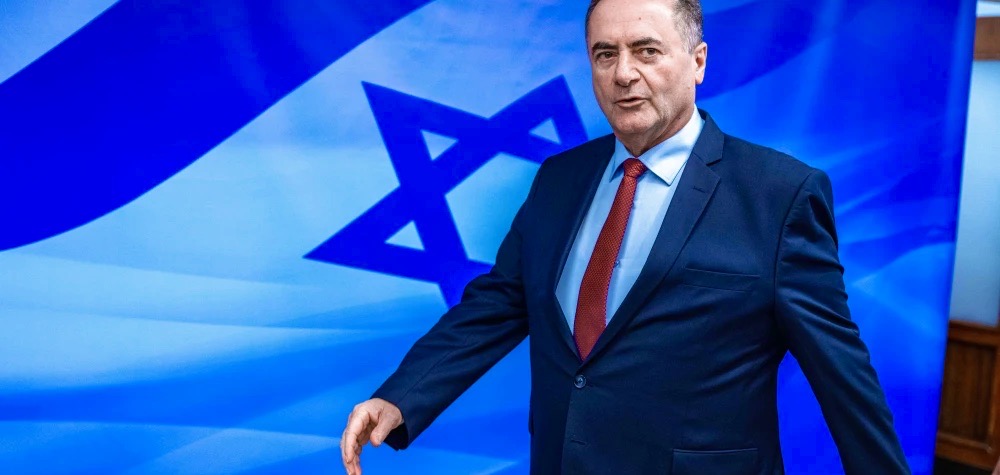 “Israel is prepared to renew the war against Iran,” Defense Minister Israel Katz said at the end of a situational assessment on Thursday, with the military awaiting the green light from the United States to “complete the elimination of the Khamenei dynasty.“
“The IDF is prepared for both defense and attack, and the targets are marked,” said Katz.
The Defense Minister discussed the Islamic regime’s practice of oppressing its people, saying, “The terrorist regime in Iran specializes mainly in internal repression of the population through the Revolutionary Guards and the Basij.“
Katz also accused Iran of “energy extortion, with the threat of raising global oil prices.“
“Its leaders are hiding in tunnels and have difficulty communicating and making decisions,” Katz continued, “its skies are wide open, and all its national infrastructure and strategic facilities are exposed to attacks, but it declares that it is victorious.“
Katz compared Iran to its proxy terror groups of Hamas and Hezbollah, saying the country “does not care about the heavy prices paid by the population.“
Turning to future IDF attack plans, Katz described them as “different and deadly,” stating that the military will strike “the most painful places,” adding that the attacks would “shake and collapse its [Iran’s] foundations.“
Iran has reportedly tasked foreign militias with keeping civilian protests down, according to social network expert Effi Banai, who spoke to 103FM’s Sivan Cohen on Thursday.
Social media content emerging from Iran paints a complex and increasingly tense picture, Banai said, adding that the regime appears to be trying to prevent a widespread outbreak of protests by reinforcing its presence on the ground.
“We see the pressure on the regime on social media,” said Banai. “They have brought in militias from abroad, from Pakistan, Iraq, and Afghanistan. They are helping them impose order. They go around in trucks, in civilian clothing, carrying machine guns.“
“The soldiers speak Arabic rather than Persian, [which the locals notice and comment about on social media],” Banai added. “They are imposing terror in the streets so that people won’t go out and protest. The regime knows its people are hungry, desperate, and are afraid they will take to the streets again.”
Day 931 — Friday, April 24
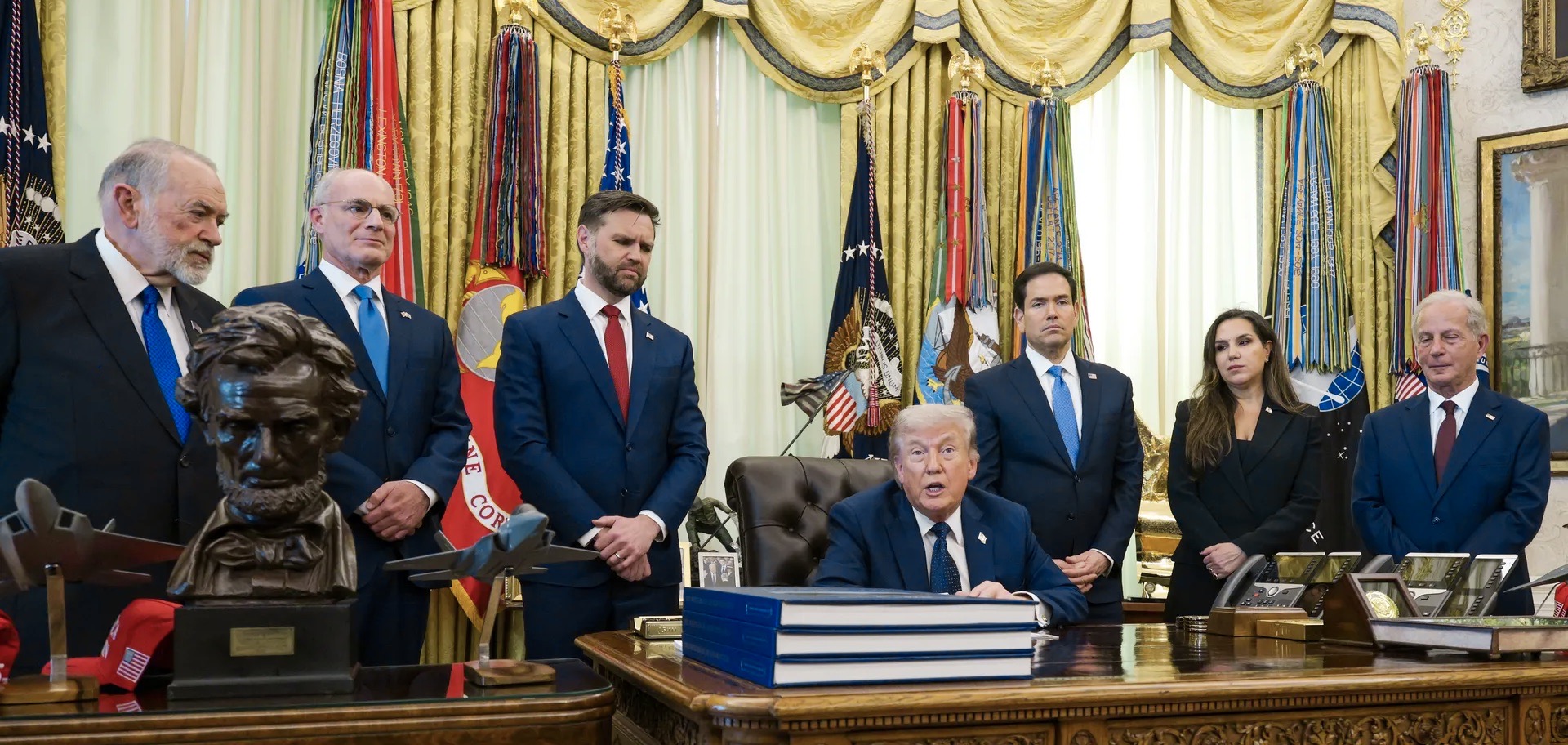 Israel and Lebanon agreed to extend the ceasefire between the two countries for three more weeks, U.S. President Donald Trump stated on Thursday.
The announcement follows a meeting at the White House between Israeli ambassador to the United States Yechiel Leiter and Lebanese ambassador to the United States Nada Hamadeh Moawad.
“The meeting went very well,” Trump wrote on social media. “The United States is going to work with Lebanon in order to help it protect itself from Hezbollah.”U.S. Vice President JD Vance told reporters in the Oval Office that the truce would be under the same terms as the 10-day ceasefire to which the two countries agreed on April 16.
“We’re going to extend the ceasefire for three weeks that’s already in place between Israel and Lebanon,” Vance said.
In addition to Trump and Vance, Secretary of State Marco Rubio, U.S. ambassador to Israel Mike Huckabee and U.S. ambassador to Lebanon Michel Issa also attended Thursday’s meeting at the White House with the Israeli and Lebanese diplomats.
Trump added that he expects to host a meeting between Israeli Prime Minister Benjamin Netanyahu and Lebanese President Joseph Aoun “in the near future.”
Day 930 — Thursday, April 23
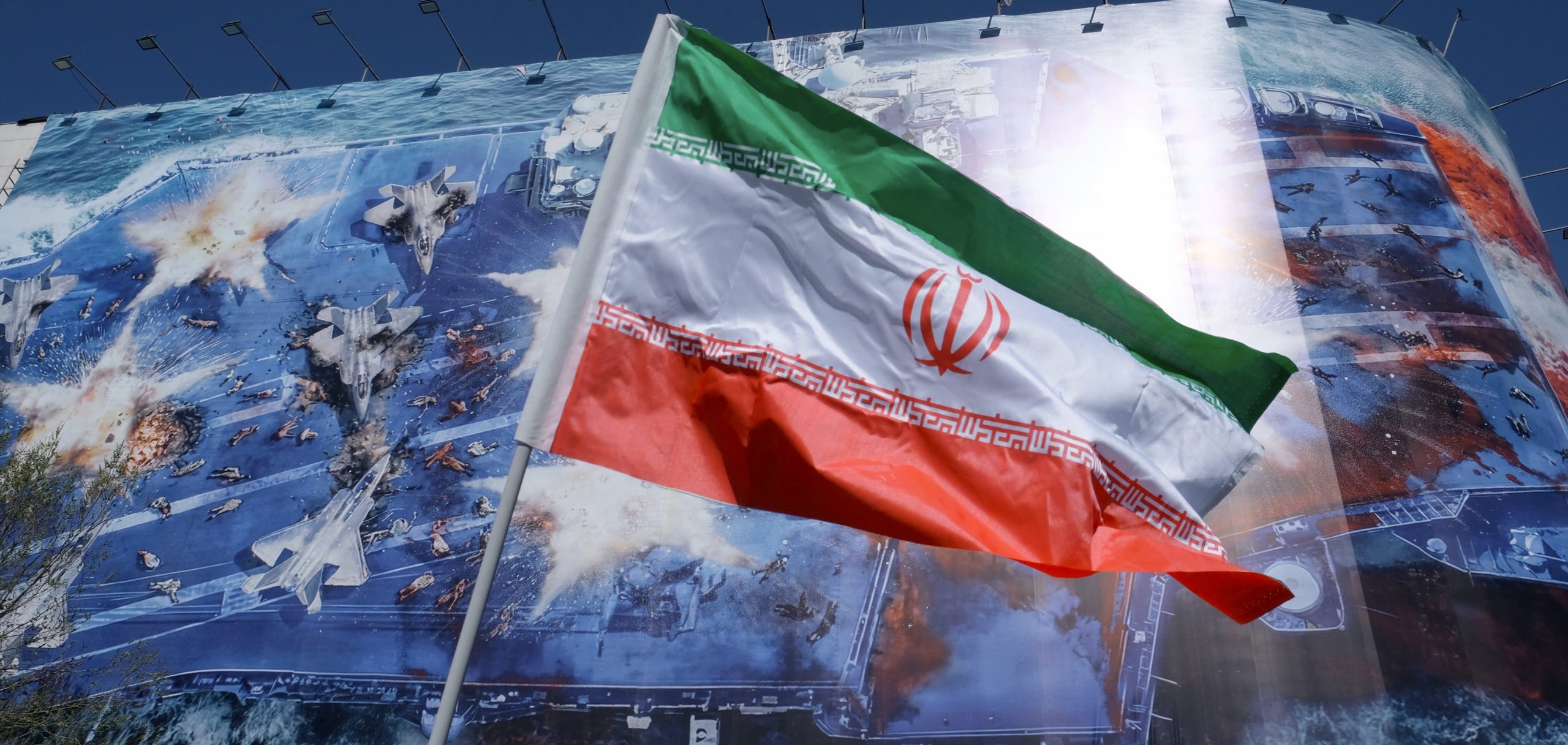 President Donald Trump extended the ceasefire with Iran that was due to expire on Wednesday night. The president pointed to what he called a “fractured” Iranian government and raised questions about who is really in charge in Tehran.
Just hours after the Trump announcement, the Iranian Revolutionary Guard Corps (IRGC) rallied supporters with a parade that included ballistic missiles in the heart of the capital. The demonstrators chanted, “Strike the final blow, and hit the heart of Tel Aviv.”
Iran’s state-run television quoted a military spokesman who threatened the United States.
“In the event of aggression and any action against Islamic Iran, the armed forces of the Islamic Republic of Iran will immediately attack the predetermined targets with power, and teach the aggressive America and the child-killing Zionist entity another lesson more severely than before.”
The show of force and rhetoric has led some to believe that Iran is run by leaders willing to resume the war.
The actions roughly coincided with Trump’s announcement to continue the ceasefire.
The president said late on Tuesday that, at Pakistan’s request, the U.S. would extend the halt in fighting indefinitely as he waits for a unified proposal from the Islamic Republic.
The two-week truce was set to expire as a second round of talks led by Vice President JD Vance looked uncertain.
Meanwhile, in Israel, no official word from the government as the nation celebrated the 78th anniversary of modern Israel’s founding.
Prime Minister Benjamin Netanyahu marked the milestone, declaring, “In shelters and hospitals, in moments of pain, in moments of joy, we have no other country and will not have another one. With God’s help, we will complete the victory, strengthen our state, and secure our future.”
Day 930 — Thursday, April 23
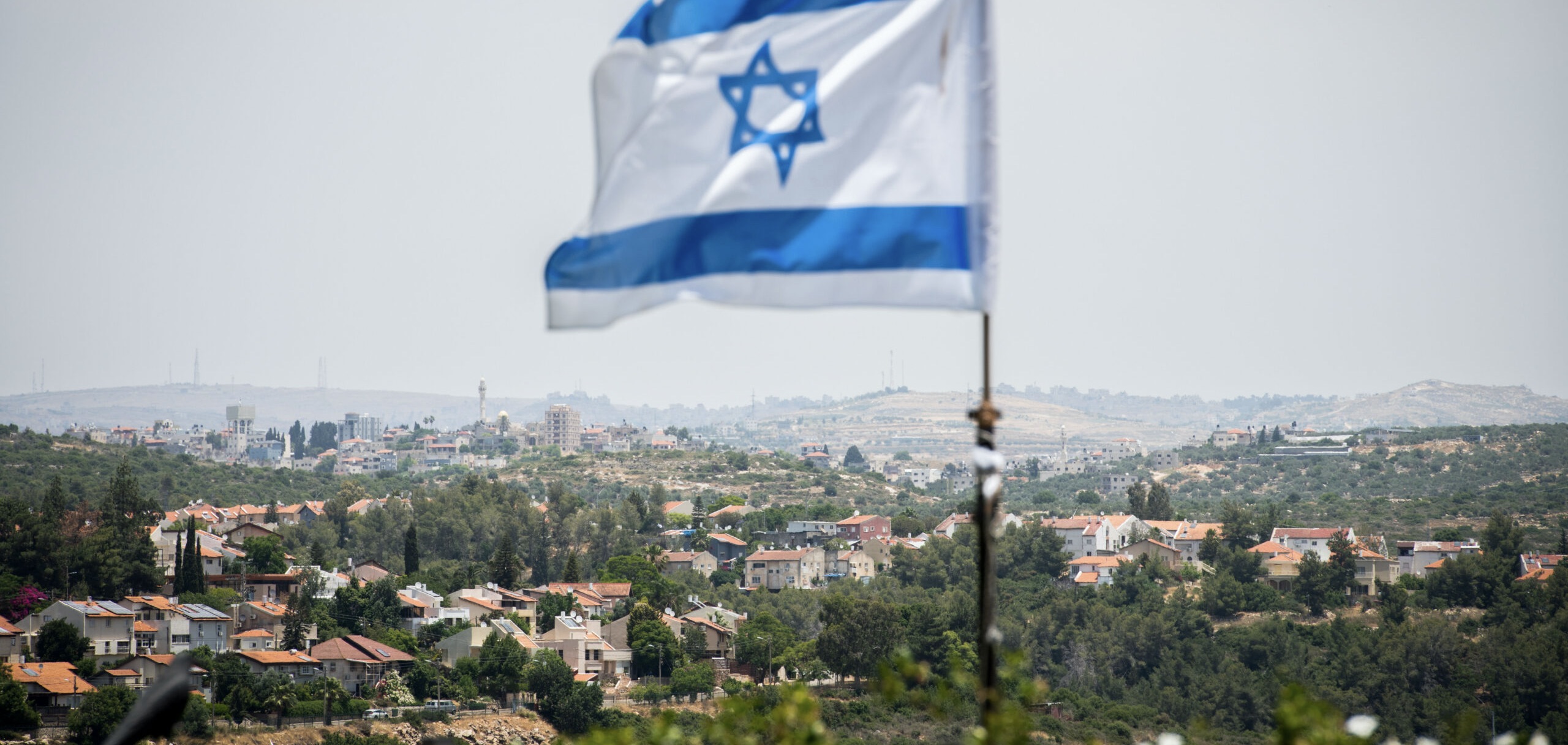 The Arizona Legislature approved on Monday a resolution urging state agencies to use the term “Judea and Samaria” instead of “West Bank” in official communications.
House Concurrent Resolution 2047, sponsored by David Livingston, a Republican state representative, recognizes what it describes as the “historical, biblical and legal legitimacy” of Judea and Samaria and formally rejects “West Bank” as a modern political construct.
The measure passed both chambers, clearing the Senate on April 20 after earlier approval in the House. The nonbinding resolution directs state entities to adopt the terminology in government documents and references.
“Today, as Israel honors those who gave their lives defending the nation, Arizona stands with the truth about that nation’s history,” Livingston stated.
The resolution, which Livingston introduced following a 2025 visit to the region, is part of a broader national effort by some lawmakers to promote the use of biblical names for the territory west of the Jordan River, which is widely referred to internationally as the West Bank.
“Judea and Samaria are central to Jewish history and faith,” he said. “They are not political labels to be swapped out for convenience. This resolution affirms what is true and rejects language created to deny it.”
Israel Bachar, Israel’s consul general for the Pacific Southwest, praised the move, stating that Arizona “has set a gold standard in terms of state legislative initiatives that protect and enhance the U.S.-Israel relationship on the state level.”
Day 929 — Wednesday, April 22
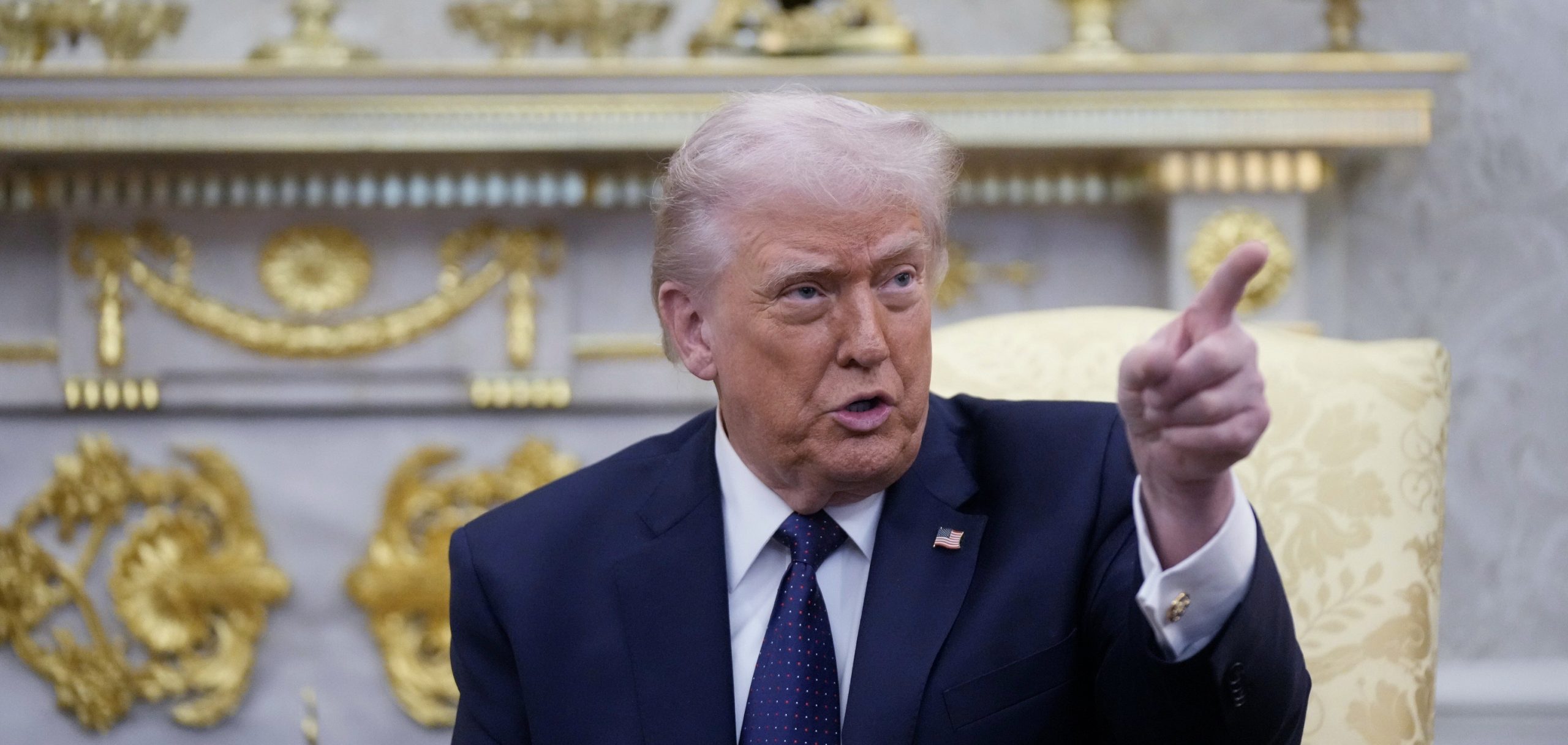 U.S. President Donald Trump said Iran is losing approximately $500 million per day due to restrictions on the Strait of Hormuz, claiming the Islamic Republic is seeking to reopen the strategic waterway as financial pressure mounts.
“Iran is collapsing financially! They want the Strait of Hormuz opened immediately- Starving for cash! Losing 500 Million Dollars a day. Military and Police complaining that they are not getting paid. SOS!!!” Trump posted on Truth Social on Wednesday.
“Iran doesn’t want the Strait of Hormuz closed, they want it open so they can make $500 Million Dollars a day,” Trump wrote in an earlier post, adding that Tehran is “starving for cash” and facing internal strain. “They only say they want it closed because I have it totally BLOCKADED (CLOSED!), so they merely want to “save face.” People approached me four days ago, saying, ‘Sir, Iran wants to open up the Strait, immediately.’ But if we do that, there can never be a Deal with Iran, unless we blow up the rest of their Country, their leaders included!”
The Strait of Hormuz is one of the world’s most critical maritime chokepoints, through which a significant portion of global oil shipments pass, meaning disruptions can significantly affect global energy markets.
Trump announced an extension of the ceasefire with Iran on Tuesday.
“Based on the fact that the government of Iran is seriously fractured, not unexpectedly so and, upon the request of Field Marshal Asim Munir, and Prime Minister Shehbaz Sharif, of Pakistan, we have been asked to hold our attack on the country of Iran until such time as their leaders and representatives can come up with a unified proposal,” Trump stated.
The president said he has directed the military to continue the blockade of the Strait of Hormuz, and has extended the ceasefire “until such time as their proposal is submitted, and discussions are concluded, one way or the other.”
The United States and Israel launched coordinated strikes against Iranian nuclear and military infrastructure on Feb. 28.
Day 929 — Wednesday, April 22
 The US Treasury Department has imposed a new wave of sanctions on 14 individuals and entities across Iran, Turkey, and the United Arab Emirates, targeting the procurement networks fuelng Tehran’s missile and drone programs.
This move aims to disrupt the acquisition of specialized components as Iran attempts to restore its military capabilities following recent strikes by the United States and Israel.
Treasury Secretary Scott Bessent justified the measures by accusing the Iranian regime of using these technologies to threaten global energy markets and strike civilian targets.
The sanctions specifically hit three individuals involved in the supply chain for Shahed drones and a Turkish firm accused of providing materials for missile fuel production. Furthermore, the administration blacklisted two Boeing 777 aircraft operated by Mahan Air, an airline the US identifies as a primary transporter of military equipment.
These financial restrictions effectively freeze the assets of the named parties and prohibit any US-linked transactions, deepening the economic isolation of Tehran’s defense sector.
The announcement comes at a volatile moment in regional diplomacy, with high-level talks in Pakistan recently collapsing and a temporary ceasefire brokered by President Donald Trump nearing its expiration. By targeting the logistical networks enabling Iran’s military activity, Washington is signaling a return to intensive economic pressure as the prospect of a diplomatic breakthrough regarding the Strait of Hormuz remains stalled.
Day 929 — Wednesday, April 22
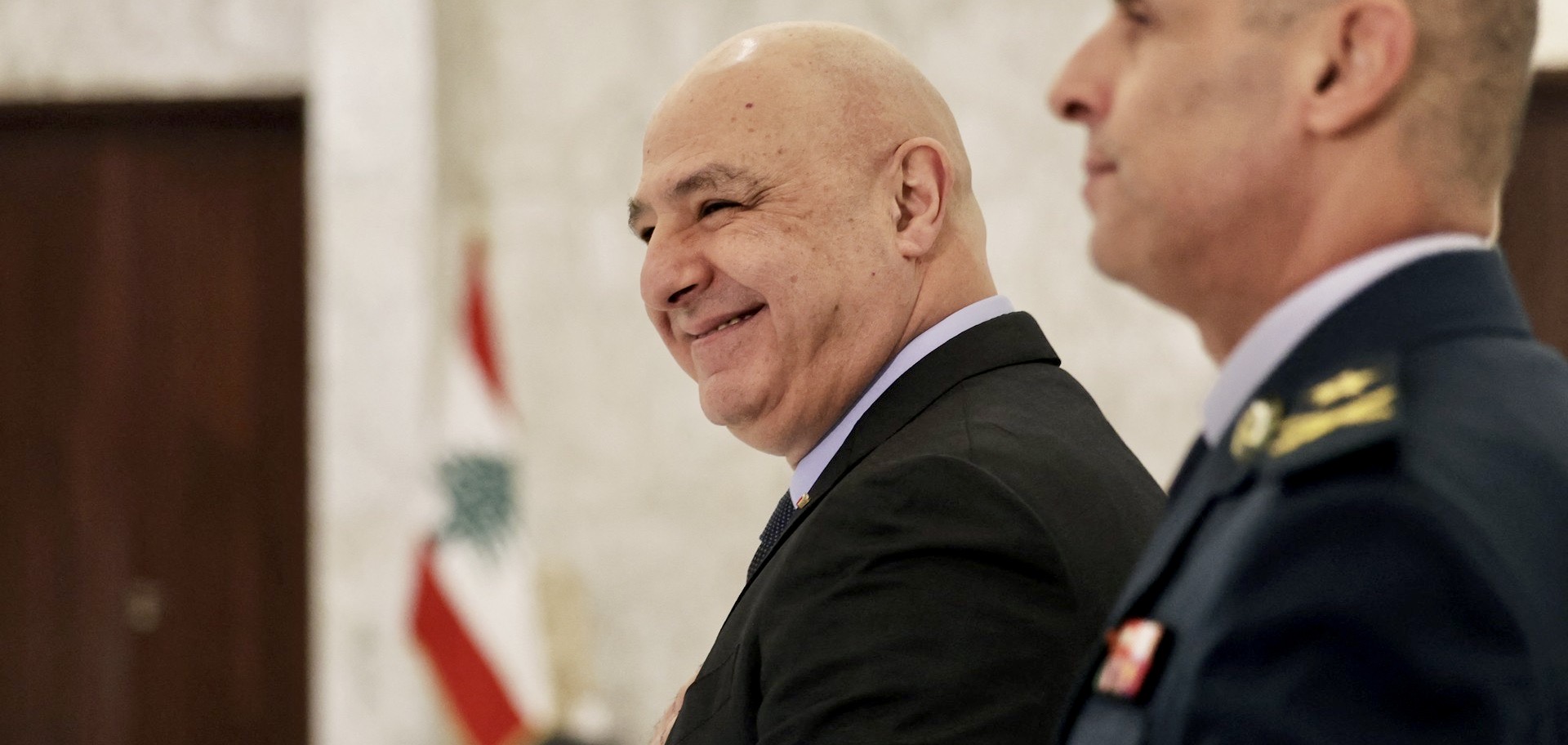 Lebanese President Joseph Aoun said he is pursuing peace negotiations with Israel, arguing that diplomacy is the only viable path to save Lebanon from continued war and economic and social collapse.
His remarks, made during a meeting with lawmakers aligned against Hezbollah and summarized by his office, offered justification for engaging with Israel — an unprecedented step in modern Lebanese politics.
“Lebanon faces two options: the continuation of the war with all its humanitarian, social, economic, and sovereign consequences, or negotiations to end the war and achieve lasting stability,” Aoun said, according to the statement released by his office.
“I have chosen negotiation, and I am full of hope that we will be able to save Lebanon,” he stressed.
Aoun emphasized that talks are the only realistic way to “end hostilities, secure the Israeli withdrawal from occupied areas in southern Lebanon, and allow the deployment of the Lebanese army up to the internationally recognized southern border.”
Since Israel’s founding in 1948, Beirut has refused to recognize the Jewish state. Despite multiple military defeats of the Lebanses army during conflicts and Israel’s peace agreements with Egypt and Jordan, Beirut has never formally acknowledged Israel.
The diplomatic push follows recent U.S.-brokered efforts under Donald Trump, whose administration facilitated high-level talks last week between Lebanese and Israeli officials aimed at reaching a broader agreement.
Notably, Aoun did not personally attend those discussions. Reports also indicate that Aoun declined to speak directly by phone with Israeli Prime Minister Benjamin Netanyahu, despite encouragement from Trump.
Trump recently announced a ceasefire between Israel and Lebanon. However, Israeli military operations have been focused on Hezbollah targets within Lebanese territory rather than on the Lebanese state itself.
Aoun’s remarks come months after the Lebanese government passed a resolution demanding that Hezbollah disarm. The Iranian proxy group has pledged that it will never surrender its weapons.
Day 928 — Tuesday, April 21
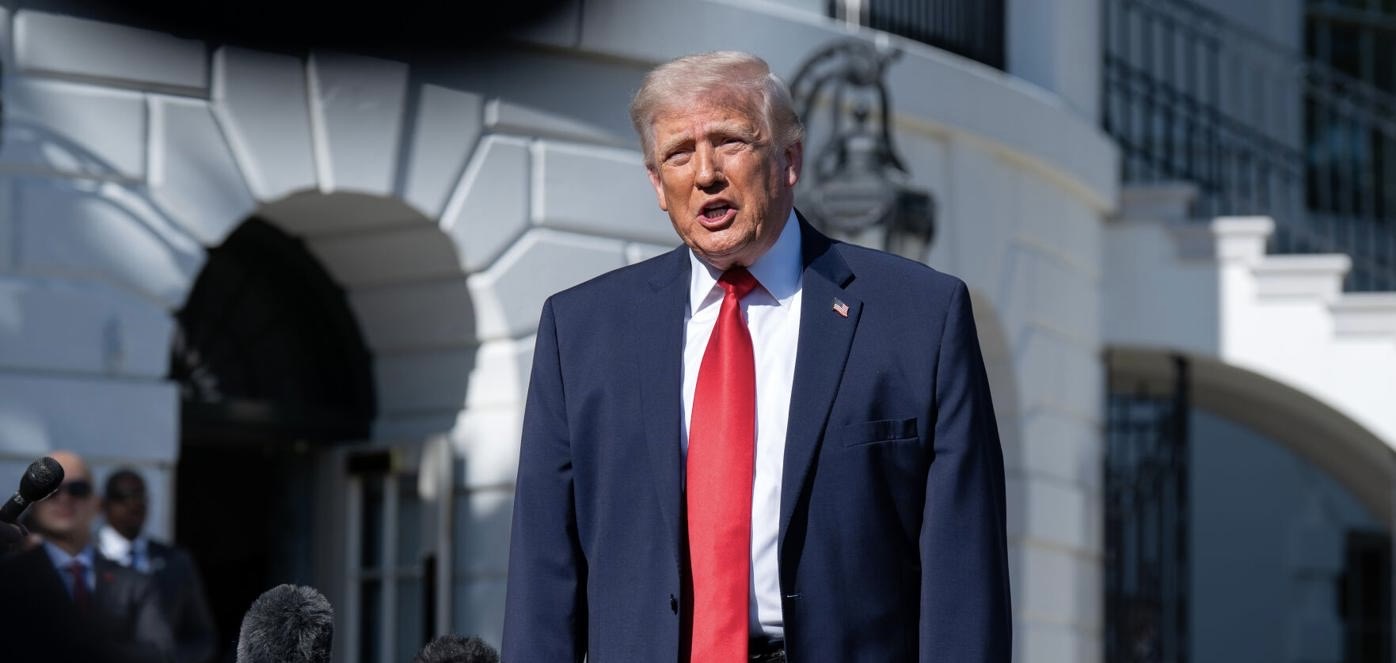 U.S. President Donald Trump stated on Monday that Israel did not persuade the United States to enter military operations against Iran, emphasizing that he has long believed that Iran should not have a nuclear weapon.
“Israel never talked me into the war with Iran,” the president wrote. “The results of Oct. 7, added to my lifelong opinion that Iran can never have a nuclear weapon, did.”
The comments follow criticism from conservative media figures like Tucker Carlson, who called the U.S. president a “slave” to Israel, and Megyn Kelly, who said Israel “dragged” the United States into the war.
Joe Kent, former director of the National Counterterrorism Center, resigned his position while also alleging that Israel played a large role in drawing the United States into war with Iran, while former U.S. vice president Kamala Harris stated that Trump “entered a war, got pulled into it by Bibi Netanyahu, let us be clear about that.”
“Just like the results in Venezuela, which the media doesn’t like talking about, the results in Iran will be amazing,” the president wrote. “And if Iran’s new leaders (regime change!) are smart, Iran can have a great and prosperous future.”
Day 928 — Tuesday, April 21
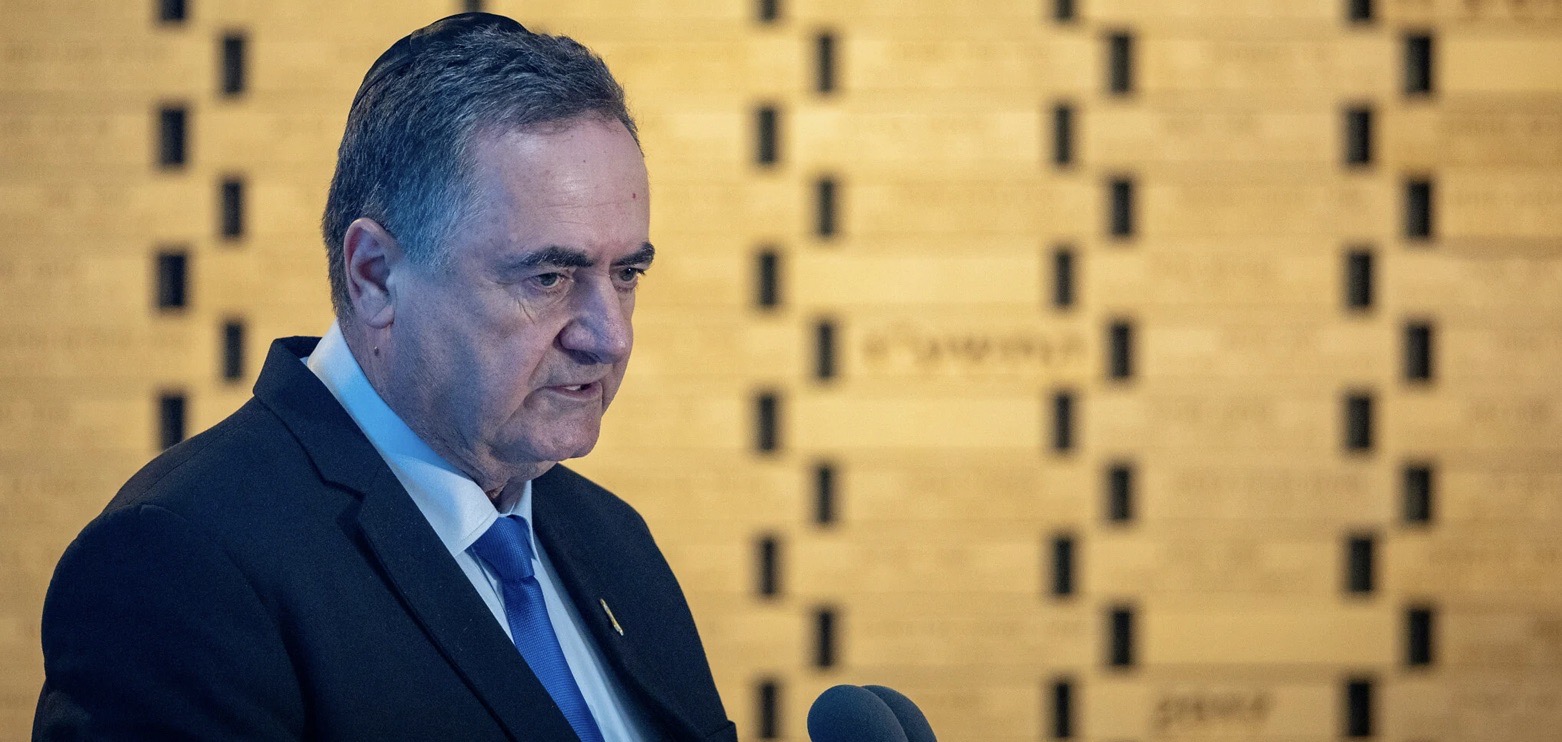 Defense Minister Israel Katz spoke today a solemn ceremony held at the Mount Herzl National Hall for Israel’s Fallen.
“Between all of Israel’s wars there is a clear, direct line,” he said. “The State of Israel still fights for its existence and for its future, and our independence is not something given to us without cost.”
Katz also made a direct Threat to Hezbollah leader Naim Qassem.
“Nasrallah destroyed the Shiite community in Lebanon, and Naim Qassem will destroy it and will pay in the loss of homes and territory until he also pays with the loss of his head, as his predecessor did.”
Katz warned that Lebanon itself would face severe consequences if Hezbollah’s actions continue unchecked. “Lebanon will pay a heavy territorial price, like what happened to Hamas in Rafah and Beit Hanoun in Gaza.”
He went on to condemn regional militant leadership more broadly, stating that the heads of what he called the “axis of evil” are united in their fate. “They dwell together at the bottom of hell,” he said.
Katz also insited that the Lebanese government must assert control over its territory. “If the government of Lebanon continues to fail to meet its commitments, the IDF will do so in the continuation of military operations.”
Day 928 — Tuesday, April 21
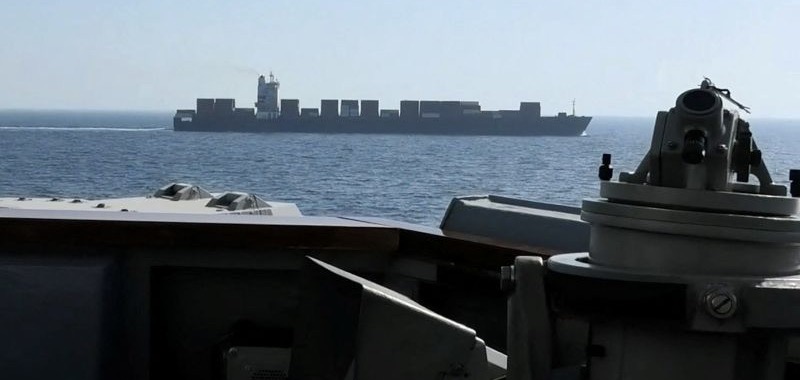 Iran’s Foreign Ministry on Tuesday denounced the U.S. Navy’s seizure of an Iranian cargo ship, calling for the “immediate release of the Iranian vessel, its sailors, crew and their families.”
The Foreign Ministry called the seizure “extremely dangerous” and “criminal.”
“There is no doubt that the Islamic Republic of Iran will use all its capacities to defend Iran’s national interests and security and to safeguard the rights and dignity of its citizens,” the Tuesday statement said.
“It is also clear that full responsibility for any further escalation in the region lies with the United States,” it added.
Iran had earlier vowed to respond after the U.S. seizure of its vessel.
Day 927 — Monday, April 20
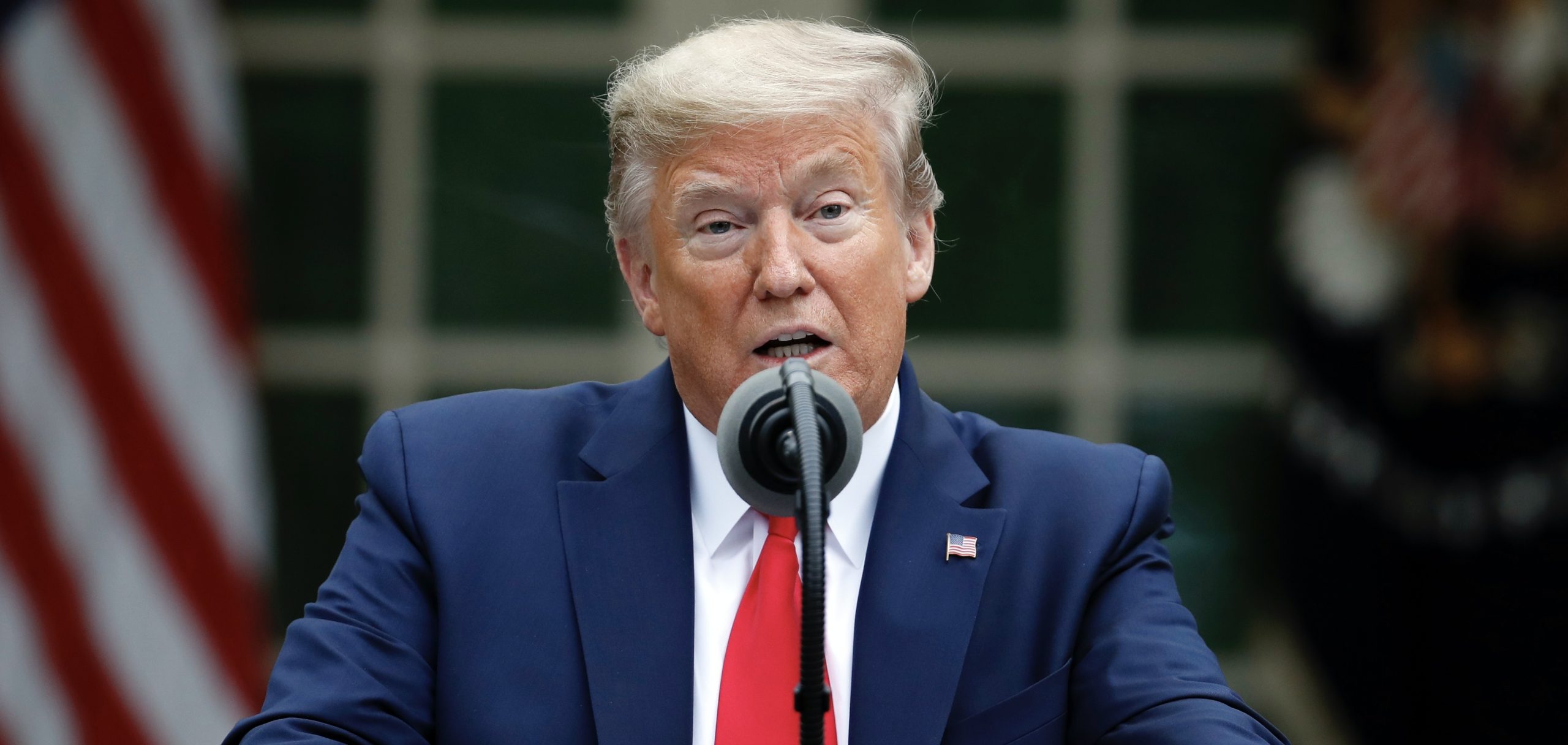 The US seized an Iranian-flagged cargo ship after “blowing a hole” in its engine room when it tried to break past the Navy blockade of the Strait of Hormuz, President Trump revealed Sunday.
The USS Spruance destroyer intercepted Iran’s Touska cargo ship in the Gulf of Oman, taking custody of the ship after it refused warnings to stop, according to the president.
“Today, an Iranian-flagged cargo ship named TOUSKA, nearly 900 feet long and weighing almost as much as an aircraft carrier, tried to get past our Naval Blockade, and it did not go well for them,” Trump boasted on Truth Social.
“Right now, U.S. Marines have custody of the vessel,” the president added. “The TOUSKA is under U.S. Treasury Sanctions because of their prior history of illegal activity. We have full custody of the ship, and are seeing what’s on board!”
A CENTCOM video shared online by Reuters’ chief national security reporter showed the US Navy ship warning those aboard the Iranian cargo ship to vacate its engine room before firing multiple blasts.
“Motor vessel Touska, motor vessel Touska, vacate your engine room, vacate your engine room. We are prepared to subject you to disabling fire,” a Marine can be heard saying before the ship’s horn blows and blasts go off.
The seizure of the Iran-flagged vessel comes as Trump is pushing to lock down a peace deal with Iran before the two-week cease-fire wraps up on Tuesday.
Day 927 — Monday, April 20
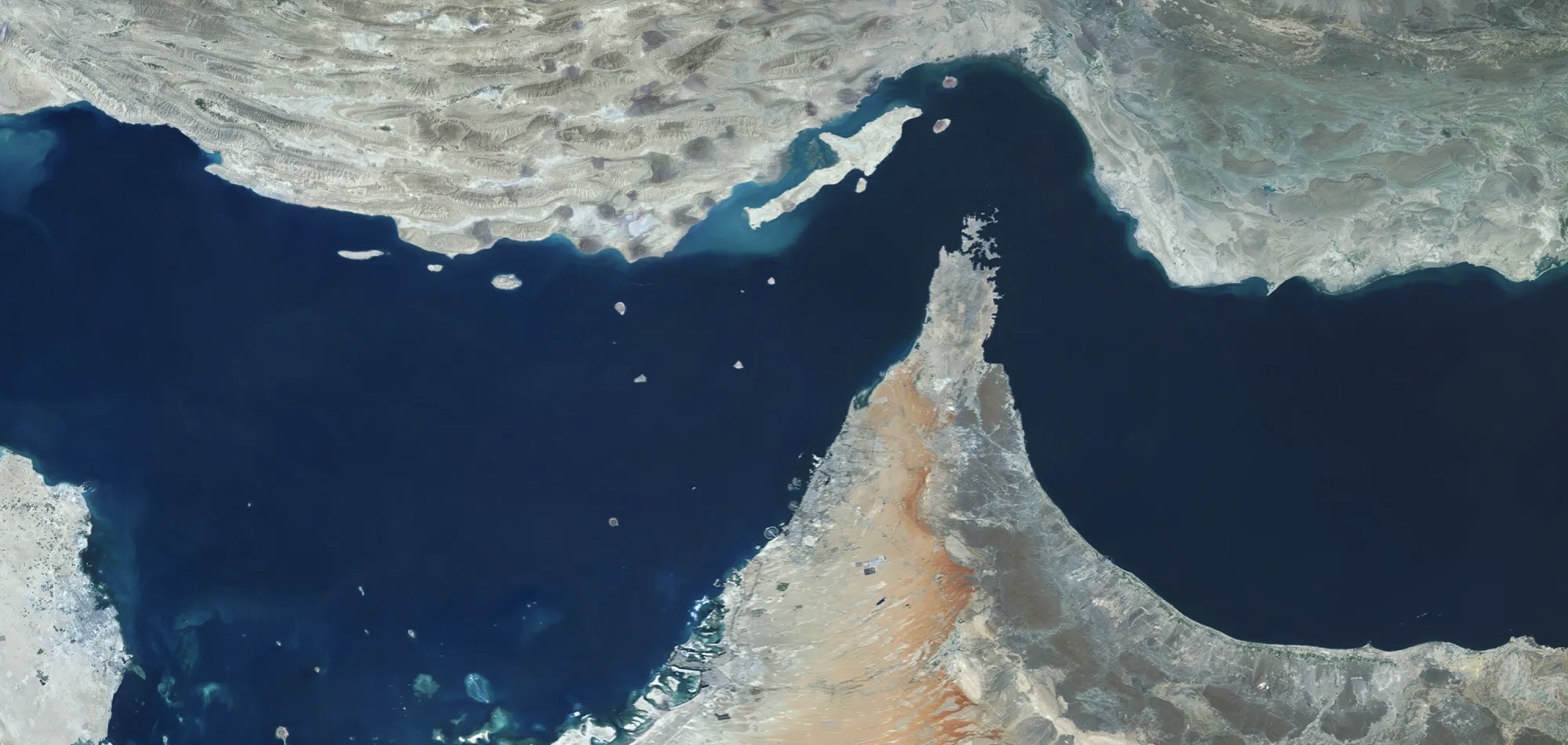 Hundreds of commercial tankers are stranded on both sides of the Strait of Hormuz after Iran shut the critical chokepoint on April 18, halting traffic and leaving crews trapped amid reports of gunfire and “traumatic experiences” on board.
The Strait of Hormuz is considered an international waterway under international law, through which ships have the right of transit passage, according to the United Nations Convention on the Law of the Sea (UNCLOS).
Roughly one-fifth of the world’s oil supply passes through the Strait of Hormuz, making it a critical chokepoint for global energy markets, according to the U.S. Energy Information Administration.
The U.K. Maritime Trade Operations (UKMTO) said Iranian gunboats opened fire on a tanker the same day, while a projectile struck a container vessel, damaging cargo.
Audio released by maritime monitoring group TankerTrackers appears to capture the moment a vessel and its crew came under fire while approaching the strait, including a distress call from a crew member.
“Sepah Navy! Motor tanker Sanmar Herald! You gave me clearance to go… you are firing now. Let me turn back!” the crew member can be heard saying in the recording, according to TankerTrackers.
Iranian state media confirmed that shots were fired near vessels to force them to turn back, while the Ministry of External Affairs of the Government of India said the foreign secretary was deeply concerned.
Hapag-Lloyd, the world’s fifth-largest container shipping line, told Fox News Digital that it had activated a crisis team as its crews remain stuck on board vessels in the region.
“We have been working from Friday afternoon until today with the entire crisis team to bring the vessels out — in vain, unfortunately,” said Nils Haupt, senior director of group communications at Hapag-Lloyd AG.
“These events can easily lead to traumatic experiences. There is also a significant risk from sea mines, which has made insuring vessels for passage through the Strait nearly impossible.”
“The crews are well, but they are becoming increasingly impatient and frustrated. It is very unfortunate that we could not leave today,” he added. “Many ships are still stuck in the Persian Gulf.”
“Our six ships are anchored near the port of Dubai, and all crews hope for an improvement in the situation,” Haupt said.
The Islamic Revolutionary Guard Corps (IRGC) said on April 18 that the strait would remain closed until the U.S. lifts its blockade on Iranian ports, warning ships not to move from anchorage or risk being treated as “enemy” collaborators.
Iran has previously argued that restrictions on its oil exports and shipping amount to “economic warfare,” framing actions in the Strait of Hormuz as a response to foreign pressure on its economy, according to statements from Iranian officials and state media in past incidents.
“Approaching the Strait of Hormuz will be considered cooperation with the enemy, and any violating vessel will be targeted,” the IRGC said in a statement carried by the semi-official Tasnim News Agency.
The United States imposed the blockade on Iranian ports to pressure Tehran to reopen the strait, with U.S. Central Command saying the measures are being enforced “impartially against all vessels.”
Hapag-Lloyd said its vessels have been stuck for weeks following the initial closure after the outbreak of war with Iran on Feb. 28.
“For us, it is critical that our vessels can pass through the strait soon,” Haupt said.
“We offer all crew members unlimited data so they can video call loved ones and access entertainment. Crews are strong, but after weeks on board there is growing monotony and frustration.”
“One crew experienced a fire on board from bomb fragments. Others have seen missiles or drones near their vessels,” he added.
Day 926 — Sunday, April 19
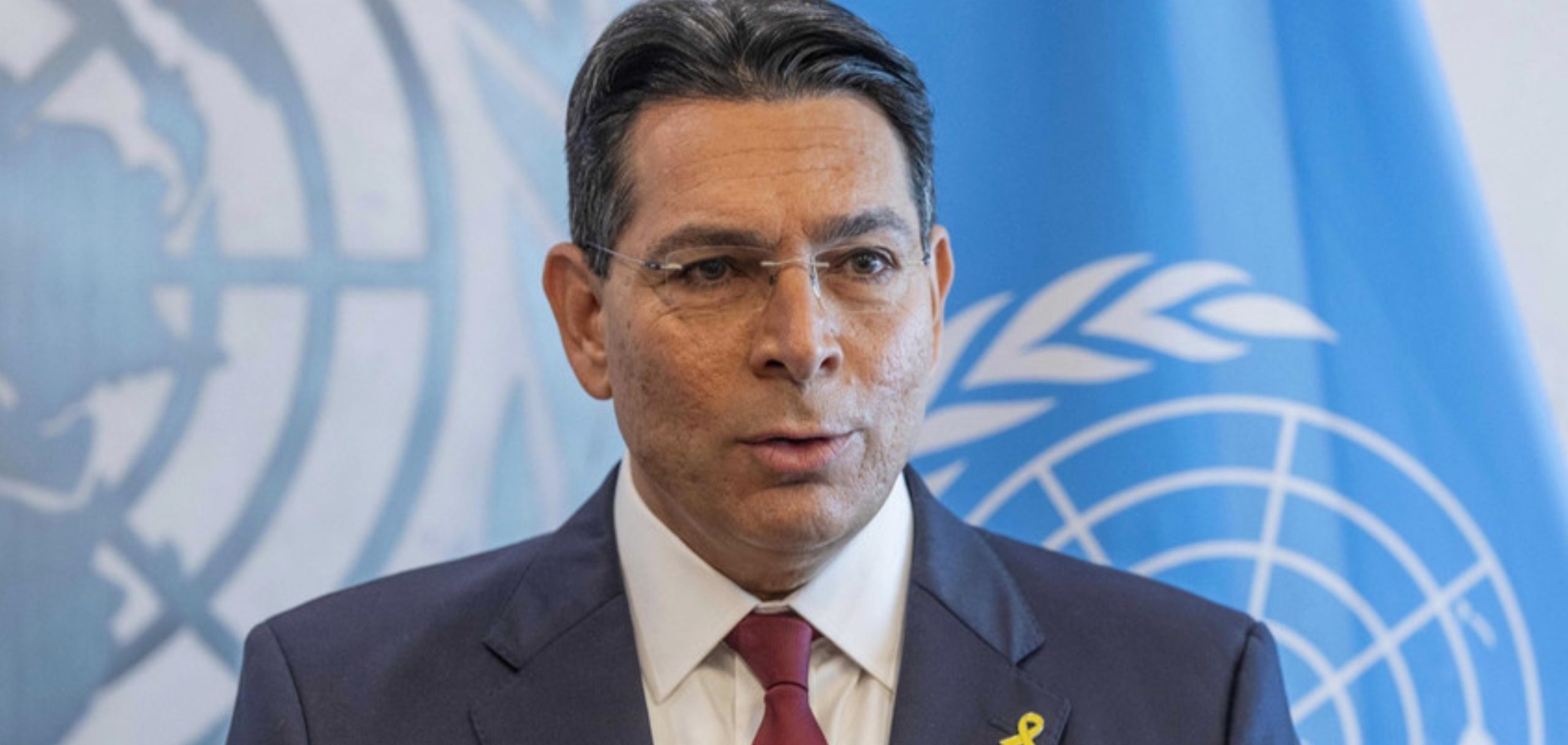 At a tense session of the UN General Assembly focused on the blockage of the Strait of Hormuz and its implications for global shipping, Israel’s ambassador, Danny Danon, sharply criticized France and raised allegations about its conduct.
The debate followed a failed attempt to pass a Bahraini-backed resolution in the Security Council, shifting the dispute to the broader Assembly. Speaking during the session, Danon took an unusually direct tone, singling out the French delegation.
Citing international reports, he claimed that French-owned vessels were able to pass through the Strait of Hormuz without interference, while ships from other countries were detained by Iran. Addressing France’s ambassador, Danon posed a pointed question about whether payments had been made to secure safe passage.
He argued that giving in to such pressure only strengthens Iran, describing its actions in the strait as “economic terrorism” targeting a critical artery of global trade. According to Danon, countries that comply with such demands are not ensuring stability but encouraging further coercion.
Danon warned that yielding to these tactics could lead to escalating costs and greater threats in the future, urging nations to resist what he characterized as a pattern of extortion rather than accommodate it.
Day 925 — Saturday, April 18
 Tennessee’s legislature has voted to change references in state documents to the biblical regions north and south of Jerusalem to “Judea and Samaria.”
The term, which has always applied to the region in Israel, will replace references to the “West Bank,” which was invented and used by the international community following the liberation of the region from the Jordanians in the Six-Day War of 1967.
“The ideological and cultural conflict over Judea and Samaria represents a broader civilizational struggle between Judeo-Christian values,” state House Bill 1446 and its Senate companion Bill 1663, known as the “Recognizing Judea and Samaria Act.”
The bills say the term “West Bank” is a “deliberate attempt to erase the Jewish identity of Judea and Samaria, and to obscure the deep historical, religious and legal connections of the Jewish people to the land.”
Both houses passed their respective bills on April 9, by votes of 24-8 in the Senate and 68-21 in the House of Representatives. The measure now heads to Tennessee Gov. Bill Lee, a Republican, for his signature.
The law mandates that any tax-funded communications from state agencies or official state materials use the historical nomenclature, rather than the more recent internationally recognized term.
Debate over the legislation largely hinged on criticisms that the measure erased Palestinian heritage or amounted to biblical indoctrination, with others saying that the legislature has more pressing, relevant matters at hand.
The bill is similar to one passed in Arkansas last April. A similar effort this year in Florida died in the Senate Rules Committee.
Day 925 — Saturday, April 18
 Lebanese President Joseph Aoun gave a speech to the nation on Friday, a day after a ceasefire between Lebanon and Israel went into effect.
In the speech, Aoun defended the direct talks held with Israel earlier this week, stressing that Lebanon is no longer an “arena” for anyone’s wars.
“We are confident that we will save Lebanon… we have reclaimed Lebanon and Lebanon’s decision-making power for the first time in nearly half a century,” Aoun said.
He stressed, “Today, we negotiate for ourselves… we are no longer a pawn in anyone’s game, nor an arena for anyone’s wars, and we never will be again”.
“Now, we all stand before a new phase,” Aoun continued. “It is the phase of transition from working on a ceasefire to working on permanent agreements that preserve the rights of our people, the unity of our land, and the sovereignty of our nation.”
The Lebanese President insisted that direct talks with Israel are “not a sign of weakness nor a concession.”
He added that “negotiations do not mean, and will never mean, giving up any right, conceding any principle, or compromising the sovereignty of this nation.”
US President Donald Trump, whose administration brokered the Israel-Lebanon ceasefire, said on Wednesday that Aoun and Prime Minister Benjamin Netanyahu would speak on Thursday.
While such a conversation did not ultimately occur, Trump held separate phone calls with the two leaders on Thursday before announcing the ceasefire.
Day 924 — Friday, April 17
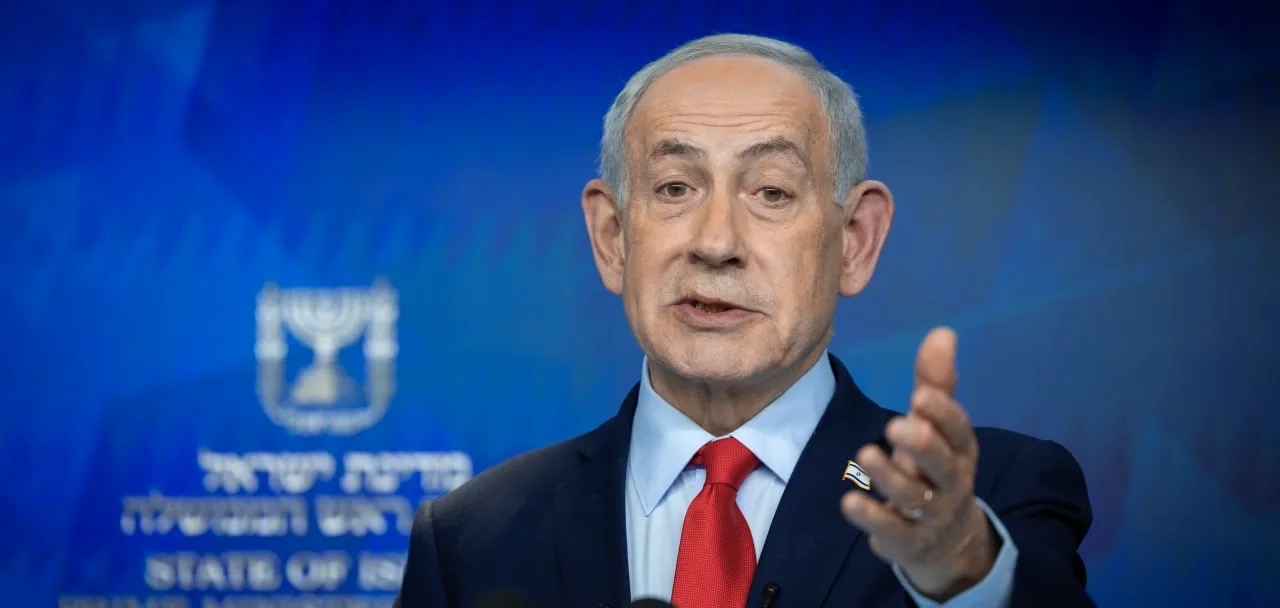 Israel is preparing for a resumption of hostilities in Iran in case peace talks between the U.S. and the Islamic Republic are unsuccessful, Prime Minister Benjamin Netanyahu said Wednesday.
In a message shared to his official social media account, Netanyahu stressed the U.S. and Israel are in constant communication over U.S. contacts with the Iranian regime.
“Our goals and those of the United States are identical: We want to see the enriched material removed from Iran, we want to see the cancellation of enrichment capabilities within Iran, and of course, we want to see the opening of the straits.”
“It is too early to say how this matter will end, or even how it will progress. In anticipation of the possibility that fighting may resume, we are prepared for any scenario,” he concluded.
Meanwhile, the administration of U.S. President Donald Trump continues to place economic pressure on Iran, in an attempt to get the regime to agree to U.S. demands.
On Thursday, during a briefing at the Pentagon, Secretary of War Pete Hegseth said that the U.S. is also prepared to restart combat operations in Iran if no agreement is reached.
“We’d prefer to do it the nice way through a deal led by our vice president and negotiating team,” Hegseth said, “or we can do it the hard way. We urge this new regime to choose wisely.”
Hegseth further stated that the Iranian regime “can choose a prosperous future, a golden bridge, and we hope that you do for the people of Iran,” but noted that if not, “they will have a blockade and bombs dropping on infrastructure, power, and energy.”
“We are watching you,” the secretary stated. “Your capabilities are not the same as ours. Remember, this is not a fair fight.”
Meanwhile, Treasury Secretary Scott Bessent said Wednesday that the U.S. is preparing the “financial equivalent” of a bombing campaign.
Bessent said the administration has “told companies, we have told countries that if you are buying Iranian oil, that if Iranian money is sitting in your banks, we are now willing to apply secondary sanctions, which is a very stern measure. And the Iranians should know that this is going to be the financial equivalent of what we saw in the kinetic activities.”
Day 924 — Friday, April 17
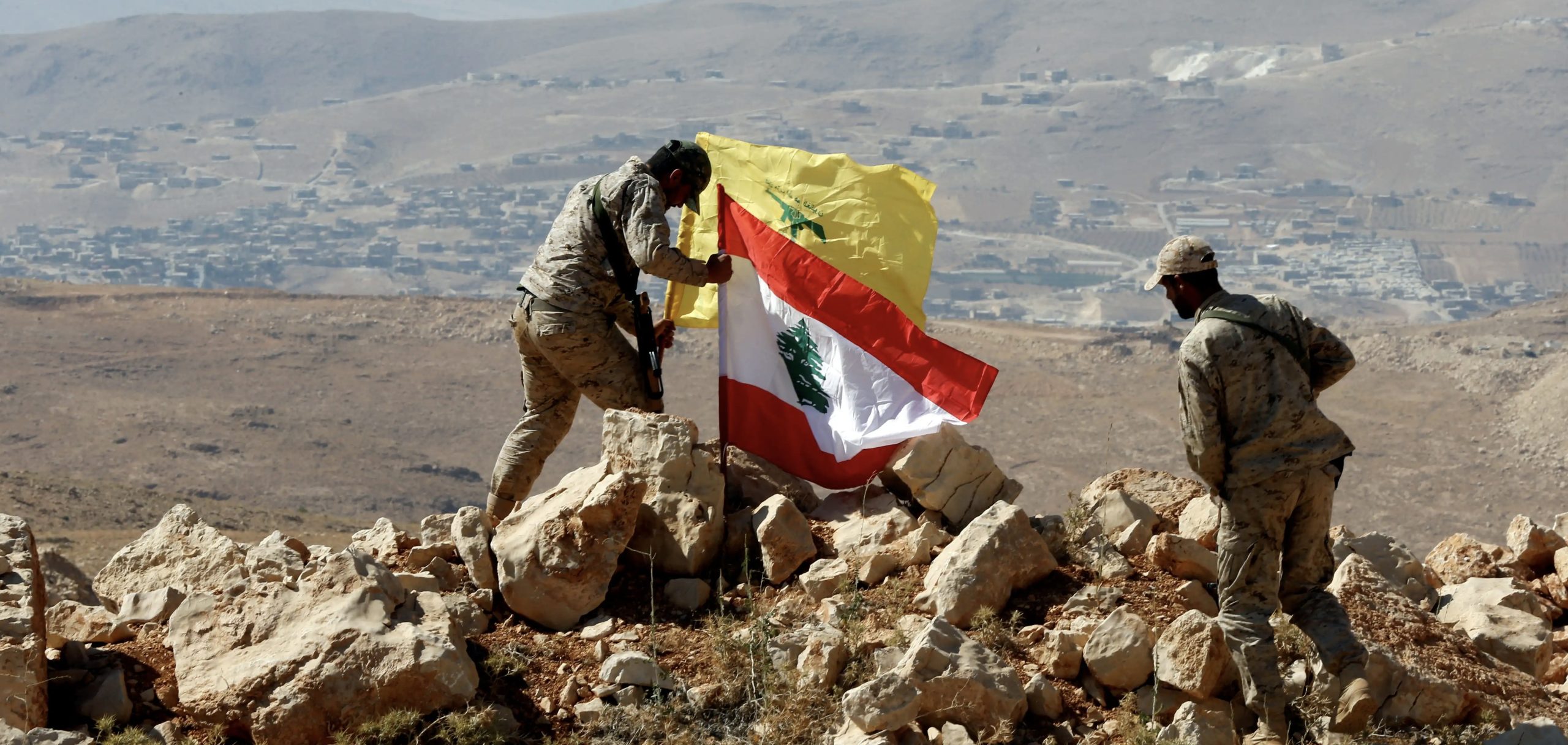 Israel and Lebanon agreed to a 10-day ceasefire on Thursday following calls between U.S. president Donald Trump and the leaders of each country.
After Trump announced the truce on social media, the State Department released a statement with details of the agreement between the two sides.
“Israel and Lebanon will implement a cessation of hostilities” that will start at 5 p.m. Eastern on April 16 for “an initial period of 10 days, as a gesture of goodwill by the government of Israel, intended to enable good-faith negotiations toward a permanent security and peace agreement between Israel and Lebanon,” the agreement says.
The agreement adds that Israel will retain a right to self-defense “at any time, against planned, imminent or ongoing attacks” but will otherwise cease offensive military operations in Lebanon.
The agreement does not call for a withdrawal of Israeli ground forces from Lebanon and says that the initial ceasefire may be extended “as Lebanon effectively demonstrates its ability to assert its sovereignty.”
That condition appears to be tied to Lebanon’s ability to disarm Hezbollah, as the agreement requires the Lebanese government to take “meaningful steps” from the time the ceasefire begins to prevent Hezbollah and other terrorist groups from attacking Israel from Lebanese territory.
Trump wrote in a followup post to the truce announcement that he would invite Lebanese President Joseph Aoun and Israeli Prime Minister Benjamin Netanyahu to the White House for “meaningful talks.”
The agreement released by the State Department says that those negotiations would be designed to resolve “all remaining issues” and reach a comprehensive peace agreement between Israel and Lebanon, which do not have diplomatic relations and have technically been in a state of war since Israel’s founding in 1948.
An open question about any ceasefire in Lebanon is whether Israel can prevent Hezbollah from carrying out attacks on Israeli border communities.
In a statement confirming the ceasefire, Netanyahu said that the agreement allowed for Israeli troops to maintain a “reinforced security buffer zone” inside Lebanon.
“This allows us, first and foremost, to block the danger of an invasion into our communities, and secondly, it allows us to prevent direct anti-tank fire into the communities,” Netanyahu said. “The residents are now protected from these two dangers.”
Netanyahu added that he had received assurances from Trump that the U.S. president intends to continue the naval blockade of Iran and dismantle the regime’s remaining nuclear capabilities.
Day 924 — Friday, April 17
 An attempted attack near the London studios of Iran International, which is affiliated with the Iranian opposition, has heightened concerns over what the broadcaster says is a growing campaign of intimidation targeting its staff.
A suspicious vehicle was denied entry at the main entrance of its site on the evening of Wednesday, April 15. Shortly afterward, incendiary devices were thrown into the car park of a neighboring building just meters from its studios.
“Our security team responded immediately, and the police and fire brigade arrived shortly afterwards. We are grateful to them for their swift response,” Iran International’s editorial board said in a statement.
Footage posted to social media appeared to show the aftermath of the attack.
London’s Metropolitan Police said on Thursday that three people aged 16, 19 and 21 had been arrested in connection with the incident.
Police said the case is not currently being treated as terrorism but is being investigated by Counter Terrorism Policing London.
The incident comes amid a sharp increase in threats and pressure directed at Iran International journalists and their families, particularly following the recent war involving Iran.
The channel temporarily relocated its operations from London to Washington in February 2023 following intelligence warnings of state-backed threats.
In March 2024, one of its presenters was stabbed outside his London home in an attack investigated by counter-terrorism police.
Meanwhile, an Islamist group with possible links to Iran claimed responsibility for the Iran International attack, as well two other attacks in north London.
Harakat Ashab al-Yamin al-Islamiya – The Islamic Movement of the People of the Right Hand – made the unsubstantiated claim by posting videos on social media.
In addition to the Iran International attack, the group also claimed Wednesday’s attack on the Finchley Reform Synagogue in London and a previous arson targeting four ambulances belonging to Hatzolah in Golders Green.
Day 923 — Thursday, April 16
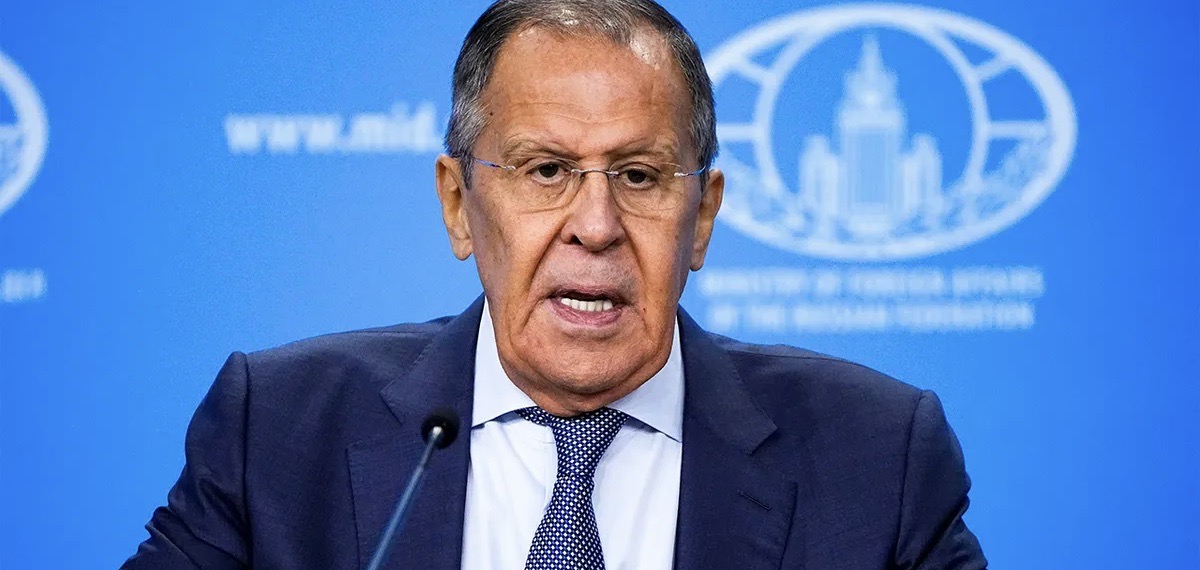 Russia’s Foreign Minister Sergey Lavrov said that Iran has an “inalienable” right to enrich uranium for civilian purposes during a state visit to China on Wednesday, according to the Times of Israel.
“The right to enrich uranium for civilian purposes is an inalienable right of the Islamic Republic of Iran,” Lavrov said during a Tuesday press conference following a bilateral meeting with Chinese President Xi Jinping, according to the Times of Israel.
Access to said uranium has been a hard line for U.S. President Donald Trump in ongoing peace negotiations with Iran.
“There will be no enrichment of Uranium,” Trump wrote in an April 8 post on Truth Social, adding that the U.S. would be working with Iran to dig up all remaining nuclear materials in the country to ensure the Islamic Republic would not have access to any uranium.
Vice President JD Vance, who led the U.S. delegation during Saturday negotiations with Iranian officials in Islamabad, Pakistan, doubled down on that red line.
“The enriched uranium that the Iranians currently possess, we have said that we want that to come our of their country, and we would like to take possession of it,” Vance told Fox News’ Brett Baier on Monday.
“The president doesn’t want to leave the next president or the president after that to be worrying about this program so we would like to get that material out of the country completely so that the United States has control over it.”
Despite the U.S. hard line, Russia’s top diplomat appeared to openly defy the U.S.’ demands, speaking in strong terms against what he viewed as American global control.
“Neither China nor Russia, nor the majority of countries throughout the world, can accept this approach,” Lavrov said in remarks posted to a Russian state website.
The peace talks in Iran stalled, according to Vance, because of their refusal to completely give up their nuclear program. Nuclear experts praised the decision.
“The U.S. team was wise to walk away once it became clear the Iranians would not agree to Washington’s core nuclear demands. Tehran maintaining enriched uranium stocks and uranium enrichment capabilities provides it with a pathway to nuclear weapons, plain and simple,” Andrea Stricker, deputy director of the Foundation for Defense of Democracies’ nonproliferation program, told Fox News Digital.
Day 923 — Thursday, April 16
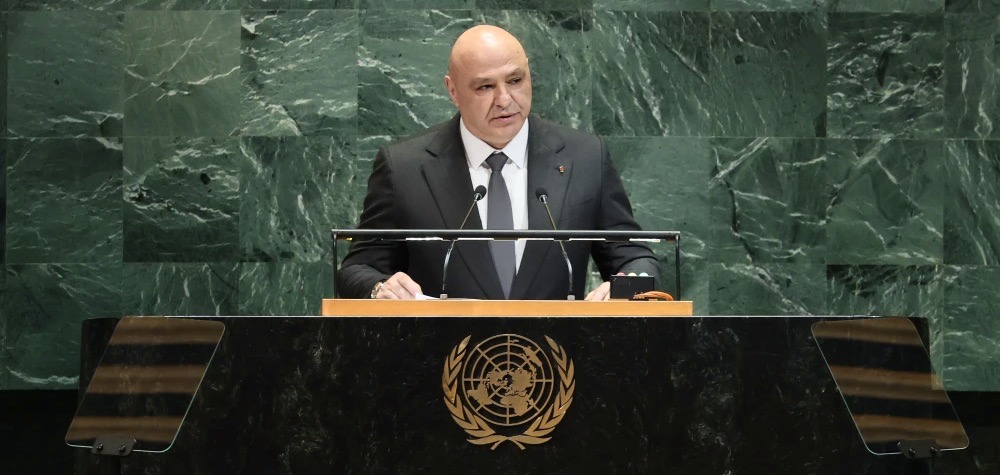 Israel’s and Lebanon’s leaders are expected to speak directly on Thursday for the first time in decades, U.S. President Donald Trump said on Wednesday.
“Trying to get a little breathing room between Israel and Lebanon. It has been a long time since the two leaders have spoken, like 34 years,” Trump wrote in a post on his Truth Social platform.
“It will happen tomorrow. Nice! President DJT,” added the American leader.
Trump did not specify which leaders would take part, whether Israeli Prime Minister Benjamin Netanyahu, Israeli President Isaac Herzog, Lebanese President Joseph Aoun or Lebanese Prime Minister Nawaf Salam.
Israeli and Lebanese officials last engaged in direct, U.S.-backed talks following the 1982 First Lebanon War, culminating in the May 17 Agreement. The pact was the closest the two nations have ever come to a formal peace deal, but it was never fully implemented, and was formally canceled by Beirut in 1984.
Iranian-backed Hezbollah began firing rockets, missiles and suicide drones at Israel from Lebanon on March 2 in retaliation for the Jewish state’s targeted killing of Iranian Supreme Leader Ali Khamenei in the opening strikes of “Operation Roaring Lion/Epic Fury” against the Islamic Republic on Feb. 28.
In response to the terrorist organization’s violation of the U.S.-brokered Nov. 27, 2024, truce agreement, Jerusalem launched an aerial campaign against Hezbollah and ordered the Israel Defense Forces to take control of additional areas in Southern Lebanon to halt cross-border attacks.
Netanyahu announced on April 9 that Lebanon had requested the reopening of direct negotiations with the Jewish state aimed at disarming Hezbollah.
After more than two hours of talks that U.S. Secretary of State Marco Rubio hosted in Washington, D.C., on Tuesday, Israeli Ambassador to the United States Yechiel Leiter said that the most important outcome of the negotiations was that Jerusalem and Beirut are “on the same side of the equation.”
- Since Oct. 7, over 1,600 Israelis (968 soldiers) have been killed, and 6,424 IDF soldiers wounded since the start of the war.
- On Oct. 7, 2023, one day after the 50th anniversary of the Yom Kippur War, thousands of Hamas gunmen invaded southern Israel, brutally murdering 1,200 Israelis and kidnapping 251 to the Gaza Strip.
- On Oct. 8, 2023, the Israel Security Cabinet voted to officially declare war for the first time since the 1973 Yom Kippur War.
- On Oct. 27, 2023, the IDF began its Ground Operation in Northern Gaza
- Between October 7th, 2023, and March 31, 2024, the IDF made approximately 100,000 phone calls, dropped 9.3 million leaflets, sent 15.5 million text messages, and 17 million voice recordings in efforts to get Gazan civilians out of harm’s way during military operations.
- Between October 7th, 2023, and August 18, 2025, Israel has allowed and facilitated the entry of over 1.9 million tons of aid into Gaza.
- On June 13th, 2025, the 12 Day War began between Israel and the Iranian regime. Israel conducted massive airstrikes targeting Iran’s military infrastructure and leadership, weapons stockpiles, and nuclear scientists— the regime rained ballistic missiles down, targeting locations of Israel’s largest civilian populations.
- On June 22, 2025, under the orders of President Trump, B2 Bombers dropped bunker-buster bombs on Iran’s nuclear facilities, thwarting the imminent danger of Iran obtaining nuclear weapons.
- On October 10th, 2025, a fragile ceasefire agreement, brokered by the Trump Administration, came into effect between Israel and Hamas.
- On January 27, 2026, after numerous delays, the body of the last remaining Israeli hostage in the Gaza Strip was returned to Israel.
- On February 28th, 2026, the United States launched a large-scale joint military operation against the Iranian Regime, beginning with the elimination of the nation’s Supreme Leader.

YOU CARE ABOUT BIBLICAL TRUTH. SO DO WE.
Together, We Can Deliver A Biblical Understanding Of News Events Around The World.
YOU CARE ABOUT BIBLICAL TRUTH. SO DO WE.
Together, We Can Deliver A Biblical Understanding Of News Events Around The World.
Day 1,047 — Tuesday, August 18
After the Memorandum of Understanding with Iran expired on Monday, U.S. President Donald Trump said the Islamic Republic should “put up the white flag of surrender.”
In a phone conversation with Fox News’ Try Yingst, the president reiterated that the number one goal for his administration is preventing the Islamic Republic from obtaining nuclear weapons.
“The number one Goal is, and always will be, that Iran cannot have, in any way, shape, or form, a Nuclear Weapon,” Trump wrote on his Truth Social account shortly before the phone call with Yingst.
Despite upcoming elections in the United States, the president said he feels no pressure to alter his current course of continued economic sanctions and a blockade on the Strait of Hormuz for Iranian traffic.
“I have no time schedule,” President Trump told Yingst during the call. “I’m not in a hurry.”
“Midterms have nothing to do with my thinking,” he added.
While Hormuz remains a highly contested issue in the negotiations, President Trump issued an odd warning to Oman, which has been negotiating with Iran over the strait for the past several weeks.
“If Oman gets in the way, we’ll bomb the [expletive] out of them,” Trump was reported by Yingst as saying.
“I don’t think they [Oman] behaved very well, but we’d handle them very easily, just like we do others,” the president told reporters in the Oval Office hours later.
Day 1,047 — Tuesday, August 18
U.S. special envoy Jared Kushner delivered a stark ultimatum to Hamas on Monday, warning that the terrorist group must honor its commitments to disarm in Gaza or face an Israeli military operation to “finish the job.“
Speaking exclusively to Fox News chief foreign correspondent Trey Yingst, Kushner also detailed high-stakes diplomatic meetings in Egypt and Israel over the last 48 hours aimed at advancing President Donald Trump’s Gaza peace roadmap as fighting and disagreements between Israel and Hamas persists.
“Time will tell whether [Hamas disarmament is] going to be implemented,” he added, before stating that Washington feels it could be “very close to knowing, and we’re making a lot of progress towards trying to get to the next steps.“
“If they don’t follow through now on their commitment, everyone will see that they’re not genuine about peace, and then Israel will have a lot more support from the U.S. and others to go and finish the job in the appropriate way,” Kushner also told Yingst of the militant group.
The warning from Trump’s son-in-law followed the rare face-to-face meeting — only Kushner’s second known meeting with the group.
“They said all the right things, but obviously, it’s very, very hard to trust, you know, a terrorist organization that committed these terrible atrocities,” Kushner continued. “But we had a very cordial meeting, and they said all the right things, and so we’re going to give them a chance to perform.
“It’s going to have to be based on actions and steps, and I hope it will be true.“
Day 1,046 — Monday, August 17
Prime Minister Benjamin Netanyahu refered to Britain as an “Islamic republic” during a lengthy podcast interview with Army Radio.
Discussing Winston Churchill’s son Randolph Churchill and grandson Winston Spencer Churchill, who like the World War II-era UK prime minister were journalists, Netanyahu says the pair “came here and covered the Six Day War in a very positive way for us.”
“Try to find that now in Britain, which you could call the Islamic republic of Britain,” Netanyahu chuckles.
He then responds “yes” when the interviewer asks “if all of Europe isn’t already like that, no?” apparently referring to Muslim communities in countries there and many European governments’ increasingly critical postures toward Israel in recent years.
“The first nuclear Islamic republic will be the Islamic republic of Britain,” Netanyahu further stated. “We’re making sure there won’t be another one in Iran.”
Day 1,046 — Monday, August 17
Jewish men were permitted to bring prayer books onto the Temple Mount on Sunday, National Security Minister Itamar Ben-Gvir confirmed to The Jerusalem Post, after right-wing journalist Arnon Segal shared a photo of Jewish men praying and reading from prayer books, claiming the photo was taken from the Temple Mount.
“Still no blanket permit, but an initial experiment aimed at ensuring the Middle East doesn’t lose its mind over this,” Segal claimed in his post. “History.”
“The Israel Police operates on the Temple Mount in accordance with the directives of the political echelon, the established rules governing the site, and operational assessments, with the aim of safeguarding public safety, security, and public order,” Israel Police said in response to the Post’s request for comment.
Under the longstanding status quo, Jews and Christians are permitted to visit the Temple Mount but are generally prohibited from praying there, while Muslims are permitted to worship.
In January, Israel Police began relaxing some restrictions on Jewish prayer at the site, according to the Jewish Telegraphic Agency. Jewish visitors may now enter with a single printed prayer page prepared in advance, although prayer books remain prohibited.
Day 1,046 — Monday, August 17
Hengli Group, a Chinese company that employs over 300,000 people and earns over $100 billion per year, is a primary importer of Iranian crude oil, The Wall Street Journal reported on Saturday, citing industry analysts, shipping brokers, and the US Treasury.
Hengli is one of the largest companies in a network of “teapot” refineries in China that purchase sanctioned oil, according to the officials cited by WSJ.
Since 2023, Hengli has received at least five million barrels of Iranian oil from multiple ships sanctioned by the United States, the US Treasury and shipping brokers claimed.
Hengli Group, a Chinese company that employs over 300,000 people and earns over $100 billion per year, is a primary importer of Iranian crude oil, The Wall Street Journal reported on Saturday, citing industry analysts, shipping brokers, and the US Treasury.
Hengli is one of the largest companies in a network of “teapot” refineries in China that purchase sanctioned oil, according to the officials cited by WSJ.
Since 2023, Hengli has received at least five million barrels of Iranian oil from multiple ships sanctioned by the United States, the US Treasury and shipping brokers claimed.
Iran has been evading US sanctions and the blockade using a system of ship-to-ship transfers in which sanctioned ships laden with Iranian oil offload their cargo onto another ship in the water before it is sent to China, the WSJ reported in May.
The ships receiving the oil are often part of Iran’s “shadow fleet,” a fleet of old, rusting tankers that obscure their owners and may switch their flags to those of countries with little shipping oversight to conceal their identities. Ships will often turn off their tracking device and may paint over identity numbers.
Day 1,045 — Sunday, August 16
The Israel Defense Forces killed overnight Friday a commander of Hezbollah’s elite Radwan Force in the Ansar area in southwestern Lebanon, the military said.
The strike came in response to an attack earlier in the day on Israeli troops operating in the Security Zone in Southern Lebanon in accordance with the ceasefire agreement, the IDF said.
An IDF officer and two enlisted men were “severely injured” as a result of an explosive drone hit in Southern Lebanon, the military said later on Saturday.
The three were evacuated to a hospital and their families have been notified.
The military identified Ali Samir al-Haj Hassan as a battalion commander in the Radwan Force. Several other terrorists were killed in the IDF strike as well, the army continued.
The Israeli military addressed reports that the commander’s family members were harmed in the attack as well.
Hassan was targeted inside a military headquarters used to command Hezbollah’s operations in the area, the IDF said. “The strike was specifically directed at Hassan, who was a lawful target under international law,” the army emphasized.
“The terrorist used his family as human shields, hiding alongside them inside the military headquarters,” it added.
The Prime Minister’s Office said that the attack on the three soldiers was ordered from this headquarters, and that only later did the IDF learn that Hezbollah “deliberately” placed civilians inside it.
Lebanese media reported that Israeli strikes in the areas of Ali al-Taher Ridge, Ansar, and Nabatieh al-Fawqa killed nine people, among them women and children, according to Ynet.
Lebanon’s Prime Minister Nawaf Salam on Saturday slammed Israel’s retaliation, saying on X in Arabic that it “undermines efforts to stabilize the situation in the south.”
He further stated that the responsibility for dealing with terrorist infrastructure, “if it exists,” on the Lebanese side lies with the Lebanese state.
Meanwhile, U.S Ambassador to Lebanon Michel Issa told reporters in Arabic that while no date for further Israeli-Lebanese negotiations has been set, “they will continue,” LBCI, the Lebanese Broadcasting Corporation International, reported.
Asked whether Washington supports Israel’s latest round of strikes, Issa replied, “I don’t know. You know more than I do.” Israeli operations in Southern Lebanon will stop when Hezbollah lays down its weapons, he continued. “Everything will stop,” he added.
Issa spoke with reporters after meeting with Lebanese Parliament Speaker Nabih Berri in Beirut.
U.S. Ambassador to Israel Mike Huckabee lashed out at Hezbollah, calling it “pure evil.”
Hezbollah wounds Israeli troops, then “rounds up children” in a military compound knowing that Israel will retaliate because Iran’s proxy group “want[s] them to be in harm’s way,” he said.
He equated Hezbollah’s conduct with that of Hamas.
Day 1,044 — Saturday, August 15
An Iranian official fired back Friday after President Donald Trump said he may eventually declare the Strait of Hormuz “territory of the United States,” insisting Tehran will continue enforcing its blockade of the strategic waterway.
“The Strait of Hormuz cannot be seized by tweet, nor by aircraft carrier, nor by issuing an order, nor by an election speech,” Iranian Deputy Foreign Minister for Legal and International Affairs Kazem Gharibabadi wrote on X. “Iran neither fears threats nor cowers before displays of power.”
Gharibabadi then claimed the U.S. has suffered “strategic and heavy defeats” and asserted that “the Strait of Hormuz has been Iranian, is Iranian, and will remain Iranian.”
“This strait will only be closed and opened under Iran’s command,” he continued, adding that Tehran would maintain the blockade until the U.S. accepts what he characterized as the “reality of defeat.”
Trump said during remarks in Nassau County, New York, earlier Friday that after Iran is defeated, “pretty soon I’ll be declaring the Hormuz Strait a territory of the United States,” while touting the U.S. blockade and saying no ships pass through unless Washington allows it.
The Islamic Republic of Iran’s Foreign Ministry has previously publicly identified Gharibabadi’s X account among its official government accounts.
Day 1,044 — Saturday, August 15
Israeli Consul General in New York, Ofir Akunis spoke at an event for young Jewish community leaders in New York and addressed the sharp rise in antisemitic hate crimes in New York City since Mayor Zohran Mamdani took office.
“The mayor is busy inciting against and promoting a boycott of the Jewish state. His method is the ‘well-known’ antisemitic one: ‘No matter what – blame the Jews.’ This is exactly the same method that was used a century ago by the Third Reich,” Akunis said.
He stated: “Data released by the New York Police Department points to a sharp increase in antisemitic hate crimes since he took office. This is further proof of his failure to protect the city’s Jewish community. Mamdani continues to incite and fuel his supporters to attack the State of Israel and its Prime Minister. This must stop before it is too late!”
His comments follow the release of the NYPD’s hate crime statistics for the month of July, which show that antisemitic hate crimes in New York City rose sharply in July, accounting for nearly 70% of all confirmed hate crimes reported during the month.
The NYPD recorded 33 confirmed hate crimes in July, including 23 targeting Jews, up 53.3% from the 15 anti-Jewish incidents recorded in July 2025. Muslims were the targets of five confirmed hate crimes, compared with two during the same month last year.
So far this year, the department has recorded 360 confirmed hate crimes, a 9.4% increase from the 329 reported during the same period in 2025. Of those incidents, 205 targeted Jews, 56.9% of the total, while 26 targeted Muslims. Anti-Jewish hate crimes have increased 8.5% year over year, while anti-Muslim incidents have risen 62.5%.
Day 1,043 — Friday, August 14
Defense Minister Israel Katz has instructed the military to prepare a plan to transfer all civilian law-enforcement responsibilities in Judea and Samaria to the Israel Police, his office said on Friday.
Katz issued the directive following a meeting on Thursday with IDF Chief of Staff Lt. Gen. Eyal Zamir, the heads of the IDF’s Operations Directorate and Military Intelligence and other senior commanders.
Under the proposed plan, which is to be drawn up in coordination with the Israel Police and other relevant authorities, civilian law enforcement in Judea and Samaria would be transferred from the IDF to the police, as is the case elsewhere in Israel.
The police would establish a dedicated force to handle civilian matters and receive the necessary authority and funding, according to Katz’s office.
The IDF would continue to combat Palestinian terrorism and focus on defending Israeli communities and borders.
“It is not the IDF’s role, nor does it have the capacity, to deal with the enforcement of civilian matters in Judea and Samaria, given the welcome expected increase in the number of residents in Judea and Samaria following the decisions to establish 104 new communities and formalize the agricultural farms, on the one hand, and the growing security threats and challenges that the IDF is facing and is expected to face on the central front, on the other,” Katz said.
“The IDF’s role is to fight Palestinian terrorism, focus on defending the borders and communities against threats, deal with the borders and the territory itself, and address security threats to the communities and the State of Israel—not to chase teenagers on the hilltops. All responsibility for handling and enforcing matters relating to the communities, residents and civilian issues will be transferred to the Israel Police, which will be required to prepare accordingly.”
Katz described the move as “a significant step toward strengthening governance and enforcing law and order throughout Judea and Samaria,” while freeing the military to concentrate on its primary missions.
“The Israeli government and the IDF will delegate to the police all the powers necessary to carry out these missions,” he said.
The announcement came a day after Israeli security forces dismantled two unauthorized outposts near the Palestinian villages of Qusra and Jalud in Samaria.
Israeli forces overnight Thursday cleared Israelis from an unauthorized outpost and sheep pen next to Qusra and dismantled a second unauthorized outpost near Jalud. Both had been established in Area B, where the Palestinian Authority exercises administrative control and Israel retains security responsibility. One Israeli was detained during the operation.
The IDF had previously received reports of Israelis entering Palestinian homes and areas near the villages. The military described the activity as “illegal, obscene and unacceptable” and declared the area a closed military zone, barring anyone who was not a local resident.
The military said it “strongly condemns” such incidents and that those involved would be dealt with in cooperation with the security forces.
Yisrael Gantz, chairman of the Yesha Council, an umbrella organization representing Israeli communities in Judea and Samaria, also condemned the actions.
He described the incidents as “serious and not our way,” saying, “There is no place to privately decide on establishing a hilltop in the yard of a house. There is no justification for violence against uninvolved parties or against security forces.”
U.S. Ambassador to Israel Mike Huckabee also issued a condemnation, saying Israeli security forces had arrived at the scene at the request of the United States. “The actions of those who attacked this family’s home are criminal,” Huckabee said, describing the incident as “a shocking act of terrorism designed to intimidate and harass this family.”
In a subsequent post, Huckabee adopted a more conciliatory tone, stressing that a small minority carried out the actions and should not be attributed to Israeli residents of Judea and Samaria as a whole.
“‘Settlers’ are not the problem in Judea/Samaria. ‘Unsettlers’ are,” the ambassador wrote on X. “Very small minority who do great damage to Palestinian families & to Israel.”
He added, “Real settlers like Ysrael Ganz, Governor of Judea/Samaria condemn the actions of the few,” Huckabee wrote, using an alternate spelling of Gantz’s name. “Let’s hope the media gives attention to this & balances their stories.”
Day 1,043 — Friday, August 14
US Treasury Secretary Scott Bessent said on Thursday that the United States is going to apply measures that have “never been seen” on Iran.
“Watch this space for more announcements coming next week because we are going to apply measures like have never been seen in the history of economic isolation on a country,” Bessent said in an interview on on Newsmax’s “Rob Schmitt Tonight” program.
“It will be a combination of economic isolation like the world has never seen before, and the continued blockade in the Strait of Hormuz that will keep anything from going in or out of the Iranian ports,” Bessent said.
Day 1,042 — Thursday, August 13
The co-chair of the Democratic Socialists of America (DSA) group is receiving sharp backlash for saying on Friday that the Hamas-led Oct. 7 massacre in Israel was mostly “inevitable.”
During an interview with The New Yorker’s David Remnick, DSA co-chair Megan Romer was questioned about democratic socialist Darializa Avila Chevalier, who attended an anti-Israel, pro-Hamas rally the day after the Oct. 7 terrorist attack in 2023, and was pressed on whether she would have attended if she were in her position.
“You would have gone to that rally, had you been able?” Remnick asked.
“That’s a good question. I probably would have,” Romer replied. “Yeah, yeah. I don’t live in New York City, so I wouldn’t have —”
Remnick pressed further, asking, “One day after the slaughter of 1,200 people and taking of over 200 hostages, you would have come and rallied behind Hamas?”
“I think that Oct. 7 was largely inevitable,” she replied. “If you put people in an open-air concentration camp and you deprive them of rights, of dignity, of food, of the ability to live in safety, you have to expect that they are going to not take that for that long. And that is not defending any harm of civilians or of non-combatants —”
When Remnick accused her remark of being an expression of support for the violence, she pushed back and said “I’m saying that I think it was inevitable.”
Pro-Israel groups condemned her comments.
“I agree with DSA Co-chair Megan Romer that the October 7 attacks were in many ways inevitable — but not for the libelous reasons she cited,” Zionist Organization of America National President Morton A. Klein told Fox News Digital.
“When Gazans elected Hamas – a terror organization whose charter calls for murdering every Jew and destroying Israel, October 7 was the result,” he added. “When Qatar and Iran gave arms and hundreds of millions of dollars to Hamas and Palestinian Islamic Jihad, gave sanctuary to Hamas leaders, and helped terror groups plan attacks on Israel, October 7 was the result.”
“When UNRWA (UN Relief and Works Agency) teaches children to hate and murder Jews, employs Hamas terrorists as teachers and principals, stores weapons for Hamas, and provides communications centers for Hamas, October 7 is the result. When Israel, under pressure from the Biden administration, issued thousands of work permits to enter Israel to Hamas terrorists and scouts, October 7 was the result,” he continued.
He warned that there may be even more October 7th-style violence in the future.
“And now, when Hamas is refusing to really disarm, and is vowing to commit more and more October 7ths, we must enable Israel to ensure its safety by retaining a buffer zone in Gaza and insisting on Hamas’ disarmament prior to any other peace plan steps,” he said. “Or else another October 7 will be the result. Regarding Romer’s lies, the parties ‘imprisoning’ Gaza are Hamas, PIJ and other terror groups. By contrast, Israel facilitated tons of food, water, medical and other supplies into Gaza — while Hamas and Palestinian Islamic Jihad launched 30,000 rockets at Israeli civilians.”
Day 1,042 — Thursday, August 13
Turkish President Recep Tayyip Erdoğan on Wednesday vowed to “resolutely” work toward a “sovereign and geographically contiguous” Palestinian state with eastern Jerusalem as its capital, Turkish state-run news channel TRT reported.
Speaking at a joint news conference in Ankara with Palestinian Authority chief Mahmoud Abbas, Erdoğan accused Israeli Prime Minister Benjamin Netanyahu of seeking to “remove Palestine from the common agenda of humanity by profiting from chaos and new conflicts in the region.”
“They will not succeed,” he added.
Erdoğan said Ankara “strongly opposes” what he denounced as provocations aimed at changes to the status quo at the Al-Aqsa Mosque and other Jerusalem holy sites, and accused the Jewish state of “unlawful actions” in Judea and Samaria.
The Turkish leader also called for establishing conditions for Gaza’s reconstruction and vowed to continue efforts “to support the Palestinian people and defend their rights.”
Abbas arrived in Ankara on Tuesday afternoon for a two-day visit, Ramallah’s official Wafa agency reported.
Abbas was met at the airport by Turkish Trade Minister Ömer Bolat and the P.A.’s envoy to Ankara, Nasri Abu Jaish, according to the report.
Wafa said the P.A. delegation includes PLO Executive Committee member Ziad Abu Amr; Fatah Central Committee member Maj. Gen. Majed Faraj, who also heads Ramallah’s General Intelligence Service; and Abbas advisers Majdi al-Khaldi and Mahmoud al-Habbash.
Israeli Finance Minister Bezalel Smotrich condemned Abbas’s visit, describing the P.A. leader as “an enemy at the head of a terror authority that encourages and funds terror against the State of Israel.”
Smotrich called on Israeli Prime Minister Benjamin Netanyahu to prevent Abbas from returning to Israel and Judea and Samaria, adding that the Palestinian Authority “must be dismantled.”
Israel’s Foreign Ministry on Tuesday accused Erdoğan of military aggression “that knows no borders,” saying Ankara occupies roughly 36% of Cyprus, 5% of Syria and 2,000 square kilometers of Iraq, with thousands of Turkish troops stationed across the three countries.
The ministry made the comparison amid Turkish criticism of Israel, writing on X, “Turkey has the audacity to criticize Israel. But what are the facts on the ground?”
Israel, by contrast, “temporarily controls merely 0.1% of Syria,” the ministry said, describing it as “a buffer zone to protect its citizens from proven security threats.”
Day 1,041 — Wednesday, August 12
Israel’s United Nations envoy told the U.N. Security Council on Tuesday the facts regarding violence in Judea and Samaria contradict the “rising settler violence” narrative.
The council held a briefing on Judea and Samaria, as requested by European members Denmark, France, Greece, Latvia and the United Kingdom, collectively known as the “E5.”
The briefing was purportedly to condemn the alleged rise of violence by Jewish residents in the region, which the United Nations refers to as “settlers.”
“This May, there were 348 Palestinian terrorist attacks in Judea and Samaria. Eight pipe bomb attacks, 282 stone-throwing incidents, 32 fire bomb attacks, 24 arson incidents and two serious car ramming attacks,” said Danny Danon, Israel’s U.N. ambassador, noting that the high figure was higher than even the 325 recorded attacks in April. Over 400 more attacks were stopped by Israeli security forces preemptively, Danon said.
“How many of you have condemned these terrorist attacks against Jews? None of these numbers were reported by the briefers, and none of these attacks were mentioned by any of you,” he continued. “This is the bias we are confronting today.”
Meanwhile, Danon said Israel is cracking down on attacks by Jews against Palestinians, with 354 investigations opened, 20 indictments filed and 35 residents arrested through the first quarter of this year.
“This has led to a decrease in extremist violence,” said Danon. “That is why calling it ‘settler violence’ is a provocation. It denies our connection to the land of Israel. It distracts from constant terrorist attacks against Israelis and it collectively labels entire innocent communities for the crimes of the marginal extremist minority.
He drew attention to the flow of Iranian weapons and funding into Judea and Samaria, and the Palestinian Authority’s dishonesty about its so-called pay-for-slay program, which rewards terrorists on a sliding scale based on the severity of their crimes.
“The Palestinian Authority is supposed to help us to mitigate this problem,” said Danon, while the U.S. State Department told Congress that the Palestinian Authority continues to administer the program, even as Ramallah said it was converted into a broader social welfare initiative.
Washington’s representative on Tuesday said that the United States “appreciates the Israeli government’s condemnation of, and the increased actions to counter, violence in” Judea and Samaria.
“Israel has taken specific steps, such as increasing law enforcement actions, to boosting the IDF presence and to allocating significant financial resources to counter the violence,” said Jennifer Locetta, U.S. alternative representative for special political affairs.
She doubled down on Danon’s pay-for-slay criticism, telling the council that Washington “will not accept compensation for terrorism under the guise of ‘welfare’ or through any other attempts to evade detection under a different name.”
But, Locetta took a veiled shot at Israel’s approval this week of the advancement of plans to build housing units in areas between northern Jerusalem and the P.A. cities of Ramallah and el-Bireh.
“The United States reiterates its opposition to annexation,” in the area, she said.
Day 1,041 — Wednesday, August 12
A credible Iranian assassination threat led the U.S. Secret Service to use an elaborate deception to get President Trump safely out of Turkey after the NATO Summit last month.
Trump was taken to an alternate military aircraft while the White House made it appear that he was flying on Air Force One, according to a new report from The Washington Post.
The operation involved a ruse where journalists and some White House staff believed they were on the same plane as Trump. But after boarding Air Force One, Trump was secretly transferred to a smaller Air Force C-32A via an airport catering truck.
The Post said it had reviewed material related to the operation and had confirmed it through a U.S. official with inside knowledge, as well as another person who knew about the president’s travel.
The White House did not directly address the report, but issued a statement highlighting that it uses every tool at its disposal to address threats to the president. The Secret Service declined to comment.
Day 1,040 — Tuesday, August 11
Israeli Foreign Minister Gideon Sa’ar welcomed on Monday Colombia’s announcement recognizing Israel’s sovereignty over the Golan Heights, calling it a “historic decision.”
Israel’s top diplomat said in a statement that the decision followed his meeting last week with Colombia’s newly elected president, Abelardo de la Espriella. Sa’ar visited the Latin American country to attend the presidential inauguration ceremony.
“I will continue working so that more countries join the United States, under [U.S.] President [Donald] Trump, and Colombia, under President de la Espriella, in recognizing Israeli sovereignty over the Golan Heights, where Israeli law was applied 45 years ago,” Sa’ar said.
Bogota said in an official statement, “In light of the continuing regional instability in the Middle East, and considering the strategic importance of the Golan Heights to Israel’s security, the government of Colombia recognizes Israel’s sovereignty over this territory, as well as the state’s right to defend itself against external threats.”
It added, “For decades, Israel has faced persistent and existential security challenges along all of its borders. These threats have intensified significantly in recent years, culminating in the horrific terrorist attack of Oct. 7, [2023,] which demonstrated both the severity and the evolving nature of the dangers facing the Israeli people. Within this regional security context, Colombia recognizes that Israel’s continued control and sovereignty over the Golan Heights constitutes an essential component of its national security and its ability to defend its citizens and safeguard their security.”
The decision regarding the Golan Heights is but one of a series of diplomatic developments between Israel and Colombia, according to Israel’s Foreign Ministry.
The new arrangements agreed between Sa’ar and the Colombian leadership include the full and immediate restoration of relations between the countries; immediate appointment of ambassadors; relocation of Colombia’s embassy to Jerusalem; abolition of visa requirements between the countries; a free-trade agreement; Colombia’s withdrawal from South Africa’s case against Israel at the International Court of Justice and from the “Hague Group;” and tightening of collaborations in diplomatic, security and economic matters.
Earlier on Monday, Sa’ar spoke over the phone with his Colombian counterpart, Omar Bula Escobar, during which he expressed solidarity with Colombia and its people following the recent earthquake and offered Israel’s assistance, the ministry said.
The moves represent a dramatic reversal from the policies of defeated President Gustavo Petro, who severed diplomatic ties with Israel during the war against Hamas in Gaza and repeatedly criticized the government of Prime Minister Benjamin Netanyahu.
Colombia had long been considered one of Israel’s closest partners in Latin America, maintaining extensive cooperation in trade, agriculture and security before relations deteriorated under Petro.
De la Espriella’s election signals a return to that partnership. During his campaign, he pledged to restore ties with Israel and move Colombia’s embassy to Jerusalem.
The rapprochement between Israel and Colombia is part of Israel’s broader initiative to strengthen its ties with Latin America.
As part of this effort, 2026 has been designated by the Israeli Foreign Ministry as the “Year of Latin America,” establishing a strategic focus on expanding Israel’s engagement across the region.
Day 1,040 — Tuesday, August 11
The Fourth Criminal Court in Damascus sentenced Former Syrian President Bashar al-Assad, his brother Maher and former security official Atef Najib to death on charges including murder, torture and incitement to murder. Najib was tried in person, while the Assad brothers were tried in absentia.
The court also ordered that Bashar and Maher be pursued internationally.
Assad was convicted of premeditated murder, including of children, along with torture, arbitrary detention and crimes against humanity.
Assad fled with his family to Moscow in December 2024 as opposition forces closed in on Damascus. The ruling is the first issued under Syria’s transitional authorities, which began prosecuting former government figures this year, both in person and in absentia.
Najib, a former brigadier general who led the Political Security Branch in Daraa in 2011, stood in a cage during sentencing.
Day 1,039 — Monday, August 10
The Israel Defense Forces will not carry out any withdrawal from the Gaza Strip until the Hamas terrorist organization is fully disarmed, Israeli Prime Minister Benjamin Netanyahu said on Sunday.
“Israel rejects the 15-point document,” Netanyahu said during a Cabinet meeting in Jerusalem, referring to the disarmament roadmap announced by U.S. President Donald Trump’s Board of Peace on July 30.
Disarming the Iranian-backed terrorist group means that Hamas gives up its “heavy weapons, the less heavy weapons, all the weapons,” he reiterated, saying there had to be “real disarmament, not fictitious disarmament.”
Jerusalem is discussing the matter with the Trump administration, the premier said, adding that the Americans “have ideas, some of them acceptable to us and some not acceptable to us.”
The IDF will continue to thwart threats against Israeli forces and civilians, he vowed.
Israeli Energy and Infrastructure Minister Eli Cohen said on Saturday that Jerusalem opposes the 15-point Roadmap for Gaza “in its current form,” adding that “Hamas is planning a deception.”
Hamas “will say that it intends to abide by the agreement, hand over some of its weapons, and obtain what we used to call, in the language of the past, a hudna. [But] the era of hudna is over,” Cohen told Israel’s Channel 14 broadcaster.
“Hudna” means truce or armistice in Arabic. Hamas has used ceasefires in the past only to regroup ahead of renewed assaults on the Jewish state.
Cohen continued, “Ultimately, Hamas is a murderous terrorist organization. We do not believe a single piece of paper that Hamas [signs].”
Hamas violated the Gaza ceasefire 17 times in a single day, Doron Spielman, Netanyahu’s international spokesman, said on Saturday.
Citing a situation report he received shortly before an interview with Newsmax host Tom Basile, Spielman noted the Friday violations included attempted infiltrations across the Yellow Line to carry out attacks on Israelis, as well as tunneling and rearming.
He added that the terrorist organization is in blatant violation of the 20-point plan brokered by U.S. President Donald Trump, which requires Hamas to lay down its arms.
Spielman drew a sharp distinction between the Trump framework, to which Israel agreed, and the 15-point BoP proposal reached with Hamas terrorists through Qatar, Turkey and Egypt. Jerusalem is not a party to the newer plan, he said.
Netanyahu publicly rejected the 15-point framework last week, stating that no Israeli withdrawal will occur before full disarmament.
Earlier on Saturday, Hamas informed the Trump administration that it agrees to the terms of the Roadmap, which requires the terrorist group to lay down its weapons and transfer rule over Gaza to a technocratic Palestinian body, AFP reported.
“Hamas and other factions have confirmed to mediators their readiness to begin implementing the agreement and move to the second phase, provided it receives Israeli approval and that Israel begins implementing the agreement,” a Hamas official told the news agency.
“Hamas is urging the U.S. administration to exert pressure on Israel to compel it to abide by the agreement and move to the second phase,” the unnamed terrorist continued.
On Thursday, Netanyahu pledged that Israel will not pull back from its current positions in the Gaza Strip until Hamas is completely disarmed.
“I am standing firm on our security interests: We will not withdraw from our current lines until Hamas is completely disarmed,” Netanyahu said in a Hebrew-language video posted to his Facebook page.
He added that IDF soldiers had been instructed “to do everything necessary to defend themselves, to defend our territory, to defend our citizens.”
U.S. President Donald Trump and his team believe they can persuade Hamas to demilitarize the Gaza Strip, he said, adding, “We are examining that.”
Day 1,039 — Monday, August 10
Pakistan Calls For Islamic Unity Against Israel After Signing Defense Pact With Turkey, Saudi Arabia
Pakistan’s defense minister urged Islamic countries to coordinate against Israel after Pakistan joined Turkey and Saudi Arabia in a new collective defense alliance that considers an armed attack against one member an attack against all three.
Khawaja Muhammad Asif described Israel as a shared danger following Friday’s signing of the mutual defense agreement in Mecca.
“Israel poses a threat to all of us. Islamic countries must adopt a coordinated approach to address this threat,” Asif said.
“The Islamic world must unite to confront the common threat posed by Israel,” he added.
Asif has previously used strong language against Israel. In April 2026, he caused a diplomatic dispute after posting on social media that Israel was “evil”, a “curse for humanity,” and a “cancerous state.”
The Pakistani defense minister subsequently deleted the post. His statements drew sharp criticism from Israeli leaders and complicated Pakistan’s diplomatic role.
Friday’s agreement formally links the defense commitments of Pakistan, Saudi Arabia and Turkey, with each pledging to respond if another member is attacked. The pact is intended to broaden defense cooperation and collective deterrence among the three countries.
The pact was signed by Pakistani Prime Minister Shehbaz Sharif, Saudi Crown Prince Mohammed bin Salman and Turkish President Recep Tayyip Erdogan.
Pakistan’s Foreign Ministry said the agreement provides for a collective response if any of the three countries comes under armed attack.
Turkish Foreign Minister Hakan Fidan provided further details Saturday, describing the agreement as effectively equivalent to NATO’s Article 5 mutual defense provision. At the same time, Fidan said the alliance was not aimed at Iran.
The three countries plan to establish a ministerial committee based on a structure similar to NATO’s, Fidan told Turkey’s state-run Anadolu news agency. The alliance will also have a general secretariat headquartered in Saudi Arabia.
Fidan said Egypt could join the defense framework in the future if remaining technical issues are resolved.
Day 1,038 — Sunday, August 9
The New York City Police Department (NYPD) is criticizing Mayor Zohran Mamdani for creating what officials describe as a security nightmare ahead of Prime Minister Benjamin Netanyahu’s visit to New York in September, according to a report by the New York Post.
Netanyahu is expected to arrive in the city next month for the United Nations General Assembly and is scheduled to address the assembly on September 26.
NYPD sources said Netanyahu’s visit will require substantial, presidential-level security. They specifically pointed to Mamdani’s recent public statements against the prime minister, which include calls for his arrest and encouragement for the public to protest Netanyahu’s presence as sources of their security concerns.
“Basically, he’s turning what would be considered a category 1 hurricane that we deal with every year into a category 5 because of his words,” a NYPD source told the NYP.
“We have to protect hotels; we have to protect wherever dignitaries go out to eat; we have to protect everything,” the source added. “Having the mayor say, ‘Go ahead and protest, and he should be arrested’ is unfair to your own officers.”
Netanyahu’s complete schedule for his visit to New York is not yet known, so the final number of police officers required for his security detail is still uncertain.
However, up to 60 or more officers could end up being a part of his security detail, including both direct and peripheral personnel, according to another NYPD source.
Netanyahu’s complete schedule for his visit to New York is not yet known, so the final number of police officers required for his security detail is still uncertain.
However, up to 60 or more officers could end up being a part of his security detail, including both direct and peripheral personnel, according to another NYPD source.
“What’s going to stop one of the protesters from becoming a vigilante and trying to hurt or, God forbid, kill him?” the source questioned.
Officers are also reportedly worried that protesters who believe they are acting on the mayor’s behalf “could cause an officer to get hurt or even killed,” the source told the NYPD.
Another NYPD source reminded the NYP about the bomb that was discovered outside Gracie Mansion in March. Two men from Pennsylvania, reportedly inspired by ISIS, allegedly attempted to detonate bombs in a crowd during the “Stop the Islamic Takeover of New York City” protest.
The source expressed concern about the possibility of a similar attempted terrorist attack during Netanyahu’s visit.
Day 1,037 — Saturday, August 8
Sen. Ted Cruz (R-TX) used a Senate Judiciary subcommittee hearing Wednesday to argue that the United States has failed to confront what he and three witnesses described as an enduring Muslim Brotherhood infrastructure inside the country.
The hearing, titled “Hidden in Plain Sight: Confronting the Muslim Brotherhood Network in America,” reflected a broader Republican push to revisit questions about domestic organizations accused of supporting or advancing Hamas’ agenda following the Oct. 7, 2023, terrorist attacks against Israel.
Cruz was the only senator present; all five Democratic members boycotted the proceeding, and no other Republicans attended.
“The American people should ask themselves why not a single member of the minority decided that a hearing on terrorism was worth their time,” Cruz said.
The witnesses were retired FBI Special Agent Lara Burns, who led the Holy Land Foundation investigation from 2001 to 2008; Arielle F. Klepach, senior litigation counsel at the National Jewish Advocacy Center; and Kyle Shideler of the Center for Security Policy.
They argued that the Muslim Brotherhood’s strategy has evolved beyond terrorism financing into building influence through advocacy groups, educational initiatives, litigation, political activism, and nonprofit institutions.
Much of the hearing centered on the 2008 Holy Land Foundation prosecution, in which the Texas-based charity and five officials were convicted of providing material support to Hamas.
Burns testified that evidence collected during the investigation revealed what she described as a long-term infrastructure supporting Hamas and the Muslim Brotherhood in the United States.
“The history of this network is not in question,” Burns said. “It was made public decades ago, but few paid attention.”
Cruz and the witnesses repeatedly focused on the Council on American-Islamic Relations (CAIR), which federal prosecutors named as an unindicted co-conspirator in the Holy Land Foundation case.
Burns testified that CAIR’s founders attended a secretly recorded 1993 Philadelphia meeting of Hamas supporters.
CAIR has drawn scrutiny over alleged historical ties to Hamas-linked organizations. In 2009, US District Judge Jorge Solis said the government had presented “ample evidence” establishing CAIR’s association with the Holy Land Foundation, the Islamic Association for Palestine, and Hamas.
However, CAIR was never charged, and Solis also ruled that the government violated its due-process rights by publicly filing the unindicted co-conspirator list.
CAIR has consistently denied supporting Hamas or acting on behalf of the Muslim Brotherhood and says it “unequivocally condemn[s] all acts of terrorism,” including those carried out by Hamas.
Klepach argued that organizations associated with the Brotherhood have reorganized under new corporate structures following legal setbacks. She urged Congress to close what she called a “successor organization loophole.”
She cited litigation stemming from the 1996 murder of 17-year-old David Boim by Hamas terrorists in Israel.
Boim’s parents sued several US nonprofit organizations and secured a $156 million judgment under the Anti-Terrorism Act.
The organizations then shut down, leaving the family largely unable to collect. Less than a year after the 2004 judgment, American Muslims for Palestine was formed; the Boims have alleged in continuing litigation that it is a successor to one of the judgment debtors.
“An entity found liable for material support should not escape by renaming itself, forcing both terror victims and the courts to play whack-a-mole for decades before achieving accountability,” Klepach said.
The witnesses also argued that rhetoric portraying Hamas as a legitimate resistance movement has increasingly entered mainstream political activism, particularly on college campuses since Oct. 7.
Cruz said the post-Oct. 7 encampments reflected years of organized activism rather than spontaneous protest and accused CAIR-linked groups of providing legal and strategic support to campus organizers.
Shideler testified that Brotherhood-linked organizations operate on “nearly every college campus” and have sometimes recruited young American Muslims who later committed terrorist violence.
The hearing also intersected with electoral politics. Cruz questioned witnesses about Michigan Democratic Senate nominee Abdul El-Sayed, citing family relationships and organizational associations that he said warranted scrutiny.
No evidence was presented that El-Sayed himself engaged in criminal conduct or provided material support to terrorism.
Cruz also cited El-Sayed’s response to the March attack on Temple Israel in West Bloomfield, Michigan, and leaked campaign calls in which El-Sayed described his public response as a “risk” and said he wanted to avoid commenting on the killing of Iranian Supreme Leader Ayatollah Ali Khamenei because “there are a lot of people in Dearborn who are sad.”
The Democratic members — Sheldon Whitehouse, Richard Blumenthal, Mazie Hirono, Alex Padilla, and Peter Welch — accused Cruz of attempting to “scapegoat” Muslims.
“Democrats have no intention of indulging this political creepshow, particularly after the recent violence targeting places of faith,” they said.
Blumenthal said the hearing “could well be used as an anti-Muslim, Islamophobia kind of show trial.”
The witnesses urged the Trump administration to reopen investigations into organizations they believe remain connected to Hamas or the Muslim Brotherhood and called for additional sanctions, IRS scrutiny of nonprofits, and more aggressive enforcement of material-support statutes.
Day 1,037 — Saturday, August 8
Iran has reportedly received hundreds of shoulder-fired anti-aircraft missiles from Russia and China in recent weeks, the US-funded Arabic-language outlet Alhurra reported, citing sources in the Kurdish and Arab opposition in Iran’s Ahvaz Province.
According to the report, the shipment included approximately 300 advanced 9K333 Verba man-portable air-defense systems (MANPADS), which were transported across the Caspian Sea in five small shipping containers. After arriving in Iran, the missiles were reportedly distributed by the Islamic Revolutionary Guard Corps (IRGC) to military bases and other sensitive sites across the country.
The sources claimed the missiles were deployed in the Tehran area, Kermanshah, Isfahan, near the Iraqi Kurdistan border, and along the Strait of Hormuz – locations considered strategically important by the Iranian regime.
The report claimed that in addition to the deployment of Russian- and Chinese-made air defense systems near Iran’s borders, additional shoulder-fired missiles have were transferred over the past two weeks to Iranian-backed militias operating in Iraq.
Reports of the deal first surfaced in April, but at the time, a spokesperson for the Chinese embassy in Washington denied the allegations, stating that China has not supplied weapons to either side in the conflict. The spokesperson dismissed the report as inaccurate and urged the United States to refrain from what it described as unfounded accusations, calling instead for efforts to reduce tensions.
At the same time, separate reports indicated that Russia has been supplying Iran with advanced drones.
Day 1,036 — Friday, August 7
A newly published UNICEF-led survey revealed that the levels of malnutrition in children are lower or similar to those registered before the Israel-Hamas war, with Ambassador to the United Nations Danny Danon saying on Thursday that it was proof that the “false narrative against Israel” of there being a famine in the Gaza Strip is falling apart.
“Once again, facts prevail over fiction,” Danon said. “UN bodies are acknowledging that the false narrative against Israel is falling apart.”
“Israel is not starving children. Israel is fighting Hamas terrorism, while Hamas uses civilians in Gaza as human shields. Those who rushed to accuse Israel must now be held accountable for spreading lies.”
The nutrition survey, which was coordinated by the UNICEF, showed that children in Gaza have low levels of acute malnutrition.
Using internationally recognized World Health Organization (WHO) methodology, researchers measured children’s weight, height, and mid-upper-arm circumference to assess acute malnutrition using the Weight-for-Height Z-score (WHZ).
According to the results of the survey, acute malnutrition rates across Gaza ranged between 0.2% and 0.8%.
These are levels comparable to or below those recorded in Gaza prior to the Israel-Hamas War, and are significantly lower than those reported in neighboring countries, including Egypt, Jordan, and Syria.
“In other words,” the Foreign Ministry, in its own statement to X/Twitter, added, “There is no famine in Gaza.”
“Malnutrition is not only significantly below the critical values – it is exceptionally low in regional comparison. Anyone who is still open to arguments can look at the empirical data themselves.”
Day 1,036 — Friday, August 7
U.S. Ambassador to Israel Mike Huckabee forcefully rejected conspiracy theories blaming Israel for the recent migrant crisis on Spain’s border with Morocco, dismissing claims that Jerusalem orchestrated the influx of migrants into the Spanish enclave of Ceuta.
Speaking with British journalist Piers Morgan on Monday, Huckabee also denounced what he described as growing anti-Israel and anti-Jewish sentiment, arguing that Israel is increasingly blamed without evidence for international events.
Huckabee’s remarks came amid a wave of anti-Israel accusations circulating on social media and echoed by some Spanish political figures following the recent surge of migrants into Ceuta, Spain’s North African enclave bordering Morocco.
The claims, made without evidence, allege that Israel and the United States encouraged the migration in retaliation for Spain’s criticism of Israel’s war against Hamas.
Morgan cited social media posts, including one by Spanish actor Javier Bardem, who blamed the Jewish state for “weakening and destabilizing Spain” and “encouraging the Western far Right to turn migration into a weapon against Muslims.”
“It sounds like Bardem needs to stick to reading a script that someone else wrote,” Huckabee told Morgan.
“It’s ridiculous to say that somehow this is a US-Israel conspiracy and that’s why all those young men flooded to the coast; it’s nonsense,” the U.S. envoy stated.
Spain has emerged as one of Israel’s harshest critics in Europe, and relations between Madrid and Jerusalem have deteriorated sharply since the Hamas Oct. 7, 2023, massacre and the ensuing war in Gaza.
The conspiracy theories have also been echoed by senior Spanish officials. Spanish Transportation Minister Óscar Puente recently insinuated that Israel was behind the migrant crisis in an effort to undermine Spain because of its anti-Israel stance during the Gaza war.
“Things are starting to become quite clear,” Puente wrote on the social media platform 𝕏 without providing any concrete evidence for his claim.
His comment came in response to Israeli Ambassador to the United Nations Danny Danon, who criticized Spain for applying what he described as a double standard toward Israel while maintaining a colonial presence in North Africa.
Asked by Morgan about Danon’s remarks, Huckabee responded that he “thought it was a pretty good observation” that raised “valid questions.”
Huckabee dismissed the broader conspiracies blaming Israel and the United States for global events.
“Everything that seems to happen on earth, somebody has this nutty idea that it must be Israel and/or the US who would be behind it. Why don’t you just accept the fact that there were these people who were wanting to get to that part of Spain?” the U.S. envoy said.
Spanish-Israeli journalist and academic Henrique Cymerman, who lectures at Reichman University, said Israel has become entangled in the conspiracy theories because of its close ties with Morocco.
“Israel enters the picture indirectly because of our alliance with Morocco and with the Americans,” he explained.
“Spanish Prime Minister Pedro Sánchez has become the leading anti-Israel voice in Europe… Some people say this is an attempt by the King of Morocco to show Sánchez what could happen if he compromises on other issues, for example in his relationship with Morocco’s biggest rival, Algeria,” Cymerman continued, referring to the tense ties between Morocco and Algeria.
Israel and Morocco established full diplomatic relations in 2020, and Jerusalem has since supplied Morocco with advanced military equipment.
The interview then turned to the war in Gaza and prospects for reaching a ceasefire agreement with Hamas.
Turning to Gaza, Huckabee expressed skepticism concerning the prospects of reaching a deal with the terrorist organization Hamas.
“I think that’s very important to understand if there’s any way in which Hamas wants to make a deal, the first thing they have to do is what they said they were going to do last October, and that’s they’re going to disarm and demilitarize. They haven’t done it yet,” the U.S. envoy explained, stressing that Hamas was “proud” of the Oct. 7 massacre of 1,200 Israelis and the kidnapping of 251 people from southern Israeli border communities.
Huckabee also dismissed senior Hamas official Ghazi Hamad, who recently denied in an interview with Morgan that Hamas had carried out the Oct. 7 atrocities against Israeli women, children and the elderly.
Huckabee emphasized that Hamas terrorists “strapped GoPro cameras to their heads, and videotaped themselves raping, slaughtering, beheading, butchering, massacring women, children, and elderly people… they boasted about it online, in phone calls, on the videotape that they shot… so this guy [Hamad] has zero credibility.”
The U.S. ambassador argued that Hamas must be excluded from any future governing arrangement in Gaza.
“They don’t need weapons. They need to disappear and go away,” Huckabee said.
Morgan challenged the U.S. ambassador by asking whether a theoretically reformed Hamas could be accepted to rule Gaza in the future.
“I don’t think so. The president [Donald Trump] has made it very clear. Regardless of what Israel would say, President Trump said repeatedly that Hamas has no future in Gaza. I think they forfeited the future,” Huckabee assessed, asking Morgan whether he believed that Nazis should have continued governing Germany after the Second World War.
Huckabee also dismissed conspiracy theories suggesting that Israel pressured U.S. President Donald Trump to strike Iran, saying the president continues to prefer a diplomatic solution while maintaining a military option.
“But if it doesn’t, I think the president has also made it very clear that there is the military option, it’s on the table, and if he takes it, it’s not going to be a mild tap. It is going to be overwhelming,” Huckabee predicted.
The ambassador concluded the interview by expressing concern over what he described as a growing wave of anti-Israel and anti-Jewish sentiment.
“It’s unfair, unfounded, it concerns me a great deal,” Huckabee assessed.
“Obviously there’s an enormous propaganda campaign that is aimed against Israel, and against the Jewish people. And I think that’s really disturbing to me,” he concluded.
Day 1,036 — Friday, August 7
Foreign Minister Gideon Sa’ar responded to Turkish Foreign Minister Hakan Fidan’s accusations that Israeli actions in Syria are among the greatest threats to the country’s stability, rejecting Ankara’s criticism of Israel’s defensive measures.
Fidan had earlier said that Israel’s operations in Syria were destabilizing the country and posed one of the most serious threats to its stability, arguing that such actions undermine regional security. In his remarks, Fidan warned that “Israel’s continued military interventions are pushing Syria further into instability” and claimed that “no country can justify actions that deepen chaos under the pretext of security.”
He also said that Israel’s policies risk escalating tensions across the region, stating that “what is happening in Syria today is a direct consequence of unilateral military actions that ignore international law and regional sovereignty.”
“Foreign Minister Hakan Fidan accuses Israel of destabilizing Syria for taking the minimum measures necessary to protect Israeli citizens from attacks,” Sa’ar said.
Sa’ar accused Turkey of hypocrisy over its criticism of Israel, saying: “These are the same Turkish leaders who have spent decades violating the sovereignty of Syria while cynically lecturing others on international law.”
According to Sa’ar, Turkey occupies five percent of Syria and intends to establish military bases inside the country in order to undermine Israel’s security.
” In comparison, Israel holds a buffer zone that comprises just one-tenth of one percent of Syrian territory,” Sa’ar said, explaining that the area is intended to protect Israel from terrorist groups seeking to attack it from southern Syria.
Sa’ar said Syrian militants violated the 1974 Israel-Syria Separation of Forces Agreement and entered the buffer zone in December 2024.
He also criticized Turkey’s policies under President Recep Tayyip Erdoğan, citing military campaigns against Kurdish forces across Syria and Iraq, threats against neighboring states, Turkey’s continued occupation of 36 percent of Cyprus and international criticism of its human rights record.
“What Minister Fidan wants is for Israel to stop protecting itself from threats to its security. This will not happen,” Sa’ar said.
“Israel will continue to take all measures necessary to defend its citizens against any threat.”
Day 1,035 — Thursday, August 6
The Israel Defense Forces (IDF) said it launched “precise strikes” in southern Lebanon on Wednesday after a “blatant” ceasefire violation by Hezbollah, casting a shadow over the ongoing talks between Beirut and Jerusalem in Rome, Italy.
On Thursday, the IDF announced that two reserve soldiers were killed when an explosive device detonated during IDF operations in the town of Majdal Zoun. They were identified as Maj. (res.) Harel Birenstock (34), a company commander from Nokdim; and Sgt. Maj. (res.) Tamir Vaknin (33) from Eilat.
Four other soldiers were seriously wounded and rushed to a hospital. According to Army Radio, the incident happened when an IDF force from the 55th Brigade Combat Team was clearing the area of Hezbollah infrastructure.
The report also cited a senior security source who noted that Israel is treating the explosion as a violation of the ceasefire, though the IDF is currently not certain when the device was planted in the building.
In an immediate response, the IDF launched artillery and airstrikes at Hezbollah targets in the area. Later, the IDF issued a call to the residents of the village al-Mansouri, located in the Security Zone near the coast, to evacuate ahead of incoming strikes.
The security zone was supposed to be empty of civilians, though Lebanese reports suggested that some residents have begun returning to their homes despite the ongoing IDF presence.
A military source told Ynet News that the village “is located within the security zone under IDF control, where military activity is still taking place that endangers the lives of Lebanese civilians. The IDF evacuated them in order to protect their safety. The civilians arrived under the protection of the Lebanese army, which set up a checkpoint in the area in violation of the agreements.”
Doron Kadosh, Army Radio’s military correspondent, noted that it is only one kilometer from Majdal Zoun: “Both are within the security zone, which the IDF is ostensibly supposed to control and prevent civilians from entering, even if there is no permanent IDF presence there.”
“If civilians have recently returned to the village of Al-Mansouri, it is not inconceivable that Hezbollah terrorists also managed to return there—and get to within just one kilometer of Majdal Zoun,” possibly enabling them to plant the bomb there in recent weeks.
The Lebanese health ministry later said that an Israeli strike on a target in Tebnine killed one person and wounded 12 others.
According to Ynet News, the security establishment and Prime Minister Benjamin Netanyahu are still discussing whether to launch more powerful strikes in Lebanon, which the military reportedly requested but Netanyahu rebuffed, for now.
Meanwhile, this week’s round of talks between Israel and Lebanon, the seventh overall, continued in Rome, Italy, with Lebanese network LBCI describing the atmosphere as “delicate and sensitive.”
The main issues were the pilot areas for Israeli withdrawals, a full ceasefire, the demolition of terror infrastructure, and the destruction of villages in southern Lebanon.
Wednesday’s session ended several hours earlier than planned amid conflicting reports as to the cause.
An Israeli source told the Times of Israel that Israeli Ambassador to the United States Yechiel Leiter asked the U.S. mediators to halt the talks on Wednesday due to the Lebanese delegation leaking false information to Lebanese media.
A U.S. State Department official later confirmed to AFP that the talks ended early, but apparently blamed the Israeli strikes while referring to “events on the ground.”
“Discussions focused on a range of political and military issues and were extremely productive. The technical teams made progress on determining key details on implementation of the Trilateral Framework,” the State Department official said.
The talks were expected to resume on Thursday as scheduled.
Day 1,035 — Thursday, August 6
Israel is quietly reducing the pace of its strikes in Gaza, even as it publicly rejects any diplomatic framework that would allow Hamas to retain influence over its own disarmament process.
Senior former Israeli security officials told JNS in recent days that Hamas’s “acceptance” of the Board of Peace’s 15-point roadmap is a calculated deception designed to preserve both its weapons and its grip on the territory over the long term.
Col. (ret.) Amit Assa, a former senior Shin Bet official with more than 30 years of experience in the security agency, told JNS that the Board of Peace, established by U.S. President Donald Trump, is structurally compromised from the outset.
“The Board of Peace, as it was established by Trump, already constitutes a problem for Israel. It’s ostensibly meant to be an objective body, but in practice it isn’t. Those actually driving developments there are Qatar and Turkey, Erdogan, of course, assisted by the Egyptians. For us, this means the Muslim Brotherhood,” Assa said.
He argued that the entire structure serves as cover for preserving Hamas rather than dismantling it.
“This is essentially a non-violent façade for an organization that is actually working to preserve Hamas’s power by every possible means, in a way that isn’t visible to the eye, and this whole matter, from the moment this Peace Board is established, constitutes a problem for Israel,” he said.
Assa said the plan’s central flaw lies in how it defines disarmament.
“To disarm Hamas of its weapons doesn’t mean leaving heavy or light weapons in Hamas’s possession,” he said, adding that it also cannot mean allowing the terrorist organization to retain any policing capability.
“It means disarming Hamas of its weapons and dismantling Hamas,” Assa argued, warning that any arrangement preserving a Hamas-linked administrative structure would leave the organization intact.
“Hamas is a murderous terrorist organization that cannot continue to exist after Oct. 7, and therefore any action taken today that constitutes dialogue with Hamas, or the creation of some internal body meant only to manage administration, with ostensible officials who continue to run Hamas’s control of Gaza, means Hamas continues to exist as it is. This is something we must not agree to,” he warned.
Pushing for an Israeli withdrawal from Gaza before any actual disarmament is part of Hamas’s survival strategy, he added.
“This entire effort is essentially about planting an idea in the minds of Europeans and Americans that it’s logical for the IDF to be replaced by some other, ostensibly neutral security body established from within the Peace Board, which would replace Israel at the points where Israel is supposed to withdraw to something resembling the pre-Oct. 7 international lines, while they handle security,” he said.
Assa said the approach mirrors past failures.
“We know from our own experience that every time we handed responsibility to an international organization, like the U.N. or other organizations on other borders of ours, when there was some kind of buffer zone, our enemy eventually just entrenched itself there. The best example of this is Hezbollah, which settled in regardless of whatever procedures or understandings existed under which an international organization was supposed to preserve it. Israel cannot live with someone else guarding its security. That, of course, is not going to happen,” he said.
He added that Israel’s intelligence grip on Gaza is now significantly stronger because of the sustained IDF and Shin Bet presence on the ground.
“We now have access to the territory, something we didn’t have when the Oslo Accords led to us not being present at all inside the Gaza Strip and behind the border lines. This relative advantage immediately shows we have greater ability today to locate terror operatives and act against them operationally.”
Assa said Israel’s pursuit of the Oct. 7 perpetrators will continue regardless of any ceasefire or diplomatic arrangement.
Day 1,035 — Thursday, August 6
Israeli President Isaac Herzog issued a stern warning about the global spread of antisemitism in an exclusive interview with Fox News Digital at his Jerusalem residence.
“Antisemitism is an age-old plague which should be dealt with by everybody, by all societies. It’s not an Israeli issue or only a Jewish issue,” he said.
“It’s a contamination of societies that starts with the Jews — never ends with them. It’s the most dangerous phenomena that has to be dealt with aggressively, with no mercy, with full adjudication, and most importantly, with education,” he added.
Herzog’s warning comes as newly released New York City Police Department (NYPD) data show anti-Jewish incidents accounted for 56.9% of all confirmed hate crimes since the start of 2026, even though Jewish New Yorkers make up only about 10% of the city’s population.
Herzog pointed to New York City Mayor Zohran Mamdani, whom he accused of spreading hate and compromising the lives of New Yorkers.
“Mamdani does not respect my nation’s right for self-determination — the Jewish people’s inherent right to have a nation of their own. And he’s basically spreading blasphemy, hate, antisemitic rhetoric. He should understand that he’s risking his own citizens, he’s risking their safety, well-being and life,” Herzog told Fox News Digital.
In a video posted on social media on July 21, Mamdani called Israeli Prime Minister Benjamin Netanyahu “a war criminal” and “the architect of a horrific genocide against the Palestinian people.”
Days later, Raul Morales, 51, allegedly yelled “Allahu Akbar” while stabbing two men on Manhattan’s Upper West Side, including one who was visibly identifiable as Jewish.
“We’ve seen the stabbing just a few days ago… just because somebody was dressed as an Orthodox Jew. This cannot be accepted in New York, which is a city that is dear to our heart, dear to Israelis, and dear to me personally,” Herzog said.
More broadly, a report released last month by the J7 Large Communities’ Task Force Against Antisemitism found that 20 people were killed in antisemitic attacks across seven countries outside Israel in 2025, marking the deadliest year for such violence in the Jewish diaspora since 1994.
The J7 comprises Jewish communities in the United States, Australia, Canada, Argentina, the United Kingdom, Germany and France.
According to the report, more than 23,000 antisemitic incidents were recorded across the J7 countries last year, representing a 97% increase in violent attacks and a 136% rise in overall incidents compared with 2022.
“Of course, Israel is doing its best, but it has to be an effort with governments all over the world, law enforcement agencies, educational systems and Jewish communities, which we care about a lot,” Herzog said, in reference to confronting Jew-hatred.
Referencing a recent article by professor Niall Ferguson titled “The Death of History,” he said, “How much TikTok or the social networks distort the facts of history? They negate the worst and greatest horror of humankind, the Holocaust. And that’s why we have to stand up together and combat it,” he told Fox News Digital.
Herzog stressed that misinformation spread through distorted and superficial channels makes it easy to smear Israel on social media, but that such narratives do not reflect reality.
“[Israel] is the place where the Startup Nation flourishes. This is the place where great ideas are given to the world and contribute enormously to the world in so many great fields, from health to energy, to science, to agriculture, to food security, to what not. There’s a reason why Americans who visit our country, young Americans, fall in love with this country,” he said.
Growing antisemitism, coupled with polarization within and between Jewish communities and a weakening sense of Jewish identity in some places, led Herzog to launch Voice of the People in April 2023. The initiative brings together a council of 150 emerging leaders — one-third from Israel, one-third from the United States and the remainder from around the world.
Leaders are selected through an algorithm from thousands of candidates and serve rotating terms of roughly two years, developing ideas to address challenges facing the Jewish world.
The initiative held an in-person kickoff summit in March 2025 in Haifa, featuring Herzog and bringing together all council members, reflecting his belief in building the next generation of Jewish leadership, which he described as one of his main tasks.
“I’m overjoyed by the great ideas I see and feel, and I hope that around November we will have a new registration starting for the next slot, the next cohort, and I invite as many Jewish friends to register,” he said.
Day 1,035 — Thursday, August 6
A pro-Palestinian museum exhibit in Canada described the Hamas-led October 7, 2023, invasion of Israel as merely an “attack” while omitting references to the massacre of civilians, and characterized the Second Intifada as a “Palestinian uprising” despite years of suicide bombings targeting Israeli civilians.
The exhibit, hosted by the Canadian Museum for Human Rights (CMHR), came under scrutiny after an investigation by B’nai Brith Canada found that several individuals who advised on its content had previously shared anti-Israel material on social media, including posts defending or minimizing Hamas’ murderous actions.
According to B’nai Brith Canada, members of the Canadian Palestinian Association of Manitoba (CPAM), including Rana Abdulla and Ramsey Zeid, participated in shaping the exhibit.
The watchdog organization said its investigation uncovered a series of social media posts by CPAM and its members that demonstrate intense bias against Israel and the Jewish community.
Among the examples cited, B’nai Brith said CPAM repeated a blood libel in April 2024, alleging that “Israeli forces skinned dead Palestinians and stole their organs before burying them in mass graves in Gaza.”
The organization also said CPAM used its social media accounts in May 2024 to urge followers to “stop condemning October 7.”
Approximately one year after the October 7 attack, Zeid wrote on his X account that “Palestinians had the right to do what they did on Oct. 7.”
CPAM promoted false claims regarding Israeli hostages released by Hamas, asserting that those who returned to Israel “almost seemed as though they were returning from a vacation rather than captivity.”
The exhibit also describes the Second Intifada — which claimed the lives of more than 1,000 Israelis in suicide bombings targeting buses, restaurants, shopping centers, and other civilian locations between 2000 and 2005 — as a “Palestinian uprising.”
It also referred to October 7 simply as a Hamas “attack,” without referencing the large-scale killing of civilians or allegations of atrocities committed during the assault, including rape, torture, and mutilation.
“The social media disseminations associated with Zeid, CPAM, and other members of PCAN demonstrate an inherent bias against and hostility towards the Jewish people and the State of Israel,” said B’nai Brith in a media statement.
“That they authored, shared or reposted such items, and yet, were included in CMHR’s consultation process, is shocking.”
Day 1,034 — Wednesday, August 5
Prime Minister Benjamin Netanyahu said Israel has not accepted the Board of Peace’s proposed roadmap for disarming Hamas, publicly challenging an agreement President Donald Trump had hailed as a major breakthrough toward ending the Gaza conflict.
In a video statement released Tuesday, Netanyahu said the Trump administration believed it might be able to secure Hamas’s disarmament and the broader demilitarization of Gaza, but stressed that Jerusalem had not approved the document negotiated with the terror group.
“They sent us a draft. We did not agree. It is not our draft. We sent our comments,” Netanyahu said.
Netanyahu also declared that the IDF would not withdraw “from our current lines” until “Hamas is completely disarmed,” drawing a distinction between Israel’s position and a roadmap that envisions Israeli withdrawals taking place in stages as Hamas relinquishes its weapons.
The disagreement centers largely on sequencing. The Board of Peace plan calls for Hamas and other armed terrorist groups to be gradually disarmed while Israeli troops pull back in corresponding phases. Netanyahu, by contrast, is demanding that Hamas’s disarmament be completed before Israel leaves any of the additional territory it has taken since the October 2025 ceasefire.
Israeli forces withdrew to the original Yellow Line under that agreement, leaving the IDF in control of approximately 53% of Gaza. Israel subsequently expanded the area under its control to more than 60% of the territory. Netanyahu’s statement indicates that the IDF will not initially return even to the original line envisioned by the ceasefire.
The roadmap approved by Hamas last week calls for Israel and the Palestinian factions to halt military operations and gives the parties 14 days to prepare a detailed timetable and implementation mechanism.
Under the proposal, Hamas would surrender civilian governance and internal security responsibilities to the National Committee for the Administration of Gaza, a Palestinian technocratic body supported by the Board of Peace. An International Verification Committee would determine whether each side had completed its obligations before the process advanced to the next stage.
The plan also provides for the decommissioning and storage of heavy weapons, weapons-production sites, arsenals and tunnels. An international stabilization force would support the new Palestinian administration, supervise security arrangements and assist in training a Palestinian police force.
Israel has objected to several elements of the document. Israeli officials have argued that Hamas’s weapons must be destroyed rather than merely placed in storage and have opposed giving Qatar and Turkey positions on the international committee responsible for verifying implementation.
Jerusalem has also protested that it was not directly involved in negotiating the roadmap and was presented with a finished document after Hamas, the Board of Peace and mediators from the US, Egypt, Qatar and Turkey had reached an understanding.
The Board of Peace maintains that the roadmap is an extension of Trump’s 20-point Gaza plan, which Israel accepted in 2025. A senior US official said last week that Israel was therefore not being asked to accept an entirely new framework and warned that Trump would be “very disappointed” if Jerusalem prevented the proposal from advancing.
Trump announced the Hamas agreement Thursday, describing it as “historic” and saying it would achieve the complete disarmament of Hamas and other armed factions. He later claimed that Israel was “very happy” with the arrangement, an assertion contradicted by Netanyahu’s subsequent declaration that Israel never accepted its terms.
The Board of Peace’s senior Gaza envoy, Nickolay Mladenov, and adviser Aryeh Lightstone met Netanyahu in Jerusalem on Monday in an effort to narrow the differences.
The board described the discussions as “constructive and detailed” and said its objective remained “the complete decommissioning of weapons in the Strip and the transition away from rule by the gun.”
After the meeting, the board appeared to adjust its description of when Israel would be expected to withdraw. It said the IDF would not move beyond the Yellow Line until Hamas’s light and heavy weapons and tunnel network had been decommissioned.
“Withdrawal must move in lockstep with decommissioning,” Mladenov had said when the agreement was announced.
That formulation could allow Israel to remain at the original Yellow Line until the disarmament process is complete. Netanyahu, however, went further, saying Israel would not leave its current positions — including territory captured beyond that line — before Hamas was fully disarmed.
The prime minister also rejected demands for Israel to suspend all military activity while the roadmap is implemented. He said Israeli troops would retain authority to take whatever action was required to protect themselves, Israeli territory and Israeli civilians.
Mladenov reportedly pressed Netanyahu to halt Israeli strikes to prevent further damage to the negotiations. Israel has instead maintained that it must preserve freedom of action against Hamas members who threaten its forces or attempt to rebuild the group’s military capabilities.
Hamas says it will not begin surrendering its weapons until Israel halts its attacks and starts withdrawing.
“We will not take any action regarding disarmament prior to Israel’s withdrawal from the Strip,” Hamas negotiator Ghazi Hamad said.
Day 1,034 — Wednesday, August 5
Cyberwell has alerted X/Twitter of a new wave of antisemitic conspiracy theories blaming Jews for wildfires across Europe, the NGO announced in a statement on Monday.
The organization, whose goal is to combat online antisemitism, identified “nearly identical narratives” regarding recent wildfires in Norway, France, and Spain, reinforcing what Cyberwell describes as a “recurring pattern of event-driven antisemitism, in which major crises are exploited to spread hate toward Jews.”
Posts in English, French, and Spanish claiming that Jewish people deliberately sparked the fires or orchestrated them for political or financial gain were identified by the organization’s analysts.
Cyberwell found that content on the Norway wildfires surpassed 2 million views on X, “helping transform an isolated conspiracy into a broader wave of antisemitic content,” according to the company.
Meanwhile, content on Spain’s wildfires reached more than 69,100 users, according to Cyberwell’s numbers.
Antisemitic conspiracy theories also emerged following the Los Angeles wildfires in 2025 and the Patagonia wildfires earlier this year, the company said.
Other theories have emerged following the White House Correspondents’ Dinner shooting and the hantavirus outbreak.
“CyberWell found that bad actors and antisemites repeatedly inserted Jews into breaking news through familiar antisemitic tropes portraying them as secretly responsible for disasters or as profiting from human suffering,” said the statement.
“As false claims spread,” it explained, “posts increasingly incorporated dehumanizing language, calls to expel Jews and well-known antisemitic imagery, including the ‘Happy Merchant’ caricature.”
The “Happy Merchant” depicts a Jewish man with exaggerated stereotypical facial features greedily rubbing his hands together, and is popular among white supremacists, according to the Anti-Defamation League.
Cyberwell CEO and Founder Tal-Or Cohen Montemayor said that “the same scapegoating stories, once popular in Nazi propaganda during the Third Reich, now trend on every major social media platform after a crisis. Any major event can become a vehicle for blaming Jews online.”
“Whether the story involves a wildfire, a disease outbreak, a shooting, or another international crisis, we repeatedly see the same conspiracy theories emerge within hours,” explained Montemayor.
“The details change, but the underlying message does not: Jews are maliciously portrayed as secretly orchestrating disasters or profiting from human suffering. This pattern demonstrates how antisemitism continuously adapts to the news cycle while recycling centuries-old myths.”
The content, according to Cyberwell, is reflective of “antisemitic conspiracy frameworks recognized under the International Holocaust Remembrance Alliance (IHRA) Working Definition of Antisemitism, which include collective accusations against Jews and conspiratorial claims of hidden Jewish control.”
Day 1,033 — Tuesday, August 4
President Donald Trump said the U.S. is in talks with Iran, while warning of a “last chance” for the regime leadership to make a deal.
“We are talking right now,” President Trump said on Monday in response to a question by reporters. “We’re talking, and we’re talking at the request of Iran.”
He again claimed that the talks were being supported by regional nations, saying the talks are “backed by Saudi Arabia, backed by UAE, and backed by Qatar in particular, but others also.”
Trump said the countries wanted to give the Iran deal another chance.
“They all wanted to give this a last chance,” he said. “And this is the last chance.”
“This is a last chance for them to sign a good document,” Trump stated. “I think we’re going to maybe get something, but I want to give them every last chance before decapitation.”
However, Trump’s claims of ongoing negotiations were disputed by Iranian authorities.
Foreign Ministry spokesman Esmaeil Baghaei had previously stated that the Iranian government is not holding discussions with the United States.
Baghaei claimed Iran is only in talks with Oman, to open the Strait of Hormuz.
“Our negotiations are with Oman to secure passage through the Strait of Hormuz,” Baghaei said.
In a post to his Truth Social account, Trump called the Iranian leadership “unbelievably duplicitous,” saying the regime asked for discussions, while publicly denying such negotiations.
“Iranian Leadership is unbelievably duplicitous! They ask for a meeting, some would say ‘beg,’ talks begin, with more scheduled in the immediate future, and they say, openly and proudly, that they’re not having any discussions, that nothing is being talked about, and they’re only dealing with ‘Oman,’” Trump wrote.
He said the U.S. blockade of Iranian vessels is ongoing, calling it “The United States Wall of Steel.”
“Nothing gets through to Iran, unless we want it to, and nothing will get through, unless a Deal, or Total Surrender, is accomplished,” he added.
Meanwhile, shipping through the Strait of Hormuz and Bab el-Mandeb Strait is largely unchanged from the previous week, according to shipping tracking websites. Hormuz traffic was only in the single digits on Monday, with six vessels making the transit with their tracking transponders turned on.
Iranian Foreign Ministry spokesman Baghaei said a deal with Oman is close, which will respect “the sovereign rights of both sides.”
“We are now going to reach an understanding on a route acceptable to both sides – neither the northern route nor the southern route – but one that respects the sovereign rights of both sides and safeguards our national interests and security,” Baghaei claimed.
On Tuesday morning, a vessel was “hit by an unknown projectile” off the coast of Oman, the United Kingdom Maritime Trade Operations (UKMTO) said.
Day 1,033 — Tuesday, August 4
Gaza Board of Peace High Representative Nickolay Mladenov, together with the Board of Peace team, met on Monday with Israeli Prime Minister Benjamin Netanyahu and his team. According to the Board of Peace, the meeting was part of the process of decommissioning weapons in Gaza and enabling the transition to civilian governance, and “creating a safer future in the region” for both Israelis and Palestinian Arabs in Gaza.
The board noted that the meeting was constructive and detailed. Israel and the Board of Peace share a common understanding of the ultimate objectives.
“The goal is clear and is not in question: the complete decommissioning of weapons in the Strip and the transition away from rule by the gun to civilian governance. Reaching it will be a process. And that process will be set out in the next phase of the work,” the Board of Peace wrote in a statement.
The board clarified: “Contrary to inaccurate reports, we note that the withdrawal of the IDF beyond the Yellow Line will take place only once decommissioning is complete, as Hamas committed to the mediators. This applies to light weapons, heavy weapons, and the tunnels alike.”
It noted that implementation will be overseen by the International Stabilization Force and by the Implementation Verification Committee, on which both the United States and the Board of Peace sit.
The board further stated that continued progress towards implementation in full depends on each side fulfilling its obligations under the agreed framework.
Day 1,032 — Monday, August 3
US President Donald Trump announced that renewed negotiations between the US and Iran will begin on Monday afternoon, while speaking to reporters onboard Air Force One on Sunday.
Trump also stated that military strikes against Iran over the weekend were called off after Saudi Arabian, Emirati, and Qatari negotiators called him and said that they thought that “a deal was imminent, both regarding the Hormuz Strait, and ultimately the denuclearization of Iran.“
“When I heard that I said ‘well, do we want to go and be this severe?‘” Trump asked, adding “There is a group of people that would like me to just [go ahead with the strikes], and there’s another group of people that does not want me to do it.“
The President told reporters that the Saudi Crown Prince had asked him to hold off on striking Iran because the outcome of an attack would be unpredictable and could cause “a lot of bad things.“
Trump said that the US military had been “all set to go, and it would have been a massive attack,” adding that talks with Iran had the potential to “save a lot of lives.“
The US was prepared to launch an attack on Iran “that would have been the biggest attack since World War II, which would have been disastrous for them,” Trump explained.
The President has not set a deadline as to when a deal with Iran needs to be reached, however he explained that although the US was holding off on striking Iran, “we can do it any time we want to.“
He added that he would prefer that the US reached a deal with Iran over continuing strikes, and he told reporters that “I’m not looking to kill people,” but the planned strikes would “cause a lot of people to die.“
On Saturday night Trump called for an immediate deal with Iran in a post on Truth Social, saying that the deal would need to include “the Immediate, Complete, and Total OPENING OF THE HORMUZ STRAIT, and an end to Iran’s nuclear threat.“
He explained that the USA was “locked and loaded and ready to go against the Islamic Republic of Iran, at levels of Military Terror, Strength, and Power not seen since World War II,” adding that he had agreed to cancel the strikes as long as Iran agreed to quickly make a deal.
Day 1,032 — Monday, August 3
Israel has conveyed “serious security concerns” to the White House over the agreement to disarm the Hamas terrorist organization, an Israeli official said on Sunday.
Doron Spielman, a spokesman for the Israeli Prime Minister’s Office, stated that Jerusalem’s intelligence assessment was that Hamas remained committed to rebuilding its military capabilities, and that the Israel Defense Forces would not withdraw from Gaza until the terrorist group was disarmed.
“Our assessment is that if we redeploy before Hamas is truly disarmed, it will quickly expand its presence throughout Gaza, rebuild its terrorist infrastructure, once again threaten Israeli communities, and seek to carry out another Oct. 7-style attack,” he said, in reference to the Hamas-led Oct. 7, 2023, massacre of 1,200 people in the Jewish state.
“Disarming means physically giving up the weapons. Nothing less,” Spielman added.
The remarks were the first public comments by an Israeli official since U.S. President Donald Trump announced the deal, part of the U.S.-brokered ceasefire agreement signed nine months ago that ended the nearly three-year conflict.
Day 1,031 — Sunday, August 2
Iran General Claims Countries That Make ‘Defensive Shield’ For The US Will ‘Burn In The Fire Of War’
Iranian Maj. Gen. Ali Abdollahi Aliabadi claimed Saturday that “any country that makes itself a defensive shield for the United States… will burn in the fire of war,” a report said.
“Muslim countries must act with foresight, monitor America’s actions and reconsider their cooperation and alignment with the United States,” he added, according to Iran International.
The remarks come as Iran has been launching missile and drone attacks at countries across the Middle East in recent weeks, with Qatar, Bahrain, Kuwait and Jordan among the countries being targeted.
U.S. Central Command also has launched waves of strikes against Iranian military targets aimed at further diminishing threats “posed by Iran and its proxies to American forces, commercial shipping, and neighboring Gulf countries.“
Day 1,031 — Sunday, August 2
U.S. Ambassador to the United Nations Mike Waltz cited on Friday a recent study highlighting 2025 as the deadliest year for antisemitic attacks outside of Israel in more than 30 years, saying that his mission to the international body “is doing our part every day to expose, confront and defeat this hatred.”
In one of President Donald Trump’s first executive orders of his second term, he “directed his administration to fight antisemitism in the U.S. and around the world,” Waltz tweeted.
“We have defunded, withdrawn from and sanctioned U.N. entities who have engaged in antisemitism,” the U.S. envoy added.
Twenty people were killed in antisemitic-motivated attacks in Australia, the United Kingdom and the United States in 2025, a report published last week by J7 Large Communities’ Task Force Against Antisemitism shows.
The report tracks antisemitic incidents in Argentina, Australia, Canada, France, Germany, Britain and the United States.
“Across all seven countries, there has been a clear rise in antisemitic incidents, particularly violent ones,” the report reads.
“From 2021 to 2025, antisemitic incidents increased by 46% in Argentina, 60% in Canada, 64% in the United Kingdom, 124% in France, 131% in the United States, 215% in Germany and 270% in Australia,” it continues.
What was first treated as a surge after the Hamas-led invasion and massacre in Israel’s south on Oct. 7, 2023, “has become a new and persistently elevated baseline,” it says.
Among the seven nations, Germany recorded the highest rate of incidents by a substantial margin, reaching 69.80 incidents per 1,000 Jewish residents in 2025, compared to 23.50 in 2021, the survey says.
The J7 task force documented more than 23,000 antisemitic incidents in the seven countries.
Day 1,030 — Saturday, August 1
Secretary of State Marco Rubio on Friday touted the Trump administration’s efforts to bring the International Criminal Court to its knees, which the US president linked to its prosecution of Prime Minister Benjamin Netanyahu.
“The International Criminal Court has made themselves illegitimate because they claim that even if you’re not a member of that court, we can come after you,” Rubio said during a cabinet meeting held at the Camp David presidential retreat.
“We tried to get them to reform and listen to us, they wouldn’t do it. They’re very arrogant. So we’ve now begun an effort to really try to bring them to heel,” he added.
US President Donald Trump chimed in to clarify that Rubio was not advancing the initiative to defend him, as the ICC is not currently seeking to prosecute the US president.
“He’s trying to defend Bibi and various other people,” Trump added, referring to the Israeli premier.
The secretary of state’s remarks Friday came several weeks after he unveiled the administration’s effort to “dismantle” the ICC, which Trump and other senior US officials have long said should not have the authority to investigate and prosecute Americans, particularly members of the US military.
The ICC was established in 2002 by the international community to prosecute war crimes, genocide, and crimes against humanity. It asserts jurisdiction only if a member state is unable or unwilling to prosecute atrocities itself. The United States has never been a member of the court, nor has Israel.
Trump’s hostility toward the court goes back to his first term. It manifested again with a plan to punish ICC officials, an idea hatched in November 2024 when Trump was reelected and the ICC issued warrants for Netanyahu and former defense minister Yoav Gallant over alleged war crimes in Gaza.
Israel has dismissed the ICC’s warrants against its officials as biased and antisemitic. It also entirely rejects the jurisdiction of the Hague-based court to arrest or prosecute its leaders, having never joined the international conventions that created it, and argues that the membership of the Palestinian Authority does not grant the ICC jurisdiction either, due to explicit provisions of the Oslo Accords.
The ICC has no enforcement methods and relies on the cooperation of party nations to carry out its warrants.
Day 1,030 — Saturday, August 1
President Donald Trump said Friday that Americans should be prepared for the fighting with Iran to continue, predicting Tehran would eventually “peter out” as U.S. strikes steadily weaken its ability to retaliate.
Asked whether the back-and-forth attacks could continue until Iran was no longer capable of striking back, Trump said, “Yeah, sure, I think so. I’d be foolish to say no. You know, you always have to keep your guard up.“
“They’ll get weaker. They’ll get a little stronger, maybe. But they’ll get weaker, and then they peter out,” Trump said during a Cabinet meeting at Camp David, Maryland.
“I think we just want to win,” Trump said. “We’re doing very well. We’re trying to be nice — as nice as you can be in a situation like that — but they’re being decimated.“
“They have no navy. They have no air force. They have no anti-aircraft,” he added. “It doesn’t mean they don’t have any capability. They have some, but very little.“
The latest fighting also complicates the administration’s earlier declarations that it had eliminated Iran’s ability to project military power.
The White House said in April that U.S. forces had achieved the objectives of Operation Epic Fury, including destroying Iran’s Navy and its ballistic missile and drone capabilities. Iran has nevertheless continued launching missiles and drones at U.S. bases and threatening commercial shipping.
Day 1,029 — Friday, July 31
Israeli Ambassador to the United Nations Danny Danon accused Spain of hypocrisy on Friday after Madrid declared a state of emergency and deployed military forces to its North African enclave of Ceuta in response to a mass influx of migrants from neighboring Morocco.
In a post on X, Danon said Spain, which “never misses an opportunity to lecture Israel,” was now confronting the consequences of its own immigration policies.
“Maybe before it continues lecturing us, it’s time it explained to the world why it still maintains colonial enclaves in Africa,” he wrote, referring to the Spanish territories of Ceuta and Melilla on Morocco’s Mediterranean coast.
Spain dispatched military units to Ceuta on Thursday after an estimated 2,000 to 3,000 migrants crossed into the enclave by sea and land from Morocco, according to Spanish state broadcaster TVE. Video footage showed migrants swimming around border barriers or using inner tubes to reach the city, while others forced their way through a land crossing.
The surge turned deadly, with nine bodies recovered in Ceuta on Thursday, adding to at least 60 migrants reported to have died attempting the crossing in recent months.
Juan Jesús Vivas, president of Ceuta’s regional government, called the situation “a total humanitarian and social emergency” and urged Madrid to declare a national state of emergency.
In response, the Spanish government deployed military platoons, increased naval and air assets and sent diving teams to patrol the coastline. The European Union also offered assistance through its border agency, Frontex (the European Border and Coast Guard Agency).
Ceuta and Melilla have the European Union’s only land borders with Africa. Morocco does not recognize Spanish sovereignty over either territory and considers them occupied Moroccan land.
The crisis has sparked political criticism inside Spain, with opposition leaders blaming the government’s immigration policies. Vox party leader Santiago Abascal described the influx as “an invasion,” while Popular Party leader Alberto Núñez Feijóo called the situation “desperate” and urged the government to declare a national emergency.
Danon spoke against the backdrop of increasingly strained relations between Jerusalem and Madrid. Since the start of Israel’s war against Hamas following the Oct. 7, 2023, terrorist attacks, Spanish Prime Minister Pedro Sánchez has emerged as one of Israel’s sharpest critics, repeatedly condemning Israeli military operations, backing sanctions against Israeli officials and supporting measures targeting Israeli communities in Judea and Samaria.
Day 1,029 — Friday, July 31
The End Jew Hatred movement has formally launched a petition calling on New York Gov. Kathy Hochul to initiate removal proceedings against New York City Mayor Zohran Mamdani under Section 9 of the New York Public Officers Law. The campaign follows a series of incidents and mounting political backlash over the administration’s public safety record and rhetoric.
The push for his removal stems directly from violent attacks in Manhattan, including an incident on July 23 in which two men were stabbed four minutes and two blocks apart on the Upper West Side.
The victims included Chok Sung, 57, and Moshe Grunhaus, 50, who was “stabbed in the torso as he walked home from his synagogue on West 86th, 200 feet from the doors.”
Activists and community organizers argue that the administration has failed to protect vulnerable minorities, noting that neither man was protected from a man yelling “Allahu Akbar!”
Central to the petition’s grievances are accusations regarding equal protection and hate crimes, noting that the mayor revoked the city’s antisemitism framework [International Holocaust Remembrance Alliance] on his first day in office and replaced it with nothing.
Three months later, Mamdani’s own police commissioner reported hate crimes up nearly 12% citywide, with 55% targeting Jews, who represent about 10% of the city’s population.
Furthermore, the petition’s authors took issue with the administration’s use of official platforms, highlighting that city channels were used to declare a foreign head of government, Prime Minister Benjamin Netanyahu, a war criminal and unwelcome in a video seen over 90 million times, while the mayor later conceded he had no power to arrest the premier.
Beyond these core allegations, the petition cites further executive failures, including the mayor’s veto of school safety legislation Intro 175-B, questions over relaxed child welfare screenings, and whistleblower retaliation within the Department of Probation.
The campaign launch featured a demonstration outside state offices where journalist and commentator Zack Sage Fox said, “We are standing outside of Kathy Hochul’s office to demand proceedings to remove Mayor Mamdani” and emphasized, “we are doing this with a legal argument, with the law on our side.”
Day 1,029 — Friday, July 31
Israeli Minister of Diaspora Affairs and Combating Antisemitism Amichai Chikli on Friday sharply criticized Turkey after Turkish Foreign Minister Hakan Fidan met in Ankara with a Hamas delegation led by the terrorist group’s new leader, Khalil al-Hayya.
In a post on X, Chikli accused Turkish President Recep Tayyip Erdoğan’s government of becoming “the command center for Hamas’s rapists and murderers,” saying that the Islamist group’s operatives live comfortably in Turkish hotels while planning terrorist attacks in Europe.
“Erdoğan and Fidan are Hamas,” Chikli concluded.
According to Turkey’s state-run Anadolu Agency, Fidan congratulated al-Hayya on his election as head of Hamas’s Political Bureau and reaffirmed Ankara’s support for what he described as the “just” Palestinian cause.
Fidan also reportedly told the Hamas delegation that Turkey would continue supporting Gaza and that he appreciated the role the terrorist organization has played in efforts to achieve peace.
The meeting appeared to be al-Hayya’s first high-level diplomatic engagement since he was elected Hamas political chief on July 20.
According to Anadolu, al-Hayya briefed Fidan on developments in Gaza and Judea and Samaria, accused Israel of expanding communities and attacking holy sites in Jerusalem, and said Hamas remained committed to ceasefire negotiations and reconciliation efforts with other Palestinian factions.
Turkish pro-government newspaper Yeni Şafak separately reported that Fidan reaffirmed Ankara’s commitment to supporting the Palestinian cause through diplomatic, political and humanitarian channels.
Al-Hayya, 65, left Gaza before Hamas’s Oct. 7, 2023, massacre and has since been based primarily in Qatar. He has led Hamas’s negotiating team in ceasefire talks with the United States.
In January 2025, al-Hayya described the Oct. 7 massacre, in which Hamas-led terrorists murdered some 1,200 people and abducted 251 others into Gaza, as “a source of pride for our people … to be passed down from generation to generation.”
Day 1,028 — Thursday, July 30
Prime Minister Benjamin Netanyahu met with evangelical leaders in the U.S. on Wednesday and thanked them for their “steadfast and unwavering support” for the State of Israel.
“We are the descendants of the original Hebrews from the Holy Land, and we are the first part of that Judeo-Christian heritage that is dear to our hearts and has given the world—human civilization—freedom and faith,” Netanyahu said during the Washington, D.C., meeting.
“And again, we have to stand up and defend it. It is under attack from the rising wave of antisemitism and anti-Evangelicalism. It’s not accidental that the two are coming under a joint attack, because we are one.”
He urged the Christian leaders to remain resolute in their support for the Jewish state.
“What I ask of you is only one thing: Stand up. Stand up and don’t cower. When you are faced with an attack, what do you do? Attack back. I am very grateful to you for your consistent support and for the constancy of your friendship. And now it’s time to fight, fight, fight; that’s it.”
Netanyahu has repeatedly stated that evangelical Christians are Israel’s best friends and strongest allies.
Day 1,028 — Thursday, July 30
U.S. forces launched fresh strikes against Iran at 8 p.m. ET Wednesday in what U.S. Central Command (CENTCOM) said was a “powerful response” to Iran’s attempted attacks on American military forces in the Middle East.
“U.S. forces began launching strikes against Iran at 8 p.m. ET today,” the command said in a post shared on X.
“The strikes are a powerful response to yesterday’s attempted Iranian attacks on U.S. forces based in the Middle East.”
President Donald Trump said earlier that Iran was “going to get a beating” for the attempted overnight missile attack against U.S. forces in Jordan.
Day 1,027 — Wednesday, July 29
After several days of quiet, fighting between the U.S. and the Iranian regime erupted again overnight, triggered by a surprise Iranian missile attack on American troops in Jordan on Tuesday.
In response, U.S. and Saudi forces conducted heavy airstrikes against Iranian proxy militias based in Iraq, which had carried out several drone attacks in recent days, including against Saudi infrastructure, and which were also apparently responsible for drones intercepted at the Israeli border.
U.S. Central Command (CENTCOM) announced that the U.S. “and the Saudi Arabian Armed Forces conducted precision strikes in Iraq, July 28, against Iran-aligned terrorists that the Islamic Revolutionary Guard Corps (IRGC) directed to attack U.S. forces and Saudi energy infrastructure.”
“U.S. and Saudi fighter aircraft struck multiple terrorist logistics and weapons sites across eastern Iraq in a strong response to over 30 IRGC-directed aerial drone attacks in the last 72 hours. The unwarranted attacks against U.S. forces were not successful,” CENTCOM noted.
Iraq’s Popular Mobilization Forces (PMF), the umbrella group that includes several Iranian-backed militias, stated that several of its headquarters in different parts of Iraq were attacked, and that at least 20 operatives were killed and 32 wounded.
PMF later added that strikes hit sites in Baghdad, Kirkuk, Ninveh, Diyala and other cities. The Lebanese, Hezbollah-affiliated channel Al Mayadeen also reported strikes in the northern Mosul area, as well as the southern city of Karbala, a holy city for Shiite Muslims.
The spokesman for the Saudi armed forces, Turki al-Maliki, officially confirmed that the kingdom carried out strikes against targets belonging to militias linked to the recent attacks on Saudi oil facilities, stressing that “the Kingdom emphasizes that it does not seek escalation but will respond to any aggression it faces.”
“Significant step by the Saudis to jointly strike militia sites in Iraq. A sign that Gulf states are growing impatient with the Iraqi government’s inability to rein in these groups, who remain a security threat to the region (as well as to Iraq),” wrote Victoria Taylor, Iraq expert at the Atlantic Council and former U.S. State Department official, in a post on X.
Over the past 24 hours, the Israeli and Jordanian militaries also announced the interception of several drones from unknown origin. A security source told Walla News that the indications point to one of the Iraqi militias having launched the drones on orders from Iran.
Earlier Tuesday, CENTCOM stated that the “Islamic Revolutionary Guard Corps forces launched multiple ballistic missiles from Iran in an attempted surprise attack on U.S. forces based in the Middle East. All Iranian missiles were successfully intercepted.”
“The IRGC and its terrorist proxies must cease these attacks to avoid further U.S. military response,” CENTCOM warned.
However, on Wednesday morning, the Jordanian military said it shot down five more missiles “coming from Iran targeting the kingdom’s territory.”
The escalation came shortly after a meeting between U.S. President Donald Trump and Prime Minister Benjamin Netanyahu in the White House. Netanyahu described it as “excellent” and “one of the best we’ve ever had,” while a senior official close to him told The Times of Israel that they “talked about all arenas — primarily Iran.”
Earlier on Tuesday, Trump had told Fox News that the regime knows he will order new military strikes “if they don’t make a deal. The bridges are going to be gone, literally in less than—I would say in two hours, most of the bridges, the major bridges will all be gone, and the power plants in one day,” he warned.
The new flare-up also followed a report by the Wall Street Journal that the latest push for mediation between the sides, which focused on finding an agreement for Iran and Oman to evenly divide control of the Strait of Hormuz, had failed.
Iran’s deputy foreign minister, Kazem Gharibabadi, stressed that Tehran would allow progress in the negotiations only if Oman signed off on the Iranian Hormuz proposal, while dismissing the Omani plan as not addressing Iranian “security concerns.”
“The inbound shipping lane must be entirely under Iran’s control, while part of the outbound lane may remain under Oman’s control,” Gharibabadi said.
A senior Iranian official confirmed to Reuters that the regime had ruled out the Omani proposal, adding that the U.S. and Saudi Arabia are trying to push the Sultanate to advance their “unrealistic plans.”
Day 1,027 — Wednesday, July 29
Israeli Prime Minister Benjamin Netanyahu made it clear that he has no plans to cancel his attendance at the United Nations General Assembly in New York in September despite Mayor Zohran Mamdani’s repeated calls for his arrest if he were to visit the Big Apple.
“I’m going to New York,” Netanyahu said during an interview with “Hannity” following his White House meeting with President Donald Trump Tuesday.
“I’m going to speak the truth in front of this hate-spewing elected official who’s pitting one group of New Yorkers against the others. He’s turning them against New York Jews.”
Mamdani has long criticized Netanyahu over alleged atrocities committed by Israeli forces in military campaigns in Gaza and Lebanon.
He recently called Netanyahu a “war criminal” and “the architect of a horrific genocide against the Palestinian people.” Tens of thousands of Gazans were killed in the war.
While Mamdani acknowledged that city officials lack the legal authority to arrest him under the International Criminal Court’s (ICC) warrant, the mayor urged federal officials to do so.
Netanyahu, in turn, has accused Mamdani of fomenting hate and denounced his rhetoric, saying he is purposefully attempting to turn the people of New York against its Jewish population.
“What are we in the 1930s? What is this? So much hate, so many lies,” Netanyahu told host Sean Hannity.
Meanwhile, Trump has criticized Israel’s continued strikes in the Middle East, specifically Lebanon, saying “too many people are being killed,” and New York City’s former Mayor Bill de Blasio joined Mamdani’s calls to arrest the Israeli leader.
Netanyahu slammed the ICC as a “corrupt, evil organization” and questioned why it calls him a war criminal and not Hamas.
“They don’t charge Hezbollah… Supposedly, they charged Hamas , but a guy who’s already dead. So no, it’s fake. It’s one big fake,” he told Fox News.
The Israeli leader warned the ICC, an “unelected bureaucracy,” could classify President Trump, or even U.S. servicemembers as war criminals.
“They could say that the president of the United States is a war criminal, that American soldiers – valiantly fighting next to us, shoulder to shoulder, against the tyranny in Tehran – that they’re war criminals.”
Netanyahu also told “Hannity” about his meeting with President Trump, describing it as “one of the best meetings” he has ever had with the president.
“I always hate to disappoint our would-be critics who are trying to find cracks in our alliance. And what they find, like today, is a wall of granite,” he said.
“We don’t want to see this fanatic regime in Tehran have nuclear weapons to threaten every American and to threaten the peace of the world, and to threaten the existence of Israel,” he continued. “So we have a common goal, and it’s gonna be achieved, either through diplomatic means or other means.”
Day 1,026 — Tuesday, July 28
A video published by the Iranian regime-affiliated Mehr News Agency has drawn attention for depicting scenarios targeting U.S. First Lady Melania Trump and ending with a direct threat against President Donald Trump’s son, Barron Trump.
The video focuses on footage of Melania Trump during public appearances, including motorcade travel and visits to New York City. It claims to analyze her security arrangements using what it describes as satellite imagery and anonymous sources, alleging that predictable movement patterns and routines can be identified. Among its claims is that the U.S. Secret Service uses the code name “Muse” when referring to the First Lady.
Later in the video, the narrator claims that Melania Trump’s interest in fashion makes her vulnerable, pointing to luxury retailers along Manhattan’s Fifth Avenue as potential locations of concern. It also describes alleged security procedures surrounding her shopping trips, including advance screenings, the removal of trash bins, the sealing of manholes, and preparations for emergency evacuation routes.
The video goes on to discuss Melania Trump’s alleged online shopping habits, naming brands including Saks, Michael Kors, Dolce & Gabbana, and Dior, while encouraging efforts to target clothing intended for her. It also describes hypothetical methods of recruiting people working around the First Lady through financial incentives.
The video concludes with a direct message to the president’s son, stating: “This is only the beginning, Barron Trump, wait for us.”
Day 1,026 — Tuesday, July 28
Iranian former Crown Prince Reza Pahlavi visited Israel on Sunday for a meeting with the president of the World Jewish Congress, Sylvan Adams, where the two discussed the future of Iran, the Iranian people’s struggle for freedom, and the possibility of renewed ties between Iran and Israel.
Pahlavi, who lives in exile and is the de facto leader in Iranian diaspora communities, spoke about recent events in Iran and expressed support for those opposing the Islamic Republic. Many members of the Iranian diaspora, particularly in the United States, left Iran following the 1979 Islamic Revolution.
“Thousands of Iranians have recently been killed,” Pahlavi told Adams, referring to the crackdown on nationwide protests in January that human rights groups have said resulted in thousands of deaths.
Pahlavi said those who died were not motivated by geopolitical issues but by a desire for freedom, saying they “did not die so that a strait would remain open or for the sake of a nuclear deal. They died for freedom.”
Adams, who heads the World Jewish Congress, an international organization representing Jewish communities worldwide and advocating on issues including antisemitism, Jewish security, Holocaust remembrance and relations with governments, expressed support for Pahlavi’s vision of a future Iran.
“We are discussing the hope for the freedom and liberation of the Iranian people, who have suffered for many long years and thirst for freedom,” Adams said.
“I believe this will happen in the very near future. The entire Jewish people supports your vision of a free, pluralistic, representative and democratic Iran, and we will stand with you shoulder to shoulder.”
Pahlavi also highlighted the historical relationship between Iran and the Jewish people. “What we seek to achieve in the 21st century actually began 2,500 years ago. Iran and Israel are the only two countries in the world that have a biblical connection. We have always had the support of Jews around the world and Israelis in the struggle for Iran’s freedom, and for that we are grateful.”
During the meeting, Pahlavi discussed his plans to rebuild Iran after the current regime is removed. He also invited Adams to visit Tehran with him in the future to explore potential locations for an Israeli embassy, while discussing the possibility of an Iranian embassy in Jerusalem.
Adams said he intends to accept the invitation and presented Pahlavi with two mezuzahs made from Jerusalem stone with parchment scrolls inside that were inscribed by a Jewish man of Iranian origin. A mezuzah is a small parchment scroll containing verses from the Torah, including the Shema prayer, traditionally affixed to the doorposts of Jewish homes and buildings as a sign of faith and observance.
“One mezuzah is intended for the future Israeli embassy in Tehran, and the other for the future Iranian embassy in Jerusalem,” Adams said.
The meeting comes amid continued tensions between Iran’s government and opposition figures abroad, as well as ongoing debate over the future of Iran’s relations with the international community.
Before the Islamic Revolution in Iran in 1979, an estimated 100,000 Jews lived in the country, descended from communities that had settled there through various historical periods, including the Assyrian conquest of the northern Kingdom of Israel in the 8th century BC, the Babylonian Exile in 586 BC, and the later conquest of Babylon by the Persian Emperor Cyrus the Great in 539 B.C.
Over the centuries, these Jewish communities developed deep roots in Persia and made significant contributions to the societies in which they lived. Following the Islamic Revolution in 1979, however, the vast majority of Iran’s Jewish population left the country, with only a few thousand, mostly elderly residents, remaining. Many Iranian Jews immigrated to Israel, and today an estimated 250,000 Israeli citizens are first-, second- and third-generation descendants of these communities.
Persia, the ancient name for Iran, is mentioned 36 times in the Bible, and other ancient writings describe historical connections between the kingdoms of Israel and Judah and Persia. Persia is also mentioned prominently in biblical prophetic writings, including Ezekiel 38-39, where it is listed among the nations that would attack Israel before God intervenes and saves His people from destruction.
Day 1,026 — Tuesday, July 28
Iranian former Crown Prince Reza Pahlavi visited Israel on Sunday for a meeting with the president of the World Jewish Congress, Sylvan Adams, where the two discussed the future of Iran, the Iranian people’s struggle for freedom, and the possibility of renewed ties between Iran and Israel.
Pahlavi, who lives in exile and is the de facto leader in Iranian diaspora communities, spoke about recent events in Iran and expressed support for those opposing the Islamic Republic. Many members of the Iranian diaspora, particularly in the United States, left Iran following the 1979 Islamic Revolution.
“Thousands of Iranians have recently been killed,” Pahlavi told Adams, referring to the crackdown on nationwide protests in January that human rights groups have said resulted in thousands of deaths.
Pahlavi said those who died were not motivated by geopolitical issues but by a desire for freedom, saying they “did not die so that a strait would remain open or for the sake of a nuclear deal. They died for freedom.”
Adams, who heads the World Jewish Congress, an international organization representing Jewish communities worldwide and advocating on issues including antisemitism, Jewish security, Holocaust remembrance and relations with governments, expressed support for Pahlavi’s vision of a future Iran.
“We are discussing the hope for the freedom and liberation of the Iranian people, who have suffered for many long years and thirst for freedom,” Adams said.
“I believe this will happen in the very near future. The entire Jewish people supports your vision of a free, pluralistic, representative and democratic Iran, and we will stand with you shoulder to shoulder.”
Pahlavi also highlighted the historical relationship between Iran and the Jewish people. “What we seek to achieve in the 21st century actually began 2,500 years ago. Iran and Israel are the only two countries in the world that have a biblical connection. We have always had the support of Jews around the world and Israelis in the struggle for Iran’s freedom, and for that we are grateful.”
During the meeting, Pahlavi discussed his plans to rebuild Iran after the current regime is removed. He also invited Adams to visit Tehran with him in the future to explore potential locations for an Israeli embassy, while discussing the possibility of an Iranian embassy in Jerusalem.
Adams said he intends to accept the invitation and presented Pahlavi with two mezuzahs made from Jerusalem stone with parchment scrolls inside that were inscribed by a Jewish man of Iranian origin. A mezuzah is a small parchment scroll containing verses from the Torah, including the Shema prayer, traditionally affixed to the doorposts of Jewish homes and buildings as a sign of faith and observance.
“One mezuzah is intended for the future Israeli embassy in Tehran, and the other for the future Iranian embassy in Jerusalem,” Adams said.
The meeting comes amid continued tensions between Iran’s government and opposition figures abroad, as well as ongoing debate over the future of Iran’s relations with the international community.
Before the Islamic Revolution in Iran in 1979, an estimated 100,000 Jews lived in the country, descended from communities that had settled there through various historical periods, including the Assyrian conquest of the northern Kingdom of Israel in the 8th century BC, the Babylonian Exile in 586 BC, and the later conquest of Babylon by the Persian Emperor Cyrus the Great in 539 B.C.
Over the centuries, these Jewish communities developed deep roots in Persia and made significant contributions to the societies in which they lived. Following the Islamic Revolution in 1979, however, the vast majority of Iran’s Jewish population left the country, with only a few thousand, mostly elderly residents, remaining. Many Iranian Jews immigrated to Israel, and today an estimated 250,000 Israeli citizens are first-, second- and third-generation descendants of these communities.
Persia, the ancient name for Iran, is mentioned 36 times in the Bible, and other ancient writings describe historical connections between the kingdoms of Israel and Judah and Persia. Persia is also mentioned prominently in biblical prophetic writings, including Ezekiel 38-39, where it is listed among the nations that would attack Israel before God intervenes and saves His people from destruction.
Day 1,025 — Monday, July 27
Israeli Prime Minister Benjamin Netanyahu on Sunday accused New York City Mayor Zohran Mamdani of “fomenting hate” and aligning with Hamas, linking recent anti-Israel rhetoric to rising fear among Jewish residents of NYC.
In an interview on Fox News‘ “Sunday Morning Futures,” the premier dismissed Mamdani’s threat to arrest him during his September visit to address the United Nations General Assembly based on the ICC’s “bogus charges” of war crimes.
The NYC mayor is “trying to turn one group against the other, and he’s foisting hate and fear,” Netanyahu said. “I speak to Jewish-Americans in New York and they’re afraid right now.”
Referring to Mamdani’s recent “hate speech against Israel and me,” Netanyahu linked it to a stabbing days later of a Jewish man on Manhattan’s Upper West Side.
“I intend to come and speak the truth, speak for Israel and for the Israeli-American alliance from the podium of the United Nations,” Netanyahu asserted.
Turning the tables, Netanyahu accused Mamdani of supporting the “Hamas murderers who raped our women, then beheaded them, burnt babies alive, slaughtered our men, took innocent people hostages: 251 men, women, children, babies. That’s who he’s supporting.”
Hamas “are the ones responsible for genocide,” Netanyahu said, referring to the terrorist group’s charter and proclamations to kill “every single Jew in Israel and every Jew in the world.” Jerusalem is “trying to fight this genocidal terrorist organization that embeds itself among civilians.”
“That’s where the real criminals are, but Mamdani is aligning himself with the criminals, with these murderers. But the worst thing is that he’s tormenting his own citizens, his own voters. No, that is wrong,” he said.
On Iran, Netanyahu said the war would end when Tehran either changes course or its regime is weakened enough to halt its nuclear ambitions. He said joint Israeli and U.S. operations had set back Iran’s nuclear program by “a good few years,” including the killing of 20 nuclear scientists and damage to key facilities.
He warned that any Iranian attack on Israel—directly or through proxies—would trigger a “very, very forceful” response.
Addressing Lebanon, Netanyahu said Israel has significantly degraded Hezbollah’s capabilities, claiming about 94% of its missile arsenal had been destroyed. He pointed to ongoing U.S.-mediated talks with Lebanon as a potential pathway toward disarming Hezbollah and advancing a future peace agreement.
On regional diplomacy, Netanyahu expressed support for a potential U.S.-brokered deal in which Saudi Arabia would normalize relations with Israel in exchange for a civilian nuclear program, emphasizing that such a program must not include military capabilities.
He also said Israel is in contact with additional Arab states about expanding the Abraham Accords but declined to name them.
Netanyahu voiced concern about what he described as rising antisemitism within parts of the Democratic Party, warning that intimidation of lawmakers could undermine bipartisan U.S. support for Israel.
Day 1,025 — Monday, July 27
The IDF on Monday morning intercepted two UAVs on the Israel-Jordan border.
The UAVs, which were identified by Israel’s security forces, did not cross into Israeli territory.
“A short while ago, the IDF intercepted two UAVs identified in the area of the Jordan border,” the IDF confirmed. “The UAVs did not cross into Israeli territory. The origin of the launch is under review.”
“No sirens were sounded in accordance with protocol.”
Initial reports indicate that the interception was carried out near the border, in the Dead Sea area.
Day 1,024 — Sunday, July 26
The White House pushed back Saturday after a New York Times report said President Donald Trump had shelved plans to significantly escalate military operations against Iran, emphasizing that the president continues to keep all options on the table.
“President Trump has always been consistent in saying he prefers a diplomatic solution, but he continues to retain all options if Iran continues terrorist activities in the Strait of Hormuz or against allies,” White House Communications Director Steven Cheung told Fox News Digital.
Cheung added that, after “successful sanctions that have crippled Iran’s economy and 13 straight days of strikes against military targets in response to their repeated aggression, it would be wise for Iran to work towards a negotiated deal. Otherwise, they know what will happen.”
The statement comes in response to a New York Times report that Trump has, for now, held off on a broader military campaign against Iran after advisors raised concerns about expanding the conflict.
Day 1,023 — Saturday, July 25
The International Criminal Court prosecutor whose arrest warrant against Israeli Prime Minister Benjamin Netanyahu became central to New York Mayor Zohran Mamdani’s threat to arrest the Israeli leader was dismissed Friday after member states voted to remove him over sexual misconduct allegations.
Karim Khan, the ICC’s chief prosecutor, was removed after a vote by the Assembly of States Parties, the court’s 125-member governing body, following disciplinary proceedings tied to allegations involving a junior female staffer in his office. Khan has denied wrongdoing.
The decision marked the first time in the ICC’s history that a sitting chief prosecutor has been removed from office. Khan’s removal comes days after Secretary of State Marco Rubio launched a U.S. campaign to “dismantle” the ICC, accusing the court of threatening American sovereignty.
Khan became one of the world’s most controversial prosecutors after pursuing ICC arrest warrants for Netanyahu and former Israeli Defense Minister Yoav Gallant over Israel’s war against Hamas in Gaza. The ICC issued the warrants in November 2024, prompting fierce condemnation from Israel and the United States, neither of which is a member of the court.
The warrants also became a flashpoint in New York politics after Mamdani repeatedly invoked the ICC case against Netanyahu. Mamdani said during his campaign that he would seek to arrest Netanyahu if the Israeli prime minister came to New York, and later acknowledged as mayor that the city lacks authority to enforce the warrant while calling on the federal government to do so.
The ICC, based in The Hague in Holland, is a permanent international court created under the Rome Statute to prosecute individuals accused of genocide, war crimes, crimes against humanity and the crime of aggression when national courts are unable or unwilling to act.
The allegations against Khan have triggered a crisis for the court. Reuters reported that 82 of the ICC’s 125 member states voted in favor of his removal, exceeding the absolute majority required. Khan had previously stepped aside in May 2025 while a U.N. oversight investigation was underway and was suspended in June 2026 pending the final vote.
The Associated Press reported that the court’s oversight body found Khan had committed “serious misconduct.” The case involved allegations from a female aide who said Khan engaged in nonconsensual sexual conduct. Khan’s lawyers have denied the allegations and called the removal process legally flawed and unsupported by evidence.
The woman, identified only as Sarah, went public in a CNN interview last week. “There is no way for something to be consensual when you have such a power disparity,” she told CNN.
Khan’s legal team rejected the vote and said he would challenge the decision. Tayab Ali, partner at Bindmans LLP and head of Khan’s legal team, said in a statement that the Assembly of States Parties had disregarded due process concerns raised publicly by more than 180 nongovernmental organizations and senior international lawyers.
“The decision is unsupported by any lawful or properly reasoned finding that Mr Khan KC committed misconduct or breached his duties as Prosecutor,” Ali said. “He has denied the allegations from the outset and continues to do so.” Ali said the allegations were investigated for more than a year by the U.N. Office of Internal Oversight Services and argued that “there is not a single finding of misconduct, including sexual misconduct, anywhere in the OIOS report.” He also said a three-judge panel unanimously determined in March 2026 that the factual findings made by OIOS did not establish misconduct or breach of duty by Khan.
Khan’s lawyers accused the Assembly of States Parties of removing him through a politically driven and procedurally unfair process, saying Khan and his lawyers were not allowed to make formal submissions to the Assembly before the vote.
“The Prosecutor of this Court has been removed by an executive vote while under sanctions and while the Court is under immense political pressure,” Ali said.
Ali said Khan “will challenge the lawfulness and fairness of the decision through all available legal mechanisms.”
Israeli officials argued Friday that Khan’s removal undermined the legitimacy of the ICC’s actions against Netanyahu.
Israeli Ambassador to the United Nations Danny Danon told Fox News Digital that Khan believed “by launching a political witch hunt against Israel and issuing a politically-motivated arrest warrant against Prime Minister Netanyahu, the world would ignore the grave sexual misconduct allegations against him.”
“He was wrong,” Danon said. “He sought to scapegoat Israel in an attempt to divert attention from his own misconduct. The international community rejected that cynical attempt today.”
Danon added, “The attacks against Israel, which were intended to distract from his disgraceful conduct, did not save Karim Khan, and they will not help Zohran Mamdani either.”
Day 1,023 — Saturday, July 25
Israel on Friday blasted the United Nations Educational, Scientific and Cultural Organization (UNESCO) after it recognized the Samaria town of Sebastia, an ancient Biblical site, as an endangered “Palestinian World Heritage Site”, accepting the Palestinian Authority’s (PA) bid while completely ignoring the town’s Jewish history.
In addition, UNESCO also added the Beaufort Castle in southern Lebanon, which was taken over by the IDF as part of its counterterrorism operations against Hezbollah, to its list of endangered World Heritage Sites.
Ambassador Nina Ben-Ami, Deputy Director General for UN and International Organizations at Israel’s Ministry of Foreign Affairs, denounced the decision, noting, “In line with Israel’s longstanding position, Palestinian membership of UNESCO has no legal effect under international law. Accordingly, Israel does not recognize nominations submitted by the Palestinian delegation.”
Ben-Ami continued, “The decision to submit a dozen tentative sites for UNESCO World Heritage status, including the ancient Jerusalem water system, the fortress of Herodium, and the Hasmonean Palaces, represents another Palestinian attempt to rewrite Jewish history in the Land of Israel. Try though it may, neither the Palestinians nor this committee can erase the people of Israel’s ancient roots in our ancestral homeland. While the move may pass muster today in this conference, it will not stand the test of time.”
She pointed out that the latest move “is part of a broader pattern of Palestinians using UNESCO’s heritage mechanisms to advance political objectives, which have nothing to do with genuine cultural preservation.”
“Jerusalem’s water systems were engineered by ancient Jewish rulers to protect the city during foreign invasions. The construction of this water system is documented in the Bible, in the book of Kings. The Hasmonean palaces were built in the 1st and 2nd centuries BCE by the Maccabees and house one of the oldest synagogues ever discovered. Herodium, the monumental palace fortress and burial site of Herod, king of Judea, is a crucial piece of classical Jewish and Roman history,” stated Ben-Ami.
“Attempting to claim exclusive cultural custody over palaces from the ancient Kingdom of Judah, while ignoring their Jewish heritage, denies history. This constitutes a clear example of the politicizing of UNESCO and this honorable forum to promote one-sided political agendas,” she added.
“Israel remains fully committed to preserving the cultural heritage of all peoples and all faiths. UNESCO should reject the weaponizing of history. We urge the World Heritage Committee to safeguard the integrity of the Convention and ensure its procedures remain guided by professional considerations, not political agendas,” concluded Ben-Ami.
Over the years, the Paris-based UN cultural agency has passed numerous politicized resolutions sharply criticized by Israeli officials and international observers.
In 2016, UNESCO approved resolutions ignoring Jewish historic ties to Jerusalem, describing the Temple Mount and the Western Wall Plaza strictly as Muslim holy sites and referring to Israel as “the occupying power.”
In 2017, UNESCO voted to register the Old City of Hebron and the Cave of the Patriarchs as an “endangered Palestinian World Heritage site.” In 2018, the agency adopted resolutions declaring both the Cave of the Patriarchs in Hebron and Rachel’s Tomb near Bethlehem to be an “integral part of the Occupied Palestinian territory.”
In September 2023, UNESCO listed Ancient Jericho (Tel es-Sultan) as a “Palestinian World Heritage site,” drawing fierce condemnation from legal experts and Israeli diplomats for ignoring ancient Jewish ties to the area.
Due to the agency’s entrenched anti-Israel posture and structural bias, the first Trump administration withdrew from UNESCO in 2017, citing its anti-Israel bias. Israel withdrew from UNESCO in 2019.
Although the Biden administration rejoined the agency in July 2023, the second Trump administration announced a second withdrawal from UNESCO in July 2025, again citing pervasive political bias and measures targeting Israel.
Day 1,022 — Friday, July 24
U.S. Central Command (CENTCOM) said Thursday it completed its 13th night of strikes against Iranian military targets and maritime infrastructure.
“U.S. Central Command (CENTCOM) forces successfully completed the 13th consecutive night of strikes against Iran on July 23 at 9 p.m. ET,” it said in a post shared on X.
CENTCOM said it targeted Iranian military command centers, drone storage facilities, communication networks, coastal surveillance sites and maritime capabilities to “further diminish the threat Iran poses to civilian mariners and commercial vessels transiting the Strait of Hormuz.”
“The international waterway remains open for transit despite recent attacks from Iran’s Islamic Revolutionary Guard Corps. Commercial vessels continue to freely navigate the Strait of Hormuz with U.S. military support,” CENTCOM added before stating that more than 50,000 U.S. service members are currently operating across the Middle East.
Explosions were heard across multiple parts of Iran on Thursday after the U.S. military launched another wave of strikes targeting Iranian military capabilities, according to local media.
An explosion was heard on the southern coast of Qeshm Island, Iran’s state broadcaster reported, according to Reuters.
The outlet also said multiple explosions were reported in the southern city of Ahvaz, according to Iran’s Fars News Agency.
A separate explosion was heard west of the port city of Bandar Abbas, Iran’s state broadcaster reported, also according to Reuters.
President Donald Trump said Thursday that any further damage to vessels in the Strait of Hormuz would be paid for using Iranian funds held by the United States, bolstering Washington’s economic pressure on Tehran.
“Please let this statement serve to represent, until further notice, that from this point forth, any and all damages done to Ships, Cargo, or anything related thereto, will be paid for by Iranian Money that the United States has in its possession, and controls,” Trump said in a post shared on Truth Social.
“These damages may be very substantial but, nevertheless, this is the fair and equitable thing to do. Thank you for your attention to this matter!” Trump added.
President Donald Trump is considering launching a “massive attack” on Iran that would eclipse the first strikes the U.S. and Israel carried out in the early days of Operation Epic Fury, Axios reported.
Trump has not made a decision on this and did not say when the attack may happen if he orders it.
“I am considering a massive attack. Bigger than ever before. I am close to making a decision. We are all set for it,” Trump told Axios in an interview.
Trump also said that Israel would join the proposed operation “in two minutes if I ask them to.” He stressed that “we don’t need anybody” to help in the campaign against Iran.
Day 1,022 — Friday, July 24
An Israeli was killed and three others were wounded when a terrorist opened fire with a weapon stolen from a security man in the area near Havat Gilad, in the greater Nablus area, early on Friday morning.
According to the Palestinian Authority Health Ministry, four Palestinians, including the terrorist, were killed and four others were wounded in the subsequent exchange of fire.
The shooting came after three stabbing attacks on Thursday, in which an Israeli soldier and a civilian were wounded. It also occurred near Havat Gilad, where a large-scale fire destroyed dozens of homes last weekend. Residents have accused local Palestinians of committing arson as an act of terrorism. Police arrested two suspects, though only on suspicion of causing the fire without intent.
Amid heightened tensions between Jewish and Palestinian residents, several Israeli civilians were hiking near the Palestinian village of Tell. Army Radio reported that they were attacked by residents near a mosque on the outskirts of the village.
The security coordinator of Havat Gilad rushed to the scene to help them, but in an apparent scuffle, a terrorist stole his weapon and opened fire, killing one Israeli and seriously wounding two others. A fourth was lightly wounded.
“Additional IDF soldiers were dispatched to the scene and are currently pursuing the terrorists while establishing security roadblocks in the area. A temporary cordon was imposed on the city of Nablus and the Tell area,” the Israeli military said.
It later added that soldiers recovered the stolen weapon and returned it to its owner. “A joint security agency situational assessment is currently being conducted, led by the Commander of the Central Command, with the participation of representatives from the Judea and Samaria Division, Israel Police officers from the Judea and Samaria District, and the Shin Bet,” the IDF reported.
Day 1,021 — Thursday, July 21
US Secretary of State Marco Rubio said that the price for Iran’s recent escalation in violence will increase every night until leadership in Tehran “come to their senses,” while speaking with reporters on the sidelines of the Association of South East Asian Nations (ASEAN) Regional Forum on Thursday.
He claimed that Iran is begging to make another deal with Washington after the previous US-Iran Memorandum of Understanding collapsed, but noted that “it looks like they are not ready to make a deal.”
“The problem is that any time they make a deal, the people that are in charge either break it or they want to change it,” Rubio said.
He posited that Iran may be ready to make a deal in a few days, “as they continue to suffer great losses.”
Regarding US President Donald Trump’s position on how to deal with Iran, Rubio stated that Trump will take “a head for an eye,” referencing Iranian Foreign Minister Abbas Araghchi’s previous claims that Iran operates with an “eye for an eye” strategy.
Rubio asserted that as long as Trump is in office, Iran will never be allowed to develop or possess a nuclear weapon.
“The number one threat to the world is these lunatics in possession of a nuclear weapon,” he said in reference to Iran’s leadership, adding that “some of them are lunatics, some of them are evil, and some of them are evil lunatics.”
Rubio asserted that Iran has the potential to be the richest country in the Middle East but decried Tehran for choosing to fund terrorist proxies, rather than investing in its own people.
“They take their money, and they give it to Hezbollah, they give it to Hamas, they give it to the Houthis, they give it to Shia militias, they give it to sponsor terrorism all over the world,” he elaborated.
When asked about whether the US is still seeking regime change after having killed many top Iranian officials during Operation Epic Fury, Rubio stated that the US’s top priority is pursuing a denuclearized Iran that will never have a nuclear weapon.
Day 1,021 — Thursday, July 21
U.S. ambassador to Israel Mike Huckabee lashed out at New York City Mayor Zohran Mamdani on Wednesday, calling him an “evil antisemite” in the wake of his recorded message branding Prime Minister Benjamin Netanyahu as a “war criminal.”
“Would be easy to say NY Mayor is just an ignorant bigot, but he is not dumb,” Huckabee tweeted.
“He’s an evil anti-Semite who deliberately lies about serious things like ‘genocide’ to stoke Jew hate. If anyone should be arrested, it’s the Mayor of NY for incitement. NYC should be ashamed,” the diplomat said.
The vociferously anti-Israel mayor released a video on Tuesday in which he said that New York City does not have the authority to arrest Netanyahu, a campaign promise that he had made when running for mayor.
Benny Polatseck, a Chassid and a former multimedia producer in the mayor’s office under Mamdani’s predecessor, Eric Adams, told JNS that Mamdani’s video was “red meat” for his democratic socialist base.
“That’s all this is about. Part of why he wanted to be mayor was to do this,” Polatseck said. “This is what he believes, and he doesn’t really care about the consequences for the Jewish community.”
Day 1,021 — Thursday, July 21
The UK government considered suspending its trade agreement with Israel and conducted an impact assessment on the possibility last summer, according to a report by Sky News.
According to the report, the Department for Business and Trade carried out the assessment in August 2025, examining the potential suspension of the UK-Israel Trade Partnership Agreement, the post-Brexit continuity arrangement signed in 2019 that grants Israeli imports preferential tariff treatment.
Impact assessments are understood to examine the economic and social effects of potential policy changes and are routinely used in trade policy. The report said the assessment was conducted as part of the UK’s response to the Israeli government’s actions in Gaza and Judea and Samaria.
The UK suspended negotiations on a new free trade agreement with Israel in May 2025. However, the existing UK-Israel Trade Partnership Agreement has remained in force.
Trade minister Chris Bryant said in the House of Commons in October that exports to Israel support thousands of jobs in the UK. In a written response, he also stated that suspending preferential trade treatment could risk significant economic disruption for British businesses.
Sky News reported that neither Parliament nor the public was informed that the government had carried out the assessment, and the government has not released its findings. When asked about the status of the agreement in Parliament, ministers did not disclose that suspension had been considered.
The existence of the assessment became public only after the Department for Business and Trade responded to a freedom of information request submitted by the UK-based campaign group Global Justice Now earlier this month.
The department withheld details regarding the scope of the assessment, when it was commissioned and completed, and any decisions that may have resulted from it.
Day 1,020 — Wednesday, July 22
A majority of Americans continue to support Israel over Hamas, but voters under 25 favor Hamas by a wide margin and most Democrats say Israel should not be defined as a Jewish state, according to a new Harvard CAPS/Harris poll.
In a forced-choice question asking voters whether they supported Israel or Hamas more in the conflict, 73% chose Israel and 27% chose Hamas.
The result was sharply divided by age. Among voters aged 18 to 24, 60% supported Hamas more, compared with 40% who chose Israel. Support for Israel increased steadily among older voters, reaching 62% among those aged 25 to 34, 67% among those aged 35 to 44 and 88% among voters aged 65 and older.
The poll also found a significant partisan divide, although majorities in all three political groups favored Israel.
Republicans supported Israel over Hamas by 85% to 15%, while independents chose Israel by 69% to 31%. Among Democrats, Israel led by a narrower 63% to 37%.
The results showed that choosing Hamas over Israel in the conflict did not necessarily indicate a generally favorable opinion of the terrorist organization.
Only 11% of respondents said they viewed Hamas favorably, while 59% held an unfavorable opinion, giving the group a net favorability rating of minus 48 points.
Israel received equal favorable and unfavorable ratings, with 37% expressing a positive opinion and 37% a negative one. The remaining respondents either had no opinion or were unfamiliar with it.
The Palestinian Authority was viewed favorably by 17% and unfavorably by 45%, producing a net rating of minus 28 points.
The survey also found broad support for Israel’s right to exist as a Jewish homeland, but considerably less agreement that the country should formally be defined as a Jewish state.
Seventy-six percent said Israel had a right to exist as the homeland of the Jewish people, while 24% said it did not.
Even among voters aged 18 to 24, 52% affirmed Israel’s right to exist as the Jewish homeland, compared with 48% who rejected it. Support rose to 92% among voters aged 65 and older.
When respondents were asked about Israel’s political character, however, 56% said Israel should be defined as a Jewish state. Forty-four percent said it should instead be “a state without an official religious or ethnic identity.”
Democrats narrowly rejected the Jewish-state definition. Fifty-two percent said Israel should have no official religious or ethnic identity, while 48% said it should be defined as a Jewish state.
Republicans supported the Jewish-state definition by 70% to 30%. Independents were nearly evenly divided, with 49% supporting a Jewish-state definition and 51% favoring a state without an official religious or ethnic identity.
The generational division was again most pronounced among the youngest voters. Sixty-two percent of respondents aged 18 to 24 said Israel should not have an official religious or ethnic identity, while 38% said it should be defined as a Jewish state.
Voters aged 25 to 34 supported the Jewish-state definition by 54% to 46%. Support remained at 54% among those aged 35 to 44 and increased to 63% among voters aged 65 and older.
The distinction between the two questions indicated that some respondents believed Israel had a right to exist as the Jewish homeland while opposing its formal definition as a Jewish state.
Day 1,020 — Wednesday, July 22
Lebanese President Joseph Aoun told U.S. President Donald Trump during their White House meeting on Tuesday that Lebanon is committed to permanently ending hostilities with Israel, describing the effort as a potential legacy achievement for Trump.
“I would like to thank President Trump and his team for the historic visit and for the historical achievement that we did together, by signing the framework, with the ultimate objective of ending the state of hostility between Lebanon and Israel forever,” Aoun said at the White House meeting.
Referring to Trump’s broader regional peace efforts, Aoun added, “I think, Mr. President, this will be your legacy,” and said, “I think my vision coincides with your vision.”
bollah terror group under the agreement signed with Israel in June, and based on a Lebanese government Cabinet decision made in 2025.
The Lebanese leader has been gradually increasing pressure on Hezbollah to disarm, both domestically and through international channels, as his government seeks to end decades of Israeli strikes and incursions into Lebanese territory aimed at reducing the terrorist organization’s ability to threaten Israel.
Aoun embraced the U.S. government’s call for the Lebanese government to exercise “a monopoly on arms” in the country. Hezbollah’s military capabilities rivaled those of the LAF before Israel began systematically destroying its infrastructure and targeting its leadership in 2024, leading many analysts to describe it as a “state within a state.”
Ending Hezbollah’s presence in southern Lebanon has been an international concern for years, leading to the adoption of UN Resolution 1701 following the 2006 Second Lebanon War. However, neither the LAF nor the United Nations Interim Force in Lebanon (UNIFIL) took concrete steps to enforce the resolution or address Hezbollah’s military presence in the area.
This failure has meant that Israeli forces have continued to confront the Shia terror group directly in an effort to maintain security along its northern border and protect nearby communities. It has also contributed to the continued presence of IDF troops in southern Lebanon after the December 2024 ceasefire agreement, as Israel sought to prevent renewed fighting from spilling across the border.
The signed agreement between Lebanon and Israel envisions a series of IDF withdrawals from southern Lebanon, based on a successful entry of the LAF into “pilot zones,” and a demonstrated ability to prevent Hezbollah reentry into those same areas.
President Aoun emphasized the need for continued international support for the Lebanese army they take on an expanded role in southern Lebanon.
“We need to support the LAF,” Aoun said. “Without the LAF, everything will collapse.”
“We don’t want that. I think President Trump doesn’t want that,” Aoun, the former LAF commander, said.
At the same time, as Lebanese soldiers entered the first pilot zone on Tuesday, tensions briefly rose with Israeli forces, which fired warning shots during the encounter.
The LAF accused Israeli soldiers of firing toward Lebanese troops as they entered the town of Zawtar al-Gharbiya, which is part of the first pilot zone.
Israel reported LAF troops crossing into the Israeli security zone and breaching barriers in the neighboring town of Zawtar al-Sharqiyah, which is not part of the pilot zone.
“IDF soldiers operating in the area fired warning shots into the air only, which did not endanger the Lebanese Armed Forces personnel, in order to distance them from the area,” the Israeli military said in a statement.
The IDF also reported: “The Lebanese Armed Forces personnel withdrew from the area, and no injuries were reported.”
Despite Aoun’s request for Trump to press Israel for a swift withdrawal, Trump did not provide a timeline for a potential Israeli withdrawal.
When asked about Israeli withdrawal and the Lebanese army taking control of southern Lebanon, Trump said there are “very concrete plans already in store for that, with others going in and helping, but they’re also becoming much more self-sufficient.”
The U.S. president said he would be willing to begin dialogue with Hezbollah on behalf of Aoun, saying, “if the president wanted me to speak to Hezbollah, I would.”
Following the nearly one-hour meeting, the senior advisor for Africa at the U.S. State Department, Massad Boulos, of Lebanese descent, said the agreement would take time to implement.
“It’s all about implementation. It’s going to take time. This is not easy,” Boulos said. “Nobody believes for a second that this is going to be an easy task in any way.”
“We are determined, President Trump is absolutely determined to see this through,” he added.
The meeting with President Trump is a diplomatic achievement for Aoun, as he seeks to gather support inside Lebanon for what could be a long, complicated process.
Day 1,020 — Wednesday, July 22
An online campaign calling on people to surveil and report the whereabouts of Jewish and Israeli tourists, or anyone suspected of having ties to “Zionists,” has sparked anger among Israeli diplomats, local Jewish leaders and Italian politicians.
The anonymous campaign, focused in Milan, and spread via social media and messaging apps, involved a link which opened to a Google document. It asked questions to identify the exact locations of Jewish and Israeli individuals, including specific hotels, vacation rentals, and commercial establishments, to create what it called “a mapping of Zionist tourism.”
The information would be used for unspecified future initiatives, the form said.
“This form is intended to record cases of Zionist tourism, property purchases, and, more generally, Zionist neo-colonization in Italy,” according to the document. “The data collected will be received by the Global Sumud Movement and will remain protected and confidential.”
The Global Sumud Movement, which organizes anti-Israel activities in Europe, including the recent flotillas to the Gaza Strip, denied any involvement in the campaign following the backlash.
“I think we’re going back to the 1930s, to the hunt for Jews,” Milan Jewish Community President Walker Meghnagi said. “Mapping where Jews are is extremely serious.”
He called on the judiciary to intervene and for all parties to take a stand against the campaign.
Undersecretary of State to the Presidency of the Council of Ministers, Alessandro Morelli, a member of the conservative League Party, a junior partner in Italy’s ruling coalition, condemned the form as “abhorrent,” harking back to “the dark ages of Nazi-Fascism.”
He also called for the unanimous political condemnation of the “racist initiative.”
“We’re essentially talking about blacklists. We’re returning to the extremely dangerous climate that preceded the racial laws,” said Italian Senator Graziano Delrio of the Democratic Party, the main opposition party, referring to a series of antisemitic and segregationist decrees enacted by Benito Mussolini’s Fascist regime between 1938 and 1943.
Israeli Ambassador to Italy Jonathan Peled posted to X on Sunday, “The initiative to map Zionist tourism in Italy is an abominable action that highlights the alarming growth of antisemitic hatred in Italy and reveals, once again, the extremist and discriminatory drifts of the Pro-Pal movement.”
The European Jewish Congress, the main umbrella organization for Jewish communities across Europe, said of the questionnaire, “Presented as a ‘mapping of Zionist tourism,’ the initiative effectively encourages the identification and targeting of individuals based on their actual or perceived Jewish identity or nationality.
“Such attempts to single out individuals based on their identity create fear, fuel hatred and place Jewish communities at greater risk. The Italian authorities must act swiftly to ensure those responsible are held accountable and that such dangerous practices are stopped immediately,” it added.
Day 1,020 — Wednesday, July 22
The State Attorney’s Office has filed an unprecedented request with the Central District Court to revoke the Israeli citizenship of two security prisoners, Rani Ouf and Shadi Aidi.
The request was submitted at the direction of the Prime Minister, who holds the Interior Minister’s authority for such matters, and with the approval of the Attorney General, after the two were convicted of, among other offenses, conspiring to assist the enemy during wartime and passing information to the enemy with the intent of harming State security.
According to the State Attorney’s Office, this is the first request filed under the criminal track of the Citizenship Law to revoke citizenship on the grounds of breach of allegiance. The State argued that “the offenses for which the defendants were convicted justify the step of revoking citizenship, as they constitute an extreme and extraordinary breach of the duty of loyalty that citizens owe the State.”
According to the request, the two men worked for Cellcom and held extensive access privileges to the company’s computer systems and communications infrastructure; they spent years advancing a plan to disable the company’s computer and information systems during a war or military operation in order to assist the Hamas terrorist organization. The request also noted that the plan included the transfer of sensitive information about the company’s communications infrastructure and cybersecurity systems, as well as the introduction of tools that would allow the disruption of the communications network.
Both terrorists were convicted after pleading guilty to conspiring to assist the enemy during wartime and passing information to the enemy with the intent of harming the country’s security.
Rani Ouf was also convicted of expressing intent to commit treason and maintaining contact with a foreign agent. In 2024, he was sentenced to 11 years in prison, a suspended sentence, and a fine. Shadi Aidi was sentenced to five-and-a-half years in prison, a suspended sentence, and a fine.
The State argued that the pair’s actions amounted to “acts of outright treason and a blatant violation of the fundamental duty of loyalty to the State,” stressing that the plot was intended to be carried out during wartime, was motivated by nationalist and ideological considerations, for the purpose of assisting Palestinian Arab terror organizations.
The request also notes that the Citizenship Law’s provision allowing revocation of citizenship for breach of allegiance was created precisely for cases such as these, in which the fundamental bond between a citizen and the State has been severed.
Day 1,019 — Tuesday, July 21
Prime Minister Benjamin Netanyahu will not be arrested if he visits the US, US President Donald Trump insisted in a post on Truth Social on Monday.
Netanyahu “is fighting against the Islamic Republic of Iran, which recently killed 52,000 innocent protestors, and has spent the last 47 years killing American soldiers, and others,” Trump said.
The only individuals who should be arrested, Trump added, are those who “led Iran into this unprecedented spiral of death and destruction.”
Trump was referring to comments made by NYC Mayor Zohran Mamdani, who told the New York Times that Netanyahu belongs in the Hague, and that he is investigating arresting the PM at the UN General Assembly in September.
Day 1,019 — Tuesday, July 21
President Donald Trump pledged Monday that Iran will pay “many times over” for each American service member it kills.
Trump took to Truth Social with his message in the afternoon.
“Every time Iran kills an American Soldier they will pay for that killing many times over!” Trump wrote. “This directive has been passed on to Secretary of War, Pete Hegseth, Chairman of the Joint Chiefs of Staff, Daniel Caine, and every Leader in the Military.”
The post comes after Iran killed three U.S. service members over the weekend. Two U.S. service members were killed, and another remains missing, following an Iranian attack on a U.S. base in Jordan on Friday, U.S. Central Command (CENTCOM) announced this weekend.
Army Pvt. Isabella Gonzales, 19, and 1st Lt. Tyler James Feehan, 25, have been identified as the soldiers killed.
Four other service members were medically evacuated to hospitals as a result of Iran’s drone and ballistic missile attacks in Jordan. They have been discharged.
On Saturday, another U.S. service member was killed in northern Iran “during a controlled detonation of unexploded ordnance from a downed Iranian one-way attack drone,” CENTCOM said.
Another service member is receiving treatment for what is described as a “minor injury.”
Trump said on Sunday that the United States, carrying out its ninth consecutive night of strikes on Iran, hit Iran “very hard” in retaliation for the killing of the three service members.
“We hit them very hard again tonight, and we did that in honor of the probably three — it’s probably three, as opposed to two — great patriots,” Trump told reporters after the World Cup final, adding that Iran has been “very, very, badly damaged.”
“They’ve lost everything, almost, militarily,” he said. “They’ve got very little left. They’ve got some missiles. They’ve got some drones. They’ve got some manufacturing ability — not much.”
“We control the strait. They don’t control anything,” Trump added. “So, we’ll see what happens.”
Trump is set to attend the dignified transfer of the three service members at Dover Air Force Base on Tuesday, White House press secretary Karoline Leavitt said Monday.
Day 1,019 — Tuesday, July 21
Israel slammed the “cynical politicization of cultural heritage” at UNESCO on Monday, calling its silence over Hezbollah’s systematic desecration of a historic Lebanese castle while referring to Israel’s defensive operation at the site as “a moral abdication.”
The harsh condemnation comes as the United Nations cultural body is expected to designate the strategic Beaufort Castle and several other Southern Lebanese sites as world heritage locations in danger, in order to protect them from further conflict.
The 900-year-old Crusader-built site, which was captured by Israeli forces in May, was used by Hezbollah as a strategic military stronghold and included an extensive underground tunnel network just a few miles from the Israeli border.
“For years, Hezbollah has systematically weaponized and desecrated this historic Crusader fortress, converting it into a military stronghold,” the Israeli Foreign Ministry wrote on X. “UNESCO’s silence on Hezbollah’s systematic desecration at Beaufort, while targeting Israel’s defensive operations, is a moral abdication.”
Israel formally withdrew from UNESCO in 2018, citing systemic anti-Israel bias capped by a resolution downplaying Jewish ties to the Temple Mount, but still maintains working relations on specific heritage conventions and remains a signatory to several protocols.
The U.S. administration has announced its latest withdrawal from UNESCO, which is set to take effect at the end of the year, labeling the organization as “woke” for promoting diversity, equity and inclusion (DEI) policies and harboring anti-Israel and pro-China biases.
The Trump administration previously pulled out of the U.N. cultural group in 2018, only to have the move reversed by the Biden administration.
The United States first quit the body in 1984 under the Reagan administration.
The Israeli capture of the castle during the latest war with Hezbollah, which began when the terrorist group fired rockets into northern Israel two days after the United States and Israel attacked its main backer, Iran, marked its deepest incursion into Lebanon in more than a quarter-century.
Day 1,018 — Monday, July 20
US forces struck Iran for a ninth consecutive day on Monday as the number of confirmed American military deaths in the renewed fighting rose to three, and concerns grew over shipping through the Strait of Hormuz, which the Trump administration accused the Islamic Republic of seeking to control “as leverage against the world.”
In a statement, US Central Command said the strikes were aimed at “degrading” Iran’s ability to attack commercial vessels in the strait’s vital shipping lanes, targeting military command centers, air defense and coastal surveillance sites, maritime capabilities, missile and drone launch sites, and communications networks.
“The US military is holding Iran accountable at the commander in chief’s direction,” said Central Command. “CENTCOM forces remain highly vigilant, focused, lethal, and ready.”
Iran’s semi-official Tasnim news agency, citing its own reporters, said US missiles struck several Iranian cities early Monday, with explosions heard in Tabriz, Chabahar, Konarak, Bandar Mahshahr and Bandar Imam Khomeini. State media reported that strikes also hit several locations in Iran’s southern port city of Bushehr, home to the country’s only civilian nuclear plant.
Announcing the latest casualties in the war, the US military said on Sunday that a servicemember was killed on Saturday in northern Iraq, where the US has military bases, “during a controlled detonation” of a downed Iranian attack drone.
Earlier in the weekend, the US military said two of its service personnel died in Jordan and that a third was missing in action. On Sunday, Central Command said in a statement that “unidentified remains” had been found at the site of Friday’s attack and that “an examination process to verify the remains is ongoing.”
The casualty announcements brought the total number of US military personnel killed since the war began to 17, with more than 420 others wounded.
“We hit them very hard again tonight, and we did that in honor of the, probably three, it’s probably three great patriots,” Trump told reporters amid the latest strikes as he returned to Washington following the World Cup final.
Trump said “we feel very badly,” when asked about the military fatalities, adding that those who died were fighting so that “Iran cannot have a nuclear weapon.”
Day 1,018 — Monday, July 20
Israeli forces have reportedly surrounded approximately 40 Hezbollah fighters inside an extensive tunnel network beneath the Ali Taher ridge in southern Lebanon, an area that has become one of the main flashpoints in the fighting between Israel and the Iran-backed Shiite group.
According to Israeli security assessments, troops have secured the tunnel system’s entrances and exits, effectively preventing those inside from leaving. Israeli officials believe the fighters’ supplies of food and equipment are likely to run out within the coming days.
In anticipation of possible developments, the Israel Defense Forces (IDF) are preparing for the possibility that the encircled fighters may attempt to break through the siege or launch attacks against Israeli positions. Israeli military officials say those inside the tunnel network have limited options for escaping the cordon.
The Ali Taher ridge is described by the Israeli military as its most challenging operational area in southern Lebanon. According to Israeli assessments, Hezbollah has constructed an extensive underground complex there, with tunnels and bunkers extending for more than a kilometer. The network is believed to function as a command-and-control center while also housing weapons stockpiles and facilities used to launch rockets.
Israel has conducted multiple airstrikes targeting the underground complex. However, Israeli military officials assess that the facility’s deep underground construction prevented it from being fully destroyed from the air. As a result, ground forces have focused on sealing the tunnel system’s access points rather than attempting to eliminate the complex through additional strikes.
Day 1,017 — Sunday, July 19
Israeli Ambassador to the United Nations Danny Danon said on Saturday that threats by New York City’s Mayor Zohran Mamdani to possibly order the arrest of Israel’s prime minister will not dissuade Benjamin Netanyahu from speaking “proudly” at the U.N. General Assembly’s annual General Debate in the Big Apple in September.
“Zohran Mamdani has failed at managing New York, and instead of fulfilling his role as mayor and fighting the rising wave of antisemitism in his city, he chooses to engage in incitement and generate headlines through attacks against the State of Israel,” Danon tweeted in Hebrew.
Nevertheless, Netanyahu will “stand before the world to clearly proclaim Israel’s truth and its uncompromising right to defend its citizens.”
“And if someone needs to be arrested—it’s Mayor Zohran Mamdani,” the diplomat added.
In an interview with The New York Times published earlier on Saturday, Mamdani again said he was floating the idea of arresting Israel’s prime minister if he steps foot in New York City.
“I believe that Prime Minister Netanyahu belongs in the Hague,” the mayor said, referring to an arrest warrant issued by the International Criminal Court for Netanyahu in the wake of the war against Hamas in Gaza.
“He’s a war criminal who has been charged [sic] by the International Criminal Court. And what you will find is that is an opinion that is held by many, purely because of what his actions have wrought over these last many years,” he continued.
Mamdani qualified his remarks by adding that he was unsure whether he has the legal authority to detain a foreign leader, but is in “an active conversation” with the city’s Law Department over the matter, according to the Times.
“Whatever the law allows me to do in New York City, that’s what we will do, but we won’t be writing our own laws to that end,” he said.
Day 1,016 — Saturday, July 18
Colombia’s president-elect, Abelardo de la Espriella, is withdrawing his country’s support for South Africa’s genocide case against Israel at the International Court of Justice in The Hague, a move confirmed by Israel’s Foreign Ministry on Friday.
The announcement followed a meeting in Washington on Wednesday between Israeli Foreign Minister Gideon Sa’ar and Colombia’s incoming foreign minister, Omar Bula.
According to the Foreign Ministry in Jerusalem, de la Espriella’s office said Colombia would “return to a responsible position in the international arena,” including by ending its participation in the ICJ proceedings, when he takes office.
South Africa lodged the case in late 2023, accusing Israel of violating the Genocide Convention through its military campaign against Hamas in Gaza. Israel has rejected the allegations as baseless, arguing that its campaign targeted Hamas following the terrorist group’s attacks in southern Israel on Oct. 7, 2023.
In May, the ICJ granted South Africa’s request for additional time, extending the proceedings by three years. The U.N.’s principal judicial body has given Pretoria until Nov. 22, 2027, to file its reply, with Israel’s rejoinder due by May 22, 2029.
Since late 2023, the ICJ has been hearing South Africa’s case.
During their meeting, Sa’ar and Bula agreed to fully restore diplomatic and economic relations between the two countries and exchange ambassadors.
According to Israel’s Foreign Ministry, Bula said Colombia intends to open an embassy in Jerusalem, recognizing the city as Israel’s capital. The Foreign Ministry said preparations are already underway to appoint a new ambassador to Bogotá following Sa’ar’s telephone conversation with de la Espriella in June.
Colombia has traditionally been one of Israel’s closest allies in Latin America. Relations deteriorated sharply under outgoing President Gustavo Petro, who severed diplomatic ties with Israel in May 2024 over the war against Hamas in Gaza and ordered Colombia’s intervention in South Africa’s genocide case against Israel at the ICJ.
Israel recalled its ambassador to Bogotá in June 2024, while Colombia’s ambassador to Israel completed her term and departed Jerusalem later that month.
The Foreign Ministry said the latest agreements are intended to ensure that the historic relationship between Israel and Colombia is restored quickly after de la Espriella is inaugurated on Aug. 7.
Day 1,016 — Saturday, July 18
The US completed its seventh consecutive night of strikes against Iran in the early morning hours of Saturday, US Central Command (CENTCOM) announced in a statement on X/Twitter.
According to CENTCOM, US forces struck Iranian surveillance sites, military logistics infrastructure, underground weapons storage, and naval capabilities.
Fighter jets, drones, and warships were used to carry out the strikes.
On Friday night, when announcing the start of the strikes, CENTCOM stated that the attack was “designed to continue degrading Iranian military capabilities.”
In a separate statement, CENTCOM also announced that since reimposing the US’s blockade on Iranian ports along the Strait of Hormuz, US forces have redirected four commercial vessels, disabled one vessel, and boarded an additional vessel to ensure compliance with the blockade.
Shortly after CENTCOM announced the strikes, Iranian state media outlets reported that multiple explosions were heard in the central Iranian city of Yazd and that areas of the southwestern city of Ahvaz were attacked by US missiles.
Kuwait’s Electricity, Water, and Renewable Energy announced that a fire broke out at a power and water desalination plant as a result of ongoing Iranian drone attacks
The ministry stated that emergency services are currently working to deal with the fire and that several of the plant’s units have been shut down as a precautionary measure.
On Friday, CENTCOM announced that US forces destroyed a surveillance tower along Iran’s Gulf of Oman coastline, part of a surveillance network used for decades by the Islamic Revolutionary Guard Corps (IRGC) to track and target commercial vessels transiting the Strait of Hormuz.
According to CENTCOM, the tower’s destruction “directly degrades IRGC’s ability to coordinate attacks on innocent civilian crew members.”
The strike on the Chah Bahar Shahid Kalantari Port surveillance tower came as part of the US’s most recent wave of strikes against Iran conducted early Friday morning.
The US also denied the IRGC’s claim that they had attacked a US special operations command center and captured or killed US soldiers at al-Tanf in Syria in retaliation for the strikes.
“Fact: No US troops in the region have recently been killed or captured,” CENTCOM wrote in a post.
On Friday, advisor to Iran’s Supreme Leader Mohsen Rezaei threatened that Tehran will “move into a phase of full-scale offensive operations” if the US continues strikes against Iran for “several more days,” during an interview with Iran’s State TV.
He also warned that if the US attempts to seize any locations, Iran may engage in an “offensive war instead of a defensive one.”
Day 1,015 — Friday, July 17
US Central Command (CENTCOM) announced that it completed its latest major wave of strikes against Iran at 9:40 p.m. ET on Thursday night (4:40 a.m. Friday morning Israel time).
“US forces, including fighter jets, aerial drones, and warships, launched precision munitions that hit dozens of Iranian military targets such as coastal surveillance and air defense sites, military logistics infrastructure, and maritime capabilities,” CENTCOM said in a statement, adding, “This was the sixth consecutive night of US strikes against Iran.”
“At the Commander in Chief’s direction, CENTCOM is further degrading Iranian military capabilities and holding Iran accountable for recent attacks on commercial shipping,” said the statement.
It noted that more than 50,000 US service members are operating across the Middle East “and remain vigilant, lethal, and ready.”
Iranian media reported that the US strikes targeted a wide range of objectives, including Iranshahr Airport. Further reports indicated that the bridge connecting Bandar Abbas and Shiraz was attacked, as was a railway station in Bandar Abbas.
As the US attacks continued, the Iranian military claimed that it carried out a strike using unmanned aerial vehicles against US military helicopters and reconnaissance aircraft stationed at Sakhir Air Base in Bahrain.
Meanwhile, the Kuwaiti military announced that the country’s air defense systems were operating to intercept incoming missile and drone threats.
Loud explosions were also heard in Doha, the capital of Qatar, as the country’s air defense systems engaged to intercept missiles launched from Iran.
Earlier reports indicated that the United States is preparing to escalate military pressure on Tehran and has informed Israel of its intentions to expand the current campaign.
In talks between US and Israeli officials, it was noted that the US Air Force’s next strike targets are expected to include vital infrastructure and strategic energy sites across Iran.
Day 1,015 — Friday, July 17
Five landing craft capable of delivering troops, light vehicles and logistical equipment deep inside enemy territory have been acquired by Israel’s Defense Ministry in recent months. Known as Tritons, these are small, fast vessels.
They join two larger landing ships, INS Nahshon and INS Komemiyut, which arrived in Israel from the U.S. in 2024. In addition to carrying troops, the larger vessels can deploy armored fighting vehicles, including tanks and armored personnel carriers, as well as logistical supplies directly onto enemy coastlines.
Landing craft are considered a strategic capability that would only be used in specific scenarios requiring the insertion of forces beyond Israel’s borders. Military officials say that simply possessing such a capability expands the Israel Defense Forces’ operational options, including the possibility of conducting covert amphibious landings deep inside enemy territory while bypassing frontline defenses under air cover.
Although the IDF has not carried out a large-scale amphibious landing during the current war, senior officials say the capability will be important in future conflicts.
At present, the Israeli Navy’s northern fleet is focused on defensive operations extending to the Yellow Line, where IDF forces remain deployed inside Southern Lebanon. Since the ceasefire with Hezbollah took effect, fishing boats have also returned to waters where the Navy operates. Military officials believe Hezbollah terrorists may be using civilian maritime traffic as cover, requiring the Navy to maintain constant vigilance to protect Israeli forces operating south of the Yellow Line inside Lebanon.
At the same time, both the IDF and the Israeli Navy have increasingly begun examining what military officials refer to as a potential Turkish front. The issue has gained urgency following reports that President Recep Tayyip Erdoğan has asked U.S. President Donald Trump to approve the sale of F-35 fighter jets to Turkey, a move Israeli officials fear could challenge Israel’s qualitative military edge and air superiority in the region.
At sea, however, Turkey already enjoys a significant numerical advantage. The Turkish Navy operates dozens of frigates and amphibious landing ships capable of deploying entire divisions onto enemy shores. Israeli defense officials argue that if Turkey is openly preparing for amphibious operations “deep inside enemy territory,” Israel cannot afford to ignore the possibility.
Turkey also fields a substantial submarine fleet, missile boats and drone carriers that could be adapted into light aircraft carriers.
Although the Anatolian nation remains a NATO member and is not officially designated as an enemy state, Israeli defense circles are increasingly discussing the concept of a “Turkish front.”
Officials argue that Erdoğan is attempting to establish a strategic encirclement of Israel, overland through Syria and, potentially in the future, at sea.
Military officials warn that if Israel decides it must prepare for a direct military threat from Turkey, it would require a comprehensive restructuring of the IDF, particularly the Navy.
Day 1,014 — Thursday, July 16
The U.S. military launched two more waves of attacks on Iran’s coastal defenses and missile sites on Wednesday after reimposing a naval blockade on Iranian traffic through the Strait of Hormuz.
According to U.S. Central Command (CENTCOM), its forces targeted “Iranian command centers, air defense sites, missile and drone capabilities, and coastal surveillance facilities to further degrade Iran’s ability to threaten innocent mariners crewing commercial vessels transiting the Strait of Hormuz.”
Iranian media reported explosions in Tehran, Bandar Abbas, Sirik, and Qeshm Island following the strikes. The strikes on the capital of Tehran mark the first such activity since this most recent round began last week.
According to Iranian state TV, a separate U.S. strike targeted a barracks for Iran’s 388th Mechanized Infantry Brigade, which operates tanks and armored vehicles, in Sistan and Baluchestan province. The report said at least 13 missiles struck the barracks, killing seven and wounding several others.
CENTCOM also announced it disabled an empty oil tanker attempting to sail toward an Iranian port, which ignored repeated warnings to stop.
“U.S. Central Command (CENTCOM) forces observed Curacao-flagged M/T Belma transiting international waters toward Kharg Island,” the command center said in a statement. “The commercial vessel ignored multiple warnings as it attempted to violate the U.S. blockade. A U.S. aircraft disabled the vessel after firing hellfire missiles into the ship’s smokestack. The ship is no longer transiting to Iran.”
U.S. President Donald Trump claimed shortly after the strikes that Iranian leaders contacted his administration claiming they want to resume negotiations.
Following the U.S. strikes, the IRGC retaliated by targeting U.S. military sites in neighboring countries, declaring it is in an “existential war” with America.
Air raid sirens were reported in Kuwait and Bahrain, while the Jordanian military said it intercepted eight Iranian missiles. The IRGC said it targeted the U.S. al-Azraq Air Base in Jordan and U.S. military assets at the Ali al-Salem Air Base in Kuwait.
“The early warning radar of the C-RAM system at Ali Al Salem Air Base in Kuwait, as well as the gathering place of the criminal soldiers of the terrorist U.S. Army, became the target of combined attacks,” the IRGC said in a statement carried on Tasnim News.
An Iranian army spokesman later told Tasnim, “We have destroyed all American bases in the region.”
The spokesman for the Central Khatam al-Anbiya Headquarters also stated the Strait of Hormuz would remain closed until the U.S. recognizes Iranian sovereignty over the waterway.
Iranian state media said the country’s air defense systems downed a U.S. Air Force MQ-9A Reaper drone over the city of Andimeshk, in the Khuzestan Province. There was no confirmation of the loss by CENTCOM.
The renewed strikes came after President Donald Trump convened a meeting with senior national security officials in the White House Situation Room Wednesday evening.
Reports in U.S. media say that Trump is considering expanding the strikes in an effort to force Iran to soften its positions in negotiations, as the issue of the Strait of Hormuz has become the focal point of conflict.
Iranian Parliament Speaker and lead negotiator Mohammad-Bagher Ghalibaf said Wednesday evening that the Memorandum of Understanding does not bind the Islamic Republic while strikes are taking place.
“A memorandum of understanding only makes sense if its provisions are valid and being implemented,” Ghalibaf was quoted as saying on the regime’s Islamic Revolutionary News Agency (IRNA). “If Iran is not to benefit from the memorandum of understanding, we have no reason to adhere to such an agreement.”
“We are in an essential and existential war with America,” Ghalibaf continued, saying Iran has “full freedom of action to counter enemy aggression.”
In a statement to Telegram, Ghalibaf said Iran’s national security depends on its control over Hormuz, reiterating statements of other regime officials.
Iranian Foreign Ministry spokesperson Esmaeil Baghaei reiterated Ghalibaf’s stance regarding negotiations, saying, “We have no plans for negotiations at the moment and are focused on defense.”
Traffic through the waterway has continued to decline amid renewed hostilities between the two sides. Only seven vessels crossed through the strait with their transponders active on Wednesday, according to tracking site Kpler, compared to 13 the previous day.
Alongside the expansion of military strikes, the U.S. Treasury Department imposed sanctions on a weapons procurement network aiding the IRGC. The Treasury’s Office of Foreign Assets Control (OFAC) identified seven individuals and organizations involved in attempts to purchase and transfer weapons to the IRGC, levying sanctions against them.
“Treasury will continue to target and disrupt the illicit procurement networks that fund Iran’s weapons programs and war machine,” Secretary of the Treasury Scott Bessent said in a statement.
Meanwhile, as Israel continues to monitor the Iranian situation, Defense Minister Israel Katz spoke with U.S. Secretary of War Pete Hegseth, Katz’s office said Thursday morning.
Secretary Hegseth updated Katz “on the American military’s activities in Iran, and the two agreed to continue cooperation between the countries in the face of any possible developments,” the statement said.
Minister Katz also pushed back against claims that the U.S. is acting on Israel’s interests.
“We have never asked the United States to act on our behalf along our borders. We are committed to defending the citizens of Israel against every threat, and that is what we intend to do,” Katz said in the statement.
Day 1,014 — Thursday, July 16
A massive billboard depicting President Donald Trump lying in a coffin has been erected in central Tehran, days after calls to assassinate the U.S. president were made during funeral ceremonies for Iran’s Supreme Leader Ayatollah Ali Khamenei.
The display, installed at Islamic Revolution Square, features the English-language phrase “We Kill Trump” alongside graffiti-style messages written across the image.
The billboard comes as tensions between the United States and Iran continue to escalate, with U.S. forces carrying out multiple rounds of strikes on Iranian military targets this week and enforcing a naval blockade on Iranian ports.
Day 1,013 — Wednesday, July 15
U.S. Ambassador to Israel Mike Huckabee has pushed back on Rep. Ro Khanna’s account of a recent incident in Judea and Samaria, saying that the U.S. Embassy had no advance notice of the California Democrat’s visit and disputing elements of his claim.
In a post on X on Wednesday, Huckabee said embassy officials were contacted only after Khanna’s vehicle was stopped.
The envoy on Tuesday retweeted video of the incident in which the congressman was briefly stopped in a restricted military zone.
“The left-wing activist who set up this stunt says ‘The embassy is involved.’ That is NOT TRUE. We did NOT know a member of Congress was coming. We would have said don’t go to restricted zone. As FACTS come out, it’s not helping the desired narrative. Not ‘held at gunpoint,’” Huckabee wrote in the Tuesday post.
Responding to Khanna directly in Wednesday’s post, Huckabee said he condemns all violence, “whether Israeli to Palestinian or Palestinian to Israeli,” and suggested the lawmaker’s visit presented a one-sided view of the situation. He invited Khanna to return for meetings with Israelis and Palestinians, including a visit to Hadassah Medical Center and a security briefing, to counter claims of “apartheid” and “genocide.”
Khanna, in his own post, said Israeli authorities later clarified the area was not restricted and that U.S. embassy officials were informed of the trip. He credited Deputy Chief of Mission David Brownstein with helping ensure the delegation’s safety and called for action against “extreme settlers” he said had blocked Americans.
However, the IDF has confirmed to JNS that the site was indeed a restricted military zone. It was originally declared a closed military zone (CMZ) in February 2025, and the order was extended on Dec. 31, 2025 into 2027, according to documents obtained by JNS. Both orders apply specifically to Israeli nationals.
Khanna and his delegation were on their way out of the area when armed civilians (later identified as IDF reservists on leave), blocked their path and alerted authorities to their presence, according to the IDF. Troops responding to the call were initially unaware that the area was a CMZ, and did not know who was in the vehicle, the military told JNS. After investigating the situation, they allowed the delegation to pass after they assessed that there was no threat posed of any kind, according to the IDF.
Israeli Ambassador to the U.S. Yechiel Leiter on Tuesday accused Khanna of orchestrating a “cheap, anticipated provocation.”
Khanna, who is facing backlash at home after supporting a Maine Senate candidate with a Nazi tattoo who dropped out after being accused of rape, said on Saturday that he had been detained by “settlers” during a trip to Israel.
“Israeli settlers, brandishing American made M4s, detained me and other Americans on my trip to Palestine,” he said. (The United States does not recognize an independent state of “Palestine.”)
“When the IDF arrived, they sided with the settlers and continued our detention,” Khanna said in the social media post, in which he shared a four-second video. “They made a huge mistake. You will be hearing more soon.”
Khanna, who has accused the Jewish state of committing “genocide,” told The New York Times that it was “not a good idea to detain long-shot presidential candidates.”
Day 1,013 — Wednesday, July 15
US President Donald Trump said that the United States will target Iranian power plants and bridges next week, during an interview with Fox News’s Trey Yingst on Wednesday.
“We’re going to hit them very hard tonight. We’re going to hit them very hard tomorrow night. We’re going to hit them very hard the night after,” said Trump. “Will save energy targets for last. Next week it gets really bad for them.”
“We’re gonna knock out all their power plants,” he said. “We’re gonna knock out all their bridges, unless they get to the table and negotiate.”
US President Donald Trump said that the United States will target Iranian power plants and bridges next week, during an interview with Fox News’s Trey Yingst on Wednesday.
“We’re going to hit them very hard tonight. We’re going to hit them very hard tomorrow night. We’re going to hit them very hard the night after,” said Trump. “Will save energy targets for last. Next week it gets really bad for them.”
“We’re gonna knock out all their power plants,” he said. “We’re gonna knock out all their bridges, unless they get to the table and negotiate.”
President Trump also alluded to the effect of recent US Central Command (CENTCOM) strikes on the Islamic regime along the Strait of Hormuz.
“We’re beating them up really badly,” Trump said. “They have to be beaten up.”
“We’re hitting them very, very hard,” he added. We’re hitting every single thing they have along the [Hormuz] shore.”
Trump noted the success of the renewed US military operations in the region, saying that it is “hard to find” targets left to strike.
Day 1,013 — Wednesday, July 15
Secretary of War Pete Hegseth said Tuesday that Iraq must “assert its sovereignty” and disarm Iran-aligned militias, following a meeting with Iraqi Prime Minister Ali al-Zaidi at the Pentagon.
“To deepen our partnership, Iraq must assert its sovereignty and disarm the Iran-aligned militias responsible for 600+ attacks on U.S. personnel this spring,” Hegseth wrote on X.
“The U.S. is also looking to the Iraqi Security Forces, including the Peshmerga and other Iraqi Kurdistan Region security forces, to lead in D-ISIS efforts as the OIR military missions winds down.”
Hegseth added, “A secure Iraq opens the door to strong commercial and defense cooperation.”
Day 1,012 — Tuesday, July 14
President Donald Trump on Monday defended U.S. strikes on Iran, saying Tehran’s military capabilities have been badly weakened and warning that another “major attack” is coming tonight.
“We were in Vietnam for 19 years. We’re here for four months, so I think we’ve done a lot,” Trump told reporters when asked whether months of U.S. strikes on Iran have become the “new normal” for Americans.
Trump said U.S. forces have “knocked out” Iran’s navy, air force, missile capabilities and drone manufacturing. He argued the strikes were necessary to prevent Tehran from obtaining a nuclear weapon.
The president also said the U.S. should be reimbursed for “protecting” the Strait of Hormuz, the key shipping route at the center of escalating tensions in the region.
“I want to be reimbursed because we’re protecting a very rich portion of the world,” he said.
Trump accused Iran of dragging out negotiations for decades and said his administration has taken a tougher approach than previous presidents.
“This is what they’ve done for 47 years,” Trump said. “The difference is nobody negotiated like I do. And this should have been done by Bush and Obama and Biden and people before them.”
Day 1,012 — Tuesday, July 14
Israeli Prime Minister Benjamin Netanyahu has accused New York City Mayor Zohran Mamdani of siding with terrorist forces while dismissing the mayor’s repeated pledge to have him arrested if he visits the city.
Netanyahu made the remarks Monday during an interview with New York radio host Sid Rosenberg on 77 WABC, as he discussed Israel’s conflicts with Iran and its regional proxies, his relationship with President Donald Trump and the prospect of returning to New York for the United Nations General Assembly.
The Israeli leader accused Mamdani of making excuses for Iran, whose government has supported Hamas, Hezbollah and other armed groups opposed to Israel’s existence.
“He basically apologizes and makes excuses for Iran, the greatest terror regime on earth,” Netanyahu said. “So he’s with the terror actors.”
Netanyahu argued that Mamdani had aligned himself against Israel despite the country’s role as a US ally and a military opponent of Iran and Islamist organizations in the Middle East.
He also warned that hostility toward Israel would ultimately translate into hostility toward the United States, saying those who hate Jews and Israel eventually turn against America.
The comments marked Netanyahu’s latest confrontation with Mamdani, a democratic socialist and outspoken critic of the State of Israel who became mayor of New York in January.
Mamdani has repeatedly said that New York authorities should arrest Netanyahu if he enters the city, citing an arrest warrant issued by the International Criminal Court in November 2024.
“This is something that I intend to fulfill,” Mamdani said during the 2025 mayoral campaign, describing New York as “a city that stands up for international law.”
The ICC accused Netanyahu and former Israeli defense minister Yoav Gallant of alleged war crimes and crimes against humanity connected to Israel’s military campaign in Gaza. The allegations include using starvation as a method of warfare and responsibility for murder, persecution and other inhumane acts.
Netanyahu and the Israeli government have rejected the accusations, denied that the ICC has jurisdiction over Israeli officials and described the warrant as politically motivated.
The United States is not a member of the ICC and does not recognize the court’s authority over American or Israeli citizens. US law also restricts state and local governments from cooperating with the court, creating serious legal obstacles to any attempt by New York City authorities to carry out the warrant.
New York Gov. Kathy Hochul said in December that Mamdani did not possess the legal authority to arrest Netanyahu.
“The New York City mayor does not have the power to do that,” Hochul said.
Netanyahu has made clear that the arrest threat will not prevent him from traveling to New York, where Israeli prime ministers traditionally address the UN General Assembly each September.
Asked at a New York Times event in December whether he would still visit the city, Netanyahu answered, “Yes, of course I will.”
When asked whether he intended to test Mamdani’s threat, Netanyahu replied, “Wait and see,” before repeating that he would come to New York.
During a White House appearance in July 2025, Netanyahu also dismissed Mamdani’s proposal as “silly” and suggested that he could travel to New York alongside Trump.
Day 1,011 — Monday, July 13
The United States renewed strikes on Iranian military sites on Sunday evening, after the Islamic Revolutionary Guard Corps claimed to have closed the Strait of Hormuz and rejected claims it was still negotiating with the Americans.
Strikes targeted Iranian military air-defense systems, coastal radar sites, missile and drone facilities, and IRGC fast boats, U.S. Central Command said in a statement.
“U.S. Central Command (CENTCOM) completed a new wave of offensive strikes against Iran, July 12, hitting dozens of targets at multiple locations with precision munitions to degrade Iran’s ability to continue attacking international shipping flowing through the Strait of Hormuz,” the statement read.
The renewed strikes came after the IRGC leadership claimed that the Hormuz Strait was closed to commercial traffic.
“The Strait of Hormuz is a vital maritime corridor for global trade. Iran does not control it,” the CENTCOM statement concluded.
The Iranian regime views control of the Strait as a critical issue, and has attempted to enforce that control several times since the start of the U.S.-Israeli campaign in late February.
In recent days, the IRGC targeted ships passing through the Strait outside of the regime-approved route, using drones, missiles, and fast boats. The U.S. strikes on Saturday and Sunday nights targeted some of the docks known to house the IRGC fast boats.
As in previous U.S. strikes in recent days, Israeli forces did not participate, nor did Iran target Israeli sites in retaliation.
Iranian state media confirmed the strikes, saying one person was killed, with explosions reported in several areas of the country, including the port city of Bandar Abbas, and the oil production region of Khuzestan Province.
Following the U.S. strikes, the IRGC said it targeted several American bases in Kuwait, Bahrain, and Jordan in retaliation.
The Jordanian military reported shooting down four Iranian missiles targeting Prince Hassan Air Base, while Kuwait’s defense ministry said it was responding to “hostile aerial targets.”
“The Armed Forces are currently intercepting hostile aerial targets within Kuwaiti airspace,” the head of Kuwait’s military said in a statement carried on state media.
According to reports in Arab news, the Iranian attacks destroyed radar systems in Oman. Bahrain also reported air raid sirens.
The regime militia also refuted claims by U.S. President Donald Trump that the Strait is open, saying, “The only way to open the Strait of Hormuz for vessels is to end the interventions of the US military in this strait and to respect the sovereignty of countries over their own coastal waters.”
Meanwhile, ship tracking data showed that traffic through the Strait slowed drastically over the weekend, following the U.S. strikes on Saturday evening, with only 6 vessels passing through on Sunday with trackers on. However, some vessels appeared to have turned off their transponders, to avoid detection as they passed through the waters near Oman.
Day 1,011 — Monday, July 13
Hamas October 7 mastermind Yahya Sinwar believed Israel might respond to the invasion by using nuclear weapons against Gaza; a new document that he wrote by hand on August 24, 2022, has been revealed to the public on Monday.
This latest document was disclosed by the Amit Terrorism and Intelligence Research Institute as part of an ongoing series of rolling reveals of Hamas documents captured by the IDF during its counter-invasion of Gaza.
Prior documents revealed by the Amit Institute or the IDF in October 2025 or earlier were also written by Sinwar and addressed similar topics, with one even written on the same day, but this document goes into the nuclear weapons scenario in the most depth.
In an overlapping document, Sinwar warned that the window of opportunity for achieving the surprise effect of the invasion was six to ten hours, during which Israel’s ability to launch a counteroffensive had to be impeded.
Sinwar then added in the currently revealed document that Israel would in any case mount a powerful response, and he did not rule out the possibility that it would use nuclear weapons.
“Defense plan: The enemy will not hesitate to use all the means and weapons at its disposal, not only through attack but also by other means,” Sinwar wrote in the document. “It may even use a nuclear bomb. But first it will be surprised by the attack and descend into chaos. As an additional precaution, a popular operation should be organized to return to the villages and symbolically reoccupy them. This campaign is a battle of life or death, and there will be life, with Allah’s help.”
Despite his concern that Israel using nuclear weapons in response to an invasion was a real risk, “he did not abandon his messianic vision and emphasized that it would be a ‘battle of life or death,’ even if the price was the destruction of the Gaza Strip,” wrote the Amit Institute.
The new document also discussed an invasion force of up to 10,000 Hamas fighters for over 200 Israeli communities and IDF outposts, whereas later versions of the plan and the actual invasion involved around 2,000 Hamas terrorists in the first wave, a similar number in the second wave, and a disorganized additional around 1,600 untrained Gazans in the third wave, for a total of around 5,600 invaders.
On June 18, new secret Hamas internal documents which IDF intelligence had provided to the Amit Institute were provided exclusively to The Jerusalem Post.
An analysis by the Amit center included six documents viewed by the Post, showing the progression of Hamas’s secret plans 2022-2023 to systematically deceive Israel into complacency so as to surprise the IDF during the October 7, 2023 invasion.
Although much is already known about Hamas’s deception, these original documents had not previously been viewed by the public and revealed a variety of new pieces of color in the puzzle of Hamas’s strategy and tactics.
One document was from September 13, 2022, and was titled “Building a Strategic Deception Plan Which Will Be the Basis for a Surprise Attack by Hamas on Israel.”
Day 1,011 — Monday, July 13
Israeli authorities on Sunday granted city status to the Jerusalem suburb of Givat Ze’ev, officially making it the fifth Jewish city in Judea and Samaria.
The declaration, signed by Maj. Gen. Avi Bluth, head of the Israel Defense Forces’ Central Command, came after initial approvals by the Defense Ministry’s Settlement Administration and the Interior Ministry, Arutz 7 reported.
Givat Ze’ev, located in Samaria some three miles northwest of Jerusalem, has more than 35,000 residents, and the new municipal status is intended to allow for further growth.
Mayor Yossi Asraf called the move “a historic moment” for Givat Ze’ev, saying city status would help strengthen municipal services and manage the community’s expansion plans.
“Turning Givat Ze’ev into a city is first and foremost a major growth engine,” Asraf said in a statement cited by Arutz 7. He added that despite the new status, the municipality would seek to preserve the community’s “warm and rural atmosphere.”
Israeli Finance Minister Bezalel Smotrich, who also serves as a second minister in the Defense Ministry tasked with civilian affairs in Judea and Samaria, welcomed the decision.
“The declaration of Givat Ze’ev as a city is part of a broader policy we have been leading in recent years to reinforce and strengthen settlement through the establishment of dozens of new communities, the legalization of farms, declarations of state land and now a new city—Givat Ze’ev,” Smotrich stated.
Yisrael Ganz, head of the Binyamin Regional Council and chairman of the Yesha Council, the umbrella organization representing Judea and Samaria residents, noted that Givat Ze’ev had become the fifth city in the region, after Modi’in Illit, Beitar Illit and Ma’ale Adumim in Judea, and Ariel in Samaria.
“Thousands of families have chosen to build their homes in Givat Ze’ev over the years, and it has grown into a thriving city of more than 35,000 residents,” Ganz said.
“We will continue to strengthen the settlement not through words but through actions, and ensure continued development and construction throughout Judea and Samaria,” he added.
Prime Minister Benjamin Netanyahu’s government has led an unprecedented drive to expand Israel’s control of Judea and Samaria, having approved tens of thousands of homes and dozens of new communities in the past three-and-a-half years.
Day 1,010 — Sunday, July 12
US Ambassador to Israel Mike Huckabee has confirmed that Israeli intelligence passed US President Donald Trump information on a concrete assassination plan that Tehran police attempted to carry out.
Earlier on Saturday, Trump wrote on Truth Social, “1000 Missiles are Locked and Loaded and aimed at the Islamic Republic of Iran, with thousands of more to immediately follow, should the Iranian Government act on its threat, pronounced in many corners of the Globe, to assassinate, or attempt to assassinate, the sitting President of the United States of America, in this case, ME! Orders have already been given, and the U.S. Military is ready, willing, and able, for a one year period of time, subject to extension, to completely decimate and destroy all areas of Iran…“
Also on Saturday, Iranian Supreme Leader Mojtaba Khamenei promised to avenge his father’s death by killing a list of leaders, among them Trump and Israeli Prime Minister Benjamin Netanyahu.
Earlier this week, after The Wall Street Journal reported that Israeli intelligence had uncovered a fresh plot against the American leader, Trump discounted the notion of a brand-new conspiracy. Instead, he underscored that Tehran’s desire to eliminate him has been an ongoing baseline for years.
“No, no. Israel came up with nothing. No, no,” Trump noted. “I’ve been No. 1 [on Iran’s kill list] for a long time, and it’s the way life is, you know.“
He added, “I hope you’ll miss me.“
Day 1,009 — Saturday, July 11
President Donald Trump said Friday he has already given orders for how the United States should respond if Iran ever succeeds in assassinating him.
Speaking with the New York Post, Trump said he has long been aware that Tehran has targeted him. He revealed standing orders are already in place in case Iran succeeds in killing him.
“I’ve been on their list for a long time. That’s what we’re dealing with,” Trump said. “The only thing is, I’ve left instructions — if anything happens, to just literally bomb them at levels that they’ve never seen before.”
When asked about reports claiming Israel recently shared intelligence about a new Iranian assassination plot, Trump said he was not aware of any new threat.
Day 1,009 — Saturday, July 11
New York City Mayor Zohran Mamdani’s international affairs commissioner attempted to arrange a meeting with Iran’s ambassador to the United Nations, but U.S. State Department officials intervened before it could take place, the City Journal reported, citing sources.
The proposed meeting between Ana María Archila and Amir-Saeid Iravani, Iran’s permanent representative to the United Nations, was ultimately canceled after State Department officials learned of the plans while the U.S. conflict with Iran remained ongoing, the report said.
One source told the City Journal that Archila organized the meeting without permission or consultation.
“She scheduled it without checking in with anybody,” the source said of the planned Tuesday meeting.
The City Journal reported that Mamdani was unaware of Archila’s plans. T
he mayor previously criticized President Donald Trump’s decision to launch strikes against Iran in February, calling it an “illegal war of aggression.”
Another source reacted critically to the planned meeting, telling the publication, “I mean, read the room people. I’m sure the president is thrilled.”
Archila, a former New York lieutenant governor candidate, has no diplomatic experience, according to the report.
The New York Post, citing staff members, reported that Archila has struggled in the role, prompting the administration to retain her predecessor, Aissata M.B. Camara, as a second international affairs commissioner. Insiders described the arrangement as unprecedented.
Camara’s LinkedIn profile continues to identify her as the commissioner. She also appeared in photographs with foreign dignitaries as recently as Wednesday.
Despite Camara’s continued public presence in the role, insiders told The New York Post that Mamdani’s administration had pushed her out during the spring.
The reported attempt to arrange the meeting came as Washington launched strikes against Iran for attacking ships in the Strait of Hormuz.
Day 1,008 — Friday, July 10
Prime Minister Benjamin Netanyahu declared on Thursday that Israel will prevent Iran from acquiring nuclear weapons “with or without an agreement,” as he praised the Israeli Air Force’s role in recent operations against the Islamic Republic and addressed graduates of the latest IAF pilots’ course.
Speaking at the Israeli Air Force Wings Ceremony at Hatzerim Airbase near Beersheva, Netanyahu described the opening of “Operation Rising Lion,” when Israeli aircraft struck targets deep inside Iran, as “one of the most moving moments of my life.”
“I am certain it was also one of the most moving moments in your lives and in the lives of all Israeli citizens,” he said in addressing the new IAF aircrew members.
The prime minister told the graduates they were joining the Air Force after taking part in what he called the “War of Redemption,” including operations “Rising Lion” in June 2025 and “Roaring Lion,” which began on Feb. 28.
“This Wings Ceremony teaches us once again that a wonderful young generation has risen,” he said. “A generation committed to ensuring Israel’s existence. A generation that did not fear and did not hesitate. The generation of victory!”
Netanyahu thanked the families of the graduates for raising “a generation that loves the country,” paid tribute to bereaved families and wished a full recovery to wounded soldiers.
He also highlighted the Air Force’s role in evacuating wounded troops from the battlefield.
“The commander of the Air Force just told me that the number of these rescues exceeds 3,500,” he said after recounting a recent visit to wounded soldiers at Rambam Health Care Campus in Haifa. “This is a staggering figure, unparalleled anywhere else in the world.”
He added that Israel would remain in its security zone in Southern Lebanon “for as long as necessary to ensure the security of our communities in the north.”
Netanyahu devoted much of his speech to operations “Rising Lion” and “Roaring Lion,” saying they established Israeli air superiority across the region and prevented Tehran from obtaining nuclear weapons.
“If we had not acted when we did, and with the force that we did, Iran would have armed itself with nuclear weapons to destroy Israel,” he said. “Therefore, we launched these operations alongside our American friends to ward off an immediate danger of destruction from ourselves, and also a great danger to the entire Western world.”
He said Israeli pilots flew thousands of sorties and carried out thousands of strikes during the campaign.
“With an agreement or without an agreement, Iran will not have nuclear weapons,” Netanyahu declared.
He said Israel had eliminated senior Iranian nuclear scientists, destroyed key elements of Iran’s nuclear and ballistic missile infrastructure, and inflicted heavy damage on Iran’s air force, navy and the economic assets of the Islamic Revolutionary Guard Corps.
Netanyahu also praised the close operational cooperation with the United States.
“The cooperation with the U.S. military was a major force multiplier,” he said, citing Defense Secretary Pete Hegseth’s description of the integration between the Israeli and American air forces as “unprecedented and invincible.”
The prime minister credited the Israeli Air Force with playing a decisive role throughout the war, from operations in Gaza and along the Philadelphi Corridor on the Strip’s border with Sinai to the elimination of senior Hamas and Hezbollah leaders, including Hassan Nasrallah, and the destruction of much of Hezbollah’s missile arsenal before the campaign against Iran.
“The Iranian axis is weaker than ever, while Israel is stronger than ever,” Netanyahu said. “Together, we changed not only the face of the Middle East; first and foremost, we changed ourselves.”
He cautioned, however, that Israel’s military campaign was ongoing.
“The war is not yet over,” he said. “Alongside old challenges, new ones are emerging. Axes fall and axes rise. We are prepared for any scenario.”
Netanyahu said maintaining Israel’s aerial superiority remains a cornerstone of the country’s national security doctrine. He noted that the government has approved an additional 350 billion shekels ($118 billion) for defense over the coming decade, with a significant portion allocated to the Air Force and to expanding Israel’s domestic munitions industry.
“Force buildup and independence are the two central principles that guide us,” he said.
Concluding his remarks, Netanyahu told the new pilots and navigators they were assuming one of the nation’s greatest responsibilities.
“From today, you man the army of the skies of the State of Israel, and there is no greater privilege,” he said. “Spread your wings, fulfill your missions safely, safeguard us, and safeguard yourselves.”
Israel Defense Forces Chief of Staff Lt. Gen. Eyal Zamir also stressed that the Israeli Air Force remains on constant alert despite the recent successes.
“In recent weeks, hundreds of Air Force aircraft have stood on immediate standby for takeoff,” Zamir said at the Wings Ceremony. “Behind those hundreds of aircraft are tens of thousands of people—technicians, controllers, air traffic personnel, logistics and administrative staff, planners at headquarters and commanders in the operations bunker.”
He added that the military continues to closely monitor developments in Iran and Lebanon.
“Even at this moment, we are closely following what is happening in Iran and Lebanon and are prepared for immediate action,” Zamir said. “Against anyone who tries to harm us, we will respond with overwhelming force.”
Day 1,008 — Friday, July 10
Lt. Col. (res.) Adv. Maurice Hirsch, a researcher at the Jerusalem Center for Security and Foreign Affairs, has published a new study titled “22 Kilometers – The Threat Posed by the Palestinian Authority’s Terror Army.”
The study warns of the real and growing threat posed by the Palestinian Authority’s security forces.
At the outset of the study, Hirsch compares Hamas’ October 7 attack with the size of the Palestinian Authority’s security apparatus. He notes that approximately 6,000 terrorists infiltrated Israel during the massacre, including around 3,000 trained members of terrorist organizations. By contrast, he estimates that the Palestinian Authority currently maintains some 70,000 armed security personnel in Judea and Samaria, equipped with tens of thousands of firearms. According to Hirsch, these forces train for combat scenarios against Israel and could eventually turn their weapons on the Jewish state.
Hirsch notes that under the Oslo Accords, the Palestinian Authority’s police force was limited to 30,000 personnel in total, including 12,000 in Judea and Samaria, equipped with only 4,000 rifles, 4,000 pistols, 120 machine guns, and 15 armored vehicles.
According to the study, that police force has in practice evolved into a large-scale security apparatus comprising approximately 70,000 personnel, extensive military equipment, military training programs, and an organizational structure resembling that of an army.
According to the figures cited, the Palestinian Authority’s police already numbered around 18,000 personnel in 1995, despite an authorized limit of only 9,000 at the time. The force subsequently grew to approximately 32,000 in 1997, 40,000 in 2001, 52,000 in 2003, 61,000 in 2006, and around 65,000 in the years that followed.
Hirsch notes that since Hamas seized control of the Gaza Strip in 2007, most of the expansion has taken place within the Palestinian Authority’s security forces in Judea and Samaria.
The study adds that members of the Palestinian security forces receive advanced military training through American and European assistance, as well as at Pakistan’s military academy. According to the study, this training includes armored warfare, artillery, sniper operations, parachuting, heavy machine gun use, and shoulder-fired missiles. The Palestinian Authority itself presents its personnel in official publications as the “Army of Palestine.”
Hirsch also reviews Israeli policy over the years, arguing that successive governments approved the transfer of weapons and armored vehicles to the Palestinian Authority’s security forces.
He acknowledges that security coordination between Israel and the Palestinian Authority continues, but argues that in practice the security forces primarily act against Hamas political rivals rather than systematically combating terrorism carried out by Fatah-affiliated groups and other organizations.
A central section of the study examines a scenario known within Israel’s defense establishment as the “turning of the guns” – a situation in which members of the Palestinian Authority’s security forces turn their weapons against Israel.
Hirsch emphasizes that this is a realistic threat, recalling the participation of Palestinian security personnel in the Second Intifada. He warns that because Judea and Samaria’s cities lie within a radius of only about 22 kilometers from Israel’s major population centers, such an attack could endanger millions of Israelis, similar to the distance Hamas terrorists penetrated on October 7.
The study concludes by urging the Israeli government to change its policy toward the Palestinian Authority’s security forces. Hirsch recommends halting all transfers of weapons to the PA, reducing the size of its security forces to the limits established by the Oslo Accords, creating an independent mechanism to monitor weapons, shutting down military training facilities, preparing operationally for a “turning of the guns” scenario, and working with foreign governments to end military training programs provided to Palestinian security personnel.
“Continuing to ignore the strengthening of the Palestinian Authority’s ‘terror army’ is a dangerous gamble with the lives of millions of Israelis. The writing is on the wall, less than 22 kilometers from the heart of the country. The danger is real and almost certain. To prevent a disaster far greater than the October 7 massacre, we must act proactively before we are left counting the victims.”
Day 1,007 — Thursday, July 9
The American military had attacked about 90 military targets in Iran, including “air defense systems, coastal surveillance assets, missile and drone storage sites, naval capabilities and military logistics infrastructure along Iran’s coastline,” U.S. Central Command said shortly before midnight on Wednesday night.
“The latest strikes follow successful execution of offensive strikes in Iran the night before,” CENTCOM said. The strikes “further degrade Iran’s ability to attack commercial shipping and innocent civilian mariners in the Strait of Hormuz,” it added.
Hours before the strikes began, U.S. President Donald Trump said that negotiating with Iranian regime leaders was “just a waste of time,” calling them “liars,” “scum” and “sick people.”
“If they had a nuclear weapon, they’d use it,” Trump said. “As far as I’m concerned, it’s over.”
Trump ordered the additional strikes to “further degrade their ability to threaten freedom of navigation in the Strait of Hormuz,” according to CENTCOM.
“The United States is holding Iran accountable for recent unjustified aggression against commercial shipping and civilian crews freely navigating a vital international waterway,” it added.
Trump shared video footage on Wednesday of loud booms, explosions and fire coming out of a building, including apparently at Iran’s Chabahar Port, and stated that “this is in retribution for yesterday’s bombing of ships by Iran.”
“If it happens again, it will get much worse,” he said.
Iran’s Islamic Revolutionary Guard Corps said early on Thursday that it had retaliated against U.S. military bases in Kuwait and Bahrain, after air-raid sirens sounded in the two Gulf states.
The IRGC warned it would expand its response to other U.S. bases in the Gulf if the U.S. military continued its campaign.
Iranian Parliament Speaker Mohammad Bagher Ghalibaf, Tehran’s lead negotiator, wrote in a post on X on Thursday morning that the Strait of Hormuz “will only open under Iranian arrangements, not American threats.”
Ghalibaf said the United States had yet to learn that “bullying and breaking its commitments no longer come without a cost.” He added, “Let me put it plainly: If you strike, you’ll get hit.”
Trump told reporters aboard Air Force One at Royal Air Force Mildenhall in England on Wednesday that Iran’s representatives “called a little while ago” because “they want to make a deal so badly.”
“We have many ways we can win, but we’ve already won militarily. They have very little left and they want to make a deal so badly,” the president said. “I just don’t know if they’re worthy of making a deal. I don’t know that they’re going to honor the deal. That’s the problem.”
On Tuesday, the U.S. military said that it had hit more than 80 targets in Iran with “precision munitions as an immediate response to Iran’s latest attacks on commercial vessels transiting the Strait of Hormuz.”
“U.S. forces struck Iranian air defense systems, command and control networks, coastal radar sites, anti-ship missile capabilities and more than 60 Islamic Revolutionary Guard Corps small boats in and near the strait to degrade Iran’s ability to continue attacking international commerce flowing through the international trade corridor,” CENTCOM said at the time.
Earlier on Wednesday, CENTCOM said that more than 20 U.S. naval warships were “patrolling waters across the Middle East, as CENTCOM forces continue promoting regional security and stability.”
Day 1,007 — Thursday, July 9
Defense Minister Israel Katz declared Thursday morning that Israel is acting entirely independently regarding its military presence and the expansion of the security zone in southern Lebanon.
Addressing Israel’s operational freedom, Katz said: “We did not ask anyone for permission to enter Lebanon, and we do not need permission to remain in Lebanon. It is our right and our duty to protect the residents of the Galilee and the citizens of Israel from the threats posed by the jihadist terrorist organization Hezbollah, which seeks to destroy the State of Israel.”
Recalling the beginning of the conflict, he stressed, “The Hezbollah terror group attacked Israel on its own initiative twice: after Hamas’ murderous October 7 attack, and at the start of Operation Roaring Lion in Iran, when, under orders from the Iranian terrorist regime, it began firing at the State of Israel.”
“Israel responded with force and, over the past two and a half years, destroyed most of Hezbollah’s capabilities and its leadership, chief among them arch-terrorist [Hassan] Nasrallah, one of the architects of the plan to destroy Israel.”
“Thanks to the decisions of the political leadership, the determination of the IDF command, the courage and bravery of the IDF’s soldiers, and the resilience of the residents of the north, we have established a strong security zone in Lebanon – from the [Mediterranean] sea in the west to the Beaufort Ridge and the approaches to Mount Hermon in the east. It has been cleared of residents and terrorist infrastructure both above and below ground in order to protect the residents of the Galilee from the threat of infiltrations, anti-tank fire, and [other] direct threats,” he added.
Concluding his remarks, Katz emphasized that both he and Prime Minister Benjamin Netanyahu remain committed to maintaining Israel’s presence in the security zone until its objectives are achieved.
“As Prime Minister Benjamin Netanyahu and I have made clear, we will continue to remain in the security zone in Lebanon and operate from within it as long as necessary, until Hezbollah is disarmed throughout Lebanon and the threat to the residents of northern Israel is removed. We promised security to the residents of the north, and that is what we have done and what we will continue to do.”
Day 1,006 — Wednesday, July 8
U.S. Central Command (CENTCOM) stated in the morning that its forces “completed a new round of offensive strikes against Iran, July 7, hitting over 80 targets with precision munitions… [including] Iranian air defense systems, command and control networks, coastal radar sites, anti-ship missile capabilities, and more than 60 Islamic Revolutionary Guard Corps small boats in and near the strait to degrade Iran’s ability to continue attacking international commerce.”
The military command said the reason for the strikes was that “Iran recently attacked three commercial vessels transiting the strait… The unwarranted aggression by Iranian forces is a clear and dangerous violation of the ceasefire and undermines freedom of navigation.”
The attacked ships suffered significant damage, with one reportedly in danger of exploding due to a fire in the engine room. The attacks caused no casualties.
The regime responded by launching drones and ballistic missiles at targets in Bahrain and Kuwait, which host U.S. bases, a U.S. official confirmed to the Wall Street Journal. The Revolutionary Guards (IRGC) claimed to have hit dozens of U.S. military facilities in Bahrain and Kuwait.
In an earlier response to the Iranian attacks, the Trump administration announced it would revoke the temporary waivers on oil sanctions. A U.S. official told Axios, “President Trump and the administration have repeatedly affirmed, the MOU in effect with Iran is entirely performance-based.”
“Iran will only reap benefits if they exhibit good behavior. Iran’s actions in the strait were wholly unacceptable to the United States and will be met with consequences.”
Regime officials reacted angrily, accusing the U.S. of violating the deal. The Foreign Ministry said Wednesday that the American “violations” and the Israeli “attacks in Lebanon are making the interim arrangement ineffective.”
The Speaker of Iran’s Parliament and chief negotiator in the talks with the U.S., Mohammad-Bagher Ghalibaf, listed alleged violations of the MoU, which also included Israeli actions in Lebanon, while declaring: “The era of bullying and extortion is over. It leads nowhere. We don’t fold.”
The Iranian military also explicitly threatened more attacks on U.S. bases in the region.
Meanwhile, Israel is sitting on the sidelines of the new military escalation while warily monitoring developments. According to Walla News, Defense Secretary Pete Hegseth was due to travel from Ankara to Israel on Wednesday for meetings with Prime Minister Benjamin Netanyahu and Defense Minister Israel Katz; however, the trip was canceled after Trump’s remarks.
Kuwaiti and Bahraini officials strongly condemned the attacks on their territory.
Anwar Gargash, a senior adviser to the President of the UAE, wrote on 𝕏 that the Iranian attacks “are a clear indication that Tehran is still incapable of adhering to the demands of de-escalation and ending the war. The Gulf states cannot remain a target for Iran’s hesitation between escalation and the path of rationality, stability, and peace.”
The U.S. strikes also received backing from NATO Secretary General Mark Rutte, who called them “absolutely necessary.”
“When you have a ceasefire and Iran is basically violating the ceasefire, I think it is totally crucial that the US forcefully react,” Rutte told reporters on the sidelines of the NATO summit.
Day 1,006 — Wednesday, July 8
US President Donald Trump on Wednesday spoke about the exchange of strikes between the US and Iran, declaring an end to the ceasefire agreement.
At the NATO summit, Trump was asked whether the memorandum of understanding between the US and Iran had ended. He responded, “To me, I think it’s over. I don’t want to deal with them anymore.”
He added, “They’re led by sick people… I’ll speak to our negotiators. They want to negotiate – they’re good people… but they have to come back to me. As far as I’m concerned, it’s just a waste of time dealing with them.”
Trump also called the Iranians “a bunch of scum,” saying, “We don’t like them, they’re evil people. They’re crazy and they’re not going to have a nuclear weapon.”
He also claimed that the Iranian army are “evil, sick people” who had killed “thousands” of US soldiers and “hundreds” of their own people. Claiming that he himself had been on Iran’s list of assassination targets for years, he said that he wanted to get rid of their “cancer,” and that the US had eliminated their top leadership.
According to Trump, Tuesday night’s strikes were “twenty times” as harsh as previous strikes on Iran.
Day 1,005 — Tuesday, July 7
Hamas is attempting to avoid disarmament by signaling openness to a technocratic government in Gaza, Israeli Foreign Minister Gideon Sa’ar said on Monday, warning the move is aimed at preserving the terrorist group’s military power.
Writing on X, Sa’ar said Hamas seeks to replicate a “Hezbollah model,” in which a civilian administration handles municipal affairs, while the terrorist group remains the dominant armed force.
“This would allow Hamas to continue oppressing the Palestinian people in Gaza, while pursuing its jihadist war against Israel,” Sa’ar stressed.
Otzma Yehudit Party lawmaker Yitzhak Kroizer told JNS that “anyone who listens to the statements of a Nazi terrorist organization is living in an illusion.”
“Hamas will not disband itself voluntarily, and it will not give up power because of this or that statement to the press. The only way to ensure that Hamas does not possess weapons is through heavy military pressure, the destruction of the organization’s governmental capabilities, the imposition of sovereignty and settlement in the entire Gaza Strip,” he added.
Hamas earlier Monday announced that it intends to dissolve its governing role in Gaza after 19 years.
Hamas’s Government Media Office said the designated terrorist organization is prepared to hand over administrative control of Gaza to a Palestinian technocratic body under the Board of Peace framework, known as the National Committee for the Administration of Gaza (NCAG), intended to serve as a transitional governing authority.
However, the statement made no mention of Hamas’s disarmament, a central condition of the U.S.-brokered Israel-Hamas ceasefire agreement that took effect in January.
It also said that all current employees of Hamas’s “civilian” apparatus would continue to serve under the NCAG.
An Israeli official told Kan News public broadcaster on Monday that the purported resignation of the Hamas government, while all of its members remain in office, was “a spin that means absolutely nothing.”
The official added, “Hamas fears it will be found to be in violation of the agreement, so it is buying time and engaging in spin.”
Day 1,005 — Tuesday, July 7
The opening of Spain’s annual running of the bulls festival in Pamplona featured anti-Israel demonstrations, continuing a pattern that has become increasingly visible at the event in recent years.
Large crowds gathered for the festival’s traditional opening ceremony, known as the chupinazo, where anti-Israel slogans were shouted moments before the ceremonial fireworks were launched over Plaza Consistorial.
Representing the group Yala Nafarroa con Palestina, Dyna Kharrat addressed the crowd with the chants, “Stop genocide” and “Free Palestine.”
A large banner reading “Death to Israel” was also displayed during this year’s festivities.
Many participants wore the festival’s traditional red handkerchiefs, some of which were printed with a map labeled “Palestine” in place of Israel.
The design resembled the inverted red triangle that has become associated with Palestinian terrorism targeting Israelis and Jews since the Oct. 7 attacks.
The anti-Israel displays come as Spain’s government has adopted one of Europe’s most critical positions toward Israel.
Under Prime Minister Pedro Sánchez, Madrid has repeatedly criticized Israel’s military operations and has supported a series of diplomatic initiatives directed at Israel.
Spain formally recognized a Palestinian state in May 2024 and backed South Africa’s genocide case against Israel at the International Court of Justice.
The Spanish government has also imposed partial arms trade embargoes involving Israel and has urged the European Union to review its association agreement with the Jewish state.
The political climate has fueled deep domestic division. The pushback extends to the local and institutional levels, with actions such as the Barcelona City Council and local universities previously voting to sever ties with Israel.
Conversely, these measures have faced strong pushback from opposition parties like the center-right People’s Party (PP), which accuses the current coalition government of harboring radical and extreme-left ideologies.
The demonstrations at the festival reflected the broader prominence of anti-Israel activism in Spain, where criticism of Israel has increasingly appeared at public events and political gatherings.
Day 1,005 — Tuesday, July 7
Iran fired at least two missiles at commercial ships transiting through the Strait of Hormuz, Axios reported late Monday night, citing a US official.
According to the report, both ships were damaged significantly, but there were no casualties.
Shortly before the report, the United Kingdom Maritime Trade Operations agency (UKMTO) stated that a tanker was hit by an unknown projectile while traveling about eight nautical miles (14.8 km) east of Oman’s Limah, causing a fire.
The Islamic Revolutionary Guard Corps (IRGC) has warned ships in recent days to remain on Iranian-designated routes rather than the US-designated route near the coast of Oman.
“Our missiles and drones are ready to fire at you,” the IRGC told ships over the weekend, the Wall Street Journal reported.
One of the ships appeared to be Al Rekayyat, a Qatari gas tanker.
Early on Tuesday, a crew member on a ship near Al Rekayyat heard a message from the ship stating that it had been hit on the port side, at the top of the engine room, according to a recording shared with the WSJ.
“Engine room fire and full of smoke. Unable to assess further damage. All crew are safe and mustered on the starboard side,” the WSJ cited the recording as saying.
Day 1,004 — Monday, July 6
Prime Minister Benjamin Netanyahu on Sunday stated that some Christian villages in southern Lebanon had asked Israel for protection from Hezbollah, and that some had even sought annexation by Israel.
Speaking in an interview with Fox News, Netanyahu said Israel was protecting Christian communities in southern Lebanon from “Hezbollah fanatics,” though he did not identify the villages or say when such requests were made.
“Among the Christian villages in Lebanon, some have even asked to be annexed to Israel, because we protect them from Hezbollah fanatics who want to kill them.”
He continued, “It’s not only the Christians in Lebanon who asked for our protection. It’s the Druze, it’s Muslims, the Sunni Muslims and quite a few of the Shiite Muslims too… they’d like to free Lebanon. I hope we can get more peace deals.”
The prime minister’s remarks come as Israel continues to hold parts of southern Lebanon, where the Israel Defense Forces says they are operating against Hezbollah forces and working to protect local communities from the Iranian proxy.
all israel news
Day 1,004 — Monday, July 6
Israeli Defense Minister Israel Katz warned Monday that any Iranian leader who seeks to destroy the Jewish state would be eliminated, as the funeral procession for slain Supreme Leader Ayatollah Ali Khamenei got underway in Tehran.
“Khamenei, whose funeral is taking place now, was eliminated by Israel because he initiated and led the plan to destroy Israel in Iran and across the region,” Katz said in a Hebrew-language statement.
“The destroyer has been destroyed. Any Iranian leader who again tries to advance plans for Israel’s destruction will likewise be eliminated,” he vowed.
Katz said chants of “Death to Trump” during the funeral reflected “the true nature of the ayatollahs’ regime, beyond its campaign of smiles and deception.
“The powerful attack on Iran, led by Prime Minister Benjamin Netanyahu and U.S. President Donald Trump, removed the immediate existential threats hanging over Israel and severely damaged Iran’s strategic capabilities,” he continued. “Israel is prepared to once again defend itself, by its own forces, at any time and against any threat.”
A funeral procession for Khamenei kicked off the fourth day of week-long burial ceremonies on Monday morning.
Khamenei’s remains are set to be taken through the streets of Tehran on their way to Mehrabad International Airport in the western part of the capital.
The funeral cortege will last some 10 to 12 hours, Islamic Revolutionary Guard Corps Brig. Gen. Hassan Hassanzadeh, who is overseeing the event, told state media.
Hassanzadeh said preparations for the procession began at 4 a.m. local time and that the procession would move from east to west.
Regime supporters lined the streets of Tehran early Monday, many carrying red flags symbolizing revenge, the IRGC-linked Fars News Agency reported.
Khamenei’s funeral ceremonies have been marked by repeated calls from Iranian officials, state media and regime supporters for the deaths of U.S. President Donald Trump and Israeli Prime Minister Benjamin Netanyahu.
Day 1,003 — Sunday, July 5
Continued activity at Iran’s underground Pickaxe Mountain complex is fueling new concerns over Tehran’s compliance with its nuclear agreement with the United States, with a Washington-based nuclear watchdog citing fresh satellite imagery and the continued absence of international inspections at the site.
The Institute for Science and International Security (ISIS) said the International Atomic Energy Agency (IAEA) has never been permitted to inspect the facility, which is buried deep within Iran’s Zagros Mountains.
The institute released its assessment as the Trump administration moves to implement the memorandum of understanding reached with Iran following Operation Epic Fury, the joint US-Israeli military campaign launched on Feb. 28 against Iran’s nuclear and missile infrastructure.
According to the institute, imagery captured in late June indicates that work at the underground installation has not stopped.
The organization said the photographs show vehicles entering the western tunnel portals and additional fortification work at the tunnel entrances, which it said points to continued construction inside the mountain.
The institute said such activity appears incompatible with the memorandum of understanding, arguing that Iran is expected to preserve existing conditions at nuclear-related sites until inspection and verification measures are completed.
Spencer Faragasso, senior fellow at the institute focused on Iran’s nuclear program, said the project could provide Tehran with a fallback option should diplomatic efforts collapse.
“The ongoing work at Pickaxe Mountain is deeply concerning. This work has continued steadily since at least 2020,” Faragasso wrote on X. “In my view, this is a hedge by Iran in case negotiations fail—they will then have a nuclear facility in a late stage of construction. We assessed that Pickaxe is likely large enough to hold an enrichment plant.”
Faragasso argued that Tehran could demonstrate its commitment to negotiations by freezing activity at the site and opening it to international inspectors.
“If Iran is serious about negotiating, it should halt construction at Pickaxe Mountain as a token of good faith. But what can be expected from a regime as brutal and conniving as Iran’s?” he wrote.
The institute said the continued denial of IAEA access, combined with ongoing construction at the heavily fortified underground complex, leaves key questions unanswered about the site’s intended purpose.
Day 1,002 — Saturday, July 4
Israeli Foreign Minister Gideon Sa’ar on Friday accused his Turkish counterpart, Hakan Fidan, of incitement to genocide after the latter described Israel as “a burden humanity can no longer bear.”
Speaking in an interview with CNN Türk on Thursday, Fidan said Israel had become “a problem for the entire international community,” adding that “the Israeli authorities have become a burden that humanity can no longer bear.”
Fidan said Turkey had no intention of changing its position toward Israel and defended Ankara’s decision to halt trade with the Jewish state following the war against Hamas in Gaza.
“Israel is not only a problem for Turkey; it has become a problem for the entire world,” he said. He also claimed that anti-Israel sentiment was growing globally “because they are openly committing massacres” and accused Israel of seeking new enemies to divert attention from what he called its deteriorating international image.
Responding on social media, Sa’ar described Fidan’s remarks as “sickening.”
“Dehumanizing the Jewish people as an ‘unbearable burden’ is the classic, horrific language of history’s worst eliminationist regimes,” Sa’ar wrote on X.
“The civilized world and Turkey’s NATO allies must unequivocally condemn this explicit call for the erasure of Israel,” he added.
The exchange marked the latest escalation in tensions between Jerusalem and Ankara, which have sharply deteriorated since the Hamas-led massacre in southern Israel on Oct. 7, 2023.
Earlier this week, Turkish President Recep Tayyip Erdoğan denounced Israel’s decision to recognize the Armenian Genocide, dismissing the move as slander by what he called a “murder network” responsible for the deaths of tens of thousands of Gazans.
Israel’s Cabinet on Sunday unanimously approved Sa’ar’s proposal to recognize the Armenian genocide, a move Sa’ar described as a long-overdue act of historical justice. The decision prompted an angry response from Ankara, which rejected the characterization of the 1915 mass killings of Armenians in the Ottoman Empire as genocide.
Day 1,001 — Friday, July 3
The Committee for Accuracy in Middle East Reporting and Analysis (CAMERA) on Thursday called on major news organizations to revisit their reporting based on casualty data from the Committee to Protect Journalists (CPJ), after the press organization announced a review of its Gaza database following evidence that individuals it had identified as journalists were members of Hamas and Palestinian Islamic Jihad.
The CPJ announced on June 25 that it was conducting a full review of its database of media workers killed in the Gaza Strip after Hamas and Palestinian Islamic Jihad mourning notices confirmed that several individuals listed as journalists were operatives in the terrorist organizations.
CAMERA said the revelations raised serious questions about reporting by major international media outlets that had relied on CPJ’s casualty figures and allegations without sufficient scrutiny.
Among the outlets cited by CAMERA were CBS, the BBC, Reuters, The Washington Post, CNN, The Associated Press, PBS, MS Now (formerly MSNBC) and The New York Times.
“It is the CPJ that has long put journalists at personal risk by enabling terrorists to masquerade as journalists,” said Tamar Sternthal, director of CAMERA’s Research and Analysis Media Department.
She argued that news organizations had too often accepted CPJ’s findings without independently verifying the identities of those listed as journalists.
CAMERA also criticized interviews in which CPJ officials accused Israel of deliberately targeting journalists, saying the allegations went unchallenged by interviewers.
“Multiple leading media outlets had featured, often without qualification or challenge, CPJ’s now-discredited data on 2025 fatalities, which described terrorists as journalists killed on assignment,” CAMERA said in a press release.
“Among the media outlets that devoted space last February to CPJ’s tainted tally are CBS, which further inflated CPJ’s inaccurate figures; the BBC, which CAMERA has repeatedly called on to amend outdated CPJ-sourced tallies; Reuters, which gave CPJ a platform to accuse those citing links between supposed journalists and Hamas of “deadly smears”; and The Washington Post.
“Since then, media outlets have repeatedly relied on the organization’s dubious allegations and blatant libels. In April, MS Now’s Antonio Hylton failed to challenge CPJ CEO Jodie Ginsberg when she insisted on ‘The Weekend Primetime’ that ‘Israel has deliberately targeted journalists’ and that ‘hundreds of journalists have been killed by Israel since the genocide in Gaza.’ The same month, PBS’s Nick Shifrin likewise neglected to challenge CPJ regional director Sara Qudah, who alleged that Israel targets journalists.”
CAMERA added, “CPJ is a favorite in The New York Times’ proverbial rolodex. It loomed large, for example, in an August 2025 article that alleged “the deadly risks of reporting in Gaza could further stifle the amount of information coming out of the war,” but that entirely ignored Hamas’ total control of Gaza’s media landscape—including its successful casting of its terror operatives as journalists.”
According to CAMERA, more than 100 media executives and senior journalists signed a February 2024 CPJ letter accusing Israel of attacking journalists while relying on casualty figures that are now under review.
Sternthal questioned whether the presence of senior executives from leading news organizations on CPJ’s board—including representatives from The Associated Press, Reuters, NBC News, Agence France-Presse and The New Yorker—created an inherent conflict of interest that discouraged critical coverage of the organization.
“Journalists have no business forsaking their profession by failing to critically report about an organization that has effectively covered for terrorists in press vests who endanger actual journalists,” she said.
Nika Soon-Shiong, publisher of the media outlet Drop Site News, suggested this week that she was removed from the board of the Committee to Protect Journalists after objecting to the organization’s review of its database to determine whether some individuals listed as slain journalists were actually terrorists.
CAMERA, founded in 1982, is a media-monitoring organization dedicated to promoting accurate and balanced coverage of Israel and the Middle East.
Day 1,001 — Friday, July 3
Iran’s military command warned the United States and Israel on Thursday against launching any new attack as the Islamic Republic prepares a massive state funeral for Supreme Leader Ayatollah Ali Khamenei, who was killed in Israeli airstrikes on February 28 at the opening of the war.
Ali Abdollahi, commander of Iran’s Khatam al-Anbiya Central Headquarters, said Iran’s enemies should avoid “miscalculation,” warning that any threat or aggression would be met with harsh retaliation by the country’s armed forces, according to Iranian state media.
Funeral processions for Khamenei are scheduled to begin Saturday in Tehran, where his body will lie in state at the Grand Mosalla complex, and conclude July 9 with burial in his hometown of Mashhad. Additional ceremonies are planned in Qom and Iraq. Iranian officials said the events could draw 15 to 20 million mourners, potentially making it the largest state funeral in the country’s history.
Iranian parliament speaker and chief negotiator Mohammad Bagher Ghalibaf urged Tehran residents to turn out in large numbers, saying the nation’s “call for vengeance” must be heard around the world. Public and private offices in Tehran will be closed from Saturday through Monday, while authorities have announced major traffic restrictions and temporary airspace controls over several cities, including Tehran and Mashhad.
The funeral comes as uncertainty surrounds Iran’s new supreme leader, Mojtaba Khamenei, Ali Khamenei’s son and successor, who was reportedly injured in the same strike that killed his father and has not been publicly seen since taking office. Israeli Defense Minister Israel Katz recently warned that Mojtaba Khamenei was “marked for death,” prompting Tehran to threaten an immediate response to any strike on its leadership.
Tensions also escalated Thursday in the Strait of Hormuz, where Iran’s joint military command warned that oil tankers must use Tehran-approved routes or face a “forceful response.” The warning followed U.S. Central Command remarks emphasizing the free flow of commerce through the strategic waterway, a phrase that appeared to anger Iranian officials.
The Strait of Hormuz, through which a significant share of the world’s oil supply passes, has become a central point of friction in talks aimed at reaching a permanent end to the Iran war. Under an interim arrangement, vessels were allowed to pass without fees for 60 days, though Tehran has insisted it must control routes and later charge passage fees — a demand opposed by the United States and several Gulf Arab states.
Day 1,001 — Friday, July 3
As New York baked under another summer heat wave, parts of the Riverdale neighborhood in the Bronx, home to a large Jewish community, lost power after Con Edison shut off electricity to protect its equipment.
Con Edison announced the outages Thursday, saying it temporarily cut power to some customers in Riverdale to reduce strain on the electrical grid and speed up service restoration. The utility directed affected residents to report outages and seek relief at city cooling centers.
The outages left parts of Riverdale sweating without air conditioning during a dangerous citywide heat wave. The timing also puts intense pressure on Mayor Zohran Mamdani.
The Democratic Socialist ran on promises to protect ordinary New Yorkers, but a neighborhood-wide shutdown like this directly undercuts that message.
Earlier Friday, Mamdani urged New Yorkers to set their thermostats to 78 degrees, turn off unused lights and electronics, and reduce electricity use as the city faced high demand during the heatwave.
Day 1,000 — Thursday, July 2
One thousand days after the October 7 massacre, Israel’s Ambassador to the United Nations, Danny Danon, addressed the UN General Assembly during its debate on the UN Global Counter-Terrorism Strategy.
In his remarks, Ambassador Danon condemned UNRWA, reminding member states that Israel had warned for years about Hamas’s infiltration of the agency. He noted that even UNRWA was ultimately forced to dismiss dozens of employees in Gaza over suspected ties to terrorist organizations.
Danon also called on the international community to listen to the victims of terrorism, learn from Israel’s decades of experience in fighting terror, and take a clear and uncompromising stand against terrorist organizations.
“One thousand days after the October 7 massacre, the world must listen to the victims of terrorism and to the country that confronts terrorism every single day,” he said.
“No terrorist deserves a UN badge, a UN paycheck, or the protection of the United Nations. If we are serious about defeating terrorism, we must stand united against it, not provide it with legitimacy or immunity.”
Day 1,000 — Thursday, July 2
A controversial exhibit titled Palestine Uprooted: Nakba Past and Present opened last weekend at the Canadian Museum for Human Rights despite weeks of objections from Jewish organizations and community leaders, who argue it presents a one-sided account of the Israeli-Palestinian conflict while omitting key historical context.
The museum describes the exhibit as “A moving exploration of the ongoing forced displacement of Palestinians,” linking the Palestinian “Nakba” narrative to “Present‐day violence in Gaza and elsewhere in the occupied Palestinian territory” and placing the war in Gaza “in relation to past experiences of displacement, war and loss.”
The opening comes as Canada’s Jewish community faces what political leaders and advocacy groups describe as an unprecedented surge in antisemitism following the Hamas-led invasion of southern Israel on Oct. 7, 2023.
Although Jews make up approximately 1% of Canada’s population, government data indicate that 70% of reported religion-motivated hate crimes in 2024 targeted Jewish Canadians.
Jewish organizations have sharply criticized the exhibit, arguing that it advances a political narrative while ignoring major historical events that shaped the conflict.
“The controversial ‘Nakba’ exhibit tells a distorted version of history that whitewashes the October 7th Hamas terrorist attacks, the second intifada, and the wars of annihilation against Israel,” CEO of the Centre for Israel and Jewish Affairs (CIJA) Noah Shack wrote in a post on 𝕏 on Monday.
“We warned the museum for months about the dangers of its approach, which rejected consultation with experts and meaningful engagement with impacted communities in favour of advice from extreme activists. We are already seeing the real-world consequences of this, just days after the exhibit’s opening, with hateful messages appearing at the museum,” he said.
CIJA also said the exhibit had been developed “without transparency and with the involvement of activists who have described the core of Jewish identity as ‘a disease to be destroyed.’”
The controversy also prompted the museum’s only Jewish board member, Mark Berlin, to resign on June 22.
all israel new
Day 999 — Wednesday, July 1
Israeli Prime Minister Benjamin Netanyahu said on Tuesday that Iranian-backed Hezbollah terrorists had “no business” being in Southern Lebanon after Jerusalem and Beirut mutually recognized each other last week.
Visiting Israel Defense Forces troops deployed in the security zone in Southern Lebanon, Netanyahu stated: “We say to both Iran and Hezbollah: Get out of here.”
The premier praised the troops for helping secure the agreement with Beirut, saying it would allow “two sovereign states” to restore “a reality of security and prosperity” along their shared border.
He said the Israel-Lebanon framework agreement signed on Friday was a “slap in the face” to the Iranian axis and warned it “won’t necessarily go unchallenged” by Tehran and its proxies.
“We are very proud of what we have achieved thanks to your brave action and also the decisions we have made,” Netanyahu continued. “Our insistence is that we will not leave Southern Lebanon until the threat is eliminated. As long as Hezbollah is armed and present here, posing a threat to us, we will remain here.”
Netanyahu told troops to “not wait, act” when confronting terrorist threats in the security zone. “The most important thing for you to know is that our directive—from me, the defense minister, the chief of staff and the deputy chief of staff—is to protect yourselves first,” he said.
“This is an ironclad directive,” he added.
Netanyahu said the Jewish state would maintain control of the buffer zones in Lebanon, Syria and the Gaza Strip, adding that it would “no longer allow an army of terrorists to have a foothold on our border.”
He noted that Hezbollah had been “the most important link in the Iranian axis,” with an arsenal that totaled 150,000 missiles and rockets before the war. He claimed the group now retains about 8% of that stockpile and said the IDF eliminated some 9,000 terror operatives, including hundreds in recent weeks.
Israeli forces also pushed Hezbollah back and destroyed infrastructure used to attack citizens and soldiers above and below ground, including tunnels and terrorist hotbeds, he said. “This is the directive: leave nothing behind, and you are doing that,” Netanyahu stated.
Hezbollah renewed its rocket and drone attacks from Southern Lebanon on Israel on March 2, following the targeted killing of Iranian Supreme Leader Ali Khamenei on the first day of “Operation Roaring Lion” on Feb. 28.
In response, Jerusalem launched a broad aerial campaign against Hezbollah targets and expanded military operations in Lebanon aimed at preventing cross-border attacks on Israeli communities.
Following the resumption of hostilities, Lebanese President Joseph Aoun vowed to do “the impossible” to stop cross-border hostilities between Israel and Hezbollah, and moved to outlaw the Iranian proxy.
Israeli and Lebanese officials subsequently held five rounds of historic direct talks at the U.S. State Department, resulting in the framework of understandings that was reached on Friday and is conditioned on Hezbollah being removed from the south.
Israeli Defense Minister Israel Katz told reporters on Monday that Jerusalem made clear to the Trump administration that it will not leave Lebanon, Syria or Gaza as long as threats from Iranian-backed terrorist organizations persist.
The IDF is “prepared and on alert” for Iranian missile fire in defense of its Lebanese proxy and has prepared a bank of targets to strike inside the Islamic Republic, Katz said during a briefing.
The Islamic Republic launched several barrages of ballistic missiles at Israel on June 7-8 in support of Hezbollah, prompting Jerusalem to retaliate with strikes against the regime.
“If we have definitive intelligence about Iranian decisions, we will act on it,” Katz said on Monday. “If Iran attacks us with missiles, we will respond with force, and that has been made clear to the Americans.”
A renewed Iranian attack “could happen even within two days,” he said, adding that the Jewish state “will not interfere with the U.S. president’s course of action vis-à-vis the Iranians.”
Day 999 — Wednesday, July 1
A growing number of lawmakers on Capitol Hill are sounding the alarm over reports that the Trump administration is considering reopening the door to selling advanced F-35 stealth fighter jets to Turkey, arguing that such a move would reward one of America’s most unpredictable allies while potentially undermining Israel’s security and U.S. interests across the Middle East.
A letter of concern is circulating this week in Washington that would seek to pressure House leadership to introduce a Joint Resolution of Disapproval should the Trump administration move forward with allowing Turkey to acquire F-35 fighter jets. The letter is in the signature-gathering process now.
Among those concerned is North Carolina Congressman Mark Harris, who tells ALL ISRAEL NEWS that Congress needs far more answers before any discussions move ahead.
“It is concerning…there’s no secret that Erdoğan and Turkey have some big question marks over them,” the congressman tells me. “And what their plan is for the region, what their desire is for the region is extremely concerning. And I think we need to move forward with a very, very cautious, cautious move, if you will, in any of those conversations. And, I’m anxious to learn more about why this is happening and what the plan is to send F-35s over there.”
Harris is hardly alone. The question here is whether President Donald Trump ultimately intends to restore Turkey to the F-35 program after years of congressional opposition. Trump himself fueled the speculation when he recently suggested he was likely to do something that would make Turkish President Recep Tayyip Erdoğan “very happy.”
That possibility has triggered bipartisan resistance in Congress. Several lawmakers have already warned that any effort to return Turkey to the F-35 program would face fierce opposition. Critics point to existing U.S. law that prohibits transferring the aircraft to Turkey as long as Ankara continues to possess the Russian-made S-400 missile defense system.
Congress adopted those restrictions after concluding that operating the S-400 alongside America’s most advanced stealth fighter could expose sensitive F-35 technology to Russia.
But for many lawmakers, the S-400 issue is only part of the problem. The larger concern centers on Erdoğan himself.
On paper, Turkey remains a NATO ally – but looks can be deceiving. Turkey does indeed host important American military facilities but it also fields one of NATO’s largest armies, and sits at one of the world’s most strategic crossroads between Europe and the Middle East.
In reality, however, Erdoğan has spent years pursuing what many analysts describe as an increasingly independent – and often anti-Western – foreign policy.
His government has maintained close ties with Russia despite Moscow’s invasion of Ukraine. Turkey purchased the Russian S-400 missile system despite repeated American warnings. Erdoğan has repeatedly hosted Hamas leaders, sharply escalated anti-Israel rhetoric since the Gaza war, and increasingly positioned himself as one of Israel’s most vocal international critics.
In short, Erdoğan is a dangerous wild card at best. His previous actions have caused many in Washington to question whether Turkey still shares America’s long-term strategic goals.
That concern rises to even higher levels when discussing the F-35. Unlike older fighter aircraft, the F-35 represents America’s most sophisticated combat aircraft, incorporating advanced stealth technology and classified software that remain among the Pentagon’s most closely guarded secrets.
Many defense experts argue that simply possessing both the Russian S-400 system and the F-35 creates unacceptable intelligence risks because Russia could potentially gain valuable information about how the stealth aircraft operates.
But beyond the technical concerns lies an even broader strategic question. Can Erdoğan actually be trusted? That question has become increasingly important as Turkey attempts to expand its influence across the Middle East.
Many analysts believe Erdoğan is pursuing what is often described as a neo-Ottoman vision – an effort to restore Turkish influence across territories once controlled by the Ottoman Empire. Others argue Erdoğan increasingly sees himself as the leading political voice of the Sunni Muslim world, positioning Turkey as a counterweight not only to Iran but also to Israel and, at times, even traditional Western influence. Put another way, Erdoğan is looking to be the ultimate player with Turkey as the dominant influence in the region. It’s also cloaked in Islamic religious aspirations but that’s a whole separate story.
Some foreign policy analysts warn that Erdoğan’s long-term ambitions extend well beyond ordinary regional competition. They argue that Turkey has increasingly used military deployments in Syria, Iraq, Libya and the Eastern Mediterranean to expand its influence while simultaneously strengthening relationships with Islamist movements, including Hamas.
That is one reason many pro-Israel advocates view any future F-35 sale through an entirely different lens than a typical arms agreement. It’s a story worth watching. Congress certainly will be.
Day 998 — Tuesday, June 30
Israeli Defense Minister Israel Katz suggested on Monday that U.S. pressure had spared Hezbollah from collapse, as he warned that Iran could strike the Jewish state in defense of its Lebanese proxy.
U.S. President Donald Trump sought to link the Lebanese and Iranian fronts “because Iran was applying heavy pressure,” Katz told Israeli military reporters during a briefing on Jerusalem’s defense doctrine in the wake of the wars with Hezbollah and Tehran, according to Channel 12 News.
Following discussions with the White House, the Israel Defense Forces was ordered to stand down, the defense minister said, preventing a “massive blow that the IDF had planned to continue delivering to Hezbollah.”
“Linking the fronts saved Hezbollah from a terrible blow, perhaps even its collapse,” he added.
“It was an American interest. They very much wanted to advance the possibility of negotiations with Iran,” said Katz, adding that “when you enter into a partnership, it has advantages, but it also comes with certain constraints.”
After Israel had to stop “bringing down buildings in Beirut,” the IDF expanded ground operations north of the Litani River and enlarged its security zone in Southern Lebanon with U.S. approval, Katz stated.
He said Jerusalem has made clear to the Trump administration that it will not leave security zones in Lebanon, Syria or the Gaza Strip as long as threats from Iranian-backed terrorist organizations persist.
The IDF is “prepared and on alert” for Iranian missile fire toward the Jewish state and has prepared a bank of targets to strike inside the Islamic Republic, Katz continued.
Iran launched several barrages of ballistic missiles at Israel on June 7-8 in support of Hezbollah, prompting Jerusalem to retaliate with strikes against the regime.
“If we have definitive intelligence about Iranian decisions, we will act on it,” Katz said on Monday. “If Iran attacks us with missiles, we will respond with force, and that has been made clear to the Americans.”
A renewed Iranian attack “could happen even within two days,” he said, adding that the Jewish state “will not interfere with the U.S. president’s course of action vis-à-vis the Iranians.”
“The war with Iran would resume under two scenarios: if Trump decides to act and we join him, or, alternatively, if they fire on us,” Katz reiterated.
Trump said on Monday that Iran has requested to continue diplomatic negotiations with the United States, with talks set to take place on Tuesday.
“Iran has requested a meeting. It will take place tomorrow in Doha,” the president wrote on his Truth Social account.
The fragile interim deal between Tehran and Washington signed on June 17 was tested over the weekend when the Islamic Revolutionary Guard Corps struck a cargo vessel and a commercial tanker with attack drones in separate incidents on Thursday and Saturday, prompting U.S. forces to launch retaliatory strikes on Iranian military sites.
The Islamic regime then fired missiles and drones at U.S. military bases in Kuwait and Bahrain on Sunday.
Day 998 — Tuesday, June 30
Israel’s UN ambassador, Danny Danon, chose to replace his speech to the Security Council with a game of sorts, presenting council members with a series of enlarged photographs and asking out loud: “Terrorist or journalist?”, “UNRWA worker or commander in Hamas’s Nukhba force?”
The purpose of the ambassador’s display was to expose to the international community the method by which the Hamas terror organization uses international bodies and media coverage to protect its military activity.
Danon presented a long list of intelligence-based cases in which the UN and human-rights organizations, he said, adopted Hamas’s false narrative blindly, referring to armed militants as legitimate “media figures” or as aid workers of the UN Relief and Works Agency for Palestine Refugees in the Near East (UNRWA).
Part of the speech by the Israeli ambassador was directed directly at the local politics of the host city housing the UN headquarters. Danon showed council members how New York City Mayor Zohran Mamdani had adopted Hamas’s narrative as well.
Danon demonstrated that Mamdani recently repeated Hamas propaganda when he publicly presented a key activist in the group’s military wing as an “innocent journalist” who was allegedly killed by IDF forces. The ambassador clarified that this is a clear example of how lies manufactured in Gaza filter into the political mainstream in the West, without speakers bothering to verify facts on the ground.
In the next part of his remarks, Danon sharply criticized the UN Secretary-General’s periodic report regarding the implementation of Security Council Resolution 2334. Danon said the report is fundamentally flawed because it continues to rely routinely on unsubstantiated data and propaganda spread by Hamas, instead of resting on solid facts and objective assessments by Israel. He criticized the automatic condemnation Israel receives in UN institutions, alongside deliberate ignoring of terror groups that continue to undermine regional stability.
“Hamas spreads fabrications, the UN repeats them, and the world quickly condemns Israel. Then, when the unambiguous truth is revealed, there is no apology, no correction of the official reports and no retraction of the serious allegations. It is time for the world to stop amplifying Palestinian and Iranian terror propaganda, and to start applying real pressure on Hamas, Hezbollah and Iran, who are the real perpetrators of violence in the Middle East,” Danon concluded.
Day 997 — Monday, June 29
Iran’s exiled Crown Prince Reza Pahlavi has urged the United States to immediately halt ongoing negotiations with Tehran, arguing that the Islamic Republic is using diplomacy to buy time, rebuild its capabilities and prepare for a future round of conflict.
Pahlavi, the son of the late Shah Mohammad Reza Pahlavi, whose family was forced into exile following the 1979 Islamic Revolution, has long been one of the regime’s most prominent opponents. In recent months, he has intensified his calls for international support for Iran’s opposition movement, particularly following the wave of anti-government protests that began in December 2025.
In a statement marking the approach of the United States’ Independence Day, Pahlavi called on supporters around the world to demonstrate outside U.S. embassies in an effort to persuade the Trump administration to abandon negotiations with Tehran.
“Our message to the American people and government on their Independence Day is clear: Do not deal with terrorists. Choose the people of Iran,” he said in a statement urging global protests in front of U.S. embassies, aimed at pressuring Trump to halt negotiations, as quoted by opposition-affiliated outlet Iran International.
Drawing a parallel between America’s founding and the aspirations of anti-regime protesters in Iran, Pahlavi added: “two hundred and fifty years ago, America chose freedom. Today, the people of Iran are also fighting for freedom.”
Pahlavi has consistently argued that diplomatic engagement strengthens rather than weakens the Islamic Republic by providing it with time, financial resources and international legitimacy.
Following the signing of the Memorandum of Understanding (MoU) between Washington and Tehran earlier this month, he sharply criticized the agreement, warning that it would ultimately prove dangerous to the West.
A deal “with this regime will fail and we will all face the consequences,” Pahlavi wrote on Facebook shortly after the agreement was announced.
“The regime’s 47-year war against the Iranian people continues. Just as it has never made peace with its own citizens, it will never truly make peace with the world,” he added.
Day 997 — Monday, June 29
The IDF destroyed a 200-meter terror tunnel used by Hezbollah in Lebanon, Prime Minister Benjamin Netanyahu and Defense Minister Israel Katz announced on Sunday night.
The tunnel, located near the village of Majdal Zoun in southern Lebanon, was over 25 meters deep. It contained hundreds of weapons and several shafts from which rockets would be launched towards Israel, according to Netanyahu and Katz’s statement.
The IDF announced that the demolition mission was carried out by forces from the 551st Brigade in coordination with Yahalom Combat Engineers.
The tunnel system, which the 551st Brigade had taken earlier in June, could not be destroyed by airstrikes and thus had to be captured and destroyed from within.
20 Hezbollah terrorists, including 10 members of the group’s Radwan Force, were killed as IDF forces fought to take control of the tunnel, and 50 items of terrorist infrastructure (including drones, anti-tank missiles, and weapons) were seized and destroyed.
Netanyahu and Katz said that Israel had informed the US in advance of the demolition.
Day 996 — Sunday, June 28
The US military said it struck Iran again on Saturday, hours after a tanker was hit in the Strait of Hormuz, in the worst escalation since the two sides signed an interim peace deal two weeks ago.
US President Donald Trump said in a Truth Social post, “United States aircraft just struck Iranian missile and drone storage locations, and coastal radar sites, for violating the Cease Fire Agreement, AGAIN! It is very possible that they will never learn! There may come a point when we are no longer able to be reasonable, and will be forced to militarily complete the job that we very successfully started. If that happens, the Islamic Republic of Iran will no longer exist!“
US Central Command said its forces carried out fresh strikes after a Panama-flagged tanker was attacked by an Iranian drone early on Saturday. In Iran, state broadcaster IRIB said early Sunday local time that explosions were heard in Sirik in southern Iran, without providing further details.
According to Trump, the US struck missile and drone storage facilities, as well as coastal radar sites.
“Iran was given a chance to honor the ceasefire agreement but elected not to,” CENTCOM said in a statement. It said the strikes were “in direct response to continued Iranian aggression against commercial shipping” and targeted Iranian military surveillance, communications, air defense, drone storage, and mine-laying facilities.
A US defense official later reported that the strikes on Iranian targets were complete, according to Fox News.
Washington said earlier that it hit Iranian targets overnight. Iran said it responded on Saturday by striking targets linked to US forces.
Iran’s Saturday drone attack on the cargo ship M/T Kiku, which, according to CENTCOM, carried more than two million barrels of crude oil, came after an earlier attack on the cargo ship M/V Ever Lovely that triggered the latest escalation on Thursday. Iran has made a fresh bid to assert control over the world’s most important energy shipping route, which has begun to reopen after months of disruption.
Day 995 — Saturday, June 27
Prime Minister Benjamin Netanyahu on Friday published a video statement commenting on the signing of the historic security framework agreement between Israel and Lebanon.
While the video statement was circulated after the start of Shabbat, a rare occurrence, Netanyahu states at the start of his remarks that the video was recorded before the start of Shabbat.
“Citizens of Israel, before the start of Shabbat, I want to share with you a major achievement for the State of Israel. As you know, we have been conducting negotiations in Washington among representatives from Israel, Lebanon, and the United States. These have been lengthy negotiations, and today they have borne fruit,” began Netanyahu.
He stressed, “The most critical point is that, first and foremost, Israel remains in the security zone in southern Lebanon. This is a significant achievement, and we will maintain this presence as long as Hezbollah is not disarmed, and as long as a threat is posed to the State of Israel.“
On the impact the agreement has on Iran, the Prime Minister explained, “This is also a major blow to Iran. Iran is attempting to force us into a unilateral withdrawal from southern Lebanon. In effect, Israel, Lebanon, and the United States are telling them: this is none of your business. You have no role in Lebanon – neither you, nor Hezbollah, nor any other terrorist organization.“
“Furthermore,” continued Netanyahu, “we are enabling the Lebanese Armed Forces to begin organizing to take over territory. We are establishing two pilot zones, both based on the IDF’s recommendations. One is entirely outside the security zone, south of the Litani, and the second is north of the Litani – a small portion of which sits within the expanded security zone we secured over the past two weeks, which the IDF has explicitly stated it does not need.“
Netanyahu stressed, “We are continuously maintaining the original security zone beyond anti-tank missile range, allowing neither Hezbollah nor the civilian population to enter. It remains secure. Most importantly, Israel is declaring: our security comes before everything else.“
Day 994 — Friday, June 26
Hillel Neuer, Executive Director of UN Watch, believes the United Nations’ treatment of Israel has become significantly worse since the Hamas massacre on October 7, 2023, pointing to both statements and actions by UN Secretary-General Antonio Guterres.
Speaking to Arutz Sheva on the sidelines of the JNS International Policy Conference in Jerusalem, Neuer reflected on more than two decades of work at UN Watch.
Asked whether the battle has become more difficult, Neuer replied, “It’s hard to imagine, but the pathological UN, which obsesses over Israel, got even so much worse after October 7th, in particular because of Antonio Guterres.”
Recalling remarks made by the Secretary-General shortly after the Hamas attack, Neuer said Guterres condemned the attacks but also stated that “the attacks by Hamas did not happen in a vacuum.”
“He effectively went on to justify what happened because he enumerated numerous alleged grievances by the Palestinians, basically justifying what they did,” Neuer said.
Asked whether his criticism was directed only at Guterres’ public statements or also at UN actions, Neuer responded that it was both.
“It’s statements and actions. He set a tone. UN agencies all around the world have been attacking Israel like never before since October 7th,” he said.
Referring to the recent conflict with Iran, Neuer argued that UN bodies had focused their criticism on Israel and the United States while failing to hold Iran accountable.
“It was shameless propaganda coming out of Guterres’ office,” he said.
Neuer also addressed a recent exchange involving Israeli Ambassador to the UN Danny Danon during a discussion on sexual violence in conflict.
According to Neuer, Danon was criticizing UN officials after “the secretary general shamelessly placed Israel on the same list as Hamas.”
He said a senior UN official, Vanessa Frazier, interrupted Danon’s remarks in a manner that violated UN procedure.
“She interrupted him. She started shouting. And she has no right to do that,” Neuer said, adding that such treatment would not be directed at representatives of other countries.
“The fact that she had the audacity, the chutzpah, to do that is something they would only do against Israel, and it reflects the message that Guterres is sending around the UN.”
Despite the challenges, Neuer rejected the suggestion that the effort to confront anti-Israel bias at the UN is a lost cause.
“What happened with Iran illustrates the importance of fighting on the political battlefield and the global diplomatic political battlefield,” he said.
“You can win great military victories, but if you’re not winning at the political diplomatic level, in the end, maybe you’re losing.”
Neuer acknowledged that Israel faces difficult battles in international forums but stressed that they must still be fought.
“It is a global podium. We do have friends. We need to enable and empower them. You have to fight and make the case,” he said.
He pointed to developments including US funding cuts to UNRWA, Sweden’s decision to defund the agency, a vote in Switzerland’s lower house to do the same, US sanctions against UN Special Rapporteur Francesca Albanese, and condemnation of Albanese by 15 countries.
“We need to be there and fight,” Neuer concluded.
Day 994 — Friday, June 26
Israeli Prime Minister Netanyahu reaffirmed on Thursday that Israel will maintain its military presence in the security zone in southern Lebanon, dismissing calls for a withdrawal and emphasizing that recent operations against Iran have significantly strengthened Israel’s strategic position.
Speaking at the graduation ceremony for Israel Defense Forces (IDF) officer cadets, Netanyahu said Israel’s recent military actions had eliminated immediate threats and reshaped the country’s security landscape.
“The two operations carried out against Iran have achieved tremendous success. We have eliminated an immediate threat, changed our strategic reality, and broken the wall of fear. Our iron fist has struck everyone who sought to raise a hand against us,” Netanyahu said.
The prime minister stressed that Israel has no intention of leaving the buffer zone in southern Lebanon.
“We will not withdraw from the security zone in southern Lebanon. We will continue to hold the commanding positions and remain there for as long as necessary to ensure Israel’s security,” he said.
Defense Minister Israel Katz echoed Netanyahu’s remarks, warning that any Iranian retaliation, whether in response to Israeli operations in Lebanon or for any other reason, would provoke a decisive military response.
“I hope Tehran fully understands that if Iran attacks Israel because of our actions in Lebanon, or for any other reason, we will respond with overwhelming force, in a way that leaves no doubt about the disparity between our capabilities,” Katz said.
Katz also rejected calls for an Israeli withdrawal from areas currently under IDF control.
“The IDF will remain in the security zones in Lebanon, Syria, and Gaza for as long as necessary to protect our citizens and our communities from jihadist organizations,” he said. “We will make no compromises when it comes to Israel’s paramount security interest: protecting our soldiers and our citizens. We will not withdraw from the security zones.”
Day 993 — Thursday, June 25
As the fifth round of U.S.-brokered political and security talks between Israel and Lebanon began on Tuesday, Yechiel Leiter, Israeli ambassador to the United States, voiced concern that the Trump administration was allowing Tehran to fold the Lebanon issue into U.S.-Iran negotiations, potentially undermining momentum between Jerusalem and Beirut.
“Four rounds ago, we all got on the same train. We sat in the same car and traveled to the same destination, with the United States serving as the locomotive,” Leiter wrote. “The train was heading in a very clear direction: full peace between the countries, Iran and its malign influence out of Lebanon, the dismantling of Hezbollah, and peace and security for Lebanon and Israel.”
The current trajectory, he said, has become “a train wreck,” adding that “we need clarity.”
Leiter said he supported U.S. President Donald Trump’s “vision of ensuring that Iran no longer has nuclear capabilities, ballistic missiles, or the ability to funnel money to its proxies to threaten its neighbors and establish regional hegemony.”
However, he warned that a newly proposed U.S.-Iran deconfliction mechanism for Lebanon could shift the focus away from the core issue. He said he fears “that the concept of ‘deconfliction’ is misplaced.”
“Israel is not in conflict with Lebanon,” Leiter said. “All that is needed is coordination with Lebanon.”
The ambassador said the biggest issue is Hezbollah, the Iran-backed terror proxy that has long controlled southern Lebanon, adding that the new developments have created “a danger that Hezbollah has received a boost. It certainly feels stronger and bolder.”
He questioned whether Hezbollah’s dismantlement remains the foundation of the negotiations, saying: “For us, it must remain so.”
Leiter also asked whether the ceasefire Israel agreed to still depends on Hezbollah moving north of the strategic Litani River and away from Israel’s border, and whether funds made available to Iran through the U.S.-Iran understanding could be prevented from reaching Hezbollah.
“If we cannot guarantee that, then all the words we agree on here will make no difference, because Hezbollah will simply rebuild itself,“ Leiter wrote.
Day 993 — Thursday, June 25
President Donald Trump said Wednesday that Turkish President Recep Tayyip Erdogan stayed out of the recent Iran war at his request, while signaling that Washington may move toward resolving Turkey’s long-running demand to receive F-35 fighter jets.
Speaking in the Oval Office alongside NATO Secretary-General Mark Rutte, Trump described Erdogan as a friend and said the Turkish leader could have entered the conflict against Israel.
“He was a prime candidate to go into the war with Iran, maybe on the Iran side, because he’s not a big fan of Israel,” Trump said.
But Trump said Erdogan agreed not to get involved after he asked him to remain on the sidelines.
“Everything I’ve ever asked him for, he’s done,” Trump added.
The comments came ahead of a NATO summit in Ankara, where Trump and Erdogan are expected to meet. Erdogan said Wednesday that bilateral talks with Trump would “most likely” take place during the July 7-8 summit, which Turkey is hosting.
Trump said Erdogan’s role as host was a major reason he planned to attend.
“I am going to the summit out of respect for President Erdogan,” Trump said, according to Turkish media. “Except for the fact that it was being held in Turkey by President Erdogan, I don’t think I would have gone to it.”
Asked whether the US would provide Turkey with fighter jets and jet engines, Trump said he would “probably do something” that would make Turkey “very happy.”
Vice President JD Vance told reporters that the administration is reviewing whether Turkey can be brought back into the F-35 process despite its 2019 purchase of Russia’s S-400 air defense system, which led Washington to remove Ankara from the F-35 program.
“Pete and the entire team are reviewing this right now, because there are certain things that we have to certify have happened … in order to comply with American law. The president has asked us to do that,” Vance said, referring to Defense Secretary Pete Hegseth.
The F-35 dispute has been one of the most serious points of tension between the two NATO allies.
The Trump administration removed Turkey from the Joint Strike Fighter program in 2019 after Ankara took delivery of the Russian-made S-400 system, arguing that Turkey could not operate the Russian missile defense system while participating in a stealth fighter program.
Day 992 — Wednesday, June 24
Israeli Prime Minister Benjamin Netanyahu on Wednesday will hold a special discussion on Syria and Lebanon, according to a Wednesday morning report published by Channel 12 News.
The discussion will focus on the Syrian issue and its connection to Lebanon, following recent statements by US President Donald Trump.
Recently, Trump indicated that he is close to transferring responsibility for dealing with the Hezbollah terrorist organization to the Syrian regime of Ahmed al-Sharaa. Israeli officials are deeply concerned by the remarks and believe they are not merely rhetoric but reflect developments taking shape behind the scenes – without Israel’s knowledge or consent.
Despite al-Sharaa’s denials regarding the deployment of Syrian forces, Israel has identified indications in recent weeks that the Syrian president is seeking a way to establish control over areas in Lebanon. Defense officials fear a return to the reality that existed until 2005, when Syria was the dominant power in Lebanon. Currently, the Damascus regime is attempting to strengthen its influence in border regions that for years served as weapons-smuggling routes and to cultivate internal power centers within Lebanon.
Israel is concerned about a scenario in which Damascus receives a more significant role in Lebanese affairs, aided by its ties with Trump and Syria’s growing rapprochement with Gulf states.
Earlier, Trump claimed to Fox News that Netanyahu needs to be “more responsible with respect to Lebanon.” He also suggested that Syria “take care of Hezbollah” instead of Israel. Trump also added that he was “disappointed Israel can’t put Hezbollah away” without blowing up buildings and expressed confidence that al-Sharaa would do a more precise job.
On the other hand, al-Sharaa made clear at the beginning of the week in an interview with a Gulf radio station that he does not intend to comply with American expectations to fight the terror group.
Day 992 — Wednesday, June 24
The U.S.-Iran Memorandum of Understanding was “a declaration of America’s defeat,” Iranian Parliament Speaker Mohammad Bagher Ghalibaf said on Wednesday.
Iran’s armed forces imposed “heavy costs on the United States and the so-called Israeli regime” during the 110-day war, Ghalibaf told a meeting of the Parliamentary Union of the Organization of Islamic Cooperation in Baku, Azerbaijan, Tehran’s IRNA news agency reported.
The Islamic Republic forced Washington to “retreat both on the battlefield and at the negotiating table,” Tehran’s top negotiator claimed.
Ghalibaf told attendees that Iran defined the retreat of American forces from the Middle East as a “strategic objective” and denounced Washington’s presence in the region as a “source of instability.”
The parliament speaker in his remarks extended the regime’s “hand of brotherhood and cooperation to all Islamic countries.”
“For us, a ceasefire in Lebanon is as important as a ceasefire in Iran, and ending the war in Lebanon is as important as ending the war in Iran,” Ghalibaf stated. He also defended Palestinian terrorism as “an expression of a nation’s legitimate resistance in the face of occupation.”
Ghalibaf said that “the experience of the past eighty years” showed that no lasting security in the region could be achieved without a “just resolution” of the Palestinian issue.
Iran remains ready to pursue security agreements with regional countries, including Gulf states, in addition to economic cooperation, he added.
U.S. President Donald Trump on Tuesday night claimed that he had Iran “ready to go down for the fall” and “willing to give us practically anything,” as he slammed the Senate for passing a war powers resolution directing him to remove American military forces from the conflict with Tehran.
The resolution conveyed to “the number one sponser [sic] of terror in the world that the United States doesn’t like what I am doing to them, and I must stop,” according to the president.
Earlier on Tuesday, Trump said he lifted the U.S. naval blockade of Iranian ports after the regime agreed to open its nuclear facilities to inspections and made other “major concessions.”
“However, all ships are remaining in place should it be necessary to reinstitute the blockade, which seems, at this point, highly unlikely,” he wrote on Truth Social.
Trump’s statement came after Ghalibaf vowed that conditions in the Strait of Hormuz “will never go back to the way they were before the war.”
“Of course, international regulations will be observed, but Iran will administer the Strait of Hormuz,” Ghalibaf told Iranian media as he returned from talks with U.S. representatives in Switzerland.
While the MoU calls for the immediate reopening of the strait to commercial shipping, Tehran reopened the strategic waterway “according to its own terms and timeline,” the negotiator claimed.
“This is the power of the Islamic Republic,” Ghalibaf said. “We forced Trump to amend the tweet he had published. This is the result of combining our hard and soft power.”
Day 991 — Tuesday, June 23
American conservative commentator Mark Levin sharply criticized diplomatic efforts involving Hezbollah, questioning the exclusion of Israel and Lebanon from negotiations and condemning the role of outside mediators.
“Has anybody ever heard of a negotiation where the two countries directly affected, Israel and Lebanon, are left out of the negotiation?” Levin wrote, referring to what he described as a Hezbollah renewal negotiation involving Qatar, Pakistan, and the United States.
Levin argued that the outcome of such talks would be imposed on both countries and asked, “Have we ever forced a democratic ally to endanger its own citizens by supporting a terrorist organization that has murdered Americans?”
“Honestly, this is an abomination,” he continued.
Levin accused the negotiators of undermining Israel’s security interests and strengthening Iran’s influence in Lebanon through Hezbollah.
“Even worse, we are smearing Israel for refusing to abandon its security, we ensure Iran’s control over Lebanon via Hezbollah, and we have done absolutely nothing over the 45 year period Hezbollah has slaughtered Americans,” he wrote. “Only Israel has. Why are we helping Hezbollah? Pure appeasement to Iran.”
He also questioned the involvement of Qatar and Pakistan in the negotiations.
“And why the h*** are Qatar and Pakistan lead negotiators?” Levin asked. He described the two countries as “corrupt, brutal, terror-tied regimes with ties to Iran and hate for Israel.”
Levin further claimed that the reported arrangement was “certainly far worse than Obama’s nuclear deal.”
“I can’t think of another time in American history where we’ve done anything as preposterous as this,” he wrote. “Israel must completely reject it. For its country’s security AND ours!”
He added, “Qatar and Pakistan are doing a better job representing Iran than we are supporting our ally.”
Levin also questioned whether congressional Republicans would support the effort. “I wonder how many congressional Republicans support this? No way this escapes scrutiny. Something is going on here that stinks to high heaven,” he wrote.
Concluding his remarks, Levin argued that public support for the initiative would be low if its details were widely understood. “If the public were actually polled on specific major parts of this, like the above lunacy, and it was explained, the polls would be in the toilet.”
Day 991 — Tuesday, June 23
Iran has no plans to allow International Atomic Energy Agency inspectors to visit nuclear sites targeted during the recent war, a spokesman for its foreign ministry said on Tuesday, a day after U.S. Vice President JD Vance said Tehran had agreed to do so.
“We neither had a meeting with the director general of the International Atomic Energy Agency, nor do we have any plans for the agency to inspect Iran’s nuclear facilities that were damaged as a result of the military aggression by the United States and the Zionist regime,” spokesperson Esmail Baghaei told reporters during a press briefing in Tehran.
“There is no protocol in this regard,” he said. “As a member of the Treaty on the Non-Proliferation of Nuclear Weapons and as a country committed to safeguards agreements, we will continue the existing procedures, and I believe those procedures are already very clear.”
Vance on Monday, following direct talks at a resort near Lucerne, Switzerland, said Iran agreed to allow IAEA inspectors back into the country. Washington succeeded in achieving the four objectives it had set out to accomplish at the first round of talks, Vance told reporters, with a final deal expected to be reached within 60 days.
The vice president described Tehran’s alleged decision to allow inspections as a significant milestone toward addressing concerns about its nuclear program, and “what we’re most excited about, as Americans.
“We laid a very good foundation for a successful final deal,” Vance said. “The final deal is the house. We set the foundation. We haven’t built the house, but we’ve laid a successful foundation to get to a good place for the American people.”
Following the supposed progress in the negotiations, the Trump administration on Monday authorized the regime to produce, deliver and sell “crude oil, petrochemical products and petroleum products of Iranian-origin through Aug. 21.”
“In line with ongoing productive talks in Switzerland, Iran has committed to free and open transit in the Strait of Hormuz and to permit International Atomic Energy Agency inspectors into the country,” wrote Scott Bessent, the U.S. Treasury secretary.
“Treasury has issued a temporary 60-day general license authorizing the production, delivery and sale of Iranian oil,” he stated.
Iranian Parliament Speaker Mohammad Bagher Ghalibaf vowed on Monday that conditions in the Strait of Hormuz “will never go back to the way they were before the war.”
“Of course, international regulations will be observed, but Iran will administer the Strait of Hormuz,” Ghalibaf, who leads Tehran’s negotiating team, told Iranian media as he returned from talks with U.S. representatives in Switzerland.
Under the June 17 Memorandum of Understanding with the U.S., Iran agreed to restore commercial traffic through the Strait of Hormuz. Tehran pledged to facilitate the safe passage of commercial vessels, remove “technical and military obstacles,” including mines, and restore normal shipping within 30 days, while Washington agreed to begin lifting its naval blockade immediately.
The document also calls for discussions among Iran, Oman and other Gulf littoral states regarding the future administration of the Strait.
Day 990 — Monday, June 22
A senior United Nations official who has repeatedly clashed with Israeli representatives is facing criticism after publicly engaging with an 𝕏 account that had posted antisemitic content, including an image of an Israeli flag bearing a swastika instead of a Star of David.
Vanessa Frazier, the UN secretary-general’s representative on children and armed conflict, commented on a thread Saturday evening from the account, writing: “I look forward to constructive engagement – together we can eliminate this scourge and do justice to all victims and survivors.”
The exchange quickly drew condemnation from Danny Danon, Israel’s ambassador to the United Nations, and added to ongoing tensions between Israeli officials and UN representatives over allegations of sexual violence in the Israeli-Palestinian conflict and Israel’s inclusion on a UN blacklist of countries and organizations accused of committing sexual violence in conflict zones.
“Yesterday she tried to silence me in the UN hall. Today it turns out she is also corresponding with accounts that spread antisemitic content and compare Israel to Nazis. Anyone who shows tolerance for antisemitism cannot present themselves as a defender of human rights. The mask is off,” Danon said.
The criticism came less than 24 hours after a public confrontation between Danon and Frazier during a UN event marking the International Day for the Elimination of Sexual Violence in Conflict.
During Danon’s remarks, Frazier attempted to interrupt him, prompting the Israeli ambassador to respond: “You will be quiet because I am speaking now. You spoke, now I am speaking. Shame on you. You are part of the persecution of Israel. Shame on you. You can leave.”
The dispute is the latest chapter in a broader conflict between Israel and UN officials over allegations that Israeli authorities have committed sexual violence against Palestinian detainees.
One allegation that gained widespread attention claimed that Israel was training dogs to rape Palestinian prisoners. Veterinary experts have spoken up to say that this is physiologically impossible, but the story has nonetheless gained considerable traction in both traditional and online media and it has even been repeated by UN officials and elected officials in several countries around the world.
Danon and his team have held several meetings with UN Secretary-General Antonio Guterres and other UN officials, as well as representatives of various organizations. According to Israeli officials, evidence refuting the accusations was presented during those meetings, and invitations were extended to UN representatives to visit Israel, inspect detention facilities and interview detainees.
Despite those efforts, Guterres decided to include Israel on the blacklist of countries and organizations accused of using sexual violence in conflict after Hamas was placed on the list. Israeli officials accused Guterres of making a political decision and subsequently cut ties with him.
Earlier this year, Danon also called for the resignation of Pramila Patten, the UN secretary-general’s special representative on sexual violence in conflict, because of Israel’s inclusion on the blacklist. Patten had been scheduled to visit Israel earlier in 2026, but the trip was later canceled.
Various UN agencies have for years accused the IDF, Israel Police and Israel Prison Service of sexual violence and other forms of abuse against detainees, allegations that Israeli officials have consistently denied. The issue remains one of the most contentious points in Israel’s relationship with the United Nations.
Day 990 — Monday, June 22
New York City Mayor Zohran Mamdani is coming under fire after yet another antisemitic statement, this time taking aim at the pro-Israel group AIPAC and labelling it and its supporters as “monsters”.
The controversial comments were made during a June 18 rally Mamdani held with Vermont Sen. Bernie Sanders (I-VT) and progressive candidates ahead of Tuesday’s primary elections.
Mamdani said in his remarks that for AIPAC, “the only thing more frightening than democracy being allowed to run its course is an end to genocide and Netanyahu’s wars.”
He further claimed that AIPAC moves “millions in dark money to accomplish a single goal, to preserve their power so that they can turn us against one another instead of our leaders turning towards the moral change we all know to be necessary.”
“In the wealthiest city in the wealthiest country in the history of the world, we need not live in fear of monsters any longer,” Mamdani said later.
His comments were condemned by Rabbi Chaim Steinmetz, senior rabbi of the Kehilath Jeshurun synagogue in Manhattan, who wrote in a post on social media that “Mamdani is accusing AIPAC of being a monster that subverts democracy, supports genocide and wants to divide Americans.”
“This is pure incitement. It inspires people like Elias Rodriguez to take violent action against AIPAC and its supporters,” added Rabbi Steinmetz, referencing the terrorist who murdered two Israeli Embassy staff members in Washington, DC, last May.
“Well, I’m an AIPAC supporter. And Mamdani is inciting hatred against people like me,” the rabbi wrote, adding, “Mayor Mamdani: you are speaking about me. About millions of New Yorkers who support the very policies AIPAC advocates for. You are demonizing them. And you are the one who is turning New Yorkers against each other in order to grab power.”
“New York already has an antisemitism problem. Right now, you are pouring fuel on the fire. I shudder to think what happens next. But you will be responsible for it,” Rabbi Steinmetz warned.
The head of the Simon Wiesenthal Center also blasted Mamdani’s remarks.
“The claim that AIPAC exists not to pursue a political agenda, but to spread discord and wield influence for its own sake, is not new,” said Simon Wiesenthal Center CEO Jim Berk.
“Soviet anti-Zionist campaigns and earlier antisemitic movements similarly portrayed Jewish organizations as pursuing power not to achieve political goals, but because Jews themselves were said to crave influence and control,” Berk continued.
“The suggestion that Jewish political participation is inherently suspect, illegitimate, or secretly manipulative is abhorrent. This is the same old story, retold in a new language.”
Mamdani has become notorious for his antisemitic and anti-Israel statements and actions. During his election campaign, Mamdani refused to disavow the phrase “globalize the intifada”. He was also called out for criticizing Israel on October 8, 2023 – just one day after the Hamas massacre in southern Israel.
He has repeatedly accused Israel of war crimes in its battle against Hamas in Gaza, and has vowed to arrest Prime Minister Benjamin Netanyahu if he visits New York City.
Mamdani then caused an uproar on his first day in office when he cancelled executive orders related to Israel, which were issued by his predecessor, Eric Adams.
The move cancelled an order signed by Adams in June of 2025 formally recognizing the International Holocaust Remembrance Alliance’s (IHRA) working definition of antisemitism.
Another executive order which was cancelled prohibited mayoral appointees and agency staff from boycotting and disinvesting from Israel.
Mamdani has faced multiple antisemitism controversies since taking office. Most recently, Mamdani boycotted the annual Israel Day Parade in New York City, becoming the first mayor to boycott the event.
Day 989 — Sunday, June 21
Hezbollah overnight Friday launched more than 50 projectiles at Israeli soldiers stationed in Southern Lebanon in violation of the ceasefire, the Israel Defense Forces said on Saturday.
In response, the IDF struck dozens of Hezbollah terrorist infrastructure sites and terrorists in Southern Lebanon, the military stated.
Among the targets were rocket launch positions, weapons storage facilities and Hezbollah command centers.
“The IDF will not tolerate attacks against Israeli civilians or IDF soldiers and will respond with determination to any act of aggression directed against them,” the army continued.
The Israeli military remains committed to the truce according to the directives of the political echelon and will continue to operate to remove any threat posed to the State of Israel and IDF soldiers, the IDF said.
IDF Spokesperson Brig. Gen. Effie Defrin released a recorded message in which he mentioned the killing of four Israeli soldiers “while protecting their country” overnight Thursday, which led to the escalation in violence.
“Over the course of weeks, and including last night, Hezbollah has launched hundreds of explosive drones and rockets at Israeli civilians and soldiers. … They prove that Hezbollah’s goals remain the same: to remain on Israel’s borders and to plan and carry out attacks on our civilians,” Defrin said.
“This is not a reality we can accept, and this is exactly why the IDF continues to operate in Southern Lebanon. … IDF soldiers must stand between Hezbollah and Israeli civilians. We will not wait for the next attack to reach our homes. We will continue to remove immediate threats, respond to Hezbollah’s violations, and do whatever is necessary to protect our civilians. Our mission remains the same: to ensure that Hezbollah cannot rebuild itself and pose a threat to our civilians,” the spokesperson added.
In a separate statement on Friday, the IDF said that it struck more than 80 command centers, terrorists, launch positions and additional terrorist infrastructure sites in the area of Nabatieh and additional areas in Southern Lebanon, “within the Security Zone and beyond it.”
During these strikes, dozens of Hezbollah operatives were killed, the military said.
The strikes were carried out in response to the killing of four IDF soldiers the previous night by an explosive drone launched by the Iranian proxy group.
In a separate incident on Friday night, the IDF identified rocket fire launched by Hezbollah. Following the identification, the IDF eliminated two terrorists who fled the launch area on a motorcycle.
The IDF subsequently struck and dismantled the launcher from which the rockets were fired toward the soldiers, the military said.
Israeli Ambassador to the U.S. Yechiel Leiter on Saturday lambasted the Shi’ite terrorist organization, stating that it is the one that broke the ceasefire, not Israel.
“Terrorists lie. Hezbollah is a terrorist organization. Hezbollah lies. Iran is using its proxy to extract concessions. That is the modus operandi of the murderous regime in Tehran. Don’t be fooled,” the diplomat tweeted.
He emphasized that Israel has no territorial ambition in Lebanon and that it seeks to live side by side with its neighbors “behind secure and recognized borders.
“Israel is honoring the ceasefire while defending itself against terrorist attacks, as any self-respecting country would,” Leiter said.
In a subsequent tweet, Leiter listed 13 villages in Southern Lebanon from which Hezbollah fired a total of 147 rockets, 20 UAVs and nine anti-tank missiles at Israeli soldiers deployed there and at Israel in the span of 24 hours.
“Hezbollah is Iran’s long arm and they don’t want a ceasefire,” he said.
Israel has agreed to implement a ceasefire in Lebanon in the wake of the Memorandum of Understanding signed last week between the U.S. and Iran.
Discussions between the latter two parties were scheduled to take place in Switzerland on Friday, but were postponed after the flare-up in Lebanon.
The top command center of the Iran Armed Forces announced on Saturday that it is again shutting maritime transit in the Strait of Hormuz, citing hostilities in Lebanon as the driver of the measure, according to Reuters.
Day 988 — Saturday, June 20
Israeli Prime Minister Benjamin Netanyahu on Friday vowed a forceful response after a Hezbollah drone attack in Southern Lebanon killed four IDF soldiers, including Lt. Col. Dor Gedalia Ben Simhon.
“I send heartfelt condolences to the families of the commander of the Armored Corps 52nd Battalion, Lt. Col. Dor Gedalia Ben Simhon, and of three heroic fighters whose names have not yet been cleared for publication,” Netanyahu said in a statement.
“Following the heinous attack by Hezbollah, which is a flagrant violation of the ceasefire, I instructed the IDF last night to strike Hezbollah with force,” the prime minister said.
According to the premier, Israeli forces struck more than 80 terrorist targets and killed dozens of Hezbollah operatives following the attack. The military subsequently targeted Hezbollah command centers in the Bekaa Valley on Friday morning.
Netanyahu said he had held a security assessment with Defense Minister Israel Katz and IDF Chief of Staff Lt. Gen. Eyal Zamir.
“My directive is clear: Israel will not tolerate attacks on our soldiers or our territory and it will exact a very heavy price from Hezbollah for these attacks,” he said. “The IDF will act to thwart any threat to our forces and our territory.”
The premier also reaffirmed Israel’s intention to maintain its buffer in Southern Lebanon despite international pressure to withdraw.
“Israel will remain in the security zone in Southern Lebanon for as long as necessary for the protection of the communities of the north,” he said.
Katz described the deaths of the four soldiers as a “difficult loss” for the IDF, the defense establishment and the State of Israel.
The defense minister paid tribute to Ben Simhon, calling him “a brave, determined and dedicated commander” who led his troops in combat against Israel’s enemies on the northern front.
“We will not allow harm to come to our soldiers and citizens, and every Hezbollah violation of the ceasefire will be met with great force,” Katz said.
Reaffirming Israel’s policy in Southern Lebanon, he said the IDF would remain in the security zone “from the Mediterranean coast to the heights of the Beaufort Ridge” to protect northern Israeli communities, thwart threats and destroy Hezbollah terrorist infrastructure “above and below ground.”
President Isaac Herzog extended condolences to the families of the slain soldiers.
“This is a very difficult and painful morning,” Herzog said. “Lt. Col. Dor Gedalia Ben Simhon and the additional three fallen soldiers, whose names have not yet been cleared for publication, join a long and unbearably painful list of the daughters and sons who have fallen in defense of our homeland and people.
“Together with the whole of the people of Israel, we embrace their beloved and precious families and send them our heartfelt condolences at this difficult moment,” he added. “May the memory of our heroes be blessed.”
Day 987 — Friday, June 19
US Ambassador to Israel, Mike Huckabee, backed this morning (Friday) the Israel Defense Forces’ strikes in southern Lebanon in response to Hezbollah’s repeated and ongoing violations, and to an incident in which four soldiers were killed.
“French FM said Israel needs to stop strikes on Hezbollah. Does France get all its info from Hezbollah? Last night, Israel had 4 of its soldiers killed. Israel strikes when struck as [Israel Ambassador to the US] Yechie Lleiter brings FACTS. Ceasefire happens when Hezbollah stops shooting & killing.g,” Huckabee wrote on the X platform.
Earlier, the Israeli ambassador in Washington, Yechiel Leiter, wrote that Israel is committed to maintaining the ceasefire, but will not remain silent in the face of attempts by Hezbollah to harm it.
“Israel remains committed to the ceasefire agreement reached between Israel, Lebanon and the US. If Hezbollah does not violate the agreement, it will be kept,” Leiter wrote on the X platform.
At the same time, he sent a firm message clarifying that Israel will not allow harm to its security interests on the ground. “Under all circumstances, Israel retains its right to respond to attacks against it and to thwart threats to its territory, citizens and soldiers.”
Day 987 — Friday, June 19
Four Israel Defense Forces soldiers were killed shortly after midnight during new fighting in Southern Lebanon triggered by a Hezbollah drone strike targeting a tank, the military announced on Friday.
The IDF identified one of the slain men as Lt. Col. Dor Gedalia Ben Simhon, 32, from Kibbutz Beit HaShita, commander of the 52nd “The Breachers” Battalion in the 401st “Iron Tracks” Brigade. Ben Simhon took up his post two months ago, after his predecessor was severely wounded. He leaves behind a wife and two young daughters.
The names of the three other soldiers killed in the attack have not yet been cleared for publication. Their families have been notified.
According to initial reports, the soldiers were killed in Kfar Tebnit when an explosive drone struck the battalion commander’s tank.
The incident marked a significant escalation along the northern border and underscored continuing tensions despite the ceasefire arrangements between Israel and Lebanon.
The attack was one of the most serious Hezbollah violations of the ceasefire in recent months, military sources said. Israeli officials said the drone strike on the battalion commander’s tank left the IDF with no choice but to respond forcefully against Hezbollah infrastructure in Southern Lebanon.
In the same area around 4 a.m., an IDF reserve officer sustained severe injuries, and three reserve soldiers and a soldier in regular service were lightly wounded in a Hezbollah explosive drone attack on a Commando Brigade combat team operating under the 36th Division.
Following the attacks, the IDF launched extensive strikes across Southern Lebanon targeting Hezbollah positions and infrastructure. The military said that in response to repeated Hezbollah ceasefire violations, Israeli forces struck more than 80 terrorist targets, including two Hezbollah command centers in the Bekaa Valley, and killed dozens of Hezbollah fighters.
“Hezbollah continues to advance and carry out terrorist attacks against IDF forces,” the military said, adding that the strikes targeted infrastructure used by the group to support its ongoing attacks against Israeli troops.
“Hezbollah has shown time and time again: It is not committed to the ceasefire, but to causing instability in the region,” an IDF statement said.
The latest fighting in Lebanon also appeared to have broader diplomatic repercussions. Iran canceled a planned delegation trip to Switzerland for talks related to the recently signed U.S.-Iran Memorandum of Understanding, reportedly citing Israeli military operations in Lebanon as a violation of the MoU.
The cancellation came after the White House announced that U.S. Vice President JD Vance had postponed his own trip to Switzerland, where technical talks on implementing the agreement had been expected to begin.
The IDF has not yet released additional details about the circumstances of the attack or the identities of the other three slain soldiers.
Ben Simhon is the latest senior officer to fall during Israel’s ongoing military operations against Hezbollah in Southern Lebanon. He and his four brothers all enlisted in the 401st Brigade, and another brother enlisted in the Golani Infantry Brigade, Ynet reported. His wife serves as a combat officer in the IDF Combat Intelligence Collection and Border Defense Corps.
Day 986 — Thursday, June 18
The United States would not exist if it weren’t for Israel, US Ambassador to Israel Mike Huckabee announced during the International Conference on Israeli Heritage in Judea and Samaria on Tuesday.
Huckabee also stated that it was his job to represent the importance of Israel to the US.
“It is your heritage, without a doubt,” he said, “but it is also the heritage of the United States. Without Israel, without the Jewish foundation, there would not be America. We owe our very existence to what happened in this land.”
Huckabee’s statements came following claims made by US President Donald Trump that there would be no Israel without the US.
“Without me, there would be no Israel – because no other president was willing to do what I did,” Trump said in a bilateral meeting with the Qatari Emir Tamim bin Hamad Al Thani.
Trump also added that Israel has been fighting Lebanon for too long, and said that he had suggested Syria take care of the terrorist group instead.
Day 986 — Thursday, June 18
Iranian believers in the diaspora have been responding to the news of the “peace deal” made last Friday by U.S. President Donald Trump, conveying news about the chronic situation for those still inside Iran, living under the regime.
“From what I’m hearing, many Iranians feel deeply disappointed and, frankly, a bit stabbed in the back. After everything that has happened, seeing talk of deals, sanctions relief, business as usual, and the Strait of Hormuz reopening as if nothing happened has been a bitter pill to swallow,” said Iranian exile, Roobin Nozouri.
Pastor Sotoudeh, a church leader from Tehran who currently leads a Farsi-speaking church in the UK, shared similar sentiments. Many of those in his congregation are passing on news from friends and family still in Iran.
“They are very, very disappointed,” he confirmed. “Trump at the beginning promised that he was somehow going to help Iranians to get freedom from this awful government, but he started to negotiate with the Iranian regime. So they were very, very disappointed.”
While Trump claimed at the G7 summit earlier this week that he “never cared about regime change,” Sotoudeh said it seemed he didn’t care about the Iranian people either.
Sotoudeh was forced to flee in the 1990s when friends and fellow pastors began to be abducted and murdered by the Islamic regime. He is under no illusions about what Iranian believers are up against, and expressed the frustration and despair felt by many of those he is in contact with.
“This deal is not helping Iranians at all,” he stressed, warning that releasing funds to the regime will inevitably lead to a resumption of terrorism and violence. “No Iranians trust this government because they can lie in their religion of Islam, they can lie to kuffar [non-Muslims], to fool non-Muslim people… They’re going to do whatever they want to do, but secretly,” he said.
Sotoudeh spoke about the dire economic situation in the country, and how it was affecting ordinary people.
“They have no money, no jobs, and no freedom,” he said, adding that people are afraid to go out knowing that the regime killed 45,000 Iranians in two nights. “The government actually goes door by door to arrest Iranians who are against this regime and takes them by force.”
The pastor said many people connected to his congregation had been abducted and murdered and that in many cases the families were forced to pay thousands of dollars for the bullets used to kill them, just to get the bodies of the loved ones back meaning that some were not even able to bury their dead.
“They took people to jail because they were just protesting. Nothing else,” he continued, adding that two teenage girls from one family known by his church were taken and raped, while other young people had been accused of spying and murdered. “ This regime is just Satanic,” he said.
Sotoudeh estimated that some 80% of Iranians support Reza Pahlavi and believes only a very few support the regime. He said that after 47 years the people of Iran have come to understand the situation very well, but feel powerless to rise up against a regime that had guns and no mercy.
“One of the things this government has done was to show Iranian people real Islam. I would say 90% of Iranians in Iran don’t believe Islam anymore, don’t follow Islam,” he continued. Certainly the mosques in Iran are empty and with around 50,000 now permanently closed. “Please pray for Iranians to find Jesus.”
He strongly refuted the suggestion that Iranians in the diaspora do not represent the attitudes of those living in Iran.
“That’s not correct. I know. Whatever Iranians outside of Iran are saying, they are the voice of Iranians in Iran,” he insisted, “they promised to be a voice for them.”
Sotoudeh also encouraged believers around the world to stand up for the Iranian people in the same way and to speak out on their behalf.
Day 985 — Wednesday, June 17
As details of U.S. President Donald Trump’s new Iran framework agreement begin to emerge, Jewish organizations and policy experts said that questions remain whether its terms go far enough and if Tehran can be trusted to adhere to them.
“Whether or not this agreement succeeds lies in strict verification and intrusive enforcement,” Daniel S. Mariaschin, CEO of B’nai B’rith International, told JNS.
“Given Iran’s 47-year history of deceit and deception, its secretive nuclear program and its role as paymaster and armorer of terrorist proxies will mean that monitoring this agreement cannot be passive,” Mariaschin said.
“Given that, nothing here should deny Israel the right to defend itself against any threats that may emanate from Hezbollah or any quarter,” he told JNS.
The memorandum of understanding that Trump, U.S. Vice President JD Vance and Iranian Parliament speaker Mohammad Bagher Ghalibaf signed electronically on Monday calls for the Strait of Hormuz to reopen gradually, the U.S. naval blockade on Iran to be lifted and a 60-day ceasefire period between Washington and Tehran, during which negotiations will occur.
AIPAC stated on Monday that it “looks forward to learning the full details of the framework for these negotiations.”
Congress “will play a critical role” in reviewing any final agreement which “permanently and verifiably ends the regime’s nuclear program—including the removal of all enriched uranium from Iran and the dismantlement of all enrichment sites,” it said.
Some Iran analysts see the framework as a sign that Washington may be softening some of its earlier demands on Tehran’s nuclear program.
“There are just lots of questions, and as the talks have gone on, it seems like the United States is walking back a lot of its initial demands,” Andrea Stricker, deputy director and research fellow in the nonproliferation and biodefense program at the Foundation for Defense of Democracies, told JNS.
One area of concern, Stricker said, is the fate of Iran’s enriched uranium stockpile.
Trump had previously insisted that the material be removed from Iran or destroyed, but more recent discussion of downblending—the process of mixing highly enriched uranium with natural or depleted uranium—raises questions about whether Tehran could be allowed to retain some enriched uranium inside the country.
“If you’re downblending, you’re essentially reducing the purity level, and there’s no reason to do that in Iran unless the United States has caved on its demand that it be exported,” she told JNS.
Stricker also questioned what it would mean for Iran to agree not to operate underground nuclear sites.
“If you’re just not operating it, are you allowed to outfit it with centrifuge equipment for the end of a 15-year moratorium on enrichment?” she said. “Do you have to disable the facility entirely or block access?”
Stricker told JNS that she is concerned the deal may leave Iran pathways to rebuild portions of its nuclear program, even after recent U.S. and Israeli military strikes likely set back the regime’s goal from six months to two-and-a-half years, or longer.
“What you’re worried about is them having or regaining access to any buried enriched uranium stockpiles,” she said. “You’d be concerned that they may have stocks of their fast, advanced centrifuges squirreled away that they could put at a secret site and try to evade intelligence eyes on that and try to build a covert enrichment plant.”
The 60-day negotiating period is also unlikely to produce major Iranian concessions, she said.
“The Iranians are very good at extending the clock on negotiations, so I’m not sure that they have much incentive to make significant compromises if they weren’t already willing to do that in the memorandum of understanding,” she told JNS.
“The gist of the deal is to facilitate the opening of the Strait of Hormuz and to wind down the conflict, essentially extending the ceasefire for another 60 days,” she said.
Any deal focused narrowly on Iran’s nuclear program, and not on the regime’s missile stockpiles or funding of terrorist proxies, could leave major threats unaddressed and is unlikely to inspire a change in behavior, she said.
“The structural problem with all these deals is that you’re dealing with a radical jihadist regime that does not approach rewards in the same way,” Stricker told JNS.
Even if Iran emerges from the negotiations with significant military and nuclear setbacks, Stricker believes that the regime is likely to portray the agreement as a victory.
Morton Klein, president of the Zionist Organization of America, stated that “the pending deal with Iran is concerning.”
Few details have been released, but what has emerged is “deeply problematic,” according to Klein.
“It makes no sense for the United States to immediately give up its pressure on the Iranian regime, the blockade that was strangulating Iran economically, without obtaining immediate removal of Iran’s nuclear stockpile, decommissioning of Iran’s nuclear facilities and destruction of Iran’s deadly missile stockpile,” Klein stated.
Iran and Hezbollah, which reportedly has been included in aspects of the ceasefire arrangement, have a long history of violating ceasefire agreements, according to Klein.
“The deal’s apparent long ceasefire also only plays into the Iranian regime’s delaying tactics,” he stated. “We’ve repeatedly seen that ‘ceasefires’ with the Iranian regime and its proxies mean ‘we cease and they fire.’”
The deal “plays right into the Iranian regime’s hands, undermines necessary deterrence and endangers Israel’s safety,” he said.
“Disturbingly, the interim Iran deal does not appear to be even close to the U.S.-Israel war goals of eliminating the existential dangers of Iran’s nuclear program and ballistic missiles, ending the Iranian regime’s support for its terror proxies and helping the Iranian people overturn the brutal, genocidal Iranian regime,” he added.
Day 985 — Wednesday, June 17
According to a US official speaking to NBC News Iran has launched multiple drones toward commercial vessels transiting the Strait of Hormuz since the United States and Iran signed a memorandum of understanding on Sunday.
The official said the drones were deployed by Iran’s Islamic Revolutionary Guard Corps (IRGC), adding that U.S. forces have intercepted and destroyed the aircraft before they could pose a threat to commercial shipping or American military personnel operating in the region. NBC News reported that the IRGC has conducted these drone launches nightly since the memorandum was digitally signed.
Day 984 — Tuesday, June 16
Israeli media figures and commentators turned sharply against Jared Kushner and Steve Witkoff this week, accusing two of US President Donald Trump’s closest Middle East envoys of helping push an Iran deal that many in Israel view as dangerous and incomplete.
The criticism came amid mounting Israeli concern over the emerging US-Iran memorandum of understanding, which critics say prioritizes regional calm and the reopening of the Strait of Hormuz while leaving Iran’s nuclear program, missile program, and support for regional proxies for later negotiations.
Prime Minister Benjamin Netanyahu said Monday that Israel would continue to act to prevent Iran from obtaining nuclear weapons, regardless of the agreement. Israeli officials also told Ynet that Netanyahu had made clear to Trump that Israel did not view itself as bound by the Lebanon clause in the agreement and would keep operating against Hezbollah threats.
But while Netanyahu avoided a direct public attack on Trump’s envoys, some Israeli commentators did not.
Channel 14, a right-wing Israeli television channel often described as Israel’s answer to Newsmax because of its strongly conservative, pro-Netanyahu editorial line and influence among right-wing viewers, carried some of the sharpest criticism.
Channel 14 anchor Tal Meir used her Monday morning program to criticize Kushner and Witkoff, accusing them of turning their backs on Israel “at the moment of truth.”
“They got a little confused in this event,” Meir said, according to Channel 14. “You are part of these people.”
Meir argued that Israel was defending the Jewish people as a whole, including Jews living outside the country.
“We are here, among other things, to defend you too,” she said. “In the end, this is your real home, and we are guarding it for you and for your future generations. And you turn your backs on us like this? Simply losers.”
The comments reflected a broader emotional tone in parts of the Israeli right, where Kushner and Witkoff are being judged as American negotiators and as Jewish figures with obligation toward Israel.
Ynet reported that the memorandum appears to fall short of four demands Netanyahu had set out only days earlier: removing Iran’s enriched uranium, dismantling enrichment infrastructure, limiting missile production, and ending support for terrorist proxies. According to the report, those goals are currently “not on the horizon.”
The Israeli backlash is also linked to the structure of the agreement itself. Critics argue that the deal addresses the immediate crisis around Hormuz while pushing the hardest questions about Iran’s nuclear and regional military capabilities into a later stage.
Channel 14 cited Israeli security officials warning that the agreement was based on a fragile structure, signed in American haste, and left the core of the nuclear threat without a real answer.
Day 983 — Monday, June 15
Prime Minister Benjamin Netanyahu made clear to United States President Donald Trump that Israel does not intend to withdraw from its current positions in Lebanon, and does not consider itself bound by the Lebanese clause in the emerging agreement with Iran.
Ynet reported that Netanyahu told Trump in their conversation last night that the IDF will continue to fight Hezbollah, including eliminating terrorist infrastructure and responding to any attack directed against Israel.
The understanding in the security cabinet is that Israel stands by its security interests in Lebanon, and the prime minister received full backing for his position during the most recent cabinet meeting.
At the meeting it was clarified that Israel will not agree to commit to the Lebanese clause in the agreement with Iran, thereby rejecting any limitation on its military freedom of action.
IDF sources noted that the war in Lebanon will continue according to strategic security objectives, including preventing the construction of new terrorist infrastructure and strengthening the defense of communities in northern Israel.
Day 983 — Monday, June 15
Documents seized by Israel in the Gaza Strip show that Hamas leaders discussed efforts to derail Saudi-Israeli normalization before the October 7 massacre, KAN News reported on Sunday, citing material processed and analyzed by the Amit Institute for Terrorism and Intelligence Research.
According to the report, the documents include internal protocols from Hamas leadership meetings in which the group described normalization between Jerusalem and Riyadh as a strategic threat to Hamas and to the Palestinian issue.
One document from 2022 said Hamas had decided to establish a dedicated body to lead its campaign against normalization, according to KAN.
The body was tasked with shaping Hamas’s strategy, policy, and operational plan for opposing regional normalization efforts, the report said.
In one document cited by KAN, Hamas called for efforts to “increase escalation on the ground, in the West Bank and Jerusalem, in order to disrupt the Saudi kingdom’s normalization process.”
Two weeks before October 7, then-Hamas leader in Gaza Yahya Sinwar presented a document focused on Saudi-Israeli normalization and sharply criticized Saudi Crown Prince Mohammed bin Salman, according to the protocols reported by KAN.
“Saudi Arabia has a special status at the Arab and Islamic level and great influence, and this is a regrettable, troubling, condemnable, and puzzling step,” Sinwar was quoted as saying.
Sinwar also said that bin Salman was seeking to establish himself as the region’s leader, adding that his “growing ambitions” had consequences for the Palestinian issue and the region.
Before October 7, the United States had been working to advance a possible Saudi-Israeli normalization agreement, a move widely seen as a potential expansion of the Abraham Accords, which normalized Israel’s ties with the United Arab Emirates and Bahrain in 2020 and later included Morocco and Sudan.
According to KAN, Sinwar assessed that Hamas might not be able to stop normalization entirely, but could disrupt it and strip it of legitimacy.
At the final Hamas leadership meeting before the October 7 attack, held on October 2, 2023, Sinwar described Saudi-Israeli normalization as a regional threat, the report said.
“There is no escape from an extraordinary action by the movement and the forces of the resistance axis in order to create a major shift or strategic turning point,” Sinwar was quoted as saying.
The documents do not alone establish that Saudi-Israeli normalization was the sole reason for the October 7 massacre, but they provide a rare look into Hamas’s internal discussions in the period before the attack.
Day 982 — Sunday, June 14
The Israel Defense Forces struck more than 70 terrorist infrastructure sites in Southern Lebanon belonging to Hezbollah in the past 24 hours, the military said on Saturday.
Among these were launchers and structures used by Hezbollah operatives to advance terrorist attacks against Israeli soldiers and civilians, the army noted.
In addition, seven Hezbollah terrorists who were operating from an underground route in Southern Lebanon were eliminated over the past week, the IDF said.
The underground site was used by the terrorists to store ammunition, mortars and food supplies to support attacks on IDF soldiers. In coordination with the Israeli Air Force, artillery forces and unmanned aircraft, the soldiers eliminated all seven, the military said.
Following the strike, the soldiers located Kalashnikov rifles and military equipment on the terrorists, as well as launch positions and additional weapons in the vicinity of the underground route.
On Friday, troops from the 769th “Hiram” Brigade, under the command of the IDF’s 91st “Galilee” Division, completed an operation in the area of Dibbin, in the Marjayoun District north of Metula. The area served as a Hezbollah stronghold used to advance and prepare terrorist attacks against the State of Israel and Israeli soldiers, the military said in a separate statement.
More than 50 targets were struck by the IAF, dozens of terrorist infrastructures were dismantled, significant weapons storage facilities were located, and terrorists were struck and eliminated from the air, the statement read.
More than 30 terrorists have been killed in the Dibbin area since the start of “Operation Roaring Lion” on Feb. 28, the IDF added.
On Thursday, during continued efforts to clear the massive underground tunnel network unearthed beneath the Beaufort Ridge in southeastern Lebanon, a drone operated by IDF soldiers identified Hezbollah terrorists inside the structure, the military said.
The terrorists fled and opened fire at the drone, the military continued. Shortly afterward, the terrorists were identified together with additional operatives attempting to escape from the tunnel route. Guided by the ground forces, the IAF struck and eliminated the terrorists, the army said.
The soldiers located numerous weapons, including mortar shells, fragmentation grenades, RPG launchers, Kornet anti-tank missiles, anti-aircraft machine guns, and Kalashnikov rifles, the IDF noted.
Meanwhile, the IDF revealed on Friday that more than 10 Hezbollah field commanders were recently eliminated, including their appointed successors.
Among those slain was the commander of the Nasser Unit, Hajj Salameh, and less than two months after his elimination, the IDF killed his two successors, one after the other: Mahdi Bazzi and Ashraf Salloum, the army said.
In addition, within less than 12 hours, the IDF eliminated the commander of the Shaqif Sector, Nasser Shaqir, and his successor, Ahmad Sablini, who had previously served as his deputy, the military continued.
In total, more than 1,300 Hezbollah operatives have been killed across multiple areas in Lebanon since the start of the war, the IDF stated.
“The IDF will continue to operate against Hezbollah commanders, who serve as key figures in directing attacks against the civilians of the State of Israel and IDF soldiers,” the military said.
Day 981 — Saturday, June 13
The United States military shot down several Iranian suicide drones in the Strait of Hormuz, US Central Command (CENTCOM) announced in an X/Twitter post on Saturday.
The drones were an attempt by the regime to target commercial vessels transiting the strait, CENTCOM said.
CENTCOM added that traffic flow through the Hormuz “continues unimpeded” and that the critical waterway “remains open for transit.“
On Thursday, Iranian media reported Iran’s Islamic Revolutionary Guard Corps (IRGC) had fired drones at Kuwait’s Ali Al Salem Air Base in retaliation for US strikes on Iranian military assets on Tuesday.
Additional Iranian strikes were reported in Jordan, with the IRGC claiming to have fired four missiles at the US al-Azraq base, claiming the base housed F-35 fighter jet hangars and a command-and-control center.
In addition, alert sirens sounded in Bahrain on Wednesday, according to the country’s Interior Ministry.
The IRGC warned on Thursday that they were prepared to deliver a “crushing and decisive” response to any additional US strike.
US President Donald Trump warned Iran on Friday against firing more drones at ships attempting to transit the strait, saying Tehran “better get their act together.“
Also on Thursday, Iran’s state news site WANA reported an IRGC Aerospace Force Commander Brig.-Gen. Majid Mousavi as threatening the Middle East with harsh consequences if the US destabilized the Hormuz.
“Will you make the sacred Strait of Hormuz unsafe?” said Mousavi. “We will turn the entire region into hell for you from across Iran.“
Day 981 — Saturday, June 13
U.S. Ambassador Mike Huckabee credited God and His promise to the Jewish people—not military and technological prowess—as the reason for Israel’s successes and victories.
WATCH: U.S. Ambassador to Israel Mike Huckabee says Israel is “successful” not because of military, economic, or political factors, but because God directly favors and protects it. pic.twitter.com/1oBtJC9Wy2
— Clash Report (@clashreport) June 11, 2026
Day 980 — Friday, June 12
British Jewish groups say they are alarmed about revelations that a fraternal society for Muslim police officers published a policy paper that described Zionism as a form of anti-Muslim hatred and called the Israeli army a “Zionist terrorist group.”
The Board of Deputies of British Jews called the paper posted by the National Association of Muslim Police “disturbing” in its presentation of Jewish identity, history and the nature of antisemitism.
“If this is being circulated among officers, it poses a direct challenge to the integrity of policing and it should be withdrawn immediately,” the group said.
NAMP has distanced itself from the report and, in a statement, rejected any allegation that the group “supports Hamas.”
The 39-page paper titled “From Past Prejudices to Present Policies: Confronting anti-Muslim hatred and Promoting Human Rights,” was written by NAMP’s then-vice president, Khaldoun Kabbani, and published in July 2025. It says “Zionism represents one of the manifestations of anti-Muslim hatred”; likens the war in Gaza to the Holocaust; and disputes facts about Hamas’ Oct. 7, 2023, attack on Israel, including that Israeli children were killed.
The NAMP report has spurred distress for many British Jews who are on edge amid a string of violent incidents targeting Jewish communities. The Campaign Against Antisemitism, a watchdog group, said its polling shows that 83% of British Jews do not think the police are doing enough to protect them — and that the report suggested their concerns were well founded.
“The people responsible for publishing this extremist screed on the official police.uk web domain are unfit to be police officers and must be immediately investigated by their respective forces’ professional standards departments and dismissed,” Steven Silverman, CAA’s director of investigations and enforcement, said in a statement.
“British Jews have long suffered two-tier policing that sees antisemitic crime go unpunished,” he said, adding that CAA would press the British government “ensure a clear message is being sent. This cannot pass with the document being quietly deleted.”
Day 980 — Friday, June 12
U.S. President Donald Trump said on Thursday that he has called off strikes against Iran after reaching a deal with the regime.
“Based on the fact that discussions with the Islamic Republic of Iran have been brought to the highest level of Iranian leadership and approved, I have, as president of the United States of America, canceled the scheduled strikes and bombings against Iran this evening,” the president stated. “Discussions and final points have been, in both concept and great detail, approved by all parties involved.”
Trump said that the other parties were “Israel, Saudi Arabia, United Arab Emirates, Qatar, Turkey, Pakistan, Bahrain, Kuwait, Jordan, Egypt and others.”
The U.S. naval blockade on the Strait of Hormuz “will remain in full force and effect until this transaction is finalized,” Trump stated. “Time and place of the signing to be announced shortly.”
During a press conference in the Oval Office later in the day, Trump said that “we have a deal that Iran will never have a nuclear weapon, which was the whole purpose of what we had to go through to get this.”
“We have a signing soon, and the documents are in pretty final shape, so we’ll see,” he said. “It should be done and it should be done pretty quickly.”
“They want it every bit as much as everybody else wants it,” the president said. “I think a lot of good relationships can ensue from this.”
Iran reportedly denied approving an agreement with the United States.
“I hope we have in fact reached a diplomatic solution to end the Iranian conflict that will meet President Trump’s red lines and be fundamentally different from the JCPOA,” said Sen. Lindsey Graham (R-S.C.), referring to the past Iran nuclear deal.
“As in the past, any agreement reached with Iran related to their nuclear program will be presented to Congress for review and approval,” the senator stated. “I look forward to that process.”
Jason Brodsky, policy director at United Against Nuclear Iran, told JNS that the president has been “practicing his own brand of coercive diplomacy.”
Islamic Revolutionary Guard Corps-linked media outlets denying that there is a deal is not the same as Iranian officials denying it, according to Brodsky.
“I’ll believe there’s a deal when I see there’s a deal,” he said.
“This is not a final deal,” he added. “This is a memorandum of understanding that paves the way for more talks about Iran’s nuclear program.”
Day 979 — Thursday, June 11
Turkish President Recep Tayyip Erdoğan said today (Wednesday) that Israeli strikes in Syria and Lebanon have reached a point where they also threaten his country, and he warned against further action, saying, “We see comprehensive initiatives led by Israel in the Mediterranean, and no one should pursue adventures there.”
Erdoğan warned against continued Israeli steps in the region and said, “Israel’s aggression threatens the entire world.” He added, “If the rights of Turks or Turkish-Cypriots are harmed in the Middle East – our response will be unequivocal and strong.”
The Turkish president went on to say, “Turkey’s security does not begin in Hatay, but also in Aleppo, Damascus and Beirut. We will not tolerate any ‘fait accompli’ in our brotherly nations, and we will not turn a blind eye to aggression against them.” He also referred to statements in Israel about a “Greater Land of Israel” and declared, “If Allah wills, we will never allow that.”
Erdoğan’s remarks appear to refer to a report published in December by the Greek news site TA NEA, which said that Israel, Greece and Cyprus are examining the formation of a joint military force in the eastern Mediterranean. According to the report, the proposed force would include about 2,500 troops, ships, fighter jets and infrastructure to be deployed on the Greek islands of Karpathos and Rhodes and in Greece, Cyprus and Israel.
According to that report, Athens and Jerusalem are expected to each send 1,000 troops, while Nicosia would send 500 troops. The report also claimed that the air forces of Israel and Greece would each provide one squadron to the force.
Prime Minister Netanyahu responded: “The antisemitic dictator Erdoğan – who is committing genocide against the Kurds, supports the Hamas terrorist organization, oppresses his own people and imprisons political rivals – is the last person who can lecture the State of Israel on morality.”
“The State of Israel and the IDF, the most moral army in the world, will continue to take forceful action against Iran and its proxies, which threaten the Middle East and the entire world.”
Minister Miki Zohar also responded to Erdoğan’s remarks, saying, “The tyrant Erdoğan, whose hands are covered in blood, must be held accountable for his crimes and not preach morality to the only democratic state in the Middle East. If he dares to test us – his fate will be worse than that of the dying Iranian regime.”
Meanwhile, Turkey’s interior minister, Mustafa Çipçi, recently spoke against Israel at a ruling party conference and threatened that Turkey would one day take control of Jerusalem. Çipçi said, “As we saw the liberation of Damascus, Aleppo and Karabakh, so, with Allah’s help, one day we will see the liberation of Jerusalem as well.”
Day 979 — Thursday, June 11
For the second night in a row, the US military launched what it called “self-defense strikes” against Iran early Thursday, as President Donald Trump vowed even more attacks if no peace deal is secured. In response, the Islamic Republic threatened to target any ship going through the Strait of Hormuz.
The US military’s Central Command announced the strikes were complete about four hours after they began shortly after midnight in Tehran, saying in a post on X that the targets included “military surveillance capabilities, communication systems, and air defense sites across Iran.”
“The strikes are in response to Iran’s unwarranted and continued aggression,” CENTCOM said.
Iranian media reported explosions across the country’s south near the Strait of Hormuz, the same area where US forces had already bombarded air defense, radar and other sites on Tuesday. Iranian sources reported new hits by “enemy projectiles” in Qeshm, Kargan and Sirik.
The attacks were the latest development in an escalating exchange of strikes that have further strained the fragile ceasefire declared in early April to halt the US-Israel war with Iran, which began at the end of February.
Iran’s Islamic Revolutionary Guard Corps said in response to Thursday’s strikes that it launched attacks on US military targets at airbases in Jordan, Kuwait and Bahrain.
Iran’s top joint military command also warned it would fire on any vessel attempting to pass through the Strait of Hormuz, which has been largely closed for months. Iranian media reported that two ships were fired upon.
CENTCOM denied the strait was closed, saying commercial ships were still transiting the strait despite Iran’s threats. Trump said earlier in the day that vessels have been crossing the strait without Iran’s permission as part of a clandestine military mission.
Day 978 — Wednesday, June 10
The United States and Iran traded airstrikes on Tuesday evening, after President Donald Trump ordered retaliatory attacks on Iran in response to the downing of a U.S. helicopter over the Persian Gulf.
After U.S. Central Command (CENTCOM) announced that its forces conducted “self-defense strikes” against Iranian targets, the Islamic Revolutionary Guard Corps (IRGC) in turn responded with attacks on a U.S. base in Jordan and 21 other targets across the Gulf region.
“U.S. Central Command forces completed self-defense strikes against Iran, June 9, at the Commander in Chief’s direction in response to yesterday’s downing of a U.S. Army Apache helicopter,” CENTCOM said in a statement.
The military command said its forces “struck Iranian air defense, ground control stations, and surveillance radar sites near the Strait of Hormuz with precision munitions,” describing the action as “a proportional response to recent attacks on U.S. forces and international commercial ships transiting regional waters.”
Shortly afterwards, the IRGC announced it would launch retaliatory attacks on U.S. targets.
“The warmongering U.S. regime attacked several points in Jask, Sirik and Qeshm early this morning under false pretexts, damaging a telecommunications mast in Sirik and destroying two water tanks in the city,” the IRGC said in a statement released to Iranian media.
The Kuwaiti military confirmed that its air defense systems engaged “hostile aerial targets” shortly after the IRGC said it targeted its Ali Al Salem base with attack drones.
Around the same time, air raid sirens sounded over Bahrain, with several reports of ballistic missile interceptions and at least one impact reported on social media. Those reports came shortly after the IRGC said it targeted four sites, including the U.S. al-Azraq base, using ballistic missiles.
Jordanian armed forces later reported the interception of five Iranian ballistic missiles launched toward the al-Azraq area in Jordan.
The exchange of fire marked the most intense round of hostilities between the U.S. and Iran since the start of the ceasefire in mid-April.
Day 978 — Wednesday, June 10
The Israel Defense Forces is prepared to deliver “another severe and deep strike” against the Iranian regime, IDF Chief of Staff Lt. Gen. Eyal Zamir warned on Tuesday.
“The IDF maintained, and continues to maintain, immediate readiness and preparedness to resume operations in Iran,” Zamir told fellow commanders during a training exercise in northern Israel.
The military chief spoke a day after Iran and its Houthi proxy targeted the Jewish state with several volleys of ballistic missiles, prompting Israeli retaliatory airstrikes against targets in the Islamic Republic.
“All of our defensive and offensive capabilities were on high alert and fully prepared—we intercepted the threats launched at us and struck in Iran swiftly and forcefully,” stated Zamir, warning that Monday’s operation was merely a “preparation for a much more significant and powerful blow.”
“Iran’s attempt to dictate new rules and alter the reality will fail,” he declared, in reference to Tehran’s threat to resume attacks if the IDF continues to strike Hezbollah, its Lebanese terrorist proxy.
“We will continue to operate and deepen the damage inflicted on the Hezbollah terrorist organization while defending the communities of northern Israel,” Zamir vowed, adding: “The IDF remains on high alert and will act with determination wherever we identify a threat to the citizens of the State of Israel.”
The IDF’s Home Front Command on Tuesday morning lifted restrictions on civilian life for most of the country after Iranian missile attacks ceased, allowing schools to reopen and daily life to return to normal.
However, the Islamic Republic on Monday afternoon warned it would carry out “far more severe and crushing” missile attacks against Israel if the Jewish state continued military operations against Hezbollah.
“The cessation of armed forces operations is hereby announced,” stated the Khatam al-Anbiya Central Headquarters, Iran’s highest operational military command, according to a translation by Tehran’s Press TV outlet. The announcement came after U.S. President Donald Trump said that Israel and Iran must “immediately stop shooting.”
In a televised address on Monday evening, Israeli Prime Minister Benjamin Netanyahu said the IDF had refrained from further strikes after responding to the Iranian attacks, but warned that the Jewish state would respond with “overwhelming force” if the regime resumed its assaults.
Day 977 — Tuesday, June 9
Israel is holding its fire after responding to the Iranian attack but will bring “overwhelming force” to bear on the Islamic Republic if the regime resumes its attacks, according to Israeli Prime Minister Benjamin Netanyahu.
“After Iran attacked Israel, I instructed the IDF to attack military and economic targets throughout Iran. We did that, too,” the prime minister said in a brief address to the nation on Monday evening. “At the moment, we are holding our fire, because after we struck the terror regime in Tehran, it ceased attacking us. In the event that the terror regime in Iran makes the mistake of resuming attacks on us, we will respond with overwhelming force.”
“Israel has a full right to self-defense, and we are exercising it to the extent necessary,” he said.
Netanyahu added that he has had “good conversations” with his “friend” U.S. President Donald Trump. That statement came after some reports, which Israel denied, claiming that the U.S. president had spoken harshly to the Israeli premier.
In his address, Netanyahu reviewed the Jewish state’s successes in defanging Iran and its terror proxy Hezbollah in Lebanon.
“A year ago, we launched a historic preemptive attack against Iran’s intention to destroy us with atomic bombs” and “thwarted this immediate threat, and we also eliminated the dictator Khamenei,” he said, of Ali Khamenei, the leader of the Iranian regime who was assassinated on Feb. 28.
“If we hadn’t acted on time and with intensity, we wouldn’t be here today,” Netanyahu said. “I pledge again: Iran will not have nuclear weapons.”
The Jewish state is acting with the same determination against Hezbollah, a terror group that planned to invade the Galilee with thousands of terrorists while simultaneously launching 150,000 missiles and rockets, according to the prime minister.
“We thwarted this threat as well, and we eliminated Nasrallah,” Netanyahu said of the assassinated Hezbollah leader Hassan Nasrallah. “I would like to tell you: our heroic fighters are tearing Hezbollah to pieces. We continue to destroy all of their terror infrastructure in the security zone, including massive underground facilities in the Beaufort Ridge.”
“So massive that they are unlike anything I have ever seen,” he said. “Iran and Hezbollah are weaker than ever, and we are stronger than ever, but our battle against them is still not finished.”
In the past 24 hours, Iran and Hezbollah have tried to impose a “new equation” on Israel that is “intolerable and unacceptable,” according to the Israeli prime minister.
“They thought they would fire at Israel from Lebanese territory and from Iran, and we would not act. That did not happen, and it will not happen,” Netanyahu said. “Not on my watch.”
Israel has a right to act against its enemies, the premier said.
“After Hezbollah fired into Israel on Sunday, I ordered the IDF to attack terrorist targets in Beirut and eliminate Hezbollah operatives there,” he said.
Day 977 — Tuesday, June 9
The Iran-backed Houthi insurgents of Yemen declared “a complete and total ban on Israeli maritime navigation” through the Red Sea on Monday.
“We consider all enemy movements to be legitimate military targets for our armed forces,” the Houthis warned.
“Escalation will be met with escalation, and our operations will intensify in accordance with developments,” said Houthi military spokesman Brig. Gen. Yahya Saree, vowing to act “in coordination with the axis of jihad and resistance,” meaning Iran’s network of terrorist proxies across the Middle East.
“Our operations will continue as long as the aggression and siege continue against us and against the axis of struggle and resistance,” he said.
Saree also stated that Houthi forces attacked central Israel with missiles, “in response to Israeli aggression against Lebanon, Iran, and Gaza.”
“The Yemeni armed forces have launched missiles at important targets of the Israeli enemy in the occupied Jaffa area, which were precisely hit,” he said. By “occupied Jaffa,” he meant the area around Tel Aviv.
The Yemeni insurgents were evidently following the lead of their patrons in Iran, who launched missiles at Israel to retaliate against Israeli strikes against Hezbollah, Iran’s proxy in Lebanon. Houthi missiles prompted the first of several alerts in Israel on Monday morning, followed by salvos from Iran.
The Houthis perpetrated terrorist attacks against Red Sea shipping during the 2023-2025 Gaza War, inflicting massive costs on worldwide transit by forcing ships to take a much longer route around the horn of Africa. The Yemeni insurgents have threatened to repeat the same tactics ever since the U.S. and Israel launched Operation Epic Fury against Iran in late February, but have not acted until now.
Day 976 — Monday, June 8
Israel launched strikes on Iranian military targets and a petrochemical plant on Monday morning in response to the Islamic Republic’s ballistic missile attacks, apparently defying public calls from US President Donald Trump not to retaliate.
After threatening continued barrages if Israel retaliated to its initial attack on Sunday evening, Iran launched more ballistic missile attacks on Monday morning after Israel’s airstrikes on military targets overnight, and was joined by Yemen’s Houthi rebels, who also fired a missile at Tel Aviv.
All the ballistic missiles launched from Iran and Yemen were intercepted, according to the Israel Defense Forces.
The missile fire came after Israel Defense Forces carried out strikes in Iran overnight, saying it was hitting military targets in the center and west of the country.
The IDF later said the “extensive” wave of airstrikes targeted Iranian air defense systems. The military said dozens of Israeli Air Force fighter jets struck “strategic defense systems” in Iran as part of the strikes.
“Recently, defense systems were deployed in numerous areas across Iran as part of the regime’s efforts to restore its detection and defense capabilities, which were degraded during Operation Roaring Lion,” the IDF said, referring to the recent war.
“The strike led to the destruction of these systems,” the military added.
Iran’s Islamic Revolutionary Guard Corps said in a statement that Israel’s attacks were carried out using air-launched ballistic missiles, according to the IRNA news agency.
Day 976 — Monday, June 8
Iran launched four missile barrages at Israel on Sunday night, shattering a fragile ceasefire that had been in place since April 8.
Some 10 ballistic missiles were fired at northern Israel over the course of an hour, beginning at 10 p.m. local time.
The Israel Defense Forces said the projectiles were intercepted or struck open areas, with no reports of damage.
The Magen David Adom emergency service said paramedics treated two people who were injured while rushing to protected spaces.
A senior Israeli official told Channel 12 that Israel would “respond forcefully” to the Iranian attack.
According to the report, Israeli Prime Minister Benjamin Netanyahu was set to hold security consultations with top military commanders and senior government officials.
Channel 12 journalist Barak Ravid reported that U.S. President Donald Trump would call Netanyahu later on Sunday night to urge him not to respond.
Shortly thereafter, Trump told Fox News that the development was “certainly not going to help negotiations,” adding, “What I would suggest to Iran: You’ve shot your missiles, that’s enough, get back to the table and make a deal.”
Meanwhile, National Security Minister Itamar Ben-Gvir called for a strong retaliation, writing on X: “Tonight, Tehran must burn.”
IDF Spokesman Brig. Gen. Effie Defrin stated on Sunday that Chief of Staff Lt. Gen. Eyal Zamir was conducting an assessment and “approving plans for the future.”
“The Iranian terror regime made a grave mistake,” Defrin said.
He confirmed that the military was prepared for the possibility of additional launches.
“Continue to act responsibly and calmly as you have done so far,” Defrin said. “We are already experienced. We are taking all necessary steps to ensure public safety. The IDF is ready.”
Transport Minister Miri Regev said Israeli airspace remained open for the time being.
Earlier on Sunday, the IDF targeted the Iranian-backed Hezbollah terrorist organization in Beirut’s southern suburbs.
“The IDF struck a Hezbollah terror infrastructure site in the area of the Dahiyeh,” the military stated.
Netanyahu and Defense Minister Israel Katz said they ordered the strike “in response to Hezbollah’s firing toward Israeli territory.”
Hezbollah has continued near-daily rocket and drone attacks on Israel despite a separate U.S.-brokered truce between Jerusalem and the Lebanese government.
Tehran had warned that it would target the Jewish state if the IDF hit Hezbollah’s stronghold in Beirut.
Israel and the United States launched a joint military operation against Iran on the morning of Feb. 28, including the targeted killing of Supreme Leader Ayatollah Ali Khamenei.
Over the following six weeks, Israeli and U.S. forces struck targets across the Islamic Republic, with a focus on degrading the regime’s nuclear and ballistic-missile capabilities.
Since the April 8 ceasefire, intermittent military exchanges had taken place across the region, without any direct engagement between Jerusalem and Tehran.
On Friday, U.S. forces intercepted several Iranian ballistic missiles and drones launched toward Gulf nations and the Strait of Hormuz, the U.S. Central Command said.
In total, the Islamic Republic fired seven ballistic missiles toward Kuwait and Bahrain, hours after CENTCOM downed four Iranian one-way attack drones that were fired toward the strait, the statement read.
In response, U.S. forces struck Iranian coastal surveillance radar sites in Geruk, east of the strait, and on Qeshm Island in the northern part of the waterway as a defensive measure.
Trump told NBC News’ “Meet the Press” on Friday that one reason Tehran is not rushing to reach an agreement with Washington to end the conflict is that it “has been getting away with whatever [it] wanted” for 47 years, since the 1979 Islamic Revolution.
He added that the Iranians are “strong, they are proud; there are things they never thought they’d be doing that they’re going to have to do … they’ve got no choice. And it takes a little while.”
Day 975 — Sunday, June 7
U.S. Central Command (CENTCOM) intercepted six Iranian ballistic missiles fired toward Kuwait and Bahrain after American forces struck Iranian radar sites, as tensions continue to rise amid stalled negotiations between Washington and Tehran.
Fox News foreign correspondent Jeff Paul reported from Dubai that Iran launched seven ballistic missiles toward the Gulf allies after CENTCOM forces shot down four Iranian one-way attack drones and carried out retaliatory strikes on radar sites in Goruk and on Qeshm Island.
“Officials in Kuwait are describing those recent overnight strikes here in the Gulf as a serious escalation,” Paul said on “Fox Report.”
CENTCOM said six of the seven missiles were intercepted, while the seventh failed to reach its intended target.
Former CIA station chief and Fox News contributor Dan Hoffman said Iran appears to be trying to “drive up the costs of the war” for the United States by disrupting trade through the Strait of Hormuz, escalating Hezbollah strikes against Israel and targeting Gulf allies.
“Iran feels like that gives them added leverage,” Hoffman said, referring to domestic political pressure facing the Trump administration ahead of the midterms.
Day 974 — Saturday, June 6
Slovenia’s newly inaugurated prime minister, Janez Jansa, ordered the immediate removal of the Palestine Liberation Organization (PLO) flag from the primary government headquarters in Ljubljana less than an hour after taking his oath of office for a fourth tenure, Bloomberg reported Friday. The flag had been displayed at the site for the past two years.
The executive action on Thursday marks a profound geopolitical realignment under Jansa, who maintains strong political alignments with both Israeli leadership and US President Donald Trump.
This pivot is in sharp contrast to the policies of Jansa’s predecessor, Robert Golob, whose four-year administration frequently rebuked Israel.
Golob’s government vocally denounced Israel’s counterterrorism operations against Hamas in Gaza following the murderous October 7, 2023 attacks.
In 2024, Slovenia officially recognized a Palestinian state, after its parliament voted overwhelmingly in favor of the move.
Last year, Slovenia imposed sanctions against National Security Minister Itamar Ben Gvir and Finance Minister Bezalel Smotrich, accusing the two ministers of promoting “genocidal statements” that incite extreme violence and severe human rights violations against Palestinian Arabs.
Jansa is widely anticipated to systematically nullify the previous government’s diplomatic policies, including the formal recognition of “Palestine”, as his administration takes shape, according to Bloomberg.
Addressing the removal of the flag online, the incoming prime minister framed the decision as a return to pragmatic diplomacy.
“The time has come for a responsible Slovenian foreign policy based on facts, Slovenian national interests and international law,” Jansa posted to social media.
“The politically and economically harmful period of government support for activist antisemitism, which was broadly encouraged by commissions from two billion US dollars of laundered Iranian money in the former state owned bank during the left-wing government, has ended,” he added.
On Thursday, Foreign Minister Gideon Sa’ar declared that Israel will open an embassy in Ljubljana following Jansa’s swearing-in.
Sa’ar made the announcement shortly after the Slovenian parliament ratified Jansa’s ruling coalition.
To expedite the initiative, the Foreign Minister ordered Attorney Eden Bar-Tal, the Director General of the ministry, to accelerate all logistical and regulatory frameworks needed to set up the physical complex in Slovenia and to initiate the search for Israel’s inaugural resident ambassador.
“Janez Jansa is a clear and steadfast friend of Israel,” Sa’ar said in a statement. “His election creates a unique opportunity to advance bilateral relations between our countries, which have been at a low point in recent years due to the hostility of the previous government in Ljubljana. The Foreign Ministry under my leadership will act without delay to utilize this opportunity.”
Day 974 — Saturday, June 6
The US and Iran traded strikes on Saturday, in the latest escalation threatening a fragile Middle East ceasefire.
US Central Command said American forces downed multiple Iranian missiles and drones launched toward the Strait of Hormuz and the Gulf states, saying they posed an immediate threat to maritime traffic. The US military said it then hit Iranian coastal surveillance radar sites to prevent further attacks.
Iran said hours later that it had targeted US bases in the region, prompting air raid alerts in Kuwait and Bahrain. The exchange marked another blow to efforts to extend the truce, already strained by repeated attacks around the key energy corridor.
Day 973 — Friday, June 5
President Donald Trump blasted four House Republicans on Thursday after they joined Democrats in voting to limit his authority to conduct military operations against Iran.
In a post on Truth Social, Trump called the move “unpatriotic” and accused the lawmakers of undermining his efforts to negotiate an end to the conflict.
The House narrowly approved a war powers resolution Wednesday by a 215-208 vote, marking the first time lawmakers have backed legislation aimed at restricting Trump’s ability to continue military action against Iran without congressional approval.
Four Republicans broke ranks to join Democrats in approving the resolution: Reps. Thomas Massie of Kentucky, Brian Fitzpatrick of Pennsylvania, Tom Barrett of Michigan, and Warren Davidson of Ohio.
“Yesterday, in a meaningless vote, the House voted, 4 bad Republicans and all of the Dumocrats, to limit my War Powers, right in the middle of my final negotiations to end the War with the Islamic Republic of Iran,” Trump wrote.
“Who would do such an unpatriotic thing. They know where the negotiations stand.”
Trump argued that Democrats remain driven by what he called “Trump Derangement Syndrome” and are more interested in denying him a political victory than supporting American interests.
“They would rather have our Country fail than give me another, of many, victories,” he said.
The president reserved particular criticism for the Republicans who sided with Democrats.
“The four Republicans, that’s a whole other story — They’re GRANDSTANDERS!” Trump wrote. “They should be ashamed of themselves.”
The measure faces an uncertain future and would likely face a veto from Trump if it reaches his desk.
Trump’s comments came as his administration continues efforts to secure a broader agreement with Iran following months of military confrontation that have reshaped politics in Washington and across the Middle East.
The president has repeatedly defended his handling of the conflict, arguing that his strategy has strengthened the U.S. position while bringing Iran to the negotiating table.
Day 973 — Friday, June 5
A raging woman spewing antisemitic hate ripped out a hunk of a Jewish rider’s hair on a Big Apple subway Sunday and screeched, “Jews are eating kids,” according to cops and shocking video.
The suspect, identified by police as Bronx resident Diana Smith, shouted an assortment of vicious remarks against Jews on the crowded C train around 2:15 p.m. in Lower Manhattan before she assaulted a 23-year-old Upper West Side woman, police said.
“I was a ragdoll and I couldn’t defend myself — there should have been a human barricade around me,” the young Orthodox Jewish victim, who asked that her name be withheld, told The Post.
“No one stepped up until it was too late.”
The victim, a nurse and Montreal native, recalled to The Post that she entered the transit system at Jay Street and was riding for one stop when the suspect also hopped on and started speaking to a couple “about the dangers of Jews stealing wealth.”
She then turned to another couple and wildly said, “You could always see the reflection of a Jew,” according to the Jewish woman.
“And then she turned towards me, like very targeted, stared me down, and smiled with this very eerie smile that I’ll never forget,” the nurse said.
“I decided in that moment I really did not want to show fear in the face of that, so I stared at her right back down, and I said, ‘So you see my reflection?’ and she said, ‘Yeah, and I smell it on you too.’”
Part of the encounter was captured on the victim’s phone, which shows Smith’s ugly rhetoric.
“Jews are eating kids,” she shouted.
The tense moment quickly escalated to violence when Smith allegedly placed a hand on the victim’s throat.
A couple of bystanders attempted to defuse the situation, with Smith yelling, “It’s OK for Jews to eat kids, but I can’t choke her down.”
Seconds later, the victim’s phone was knocked to the floor and Smith allegedly had her hands wrapped around her throat, kicking and shoving her to the floor, the 23-year-old said.
Her hair was pulled so forcefully that a clump of it was ripped out.
Once the subway reached the Canal Street stop, the Jewish woman rushed out of the car to get cops’ attention while another straphanger pushed the emergency button, leading to the arrest of Smith.
“When I had to identify her, a ton of people were like, ‘Oh, we saw what happened, are you OK?’ And that was extremely triggering for me, because of course I’m not OK. I kept just thinking, ‘I’m not in Nazi Germany,’” said the woman, who is only 5 feet 3.
“Jews are eating kids,” she shouted.
The tense moment quickly escalated to violence when Smith allegedly placed a hand on the victim’s throat.
A couple of bystanders attempted to defuse the situation, with Smith yelling, “It’s OK for Jews to eat kids, but I can’t choke her down.”
Seconds later, the victim’s phone was knocked to the floor and Smith allegedly had her hands wrapped around her throat, kicking and shoving her to the floor, the 23-year-old said.
Her hair was pulled so forcefully that a clump of it was ripped out.
Once the subway reached the Canal Street stop, the Jewish woman rushed out of the car to get cops’ attention while another straphanger pushed the emergency button, leading to the arrest of Smith.
“When I had to identify her, a ton of people were like, ‘Oh, we saw what happened, are you OK?’ And that was extremely triggering for me, because of course I’m not OK. I kept just thinking, ‘I’m not in Nazi Germany,’” said the woman, who is only 5 feet 3.
The hateful attack came the same time the Israel Day Parade was marching across 5th Avenue in Manhattan – though Mayor Zohran Mamdani was a notable no-show.
“I don’t think New York is protecting Jews. I don’t think Mamdani not going to the Israel Day Parade is helping,” she said.
Day 973 — Friday, June 5
President Trump said Thursday that only the U.S. and China can retrieve enriched uranium from Iran’s buried nuclear sites, adding that the facilities were so badly damaged by strikes that recovering anything would be difficult.
“We attacked their nuclear sites and they were obliterated,” he told reporters in the Oval Office.
“It turned out that, you know, CNN was wrong. They said, ‘Well, maybe they weren’t hit that hard.’ They were hit so hard, nobody knows if you could even get it out,” he added.
Trump went on to argue that only the U.S. and China have the equipment capable of reaching it.
“But the only ones that have the capability of getting it out are us and China,” Trump said.
“We’re the only ones with that kind of equipment that’s powerful enough to go down that deep into a mountain, but that mountain crushed it.”
“That mountain literally collapsed on top of it.”
Referring to assessments by the International Atomic Energy Agency, or IAEA, he said the agency agreed.
“And now the atomic energy, as you know, has backed us up on that. They think it’s a very, very hard thing to get to, but we’ll get it anyway. But we’re the only ones — and China, I believe, does, too — that have the capability,” he said.
Day 972 — Thursday, June 4
Defense Minister Israel Katz on Thursday praised the ceasefire agreement between Israel and the Lebanese government as a significant achievement.
“Members of the opposition need to apologize and acknowledge the major achievement so far in Lebanon,” he said, stressing that this is an achievement “both on the ground and on the diplomatic level.”
Katz credited the unprecedented talks between the two governments to “the bold and correct decisions led by the political echelon headed by Prime Minister Benjamin Netanyahu, the strength of the IDF’s activity in Lebanon led by the senior command echelon, and the courage and heroism of IDF commanders and soldiers in regular and reserve service who fought and are fighting with determination for the security of the residents of the north, while paying heavy and painful prices, and the resilience of the residents of the north, our wonderful brothers, under complex and difficult conditions in order to allow the IDF to carry out its missions.”
Katz also noted that Wednesday’s “declaration of principles between Israel and the Lebanese government in Washington,” which took place with US mediation and commitment “is an expression of the reality we have created in Lebanon so far.”
This declaration, he said, “includes an unequivocal declaration of the goal of disarming Hezbollah throughout Lebanon and condemnation of Iran’s involvement in Lebanon and the region; a ceasefire conditioned on the prior removal of Hezbollah terrorists from the entire area south of the Litani, and the creation of a demilitarized zone while the IDF continues at this stage its fire and its activity on the ground.”
It also includes “the IDF remaining in the security zone in Lebanon up to the yellow line, including the Beaufort area and without the return of the population, together with the continued thwarting of terrorist infrastructure on the ground; and freedom of action for Israel, with American backing, to strike in Beirut in response to fire at communities and Israeli territory.”
“This is a reality that may, depending on developments on the ground and our continued uncompromising insistence on the State of Israel’s interests, lead to a diplomatic peace agreement with the State of Lebanon, and above all to achieving real and permanent security for the residents of the north for the first time in 50 years. Everything of course depends on the determination and navigational ability of the political echelon and on the IDF’s ability to verify matters – we do not rely on any other party,” he added.
“While opposition figures babbled and attacked without understanding the new security reality in the region after October 7, and the new policy of protecting borders and communities being led by the government and the IDF, with the IDF separating between jihadist forces and Israeli communities and the Israeli border in Lebanon, Syria, and Gaza through security zones – we acted. We promised security to the residents of the north. That is what we did, and that is what we will do,” Katz concluded.
Day 972 — Thursday, June 4
The United Nations Relief and Works Agency (UNRWA) says it is operating in Judea and Samaria (which it calls the West Bank) assisting 33,000 displaced Palestinian refugees.
UNRWA attributes the mass displacement of Palestinians primarily to what it terms ongoing Israel Defense Forces military operations, heavy bombardment, forced evacuation orders and “settler violence.”
Israel has often disputed the methodology and attribution behind U.N.-reported statistics.
In an email exchange with JNS, UNRWA’s media department says it has set up 12 temporary clinics to ensure continued access to healthcare and is distributing supplies and shelters to displaced families.
Furthermore, UNRWA says it has been working to ensure that the education of Palestinian children is not further disrupted, including by running remote learning programs.
However, some leading Israeli officials and experts on UNRWA question the legitimacy of the group’s activities.
Dr. Einat Wilf, who has written extensively on UNRWA’s perpetuation of the permanent “refugee problem,” told JNS there is zero reason for UNRWA to be operating in Judea and Samaria under the Palestinian Authority.
Wilf, who is the founder of the Oz Party, which is running in the upcoming Knesset elections, explained that the result is two parallel systems. On the one hand, she said, there is the P.A., which on paper is supposed to represent a constructive vision of Palestinian self-determination. On the other hand, you have UNRWA, which sustains a vision in which there should be no Jewish state.
She noted that hundreds of thousands of people living in Judea and Samaria, born in places such as Ramallah, are still defined as Palestinian refugees.
“That status is tied to the idea of a ‘right of return,’ which ultimately means erasing Israel. So UNRWA is not just providing services, it is maintaining that framework,” she argued.
She said UNRWA should not be in charge of schooling if that education is indoctrination. “It doesn’t matter that they provide services—the real question is what they are educating people for,” she said.
Wilf added that UNRWA paints a picture of ongoing hardship and need, emphasizing how poor and desperate Palestinians are. But according to this view, that narrative is being used to sustain a broader political struggle rather than resolve it.
“The continued demand for funding is tied to maintaining this framework, one that keeps the conflict ongoing and centered on opposition to the Jewish state, rather than moving toward a different outcome,” she said.
Israeli Deputy Foreign Minister Sharren Haskel, who was a co-sponsor of the Oct. 28, 2024, legislation banning UNRWA from operating within pre-1967 Israel (including Jerusalem) and severing all official ties with it, told JNS that UNRWA is not a humanitarian agency, but rather a terrorist organization wearing a humanitarian mask. The law took effect on Jan. 30, 2025.
Haskel called UNRWA’s ongoing operations in Judea and Samaria “destructive and malicious,” proving that it has zero interest in solving the problems of the Palestinians, but rather in perpetuating them.
“For years, it has actively covered up terrorist activities, while shielding and abetting terror. This organization has long outlived its relevance, and its mandate should have expired decades ago,” she said.
Haskel added that every civilized nation should immediately follow suit in banning cooperation with the organization.
Under humanitarian guise
Likud MK Dan Illouz, who co-sponsored the 2024 legislation, told JNS that instead of providing aid, UNRWA’s true mission has always been to perpetuate the conflict, eternalize refugee status and incite hatred of Israel.
“We have exposed the truth about UNRWA and its deep ties to terror. … The era of Israel tolerating a terror-linked entity inside our borders under a humanitarian guise is officially over,” Illouz said.
David Bedein, director of the Nahum Bedein Center for Near East Policy Research, who has produced video features and films on UNRWA and its school system since 1987, told JNS that, despite assurances from the ambassadors of the European Union that the current P.A./UNRWA curriculum would be vetted by the U.N. Educational, Scientific and Cultural Organization (UNESCO), this did not happen.
According to Bedein, P.A. leader Mahmoud Abbas publicly claimed that a delegation had been sent to UNESCO to review the curriculum. Bedein said that UNESCO later confirmed that no such delegation ever arrived.
He notes that UNRWA has not been able to provide donor countries with an accounting for more than $1 billion in donations, other than stating that 58% is allocated to “education.”
After 38 years of monitoring UNRWA, Bedein said: “The pattern is that funds from donor nations effectively disappear from clear accountability.”
On May 28, The Washington Free Beacon reported that a U.S. federal investigation into UNRWA staff will soon encompass at least 1,500 UNRWA-linked individuals suspected of terror ties. The media outlet says the U.S. could soon designate the group as a Foreign Terrorist Organization (FTO).
At the same time, JNS reported last week that more than 90 House members of the U.S. Congress, led by Rep. Mike Lawler (R-N.Y.), urged President Donald Trump to dismantle UNRWA entirely, citing longstanding allegations tying the agency to Hamas and other terrorist groups.
Day 971 — Wednesday, June 3
Danny Danon, Israeli ambassador to the United Nations, said on Monday that the Jewish state had “no choice” but to defend against Hezbollah attacks, as the U.N. Security Council urged de-escalation on both sides to avoid the conflict spiraling further.
The Israeli envoy spoke at an emergency session, which France called after Israeli troops pushed deeper into Lebanese territory to try to thwart Hezbollah, the Iran-backed terror proxy that controls the southern part of the country.
Hezbollah has expanded its rocket, drone and missile attacks into Israel, as Jerusalem negotiates with the government in Beirut over a disarmament of Hezbollah and a longer-term peace between the two countries.
U.S. President Donald Trump said on Monday that Israel and Hezbollah agreed not to attack each other further and that Israeli troops would not march on to Beirut.
Israeli Prime Minister Benjamin Netanyahu said that he told Trump that Israel would strike Hezbollah targets in Beirut if the terror group’s attacks continue. On Sunday, Israeli forces moved deeper into southern Lebanon, capturing Beaufort Castle, which housed Israeli army headquarters from 1982 to 2000 during the long-running war between the two nations.
Hezbollah joined Iran in early March in Tehran’s war with the United States and Israel. Despite pledges by the Lebanese government, it appears unable or unwilling to disarm Hezbollah.
Israel “did not wake up one morning and decide to enter Lebanon,” Danon told the council. It “had no choice,” as Hezbollah has increased its fire on Israel’s northern communities despite a ceasefire in place, Danon said.
Danon asked the French delegate what would happen if Spain attacked his country.
“Would you wait until the drones were buzzing over Paris?” Danon asked.
France, China, Russia and the United Kingdom criticized Israel harshly on Monday. The United States was the only permanent member of the council to stand behind the Jewish state.
Jérôme Bonnafont, the French envoy to the global body, told the council that Israel was making “a major strategic mistake” in Lebanon.
Israel had a right to defend itself against Hezbollah, but “nothing can justify the continuation and scale of its military operations in Lebanon,” Bonnafont said.
James Kariuki, the United Kingdom’s deputy ambassador to the United Nations, called the Israel Defense Forces’ activities a “reckless and disproportionate escalation” that put the Lebanese government “under further strain.”
Mike Waltz, U.S. ambassador to the United Nations, stressed Trump’s direct stewardship of diplomatic efforts to extend the Israel-Lebanon ceasefire.
He praised the Lebanese government for “demonstrating real courage and leadership,” as it tries to regain sovereignty in the south from “a terrorist organization that answers to Tehran.”
Noting that Hezbollah promised to cease its attacks, Waltz said that Iran must stop using Lebanon as “a forward operating base.”
The Iranian regime has insisted that any agreement with the United States to bring an end to the war must include an Israeli commitment to a permanent ceasefire with Hezbollah.
Day 971 — Wednesday, June 3
Israeli Foreign Minister Gideon Sa’ar inaugurated Israel’s new embassy in Fiji on Tuesday, marking a significant expansion of diplomatic ties between the two countries following Fiji’s decision to open an embassy in Jerusalem in September 2025.
The move is particularly significant because Fiji became just the seventh country to establish an embassy in Jerusalem, a step Israel has long encouraged as part of its efforts to gain broader international recognition of the city as its capital.
The reopening of Israel’s embassy in Suva also comes as Jerusalem seeks to expand its diplomatic footprint in the Pacific region and deepen ties with countries that have supported Israel in international forums.
Israel has maintained diplomatic relations with Fiji since 1970 and operated an embassy in Suva for several years before it was closed in the mid-1990s due to budget cuts at Israel’s Ministry of Foreign Affairs.
The new mission restores a diplomatic presence that had been absent for nearly three decades.
Speaking at the ceremony in Suva, Sa’ar said, “This is a historic day. Today’s move is a clear expression of our intent to deepen our friendship with Fiji and Pacific Island Countries.”
Sa’ar also highlighted the religious and cultural bonds between the two countries. Fiji is a majority Protestant Christian nation.
He praised Fiji’s decision to open an embassy in Jerusalem, saying, “Your bold decision reflects your friendship, moral leadership and deep connection to the Holy Land….you laid a stone in the ancient walls of Jerusalem. In the living history of Jerusalem. The Jewish people are a nation that remembers and we will never forget it.”
He also quoted a passage from the Book of Genesis where God speaks to Abraham and says, “‘I will bless those who bless you … And all the families of the earth shall bless themselves by you.’
“Prime Minister, you and the great people of Fiji are blessed and will be blessed.”
Day 970 — Tuesday, June 2
The Iranian-backed Hezbollah terrorist organization continued to launch rockets and drones overnight on Monday, the Israel Defense Forces said, hours after U.S. President Donald Trump announced an end to hostilities.
Overnight, sirens sounded across the Galilee and Golan Heights after projectiles were fired from Lebanon. The IDF said two launches crossed into Israeli territory and were intercepted, with no casualties reported. Additional alerts were triggered in the western Galilee over a suspected drone infiltration; the IDF said a “suspicious aerial target” fell near the border and that there were no injuries.
Air-raid sirens were also activated in the eastern Galilee town of Metula after a Hezbollah rocket struck near IDF soldiers operating in Southern Lebanon, the military said. No injuries were reported.
Attacks continued on Tuesday morning, with the Israeli military confirming that “a suspicious aerial target was identified in the area in which IDF soldiers are operating in Southern Lebanon.”
“The incident has concluded. No injuries were reported,” the IDF stated.
Hezbollah’s attacks resumed some three hours after Trump announced he had spoken with “representatives of the leaders” of the terror group, who he said agreed to stop firing on the Jewish state and its troops.
“Likewise, Israel agreed to stop shooting at them,” Trump wrote in a post on his Truth Social platform.
During a phone call with Israeli Prime Minister Benjamin Netanyahu, Trump asked him “not to carry out a major raid on Beirut, Lebanon,” the president added. “He turned his troops around. Thank you Bibi.”
Netanyahu subsequently stated that he told Trump “that if Hezbollah does not stop firing at our cities and citizens, Israel will strike terrorist targets in Beirut.”
Israel’s position on this remains unchanged, Netanyahu’s office said in response to Washington’s announcement. “Concurrently, the IDF will continue to operate as planned in Southern Lebanon.”
Hezbollah renewed its rocket and drone attacks on Israel on March 2, following the targeted killing of Iranian Supreme Leader Ali Khamenei on the first day of “Operation Roaring Lion” on Feb. 28.
In response, Israel launched a broad aerial campaign against Hezbollah targets and expanded military operations in Southern Lebanon aimed at preventing cross-border attacks on Israeli communities.
Netanyahu on April 26 accused Hezbollah of “essentially disintegrating” the fragile ceasefire with Lebanon, which was extended for another 45 days last month.
“Therefore, as far as we are concerned, what obligates us is the security of Israel, the security of our soldiers, and the security of our communities,” the prime minister said. “We are acting vigorously according to the rules we agreed upon with the United States, and incidentally, with Lebanon as well.”
Iranian Foreign Minister Abbas Araghchi warned on Monday afternoon that the U.S. and Israel would be held responsible for “any violation” of the separate ceasefire with Tehran, which he claimed included Lebanon.
“Its violation on one front is a violation of the ceasefire on all fronts,” Araghchi threatened. “The U.S. and Israel are responsible for the consequences of any violation.”
Trump told ABC News following his talks with Netanyahu and Hezbollah that he believes there will be a deal with Iran to extend the truce and reopen the Strait of Hormuz “over the next week.”
“There was a little glitch today, but I turned that one around very quickly, as you probably noticed earlier,” Trump said of the Lebanon issue.
“So, I spoke with Hezbollah, and I said no shooting, and I talked to Bibi and said, no shooting, and they both stopped shooting each other,” he told ABC News.
U.S. and Israeli officials have maintained that the truce with the Islamic Republic does not apply to IDF operations against Hezbollah in Lebanon.
Day 970 — Tuesday, June 2
The French government barred Israel’s official participation in the June EUROSATORY defense exhibition, according to a Monday statement by the Israeli Defense Ministry, with its French counterpart saying that Israel was limited to defensive platforms.
The Israeli government and the ministry will be unable to participate in the exhibition or establish a national pavilion. Israeli defense firms would be prevented from displaying offensive weapon systems.
The French Defense Ministry said that exhibits would be limited to air defense and anti-missile defense equipment, and that Israeli exhibitors would be able to display their wares if they complied with that framework.
“The French decision encompasses: a ban on government representatives attending the exhibition; a ban on opening an Israeli national pavilion; and a restriction limiting Israeli defense industries to displaying air defense products only, with offensive systems explicitly excluded,” said a statement by the Israel Ministry of Defense.
“This policy is applied selectively and discriminatorily relative to other participating nations – in direct violation of the established norms governing international defense exhibition,” it added.
Participating companies confirm their attendance months in advance and despite the ban on the Israeli government and offensive weapons, many Israeli companies are expected to have their own smaller private desks to present their systems. Defense & Tech by The Jerusalem Post understands that among the Israeli companies still planning to attend with their original lineups including Elbit Systems, Rafael Advanced Defense Systems. Dozens of Israeli companies acquired by the American defense conglomerate Ondas will also participate at the expo.
According to the French ministry, EuroSatory organizers have been informed of the decision and are expected to enforce the restrictions.
The Israeli Defense Ministry decried the restrictions at one of the world’s largest defense industry exhibitions as a selectively applied and discriminatory policy, “in direct violation of the established norms governing international defense exhibition,’ said the ministry.”
“This is a disgraceful decision, one that reeks of political and commercial calculation, and regrettably, it comes as no surprise. It fits a deeply troubling pattern in French conduct in recent years – a pattern that has consistently placed France on the wrong side of history,” said the ministry. “France, which prides itself on the values of liberty and democracy, is acting in direct contradiction to the principles it claims to uphold. It is hiding behind a pretense of political justification to exclude Israeli offensive defense systems from an international forum – systems that have proven far superior to their French counterparts, and that have demonstrated exceptional precision and effectiveness against terrorist organizations and regimes threatening not only Israel, but regional and global stability at large.”
Day 969 — Monday, June 1
Iranian President Masoud Pezeshkian has submitted a letter of resignation to the Office of the Supreme Leader, according to reports.
Citing a source, Iran International reported Sunday that the letter stated the president and his government had been excluded from major decision-making in Iran.
The report also said the ensuing vacuum had allowed hard-line factions within the Islamic Revolutionary Guard Corps (IRGC) to take control of key affairs.
In the letter, Pezeshkian reportedly wrote that, under such circumstances, he is unable to govern effectively or fulfill his legal responsibilities and, for that reason, requested to step down immediately.
The outlet said it was unclear whether Supreme Leader Mojtaba Khamenei’s office would accept Pezeshkian’s resignation.
On Sunday, President Donald Trump described Iranian officials as “very tough negotiators” and emphasized that the United States is taking a patient approach to securing a broader agreement during an interview with Lara Trump.
In April, Trump also said the regime was “seriously fractured,” citing the country’s internal divisions as one reason for extending the ceasefire indefinitely one day before the previous agreement was set to expire.
Day 969 — Monday, June 1
The Centre for Israel and Jewish Affairs is urging Prime Minister Mark Carney to use his upcoming national address on antisemitism to signal a tougher government response to what it calls the “unprecedented” crisis facing Jewish Canadians.
In a statement issued on Sunday, CIJA CEO Noah Shack said antisemitic hatred and violence have surged since the Hamas-led Oct. 7, 2023, attacks, citing violent assaults, terrorist plots and shootings and firebombings targeting synagogues, schools, businesses and community centers.
He said Canada’s national security and “way of life” are at risk and called for stricter enforcement of existing laws, action against radicalization and terrorist entities operating in Canada, and “vocal and unequivocal leadership” from all levels of government.
Shack said federal steps to bolster security and introduce new anti-hate measures are welcome but insufficient, urging Carney to make Monday’s address a call to action by governments, law enforcement, public institutions and Canadians “from all walks of life.”
Day 968 — Sunday, May 31
War Secretary Pete Hegseth said Saturday that President Trump remains “laser-focused” on securing what he described as a “great deal” with Iran, while warning that Tehran could face renewed U.S. military action if negotiations collapse.
“They can either do this now through a deal, and we think we’re in a good place to make that deal, or they can deal with the War Department,” Hegseth told reporters in Singapore during a press availability following the Shangri-La Dialogue security summit.
“We are prepared — we’re postured even stronger today than we were on day one — to address it that way if we have to, but he’d prefer not to,” Hegseth added, referring to Trump’s preference for a diplomatic resolution.
The remarks came one day after President Trump convened a roughly two-hour Situation Room meeting with senior advisers regarding a proposed framework agreement with Iran that would reportedly extend the fragile ceasefire, reopen the Strait of Hormuz, and establish a 60-day negotiating window for additional talks over Tehran’s nuclear program and other unresolved disputes.
Despite Trump stating beforehand that he would make a “final determination” regarding a possible agreement, no formal decision was announced following Friday’s meeting. White House officials later stressed that Trump would only support a deal that satisfies his “red lines,” including permanently preventing Iran from obtaining a nuclear weapon.
Speaking before departing Singapore, Hegseth repeatedly stressed that Trump remains committed to diplomacy but only if Tehran agrees to terms Washington considers enforceable and lasting.
“Any deal that the president is willing to make, he’s only going to make it if he believes it’s a great deal for our country and the security of the world,” Hegseth said.
“And only one president was willing to lay it out on the line and ensure after 47 years that Iran is not capable of having a nuclear weapon,” he continued, adding that Trump’s “goalposts haven’t shifted at all.”
Hegseth also suggested the administration believes Tehran is moving closer to Washington’s demands even as the United States continues maintaining its military and economic pressure campaign against the Islamic Republic.
“Iran knows very, very clearly what our expectations are, and that’s on the negotiating team to deliver,” Hegseth said.
“They’re coming in our direction. The talks have been productive. I think they know where it needs to go.”
The Pentagon chief separately stressed the United States retains overwhelming military capability should negotiations collapse.
“Our ability to recommence if necessary is that we are more than capable,” Hegseth said, adding U.S. stockpiles are “more than suited” for renewed operations both in the Middle East and globally.
The remarks came as tensions remained elevated around the Strait of Hormuz despite ongoing negotiations. Oman’s Maritime Security Centre issued a warning Saturday after a suspected floating naval mine was detected in the strategic waterway, urging vessels to exercise “utmost caution.”
The alert came after CENTCOM warned vessels involved in mine-laying activity in and around the Strait of Hormuz could face U.S. military action amid ongoing efforts to secure and maintain safe maritime transit through the strategic waterway.
Iranian lawmakers meanwhile reportedly discussed legislation aimed at formalizing Tehran’s “sovereignty” claims over the critical shipping corridor — a position directly at odds with the Trump administration’s insistence that the waterway remain open to unrestricted global shipping.
Hegseth also clarified Saturday that the U.S. naval blockade tied to the conflict remains active while negotiations over reopening the Strait continue.
“The blockade is very much still in place,” Hegseth said, later adding that the Strait would ultimately become “an open strait, a toll-free strait that the entire world can use.”
President Trump made clear once again Friday that any final agreement with Tehran must include the immediate reopening of the Strait of Hormuz to unrestricted global shipping, the removal of remaining Iranian naval mines, and a permanent end to the Islamic Republic’s nuclear weapons ambitions.
“Iran must agree that they will never have a Nuclear Weapon or Bomb,” Trump wrote Friday on Truth Social.
Iranian officials, however, continued publicly pushing back against the administration’s characterization of the negotiations while signaling skepticism toward Washington’s demands.
Iranian Foreign Ministry spokesman Esmail Baghaei said Friday that Tehran remains “focused on the end of the war” and is “not discussing the details of the nuclear plan at this point.”
Iranian Parliament Speaker Mohammad Bagher Qalibaf likewise rejected U.S. guarantees, warning that Tehran has “no trust in guarantees or words — only actions are the measure.”
Day 967 — Saturday, May 30
Israeli and Lebanese military delegations opened Pentagon-mediated talks Friday morning in Washington, launching a new U.S.-brokered security coordination track aimed at preventing renewed escalation along the Israel–Lebanon border and shoring up a fragile ceasefire reached in mid-April.
A State Department official told Fox News Digital that, “As we have continuously stated, the only path to lasting peace is through direct negotiations between the two sovereign governments.“
The discussions mark a shift from diplomatic negotiations into direct military coordination, with talks expected to focus on ceasefire enforcement, border stability, Israeli withdrawal from parts of southern Lebanon and the role of the Lebanese Armed Forces in containing Hezbollah.
The talks come weeks after a U.S.-brokered ceasefire first reached during the broader regional conflict tied to the U.S.–Iran war. While large-scale fighting has eased, Israeli forces continue operating inside parts of southern Lebanon and Hezbollah maintains drone and rocket capabilities, keeping tensions high along the border.
The ceasefire was extended on May 15 for another 45 days, creating pressure on both sides to show progress before the current arrangement expires.
But analysts say the central question overshadowing the talks is whether Lebanon can realistically curb Hezbollah’s military power without risking internal collapse.
“This will be the first meeting between representatives of the militaries since the start of the negotiation process between Lebanon and Israel,” Ahmed Sharawi, a research analyst at the Foundation for Defense of Democracies think tank, told Fox News Digital.
Representing Lebanon in the talks is Lebanese Armed Forces (LAF) commander Gen. Rodolphe Haykal, who previously served as commander of the Lebanese Armed Forces in southern Lebanon, an area where Hezbollah maintains a strong presence. Hezbollah is the Iran-backed Lebanese terrorist organization designated by the United States as a foreign terrorist organization.
“What we should expect is talks regarding de-confliction and what the expectations are for the LAF in terms of the broader disarmament plan against Hezbollah’s weapons,” he said.
Sharawi said the chances of a broader breakthrough remain limited so long as Hezbollah remains heavily armed and politically entrenched inside Lebanon.
“The biggest obstacle here is that the Lebanese state is yet to present a feasible plan to disarm Hezbollah,” he said.
He pointed to the terms of the November 2024 ceasefire agreement, which placed responsibility for disarming Hezbollah on the Lebanese state.
“We are yet to see the confiscation of one single bullet from Hezbollah,” Sharawi said.
He also warned that Hezbollah’s deep support among Lebanon’s Shiite population complicates any attempt to move toward normalization with Israel.
“There’s a fear of a civil war,” he said. “That also accounts for the Lebanese state’s unwillingness to disarm Hezbollah.“
The talks opened as Prime Minister Benjamin Netanyahu signaled Israel intends to maintain military pressure on Hezbollah despite the negotiations.
Sharawi argued the Trump administration nevertheless appears determined to push the process forward as part of a broader effort to weaken Iranian influence in the region.
“The reason behind these meetings is that President Trump is really trying to push for a peace agreement between Israel and Lebanon,” he said. “Peace between these two countries could really undermine Hezbollah and its influence in Lebanon.“
Day 966 — Friday, May 29
IDF Spokesman Brig. Gen. Effie Defrin expounded on Israel’s goals for the northern front on Thursday following a targeted strike carried out by the Israel Defense Forces in Beirut, the first such strike in more than three weeks.
“As we speak, IDF soldiers—conscripts, career personnel and reservists—are targeting Hezbollah across all its operating systems. Our troops are acting courageously and achieving many successes. The Air Force is operating nonstop, striking Hezbollah in Lebanon. In the past 24 hours alone, we struck in Tyre, Beirut and Southern Lebanon in significant support of operating ground forces,” Defrin said.
“Our goal is clear—to defend the communities of the north, to push the terrorist threat away, and to severely weaken Hezbollah,” he said.
Israel is eliminating dozens of members of the Iranian-proxy each week. Since the beginning of the ceasefire on April 16, Israel has killed more than 800 terrorists in Lebanon. That is in addition to more than 2,500 terrorists killed there since the start of “Operation Roaring Lion” on Feb. 28.
According to the terms of the ceasefire, “Israel retains the right to act in self-defense against imminent or ongoing threats, while refraining from offensive military operations in Lebanon.”
Israel has eliminated one-third of the roughly 30,000 terrorists in Hezbollah’s ranks, Defrin said. In recent days, Israel significantly damaged Hezbollah’s command and control capabilities, hitting top commanders, he added.
Strikes have intensified on the orders of IDF Chief of Staff Lt. Gen. Eyal Zamir. As soldiers systematically dismantle the terrorist group, Hezbollah has become “desperate,” Defrin said.
The IDF spokesman also referred to the death of IDF Staff Sgt. Rotem Yanai, 20, from Giv’at Ada. She served as a service conditions noncommissioned officer in the 435th Battalion of the Givati Infantry Brigade.
“A welfare NCO in the Givati Brigade, Rotem worked on behalf of the soldiers out of deep love for our country and belief in the justice of her service. I share in the family’s grief. We stand together with them in this difficult time,” Defrin said.
Yanai was killed when a Hezbollah drone launched from Lebanon hit soldiers in a military zone near the border. Families of soldiers serving in the base where she was killed had previously complained, having sent a letter two months ago questioning the placement of noncombat soldiers so close to the Lebanese front where they were at risk of drone attack, according to reports.
“We are constantly formulating responses to the drone threat. The best minds in the IDF and outside the IDF are engaged in this effort and working tirelessly. We are focusing on three main efforts—detection, intended to provide early warning to our soldiers; improving interception capabilities; and protecting soldiers on the ground,” Defrin said.
“We will not relent, in any arena, near or far. The IDF remains vigilant and is prepared to return to intense combat against the Iranian terror regime if required. We will continue operating everywhere in order to ensure the security of the civilians and soldiers of the State of Israel. This is our duty.”
Israel and Lebanon agreed to a 10-day ceasefire mediated by the United States on April 16. On April 24, U.S. President Donald Trump announced the ceasefire would be extended for three weeks.
On April 26, Israeli Prime Minister Benjamin Netanyahu said Hezbollah had effectively destroyed the truce. However, it was extended for another 45 days earlier this month.
Day 966 — Friday, May 29
Security preparations for this weekend’s Israel Day Parade would be “the most extensive” that the NYPD has ever put together, NYPD Commissioner Jessica Tisch announced Thursday.
“To be blunt, we are not messing around with security at this year’s parade,” Tisch said as she was flanked by Mayor Zohran Mamdani at NYPD headquarters. “The NYPD has one of the most robust municipal counterterrorism capabilities of any city in the world, and I am bringing all of that to bear for this year’s parade.”
Mamdani, meanwhile, reiterated his decision to skip the annual parade on Thursday, even as he faced fresh criticism for the decision.
Day 966 — Friday, May 29
Two U.S. officials told Fox News on Thursday that no American assets were shot down by Iran, pushing back on Iranian state media reports claiming a U.S. aircraft had been downed.
“Not true,” one U.S. official told Fox News when asked about the report.
The denial comes amid heightened tensions between Washington and Tehran following recent drone interceptions near the Strait of Hormuz and ongoing negotiations over Iran’s nuclear program.
Day 965 — Thursday, May 28
The United Nations has added Israeli entities to a blacklist of countries that commit sexual violence in conflict zones – a list which includes Hamas and other terror organizations.
The Israeli Prison Service will be included on the 2026 list, along with other Israeli authorities that have entered a monitoring framework for the possibility of future inclusion.
A country or armed group remains on the UN Secretary-General’s list for a minimum of one year. Hamas was added in August 2025.
This development follows reports by the UN Secretary-General’s representative on sexual violence in conflict, Pramila Patten, which determined that there were reasonable grounds for Hamas to have committed acts of rape and sexual violence during the October 7 massacre and during the hostages’ captivity in Gaza.
Israel claims that following Hamas’ inclusion, heavy pressure was exerted on the UN Secretary-General to include Israel on the list as well.
In fact, in August 2025, UN Secretary-General António Guterres placed Israel “on notice” for potential inclusion in the UN’s formal blacklist of parties “credibly” suspected of committing patterns of sexual violence in armed conflict, citing “significant concerns” regarding alleged patterns of abuse, claims that Israel denies.
Over the past year, several meetings have taken place between Israeli Ambassador to the UN Danny Danon and his delegation and representatives of the Secretary-General and his team.
Israel provided documents, data, and a detailed response to all the claims raised in the reports and drafts that were forwarded to Israel. In addition, Israel invited UN personnel to visit the country and sites of atrocities and closely examine the false claims.
Nevertheless, despite the information provided, the UN Secretary-General has chosen to include Israel on the list.
Israel has reactively announced the freezing of relations with the UN Secretary-General’s Office and the cancellation of Pramila Patten’s planned visit to Israel.
Israel made it clear that it would not maintain contact with the UN Secretary-General’s Office as long as Guterres heads the organization.
“The UN Secretary-General has put Israel on the same blacklist as Hamas, ISIS, and the most depraved terrorist organizations in the world,” Israeli Ambassador to the UN, Danny Danon, told the Post. “This is a moral disgrace and a complete collapse of any credibility left to the UN.”
Danon explained that Israel cooperated with the UN, provided information, and acted with full transparency.
He said the UN Secretary-General chose to ignore the facts and “continue the campaign of incitement and lies against Israel.”
Day 965 — Thursday, May 28
The United States struck southern Iran on Thursday, drawing retaliation from Tehran against a US military base, in the most serious clashes since an April ceasefire began.
The fighting, which drew in US ally Kuwait, threatened to jettison a fragile diplomatic push to forge a peace agreement and reopen the Strait of Hormuz, which has become a key point of contention in efforts to formally end the war.
The fresh fighting appeared to begin when Iranian forces fired at four ships attempting to cross the strait, state broadcaster IRIB reported on Thursday.
“Four vessels attempted to cross the Strait of Hormuz and enter the Persian Gulf without coordination with the security forces,” IRIB posted on Telegram, saying the incident took place at around 12:35 a.m. local time. It did not provide details on the ships.
“They were warned, but after they ignored the warning, warning shots were fired at them, forcing them to return,” the broadcaster added.
US forces launched strikes that hit a ground control station in the southern port area of Bandar Abbas, a US official, speaking on condition of anonymity, told AFP.
According to Reuters [and Fox News], the military also shot down four Iranian attack drones and hit the station before a fifth could launch.
“These actions were measured, purely defensive and intended to maintain the ceasefire,” the official said.
Three explosions were heard east of Bandar Abbas at around 1:30 a.m. local time, Iranian media reported early on Thursday, adding that air defenses were activated for several minutes and that authorities were following up to determine the origin of the sounds.
The attack prompted a swift response by Iran. A Guards spokesperson, quoted by IRIB, said it “targeted” the American base that the attack on Bandar Abbas was launched from at 4:50 a.m.
The Guards did not provide details on the location of the base, though Kuwait’s military said its air defenses responded to an “enemy” attack on Thursday.
Kuwait’s army said air defenses were deployed against missile and drone threats, without specifying their origin. It said explosions heard in the country were from interceptions.
Kuwait repeatedly came under fire from Iran and Iranian-backed Shiite militias in Iraq during the war.
The exchange of fire was the second flare-up in fighting this week. US forces on Monday attacked missile sites in southern Iran and boats trying to lay mines, describing the moves as defensive.
Day 964 — Wednesday, May 27
Israeli Prime Minister Benjamin Netanyahu announced on Tuesday night that he had ordered the Israel Defense Forces to expand ground operations against Iranian-backed Hezbollah terrorists in Lebanon.
“The IDF is operating with large forces on the ground and seizing dominant terrain. We are fortifying the security zone to protect the communities of the north,” the premier said, according to a readout of remarks delivered at a Security Cabinet meeting.
“Concurrently, we are leading a massive national effort to advance creative and innovative solutions against explosive drones,” Netanyahu continued. “We back and praise our heroic commanders and soldiers. They are deep in the field. We trust you!”
The announcement came hours after Netanyahu convened Defense Minister Israel Katz and IDF Chief of Staff Lt. Gen. Eyal Zamir for a security assessment at the Kirya military headquarters in Tel Aviv.
In a separate statement on Tuesday night, Netanyahu said the IDF had eliminated some 2,500 Hezbollah terrorists since the terror organization joined the war on Iran’s behalf on March 2.
The prime minister noted that since the U.S.-brokered ceasefire with Lebanon took effect on April 17, the military has eliminated 700 Hezbollah operatives in defensive operations, adding that fewer terrorists were killed during the entire Second Lebanon War in 2006.
“Against Hezbollah, we have not stopped fighting for a moment, and more action is yet to come, until the full security of Israel’s citizens is ensured,” said the premier.
Day 964 — Wednesday, May 27
Posters for a Toronto Jewish teenager missing for 11 days have repeatedly been torn down, according to a spokesperson for the family, as volunteers desperate for her safe return have offered a $25,000 reward for vital information.
Esther, who may also go by Esti or Sylvia, has been missing since last Friday, prompting the mobilization of community members, volunteers, and the Toronto Police Service.
Thousands of volunteers have distributed and posted missing-persons posters in the hope that they may prompt recognition from someone who saw her, according to family spokesperson Maureen Leshem, yet those volunteers have been disturbed by the “cruel” repeated and immediate tearing down of the flyers.
“When a family is desperately trying to find their child, this kind of behavior should concern every person in our city. Helping bring a missing child home safely should never be political or controversial. Tearing down posters of a missing girl goes against the compassion, decency, and humanity Canadians pride themselves on,” Leshem said in a statement.
“Right now, the only focus should be on finding Esti. Instead, volunteers who have spent days and nights searching, postering, and raising awareness are watching those efforts deliberately undermined,” continued Leshem.
Family members and supporters have been concerned that the vandalization of the missing persons posters may be motivated by antisemitism, given a rash of antisemitic incidents in Canada and the Greater Toronto Area since the October 7 Massacre.
“This is not about politics,” said Leshem. “This is about a missing 14-year-old girl and a family desperately trying to bring their daughter home.”
Day 964 — Wednesday, May 27
A major clash is brewing ahead of the 2026 World Cup on American soil as soccer’s unelected global governing body faces aggressive legal action for effectively bending the knee to the Iranian regime.
According to reports, FIFA plans to ban the “Lion and Sun” flag inside tournament stadiums. The green, white, and red tricolor served as Iran’s national flag before the 1979 Islamic Revolution.
While the cruel, anti-American dictatorship in Tehran banned the symbol decades ago, it stands as a symbol of freedom and heated opposition to the Ayatollah’s tyranny for millions of dissidents worldwide.
FIFA defended the restriction by pointing to its stringent Stadium Code of Conduct, which outlaws objects deemed political or offensive in the name of neutrality.
However, critics are blasting the organization for a brazen double standard, noting that FIFA’s guidelines explicitly allow the Palestinian flag to be flown without restriction.
The Institute for Voices of Liberty, a U.S.-based nonprofit represented by attorney Shahrokh Mokhtarzadeh, is spearheading a legal challenge, arguing that enforcing a foreign entity’s speech police tactics inside the United States directly violates our sacred First Amendment protections.
After FIFA arrogantly ignored a strict three-day legal warning to reverse the policy, attorneys announced plans to file a lawsuit in either California Superior Court or U.S. District Court to block the restrictions before kickoff.
Iran is scheduled to open group-stage play against New Zealand on June 15 at SoFi Stadium in Inglewood, California, where tens of thousands of freedom-loving Iranian-American patriots are expected in the stands.
Day 964 — Wednesday, May 27
New York lawmakers rolled a proposal for a 50-foot “buffer zone” around Jewish day schools and community centers into the state budget on Tuesday.
Sam Sutton, a Democratic state senator who is Jewish, stated that “after the horrific incident outside Park East Synagogue, I became the first legislator to introduce this proposal.”
“Today, buffer zone protections were included in the final state budget,” he said.
Noam Abrahams, Sutton’s communications director, told JNS that the proposal was included in the budget bill that’s being discussed in session.
“Although that means it hasn’t technically passed both houses yet, I’ve never seen a budget bill not pass once it was on the floor,” Abrahams told JNS.
Mark Treyger, CEO of the Jewish Community Relations Council of New York, said that Jewish organizations and partners had turned “pain into purpose and ultimately policy to ensure safety reaches all faiths and communities across New York.”
Members of the state Assembly said that the buffer zone is particularly important after Zohran Mamdani, mayor of New York City, vetoed a buffer zone around educational institutions which passed the New York City Council without a veto-proof majority. The council passed a bill, which calls on the New York City Police Department to come up with a plan to protect houses of worship, with a veto-proof majority.
“Over the last three years, Jewish communities across New York have faced a deeply troubling rise in antisemitism, harassment and violence,” state legislators said in a press release. “From attacks outside synagogues and community institutions to the intimidation of students on college campuses, too many New Yorkers no longer feel secure in the very places that should offer refuge and belonging.”
When an initial proposal for a 25-foot buffer zone “restricting protest at houses of worship” was introduced several months ago, “many of us in the Assembly immediately felt it did not go far enough,” the representatives wrote. “We in the Assembly recognized that a narrow 25-foot boundary simply could not match the magnitude of this crisis.”
They added that the “state intervention became undeniably urgent following the New York City mayor’s veto of the City Council’s school safety perimeter transparency and reporting bill,” they stated. “That municipal failure left many Jewish New Yorkers deeply disappointed and exposed. If the city of New York cannot find it within themselves to take the necessary steps to protect our children, the state of New York must and will step in and act. We refuse to let local executive vetoes dictate the safety of our children, and we came together to fight for a state-level bill with real teeth.”
The Assembly members said that the “final legislation successfully secured in the New York state budget represents a massive legislative achievement.”
In addition to creating 50-foot perimeters, the new law also “creates a misdemeanor for individuals who demonstrate and harass within the 50-foot zone,” the lawmakers said.
Day 963 — Tuesday, May 26
American forces on Monday destroyed Iranian vessels laying mines in the Strait of Hormuz and struck missile-launch sites in a series of defensive strikes, United States Central Command said.
“U.S. forces conducted self-defense strikes in southern Iran today to protect our troops from threats posed by Iranian forces,” CENTCOM spokesman Capt. Tim Hawkins told Fox News, adding that the military “continues to defend our forces while using restraint during the ongoing ceasefire.”
A senior U.S. official said the attacks “eliminated” two IRGC mine-laying vessels and a surface-to-air missile site in Bandar Abbas that had been used to target American fighter jets.
Two “well-placed sources” cited by Fox News emphasized that the strikes do not indicate that the temporary ceasefire with Tehran was no longer in force.
U.S. Secretary of State Marco Rubio told reporters on Tuesday that the negotiations with Iran could still “take a few days,” stressing that Washington would give diplomacy every chance to succeed before considering taking action against the regime in “another way.”
“The straits have to be open, they’re going to be open one way or the other, so they need to be open,” Rubio said, speaking on his plane during an official visit to India.
“What’s happening there is unlawful; it’s illegal; it’s unsustainable for the world; it’s unacceptable,” he stated. “There were some talks going on in Qatar today, so we’ll see if we can make progress.”
“I think it’s a lot of talking back and forth going on about specific language in the initial document, so it’ll take a few days,” added Rubio. “The president’s expressed his desire to make it. He’s either going to make a good deal or no deal.”
U.S. President Donald Trump in a Truth Social post on Monday reiterated that, as part of the agreement with Tehran, the Islamic Republic should hand over its enriched uranium.
“The enriched uranium (nuclear dust!) will either be immediately turned over to the United States to be brought home and destroyed or, preferably, in conjunction and coordination with the Islamic Republic of Iran, destroyed in place or, at another acceptable location, with the Atomic Energy Commission, or its equivalent, being witness to this process and event,” the president wrote.
Trump earlier on Monday pushed back against critics of the potential deal being negotiated with Iran, writing on his Truth Social account that any such accord “will either be a great and meaningful one, or there will be no deal.”
Day 963 — Tuesday, May 26
Countries in the Middle East will no longer be able to host US military bases, Iranian Supreme Leader Mojtaba Khamenei’s official Farsi-language X/Twitter account posted on Tuesday.
Khamenei’s apparent statement was timed to commemorate the annual Hajj pilgrimage to Mecca – a holy event and religious requirement for all Muslims.
“The nations and lands of the region will no longer serve as shields for American bases,” Khamenei’s account wrote.
“America will no longer have a safe haven for mischief and the establishment of military bases in the region,” the post continued.
US Central Command (CENTCOM), while headquartered in Florida, has a permanent presence at military bases across the region, including in Qatar, Bahrain, Kuwait, the UAE, Saudi Arabia, and Jordan.
Khamenei supposed statements also threatened Israel, calling it the “shaky Zionist regime and cancerous tumor.”
Israel has “drawn near to the final stages of their cursed demise,” citing a “prescient statement” from the supreme leader’s father and predecessor, Ali Khamenei, approximately a decade ago, which predicted that Israel would no longer exist 25 years from then, i.e., within 15 years from now.
Day 963 — Tuesday, May 26
President Donald Trump is pressuring Muslim-majority nations to join the Abraham Accords if they want to participate in a developing Iran agreement, according to multiple reports.
The Abraham Accords are a series of agreements aimed at normalizing diplomatic relations between Israel and several Arab and Muslim-majority nations.
Trump said Saturday that he urged Saudi Arabia, Qatar, Egypt, Pakistan, Turkey and Jordan to normalize relations with Israel during a phone call with regional leaders.
“I stated that, after all the work done by the United States to try and pull this very complex puzzle together, it should be mandatory that all of these Countries, at a minimum, simultaneously, sign onto the Abraham Accords,” Trump wrote on Truth Social.
Day 962 — Monday, May 25
US Ambassador to Israel Mike Huckabee on Thursday reflected on the moment President Donald Trump informed him of his appointment, describing the call as both unexpected and deeply meaningful, as he addressed the Atlas Award event honoring outstanding Israeli innovation. Huckabee also spoke of Israel’s transformation over the decades, praising the country’s rise as the “startup nation” and expressing optimism about its future.
“He doesn’t say, ‘Would you or could you or would you think about?’ No. He calls and he says, ‘Hi, Donald Trump, you’re going to be my ambassador. Ambassador to Israel. You’re going to go. You’re going to be ambassador there. You’re going to be great. You’ll be great.”
“That’s how it happened,” he continued. “There was no way I was going to say no to him. Number one, you don’t say no to President Trump. Number two, if he’d asked me to do anything else, be a cabinet secretary, didn’t matter what it was, I would have said, “No, sir. Thank you very much. I love my life and I’m enjoying it and I don’tneed a federal job.”
“But when he said, “You’re going to be ambassador to Israel,” I realized that it truly was,as said in the book of Esther, ‘For such a time as this.’
“And I felt it was for me an Isaiah moment, ‘Here am I, Lord. Send me’.”
“I came because I believe that there is an opportunity to see something that was not even visible in 1973, fifty-three years ago when I first arrived here because it was not the startup nation. It was anything but.”
He concluded his speech by saying that despite the wars surrounding it on all sides, Israel had succeeded in building an economy that shows “real growth in gross domestic product.”
Day 962 — Monday, May 25
Antisemitism in Australia was left unchecked after the October 2023 outbreak of the Israel-Hamas War, fueling violence against Jewish people, the country’s spy chief told an inquiry into the Bondi Beach mass shooting on Monday.
The comments came during public hearings in the wide-ranging inquiry known as a Royal Commission that focuses on the events leading up to last December’s Bondi attack, which killed 15 attending a Jewish Hanukkah celebration.
The spike in antisemitic incidents contributed to the agency’s decision to raise the national terrorism threat level to “probable” in August 2024, said Mike Burgess of the Australian Security Intelligence Organization.
“There is no doubt that the war in the Middle East invoked a range of emotions in Australia,” added Burgess, the agency’s director-general of security.
“Some of those violent aspects… and those behaviors, including antisemitism that, in our view, were left unchecked, were therefore normalized and gave more permission for violence… and Jewish Australians were on the receiving end.“
From late 2024, Burgess said, antisemitism also escalated in severity from “threatening, intimidating behavior to direct targeting of people, businesses, and places of worship.“
Such incidents included vandalism and arson attacks on homes, schools, synagogues, and vehicles in the months before the Bondi attack.
Burgess said the agency concluded that Iran’s Islamic Revolutionary Guard Corps was behind two antisemitic attacks on a kosher restaurant in Sydney and Melbourne’s Adass Israel Synagogue.
That finding led to the expulsion of Iran’s ambassador in August.
Iran was probably involved in more attacks, but ASIO “just can’t quite get there” in its assessments to pinpoint responsibility, he added.
“They use their network of proxies and agents to do their bidding, and that is to bring harm to Jewish people wherever they are in the world.“
The commission’s first block of hearings this month focused on the nature and prevalence of antisemitism, taking testimony from members of the Jewish community.
Day 961 — Sunday, May 24
Everyone is waiting to see what President Trump will do. On the surface, it seems like he is trying all he can not to attack Iran again. The ayatollahs see this reticence and are using it to their full advantage. The proposals and the counterproposals of the two nations could not be further apart, and the Persian leadership is determined that they will not be the ones who blink.
Thus, we’re back to “will he or won’t he?”. The Iranians are counting on “won’t he” believing that Trump is under a time crunch. Midterm elections are coming up and many conservatives are worried about huge losses, particularly with how high gas prices are. But Trump claims that he’s not concerned and given the conservative victories in minor elections this past week it’s easy to see why. Besides, he knows that he is out of office at the end of 2028, so he’s not concerned about his own reelection. In the meantime, he always seems to find a way to do what he wants to do no matter what the legislative branch has to say.
News reports are asserting that a deal is close. Saudi channels are claiming that it’s almost certain. For Trump’s part, he is talking about how great the Iranians are to deal with. If it was anyone else in the White House, I’d believe that the US is about to capitulate to Iran’s demands. But Donald Trump is the king of smoke screens, and I still believe that it is more likely that we will see another major attack on Iran.
On Wednesday, as Israeli schoolchildren were beginning a Shavuot celebration, an alarm went off indicating that a drone was inbound from across the border with Lebanon. Immediately, the joy was turned to fear as the children took cover under their desks. One of Iran’s demands is that all action by Israel against Hezbollah in Lebanon must end. That’s not going to happen until the last of Hezbollah’s military capabilities are destroyed. Israel is done with the days of our children having to live in fear.
The same is true in Gaza. This past week, the last of the masterminds of the October 7 massacre, a man named Izz al-Din al-Haddad, was removed from the land of the living. Israel has promised that everyone who was involved in that genocidal horror will die. Between the work of our IDF, our special forces, and our intelligence services, we are well on our way to fulfilling that goal.
Day 960 — Saturday, May 23
The chair of the Senate Intelligence Committee has asked the Treasury Department to sanction any nation cooperating with Iran in forcing commercial vessels to comply with a new protocol for transiting the Strait of Hormuz under threat of attack.
The move comes as Tehran presses ahead with efforts to assert control over the narrow waterway, a key shipping lane through which roughly 20% of global oil shipments pass.
An application form issued by the Persian Gulf Strait Authority, established by Iran during the Hormuz crisis, must be completed by all transiting vessels to ensure safe passage.
Commercial traffic through the strait has been severely disrupted since the U.S. and Israel launched a campaign targeting Iran’s political leadership and military infrastructure on Feb. 28, 2026.
Amid reports that Iran is in discussions with Oman, a U.S. ally, about partnering in a system to charge fees of up to $2 million for passage through the strait, Sen. Tom Cotton, R-Ark., sent a letter Thursday to Treasury Secretary Scott Bessent regarding the Strait of Hormuz.
“The PGSA cannot operate without the consent of other nations, and the United States must ensure every actor enabling the terrorist Iranian regime is held accountable. I stand ready to work with you and am preparing legislation to further codify your efforts,” Cotton wrote.
“In the meantime, I support the use of existing authorities to impose sanctions on the PGSA, its officers, and any foreign entity that pays, processes, or facilitates tolls to Iran for passage through the Strait of Hormuz.“
The Treasury Department’s Office of Foreign Assets Control warned earlier this month that shippers paying tolls to Iran for passage through the strait could face sanctions exposure, including through “nominally charitable donations” to organizations such as the Iranian Red Crescent Society.
“I applaud your warning that participants in the ‘Tehran toll booth‘ may face punitive sanctions. Iran’s efforts to illegally control the Strait of Hormuz are yet another example of the ongoing threats posed by the terrorist Iranian regime that Operation Economic Fury rightly targets,” Cotton wrote.
“And reports that Iran is coordinating with other governments to jointly regulate traffic through the Strait are particularly alarming.
“Congress stands ready to support any actions that further this mission and hold these entities to account.“
Cotton told Bessent that the PGSA “operates directly under the Islamic Revolutionary Guard Corps,” designated by the U.S. as a foreign terrorist organization, “meaning every dollar collected directly finances a sanctioned terrorist entity.“
“Beyond the immediate revenue it generates for the IRGC, formal recognition of the scheme by any government, shipowner, or financial institution would violate the principle of freedom of navigation,” Cotton wrote.
“It would also set a dangerous precedent for other coastal states near the world’s critical maritime routes.
“Any individual, entity, or nation that lends legitimacy to Iran’s illegal toll booth is enabling the IRGC and undermining the global trading system.“
President Donald Trump and Secretary of State Marco Rubio have said any attempt by Iran to impose tolls or transit fees on the strait would be unacceptable.
“We want it free. We don’t want tolls,” Trump said Thursday in the Oval Office.
“It’s international. It’s an international waterway.“
Day 959 — Friday, May 22
The U.S. Justice Department lodged an appeal for emergency relief to re-impose sanctions on Francesa Albanese, United Nations special rapporteur for the Palestinians, after a federal judge lifted the designation temporarily.
The Trump administration sanctioned Albanese, who has a history of making antisemitic and anti-Israel statements, in July for what it said was an intimidation campaign against U.S. companies and groups with ties to Israel.
Richard Leon, a U.S. district court judge, ruled that the sanctions likely violated Albanese’s free speech.
Brett Shumate, U.S. assistant attorney general, challenged the judge’s injunction in a filing on Thursday with the Court of Appeals for the District Court of Washington, D.C.
Albanese is a foreign national, who has not lived in the United States for a decade and whose speech in question was expressed outside the United States, making her ineligible for American free speech protection, according to Shumate.
The Justice Department also decried the sanctions being lifted due to claims from Albanese’s husband and daughter, who weren’t sanctioned but say that they were affected deeply. The latter two’s grievances “could easily be addressed by exempting them from the sanctions” without absolving Albanese, the department said.
“The injunction is both legally indefensible and overly broad,” it told the court.
The Justice Department warned that if the injunction stands, “it will undermine important national security and foreign policy interests of the United States.”
The department is asking the court for an immediate administrative stay of the injunction while it considers the motion.
Day 959 — Friday, May 22
Democratic-socialist Mayor Zohran Mamdani of New York City is being slammed by Jewish groups for his decision to miss the city’s historic Israel Day Parade. His decision comes as the Big Apple wrestles with record levels of antisemitism.
Home to the largest Jewish population outside of Israel, Jewish New Yorkers have long viewed the annual parade as one of the city’s clearest public displays of solidarity with both the Jewish state and the community. On Tuesday, two of the city’s most prominent Jewish organizations declined an invitation to a Jewish heritage event held at Gracie Mansion in response to Mamdani’s latest snub.
“Since the very first Israel Parade in 1964, every single sitting Mayor of New York City has joined in the festive celebrations. New York has historically been proud of its deep relationship with Israel. Not joining the parade is an affront to the history of New York City,” Moshe Davis, former executive director of the Mayor’s Office to Combat Antisemitism under Mayor Eric Adams, told Fox News Digital.
Earlier this month, Mamdani officially confirmed that he would not attend the event, despite soaring antisemitism in New York City and weeks of anti-Israel demonstrations outside synagogues and Jewish communal institutions across the city. Parade, organizers say the event on May 31 is expected to draw record turnout in response to Mamdani’s snub.
While the mayor had previously indicated during an October 2025 interview with the Jewish Telegraphic Agency that he would likely not attend as a matter of political principle, his renewed public confirmation has led to growing criticism.
Day 958 — Thursday, May 21
The Coordinator of Government Activities in the Territories (COGAT), Maj.-Gen. Yoram Halevi, demanded on Thursday that the United Nations World Food Programme (WFP) immediately stop transferring any aid or support to the Turkish organization IHH, which has been designated by Israel as a terrorist organization.
COGAT had recently received information that WFP had transferred fuel to IHH within the Gaza Strip, prompting Halevi to write a letter to the organization’s head, Shaun Hughes.
In the letter, COGAT emphasized that Israel designated IHH a terrorist organization in 2008, and as such supporting its activities is illegal and “could carry severe consequences.”
IHH Humanitarian Relief Foundation is a Government-organized non-governmental organization or GONGO, meaning it is closely linked to the Turkish ruling party under President Recep Tayyip Erdogan.
According to Israel’s Meir Amit Intelligence and Terrorism Information Center, IHH has “two hats”: one hat is its work as a humanitarian organization that conducts legitimate humanitarian activity around the world; the other hat is “a radical, jihadi and pro-Hamas organization and involvement in terrorist attacks.”
In addition to its humanitarian actions in Gaza, IHH has also promoted the recent flotillas to the Gaza Strip, including the one stopped by the Israeli Navy earlier this week.
Day 958 — Thursday, May 21
It’s not the sort of language we’re used to hearing from ambassadors, especially not from Israeli ambassadors to the United States when speaking about American Jews. At a National Task Force to Combat Antisemitism meeting at the Museum of the Bible in Washington, Yechiel Leiter called the left-wing J Street lobby “a cancer within the Jewish community.”
That sort of blunt talk about American Jews who band together to bash or pressure the State of Israel has, up to now, generally been regarded as divisive and unproductive by the Jewish establishment here in the United States, as well as the diplomats and bureaucrats back at Israel’s Ministry of Foreign Affairs in Jerusalem.
But as efforts to delegitimize Israel grow, alongside and as part of an unprecedented surge of antisemitism in the United States, diplomatic niceties and happy talk about a big tent is no longer appropriate to cope with a real crisis.
Democrats are falling increasingly under the sway of their intersectional base that regards Israel as a “white” oppressor and an “apartheid” state. Antisemitism that operates under the guise of hatred for Israel has become normative both on the political left and the far right.
All of the instincts and past practices of the organized Jewish community impel it, as well as Israeli diplomats, to tread lightly when it comes to Jews who join the ranks of anti-Zionists. However, in the current crisis, it is vital that the hard truths like those spoken by Leiter be heard rather than the empty talk about inclusion and a big Jewish tent. Under the current circumstances, unity with J Street and openly anti-Zionist and antisemitic groups like Jewish Voice for Peace means giving those who are actively aiding and abetting others waging war on Israel and the Jewish people legitimacy they don’t deserve.
Leiter’s undiplomatic comment was not a one-line mic drop. He explained that “the worst thing about J Street is it’s duplicitous.” Referring to the group’s stand favoring the attempts of Democrats to cut off arms sales to the Jewish state, he asked, “How can you be pro-Israel and advocate for an arms embargo on a state that’s fighting a seven-front war against Iranian proxies?”
While J Street and its defenders say they are just criticizing the Israeli government, Leiter says this stand is disingenuous.
“If they said that they were pro-Palestinian, I wouldn’t have a problem meeting with them,” Leiter said. “I meet with pro-Palestinian groups.”
“But when you come and say in such a two-faced manner, ‘We’re pro-Israel, we’re pro-democracy,’ there’s a democratically elected government in Israel,” he said. “You don’t like Netanyahu, make aliyah, vote in the next election and express yourself. Don’t say you’re ‘pro-democracy,’ and decry and defy the position of the democratic government of Israel.”
J Street, which entered the political fray in Washington in 2008, was criticized harshly in the past by two of Leiter’s predecessors, Michael Oren and Ron Dermer, who also represented Israeli governments led by Prime Minister Benjamin Netanyahu. But they didn’t call the group a “cancer.”
Michael Herzog, who was appointed by the short-lived government led by Naftali Bennett and Yair Lapid from 2021 to 2022, stayed away from attacks on J Street, even if he was blunt about his negative opinion about the organization’s ally in the Senate, Sen. Bernie Sanders (I-Vt).
Leiter’s right about what J Street has been up to. They back the efforts of congressional Democrats to cut off arms sales to Israel in the midst of a war against Iran and its terrorist proxies, which began with the Hamas-led Palestinian Arab terrorist attacks in southern Israel on Oct. 7, 2023. Indeed, since its founding, J Street has made it its sole purpose to aid efforts in pressuring the Jewish state to make suicidal concessions rejected by its democratically elected governments and the voters that put them into office.
Despite their claims to be a nominally Zionist group, the difference between its stands and those of openly anti-Zionist and antisemitic groups like Jewish Voice for Peace is increasingly theoretical, rather than a matter of actual policy and actions.
That was made evident when J Street defended Zohran Mamdani, the virulently anti-Zionist and antisemitic mayor of New York City. When the Anti-Defamation League, which was slow to recognize the peril to the Jewish community from the left, began a “Mamdani Monitor” to note his actions and statements, J Street condemned it. The group claimed that it was wrong to “conflate” what they say is “criticism of Israel’s government” with antisemitism. But Mamdani has never made any effort to conceal his opposition to the existence of the Jewish state and his desire to aid those working to destroy it.
From his time as a student at Maine’s Bowdoin College, where he founded a chapter of the openly antisemitic Students for Justice in Palestine, the 34-year-old mayor has been an ardent anti-Zionist, dedicated to supporting the war on the one Jewish state on the planet.
That takes various forms. It includes his longtime support for illegal BDS discrimination against Israel and Jews, which J Street claims to oppose. It also means falsely labeling Jews who support Israel as taking part in violations of international law, even when that means egging on antisemitic marches and demonstrations outside of synagogues. There is also his consistent backing for mobs who target Jews for intimidation, in addition to violence on college campuses and elsewhere, while chanting for Jewish genocide (“From the river to the sea”) and terrorism against Jews wherever they live (“Globalize the intifada”).
Mamdani’s hate for Israel was front and center this week, but so was his ability to rally support from left-wing Jews.
The mayor has announced that he will be the first person holding his office since the founding of the Jewish state to refuse to march in the annual “Salute to Israel” parade down Manhattan’s Fifth Avenue. Instead of making that token gesture of solidarity with the city’s Jewish residents, he commemorated “Nakba Day,” or “Disaster Day,” referring to the establishment of the modern-day State of Israel in 1948.
Mamdani did so by posting a video and a statement on social media, including a four-minute, documentary-style video created by his government-paid staff that featured an interview with a woman named Inea Bushnaq. “Inea is a New Yorker and a ‘Nakba’ survivor,” said Mamdani. In it, Bushnaq recounted her family’s departure from Jerusalem during the 1948 War of Independence, claiming that they were forced to flee because “the Zionists were coming into Jerusalem.”
Hundreds of thousands of Palestinian Arabs did, in fact, flee the British Mandate for Palestine before May 1948. They did so because of the war that their leaders and the surrounding Arab nations started, most often at the behest of those who claimed they could come back after the Jews were pushed into the sea. They had rejected the U.N. partition vote in November 1947 for an Arab state alongside the new Jewish one, just as they would reject every peace offer from Israel in the decades that followed.
The failure of that effort to carry out a second Holocaust, only a few years after the first one, which resulted in the slaughter of 6 million Jews in Europe, left the Arabs disappointed. But they were still determined to continue their war on the Jewish presence in the country, a self-destructive belief that persists to this day, which has brought nothing but suffering for Palestinian Arabs.
During this same period, an even larger number of Jews were expelled or forced to flee from their homes throughout the Arab and Muslim worlds—from North Africa to the farthest stretches of the Middle East.
The plight of the Palestinian refugees was hard, but unlike the Jews, who were resettled in Israel and the West, they were deliberately kept homeless to serve as props in the ongoing war on Israel that continues 78 years later.
What was particularly egregious about Mamdani’s highlighting of one such refugee lies in the fact that—contrary to the anti-Zionist mantra about the Palestinian Arabs having been in the country from time immemorial—her family were relatively recent immigrants. Bushnaq’s relatives were Bosnian Muslims, who had arrived in what is now Israel in the 1880s, after that country was no longer controlled by the Ottoman Empire.
The Ottomans had ruled over parts of the Balkans for centuries, tyrannizing its Christian inhabitants, and some Muslims fled, fearing retribution from the new rulers. The Bushnaqs first went to Syria and then settled in Jerusalem, which was already starting to grow as a result of the initial wave of Jews returning to their ancient homeland.
Yet far from Jews being new to Jerusalem, as Bushnaq claimed, they had, of course, been there for thousands of years—long before the Muslim conquest in the seventh century C.E. While Jews had been the largest religious group in the city for many years before that, the Ottoman census in 1875 showed that they formed an absolute majority of the population.
And just to show how fake the claim that the city and country she fled was wrongly stolen from her family and other Muslims, Mamdani’s video contained one damning detail that his staff missed. The “Visit Palestine” poster on the wall behind Bushnaq was actually a work of a Zionist and Jewish artist, Franz Kraus, who saw it as part of the effort to promote the burgeoning Jewish homeland prior to 1948. Indeed, as Liel Leibovitz noted in the New York Post, if you look closely in the video, you can see that Kraus signed his work in Hebrew.
That is, as he rightly pointed out, a graphic metaphor for the fraudulent nature of the entire nakba narrative that Mamdani relentlessly promotes. Its purpose is not to help Palestinians, but to build support for the dispossession of the more than 7 million Jews of Israel. That is something that could only be accomplished by genocide—like the one the Arabs of 1948 failed to accomplish, and for which the Hamas atrocities of Oct. 7 were merely a trailer for what they wished to do to every Jew.
Yet Gotham’s Marxist mayor has had no trouble recruiting Jews to collaborate with his efforts to harm their own community.
One such person is Rabbi Miriam Grossman, a member of Jewish Voice for Peace. That’s a group that not only shares Mamdani’s desire to destroy Israel but is responsible for spreading blood libels against it. Yet she will serve in a paid government post as the mayor’s “faith liaison” with the Jewish community.
That’s an outrage and an insult to the overwhelming majority of Jews who rightly understand that Israel and support for Jewish rights to it remain an integral part of their faith and identity as a people. The events of the last 31 months testify to one basic fact: anti-Zionism can’t be separated from antisemitism. The former is merely a variant of the latter.
As much as a third of the city’s Jewish population might have voted for Mamdani last November for a number of reasons, including their blind loyalty to the Democratic Party and justified disgust with disgraced former Gov. Andrew Cuomo, who was the main alternative. Still, Mamdani’s hostility to Jewish safety is no longer a theoretical argument.
The good news, however, is that the leaders of the organized Jewish world in New York have been forced by Mamdani’s actions to show some spine. Their language wasn’t as blunt as Ambassador Leiter’s about J Street. But by boycotting Mamdani’s pre-Shavuot Jewish Heritage Day reception at his Gracie Mansion official residence, they sent a message that the city’s Jews aren’t going to go along with the pretense that the mayor is anything but an open enemy of Jewish life.
Mamdani was nevertheless able to recruit some Jews to show up for his shindig. And they deserve the opprobrium not only of the Jewish community, but of all decent people who realize we are at a tipping point when it comes to the normalization of antisemitism.
Among them was the usual contingent of ultra-Orthodox Jews from the Satmar sect, who proclaim their opposition to Zionism and Israel for theological reasons that treat Jewish powerlessness as a virtue to be embraced until the coming of the Messiah. The far smaller and often violent Neturei Karta group is another problem. Such sectors of the community are willing to do business with anyone in power, regardless of whether or not they pose a threat to Jews.
Far more prominent were the left-wing Jews like Grossman and other JVP members, who see Mamdani’s hostility to Israel and mainstream Judaism as reasons to support him.
Perhaps even more significant were the comments of the man who gave the invocation at Mamdani’s sham event—Rabbi Irwin Kula, president emeritus of CLAL: The National Jewish Center for Learning and Leadership. CLAL became an important focus of efforts to unify the Jewish community under its founder, Rabbi Irving (“Yitz”) Greenberg. But under his successor, Kula, it has become not merely irrelevant but arguably counterproductive.
For Kula and others who seek to normalize Jewish antisemites, as well as those working to undermine and attack Israel, inclusion is the most important value. He mocked the absence of Jewish leaders as illustrative of the collapse of “the liberal Zionist consensus.”
He blessed Mamdani and urged him to “hold the complexity of this city, to parse and nuance, with care and precision, the meanings of Zionism, of antisemitism, and the inextricable connection of Jewish identity and Palestinian dignity.” Such a meaningless word salad speaks to his intellectual and moral bankruptcy. It also demonstrates that Jews, including those who hold the title of rabbi, who won’t take a stand against open Jew-hatred and delegitimization, aren’t merely harmless idealists or starry-eyed dreamers of peace.
When they work to isolate Israel—and strip it of its only ally and the means to defend itself against genocidal regimes and their terrorist auxiliaries, and treat those who seek to destroy it as praiseworthy—they have lost more than the respect of their fellow Jews. They have instead taken on the role of foot soldiers in a globalized intifada against their own people.
The primary focus of Jewish activism must be combating those on the left and the right who are normalizing antisemitism, along with publications like The New York Times that traffic in blood libels against Israel and the Jews. Yet we cannot be silent about those Jews who aid and abet them. They are, like the Satmar Chassidim, turning into a sect outside of normative Jewish life. They have little in common with those who understand that, imperfect as it may be, Israel deserves our love and support regardless of who leads it or what measures of self-defense they choose to employ against murderous enemies.
At a time when antisemitism is surging and Jewish lives are in danger, those who stand with the Israel- and Jew-haters do so outside of the Jewish community. What’s needed when dealing with them is not diplomacy or dialogue, but harsh truths like the ones spoken by Ambassador Leiter.
Day 957 — Wednesday, May 20
Germany’s domestic intelligence agency has published new guidance warning that some symbols and slogans used in pro-Palestinian activism can serve as vehicles for antisemitic or extremist messaging – including certain depictions of the watermelon symbol associated with the Palestinian cause.
The guidance, issued by the German Federal Office for the Protection of the Constitution (BfV), outlines what it describes as antisemitic and extremist forms of “Palestine solidarity” in political discourse. According to the report, anger over the Israeli–Palestinian conflict can, in some cases, evolve into broader antisemitic narratives targeting Jews collectively.
Among the examples cited were the Handala cartoon figure, the inverted red triangle often associated with “Palestinian resistance,” octopus imagery historically tied to antisemitic conspiracy tropes, and a watermelon symbol depicted in the shape of the land of Israel. The BfV described these as “bridge narratives” capable of connecting different extremist movements through shared antisemitic themes.
The inclusion of the watermelon image sparked criticism online, where the watermelon emoji has widely been used as a symbol of Palestinian identity and solidarity since the 1980s. However, the report focused specifically on versions portraying the entire territory of Israel as Palestinian land.
Additionally, phrases and slogans, such as “From the River to the Sea, Palestine will be free!” and “Yalla, yalla, Intifada!” were identified as expressing a desire for the elimination of the State of Israel or support for violence.
The BfV report, “Hidden Messages – Antisemitic Codes and Ciphers,” explains that these symbols and slogans often serve as “bridge narratives,” connecting disparate groups, from left-wing extremists, right-wing extremists, and Islamic extremists in a common hatred.
The report also noted that since the Oct. 7, 2023, Hamas invasion of southern Israel, certain groups within Germany’s radical left have shown increasing support for the “Palestinian liberation struggle.”
At the same time, Islamic extremist groups and radical leftist groups are merging anti-imperialist ideology into antisemitic discourse, depicting Israel as a “colonial power,” and connected to longstanding antisemitic tropes about Jewish plots to control the world.
Such narratives, the report said, are increasingly being used to justify violence against Jews and Israelis.
The domestic intelligence agency released the 80-page publication on antisemitic symbols, codes, and narratives primarily for teachers, educators, and the general public, to raise awareness about contemporary forms of antisemitism.
Day 956 — Tuesday, May 19
President Donald Trump ripped establishment media on Monday, contending that even if Iran surrendered, outlets like the New York Times would spin it as a victory over the United States.
Trump blasted the Times and others in a Truth Social post on Monday morning:
“If Iran surrenders, admits their Navy is gone and resting at the bottom of the sea, and their Air Force is no longer with us, and if their entire Military walks out of Tehran, weapons dropped and hands held high, each shouting ‘I surrender, I surrender’ while wildly waving the representative White Flag, and if their entire remaining Leadership signs all necessary ‘Documents of Surrender,’ and admit their defeat to the great power and force of the magnificent U.S.A., The Failing New York Times, The China Street Journal (WSJ!), Corrupt and now Irrelevant CNN, and all other members of the Fake News Media, will headline that Iran had a Masterful and Brilliant Victory over The United States of America, it wasn’t even close. The Dumacrats and Media have totally lost their way. They have gone absolutely CRAZY!!! President DJT”
The post comes days after Trump scolded New York Times Chief Washington Correspondent David Sanger aboard Air Force One during the return flight from China on Friday.
“Mr. President, what would the use be of repeating the bombing? You did it for 38 days, and you did not get the political changes in Iran—” Sanger said before Trump jumped in.
“I had a total military victory, but the fake news—guys like you write incorrectly. You’re a fake guy, and guys like you write about it incorrectly. We had a total military victory,” Trump said. “We knocked out their entire navy, we knocked out their entire air force, we knocked out all of their anti-aircraft weaponry, we knocked out all of their radar.”
“We knocked out all of their leaders, number one, and then we knocked out all of their leaders in the second division, and we knocked out numerous of their leaders in the third division, and they’re very confused. We’ve had a total victory except by people like you that don’t write the truth,” Trump continued.
“I actually think it’s sort of treasonous, what you write, but you and the New York Times, and CNN, I would say, are the worst,” he concluded.
Day 956 — Tuesday, May 19
American anti-Israel groups held Nakba Day protests over the weekend, and while they were mainly peaceful, violent extremism and support for terrorist organizations were present at rallies across the country.
Within Our Lifetime’s march through Manhattan saw a Hezbollah flag, a flag bearing the face of deceased Hamas spokesman Abu Obeida, and an Irish flag with the silhouette of a gunman waved alongside banners calling for resistance and revolution, according to videos published by the organization.
“The Nakba lives in every bombing campaign, every demolished home, every checkpoint, every prison cell, every refugee camp, every child buried beneath the rubble, funded by the United States, carried out by Israel, supported by the Gulf countries and every other disgusting complicit actor in the international community,” WOL leader Nerdeen Kiswani said at a speech in Washington Square Park. “But the struggle also continues to live with every resistance fighter, with every Palestinian mother who continues to bear children.”
Activists from a campaign to free Tarek Bazrouk, a self-described “Jew hater” who was sentenced to 17 months in prison for three separate hate crime assaults of Jewish pro-Israel activists, said that on Nakba Day, they wished to uplift those imprisoned for championing their cause. They called for the release of Bazrouk and the Holy Land Five, a group of former Islamic charity organization officers convicted in the US of financing Hamas.
Palestinian Youth Movement, New York City, and Palestinian Assembly for Liberation Al-Awda in New York City and New Jersey (PAL-Awda) organized another protest in Brooklyn on Saturday, with the latter on social media calling the event a demonstration to “dismantle the genocidal Zionist entity.”
With an Abu Obeida flag waving in the background, a PYM NYC activist related in an Instagram video that while the day marked 78 years of “ongoing genocide” and “ethnic cleansing,” it also marked “78 years of the promise of return, the promise that every single Palestinian will return to every single inch of Palestinian land.”
“From Gaza to Jenin, from Nablus to Tulkarem, from al Quds, to Haifa, to Akko, the Palestinian people will never give up this promise, and us here in the diaspora will continue to organize our people until all our prisoners are free, and until every single inch of our land is free, and we return to a free Palestine from the river to the sea,” said the PYM activist.
In Seattle, Tariq El-Tahrir Youth and Student Network, Nidal Seattle, Students United for Palestinian Equality and Return at the University of Washington, and Seattle Students for Justice in Palestine hosted a Sunday rally.
“Long live Operation Al Aqsa Flood,” read a banner belonging to the Seattle Revolutionary Youth, referencing the Hamas operational name for the October 7 Massacre.
Activists with a Hezbollah flag and a flag featuring Abu Obeida marched alongside the banner praising the October 7 Massacre, which also featured the face of Popular Front for the Liberation of Palestine airplane hijacker Leila Khaled.
In Los Angeles, the SJP chapter at UCLA staged a Friday “die in” and marched through the campus, chanting “Resistance is glorious, we will be victorious.”
“The blood of the martyrs is the seed from which resistance blooms,” read the caption accompanying one of the SJP UCLA Instagram videos.
Day 955 — Monday, May 18
In a coordinated display of diplomatic maneuvering and aggressive rhetoric, top leaders of the Iranian regime used a high-profile diplomatic summit on Sunday to deflect blame for regional instability onto the United States and the State of Israel.
Speaking in Tehran during a meeting with visiting Pakistani Interior Minister Mohsin Naqvi, Iranian President Masoud Pezeshkian accused Washington and Jerusalem of orchestrating a strategic conspiracy designed to fracture the Islamic world.
According to an official statement released by the Iranian presidency and quoted by the Xinhua news agency, Pezeshkian asserted that the United States and Israel have always sought to turn Muslim states against one another through creating division and distrust among them.
Attempting to position the world’s leading state sponsor of terrorism as a force for regional harmony, Pezeshkian claimed that Iran seeks “cordial and lasting relations based on good neighborliness” with Muslim states in the West Asia region.
The Iranian president insisted that his administration’s foundational policy centers on expanding friendly ties with neighboring and regional states, while urging the Muslim world’s major countries to help establish lasting peace, security and stability in the region through strengthening cooperation and interactions.
Pezeshkian explicitly used the platform to lash out at the joint defensive and counter-terrorism operations executed by American and Israeli forces. In his remarks, he condemned the US and Israeli military “aggression” against Iran and the “major crimes” committed during their attacks.
Concurrently, other high-ranking Iranian officials adopted a far more belligerent tone on Sunday, issuing explicit military threats against the West.
Ebrahim Rezaei, speaking on behalf of the Iranian parliament’s national security and foreign policy committee, delivered an absolute ultimatum to Washington via the semi-official Mehr news agency.
Rezaei declared that the United States must accept Iran’s terms or “surrender” to its missiles, adding a firm warning that Iran would under no circumstances back down on its demands.
Similarly, Iranian Defense Ministry spokesperson Reza Talaei-Nik vehemently dismissed recent assessments from US Central Command indicating that the regime’s military infrastructure had been severely crippled. Talaei-Nik countered by stating that Iran stands ready to give a “decisive” response to any threat and aggression.
Capping off the wave of hostile declarations, Iranian armed forces spokesperson Abolfazl Shekarchi issued an ominous warning through the official IRNA news agency, threatening that the regime would unleash “crushing and severe blows” given any “repeated stupidity” by the United States.
The Iranian rhetoric comes amid speculation that US President Donald Trump may order a resumption of strikes on Iran, as talks on a deal to end its nuclear program stall.
Trump on Sunday posted what looked like another warning to Iran to his Truth Social platform.
Trump’s post featured a map of the Middle East and Central Asia, with the entire region overlaid with the pattern of the United States flag. The country of Iran is highlighted at the center of the map with a dozen red arrows pointing directly at the Islamic Republic.
The post came just hours after Trump warned Iran in an earlier post that “the clock is ticking”.
“For Iran, the Clock is Ticking, and they better get moving, FAST, or there won’t be anything left of them. TIME IS OF THE ESSENCE! President DJT,” he wrote in the earlier post.
On Saturday, Trump posted a cryptic message about Iran to his Truth Social account.
The post featured an AI-generated graphic of him and a US Navy admiral in front of stormy waters with several ships, including one flying the flag of the Islamic Republic of Iran, amid reports the war could potentially resume soon.
The text above the graphic read, “It was calm before the storm.”
These posts come amid speculations that Trump is preparing to order a resumption of strikes on Iran.
Trump indicated on Friday that he would be willing to accept a 20-year moratorium on Iran’s nuclear program, but stressed that he would require “a real guarantee” from the Islamic Republic in order to reach a deal to end the war.
Speaking to reporters aboard Air Force One as he was returning from his trip to China, Trump was asked if he had rejected the latest proposal from Iran.
“Well, I looked at it, and if I don’t like the first sentence, I just throw it away,” the President replied, explaining that the first sentence of the Iranian proposal was “an unacceptable sentence because they fully agree, no nuclear, and if they have any nuclear of any form, I don’t read the rest of their letter.
Trump was then asked if 20 years is not enough for him for a moratorium, to which he replied, “No, 20 years is enough, but the level of guarantee from them is not enough. In other words, it’s got to be a real 20 years, not a fake 20.”
On Thursday, Trump warned in an interview with Sean Hannity on Fox News that he is not going to be patient with Iran much longer.
“I’m not going to be much more patient. No, I’m not. They should make a deal. Any sane person would make a deal, but they might be crazy,” Trump clarified.
Day 955 — Monday, May 18
Saudi Arabia Intercepts 3 Drones Launched From Iraq; Kingdom Says It 'Reserves The Right To Respond'
The Saudi military intercepted three drones that entered the country’s airspace from Iraq on Sunday, Riyadh’s Defense Ministry announced.
Ministry of Defense Spokesman Maj. Gen. Turki al-Maliki said the kingdom “reserves the right to respond at the appropriate time and place” and would take “all necessary operational measures” against attempts to threaten the country’s sovereignty and security.
While Iran’s attacks have largely subsided since it agreed to a ceasefire with the United States on April 8, drones have continued to be launched intermittently from Iraq toward Gulf countries, including Saudi Arabia.
The Saudi Foreign Ministry summoned the Iraqi ambassador on April 12 over what it described as ongoing attacks and threats targeting Gulf states with drones launched from Iraq.
The United Arab Emirates on Sunday night “strongly” condemned the drone attack targeting its neighbor.
The statement expressed Abu Dhabi’s “full solidarity” with Saudi Arabia and its support for “all measures aimed at preserving its security and stability.”
Earlier on Sunday, a drone strike sparked a fire outside the Barakah Nuclear Power Plant in Abu Dhabi, according to UAE authorities. It was the first time the nation’s only nuclear plant was targeted. No one as yet has taken responsibility for the strike.
The International Atomic Energy Agency confirmed that the UAE reported the incident, which caused a fire in an electrical generator but did not impact radiological safety levels.
Rafael Grossi, the IAEA’s director, said “military activity that threatens nuclear safety is unacceptable.”
Day 954 — Sunday, May 17
“Nakba Day” protesters gathered in New York and other cities. A video from Washington Square Park showed the crowd calling for Israel’s destruction and stomping on the Israeli flag. The mayor of New York City, Zohran Mamdani, shared a video marking “Nakba Day” on Friday, describing the Nakba as a “catastrophe” that Palestinians say began with the displacement of more than 700,000 people during Israel’s 1948 War of Independence and continues today.
“Nakba is Arabic for ‘catastrophe,’” the text in the video stated. “It refers to the expulsion and displacement of more than 700,000 Palestinians between 1947 and 1949 during the creation of the State of Israel and the year that followed.”
“The Haganah, Irgun and Lehi militias, among others, destroyed more than 400 Palestinian villages and cities, killing thousands of Palestinians and carrying out dozens of massacres,” the video states. “May 15 is the annual commemoration of the Nakba. For Palestinians, their displacement and the Nakba continue to this day.”
The video shared by Mamdani featured an interview with New York resident Inea Bushnaq, described as a “Nakba survivor.” In the clip, Bushnaq says that she fled her home because “the Zionists were coming into Jerusalem,” and noted that keys are used as a symbol of the “right of return.”
“People, of course, locked their houses when they left, and all they had of it was the key when it turned out there was no going back,” she said in the video. “It became sort of a symbol – you have the key but not the house.”
Critics, including Jewish groups, said Mamdani’s post presented a one-sided account of the 1948 War of Independence, noting it omitted Arab invasions, Jewish expulsions from Arab countries, and related violence against civilians.
The UJA-Federation of New York also criticized Mamdani, saying: “The refugees you post about exist because 22 Arab states launched a war to destroy Israel.”
“In its aftermath, 800,000 Jews were expelled from Arab lands. Your post mentions none of this. And you chose 5:40 PM on Friday to post it – as Jewish New Yorkers prepare to light Shabbat candles. We noticed,” the Jewish Federation added.
New York State Brooklyn Assemblymember Simcha Eisenstein accused Mamdani of fueling Jew-hatred in New York. NYPD data reveals that more hate crimes are committed against Jews than against all other groups combined.
“Still wondering why hatred against Jews is so high in NYC? We have a mayor who is using government resources to disseminate a narrative and incite hostile propaganda,” Eisenstein said.
“Mr. International Law guy forgot to include the fact that the Arab world rejected the UN’s partition plan to establish a Palestinian state,” Eisenstein continued, mocking Mamdani for saying he supports international law.
New York State Queens Assemblymember Sam Berger accused Mamdani of denying Israel’s right to exist, saying, “Rewriting history to portray the existence of Israel itself as the original sin is not education or remembrance. It is propaganda.”
Mamdani has been criticized by some pro-Israel groups for his public statements on Israel and the conflict. He has referred to Israeli actions in Gaza as “genocide” following the Oct. 7, 2023, Hamas attack on Israel, which killed 1,200 people. He has also said during his campaign that he would consider arresting Netanyahu if he entered New York while he was mayor, and later faced criticism over his stance on antisemitism definitions and related policy positions.
Day 953 — Saturday, May 16
The Lebanese government filed a sharply worded complaint with the United Nations arguing that the Islamic Republic of Iran has abused diplomatic immunity by refusing to recall its ambassador after Beirut demanded his expulsion and to stop alleged terrorist activities on its soil, according to a recently surfaced letter from late April.
The disclosure of the letter, which is reportedly a precedent-setting move by Lebanon, comes amid a second day of talks in Washington between Israel and Lebanon to normalize relations (the countries are in a state of war) and dismantle the Iranian-regime-backed Hezbollah terrorist movement in Lebanon.
A U.S. State Department spokesperson told Fox News Digital on Friday that “The United States facilitated talks between Israel and Lebanon have resumed today and are ongoing. The atmosphere of talks has been very positive, even exceeding expectations.”
State Department spokesman Tommy Pigott wrote on X on Friday that “On May 14 and 15, the United States hosted two days of highly-productive talks between Israel and Lebanon. The April 16 cessation of hostilities will be extended by 45 days to enable further progress. The State Department will reconvene the political track of negotiations on June 2 and June 3.”
He added that, “In addition, a security track will be launched at the Pentagon on May 29 with military delegations from both countries. We hope these discussions will advance lasting peace between the two countries, full recognition of each other’s sovereignty and territorial integrity, and establishing genuine security along their shared border.”
As the sides report back to their capitals, the potentially game-changing letter in which Lebanese ambassador to the U.N. Ahmad Arafa, slammed Iran for inserting alleged terrorists from Iran’s Islamic Revolutionary Guard Corps (IRGC) into Lebanon “under the guise of diplomatic activity,” has given hope to critics of Iran and Hezbollah.
Arafa said, according to the letter, that Iran committed “unlawful acts in blatant defiance of the decisions of the Government of Lebanon.” He continued, “This Iranian conduct constitutes direct and blatant interference in the internal affairs of Lebanon and drags the country into a war it did not choose to become involved in.”
The U.S. and the European Union have classified the IRGC as a terrorist entity.
The letter took the Iranian Ambassador to Beirut, Mohammad Reza Sheibani, to task for “blatant interference” in Lebanon.
According to Lebanon’s U.N. letter, Beirut argued that Iran is violating the 1961 Vienna Convention on Diplomatic Relations and interfering in Lebanon’s state of affairs.
When asked about the details of the letter, a spokesperson for Lebanon’s ambassador to the U.S. declined to comment. The spokesperson also declined to weigh in on the current talks with Israel in Washington.
Walid Phares, a leading U.S. expert on Lebanon and the Mideast, told Fox News Digital that “Many have considered the Lebanese memo to the U.N. as the start of the Lebanese government change of attitude towards Iran and a sign of escalation by Beirut. While the tone of the letter and its narrative make people feel that there is a government resistance to Iran and Hezbollah reality is still lesser.”
He added that “The subject of the last quarrel is a legal change of status regarding the presence of Iranians on Lebanese soil. The Lebanese government has decided not to grant Iranians, government, and private citizens an automatic visa waiver, which upset Iran and Hezbollah. Besides, Tehran is furious at the fact that the Lebanese government has not been helpful in dealing with the elimination of a number of IRGC members killed in Lebanon by Israel. Tehran blames the foreign ministry of Lebanon, particularly foreign minister Youssef Raggi, for the ‘lessening of solidarity with Iran.”‘
According to Phares, “Raggi represents a Lebanese Christian bloc in the parliament, who is not sympathetic to the regime. However, the actual talks in D.C. are designed by the Lebanese government to show the Trump administration that the ‘state wants to talk’ but not to reach an agreement that would trigger Hezbollah’s wrath. The leaders of the Lebanese state are not yet where the U.S. and Israel expect them to be.”
A regional official well-versed in the U.N. dispute told Fox News Digital that Lebanon “argued that Iran had not given the Lebanese foreign ministry the list of all Iranians and the details about their place of stay. And that’s why Israel targeted that hotel in Lebanon in which six were killed, which is true.”
The official said that “Iran had not told the foreign ministry of Lebanon about those six people.”
Day 953 — Saturday, May 16
As Israel continues fighting wars on the battlefield, another battle is escalating in the media. It is now moving into the courtroom with one of America’s most influential newspapers: The New York Times.
Israel’s government says it plans to sue the Times. In a joint statement, Prime Minister Benjamin Netanyahu and Foreign Minister Gideon Sa’ar condemned an opinion piece by columnist Nicholas Kristoff as “one of the most hideous and distorted lies ever published against the State of Israel in the modern press.”
Kristoff alleged widespread abuse of Palestinian prisoners, including accusations of sexual violence involving specifically trained dogs. A spokesperson for the Times rejected Israel’s accusations, calling the lawsuit “without merit” and “part of a well-worn political playbook.”
The controversy is fueling outrage among pro-Israel advocates in the United States. Jayne Zirkle from #EndJewHatred declared, “We’ve seen this October 7th denialism from The New York Times before, and we are asking them tonight to retract, and we are demanding better honest journalism.”
Demonstrators gathered outside The New York Times headquarters this week, accusing the paper of promoting false narratives about Israel.
Activist Zach Sage Fox claimed, “They are spreading blood libels that are truly unbelievable, to the point where they are scientifically impossible. Dogs do not rape people, but Hamas does.”
Fox continued, “The New York Times was the paper of record that downplayed Hitler’s propaganda. His murder of Jews in the 1930s, 40s, and 50s. And they are doing it again.”
Day 952 — Friday, May 15
The Israeli defense establishment is operating an accelerated emergency timeline to field effective countermeasures against a new and lethal aerial threat in Southern Lebanon.
Initial solutions to shooting down First-Person View (FPV) fiberoptic drones could appear in a matter of weeks to months.
On Thursday, an IDF official said that the IDF is developing and expanding the response to the drone threat. The IDF, led by the Ground Forces’ Technological Brigade, is supplying troops in Lebanon with wire mesh nets designed to counter explosive drones, the official stated.
“Thus far, approximately 158,000 square meters of netting have been supplied to the IDF. In parallel, an additional procurement of approximately 188,000 square meters is underway and will arrive at a later stage. The total amount of netting procured so far is equivalent to the area of approximately 20 soccer fields,” said the official.
The operational gap between Hezbollah and the IDF in the small drone arena is the most significant vulnerability to open up in the current war against the Iran-backed Lebanese terror organization.
Since March 2026, and particularly following the ceasefire implementation on April 18, fiber-optic-guided First-Person View drones have become Hezbollah’s most prominent weapon against IDF troops. Over a two-and-a-half-week span, Hezbollah launched approximately 80 explosive drones at Israeli troops, with a number striking their targets, resulting in fatalities and injuries.
Hezbollah’s systematic transition to fiber-optic drones is a conscious imitation of innovations from the 2025 Russia-Ukraine war. The physical fiber-optic cable connects the operator to the drone over dozens of kilometers. This fully neutralizes the option of electronic warfare and spectral jamming that Israel’s multi-layered air defenses rely upon.
The drones emit no electromagnetic signals, prevent the location of the launch source, and possess minimal radar and infrared signatures due to their small electric motors and low flight altitudes.
To confront this challenge within the required timeline, IDF Ground Forces commander Maj. Gen. Nadav Lotan established seven dedicated task forces in late April, according to a recent report by Walla News.
The teams are focusing on rapid updates of combat doctrine, detection, warning, and interception, digital and electromagnetic spectrum issues, passive defense, such as physical armor, nets, and liaising closely with defense industries to bypass traditional, slower procurement cycles.
A range of solutions is at hand, including computer-vision fire control sights that can be mounted on assault rifles, the deployment of 5.56mm fragmenting ammunition, of which thousands of crates were reportedly ordered by Israel from the United States, and the defensive nets. IDF soldiers in Southern Lebanon are now routinely spreading nets over their vehicles to prevent final-stage impacts.
Hezbollah’s FPV drones cost an estimated $300 to $400 each.
Meanwhile, Israel’s Security Cabinet decided to establish a dedicated IDF factory to produce thousands of FPV “suicide drones” every month.
The facility will be staffed entirely by Haredi soldiers, according to a report by Channel 13 News. The strategic move aims to dramatically expand the military’s FPV drone arsenal. The IDF has also been offered interceptor drones that can take on attacking FPV drones.
Other options include working with large Israeli defense companies and startups to attach lasers or machine guns to optical or acoustic sensors.
Day 952 — Friday, May 15
US President Donald Trump said that he is not going to be “much more patient” with Iran’s leadership and that they can either make a deal or “get annihilated” during an interview with Fox News’s Sean Hannity on Thursday.
“I am not going to be much more patient,” Trump asserted. “Now they can make a deal, or they get annihilated,” he said, adding that “any sane person would make a deal, but they might be crazy.”
He reiterated that the US will not allow Iran to develop or obtain a nuclear weapon because “they would use it.”
As for the enriched uranium Iran already has, Trump said that he would prefer to “get it” rather than leave it “entombed” in rubble after US and Israeli strikes destroyed much of Iran’s nuclear weaponization infrastructure in June of 2025 and during Operation Epic Fury and Operation Roaring Lion.
Day 951 — Thursday, May 14
As negotiations between Israel and Lebanon resume this Thursday, Israeli Ambassador to the United States Yechiel Leiter indicates that discussions have advanced beyond initial parameters toward a unique, dual-track framework aimed at both a formal peace treaty and the total dismantlement of Hezbollah.
In an interview with i24NEWS, Leiter described a strategy that separates diplomatic aspirations from immediate military realities. “We’re going to move into, hopefully, setting the framework for two teams,” Leiter said. “One team that will deal with achieving peace, a peace treaty, full peace, as if Hezbollah doesn’t exist, and a security track, as if the peace talks don’t exist.”
The current round of talks marks a departure from previous sessions that centered on Israeli military withdrawals. According to Leiter, the presence of the IDF in Lebanese territory is now widely understood as a direct response to Hezbollah’s arsenal.
“This is the first time that the talks are not focused on when is the IDF going to withdraw” Leiter noted. “The focus is now on, number one, reaching a peace treaty, as if there’s no Hezbollah, and fighting Hezbollah as if there’s no peace treaty. And I think we’re going to accomplish both.”
Leiter emphasized that while Israel seeks a diplomatic breakthrough, the implementation of any agreement is contingent on the “second track”—the neutralization of Hezbollah’s military capabilities.
“We’re not going to be able to implement the peace that we signed unless the second track is fulfilled, and that’s the dismantlement of Hezbollah,” he stated. Addressing the future of the IDF’s footprint in the region, he added, “We have no immediate plans of withdrawal, and we have no designs in Lebanese territory at the same time, but we have designs on our security.”
Despite the complexities of Lebanese internal politics, Leiter expressed cautious optimism regarding a “true partner” for peace. He cited internal surveys suggesting a significant shift in public opinion, even among the Shiite population.
“The Shiites, which used to only support a peace agreement with Israel at five or 10%, has now moved to 40, 50% against Hezbollah,” Leiter claimed. While acknowledging that Lebanon remains a “not exactly functional state,” he argued that the shared goal of removing Hezbollah’s influence will eventually prevail.
“We have to be patient, but be firm at the same time,” Leiter concluded. “The shared interest in freeing that country from Hezbollah is ultimately going to win the day.”
i24 News
Day 951 — Thursday, May 14
Three Israeli civilians were wounded, two seriously, in a Hezbollah drone attack in the Rosh Hanikra area, the military and hospital officials say.
The drone struck a parking lot close to the border with Lebanon, injuring the civilians. No sirens sounded in the area, indicating that the drone was not detected by the military.
The IDF says the drone attack is a “blatant violation of the ceasefire understandings by the Hezbollah terror organization.”
Galilee Medical Center in Nahariya says it is treating two people in serious condition and one person who was lightly hurt.
Day 950 — Wednesday, May 13
The Israel Foreign Ministry blasted The New York Times on Monday for publishing what it called “one of the worst blood libels ever to appear in the modern press” after a left-wing columnist reported that Palestinians are regularly being sexually abused by everyone from Israeli prison guards to dogs.
Times opinion columnist Nicholas Kristof penned the controversial piece headlined, “The Silence That Meets the Rape of Palestinians,” that features men and women alleging “brutal sexual abuse at the hands of Israel’s prison guards, soldiers, settlers and interrogators.” Many critics blasted it as “propaganda” and poked holes in the reporting, while the Israeli government promised “the truth will prevail.”
“Whatever our views of the Middle East conflict, we should be able to unite in condemning rape,” Kristof wrote, noting that supporters of Israel denounced sexual violence that occurred during the Hamas-led terror attack on Oct. 7, 2023.
“And yet in wrenching interviews, Palestinians have recounted to me a pattern of widespread Israeli sexual violence against men, women and even children,” Kristof wrote, adding that “American tax dollars subsidize the Israeli security establishment, so this is sexual violence in which the United States is complicit.”
Kristof spoke with “14 men and women who said they had been sexually assaulted by Israeli settlers or members of the security forces.” He noted that the Israeli government rejected the claims but added, “just as Hamas denied raping Israeli women.”
The liberal columnist went on, “Think of it this way: The horrific abuse inflicted on Israeli women on Oct. 7 now happens to Palestinians day after day.”
The Israel Foreign Ministry has condemned the report as malicious and false.
“In an unfathomable inversion of reality, and through an endless stream of baseless lies, propagandist Nicholas Kristof turns the victim into the accused. Israel – whose citizens were the victims of the most horrific sexual crimes committed by Hamas on October 7, and whose hostages were later subjected to further sexual abuse – is portrayed as the guilty party,” the Israel Foreign Ministry wrote on X.
“This publication is no coincidence. It is part of a false and well-orchestrated anti-Israel campaign aimed at placing Israel on the U.N. Secretary-General’s blacklist,” they added. “Israel will fight these lies with the truth – and the truth will prevail.”
Pro-Israel media watchdog Honest Reporting called the piece “journalistic malpractice” and sharply criticized his reliance on “freelance journalist” Sami al-Sai as a source.
Yechiel Leiter, Israel’s ambassador to the United States, posted a video urging Americans not to “buy into their blood libels.”
“The only clear crime on display here is the violation of journalistic standards by Mr. Kristof and his paper,” Leiter said, blasting “questionable” sources with ties to the terror group Hamas.
Kristof is aligned with the Democratic Party, which has become sharply more anti-Israel in recent years, and even made an aborted bid for Oregon governor as a Democrat.
Day 950 — Wednesday, May 13
Despite ferocious opposition to the war in Iran by most Democrats and by extreme “Woke Right” Influencers such as Tucker Carlson, Megyn Kelly, Candace Owens, and others, Evangelical Christians in the United States overwhelmingly support the decision by President Donald J. Trump to launch Operation Epic Fury on Feb. 28.
What’s more, 76% of Evangelicals want the commander-in-chief to “finish the job once and for all to protect the United States and our allies.”
They don’t want Trump to cut a weak or premature deal with the mullahs in Tehran.
Why? Because the vast majority of Evangelicals believe that if what’s left of the Iranian regime could ever build a fully operational nuclear bomb or warhead, they are evil enough to use it to cause massive damage inside the U.S. and annihilate Israel or our moderate Arab allies.
These are the intriguing results of a poll of 1,000 American citizens, measuring public resistance and support for the war in Iran.
I have to say that I was surprised – and encouraged – to see that most Americans approve of President Trump’s decision to use the military to eliminate Iran’s nuclear missile program and Tehran’s support for terrorism.
Overall, the poll found that 52% of Americans, regardless of party, gender, race, or religion, approve.
By contrast, 69% of Evangelicals support Trump’s decision.
That indicates Evangelicals back the decision by 17 points more than the general public.
Given the vicious and relentless effort by many in the so-called “mainstream media” – and so many voices on the extreme Left and Right – attacking the war, attacking Trump, and attacking Israeli Prime Minister Benjamin Netanyahu, I would not have expected to see this level of support.
Likewise, I was also encouraged to learn that fully 60% of Americans want President Trump to “finish the job once and for all to protect the United States and our allies.”
Yet significantly more Evangelicals – 16 points more – want the U.S. to finish the job.
Tucker Carlson and other fierce critics of the war insist that Iran would never use nuclear weapons if it ever got them. Tucker himself has even suggested it might be better if Iran did have The Bomb, creating a balance of power in the Mideast. But the majority of Americans disagree.
Fully 61% of the general public believe that “if Iran were to develop and build a nuclear weapon, do you think they would use it to attack the United States, our military, or our allies.”
Evangelicals are even more convinced.
Fully 72% of American Evangelicals say they believe Iranian leaders would use nuclear weapons against the U.S. and Israel if they could.
Day 950 — Wednesday, May 13
U.S. Ambassador to Israel Mike Huckabee said Tuesday that Israel may have to disarm Hamas, amid growing indications the Islamic terror group is reasserting control over parts of Gaza in defiance of a ceasefire agreement that required it to disarm.
The remarks by the top American envoy hinted at both a growing dissatisfaction over the unsettled situation with Hamas in Gaza since a U.S.-brokered ceasefire went into effect on Oct. 10, 2025, a perception overshadowed by the war with Iran, and a growing realization that disarming Hamas will likely be left to the Israeli military.
“Who’s going to actually do the disarming? I don’t know,” Huckabee told a Tel Aviv University conference. “It may end up that the only entity willing to do it will be the IDF.”
Hamas currently is in control of less than half of the Gaza Strip, with the Israeli military controlling the other half.
He expressed skepticism that the much-touted International Stabilization Force, which several nations have volunteered to join and is meant to secure and govern Gaza, would be able to disarm Hamas, noting that it was a “monitoring border force” and not a demilitarizing force.
The U.S. Ambassador said that the world should thank Israel if it is the only one willing to disarm Hamas instead of censuring it.
“The world can’t condemn Israel for doing what it didn’t have the courage to do, and that’s taking Hamas down,” he said. “You don’t send someone into the fire to put out the fire and then complain because they come out smelling like smoke.”
Day 949 — Tuesday, May 12
More than two years after the deadliest terrorist attack in Israel’s history, the Knesset on Monday night approved legislation creating a special tribunal to prosecute those accused of participating in the Hamas-led Oct. 7, 2023, massacre.
The measure passed overwhelmingly, with 93 lawmakers voting in favor and none opposed.
“This is one of the most important moments of the current Knesset,” Israeli Justice Minister Yariv Levin said after the vote. “Out of the terrible massacre, we rose up to fulfill our moral obligation to bring the perpetrators to justice.”
The legislation establishes a dedicated military judicial framework to handle prosecutions connected to the Oct. 7 assault, when thousands of terrorists crossed into Israel from Gaza, killing roughly 1,200 people and abducting 251 others, while committing widespread acts of murder, rape, torture and kidnapping. The tribunal will handle cases involving approximately 300 terrorists captured inside Israeli territory during the attack, along with suspects accused of involvement in kidnapping and related crimes.
Under the legislation, suspects could face charges including terrorism, wartime collaboration, genocide-related offenses and violations of Israeli sovereignty.
In the gravest cases, the tribunal would have the authority to impose the death penalty.
The bill was jointly introduced by coalition lawmaker Simcha Rothman of the Religious Zionism Party and opposition MK Yulia Malinovsky of the Yisrael Beiteinu Party.
Rothman told TPS-IL that the legislation sends “a clear and unequivocal message” to Israel’s enemies.
“The State of Israel will not forget and will not forgive,” he said. “Those who slaughtered, murdered, raped and kidnapped Israeli citizens will stand trial and pay the heaviest price.”
“This law will regulate, streamline and shorten the process of bringing the terrorists responsible for the Oct. 7 massacre to justice,” Malinovsky told JNS.
“Given the number of terrorists, crime scenes and pieces of evidence involved, legislation was necessary. This law allows judges to impose the harshest penalties available under Israeli law, including the death penalty,” she continued.
“Without this legislation, those terrorists could have died of old age before ever standing trial,” she said, adding, “This law will bring justice to the victims, their families and all citizens of Israel.”
According to the legislation, hearings will be conducted publicly in Jerusalem and broadcast to viewers. Lawmakers said the proceedings are intended not only to prosecute suspects, but also to preserve evidence of the atrocities for the historical record.
A key provision bars anyone convicted under the framework from being released in future prisoner swaps or diplomatic agreements.
Supporters argued that Israel’s existing judicial system was not designed to manage crimes of such magnitude.
“The unique scope and severity of the atrocities pose an unprecedented challenge,” the bill’s explanatory notes states, citing the number of crime scenes, suspects and victims, along with the difficulties of collecting evidence during wartime.
The law allows judges, in certain circumstances, to depart from standard evidentiary procedures. It also mandates an automatic appeal process in any case involving a death sentence, even if the defendant declines to appeal.
Despite the broad support, the legislation drew criticism from some coalition figures during deliberations. Critics argued the process could become overly lengthy and bureaucratic, and warned that details surrounding implementation of the death penalty were left to future government regulations.
Some lawmakers also questioned the projected cost of the tribunal, estimated at between 2 billion shekel ($690 million) and 5 billion shekel ($1.7 billion).
In March, the Knesset approved separate legislation authorizing the death penalty for non-Israeli terrorists convicted of murdering Israelis. The Knesset stated in Hebrew that the Death Penalty for Terrorists Bill mandates that a “resident of the area, except for an Israeli citizen or Israel resident, who intentionally caused the death of a person in an act of terrorism, shall be imposed with the death penalty, unless the military court finds that special circumstances exist under which it is appropriate to impose a sentence of life imprisonment.”
However, because the law is not retroactive, it does not apply to suspects accused of participating in the October 2023 attacks.
If implemented, the death penalty provision would mark an extraordinarily rare step in Israeli legal history.
The only person ever executed by Israel was Adolf Eichmann, one of the chief architects of the Holocaust. He was hanged in 1962 after being convicted of genocide and crimes against humanity. Israeli courts also sentenced John Demjanjuk to death in 1988 for crimes committed at Nazi concentration camps, but the Supreme Court overturned the conviction in 1993. He was later convicted in Germany and died while appealing the verdict.
Day 949 — Tuesday, May 12
The United Arab Emirates carried out military strikes on Iran, making it the only other country to join the United States and Israel in their war against the Islamic Republic, according to a Monday report.
The strikes, which the UAE has not publicly acknowledged, included an attack on a refinery on Iran’s Lavan Island in the Persian Gulf, the Wall Street Journal reported, citing people familiar with the matter.
The attack took place in early April, according to the report, which said it was around the time US President Donald Trump announced a ceasefire, but did not specify if it was before or after the declaration.
Iran acknowledged at the time that the site had been attacked by an unspecified enemy, then responded by firing missiles and drones at the UAE and Kuwait, the Journal noted.
The Lavan Island attack was the only specific instance of the UAE participating in the war mentioned in the report.
One of the sources told the Journal that Washington positively received Abu Dhabi’s participation in the war, after other Gulf countries refused to actively join in the conflict.
Day 949 — Tuesday, May 12
The Coordinator of Government Activities in the Territories (COGAT) sent a strategic warning to the political echelon recently, according to which the scope of the humanitarian aid entering the Gaza Strip is double what is required and, in effect, fuels Hamas.
An internal document written by Major General Yoram Halevi and revealed in Israel Hayom states that Gaza only requires approximately 250 trucks of aid a day to meet its basic humanitarian needs. However, Israel allows 600 trucks to enter daily, mainly due to commitments to ceasefire agreements.
A professional study conducted by COGAT with intelligence officials and international bodies found that Hamas systematically exploits the “substantial surplus” of aid in the enclave.
The document states that “each truck beyond the humanitarian requirement, in effect, strengthens Hamas,” since the organization takes control of the goods, taxes local merchants, and collects food in its storehouses.
These actions allow Hamas to maintain its civil control over the population by creating a system of economic dependence and exclusive control over the distribution frameworks and the market.
Beyond strengthening Hamas’s control, the document also warns that the huge number of trucks makes it difficult for the security forces to conduct quality inspections, dramatically increasing the chance for smuggling.
According to the data, over 75% of the contraband detected contained tobacco and cigarette products, a product of enormous economic value that Hamas uses to finance its activities. In addition, attempts to smuggle sensitive dual-use materials were detected. Additionally, forces also caught attempts to smuggle sensitive multi-use substances.
Day 948 — Monday, May 11
After Iran issued a formal response to the latest U.S. peace proposal for ending the war, President Donald Trump said he rejected the Iranian reply, calling it “totally unacceptable.”
On Sunday, reports said Iran had sent a response to the U.S. proposal via Pakistan, with Iranian media claiming it focused on Tehran’s demands for ending the war on all fronts, including Israel’s operations against Hezbollah in Lebanon, and ending the U.S. blockade of the Strait of Hormuz.
According to Iran-affiliated Tasnim News, the regime called for an immediate end to the war, a long-term ceasefire in Lebanon, a complete lifting of all U.S. sanctions, the release of frozen regime assets and unrestricted Iranian oil exports. The regime also demanded full control of the Strait of Hormuz.
“I have just read the response from Iran’s so-called ‘Representatives,’ Trump posted on Truth Social. “I don’t like it – TOTALLY UNACCEPTABLE! Thank you for your attention to this matter. President DONALD J. TRUMP.”
In another post, berating former U.S. President Barack Obama for giving Iran “suitcases” of cash, Trump said Iran was “laughing at our now GREAT AGAIN Country. They will be laughing no longer!”
“Iran has been playing games with the United States, and the rest of the World, for 47 years (DELAY, DELAY, DELAY!” Trump wrote on Truth Social.
“For 47 years, the Iranians have been ‘tapping’ us along, keeping us waiting, killing our people with their roadside bombs, destroying protests, and recently wiping out 42,000 innocent, unarmed protestors, and laughing at our now GREAT AGAIN Country. They will be laughing no longer!” he continued.
Day 948 — Monday, May 11
About 20,000 people attended a demonstration against antisemitism in London on Sunday, following a surge in attacks on Jews, the Board of Deputies of British Jews said.
Jeers and booing were heard at the rally in Whitehall, opposite the Downing Street residence of the British prime minister, when Secretary of State for Work and Pensions Pat McFadden spoke.
He told the crowd: “I feel your pain,” and assuring that he wanted to “fight against antisemitism.” One woman shouted at McFadden, the senior-most government representative at the rally: “Action, no more words.”
McFadden continued, “I want to see Jewish people have the freedom to wear religious symbols not only at worship, but in daily life, in work, in all parts of daily life. … Friends, I hear you. I am with you. I want to fight antisemitism.”
Organized by the Board and the Jewish Leadership Council, the rally featured speeches by other senior politicians, including the head of the Conservative Party, Kemi Badenoch, and Richard Tice, deputy leader of Nigel Farage’s right-of-center Reform UK party.
“We’ve heard all the words for so long from politicians and it’s counted for nothing,” Tice told GBNews at the rally. “The scourge of antisemitism is getting worse, the violence is getting worse, the threats, the fear and, you know, I’ve said we need action, not words.”
Tice added: “We’ve got to ban the hate marches, proscribe and ban the IRGC [Iran’s Islamic Revolutionary Guard Corps], proscribe and ban the Muslim Brotherhood, and also take on the weak, failing leadership of our universities that haven’t dealt with the scourge.”
This requires “courage and leadership and that’s been absent for too long and it’s got to stop,” he said.
Day 947 — Sunday, May 10
Nuclear weapons experts are raising the alarm bells over the pressing need for the Trump administration to codify in any new deal a ban on Iran’s attempts to use plutonium from its facilities to build an atomic bomb. The administration and non-proliferation experts have largely focused on the Islamic Republic’s atomic weapons facilities that use uranium as the material for building nuclear bombs. Tehran could take advantage of this blind spot and covertly build a plutonium-based nuclear weapon.
Jason Brodsky, policy director at United Against Nuclear Iran (UANI), told Fox News Digital: “I do believe any proposed deal with Iran needs to address the plutonium pathway to nuclear weapons. Israel struck the Arak heavy water reactor twice over the last year — in June 2025 and in March 2026. Intelligence suggested Iran had repeatedly attempted to reconstruct the facility even after the bombing, so any deal with Iran should cover the plutonium pathway.“
Iran’s regime could use plutonium from spent fuel at its nuclear reactor at Bushehr to build an atomic weapons device, according to Henry Sokolski, the executive director of the Nonproliferation Policy Education Center and former deputy for nonproliferation policy in the Department of Defense (1989–1993).
Writing last month on the website of Real Clear Defense, he noted “Washington should make sure that Iran doesn’t remove Bushehr’s spent fuel and strip out the plutonium. This can and should be done without bombing the plant.“
Sokolski wrote the “Pentagon should watch to make sure Iran does not remove any of the spent fuel at Bushehr. It could do this with space surveillance assets or, as it did in 2012, with drones. Second, any ‘peace’ deal President Trump cuts with Tehran should include a requirement that there be near-real-time monitoring of the Bushehr reactor and spent fuel pond, much as the IAEA had in place with Iran’s fuel enrichment activities.“
In another article in the Bulletin of the Atomic Scientists in April, Sokolski argued that Iran has enough plutonium for more than 200 nuclear bombs. He said, “The last time IAEA inspectors visited Bushehr was August 27, 2025. Even when agency inspectors had routine access to the plant, they only visited every 90 days — more than enough time to divert the spent fuel and possibly fashion it into nuclear weapons.“
He added that “President Obama did not insist on such surveillance even though the IAEA asked Iran to permit it. Tehran said no.“
Recent IAEA reports have not addressed the plutonium path to a bomb with any specificity.
Day 946 — Saturday, May 9
Prime Minister Benjamin Netanyahu released a video statement on Thursday confirming that Israel killed a senior Hezbollah commander in a strike in central Beirut on Wednesday night, identifying the target as the head of the Iranian-backed terrorist group’s Radwan Force.
“This is the same senior terrorist who led the plan to conquer the north,” the premier said. “He thought he could continue directing attacks against our forces and our communities from his covert terrorist headquarters in Beirut. He apparently read in the press that he had immunity in Beirut. So he read—and that will no longer be the case.”
Netanyahu said Israeli forces had killed more than 200 Hezbollah terrorist operatives over the past month and were carrying out similar operations against terrorist cells in Gaza, including on Wednesday.
He warned that “no terrorist has immunity” and said anyone threatening Israel would be targeted. He praised Israeli troops, intelligence services and the air force for their role in the operations.
The prime minister’s statement came shortly after the IDF announced the killing of Ahmed Ali Balout, who the military said “commanded dozens of terror attacks against IDF soldiers operating in Southern Lebanon, including anti-tank missile attacks and the detonation of explosive devices.”
Balout also spearheaded attempts to rebuild the Radwan Force and Hezbollah’s “Conquer the Galilee” Plan, “which was planned and advanced by the unit for years,” the military stated.
Under that plan, the Iranian-backed terrorist organization sought to infiltrate Israel, seize areas along the border and abduct hostages.
The Radwan Force “operates under the sponsorship and direction of the Iranian terror regime with the aim of harming IDF soldiers and Israeli civilians,” the IDF stressed.
Wednesday’s attack in Beirut’s southern suburbs—a Hezbollah stronghold—marked the first IDF strike in the capital since April 8.
Day 946 — Saturday, May 9
The arrest of two Israeli air force personnel on allegations of espionage has underscored Iran’s expanding efforts to penetrate Israel’s military by recruiting operatives from within.
Over the past year and a half, Israeli police, working alongside the Shin Bet (Israel Security Agency), have investigated more than 20 cases involving an estimated 40 to 50 suspects. Most remain in custody, though investigators believe additional suspects are still at large.
Capt. Sefi Berger of the Israel Police’s Lahav International and Major Crimes Unit, which investigates Iranian espionage cases, told Fox News Digital that Tehran primarily seeks intelligence that could aid attack planning, along with information on high-profile individuals and other sensitive targets.
Payments vary widely. One network of seven suspects reportedly received about $300,000, while an Iron Dome reservist was allegedly paid $1,000 — and in some cases, even less.
“People may think they will get rich, but the money is not life-changing,” Berger said. “In one case last year involving two soldiers, one received just $21 and has been in prison for a year and a half.”
Iranian recruitment tactics include infiltrating WhatsApp and Facebook groups used by Israelis seeking freelance work, as well as pornography websites, where agents allegedly use compromising material to blackmail individuals into cooperating. Recruitment also relies on emotional manipulation of individuals whose moral judgment may be compromised.
“When recruiting a person, a relationship can develop between the handler and the spy. Sometimes the asset is looking for a father figure or a friend — someone who listens without judgment,” Berger said.
Former Shin Bet handler Gonen Ben Itzhak, who spent years recruiting sources within Palestinian society, told Fox News Digital that the issue is particularly serious, saying he has not previously seen so many attempts — and some successful cases — of spying against Israel.
“The million-dollar question is who makes a good recruit. We don’t have a clear answer. There are certain indicators that someone may be more susceptible. The Iranians use social media — something we didn’t have in the same way — and it’s a powerful tool to identify potential motives,” he said.
As a handler, Ben Itzhak said he sought to recruit as many viable candidates as possible while avoiding individuals likely to attract suspicion, such as known criminals. He described the process as gradual and often uncertain.
“At first, they need to agree to meet in secret. Sometimes they come but won’t share information. I would start with simple questions — who leads Hamas in their village,” he said.
“Sometimes it takes time. Some refuse to cooperate, some may even act as double agents. In many cases, they are trained to collect information without being exposed. It’s a process,” Ben Itzhak added.
On Friday, indictments were filed against an Israeli civilian and three soldiers arrested in March on suspicion of working for Iranian intelligence and carrying out security-related missions under its direction before enlisting in the IDF.
As part of the alleged operations, the defendants documented and sent their handlers photos and videos of locations including train stations, shopping centers and security cameras, and were at one point instructed to purchase weapons. They also allegedly transferred documents from the Air Force Technical School, where some of the suspects had studied.
In March, 22-year-old Haifa resident Ami Gaydarov was arrested on suspicion of manufacturing explosives intended to target a senior Israeli figure at the direction of an Iranian agent.
Last month, a man from the Israeli-Arab city of Qalansawe was detained on suspicion of allegedly spying for “a hostile actor, mediated through the Al Jazeera channel.” According to the investigation, Miqdad Moder Hosni Natur made contact with his handler after being introduced while searching for job opportunities through the Qatari-owned news organization.
Under Israeli law, contact with a foreign agent carries a sentence of up to 15 years in prison. Providing intelligence can result in more than 10 years’ imprisonment, while aiding the enemy during wartime carries a minimum sentence of life imprisonment and, in extreme cases, the death penalty.
Berger also warned against attempts by Israelis to deceive foreign agents, stressing that any contact is a serious offense.
“We had a hotel worker near the Dead Sea who falsely told Iranians that a group of Israelis would arrive. He said it was a lie, but I explained he had effectively put a target on that hotel, its staff and guests, and encouraged an attack,” Berger said.
“People unfamiliar with this world should not engage in it. Contact is an offense, providing information is an offense, and aiding the enemy is the most severe,” he added.
Day 946 — Saturday, May 9
The US State Department announced on Friday that Washington will host another round of talks between Israel and Lebanon on May 14 and 15.
State Department spokesperson Tommy Pigott said in a statement that the meeting will build on the April 23 round of talks, which was led personally by President Donald Trump.
“Both delegations will engage in detailed discussions aimed at advancing a comprehensive peace and security agreement that substantively addresses the core concerns of both countries. These talks aim to break decisively from the failed approach of the past two decades, which allowed terrorist groups to entrench and enrich themselves, undermine the authority of the Lebanese state, and endanger Israel’s northern border,” Pigott’s statement said.
He further said that the discussions in the next round “will build a framework for lasting peace and security arrangements, the full restoration of Lebanese sovereignty throughout its territory, the delineation of borders, and creating concrete pathways for humanitarian relief and reconstruction in Lebanon.”
“Both sides have committed to approaching these talks with their national interests in mind, and the United States will work to reconcile those interests in a manner that delivers lasting security for Israel, and sovereignty and reconstruction for Lebanon,” said the statement.
It noted that the US “welcomes the commitment of both governments to this process and recognizes that comprehensive peace is contingent on the full restoration of Lebanese state authority and the complete disarmament of Hezbollah, a US-designated Foreign Terrorist Organization.”
“These discussions represent another important step toward ending decades of conflict and establishing a lasting peace between the two countries. The United States will continue to support both countries as they seek to reach a breakthrough,” the statement concluded.
After the April 23 meeting which was attended by Israel’s Ambassador to the US, Yechiel Leiter, and Lebanon’s Ambassador to the US, Nada Hamadeh Moawad, Trump expressed hope that a ceasefire between Israel and Lebanon would be possible this year.
Day 945 — Friday, May 8
Turkey’s Ministry of National Defense research and development center unveiled the Yildirimhan intercontinental ballistic missile as a mock-up at the SAHA 2026 International Defence and Aerospace Exhibition, held at the Istanbul Expo Center on May 5-9, marking a public debut for Ankara’s first ICBM.
According to the defense ministry, the Yildirimhan (“Thunderbolt Khan”) missile can reach a speed of up to Mach 25 and has a declared range of 6,000 kilometers (3,728 miles). It uses liquid nitrogen tetroxide as fuel and is powered by four rocket propulsion engines.
At the biennial SAHA expo, Turkish defense companies and public institutions showcased newly developed platforms and technologies. In addition to the ballistic missile, the expo featured air defense systems and loitering munitions developed by Aselsan A.Ş., one of Turkey’s largest state-linked defense electronics companies.
Turkey continues to expand its defense industry capabilities, including in unmanned systems, missile technologies, air defense, aviation and space-related platforms. SAHA brought together defense and aerospace companies, procurement officials, military delegations and industry representatives from Turkey and other countries.
Day 945 — Friday, May 8
President Donald Trump said Thursday that U.S. retaliatory strikes against Iranian targets were “just a love tap” and confirmed a ceasefire is in effect.
Speaking to ABC News, Trump also said “the ceasefire is going” before adding, “It’s in effect.”
U.S. Central Command (CENTCOM) said Thursday that American forces “responded with self-defense strikes” on Iranian targets after three Navy destroyers came under missile and drone fire from Iranian forces but were not struck.
The U.S. targeted three Iranian ports along the Strait of Hormuz: Bandar Abbas, Qeshm and Bandar Kargan.
The destroyers targeted by Iran in the Strait of Hormuz were the USS Truxtun, USS Mason and USS Rafael Peralta.
Day 945 — Friday, May 8
A man was arrested yesterday (Thursday) in London after threatening Jewish passengers on a city bus with antisemitic slurs and violent threats, according to the Shomrim organization in London.
The incident occurred at approximately 3:45 p.m. on the Route 254 bus near Jessam Avenue and Clapton Road in Hackney. Shomrim volunteers reported that the suspect shouted it was a “shame Hitler didn’t kill you,” and “You should all go to the gas chambers,” while also threatening to kill Jewish children and claiming that he had a knife.
The Shomrim organization stated that the bus driver stopped the vehicle and activated the emergency alarm. Volunteers from the organization arrived at the scene and detained the suspect until officers from the Metropolitan Police arrested him.
A spokesperson for the Metropolitan Police said: “Police were called at 15:51 on Thursday following reports of a man making threats on a bus on Upper Clapton Road. Officers attended the scene and arrested a 50-year-old man on suspicion of making threats to kill and committing a public order offense. He remains in police custody. Police take incidents of this nature extremely seriously. The matter is being treated as an antisemitic hate crime and our investigation is ongoing.”
This was the second arrest of an alleged antisemitic attacker in less than 24 hours.
Last night, Manchester Police arrested a man in his 60s who allegedly threatened Jews in the Heaton Park area of Salford, home to a large Jewish community. According to reports, the man threatened: “I’ll take knives and slit your throats,” and shouted, “Jew, leave the country, and we’ll do it like the Nazis did in the gas chambers.”
Manchester Police arrested him on suspicion of a racially aggravated public order offense.
Both incidents come amid a broader wave of antisemitic incidents across Britain in recent months, with police treating the cases as hate crimes.
Day 944 — Thursday, May 7
The US military fired on and disabled an Iranian-flagged tanker that tried to break the naval blockade around the Strait of Hormuz on Wednesday, officials said.
The M/T Hasna was intercepted by American forces at around 9 a.m. EST, with a fighter jet firing its auto-cannon at the ship when it attempted to sail towards an Iranian port in the Gulf of Oman, said US Central Command (CENTCOM).
“After Hasna’s crew failed to comply with repeated warnings, US forces disabled the tanker’s rudder by firing several rounds from the 20mm cannon gun of a US Navy F/A-18 Super Hornet launched from USS Abraham Lincoln (CVN 72),” CENTCOM wrote on X.
“Hasna is no longer transiting to Iran,” the military added.
The US has maintained a blockade against all ships attempting to enter or depart Iranian ports as a means of strong economic pressures against the Islamic republic.
Iranian-linked ships were the only vessels sailing through the Strait of Hormuz after Tehran shut down the oil chokepoint, which saw more than 130 ships cross its waters every day before the war.
President Trump recently said that the blockade will remain in place despite the apparent progress in US-Iranian peace talks.
Iran, which claimed that the peace talks had made no progress, has yet to comment on the latest ship to be caught by the US blockade.
Just an hour after the interception took place Wednesday, US CENTCOM said that 52 commercial vessels had been stopped and redirected by US forces since the blockade went into effect last month.
The latest interception came just two days after the US and Iran exchanged fire in the Strait of Hormuz, with the US sinking six of Tehran’s fast attack boats patrolling the waterway.
Day 944 — Thursday, May 7
The head of a state-funded university in Norway said on Tuesday he had no plans to discipline a professor who last month called the Hamas Oct. 7, 2023, massacres “the most beautiful thing that has happened in our century.”
Following an uproar this week over comments made on April 21 by Professor Bassam Hussein of the Norwegian University of Science and Technology, Rector Tor Grande told broadcaster NRK that Hussein’s views do not represent NTNU, the country’s largest university.
He added, however, that “freedom of expression is strong in Norway, and it gives Hussein, like other citizens, the freedom to express his opinions, as long as they are within the broad framework of Norwegian law.”
Asked by NRK whether there would be “consequences” for Hussein, Grande replied that the university has no written rules governing how employees express themselves. He added that it would have been “natural” for Hussein to clarify to the Socialist Forum in Trondheim that his remarks were made in his “personal” capacity.
JNS contacted the Norwegian Ministry of Education and NTNU, which receives most of its funding from the state, for comment on how they view the content of Hussein’s remarks during the lecture. Neither responded in time for publication.
Eytan Halon, the chargé d’affaires at the Israeli embassy in Oslo, wrote a letter to Grande urging him to act. “As rector of Norway’s largest university, and as chair of Universities Norway and the Nordic University Association, I urge you to take action to protect your students from the dissemination of support for terror and its glorification by senior members of faculty,” Halon wrote in the letter, which he also posted on X on Tuesday.
“When rhetoric can quickly turn into action, I believe that university leadership must also show zero tolerance and take immediate disciplinary action when it comes to the support and glorification of terror,” Halon added.
Ervin Kohn, head of the National Cooperation Council for the Jewish Congregation in Oslo and Trondheim, told NRK: “I expect the rector of NTNU to go public and distance himself from this statement.”
Hussein told the Adresseavisen newspaper on Monday, “I do not consider Oct. 7 a victory or triumph, especially not in light of the many victims that day and in the time afterward. The loss of civilian life is deeply tragic, without any semblance of beauty. It should never be romanticized.”
He added: “I think there has been excessive attention paid to the use of an adjective.”
Day 943 — Wednesday, May 6
U.S. ambassador to Israel Mike Huckabee and Sen. Ted Cruz (R-Texas) pushed back on criticism from former Fox News host and current podcaster Tucker Carlson, who accused them of minimizing civilian casualties in Gaza and compared their views unfavorably to those of white nationalist Nick Fuentes because of their support of Israel’s military operations in the region.
In remarks to The New York Times, Carlson accused Huckabee and Cruz of “waving away civilian deaths as if they don’t matter” and “supporting the murder of children and innocent civilians.” When asked by the newspaper to clarify his claims, a representative for Carlson responded with an email that simply said “Gaza.”
Cruz dismissed the condemnation, telling the Times that they should spend their time “actually covering people who still matter.”
“Poor Tucker needs help,” Huckabee wrote. “He’s clearly circling the drain by saying something so outrageous. No sane person ‘advocates’ for the murder of children or civilians. Even the allegation is sick and evil.”
“Tucker apparently limits his compassion to the unfortunate souls who have died in Gaza as a result of the stubbornness of Hamas to release hostages and who murdered their own citizens and intentionally put them in front of military assets where they would be most likely to become victims of the war,” he stated.
The ambassador also accused Carlson of showing selective concern for victims of the conflict and criticized his “irrational hatred of Jews in general and Israel in particular.”
“One never hears Tucker lament the massacre and mutilation of 1200 women, babies and elderly people butchered by Hamas on Oct. 7 or the torture, rape and starvation of the 251 hostages taken and held by Hamas,” Huckabee wrote. “I am heartbroken by the slaughter of innocent civilians wherever they are and whoever they are.”
“The Tucker Carlson I once knew has become someone unrecognizable,” he added. “I pray he finds himself and God. He has become a very angry and bitter man, and it’s truly tragic to watch.”
Day 943 — Wednesday, May 6
Germany is facing a sharp rise in antisemitism, with officials warning that Islamist and left-wing extremist networks are exploiting the war in the Middle East to spread anti-Jewish rhetoric, mobilize supporters and contribute to harassment and violence against Jewish communities.
These groups are using the Israel–Hamas war and broader regional tensions as a pretext to amplify antisemitic narratives, according to a study by the Hessian State Office for the Protection of the Constitution, which includes accusations of “genocide” in Gaza and portrayals of Israel as a colonial state, language authorities say is increasingly being used to justify hostility and, in some cases, violence against Jews.
German Interior Minister for the State of Hesse Roman Poseck warned that the trend is escalating.
“Antisemitism is one of the greatest threats to our social cohesion — especially from Islamism and the left-wing extremist spectrum,” Poseck said in a statement.
The developments are raising broader concerns beyond Germany, as officials and Jewish leaders warn that similar patterns of antisemitic rhetoric tied to Middle East conflicts are emerging across Western democracies, including the United States. With Germany long seen as a bellwether due to its history and legal framework around hate speech, the findings are being viewed as a warning sign of how extremist narratives can move from the fringes into mainstream discourse.
Poseck, who commissioned the report of the Hessian State Office for the Protection of the Constitution, warned of a deteriorating social climate, saying that “antisemitic sentiments are becoming increasingly intolerable, even in public spaces.”
“I am deeply ashamed of what Jews in Germany have to endure 80 years after the end of the Second World War,” he continued. “We Germans, in particular, bear a lasting responsibility never to forget what happened.”
Forty-six of 102 Jewish communities surveyed in Germany reported antisemitic incidents, highlighting the growing scale of the threat, a new nationwide report by the Central Council of Jews in Germany found.
Among the most common incidents identified in the Central Council survey were verbal abuse, threatening phone calls, vandalism and antisemitic graffiti. Sixty-eight percent of respondents said they feel less safe living in Germany since the Hamas-led Oct. 7, 2023, attack on Israel.
“Following the explosive rise in antisemitism after Oct. 7, a ‘new normal’ has emerged,” Central Council President Josef Schuster said in the press statement. “A situation in which Jewish communities require constant protection and antisemitism has become normalized as part of the public sphere.”
Day 943 — Wednesday, May 6
The Iranian Foreign Ministry denied launching missiles and drones at the United Arab Emirates, claiming that they were conducting “defense measures” aimed at US assets in a statement released on Tuesday.
The Foreign Ministry accused the UAE of “collaboration with hostile parties,” warning that such collaboration could have “dangerous consequences.”
Earlier on Tuesday, the UAE Defense Ministry announced that its air defenses were actively engaging Iranian missiles and drones.
Day 942 — Tuesday, May 5
Two U.S. Navy destroyers transited the Strait of Hormuz under Iranian fire Monday as the vessels came under a barrage of small boats, missiles and drones, according to reports.
The USS Truxtun and USS Mason were backed by fighter aircraft and AH-64 Apache helicopters during the encounter, with officials describing it as a “sustained barrage,” the report said.
Despite the attack, neither of the destroyers was impacted, with forces intercepting or deterring each threat.
Day 942 — Tuesday, May 5
The National Education Association, the largest U.S. labor union, harassed Jewish members and discriminated against them in a “sustained” manner, a complaint to the U.S. Equal Employment Opportunity Commission alleges.
Marci Lerner Miller, director of legal investigations at the Louis D. Brandeis Center for Human Rights Under Law, told JNS that the union, which has about 3 million members, has both overlooked harassment against Jewish members in the presence of union leaders and “created a really hostile environment for Jewish members of that union and also the local and state unions in many cases.”
“Because of the NEA’s permissible discrimination, it sends the message to the local and state affiliates that antisemitism is acceptable,” she said.
The center, which is representing the Louis D. Brandeis Center Coalition to Combat Antisemitism, which is a separate entity, alleges that the union violated Title VII of the 1964 Civil Rights Act. Some members of the coalition are current and former Jewish members of the union.
A spokesman for the union told JNS that the “NEA does not tolerate antisemitism in any form and remains committed to ensuring that all members and students, including Jewish members and students, can work and learn in a safe and welcoming environment.”
The union considers Jews to be “white” in its use of “minority classifications to determine the percentage and numerical goals for each ‘minority’ group,” on which basis it “offers benefits and opportunities to its members,” according to the complaint.
The NEA’s “written policies required allocation of benefits, including leadership positions, mentorship, training based on racial and ethnic classifications,” Miller said.
Since the union requires in its constitution that at least 20% of its board be made up of “ethnic minorities,” white and Jewish union members have “been harmed and continue to be harmed and are denied equal access to opportunities and excluded from full participation in NEA governance,” according to the complaint.
“The policies are unlawful on their face, and it’s easier to see the connection between the NEA and its discriminatory policies and the environment that Jews are facing in the NEA,” Miller told JNS. “They’re excluded from the top down.”
The complaint alleges that Jewish members of the union experienced “severe harassment and intimidation” during a union assembly last summer, during which union leaders were present. Jewish members also faced “open hostility” and “physical intimidation” as the union weighed a proposal to boycott the Anti-Defamation League, Miller said.
“Delegates that were aligned with anti-Israel advocacy groups physically positioned themselves near the caucus members, so they didn’t feel comfortable speaking,” she said, of the union’s Jewish caucus.
“They shouted them down. They stood so close to them that they felt unable to move and trapped to the point where security eventually got involved and broke that up,” she told JNS. “But it made Jewish delegates feel very uncomfortable and made a lot of them relocate to different areas.”
According to the complaint, participants in the union assembly laughed and clapped when a Jewish delegate from Colorado referred to a Holocaust survivor killed in an antisemitic firebombing in Boulder last year.
“This was all in the presence of the leadership, including the president,” Miller told JNS. “They didn’t do anything, and they didn’t discipline anyone after the fact, even though I know there were complaints.”
The complaint also alleges that the union handbook referred to the Holocaust as “generalized tragedy affecting more than 12 million victims,” without specifying that the Nazis targeted Jews. The union changed the language without apologizing, according to the complaint.
The union labeled the entirety of Israel as “Palestine” on a map it emailed to members in October about “celebrating indigenous lands.” It also linked materials “associated with organizations that have expressed support for Hamas’s attacks” on Oct. 7, per the complaint.
Miller told JNS that “again, there was public backlash, and again the NEA removed this resource and issued a statement simply that the resource didn’t meet its standards, but it didn’t advise anyone to stop using it or publish a substitute, and the damage has already been done.”
She added that the center may sue the union. “We’ll see what kind of changes can be made in the EEOC context,” she said.
The center hopes that the complaint will result in “some accountability on behalf of the NEA and changes made to the policies and changes made to behavior,” Miller told JNS.
“This is really an important case, because what we’re seeing in schools and what we’re seeing on college campuses, we’re finding oftentimes starts long before anybody arrives on college campuses,” she said. “They’re being taught this in K-12 schools, and a lot of it is starting from teacher unions, and we really want some accountability for that.”
Day 941 — Monday, May 4
Any U.S. interference in Tehran’s maritime rules in the Strait of Hormuz would be considered a violation of the current ceasefire, a senior Iranian lawmaker warned Sunday.
Ebrahim Azizi, the head of Iran’s Parliament’s National Security and Foreign Policy Committee, also said the key waterway was not the place for rhetoric.
“Any American interference in the new maritime regime of the Strait of Hormuz will be considered a violation of the ceasefire,” he said in a translated post shared on X.
“The Strait of Hormuz and the Persian Gulf would not be managed by Trump’s delusional posts!” he said.
“No one would believe Blame Game scenarios!” Azizi added.
“The Strait of Hormuz and the Persian Gulf are not a place for rhetoric,” Azizi said in another post.
Azizi’s remarks came after President Donald Trump announced “Project Freedom,” in which the U.S. military would begin guiding ships safely out of the strait starting Monday.
The announcement came after Trump expressed doubt about a 14-point peace plan proposed by Iran over the weekend.
Day 941 — Monday, May 4
Following reports in Lebanese media alleging that the IDF destroyed a Catholic convent in the town of Yaroun in southern Lebanon, the military acknowledged damaging a building within the compound but denied claims that it had demolished the site.
The IDF said it began operations in Yaroun to counter the activity of Hezbollah forces there, including rocket launches from the compound “multiple times” during the war.
On Saturday, IDF Arabic Spokeswoman Lt.-Col. Ella Waweya said Israeli soldiers were in Yaroun, “working to remove threats and destroy the terrorist infrastructure established by Hezbollah in the area.”
She said that one of the buildings on the convent, “which had no features indicating it was a religious building,” was damaged during the operations. Waweya also said that during the Iran war, “Hezbollah launched rockets several times from inside the complex toward Israeli territory,” which was the reason for the IDF operation in the complex.
Waweya affirmed that the IDF is “committed to destroying the terrorist infrastructure established by Hezbollah in southern Lebanon, and there are no intentions to strike civilian infrastructure or religious buildings.”
“After identifying religious indicators in the complex, the forces acted to prevent further damage,” the military said. The IDF also shared images from the complex showing that the main convent building was not damaged.
Reports in Lebanese media claimed that the entire compound was leveled, with some social media accounts sharing images of damage sustained in 2024, when the IDF struck the site after detecting Hezbollah rocket launches from the compound.
George Deek, Israel’s Foreign Ministry envoy to the Christian world, dismissed the reports as “another lie.” “It’s happening again. Another lie about a monastery being destroyed. Rest assured. The monastery is intact and safe,” Deek posted on 𝕏.
“False stories about Israel are pushed fast, checked later, and used to paint Israel as uniquely evil. This pattern isn’t accidental. It’s deliberate.“
He said that those who published the unverified reports are engaging in “reckless” behavior.
Day 940 — Sunday, May 3
The U.S. State Department approved a possible sale of $992.4 million worth of laser-guided rockets, or “advanced precision kill weapon system” and relevant equipment, Foggy Bottom said on Friday.
Israel sought 10,000 of the APKWS equipment, which is made by BAE Systems, the State Department said.
“The secretary of state has determined and provided detailed justification that an emergency exists that requires the immediate sale to Israel of the above defense articles and defense services is in the national security interests of the United States, thereby waiving the congressional review requirements,” the department said.
“The proposed sale will improve Israel’s capability to meet current and future threats, strengthen its homeland defense and serve as a deterrent to regional threats,” it added. “Israel will have no difficulty absorbing these articles and services into its armed forces.”
According to the U.S. Navy, APKWS is “intended as an inexpensive way to destroy targets while limiting collateral damage in close combat.”
BAE Systems says that the weapon “has also proven itself capable in air-to-air targeting of unmanned aerial vehicles and low-flying cruise missiles, as part of a counter-unmanned aerial system, as well as in ground-to-ground lethality fired from launchers mounted on vehicles and remote weapon stations.”
Day 939 — Saturday, May 2
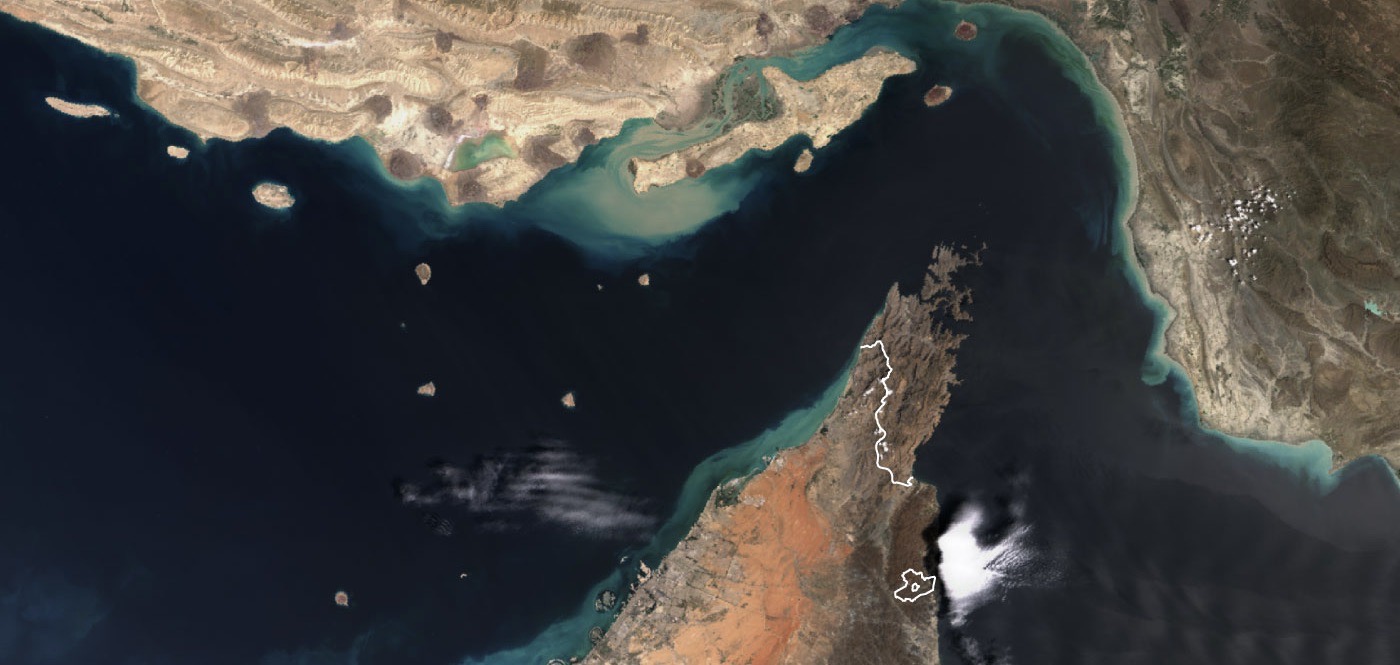 The United States Treasury Department issued a stark warning Friday to international shippers, cautioning that any payments made to Iran for passage through the critical Strait of Hormuz could result in heavy American sanctions.
Through its Office of Foreign Assets Control (OFAC), the Treasury highlighted growing concern over Iranian efforts to force vessels into paying tolls in exchange for safe navigation in one of the world’s most vital energy corridors.
The advisory stressed, “US persons and U.S.-owned or -controlled foreign entities are generally prohibited under US sanctions from engaging in transactions with the Government of Iran, including the provision or receipt of services, unless exempt or authorized by OFAC.”
While OFAC stopped short of naming companies involved, reports reveal that some tankers have already handed over as much as two million dollars in toll fees to Tehran since the US-Israeli confrontation with Iran erupted on February 28.
Adding to the tension, a spokesperson for Iran’s Oil, Gas and Petrochemical Products Exporters’ Union revealed earlier this month that Tehran plans to charge one dollar per barrel of oil on tankers during the fragile ceasefire. Ships would first be required to email Iranian authorities with details of their cargo, after which they would be permitted to pay the extortionate fees in bitcoin.
President Trump reacted forcefully to the Iranian scheme, declaring bluntly that “they better stop now!” Earlier, he had suggested the unusual idea of a US-Iran “joint venture” for managing such tolls.
The Iranian regime has kept the Strait of Hormuz closed since the war began, in response to the US-Israeli strikes.
In mid-April, the US began a naval blockade on the Strait of Hormuz.
Trump announced the blockade after delegations from Iran and the United States held extended negotiations in Islamabad but failed to produce an agreement.
Day 939 — Saturday, May 2
U.S. President Donald Trump told reporters at the White House on Friday that he is “not satisfied” with Iran’s latest proposal to end the ongoing conflict.
“They want to make a deal, but I don’t. I’m not satisfied with it, so we’ll see what happens,” Trump said. “Iran wants to make a deal, because they have no military left.”
“They’re asking for things that I can’t agree to,” he added.
Iran sent the proposal through mediators on Thursday, though details remain unclear. “They want to make a deal so badly, but they’re not there yet,” Trump told reporters. “In my opinion, they’re not there.”
“Do you want to go blast the hell out of ’em and finish them forever, or do we want to try and make a deal?” he said.
The president added that he’d prefer not to continue military strikes. “On a human basis, I’d prefer not, but that’s the option,” he told reporters.
Asked if he was considering new strikes on Iran, Trump said, “Why would I tell you that?
“Right now, we have negotiations going on,” the president said. “They’re not getting there. They are very disjointed. They’re extremely disjointed. They’re not able to get along with each other as leaders. They don’t know who the leader is.”
Trump noted that this puts the United States “in a bad position,” because separate groups in Iranian leadership want different deals.
The president dismissed the need for congressional authorization for further U.S. military action against Iran, arguing that other presidents have considered the War Powers Resolution “unconstitutional” and “exceeded” the law’s 60-day limit. Trump added that the current ceasefire reset the timeline.
Day 938 — Friday, May 1
The chairman of the Joint Chiefs of Staff Gen. Dan Caine told the Senate Armed Services Committee that Russian President Vladimir Putin has aided Iran’s war effort.
He declined to go into details, citing the public nature of the hearing, but said, ”There’s definitely some action there.”
Committee Chairman Sen. Roger Wicker, R-Miss., agreed.
“There’s no question that Vladimir Putin’s Russia is taking serious action to undermine our efforts for success in Iran,” Wicker said.
Wicker’s opening statement warned about the “four dictatorships” aligned, including Russia, China, Iran and North Korea.
“Xi Jinping leads not only China, but also an axis of aggressors,” Wicker said. “This growing alliance cannot be denied. It includes China, Russia, Iran and North Korea.
“These four dictatorships,” he continued “support each other’s aggressive endeavors. They prop each other up financially, and they scheme to undermine America’s objectives.”
Day 938 — Friday, May 1
The United States recently shipped 6,500 tons of munitions and materiel to Israel within 24 hours, using two large sea vessels and multiple cargo aircraft, the Defense Ministry reported Thursday.
In a large-scale global logistics operation, the two cargo ships docked at the ports of Ashdod and Haifa, carrying thousands of air and ground munitions, military trucks, Joint Light Tactical Vehicles (JLTVs), and additional military equipment, it said.
The operation was led by the ministry’s Defense Procurement Directorate in coordination with its International Shipping Division, its mission to the US, and the IDF Planning Directorate.
The equipment was loaded onto hundreds of trucks from the ministry’s Logistics and Assets Department and the IDF Technological and Logistics Directorate. It was then transferred to IDF bases throughout the country in an operation at the Port of Ashdod overseen by Defense Ministry Director-General Maj.-Gen. (res.) Amir Baram.
The air and sea bridge remains the “central tool for building readiness as the security situation continues to develop,” the Defense Ministry said. “Since the launch of Operation Roaring Lion, Israel has received more than 115,600 tons of military equipment in 403 airlifts and 10 sealifts.”
Defense Minister Israel Katz said Israel “stands ready at every moment to act against its enemies, on every front, and wherever necessary. This expanding air and sea bridge directly strengthens the IDF’s capabilities and operational superiority.”
Baram said: “At any given moment, cargo aircraft and ships are en route to Israel, carrying thousands of tons of munitions and military equipment. This is core to the ministry’s strategy: supporting every IDF need, both through massive near-term procurement and by building readiness for a demanding security decade ahead. The impressive procurement and shipping operation we have completed will continue to expand in the weeks ahead.”
Day 937 — Thursday, April 30
US President Donald Trump told Axios on Wednesday that he intends to maintain a naval blockade on Iran until Tehran agrees to terms addressing American concerns over its nuclear program.
The President dismissed an Iranian proposal that would have involved reopening the Strait of Hormuz and easing the blockade before resuming nuclear negotiations at a later stage.
Sources familiar with the situation told Axios that US Central Command has prepared a plan involving a limited but intense series of strikes on Iranian targets, aimed at breaking the current stalemate. These strikes would likely focus on infrastructure, after which Washington would seek to bring Iran back to negotiations under increased pressure.
Trump indicated that, at present, he views the blockade as a more effective tool than direct military action, telling Axios, “The blockade is somewhat more effective than the bombing.” He has not authorized any strikes as of Tuesday night, according to the report, and declined to elaborate on potential military plans during the interview.
Trump said the blockade is exerting significant pressure on Iran, stating, “They are choking like a stuffed pig,” and emphasized that the United States will not allow Tehran to obtain nuclear weapons. “They can’t have a nuclear weapon,” he said. He added that Iran is interested in reaching an agreement in order to see the blockade lifted, saying, “They want to settle,” but reiterated his reluctance to ease the measure under current conditions.
The President also claimed that Iran’s oil infrastructure is under strain due to its inability to export, though some analysts have questioned the immediacy of such risks.
Meanwhile, a senior Iranian security official, quoted by the English-language state outlet Press TV, warned that the naval blockade could provoke a strong response. The official stated that Iran has so far exercised restraint to allow space for diplomacy, but cautioned that continued pressure could lead to retaliatory measures.
Day 937 — Thursday, April 30
A 45-year-old man was arrested on suspicion of attempted murder after allegedly running amok in a prominent London Jewish neighbourhood, stabbing two men, in what police are now calling a terrorist incident.
Two men were rushed to hospital on Wednesday morning after being stabbed by a knifeman in the Golders Green area of North London. Both victims were seriously injured but are in stable condition.
The first attack took place outside the Hager’s Shul synagogue, where a 34-year-old Jewish man who had just walked out of the building was set upon and repeatedly stabbed. Security footage from outside the synagogue shows the moment the assailant affects casually walking along the street before suddenly lunging at a man in the process of adjusting his hat, giving the victim no time to react or protect himself.
Shortly after, it is said the assailant struck again further up the road, stabbing a 76-year-old man. Coincidentally, walking between the locations of the two attacks took the assailant past the front doors of the North London Hatzola, a Jewish ambulance charity, which was the site of an antisemitic arson attack last month.
After the two stabbings, the alleged suspect then clashed with Shomrim — a Jewish community security charity active in north London — and police before being arrested. Footage from the scene of the arrest, itself just 300 yards away from where the Hatzolah ambulances were burnt out in March, officers can be seen running with the suspect away from the North Circular road, and employing their ‘tazer’ stun-guns.
Eventually the suspect, an apparently robustly-built African-heritage male wearing light coloured clothes under a navy blue jacket, falls, and is kicked in the head by an officer several times as he resists arrest. A Shomrim volunteer can be seen sitting on the suspect’s legs as officers wrestle the man into cuffs.
The Metropolitan Police said in a statement that “The suspect also attempted to stab police officers, and was Tasered before being arrested. No officers were injured.”
Counter terror police quickly took over investigation into the case, and shortly afterwards it was declared a suspected terrorist incident.
Given the frequency with which British Jews are the target of attacks now, the latest apparent terror attack has quickly seems demands of the UK government to stop talking about the need to take action, and to actually take action. The Isareli Foreign Ministry said in a statement that there have been “enough words” about antisemitism in Britain, and that “The UK must act decisively and urgently”. They said:
“After attacks on synagogues, Jewish institutions, community ambulances and now Jews targeted in Golders Green, the UK government can no longer claim this is under control. Prime Minister Keir Starmer’s statements are no substitute for confronting the roots of antisemitism festering across United Kingdom. British Jews should not need security patrols and emergency volunteers to live openly as Jews.”
Britain’s Chief Rabbi Sir Ephraim Mirvis also said the time for talk is over. He said: “Following the anti-Semitic stabbing of two Jewish people on the streets of Golders Green this morning, words of condemnation are no longer sufficient. This must be a moment that demands meaningful action from every institution, every community, every leader and every decent person in our country. This is a hatred that we must face down together.”
President Trump’s special envoy on antisemitism Ambassador Yehuda Kaploun hit the same notes, adding: “Heartbroken and outraged by another violent anti-Semitic attack – again in the UK. Enough is enough. The UK must take decisive action to ensure the safety and security of Jewish communities now.”
In scenes reminiscent of the recent Manchester Synagogue attack, where the then-Home Secretary David Lammy was heckled by members of the Jewish community who told him the government had failed to keep them safe, the chief of the Metropolitan Police was shouted down by local residents in Golders Green.
Police Commissioner Sir Mark Rowley was met with a barrage of shouts of “resign” and “shame on you” as he attempted to talk to press. Labour Member of Parliament for Golders Green Sarah Sackman was also met with “resign” and “shame” jeers at the same press conference.
Day 936 — Wednesday, April 29
The Trump administration turned up the dial on its “Economic Fury” operation on Tuesday, implementing sanctions on 35 people and entities tied, it said, to Iran’s shadow banking sector.
The U.S. Treasury Department said that the designated people and entities helped move the equivalent of tens of billions of dollars in a coordinated effort to evade sanctions, funding Iran’s military capabilities and terror sponsorship.
“Iran’s shadow banking system serves as a critical financial lifeline for its armed forces, enabling activities that disrupt global trade and fuel violence across the Middle East,” stated Scott Bessent, the U.S. treasury secretary.
“Illicit funds funneled through this network support the regime’s ongoing terrorist operations, posing a direct threat to U.S. personnel, regional allies and the global economy,” he stated. “Financial institutions are on notice. Any institution that facilitates or engages with these networks is at risk of severe consequences.”
Largely cut off from Western financial systems, Iran turns to private companies to manage payments for imports and exports, facilitated through shell companies.
Tuesday’s sanctions hit Farab Soroush Afagh Qeshm Company, which works with Iran’s Shahr Bank to enable Iranian oil sales, the Treasury Department said. Two of the company’s senior executives were also designated.
Other front companies working with Bank Sina and Bank Sepah, affiliated with Iran’s supreme leader and the military respectively, were also sanctioned, as were Nix Energy and Tai Lung Trading, which the department accuses of facilitating the transfer of millions of dollars on behalf of already-sanctioned Iranian individuals.
“By dismantling these financial channels, we advance the administration’s policy in the conflict with Iran and underscore our commitment to imposing maximum pressure on Iran,” stated Tommy Pigott, U.S. State Department spokesman.
“While the Iranian regime enriches corrupt elites, ordinary Iranians suffer under a deteriorating economy,” Pigott said.
The administration’s sanctions-driven “Economic Fury” campaign is being run in tandem with the military’s operation “Epic Fury,” as messaging continues to be passed between Washington and Tehran on a possible resolution to their two-month-old conflict.
Day 936 — Wednesday, April 29
An American soldier stationed at Fort Polk in Louisiana was arrested last week after he told users on the popular messaging platform Discord that he planned to conduct a mass shooting at a synagogue.
Jakob Marcoulier, 22, was arrested on Thursday and charged with transmitting a threat in interstate commerce after the FBI’s National Threat Operations Center received a tip in February that he had made threats toward synagogues, according to the US attorney’s office for the Western District of Louisiana.
According to court documents, the FBI obtained audio from Discord in which Marcoulier allegedly said, “After this deployment if the Jews still have reign over our government, I am going to walk into a synagogue with my AK, with a 75-round drum mag, and all of my extra mags, with my level four plates, and my haka helmet that’s three plus, and I am going to kill every single Jew I know inside of that synagogue. And that’s my goal in life.”
During the communications, Marcoulier told the other users, “You guys will never do anything about but I will. I just have to finish this. I have to go back overseas and do what I have to do. And then you’ll see me in the news. I promise you.”
The Iran war has put Jewish institutions across the country and around the world on high alert, with attacks on synagogues, including arsons in Europe and a synagogue ramming in suburban Detroit last month.
“Threats against synagogues and Jewish Americans are threats to the religious freedom promised to every single one of us, and this Office and our law enforcement partners are committed to protecting those freedoms,” United States Attorney Zachary A. Keller said in a statement.
Day 935 — Tuesday, April 28
U.S. President Donald Trump’s red lines for a deal with Iran have been made “very, very clear,” White House Press Secretary Karoline Leavitt said on Monday, following Tehran’s latest proposal to end hostilities.
“I will confirm the president has met with his national-security team this morning,” Leavitt told reporters during a briefing. “I don’t want to get ahead of the president or his national-security team. What I will reiterate is that the president’s red lines with respect to Iran have been made very, very clear, not just to the American public, but also to them [the Iranians], as well.”
“I wouldn’t say [the president and national-security team] are considering it,” she added. “I would just say that there was a discussion this morning that I don’t want to get ahead of, and you’ll hear directly from the president, I’m sure, on this topic very soon.”
Under the Islamic Republic’s latest proposal, the regime would reopen the Strait of Hormuz in exchange for a long-term ceasefire or permanent end to the war, a U.S. official and two sources with knowledge of the matter told Axios.
Nuclear negotiations would only start at a later stage, after the U.S. military lifts its naval blockade of Iranian ports, according to the reported details of the plan.
A U.S. official briefed on Monday’s meeting at the White House told Reuters that Trump was unhappy with the proposal.
Washington has repeatedly stressed that the nuclear issue must be dealt with from the outset, and Trump was unhappy with Tehran’s offer for that reason, the official said.
CNN cited a source familiar with the matter as saying that the president was unlikely to accept the plan, as it could remove a key piece of American leverage in the talks.
Israel has reportedly urged the United States to continue its closure of the Strait of Hormuz and not ease the naval blockade as a goodwill gesture during the talks.
According to Israeli assessments cited by Channel 12 on Sunday, the continued blockade is expected to increase pressure on the Islamic regime by reducing revenues, exacerbating internal divisions and leaving it with a choice: ease its negotiating positions or face greater instability, potentially including renewed U.S.-Israeli military action.
According to senior Israeli officials, if Tehran does not soften its position even after a prolonged blockade, the U.S. may opt for a return to fighting. Israeli officials have discussed the option of broad strikes targeting the Islamic Republic’s energy infrastructure, per Channel 12.
The Trump administration will not tolerate Iranian efforts to hold international waterways hostage, U.S. Secretary of State Marco Rubio told Fox News on Monday.
“They cannot normalize, nor can we tolerate them trying to normalize, a system in which the Iranians decide who gets to use an international waterway and how much you have to pay them to use it,” Washington’s top diplomat told Fox‘s chief foreign correspondent, Trey Yingst.
Iranian President Masoud Pezeshkian told Pakistani Prime Minister Shehbaz Sharif in a call on Sunday that Washington “must first remove operational obstacles, including the blockade,” as a condition for “resolving issues.”
Pezeshkian said American maritime restrictions on Iran were a “clear breach of the ceasefire understandings.” Such measures, along with “threatening rhetoric” from the U.S. administration, have increased Tehran’s doubts regarding America’s commitment to the diplomatic process, he said, according to Iran’s semi-official Mehr News Agency.
Day 935 — Tuesday, April 28
Russia’s ambassador to the United Nations, Vassily Nebenzia, defended Iran and accused Western countries of hypocrisy on Monday, arguing that the Islamic Republic has a right to restrict movement in the Strait of Hormuz.
“There was an attempt to pin full responsibility on Iran as if it was Iran which attacked its neighbors and Iran is deliberately obstructing the navigation through the Strait of Hormuz,” Nebenzia said at a UN Security Council meeting. “In times of war, a coastal state that is under attack may limit navigation in its territorial waters for the purpose of security.”
Nebenzia also compared Western nations to pirates.
“Unlike pirates who raise their black flags with a skull and crossbones in their vessels, Western countries are attempting to conceal their lawless actions with references to unilateral coercive measures,” Nebenzia said.
“This is merely a fig leaf, the purpose of which is to conceal the fact that the [European Union] is engaged in blatant robbery at sea,” he added.
This comes after Russia and China earlier this month vetoed a Security Council draft resolution that sought to secure freedom of navigation in the Strait of Hormuz.
Day 934 — Monday, April 27
Israeli Prime Minister Benjamin Netanyahu has ordered the Israel Defense Forces to “vigorously” attack the Iranian-backed Hezbollah terrorist group, his office announced on Saturday night.
The announcement followed the launch of several rockets and UAVs from Lebanon toward northern Israeli communities earlier in the day, in violation of the U.S.-brokered ceasefire with Beirut.
The IDF announced the interception of one rocket after air-raid sirens were activated in Kibbutz Manara, Kibbutz Misgav Am and Moshav Margaliot on Saturday afternoon. A second rocket struck in an open area in the north, it said. “There are no casualties; this is a blatant violation of the ceasefire agreement by the Hezbollah terrorist organization,” the military stated.
Approximately an hour later, alerts were activated in several areas in the north due to a drone infiltration.
“The air force successfully intercepted a suspicious aerial target launched from the direction of Lebanon into Israeli territory. Contact was lost with another suspicious aerial target,” the IDF announced.
In response, the military struck Hezbollah terrorist infrastructure in Southern Lebanon, including “military” structures used by its Radwan Force, which functions as Hezbollah’s special operations unit and for years trained to invade northern Israel and seize communities there.
The structures, located in IDF-controlled territory south of the ceasefire line, were struck to remove threats “following Hezbollah’s use of these buildings to advance terrorist activities against IDF soldiers and the State of Israel,” it said.
Some two hours after the army announced the renewed airstrikes, more air-raid sirens blared in the area of Malkia, a kibbutz in the Galilee Panhandle, warning of a suspected UAV infiltration.
“A suspicious aerial target was identified, and contact with it was lost. The incident has concluded,” the IDF stated.
The IDF continued its campaign against Iran’s Lebanese proxy over the weekend, eliminating more than 15 Hezbollah terrorists, including three it said were killed while transporting weapons.
Air-raid sirens continued to blare in Israel’s north on Sunday afternoon, with alarms activated in a number of communities in the Western Galilee. The IDF subsequently announced it intercepted three UAVs before they crossed into the Jewish state from Lebanon.
Speaking at the weekly Cabinet meeting in Jerusalem on Sunday, Netanyahu accused Hezbollah of “essentially disintegrating the ceasefire” through its incessant terrorist attacks.
“Therefore, as far as we are concerned, what obligates us is the security of Israel, the security of our soldiers, and the security of our communities,” the premier said. “We are acting vigorously according to the rules we agreed upon with the United States, and incidentally, with Lebanon as well.”
The IDF will maintain its freedom “not only to respond to attacks, which is obvious, but to thwart immediate threats and also to neutralize emerging threats,” he added.
Over the past two weeks, the military eliminated 46 Hezbollah terrorists, and “we will act with a strong hand and an outstretched arm,” said Netanyahu.
“One might get the impression that the IDF is not active there. It is active, and it is acting with force,” he continued.
Netanyahu on Friday vowed to maintain “full freedom of action against any threat, including emerging ones,” in Lebanon. “We attacked yesterday and we attacked today. We are determined to restore security to the residents of the north,” he said.
Jerusalem has “begun a process to achieve a historic peace between Israel and Lebanon,” and according to the prime minister, “it is clear to us that Hezbollah is trying to sabotage this.”
U.S. President Donald Trump said on Thursday that Israel and Lebanon had agreed to extend the ceasefire between the two countries for three weeks.
The announcement followed a meeting at the White House between Israeli Ambassador to the United States Yechiel Leiter and Lebanese Ambassador to the United States Nada Hamadeh Moawad.
“The meeting went very well,” Trump wrote in a social media post. “The United States is going to work with Lebanon in order to help it protect itself from Hezbollah.”
U.S. Vice President JD Vance told reporters in the Oval Office that the truce would be under the same terms as the 10-day ceasefire which the two countries agreed to on April 16.
Hezbollah ended a previous ceasefire, reached in November 2024, on March 2, when it fired rockets into Israel in solidarity with Iran. Israel and the U.S. launched a military operation in Iran on Feb. 28, which they suspended on April 8 pending talks between Iran and the U.S.
Metula Local Council head David Azulai told Ynet on Sunday that Netanyahu’s announcement of “vigorous” attacks was “pathetic.”
“There was nothing. There were strikes in Southern Lebanon, but not where they needed to be. There’s nothing new—this is just to tell us, ‘See, we’re attacking.’ It’s all one big bluff. We’ve been abandoned to our fate,” he charged.
Moshe Davidovich, head of the Mateh Asher Regional Council in the Western Galilee, added, “We understand that this is a sham ceasefire, and expect the prime minister and the defense minister to give the IDF the freedom of action to do everything necessary so that Hezbollah does not threaten the citizens of the State of Israel.”
Day 934 — Monday, April 27
A Devon man was arrested by Counter Terrorism Policing on Sunday on suspicion of preparing terrorist acts in relation to a series of attacks on Jewish, Israeli, and Iranian dissident sites in London, the Metropolitan Police announced on Monday morning.
The 37-year-old Barnstaple man was taken to a London police station for questioning.
The Sunday arrest brought the total number of people arrested since the March 23 Golders Green arsons to 26. According to the Met, eight people have been charged with arson-related offenses, and one person was convicted of arson.
The spate of attacks began with the arson of four Hatzola ambulances in the Golders Green area.
Day 934 — Monday, April 27
Hezbollah will not surrender its weapons under any circumstances, the group’s leader Naim Qassem said on Friday, amid intensified US pressure on Lebanon to disarm the Iran-backed organisation and ongoing Israeli strikes against its operatives in southern Lebanon.
In remarks broadcast on a Hezbollah-affiliated television channel, Qassem rejected the idea outright. “We will not let anyone disarm Hezbollah or disarm the resistance” against Israel, he said, adding that “this idea of disarmament must be removed from the dictionary.”
Qassem said Hezbollah remained open to discussions about a broader “defence strategy,” but only on its own terms. Such talks, he stressed, could not take place “under the pressure of occupation” by Israel. He also called for Israel to fully withdraw from southern Lebanon, end its military actions, and for the Lebanese state to begin reconstruction efforts in affected areas.
His comments followed similar statements from senior Hezbollah figures, who have also ruled out any transfer of weapons unless Israel halts its “aggression” and withdraws completely from Lebanese territory. One official, Wafic Safa, said the issue was not disarmament but a national defence strategy aligned with the Lebanese presidency’s stated goals.
The debate comes as President Joseph Aoun has pledged to ensure that 2025 becomes the year in which the Lebanese state holds a monopoly on arms. His position reflects growing internal and external calls for Hezbollah to integrate its military capabilities under state control.
However, Hezbollah continues to frame its arsenal as essential to Lebanon’s defence, insisting it will remain armed as long as Israeli forces operate in the region.
Day 933 — Sunday, April 26
U.S. President Donald Trump on Saturday said he canceled the trip of the American delegation to Islamabad for talks on an agreement with Tehran as the Iranian representatives had already left Pakistan.
Explaining his decision on Truth Social, Trump wrote, “Too much time wasted on traveling, too much work! Besides which, there is tremendous infighting and confusion within their ‘leadership.’
“Nobody knows who is in charge, including them. Also, we have all the cards, they have none! If they want to talk, all they have to do is call!!!” the president added.
U.S. envoys Steve Witkoff and Jared Kushner were expected to touch down in Islamabad to continue the indirect negotiations with Tehran through Pakistani mediators, but the Iranian delegation has reportedly left the country.
Iran’s Foreign Minister Abbas Araghchi arrived in Pakistan on Friday and met with Prime Minister Shehbaz Sharif and Pakistan’s Chief of the Army Staff Asim Munir, according to the Associated Press.
Araghchi said on his Telegram account that he is currently on a trip to Islamabad, Muscat and Moscow “to coordinate closely with [Iran’s] partners on bilateral issues and consultations on regional developments.”
He emphasized “Pakistan’s special position in Iran’s foreign policy and relations and Iran’s will to further develop relations between the two countries.”
He did not disclose Tehran’s demands but said that his country’s “principled positions” were conveyed to Islamabad.
Trump spoke with Axios on Saturday, saying that “I see no point of sending [Witkoff and Kushner] on an 18-hour flight in the current situation. … We are not gonna travel just to sit there.”
Asked whether the breakdown in talks means the war was to resume, the president said, “No. It doesn’t mean that. We haven’t thought about it yet. We have all the cards. We are not going to go there to sit around talking about nothing.”
On Thursday, Iranian officials presented a unified front after reports surfaced that Tehran’s leadership was fractured.
“In Iran there are no ‘hardliners’ or ‘moderates,’ President Masoud Pezeshkian tweeted.
“We are all Iranians and revolutionaries. With ironclad unity of nation and state and obedience to the Supreme Leader, we will make the aggressor regret. One God, one nation, one leader, one path; victory for Iran, dearer than life,” he wrote.
Day 932 — Saturday, April 25
Reza Pahlavi posted a video to X on Friday criticizing European media coverage of unrest in Iran, accusing journalists of ignoring what he described as mass killings and political executions.
In the video, Pahlavi said he recently held press conferences in Stockholm and Berlin attended by more than 150 journalists, claiming that none asked about “40,000 Iranians” he said were killed during protests or about political prisoners facing execution.
He argued that European media has “abdicated their professional responsibilities” by focusing more on criticism of the U.S. and Israel than on the actions of the Iranian regime.
The remarks come a day after Pahlavi was splattered with red liquid while leaving a press conference in Berlin, according to reporting from The Associated Press. He was not injured, and German police detained a suspect at the scene. Authorities said the substance appeared to be tomato juice.
Pahlavi, the exiled son of Iran’s former shah, has been traveling across Europe in recent weeks seeking to rally support and position himself in discussions about Iran’s future. He said in the video he will continue advocating for a democratic Iran regardless of international backing.
Day 932 — Saturday, April 25
The Trump administration announced it’s imposing new sanctions against Iran’s shadow fleet of oil tankers.
The Treasury Department’s Office of Foreign Assets Control imposed the punishment on a Chinese teapot refinery along with 40 shipping companies and vessels that operate as part of Iran’s shadow fleet, whose transportation of petroleum and petrochemicals provides a financial lifeline to Iran’s regime.
The sanctions are part of a campaign called Economic Fury.
“Economic Fury is imposing a financial stranglehold on the Iranian regime, hampering its aggression in the Middle East, and helping to curtail its nuclear ambitions,” Treasury Secretary Scott Bessent said in a statement.
“At President Trump’s direction, Treasury will continue to constrict the network of vessels, intermediaries, and buyers Iran relies on to move its oil to global markets,” Bessent added.
“Any person or vessel facilitating these flows — through covert trade and finance — risks exposure to U.S. sanctions,” he continued.
The shadow fleet is the name given to the hundreds of illegal tankers that countries such as China, Venezuela, and Russia operate while trying to evade sanctions from countries including the U.S., the Washington Examiner reported.
Experts told the Examiner they believe 1,000 vessels are transporting oil in violation of various sanctions.
Hengli Petrochemical Refinery Co., the sanctioned Chinese refinery, is one of Iran’s largest buyers of crude oil and other petroleum products, having purchased billions of dollars’ worth of Iranian petroleum.
China-based independent teapot refineries continue to play a vital role in sustaining Iran’s oil economy.
Since at least 2023, Hengli has received Iranian oil cargoes from a host of sanctioned shadow fleet vessels, which alone have delivered over 5 million barrels of Iranian crude oil.
“Constraining Iran’s maritime trade through the blockade directly targets the regime’s primary revenue lifelines,” a senior administration official told the Examiner.
“Any person or vessel facilitating these illicit flows — through covert trade and finance — risks exposure to U.S. sanctions,” the official added.
Day 931 — Friday, April 24
“Israel is prepared to renew the war against Iran,” Defense Minister Israel Katz said at the end of a situational assessment on Thursday, with the military awaiting the green light from the United States to “complete the elimination of the Khamenei dynasty.“
“The IDF is prepared for both defense and attack, and the targets are marked,” said Katz.
The Defense Minister discussed the Islamic regime’s practice of oppressing its people, saying, “The terrorist regime in Iran specializes mainly in internal repression of the population through the Revolutionary Guards and the Basij.“
Katz also accused Iran of “energy extortion, with the threat of raising global oil prices.“
“Its leaders are hiding in tunnels and have difficulty communicating and making decisions,” Katz continued, “its skies are wide open, and all its national infrastructure and strategic facilities are exposed to attacks, but it declares that it is victorious.“
Katz compared Iran to its proxy terror groups of Hamas and Hezbollah, saying the country “does not care about the heavy prices paid by the population.“
Turning to future IDF attack plans, Katz described them as “different and deadly,” stating that the military will strike “the most painful places,” adding that the attacks would “shake and collapse its [Iran’s] foundations.“
Iran has reportedly tasked foreign militias with keeping civilian protests down, according to social network expert Effi Banai, who spoke to 103FM’s Sivan Cohen on Thursday.
Social media content emerging from Iran paints a complex and increasingly tense picture, Banai said, adding that the regime appears to be trying to prevent a widespread outbreak of protests by reinforcing its presence on the ground.
“We see the pressure on the regime on social media,” said Banai. “They have brought in militias from abroad, from Pakistan, Iraq, and Afghanistan. They are helping them impose order. They go around in trucks, in civilian clothing, carrying machine guns.“
“The soldiers speak Arabic rather than Persian, [which the locals notice and comment about on social media],” Banai added. “They are imposing terror in the streets so that people won’t go out and protest. The regime knows its people are hungry, desperate, and are afraid they will take to the streets again.”
Day 931 — Friday, April 24
Israel and Lebanon agreed to extend the ceasefire between the two countries for three more weeks, U.S. President Donald Trump stated on Thursday.
The announcement follows a meeting at the White House between Israeli ambassador to the United States Yechiel Leiter and Lebanese ambassador to the United States Nada Hamadeh Moawad.
“The meeting went very well,” Trump wrote on social media. “The United States is going to work with Lebanon in order to help it protect itself from Hezbollah.”U.S. Vice President JD Vance told reporters in the Oval Office that the truce would be under the same terms as the 10-day ceasefire to which the two countries agreed on April 16.
“We’re going to extend the ceasefire for three weeks that’s already in place between Israel and Lebanon,” Vance said.
In addition to Trump and Vance, Secretary of State Marco Rubio, U.S. ambassador to Israel Mike Huckabee and U.S. ambassador to Lebanon Michel Issa also attended Thursday’s meeting at the White House with the Israeli and Lebanese diplomats.
Trump added that he expects to host a meeting between Israeli Prime Minister Benjamin Netanyahu and Lebanese President Joseph Aoun “in the near future.”
Day 930 — Thursday, April 23
President Donald Trump extended the ceasefire with Iran that was due to expire on Wednesday night. The president pointed to what he called a “fractured” Iranian government and raised questions about who is really in charge in Tehran.
Just hours after the Trump announcement, the Iranian Revolutionary Guard Corps (IRGC) rallied supporters with a parade that included ballistic missiles in the heart of the capital. The demonstrators chanted, “Strike the final blow, and hit the heart of Tel Aviv.”
Iran’s state-run television quoted a military spokesman who threatened the United States.
“In the event of aggression and any action against Islamic Iran, the armed forces of the Islamic Republic of Iran will immediately attack the predetermined targets with power, and teach the aggressive America and the child-killing Zionist entity another lesson more severely than before.”
The show of force and rhetoric has led some to believe that Iran is run by leaders willing to resume the war.
The actions roughly coincided with Trump’s announcement to continue the ceasefire.
The president said late on Tuesday that, at Pakistan’s request, the U.S. would extend the halt in fighting indefinitely as he waits for a unified proposal from the Islamic Republic.
The two-week truce was set to expire as a second round of talks led by Vice President JD Vance looked uncertain.
Meanwhile, in Israel, no official word from the government as the nation celebrated the 78th anniversary of modern Israel’s founding.
Prime Minister Benjamin Netanyahu marked the milestone, declaring, “In shelters and hospitals, in moments of pain, in moments of joy, we have no other country and will not have another one. With God’s help, we will complete the victory, strengthen our state, and secure our future.”
Day 930 — Thursday, April 23
The Arizona Legislature approved on Monday a resolution urging state agencies to use the term “Judea and Samaria” instead of “West Bank” in official communications.
House Concurrent Resolution 2047, sponsored by David Livingston, a Republican state representative, recognizes what it describes as the “historical, biblical and legal legitimacy” of Judea and Samaria and formally rejects “West Bank” as a modern political construct.
The measure passed both chambers, clearing the Senate on April 20 after earlier approval in the House. The nonbinding resolution directs state entities to adopt the terminology in government documents and references.
“Today, as Israel honors those who gave their lives defending the nation, Arizona stands with the truth about that nation’s history,” Livingston stated.
The resolution, which Livingston introduced following a 2025 visit to the region, is part of a broader national effort by some lawmakers to promote the use of biblical names for the territory west of the Jordan River, which is widely referred to internationally as the West Bank.
“Judea and Samaria are central to Jewish history and faith,” he said. “They are not political labels to be swapped out for convenience. This resolution affirms what is true and rejects language created to deny it.”
Israel Bachar, Israel’s consul general for the Pacific Southwest, praised the move, stating that Arizona “has set a gold standard in terms of state legislative initiatives that protect and enhance the U.S.-Israel relationship on the state level.”
Day 929 — Wednesday, April 22
U.S. President Donald Trump said Iran is losing approximately $500 million per day due to restrictions on the Strait of Hormuz, claiming the Islamic Republic is seeking to reopen the strategic waterway as financial pressure mounts.
“Iran is collapsing financially! They want the Strait of Hormuz opened immediately- Starving for cash! Losing 500 Million Dollars a day. Military and Police complaining that they are not getting paid. SOS!!!” Trump posted on Truth Social on Wednesday.
“Iran doesn’t want the Strait of Hormuz closed, they want it open so they can make $500 Million Dollars a day,” Trump wrote in an earlier post, adding that Tehran is “starving for cash” and facing internal strain. “They only say they want it closed because I have it totally BLOCKADED (CLOSED!), so they merely want to “save face.” People approached me four days ago, saying, ‘Sir, Iran wants to open up the Strait, immediately.’ But if we do that, there can never be a Deal with Iran, unless we blow up the rest of their Country, their leaders included!”
The Strait of Hormuz is one of the world’s most critical maritime chokepoints, through which a significant portion of global oil shipments pass, meaning disruptions can significantly affect global energy markets.
Trump announced an extension of the ceasefire with Iran on Tuesday.
“Based on the fact that the government of Iran is seriously fractured, not unexpectedly so and, upon the request of Field Marshal Asim Munir, and Prime Minister Shehbaz Sharif, of Pakistan, we have been asked to hold our attack on the country of Iran until such time as their leaders and representatives can come up with a unified proposal,” Trump stated.
The president said he has directed the military to continue the blockade of the Strait of Hormuz, and has extended the ceasefire “until such time as their proposal is submitted, and discussions are concluded, one way or the other.”
The United States and Israel launched coordinated strikes against Iranian nuclear and military infrastructure on Feb. 28.
Day 929 — Wednesday, April 22
The US Treasury Department has imposed a new wave of sanctions on 14 individuals and entities across Iran, Turkey, and the United Arab Emirates, targeting the procurement networks fuelng Tehran’s missile and drone programs.
This move aims to disrupt the acquisition of specialized components as Iran attempts to restore its military capabilities following recent strikes by the United States and Israel.
Treasury Secretary Scott Bessent justified the measures by accusing the Iranian regime of using these technologies to threaten global energy markets and strike civilian targets.
The sanctions specifically hit three individuals involved in the supply chain for Shahed drones and a Turkish firm accused of providing materials for missile fuel production. Furthermore, the administration blacklisted two Boeing 777 aircraft operated by Mahan Air, an airline the US identifies as a primary transporter of military equipment.
These financial restrictions effectively freeze the assets of the named parties and prohibit any US-linked transactions, deepening the economic isolation of Tehran’s defense sector.
The announcement comes at a volatile moment in regional diplomacy, with high-level talks in Pakistan recently collapsing and a temporary ceasefire brokered by President Donald Trump nearing its expiration. By targeting the logistical networks enabling Iran’s military activity, Washington is signaling a return to intensive economic pressure as the prospect of a diplomatic breakthrough regarding the Strait of Hormuz remains stalled.
Day 929 — Wednesday, April 22
Lebanese President Joseph Aoun said he is pursuing peace negotiations with Israel, arguing that diplomacy is the only viable path to save Lebanon from continued war and economic and social collapse.
His remarks, made during a meeting with lawmakers aligned against Hezbollah and summarized by his office, offered justification for engaging with Israel — an unprecedented step in modern Lebanese politics.
“Lebanon faces two options: the continuation of the war with all its humanitarian, social, economic, and sovereign consequences, or negotiations to end the war and achieve lasting stability,” Aoun said, according to the statement released by his office.
“I have chosen negotiation, and I am full of hope that we will be able to save Lebanon,” he stressed.
Aoun emphasized that talks are the only realistic way to “end hostilities, secure the Israeli withdrawal from occupied areas in southern Lebanon, and allow the deployment of the Lebanese army up to the internationally recognized southern border.”
Since Israel’s founding in 1948, Beirut has refused to recognize the Jewish state. Despite multiple military defeats of the Lebanses army during conflicts and Israel’s peace agreements with Egypt and Jordan, Beirut has never formally acknowledged Israel.
The diplomatic push follows recent U.S.-brokered efforts under Donald Trump, whose administration facilitated high-level talks last week between Lebanese and Israeli officials aimed at reaching a broader agreement.
Notably, Aoun did not personally attend those discussions. Reports also indicate that Aoun declined to speak directly by phone with Israeli Prime Minister Benjamin Netanyahu, despite encouragement from Trump.
Trump recently announced a ceasefire between Israel and Lebanon. However, Israeli military operations have been focused on Hezbollah targets within Lebanese territory rather than on the Lebanese state itself.
Aoun’s remarks come months after the Lebanese government passed a resolution demanding that Hezbollah disarm. The Iranian proxy group has pledged that it will never surrender its weapons.
Day 928 — Tuesday, April 21
U.S. President Donald Trump stated on Monday that Israel did not persuade the United States to enter military operations against Iran, emphasizing that he has long believed that Iran should not have a nuclear weapon.
“Israel never talked me into the war with Iran,” the president wrote. “The results of Oct. 7, added to my lifelong opinion that Iran can never have a nuclear weapon, did.”
The comments follow criticism from conservative media figures like Tucker Carlson, who called the U.S. president a “slave” to Israel, and Megyn Kelly, who said Israel “dragged” the United States into the war.
Joe Kent, former director of the National Counterterrorism Center, resigned his position while also alleging that Israel played a large role in drawing the United States into war with Iran, while former U.S. vice president Kamala Harris stated that Trump “entered a war, got pulled into it by Bibi Netanyahu, let us be clear about that.”
“Just like the results in Venezuela, which the media doesn’t like talking about, the results in Iran will be amazing,” the president wrote. “And if Iran’s new leaders (regime change!) are smart, Iran can have a great and prosperous future.”
Day 928 — Tuesday, April 21
Defense Minister Israel Katz spoke today a solemn ceremony held at the Mount Herzl National Hall for Israel’s Fallen.
“Between all of Israel’s wars there is a clear, direct line,” he said. “The State of Israel still fights for its existence and for its future, and our independence is not something given to us without cost.”
Katz also made a direct Threat to Hezbollah leader Naim Qassem.
“Nasrallah destroyed the Shiite community in Lebanon, and Naim Qassem will destroy it and will pay in the loss of homes and territory until he also pays with the loss of his head, as his predecessor did.”
Katz warned that Lebanon itself would face severe consequences if Hezbollah’s actions continue unchecked. “Lebanon will pay a heavy territorial price, like what happened to Hamas in Rafah and Beit Hanoun in Gaza.”
He went on to condemn regional militant leadership more broadly, stating that the heads of what he called the “axis of evil” are united in their fate. “They dwell together at the bottom of hell,” he said.
Katz also insited that the Lebanese government must assert control over its territory. “If the government of Lebanon continues to fail to meet its commitments, the IDF will do so in the continuation of military operations.”
Day 928 — Tuesday, April 21
Iran’s Foreign Ministry on Tuesday denounced the U.S. Navy’s seizure of an Iranian cargo ship, calling for the “immediate release of the Iranian vessel, its sailors, crew and their families.”
The Foreign Ministry called the seizure “extremely dangerous” and “criminal.”
“There is no doubt that the Islamic Republic of Iran will use all its capacities to defend Iran’s national interests and security and to safeguard the rights and dignity of its citizens,” the Tuesday statement said.
“It is also clear that full responsibility for any further escalation in the region lies with the United States,” it added.
Iran had earlier vowed to respond after the U.S. seizure of its vessel.
Day 927 — Monday, April 20
The US seized an Iranian-flagged cargo ship after “blowing a hole” in its engine room when it tried to break past the Navy blockade of the Strait of Hormuz, President Trump revealed Sunday.
The USS Spruance destroyer intercepted Iran’s Touska cargo ship in the Gulf of Oman, taking custody of the ship after it refused warnings to stop, according to the president.
“Today, an Iranian-flagged cargo ship named TOUSKA, nearly 900 feet long and weighing almost as much as an aircraft carrier, tried to get past our Naval Blockade, and it did not go well for them,” Trump boasted on Truth Social.
“Right now, U.S. Marines have custody of the vessel,” the president added. “The TOUSKA is under U.S. Treasury Sanctions because of their prior history of illegal activity. We have full custody of the ship, and are seeing what’s on board!”
A CENTCOM video shared online by Reuters’ chief national security reporter showed the US Navy ship warning those aboard the Iranian cargo ship to vacate its engine room before firing multiple blasts.
“Motor vessel Touska, motor vessel Touska, vacate your engine room, vacate your engine room. We are prepared to subject you to disabling fire,” a Marine can be heard saying before the ship’s horn blows and blasts go off.
The seizure of the Iran-flagged vessel comes as Trump is pushing to lock down a peace deal with Iran before the two-week cease-fire wraps up on Tuesday.
Day 927 — Monday, April 20
Hundreds of commercial tankers are stranded on both sides of the Strait of Hormuz after Iran shut the critical chokepoint on April 18, halting traffic and leaving crews trapped amid reports of gunfire and “traumatic experiences” on board.
The Strait of Hormuz is considered an international waterway under international law, through which ships have the right of transit passage, according to the United Nations Convention on the Law of the Sea (UNCLOS).
Roughly one-fifth of the world’s oil supply passes through the Strait of Hormuz, making it a critical chokepoint for global energy markets, according to the U.S. Energy Information Administration.
The U.K. Maritime Trade Operations (UKMTO) said Iranian gunboats opened fire on a tanker the same day, while a projectile struck a container vessel, damaging cargo.
Audio released by maritime monitoring group TankerTrackers appears to capture the moment a vessel and its crew came under fire while approaching the strait, including a distress call from a crew member.
“Sepah Navy! Motor tanker Sanmar Herald! You gave me clearance to go… you are firing now. Let me turn back!” the crew member can be heard saying in the recording, according to TankerTrackers.
Iranian state media confirmed that shots were fired near vessels to force them to turn back, while the Ministry of External Affairs of the Government of India said the foreign secretary was deeply concerned.
Hapag-Lloyd, the world’s fifth-largest container shipping line, told Fox News Digital that it had activated a crisis team as its crews remain stuck on board vessels in the region.
“We have been working from Friday afternoon until today with the entire crisis team to bring the vessels out — in vain, unfortunately,” said Nils Haupt, senior director of group communications at Hapag-Lloyd AG.
“These events can easily lead to traumatic experiences. There is also a significant risk from sea mines, which has made insuring vessels for passage through the Strait nearly impossible.”
“The crews are well, but they are becoming increasingly impatient and frustrated. It is very unfortunate that we could not leave today,” he added. “Many ships are still stuck in the Persian Gulf.”
“Our six ships are anchored near the port of Dubai, and all crews hope for an improvement in the situation,” Haupt said.
The Islamic Revolutionary Guard Corps (IRGC) said on April 18 that the strait would remain closed until the U.S. lifts its blockade on Iranian ports, warning ships not to move from anchorage or risk being treated as “enemy” collaborators.
Iran has previously argued that restrictions on its oil exports and shipping amount to “economic warfare,” framing actions in the Strait of Hormuz as a response to foreign pressure on its economy, according to statements from Iranian officials and state media in past incidents.
“Approaching the Strait of Hormuz will be considered cooperation with the enemy, and any violating vessel will be targeted,” the IRGC said in a statement carried by the semi-official Tasnim News Agency.
The United States imposed the blockade on Iranian ports to pressure Tehran to reopen the strait, with U.S. Central Command saying the measures are being enforced “impartially against all vessels.”
Hapag-Lloyd said its vessels have been stuck for weeks following the initial closure after the outbreak of war with Iran on Feb. 28.
“For us, it is critical that our vessels can pass through the strait soon,” Haupt said.
“We offer all crew members unlimited data so they can video call loved ones and access entertainment. Crews are strong, but after weeks on board there is growing monotony and frustration.”
“One crew experienced a fire on board from bomb fragments. Others have seen missiles or drones near their vessels,” he added.
Day 926 — Sunday, April 19
At a tense session of the UN General Assembly focused on the blockage of the Strait of Hormuz and its implications for global shipping, Israel’s ambassador, Danny Danon, sharply criticized France and raised allegations about its conduct.
The debate followed a failed attempt to pass a Bahraini-backed resolution in the Security Council, shifting the dispute to the broader Assembly. Speaking during the session, Danon took an unusually direct tone, singling out the French delegation.
Citing international reports, he claimed that French-owned vessels were able to pass through the Strait of Hormuz without interference, while ships from other countries were detained by Iran. Addressing France’s ambassador, Danon posed a pointed question about whether payments had been made to secure safe passage.
He argued that giving in to such pressure only strengthens Iran, describing its actions in the strait as “economic terrorism” targeting a critical artery of global trade. According to Danon, countries that comply with such demands are not ensuring stability but encouraging further coercion.
Danon warned that yielding to these tactics could lead to escalating costs and greater threats in the future, urging nations to resist what he characterized as a pattern of extortion rather than accommodate it.
Day 925 — Saturday, April 18
Tennessee’s legislature has voted to change references in state documents to the biblical regions north and south of Jerusalem to “Judea and Samaria.”
The term, which has always applied to the region in Israel, will replace references to the “West Bank,” which was invented and used by the international community following the liberation of the region from the Jordanians in the Six-Day War of 1967.
“The ideological and cultural conflict over Judea and Samaria represents a broader civilizational struggle between Judeo-Christian values,” state House Bill 1446 and its Senate companion Bill 1663, known as the “Recognizing Judea and Samaria Act.”
The bills say the term “West Bank” is a “deliberate attempt to erase the Jewish identity of Judea and Samaria, and to obscure the deep historical, religious and legal connections of the Jewish people to the land.”
Both houses passed their respective bills on April 9, by votes of 24-8 in the Senate and 68-21 in the House of Representatives. The measure now heads to Tennessee Gov. Bill Lee, a Republican, for his signature.
The law mandates that any tax-funded communications from state agencies or official state materials use the historical nomenclature, rather than the more recent internationally recognized term.
Debate over the legislation largely hinged on criticisms that the measure erased Palestinian heritage or amounted to biblical indoctrination, with others saying that the legislature has more pressing, relevant matters at hand.
The bill is similar to one passed in Arkansas last April. A similar effort this year in Florida died in the Senate Rules Committee.
Day 925 — Saturday, April 18
Lebanese President Joseph Aoun gave a speech to the nation on Friday, a day after a ceasefire between Lebanon and Israel went into effect.
In the speech, Aoun defended the direct talks held with Israel earlier this week, stressing that Lebanon is no longer an “arena” for anyone’s wars.
“We are confident that we will save Lebanon… we have reclaimed Lebanon and Lebanon’s decision-making power for the first time in nearly half a century,” Aoun said.
He stressed, “Today, we negotiate for ourselves… we are no longer a pawn in anyone’s game, nor an arena for anyone’s wars, and we never will be again”.
“Now, we all stand before a new phase,” Aoun continued. “It is the phase of transition from working on a ceasefire to working on permanent agreements that preserve the rights of our people, the unity of our land, and the sovereignty of our nation.”
The Lebanese President insisted that direct talks with Israel are “not a sign of weakness nor a concession.”
He added that “negotiations do not mean, and will never mean, giving up any right, conceding any principle, or compromising the sovereignty of this nation.”
US President Donald Trump, whose administration brokered the Israel-Lebanon ceasefire, said on Wednesday that Aoun and Prime Minister Benjamin Netanyahu would speak on Thursday.
While such a conversation did not ultimately occur, Trump held separate phone calls with the two leaders on Thursday before announcing the ceasefire.
Day 924 — Friday, April 17
Israel is preparing for a resumption of hostilities in Iran in case peace talks between the U.S. and the Islamic Republic are unsuccessful, Prime Minister Benjamin Netanyahu said Wednesday.
In a message shared to his official social media account, Netanyahu stressed the U.S. and Israel are in constant communication over U.S. contacts with the Iranian regime.
“Our goals and those of the United States are identical: We want to see the enriched material removed from Iran, we want to see the cancellation of enrichment capabilities within Iran, and of course, we want to see the opening of the straits.”
“It is too early to say how this matter will end, or even how it will progress. In anticipation of the possibility that fighting may resume, we are prepared for any scenario,” he concluded.
Meanwhile, the administration of U.S. President Donald Trump continues to place economic pressure on Iran, in an attempt to get the regime to agree to U.S. demands.
On Thursday, during a briefing at the Pentagon, Secretary of War Pete Hegseth said that the U.S. is also prepared to restart combat operations in Iran if no agreement is reached.
“We’d prefer to do it the nice way through a deal led by our vice president and negotiating team,” Hegseth said, “or we can do it the hard way. We urge this new regime to choose wisely.”
Hegseth further stated that the Iranian regime “can choose a prosperous future, a golden bridge, and we hope that you do for the people of Iran,” but noted that if not, “they will have a blockade and bombs dropping on infrastructure, power, and energy.”
“We are watching you,” the secretary stated. “Your capabilities are not the same as ours. Remember, this is not a fair fight.”
Meanwhile, Treasury Secretary Scott Bessent said Wednesday that the U.S. is preparing the “financial equivalent” of a bombing campaign.
Bessent said the administration has “told companies, we have told countries that if you are buying Iranian oil, that if Iranian money is sitting in your banks, we are now willing to apply secondary sanctions, which is a very stern measure. And the Iranians should know that this is going to be the financial equivalent of what we saw in the kinetic activities.”
Day 924 — Friday, April 17
Israel and Lebanon agreed to a 10-day ceasefire on Thursday following calls between U.S. president Donald Trump and the leaders of each country.
After Trump announced the truce on social media, the State Department released a statement with details of the agreement between the two sides.
“Israel and Lebanon will implement a cessation of hostilities” that will start at 5 p.m. Eastern on April 16 for “an initial period of 10 days, as a gesture of goodwill by the government of Israel, intended to enable good-faith negotiations toward a permanent security and peace agreement between Israel and Lebanon,” the agreement says.
The agreement adds that Israel will retain a right to self-defense “at any time, against planned, imminent or ongoing attacks” but will otherwise cease offensive military operations in Lebanon.
The agreement does not call for a withdrawal of Israeli ground forces from Lebanon and says that the initial ceasefire may be extended “as Lebanon effectively demonstrates its ability to assert its sovereignty.”
That condition appears to be tied to Lebanon’s ability to disarm Hezbollah, as the agreement requires the Lebanese government to take “meaningful steps” from the time the ceasefire begins to prevent Hezbollah and other terrorist groups from attacking Israel from Lebanese territory.
Trump wrote in a followup post to the truce announcement that he would invite Lebanese President Joseph Aoun and Israeli Prime Minister Benjamin Netanyahu to the White House for “meaningful talks.”
The agreement released by the State Department says that those negotiations would be designed to resolve “all remaining issues” and reach a comprehensive peace agreement between Israel and Lebanon, which do not have diplomatic relations and have technically been in a state of war since Israel’s founding in 1948.
An open question about any ceasefire in Lebanon is whether Israel can prevent Hezbollah from carrying out attacks on Israeli border communities.
In a statement confirming the ceasefire, Netanyahu said that the agreement allowed for Israeli troops to maintain a “reinforced security buffer zone” inside Lebanon.
“This allows us, first and foremost, to block the danger of an invasion into our communities, and secondly, it allows us to prevent direct anti-tank fire into the communities,” Netanyahu said. “The residents are now protected from these two dangers.”
Netanyahu added that he had received assurances from Trump that the U.S. president intends to continue the naval blockade of Iran and dismantle the regime’s remaining nuclear capabilities.
Day 924 — Friday, April 17
An attempted attack near the London studios of Iran International, which is affiliated with the Iranian opposition, has heightened concerns over what the broadcaster says is a growing campaign of intimidation targeting its staff.
A suspicious vehicle was denied entry at the main entrance of its site on the evening of Wednesday, April 15. Shortly afterward, incendiary devices were thrown into the car park of a neighboring building just meters from its studios.
“Our security team responded immediately, and the police and fire brigade arrived shortly afterwards. We are grateful to them for their swift response,” Iran International’s editorial board said in a statement.
Footage posted to social media appeared to show the aftermath of the attack.
London’s Metropolitan Police said on Thursday that three people aged 16, 19 and 21 had been arrested in connection with the incident.
Police said the case is not currently being treated as terrorism but is being investigated by Counter Terrorism Policing London.
The incident comes amid a sharp increase in threats and pressure directed at Iran International journalists and their families, particularly following the recent war involving Iran.
The channel temporarily relocated its operations from London to Washington in February 2023 following intelligence warnings of state-backed threats.
In March 2024, one of its presenters was stabbed outside his London home in an attack investigated by counter-terrorism police.
Meanwhile, an Islamist group with possible links to Iran claimed responsibility for the Iran International attack, as well two other attacks in north London.
Harakat Ashab al-Yamin al-Islamiya – The Islamic Movement of the People of the Right Hand – made the unsubstantiated claim by posting videos on social media.
In addition to the Iran International attack, the group also claimed Wednesday’s attack on the Finchley Reform Synagogue in London and a previous arson targeting four ambulances belonging to Hatzolah in Golders Green.
Day 923 — Thursday, April 16
Russia’s Foreign Minister Sergey Lavrov said that Iran has an “inalienable” right to enrich uranium for civilian purposes during a state visit to China on Wednesday, according to the Times of Israel.
“The right to enrich uranium for civilian purposes is an inalienable right of the Islamic Republic of Iran,” Lavrov said during a Tuesday press conference following a bilateral meeting with Chinese President Xi Jinping, according to the Times of Israel.
Access to said uranium has been a hard line for U.S. President Donald Trump in ongoing peace negotiations with Iran.
“There will be no enrichment of Uranium,” Trump wrote in an April 8 post on Truth Social, adding that the U.S. would be working with Iran to dig up all remaining nuclear materials in the country to ensure the Islamic Republic would not have access to any uranium.
Vice President JD Vance, who led the U.S. delegation during Saturday negotiations with Iranian officials in Islamabad, Pakistan, doubled down on that red line.
“The enriched uranium that the Iranians currently possess, we have said that we want that to come our of their country, and we would like to take possession of it,” Vance told Fox News’ Brett Baier on Monday.
“The president doesn’t want to leave the next president or the president after that to be worrying about this program so we would like to get that material out of the country completely so that the United States has control over it.”
Despite the U.S. hard line, Russia’s top diplomat appeared to openly defy the U.S.’ demands, speaking in strong terms against what he viewed as American global control.
“Neither China nor Russia, nor the majority of countries throughout the world, can accept this approach,” Lavrov said in remarks posted to a Russian state website.
The peace talks in Iran stalled, according to Vance, because of their refusal to completely give up their nuclear program. Nuclear experts praised the decision.
“The U.S. team was wise to walk away once it became clear the Iranians would not agree to Washington’s core nuclear demands. Tehran maintaining enriched uranium stocks and uranium enrichment capabilities provides it with a pathway to nuclear weapons, plain and simple,” Andrea Stricker, deputy director of the Foundation for Defense of Democracies’ nonproliferation program, told Fox News Digital.
Day 923 — Thursday, April 16
Israel’s and Lebanon’s leaders are expected to speak directly on Thursday for the first time in decades, U.S. President Donald Trump said on Wednesday.
“Trying to get a little breathing room between Israel and Lebanon. It has been a long time since the two leaders have spoken, like 34 years,” Trump wrote in a post on his Truth Social platform.
“It will happen tomorrow. Nice! President DJT,” added the American leader.
Trump did not specify which leaders would take part, whether Israeli Prime Minister Benjamin Netanyahu, Israeli President Isaac Herzog, Lebanese President Joseph Aoun or Lebanese Prime Minister Nawaf Salam.
Israeli and Lebanese officials last engaged in direct, U.S.-backed talks following the 1982 First Lebanon War, culminating in the May 17 Agreement. The pact was the closest the two nations have ever come to a formal peace deal, but it was never fully implemented, and was formally canceled by Beirut in 1984.
Iranian-backed Hezbollah began firing rockets, missiles and suicide drones at Israel from Lebanon on March 2 in retaliation for the Jewish state’s targeted killing of Iranian Supreme Leader Ali Khamenei in the opening strikes of “Operation Roaring Lion/Epic Fury” against the Islamic Republic on Feb. 28.
In response to the terrorist organization’s violation of the U.S.-brokered Nov. 27, 2024, truce agreement, Jerusalem launched an aerial campaign against Hezbollah and ordered the Israel Defense Forces to take control of additional areas in Southern Lebanon to halt cross-border attacks.
Netanyahu announced on April 9 that Lebanon had requested the reopening of direct negotiations with the Jewish state aimed at disarming Hezbollah.
After more than two hours of talks that U.S. Secretary of State Marco Rubio hosted in Washington, D.C., on Tuesday, Israeli Ambassador to the United States Yechiel Leiter said that the most important outcome of the negotiations was that Jerusalem and Beirut are “on the same side of the equation.”