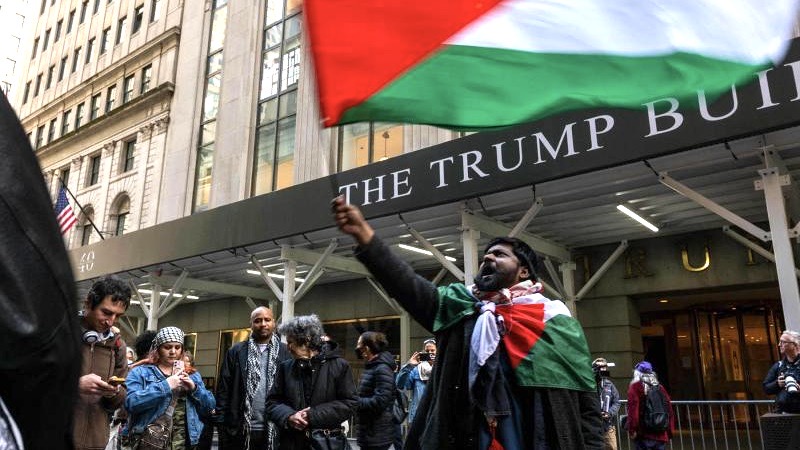
Early in my theological studies, two trends seemed inevitable for America: a rise in homegrown terrorism linked to radical Islam, and growing persecution of the Jewish people. Today, we are witnessing these expectations unfold in real time—developments many could scarcely imagine just a few years ago.
Sadly, most churches offer little explanation for what we see and, at times, respond with dismissive hostility. Some of this is rooted in cowardice, yet much more in the adherence to what we refer to as ‘replacement theology.’ Yet for those familiar with dispensational, biblical prophecy concerning the days preceding Christ’s return, these events align precisely with Scripture.
A few decades ago, ethnic jokes targeting Jews were common, though society largely moved beyond this casual bigotry. In recent years, however, Jewish communities in America (and worldwide) have faced a sharp, statistically undeniable surge in (physical) hostility and antisemitic rhetoric. This trend appears not only here at home but across the nations.
For Christians who anticipate the imminent return of Christ and the rapture of the church, these developments are expected—and ultimately point to a hopeful outcome. What is that outcome? They point toward the fulfillment of prophetic promises like those in Zechariah 12, where God declares His defense of Israel, as they face future worldwide opposition … if left unchecked, would lead to their ultimate annihilation.
As believers, we affirm God’s sovereignty over history and recognize the spiritual dimension behind world events: “For we do not wrestle against flesh and blood, but against principalities, against powers, against the rulers of the darkness of this age, against spiritual hosts of wickedness in the heavenly places” (Eph. 6:12). These spiritual realities often manifest through political and cultural structures.
One significant development in the last decade has provided a fresh opening for fanning the flames of antisemitism: the intense polarization of political identity. Today, many define themselves primarily by their political tribe—right versus left, conservative versus liberal—creating a “we-they” siege mentality. A party personality more often than not eclipses concern about policy.
A striking example of all of this is “Trump Derangement Syndrome” (TDS), the term describing visceral emotional opposition to President Donald Trump. Even California Governor Gavin Newsom has acknowledged the existence of TDS, while referencing a parallel phenomenon with regards to the perception of California… sorry, I live here, it truly is a disaster.
In this hostile political climate, when a leader like President Trump supports Israel—this dynamic produces unintended consequences. Trump’s first term included recognizing Jerusalem as Israel’s capital and moving the U.S. embassy there. In his second term, the U.S.-Israel partnership has deepened, including military coordination amid the ongoing conflict with Iran.
And, it is worth noting that previous Democratic leaders, including Obama, Clinton, Biden, and Harris, routinely identified Iran as a major threat and expressed general support for Israel. Yet once Trump took decisive action, consistent with these concerns, many on the left shifted their positions. Did they suddenly support Iran? Rather, it is more accurate to say that they simply oppose anything Trump is involved with.
Opposition to Trump hasn’t been stagnant; it has morphed into broader narratives accusing “Zionist interests” or Jewish influence of controlling U.S. policy—language that revives classic antisemitic tropes about secret cabals dominating governments and finance. We are living a bygone era all over again…
Many claim they are not antisemitic—think of Tucker Carlson, Candace Owens, etc.—merely “anti-Israeli government” or distrustful of Jewish people. What is the reality? These carefully crafted distinctions collapse into antisemitism.
For Christians holding a dispensational view of Scripture, the persistence and intensification of antisemitism is clear prophetic signaling. Our theology affirms Israel’s ongoing role in God’s redemptive plan and sees many end-times passages as literally involving the Jewish people and the nation of Israel.
Zechariah 12:2–3 warns of a day when Jerusalem becomes “a cup of trembling” to surrounding peoples and “an immovable rock” for the nations: all who attempt to move it will injure themselves. As hostility toward Israel hardens globally, these words appear increasingly relevant.
Satan has targeted the Jewish people from the beginning. The Messiah was to come through them. God entrusted them with His revelation, covenants, the Scriptures, and the launch of worldwide evangelism. From Pharaoh’s slaughter of Hebrew infants to the Holocaust, to the horrors of October 7, 2023, the assault has continued.
In our time, hatred of President Trump has become a powerful vehicle for this ancient enmity to spread.
Believers should not be surprised by these trends. Instead, we recognize them as stage-setting for the return of Christ. Our response must be rooted in prayer, biblical clarity, and unwavering support for God’s chosen people—while remembering that the ultimate victory belongs to the Lord.