
June 19, 2026

June, 19, 2026
June 19, 2026

give

untitled artwork

untitled artwork

World news biblically understood

TRENDING:

Counting The Cost Of War: The Challenge Is Not Securing Peace, But Permanently Removing Iran’s Nuclear Pathway

In chapter 14 of Luke’s Gospel, Jesus explains to the multitude that there is a cost to being His disciple. He warns them to count the cost, so they don’t fall short and turn back when it gets tough.

One of the examples Jesus provided was a king going to war: “What king, going to make war against another king, does not sit down first and consider whether he is able with ten thousand to meet him who comes against him with twenty thousand? Or else, while the other is still a great way off, he sends a delegation and asks conditions of peace.”

That principle came to mind as I followed the ongoing negotiations between the United States and Iran, because the central question before America today is not whether we desire peace, but whether the peace being negotiated achieves the objective for which military force was used in the first place.

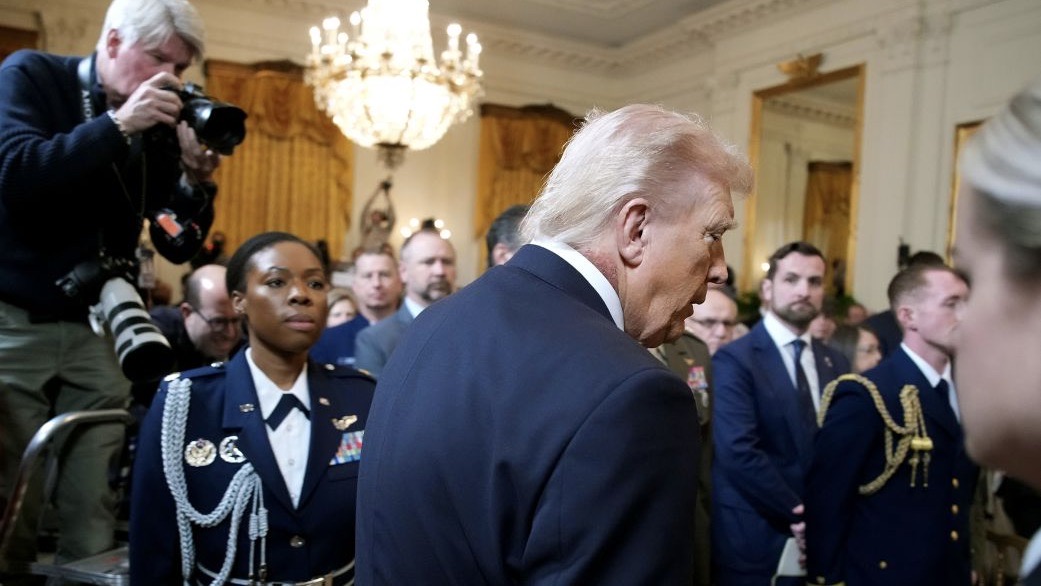
For the record, I supported President Trump’s decisive action toward Iran. Operation Midnight Hammer was decisive, but subsequent intelligence reports revealed that while the strikes significantly set back Iran’s nuclear program, they did not destroy it. In fact, reports indicated Iran was already rebuilding and hardening portions of its nuclear infrastructure.

President Trump has repeatedly stated that Iran cannot be allowed to obtain a nuclear weapon. Yet the ongoing negotiations have produced no indication that Tehran is willing to abandon its nuclear ambitions. In fact, Iranian officials have repeatedly declared that retaining the ability to enrich uranium — and to possess enriched uranium — remains a non-negotiable red line. The opposite side of Iran’s red line must remain a red line for the United States, as history suggests that when red lines become negotiable, they become greenlights for aggression by adversaries. 

Anything short of an Iran that is no longer a nuclear-threshold state would raise serious questions about whether the objective that justified Operation Epic Fury has actually been achieved.

For more than two decades, Iran has mastered not the art of the deal but the art of delay. From the European negotiations in 2003, to the P5+1 talks, to the JCPOA and its aftermath, the pattern has remained remarkably consistent: Iran negotiates, delays, preserves its options, and then continues pursuing its strategic objectives. 

Peace agreements generally hinge on three conditions: first, both sides conclude that continued fighting will not improve their position; second, the disputed objective becomes more expensive to pursue than to compromise on; and third, political leaders can successfully sell the outcome at home.

That brings us to the central questions:

  • Can America, Israel, and the broader international community live with an Iran that remains a nuclear-threshold state?
  • Can the United States improve its position through renewed military action against the Islamist regime?
  • Can President Trump sell an agreement that falls short of the stated objective behind Operation Epic Fury?

Jesus warned that no king should enter a conflict without first counting the cost. The same principle applies to nations. Before declaring victory or securing peace, America must determine whether the objective that justified that cost has actually been achieved. The challenge is not simply securing peace, but securing a peace that permanently removes Iran’s pathway to a nuclear weapon. Getting this wrong could leave future generations confronting an even more dangerous threat under far less favorable circumstances.



give

A Baffling Deal With The Most Untrustworthy Regime On The Planet

It's not hard to imagine what Iran's regime will do with a financial windfall of hundreds of billions of dollars. Again, they will lie low as much as they can until Trump leaves office, and then they will resume pouring those newfound billions into rebuilding their nuclear and missile programs and funding the likes of Hamas and Hezbollah. President Trump is no dummy. He knows what Iran's regime is all about, but it seems the economic factor loomed large here. He warned yesterday of a “global depression” if the Iran issue was not resolved soon.

The Rising Antisemitic Rhetoric In The Name Of Christ Must Be Confronted

This rising antisemitic rhetoric from those claiming the name of Christ must be confronted. It’s affecting the Jewish people in tangible, sometimes bloody ways; and we must denounce it wherever it surfaces. For the many Christians who support Israel and the Jewish people, Scripture—not influencers—must remain our authority. There, we find Paul’s admonition to Gentile believers not to “boast against” the Jewish people, “for the gifts and the calling of God are irrevocable” (Rom. 11:18, 29).

sign up

Jan Markell: You Can’t Have A Genuine Revival With False Doctrine Raging

I hear a dozen evangelists stating that we are on the verge of a great revival. One self-proclaimed prophet says that a billion souls will come to faith in the coming weeks and months. If my Rapture is imminent, how can there be an imminent revival? Which is it? The Bible does talk about a coming revival. The question concerns its timing. Is it in the coming days, or is it after the Rapture when the “left behind” world realizes they should have listened to believers like you and me, get a second chance, and multitudes come to faith?

ABC's of Salvation

Decision

UTT

FOI

untitled artwork

Israel My Glory

In chapter 14 of Luke’s Gospel, Jesus explains to the multitude that there is a cost to being His disciple. He warns them to count the cost, so they don’t fall short and turn back when it gets tough.

One of the examples Jesus provided was a king going to war: “What king, going to make war against another king, does not sit down first and consider whether he is able with ten thousand to meet him who comes against him with twenty thousand? Or else, while the other is still a great way off, he sends a delegation and asks conditions of peace.”

That principle came to mind as I followed the ongoing negotiations between the United States and Iran, because the central question before America today is not whether we desire peace, but whether the peace being negotiated achieves the objective for which military force was used in the first place.

For the record, I supported President Trump’s decisive action toward Iran. Operation Midnight Hammer was decisive, but subsequent intelligence reports revealed that while the strikes significantly set back Iran’s nuclear program, they did not destroy it. In fact, reports indicated Iran was already rebuilding and hardening portions of its nuclear infrastructure.

President Trump has repeatedly stated that Iran cannot be allowed to obtain a nuclear weapon. Yet the ongoing negotiations have produced no indication that Tehran is willing to abandon its nuclear ambitions. In fact, Iranian officials have repeatedly declared that retaining the ability to enrich uranium — and to possess enriched uranium — remains a non-negotiable red line. The opposite side of Iran’s red line must remain a red line for the United States, as history suggests that when red lines become negotiable, they become greenlights for aggression by adversaries. 

Anything short of an Iran that is no longer a nuclear-threshold state would raise serious questions about whether the objective that justified Operation Epic Fury has actually been achieved.

For more than two decades, Iran has mastered not the art of the deal but the art of delay. From the European negotiations in 2003, to the P5+1 talks, to the JCPOA and its aftermath, the pattern has remained remarkably consistent: Iran negotiates, delays, preserves its options, and then continues pursuing its strategic objectives. 

Peace agreements generally hinge on three conditions: first, both sides conclude that continued fighting will not improve their position; second, the disputed objective becomes more expensive to pursue than to compromise on; and third, political leaders can successfully sell the outcome at home.

That brings us to the central questions:

  • Can America, Israel, and the broader international community live with an Iran that remains a nuclear-threshold state?
  • Can the United States improve its position through renewed military action against the Islamist regime?
  • Can President Trump sell an agreement that falls short of the stated objective behind Operation Epic Fury?

Jesus warned that no king should enter a conflict without first counting the cost. The same principle applies to nations. Before declaring victory or securing peace, America must determine whether the objective that justified that cost has actually been achieved. The challenge is not simply securing peace, but securing a peace that permanently removes Iran’s pathway to a nuclear weapon. Getting this wrong could leave future generations confronting an even more dangerous threat under far less favorable circumstances.

Trusted Analysis From A Biblical Worldview

Help reach the lost and equip the church with the living and active truth of God's Word in our world today.

YOU CARE ABOUT

BIBLICAL TRUTH. SO DO WE.


Together, We Can Deliver A Biblical Understanding

Of News Events Around The World.

A Baffling Deal With The Most Untrustworthy Regime On The Planet

It's not hard to imagine what Iran's regime will do with a financial windfall of hundreds of billions of dollars. Again, they will lie low as much as they can until Trump leaves office, and then they will resume pouring those newfound billions into rebuilding their nuclear and missile programs and funding the likes of Hamas and Hezbollah. President Trump is no dummy. He knows what Iran's regime is all about, but it seems the economic factor loomed large here. He warned yesterday of a “global depression” if the Iran issue was not resolved soon.

The Rising Antisemitic Rhetoric In The Name Of Christ Must Be Confronted

This rising antisemitic rhetoric from those claiming the name of Christ must be confronted. It’s affecting the Jewish people in tangible, sometimes bloody ways; and we must denounce it wherever it surfaces. For the many Christians who support Israel and the Jewish people, Scripture—not influencers—must remain our authority. There, we find Paul’s admonition to Gentile believers not to “boast against” the Jewish people, “for the gifts and the calling of God are irrevocable” (Rom. 11:18, 29).

untitled artwork 6391

Jan Markell: You Can’t Have A Genuine Revival With False Doctrine Raging

I hear a dozen evangelists stating that we are on the verge of a great revival. One self-proclaimed prophet says that a billion souls will come to faith in the coming weeks and months. If my Rapture is imminent, how can there be an imminent revival? Which is it? The Bible does talk about a coming revival. The question concerns its timing. Is it in the coming days, or is it after the Rapture when the “left behind” world realizes they should have listened to believers like you and me, get a second chance, and multitudes come to faith?

ABC's of Salvation

TV AD

worldview matters

Decision Magazine V AD

Decision

Jan Markell

Israel My Glory

Erick Stakelbeck

untitled artwork

YOU CARE ABOUT

BIBLICAL TRUTH.

SO DO WE.

Together, We Can Deliver A Biblical Understanding Of News Events Around The World And Equip The Church To Stand With A Biblical Worldview.

untitled artwork

Israel My Glory

YOU CARE ABOUT

BIBLICAL TRUTH.

SO DO WE.


Together, We Can Deliver A Biblical Understanding Of News Events Around The World And Equip The Church To Stand With A Biblical Worldview.