The deadline came—and went. Remember that Memorandum of Understanding (MOU) signed back in June between the United States and Iran? There was a 60-day window for that MOU to forge a lasting deal between the U.S. and the Iranian regime. Obviously, that did not work, not because of the best efforts of the United States or the Trump administration, but because we are dealing with an apocalyptic jihadist death cult.
I’ve said it many times over the years—not only since the war launched in February—the Iranian regime is demonic. Its wicked operation slaughters its own people, develops nuclear weapons and ballistic missiles, sponsors terror throughout the region, is devoted to the destruction of Israel, America, and all the rest.
It was very unlikely from the outset that any sort of credible deal was possible with a group of Islamic fanatics. And now we know the answer. The MOU is out the window.
So what comes next?
We got a picture of the answer earlier today from Iran’s army chief, who just announced that he is putting a $30,000 bounty on the heads of U.S. soldiers.
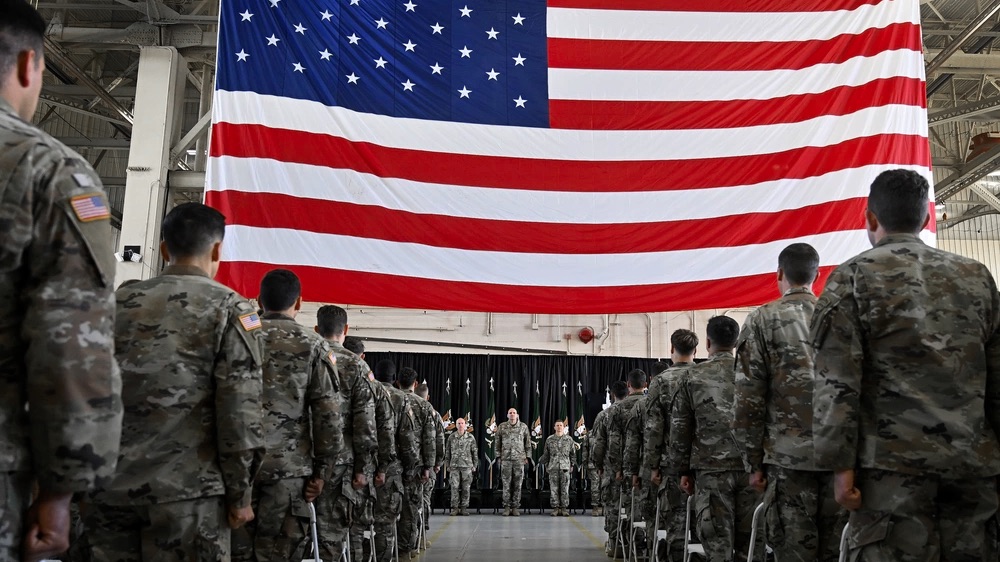
There are approximately 50,000 U.S. soldiers currently in the Middle East. Any Iranian who kills or captures one of those U.S. soldiers gets $30,000—with the pot sweetened to $60,000 for female Iranians willing to carry out the regime’s orders.
Needless to say, these kinds of actions and rhetoric from the head of Iran’s army don’t increase the likelihood of a deal.
I never liked the memorandum of understanding. I knew we would end up here. This was the inevitable response when you’re negotiating with an intransigent regime that desires conquest and jihad—not peace.
A new “warning” emerged from an Iranian official on Sunday, who personally threatened President Trump.
“The US President ought to worry about his own security rather than his endless bluffing regarding the Strait of Hormuz; before he ends up hiding in a food truck,” Ebrahim Azizi, head of the Iranian Parliament’s National Security Commission, wrote on X, alluding to the President swapping flights home from Turkey late last month because of the very persistent threat of Iranian shoulder-fired missiles targeting Air Force One.
Now the Iranian regime is blustering, mocking, and threatening U.S. soldiers directly. This is likely going to get a whole lot worse before it gets better.
Here’s the good news. The United States has all the leverage. President Trump is playing the long game.
With midterm elections coming up in early November, the average politician would put his finger to the wind and back down: “Let’s pull the troops out, declare victory, and go home!” To his credit, and despite midterms, the President is saying, “I have all the time in the world.”
Trump is doing the right thing by confronting the world’s number one state sponsor of terrorism before the Islamist regime can acquire nuclear weapons.
Eventually, you would think, in October as the midterms get closer, Iran will try to up the ante, so to speak—increasing its military and terror operations, God forbid, in an effort to affect the midterm elections and sway them in favor of Democrats.
What Iran wants is a weakened Trump. If the President loses control of Congress, it would be a major impediment to advancing his agenda. Renewed nonsensical impeachment efforts could easily be a result if Democrats control the House of Representatives.
That is a worst-case scenario that Iran greatly desires to come to fruition.
They believe if President Trump becomes unpopular through high oil prices and a hot war in the Middle East, it looks bad for Republicans.
That’s Iran’s view. On paper, it’s correct. But I’m not convinced.
They are reportedly having conversations with their proxies behind the scenes. When Iran wants to ramp things up historically, where do they go? Proxy warfare—Hamas, Hezbollah, the Houthis.
The bad news for the proxies is that they have also been severely weakened. Hezbollah, still formidable, is a shell of what it was. Hamas is largely crushed. The Houthis have been depleted, but remain with lethal capabilities: rockets, missiles, and drones. It’s nothing to sneeze at, far from it. They can still cause a lot of havoc.
Could the situation dramatically escalate in the months to come? Don’t be surprised, but pray it isn’t the case.