November 3, 2026

November, 3, 2026
November 3, 2026

give

untitled artwork

untitled artwork

World news biblically understood

TRENDING:

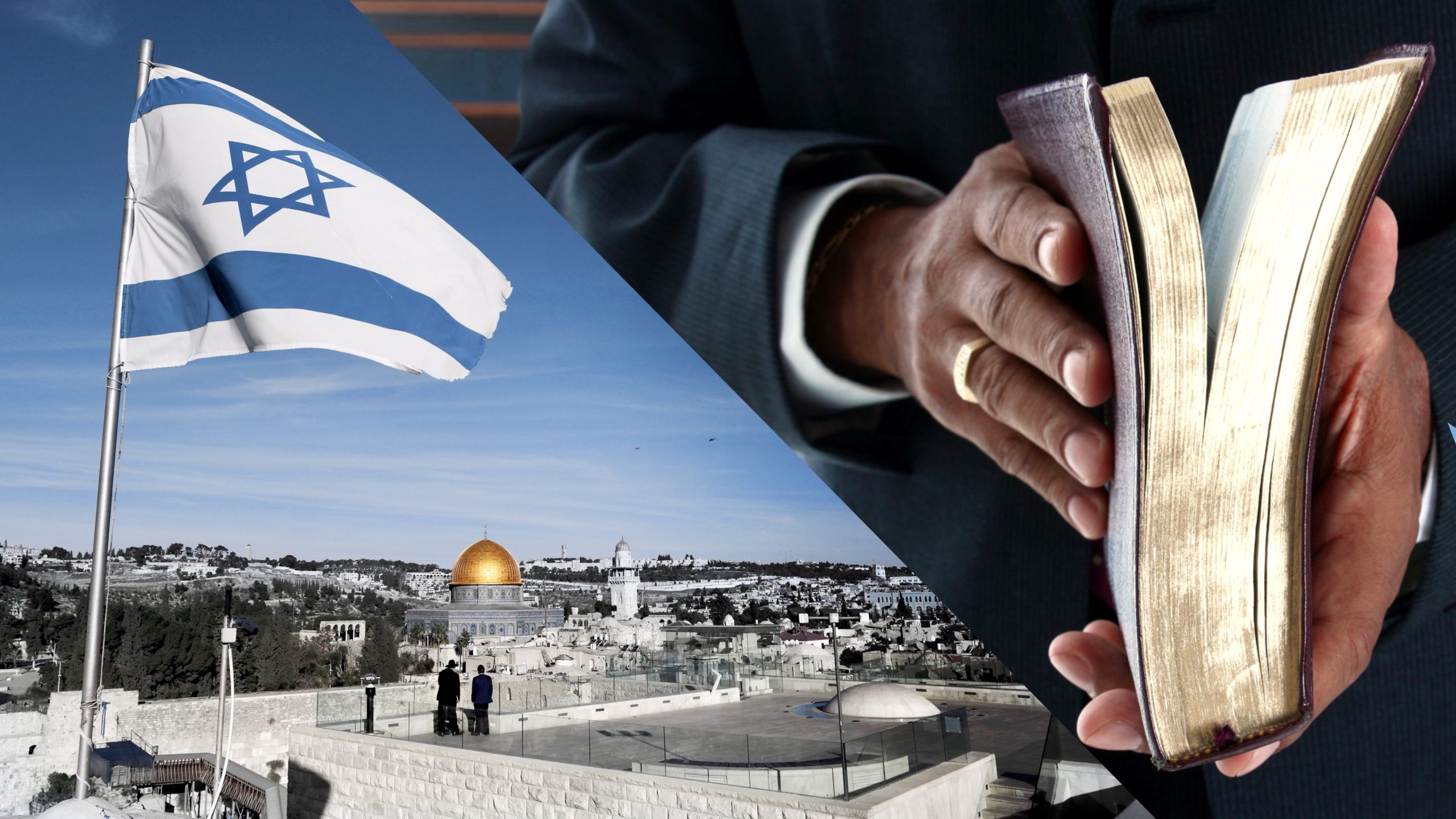
A Proper Knowledge Of Israel And Eschatology Is Essential To Our Understanding Of God’s Word

I wonder if people ask you, like they ask me, “Why do you focus so much on Israel? Why not focus only on the gospel and how to live out our Christian lives today?”

Here are eight reasons why the Bible says Israel really does matter so much and why Christians should focus on the nation.

1. Without Israel, we do not have the gospel.

Jesus said that “salvation is of the Jews” (John 4:22). The message of reconciliation and peace with God didn’t originate with any Gentile nation or even the church. It was through God’s promise to Abraham, of descendants and a great nation, that the world would be blessed (Genesis 12:1–3). God set apart Israel for His purposes and to represent Him in the world (Exodus 19:5–6).

2. Without Israel, we do not have our Jewish Savior, Jesus Christ.

Jesus Christ, according to the flesh, is the descendant of Israel’s patriarchs—Abraham, Isaac, and Jacob (Romans 9:5). He is identified with the people of Israel, as the apostle John wrote, “He came to His own, and His own did not receive Him” (John 1:11). Jesus also confirmed He was the King of the Jews (Mark 15:2).

3. Without Israel, we do not have the revelation of God’s Word and will for our lives.

The covenants, the giving of the Law, the service of God, and the promises belong to Israel (Romans 9:4). These are presented throughout the Old Testament Scriptures for our knowledge and benefit (2 Timothy 3:16–17). We also owe our New Testament Scriptures to Jewish authors. 

4. Without Israel, we do not have a tree of spiritual blessing to be grafted into.

By God’s grace, Gentiles have been “grafted into the olive tree” (cf. Romans 11:17–18). This tree represents the covenantal blessings of salvation, originally given to Israel, through the Abrahamic Covenant. Gentiles are therefore commanded not to have any arrogance toward Israel in its temporary rejection of Christ, for Gentiles are not the root source of blessing but participants by God’s grace. 

5. Without Israel, we do not have the foundation of the church.

The church was built on the foundation of the apostles and prophets, who are of Israel (Ephesians 2:2). Furthermore, the composition of the early church was predominantly Jewish. The church gradually transitioned to a greater “Gentile membership” under the ministry of the apostle Paul. However, we owe the establishment of the Christian church to Jewish believers in Christ.

6. Without Israel, we do not have the Second Coming of Jesus.

Biblical prophecy reveals that, in response to Israel calling on His name, Jesus Christ will return in glory to this earth to save the nation at the climax of the Tribulation. Jesus declared to Israel, “You shall see Me no more till you say, ‘Blessed is He who comes in the name of the LORD’” (Matthew 23:39). 

The prophet Zechariah also highlighted the Israel-centric return of Christ. God will pour out a spirit of grace upon the remnant of Israel to recognize Jesus as its true Messiah, to repent and call upon His name (12:10; 13:9). Jesus will then fight on Israel’s behalf against the nations gathered against it. He will physically return to Jerusalem and stand on the Mount of Olives, causing it to split in two (14:1–5). And from that day, Jesus Christ will be King over all the earth (14:9).

7. Without Israel, we do not have a future Kingdom to inherit.

Jesus Christ, as King David’s “greater son,” will fulfill God’s covenant to establish David’s throne forever. Jesus will be Israel’s King and rule His Kingdom from David’s throne in Jerusalem (2 Samuel 7:12–16). In his gospel, Luke confirms that Jesus fulfills this promise to David (1:32–33).

Israel also will be the central nation of Christ’s Kingdom on Earth. The prophet Jeremiah prophesied, “At that time Jerusalem shall be called The Throne of the LORD, and all the nations shall be gathered to it, to the name of the LORD, to Jerusalem” (Jeremiah 3:17; cf. Isaiah 2:2–5; Zechariah 8:22–23).

8. Without Israel, we do not have assurance of the gospel and our salvation.

If God can reject Israel and revoke His unconditional promises, He can also reject us and revoke our promises of salvation and eternal life (Romans 11). However, despite Israel’s present disobedience in rejection of Christ, by no means has God rejected Israel (v. 1)! For the gifts and calling of God are irrevocable (v. 29). 

Likewise, despite our disobedience, we receive salvation by the mercy of God through faith in Christ. And this salvation is eternally assured by the demonstration of God’s eternal faithfulness to Israel. 

The gospel, our assurance of salvation, and the fulfillment of God’s promises are all tied to Israel. That’s why Israel matters so much! And that’s why teaching about Israel and eschatology is not only necessary but essential to our understanding of God’s Word and the hope we have in our soon-coming Savior, Israel’s Messiah, Jesus Christ.


Why Christians Have A Biblical Responsibility To Participate In The Political Process

With the 2026 midterm elections just days away, millions of Americans are preparing to cast their ballots in an election that will have significant implications for the nation’s future. With control of Congress hanging in the balance, voters will help determine the legislative agenda and political trajectory of the next two years. For Christians, the election raises questions that go beyond political parties, candidates, and policy preferences. Is voting merely a civic privilege, or does Scripture provide a theological framework for understanding it as an act of stewardship and love of neighbor? And what role should pastors and churches play in equipping believers to exercise this responsibility faithfully? As Americans prepare to head to the polls next Tuesday, these questions invite us to consider a more fundamental issue: whether Christians have a Biblical responsibility to participate in the political process.

A Barbaric Death Penalty: Politicians, Doctors, The Abortion Industry, And The Media Have Lied To Mothers

Sadly, the abortion industry continues to either deny the level of pain inflicted upon the preborn or bury the evidence by introducing “expert” reports that contain deliberately vague language which seeks to assure mothers that abortion does not cross any moral barriers. Although a consensus on the impact of pain on the preborn would be a positive step in educating the public, the reality is that pain tolerance does not excuse the injustice perpetrated in abortion clinics.

sign up

The Church Cannot Remain Silent On Biblical Matters Because They Have Been Declared ‘Political’

Jesus called His followers the salt of the earth and the light of the world. Neither image suggests withdrawal. Both describe engagement that makes a difference. So the issue is not whether the church should become political. It is whether Christians will remain biblical when biblical truth has political consequences. Our calling is neither to become the mouthpiece of a party nor to retreat into silence. It is to stand on God’s word, defend what is right, confront what is wrong, and speak with courage — even when the culture would rather we remain silent.

ABC's of Salvation

Decision

christ in prophecy

christ in prophecy

Decision

untitled artwork

Israel My Glory

I wonder if people ask you, like they ask me, “Why do you focus so much on Israel? Why not focus only on the gospel and how to live out our Christian lives today?”

Here are eight reasons why the Bible says Israel really does matter so much and why Christians should focus on the nation.

1. Without Israel, we do not have the gospel.

Jesus said that “salvation is of the Jews” (John 4:22). The message of reconciliation and peace with God didn’t originate with any Gentile nation or even the church. It was through God’s promise to Abraham, of descendants and a great nation, that the world would be blessed (Genesis 12:1–3). God set apart Israel for His purposes and to represent Him in the world (Exodus 19:5–6).

2. Without Israel, we do not have our Jewish Savior, Jesus Christ.

Jesus Christ, according to the flesh, is the descendant of Israel’s patriarchs—Abraham, Isaac, and Jacob (Romans 9:5). He is identified with the people of Israel, as the apostle John wrote, “He came to His own, and His own did not receive Him” (John 1:11). Jesus also confirmed He was the King of the Jews (Mark 15:2).

3. Without Israel, we do not have the revelation of God’s Word and will for our lives.

The covenants, the giving of the Law, the service of God, and the promises belong to Israel (Romans 9:4). These are presented throughout the Old Testament Scriptures for our knowledge and benefit (2 Timothy 3:16–17). We also owe our New Testament Scriptures to Jewish authors. 

4. Without Israel, we do not have a tree of spiritual blessing to be grafted into.

By God’s grace, Gentiles have been “grafted into the olive tree” (cf. Romans 11:17–18). This tree represents the covenantal blessings of salvation, originally given to Israel, through the Abrahamic Covenant. Gentiles are therefore commanded not to have any arrogance toward Israel in its temporary rejection of Christ, for Gentiles are not the root source of blessing but participants by God’s grace. 

5. Without Israel, we do not have the foundation of the church.

The church was built on the foundation of the apostles and prophets, who are of Israel (Ephesians 2:2). Furthermore, the composition of the early church was predominantly Jewish. The church gradually transitioned to a greater “Gentile membership” under the ministry of the apostle Paul. However, we owe the establishment of the Christian church to Jewish believers in Christ.

6. Without Israel, we do not have the Second Coming of Jesus.

Biblical prophecy reveals that, in response to Israel calling on His name, Jesus Christ will return in glory to this earth to save the nation at the climax of the Tribulation. Jesus declared to Israel, “You shall see Me no more till you say, ‘Blessed is He who comes in the name of the LORD’” (Matthew 23:39). 

The prophet Zechariah also highlighted the Israel-centric return of Christ. God will pour out a spirit of grace upon the remnant of Israel to recognize Jesus as its true Messiah, to repent and call upon His name (12:10; 13:9). Jesus will then fight on Israel’s behalf against the nations gathered against it. He will physically return to Jerusalem and stand on the Mount of Olives, causing it to split in two (14:1–5). And from that day, Jesus Christ will be King over all the earth (14:9).

7. Without Israel, we do not have a future Kingdom to inherit.

Jesus Christ, as King David’s “greater son,” will fulfill God’s covenant to establish David’s throne forever. Jesus will be Israel’s King and rule His Kingdom from David’s throne in Jerusalem (2 Samuel 7:12–16). In his gospel, Luke confirms that Jesus fulfills this promise to David (1:32–33).

Israel also will be the central nation of Christ’s Kingdom on Earth. The prophet Jeremiah prophesied, “At that time Jerusalem shall be called The Throne of the LORD, and all the nations shall be gathered to it, to the name of the LORD, to Jerusalem” (Jeremiah 3:17; cf. Isaiah 2:2–5; Zechariah 8:22–23).

8. Without Israel, we do not have assurance of the gospel and our salvation.

If God can reject Israel and revoke His unconditional promises, He can also reject us and revoke our promises of salvation and eternal life (Romans 11). However, despite Israel’s present disobedience in rejection of Christ, by no means has God rejected Israel (v. 1)! For the gifts and calling of God are irrevocable (v. 29). 

Likewise, despite our disobedience, we receive salvation by the mercy of God through faith in Christ. And this salvation is eternally assured by the demonstration of God’s eternal faithfulness to Israel. 

The gospel, our assurance of salvation, and the fulfillment of God’s promises are all tied to Israel. That’s why Israel matters so much! And that’s why teaching about Israel and eschatology is not only necessary but essential to our understanding of God’s Word and the hope we have in our soon-coming Savior, Israel’s Messiah, Jesus Christ.


Trusted Analysis From A Biblical Worldview

Help reach the lost and equip the church with the living and active truth of God's Word in our world today.

YOU CARE ABOUT

BIBLICAL TRUTH. SO DO WE.


Together, We Can Deliver A Biblical Understanding

Of News Events Around The World.

Why Christians Have A Biblical Responsibility To Participate In The Political Process

With the 2026 midterm elections just days away, millions of Americans are preparing to cast their ballots in an election that will have significant implications for the nation’s future. With control of Congress hanging in the balance, voters will help determine the legislative agenda and political trajectory of the next two years. For Christians, the election raises questions that go beyond political parties, candidates, and policy preferences. Is voting merely a civic privilege, or does Scripture provide a theological framework for understanding it as an act of stewardship and love of neighbor? And what role should pastors and churches play in equipping believers to exercise this responsibility faithfully? As Americans prepare to head to the polls next Tuesday, these questions invite us to consider a more fundamental issue: whether Christians have a Biblical responsibility to participate in the political process.

A Barbaric Death Penalty: Politicians, Doctors, The Abortion Industry, And The Media Have Lied To Mothers

Sadly, the abortion industry continues to either deny the level of pain inflicted upon the preborn or bury the evidence by introducing “expert” reports that contain deliberately vague language which seeks to assure mothers that abortion does not cross any moral barriers. Although a consensus on the impact of pain on the preborn would be a positive step in educating the public, the reality is that pain tolerance does not excuse the injustice perpetrated in abortion clinics.

untitled artwork 6391

The Church Cannot Remain Silent On Biblical Matters Because They Have Been Declared ‘Political’

Jesus called His followers the salt of the earth and the light of the world. Neither image suggests withdrawal. Both describe engagement that makes a difference. So the issue is not whether the church should become political. It is whether Christians will remain biblical when biblical truth has political consequences. Our calling is neither to become the mouthpiece of a party nor to retreat into silence. It is to stand on God’s word, defend what is right, confront what is wrong, and speak with courage — even when the culture would rather we remain silent.

ABC's of Salvation

TV AD

worldview matters

Decision Magazine V AD

Decision

Jan Markell

Israel My Glory

Erick Stakelbeck

untitled artwork

YOU CARE ABOUT

BIBLICAL TRUTH.

SO DO WE.

Together, We Can Deliver A Biblical Understanding Of News Events Around The World And Equip The Church To Stand With A Biblical Worldview.

untitled artwork

Israel My Glory

YOU CARE ABOUT

BIBLICAL TRUTH.

SO DO WE.


Together, We Can Deliver A Biblical Understanding Of News Events Around The World And Equip The Church To Stand With A Biblical Worldview.