May 9, 2026

May, 9, 2026
May 9, 2026

give

untitled artwork

untitled artwork

World news biblically understood

TRENDING:

With Iranian Support, Drones Are Becoming a Larger Threat to Israel – Analysis

Iran has pioneered drones by copying US drones, such as the Predator or Sentinel. It has also copied other drone models it has seen around the world.

An incident on Tuesday in which an unmanned aerial vehicle was shot down in the North after it approached the border represents a growing drone threat to Israel. The IDF shot down the Iranian UAV with an Apache helicopter near Beit She’an.

An Iranian drone carrying explosives and flown from Syria’s T-4 base in February 2018 also penetrated the same area.

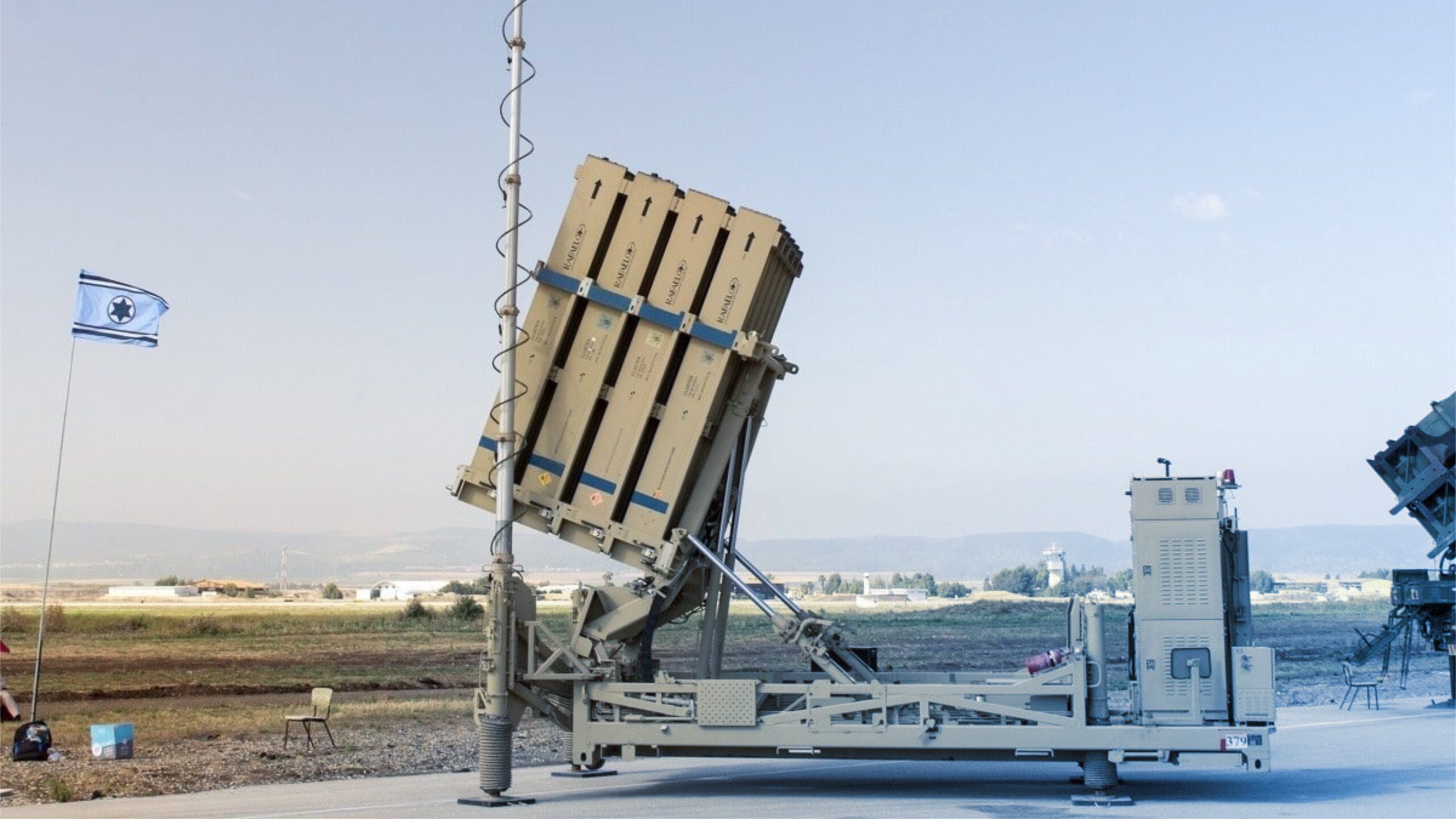
Israel has had to contend with growing drone threats during this war in Gaza as well. By Monday, at least six drones had been shot down. Israel used Iron Dome for the first time in combat to take down at least one of the drones. An F-16 shot down another.

The drone threat is increasing, and it is modeled on Iran’s drone army, which the Islamic Republic has pioneered over recent decades.

Tehran has several lines of military drones, some of which are used for surveillance. But many of them are armed.

Iran’s drone strategy is to use them like cruise missiles. You pack them with explosives, put a gyroscope and guidance on them, and then they fly to a preplanned target. They slam into the target and blow up.

This is not unlike the German V-1 rocket of World War II, but it is a bit more complex.

Iran has pioneered them by copying US drones, such as the Predator or Sentinel. It has also copied other drone models it has seen around the world. In addition, it developed some of its own unique models.

The Ababil drone line, for instance, has been exported to the Houthis in Yemen as the Qasef. This drone is launched from a rail or catapult and flies several hundred kilometers to carry out an attack. Hamas has showcased its Shehab drones, which are similar to the Ababil and Qasef, during the recent war.

ISRAEL HAS had to contend not only with UAVs flown by Hamas but also drones that have been spotted on the Lebanese border in recent years and others that flew into Israeli airspace from Syria.

In July 2018, there were two incidents involving drones flying toward Israel from Syria. The IDF used a Patriot missile to shoot at them. One of them penetrated Israeli airspace for a few kilometers before being shot down by the Patriot.

In these cases, Israel says it monitors the drones before shooting them down. For instance, the May 18 incident included the following IDF explanation: “Earlier this morning, a UAV approaching the Israeli border in the Emek HaMa’ayanot area was intercepted after being monitored by the Israel Air Force. The UAV fragments were collected by security forces.”

While not all details are known about the increasing drone threat, it is clear that the last three years have seen an uptick in drone activity on Israel’s Syria, Lebanon and Gaza borders.

Israel is not alone in dealing with the threat: Saudi Arabia has been confronting the Iranian-backed Houthi drones.

Iran attacked Saudi Arabia in September 2019 using drones and cruise missiles. Pro-Iran forces in Iraq have used drones against US facilities there, including carrying out at least two drone attacks this year. Tehran is behind all of this in Yemen, Iraq and Gaza, as well as Syria and Lebanon. Iran is a kind of drone octopus exporting its drones around the region.

IRAN’S DRONES bring something to the battlefield that was not there before. Prior to the Iran drone threat, the main problem was terrorist groups such as ISIS repurposing quadcopters they bought via civilian channels.

For instance, US Central Command Commander Gen. Kenneth McKenzie has warned for a year that drones acquired off the shelf at big-box stores such as Costco are a major threat. He is referring to these small quadcopters, like the DJI line.

These drones can also be built with kits that are not much more sophisticated than Lego tech. Once constructed, they can be programmed and can carry payloads, such as a grenade. ISIS used things like this in the battle for Mosul in 2017. These kinds of drones can be jammed and have a short range.

The Iranian drone threat is much larger and includes drones the size of a person up to the size of a small plane. Often called malat or cli tais in Hebrew, they are essentially large, remote-controlled aircraft. However, because they fly a preprogrammed path to their target, they cannot necessarily be jammed.

That means they are more like a cruise missile. Sometimes they are referred to as “suicide” or “kamikaze” drones. Some are also called “loitering munitions” because they can “loiter” over a target before flying into it.But Iran’s drones don’t really loiter; they just fly into things. Israel, a pioneer of its own lines of loitering munitions, is an expert in defending against drones with a plethora of anti-drone systems.

These now include Iron Dome, Drone Dome, Re-Drone, Drone Guard, Xtend’s series of net-shooting drones used by special forces, Skylock and other systems. As the threat grows, so does the solution.


Give

Give

Opposition To Israel vs Biblical Zionism: Are We On God’s Side?

Being on God's side is reassuring. It is based on our obedience, service, and humility. We know our place in God's family, and we would never pretend to have God on our side in a subservient position. There really is a difference between the two approaches. Being on God's side is the same as being in God's will, and there is no better place to be to understand His Word and His specific plan for the believers, for Israel, and for the Jewish people.

Parents Need To Talk With Teens About AI From The Foundation Of God’s Word

According to Pew Research, 1 in 3 teens use chatbots—which is more than parents realize. Another study reported that 1 in 5 teens has been romantically involved with AI or knows someone who has. Parents need to talk with teens about AI. More than ever, families must disciple young people to use technology wisely from the foundation of God’s Word.

sign up

We Really Are In A Raging War: University Professor Says He Is Waiting For Me To Die

The evolutionary worldview is a religion, one that’s practiced by those who attack Christianity. They have a nontheistic religion; in fact, evolution fits one of the Merriam-Webster dictionary definitions of religion: “a cause, principle, or system of beliefs held to with ardor and faith.” The dictionary definition of religion certainly describes the worldview of evolutionary naturalism. The beliefs of evolutionism purport to explain the entire world’s existence by means of evolutionary naturalism, and thus, it is an all-encompassing faith—a religious worldview.

ABC's of Salvation

Decision

UTT

FOI

untitled artwork

Israel My Glory

Iran has pioneered drones by copying US drones, such as the Predator or Sentinel. It has also copied other drone models it has seen around the world.

An incident on Tuesday in which an unmanned aerial vehicle was shot down in the North after it approached the border represents a growing drone threat to Israel. The IDF shot down the Iranian UAV with an Apache helicopter near Beit She’an.

An Iranian drone carrying explosives and flown from Syria’s T-4 base in February 2018 also penetrated the same area.

Israel has had to contend with growing drone threats during this war in Gaza as well. By Monday, at least six drones had been shot down. Israel used Iron Dome for the first time in combat to take down at least one of the drones. An F-16 shot down another.

The drone threat is increasing, and it is modeled on Iran’s drone army, which the Islamic Republic has pioneered over recent decades.

Tehran has several lines of military drones, some of which are used for surveillance. But many of them are armed.

Iran’s drone strategy is to use them like cruise missiles. You pack them with explosives, put a gyroscope and guidance on them, and then they fly to a preplanned target. They slam into the target and blow up.

This is not unlike the German V-1 rocket of World War II, but it is a bit more complex.

Iran has pioneered them by copying US drones, such as the Predator or Sentinel. It has also copied other drone models it has seen around the world. In addition, it developed some of its own unique models.

The Ababil drone line, for instance, has been exported to the Houthis in Yemen as the Qasef. This drone is launched from a rail or catapult and flies several hundred kilometers to carry out an attack. Hamas has showcased its Shehab drones, which are similar to the Ababil and Qasef, during the recent war.

ISRAEL HAS had to contend not only with UAVs flown by Hamas but also drones that have been spotted on the Lebanese border in recent years and others that flew into Israeli airspace from Syria.

In July 2018, there were two incidents involving drones flying toward Israel from Syria. The IDF used a Patriot missile to shoot at them. One of them penetrated Israeli airspace for a few kilometers before being shot down by the Patriot.

In these cases, Israel says it monitors the drones before shooting them down. For instance, the May 18 incident included the following IDF explanation: “Earlier this morning, a UAV approaching the Israeli border in the Emek HaMa’ayanot area was intercepted after being monitored by the Israel Air Force. The UAV fragments were collected by security forces.”

While not all details are known about the increasing drone threat, it is clear that the last three years have seen an uptick in drone activity on Israel’s Syria, Lebanon and Gaza borders.

Israel is not alone in dealing with the threat: Saudi Arabia has been confronting the Iranian-backed Houthi drones.

Iran attacked Saudi Arabia in September 2019 using drones and cruise missiles. Pro-Iran forces in Iraq have used drones against US facilities there, including carrying out at least two drone attacks this year. Tehran is behind all of this in Yemen, Iraq and Gaza, as well as Syria and Lebanon. Iran is a kind of drone octopus exporting its drones around the region.

IRAN’S DRONES bring something to the battlefield that was not there before. Prior to the Iran drone threat, the main problem was terrorist groups such as ISIS repurposing quadcopters they bought via civilian channels.

For instance, US Central Command Commander Gen. Kenneth McKenzie has warned for a year that drones acquired off the shelf at big-box stores such as Costco are a major threat. He is referring to these small quadcopters, like the DJI line.

These drones can also be built with kits that are not much more sophisticated than Lego tech. Once constructed, they can be programmed and can carry payloads, such as a grenade. ISIS used things like this in the battle for Mosul in 2017. These kinds of drones can be jammed and have a short range.

The Iranian drone threat is much larger and includes drones the size of a person up to the size of a small plane. Often called malat or cli tais in Hebrew, they are essentially large, remote-controlled aircraft. However, because they fly a preprogrammed path to their target, they cannot necessarily be jammed.

That means they are more like a cruise missile. Sometimes they are referred to as “suicide” or “kamikaze” drones. Some are also called “loitering munitions” because they can “loiter” over a target before flying into it.But Iran’s drones don’t really loiter; they just fly into things. Israel, a pioneer of its own lines of loitering munitions, is an expert in defending against drones with a plethora of anti-drone systems.

These now include Iron Dome, Drone Dome, Re-Drone, Drone Guard, Xtend’s series of net-shooting drones used by special forces, Skylock and other systems. As the threat grows, so does the solution.

Trusted Analysis From A Biblical Worldview

Help reach the lost and equip the church with the living and active truth of God's Word in our world today.

YOU CARE ABOUT

BIBLICAL TRUTH. SO DO WE.


Together, We Can Deliver A Biblical Understanding

Of News Events Around The World.

Opposition To Israel vs Biblical Zionism: Are We On God’s Side?

Being on God's side is reassuring. It is based on our obedience, service, and humility. We know our place in God's family, and we would never pretend to have God on our side in a subservient position. There really is a difference between the two approaches. Being on God's side is the same as being in God's will, and there is no better place to be to understand His Word and His specific plan for the believers, for Israel, and for the Jewish people.

Parents Need To Talk With Teens About AI From The Foundation Of God’s Word

According to Pew Research, 1 in 3 teens use chatbots—which is more than parents realize. Another study reported that 1 in 5 teens has been romantically involved with AI or knows someone who has. Parents need to talk with teens about AI. More than ever, families must disciple young people to use technology wisely from the foundation of God’s Word.

untitled artwork 6391

We Really Are In A Raging War: University Professor Says He Is Waiting For Me To Die

The evolutionary worldview is a religion, one that’s practiced by those who attack Christianity. They have a nontheistic religion; in fact, evolution fits one of the Merriam-Webster dictionary definitions of religion: “a cause, principle, or system of beliefs held to with ardor and faith.” The dictionary definition of religion certainly describes the worldview of evolutionary naturalism. The beliefs of evolutionism purport to explain the entire world’s existence by means of evolutionary naturalism, and thus, it is an all-encompassing faith—a religious worldview.

ABC's of Salvation

TV AD

worldview matters

Decision Magazine V AD

Decision

Jan Markell

Israel My Glory

Erick Stakelbeck

untitled artwork

YOU CARE ABOUT

BIBLICAL TRUTH.

SO DO WE.

Together, We Can Deliver A Biblical Understanding Of News Events Around The World And Equip The Church To Stand With A Biblical Worldview.

untitled artwork

Israel My Glory

YOU CARE ABOUT

BIBLICAL TRUTH.

SO DO WE.


Together, We Can Deliver A Biblical Understanding Of News Events Around The World And Equip The Church To Stand With A Biblical Worldview.