June 22, 2026

June, 22, 2026
June 22, 2026

give

untitled artwork

untitled artwork

World news biblically understood

TRENDING:

Sudan Progresses Toward Religious Liberty

For the first time in eight years, Christians in Sudan were able to publicly celebrate Christmas without fear of government reprisal.

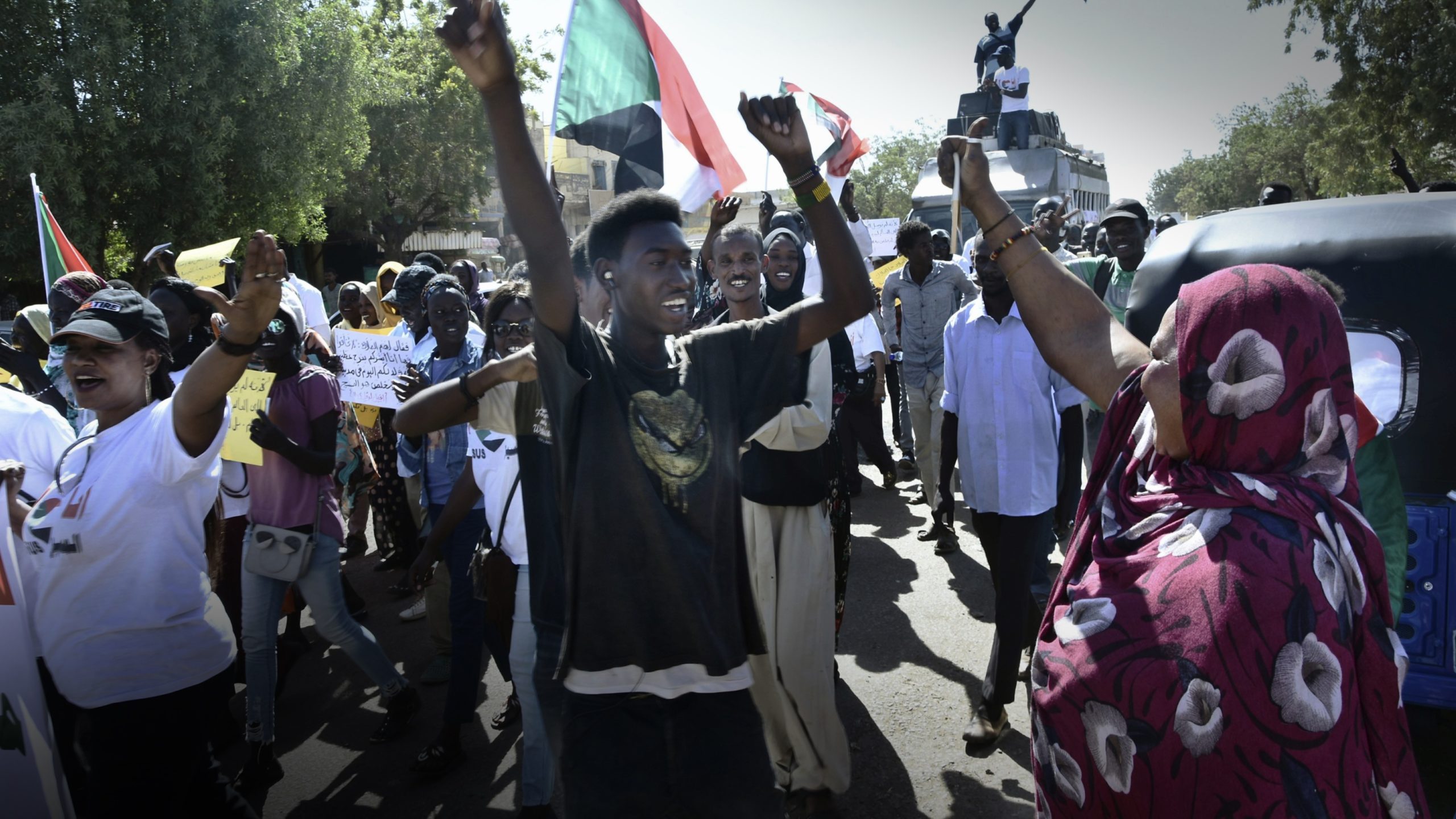
Last week, a small group from Bahri Evangelical Church marched through the streets of Khartoum Bahri, in what is known as the March for Jesus, blaring hymns and lifting their hands in praise to God.

“Hallelujah! Today, we are happy that the Sudanese government has opened up the streets for us so we can express our faith,” said Izdhar Ibrahim, one of the marchers.

Just a year ago, the march would have been considered a crime, but now Christians in Sudan are calling the renewal of the celebration an “expression of religious freedom.”

Following the secession of South Sudan in 2011, Sudanese President Omar al-Bashir suspended the Christmas holiday throughout the country. For years, the authoritarian leader’s government was known for harassing and marginalizing Christians, as well as other religious minorities. Churches were demolished, church properties were seized, and pastors were arrested under al-Bashir’s oppressive regime.

But a months-long uprising beginning December 2018—which eventually resulted in al-Bashir’s removal from office in April—gave Sudanese Christians renewed hope of being able to freely worship in their country. And for good reason.

A transitional government was sworn in on Sept. 8, with Abdalla Hamdok as the country’s prime minister. A Christian woman was appointed to the nation’s interim ruling Sovereign Council, and the constitutional declaration that guides the 39-month transitional period does not refer to Islam as the primary source of legislation in Sudan, but rather leaves room for Christians to have a greater voice in the new administration.

The tide of religious liberty in Sudan seems to be turning.

Anurima Bhargava, a member of the United States Commission on International Religious Freedom, said a commission meeting with Hamdok in early December was “one of the most promising meetings we’ve had.”

In addition, Johnnie Moore, also a USCIRF commissioner, called Hamdok a “transformative figure.”

“If Sudan continues on the path they’ve started, they have the potential of becoming the nation most astonishingly transformed in the shortest period of time,” said Moore. “Two years ago, no one could have imagined.”

And in a statement from US Secretary of State Mike Pompeo on Dec. 20, the State Department announced that Sudan had been dropped from the list of Countries of Particular Concern that engage or tolerate “systematic, ongoing and egregious violations or religious freedom.” Sudan had appeared on the CPC list since 1999. It is now on a special watch list.

Sudan’s Minister of Religious Affairs Nasr al-Din Mufreh, a Muslim himself, addressed the country’s history of Christian persecution.

“I tender my apology for the oppression and the harm enforced on you physically by [the prior government’s] bulldozing of your church buildings, arresting and falsely imprisoning your church leaders and raiding your property,” he said during a press conference on Christmas Day.

Under the current government, December 25 has been restored as a public holiday, and Christians are hopeful that they can now “live life with ease.”


CLICK HERE FOR SOURCE

give

The Clash Of Worldviews: Secular Progressivism Vs Biblical Christianity

To understand the age in which we live, it is important to understand the ideas behind secular progressivism and, more importantly, what its aspirations are. After all, whether the majority of people realise it or not, secular progressivism has the stated goal of organising social life (with or without your consent) toward explicitly chosen goals. Those goals, however, put it in direct conflict with Biblical truth. The major flaw in secular progressivism is its belief that preference trumps truth. Because the maxim of this ideology is that “all preferences are created equal,” any belief which competes with somebody’s “preference” is treated in one of two ways. Either it must be suppressed (usually with the backing of government or media institutions), or it must be branded as a private hobby which is acceptable in the home or inner thought life but not welcome in the public square where others may be influenced by it.

How Allegory Reduces The Bible To Nothing More Than A Work Of Fiction

It is God alone who predicts the future. Prophecy is one of God’s signatures that tells us that we can trust in Him and His Word. It is what separates the Bible from all other religious writings in the world. But if we consistently use allegorical hermeneutics, as Charles Ryrie points out, then in effect what we have just done is reduce the Bible to nothing more than a work of fiction. How tragic! With hermeneutics like that, it is no wonder so many people want nothing to do with Bible prophecy. It is no wonder pastors refuse to preach and teach events concerning the future, and it is no wonder it can be so hard to understand.

sign up

Jan Markell: You Can’t Have A Genuine Revival With False Doctrine Raging

I hear a dozen evangelists stating that we are on the verge of a great revival. One self-proclaimed prophet says that a billion souls will come to faith in the coming weeks and months. If my Rapture is imminent, how can there be an imminent revival? Which is it? The Bible does talk about a coming revival. The question concerns its timing. Is it in the coming days, or is it after the Rapture when the “left behind” world realizes they should have listened to believers like you and me, get a second chance, and multitudes come to faith?

ABC's of Salvation

Decision

UTT

FOI

untitled artwork

Israel My Glory

For the first time in eight years, Christians in Sudan were able to publicly celebrate Christmas without fear of government reprisal.

Last week, a small group from Bahri Evangelical Church marched through the streets of Khartoum Bahri, in what is known as the March for Jesus, blaring hymns and lifting their hands in praise to God.

“Hallelujah! Today, we are happy that the Sudanese government has opened up the streets for us so we can express our faith,” said Izdhar Ibrahim, one of the marchers.

Just a year ago, the march would have been considered a crime, but now Christians in Sudan are calling the renewal of the celebration an “expression of religious freedom.”

Following the secession of South Sudan in 2011, Sudanese President Omar al-Bashir suspended the Christmas holiday throughout the country. For years, the authoritarian leader’s government was known for harassing and marginalizing Christians, as well as other religious minorities. Churches were demolished, church properties were seized, and pastors were arrested under al-Bashir’s oppressive regime.

But a months-long uprising beginning December 2018—which eventually resulted in al-Bashir’s removal from office in April—gave Sudanese Christians renewed hope of being able to freely worship in their country. And for good reason.

A transitional government was sworn in on Sept. 8, with Abdalla Hamdok as the country’s prime minister. A Christian woman was appointed to the nation’s interim ruling Sovereign Council, and the constitutional declaration that guides the 39-month transitional period does not refer to Islam as the primary source of legislation in Sudan, but rather leaves room for Christians to have a greater voice in the new administration.

The tide of religious liberty in Sudan seems to be turning.

Anurima Bhargava, a member of the United States Commission on International Religious Freedom, said a commission meeting with Hamdok in early December was “one of the most promising meetings we’ve had.”

In addition, Johnnie Moore, also a USCIRF commissioner, called Hamdok a “transformative figure.”

“If Sudan continues on the path they’ve started, they have the potential of becoming the nation most astonishingly transformed in the shortest period of time,” said Moore. “Two years ago, no one could have imagined.”

And in a statement from US Secretary of State Mike Pompeo on Dec. 20, the State Department announced that Sudan had been dropped from the list of Countries of Particular Concern that engage or tolerate “systematic, ongoing and egregious violations or religious freedom.” Sudan had appeared on the CPC list since 1999. It is now on a special watch list.

Sudan’s Minister of Religious Affairs Nasr al-Din Mufreh, a Muslim himself, addressed the country’s history of Christian persecution.

“I tender my apology for the oppression and the harm enforced on you physically by [the prior government’s] bulldozing of your church buildings, arresting and falsely imprisoning your church leaders and raiding your property,” he said during a press conference on Christmas Day.

Under the current government, December 25 has been restored as a public holiday, and Christians are hopeful that they can now “live life with ease.”

CLICK HERE FOR SOURCE

Trusted Analysis From A Biblical Worldview

Help reach the lost and equip the church with the living and active truth of God's Word in our world today.

YOU CARE ABOUT

BIBLICAL TRUTH. SO DO WE.


Together, We Can Deliver A Biblical Understanding

Of News Events Around The World.

The Clash Of Worldviews: Secular Progressivism Vs Biblical Christianity

To understand the age in which we live, it is important to understand the ideas behind secular progressivism and, more importantly, what its aspirations are. After all, whether the majority of people realise it or not, secular progressivism has the stated goal of organising social life (with or without your consent) toward explicitly chosen goals. Those goals, however, put it in direct conflict with Biblical truth. The major flaw in secular progressivism is its belief that preference trumps truth. Because the maxim of this ideology is that “all preferences are created equal,” any belief which competes with somebody’s “preference” is treated in one of two ways. Either it must be suppressed (usually with the backing of government or media institutions), or it must be branded as a private hobby which is acceptable in the home or inner thought life but not welcome in the public square where others may be influenced by it.

How Allegory Reduces The Bible To Nothing More Than A Work Of Fiction

It is God alone who predicts the future. Prophecy is one of God’s signatures that tells us that we can trust in Him and His Word. It is what separates the Bible from all other religious writings in the world. But if we consistently use allegorical hermeneutics, as Charles Ryrie points out, then in effect what we have just done is reduce the Bible to nothing more than a work of fiction. How tragic! With hermeneutics like that, it is no wonder so many people want nothing to do with Bible prophecy. It is no wonder pastors refuse to preach and teach events concerning the future, and it is no wonder it can be so hard to understand.

untitled artwork 6391

Jan Markell: You Can’t Have A Genuine Revival With False Doctrine Raging

I hear a dozen evangelists stating that we are on the verge of a great revival. One self-proclaimed prophet says that a billion souls will come to faith in the coming weeks and months. If my Rapture is imminent, how can there be an imminent revival? Which is it? The Bible does talk about a coming revival. The question concerns its timing. Is it in the coming days, or is it after the Rapture when the “left behind” world realizes they should have listened to believers like you and me, get a second chance, and multitudes come to faith?

ABC's of Salvation

TV AD

worldview matters

Decision Magazine V AD

Decision

Jan Markell

Israel My Glory

Erick Stakelbeck

untitled artwork

YOU CARE ABOUT

BIBLICAL TRUTH.

SO DO WE.

Together, We Can Deliver A Biblical Understanding Of News Events Around The World And Equip The Church To Stand With A Biblical Worldview.

untitled artwork

Israel My Glory

YOU CARE ABOUT

BIBLICAL TRUTH.

SO DO WE.


Together, We Can Deliver A Biblical Understanding Of News Events Around The World And Equip The Church To Stand With A Biblical Worldview.