January 21, 2026

January, 21, 2026
January 21, 2026

give

untitled artwork

untitled artwork

World news biblically understood

TRENDING:

Who Is To Blame For The Skyrocketing Public Distrust Of ‘Church Leaders’?

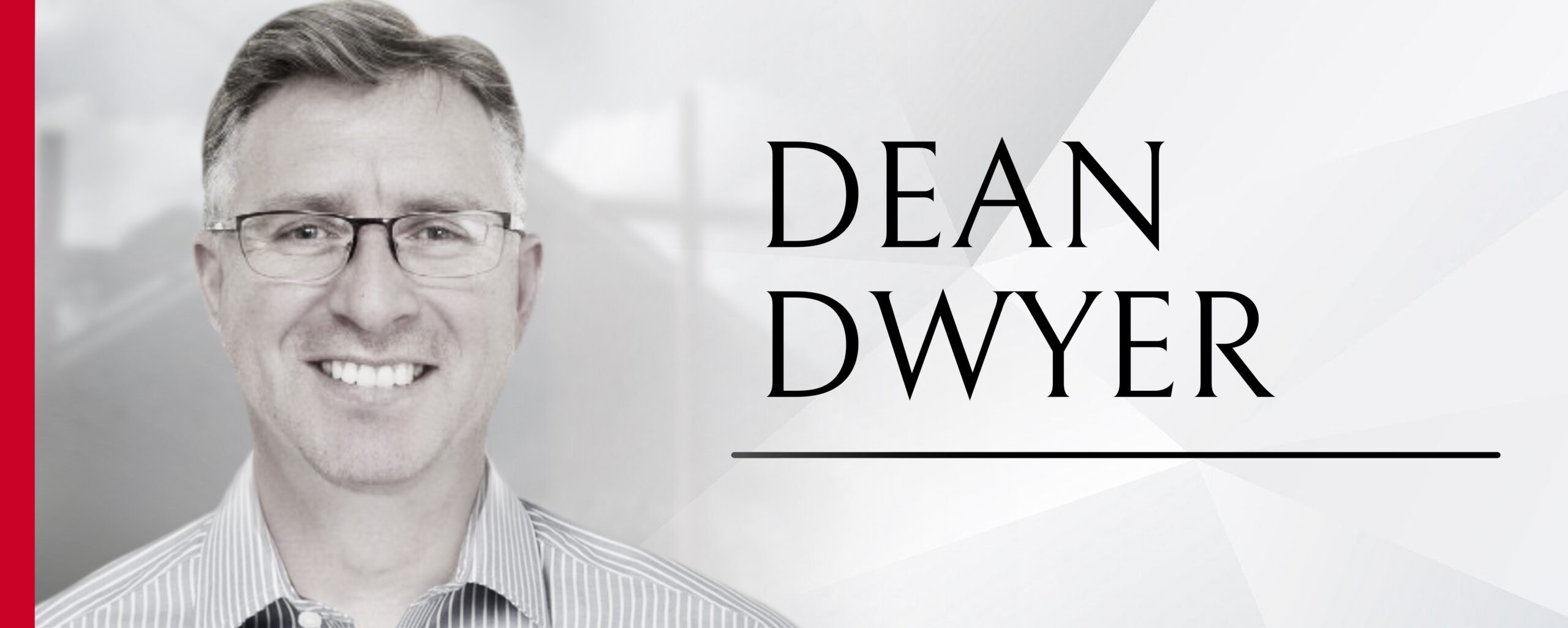
Pastor Dean Dwyer

Who do you trust?  If I were to ask a believer that question, I am sure most would respond with, “God!”  After all, Proverbs 3:5-6 exhorts us to: “Trust in the LORD with all your heart, and lean not on your own understanding; in all your ways acknowledge Him, and He shall direct your paths.”  Psalm 91:2 is also a favourite verse for many: “I will say of the LORD, ‘He is my refuge and my fortress; my God, in Him I will trust.'”

Next question: who don’t you trust?  Between December 2-18, 2024, Gallup ran a poll of the most trusted professionals in America.  The question was:  “Please tell me how you would rate the honesty and ethical standards of people in these different fields – very high, high, average, low, or very low?”  Nurses achieved the highest result with 76% of people rating them very highly/highly.  They were followed by grade-school teachers (61%), military officers (59%), pharmacists (57%) and medical doctors (53%).  Lobbyists (4%), members of Congress (8%) and TV reporters (13%) all ranked the worst!  

Unfortunately, trust in “clergy” continues to decline, with only 30% rating their honesty and ethical standards very highly/highly, 42% rating them as average, and 20% rating them as low/very low.  This represents a loss of six points since 2021, continuing the long-term downward trend in trust in ministry leaders.  However, more alarming is the fact that since Gallup started rating 23 professions in the early 2000s, there has been a 26-point decline in the perceived honesty and ethics of ministry leaders – the largest decline of any group.  So, what explains the loss of trust?  According to Gallup: “The decline in Americans’ religiosity over this period contributes to the loss of trust in clergy, as the growing proportion of nonreligious adults express lower trust than religious adults. However, the Catholic Church’s child sexual abuse scandals also appear to have contributed to downticks in trust in clergy, including in 2002 and 2018.” 

In my home country of Australia, an Ipsos poll conducted in 2024 revealed that doctors are the most trustworthy profession (66%), followed by teachers (60%) and scientists (58%). They are followed by serving staff at a restaurant (49%), the police (48%), and armed forces (47%).  The professions most likely to be considered untrustworthy were social media influencers (61%), politicians generally (56%), advertising executives (49%), Government ministers (48%), journalists (40%), bankers and clergy/priests (38%), and business leaders (36%). 

In focusing on our young people, the Australia Talks National Survey in 2021 found that although 41% of Australians don’t trust religious leaders “at all”, the distrust is even more significant amongst 18–24-year-olds with 47% showing a complete lack of trust in religious leaders – a jump of 15 percentage points since the corresponding survey two years prior.  In fact, Dr Ibrahim Abraham, a religious researcher from the Australian National University, used the term “apatheists” (a combination of apathy and atheism) to describe most young Australians.   

Research from the Macquarie University in Australia conducted in 2022, specifically targeting trust of religion among women, revealed equally startling results:

  • Around one third of all Australian voting women have “no trust at all” in organised religion and religious leaders.
  • Distrust is highest among younger women: almost half of all women aged 18-29 have “no trust at all” in religious leaders.
  • Among religious women, around 10 percent have “no trust at all” in organised religion and religious leaders, while around half have “not very much trust” in either.
  • Religious child abuse scandals have affected trust. Women are sceptical about the capacity of religious leaders to protect the children in their care, particularly following the revelations in the Australian Royal Commission into Institutional Responses to Child Sexual Abuse.

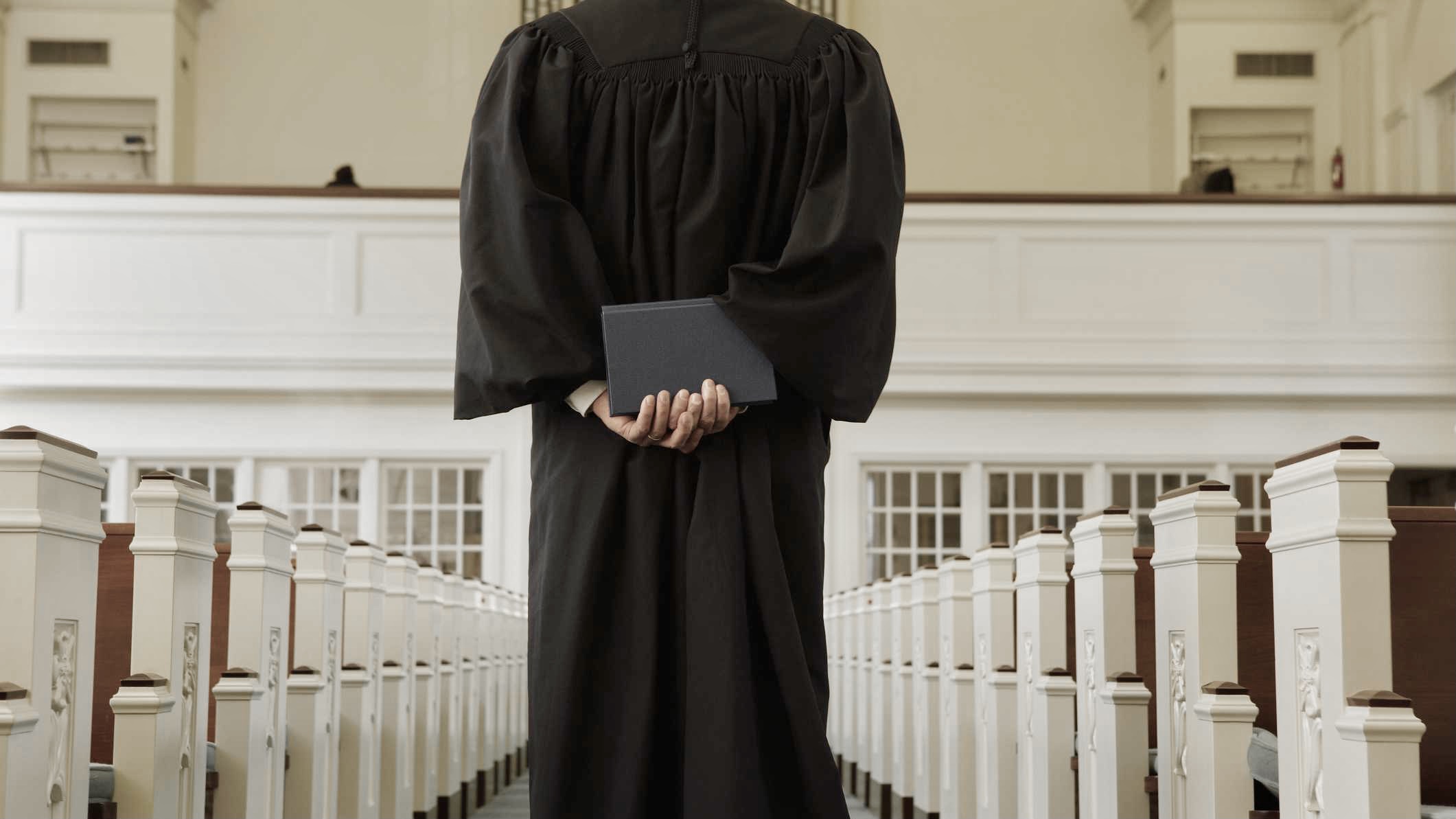
At this point, it is good to acknowledge something that is not accounted for in the surveys – not every pulpit is occupied by a man who has been called there by God.  In fact, I have no doubt that some ministry leaders are not even saved.  Adrian Rogers used to say that whenever you look for Satan, never fail to look for him in the pulpit.  All of us would love to think that every church was led by a godly man who has been called and consecrated to the Lord’s service.  However, I think it is apparent to all of us that there are many counterfeits who parade as godly men.  

The enemy has cleverly devised a dual strategy to counter the influence of the church in the modern day.  In many pulpits, he has introduced deceptive doctrine, designed to subtly draw people away from the truth.  Simultaneously, he has fomented distrust of ministry leaders throughout our communities, with the intention of turning people away from God.  Sadly, his strategies have been incredibly successful.  Leonard Ravenhill once said that if Jesus came back today, He wouldn’t be cleansing the Temple, He would be cleansing the pulpits.  If the surveys are anything to go by, most people would agree.


Your support helps Harbinger's Daily propel the boldest and most sound Christian voices of our day—those unwavering in their defense of the truth and passionate about reaching the unsaved world—while engaging millions to stand courageously with a worldview grounded in God's Word. 

Will you defend the truth and equip others to do the same?

Annihilation or Everlasting Fire: A Rejection Of God Isn’t A Temporal Decision, It’s An Eternal One

In effect, annihilationism provides an alternative option that is more palatable to those whose hearts are hardened towards God. Rather than placing their faith in Jesus for salvation from an eternity of anguish, those who are hostile towards Christ may willingly choose to endure the agony of the Lake of Fire in lieu of God’s offer of redemption, however long that suffering may last, provided that it ultimately comes to an end and they simply cease to exist.

Is Sharia Law Compatible With The U.S. Constitution Or Biblical Values?

The U.S. Constitution is grounded in the idea that government power must be limited and that individual rights come from God, not the state. The First Amendment protects religious liberty by forbidding the establishment of any religion while guaranteeing free exercise. Sharia law directly contradicts this principle because it is a religious legal code that merges faith and government. Where Sharia is enforced, religious belief is regulated and Islamic law is elevated above civil law. A system that mandates religious obedience cannot coexist with a Constitution that protects freedom of conscience.

sign up

In An Ever Darkening World, We Can Find Solace In Bible Prophecy

The bright side of the growing evil in the world is that it is a sure sign that we are living in the season of the Lord’s return. If you will check Genesis 6, you will find that Noah’s society was characterized by violence and immorality. This is the reason that the great pastor, Adrian Rogers (1931-2005), once said, “The world is growing gloriously dark.” How can the acceleration of evil be considered “glorious”? Because it is a sign of the imminent return of Jesus.

ABC's of Salvation

Decision

UTT

untitled artwork

Israel My Glory

Pastor Dean Dwyer

Who do you trust?  If I were to ask a believer that question, I am sure most would respond with, “God!”  After all, Proverbs 3:5-6 exhorts us to: “Trust in the LORD with all your heart, and lean not on your own understanding; in all your ways acknowledge Him, and He shall direct your paths.”  Psalm 91:2 is also a favourite verse for many: “I will say of the LORD, ‘He is my refuge and my fortress; my God, in Him I will trust.'”

Next question: who don’t you trust?  Between December 2-18, 2024, Gallup ran a poll of the most trusted professionals in America.  The question was:  “Please tell me how you would rate the honesty and ethical standards of people in these different fields – very high, high, average, low, or very low?”  Nurses achieved the highest result with 76% of people rating them very highly/highly.  They were followed by grade-school teachers (61%), military officers (59%), pharmacists (57%) and medical doctors (53%).  Lobbyists (4%), members of Congress (8%) and TV reporters (13%) all ranked the worst!  

Unfortunately, trust in “clergy” continues to decline, with only 30% rating their honesty and ethical standards very highly/highly, 42% rating them as average, and 20% rating them as low/very low.  This represents a loss of six points since 2021, continuing the long-term downward trend in trust in ministry leaders.  However, more alarming is the fact that since Gallup started rating 23 professions in the early 2000s, there has been a 26-point decline in the perceived honesty and ethics of ministry leaders – the largest decline of any group.  So, what explains the loss of trust?  According to Gallup: “The decline in Americans’ religiosity over this period contributes to the loss of trust in clergy, as the growing proportion of nonreligious adults express lower trust than religious adults. However, the Catholic Church’s child sexual abuse scandals also appear to have contributed to downticks in trust in clergy, including in 2002 and 2018.” 

In my home country of Australia, an Ipsos poll conducted in 2024 revealed that doctors are the most trustworthy profession (66%), followed by teachers (60%) and scientists (58%). They are followed by serving staff at a restaurant (49%), the police (48%), and armed forces (47%).  The professions most likely to be considered untrustworthy were social media influencers (61%), politicians generally (56%), advertising executives (49%), Government ministers (48%), journalists (40%), bankers and clergy/priests (38%), and business leaders (36%). 

In focusing on our young people, the Australia Talks National Survey in 2021 found that although 41% of Australians don’t trust religious leaders “at all”, the distrust is even more significant amongst 18–24-year-olds with 47% showing a complete lack of trust in religious leaders – a jump of 15 percentage points since the corresponding survey two years prior.  In fact, Dr Ibrahim Abraham, a religious researcher from the Australian National University, used the term “apatheists” (a combination of apathy and atheism) to describe most young Australians.   

Research from the Macquarie University in Australia conducted in 2022, specifically targeting trust of religion among women, revealed equally startling results:

  • Around one third of all Australian voting women have “no trust at all” in organised religion and religious leaders.
  • Distrust is highest among younger women: almost half of all women aged 18-29 have “no trust at all” in religious leaders.
  • Among religious women, around 10 percent have “no trust at all” in organised religion and religious leaders, while around half have “not very much trust” in either.
  • Religious child abuse scandals have affected trust. Women are sceptical about the capacity of religious leaders to protect the children in their care, particularly following the revelations in the Australian Royal Commission into Institutional Responses to Child Sexual Abuse.

At this point, it is good to acknowledge something that is not accounted for in the surveys – not every pulpit is occupied by a man who has been called there by God.  In fact, I have no doubt that some ministry leaders are not even saved.  Adrian Rogers used to say that whenever you look for Satan, never fail to look for him in the pulpit.  All of us would love to think that every church was led by a godly man who has been called and consecrated to the Lord’s service.  However, I think it is apparent to all of us that there are many counterfeits who parade as godly men.  

The enemy has cleverly devised a dual strategy to counter the influence of the church in the modern day.  In many pulpits, he has introduced deceptive doctrine, designed to subtly draw people away from the truth.  Simultaneously, he has fomented distrust of ministry leaders throughout our communities, with the intention of turning people away from God.  Sadly, his strategies have been incredibly successful.  Leonard Ravenhill once said that if Jesus came back today, He wouldn’t be cleansing the Temple, He would be cleansing the pulpits.  If the surveys are anything to go by, most people would agree.


Trusted Analysis From A Biblical Worldview

Help reach the lost and equip the church with the living and active truth of God's Word in our world today.

YOU CARE ABOUT

BIBLICAL TRUTH. SO DO WE.


Together, We Can Deliver A Biblical Understanding

Of News Events Around The World.

Annihilation or Everlasting Fire: A Rejection Of God Isn’t A Temporal Decision, It’s An Eternal One

In effect, annihilationism provides an alternative option that is more palatable to those whose hearts are hardened towards God. Rather than placing their faith in Jesus for salvation from an eternity of anguish, those who are hostile towards Christ may willingly choose to endure the agony of the Lake of Fire in lieu of God’s offer of redemption, however long that suffering may last, provided that it ultimately comes to an end and they simply cease to exist.

Is Sharia Law Compatible With The U.S. Constitution Or Biblical Values?

The U.S. Constitution is grounded in the idea that government power must be limited and that individual rights come from God, not the state. The First Amendment protects religious liberty by forbidding the establishment of any religion while guaranteeing free exercise. Sharia law directly contradicts this principle because it is a religious legal code that merges faith and government. Where Sharia is enforced, religious belief is regulated and Islamic law is elevated above civil law. A system that mandates religious obedience cannot coexist with a Constitution that protects freedom of conscience.

untitled artwork 6391

In An Ever Darkening World, We Can Find Solace In Bible Prophecy

The bright side of the growing evil in the world is that it is a sure sign that we are living in the season of the Lord’s return. If you will check Genesis 6, you will find that Noah’s society was characterized by violence and immorality. This is the reason that the great pastor, Adrian Rogers (1931-2005), once said, “The world is growing gloriously dark.” How can the acceleration of evil be considered “glorious”? Because it is a sign of the imminent return of Jesus.

ABC's of Salvation

TV AD

worldview matters

Decision Magazine V AD

Decision

Jan Markell

Israel My Glory

Erick Stakelbeck

untitled artwork

YOU CARE ABOUT

BIBLICAL TRUTH.

SO DO WE.

Together, We Can Deliver A Biblical Understanding Of News Events Around The World And Equip The Church To Stand With A Biblical Worldview.

Israel My Glory

untitled artwork

YOU CARE ABOUT

BIBLICAL TRUTH.

SO DO WE.


Together, We Can Deliver A Biblical Understanding Of News Events Around The World And Equip The Church To Stand With A Biblical Worldview.