June 13, 2026

June, 13, 2026
June 13, 2026

give

untitled artwork

untitled artwork

World news biblically understood

TRENDING:

UK Politicians Are Preaching That People Are Disposable And We Are Living With The Consequences

(London, UK) — “Some lives aren’t worth living.” That’s the claim behind the campaign for assisted suicide and euthanasia. They want the United Kindom to pass laws that allow doctors to help end patients’ lives.

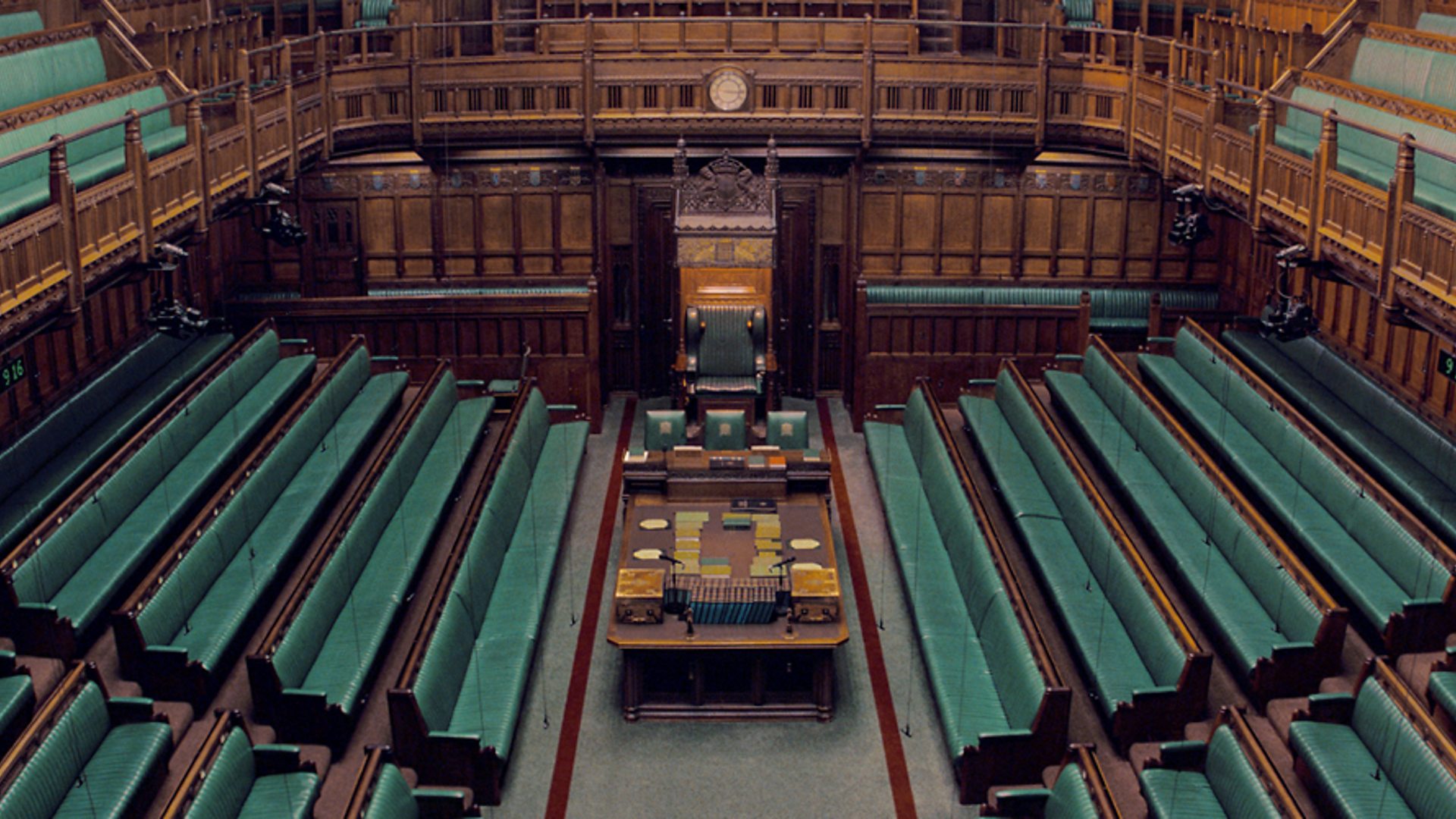
This is likely to be a big issue in the next five years of parliament. Labour leader Sir Keir Starmer has said he wants the law to change and has pledged to give parliamentary time to a bill if he becomes Prime Minister.

The campaigners say they only want euthanasia under certain conditions. The patient has to consent. They have to be terminally ill, with only six months left to live. In their minds – those lives aren’t worth living. But this attitude goes far beyond assisted suicide.

Judges in our legal system frequently rule that it’s in the “best interests” of patients in critical conditions to die – meaning that further treatment to preserve must be stopped by force. The logic? “This life isn’t worth living”.

People arguing for abortion ask if children should be forced to grow up with parents who didn’t want them. They think their lives are not worth living.

It’s not only about so-called moral issues. When you dig deeper, you realise that this devaluing of human life is not a peripheral issue, of interest only to Christians, but it underlies a host of the biggest problems our society faces.

This attitude says that human life has no inherent value. There is no recognition that life might have purpose. There is no assumption that life is good, or preferable to death.

It is the outworking of atheism—of a scientific materialism that claims that everything in existence is the chance result of a Big Bang and 13.8 billion years of waiting around. If we’re all a cocktail of chemicals, motion in matter, why would a living combination of atoms be better than a dead one?

This valueless, meaningless worldview is shown obviously on these so-called ‘moral issues’. Unborn babies are branded ‘just a clump of cells’ as if it makes them disposable.

But this is just the tip of an even bigger iceberg that remains hidden.

People claim that someone with a terminal illness is better off dead. But there are many other extreme forms of suffering.

Many people are hurting. People have been through all kinds of abuse, suffering profound mental and physical distress. People have become enslaved through sex trafficking and county lines gangs. People are hopelessly addicted to alcohol, drugs, gambling, and debt, feeling unable to get in control of their lives. People have seen their livelihoods disappear overnight, or their loved ones die.

What do we say to them all, if “some lives aren’t worth living”?

Not everyone is in those painful situations. But if we looked carefully, how much might we see this devaluing of life behind many other social problems?

Depression, anxiety, and other mental health conditions are through the roof. While these have many causes, it’s easy to see how the worldview that life is valueless and meaningless could be playing a role. And that’s without considering the profound regret and guilt felt by many for taking part in abortion. If we want to help people, we need to start with valuing them.

Crime is symptomatic of devaluing human life. Jesus connected the act of murder with anger (Matthew 5:22), and John taught that “Anyone who hates a brother or sister is a murderer” (1 John 3:15). An assault of any kind on another human being – or even their rightful property – demonstrates the attitude that they are worthless. If we want to tackle crime, we need to revalue human lives.

Racism is also a failure to recognise the image of God in people who don’t look like us.

The kinds of problems we are seeing are exactly the kinds we ought to expect, given that we have stopped seeing other human beings as valuable, made in God’s image.

We have to return to God. He tells us a different story. It’s true, and it’s better by far. He tells us that we are made in his image (Genesis 1:27). Even though we have rebelled against him, we still bear his image, and are worthy of protection (Genesis 9:5-6).

When we recognise our inherent, God-given value, we needn’t strive after value in material possessions, social media metrics and false identities. If we’re facing loneliness, anxiety or depression we can find companionship, comfort and hope in God.

When we recognise that others are also made in his image, we stop treating them as objects. They’re not inconveniences. They’re not competitors to perpetually struggle with. They’re not even neutral – they’re actually valuable.

Can you imagine how different things would be if we showed other people’s value by doing as Jesus called us: “do unto others as you would have them do to you”? Yet, in the UK, we’re killing over 250,000 unborn babies a year, about 700 every day. And we’re opening the door to euthanasia. Our actions are preaching that people are disposable and we are living with the consequences.

Any serious response to these wider issues must start with valuing and protecting life from fertilisation to natural death.

Which is why the political visions on offer this election season from the larger parties in the UK are so disappointing. If abortion gets a mention it’s with the suggestion of decriminalisation and buffer zones. If euthanasia gets a mention, it’s about opening the door to legalisation.

At best, these are treated as ‘conscience issues’. But they’re not. They’re justice issues: very basic justice issues that politicians refuse to reckon with.

Christians should care about all kinds of issues when voting. But whether a politician values life at its most vulnerable is a litmus test for everything else. Politicians won’t listen unless we stop giving our votes away. If we want to see progress – in this fundamental area and everything that flows from it – we need to start prioritising life at the ballot box.

give

The First Battlefield In A Cultural Revolution: Marxists Have Long Understood That Redefining Words Can Reshape The Culture

Political movements have long understood that language shapes culture. From the French Revolution to Marxist movements in Europe and Communist regimes in Asia, ideological leaders have sought to advance their agendas not only through political power but through linguistic change.

Nuclear Ambitions And An Overwhelming Hatred Of Israel: Is Turkey ‘The New Iran’?

Turkish Foreign Minister Hakan Fidan recently said that Turkey “may be forced” to acquire nuclear weapons to counterbalance Israel and Iran to prevent them from dominating the Middle East. In an interview with CNN Türk, he described having a nuclear weapons capability as a “high-level strategic issue” that must be considered “within the broader, bigger picture” of regional geopolitics.

sign up

Jan Markell: Is Israel’s Spiritual Blindness A Reason For Christians To Reject Them?

Ezekiel 36 emphasizes that when the Jews return to the land, they will do so in unbelief. There will be spiritual regeneration much later! The dry bones of Ezekiel 37 reflect a lack of breath or spiritual life. God states he is gathering them back “not for your sake but for my holy name’s sake,” because their presence among the nations caused his name to be profaned. Ezekiel 36 promises that once back in the land, God will cleanse them, give them a new spirit, and cause them to walk in his statutes. But much later.

ABC's of Salvation

Decision

UTT

FOI

untitled artwork

Israel My Glory

(London, UK) — “Some lives aren’t worth living.” That’s the claim behind the campaign for assisted suicide and euthanasia. They want the United Kindom to pass laws that allow doctors to help end patients’ lives.

This is likely to be a big issue in the next five years of parliament. Labour leader Sir Keir Starmer has said he wants the law to change and has pledged to give parliamentary time to a bill if he becomes Prime Minister.

The campaigners say they only want euthanasia under certain conditions. The patient has to consent. They have to be terminally ill, with only six months left to live. In their minds – those lives aren’t worth living. But this attitude goes far beyond assisted suicide.

Judges in our legal system frequently rule that it’s in the “best interests” of patients in critical conditions to die – meaning that further treatment to preserve must be stopped by force. The logic? “This life isn’t worth living”.

People arguing for abortion ask if children should be forced to grow up with parents who didn’t want them. They think their lives are not worth living.

It’s not only about so-called moral issues. When you dig deeper, you realise that this devaluing of human life is not a peripheral issue, of interest only to Christians, but it underlies a host of the biggest problems our society faces.

This attitude says that human life has no inherent value. There is no recognition that life might have purpose. There is no assumption that life is good, or preferable to death.

It is the outworking of atheism—of a scientific materialism that claims that everything in existence is the chance result of a Big Bang and 13.8 billion years of waiting around. If we’re all a cocktail of chemicals, motion in matter, why would a living combination of atoms be better than a dead one?

This valueless, meaningless worldview is shown obviously on these so-called ‘moral issues’. Unborn babies are branded ‘just a clump of cells’ as if it makes them disposable.

But this is just the tip of an even bigger iceberg that remains hidden.

People claim that someone with a terminal illness is better off dead. But there are many other extreme forms of suffering.

Many people are hurting. People have been through all kinds of abuse, suffering profound mental and physical distress. People have become enslaved through sex trafficking and county lines gangs. People are hopelessly addicted to alcohol, drugs, gambling, and debt, feeling unable to get in control of their lives. People have seen their livelihoods disappear overnight, or their loved ones die.

What do we say to them all, if “some lives aren’t worth living”?

Not everyone is in those painful situations. But if we looked carefully, how much might we see this devaluing of life behind many other social problems?

Depression, anxiety, and other mental health conditions are through the roof. While these have many causes, it’s easy to see how the worldview that life is valueless and meaningless could be playing a role. And that’s without considering the profound regret and guilt felt by many for taking part in abortion. If we want to help people, we need to start with valuing them.

Crime is symptomatic of devaluing human life. Jesus connected the act of murder with anger (Matthew 5:22), and John taught that “Anyone who hates a brother or sister is a murderer” (1 John 3:15). An assault of any kind on another human being – or even their rightful property – demonstrates the attitude that they are worthless. If we want to tackle crime, we need to revalue human lives.

Racism is also a failure to recognise the image of God in people who don’t look like us.

The kinds of problems we are seeing are exactly the kinds we ought to expect, given that we have stopped seeing other human beings as valuable, made in God’s image.

We have to return to God. He tells us a different story. It’s true, and it’s better by far. He tells us that we are made in his image (Genesis 1:27). Even though we have rebelled against him, we still bear his image, and are worthy of protection (Genesis 9:5-6).

When we recognise our inherent, God-given value, we needn’t strive after value in material possessions, social media metrics and false identities. If we’re facing loneliness, anxiety or depression we can find companionship, comfort and hope in God.

When we recognise that others are also made in his image, we stop treating them as objects. They’re not inconveniences. They’re not competitors to perpetually struggle with. They’re not even neutral – they’re actually valuable.

Can you imagine how different things would be if we showed other people’s value by doing as Jesus called us: “do unto others as you would have them do to you”? Yet, in the UK, we’re killing over 250,000 unborn babies a year, about 700 every day. And we’re opening the door to euthanasia. Our actions are preaching that people are disposable and we are living with the consequences.

Any serious response to these wider issues must start with valuing and protecting life from fertilisation to natural death.

Which is why the political visions on offer this election season from the larger parties in the UK are so disappointing. If abortion gets a mention it’s with the suggestion of decriminalisation and buffer zones. If euthanasia gets a mention, it’s about opening the door to legalisation.

At best, these are treated as ‘conscience issues’. But they’re not. They’re justice issues: very basic justice issues that politicians refuse to reckon with.

Christians should care about all kinds of issues when voting. But whether a politician values life at its most vulnerable is a litmus test for everything else. Politicians won’t listen unless we stop giving our votes away. If we want to see progress – in this fundamental area and everything that flows from it – we need to start prioritising life at the ballot box.


Trusted Analysis From A Biblical Worldview

Help reach the lost and equip the church with the living and active truth of God's Word in our world today.

YOU CARE ABOUT

BIBLICAL TRUTH. SO DO WE.


Together, We Can Deliver A Biblical Understanding

Of News Events Around The World.

The First Battlefield In A Cultural Revolution: Marxists Have Long Understood That Redefining Words Can Reshape The Culture

Political movements have long understood that language shapes culture. From the French Revolution to Marxist movements in Europe and Communist regimes in Asia, ideological leaders have sought to advance their agendas not only through political power but through linguistic change.

Nuclear Ambitions And An Overwhelming Hatred Of Israel: Is Turkey ‘The New Iran’?

Turkish Foreign Minister Hakan Fidan recently said that Turkey “may be forced” to acquire nuclear weapons to counterbalance Israel and Iran to prevent them from dominating the Middle East. In an interview with CNN Türk, he described having a nuclear weapons capability as a “high-level strategic issue” that must be considered “within the broader, bigger picture” of regional geopolitics.

untitled artwork 6391

Jan Markell: Is Israel’s Spiritual Blindness A Reason For Christians To Reject Them?

Ezekiel 36 emphasizes that when the Jews return to the land, they will do so in unbelief. There will be spiritual regeneration much later! The dry bones of Ezekiel 37 reflect a lack of breath or spiritual life. God states he is gathering them back “not for your sake but for my holy name’s sake,” because their presence among the nations caused his name to be profaned. Ezekiel 36 promises that once back in the land, God will cleanse them, give them a new spirit, and cause them to walk in his statutes. But much later.

ABC's of Salvation

TV AD

worldview matters

Decision Magazine V AD

Decision

Jan Markell

Israel My Glory

Erick Stakelbeck

untitled artwork

YOU CARE ABOUT

BIBLICAL TRUTH.

SO DO WE.

Together, We Can Deliver A Biblical Understanding Of News Events Around The World And Equip The Church To Stand With A Biblical Worldview.

untitled artwork

Israel My Glory

YOU CARE ABOUT

BIBLICAL TRUTH.

SO DO WE.


Together, We Can Deliver A Biblical Understanding Of News Events Around The World And Equip The Church To Stand With A Biblical Worldview.