May 4, 2026

May, 4, 2026
May 4, 2026

give

untitled artwork

untitled artwork

World news biblically understood

TRENDING:

How Iran Imposes Strict Adherence to Islamic Law with Severe, Inhuman Punishment

SOURCE: (Fox News)

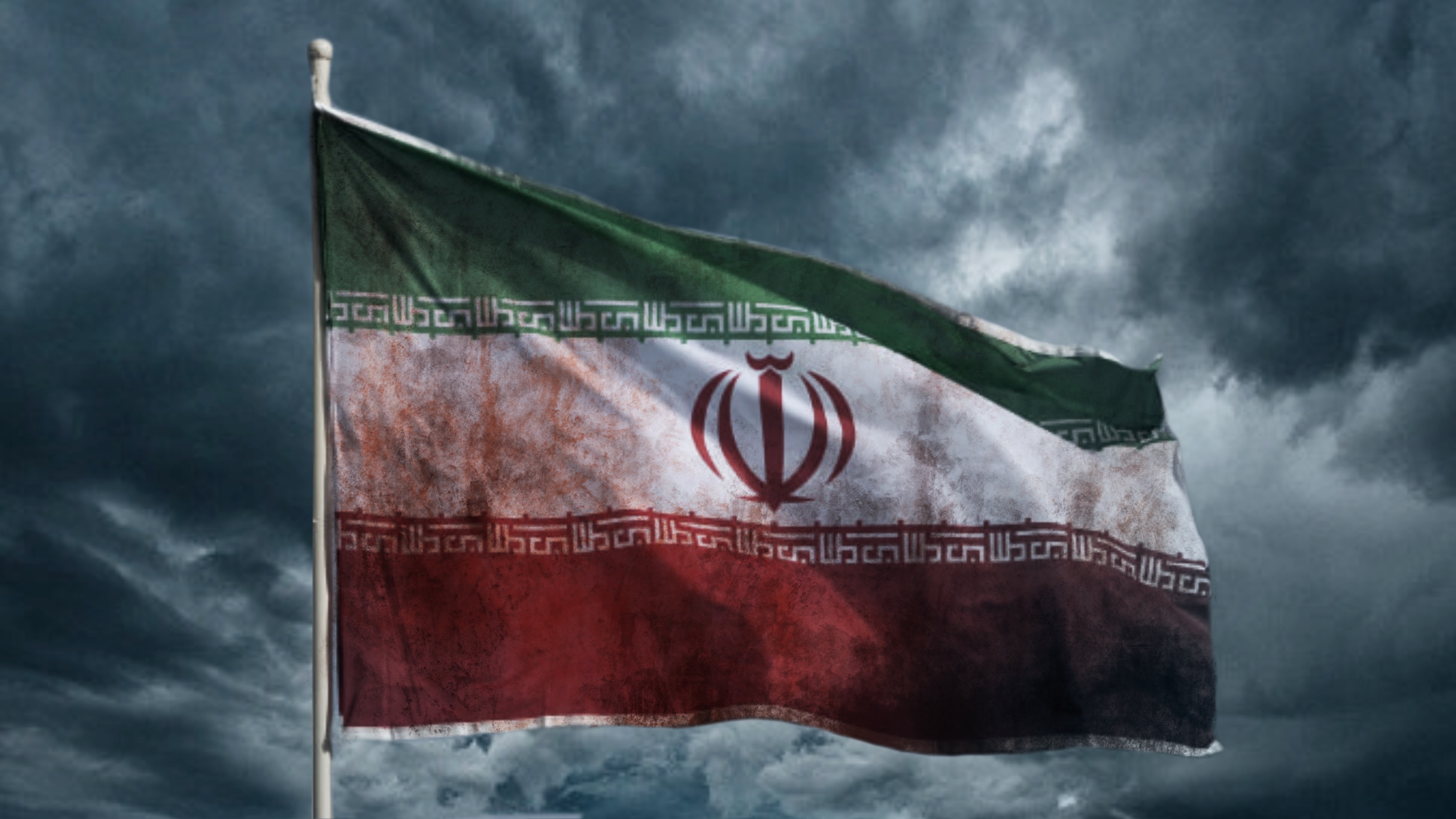
When news broke last month that Iran officials had cut the fingers of one of their citizens after being found guilty of theft, it served as a grim reminder that the regime is built on a heavy-handed and repressive apparatus that enforces strict adherence to Islamic law.

Should the law be broken, Iranians potentially face severe, cruel and inhuman punishment.

Amputation

Cruel and inhumane punishments such as amputations are imposed by Iranian courts for crimes like theft, also punishable by flogging. Amnesty International recently reported that Iranian authorities cut off the hand of a man in prison accused of stealing. The government claims that the Iranian people welcome such punishments for those who disrupt public order without acknowledging the domestic movement to abolish the practice or the vast condemnation from the international community.

Flogging

People who commit crimes such as theft can face arcane flogging sentences as codified by the Iranian penal code, according to Amnesty International. A flogging punishment can also be handed out for blasphemy charges and for what officials describe as “financially corrupt” individuals and “saboteurs of the economy.” Many different crimes can warrant a flogging punishment, including crimes that fall within the authority of the so-called “morality police” that disturb the social fabric.

Morality Police

The morality police, known as Gasht-e Ershad in Farsi, is formed by Iran’s religious authorities who enforce a strict interpretation of Iran’s Islamic code of public conduct. “There are three major societal prohibitions under the jurisdiction of the morality police”, Sarah Leah Whitson, Executive Director of the Middle East and North Africa Division at Human Rights Watch, explained to Fox News.

The first prohibition is on so-called bad hijabs that don’t cover a women’s face.

“Authorities will prod, poke, and publicly shame a woman if she is improperly covered,” Whitson said. The hijab requirement is more strictly enforced in some places than others and there is a strong and vibrant movement among women to reject hijab laws, with many suffering arrest and jail time. Human Rights Watch has documented Iran’s crackdown on women violating the compulsory law to wear the hijab. In July 2019, a mother and daughter were sentenced to prison for defying the public dress code. Women continue to revolt against the law despite the risk of an unjustified lengthy imprisonment.

The second prohibition is on drinking and selling alcohol. Breaking into the homes of people suspected of drinking alcohol is a common tactic used by the police, Whitson explained. Amnesty International reported in July 2018 that a man was tied to a tree and flogged 80 times for a charge he had received a decade earlier for drinking alcohol when he was a teenager.

Adultery, considered a particularly egregious crime, is the third prohibition and can be punishable by up to 100 lashes and even death. The Islamic penal code also does not explicitly prohibit stoning and a judge has the discretion to impose stoning as a penalty for extramarital relationships, although it has not been implemented in Iran in many years now. The morality police routinely harass and flog citizens for innocent displays of affection deemed morally inappropriate like hugging, kissing in public and homosexual acts.

This type of public moral authority is not restricted to Iran but is endemic across the Middle East North Africa region. Saudi Arabia, Sudan, and even the relatively progressive and Western oriented Moroccan monarchy have police forces tasked with enforcing morality laws and dress codes.

Mass protests and repression

The rise of globalization and the democratization of communications and social media platforms mean the Islamic Republic must take a firm stance against free speech and assembly. During the 2009 Green Movement, Iranians took to the streets in response to the fraudulent reelection of hard-line President Mahmoud Ahmadinejad, with some analysts projecting the possibility of the overthrow of the regime. Protesters were met with mass arrests and live ammunition. Protests sporadically broke out in small pockets of Iran in early 2017 as well, and security forces arbitrarily arrested 4,900 people during the protests, according to Human Rights Watch.

Executions

Iran is one of the world’s leading states of capital punishment. According to an Amnesty International global report on death sentences and executions, Iran executed 256 people in 2018, which was actually a significant drop from the 507 people sentenced to death in 2017. 

At least 13 people were hanged in public and at least seven people were sentenced to death for crimes they committed before turning 18, according to the same report.

The Amnesty International report also indicates that Iran extracts confessions from prisoners through various forms of torture and other dehumanizing treatment in order to convict and execute someone in clear violation of international norms and standards. Extracted confessions and public executions are sometimes broadcast on state television, a surreal method to ensure public compliance of the law.

Other offenses considered punishable by death include same-sex relations and insulting the Prophet. Drug-related offenses, once considered punishable by death in some cases, were removed from the penal code as a penalty.

Terrorism charges

The penal code also has a very loose definition of “treason,” which includes crimes as vague as “acts against national security,” “questioning the leaders policies” and participation in “insurrectional movements,” a catchall term generally reserved for any dissident or anti-government protesters who dare speak out against the central government.

“Iran persistently uses national security and terrorism charges to crack down on critics of the government – this is one of the most common and problematic human rights abuses in Iran,” Whitson, from Human Rights Watch, said.

While Iran’s bellicose regional behavior, support for insurgent groups and failed efforts at nuclear negotiations dominate news about the country, the country does possess a degree of political diversity and individual agency compared to some of its neighbors, including Saudi Arabia. There is an elected parliament and presidential elections that are hotly contested, with multiple candidates vying for power across the political spectrum.

“In some ways, Iran is in fact far more democratic, with an elected parliament, and more diversity of opinion than their peers in the region, but there is still an extremely paranoid judicial and security apparatus that suspects critics of the government to be agents of evil actors abroad,” Whitson cautioned.


CLICK HERE FOR SOURCE

Give

Give

Progressive ‘Pastor’ Insists That The Bible Needs A ‘Third Testament’?

Now, few Christians are surprised by “progressive Christians” like her treating God’s Word this way. But what they don’t realize is that many Christians functionally believe the same thing she does—they just would never say it that way! Most Christians would never say we need another Bible, that we should tear out pages of the Scriptures we find problematic, or that the Bible is merely a book about God—but they act like it in how they treat the Scriptures . . . particularly Genesis.

5th Circuit Temporarily Halts Biden-Era Abortion-By-Mail Scheme

The U.S. Court of Appeals for the 5th Circuit ruled Friday that the U.S. Food and Drug Administration must restore the in-person dispensing requirement for the abortion drug mifepristone pending appeal. This ruling prevents pro-abortion activists and doctors from mailing streams of high-risk abortion drugs into states that protect the lives of unborn babies.

sign up

Stoking Violence: The Assassination Culture In America Is Not A Problem Coming From ‘Both Sides Of The Aisle’

The assassination culture we're seeing in America right now is not a problem coming from “both sides of the aisle." Yet this is the claim the mainstream media runs with every time there is an attempt on a conservative's life, and there have been many in recent years. We witnessed it again this past weekend when President Trump was targeted for death yet again by a radical leftist at the White House Correspondents Dinner in DC.

ABC's of Salvation

Decision

UTT

FOI

untitled artwork

Israel My Glory

SOURCE: (Fox News)

When news broke last month that Iran officials had cut the fingers of one of their citizens after being found guilty of theft, it served as a grim reminder that the regime is built on a heavy-handed and repressive apparatus that enforces strict adherence to Islamic law.

Should the law be broken, Iranians potentially face severe, cruel and inhuman punishment.

Amputation

Cruel and inhumane punishments such as amputations are imposed by Iranian courts for crimes like theft, also punishable by flogging. Amnesty International recently reported that Iranian authorities cut off the hand of a man in prison accused of stealing. The government claims that the Iranian people welcome such punishments for those who disrupt public order without acknowledging the domestic movement to abolish the practice or the vast condemnation from the international community.

Flogging

People who commit crimes such as theft can face arcane flogging sentences as codified by the Iranian penal code, according to Amnesty International. A flogging punishment can also be handed out for blasphemy charges and for what officials describe as “financially corrupt” individuals and “saboteurs of the economy.” Many different crimes can warrant a flogging punishment, including crimes that fall within the authority of the so-called “morality police” that disturb the social fabric.

Morality Police

The morality police, known as Gasht-e Ershad in Farsi, is formed by Iran’s religious authorities who enforce a strict interpretation of Iran’s Islamic code of public conduct. “There are three major societal prohibitions under the jurisdiction of the morality police”, Sarah Leah Whitson, Executive Director of the Middle East and North Africa Division at Human Rights Watch, explained to Fox News.

The first prohibition is on so-called bad hijabs that don’t cover a women’s face.

“Authorities will prod, poke, and publicly shame a woman if she is improperly covered,” Whitson said. The hijab requirement is more strictly enforced in some places than others and there is a strong and vibrant movement among women to reject hijab laws, with many suffering arrest and jail time. Human Rights Watch has documented Iran’s crackdown on women violating the compulsory law to wear the hijab. In July 2019, a mother and daughter were sentenced to prison for defying the public dress code. Women continue to revolt against the law despite the risk of an unjustified lengthy imprisonment.

The second prohibition is on drinking and selling alcohol. Breaking into the homes of people suspected of drinking alcohol is a common tactic used by the police, Whitson explained. Amnesty International reported in July 2018 that a man was tied to a tree and flogged 80 times for a charge he had received a decade earlier for drinking alcohol when he was a teenager.

Adultery, considered a particularly egregious crime, is the third prohibition and can be punishable by up to 100 lashes and even death. The Islamic penal code also does not explicitly prohibit stoning and a judge has the discretion to impose stoning as a penalty for extramarital relationships, although it has not been implemented in Iran in many years now. The morality police routinely harass and flog citizens for innocent displays of affection deemed morally inappropriate like hugging, kissing in public and homosexual acts.

This type of public moral authority is not restricted to Iran but is endemic across the Middle East North Africa region. Saudi Arabia, Sudan, and even the relatively progressive and Western oriented Moroccan monarchy have police forces tasked with enforcing morality laws and dress codes.

Mass protests and repression

The rise of globalization and the democratization of communications and social media platforms mean the Islamic Republic must take a firm stance against free speech and assembly. During the 2009 Green Movement, Iranians took to the streets in response to the fraudulent reelection of hard-line President Mahmoud Ahmadinejad, with some analysts projecting the possibility of the overthrow of the regime. Protesters were met with mass arrests and live ammunition. Protests sporadically broke out in small pockets of Iran in early 2017 as well, and security forces arbitrarily arrested 4,900 people during the protests, according to Human Rights Watch.

Executions

Iran is one of the world’s leading states of capital punishment. According to an Amnesty International global report on death sentences and executions, Iran executed 256 people in 2018, which was actually a significant drop from the 507 people sentenced to death in 2017. 

At least 13 people were hanged in public and at least seven people were sentenced to death for crimes they committed before turning 18, according to the same report.

The Amnesty International report also indicates that Iran extracts confessions from prisoners through various forms of torture and other dehumanizing treatment in order to convict and execute someone in clear violation of international norms and standards. Extracted confessions and public executions are sometimes broadcast on state television, a surreal method to ensure public compliance of the law.

Other offenses considered punishable by death include same-sex relations and insulting the Prophet. Drug-related offenses, once considered punishable by death in some cases, were removed from the penal code as a penalty.

Terrorism charges

The penal code also has a very loose definition of “treason,” which includes crimes as vague as “acts against national security,” “questioning the leaders policies” and participation in “insurrectional movements,” a catchall term generally reserved for any dissident or anti-government protesters who dare speak out against the central government.

“Iran persistently uses national security and terrorism charges to crack down on critics of the government – this is one of the most common and problematic human rights abuses in Iran,” Whitson, from Human Rights Watch, said.

While Iran’s bellicose regional behavior, support for insurgent groups and failed efforts at nuclear negotiations dominate news about the country, the country does possess a degree of political diversity and individual agency compared to some of its neighbors, including Saudi Arabia. There is an elected parliament and presidential elections that are hotly contested, with multiple candidates vying for power across the political spectrum.

“In some ways, Iran is in fact far more democratic, with an elected parliament, and more diversity of opinion than their peers in the region, but there is still an extremely paranoid judicial and security apparatus that suspects critics of the government to be agents of evil actors abroad,” Whitson cautioned.
CLICK HERE FOR SOURCE

Trusted Analysis From A Biblical Worldview

Help reach the lost and equip the church with the living and active truth of God's Word in our world today.

YOU CARE ABOUT

BIBLICAL TRUTH. SO DO WE.


Together, We Can Deliver A Biblical Understanding

Of News Events Around The World.

Progressive ‘Pastor’ Insists That The Bible Needs A ‘Third Testament’?

Now, few Christians are surprised by “progressive Christians” like her treating God’s Word this way. But what they don’t realize is that many Christians functionally believe the same thing she does—they just would never say it that way! Most Christians would never say we need another Bible, that we should tear out pages of the Scriptures we find problematic, or that the Bible is merely a book about God—but they act like it in how they treat the Scriptures . . . particularly Genesis.

5th Circuit Temporarily Halts Biden-Era Abortion-By-Mail Scheme

The U.S. Court of Appeals for the 5th Circuit ruled Friday that the U.S. Food and Drug Administration must restore the in-person dispensing requirement for the abortion drug mifepristone pending appeal. This ruling prevents pro-abortion activists and doctors from mailing streams of high-risk abortion drugs into states that protect the lives of unborn babies.

untitled artwork 6391

Stoking Violence: The Assassination Culture In America Is Not A Problem Coming From ‘Both Sides Of The Aisle’

The assassination culture we're seeing in America right now is not a problem coming from “both sides of the aisle." Yet this is the claim the mainstream media runs with every time there is an attempt on a conservative's life, and there have been many in recent years. We witnessed it again this past weekend when President Trump was targeted for death yet again by a radical leftist at the White House Correspondents Dinner in DC.

ABC's of Salvation

TV AD

worldview matters

Decision Magazine V AD

Decision

Jan Markell

Israel My Glory

Erick Stakelbeck

untitled artwork

YOU CARE ABOUT

BIBLICAL TRUTH.

SO DO WE.

Together, We Can Deliver A Biblical Understanding Of News Events Around The World And Equip The Church To Stand With A Biblical Worldview.

untitled artwork

Israel My Glory

YOU CARE ABOUT

BIBLICAL TRUTH.

SO DO WE.


Together, We Can Deliver A Biblical Understanding Of News Events Around The World And Equip The Church To Stand With A Biblical Worldview.