As believers woke up this morning to the sweeping blue wave of the 2026 midterm results—two states enshrined abortion access in their constitutions, a first Muslim U.S. senator incorporated Arabic phrases of praise into his victory address, and a seminary graduate who affirms LGBT ideology, supports abortion and rejects the exclusivity of Christ for salvation won a Texas Senate seat—they are left wondering: What now? Where’s the hope?
Even experts who have spent years on the front lines of the culture’s most pressing battles found the scale of the Nov. 3 results surprising. Not because a leftward shift was unthinkable, but because its depth exceeded anything seen in roughly two decades.
Yet as disappointing as many of the results were, Tony Perkins, president of the Family Research Council, told Decision: we still live in a country that extends unparalleled freedom—freedom that can be used by Christians “for the advancement of the Kingdom and for the influence of this world and this country in which we live.”
What were the results?
Even as some counts continue, the clear majority of decided races show a decisive turn leftward.
In Texas, after more than 30 years of unbroken Republican control of statewide offices, Democrats swept the top contests. Gov. Greg Abbott lost to Rep. Gina Hinojosa, a candidate with a record of supporting abortion access and LGBT-related legislation.
And Texas Attorney General Ken Paxton fell to left-wing progressive Rep. James Talarico in the U.S. Senate race—the first Democratic Senate seat since 1988. Throughout his campaign, Talarico, a seminary graduate, repeatedly distorted Scripture to defend abortion and LGBT ideology. He also campaigned heavily on the Christian faith even as he claimed God is non-binary and that Jesus Christ is not the exclusive way of salvation.
On life issues, Nevada and Virginia voters approved amendments enshrining abortion access into their state constitutions. In Missouri, an amendment failed that would have repealed the 2024 constitutional “right” to abortion and restored greater protections for the unborn. In a clear pro-life bright spot, Idaho voters rejected an amendment that would have loosened the state’s near-total abortion ban, preserving the protections already in place.
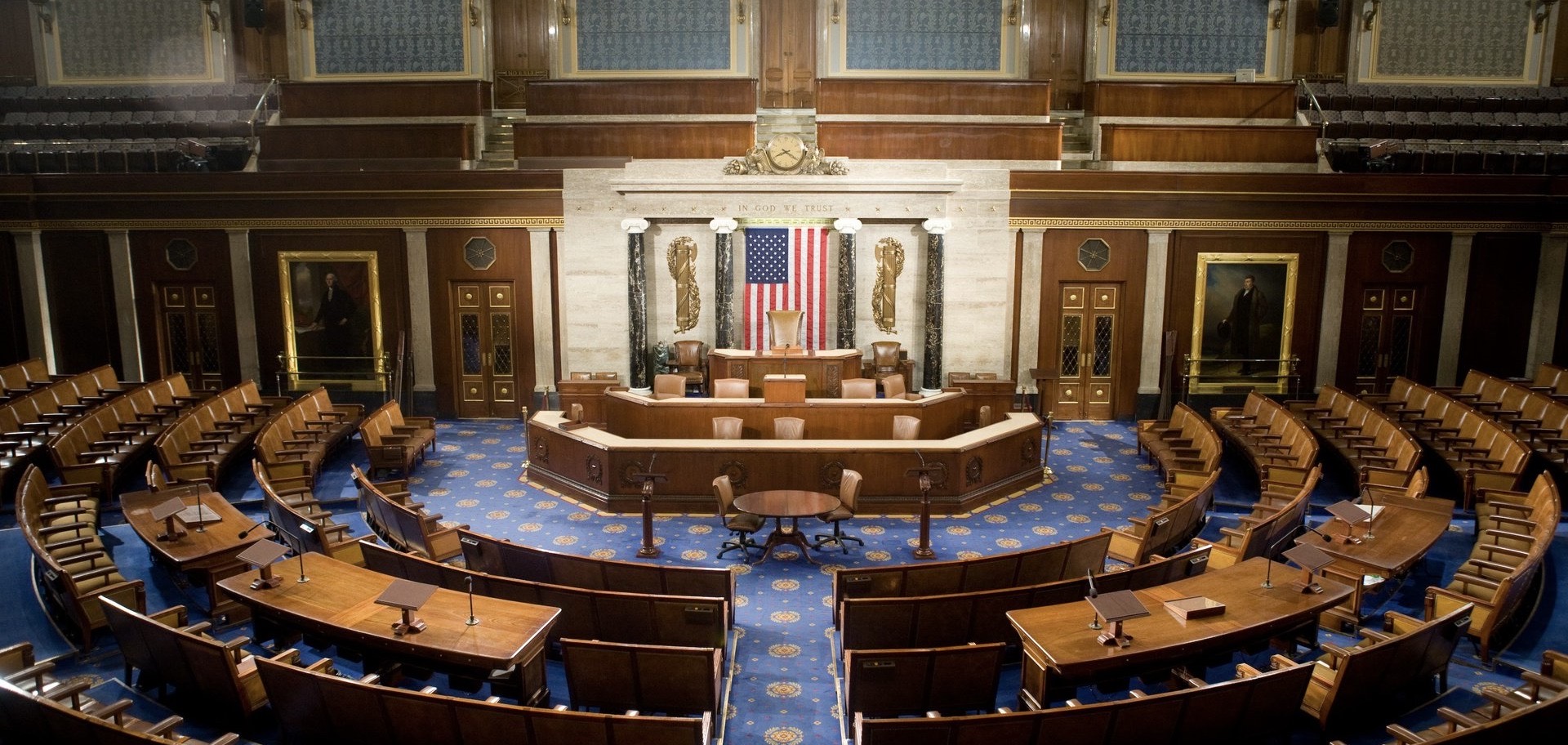
Nationally, voters handed full control of Congress to Democrats, following upsets that included liberal Democratic Senate flips in Kansas (the first since 1932), South Carolina, Ohio and Iowa. The night was not without isolated conservative holds—Florida and South Carolina elected Republican governors, for example—but the overall direction was unmistakable.
These outcomes mark a rapid realignment in places long considered safe ground. For those who have labored to advance Biblical values, the results are sobering. And yet, the story is not finished.
There is hope
For the Christian, the majority of these results appear nothing but bleak. And Perkins was quick to confess: “This is going to be hard to overcome.” However, his purpose in saying that was not to deepen the concern but to set up the counter. Despite the disappointing results, he emphasized, “Our hope and our focus must remain on God and His Word.”
Philippians 4:6 says, “Do not be anxious about anything, but in everything by prayer and supplication with thanksgiving let your requests be made known to God.” Jesus Himself warned of the troubles His followers would face so that Christians can have peace in the midst of the turmoil (John 16:33), Perkins said. Understanding this is crucial to the Christian’s resolve because, as he said, “we live in a fallen world and there’s going to be disappointment, but we don’t need to be overcome by that.”
“As the church, we need to keep our eyes upon the Ruler of rulers, appealing to heaven, [while] at the same time working to influence government,” Perkins said, “understanding that that influence comes from above and that we cannot place our hopes in the government of man or in the political process—even though we’re involved in it.”
Will the left-wing election results cause damage? Perkins didn’t sugarcoat it: Yes, they will. At the same time, they offer an opportunity for evangelicals and all who promote Biblical values to do some self-analysis and get back in the saddle.
“Our allegiance needs to be to the Word of God,” Perkins said, “and we need to speak with clarity to these issues—not as critics, but as those wanting governments to succeed by aligning with the truth of God’s Word.” But in order to do this, “we need to know what the Word of God says, and we need to prioritize that in our politics so that the Word of God is what informs our policy positions, not the other way around.”
The alternative, Perkins noted, is exactly what happened with some of the midterm races, where the “Democratic Party was fielding pastors and seminarians who [were] rewriting the Word of God to fit their policies.”
An urgent call to stay in the fight
Franklin Graham on Wednesday took to social media to remind Christians that they still have a job to do.
“The midterms are now over, leaving some very concerned—while others are elated,” Franklin said. “We see our country inching closer toward socialism, which is historically an enemy of God and His Word. However, today I am reminded that even though change is coming, as followers of Jesus Christ our job hasn’t changed! We are to live for Him in obedience to His Word, shine His light and truth in the ever-darkening world around us, and make disciples.”
Ultimately, Perkins urged, “this is not a time to back away.” Christians, as Kingdom citizens and faithful citizens of this country, must stay involved by putting their faith and hope in Christ above all else and speaking truth to our children, neighbors, communities and government bodies.
There are many takeaways from the midterm elections, Perkins said. But discouragement is not one of them. The fact that we’ve got a lot of work to do is. And “our focus should be from generation to generation, not election cycle to election cycle. When we’re focused on generational impact, we don’t get overwhelmed by discouragement because of one election cycle that goes bad.”
As Perkins noted, “this is the narrow path that we have to walk.” But when the believer’s hope is rightly placed on Christ and not the political climate, that’s when a nation is changed. When a Christian is determined to truly live out the faith, that’s when a nation is changed. “God’s definitive Word [calls] us to account for our sinful nature and to return to Him, and as a result, to go forth and share that Good News in a way that it permeates every aspect of society.”
Jesus, His death, burial and resurrection, initiated the Kingdom of God that is now alive and active. Christians are presently operating within that Kingdom, “and we need to understand the authority that we have when we utilize the instruments of that Kingdom—prayer, the Word of God, our witness—and not settle for simply influencing the temporal kingdoms of man. … If we’re building the Kingdom of God, the kingdoms of man will be influenced by it.”
The midterm results carry significant weight. But so does the call to keep our eyes fixed on the One who remains on the throne, Perkins said, to speak truth with clarity, and to labor for generational faithfulness rather than the next news cycle.
This election cycle should not change our involvement, he concluded. “If anything, it should increase our involvement.”
For more commentary and analysis of the 2026 midterm elections, be sure to check out the next issue of Decision magazine.