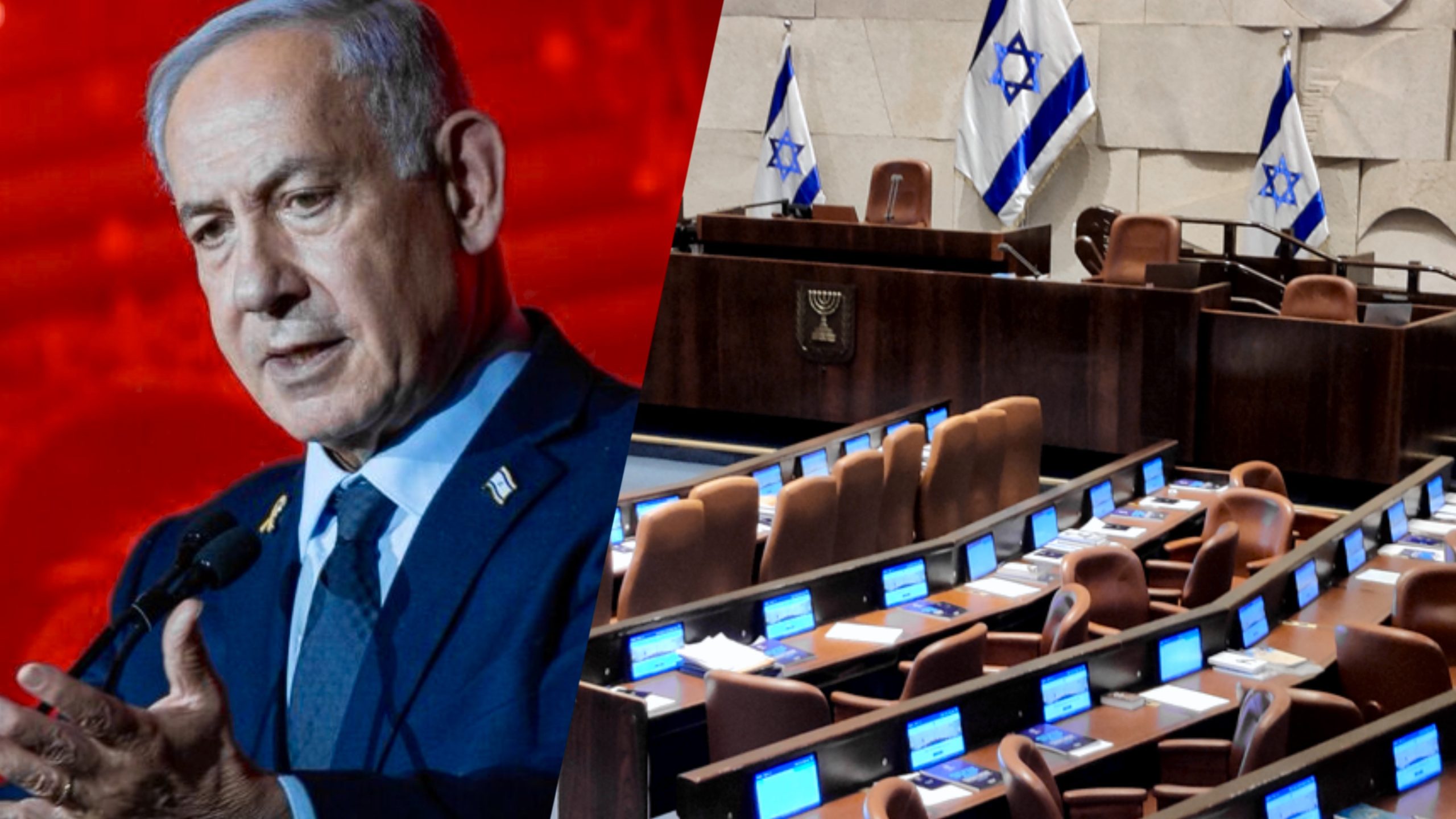

Last Tuesday, Israelis took to the polls, and the counting began. After the final numbers were tabulated, showing that neither the pro-Netanyahu nor the anti-Netanyahu bloc had secured an outright majority, strategizing began over who to align with to obtain 61 seats in the 120-seat Knesset.
The current Prime Minister is well positioned. Likud, headed by Netanyahu, handily became the largest party—defying numerous media polls that were adamant the election would result in his failure. This is also not the Prime Minister’s “first rodeo” negotiating to form a majority government. He is the longest-serving Israeli Prime Minister in the nation’s modern history, with many national election victories under his belt.
The anti-Netanyahu bloc was far less successful, raising concerns that it may join forces with Islamic parties—parties that don’t believe in Israel’s right to exist—to force a victory.
The big news of this election is the nearly 80% voter turnout among Israeli arabs, which provided a whopping 19 seats to the radical muslim parties. Both the Shin Bet (Israel’s Security Agency) and Mossad are investigating evidence of foreign interference and fraudulent activity to boost the arab vote.
“The elections in Israel were stolen by Arab parties that support terror and the elimination of the Jewish state through serious criminal offenses of bribery, threats, violence, forgeries, and the use of illegal software to mobilize voters,” the Likud party said in the statement.
Partnership with anti-Zionist arab parties to gain a majority government should be out of the question—why would an Israeli government lock arms with individuals bent on the eradication of the Jewish State? That’s a question for the anti-Netanyahu bloc, which did just that in 2021 to gain power under Naftali Bennet and Yair Lapid.
Much like the radical left in the United States, the anti-Netanyahu bloc—through compromise, biased media backing, and concessions on the global stage—has proven willing to endanger their own nation to achieve their objectives.
They have sought to wage war on Netanyahu in the courts with outlandish criminal charges, resulting in the Prime Minister being forced to sit in a trial room in the height of a multi-front war. They intertwined themselves with Islamists. They stoked division and protests among the Israeli public. They stood up in front of the world at the United Nations, advocating for a dangerous “two-state solution.” Most recently, one of their leaders praised the electoral losses of pro-Israel candidates in Brazil and Serbia, fawning over the victories of individuals who routinely accuse Israel of genocide.
With the ultimate results of Israel’s election still up in the air, the direction of the Jewish State remains in the balance.
Who sits as Israel’s Prime Minister has far-reaching implications. Consider the premiership of Ariel Sharon, who in 2005 made the fatal mistake of handing Gaza over to the Palestinians, leading to the election of Hamas, tens of thousands of rocket attacks on Israeli civilians, and, ultimately, the brutal massacre of 1,200 Israelis on October 7th.
Elections have consequences. As Christians seeking Israel’s good (Genesis 12:3, Psalm 122:6), this election demands our ongoing and serious prayer.