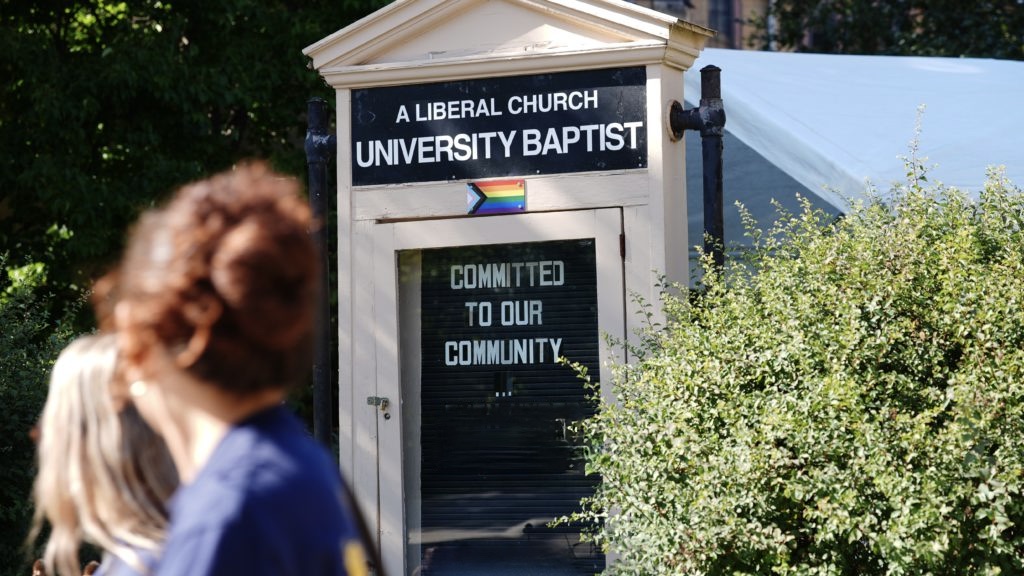

One fact the Bible makes clear about the last days is that within what is called the church, there will be a rejection of sound doctrine, which will lead to a defection from the faith. Faith, in this context, refers to the defining principles and precepts of Christianity. Paul seemed to be greatly troubled by this, because he warned of this frequently when he wrote to the churches.
2 Thessalonians 2:3-4 states, “Let no one deceive you by any means; for that Day will not come unless the falling away comes first, and the man of sin is revealed, the son of perdition, who opposes and exalts himself above all that is called God or that is worshiped, so that he sits as God in the temple of God, showing himself that he is God.”
“That Day” Paul refers to is twofold. It speaks of the appearing of the Lord Jesus to gather His people to be with Him, or the rapture. It also refers to the second coming of Christ to the earth with His church. Both are aspects of the seventieth week of Daniel—the rapture precedes it, and the second coming concludes it. The phrase “falling away” is the Greek word apostasia, which is defined as “defection from truth.” Another form of the word means “divorce, repudiation.”
There is a generation of church history in which many people will defect from the truth and repudiate—or refuse to accept—all or part of the Word of God and divorce themselves from long-held teachings and moral statutes upheld by the church. It is important to note that here, the “church” is not a reference to true believers, but rather, to a group that Jesus referred to that includes “tares among the wheat” (Matthew 13:25). This same generation of church history will define truth by what is believed rather than letting truth define what is believed.
1 Timothy 4:1-2 reads, “Now the Spirit expressly says that in latter times some will depart from the faith, giving heed to deceiving spirits and doctrines of demons, speaking lies in hypocrisy, having their own conscience seared with a hot iron.”
What a chilling statement! It implies that someday, what is called the church will not be the church at all (that is, the bride of Christ). It is worth noting that this is the only use in the Bible of the Greek word translated “expressly.” It means “outspokenly” or “distinctly.” This tells us that there is something specific about the latter times that is distinct from previous generations of church history. The distinguishing features of this time period will be departing from the faith, heeding spiritual deception, and teaching “doctrines of demons.”
The word “conscience” speaks of moral convictions. Paul says that in the latter times, spiritual discernment will be so lacking in much of the church that doctrines of demons will not just go unrecognized, but will be taught, defended, and promoted as valid.