
My wife and I love frozen yogurt. We enjoy concluding date nights by stopping by our favorite yogurt shop before picking up our kids.
One of the things I used to love about this location was my impression that they always played Christian music there. Several years ago, I’ll never forget a visit to this shop. I went inside from the patio and heard a catchy tune playing. Since it wasn’t familiar to me, I asked the cashier about the song. She told me that the song was called Prayer in C. I complimented her for playing Christian music. She clarified that the choice of music depended on who was running the store that day. The song title sounded Christian. As I was listening and settling the bill, it sounded as if the singer was addressing God as Yah. At one point, I thought I had even heard her say “Yahweh.” I was determined to look up the lyrics later.
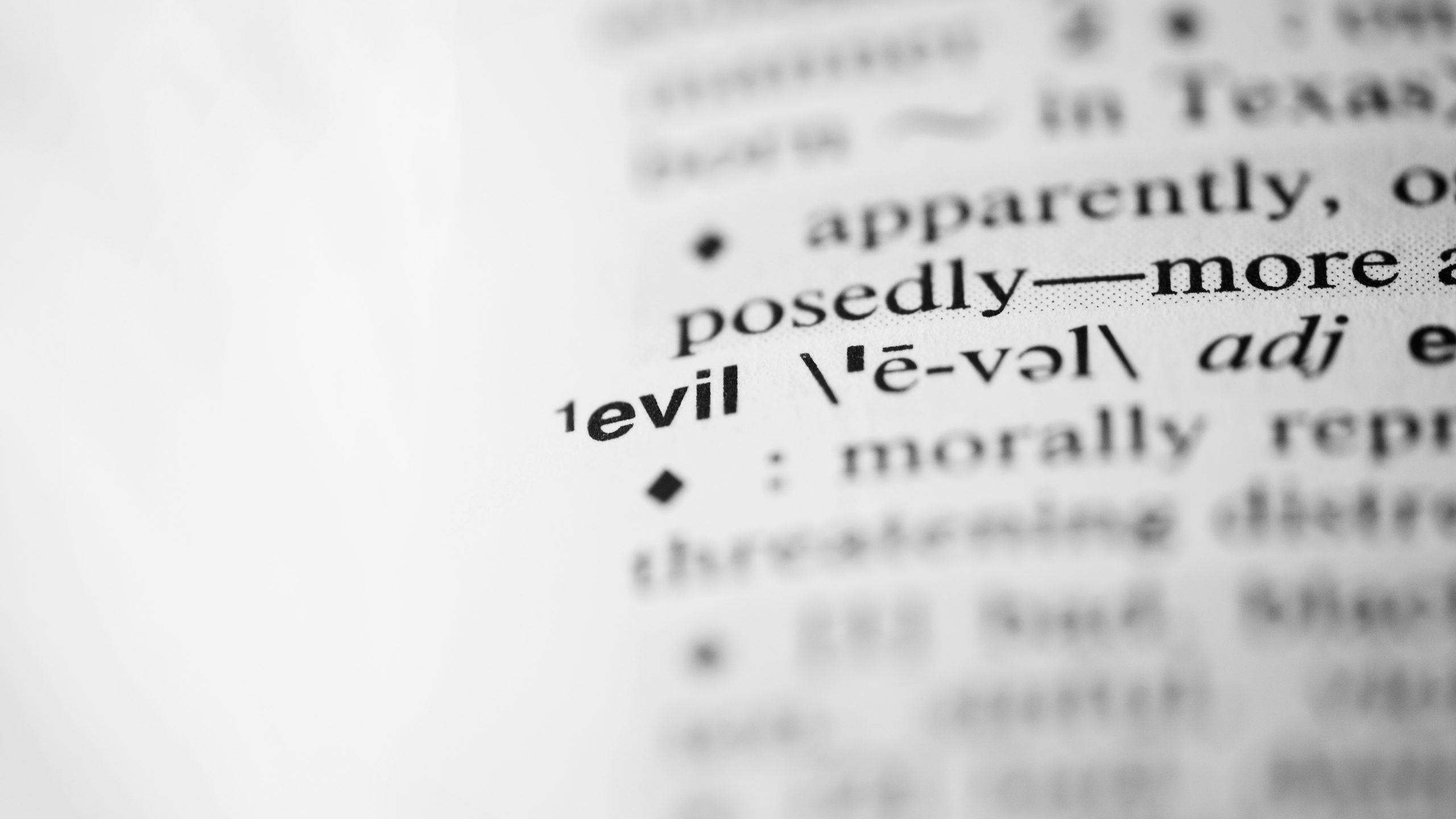
I discovered that this song was very much secular. The song is an indictment against a God that the artist does not even believe exists. Suggestively, the song singles out the Judeo-Christian God, Yahweh, for allowing evil into the world; asserting that if God were real He would not even be able to forgive Himself for allowing pain and suffering. But, the artist is intentional in refraining from actually saying the name Yahweh, a practice that reminded me of Judaism. The word yah has several usages, all of which are at play in the song. For those with a French orientation, yah is an informal way of saying “yeah.” As it turns out, the songwriters are French Jewish. According to Merriam-Webster, yah can also be used as an interjection that expresses derision, disgust, contempt, or even defiance. Sadly, the use of the term in this song cleverly does all of this while subtly denouncing the Holy Name of the one true God. Indeed, this song advances the philosophical problem of evil.
Many people consider the problem of evil as grounds for dismissing Christianity altogether. It is an objection to God that is indiscriminately popular and difficult to answer. In fact, in my own personal evangelism, I would posit to you that this objection to God is the most frequent among those I’ve encountered. In one way or another, I often hear people say, “I cannot believe in a God who allows evil.”
But we are called to apologetics, which is defending our faith (from the Greek, apologia, “speaking in defense”). In 1 Peter 3:15, we are told to “always be ready to give a defense to everyone who asks you a reason for the hope that is in you, with meekness and fear.”
I want to suggest some key points for encountering the problem of evil; but first, let me clearly summarize how this problem is defined philosophically: If God is all-powerful, all-loving, and all-knowing, then evil would not exist.
David Hume, a Scottish philosopher who was no friend of Christianity and heavily influential in the secularization of Western civilization, posed it this way concerning God: “Is he willing to prevent evil, but not able? [Then he is] impotent. Is he able, but not willing? [Then he is] malevolent. Is he both able and willing? [Why then is there] evil?” The problem is compounded when presented to us on the fly in our daily lives and when it is personalized. For example, I was once asked, “If your God is so loving, then why did He allow this five-year-old girl I knew to be murdered?” It is extremely important that we are sure to feel the weight of such objections when they occur. We must be sensitive. However, I want to suggest five points that have helped me in these types of conversations.
1. Calmly remember that the Bible explains the origins of evil. Scripture is not silent; both natural evil (tsunamis and hurricanes) and moral evil (the Holocaust and theft) are all addressed by God. In fact, both evils are a direct result of God’s creatures having the luxury of autonomy, using God-given freedom to turn against the Creator. Natural evil exists because moral evil first existed. Adam’s decision (following Satan’s) to rebel against God led to a curse upon nature.
2. Lovingly ask, “If you’re demanding that God immediately punish evil, what do you expect Him to do about my evil and your own evil?” If we humbly acknowledge our own sins along with our critics’ sin, we force them to think through the implications of their own objection. No one can honestly ask that God show Himself to be real in this way without finding oneself in the crosshairs of judgment. No person is innocent, even by their own standards. This is a moment to highlight God’s gracious love. It has helped me in the past to say, “Look, a Holy God would be just in striking me and you both dead for our evil, but by His Grace we’re alive to repent.”
3. We must point out the inaccuracy of the phrase, “Bad things happen to good people.” Why? Because no one is “good” in God’s eyes. The objection that a Holy God is unjust for allowing natural evil becomes weak by underscoring that “none is righteous, no not one” (Rom. 3:10; cf. Ps. 53:3).
4. State the truth that if there is no God, then there is no ultimate justice. Pastor Erwin Lutzer of the Moody Church once noted that “atheism is not only illogical, it doesn’t satisfy the human mind… it does not have an answer. I remember a Jewish friend of mine who was an atheist and he admitted… the fact that Hitler would never be judged and brought to account before God troubled him. If you are an atheist, all you can do is live with all of the injustices.”4
5. Proclaim the Gospel by not forgetting the hope that the God of Israel provides in light of evil. Death and evil were defeated by Jesus the Messiah, on the cross. His atonement for our sins provides a future where God “will wipe away every tear… there shall be no more death, nor sorrow, nor crying. There shall be no more pain, for the former things have passed away” (Rev. 21:4).
I want to conclude by remembering that we are to love our enemies (Matt. 5:44). Truly, “we do not wrestle against flesh and blood” (Eph. 6:12). The fact that a remixed dance version of Prayer in C became an international hit awaiting discovery in a yogurt shop illustrates for us that answering this objection soundly is a matter of spiritual warfare against the powers and principalities at work in the world. Our answers to these objections must be rooted in the Word of God and in love.