
When a nation loses the ability to distinguish between allies and adversaries, truth and propaganda, leadership and political theater, it becomes vulnerable long before the first battle is lost. The headlines may change, but the underlying challenge remains the same. As conflict intensifies in the Middle East, foreign governments expand their influence, and political narratives compete with objective reality, Americans are confronted with a pressing question: Can we still recognize the difference between those who defend freedom and those who seek to undermine it? These are not isolated controversies. They are warning signs that discernment has become one of the most important responsibilities of our time.
Last month America received devastating news. Two American service members were killed after an Iranian ballistic missile strike on a U.S. base in Jordan. For months, much of the conflict with Iran had been measured in sanctions, diplomacy, intercepted missiles, and political negotiations. Suddenly, the cost was measured once again in American lives. That reality should cut through every political talking point. Iran remains the world’s leading state sponsor of terrorism, and its hostility toward the United States has never been a secret.
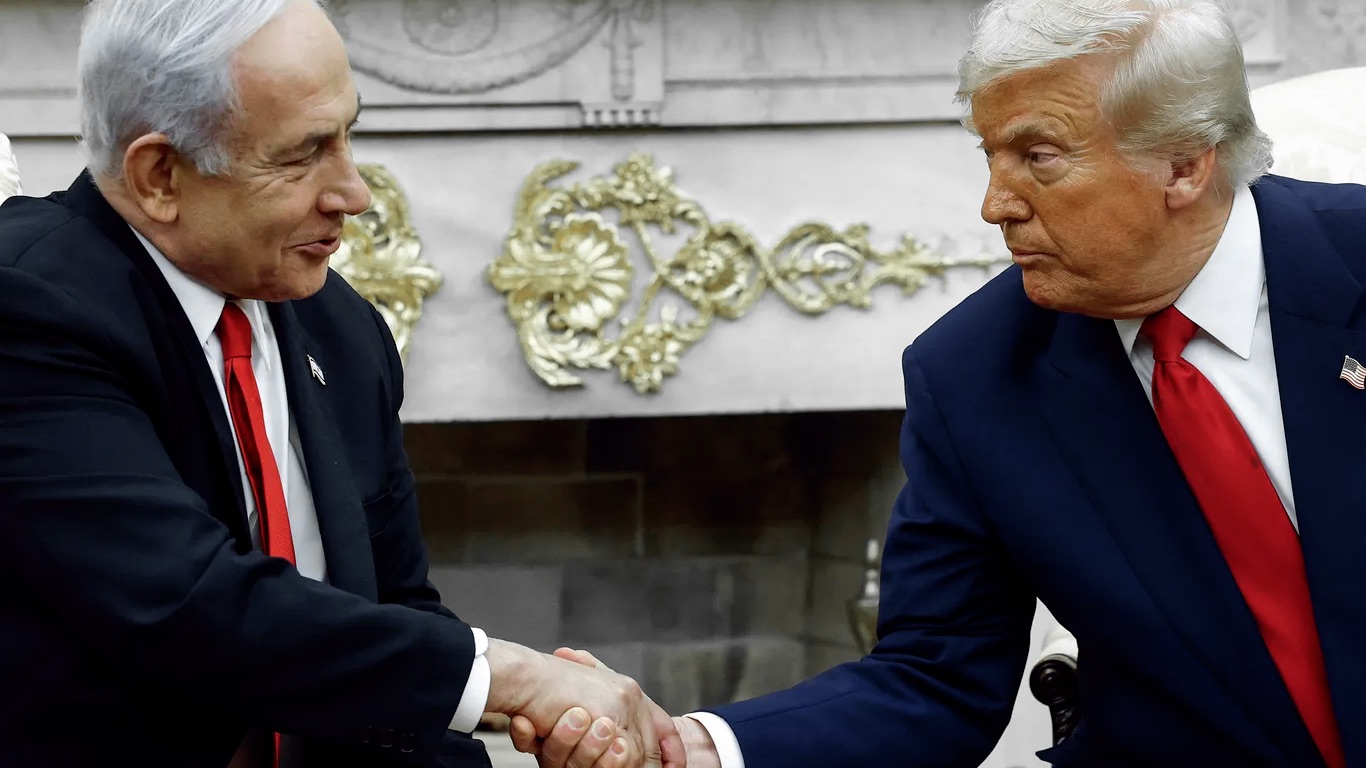
Yet even as Iran demonstrated exactly who it is, much of the public debate shifted away from the regime responsible for the attack and toward Israel, America’s closest ally in the Middle East. Vice President J.D. Vance argued that Israeli influence helped derail negotiations with Iran, suggesting that voices in Israel preferred continued military action over diplomacy. That framing misses the larger point. The agreement did not collapse because Israel objected to it. It collapsed because Iran has repeatedly demonstrated that it uses negotiations to buy time while continuing to pursue its long-term objectives.
This is where discernment becomes indispensable. A nation that cannot correctly identify its adversaries will inevitably begin questioning its allies instead. History is filled with civilizations that spent more energy arguing among themselves than confronting the threats gathering outside their borders. The danger is not merely military. It is intellectual and moral. When a society begins treating warnings as manipulation and allies as liabilities, it loses the clarity necessary to make wise decisions.
Israel’s relationship with the United States has never been based on sentimentality. It rests on shared strategic interests, democratic values, intelligence cooperation, and a common recognition of the dangers posed by radical Islamic terrorism. Those realities should not disappear simply because political narratives become more convenient than geopolitical facts.
Debates over military alliances, concerns about election security, media gatekeeping, congressional battles over aid to Israel, and even moments of political theater all revealed how easily discernment can be replaced by confusion. A society does not lose its way overnight. It drifts one compromised judgment at a time, until it becomes difficult to distinguish conviction from convenience or principle from performance.
That is why support for Israel ultimately represents something larger than a single foreign policy debate. Israel remains the Middle East’s only stable democracy and America’s most dependable strategic partner in one of the world’s most volatile regions. More importantly, the Jewish people occupy a unique place within the Biblical story of redemption. Scripture reminds us that God works through history with purpose, and His covenant faithfulness has never depended upon shifting political winds. The conversation surrounding Israel therefore becomes both geopolitical and spiritual. It forces us to ask whether we are evaluating events through the lens of temporary political narratives or enduring biblical truth.
The larger lesson applies far beyond one nation or one administration. Every generation must decide whether it will judge events according to facts or emotions, principles or personalities, truth or propaganda. Those choices shape the future of every free society.
Civilizations rarely collapse because they lack enemies. They decline when they can no longer recognize the difference between friends and foes.
That is why discernment remains one of the most important responsibilities of every citizen and every Christian. Headlines will continue to change. Political figures will come and go. But wisdom requires looking beneath the news cycle to identify the deeper forces shaping our culture. The future will belong not to those who shout the loudest, but to those who refuse to lose sight of the truth.