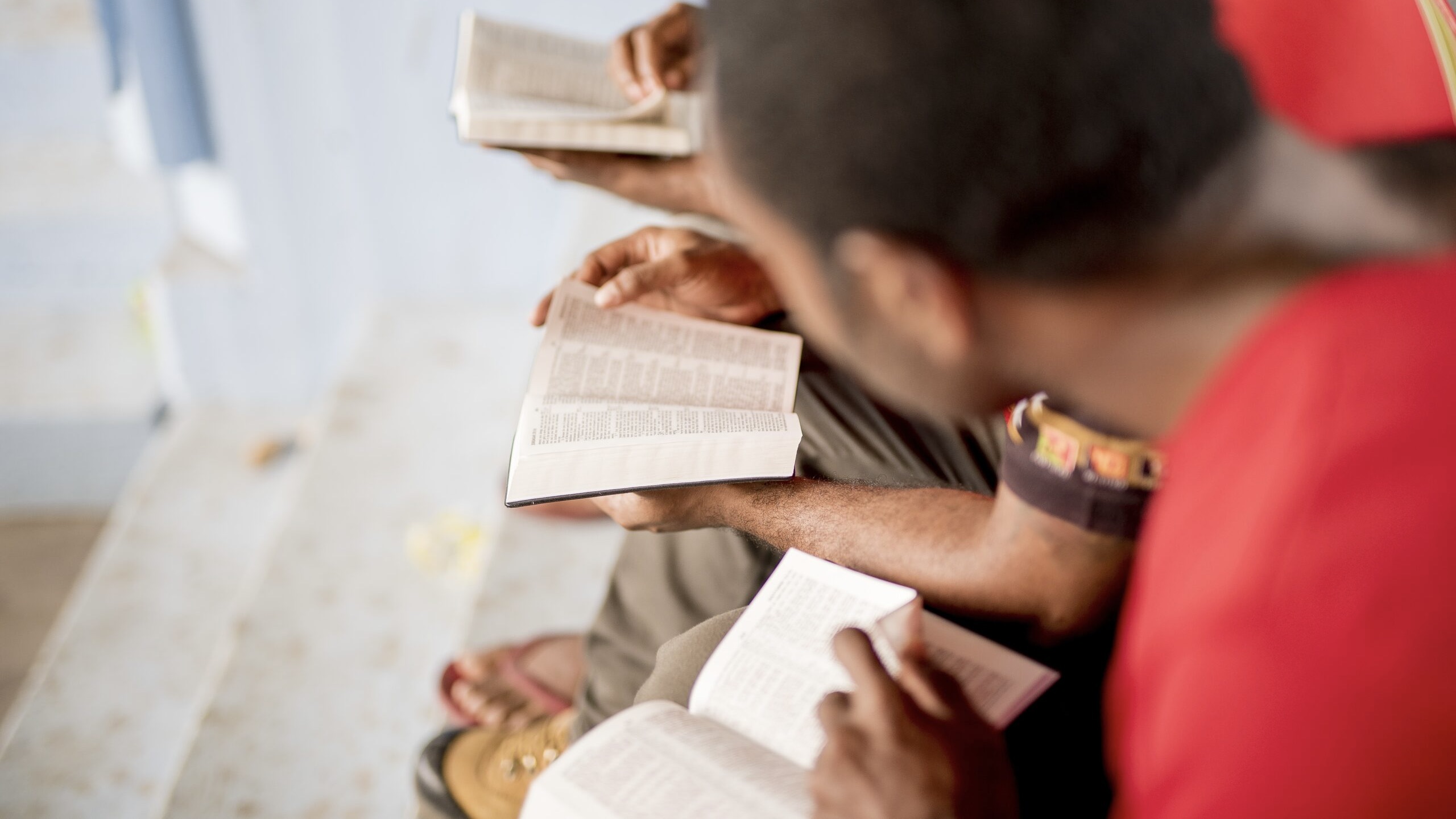
Jesus said in Matthew 4:4, “Man shall not live by bread alone, but by every word that comes from the mouth of God.” The verse about spiritual hunger, not a shortage of pages, is part of what makes the latest numbers so hard to set aside: More than 500 million Christians worldwide face significant restrictions on obtaining or using a Bible.
Where the Bible exists, and still cannot be reached
The Bible Access List 2026 assessed 106 countries to offer “the clearest global picture yet of where, and why, people still struggle to access a Bible.”
For at least 250 million Christians, the barriers are severe and dangerous. Strict governments, extremist violence, and pressure from (or threats toward) families and communities are among the forces standing between believers and Scripture. For millions more, the obstacles are less intense yet no less decisive: poverty, weak infrastructure, illiteracy or a lack of electricity.
Technology can’t even close the gap. In much of the world, a physical Bible is hardly necessary with phones that can open nearly any translation in seconds. The report, however, highlights how “more than 400 million Christians across 42 countries live without internet access, while 277 million across 48 countries live where accessing Scripture online is unsafe or restricted.”
Even as Bible translation around the world recently reached a landmark of 800 different languages, the authors were quick to emphasize that “availability does not necessarily mean access.”
As the report stated, “The Bible in 2026 is available in more translations and formats than ever: printed editions, audio, video, and mobile apps. That progress is significant and worth celebrating. But for millions of people, having Scripture available does not mean they can obtain or safely use it. The Bible Access List asks that deeper question: for those who want a Bible, can they actually get one?”
Perhaps. Yet in several countries, imprisonment, and even death, for possessing a Bible solidly stands as both risk and reality.
When possession itself is the danger
Afghanistan sits at the top of the restrictions list, where “God’s Word is the most dangerous book any Afghan can possess, and discovery can cost them their life.” Yemen, Somalia, North Korea, and Eritrea follow close behind.
“In North Korea, every dimension of Bible access is prohibited. Christians are treated as enemies of the state, and a Bible discovered in a routine house search can mean execution or a life sentence in a forced labor camp,” the report states. “In Eritrea, phones are inspected at checkpoints, and the state monitors Christian content online.” In Turkmenistan, seventh on the restrictions list, “Bibles in the Turkmen language are outright illegal, and a Bible without the state stamp is grounds for confiscation.”
There’s limited access to a digital version of the Bible across countries like Iran, Saudi Arabia, and Somalia, but surveillance and monitorization are intense, Christian websites are often blocked, and extremist groups keep a keen eye on Bible use and distribution. “The translation exists. The digital Bible exists. Safe access does not.”
And then in countries where Scripture has been translated into the right language, the report notes, “people may not know it exists or how to access it.”
A different kind of lack
Restriction is not the only story. The countries facing the largest Bible shortages are the Democratic Republic of Congo, Ethiopia, Nigeria, India, and Uganda. There, the law is often not the main barrier. Distance, cost and supply are.
“An estimated 125 million Christians across 81 countries want a Bible but do not have one,” which is up from more than 100 million in last year’s list. This year’s assessment also widened the map: 106 countries were reviewed, with seven new additions to the ranked restrictions list.
What does this mean for the church?
In many of the most restrictive countries, the report emphasized, “Believers rely on memorized Scripture, because a physical Bible is too dangerous to keep. Here the question is not how many Bibles are needed, but how one can be kept at all.”
The report identifies the need plainly: prayer and action “for persecuted believers who risk consequences for accessing or owning a Bible; for those kept from one by poverty, distance, or poor infrastructure; and for those whose Scripture exists but has still not reached them.”
Each new report serves in finding answers to the following questions:
- How do we get Bibles to our brothers and sisters in Christ?
- To those who need them but cannot afford them?
- To those who are seeking, but cannot get one?
What Can Be Done?
The answer to what can be done varies from country to country.
In places where a Bible can be owned safely, the work is practical: fund printing in the languages people actually speak, support distribution through churches already on the ground, and refuse to treat a digital file as a solution for someone with no signal and no power. In places where ownership itself is dangerous, the work may look more like prayer for believers who carry Scripture in memory because they can’t carry it in their hands.
Matthew 4:4 doesn’t say man shall live by the knowledge that a Bible exists somewhere. It says he lives by every Word that comes from the mouth of God. The report acknowledges that availability is worth celebrating, but access remains the prayer.
More of the report’s key findings can be found here.
Relevant Bible passages to ponder: 1 Peter 4:12-14, John 17:17, Psalm 119:11, Romans 8:31-39