November 19, 2026

November, 19, 2026
November 19, 2026

give

untitled artwork

untitled artwork

World news biblically understood

TRENDING:

The Church Cannot Remain Silent On Biblical Matters Because They Have Been Declared ‘Political’

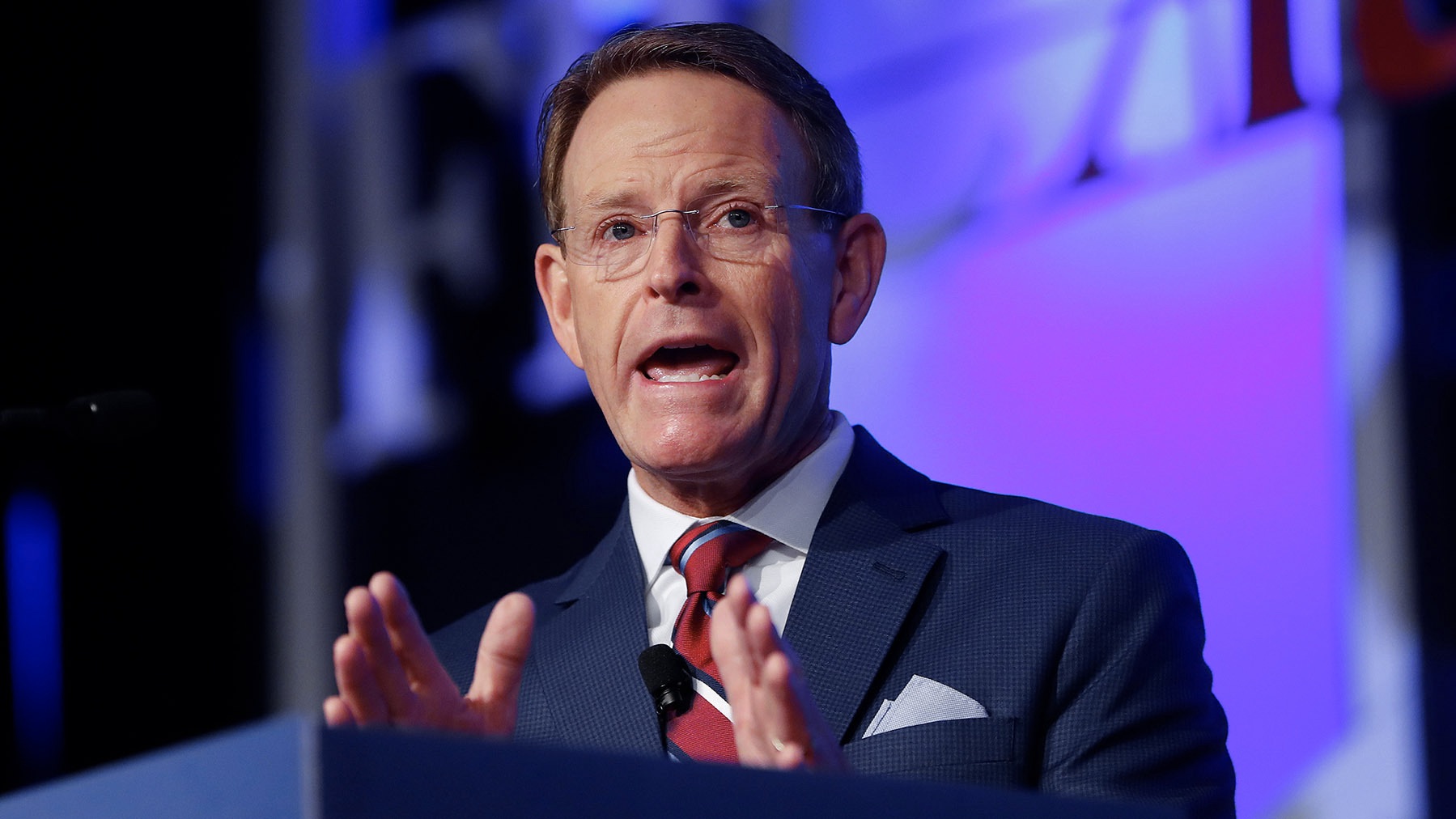
A Pew Research Center survey released earlier this year found that 66% of Americans believe churches and other houses of worship should stay out of political matters rather than address day-to-day social and political questions. Does that mean a pastor should avoid any subject politicians happen to debate?

Consider abortion, marriage, human sexuality, immigration, and justice. These are not merely political issues that divide the parties. They are moral and spiritual issues which Scripture addresses. If pastors were to cut every biblical passage that becomes controversial in Washington, our Bibles would look like Swiss cheese.

Perhaps the deeper question is whether we understand how frequently God’s people were called to bring God’s truth to bear on matters of civil government.

In a 2019 Pew survey of biblical knowledge, 79% correctly identified Moses, 78% David, 69% Abraham, but only 28% Esther.

Pew didn’t ask what those four had in common. Besides being Hebrews, each had a consequential encounter with political power.

Moses stood before Pharaoh and demanded freedom for God’s people. David became Israel’s model king. Abraham dealt with kings and rulers. Esther risked her life by approaching the Persian king to save her people from destruction.

And the list hardly ends there.

Joseph rose to authority in Egypt. Nehemiah served a Persian king before becoming governor of Judah. Prophets such as Nathan, Elijah, and Jeremiah confronted rulers when their actions violated God’s commands.

Then there was Daniel.

Daniel served under pagan kings in Babylon and, later, under Persian rule. Yet his proximity to power never silenced his allegiance to God. When King Belshazzar offered him rewards, Daniel refused them and delivered a message the king did not want to hear: God had weighed his kingdom and found it wanting.

Daniel understood something the church must rediscover: God’s people cannot remain silent on matters God has clearly addressed simply because those matters have been declared political.

This pattern continues in the New Testament. John the Baptist confronted Herod over his marriage. Paul asserted his rights as a Roman citizen and testified before governors and a king. Their witness did not stop at the palace gates.

Certainly, ancient Israel and Rome were not modern America, and Scripture does not offer a party platform or a position on every legislative detail. But it does establish moral truths that apply to nations, to their rulers and citizens alike.

Jesus called His followers the salt of the earth and the light of the world. Neither image suggests withdrawal. Both describe engagement that makes a difference.

So the issue is not whether the church should become political. It is whether Christians will remain biblical when biblical truth has political consequences.

Our calling is neither to become the mouthpiece of a party nor to retreat into silence. It is to stand on God’s word, defend what is right, confront what is wrong, and speak with courage — even when the culture would rather we remain silent.


give

give

Meeting Of The Big Three, Government Problems, And Praying For A Miracle

A Russian leader, a Chinese leader, and an American leader walk into a summit. Sounds like the beginning of a bad joke, but that’s what happened yesterday in Shenzhen, China. Today, they will meet for an hour in a mostly ceremonial confab. Then all will go back home. If that seems like a waste of time, it isn’t. Months of work have been going into the gathering of this trio of heads of state. What takes place today could possibly be the formalizing of decisions that have already been made. This is a very interesting meeting because each leader has their own major problems.

An Intrusive Secular State: New Award-Winning Film Exposes Removal Of Children From Christian Parents In Norway

“What happened to the Bodnariu family was a grave injustice and should be a warning to us all. Five children were torn from their loving parents, separated from one another and placed in different homes, in circumstances where their parents’ Christian faith and family values appear to have been viewed through a lens of suspicion and prejudice. This case exposed something deeply concerning about the cultural climate in which we live: the growing tendency to regard traditional Christian beliefs, biblical principles and the convictions of Christian parents as somehow suspect, backward or even harmful."

sign up

‘Unwavering Voice For The Voiceless’: Cissie Graham Lynch Sits for Senate Confirmation Hearing for Religious Freedom Ambassador

The lessons that have shaped her most deeply, she said, came from “sitting with mothers who’ve lost sons and daughters to persecution, listening to pastors who’ve rebuilt their congregations after their churches have been burned, and meeting families driven from their homes because of their beliefs.” Those encounters remain vivid. “I’ve stood in the mass graveyards in northern Iraq,” Lynch said. “I’ve spoken with displaced women in Sudan hiding in the mountains. I’ve met with family members of the 21 Coptic Christians who have been beheaded by ISIS on the shores of Libya. They are not statistics. They have faces, names, and families, and I will carry their stories with me into this role.”

ABC's of Salvation

Decision

christ in prophecy

christ in prophecy

Decision

untitled artwork

Israel My Glory

A Pew Research Center survey released earlier this year found that 66% of Americans believe churches and other houses of worship should stay out of political matters rather than address day-to-day social and political questions. Does that mean a pastor should avoid any subject politicians happen to debate?

Consider abortion, marriage, human sexuality, immigration, and justice. These are not merely political issues that divide the parties. They are moral and spiritual issues which Scripture addresses. If pastors were to cut every biblical passage that becomes controversial in Washington, our Bibles would look like Swiss cheese.

Perhaps the deeper question is whether we understand how frequently God’s people were called to bring God’s truth to bear on matters of civil government.

In a 2019 Pew survey of biblical knowledge, 79% correctly identified Moses, 78% David, 69% Abraham, but only 28% Esther.

Pew didn’t ask what those four had in common. Besides being Hebrews, each had a consequential encounter with political power.

Moses stood before Pharaoh and demanded freedom for God’s people. David became Israel’s model king. Abraham dealt with kings and rulers. Esther risked her life by approaching the Persian king to save her people from destruction.

And the list hardly ends there.

Joseph rose to authority in Egypt. Nehemiah served a Persian king before becoming governor of Judah. Prophets such as Nathan, Elijah, and Jeremiah confronted rulers when their actions violated God’s commands.

Then there was Daniel.

Daniel served under pagan kings in Babylon and, later, under Persian rule. Yet his proximity to power never silenced his allegiance to God. When King Belshazzar offered him rewards, Daniel refused them and delivered a message the king did not want to hear: God had weighed his kingdom and found it wanting.

Daniel understood something the church must rediscover: God’s people cannot remain silent on matters God has clearly addressed simply because those matters have been declared political.

This pattern continues in the New Testament. John the Baptist confronted Herod over his marriage. Paul asserted his rights as a Roman citizen and testified before governors and a king. Their witness did not stop at the palace gates.

Certainly, ancient Israel and Rome were not modern America, and Scripture does not offer a party platform or a position on every legislative detail. But it does establish moral truths that apply to nations, to their rulers and citizens alike.

Jesus called His followers the salt of the earth and the light of the world. Neither image suggests withdrawal. Both describe engagement that makes a difference.

So the issue is not whether the church should become political. It is whether Christians will remain biblical when biblical truth has political consequences.

Our calling is neither to become the mouthpiece of a party nor to retreat into silence. It is to stand on God’s word, defend what is right, confront what is wrong, and speak with courage — even when the culture would rather we remain silent.


Trusted Analysis From A Biblical Worldview

Help reach the lost and equip the church with the living and active truth of God's Word in our world today.

YOU CARE ABOUT

BIBLICAL TRUTH. SO DO WE.


Together, We Can Deliver A Biblical Understanding

Of News Events Around The World.

Meeting Of The Big Three, Government Problems, And Praying For A Miracle

A Russian leader, a Chinese leader, and an American leader walk into a summit. Sounds like the beginning of a bad joke, but that’s what happened yesterday in Shenzhen, China. Today, they will meet for an hour in a mostly ceremonial confab. Then all will go back home. If that seems like a waste of time, it isn’t. Months of work have been going into the gathering of this trio of heads of state. What takes place today could possibly be the formalizing of decisions that have already been made. This is a very interesting meeting because each leader has their own major problems.

An Intrusive Secular State: New Award-Winning Film Exposes Removal Of Children From Christian Parents In Norway

“What happened to the Bodnariu family was a grave injustice and should be a warning to us all. Five children were torn from their loving parents, separated from one another and placed in different homes, in circumstances where their parents’ Christian faith and family values appear to have been viewed through a lens of suspicion and prejudice. This case exposed something deeply concerning about the cultural climate in which we live: the growing tendency to regard traditional Christian beliefs, biblical principles and the convictions of Christian parents as somehow suspect, backward or even harmful."

untitled artwork 6391

‘Unwavering Voice For The Voiceless’: Cissie Graham Lynch Sits for Senate Confirmation Hearing for Religious Freedom Ambassador

The lessons that have shaped her most deeply, she said, came from “sitting with mothers who’ve lost sons and daughters to persecution, listening to pastors who’ve rebuilt their congregations after their churches have been burned, and meeting families driven from their homes because of their beliefs.” Those encounters remain vivid. “I’ve stood in the mass graveyards in northern Iraq,” Lynch said. “I’ve spoken with displaced women in Sudan hiding in the mountains. I’ve met with family members of the 21 Coptic Christians who have been beheaded by ISIS on the shores of Libya. They are not statistics. They have faces, names, and families, and I will carry their stories with me into this role.”

ABC's of Salvation

TV AD

worldview matters

Decision Magazine V AD

Decision

Jan Markell

Israel My Glory

Erick Stakelbeck

untitled artwork

YOU CARE ABOUT

BIBLICAL TRUTH.

SO DO WE.

Together, We Can Deliver A Biblical Understanding Of News Events Around The World And Equip The Church To Stand With A Biblical Worldview.

untitled artwork

Israel My Glory

YOU CARE ABOUT

BIBLICAL TRUTH.

SO DO WE.


Together, We Can Deliver A Biblical Understanding Of News Events Around The World And Equip The Church To Stand With A Biblical Worldview.