
April 4, 2026

April, 4, 2026
April 4, 2026

give

untitled artwork

untitled artwork

World news biblically understood

TRENDING:

Despite The Catholic Church’s Desperate Efforts, You Cannot Separate The Apostles From Their Jewishness

Newsflash: The apostle Simon Peter was not a Roman Catholic. He did not consider Rome his homeland, and he certainly did not understand himself to be the founder of anything like the papacy.

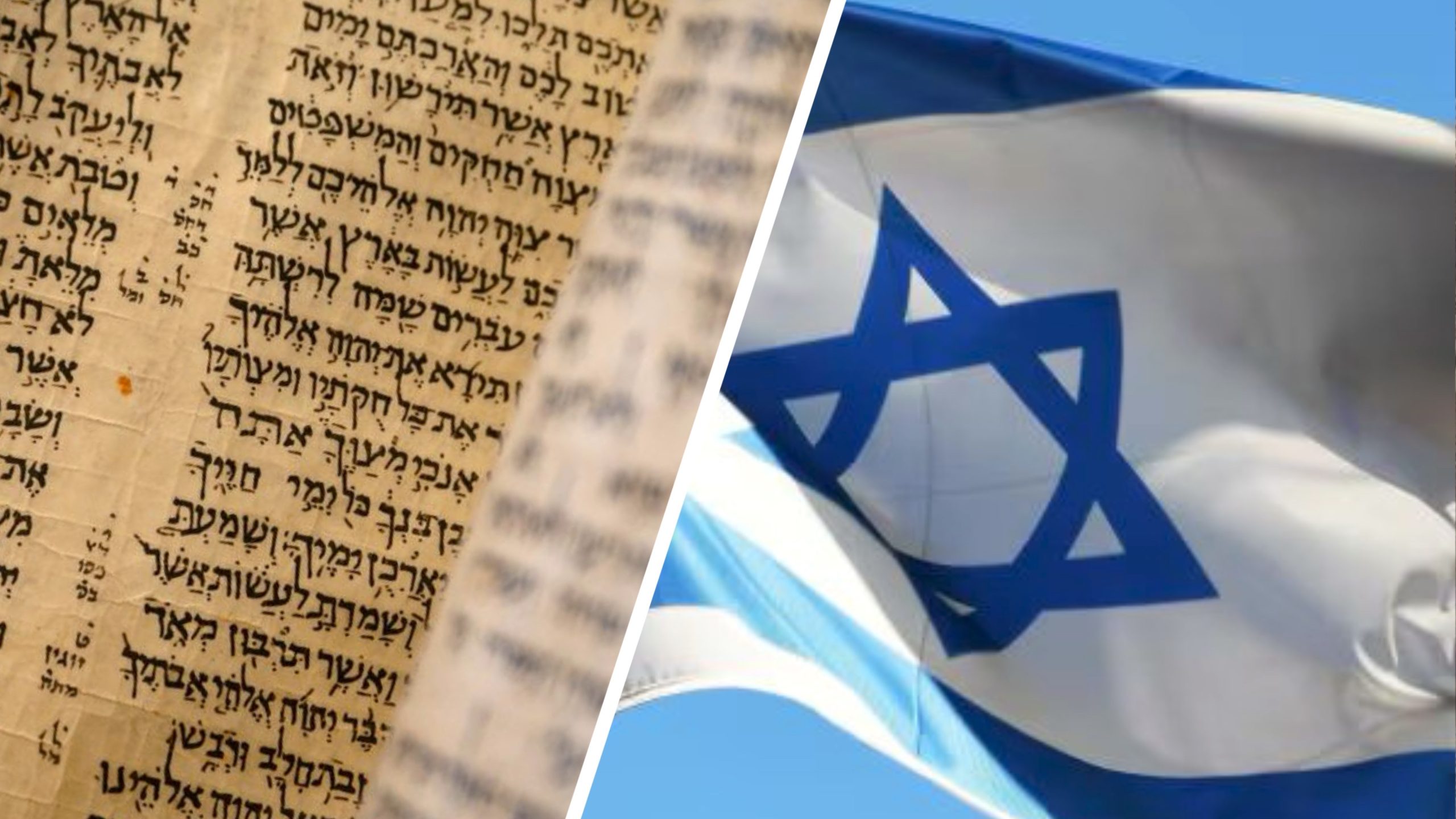
The man called Simon Peter was Jewish, both religiously and ethnically; and when his peers addressed him, they would have called him Shimon, not Simon.

Over the centuries, the church’s appropriation of Jesus and the apostles has muddied the waters of truth, leading many professing Christians to forget that Christianity began with Judaism; and the New Testament writers relied heavily on the only Scriptures they had—the Tanakh (Torah, Prophets, and Writings)—to teach about God and the Messiah.

The Source of Revelation
If you had asked Peter to quote Scripture, he would have quoted the Tanakh, what we call the Old Testament. In fact, Peter drew from the Tanakh when he answered Jesus’ question, “Who do you say that I am?” (Mt. 16:15).

Peter took his answer straight from Psalm 2, which reads, “The rulers take counsel together, against the LORD and His Anointed [Messiah]. . . . ‘You are My Son, today I have begotten You.’ . . . Kiss the Son, lest He be angry, and you perish in the way” (vv. 2, 7, 12). Peter told Jesus, “You are the Christ [Messiah], the Son of the Living God” (Mt. 16:16). That statement forms the very foundation of the church (v. 18).

Jesus responded, “Blessed are you, Simon Bar-Jonah, for flesh and blood has not revealed this to you, but My Father who is in heaven” (v. 17). Peter was blessed for two reasons: (1) The Father revealed to him the Son he had read about in the Scriptures, and (2) Jesus affirmed what the psalmist had said: “Blessed are all those who put their trust in Him” (Ps. 2:12).

It is possible Peter learned a lesson that day about reading Scripture. Flesh and blood never have been the source of revelation. Revelation comes from God, as an ancient petition from Psalm 119 says: “Open my eyes, that I may see wondrous things from Your law” (v. 18).

Later, Peter wrote, “No prophecy of Scripture is of any private interpretation” (2 Pet. 1:20). Why? “For prophecy never came by the will of man, but holy men of God spoke as they were moved by the Holy Spirit” (v. 21). God is the One who spoke, and God knows better than anyone what He meant by what He said. This fact is crucial to understanding how Peter used the Old Testament.

Peter’s Sermons in the Book of Acts

While the New Testament unapologetically exposes Peter’s assertiveness, overconfidence, and sometimes cowardice (Mk. 8:32; 14:29–31, 72), it also records the transformation of this Israelite who demonstrated chutzpah (gumption) while doing God’s work.

Even prior to the outpouring of the Holy Spirit at Pentecost (Shavuot), Peter used the Old Testament impressively. For example, he found Judas’s betrayal of Jesus to be so monumental that he noted how the Holy Spirit even foretold of it way back in King David’s day (Acts 1:16–20). After the Holy Spirit took ownership of Peter at Pentecost, this “uneducated” Jewish man (4:13) courageously demonstrated a knowledge of the Tanakh that only God could have inspired.

When the apostles began speaking in foreign languages as a reaction to the Spirit’s outpouring and became a source of derision in Jerusalem, Peter went to Joel 2:28–32 to rebuke the mockers (Acts 2:14–21), as if to say, “Don’t you know that the prophet Joel said things like this would happen in the latter days? Do not mock that this is happening here.”

Peter also mentioned Joel’s cosmic signs (the sun turning dark, the moon turning to blood “before the coming of the great and awesome day of the LORD,” v. 20), indicating he was not suggesting a complete fulfillment of Joel’s prophecy was taking place (vv. 19–20). Afterward, Peter boldly proclaimed that the Scriptures foresaw the Messiah’s resurrection and ascension to the Father’s right hand (vv. 22–36).

The result? On that very day, the men of Israel were cut to the heart; and about 3,000 repented of their sins and were saved and baptized (vv. 37–41). That number mirrors the number of Israelites who perished on the day the Law was given on Mount Sinai (Ex. 32:28).

Peter later preached at the Temple after healing a man in Jesus’ name. He proclaimed that Jesus was the prophet Moses told Israel to look for when Moses said, “The LORD your God will raise up for you a Prophet like me from your midst” (Dt. 18:15), and that Israel’s repentance would usher in the “times of refreshing” (the Millennial Kingdom). He emphasized that the Messiah’s time in heaven prior to the “restoration of all things” was also spoken of “by the mouth of all His holy prophets” (Acts 3:11–26).

Peter, along with the apostle John who was with him, was arrested for this sermon. Then he boldly told the Jewish leaders that Jesus was “the stone which was rejected by you builders, which has become the chief cornerstone” (4:11; cf. Ps. 118:22; Isa. 28:16).

Again, the influence of Psalm 2 appeared when Peter and John were released. They joined their companions in praising God and declaring the psalm’s partial fulfillment after reporting everything that had happened at the Temple (Acts 4:23–28).

When God sent Peter to the Gentile Cornelius, Peter understood from the prophets that through the Messiah’s name, “whoever believes in Him will receive remission of sins” (10:43). Isaiah had said, “Behold! My Servant. . . . I have put My Spirit upon Him; He will bring forth justice to the Gentiles” (Isa. 42:1).

And who could forget Isaiah 53? It says, “After he has suffered, he will see the light of life and be satisfied; by his knowledge my righteous servant will justify many, and he will bear their iniquities” (v. 11, NIV). Undoubtedly, this knowledge formed the basis of Peter’s position at the Jerusalem Council, when he insisted that Gentiles should not have to convert to Judaism to be saved (Acts 15:7–11).

Letters to the Church
Peter also contributed in his service for the Lord by writing two epistles, 1 and 2 Peter, that became part of the New Testament. In them, he clearly demonstrated his knowledge of the prophets:

The prophets have inquired and searched carefully, who prophesied of the grace that would come to you, searching what, or what manner of time, the Spirit of Christ who was in them was indicating when He testified beforehand the sufferings of Christ and the glories that would follow (1 Pet. 1:10–11).

The prophets, he concluded, were “ministering the things which now have been reported to you” (v. 12). Peter was heavily influenced by Isaiah, Psalms, Proverbs, and the Torah (especially Genesis).

The apostle Simon Peter was not a Roman Catholic. He could not have been more Jewish, and it’s a shame that organized Christendom has done more to separate Peter from his Judaism than to show how he taught about Jesus in an entirely Jewish context.


Your support helps Harbinger's Daily propel the boldest and most sound Christian voices of our day—those unwavering in their defense of the truth and passionate about reaching the unsaved world—while engaging millions to stand courageously with a worldview grounded in God's Word. 

Will you defend the truth and equip others to do the same?

‘It’s Billy Graham’s Fault’: Democrat Congressional Candidate Lambasted Evangelicals For Creating The ‘White Patriarchy’

When bested in debate, progressives often retreat to the safe and comfortable ground of ad hominem attacks, accusing their opponents of racism, sexism, and Nazism. In 2023, Lutheran "minister," Iowa representative, and now congressional candidate Sarah Trone Garriott (D), repeated all the same attacks with her own unique twist sure to provoke head-scratching: “It’s Billy Graham’s fault.”

Christ’s Resurrection Is Truly ‘The Fact On Which All Other Facts Rest’

Jesus’ physical resurrection from the grave yields some vitally important therefores. In fact, central to the Christian faith is Jesus as the resurrected Son of God. Jesus not only predicted His resurrection, but all four Gospels record the empty tomb on the third day (Matthew 28:1-6; Mark 16:2-6; Luke 24:1-3; John 20:1-9). For the Gospel and Biblical worldview, Christ’s resurrection is truly “the fact on which all other facts rest.” Since Jesus rose, we may trust what He taught about salvation, eternity, and all the promises of God’s Word.

sign up

Behind The Headlines, The Gospel Is Spreading Into Every Corner Of The Earth With Its Message Of Triumph

As you know, the leaders of Iran adhere to an apocalyptic form of Islam, and they’re doing everything possible to discourage this revival. Anyone suspected of being a Christian is arrested or oppressed. But do you know what’s happening? Plans are unfolding for Billy Graham to preach in Iran! Yes, Dr. Graham’s sermons are being dubbed into Farsi and broadcast into the country. It’s believed his sermons will reach over twenty million Iranians in the safety of their own homes. 

ABC's of Salvation

Decision

UTT

FOI

untitled artwork

Israel My Glory

Newsflash: The apostle Simon Peter was not a Roman Catholic. He did not consider Rome his homeland, and he certainly did not understand himself to be the founder of anything like the papacy.

The man called Simon Peter was Jewish, both religiously and ethnically; and when his peers addressed him, they would have called him Shimon, not Simon.

Over the centuries, the church’s appropriation of Jesus and the apostles has muddied the waters of truth, leading many professing Christians to forget that Christianity began with Judaism; and the New Testament writers relied heavily on the only Scriptures they had—the Tanakh (Torah, Prophets, and Writings)—to teach about God and the Messiah.

The Source of Revelation
If you had asked Peter to quote Scripture, he would have quoted the Tanakh, what we call the Old Testament. In fact, Peter drew from the Tanakh when he answered Jesus’ question, “Who do you say that I am?” (Mt. 16:15).

Peter took his answer straight from Psalm 2, which reads, “The rulers take counsel together, against the LORD and His Anointed [Messiah]. . . . ‘You are My Son, today I have begotten You.’ . . . Kiss the Son, lest He be angry, and you perish in the way” (vv. 2, 7, 12). Peter told Jesus, “You are the Christ [Messiah], the Son of the Living God” (Mt. 16:16). That statement forms the very foundation of the church (v. 18).

Jesus responded, “Blessed are you, Simon Bar-Jonah, for flesh and blood has not revealed this to you, but My Father who is in heaven” (v. 17). Peter was blessed for two reasons: (1) The Father revealed to him the Son he had read about in the Scriptures, and (2) Jesus affirmed what the psalmist had said: “Blessed are all those who put their trust in Him” (Ps. 2:12).

It is possible Peter learned a lesson that day about reading Scripture. Flesh and blood never have been the source of revelation. Revelation comes from God, as an ancient petition from Psalm 119 says: “Open my eyes, that I may see wondrous things from Your law” (v. 18).

Later, Peter wrote, “No prophecy of Scripture is of any private interpretation” (2 Pet. 1:20). Why? “For prophecy never came by the will of man, but holy men of God spoke as they were moved by the Holy Spirit” (v. 21). God is the One who spoke, and God knows better than anyone what He meant by what He said. This fact is crucial to understanding how Peter used the Old Testament.

Peter’s Sermons in the Book of Acts

While the New Testament unapologetically exposes Peter’s assertiveness, overconfidence, and sometimes cowardice (Mk. 8:32; 14:29–31, 72), it also records the transformation of this Israelite who demonstrated chutzpah (gumption) while doing God’s work.

Even prior to the outpouring of the Holy Spirit at Pentecost (Shavuot), Peter used the Old Testament impressively. For example, he found Judas’s betrayal of Jesus to be so monumental that he noted how the Holy Spirit even foretold of it way back in King David’s day (Acts 1:16–20). After the Holy Spirit took ownership of Peter at Pentecost, this “uneducated” Jewish man (4:13) courageously demonstrated a knowledge of the Tanakh that only God could have inspired.

When the apostles began speaking in foreign languages as a reaction to the Spirit’s outpouring and became a source of derision in Jerusalem, Peter went to Joel 2:28–32 to rebuke the mockers (Acts 2:14–21), as if to say, “Don’t you know that the prophet Joel said things like this would happen in the latter days? Do not mock that this is happening here.”

Peter also mentioned Joel’s cosmic signs (the sun turning dark, the moon turning to blood “before the coming of the great and awesome day of the LORD,” v. 20), indicating he was not suggesting a complete fulfillment of Joel’s prophecy was taking place (vv. 19–20). Afterward, Peter boldly proclaimed that the Scriptures foresaw the Messiah’s resurrection and ascension to the Father’s right hand (vv. 22–36).

The result? On that very day, the men of Israel were cut to the heart; and about 3,000 repented of their sins and were saved and baptized (vv. 37–41). That number mirrors the number of Israelites who perished on the day the Law was given on Mount Sinai (Ex. 32:28).

Peter later preached at the Temple after healing a man in Jesus’ name. He proclaimed that Jesus was the prophet Moses told Israel to look for when Moses said, “The LORD your God will raise up for you a Prophet like me from your midst” (Dt. 18:15), and that Israel’s repentance would usher in the “times of refreshing” (the Millennial Kingdom). He emphasized that the Messiah’s time in heaven prior to the “restoration of all things” was also spoken of “by the mouth of all His holy prophets” (Acts 3:11–26).

Peter, along with the apostle John who was with him, was arrested for this sermon. Then he boldly told the Jewish leaders that Jesus was “the stone which was rejected by you builders, which has become the chief cornerstone” (4:11; cf. Ps. 118:22; Isa. 28:16).

Again, the influence of Psalm 2 appeared when Peter and John were released. They joined their companions in praising God and declaring the psalm’s partial fulfillment after reporting everything that had happened at the Temple (Acts 4:23–28).

When God sent Peter to the Gentile Cornelius, Peter understood from the prophets that through the Messiah’s name, “whoever believes in Him will receive remission of sins” (10:43). Isaiah had said, “Behold! My Servant. . . . I have put My Spirit upon Him; He will bring forth justice to the Gentiles” (Isa. 42:1).

And who could forget Isaiah 53? It says, “After he has suffered, he will see the light of life and be satisfied; by his knowledge my righteous servant will justify many, and he will bear their iniquities” (v. 11, NIV). Undoubtedly, this knowledge formed the basis of Peter’s position at the Jerusalem Council, when he insisted that Gentiles should not have to convert to Judaism to be saved (Acts 15:7–11).

Letters to the Church
Peter also contributed in his service for the Lord by writing two epistles, 1 and 2 Peter, that became part of the New Testament. In them, he clearly demonstrated his knowledge of the prophets:

The prophets have inquired and searched carefully, who prophesied of the grace that would come to you, searching what, or what manner of time, the Spirit of Christ who was in them was indicating when He testified beforehand the sufferings of Christ and the glories that would follow (1 Pet. 1:10–11).

The prophets, he concluded, were “ministering the things which now have been reported to you” (v. 12). Peter was heavily influenced by Isaiah, Psalms, Proverbs, and the Torah (especially Genesis).

The apostle Simon Peter was not a Roman Catholic. He could not have been more Jewish, and it’s a shame that organized Christendom has done more to separate Peter from his Judaism than to show how he taught about Jesus in an entirely Jewish context.


Trusted Analysis From A Biblical Worldview

Help reach the lost and equip the church with the living and active truth of God's Word in our world today.

YOU CARE ABOUT

BIBLICAL TRUTH. SO DO WE.


Together, We Can Deliver A Biblical Understanding

Of News Events Around The World.

‘It’s Billy Graham’s Fault’: Democrat Congressional Candidate Lambasted Evangelicals For Creating The ‘White Patriarchy’

When bested in debate, progressives often retreat to the safe and comfortable ground of ad hominem attacks, accusing their opponents of racism, sexism, and Nazism. In 2023, Lutheran "minister," Iowa representative, and now congressional candidate Sarah Trone Garriott (D), repeated all the same attacks with her own unique twist sure to provoke head-scratching: “It’s Billy Graham’s fault.”

Christ’s Resurrection Is Truly ‘The Fact On Which All Other Facts Rest’

Jesus’ physical resurrection from the grave yields some vitally important therefores. In fact, central to the Christian faith is Jesus as the resurrected Son of God. Jesus not only predicted His resurrection, but all four Gospels record the empty tomb on the third day (Matthew 28:1-6; Mark 16:2-6; Luke 24:1-3; John 20:1-9). For the Gospel and Biblical worldview, Christ’s resurrection is truly “the fact on which all other facts rest.” Since Jesus rose, we may trust what He taught about salvation, eternity, and all the promises of God’s Word.

untitled artwork 6391

Behind The Headlines, The Gospel Is Spreading Into Every Corner Of The Earth With Its Message Of Triumph

As you know, the leaders of Iran adhere to an apocalyptic form of Islam, and they’re doing everything possible to discourage this revival. Anyone suspected of being a Christian is arrested or oppressed. But do you know what’s happening? Plans are unfolding for Billy Graham to preach in Iran! Yes, Dr. Graham’s sermons are being dubbed into Farsi and broadcast into the country. It’s believed his sermons will reach over twenty million Iranians in the safety of their own homes. 

ABC's of Salvation

TV AD

worldview matters

Decision Magazine V AD

Decision

Jan Markell

Israel My Glory

Erick Stakelbeck

untitled artwork

YOU CARE ABOUT

BIBLICAL TRUTH.

SO DO WE.

Together, We Can Deliver A Biblical Understanding Of News Events Around The World And Equip The Church To Stand With A Biblical Worldview.

untitled artwork

Israel My Glory

YOU CARE ABOUT

BIBLICAL TRUTH.

SO DO WE.


Together, We Can Deliver A Biblical Understanding Of News Events Around The World And Equip The Church To Stand With A Biblical Worldview.