
June 30, 2026

June, 30, 2026
June 30, 2026

give

untitled artwork

untitled artwork

World news biblically understood

TRENDING:

Pope Claims That God ‘Rejects’ The Prayers Of Those Who Wage War — History And The Bible Disagree

When God delivered the children of Israel from bondage in Egypt and defeated Pharaoh’s army, Moses responded with a song, recorded in Exodus 15. He declares, “The Lord is a man of war, the Lord is His name.”

That description is revealing. Scripture repeatedly presents God as one who defends His people, upholds justice, and ultimately triumphs over evil. He is not a distant observer of human conflict, but a righteous judge who acts in history.

And this imagery is not confined to the Old Testament. In Revelation 19, Jesus Himself is depicted as a warrior riding a white horse, bringing judgment against the nations, with a sword proceeding from His mouth. The biblical witness is consistent: God is both Redeemer and Righteous Judge.

War, therefore, is a tragic but real feature of a fallen world. The Bible does not ignore it — it regulates it. From these biblical principles, Augustine of Hippo articulated what would become known as Just War Theory, later refined by Thomas Aquinas. This framework has guided much of Western moral reasoning about war for centuries, recognizing that while war is never ideal, it may at times be necessary to restrain evil and protect the innocent.

Which is why recent comments from Pope Leo XIV in a Palm Sunday homily are both puzzling and concerning. He stated, in part, that Jesus “rejects war” and does not listen to the prayers of those who wage it.

Was the Allied effort in World War II — undertaken to stop Adolf Hitler and the atrocities of the Third Reich — contrary to the will of God? Were the prayers of leaders and soldiers, offered in humility and desperation, somehow rejected?

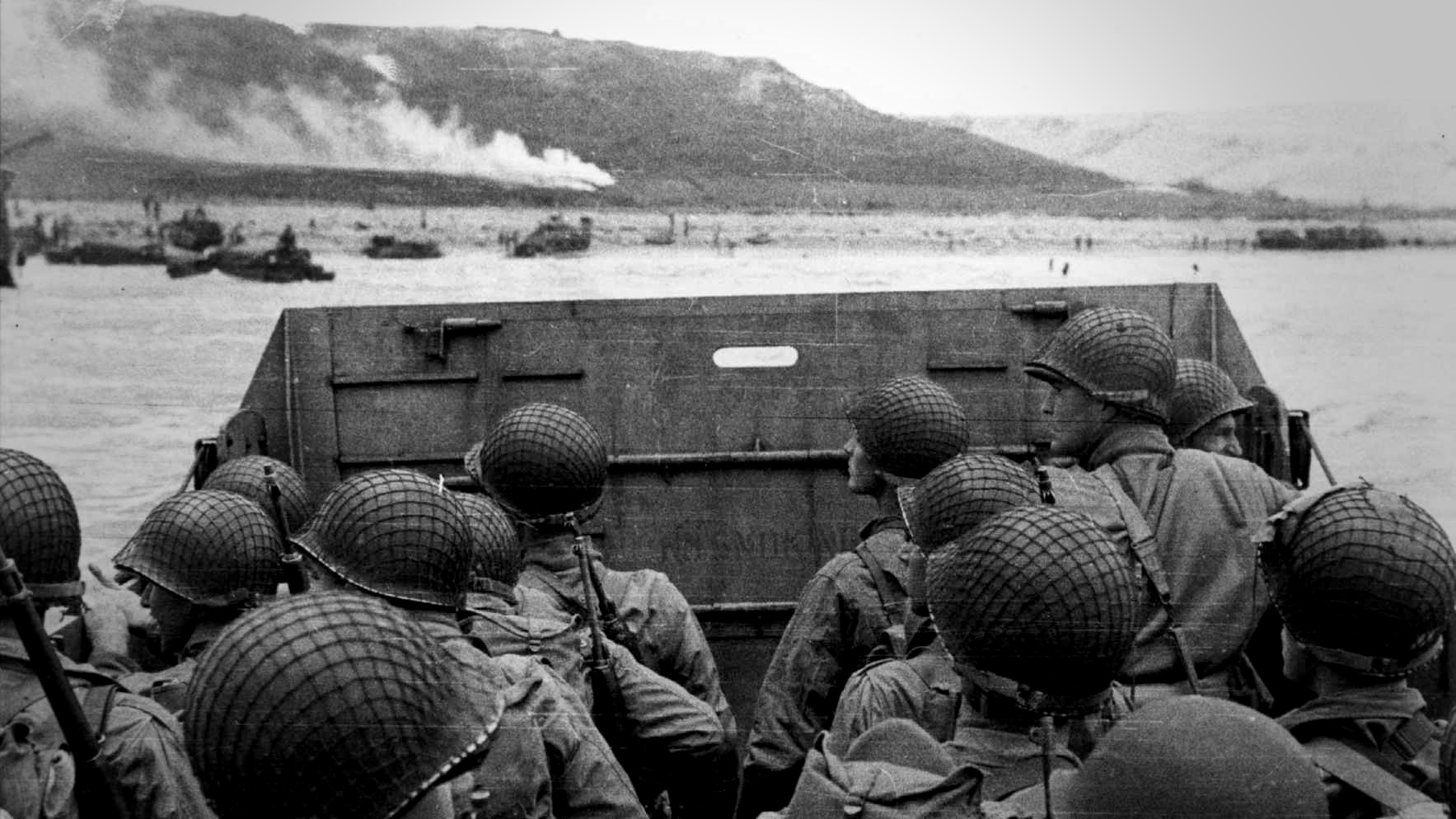
On June 6, 1944, as American troops stormed the beaches of Normandy, Franklin D. Roosevelt led the nation in prayer. He asked God’s blessing on those risking their lives to defeat tyranny and secure freedom. It was not a prayer for conquest — it was a prayer for justice, for deliverance, and for peace.

Likewise, during the brutal winter of the Battle of the Bulge, George Patton called for prayer. Facing impossible conditions, he urged his troops to seek God’s intervention. Two hundred and fifty thousand copies of that prayer were distributed to the soldiers of the Third Army.

And when the weather broke and the tide of battle turned, Patton famously remarked to his chaplain, “Well, Padre, our prayers worked.”

And thank God they did.

Scripture gives us confidence in this very truth. As the Apostle John writes in 1 John 5, if we ask anything according to God’s will, He hears us — and if He hears us, we have what we have asked of Him.

That is the key: according to His will.

Not every war is just. Not every cause is righteous. But when those entrusted with authority act to restrain evil, defend the innocent, and pursue a just peace, they do not stand counter to God, they stand within the very purposes of His justice.

And in those moments, prayer is not rejected — it is heard.

The question is not whether God hears the prayers of those in battle.

The question is whether those who lead — and those who fight — are aligned with the will of the One who is both Prince of Peace and the righteous defender of the innocent.

When they are, they can pray with confidence.

And history suggests — He answers.


give

The Freedom To Stand On God’s Word: White House Commission Releases 200-Page Report On Safeguarding Religious Liberty

The stories, collected from seven hearings held by the commission, came from parents, students, school teachers, military chaplains, military service members and health care workers, as well as private sector employees and religious institution leaders. Referring to the witnesses, Commissioner Franklin Graham said that there is “a thread that runs through all … these [testimonies], and that is the thread of what’s right and having the guts to stand for what’s right.” The report said the witnesses’ “commitment to stand by their beliefs” has played a “consequential role in preserving religious liberty for all Americans.

Our Founders Unashamedly Endorsed A Recognition That The Affairs Of Men Are Subject To God’s Overarching Authority

I was alive in 1976, when America celebrated its bicentennial. Now, just fifty years later, many in our own country would rather denounce than celebrate our national heritage. Their scorn is heaped highest on the faith foundations our Founders unashamedly endorsed: reverence for God, respect for the Savior, and a recognition that the affairs of men are subject to His overarching authority. We’ve come a long way—in the wrong direction.

sign up

Thomas Jefferson’s ‘Separation Of Church And State’ Never Meant Keeping God Out Of Government

In context, it’s clear this wall of separation was not created to keep religion out of the State. It was simply intended to protect religious freedom and to place boundaries on the State’s control over the Church. In fact, the United States Capitol served as a church building for seven decades and Jefferson himself was a regular attendee. He attended so faithfully that he earned a reserved seat. On the Sunday after he wrote the letter to the Danbury Baptists, he attended church services at the still-under-construction Capitol.

ABC's of Salvation

Decision

UTT

FOI

untitled artwork

Israel My Glory

When God delivered the children of Israel from bondage in Egypt and defeated Pharaoh’s army, Moses responded with a song, recorded in Exodus 15. He declares, “The Lord is a man of war, the Lord is His name.”

That description is revealing. Scripture repeatedly presents God as one who defends His people, upholds justice, and ultimately triumphs over evil. He is not a distant observer of human conflict, but a righteous judge who acts in history.

And this imagery is not confined to the Old Testament. In Revelation 19, Jesus Himself is depicted as a warrior riding a white horse, bringing judgment against the nations, with a sword proceeding from His mouth. The biblical witness is consistent: God is both Redeemer and Righteous Judge.

War, therefore, is a tragic but real feature of a fallen world. The Bible does not ignore it — it regulates it. From these biblical principles, Augustine of Hippo articulated what would become known as Just War Theory, later refined by Thomas Aquinas. This framework has guided much of Western moral reasoning about war for centuries, recognizing that while war is never ideal, it may at times be necessary to restrain evil and protect the innocent.

Which is why recent comments from Pope Leo XIV in a Palm Sunday homily are both puzzling and concerning. He stated, in part, that Jesus “rejects war” and does not listen to the prayers of those who wage it.

Was the Allied effort in World War II — undertaken to stop Adolf Hitler and the atrocities of the Third Reich — contrary to the will of God? Were the prayers of leaders and soldiers, offered in humility and desperation, somehow rejected?

On June 6, 1944, as American troops stormed the beaches of Normandy, Franklin D. Roosevelt led the nation in prayer. He asked God’s blessing on those risking their lives to defeat tyranny and secure freedom. It was not a prayer for conquest — it was a prayer for justice, for deliverance, and for peace.

Likewise, during the brutal winter of the Battle of the Bulge, George Patton called for prayer. Facing impossible conditions, he urged his troops to seek God’s intervention. Two hundred and fifty thousand copies of that prayer were distributed to the soldiers of the Third Army.

And when the weather broke and the tide of battle turned, Patton famously remarked to his chaplain, “Well, Padre, our prayers worked.”

And thank God they did.

Scripture gives us confidence in this very truth. As the Apostle John writes in 1 John 5, if we ask anything according to God’s will, He hears us — and if He hears us, we have what we have asked of Him.

That is the key: according to His will.

Not every war is just. Not every cause is righteous. But when those entrusted with authority act to restrain evil, defend the innocent, and pursue a just peace, they do not stand counter to God, they stand within the very purposes of His justice.

And in those moments, prayer is not rejected — it is heard.

The question is not whether God hears the prayers of those in battle.

The question is whether those who lead — and those who fight — are aligned with the will of the One who is both Prince of Peace and the righteous defender of the innocent.

When they are, they can pray with confidence.

And history suggests — He answers.


Trusted Analysis From A Biblical Worldview

Help reach the lost and equip the church with the living and active truth of God's Word in our world today.

YOU CARE ABOUT

BIBLICAL TRUTH. SO DO WE.


Together, We Can Deliver A Biblical Understanding

Of News Events Around The World.

The Freedom To Stand On God’s Word: White House Commission Releases 200-Page Report On Safeguarding Religious Liberty

The stories, collected from seven hearings held by the commission, came from parents, students, school teachers, military chaplains, military service members and health care workers, as well as private sector employees and religious institution leaders. Referring to the witnesses, Commissioner Franklin Graham said that there is “a thread that runs through all … these [testimonies], and that is the thread of what’s right and having the guts to stand for what’s right.” The report said the witnesses’ “commitment to stand by their beliefs” has played a “consequential role in preserving religious liberty for all Americans.

Our Founders Unashamedly Endorsed A Recognition That The Affairs Of Men Are Subject To God’s Overarching Authority

I was alive in 1976, when America celebrated its bicentennial. Now, just fifty years later, many in our own country would rather denounce than celebrate our national heritage. Their scorn is heaped highest on the faith foundations our Founders unashamedly endorsed: reverence for God, respect for the Savior, and a recognition that the affairs of men are subject to His overarching authority. We’ve come a long way—in the wrong direction.

untitled artwork 6391

Thomas Jefferson’s ‘Separation Of Church And State’ Never Meant Keeping God Out Of Government

In context, it’s clear this wall of separation was not created to keep religion out of the State. It was simply intended to protect religious freedom and to place boundaries on the State’s control over the Church. In fact, the United States Capitol served as a church building for seven decades and Jefferson himself was a regular attendee. He attended so faithfully that he earned a reserved seat. On the Sunday after he wrote the letter to the Danbury Baptists, he attended church services at the still-under-construction Capitol.

ABC's of Salvation

TV AD

worldview matters

Decision Magazine V AD

Decision

Jan Markell

Israel My Glory

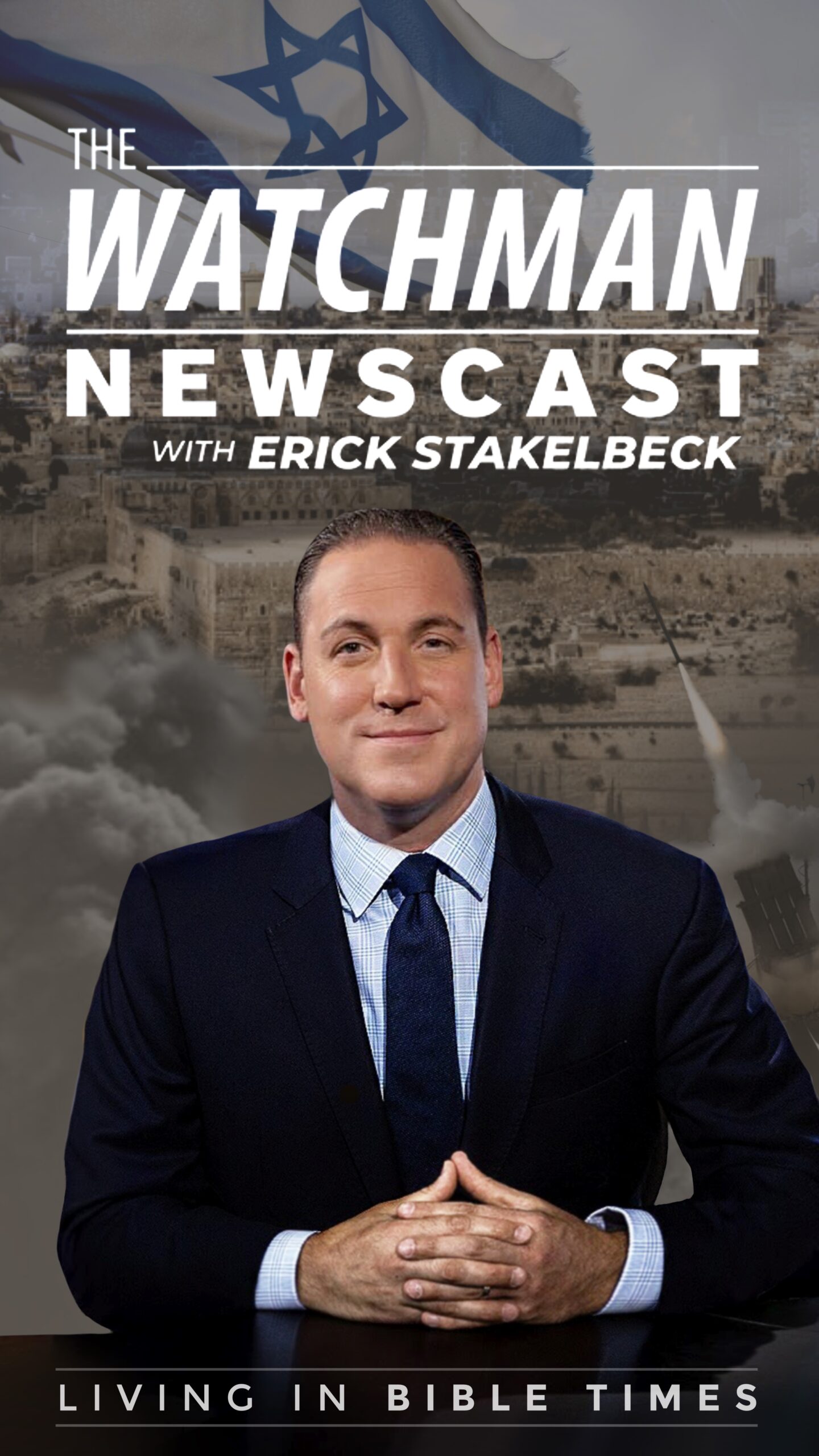
Erick Stakelbeck

untitled artwork

YOU CARE ABOUT

BIBLICAL TRUTH.

SO DO WE.

Together, We Can Deliver A Biblical Understanding Of News Events Around The World And Equip The Church To Stand With A Biblical Worldview.

untitled artwork

Israel My Glory

YOU CARE ABOUT

BIBLICAL TRUTH.

SO DO WE.


Together, We Can Deliver A Biblical Understanding Of News Events Around The World And Equip The Church To Stand With A Biblical Worldview.