
June 26, 2026

June, 26, 2026
June 26, 2026

give

untitled artwork

untitled artwork

World news biblically understood

TRENDING:

Moses: A Foreshadow Of The Ultimate Deliverer, Jesus Christ

Ty Perry

As we read the Bible, it is tempting to focus on the differences between the Old Testament and the New Testament. After all, the Old Testament is centered on God’s relationship with Israel; while the New Testament, particularly the epistles, largely deals with the church. But we must remind ourselves that the two testaments are part of the unified whole of Scripture, penned by a variety of human authors, yet inspired by the same God.

It should not surprise us, then, that throughout the Old Testament Scriptures, God shows Israel shadows of the Messiah. Whether it’s Melchizedek, the prophet-priest of Jerusalem, or Joshua, the man who takes Israel into the Promised Land, God gives the Jewish people glimpses of the coming Savior through the lives and ministries of some of the nation’s early leaders.

For Israel, though, no man in biblical history is so revered as Moses—and for good reason. He is often pictured as the great emancipator, a godly man whom God used to deliver the Israelites from Egyptian bondage. He is, if you will, the Abraham Lincoln of Jewish history. That’s a big deal!

As great as Moses was, though, God told him that another leader of Israel would come, one like Moses. “I will raise up for them a Prophet like you from among their brethren, and will put My words in His mouth, and He shall speak to them all that I command Him” (Deuteronomy 18:18).

Although many prophets succeeded Moses, no one was as great as he (34:10). No one, that is, until the Lord Jesus Christ. 

Is it appropriate, though, to say that Jesus, the King of kings and Lord of lords, is like Moses? I believe that it is. There are a number of similarities between Moses and the Lord, demonstrating that Moses was a foreshadow of the Messiah.

Life

Like Jesus, Moses was a Jewish man, born into a Gentile-ruled culture. The pharaoh who ruled Egypt at the time of Moses’ birth was a man who had not known Joseph and the good that came to the land through him and his people (Exodus 1:8). He, like the future Herod the Great, was a paranoid man who feared that the Israelites might cause him political and military harm (v. 9). 

One of the ways Pharaoh sought to rid himself of this threat was to order the murder of Israel’s baby boys (vv. 15–16). Similarly, Herod the Great ordered the murder of all Jewish boys under 2 years old in Bethlehem following the visit of the magi (Matthew 2:16).

Moses’ and Jesus’ lives were also similar in that they were both royal. Moses, though the biological son of oppressed parents, was adopted into the royal family of Egypt (Exodus 2:10). The Lord Jesus, born of a virgin, is the Son of God, the King of all creation (Psalm 10:16).

Ministry

The ministries of Moses and the Lord Jesus are also strikingly similar in a variety of ways.

Both Moses and the Messiah are sent by God (Exodus 3:10; Matthew 3:16–17). Both are described as Israel’s deliverers (Matthew 1:21; Acts 7:35). Both validated their ministries with miracles (Exodus 7—12; Luke 5:17–26). Both had ministries of intercession (Exodus 32:11–13, 30–32; Hebrews 7:25). And both led their people out of slavery (Exodus 12:51; Romans 6:5–6).

Furthermore, Moses and Jesus are both mediators of God’s covenants with Israel. In Moses’ case, he was the mediator of the Mosaic Covenant at Sinai (Exodus 24:7–8). Jesus is the Mediator of the New Covenant, which will be fulfilled with Israel upon their national conversion (Hebrews 9:15; Jeremiah 31:31–37; Romans 11:26–27).

One of their most significant similarities is Israel’s response to their leadership. When Moses first tried to help his people, “he supposed that his brethren would have understood that God would deliver them by his hand, but they did not understand” (Acts 7:25). But 40 years later, when Moses went back to his people, they accepted his leadership.

So, too, the Messiah was rejected by the nation at His First Advent. As Moses left Egypt for a time, He left Israel following the nation’s rejection of Him (Exodus 2:15; Matthew 23:37). But the Scriptures affirm that He will one day return, and at that time the nation will accept Him as Messiah and Lord (Zechariah 12:10; Matthew 23:37).

Additionally, the second advents of Moses and of the Messiah result in judgment on Israel’s enemies. In Moses’ case, it meant plagues, plundering, and the military defeat of the Egyptians (Exodus 7—12; 14:23–28). When the Lord returns, it will mean the destruction of Antichrist’s armies and judgment of those Gentiles who mistreated Israel during the Tribulation (Revelation 19:11–21; Matthew 25:31–33, 41–46).

The Ultimate Deliverer

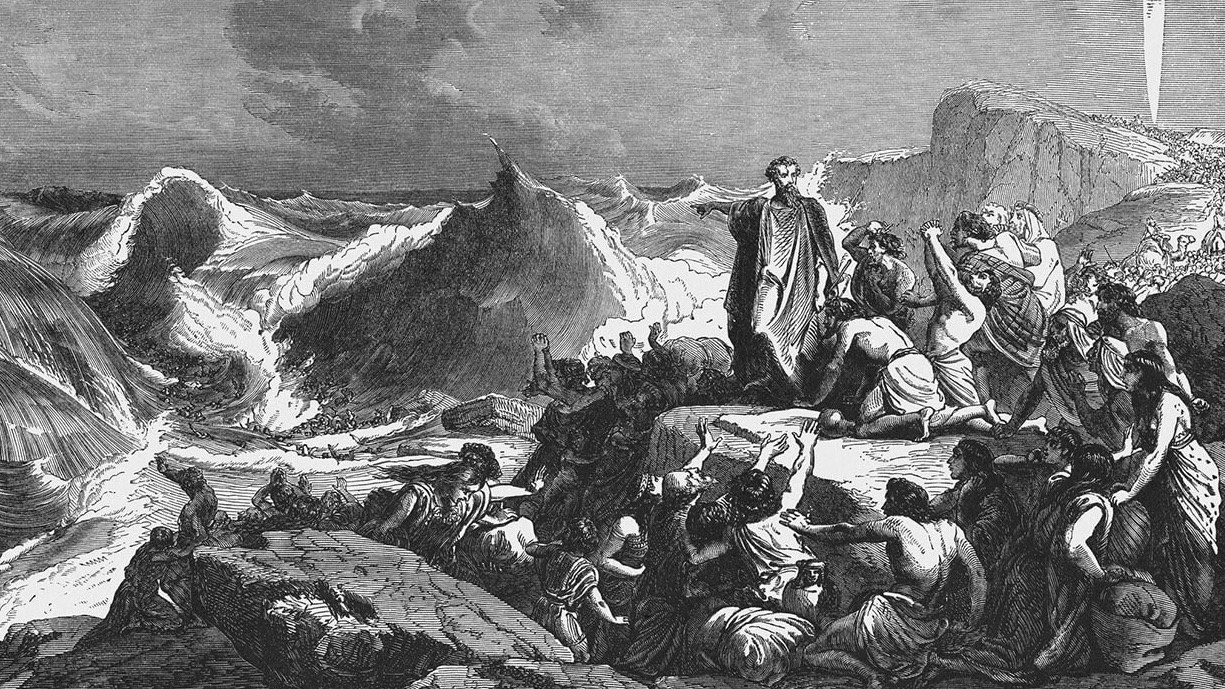
It would have been an awe-inspiring experience to follow Moses as the Lord used him to lead the nation of Israel out of Egyptian bondage. The plagues, the parting of the sea, the destruction of a powerful army—what a spectacle!

As great as Moses is, though, we must remember that he was just a man, a foreshadow of the ultimate Deliverer who would come. Believers in the Lord Jesus have seen even greater things than the Israelites did. We are those who have been delivered from the slavery of sin and who will one day return with Him to Earth.

When Jesus sets up His Kingdom, the entire world, Moses included, will say with the writer of Hebrews: Indeed, “this One has been counted worthy of more glory than Moses” (Hebrews 3:3).



give

The ‘Promises’ Of Marriage Redefinition Have Played Out, And The American People Are Rendering Their Own Verdict

As we mark the 11th anniversary of Obergefell, Americans are no longer arguing over predictions; they are judging outcomes. They have watched the promises of marriage redefinition play out in their schools, businesses, athletic competitions, churches, and families. Increasingly, the American people are rendering their own verdict. The great experiment of redefining marriage and reinventing the family has produced its results. Americans are no longer judging promises — they are judging outcomes. The debate over the Sexual Revolution is no longer about its promises. It is about its consequences.

Thomas Jefferson’s ‘Separation Of Church And State’ Never Meant Keeping God Out Of Government

In context, it’s clear this wall of separation was not created to keep religion out of the State. It was simply intended to protect religious freedom and to place boundaries on the State’s control over the Church. In fact, the United States Capitol served as a church building for seven decades and Jefferson himself was a regular attendee. He attended so faithfully that he earned a reserved seat. On the Sunday after he wrote the letter to the Danbury Baptists, he attended church services at the still-under-construction Capitol.

sign up

Jan Markell: You Can’t Have A Genuine Revival With False Doctrine Raging

I hear a dozen evangelists stating that we are on the verge of a great revival. One self-proclaimed prophet says that a billion souls will come to faith in the coming weeks and months. If my Rapture is imminent, how can there be an imminent revival? Which is it? The Bible does talk about a coming revival. The question concerns its timing. Is it in the coming days, or is it after the Rapture when the “left behind” world realizes they should have listened to believers like you and me, get a second chance, and multitudes come to faith?

ABC's of Salvation

Decision

UTT

FOI

untitled artwork

Israel My Glory

Ty Perry

As we read the Bible, it is tempting to focus on the differences between the Old Testament and the New Testament. After all, the Old Testament is centered on God’s relationship with Israel; while the New Testament, particularly the epistles, largely deals with the church. But we must remind ourselves that the two testaments are part of the unified whole of Scripture, penned by a variety of human authors, yet inspired by the same God.

It should not surprise us, then, that throughout the Old Testament Scriptures, God shows Israel shadows of the Messiah. Whether it’s Melchizedek, the prophet-priest of Jerusalem, or Joshua, the man who takes Israel into the Promised Land, God gives the Jewish people glimpses of the coming Savior through the lives and ministries of some of the nation’s early leaders.

For Israel, though, no man in biblical history is so revered as Moses—and for good reason. He is often pictured as the great emancipator, a godly man whom God used to deliver the Israelites from Egyptian bondage. He is, if you will, the Abraham Lincoln of Jewish history. That’s a big deal!

As great as Moses was, though, God told him that another leader of Israel would come, one like Moses. “I will raise up for them a Prophet like you from among their brethren, and will put My words in His mouth, and He shall speak to them all that I command Him” (Deuteronomy 18:18).

Although many prophets succeeded Moses, no one was as great as he (34:10). No one, that is, until the Lord Jesus Christ. 

Is it appropriate, though, to say that Jesus, the King of kings and Lord of lords, is like Moses? I believe that it is. There are a number of similarities between Moses and the Lord, demonstrating that Moses was a foreshadow of the Messiah.

Life

Like Jesus, Moses was a Jewish man, born into a Gentile-ruled culture. The pharaoh who ruled Egypt at the time of Moses’ birth was a man who had not known Joseph and the good that came to the land through him and his people (Exodus 1:8). He, like the future Herod the Great, was a paranoid man who feared that the Israelites might cause him political and military harm (v. 9). 

One of the ways Pharaoh sought to rid himself of this threat was to order the murder of Israel’s baby boys (vv. 15–16). Similarly, Herod the Great ordered the murder of all Jewish boys under 2 years old in Bethlehem following the visit of the magi (Matthew 2:16).

Moses’ and Jesus’ lives were also similar in that they were both royal. Moses, though the biological son of oppressed parents, was adopted into the royal family of Egypt (Exodus 2:10). The Lord Jesus, born of a virgin, is the Son of God, the King of all creation (Psalm 10:16).

Ministry

The ministries of Moses and the Lord Jesus are also strikingly similar in a variety of ways.

Both Moses and the Messiah are sent by God (Exodus 3:10; Matthew 3:16–17). Both are described as Israel’s deliverers (Matthew 1:21; Acts 7:35). Both validated their ministries with miracles (Exodus 7—12; Luke 5:17–26). Both had ministries of intercession (Exodus 32:11–13, 30–32; Hebrews 7:25). And both led their people out of slavery (Exodus 12:51; Romans 6:5–6).

Furthermore, Moses and Jesus are both mediators of God’s covenants with Israel. In Moses’ case, he was the mediator of the Mosaic Covenant at Sinai (Exodus 24:7–8). Jesus is the Mediator of the New Covenant, which will be fulfilled with Israel upon their national conversion (Hebrews 9:15; Jeremiah 31:31–37; Romans 11:26–27).

One of their most significant similarities is Israel’s response to their leadership. When Moses first tried to help his people, “he supposed that his brethren would have understood that God would deliver them by his hand, but they did not understand” (Acts 7:25). But 40 years later, when Moses went back to his people, they accepted his leadership.

So, too, the Messiah was rejected by the nation at His First Advent. As Moses left Egypt for a time, He left Israel following the nation’s rejection of Him (Exodus 2:15; Matthew 23:37). But the Scriptures affirm that He will one day return, and at that time the nation will accept Him as Messiah and Lord (Zechariah 12:10; Matthew 23:37).

Additionally, the second advents of Moses and of the Messiah result in judgment on Israel’s enemies. In Moses’ case, it meant plagues, plundering, and the military defeat of the Egyptians (Exodus 7—12; 14:23–28). When the Lord returns, it will mean the destruction of Antichrist’s armies and judgment of those Gentiles who mistreated Israel during the Tribulation (Revelation 19:11–21; Matthew 25:31–33, 41–46).

The Ultimate Deliverer

It would have been an awe-inspiring experience to follow Moses as the Lord used him to lead the nation of Israel out of Egyptian bondage. The plagues, the parting of the sea, the destruction of a powerful army—what a spectacle!

As great as Moses is, though, we must remember that he was just a man, a foreshadow of the ultimate Deliverer who would come. Believers in the Lord Jesus have seen even greater things than the Israelites did. We are those who have been delivered from the slavery of sin and who will one day return with Him to Earth.

When Jesus sets up His Kingdom, the entire world, Moses included, will say with the writer of Hebrews: Indeed, “this One has been counted worthy of more glory than Moses” (Hebrews 3:3).


Trusted Analysis From A Biblical Worldview

Help reach the lost and equip the church with the living and active truth of God's Word in our world today.

YOU CARE ABOUT

BIBLICAL TRUTH. SO DO WE.


Together, We Can Deliver A Biblical Understanding

Of News Events Around The World.

The ‘Promises’ Of Marriage Redefinition Have Played Out, And The American People Are Rendering Their Own Verdict

As we mark the 11th anniversary of Obergefell, Americans are no longer arguing over predictions; they are judging outcomes. They have watched the promises of marriage redefinition play out in their schools, businesses, athletic competitions, churches, and families. Increasingly, the American people are rendering their own verdict. The great experiment of redefining marriage and reinventing the family has produced its results. Americans are no longer judging promises — they are judging outcomes. The debate over the Sexual Revolution is no longer about its promises. It is about its consequences.

Thomas Jefferson’s ‘Separation Of Church And State’ Never Meant Keeping God Out Of Government

In context, it’s clear this wall of separation was not created to keep religion out of the State. It was simply intended to protect religious freedom and to place boundaries on the State’s control over the Church. In fact, the United States Capitol served as a church building for seven decades and Jefferson himself was a regular attendee. He attended so faithfully that he earned a reserved seat. On the Sunday after he wrote the letter to the Danbury Baptists, he attended church services at the still-under-construction Capitol.

untitled artwork 6391

Jan Markell: You Can’t Have A Genuine Revival With False Doctrine Raging

I hear a dozen evangelists stating that we are on the verge of a great revival. One self-proclaimed prophet says that a billion souls will come to faith in the coming weeks and months. If my Rapture is imminent, how can there be an imminent revival? Which is it? The Bible does talk about a coming revival. The question concerns its timing. Is it in the coming days, or is it after the Rapture when the “left behind” world realizes they should have listened to believers like you and me, get a second chance, and multitudes come to faith?

ABC's of Salvation

TV AD

worldview matters

Decision Magazine V AD

Decision

Jan Markell

Israel My Glory

Erick Stakelbeck

untitled artwork

YOU CARE ABOUT

BIBLICAL TRUTH.

SO DO WE.

Together, We Can Deliver A Biblical Understanding Of News Events Around The World And Equip The Church To Stand With A Biblical Worldview.

untitled artwork

Israel My Glory

YOU CARE ABOUT

BIBLICAL TRUTH.

SO DO WE.


Together, We Can Deliver A Biblical Understanding Of News Events Around The World And Equip The Church To Stand With A Biblical Worldview.