September 19, 2026

September, 19, 2026
September 19, 2026

give

untitled artwork

untitled artwork

World news biblically understood

TRENDING:

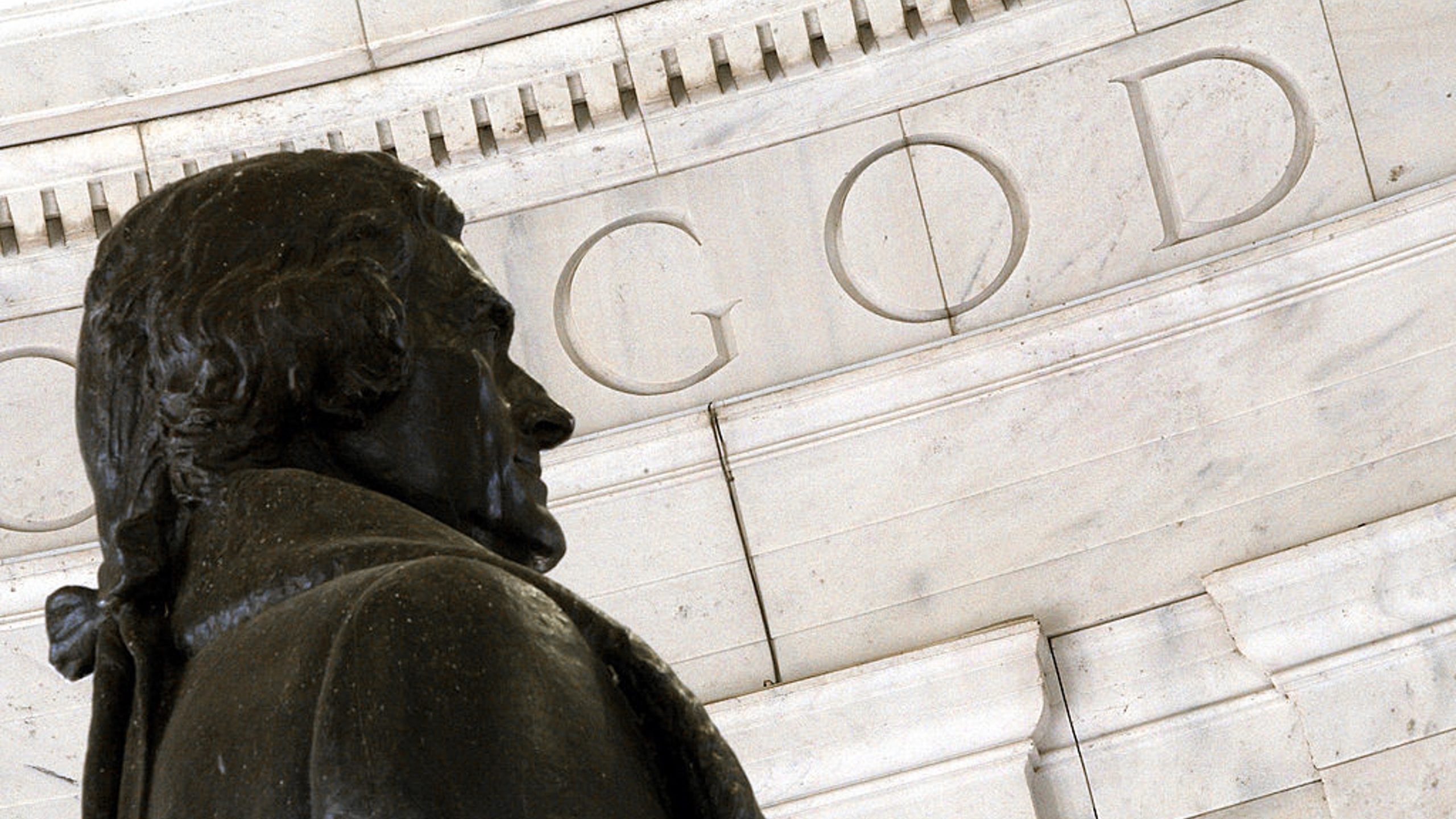
Thomas Jefferson’s ‘Separation Of Church And State’ Never Meant Keeping God Out Of Government

Leading up to the Fourth of July, the White House hosted “Rededicate 250: A National Jubilee of Prayer, Praise & Thanksgiving.” Since that May event, some Americans have been complaining that it was a violation of the so-called “separation between Church and State.”

Much of their argument revolves around the claim that the phrase appears in the U.S. Constitution. But it doesn’t. The first mention of a “wall of separation” is in a letter Thomas Jefferson wrote in reply to the Danbury Baptist Association in Connecticut.

While the Danbury Baptists had freedom of religion, they were discriminated against by the state for not being a part of the Congregationalist Church. This was the established church of Connecticut, funded by taxpayer money.

They wrote to Jefferson, thanking him for his stand on religious liberty and bringing to his attention the lack of freedom they were experiencing: “What religious privileges we enjoy (as a minor part of the State) we enjoy as favors granted, not as inalienable rights: and these favors we receive at the expense of such degrading acknowledgments, are inconsistent with the rights of freemen.

They were concerned the federal government might establish a national church or whether they would have true freedom of religion. Jefferson wrote back his famous reply: “I contemplate with sovereign reverence that act of the whole American people which declared that their legislature should ‘make no law respecting an establishment of religion, or prohibiting the free exercise thereof,’ thus building a wall of separation between Church & State.”

In context, it’s clear this wall of separation was not created to keep religion out of the State. It was simply intended to protect religious freedom and to place boundaries on the State’s control over the Church.

Garth Kant, in his article “God and Government,” summed this up well: “Jefferson opposed a ‘national’ religion. He did not oppose a religious nation. Or a religious government. He opposed a government religion. The difference is critical.”

In fact, the United States Capitol served as a church building for seven decades and Jefferson himself was a regular attendee. He attended so faithfully that he earned a reserved seat. On the Sunday after he wrote the letter to the Danbury Baptists, he attended church services at the still-under-construction Capitol.

This is a perfect example of how Jefferson’s “wall of separation” was never meant to keep religion completely out of government. Instead, faith has a home in America – even in the Capitol.

Another example would be the Constitutional Convention, the gathering to lay a more solid foundation for the new government. After several weeks of tension and fierce debate, Benjamin Franklin suggested they pray: “All of us who were engaged in the struggle must have observed frequent instances of a Superintending providence in our favor… do we imagine that we no longer need His assistance… I therefore beg leave to move — that henceforth prayers imploring the assistance of Heaven, and its blessings on our deliberations, be held…”

During this brief recess for religious gatherings, Rev. William Rogers led a prayer for the Convention, asking the Lord for wisdom and unity. Edmund Randolph of Virginia also suggested that a public sermon be delivered to the delegates. After, it was evident there was a tangible shift in the room. Disagreements were resolved, and the Constitution was finalized.

Jefferson never meant to wall off the Church from public life. Instead, faith is an important part of American history and tradition. Calling for Americans to cry out to a Higher Power aligns with the thoughts and actions of the Founding Fathers. Their actions were shaped by their faith, and 250 years of history stand as a testament to it.



Millions Are Understanding The News Through A Biblical Worldview

THANKS TO YOUR PRAYER AND SUPPORT

A Declaration For The Defenseless: Life Is The Condition Of Every Other Right

“The Declaration of Independence gives us three examples of ‘unalienable’ rights: life, liberty, and the pursuit of happiness. Life is the first of those rights because it is the condition of the others. It is thus the most foundational of all rights.” Those words come from the opening paragraph of a “Declaration for Life: A Statement from Christian Leaders,” spearheaded by Missouri Senator Josh Hawley (R). I joined Senator Hawley in releasing the declaration this week after a prayer breakfast with Missouri pastors who traveled to Washington for the occasion.

Time To Reverse Course: How America Went From Boldly Defending Creation To Being Inundated With Evolutionary Belief

In 1925, the state of Tennessee was openly in favor of creation science. The legislature passed the Butler Act, which included the following language: "It shall be unlawful for any teacher in any of the Universities, normals and all other public schools of the State which are supported in whole or in part by the public school funds of the state, to teach any theory that denies the story of the Divine Creation of man as taught in the Bible, and to teach instead that man has descended from a lower order of animals." I have a hard time believing that any state in the US ever was so bold in its stance. But Tennessee was. Evolutionists struck back quickly.

sign up

Boldly Reaching The ‘Hopeless Generation’: Charlie Kirk’s Legacy—One Year After His Death

Two months after Charlie was murdered, we went to the very campus where it happened—Utah Valley University—and held a Harvest Crusade. We saw many people—college students—give their lives to Jesus Christ. I believe this is a watershed moment—a turning point, especially for the younger generation. Young people, this is your moment. It’s time to stop trying to fit in and be cool. Instead, be bold and courageous. In fact, that may be the coolest thing you can do. Charlie was bold about his faith to the very end, and so should we be.

ABC's of Salvation

Decision

UTT

FOI

untitled artwork

Israel My Glory

Leading up to the Fourth of July, the White House hosted “Rededicate 250: A National Jubilee of Prayer, Praise & Thanksgiving.” Since that May event, some Americans have been complaining that it was a violation of the so-called “separation between Church and State.”

Much of their argument revolves around the claim that the phrase appears in the U.S. Constitution. But it doesn’t. The first mention of a “wall of separation” is in a letter Thomas Jefferson wrote in reply to the Danbury Baptist Association in Connecticut.

While the Danbury Baptists had freedom of religion, they were discriminated against by the state for not being a part of the Congregationalist Church. This was the established church of Connecticut, funded by taxpayer money.

They wrote to Jefferson, thanking him for his stand on religious liberty and bringing to his attention the lack of freedom they were experiencing: “What religious privileges we enjoy (as a minor part of the State) we enjoy as favors granted, not as inalienable rights: and these favors we receive at the expense of such degrading acknowledgments, are inconsistent with the rights of freemen.

They were concerned the federal government might establish a national church or whether they would have true freedom of religion. Jefferson wrote back his famous reply: “I contemplate with sovereign reverence that act of the whole American people which declared that their legislature should ‘make no law respecting an establishment of religion, or prohibiting the free exercise thereof,’ thus building a wall of separation between Church & State.”

In context, it’s clear this wall of separation was not created to keep religion out of the State. It was simply intended to protect religious freedom and to place boundaries on the State’s control over the Church.

Garth Kant, in his article “God and Government,” summed this up well: “Jefferson opposed a ‘national’ religion. He did not oppose a religious nation. Or a religious government. He opposed a government religion. The difference is critical.”

In fact, the United States Capitol served as a church building for seven decades and Jefferson himself was a regular attendee. He attended so faithfully that he earned a reserved seat. On the Sunday after he wrote the letter to the Danbury Baptists, he attended church services at the still-under-construction Capitol.

This is a perfect example of how Jefferson’s “wall of separation” was never meant to keep religion completely out of government. Instead, faith has a home in America – even in the Capitol.

Another example would be the Constitutional Convention, the gathering to lay a more solid foundation for the new government. After several weeks of tension and fierce debate, Benjamin Franklin suggested they pray: “All of us who were engaged in the struggle must have observed frequent instances of a Superintending providence in our favor… do we imagine that we no longer need His assistance… I therefore beg leave to move — that henceforth prayers imploring the assistance of Heaven, and its blessings on our deliberations, be held…”

During this brief recess for religious gatherings, Rev. William Rogers led a prayer for the Convention, asking the Lord for wisdom and unity. Edmund Randolph of Virginia also suggested that a public sermon be delivered to the delegates. After, it was evident there was a tangible shift in the room. Disagreements were resolved, and the Constitution was finalized.

Jefferson never meant to wall off the Church from public life. Instead, faith is an important part of American history and tradition. Calling for Americans to cry out to a Higher Power aligns with the thoughts and actions of the Founding Fathers. Their actions were shaped by their faith, and 250 years of history stand as a testament to it.


Trusted Analysis From A Biblical Worldview

Help reach the lost and equip the church with the living and active truth of God's Word in our world today.

YOU CARE ABOUT

BIBLICAL TRUTH. SO DO WE.


Together, We Can Deliver A Biblical Understanding

Of News Events Around The World.

A Declaration For The Defenseless: Life Is The Condition Of Every Other Right

“The Declaration of Independence gives us three examples of ‘unalienable’ rights: life, liberty, and the pursuit of happiness. Life is the first of those rights because it is the condition of the others. It is thus the most foundational of all rights.” Those words come from the opening paragraph of a “Declaration for Life: A Statement from Christian Leaders,” spearheaded by Missouri Senator Josh Hawley (R). I joined Senator Hawley in releasing the declaration this week after a prayer breakfast with Missouri pastors who traveled to Washington for the occasion.

Time To Reverse Course: How America Went From Boldly Defending Creation To Being Inundated With Evolutionary Belief

In 1925, the state of Tennessee was openly in favor of creation science. The legislature passed the Butler Act, which included the following language: "It shall be unlawful for any teacher in any of the Universities, normals and all other public schools of the State which are supported in whole or in part by the public school funds of the state, to teach any theory that denies the story of the Divine Creation of man as taught in the Bible, and to teach instead that man has descended from a lower order of animals." I have a hard time believing that any state in the US ever was so bold in its stance. But Tennessee was. Evolutionists struck back quickly.

untitled artwork 6391

Boldly Reaching The ‘Hopeless Generation’: Charlie Kirk’s Legacy—One Year After His Death

Two months after Charlie was murdered, we went to the very campus where it happened—Utah Valley University—and held a Harvest Crusade. We saw many people—college students—give their lives to Jesus Christ. I believe this is a watershed moment—a turning point, especially for the younger generation. Young people, this is your moment. It’s time to stop trying to fit in and be cool. Instead, be bold and courageous. In fact, that may be the coolest thing you can do. Charlie was bold about his faith to the very end, and so should we be.

ABC's of Salvation

TV AD

worldview matters

Decision Magazine V AD

Decision

Jan Markell

Israel My Glory

Erick Stakelbeck

untitled artwork

YOU CARE ABOUT

BIBLICAL TRUTH.

SO DO WE.

Together, We Can Deliver A Biblical Understanding Of News Events Around The World And Equip The Church To Stand With A Biblical Worldview.

untitled artwork

Israel My Glory

YOU CARE ABOUT

BIBLICAL TRUTH.

SO DO WE.


Together, We Can Deliver A Biblical Understanding Of News Events Around The World And Equip The Church To Stand With A Biblical Worldview.