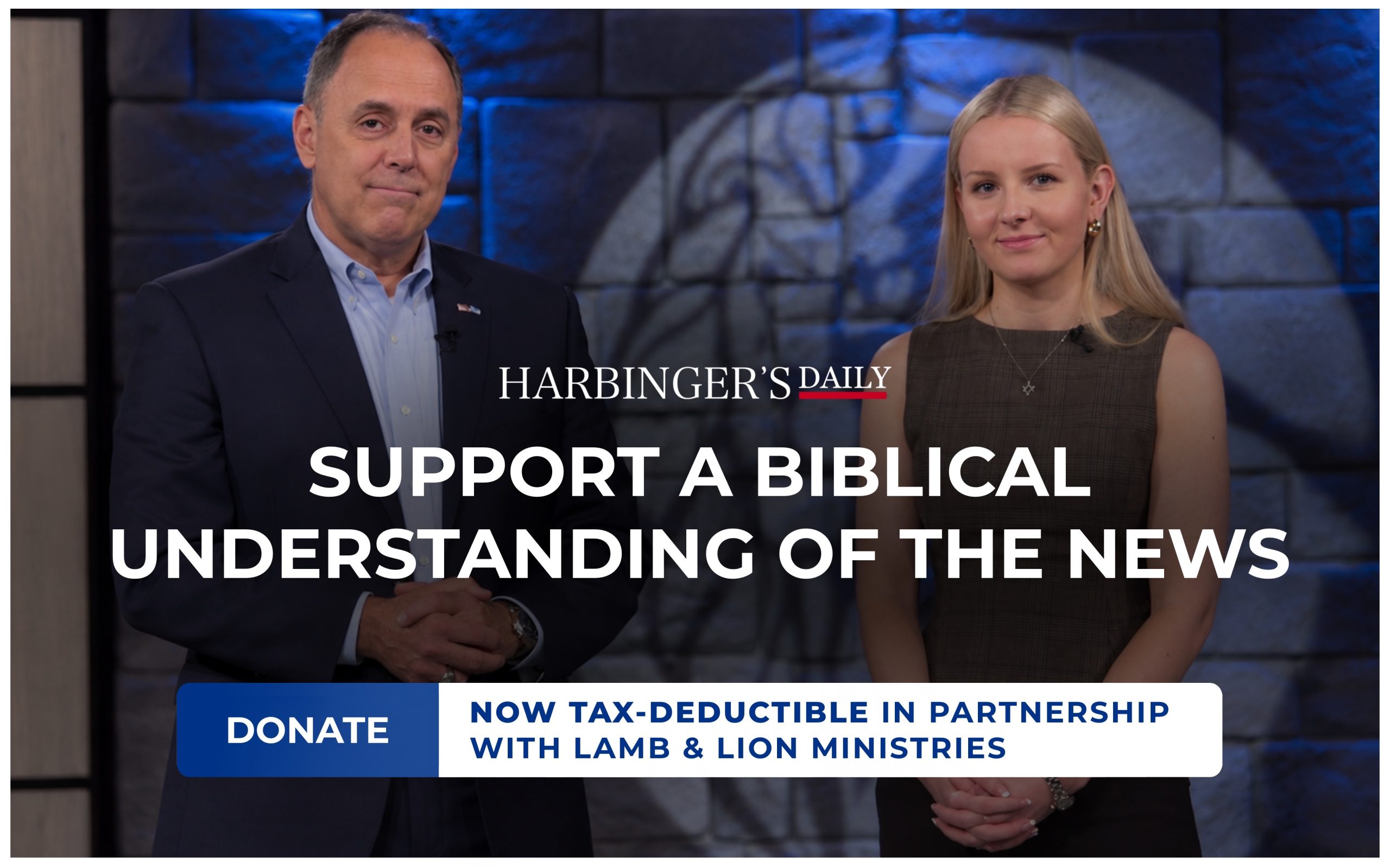
(Queensland, Australia) — On 29 July 2026, the church that I pastor played host for the Brisbane leg of a tour of Australia by Amir Tsarfati and Pastor Barry Stagner. On that blessed evening, over 1,000 people gathered together for praise, powerful preaching, prayer, and of course, photos with these two beloved servants of God. Even though we hired a large venue for the evening, seating was limited. This meant that, sadly, many missed out on being able to attend. One such person who was not able to secure tickets remarked that it would be wonderful if this was the dilemma faced by every Bible-believing church in Australia on a Sunday morning. Yes, it would be a welcome problem for pastors to see people desperately seeking seats every Sunday morning!
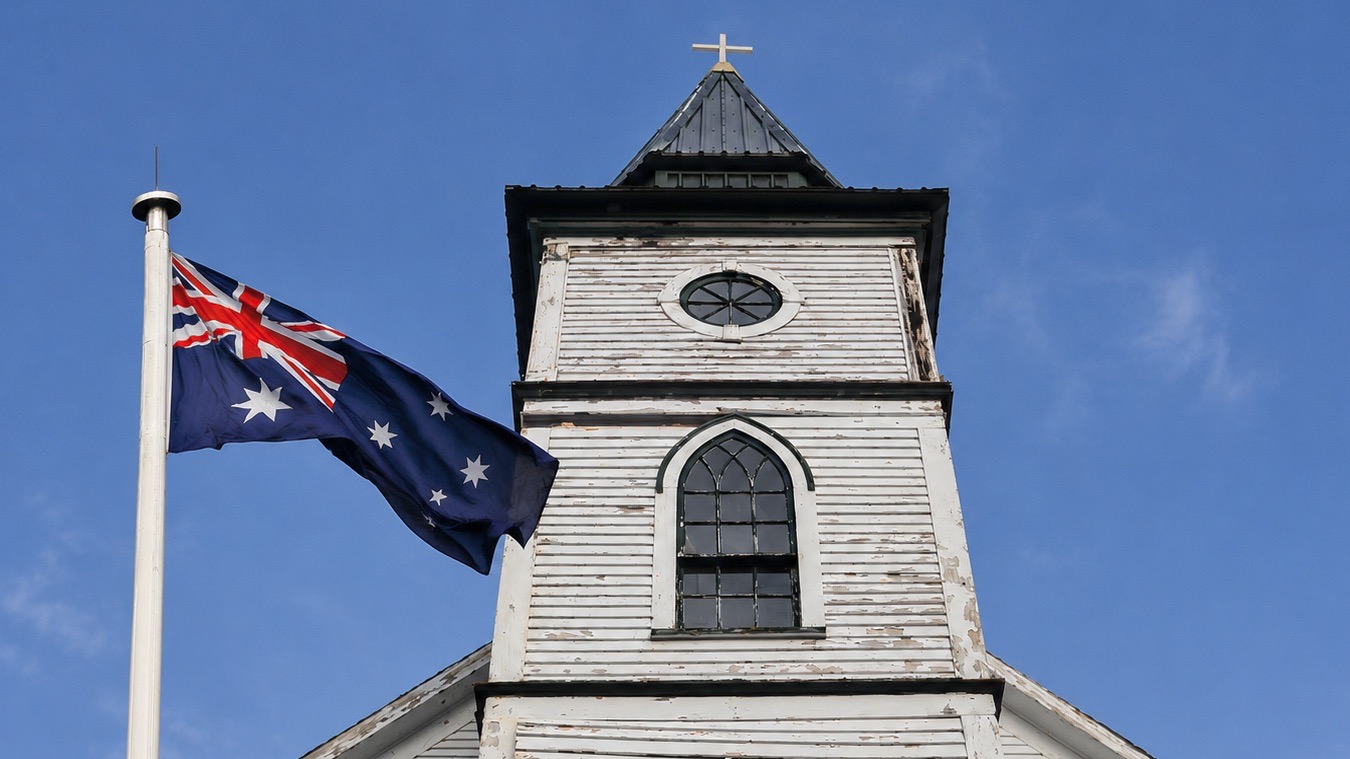
Australia has a population of around 28 million people and approximately 10,600 local churches. According to the Australian Church Pulse Check (published in May 2025 but collating data for the 2021 to 2024 period), just 1.3 million attend church on a weekly basis. That represents only 4.6 percent of the overall population. But what I will be careful to emphasise is that when the report indicates people attend a church, keep in mind that not every church is known for teaching sound doctrine. Although we are not able to accurately measure the percentage of Christians who are attending a church which applies a literal hermeneutic when it comes to the Bible (notably on subjects such as Israel and Bible prophecy), we surmise that it would be much lower than 4.6 percent.
With attendance rates the way they are, it should not come as a surprise that Australia is a nation of small churches. In fact, almost half of all churches (47%) have less than 50 people attending weekly services. Around 27% have less than 25 people. At the other end of the spectrum, only 5% of churches report that they have more than 500 who are attending their weekly services. So, it is with interest that we await the results of Australia’s next census, which will take place on 11 August 2026.
The data from Australia’s last census in 2021 revealed the following when it came to the question of the percentage of the Australian population’s adherence to a particular religion:
- Christianity (43.9%)
- No religion (38.9%)
- Islam (3.2%)
- Hinduism (2.7%)
- Buddhism (2.4%)
In 1971, 86.2% of people identified as Christian, but in only 50 years, that number has effectively halved. In contrast, “no religion” stood at 0.2% in 1911, 6.7% in 1971 and has risen sharply to be at 38.9% in 2021.
Despite the sharp rise in the “no religion” category, activists clearly want to push that figure even higher. To do so, they have launched a campaign urging people to record “no religion” when completing their census forms. Their website states this: “Millions of Australians still mark a religion they were raised in — not one they live by. The result is a national portrait that’s out of date. And it matters. Census data shapes how billions in public funding are allocated, how much influence religion holds in policy, and whose values get amplified in public life. The next Australian Census is on Tuesday 11 August 2026. When you reach the religion question, pause. Don’t answer for the person you were raised to be. Answer for who you actually are today. If faith is no longer part of your life, mark ‘No religion’.”
Who is behind this campaign? Atheists. According to the campaign website: “The Atheist Foundation of Australia and Sydney Atheists have a history of advocating for people who do not follow religions. Both organisations seek fairness in funding and respect for people who have never had a religion, and for people who have left religions.” And what does The Atheist Foundation of Australia have to say when it comes to the matter of belief in God? They say, “As there seems to be no scientific evidence for supernatural phenomena, atheists reject belief in ‘God’, gods, and other supernatural beings. The universe, the world in which we live, and the evolution of life seem to be entirely natural occurrences.”
The opening sentence of Psalm 14 simply reads: “The fool has said in his heart, ‘There is no God.’” In this verse, intellectual atheism is less in view than practical atheism—a lifestyle mute to God’s sovereignty. Therefore, the fool’s conclusion leads him to disregard the revelations that God has given of Himself, and as a result, they go about living as if there is no God. This is the future that atheists are campaigning for in Australia, and they do so in order to divert public funding from Christian-led programs and into godless and worthless left-leaning political programs. But while their eyes are fixed on the irreligious future of this nation, they would do well to remember that they have an eternal destiny to consider. As was once said: on earth are atheists many, in hell there is not any.