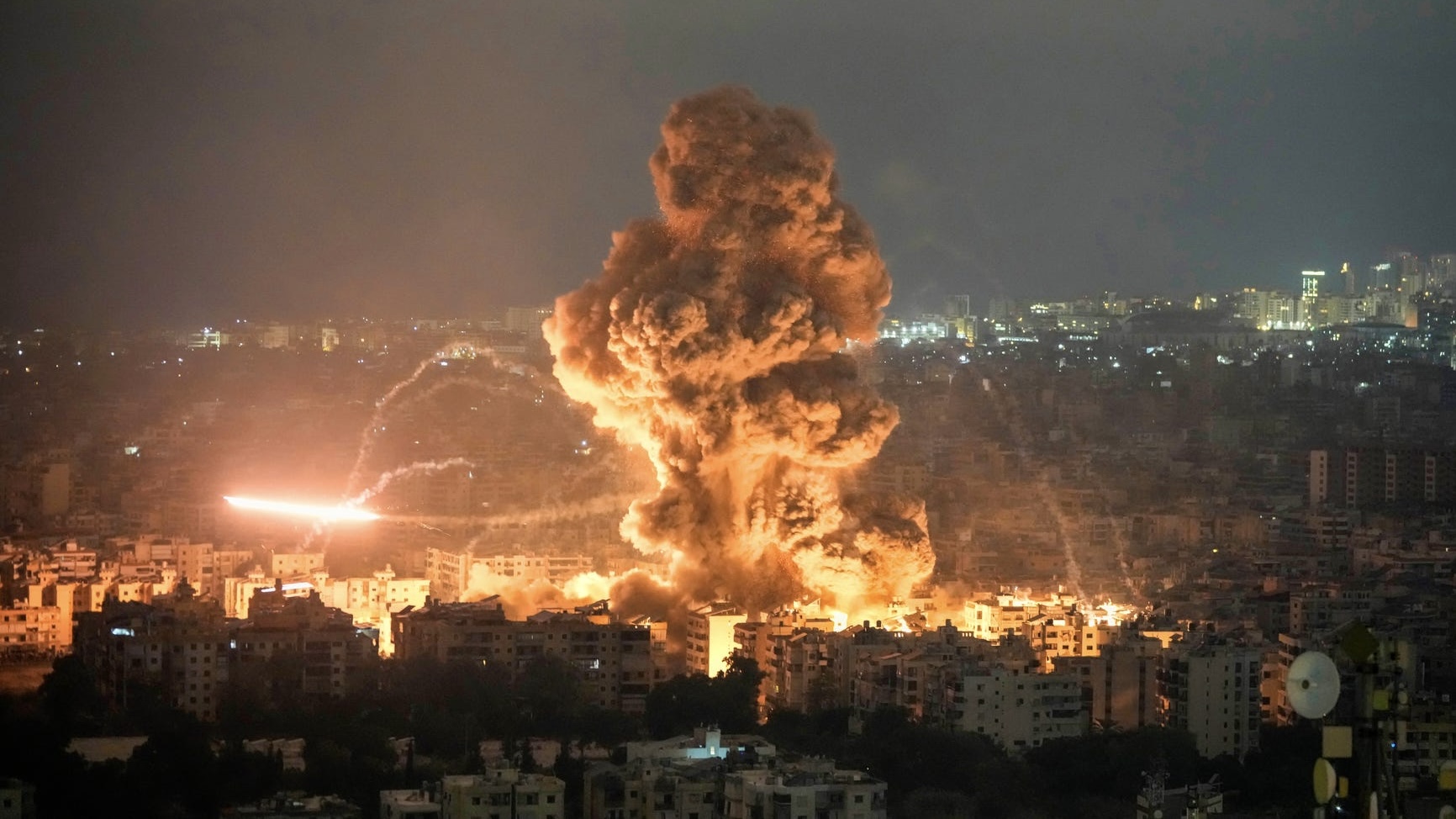

“For though we walk in the flesh, we do not war after the flesh” (2 Corinthians 10:3). Every evening the news seems to remind us that the world is moving closer to another major conflict. The Strait of Hormuz remains one of the world’s most dangerous flashpoints. Iran continues to threaten international shipping. Russia’s war in Ukraine grinds on with no clear end in sight. China openly pressures Taiwan. North Korea expands its missile program while the Middle East remains a powder keg waiting for another spark.
Military analysts debate troop movements, missile ranges, economic sanctions, and political alliances. Energy experts warn about oil prices. Economists worry about inflation and supply chains. But Christians should ask a different question.
How does God prepare His people when the world is moving toward war?
Scripture shows us that long before armies marched into battle, God prepared His people spiritually. Israel’s greatest victories were never won because of superior weapons or larger armies. Their success depended first upon their relationship with God. That timeless principle has never changed.
God’s Preparation Came Before the Battle
One of the most overlooked truths in Scripture is that God almost always prepares His people before the crisis arrives. Israel wandered in the wilderness for forty years before entering Canaan. Humanly speaking, the delay made little sense. Yet God was shaping a nation that had lived in slavery into a people who would trust Him. The wilderness became God’s training ground.
Likewise, many believers today ask why God allows seasons of waiting, hardship, uncertainty, or testing. The answer may be the same. God often prepares His people long before they understand why. The Christian life has never been about escaping difficulty. It is about being prepared before difficulty arrives.
Spiritual Readiness Always Came First
Modern military strategy emphasizes technology, logistics, intelligence, and manpower. God emphasized something entirely different. Before Israel entered battle, they were repeatedly called to repentance, obedience, covenant faithfulness, and worship. Victory was never promised because Israel possessed superior weapons. Victory was promised when they walked with God. Psalm 20:7 captures the principle perfectly: “Some trust in chariots, and some in horses: but we will remember the name of the LORD our God.”
Again and again, Scripture demonstrates this truth. Jericho fell without conventional warfare. Gideon’s army was intentionally reduced from 32,000 men to only 300 so that Israel would know the victory belonged to God. David defeated Goliath with a sling because he trusted the Lord instead of human strength.
The lesson is unmistakable. God values faith more than military power. That principle speaks directly to believers living in an age of artificial intelligence, cyber warfare, drones, satellites, and nuclear weapons. None of these technologies replace humanity’s need for God.
God Removed Fear Before the Enemy
One of God’s first instructions before battle dealt with fear. The priests were commanded to encourage the soldiers: “Hear, O Israel… let not your hearts faint, fear not, and do not tremble…” (Deuteronomy 20:3). Fear weakens armies.
Fear also weakens believers. Today’s believers are surrounded by reasons to fear:
Wars, economic instability, government oversight, artificial intelligence, moral collapse, and global uncertainty. Yet Paul reminds believers, “God hath not given us the spirit of fear; but of power, and of love, and of a sound mind” (2 Timothy 1:7).
Bible prophecy should never produce panic. Instead, it should produce confidence that God remains completely sovereign over history.
God Chose Leaders—Not Celebrities
Israel’s greatest leaders were not self-appointed personalities. God raised Moses. He called Joshua. He empowered Gideon. He anointed David. Leadership was viewed as a divine responsibility rather than a popularity contest. Our generation often celebrates charisma more than character. Scripture consistently teaches the opposite. God looks first at the heart. The Church today desperately needs leaders who know God’s Word more than they know public relations.
Even War Had Moral Boundaries
Perhaps one of the most remarkable military commands in Scripture appears in Deuteronomy 20. While surrounding nations commonly destroyed crops, orchards, and farmland to cripple their enemies, God instructed Israel not to destroy fruit trees. “For is the tree of the field a man, that it should be besieged by you?” (Deuteronomy 20:19). This command reveals profound biblical principles.
Fruit trees represented life. They represented future provision. They represented God’s blessing. Israel could cut down non-fruit-bearing trees for military necessity, but they were forbidden to destroy what sustained life simply because they possessed the power to do so. The lesson extends far beyond agriculture. Power must always remain under God’s moral authority. Even during war, God’s people were expected to exercise restraint.
Protect What Produces Life
The command to preserve fruit trees carries an important application for believers today. Every generation must decide what it will protect. Our fruit trees may not be orchards. They are marriages. Families. Children. Biblical truth. Religious liberty. Healthy churches. The next generation. Our culture often destroys the very institutions that produce long-term flourishing. Scripture teaches us to protect what gives life.
Holiness Was Considered Military Strength
Israel was instructed to keep its military camps spiritually clean. Why? Because God Himself walked among His people. “For the LORD thy God walketh in the midst of thy camp…” (Deuteronomy 23:14). God’s presence was Israel’s greatest military advantage. Today the Church’s greatest strength is not political influence, financial resources, or technological advancement. It is the presence of God working through holy, obedient believers. No amount of cultural influence can substitute for genuine spiritual power.
Faith Never Eliminated Preparation
Some assume faith means refusing to prepare. Scripture teaches the opposite.
Joshua sent spies. David gathered intelligence. Nehemiah stationed guards while rebuilding Jerusalem. Faith and preparation worked together. Likewise, Christians should prepare wisely for uncertain days without allowing preparation to replace dependence upon God.
What Does This Mean Prophetically?
Bible prophecy tells us that the world will become increasingly unstable before Christ returns. Jesus warned of wars and rumors of wars. Nations will continue to rise against nations. Global alliances will continue to shift. Political tensions will continue to increase. Technology will continue transforming warfare. Yet none of these developments surprise God. They remind believers that history is moving exactly where Scripture says it will. Our calling is not to speculate endlessly about every headline. Our calling is to remain faithful.
The Church’s greatest preparation for the future is strengthening disciples.
It’s not fear, but faith. It’s not panic, but prayer. It’s not obsession with world events, but obedience to God’s Word.
The Greatest Battle
Ultimately, the New Testament reminds us that our greatest conflict is not against flesh and blood. It is spiritual. Paul writes in Ephesians 6 that believers are to put on the whole armor of God because our battle is against principalities, powers, rulers of darkness, and spiritual wickedness. The battlefield has changed.
God’s method has not. He still prepares His people before the battle begins.
He still values character over charisma. Obedience over popularity. Faith over fear.
Holiness over worldly success. As the nations prepare for war, believers should ask an even more important question:
Am I prepared for Christ’s return?
The greatest victory is not found on the battlefield. It is found in belonging to the King who has already secured the final victory. Until He comes, may we be found faithful, spiritually equipped, and ready for whatever lies ahead.