April 13, 2026

April, 13, 2026
April 13, 2026

give

untitled artwork

untitled artwork

World news biblically understood

TRENDING:

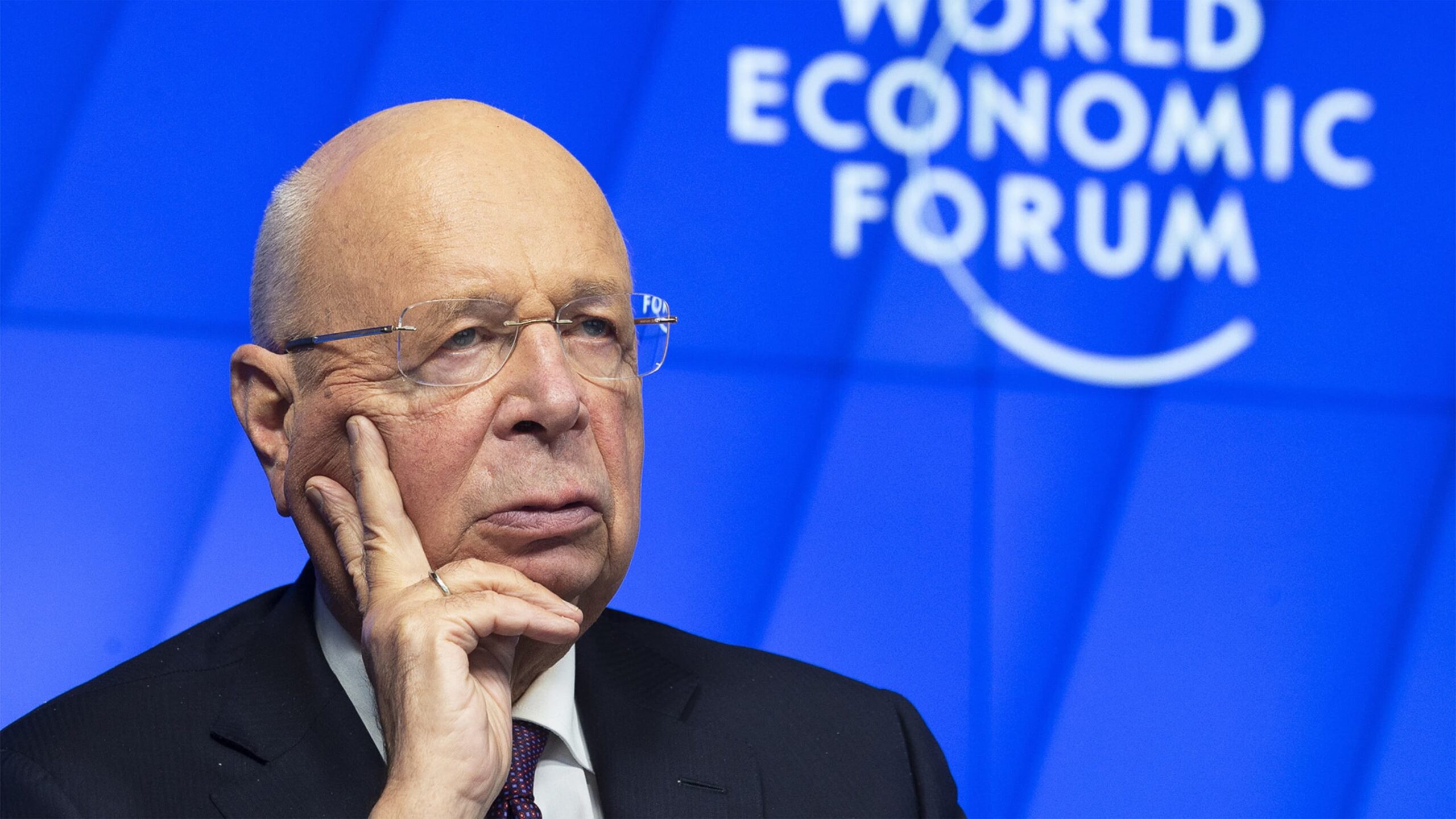
Digital ID Framework — The WEF Is Creating Much More Than ‘Proof Of Identity’

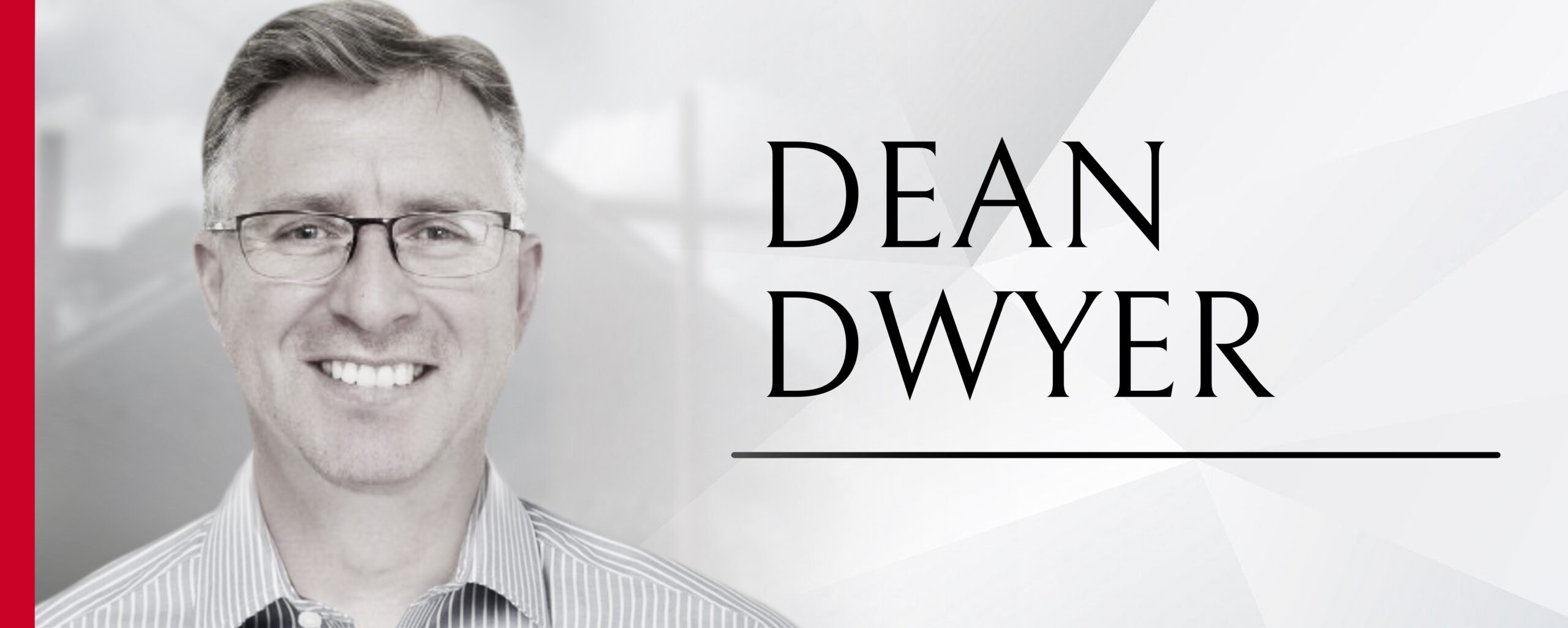
Pastor Dean Dwyer

(Queensland, Australia) — In Australia, submissions regarding the government’s proposed digital identity legislation will end on 19 January 2024.  This was only ratified by a Senate vote on 30 November 2023, meaning there is a politically motivated miniscule time frame for the Australian public to voice its opposition.  One can’t help but wonder if the government has deliberately chosen an expiration date when people have been distracted by Christmas or may still be enjoying a holiday.  That aside, many believers continue to hold real concerns about what a digital identity framework will mean for citizens. 

The term “identity” has a long history, deriving from the Latin root idem implying sameness and continuity.  That is to say that your identity is connected to you personally, remains with you personally and can never relate to another person.  Even in cases of identity fraud, your identity is not permanently taken from you.  You are still you, no matter who tries to pretend to be you.

In times past, nobody was particularly concerned about analysing their identity until the 20th century when the term “identity” came into popular usage.  Erik Erikson (1902-1994) was a German-American child psychoanalyst known for his theory on psychosocial development of human beings.  He was the man who coined the phrase “identity crisis”.

Since then, rather than asking what class or nation one belonged to, the question had more to do with, “who am I?” Erikson’s definition of an identity crisis is as follows:  “The condition of being uncertain of one’s feelings about oneself, especially with regard to character, goals and origins, occurring especially in adolescence as a result of growing up under disruptive, fast-changing conditions.”  Whether Erikson’s views were helpful to society or not, as the concept of an identity crisis has evolved, we are now mired in debates about how one acquires an identity.  Is it given to me socially?  Is it part of my character?  Have my parents played a role in my identity?  Do I get to define it myself?  Is it God-given?  Then there is the question of the hour: what role should the government play in my identity?  

We live in an age of unprecedented interest in the subject of personal identity, yet people remain somewhat confused about it.  So, in order to develop a socially acceptable formula, people turn to characteristic identity markers such as ethnicity, gender, sexuality, age, culture, occupation, social status, religion and marital status.  But there is also a growing movement which encourages people to look “within” for their personal identity.

In the modern age, that remains the oft-repeated mantra due largely to those who espouse the belief that humanity can find the answers to life’s tough questions without God.  These are also the same people who completely reject the existence and authority of God due to the fact that being subject to some external authority, in their view, is akin to oppression.  So, if God does not exist, mankind must be the highest authority on all things relating to self. 

Whilst “you belong to yourself” sounds like a solemn, self-loving and expressive way of affirming some fundamental human right, it is a lie.  Already one of the most popular female vocalists of all time, Taylor Swift recently gave some very bad advice to all of her fans when receiving her honorary doctorate from New York University.  She said: “We are so many things, all the time.  And I know it can be overwhelming figuring out who to be…I have some good news: it’s totally up to you.  I also have some terrifying news: it’s totally up to you.”

Well, like Taylor Swift, I also have some good news and some not so good news.  Let’s begin with the good news which is what we already know as believers – we are made in the image of God and although we are all sinners, we can be reconciled to God through a saving faith in Jesus Christ.

This is the great paradox of Christianity.  While many are actively trying to find their identity, it actually takes surrender in order to discover your true purpose in life, which is to glorify God.  Literally, our identity must be hidden in Christ because the believer’s entire Christian life, after salvation, is defined by their identification with Christ (Colossians 3:3; Galatians 2:20).

So, while unbelievers the world over espouse a view that they are in control of their own body and identity, for the believer we must take seriously the words of 1 Corinthians 6:19: “Or do you not know that your body is the temple of the Holy Spirit who is in you, whom you have from God, and you are not your own?  For you were bought at a price; therefore glorify God in your body and in your spirit, which are God’s.”

Now, the not so good news.  Although each of us knows who we are, the Australian government (like many others throughout the world) wish to introduce a digital identity framework so that people may “prove who they are online.”

Naturally, whenever a government is keen to sell an idea to the public, it espouses the benefits and downplays the concerns.  In the words of the Australian government, “For Australians, this means a safe, secure, convenient and reusable way to prove who they are online, and having access to more services and businesses from the comfort of their home at a time that suits them.”

The government, supposedly, wants to empower people.  The ordinary person on the street remains concerned that a growing digital framework will in fact overpower them, not empower them.

In a 2016 presentation, the World Economic Forum (“WEF”) defined the term “identity” in the following way: “Identity…is a collection of individual attributes that describe an entity and determine the transactions in which that entity can participate.”

A digital identity would mean storing these characteristics in a central digital system from where they could be called up at any time – instantaneously.  To save us from speculating, the WEF gave a relatively harmless example: a person may only buy a bottle of wine (the transaction: purchase alcohol) from the age of 18 (the attribute: age) in a certain jurisdiction (the location: city, state, country).

You might already foresee the problem.  Through the use of digital identity (and future digital currency) governing authorities are able to severely restrict purchasing power.  For instance, what if they wanted to restrict wine sales to those over 40 in metro areas?  Using a digital framework, they would easily be able to.  But let’s take it a step further because a lot more data can be imported into a digital identity system.  Online search history, social media interactions, medical data (ie. vaccination status), religious beliefs etc might all be used to create a digital identity which either empowers or overpowers you. 

In short, let me put it in spiritual terms which are easy to understand.  Psalm 139:1 says: “O LORD, you have searched me and known me.”  Digital identity is Satan’s counterfeit.  Through this digital framework, the WEF is creating much more than proof of identity.

It is intended to create a kind of transparent human being, with every detail known so that every detail of our lives may be controlled.  Ultimately, this will all be in the hands of the Antichrist and False Prophet.  It is a foreshadowing of the mark of the beast.


Your support helps Harbinger's Daily propel the boldest and most sound Christian voices of our day—those unwavering in their defense of the truth and passionate about reaching the unsaved world—while engaging millions to stand courageously with a worldview grounded in God's Word. 

Will you defend the truth and equip others to do the same?

Treasury Secretary Sounds The Alarm, Warns AI Tools Like ‘Mythos’ Pose Major Threat To Financial Cybersecurity

This month, the AI giant, Anthropic, introduced a new AI agent known as Mythos. It searches out security vulnerabilities in other systems. And it’s apparently better at finding them than its makers had expected. It may be the most dangerous piece of computer software ever built. Anthropic says it’s too dangerous to release to the public — a claim no AI company has ever made before.

Why Revelation Matters: God Alone Can Foretell The Future And He Does So With 100 Percent Accuracy

Revelation reveals and reaffirms many of the great doctrines of Scripture. Revelation is theologically thick. It displays the sovereignty and holiness of God. It teaches us that God is in control, that He has a plan that He is bringing to fulfillment. It reveals that God alone can foretell the future and that He does so with 100 percent accuracy.

sign up

Behind The Headlines, The Gospel Is Spreading Into Every Corner Of The Earth With Its Message Of Triumph

As you know, the leaders of Iran adhere to an apocalyptic form of Islam, and they’re doing everything possible to discourage this revival. Anyone suspected of being a Christian is arrested or oppressed. But do you know what’s happening? Plans are unfolding for Billy Graham to preach in Iran! Yes, Dr. Graham’s sermons are being dubbed into Farsi and broadcast into the country. It’s believed his sermons will reach over twenty million Iranians in the safety of their own homes. 

ABC's of Salvation

Decision

UTT

FOI

untitled artwork

Israel My Glory

Pastor Dean Dwyer

(Queensland, Australia) — In Australia, submissions regarding the government’s proposed digital identity legislation will end on 19 January 2024.  This was only ratified by a Senate vote on 30 November 2023, meaning there is a politically motivated miniscule time frame for the Australian public to voice its opposition.  One can’t help but wonder if the government has deliberately chosen an expiration date when people have been distracted by Christmas or may still be enjoying a holiday.  That aside, many believers continue to hold real concerns about what a digital identity framework will mean for citizens. 

The term “identity” has a long history, deriving from the Latin root idem implying sameness and continuity.  That is to say that your identity is connected to you personally, remains with you personally and can never relate to another person.  Even in cases of identity fraud, your identity is not permanently taken from you.  You are still you, no matter who tries to pretend to be you.

In times past, nobody was particularly concerned about analysing their identity until the 20th century when the term “identity” came into popular usage.  Erik Erikson (1902-1994) was a German-American child psychoanalyst known for his theory on psychosocial development of human beings.  He was the man who coined the phrase “identity crisis”.

Since then, rather than asking what class or nation one belonged to, the question had more to do with, “who am I?” Erikson’s definition of an identity crisis is as follows:  “The condition of being uncertain of one’s feelings about oneself, especially with regard to character, goals and origins, occurring especially in adolescence as a result of growing up under disruptive, fast-changing conditions.”  Whether Erikson’s views were helpful to society or not, as the concept of an identity crisis has evolved, we are now mired in debates about how one acquires an identity.  Is it given to me socially?  Is it part of my character?  Have my parents played a role in my identity?  Do I get to define it myself?  Is it God-given?  Then there is the question of the hour: what role should the government play in my identity?  

We live in an age of unprecedented interest in the subject of personal identity, yet people remain somewhat confused about it.  So, in order to develop a socially acceptable formula, people turn to characteristic identity markers such as ethnicity, gender, sexuality, age, culture, occupation, social status, religion and marital status.  But there is also a growing movement which encourages people to look “within” for their personal identity.

In the modern age, that remains the oft-repeated mantra due largely to those who espouse the belief that humanity can find the answers to life’s tough questions without God.  These are also the same people who completely reject the existence and authority of God due to the fact that being subject to some external authority, in their view, is akin to oppression.  So, if God does not exist, mankind must be the highest authority on all things relating to self. 

Whilst “you belong to yourself” sounds like a solemn, self-loving and expressive way of affirming some fundamental human right, it is a lie.  Already one of the most popular female vocalists of all time, Taylor Swift recently gave some very bad advice to all of her fans when receiving her honorary doctorate from New York University.  She said: “We are so many things, all the time.  And I know it can be overwhelming figuring out who to be…I have some good news: it’s totally up to you.  I also have some terrifying news: it’s totally up to you.”

Well, like Taylor Swift, I also have some good news and some not so good news.  Let’s begin with the good news which is what we already know as believers – we are made in the image of God and although we are all sinners, we can be reconciled to God through a saving faith in Jesus Christ.

This is the great paradox of Christianity.  While many are actively trying to find their identity, it actually takes surrender in order to discover your true purpose in life, which is to glorify God.  Literally, our identity must be hidden in Christ because the believer’s entire Christian life, after salvation, is defined by their identification with Christ (Colossians 3:3; Galatians 2:20).

So, while unbelievers the world over espouse a view that they are in control of their own body and identity, for the believer we must take seriously the words of 1 Corinthians 6:19: “Or do you not know that your body is the temple of the Holy Spirit who is in you, whom you have from God, and you are not your own?  For you were bought at a price; therefore glorify God in your body and in your spirit, which are God’s.”

Now, the not so good news.  Although each of us knows who we are, the Australian government (like many others throughout the world) wish to introduce a digital identity framework so that people may “prove who they are online.”

Naturally, whenever a government is keen to sell an idea to the public, it espouses the benefits and downplays the concerns.  In the words of the Australian government, “For Australians, this means a safe, secure, convenient and reusable way to prove who they are online, and having access to more services and businesses from the comfort of their home at a time that suits them.”

The government, supposedly, wants to empower people.  The ordinary person on the street remains concerned that a growing digital framework will in fact overpower them, not empower them.

In a 2016 presentation, the World Economic Forum (“WEF”) defined the term “identity” in the following way: “Identity…is a collection of individual attributes that describe an entity and determine the transactions in which that entity can participate.”

A digital identity would mean storing these characteristics in a central digital system from where they could be called up at any time – instantaneously.  To save us from speculating, the WEF gave a relatively harmless example: a person may only buy a bottle of wine (the transaction: purchase alcohol) from the age of 18 (the attribute: age) in a certain jurisdiction (the location: city, state, country).

You might already foresee the problem.  Through the use of digital identity (and future digital currency) governing authorities are able to severely restrict purchasing power.  For instance, what if they wanted to restrict wine sales to those over 40 in metro areas?  Using a digital framework, they would easily be able to.  But let’s take it a step further because a lot more data can be imported into a digital identity system.  Online search history, social media interactions, medical data (ie. vaccination status), religious beliefs etc might all be used to create a digital identity which either empowers or overpowers you. 

In short, let me put it in spiritual terms which are easy to understand.  Psalm 139:1 says: “O LORD, you have searched me and known me.”  Digital identity is Satan’s counterfeit.  Through this digital framework, the WEF is creating much more than proof of identity.

It is intended to create a kind of transparent human being, with every detail known so that every detail of our lives may be controlled.  Ultimately, this will all be in the hands of the Antichrist and False Prophet.  It is a foreshadowing of the mark of the beast.

Trusted Analysis From A Biblical Worldview

Help reach the lost and equip the church with the living and active truth of God's Word in our world today.

YOU CARE ABOUT

BIBLICAL TRUTH. SO DO WE.


Together, We Can Deliver A Biblical Understanding

Of News Events Around The World.

Treasury Secretary Sounds The Alarm, Warns AI Tools Like ‘Mythos’ Pose Major Threat To Financial Cybersecurity

This month, the AI giant, Anthropic, introduced a new AI agent known as Mythos. It searches out security vulnerabilities in other systems. And it’s apparently better at finding them than its makers had expected. It may be the most dangerous piece of computer software ever built. Anthropic says it’s too dangerous to release to the public — a claim no AI company has ever made before.

Why Revelation Matters: God Alone Can Foretell The Future And He Does So With 100 Percent Accuracy

Revelation reveals and reaffirms many of the great doctrines of Scripture. Revelation is theologically thick. It displays the sovereignty and holiness of God. It teaches us that God is in control, that He has a plan that He is bringing to fulfillment. It reveals that God alone can foretell the future and that He does so with 100 percent accuracy.

untitled artwork 6391

Behind The Headlines, The Gospel Is Spreading Into Every Corner Of The Earth With Its Message Of Triumph

As you know, the leaders of Iran adhere to an apocalyptic form of Islam, and they’re doing everything possible to discourage this revival. Anyone suspected of being a Christian is arrested or oppressed. But do you know what’s happening? Plans are unfolding for Billy Graham to preach in Iran! Yes, Dr. Graham’s sermons are being dubbed into Farsi and broadcast into the country. It’s believed his sermons will reach over twenty million Iranians in the safety of their own homes. 

ABC's of Salvation

TV AD

worldview matters

Decision Magazine V AD

Decision

Jan Markell

Israel My Glory

Erick Stakelbeck

untitled artwork

YOU CARE ABOUT

BIBLICAL TRUTH.

SO DO WE.

Together, We Can Deliver A Biblical Understanding Of News Events Around The World And Equip The Church To Stand With A Biblical Worldview.

untitled artwork

Israel My Glory

YOU CARE ABOUT

BIBLICAL TRUTH.

SO DO WE.


Together, We Can Deliver A Biblical Understanding Of News Events Around The World And Equip The Church To Stand With A Biblical Worldview.