July 2, 2026

July, 2, 2026
July 2, 2026

give

untitled artwork

untitled artwork

World news biblically understood

TRENDING:

Disturbing Hostility: Universities Are Training Young Americans To Stamp Out Free Speech

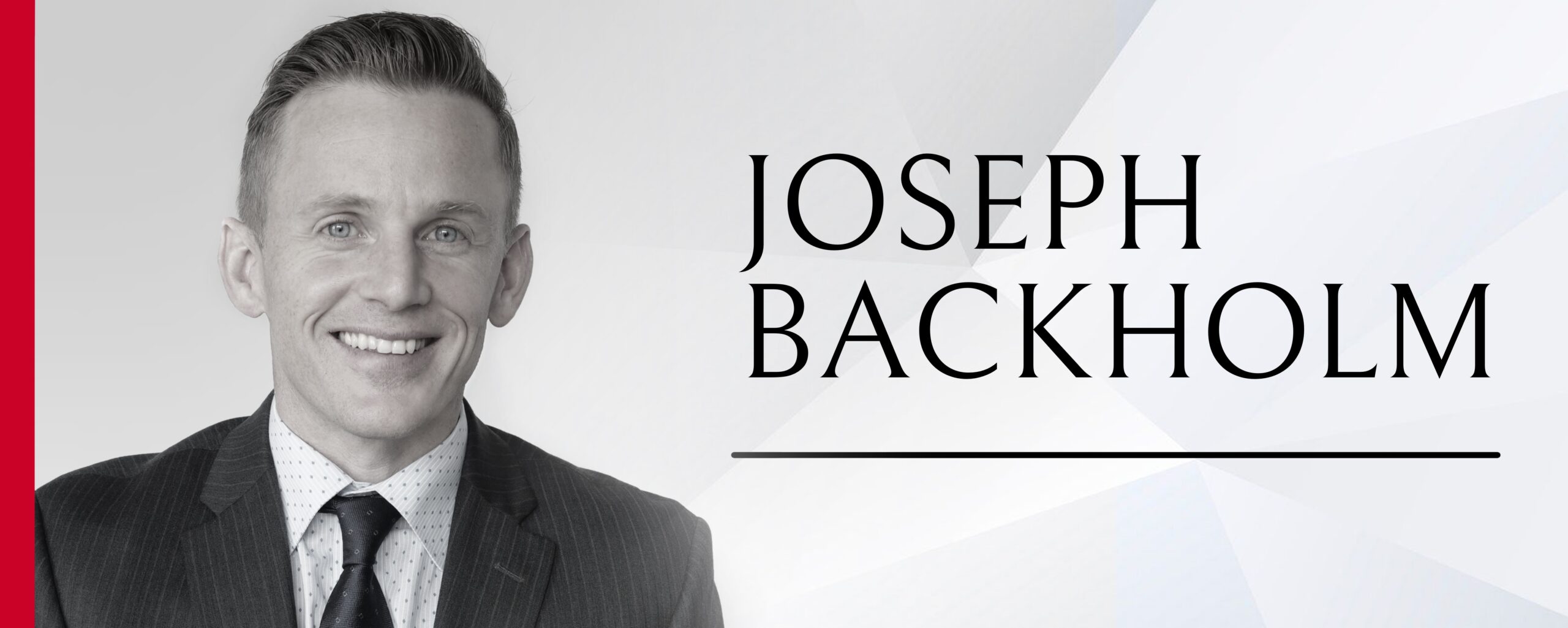
Joseph Backholm

We’ve known for a long time that America’s universities skewed left. But a recent report from The Foundation for Individual Rights and Expression (FIRE) provides some troubling details about a growing antipathy for the freedom of speech in America’s universities. 

FIRE recently released its 2026 College Free Speech Rankings, and the results are really troubling. Of 257 schools surveyed, 166 received a failing grade for their campus speech climate. Only 11 earned a C or higher. The average overall score across all institutions—58.63—is itself a failing grade.

They arrived at these grades by evaluating each school across 12 components, including: student comfort expressing ideas, rates of self-censorship, disruptive conduct, administrative support for free speech, openness, political tolerance, and documented speech controversies on campus. Schools could earn bonuses for formally endorsing free expression principles, but most didn’t bother. 

The schools scoring poorly are familiar names. Barnard College finished last. Columbia University, Indiana University, the University of Washington, and Northeastern University rounded out the bottom five. These are not obscure institutions. They are from red states and blue states, are among the most prominent in the country, and are producing students who are hostile to the free exchange of ideas.

The specific findings from the survey are more disturbing than the grades themselves. According to the report, one in three students now believes violence is sometimes acceptable to stop a campus speech. For the first time in the survey’s six-year history, a majority expressed a desire to stop speakers with messages they found to be highly offensive. Additionally, students feel some topics are simply off limits. Fifty-three percent of students say the Israeli-Palestinian conflict is simply too difficult to discuss openly on campus. At Barnard, that figure reaches 90 percent. 

While students themselves are willing to silence perspectives they dislike, they believe they’re behaving consistently with what they see. Only 36 percent of students believe their administration would protect speech it found offensive. 

These numbers are concerning evidence of declining tolerance for the free exchange of ideas on college campuses, but it’s more than that. It is a symptom of a civilizational identity crisis. 

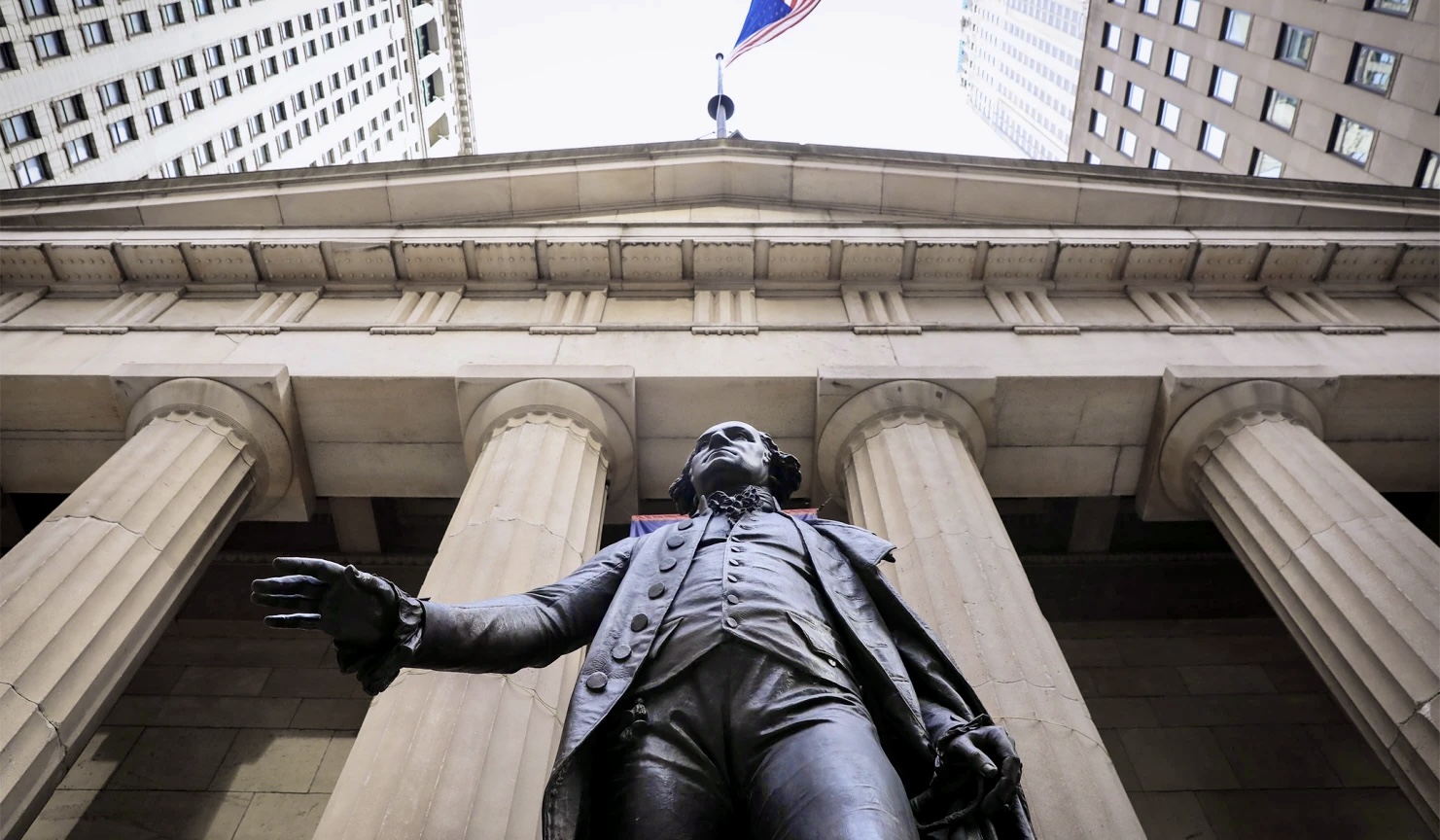
America was founded on a proposition: that all men are created equal, that we are endowed by our Creator with inalienable rights, including the freedom of speech and the free exercise of religion. The right to believe what you believe and to say what you think is not really a political position. It is the recognition that every person we encounter was created by God and has dignity, which means—at a minimum—that they have a right to be heard. This is the cornerstone of every other right. You cannot have free exercise of religion without free expression. You do not have a free society without the freedom to dissent. 

For most of the 20th century, the ACLU was an aggressive defender of free speech, regardless of whose speech it was. They famously defended the right of Nazis to march in Skokie, Ill., in 1978. By the late 2010s, the same organization was internally debating whether free speech advocacy conflicted with its equity goals—and its own board members were saying so publicly.

The reason the freedom of speech and the free exercise of religion were the first rights our founders enumerated is because those are always the first targets of authoritarian governments. Restricting the freedom of speech is always justified in the same way: “That’s dangerous.”

But America rejected the idea that it’s dangerous to say offensive things. We were founded on the belief that free speech was so valuable, people had the right to say even offensive things. After all, sometimes they’re right, and if they can’t speak, we’ll never know. We also understood that when someone else is allowed to say “offensive” things, that means I am too. When I protect their rights, I protect my rights. Unfortunately, many of us seem to believe protecting people’s feelings is now more important than protecting people’s rights.

But it’s not simply that we’ve become too sensitive. We no longer value our neighbors’ right to free speech because we’ve forgotten where our rights come from. Once we abandon the premise that rights come from God, then they must come from government. If the government gives, then the government may take away as well. And when they do, it looks as if a lot of college students will be just fine with it.



Major Supreme Court Rulings Offer A Mixed Bag For Common-Sense Conservatives

The Court struck a major blow against transgender madness. Unfortunately, the Court went against the will of a majority of the American people in two other cases, ruling that mail-in ballots can be counted after Election Day, and shooting down President Trump’s executive order outlawing birthright citizenship. Long term, this is a potential national security risk.

Will America Last Another 250 Years?

Looking back, there can be no denying that God has indeed shed His grace—His unmerited favor—on our land, from sea to shining sea. But does our national “soul” encourage self-control? Do our laws champion ordered liberty? Is our success tempered with nobleness? Is brotherhood the defining characteristic of any good we aspire to reflect? By all of those measures, America seems decidedly adrift. We are drifting farther and farther from Nature’s God—the Ruler of the Universe our Founders called upon and credited with for our celebrated independence.

sign up

Thomas Jefferson’s ‘Separation Of Church And State’ Never Meant Keeping God Out Of Government

In context, it’s clear this wall of separation was not created to keep religion out of the State. It was simply intended to protect religious freedom and to place boundaries on the State’s control over the Church. In fact, the United States Capitol served as a church building for seven decades and Jefferson himself was a regular attendee. He attended so faithfully that he earned a reserved seat. On the Sunday after he wrote the letter to the Danbury Baptists, he attended church services at the still-under-construction Capitol.

ABC's of Salvation

Decision

UTT

FOI

untitled artwork

Israel My Glory

Joseph Backholm

We’ve known for a long time that America’s universities skewed left. But a recent report from The Foundation for Individual Rights and Expression (FIRE) provides some troubling details about a growing antipathy for the freedom of speech in America’s universities. 

FIRE recently released its 2026 College Free Speech Rankings, and the results are really troubling. Of 257 schools surveyed, 166 received a failing grade for their campus speech climate. Only 11 earned a C or higher. The average overall score across all institutions—58.63—is itself a failing grade.

They arrived at these grades by evaluating each school across 12 components, including: student comfort expressing ideas, rates of self-censorship, disruptive conduct, administrative support for free speech, openness, political tolerance, and documented speech controversies on campus. Schools could earn bonuses for formally endorsing free expression principles, but most didn’t bother. 

The schools scoring poorly are familiar names. Barnard College finished last. Columbia University, Indiana University, the University of Washington, and Northeastern University rounded out the bottom five. These are not obscure institutions. They are from red states and blue states, are among the most prominent in the country, and are producing students who are hostile to the free exchange of ideas.

The specific findings from the survey are more disturbing than the grades themselves. According to the report, one in three students now believes violence is sometimes acceptable to stop a campus speech. For the first time in the survey’s six-year history, a majority expressed a desire to stop speakers with messages they found to be highly offensive. Additionally, students feel some topics are simply off limits. Fifty-three percent of students say the Israeli-Palestinian conflict is simply too difficult to discuss openly on campus. At Barnard, that figure reaches 90 percent. 

While students themselves are willing to silence perspectives they dislike, they believe they’re behaving consistently with what they see. Only 36 percent of students believe their administration would protect speech it found offensive. 

These numbers are concerning evidence of declining tolerance for the free exchange of ideas on college campuses, but it’s more than that. It is a symptom of a civilizational identity crisis. 

America was founded on a proposition: that all men are created equal, that we are endowed by our Creator with inalienable rights, including the freedom of speech and the free exercise of religion. The right to believe what you believe and to say what you think is not really a political position. It is the recognition that every person we encounter was created by God and has dignity, which means—at a minimum—that they have a right to be heard. This is the cornerstone of every other right. You cannot have free exercise of religion without free expression. You do not have a free society without the freedom to dissent. 

For most of the 20th century, the ACLU was an aggressive defender of free speech, regardless of whose speech it was. They famously defended the right of Nazis to march in Skokie, Ill., in 1978. By the late 2010s, the same organization was internally debating whether free speech advocacy conflicted with its equity goals—and its own board members were saying so publicly.

The reason the freedom of speech and the free exercise of religion were the first rights our founders enumerated is because those are always the first targets of authoritarian governments. Restricting the freedom of speech is always justified in the same way: “That’s dangerous.”

But America rejected the idea that it’s dangerous to say offensive things. We were founded on the belief that free speech was so valuable, people had the right to say even offensive things. After all, sometimes they’re right, and if they can’t speak, we’ll never know. We also understood that when someone else is allowed to say “offensive” things, that means I am too. When I protect their rights, I protect my rights. Unfortunately, many of us seem to believe protecting people’s feelings is now more important than protecting people’s rights.

But it’s not simply that we’ve become too sensitive. We no longer value our neighbors’ right to free speech because we’ve forgotten where our rights come from. Once we abandon the premise that rights come from God, then they must come from government. If the government gives, then the government may take away as well. And when they do, it looks as if a lot of college students will be just fine with it.

Trusted Analysis From A Biblical Worldview

Help reach the lost and equip the church with the living and active truth of God's Word in our world today.

YOU CARE ABOUT

BIBLICAL TRUTH. SO DO WE.


Together, We Can Deliver A Biblical Understanding

Of News Events Around The World.

Major Supreme Court Rulings Offer A Mixed Bag For Common-Sense Conservatives

The Court struck a major blow against transgender madness. Unfortunately, the Court went against the will of a majority of the American people in two other cases, ruling that mail-in ballots can be counted after Election Day, and shooting down President Trump’s executive order outlawing birthright citizenship. Long term, this is a potential national security risk.

Will America Last Another 250 Years?

Looking back, there can be no denying that God has indeed shed His grace—His unmerited favor—on our land, from sea to shining sea. But does our national “soul” encourage self-control? Do our laws champion ordered liberty? Is our success tempered with nobleness? Is brotherhood the defining characteristic of any good we aspire to reflect? By all of those measures, America seems decidedly adrift. We are drifting farther and farther from Nature’s God—the Ruler of the Universe our Founders called upon and credited with for our celebrated independence.

untitled artwork 6391

Thomas Jefferson’s ‘Separation Of Church And State’ Never Meant Keeping God Out Of Government

In context, it’s clear this wall of separation was not created to keep religion out of the State. It was simply intended to protect religious freedom and to place boundaries on the State’s control over the Church. In fact, the United States Capitol served as a church building for seven decades and Jefferson himself was a regular attendee. He attended so faithfully that he earned a reserved seat. On the Sunday after he wrote the letter to the Danbury Baptists, he attended church services at the still-under-construction Capitol.

ABC's of Salvation

TV AD

worldview matters

Decision Magazine V AD

Decision

Jan Markell

Israel My Glory

Erick Stakelbeck

untitled artwork

YOU CARE ABOUT

BIBLICAL TRUTH.

SO DO WE.

Together, We Can Deliver A Biblical Understanding Of News Events Around The World And Equip The Church To Stand With A Biblical Worldview.

untitled artwork

Israel My Glory

YOU CARE ABOUT

BIBLICAL TRUTH.

SO DO WE.


Together, We Can Deliver A Biblical Understanding Of News Events Around The World And Equip The Church To Stand With A Biblical Worldview.