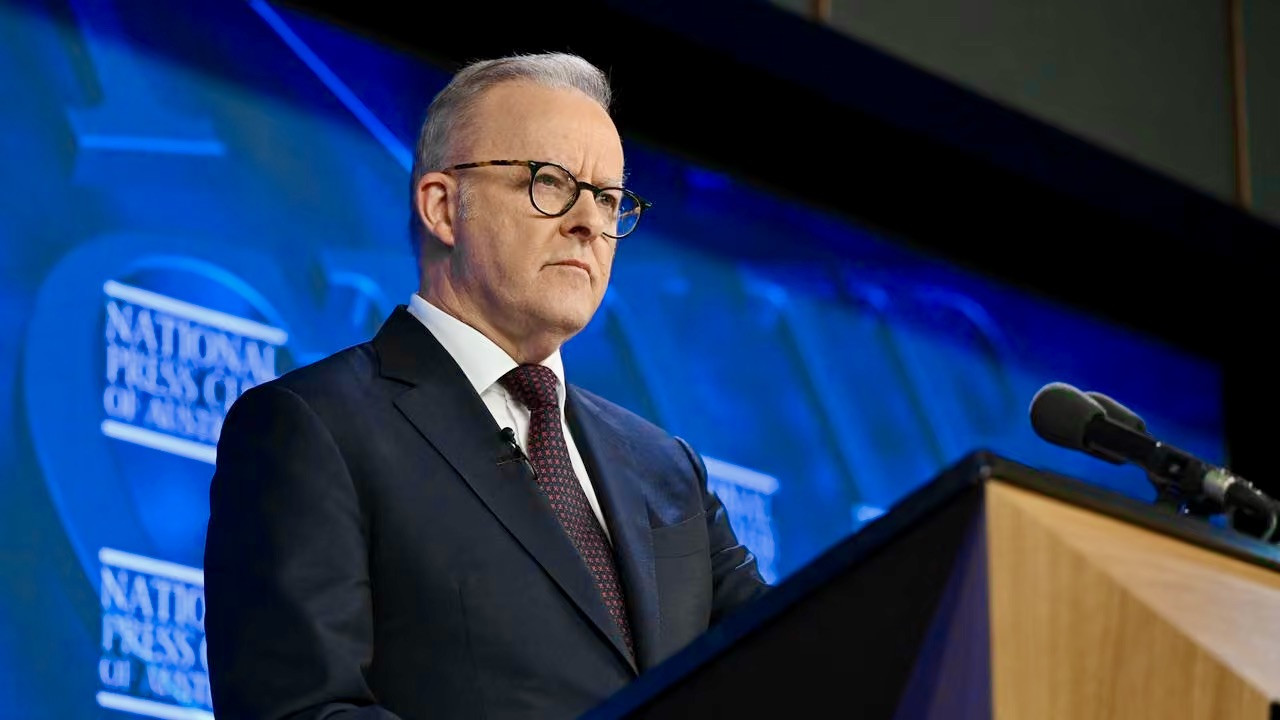
(Capital Territory, Australia) — The Federal Government has said it will introduce its Online Safety Amendment (Digital Duty of Care) Bill 2026 to Parliament in October.
We support firm action against the gravest harms online, but this draft reaches much further than that, and it needs to change before it is tabled.
Parents have good reason to worry about what their children find online. Grooming, sexual exploitation and content that encourages self-harm are real dangers, and they reach children through the same apps and platforms the whole family uses.
So we welcome much of what the Bill sets out to do. It targets child sexual exploitation, grooming, explicit threats, encouragement of suicide and self-harm, terrorist advocacy, and abhorrent violent material. It would also allow the removal of apps built to generate fake nude images. These are proper subjects for firm and prompt regulation.
A $21 Million Reason to Play It Safe
The trouble is how far the Bill goes beyond those harms.
Platforms that breach the duty face penalties of up to $21.84 million. With that much at stake, they have a strong commercial incentive to remove or hide borderline content rather than defend it. Lawful speech is likely to be caught up in that, and people often get no chance to be heard before their content is restricted.
‘Harm’ itself is barely defined. The draft says only that harm can be caused by material, conduct or both, without saying how serious it must be or how likely. The Minister could also add new categories of harm by legislative instrument, simply by being ‘satisfied’ that something ‘may cause’ harm. Those additions wouldn’t need to pass through Parliament.
Who Gets Caught
Vague definitions put anyone’s lawful speech at risk. Political advocacy, scientific discussion, journalism and religious teaching all lack clear protection in the draft. Church websites, parents’ groups and small community forums could be caught alongside global platforms, without the staff or resources to manage the compliance burden.
The risk is sharpest in debates about sex and gender. One provision treats material that ‘encourages or promotes hostile attitudes towards women or gender equality’ as harmful to children. Protecting women from genuine hostility matters. But neither ‘hostile attitudes’ nor ‘gender equality’ is defined, and in today’s debates ‘gender equality’ is sometimes taken to include affirming self-declared gender identity.
That could open the door to complaints against views held by many Australians, Christians among them – that sex is biological, for example, or that women’s sport and change rooms should stay female-only. The Bill doesn’t make those views unlawful. But a platform facing complaints and the threat of large penalties could decide it’s safer to suppress them than defend them.
Within these contexts, it is abundantly clear that this Bill is yet another attempt by the government to introduce what their failed 2024 Misinformation Bill couldn’t: a mechanism for the online censorship of voices opposed to their own and the ideologically-driven groups they’re beholden to.
Before the Bill Is Tabled
Our submission makes six recommendations, and three are at the heart of it. ‘Harm’ should be clearly defined and limited to objectively grave categories. Any new categories should go before Parliament. And freedom of speech, religion and conscience should be expressly protected, with a right of appeal for anyone whose content is removed.
Unless changes like these are made, we have recommended that the amendments not proceed.
Scripture calls us to ‘seek the welfare of the city… and pray to the Lord on its behalf’ (Jeremiah 29:7). Keeping children safe online and protecting the freedom to speak the truth are both part of that.
Please pray for the Minister as the Bill is finalized, for wisdom for every member of Parliament who will vote on it, and for the many families working hard to protect their children online.
A safer online world for our children is a goal we share with the Government. Getting there shouldn’t cost Australians the freedom to say what they believe.