In a world obsessed with quick fixes and effortless pardons, the gravity of sin has lost its weight, and the blood-required cost of reconciliation with a Holy God is a foreign concept. A recent study found that while 57% of Baby Boomers believe that all humans have sinned, only 41% of Gen Z agree. Another study found that 74% of Americans today believe that God will not punish humanity for what we consider “minor” sins.
Without recognizing captivity to sin, how can one define freedom in forgiveness? One cannot fully value what they do not truly understand. The depth of the gospel can only be understood through a thorough understanding of our hopeless sinful state, and the blood it cost for our freedom in Christ Jesus. Being unwilling to confront the reality of our sin has led modern culture to embrace a counterfeit morality that views the lifeblood of Jesus as simply unnecessary.
Yet much of the Old Testament foreshadows Christ’s once-for-all, perfect Lamb of God atonement, and was proposed to cultivate in the nation of Israel a personal understanding of the tangible consequences of their sins.
One day a year, the High Priest would enter behind the veil of the temple, into the Holy of Holies and the presence of God. The blood of the sacrifice to atone for the sins of the people committed within the past year was sprinkled on the mercy seat of the ark, while all Israel fasted, prayed, and waited with bated breath.
Marked by simple white linen instead of ornate robes, this day was a solemn ritual, not a celebration. The sacrifices of Yom Kippur cannot be considered clean or enjoyable, as the death of innocent animals to provide the atoning blood lent a tangible sting to the reality of the nation’s sin.
The process was defined as a covering for sin; a symbolic, imperfect system to provide temporary atonement in preparation for the perfect, once-for-all atonement that would come for all mankind. But instead of another animal sacrifice, it was the innocent death of God’s Son. When Jesus cried, “It is finished,” the sacrifices and image of what was to come were fulfilled. God fully laid His wrath upon Jesus Christ, who became our covering of sin forever. The veil of the temple was torn in two, and the debt of our sin was washed away with innocent blood.
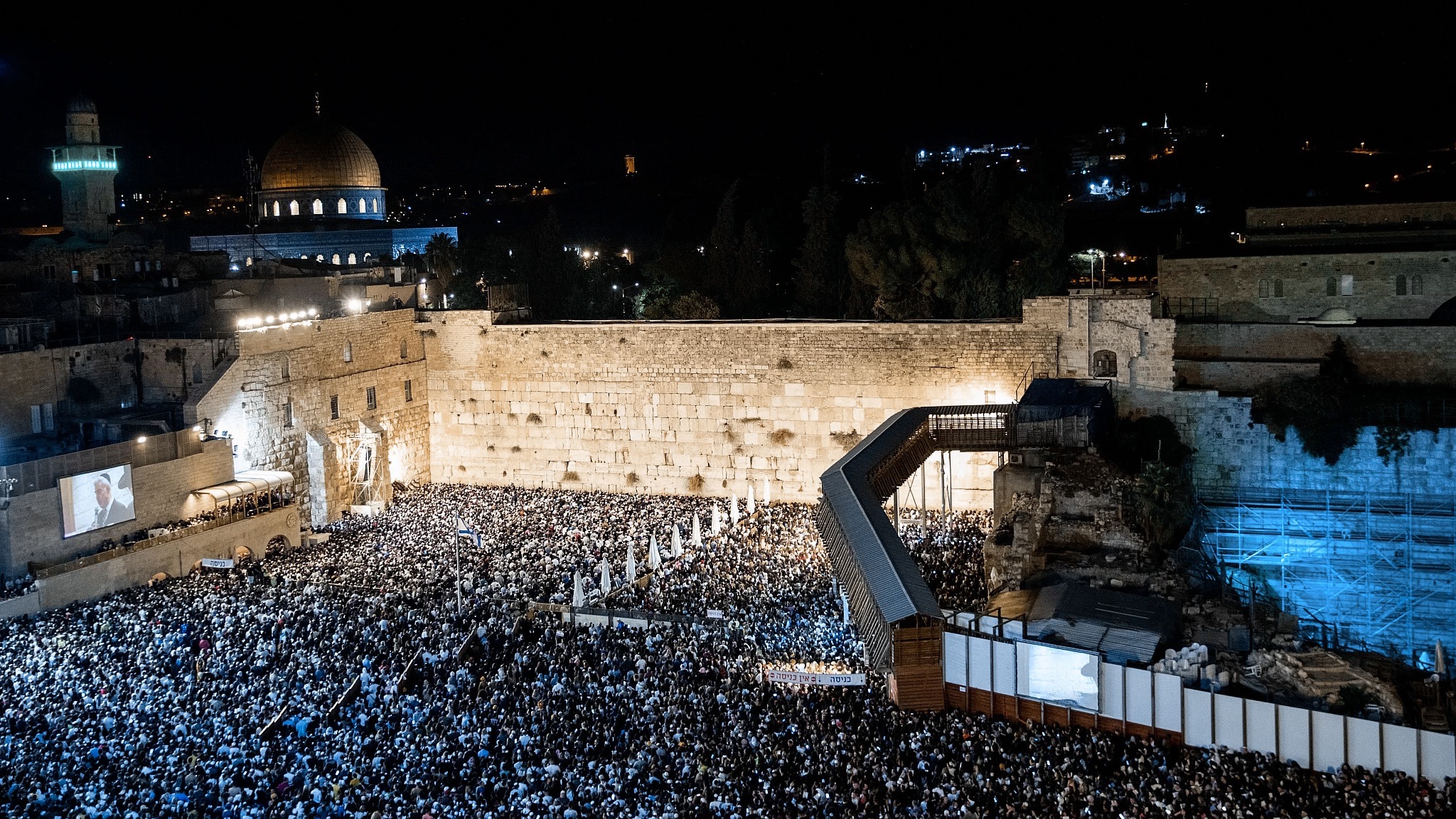
And yet, the Jewish people could not see their Messiah as a suffering servant, but only looked for Him to come as a conquering king (Zech. 12:10). Their sacrifices continued, and shortly after Christ’s death, the temple was destroyed in 70 AD with “no stone left upon another” (Mark 13:2). But the Jewish celebration of the Day of Atonement continued, with the Jews spread throughout the “four corners of the earth” (Isaiah 11:12). Without a temple in which to sacrifice, they still fasted, prayed, forgave, and sought forgiveness.
Rabbinic Judaism evolved and was reconstructed without the temple, and three core pillars formed for maintaining a covenantal relationship with God and receiving forgiveness. These were Teshuvah (repentance), Tefillah (prayer), and Tzedakah (charity and acts of kindness). Fasting, especially on Yom Kippur, was considered an impactful way of seeking forgiveness without an active priesthood or sacrificial system.
Yet many Jewish hearts long for the physical temple, and preparation to rebuild is underway in Jerusalem. From the Jewish perspective, without a temple in Jerusalem incorporating an active priesthood and sacrificial system, Judaism is essentially incomplete. Their longing to fulfill their sacrificial obligations in the temple will ultimately lead to both the rebuilding of the third temple and the reigning of the Antichrist (2 Thess. 2:3–4).
For believers, the symbolism of the Day of Atonement serves as a reminder of our need for repentance and forgiveness in Jesus Christ. The sacrificial system of the Old Testament foreshadows the ultimate, precious sacrifice of Jesus Christ. Yet, although this gift was once for all and there is no longer a requirement for animal sacrifices, the precious blood that was shed should never be trivialized, and our helpless, sinful state without Jesus should never be disregarded.
Walking in sanctification means living in constant repentance as we are shaped and molded into the image of Christ. At repentance, the joy of forgiveness is understood. Remembering Christ’s sacrifice through church communion prompts reflection, reminding the believer of the cost of our spiritual freedom, borne by our loving Savior, Jesus Christ.
For the Jewish people, the Day of Atonement is the holiest day of the year as God divinely judges humanity. The believer’s sin is already forgiven and their heavenly eternity is secured. We must fervently oppose the suggestion that mankind in its sinful state is “passable,” as the world suggests, acknowledging instead that man is desperately wicked and our only hope is found in the beautiful and costly sacrifice of our Lord Jesus Christ.