Prosecutors across New York City’s five boroughs have been trained to pursue lesser criminal charges against illegal immigrants to reduce their chances of deportation, according to a report from the Republican-led House Judiciary Committee.
The findings, reported by the New York Post, detail policies encouraging district attorneys to consider immigration consequences when negotiating criminal cases, including those involving firearms, domestic violence, stalking, and sexual offenses against children.
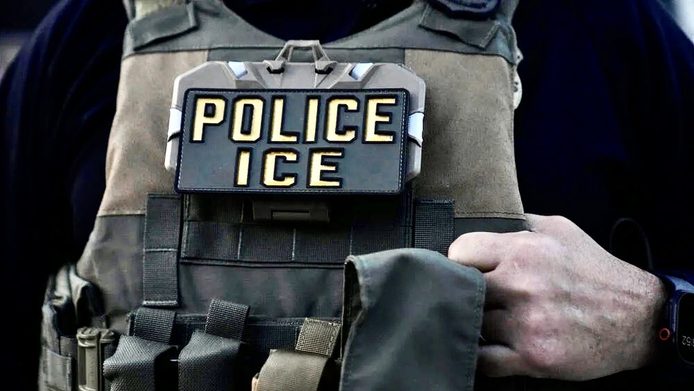
The report comes amid growing scrutiny of New York’s immigration enforcement policies. Over the past 12 months, the New York City Police Department has received nearly 10,000 detainer requests from Immigration and Customs Enforcement (ICE) involving illegal immigrants accused of crimes.
Earlier this month, the Department of Homeland Security reported that New York state authorities had ignored more than 16,000 ICE detainer requests.
Among the committee’s findings were training materials from Bronx District Attorney Darcel Clark’s office directing prosecutors to pursue charges that would not automatically trigger deportation.
According to the report, Bronx prosecutors were instructed to “conceal facts from the record of conviction” and pursue alternative offenses to limit immigration consequences for defendants.
Training documents from 2023 encouraged prosecutors to avoid convictions that could result in deportation, citing concerns about family separation and community stability.
The guidance extended to weapons offenses, with prosecutors advised to “[k]eep the firearm out of the record of conviction” and offer alternative charges that did not specifically reference a firearm.
Similar instructions applied to domestic violence cases, where prosecutors were encouraged to exclude references to domestic relationships from conviction records.
In stalking cases, the office recommended considering charges that did not require evidence of repeated incidents or an intention to cause fear.
The committee also uncovered guidance involving sexual offenses against minors.
In 2019, Clark’s office encouraged assistant district attorneys to engage in “immigration-conscious plea bargaining,” including offering charges that did not identify the victim’s age as an element of the crime.
Such changes can affect whether a conviction qualifies as a deportable offense under federal immigration law.
Similar practices were identified in Queens, where District Attorney Melinda Katz’s office instructed prosecutors to “exercise extreme caution” when handling cases involving noncitizen defendants.
Prosecutors were also advised against focusing exclusively on whether charges were classified as felonies or misdemeanors when considering plea agreements.
In Brooklyn, prosecutors have received comparable guidance since at least 2017.
Training materials from the Brooklyn District Attorney’s Office encouraged staff to avoid immigration penalties considered disproportionate to the underlying criminal offense while maintaining public safety.
Those recommendations included offering guilty pleas to lesser charges when more serious convictions could result in deportation.
According to the House Judiciary Committee, similar approaches have been adopted by prosecutors throughout all five boroughs.
The findings highlight an ongoing dispute over the role immigration consequences should play in criminal prosecutions, particularly when plea agreements can determine whether noncitizen defendants remain eligible to stay in the United States.