March 29, 2026

March, 29, 2026
March 29, 2026

give

untitled artwork

untitled artwork

World news biblically understood

TRENDING:

Abandoning Church: ‘Inclusive Sunday Collectives’ Gain In Popularity Amoung Secularists

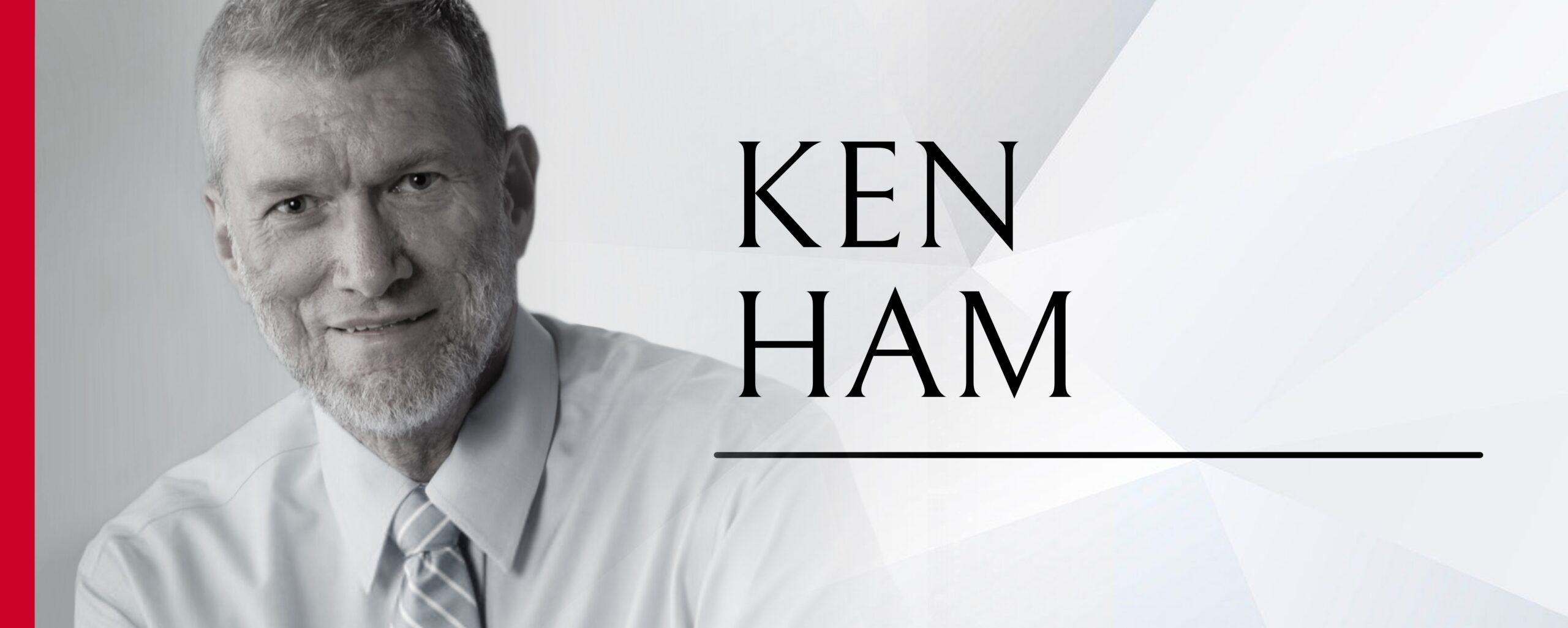
I was recently sent a USA Today article highlighting the growth of “inclusive Sunday collectives,” communities of former “evangelical Christians,” atheists, agnostics, “nones,” and “spiritual”—people who’ve abandoned “traditional organized religion” but still want a sense of community, belonging, and “spirituality.” It was a stark reminder of something I’ve taught over and over again.

You see, every single one of the communities highlighted in the article had one thing in common—an elevation of man’s wisdom over God’s Word. And this exchange changed houses of worship dedicated to the one true God into times of “meditation and breathing exercises,” readings of “ancient wisdom teachings,” and social justice advocacy. While some of the groups still called themselves “churches,” they were all far from the biblical definition of the church (Christ’s Bride).

Now what do I mean by an elevation of man’s wisdom over God’s Word? Well, consider these quotes from several of the leaders of these “congregations”:

“We do our best to be nonpartisan. . . . The difference between us and fundamentalism is one phrase: We might be wrong. They were always so [expletive] certain about everything.”

“Sometimes in these environments, if spiritual teachers or church leaders would just say, ‘I don’t know,’ that we don’t have all the answers, it helps us relate more.” . . . “I say it all the time.”

The community now revolves around what McMaster calls 2024 kinds of values, not rooted in dogma or scripture; while its curriculum draws much of its inspiration from Christian teachings, speakers represent multiple faith traditions.

A commonality between the “multiple faith traditions” that make up these groups is that they claim to be uncertain—they’re just seeking truth in many different places while accepting and including everyone. Now, of course, this isn’t really true—they’re very certain about many things: they are certain that the Bible is not authoritative, certain that Jesus is not the only way, certain that God is not who he has revealed himself to be in his Word, certain about LGBTQ inclusion, abortion, critical race theory, and social justice, certain about feelings determining truth, and so on. In other words, they are very certain of their secular religion! This reminds me of a group that once existed in Australia called “Toleration,” and in their documents, they listed all the things they were against (in other words were intolerant of).

One of the communities highlighted claims to now center around “values rather than beliefs.” But values are always derived from beliefs; in order to determine what you value, you must first have beliefs about yourself and the world around you. For example, their values of “inclusion” come from their belief that God’s Word is not the standard, that man determines morality, and that anything we desire sexually is good (as long as no one gets hurt—however one defines hurt!). It’s impossible to have values without beliefs! They’re two sides of the same coin. The question is what are your beliefs and therefore your values grounded in—the unchanging Word of God or the ever-changing thoughts of man?

The kind of false humility these kinds of leaders showcase—the “I just don’t know, and I am open to anything” narrative—looks attractive to many in our pluralistic society, but it’s all self-contradictory. They are very sure of their own wisdom and very sure the Bible is not true, does not have answers, and is not an authoritative foundation on which to build your thinking.

Everyone has a worldview grounded on something. The question is what will your foundation be: “2024 kinds of values” that will come and go, just as values have come and gone throughout history, or the eternal Word of God that has lasted millennia and will outlive earth itself?


Your support helps Harbinger's Daily propel the boldest and most sound Christian voices of our day—those unwavering in their defense of the truth and passionate about reaching the unsaved world—while engaging millions to stand courageously with a worldview grounded in God's Word. 

Will you defend the truth and equip others to do the same?

When A Nation Diminishes And Redefines The Role Of Fathers… The Consequences Are Everywhere

When I was a boy, my father gave me what I thought was a punishment: to read a chapter of Proverbs every day. What I didn’t realize at the time was that he wasn’t just correcting behavior, he was building a foundation. Because a father’s responsibility is not merely to raise children, but to prepare them. To prepare them for life. To prepare them for truth. And ultimately, to prepare them for eternity.

By God’s Sovereign Design, Israel Will Ultimately Lead The World In Worship Of Him

It is common to cross paths with Christians who don’t believe the Jewish people today are God’s Chosen People. They fail to see how Israel fits into God’s plan for this world, and they cannot grasp Israel’s significance to them as believers in Jesus. Yet Israel is crucial to God’s plan to redeem the earth.

sign up

Franklin Graham: Misinterpreting God’s Timeless Promises To The Nation Of Israel And The Jewish People

I’ve been troubled by the increasing number of churches and Bible teachers who are misinterpreting God’s timeless promises to the nation of Israel and the Jewish people. This false teaching, called replacement theology, suggests that God’s covenant blessing with the nation of Israel and its allies no longer exists and instead has somehow been reinterpreted to apply only to God’s modern-day fellowship of believers, His church. Nevertheless, a faithful reading of Scripture proves unequivocally that God’s covenant with Abram in Genesis 12:2-3 remains true as ever today

ABC's of Salvation

Decision

UTT

FOI

untitled artwork

Israel My Glory

I was recently sent a USA Today article highlighting the growth of “inclusive Sunday collectives,” communities of former “evangelical Christians,” atheists, agnostics, “nones,” and “spiritual”—people who’ve abandoned “traditional organized religion” but still want a sense of community, belonging, and “spirituality.” It was a stark reminder of something I’ve taught over and over again.

You see, every single one of the communities highlighted in the article had one thing in common—an elevation of man’s wisdom over God’s Word. And this exchange changed houses of worship dedicated to the one true God into times of “meditation and breathing exercises,” readings of “ancient wisdom teachings,” and social justice advocacy. While some of the groups still called themselves “churches,” they were all far from the biblical definition of the church (Christ’s Bride).

Now what do I mean by an elevation of man’s wisdom over God’s Word? Well, consider these quotes from several of the leaders of these “congregations”:

“We do our best to be nonpartisan. . . . The difference between us and fundamentalism is one phrase: We might be wrong. They were always so [expletive] certain about everything.”

“Sometimes in these environments, if spiritual teachers or church leaders would just say, ‘I don’t know,’ that we don’t have all the answers, it helps us relate more.” . . . “I say it all the time.”

The community now revolves around what McMaster calls 2024 kinds of values, not rooted in dogma or scripture; while its curriculum draws much of its inspiration from Christian teachings, speakers represent multiple faith traditions.

A commonality between the “multiple faith traditions” that make up these groups is that they claim to be uncertain—they’re just seeking truth in many different places while accepting and including everyone. Now, of course, this isn’t really true—they’re very certain about many things: they are certain that the Bible is not authoritative, certain that Jesus is not the only way, certain that God is not who he has revealed himself to be in his Word, certain about LGBTQ inclusion, abortion, critical race theory, and social justice, certain about feelings determining truth, and so on. In other words, they are very certain of their secular religion! This reminds me of a group that once existed in Australia called “Toleration,” and in their documents, they listed all the things they were against (in other words were intolerant of).

One of the communities highlighted claims to now center around “values rather than beliefs.” But values are always derived from beliefs; in order to determine what you value, you must first have beliefs about yourself and the world around you. For example, their values of “inclusion” come from their belief that God’s Word is not the standard, that man determines morality, and that anything we desire sexually is good (as long as no one gets hurt—however one defines hurt!). It’s impossible to have values without beliefs! They’re two sides of the same coin. The question is what are your beliefs and therefore your values grounded in—the unchanging Word of God or the ever-changing thoughts of man?

The kind of false humility these kinds of leaders showcase—the “I just don’t know, and I am open to anything” narrative—looks attractive to many in our pluralistic society, but it’s all self-contradictory. They are very sure of their own wisdom and very sure the Bible is not true, does not have answers, and is not an authoritative foundation on which to build your thinking.

Everyone has a worldview grounded on something. The question is what will your foundation be: “2024 kinds of values” that will come and go, just as values have come and gone throughout history, or the eternal Word of God that has lasted millennia and will outlive earth itself?


Trusted Analysis From A Biblical Worldview

Help reach the lost and equip the church with the living and active truth of God's Word in our world today.

YOU CARE ABOUT

BIBLICAL TRUTH. SO DO WE.


Together, We Can Deliver A Biblical Understanding

Of News Events Around The World.

When A Nation Diminishes And Redefines The Role Of Fathers… The Consequences Are Everywhere

When I was a boy, my father gave me what I thought was a punishment: to read a chapter of Proverbs every day. What I didn’t realize at the time was that he wasn’t just correcting behavior, he was building a foundation. Because a father’s responsibility is not merely to raise children, but to prepare them. To prepare them for life. To prepare them for truth. And ultimately, to prepare them for eternity.

By God’s Sovereign Design, Israel Will Ultimately Lead The World In Worship Of Him

It is common to cross paths with Christians who don’t believe the Jewish people today are God’s Chosen People. They fail to see how Israel fits into God’s plan for this world, and they cannot grasp Israel’s significance to them as believers in Jesus. Yet Israel is crucial to God’s plan to redeem the earth.

untitled artwork 6391

Franklin Graham: Misinterpreting God’s Timeless Promises To The Nation Of Israel And The Jewish People

I’ve been troubled by the increasing number of churches and Bible teachers who are misinterpreting God’s timeless promises to the nation of Israel and the Jewish people. This false teaching, called replacement theology, suggests that God’s covenant blessing with the nation of Israel and its allies no longer exists and instead has somehow been reinterpreted to apply only to God’s modern-day fellowship of believers, His church. Nevertheless, a faithful reading of Scripture proves unequivocally that God’s covenant with Abram in Genesis 12:2-3 remains true as ever today

ABC's of Salvation

TV AD

worldview matters

Decision Magazine V AD

Decision

Jan Markell

Israel My Glory

Erick Stakelbeck

untitled artwork

YOU CARE ABOUT

BIBLICAL TRUTH.

SO DO WE.

Together, We Can Deliver A Biblical Understanding Of News Events Around The World And Equip The Church To Stand With A Biblical Worldview.

untitled artwork

Israel My Glory

YOU CARE ABOUT

BIBLICAL TRUTH.

SO DO WE.


Together, We Can Deliver A Biblical Understanding Of News Events Around The World And Equip The Church To Stand With A Biblical Worldview.