
What happens when a person gains everything the world has to offer but remains unprepared to face eternity?
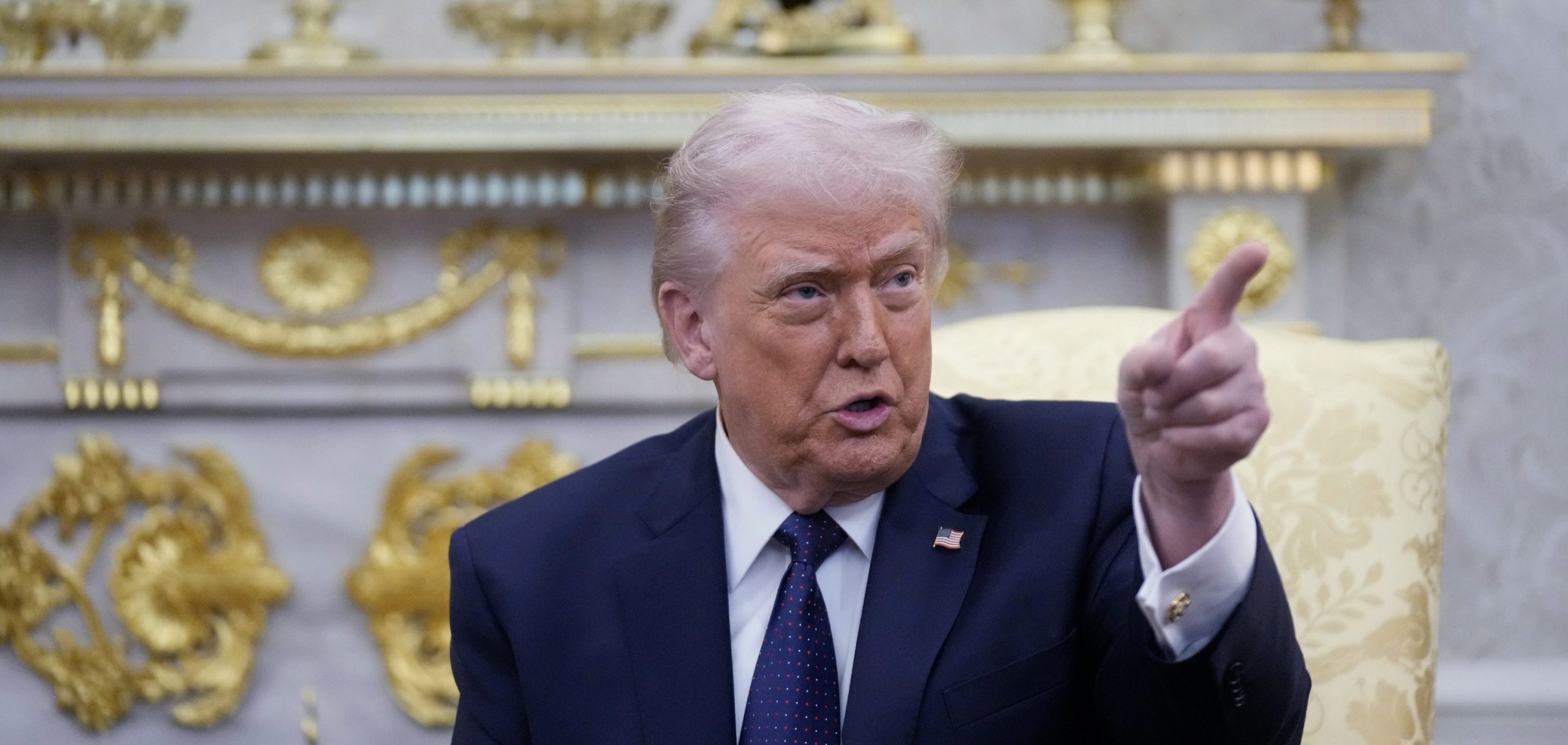
It is a question that transcends politics, wealth, influence, and public reputation. Yet it became the center of an important conversation when President Donald Trump was asked about death, heaven, and forgiveness during a recent 60 Minutes interview.
The president’s answers revealed something worth examining, not simply about Donald Trump, but about the human heart.
The discussion also comes at a difficult moment for American politics. Republicans are confronting electoral losses, disagreements over Israel and Iran are dividing conservatives, and the assassination of Charlie Kirk continues to expose troubling attitudes toward political violence.
But beneath these headlines lies a more consequential question. Political success cannot save the soul, and no amount of earthly influence can replace the transforming grace of Jesus Christ. That truth applies to presidents and ordinary citizens alike.
During his interview, Trump was asked what he believed would happen to him after death.
Having survived an assassination attempt in Butler, Pennsylvania, the president has experienced a reminder of life’s fragility that few people encounter so directly. When asked whether he expected to go to heaven, Trump expressed hope that he would, explaining that he considered himself religious.
The conversation then turned to forgiveness.
Interviewer Ross Douthat referenced the memorial service for Charlie Kirk, where Kirk’s widow, Erika, publicly forgave the man accused of murdering her husband. At that same memorial, Trump acknowledged that he did not share Kirk’s approach toward political opponents. When Douthat asked whether the president could forgive figures such as James Comey and Nancy Pelosi, Trump indicated that he could not honestly promise to do so.
The answer was striking.
Trump has experienced extraordinary political opposition, legal battles, and threats against his life. His frustration with political adversaries is understandable, even when his responses deserve examination.
Christians can recognize those circumstances without excusing bitterness. Jesus’ teaching in Matthew 6:14–15 makes forgiveness an essential part of the Christian life. Believers who have received God’s mercy are called to extend forgiveness to others.
That does not mean wrongdoing should go unpunished. Forgiveness does not eliminate accountability, excuse criminal behavior, or require abandoning justice. It means refusing to allow hatred to govern the heart. Erika Kirk’s response to her husband’s murder provides a powerful example. Faced with unimaginable grief, she publicly expressed forgiveness grounded in her Christian faith. Her words did not minimize the seriousness of the crime. Instead, they demonstrated that the Gospel offers a response to suffering that goes beyond retaliation.
The contrast raises a question for every Christian, regardless of political affiliation.
Is it possible to defend the right policies while harboring the wrong attitudes? Absolutely. A person can hold strong convictions about immigration, religious liberty, national security, or Israel while struggling with pride, resentment, and unforgiveness.
The same is true of political opponents. No party possesses a monopoly on virtue, and no political leader is exempt from the moral demands of Scripture. Christians are called to evaluate leaders through biblical truth without confusing political loyalty with spiritual faithfulness.
The warning is especially important when discussing someone as influential as Donald Trump. His accomplishments and political positions can be assessed on their merits. His statements can be praised or challenged. But his eternal standing before God cannot be determined by political achievements, and no observer can claim complete knowledge of his heart.
That judgment belongs to God. The responsibility of believers is to speak truth with humility, pray for leaders, and remember that everyone stands in need of divine grace.