
August 3, 2026

August, 3, 2026
August 3, 2026

give

untitled artwork

untitled artwork

World news biblically understood

TRENDING:

Will Graham: Jesus Was Forsaken, Betrayed, And Crucified, But He Rose Victorious

Will Graham

As we think about the sacrifice of Jesus, we often focus on the unbearable physical pain He endured.

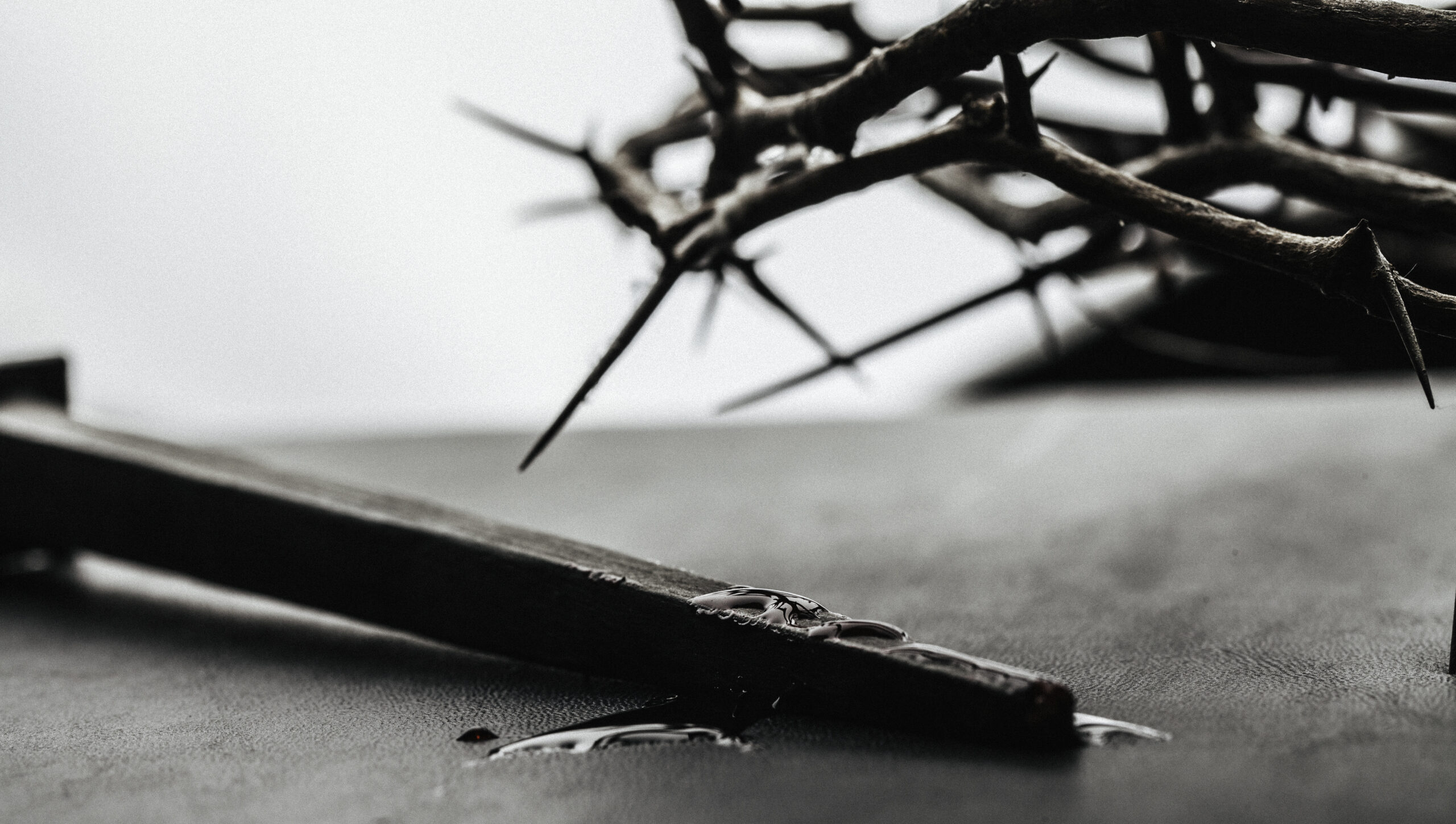
He was hit, flogged nearly to the point of death, and had a crown of thorns driven into His scalp. He was made to carry His own cross. Nails were punched through His flesh before He was hoisted into the air to suffocate in one of the most inhumane and cruel forms of capital punishment ever devised.

It’s hard to not focus on the pain He endured for us. But I want you to consider another way Jesus was made to suffer in the moments before His crucifixion. Consider the emotional pain Christ endured as those who were closest to Him turned their backs.

Of course, there was the moment when Jesus cried out “Eli, Eli, lama sabachthani?” (“My God, My God, why have You forsaken Me?” —Matthew 27:46) as God the Father turned His face from His Son, which must have been the most crushing blow of all.

However, let’s look at the human element, Christ’s “inner circle.”

Jesus personally chose 12 disciples whom He poured Himself into. These men could almost be considered His earthly family, surrounding Him, learning from Him, and serving in His ministry. Jesus loved them, and yet He knew—long before they did, in fact—that a couple of these men would publicly betray Him.

Judas, certainly, is the one that comes instantly to mind. After all, it was his betrayal of Jesus that ultimately led to the crucifixion. We’re told in Luke 22:3 that “Satan entered Judas …

John 13:2 says that the devil put it into Judas’ heart to betray Jesus. Judas went to the chief priests and officers, accepted a payment from them and then actively plotted how to betray Jesus into their hands when there wouldn’t be a crowd around Him.

Judas’ treachery was the ultimate betrayal, directly resulting in a sham trial and the agony of the cross. But I wonder if the second betrayal might not have hurt just as much as the first.

Along with James and John, Peter was one of Jesus’ closest friends, whom He chose to be a witness to key moments in His earthly ministry. For instance, Peter was there for Jesus’ transfiguration on the mountain and at Gethsemane on the eve of Christ’s sacrifice. He even drew a sword and tried to physically defend Jesus as He was being arrested (John 18:10).

Peter’s denial of Jesus—which, according to Mark, Jesus foretold prior to leaving for Gethsemane—must have stung deeply. As Jesus was being beaten and ridiculed (Mark 14:65), Peter was busy distancing himself from Christ (Mark 14:66-72). Three times people approached Peter to ask him if he was associated with Jesus, and three times Peter denied Him. “Then he began to curse and swear, ‘I do not know this Man of whom you speak!’” (Mark 14:71).

In the midst of Christ’s anguish, His friends turned their backs on Him. What emotional pain this must have caused, even as Jesus knew it was coming and understood that it had to be!

Maybe you’re reading this and it sounds a little too familiar. Maybe you have friends or family members who have turned their backs on you, or perhaps—like Judas—they were instrumental in causing the suffering you are now enduring. Maybe you’re struggling through pain and despair, and the people you thought you could depend on have disappeared. Maybe you’ve been hurt by others in the church. Bodily pain hurts physically, but emotional pain slices directly to your soul.

My friends, I’m here to tell you that people will let you down. People will turn their backs on you and cause you pain. But here’s the key—Jesus was forsaken, betrayed and crucified, but He conquered all of that! People are imperfect, but Christ is risen and victorious!

The Bible tells us not to put our faith into men or princes. Instead, this Easter place your eternity in the One Who endured scorn, pain, and—yes—betrayal from His friends, so that you may have a hope that extends far beyond the pitfalls and pains of this world.



Millions Are Understanding The News Through A Biblical Worldview

THANKS TO YOUR PRAYER AND SUPPORT

Imminent: The Timing Of The Rapture May Be Unknowable, But Where It Sits On The Prophetic Timeline Is Not

What about the timing of the rapture? That’s another hotly debated subject in the church. While most acknowledge the day and hour is unknowable, is that day and hour before the tribulation, during the tribulation, or at the end of the tribulation? (These are the pre-, mid-, and post-tribulation rapture views). Does not knowing the day or hour mean we can’t know anything about the timing of the rapture in relation to the tribulation? That depends on which timing view you hold to. If you believe in a pre-tribulation rapture, then seeing things develop that will be fulfilled during the tribulation should stir up a sense of expectation and excitement because it could happen at any time. But if you are mid- or post-trib, then you know that because the tribulation has not yet begun, there is no expectation that the rapture could occur within the next three-and-a-half or seven years.

Literal, Eternal, And Unconditional: Bible Prophecy Begins And Ends With Israel

Imagine you open to the middle of a book. Immediately, you face unfamiliar names and locations. To make sense of the story, you flip to the end. But the ending seems more confusing than the middle. You slam the book shut in disgust. This analogy is about as subtle as a sledgehammer. But it illustrates why so many people have trouble with Bible prophecy. To understand prophecy, we should not start in the middle of the Book or at the end. No, we should begin at the beginning. It’s there, in Genesis 12:1-3, that God makes a startling promise to a man named Abraham. All prophecy hangs on this promise, or “covenant.”

sign up

The Slippery Slope Of Australia’s Spirituality: A Deliberate Campaign Of Atheism

On 29 July 2026, the church that I pastor played host for the Brisbane leg of a tour of Australia by Amir Tsarfati and Pastor Barry Stagner. On that blessed evening, over 1,000 people gathered together for praise, powerful preaching, prayer, and of course, photos with these two beloved servants of God. Even though we hired a large venue for the evening, seating was limited. This meant that, sadly, many missed out on being able to attend. One such person who was not able to secure tickets remarked that it would be wonderful if this was the dilemma faced by every Bible-believing church in Australia on a Sunday morning. Yet Australia's overall spiritual landscape suggest a disturbing deterioration away from Biblical belief.

ABC's of Salvation

Decision

UTT

FOI

untitled artwork

Israel My Glory

Will Graham

As we think about the sacrifice of Jesus, we often focus on the unbearable physical pain He endured.

He was hit, flogged nearly to the point of death, and had a crown of thorns driven into His scalp. He was made to carry His own cross. Nails were punched through His flesh before He was hoisted into the air to suffocate in one of the most inhumane and cruel forms of capital punishment ever devised.

It’s hard to not focus on the pain He endured for us. But I want you to consider another way Jesus was made to suffer in the moments before His crucifixion. Consider the emotional pain Christ endured as those who were closest to Him turned their backs.

Of course, there was the moment when Jesus cried out “Eli, Eli, lama sabachthani?” (“My God, My God, why have You forsaken Me?” —Matthew 27:46) as God the Father turned His face from His Son, which must have been the most crushing blow of all.

However, let’s look at the human element, Christ’s “inner circle.”

Jesus personally chose 12 disciples whom He poured Himself into. These men could almost be considered His earthly family, surrounding Him, learning from Him, and serving in His ministry. Jesus loved them, and yet He knew—long before they did, in fact—that a couple of these men would publicly betray Him.

Judas, certainly, is the one that comes instantly to mind. After all, it was his betrayal of Jesus that ultimately led to the crucifixion. We’re told in Luke 22:3 that “Satan entered Judas …

John 13:2 says that the devil put it into Judas’ heart to betray Jesus. Judas went to the chief priests and officers, accepted a payment from them and then actively plotted how to betray Jesus into their hands when there wouldn’t be a crowd around Him.

Judas’ treachery was the ultimate betrayal, directly resulting in a sham trial and the agony of the cross. But I wonder if the second betrayal might not have hurt just as much as the first.

Along with James and John, Peter was one of Jesus’ closest friends, whom He chose to be a witness to key moments in His earthly ministry. For instance, Peter was there for Jesus’ transfiguration on the mountain and at Gethsemane on the eve of Christ’s sacrifice. He even drew a sword and tried to physically defend Jesus as He was being arrested (John 18:10).

Peter’s denial of Jesus—which, according to Mark, Jesus foretold prior to leaving for Gethsemane—must have stung deeply. As Jesus was being beaten and ridiculed (Mark 14:65), Peter was busy distancing himself from Christ (Mark 14:66-72). Three times people approached Peter to ask him if he was associated with Jesus, and three times Peter denied Him. “Then he began to curse and swear, ‘I do not know this Man of whom you speak!’” (Mark 14:71).

In the midst of Christ’s anguish, His friends turned their backs on Him. What emotional pain this must have caused, even as Jesus knew it was coming and understood that it had to be!

Maybe you’re reading this and it sounds a little too familiar. Maybe you have friends or family members who have turned their backs on you, or perhaps—like Judas—they were instrumental in causing the suffering you are now enduring. Maybe you’re struggling through pain and despair, and the people you thought you could depend on have disappeared. Maybe you’ve been hurt by others in the church. Bodily pain hurts physically, but emotional pain slices directly to your soul.

My friends, I’m here to tell you that people will let you down. People will turn their backs on you and cause you pain. But here’s the key—Jesus was forsaken, betrayed and crucified, but He conquered all of that! People are imperfect, but Christ is risen and victorious!

The Bible tells us not to put our faith into men or princes. Instead, this Easter place your eternity in the One Who endured scorn, pain, and—yes—betrayal from His friends, so that you may have a hope that extends far beyond the pitfalls and pains of this world.


Trusted Analysis From A Biblical Worldview

Help reach the lost and equip the church with the living and active truth of God's Word in our world today.

YOU CARE ABOUT

BIBLICAL TRUTH. SO DO WE.


Together, We Can Deliver A Biblical Understanding

Of News Events Around The World.

Imminent: The Timing Of The Rapture May Be Unknowable, But Where It Sits On The Prophetic Timeline Is Not

What about the timing of the rapture? That’s another hotly debated subject in the church. While most acknowledge the day and hour is unknowable, is that day and hour before the tribulation, during the tribulation, or at the end of the tribulation? (These are the pre-, mid-, and post-tribulation rapture views). Does not knowing the day or hour mean we can’t know anything about the timing of the rapture in relation to the tribulation? That depends on which timing view you hold to. If you believe in a pre-tribulation rapture, then seeing things develop that will be fulfilled during the tribulation should stir up a sense of expectation and excitement because it could happen at any time. But if you are mid- or post-trib, then you know that because the tribulation has not yet begun, there is no expectation that the rapture could occur within the next three-and-a-half or seven years.

Literal, Eternal, And Unconditional: Bible Prophecy Begins And Ends With Israel

Imagine you open to the middle of a book. Immediately, you face unfamiliar names and locations. To make sense of the story, you flip to the end. But the ending seems more confusing than the middle. You slam the book shut in disgust. This analogy is about as subtle as a sledgehammer. But it illustrates why so many people have trouble with Bible prophecy. To understand prophecy, we should not start in the middle of the Book or at the end. No, we should begin at the beginning. It’s there, in Genesis 12:1-3, that God makes a startling promise to a man named Abraham. All prophecy hangs on this promise, or “covenant.”

untitled artwork 6391

The Slippery Slope Of Australia’s Spirituality: A Deliberate Campaign Of Atheism

On 29 July 2026, the church that I pastor played host for the Brisbane leg of a tour of Australia by Amir Tsarfati and Pastor Barry Stagner. On that blessed evening, over 1,000 people gathered together for praise, powerful preaching, prayer, and of course, photos with these two beloved servants of God. Even though we hired a large venue for the evening, seating was limited. This meant that, sadly, many missed out on being able to attend. One such person who was not able to secure tickets remarked that it would be wonderful if this was the dilemma faced by every Bible-believing church in Australia on a Sunday morning. Yet Australia's overall spiritual landscape suggest a disturbing deterioration away from Biblical belief.

ABC's of Salvation

TV AD

worldview matters

Decision Magazine V AD

Decision

Jan Markell

Israel My Glory

Erick Stakelbeck

untitled artwork

YOU CARE ABOUT

BIBLICAL TRUTH.

SO DO WE.

Together, We Can Deliver A Biblical Understanding Of News Events Around The World And Equip The Church To Stand With A Biblical Worldview.

untitled artwork

Israel My Glory

YOU CARE ABOUT

BIBLICAL TRUTH.

SO DO WE.


Together, We Can Deliver A Biblical Understanding Of News Events Around The World And Equip The Church To Stand With A Biblical Worldview.