April 30, 2026

April, 30, 2026
April 30, 2026

give

untitled artwork

untitled artwork

World news biblically understood

TRENDING:

Why Colorado’s Attempts To Suppress Christian Freedoms Fail In The Highest Court Of The Land

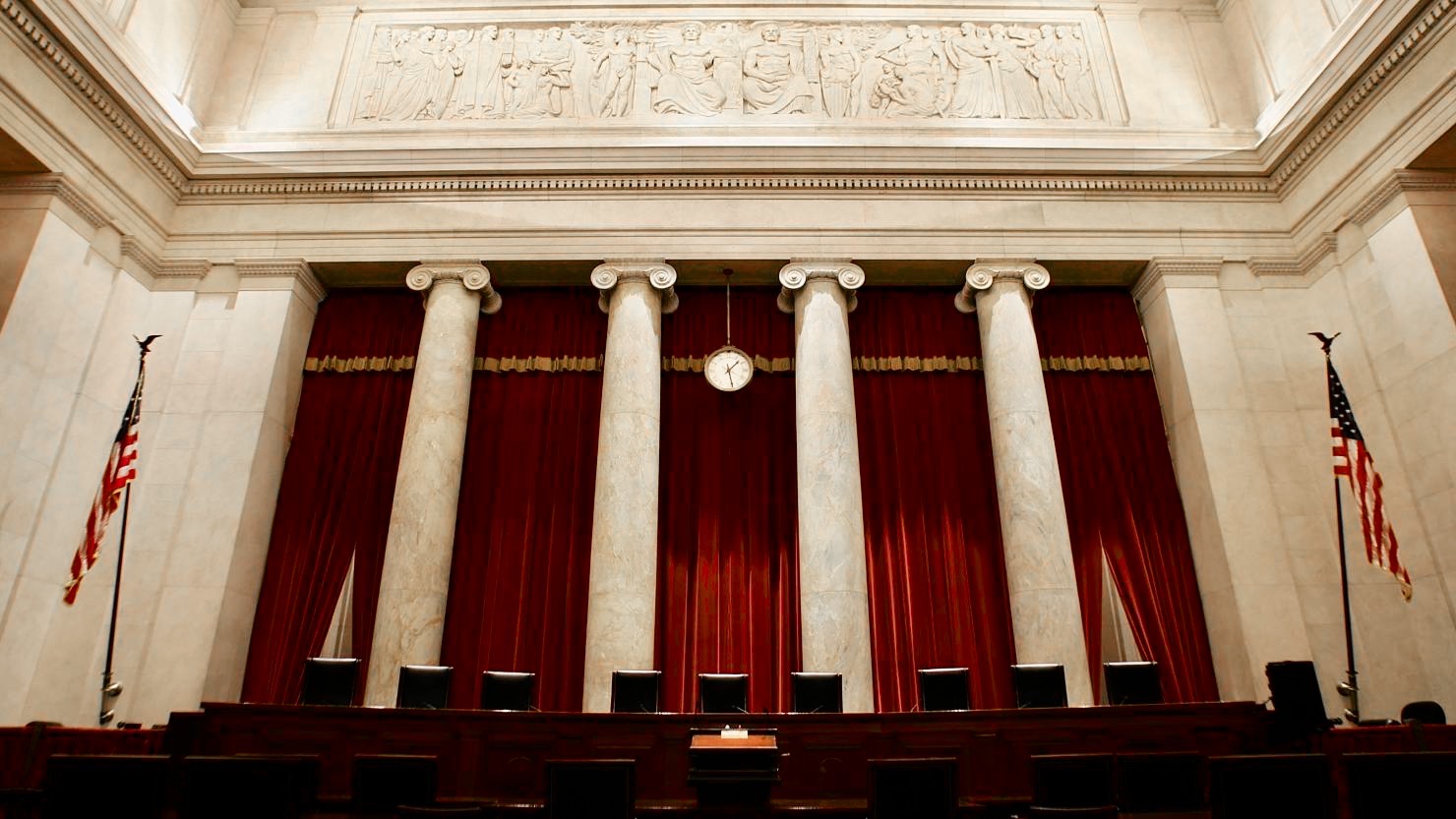
On Tuesday, the U.S. Supreme Court issued its decision in Chiles v. Salazar, a free speech case involving Kaley Chiles, a Christian therapist. Chiles challenged a Colorado law that restricted her ability to provide counseling consistent with her beliefs and her clients’ goals. Justice Neil Gorsuch, writing for the 8-1 majority, stated that Colorado’s 2019 law, which prohibited certain forms of talk therapy for minors, violated the First Amendment. The ruling has significant implications for over 20 states that have similar laws in place.

According to the Court’s majority, states cannot legally use their licensing laws to limit the topics that counselors and therapists can discuss with their clients. Gorsuch explained, 

“The First Amendment stands as a bulwark against any effort to prescribe an orthodoxy of views, reflecting a belief that each American enjoys an inalienable right to speak his mind and a faith in the free marketplace of ideas as the best means for finding truth. Laws like Colorado’s, which suppress speech based on viewpoint, represent an egregious assault on both commitments.” 

The Court’s decision in Chiles is a notable addition to a series of recent cases that address issues at the intersection of religious liberty, free speech, and LGBT identity claims. In Mahmoud v. Taylor (2025), the Court ruled in favor of religious parents who challenged a local school board over “LGBT-inclusive” curriculum. Additionally, in United States v. Skrmetti (2025), the Court upheld a Tennessee law restricting certain gender-related interventions for minors. Taken together, these decisions reflect a jurisprudence willing to scrutinize laws that implicate conscience rights and deeply held moral convictions. 

Understanding the Legal Landscape

To understand the significance of Chiles, it is important to consider the legal landscape that gave rise to the case. Since the early 2010s, local and state governments have passed laws purportedly intended to protect gender-confused youth from sexual orientation change efforts (SOCE), commonly referred to as “conversion therapy.” By 2022, 265 counseling bans had been introduced in 43 states, and 20 states had counseling bans in effect. Although “conversion therapy” once referred to discredited secular counseling practices like electric-shock therapy, progressive activists and lawmakers gradually expanded the definition to include talk therapy, including talk therapy sought out by patients. 

Colorado’s 2019 law is illustrative. It defined conversion therapy as “any practice or treatment… that attempts or purports to change an individual’s sexual orientation or gender identity, including efforts to change behaviors or gender expressions or to eliminate or reduce sexual or romantic attraction or feelings toward individuals of the same sex.” Notably, the law allowed counselors to provide “acceptance, support, and understanding for… identity exploration and development” and to assist persons “underdoing gender transition.” 

In effect, Colorado’s law prohibited counseling conversations aimed at changing a client’s sexual orientation or gender identity but allowed counseling that affirmed those identities. Justice Gorsuch, writing for the U.S. Supreme Court, concluded that this asymmetry constitutes viewpoint discrimination because it permits one perspective while prohibiting another. As he explained,  

“For a gay client, Ms. Chiles may express ‘[a]cceptance, support, and understanding for the facilitation of…identity exploration.’ For a client ‘undergoing gender transition,’ Ms. Chiles may likewise offer words of ‘[a]ssistance.’ But if a gay or transgender client seeks her counsel in the hope of changing his sexual orientation or gender identity, Ms. Chiles cannot provide it.” 

Christians Vindicated

The Court’s decision vindicates Christian counselors who have long claimed that counseling bans unfairly restrict their right to free speech. These laws have required mental health professionals in certain states to operate within a “gender-affirming care” framework when working with minors. With limited exceptions, these statutes have been drafted broadly and do not clearly exempt pastors or counselors acting in a religious capacity, raising concerns about their potential application to faith-based counseling.

The U.S. Supreme Court’s ruling in Chiles marks the third significant loss for the state of Colorado in cases involving religious liberty and LGBT-related claims. In 2018, the Court sided with baker Jack Phillips in Masterpiece Cakeshop v. Colorado Civil Rights Commission, finding evidence of hostility toward his religious beliefs. In 2023, the Court held that web designer Lorie Smith could not be compelled to create expressive content that violated her convictions. Now, the Court has sided with Kaley Chiles.

Justice Ketanji Brown Jackson authored a lengthy dissent—longer than both Justice Neil Gorsuch’s majority opinion and Justice Elena Kagan’s concurrence—that reflects a markedly different interpretation of the facts and the law. It echoed many of the prevailing claims advanced by prominent medical organizations and LGBT advocates regarding sexual orientation and gender identity. For example, she wrote, “Not only is conversion therapy ineffective, former participants of conversion therapy report that it causes lasting psychological harm. Gay and transgender children who underwent nonaversive conversion therapy say they were taught to feel shame and self-hatred.”

Elsewhere, Jackson asserted, “[C]onversion therapy stigmatizes the patient, telling them that their gender identity or sexual orientation is something to be fixed, rather than accepted. This rejection can lead to shame and guilt, which in turn can cause long-term emotional distress.” For Jackson, the underlying assumption is clearly that identity-related categories must be affirmed rather than explored or questioned.

Jackson concluded her dissent with a stark warning, stating, “We are on a slippery slope now: For the first time, the Supreme Court has interpreted the First Amendment to bless a risk of therapeutic harm to children by limiting the State’s ability to regulate medical providers who treat patients with speech.”

However, the Court’s decision in Chiles does not endorse harm. Rather, it reaffirms a foundational First Amendment principle: the government may not censor speech based on viewpoint, even in professional settings. A broad majority of the Court—including Justices Sonia Sotomayor and Elena Kagan—recognized that Colorado’s law impermissibly restricted speech in voluntary counseling conversations. 

In summary, at its core, the Court’s ruling affirms that the state cannot prohibit counselors from engaging in conversations that reflect particular moral or therapeutic perspectives, especially when those conversations are sought by clients themselves. For Christians engaged in counseling ministry, this decision is both significant and welcome.



Give

Give

We Really Are In A Raging War: University Professor Says He Is Waiting For Me To Die

The evolutionary worldview is a religion, one that’s practiced by those who attack Christianity. They have a nontheistic religion; in fact, evolution fits one of the Merriam-Webster dictionary definitions of religion: “a cause, principle, or system of beliefs held to with ardor and faith.” The dictionary definition of religion certainly describes the worldview of evolutionary naturalism. The beliefs of evolutionism purport to explain the entire world’s existence by means of evolutionary naturalism, and thus, it is an all-encompassing faith—a religious worldview.

Do Parents Deserve Stronger Constitutional Protection? The High Court Chose Not To Answer

When a school policy intrudes on a right “deeply rooted in this Nation’s history”—such as parental authority over a child’s upbringing—can courts dismiss the case simply because the school’s conduct wasn’t outrageous enough? Or do parents deserve stronger constitutional protection? The high court chose not to answer.

sign up

Stoking Violence: The Assassination Culture In America Is Not A Problem Coming From ‘Both Sides Of The Aisle’

The assassination culture we're seeing in America right now is not a problem coming from “both sides of the aisle." Yet this is the claim the mainstream media runs with every time there is an attempt on a conservative's life, and there have been many in recent years. We witnessed it again this past weekend when President Trump was targeted for death yet again by a radical leftist at the White House Correspondents Dinner in DC.

ABC's of Salvation

Decision

UTT

FOI

untitled artwork

Israel My Glory

On Tuesday, the U.S. Supreme Court issued its decision in Chiles v. Salazar, a free speech case involving Kaley Chiles, a Christian therapist. Chiles challenged a Colorado law that restricted her ability to provide counseling consistent with her beliefs and her clients’ goals. Justice Neil Gorsuch, writing for the 8-1 majority, stated that Colorado’s 2019 law, which prohibited certain forms of talk therapy for minors, violated the First Amendment. The ruling has significant implications for over 20 states that have similar laws in place.

According to the Court’s majority, states cannot legally use their licensing laws to limit the topics that counselors and therapists can discuss with their clients. Gorsuch explained, 

“The First Amendment stands as a bulwark against any effort to prescribe an orthodoxy of views, reflecting a belief that each American enjoys an inalienable right to speak his mind and a faith in the free marketplace of ideas as the best means for finding truth. Laws like Colorado’s, which suppress speech based on viewpoint, represent an egregious assault on both commitments.” 

The Court’s decision in Chiles is a notable addition to a series of recent cases that address issues at the intersection of religious liberty, free speech, and LGBT identity claims. In Mahmoud v. Taylor (2025), the Court ruled in favor of religious parents who challenged a local school board over “LGBT-inclusive” curriculum. Additionally, in United States v. Skrmetti (2025), the Court upheld a Tennessee law restricting certain gender-related interventions for minors. Taken together, these decisions reflect a jurisprudence willing to scrutinize laws that implicate conscience rights and deeply held moral convictions. 

Understanding the Legal Landscape

To understand the significance of Chiles, it is important to consider the legal landscape that gave rise to the case. Since the early 2010s, local and state governments have passed laws purportedly intended to protect gender-confused youth from sexual orientation change efforts (SOCE), commonly referred to as “conversion therapy.” By 2022, 265 counseling bans had been introduced in 43 states, and 20 states had counseling bans in effect. Although “conversion therapy” once referred to discredited secular counseling practices like electric-shock therapy, progressive activists and lawmakers gradually expanded the definition to include talk therapy, including talk therapy sought out by patients. 

Colorado’s 2019 law is illustrative. It defined conversion therapy as “any practice or treatment… that attempts or purports to change an individual’s sexual orientation or gender identity, including efforts to change behaviors or gender expressions or to eliminate or reduce sexual or romantic attraction or feelings toward individuals of the same sex.” Notably, the law allowed counselors to provide “acceptance, support, and understanding for… identity exploration and development” and to assist persons “underdoing gender transition.” 

In effect, Colorado’s law prohibited counseling conversations aimed at changing a client’s sexual orientation or gender identity but allowed counseling that affirmed those identities. Justice Gorsuch, writing for the U.S. Supreme Court, concluded that this asymmetry constitutes viewpoint discrimination because it permits one perspective while prohibiting another. As he explained,  

“For a gay client, Ms. Chiles may express ‘[a]cceptance, support, and understanding for the facilitation of…identity exploration.’ For a client ‘undergoing gender transition,’ Ms. Chiles may likewise offer words of ‘[a]ssistance.’ But if a gay or transgender client seeks her counsel in the hope of changing his sexual orientation or gender identity, Ms. Chiles cannot provide it.” 

Christians Vindicated

The Court’s decision vindicates Christian counselors who have long claimed that counseling bans unfairly restrict their right to free speech. These laws have required mental health professionals in certain states to operate within a “gender-affirming care” framework when working with minors. With limited exceptions, these statutes have been drafted broadly and do not clearly exempt pastors or counselors acting in a religious capacity, raising concerns about their potential application to faith-based counseling.

The U.S. Supreme Court’s ruling in Chiles marks the third significant loss for the state of Colorado in cases involving religious liberty and LGBT-related claims. In 2018, the Court sided with baker Jack Phillips in Masterpiece Cakeshop v. Colorado Civil Rights Commission, finding evidence of hostility toward his religious beliefs. In 2023, the Court held that web designer Lorie Smith could not be compelled to create expressive content that violated her convictions. Now, the Court has sided with Kaley Chiles.

Justice Ketanji Brown Jackson authored a lengthy dissent—longer than both Justice Neil Gorsuch’s majority opinion and Justice Elena Kagan’s concurrence—that reflects a markedly different interpretation of the facts and the law. It echoed many of the prevailing claims advanced by prominent medical organizations and LGBT advocates regarding sexual orientation and gender identity. For example, she wrote, “Not only is conversion therapy ineffective, former participants of conversion therapy report that it causes lasting psychological harm. Gay and transgender children who underwent nonaversive conversion therapy say they were taught to feel shame and self-hatred.”

Elsewhere, Jackson asserted, “[C]onversion therapy stigmatizes the patient, telling them that their gender identity or sexual orientation is something to be fixed, rather than accepted. This rejection can lead to shame and guilt, which in turn can cause long-term emotional distress.” For Jackson, the underlying assumption is clearly that identity-related categories must be affirmed rather than explored or questioned.

Jackson concluded her dissent with a stark warning, stating, “We are on a slippery slope now: For the first time, the Supreme Court has interpreted the First Amendment to bless a risk of therapeutic harm to children by limiting the State’s ability to regulate medical providers who treat patients with speech.”

However, the Court’s decision in Chiles does not endorse harm. Rather, it reaffirms a foundational First Amendment principle: the government may not censor speech based on viewpoint, even in professional settings. A broad majority of the Court—including Justices Sonia Sotomayor and Elena Kagan—recognized that Colorado’s law impermissibly restricted speech in voluntary counseling conversations. 

In summary, at its core, the Court’s ruling affirms that the state cannot prohibit counselors from engaging in conversations that reflect particular moral or therapeutic perspectives, especially when those conversations are sought by clients themselves. For Christians engaged in counseling ministry, this decision is both significant and welcome.

Trusted Analysis From A Biblical Worldview

Help reach the lost and equip the church with the living and active truth of God's Word in our world today.

YOU CARE ABOUT

BIBLICAL TRUTH. SO DO WE.


Together, We Can Deliver A Biblical Understanding

Of News Events Around The World.

We Really Are In A Raging War: University Professor Says He Is Waiting For Me To Die

The evolutionary worldview is a religion, one that’s practiced by those who attack Christianity. They have a nontheistic religion; in fact, evolution fits one of the Merriam-Webster dictionary definitions of religion: “a cause, principle, or system of beliefs held to with ardor and faith.” The dictionary definition of religion certainly describes the worldview of evolutionary naturalism. The beliefs of evolutionism purport to explain the entire world’s existence by means of evolutionary naturalism, and thus, it is an all-encompassing faith—a religious worldview.

Do Parents Deserve Stronger Constitutional Protection? The High Court Chose Not To Answer

When a school policy intrudes on a right “deeply rooted in this Nation’s history”—such as parental authority over a child’s upbringing—can courts dismiss the case simply because the school’s conduct wasn’t outrageous enough? Or do parents deserve stronger constitutional protection? The high court chose not to answer.

untitled artwork 6391

Stoking Violence: The Assassination Culture In America Is Not A Problem Coming From ‘Both Sides Of The Aisle’

The assassination culture we're seeing in America right now is not a problem coming from “both sides of the aisle." Yet this is the claim the mainstream media runs with every time there is an attempt on a conservative's life, and there have been many in recent years. We witnessed it again this past weekend when President Trump was targeted for death yet again by a radical leftist at the White House Correspondents Dinner in DC.

ABC's of Salvation

TV AD

worldview matters

Decision Magazine V AD

Decision

Jan Markell

Israel My Glory

Erick Stakelbeck

untitled artwork

YOU CARE ABOUT

BIBLICAL TRUTH.

SO DO WE.

Together, We Can Deliver A Biblical Understanding Of News Events Around The World And Equip The Church To Stand With A Biblical Worldview.

untitled artwork

Israel My Glory

YOU CARE ABOUT

BIBLICAL TRUTH.

SO DO WE.


Together, We Can Deliver A Biblical Understanding Of News Events Around The World And Equip The Church To Stand With A Biblical Worldview.