
give

June 7, 2026

June, 7, 2026
June 7, 2026

give

untitled artwork

untitled artwork

World news biblically understood

TRENDING:

The Legalization Of Euthanasia: Illinois And New York Embrace The Culture of Death

David Closson

Within a single week, the governors of Illinois and New York both announced their support for physician-assisted suicide legislation. In Illinois, Governor JB Pritzker (D) signed a bill legalizing the practice last Friday. In New York, Governor Kathy Hochul (D) announced yesterday that she has reached an agreement with the state legislature and will sign the Medical Aid in Dying Act in January 2026. With these developments, Illinois and New York join 11 other states and Washington, D.C., that have already authorized physician-assisted suicide.

Governor Hochul explained her decision in a personal essay published shortly before her Wednesday press conference. She noted that bodily autonomy ultimately shaped her thinking about the bill: “I have come to this as a matter of individual choice that does not have to be about shortening life but rather about shortening death,” she wrote.

Hochul, who identifies as Catholic, also framed her reasoning in theological terms, saying she reflected on what she has learned about God. “I was taught that God is merciful and compassionate, and so must we be,” she wrote. “This includes permitting a merciful option to those facing the unimaginable and searching for comfort in their final months in this life.”

In her press release, Hochul emphasized the bill’s guardrails. Once signed, the law will allow “medical aid in dying” for terminally ill adults with less than six months to live. Additional restrictions include a mandatory five-day waiting period between the prescription and dispensing of the lethal medication. Individuals requesting euthanasia must make an oral request and undergo a mental health evaluation by a psychologist or psychiatrist. Anyone who stands to benefit financially from the patient’s death is barred from serving as a witness to the request. The bill also requires an in-person medical evaluation and permits religiously affiliated hospice providers to opt out of providing physician-assisted suicide.

The safeguards in New York’s bill closely resemble those adopted in Illinois. The Illinois law, signed by Governor Pritzker last week, allows adults 18 and older to request end-of-life medication if they have an illness with a prognosis of six months or less. The law requires confirmation of a terminal diagnosis by two physicians, mandates both an oral and written request for the medication, and stipulates that the drugs must be self-administered. It also requires that individuals seeking medical assistance in dying receive information about all end-of-life care options, including hospice, palliative care, and pain management.

In both Illinois and New York, lawmakers have emphasized the safeguards built into their physician-assisted suicide laws. Each bill limits “medical aid in dying” to adults with terminal diagnoses. Yet even The New York Times, in its coverage of New York’s proposal, acknowledged that other countries with similar laws have significantly broadened them over time.

Canada offers a striking example. When it first legalized “medical assistance in dying” (MAID) in 2016, eligibility was limited to those with terminal conditions. But in 2021, the law was amended so that a patient’s death no longer needed to be “reasonably foreseeable.” The results were predictable: in 2023, 15,300 Canadians died by assisted suicide, accounting for 4.7% of all deaths nationwide. And in 2027, Canada is scheduled to expand eligibility even further to include individuals “suffering solely from a mental illness.”

The Netherlands also offers a cautionary example of how physician-assisted suicide laws can expand over time. In 2002, it became the first nation to formally legalize euthanasia and physician-assisted suicide. Under the original law, adults experiencing unbearable suffering with no prospect of improvement were eligible, and minors ages 12-16 could also request euthanasia with parental consent. Although children under 12 were not included in the law, a 2004 medical protocol (the Groningen Protocol) created guidelines under which physicians could end the lives of infants with severe, untreatable conditions without facing prosecution.

Over time, Dutch practice also broadened to include patients whose suffering is primarily psychiatric, and courts affirmed that mental illness can meet the legal standard of “unbearable suffering.” In 2020, the Dutch Supreme Court ruled that euthanasia may be performed on patients with advanced dementia based on a previously written advance directive, even if the patient can no longer express a current wish to die. In 2023, the government announced plans to expand euthanasia eligibility to include terminally ill children between the ages of 1 and 12.

In short, lawmakers in Illinois and New York will champion their new laws and defend them by pointing to the safeguards they have put in place. But history shows that such guardrails rarely hold. In countries that have adopted physician-assisted suicide, restrictions requiring terminal diagnoses are eventually loosened, distinctions between physical suffering and psychiatric suffering disappear, and protections for minors are removed over time. Ultimately, these restrictions cannot last because a worldview rooted in radical bodily autonomy eventually demands the elimination of every constraint on personal choice.

But even if the broader culture rejects the existence of objective moral truth, Christians must insist that some actions are morally wrong by their very nature. It is always sinful to take an innocent human life, even when a person requests it. Christian ethics affirms that God is the author of life (Genesis 1:26) and explicitly forbids murder (Exodus 20:13). Assisted or not, intentionally ending an innocent human life is murder, and God condemns it.

In 1996, the Southern Baptist Convention warned that “American society seems to be embracing the culture of death.” Its resolution criticized physician-assisted suicide and urged doctors, nurses, and churches to prioritize the emotional, psychological, and spiritual care of suffering patients, with the goal of relieving “the sense of isolation and abandonment some dying patients feel.” Both Governors Pritzker and Hochul noted that stories of profound suffering motivated their push for physician-assisted suicide. In the months and years ahead, Christians must be prepared to articulate why the culture of death is destructive and contrary to true human flourishing.

A Center for Biblical Worldview report released in October found that 54% of churchgoers desire additional biblical teaching on euthanasia and physician-assisted suicide. Notably, this topic generated the lowest interest among all areas surveyed. Yet as the Illinois and New York laws take effect in 2026, it is more important than ever for Christians to defend a biblical ethic of life and to explain clearly why every human being, from conception to natural death, is valuable and worthy of respect, dignity, and protection.



‘No Israel’ Without Trump?: Mr. President, God Isn’t Looking For A Partner To Share His Glory

“Tell you what, if there wasn't me, there would be no Israel right now”… Those were the words of President Trump in an interview on Wednesday. Very respectfully, I want to say to the President of the United States: Mr. Trump, you're wrong. Trump has been the best friend that Israel has ever had in the White House—and I say that with no asterisk. But Israel doesn't exist because of any man.

Shifting Public Opinion: The Appeal Of Pride Month Appears To Be Fading

For years, June brought a predictable wave of corporate logos, advertising campaigns, themed merchandise, and public celebrations. Parents learned to pay closer attention to commercials in family programming, sports fans grew accustomed to Pride-themed uniforms and promotions, and many city streets became venues for often indecent displays at Pride parades. This year is noticeably different. The symbols are not gone, but they are far less prominent. It’s premature to say Pride has fallen, but it is fair to say the appeal of Pride Month has faded.

sign up

Jan Markell: Is Israel’s Spiritual Blindness A Reason For Christians To Reject Them?

Ezekiel 36 emphasizes that when the Jews return to the land, they will do so in unbelief. There will be spiritual regeneration much later! The dry bones of Ezekiel 37 reflect a lack of breath or spiritual life. God states he is gathering them back “not for your sake but for my holy name’s sake,” because their presence among the nations caused his name to be profaned. Ezekiel 36 promises that once back in the land, God will cleanse them, give them a new spirit, and cause them to walk in his statutes. But much later.

ABC's of Salvation

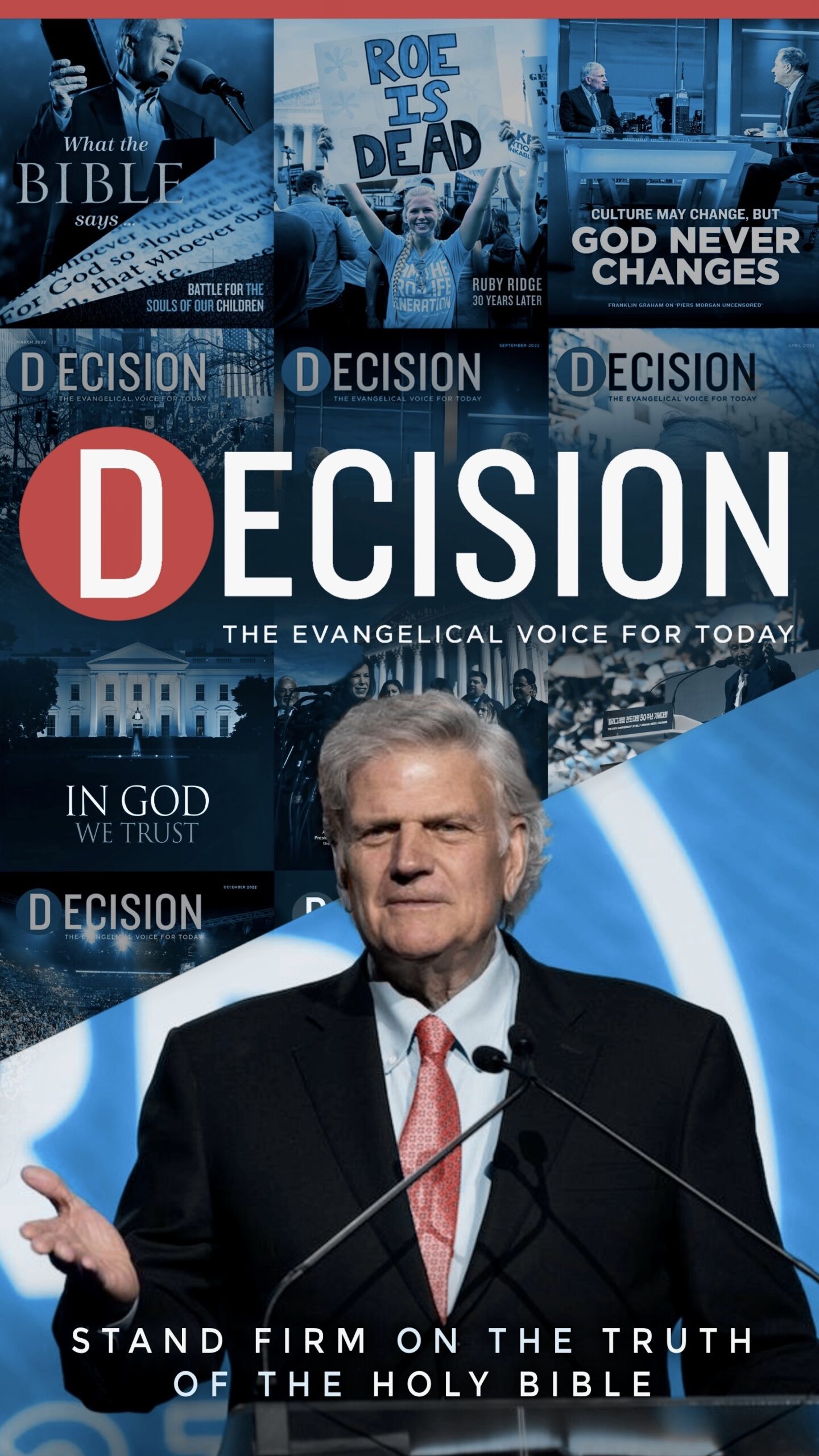
Decision

UTT

FOI

untitled artwork

Israel My Glory

David Closson

Within a single week, the governors of Illinois and New York both announced their support for physician-assisted suicide legislation. In Illinois, Governor JB Pritzker (D) signed a bill legalizing the practice last Friday. In New York, Governor Kathy Hochul (D) announced yesterday that she has reached an agreement with the state legislature and will sign the Medical Aid in Dying Act in January 2026. With these developments, Illinois and New York join 11 other states and Washington, D.C., that have already authorized physician-assisted suicide.

Governor Hochul explained her decision in a personal essay published shortly before her Wednesday press conference. She noted that bodily autonomy ultimately shaped her thinking about the bill: “I have come to this as a matter of individual choice that does not have to be about shortening life but rather about shortening death,” she wrote.

Hochul, who identifies as Catholic, also framed her reasoning in theological terms, saying she reflected on what she has learned about God. “I was taught that God is merciful and compassionate, and so must we be,” she wrote. “This includes permitting a merciful option to those facing the unimaginable and searching for comfort in their final months in this life.”

In her press release, Hochul emphasized the bill’s guardrails. Once signed, the law will allow “medical aid in dying” for terminally ill adults with less than six months to live. Additional restrictions include a mandatory five-day waiting period between the prescription and dispensing of the lethal medication. Individuals requesting euthanasia must make an oral request and undergo a mental health evaluation by a psychologist or psychiatrist. Anyone who stands to benefit financially from the patient’s death is barred from serving as a witness to the request. The bill also requires an in-person medical evaluation and permits religiously affiliated hospice providers to opt out of providing physician-assisted suicide.

The safeguards in New York’s bill closely resemble those adopted in Illinois. The Illinois law, signed by Governor Pritzker last week, allows adults 18 and older to request end-of-life medication if they have an illness with a prognosis of six months or less. The law requires confirmation of a terminal diagnosis by two physicians, mandates both an oral and written request for the medication, and stipulates that the drugs must be self-administered. It also requires that individuals seeking medical assistance in dying receive information about all end-of-life care options, including hospice, palliative care, and pain management.

In both Illinois and New York, lawmakers have emphasized the safeguards built into their physician-assisted suicide laws. Each bill limits “medical aid in dying” to adults with terminal diagnoses. Yet even The New York Times, in its coverage of New York’s proposal, acknowledged that other countries with similar laws have significantly broadened them over time.

Canada offers a striking example. When it first legalized “medical assistance in dying” (MAID) in 2016, eligibility was limited to those with terminal conditions. But in 2021, the law was amended so that a patient’s death no longer needed to be “reasonably foreseeable.” The results were predictable: in 2023, 15,300 Canadians died by assisted suicide, accounting for 4.7% of all deaths nationwide. And in 2027, Canada is scheduled to expand eligibility even further to include individuals “suffering solely from a mental illness.”

The Netherlands also offers a cautionary example of how physician-assisted suicide laws can expand over time. In 2002, it became the first nation to formally legalize euthanasia and physician-assisted suicide. Under the original law, adults experiencing unbearable suffering with no prospect of improvement were eligible, and minors ages 12-16 could also request euthanasia with parental consent. Although children under 12 were not included in the law, a 2004 medical protocol (the Groningen Protocol) created guidelines under which physicians could end the lives of infants with severe, untreatable conditions without facing prosecution.

Over time, Dutch practice also broadened to include patients whose suffering is primarily psychiatric, and courts affirmed that mental illness can meet the legal standard of “unbearable suffering.” In 2020, the Dutch Supreme Court ruled that euthanasia may be performed on patients with advanced dementia based on a previously written advance directive, even if the patient can no longer express a current wish to die. In 2023, the government announced plans to expand euthanasia eligibility to include terminally ill children between the ages of 1 and 12.

In short, lawmakers in Illinois and New York will champion their new laws and defend them by pointing to the safeguards they have put in place. But history shows that such guardrails rarely hold. In countries that have adopted physician-assisted suicide, restrictions requiring terminal diagnoses are eventually loosened, distinctions between physical suffering and psychiatric suffering disappear, and protections for minors are removed over time. Ultimately, these restrictions cannot last because a worldview rooted in radical bodily autonomy eventually demands the elimination of every constraint on personal choice.

But even if the broader culture rejects the existence of objective moral truth, Christians must insist that some actions are morally wrong by their very nature. It is always sinful to take an innocent human life, even when a person requests it. Christian ethics affirms that God is the author of life (Genesis 1:26) and explicitly forbids murder (Exodus 20:13). Assisted or not, intentionally ending an innocent human life is murder, and God condemns it.

In 1996, the Southern Baptist Convention warned that “American society seems to be embracing the culture of death.” Its resolution criticized physician-assisted suicide and urged doctors, nurses, and churches to prioritize the emotional, psychological, and spiritual care of suffering patients, with the goal of relieving “the sense of isolation and abandonment some dying patients feel.” Both Governors Pritzker and Hochul noted that stories of profound suffering motivated their push for physician-assisted suicide. In the months and years ahead, Christians must be prepared to articulate why the culture of death is destructive and contrary to true human flourishing.

A Center for Biblical Worldview report released in October found that 54% of churchgoers desire additional biblical teaching on euthanasia and physician-assisted suicide. Notably, this topic generated the lowest interest among all areas surveyed. Yet as the Illinois and New York laws take effect in 2026, it is more important than ever for Christians to defend a biblical ethic of life and to explain clearly why every human being, from conception to natural death, is valuable and worthy of respect, dignity, and protection.

Trusted Analysis From A Biblical Worldview

Help reach the lost and equip the church with the living and active truth of God's Word in our world today.

YOU CARE ABOUT

BIBLICAL TRUTH. SO DO WE.


Together, We Can Deliver A Biblical Understanding

Of News Events Around The World.

‘No Israel’ Without Trump?: Mr. President, God Isn’t Looking For A Partner To Share His Glory

“Tell you what, if there wasn't me, there would be no Israel right now”… Those were the words of President Trump in an interview on Wednesday. Very respectfully, I want to say to the President of the United States: Mr. Trump, you're wrong. Trump has been the best friend that Israel has ever had in the White House—and I say that with no asterisk. But Israel doesn't exist because of any man.

Shifting Public Opinion: The Appeal Of Pride Month Appears To Be Fading

For years, June brought a predictable wave of corporate logos, advertising campaigns, themed merchandise, and public celebrations. Parents learned to pay closer attention to commercials in family programming, sports fans grew accustomed to Pride-themed uniforms and promotions, and many city streets became venues for often indecent displays at Pride parades. This year is noticeably different. The symbols are not gone, but they are far less prominent. It’s premature to say Pride has fallen, but it is fair to say the appeal of Pride Month has faded.

untitled artwork 6391

Jan Markell: Is Israel’s Spiritual Blindness A Reason For Christians To Reject Them?

Ezekiel 36 emphasizes that when the Jews return to the land, they will do so in unbelief. There will be spiritual regeneration much later! The dry bones of Ezekiel 37 reflect a lack of breath or spiritual life. God states he is gathering them back “not for your sake but for my holy name’s sake,” because their presence among the nations caused his name to be profaned. Ezekiel 36 promises that once back in the land, God will cleanse them, give them a new spirit, and cause them to walk in his statutes. But much later.

ABC's of Salvation

TV AD

worldview matters

Decision Magazine V AD

Decision

Jan Markell

Israel My Glory

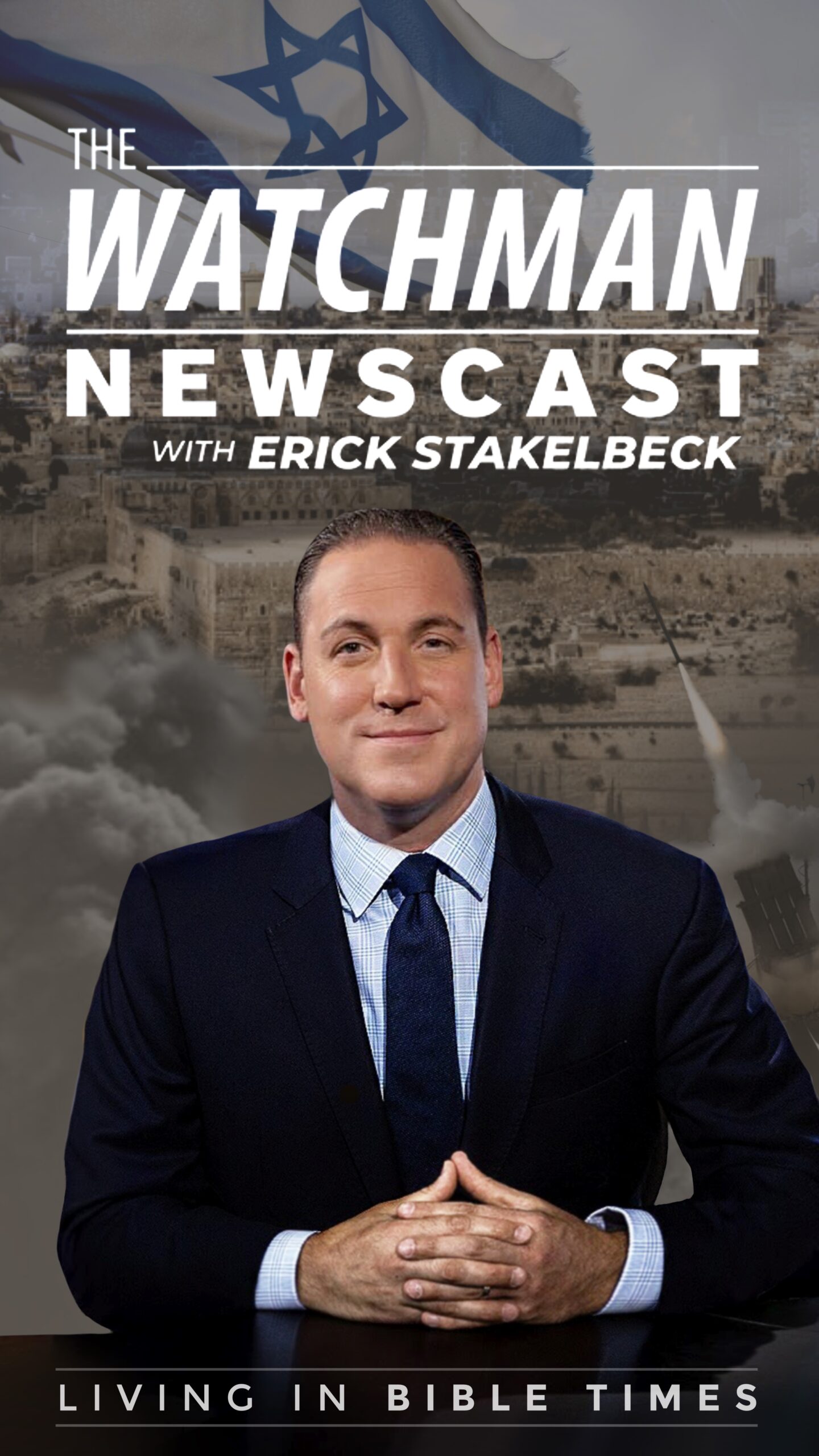
Erick Stakelbeck

untitled artwork

YOU CARE ABOUT

BIBLICAL TRUTH.

SO DO WE.

Together, We Can Deliver A Biblical Understanding Of News Events Around The World And Equip The Church To Stand With A Biblical Worldview.

untitled artwork

Israel My Glory

YOU CARE ABOUT

BIBLICAL TRUTH.

SO DO WE.


Together, We Can Deliver A Biblical Understanding Of News Events Around The World And Equip The Church To Stand With A Biblical Worldview.