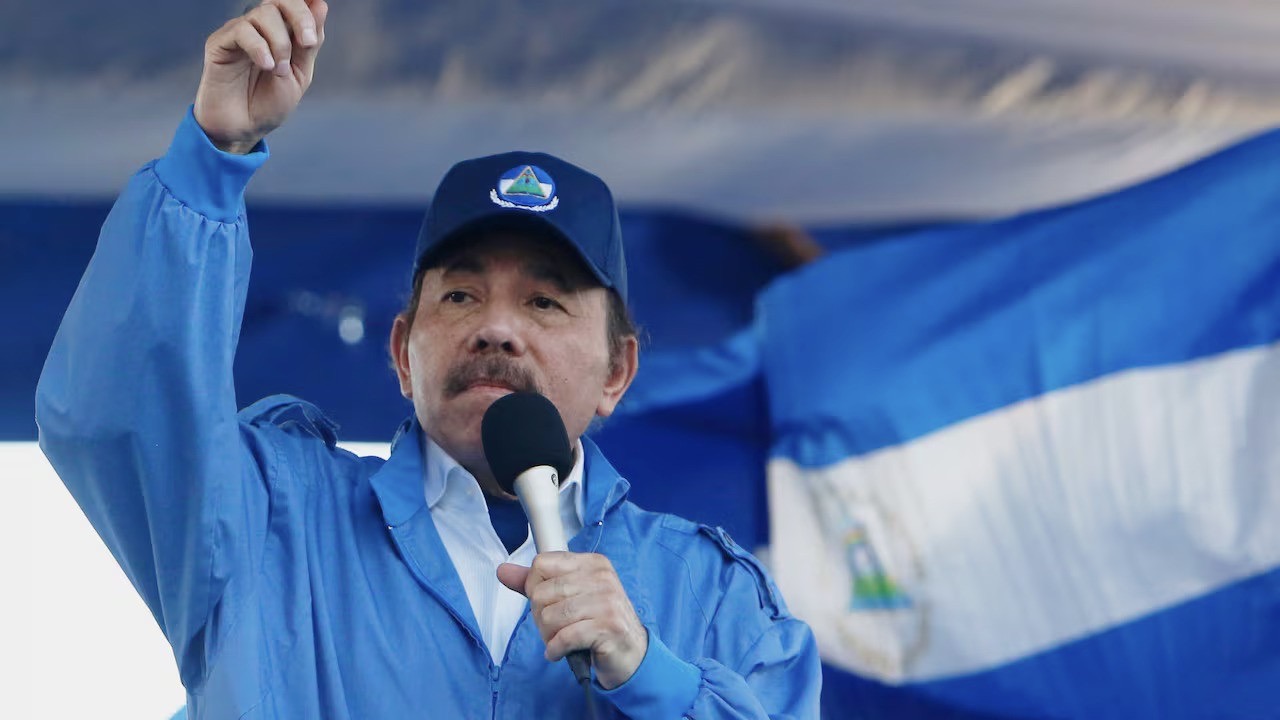
Nicaragua has banned tourists from carrying Bibles into the country.
Tica Bus terminals, which provide routes from Costa Rica to Managua, Nicaragua, are including Bibles in a list of items prohibited from entering Nicaragua, central American media outlet CentroAmérica360 reports. Categorized within the same list are magazines, books, newspapers, drones and cameras, as well as knives and sharp objects.
Christian Solidarity Worldwide (CSW), a news media outlet in the U.K., spoke with a representative from Tica Bus in El Salvador who confirmed that Bibles are among the prohibited list in the country.
A Tica Bus representative in Honduras also confirmed the ban, stating that it had been in effect for more than six months in the country, which is led by co-presidents Daniel Ortega and his wife, Rosario Murillo, who represent the leftist Sandinista National Liberation Front.
Britt Hancock, a Christian missionary to Nicaragua, told the Family Research Council in a 2024 podcast after the Ortega government arrested 13 Christian pastors that “the freedom of the Gospel doesn’t mix well with totalitarian regime ideology” under what is essentially “a communist dictatorship.” Shutting down anything they deem a threat is “their pattern for dealing with these kinds of things.”
Anna Lee Stangl, CSW’s director of Advocacy and lead of the Americas Team, called the government’s actions “highly concerning.”
“The Nicaraguan government’s efforts to restrict the entry of Bibles, other books, newspapers and magazines into the country are highly concerning given the current context of repression,” Stangl said.
The ban points to the increase in religious restrictions placed on Nicaraguan citizens.
Over 1,300 religious groups have had their legal status revoked since 2018. Other religious freedom violations include a ban on public religious processions, unless the procession is organized by government-aligned groups.
CSW conducted a 2024 report in which 222 cases of religious persecution were documented. “Total Control: The Eradication of Independent Voices in Nicaragua” reports cases of event cancellations, police surveillance and required weekly check-ins for religious leaders. Forty-six religious leaders were detained in 2024.
In February, Nicaragua announced its withdrawal from the U.N. Human Rights Council after a U.N. report addressed the suppression of human rights, democracy and religious groups within the current administration.
“We call on the government of Nicaragua to lift this ban immediately,” Stangl said, “and to cease its continued efforts to stifle freedom of religion or belief and expression in the country. We also reiterate our call on the international community to seek creative ways to support and strengthen independent Nicaraguan voices both inside the country and in exile.”
Open Doors ranks Nicaragua as the 30th most difficult country to live in as a Christian and reports that the hostility has intensified in recent years. In 2025, 73 Christians were detained, and 317 churches and Christian buildings were closed or attacked.