March 13, 2026

March, 13, 2026
March 13, 2026

give

untitled artwork

untitled artwork

World news biblically understood

TRENDING:

Pragmatic Palestinians Pursue Peace With Israel, Calling For Formal Recognition Of The Jewish State Under The Abraham Accords

Chris Katulka

“There will be no Palestinian state — not even in 1,000 years. After October 7, Israel will not give it.” 

Those uncompromising words weren’t spoken by an Israeli official in the aftermath of Hamas’ attack nearly two years ago; they came from Sheikh Wadee’ al-Jaabari and four fellow Hebron sheikhs determined to shatter the long-standing notion of Palestinian nationalism.

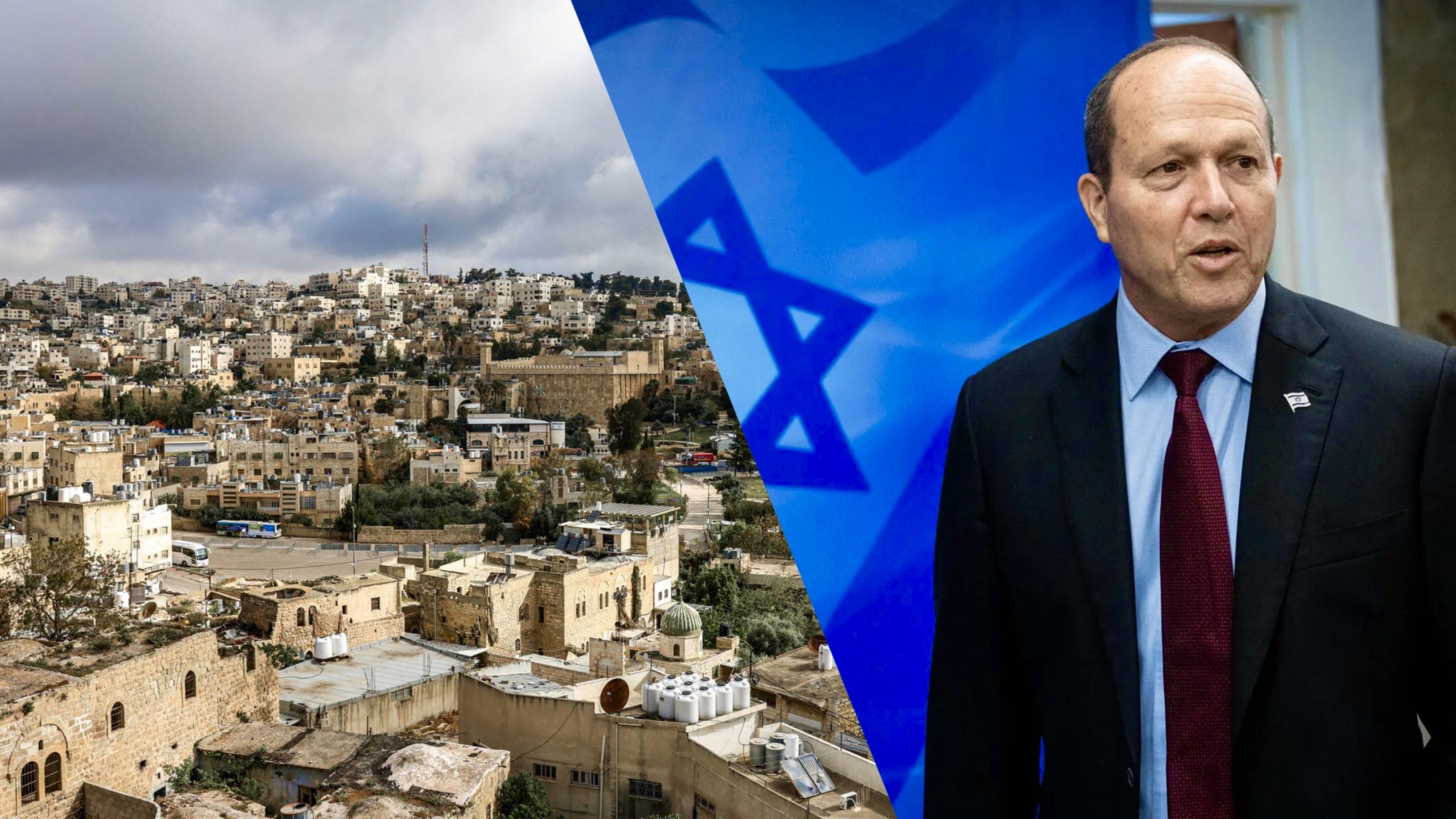
On July 5, the sheikhs sent Economy Minister Nir Barkat a letter expressing Hebron’s wish to break away from the widely unpopular Palestinian Authority, establish an “Emirate of Hebron,” and formally recognize Israel as a Jewish state under the Abraham Accords—striking a blow to the antisemitic rallying cry, “From the River to the Sea, Palestine Will Be Free.”

Rather than clinging to the dream of Palestinian statehood with all its pie-in-the-sky demands—like a right of return and an East Jerusalem capital—these Hebron leaders embrace normalization, integration, and cooperation. 

They see the writing on the wall, and now is the opportune time to abandon the global grandstanding and to act through localized self-determination that brings tangible benefits to their people, seeing Israel as a partner, not a public enemy.

Jaabari and his fellow sheikhs champion a principled peace, built first and foremost on mutual recognition of Israel as the Jewish nation-state. His words expose the cracks in the foundations of Yasser Arafat’s vision and mark a decisive turn away from the Palestinian politics of just saying, “No!”

In 1967, the Arab League’s Khartoum Resolution insisted upon “Three No’s”: no peace with Israel, no recognition of Israel, and no negotiations with Israel. In contrast, the Hebron sheikhs’ letter delivers three emphatic “Yeses.”

  • Yes to peace: An “Emirate of Hebron” with shared security guarantees and a 1,000-acre economic zone seamlessly integrated into Israel’s marketplace.
  • Yes to recognition: Formal acknowledgment of Israel’s right to exist as a Jewish state.
  • Yes to negotiations: Direct engagement with Israel’s Economy Minister and a clear intent to join the Abraham Accords framework.

This isn’t just symbolism. They have a strategy.

Their plan includes strict anti-terror measures and full integration alongside UAE, Bahrain, Sudan, and Morocco—nations that normalized ties with Israel beginning in 2020 over their shared concern regarding Iran. 

But what’s happening in the Middle East is bigger than stopping Iran.

Since October 7, Israel has flipped the Middle East script, shifting from a defensive posture to one of offense. In little time, they defeated Hamas, dismantled Hezbollah’s capabilities, watched Syria abandon Tehran, and neutered Iran’s proxy influence and nuclear ambition. Iran has become a country teetering on the edge of potential regime change.

Even Tehran’s doomsday clock, which once numbered Israel’s days, has literally been destroyed by the Jewish state.

Israel is in the Middle East’s driver’s seat now; they are the partner of choice for Arab states and, increasingly, for pragmatic Palestinian leaders looking for a new path forward.

Remember the uproar from foreign policy wonks over moving the U.S. embassy to Jerusalem? Instead of unrest, it paved the way for the Abraham Accords.

Pragmatic Palestinians—like the Hebron sheikhs—refuse to be left behind while the rest of the Middle East moves ahead. Yet, like bees to honey, Western countries still preach a two-state solution. Instead of letting the Middle East organically solve its problems, they insist that Israel hand over the reins.

On June 26, the European Council reaffirmed its “firm commitment to a lasting and sustainable peace based on the two-state solution.” Can someone remind me what year it is? Because it sounds like the 1990s are calling.

The prophet Joel envisions a day when the Lord summons the nations to account for how they have scattered His people, the Jewish people, and divided His land, the land of Israel: “I will gather all the nations and bring them down to the Valley of Jehoshaphat… For they have divided my land” (Joel 3:2–3). 

Over the years, the Palestinian Authority raced to the United Nations to demand Israel partition the land, but now—with Israel firmly in the driver’s seat—Pragmatic Palestinians are turning straight to Jerusalem in search of peace.

The nations of the world would do well to heed the sheikh’s warning: “To think only about making a Palestinian state will bring us all to disaster.”

I’m no prophet, nor son of a prophet—I don’t know whether the Emirate of Hebron will succeed. However, the very thought of it shows the old two-state solution and Palestinian nationalism—once the centerpiece of Middle East diplomacy—is fraying at the edges. 

As more Arab states normalize ties, and as figures like Jaabari in Judea and Samaria choose coexistence over confrontation, a new mantra can be heard across the Middle East: “Am Yisrael Chai” “The People of Israel Live.”


Your support helps Harbinger's Daily propel the boldest and most sound Christian voices of our day—those unwavering in their defense of the truth and passionate about reaching the unsaved world—while engaging millions to stand courageously with a worldview grounded in God's Word. 

Will you defend the truth and equip others to do the same?

Despite The Anti-Christ Nature Of Leftist Politics, Progressives Vying For Votes Claim God Is On Their Side

It’s election season, which means candidates across the country are once again competing not just for votes but for divine endorsement. Kentucky Gov. Andy Beshear is releasing a book titled Go and Do Likewise—a transparent appeal to convince Christians that God’s politics lean left. Meanwhile, Texas State Rep. James Talarico is making his master’s in divinity degree a centerpiece of a progressive U.S. Senate campaign. The message from both is the same: God is with us … on the left.

Three Toronto Synagogues Targeted By Gunfire In Less Than A Week: ‘Action Is Needed Now – No More Words’

Allowing this kind of language—"From The River To The Sea"—to flourish only fuels the spread of antisemitism. The results can be seen through increasing attacks on synagogues and the Jewish community. Canada has got to wake up and confront this immediately. The recent attacks on synagogues in Toronto remind us of a sobering truth when we look to God's Word. The Bible reminds us that when leaders fail to act, the people will suffer. Proverbs 29:2 reads, "When the righteous are in authority, the people rejoice; But when a wicked man rules, the people groan."

sign up

Jan Markell: Ten Prominent Markers Of Jesus’ Soon Return

A common question in the prophecy community as to our times is, “Why are we still here?” It’s a good question. With the rapid convergence of so many last days’ signs, we should be filled with hopeful expectation of Jesus’ return. In 2026, watch the following. They are just ten prominent markers as to how late it is.

ABC's of Salvation

Decision

UTT

FOI

untitled artwork

Israel My Glory

Chris Katulka

“There will be no Palestinian state — not even in 1,000 years. After October 7, Israel will not give it.” 

Those uncompromising words weren’t spoken by an Israeli official in the aftermath of Hamas’ attack nearly two years ago; they came from Sheikh Wadee’ al-Jaabari and four fellow Hebron sheikhs determined to shatter the long-standing notion of Palestinian nationalism.

On July 5, the sheikhs sent Economy Minister Nir Barkat a letter expressing Hebron’s wish to break away from the widely unpopular Palestinian Authority, establish an “Emirate of Hebron,” and formally recognize Israel as a Jewish state under the Abraham Accords—striking a blow to the antisemitic rallying cry, “From the River to the Sea, Palestine Will Be Free.”

Rather than clinging to the dream of Palestinian statehood with all its pie-in-the-sky demands—like a right of return and an East Jerusalem capital—these Hebron leaders embrace normalization, integration, and cooperation. 

They see the writing on the wall, and now is the opportune time to abandon the global grandstanding and to act through localized self-determination that brings tangible benefits to their people, seeing Israel as a partner, not a public enemy.

Jaabari and his fellow sheikhs champion a principled peace, built first and foremost on mutual recognition of Israel as the Jewish nation-state. His words expose the cracks in the foundations of Yasser Arafat’s vision and mark a decisive turn away from the Palestinian politics of just saying, “No!”

In 1967, the Arab League’s Khartoum Resolution insisted upon “Three No’s”: no peace with Israel, no recognition of Israel, and no negotiations with Israel. In contrast, the Hebron sheikhs’ letter delivers three emphatic “Yeses.”

  • Yes to peace: An “Emirate of Hebron” with shared security guarantees and a 1,000-acre economic zone seamlessly integrated into Israel’s marketplace.
  • Yes to recognition: Formal acknowledgment of Israel’s right to exist as a Jewish state.
  • Yes to negotiations: Direct engagement with Israel’s Economy Minister and a clear intent to join the Abraham Accords framework.

This isn’t just symbolism. They have a strategy.

Their plan includes strict anti-terror measures and full integration alongside UAE, Bahrain, Sudan, and Morocco—nations that normalized ties with Israel beginning in 2020 over their shared concern regarding Iran. 

But what’s happening in the Middle East is bigger than stopping Iran.

Since October 7, Israel has flipped the Middle East script, shifting from a defensive posture to one of offense. In little time, they defeated Hamas, dismantled Hezbollah’s capabilities, watched Syria abandon Tehran, and neutered Iran’s proxy influence and nuclear ambition. Iran has become a country teetering on the edge of potential regime change.

Even Tehran’s doomsday clock, which once numbered Israel’s days, has literally been destroyed by the Jewish state.

Israel is in the Middle East’s driver’s seat now; they are the partner of choice for Arab states and, increasingly, for pragmatic Palestinian leaders looking for a new path forward.

Remember the uproar from foreign policy wonks over moving the U.S. embassy to Jerusalem? Instead of unrest, it paved the way for the Abraham Accords.

Pragmatic Palestinians—like the Hebron sheikhs—refuse to be left behind while the rest of the Middle East moves ahead. Yet, like bees to honey, Western countries still preach a two-state solution. Instead of letting the Middle East organically solve its problems, they insist that Israel hand over the reins.

On June 26, the European Council reaffirmed its “firm commitment to a lasting and sustainable peace based on the two-state solution.” Can someone remind me what year it is? Because it sounds like the 1990s are calling.

The prophet Joel envisions a day when the Lord summons the nations to account for how they have scattered His people, the Jewish people, and divided His land, the land of Israel: “I will gather all the nations and bring them down to the Valley of Jehoshaphat… For they have divided my land” (Joel 3:2–3). 

Over the years, the Palestinian Authority raced to the United Nations to demand Israel partition the land, but now—with Israel firmly in the driver’s seat—Pragmatic Palestinians are turning straight to Jerusalem in search of peace.

The nations of the world would do well to heed the sheikh’s warning: “To think only about making a Palestinian state will bring us all to disaster.”

I’m no prophet, nor son of a prophet—I don’t know whether the Emirate of Hebron will succeed. However, the very thought of it shows the old two-state solution and Palestinian nationalism—once the centerpiece of Middle East diplomacy—is fraying at the edges. 

As more Arab states normalize ties, and as figures like Jaabari in Judea and Samaria choose coexistence over confrontation, a new mantra can be heard across the Middle East: “Am Yisrael Chai” “The People of Israel Live.”


Trusted Analysis From A Biblical Worldview

Help reach the lost and equip the church with the living and active truth of God's Word in our world today.

YOU CARE ABOUT

BIBLICAL TRUTH. SO DO WE.


Together, We Can Deliver A Biblical Understanding

Of News Events Around The World.

Despite The Anti-Christ Nature Of Leftist Politics, Progressives Vying For Votes Claim God Is On Their Side

It’s election season, which means candidates across the country are once again competing not just for votes but for divine endorsement. Kentucky Gov. Andy Beshear is releasing a book titled Go and Do Likewise—a transparent appeal to convince Christians that God’s politics lean left. Meanwhile, Texas State Rep. James Talarico is making his master’s in divinity degree a centerpiece of a progressive U.S. Senate campaign. The message from both is the same: God is with us … on the left.

Three Toronto Synagogues Targeted By Gunfire In Less Than A Week: ‘Action Is Needed Now – No More Words’

Allowing this kind of language—"From The River To The Sea"—to flourish only fuels the spread of antisemitism. The results can be seen through increasing attacks on synagogues and the Jewish community. Canada has got to wake up and confront this immediately. The recent attacks on synagogues in Toronto remind us of a sobering truth when we look to God's Word. The Bible reminds us that when leaders fail to act, the people will suffer. Proverbs 29:2 reads, "When the righteous are in authority, the people rejoice; But when a wicked man rules, the people groan."

untitled artwork 6391

Jan Markell: Ten Prominent Markers Of Jesus’ Soon Return

A common question in the prophecy community as to our times is, “Why are we still here?” It’s a good question. With the rapid convergence of so many last days’ signs, we should be filled with hopeful expectation of Jesus’ return. In 2026, watch the following. They are just ten prominent markers as to how late it is.

ABC's of Salvation

TV AD

worldview matters

Decision Magazine V AD

Decision

Jan Markell

Israel My Glory

Erick Stakelbeck

untitled artwork

YOU CARE ABOUT

BIBLICAL TRUTH.

SO DO WE.

Together, We Can Deliver A Biblical Understanding Of News Events Around The World And Equip The Church To Stand With A Biblical Worldview.

untitled artwork

Israel My Glory

YOU CARE ABOUT

BIBLICAL TRUTH.

SO DO WE.


Together, We Can Deliver A Biblical Understanding Of News Events Around The World And Equip The Church To Stand With A Biblical Worldview.