LIVE UPDATES — FROM Feb. 1st – 7th
Israel At War: Week Seventy Coverage

Day 490 — Friday, February 7
 US President Donald Trump is set to issue an executive order Thursday for sanctions against the International Criminal Court (ICC), Reuters reported.
Trump previously indicated he would consider how to approach the issue, following arrest warrants against Prime Minister Benjamin Netanyahu and former defense minister Yoav Gallant.
The sanctions will target individuals who assist in investigations against citizens of the US or its allies, as well as their family members.
Karim Khan, the chief prosecutor of the court, issued warrants last year against Netanyahu and Gallant, as well as major Hamas leaders. Since Israel has eliminated the Hamas leaders in targeted killings, the Israeli leaders are the only ones whose warrants Khan pursued.
Khan previously said he would be unfazed by any sanctions imposed against him.
Day 490 — Friday, February 7
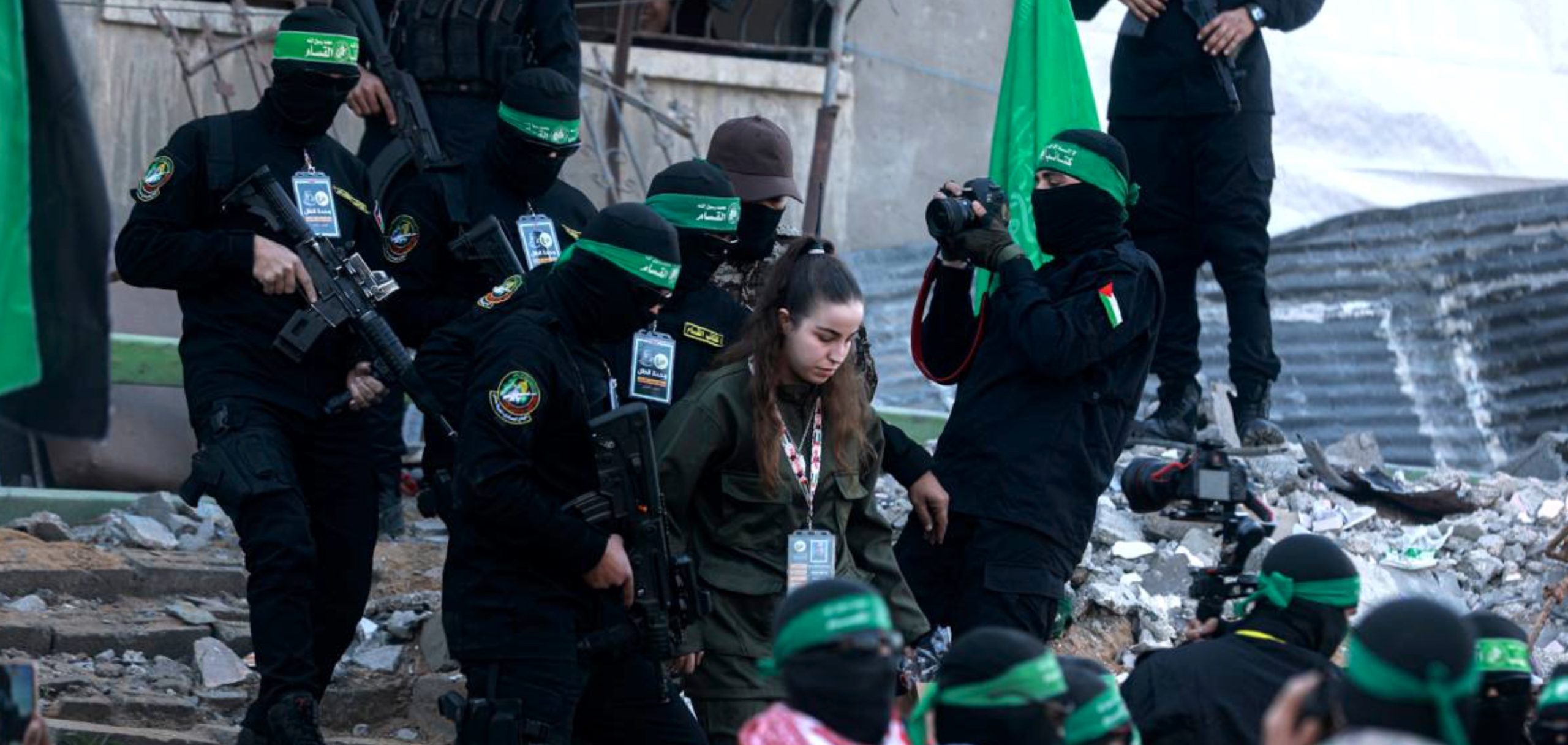 The hostages who were released from Hamas captivity and returned home have shared the harsh experiences of their captivity, which attest to the extent of their abuse by the terrorists.
Kan News reported that the stories the hostages have told indicate that they were physically assaulted, with the most severe violence afflicted on the young men. Some hostages have scars and burns on their bodies that testify to this.
In some cases, the hostages were beaten by the terrorists’ gun squad, and in other cases, they were abused by the families who imprisoned them, including young children.
The released hostages said that they fell ill many times because they were given rotten or expired food.
In addition, psychological terrorism was used against them, they were told about the deaths of their family members and received frequent threats of being executed.
It was also reported that during initial interrogations, the released hostages told of other hostages who had been held captive together with them. Signs of life were also received from hostages who will be released in the second phase of the deal.
When Yarden Bibas, Keith Siegel, and Ofer Calderon were released they testified that in the last days before their release, the terrorists began to increase their food rations, apparently so that they would look healthier when they arrived in Israel.
The hostages were forced to sign documents thanking their captors, while the entire process was documented by Hamas. In addition, once every few weeks, they were forced to participate in the filming of videos that had not yet been published, in which they were made to talk to their families. In some cases, as part of the psychological abuse, the hostages were even forced to bid their families farewell in these videos.
Day 489 — Thursday, February 6
 Two Israeli soldiers were killed and eight others were wounded in an accident in the Gaza Strip late last night, the military announces.
One of the soldiers is named as Sgt. First Class (res.) Nadav Cohen, 21, of the Golani Brigade’s 51st Battalion, from Beit Hanan.
The IDF says the name of the second soldier will be released later.
Of the eight wounded soldiers, one is listed in serious condition.
According to an initial IDF probe, due to harsh winds, a crane collapsed, crashing down on the soldiers.
Day 489 — Thursday, February 6
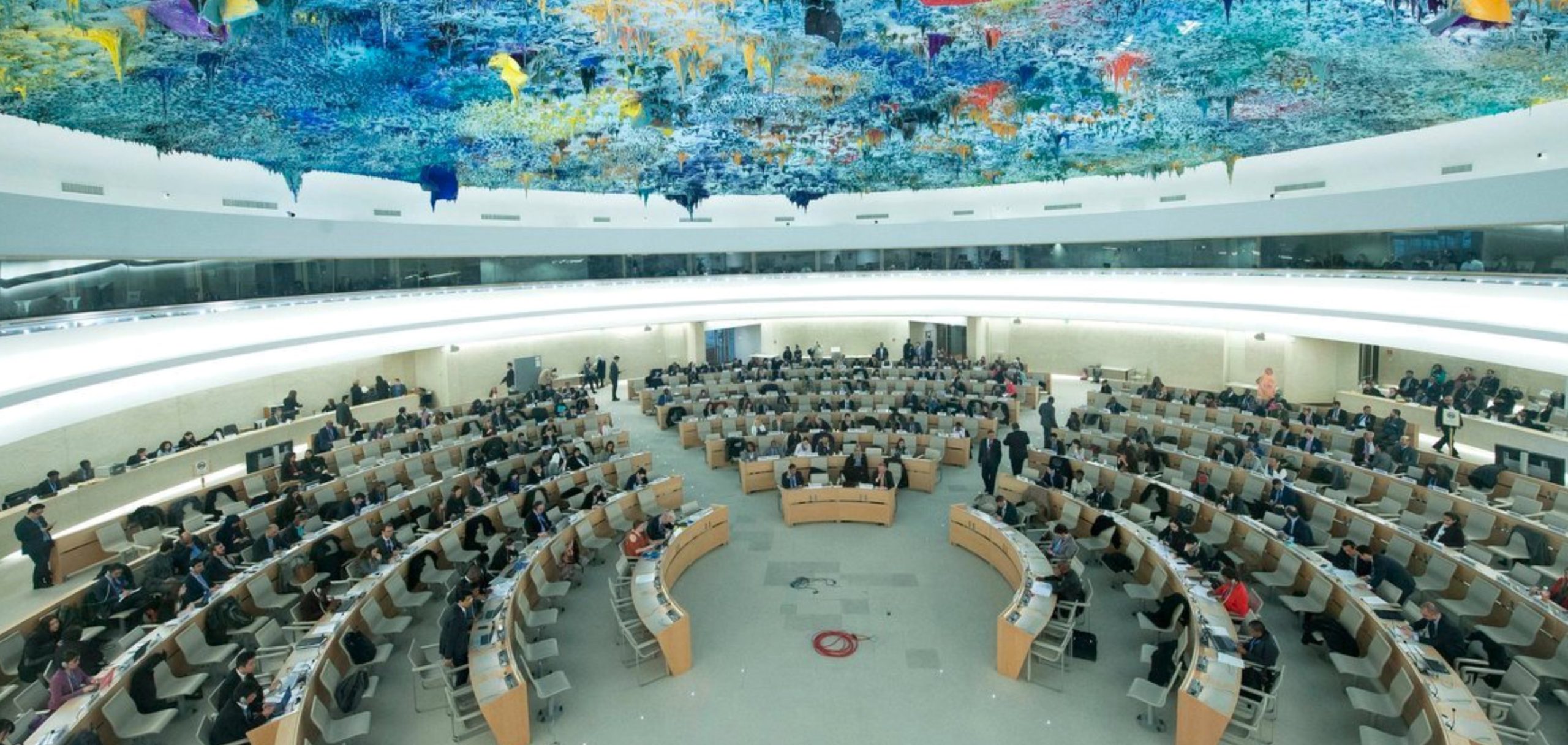
Israeli Foreign Minister Gideon Sa’ar announced on Wednesday that Israel would no longer participate in the UN Human Rights Council (UNHRC) after the US announced it would be leaving the council as well.
“Israel welcomes President Trump’s decision not to participate in the UN Human Rights Council (UNHRC). Israel joins the United States and will not participate in the UNHRC,” Sa’ar wrote in a statement.
He explained the move, stating: “The UNHRC has traditionally protected human rights abusers by allowing them to hide from scrutiny, and instead obsessively demonizes the one democracy in the Middle East – Israel.
“This body has focused on attacking a democratic country and propagating antisemitism, instead of promoting human rights.”
Sa’ar noted: “The discrimination against us is clear: In the UNHRC, Israel is the only country with an agenda item dedicated solely to it. Israel has been subjected to over 100 condemnatory resolutions, over 20% of all resolutions ever passed in the Council – more than against Iran, Cuba, North Korea, and Venezuela combined.
“Israel will not accept this discrimination any longer!” he concluded.
Day 489 — Thursday, February 6
 The Nebraska Legislature Education Committee held a hearing on Monday regarding LB 538, a bill aimed at combating antisemitism in public schools and universities.
Introduced by state senator Brian Hardin, the legislation adopts the International Holocaust Remembrance Alliance (IHRA)’s working definition of antisemitism, mandates anti-discrimination policies and establishes a Title VI coordinator to address incidents.
“LB 538 takes a firm and necessary stand against discrimination, including antisemitism, in our public schools and universities,” Hardin said in his testimony on Monday. “This is not just about one group, or one issue. This is about ensuring that all students and educators in Nebraska have the right to learn and work in an environment free from hatred, harassment, and prejudice.”
He continued: “This bill ensures that antisemitism is recognized, addressed and treated just as seriously as any other form of hate or bigotry. This is not a partisan issue; it’s a matter of fundamental fairness and decency. Just as we would not tolerate racism or sexism in our schools, we cannot turn a blind eye to antisemitism, which is often ignored or dismissed.”
Supporters include the Combat Antisemitism Movement (CAM), the Jewish Community Relations Council and the Anti-Defamation League.
Adam Beren, founder of CAM, emphasized the bill’s importance in ensuring safe learning environments.
“LB 538 is a timely and critical bill that responds to the current needs of K-20 students, especially Jewish students facing an unprecedented situation,” he stated. “Passage will demonstrate that Nebraska is taking a significant step toward affirming its commitment to combating hatred in all forms while ensuring the safety and dignity of its Jewish community.”
He added, “Let’s be proactive, and keep antisemitism out of Nebraska and the Midwest, and send a clear message to the rest of the country that antisemitism will not be tolerated.”
The bill now advances in the legislative process as part of broader efforts to address antisemitism nationwide.
Day 488 — Wednesday, February 5
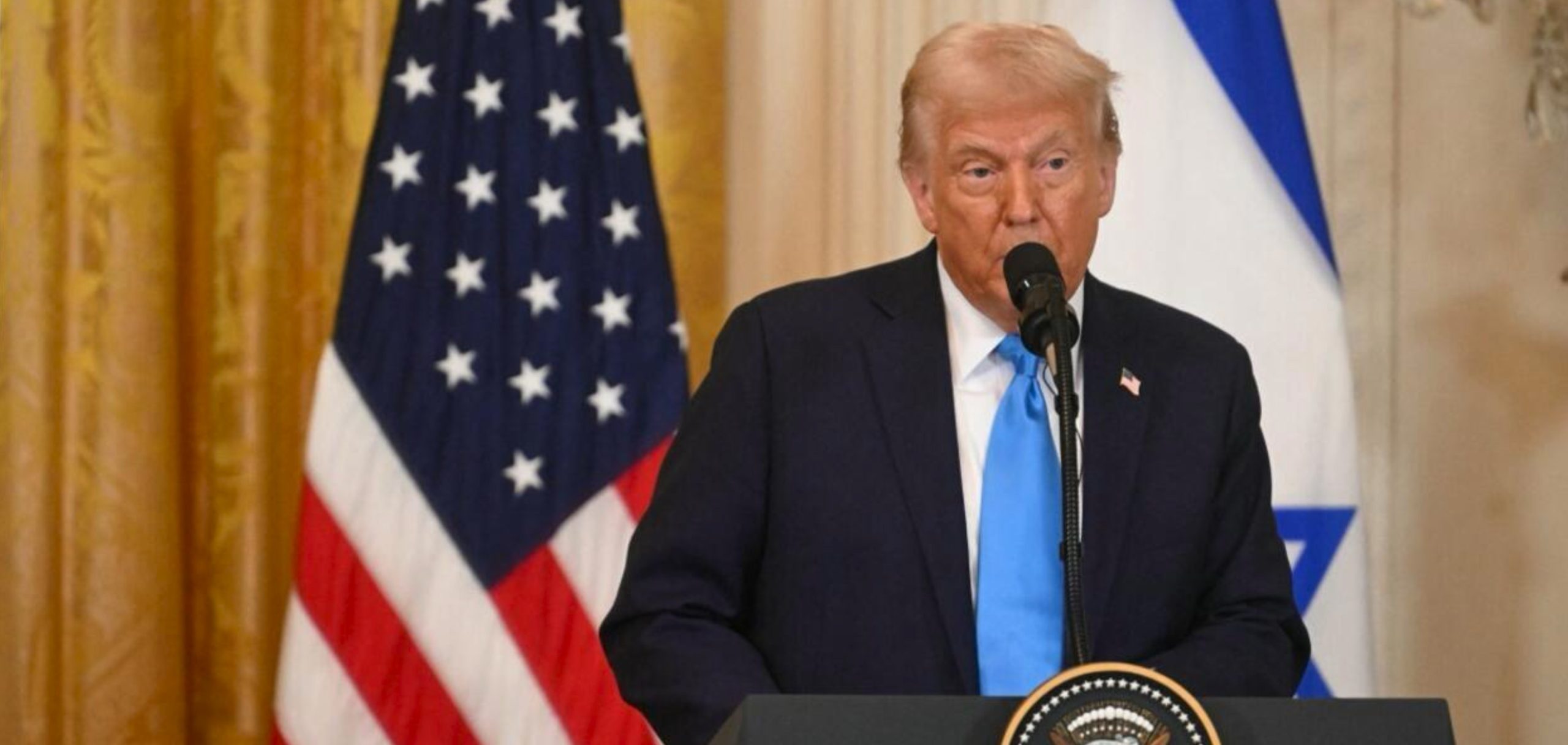 Trump said: “The US will take over the Gaza Strip, and we will do a job with it too. We’ll love it and be responsible for dismantling all of the dangerous bombs and other weapons on the site… and get rid of the destroyed buildings [and] create an economic development that will supply unlimited numbers of jobs and housing.”
The surprise announcement came as the president spoke alongside Israeli Prime Minister Benjamin Netanyahu, the first foreign leader to visit Trump since his Inauguration last month.
Trump had previously said that he would like to see most, or all, of the Palestinian population of Gaza moved to another Arab or Muslim country.
The idea of actually taking over Gaza, and establishing a U.S. presence, was both unexpected and completely new.
Trump added that the U.S. would develop Gaza economically, sending troops if necessary and making investments.
He called the potential of Gaza “unbelieveable,” but said that Palesitnian control of Gaza “will never work.” He added: “You have to learn from history … We have an opportunity to do something phenomenal … the Riviera of the Middle East.”
He said that he envisioned “the world’s people” living there, adding: “I think you’ll make [Gaza] into an international. unbelievable place. I think the potential in the Gaza Strip is unbelievable. And I think the entire world, representatives from all over the world will be there.”
A reporter asked Trump what right the U.S. had to take over Gaza, calling it, inaccurately, “sovereign territory” (there is no Palestinian state and no sovereign power in the territory).
Trump did not reply directly but said that American control of Gaza would increase “stability” in the region as the various nations pursued peace together.
Netanyahu, who had never publicly advocated for anything like what Trump proposed, said that the idea was “something that could change history” and that it was “worth considering.”
It is considered taboo, even in Israel, to advocate for the “transfer” of Palestinians from Gaza or from Judea and Samaria (also known as the West Bank).
Trump has previously proposed buying Greenland, so he is not averse to the idea of America taking over territory abroad. However, the idea of taking over war-torn Gaza is completely unique and quite possibly revolutionary.
Day 488 — Wednesday, February 5
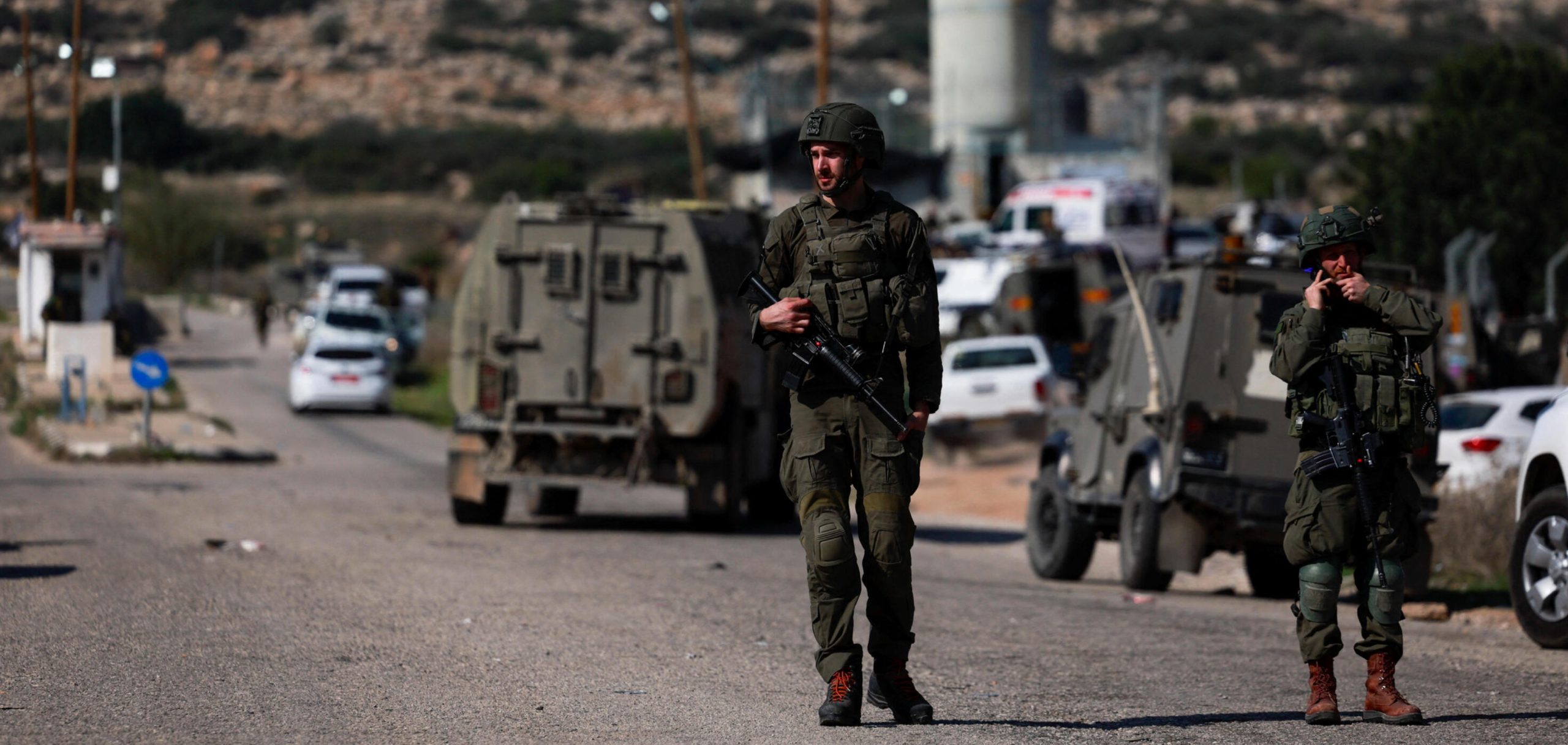 Two Israel Defense Forces soldiers were killed and eight more were wounded when a terrorist opened fire at a military post near the village of Tayasir in northern Samaria on Tuesday morning.
The slain troops were identified by the military as IDF Sgt. Maj. (res.) Ofer Yung, 39, a squad commander in the Ephraim Regional Brigade’s 8211th Reserve Battalion, from Tel Aviv, and Sgt. Maj. (res.) Avraham Tzvi Tzivka Friedman, 43, a soldier in the battalion, from Ein Hanatziv.
According to an initial IDF probe, the terrorist managed to take up a position near the entrance of the military post and fired on troops as they exited. The terrorist was said to have exchanged fire with troops inside the post for several minutes before being killed.
The terrorist, who reportedly had been waiting in the area for hours before carrying out the attack, was said to have been armed with an M-16 rifle and two magazines, and was wearing a tactical vest.
According to the IDF, two of the wounded soldiers were listed as being in serious condition, while the other six victims sustained light wounds.
The death toll among Israeli troops on all fronts since the Hamas-led terror attacks in southern Israel on Oct. 7, 2023 now stands at 844.
The village of Tayasir is located near Tammun, an area where Israeli forces have been conducting a major counter-terrorism operation since Jan. 31, dubbed “Operation Iron Wall.”
On Thursday, IDF Staff Sgt. Liam Hazi, 20, of the Kfir Brigade’s Haruv reconnaissance unit became the operation’s first casualty. Hazi was killed in a firefight with terrorists in Jenin, the military said.
The IDF expanded the operation on Monday and plans to form a new battalion that will remain in northern Samaria once the operation ends.
The IDF has killed more than 50 Palestinian terrorists since the start of the operation on Jan. 21, the military announced on Sunday evening.
At least 35 gunmen were killed during ground operations in the Jenin and Tulkarem areas, while another 15 were killed in airstrikes, according to the IDF. More than 100 wanted terrorists have been detained thus far.
Israeli forces “located and confiscated dozens of weapons, destroyed hundreds of explosive devices and dozens of additional charges that were planted on roads to harm our forces,” the military stated.
Day 488 — Wednesday, February 5
 US President Donald Trump announced on Tuesday that he will reimpose ‘maximum pressure’ on Iran, aimed at preventing it from obtaining nuclear weapons and reducing its regional influence.
Trump’s declaration includes additional economic sanctions and increased diplomatic pressure on Tehran. The move follows reports of an acceleration of Iran’s nuclear program and increased military activity in the Middle East.
“I hope to succeed and reach an agreement with Iran – I would be happy to talk to the leadership there, which is too close to possessing nuclear weapons, and that is an intolerable situation,” Trump said.
He added, “If Iran tries to eliminate me in response, it will be annihilated.”
Trump also signed orders to stop funding for UNRWA and for the US to leave the UN Human Rights Council.
Senior US administration officials noted that the new sanctions on Iran are aimed at key sectors of the Iranian economy, including the oil and finance industries. They stressed that the goal is to bring Iran to the negotiating table for a new nuclear agreement, which will include stricter restrictions on the development of nuclear weapons.
Day 487 — Tuesday, February 4
 Israel’s Prime Minister Benjamin Netanyahu has arrived in Washington D.C. for a high stakes visit with U.S. President Donald Trump and his new administration to discuss a series of critical issues surrounding the Gaza War and regional diplomacy.
Before boarding the plane, Netanyahu said Israel’s actions in the war “already changed the face of the Middle East.”
“I believe that working closely with President Trump, we can redraw it even further and for the better. I believe that we can strengthen security, broaden the circle of peace and achieve a remarkable era of peace through strength.”
After a flight of 13 and a half hours, Netanyahu’s office said he was “welcomed at Blair House, the official and historic guest residence of the White House, by its director, who told him that this was Prime Minister Netanyahu’s 14th visit to Blair House – much more than any other foreign leader in its history since it was built in the 19th century.”
The most important part of the four-day visit will be the meeting with President Trump on Tuesday afternoon, Washington time. The pressing issue at the moment is the negotiations over the second stage of the ceasefire in Gaza, which are set to begin this week.
Trump told reporters on Monday that the “discussions on the Middle East with Israel and various and sundry other countries are progressing.”
Netanyahu had boasted about being the first foreign leader to be invited to the White House, calling it “a testimony to the strength of the Israeli-American alliance,” as well as “to the strength of our personal friendship.”
Netanyahu said he and Trump would talk about “Victory over Hamas, achieving the release of all our hostages and dealing with the Iranian terror axis in all its components – an axis that threatens the peace of Israel, the Middle East and the entire world.”
Under the terms of the ceasefire agreement, Israel and Hamas would start negotiations over the second phase sixteen days after the start of phase one.
However, Israeli media reported that Netanyahu is considering not to extend the ceasefire after the 42 days of the first stage and plans to restart the war with the goal of fully destroying Hamas’ military and governmental capabilities, as he had vowed.
Netanyahu hopes to convince Trump to support him if the decides to restart the war, three Israeli officials told Axios.
Netanyahu’s meeting with Trump’s Middle East envoy Steve Witkoff on Monday will be the official start of the negotiations. Witkoff was instrumental in finalizing the ceasefire talks and just finished a visit to the Middle East.
The Prime Minister’s Office (PMO) said on Saturday that Netanyahu and Witkoff would “discuss the Israeli positions” in the meeting.
However, “The real serious negotiations over phase two will only begin after Bibi meets Trump,” another senior Israeli official told Axios. “Nothing meaningful will happen before that.”
The PMO added that “Later in the week, Witkoff will speak with the Prime Minister of Qatar and senior Egyptian representatives. He will then discuss with the Prime Minister steps to advance the negotiations, including dates for the departure of delegations to the talks.”
Israeli media citing sources close to Witkoff said the envoy was deeply impacted by watching the Oct. 7 “atrocity film” during his visit in Israel and is committed to continuing the ceasefire until all hostages are released.
Several family members of the current hostages, including Einav Tsangauker, one of the most vocal critics of the government’s policy regarding the hostage deal, also flew to Washington, where some of them are set to meet Netanyahu.
If the ceasefire is extended to its second and third phases, it will mark the end of the war. This would shift the focus to the ongoing discussions about the “day after,” which received renewed attention last week after Trump suggested Egypt and Jordan take in Palestinians from Gaza while the enclave is being “cleaned out.”
Despite vocal opposition by Egyptian and Jordanian leaders, who were supported by a joint statement by Saudi Arabia, the United Arab Emirates, Qatar, the Palestinian Authority and the Arab League, Trump doubled down on his conviction that in the end, Egypt and Jordan would agree to receive Gazans.
After Trump talked to Jordan’s King Abdullah II on the phone last week, Jordan announced that the King accepted an invitation for a personal meeting in the White House later this month.
After the meetings with Witkoff and Trump, Netanyahu will meet new Defense Secretary Pete Hegseth at the Pentagon on Wednesday, and House and Senate leaders on Thursday.
Israeli media also reported that Netanyahu plans to meet evangelical leaders, as well as the designated U.S. ambassador to Israel, Mike Huckabee.
Day 487 — Tuesday, February 4
 The 769th and 7th brigades are continuing defensive activities in southern Lebanon, in accordance with the understandings between Israel and Lebanon, and to preserve operational achievements in the area.
In recent days, IDF troops have conducted searches to remove threats in the area and destroy Hezbollah buildings.
During one of the searches, troops from the 769th Brigade located several weapons storage facilities containing mortar shells, missiles, rockets, explosives, firearms, and a large amount of military equipment. All weapons were confiscated, and the storage facilities were destroyed.
In another activity, the soldiers killed several Hezbollah terrorists in the area and distanced and detained suspects who posed a threat to the troops.
Day 486 — Monday, February 3
 Defense Minister Israel Katz and Prime Minister Benjamin Netanyahu on Saturday announced Defense Ministry Director-General Maj.-Gen. (res.) Eyal Zamir as their pick to replace IDF Chief of Staff Lt.-Gen. Herzi Halevi.
Besides having the number one non-political role at the Defense Ministry, which has put him in control of much of Israel’s international defense relations and force buildup over the last two years, Zamir has been deputy IDF chief, Southern Command chief, and military secretary of the prime minister, three of the most prominent positions in the IDF high command.
Zamir came a close second to Halevi in the race for IDF chief in January 2023, but that pick was made by then-defense minister Benny Gantz toward the end of an 18-month period when Prime Minister Benjamin Netanyahu was out of power.
This time, Zamir beat out outgoing IDF Deputy Chief Maj.-Gen. Amir Baram, who may be the lead candidate to replace Zamir after his term ends, and Maj.-Gen. Tamir Yadai, who recently retired but could also be called back at some point to become IDF deputy chief or fill another key role.
Already back in December, there were not only larger calls for Halevi to step down but specifically for Zamir to replace him, both from political officials and senior defense officials.
“Fourteen months have passed… the IDF chief needs to take the decision [to resign] relatively soon, and it needs to be a rapid process to replace him because of the continuing war and because of the broader situation,” senior defense officials told The Jerusalem Post in December.
They added that “The October 7 probes must be published soon… and there must be a proper transition period” to allow the incoming chief to get used to the role before Halevi leaves, even if the process will need to be shorter than the several months normally allocated for the transition.
They also cited Zamir’s current role as the top non-political official of the Defense Ministry, his former role as deputy IDF chief, his experience in a range of other top military roles, and the fact that he managed to work as Netanyahu’s military secretary without becoming enveloped politically.
Possibly the only issue that could have derailed Zamir was the fact that he was also a Southern Command chief, which could allow some to try to tar him with the October 7 failure. However, Zamir was in that role from 2015 to 2018 – five years before the Hamas invasion – and with the three other commanders who successively filled the position, separating him from the failure.
Sources further noted that when Zamir finished his term as deputy IDF chief, he warned that the military was too small to handle its full defense roles and that the infantry was too small within the military.
Sources said, “We saw parts of this and the results on October 7,” when only 600 soldiers were guarding the border with Gaza from an onslaught of 6,000 Hamas and other terrorist invaders.
Zamir is somewhat unusual for an IDF chief given that his earlier military background is more in tank command than in traditional paratrooper and special forces infantry units, but his top posts in the later years of his resume made him a favorite from the start of the race.
Day 486 — Monday, February 3
 Israeli Defense Minister Israel Katz escalated his threats to Lebanon on Sunday, after Hezbollah attempted to launch multiple drones in recent days, prompting the IDF to carry out strikes deep inside Lebanon.
During a visit to some of the remaining IDF positions in southern Lebanon, Katz declared, “I want to send a clear message from here to Hezbollah and the Lebanese government: Israel will not accept the launching of drones from Lebanon.”
Last Thursday, the IDF intercepted a Hezbollah reconnaissance drone for the first time since the war began. The next day, the IDF shot down another “suspicious aerial target” near Zar’it in the Upper Galilee.
“We will not allow a return to the situation of October 7. We will thwart threats and respond with full force. Either there will be no drones or there will be no Hezbollah,” Katz warned.
“I suggest that the successor of Nasrallah’s successor not make a mistake about Israel’s determination as his predecessors did – lest he pay a very heavy price.”
Within the span of a week, at the end of September and the start of October 2024, Israel eliminated Hezbollah leader Hassan Nasrallah and his successor Hashem Safi al-Din. Hezbollah announced on Sunday that Nasrallah would be buried on Feb. 23.
Katz said that his visit to southern Lebanon was intended to monitor the implementation of the ceasefire arrangement. The original agreement envisioned the withdrawal of Israeli forces to be completed by Jan. 26.
However, the U.S. announced an extension of the deadline until Feb. 18 after Israel stated it would not complete the withdrawal due to the slow deployment of the Lebanese Armed Forces (LAF) and continued violations by Hezbollah.
Last Wednesday, the Israeli Air Force (IAF) struck an engineering vehicle in southern Lebanon that “was used for attempts to restore terrorist infrastructure.”
After intercepting two drones, the IDF announced on Friday morning that it had struck several Hezbollah targets in the Bekaa Valley – one of Hezbollah’s main strongholds deep inside Lebanon – which was repeatedly targeted by Israel during the war.
“Among the targets attacked: A military site with underground infrastructure for the development and production of weapons, and transit infrastructure on the Syrian-Lebanon border through which the terror group Hezbollah is trying to transfer weapons,” the IDF stated.
On Sunday morning, IDF Arabic Spokesman Col. Avichay Adraee reiterated warnings to residents of southern Lebanon not to approach the IDF’s positions.
“As you know, the IDF has recently redeployed to various locations in southern Lebanon, in accordance with the ceasefire agreement, with the aim of gradually enabling the effective deployment of the Lebanese army, and dismantling and removing Hezbollah,” Adraee stated.
“I remind you that the agreement period has been extended and IDF forces are still deployed in the field… We ask you to wait, and not allow Hezbollah to exploit you again,” he wrote on 𝕏.
Despite the IDF’s calls, there were several reports of “return marches” in different villages of southern Lebanon, with hundreds again waving Hezbollah flags and approaching Israeli-held positions while chanting slogans.
Lebanese media outlets reported that Israeli soldiers opened fire on civilians. Other reports stated that the IDF detained a fisherman off the Lebanese coast near a-Naqoura, close to the Israeli border. The IDF didn’t comment on the allegations.
Day 485 — Sunday, February 2
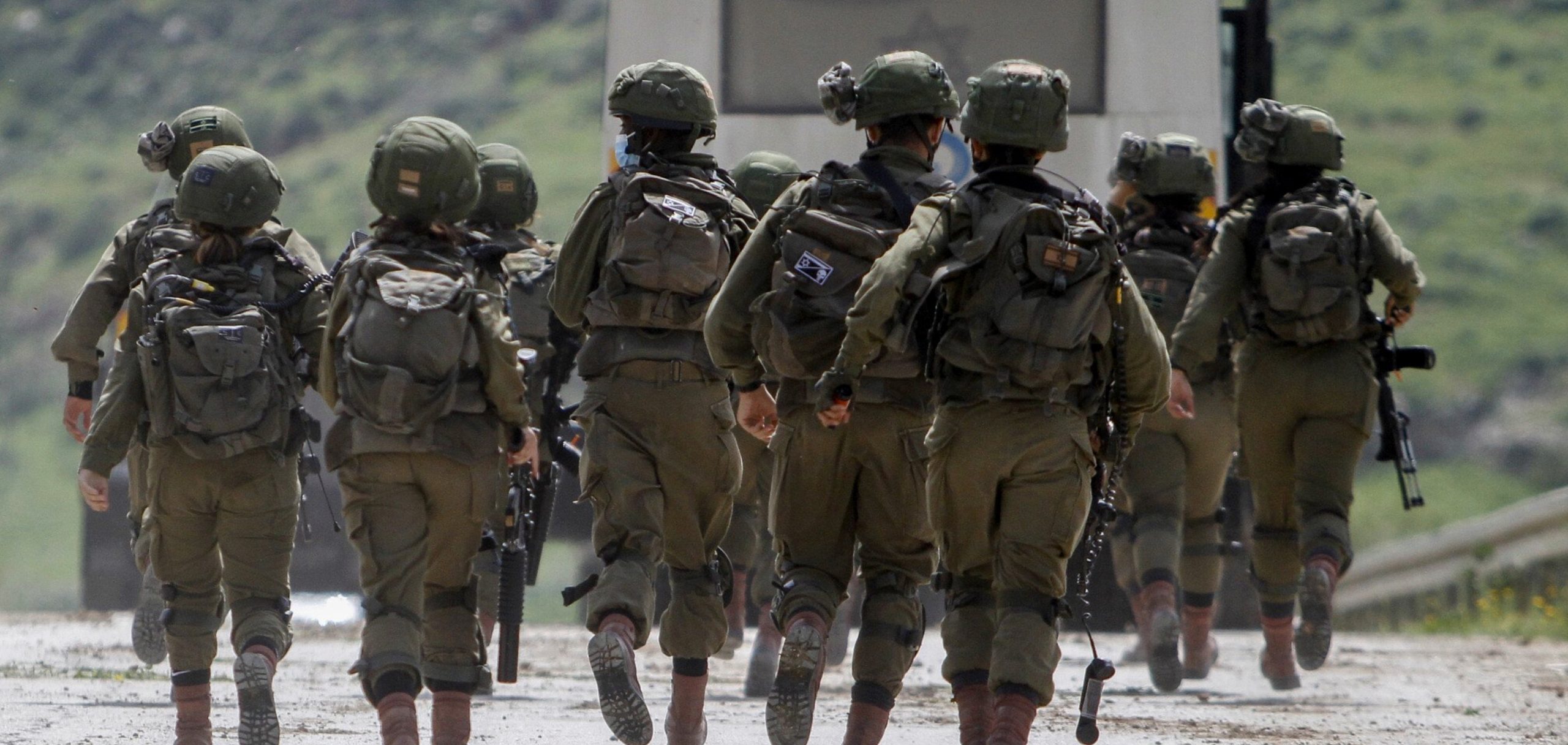 Security forces in the West Bank are on high alert on Saturday after the IDF’s West Bank division and the Civil Administration conducted an operation to disperse celebratory gatherings for the released Palestinian prisoners.
The IDF’s West Bank division and the Civil Administration conducted a joint operation with the Shin Bet, Israel Prison Service, and the Border Police to disperse celebratory gatherings for the Palestinian prisoners who are being released as part of the hostage, ceasefire agreement, the IDF announced in a joint Saturday statement.
On Thursday, violent riots erupted in the Binyamin Brigade region, where rioters threw Molotov cocktails and stones at Israeli security forces. The troops responded with warning shots, and the rioters dispersed.
The IDF said that they will “maintain zero tolerance for disturbances and expressions of support for Hamas.”
Zakaria Zubeidi, a former commander of the Fatah-aligned Al-Aqsa Martyrs’ Brigades in Jenin, received a hero’s welcome in Ramallah on Thursday night after he was released with 109 other Palestinian prisoners as part of phase one of Israel’s ceasefire agreement with Hamas.
And on Tuesdsay night, Israel Police arrested 12 suspects in the Binyamina area of the West Bank, north of Jerusalem, after they displayed their support for the Hamas terror organization with flags and cheered for the release of a recently released terrorist, the Israel Police said Wednesday.
Footage of the displays went viral on social media, showing the suspects participating in a celebration, waving Hamas flags, and firing weapons into the air.
During the joint operation with Border Police and the IDF, they searched through the suspects’ belongings and found Hamas flags, banners, fireworks, guns, money and more. Their vehicle was also confiscated by the security forces.
The suspects were brought into the Jerusalem District Police’s Serious Crimes Unit for further questioning.
Day 485 — Sunday, February 2
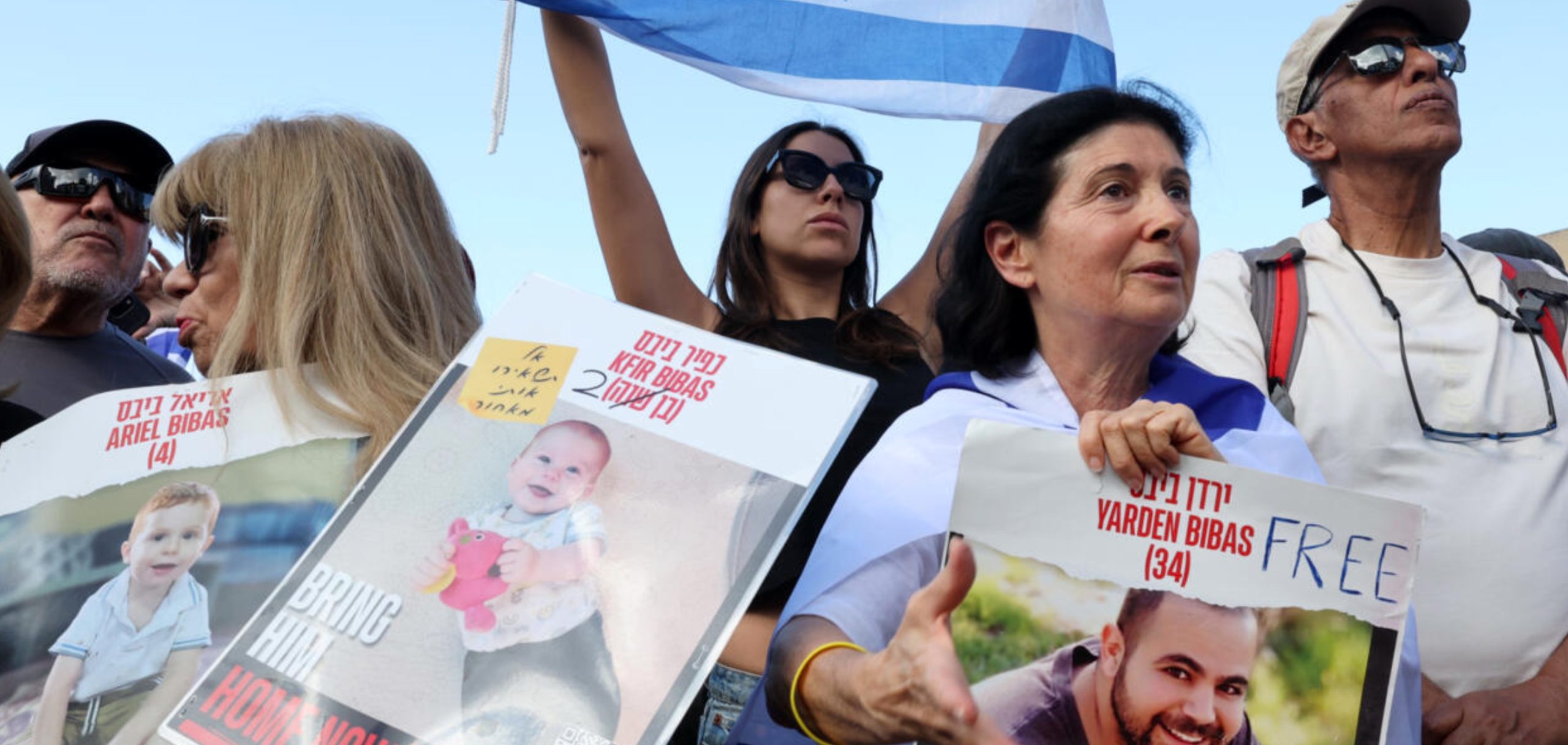 Yarden Bibas is back in Israel more than 480 days after Hamas terrorists ripped him from his home in Kibbutz Nir Oz and dragged him to the Gaza Strip. Bibas’ return, however, is bittersweet as his wife, Shiri, and their two young children, Ariel and Kfir, remain in Gaza. Their fate is unknown, and the Israel Defense Forces (IDF) has made it clear that there are “grave concerns about their wellbeing.”
Israeli Prime Minister Benjamin Netanyahu celebrated Yarden Bibas’ return, while saying the nation’s thoughts are with Shiri, Ariel and Kfir Bibas.
“Our thoughts are now with Shiri, Ariel, and Kfir Bibas, and all of our abductees. We will continue to work to bring them home,” Netanyahu wrote on X.
Day 484 — Saturday, February 1
 Three hostages abducted during the October 7, 2023, attack were released by Hamas on Saturday under an ongoing ceasefire deal with the terror group, returning to Israel 484 days after they were taken from their communities near the Gaza border and kidnapped to the Strip.
Ofer Calderon, 54, and Yarden Bibas, 35, were released to the International Red Cross in south Gaza’s Khan Younis on Saturday morning, and Keith Siegel, 65, was handed over almost two hours later at the Gaza City port.
The releases were far more controlled than the chaos surrounding the Thursday release of three Israelis and five Thai nationals.
The terror group set up stages at both locations, with Calderon and Bibas freed soon after 8:30 a.m. and Siegel after 10 a.m.
Representatives of the International Red Cross sat at desks on the stages to sign the so-called handover documents produced by the terror group.
Calderon and Bibas were released first, taken onto the stage set up by Hamas in the southern Gaza town, holding the now ubiquitous certificates issued by the terror group.
Dual US-Israeli national Siegel was handed over at Gaza City’s port, paraded on a stage overlooking the sea as he carried two of the “gift bags” forced on the hostages by the terror group. According to the Walla news site, the second bag was for his wife Aviva, freed by Hamas in November 2023.
He appeared thin and pale but was able to walk, aided by masked and armed Hamas fighters.
Day 484 — Saturday, February 1
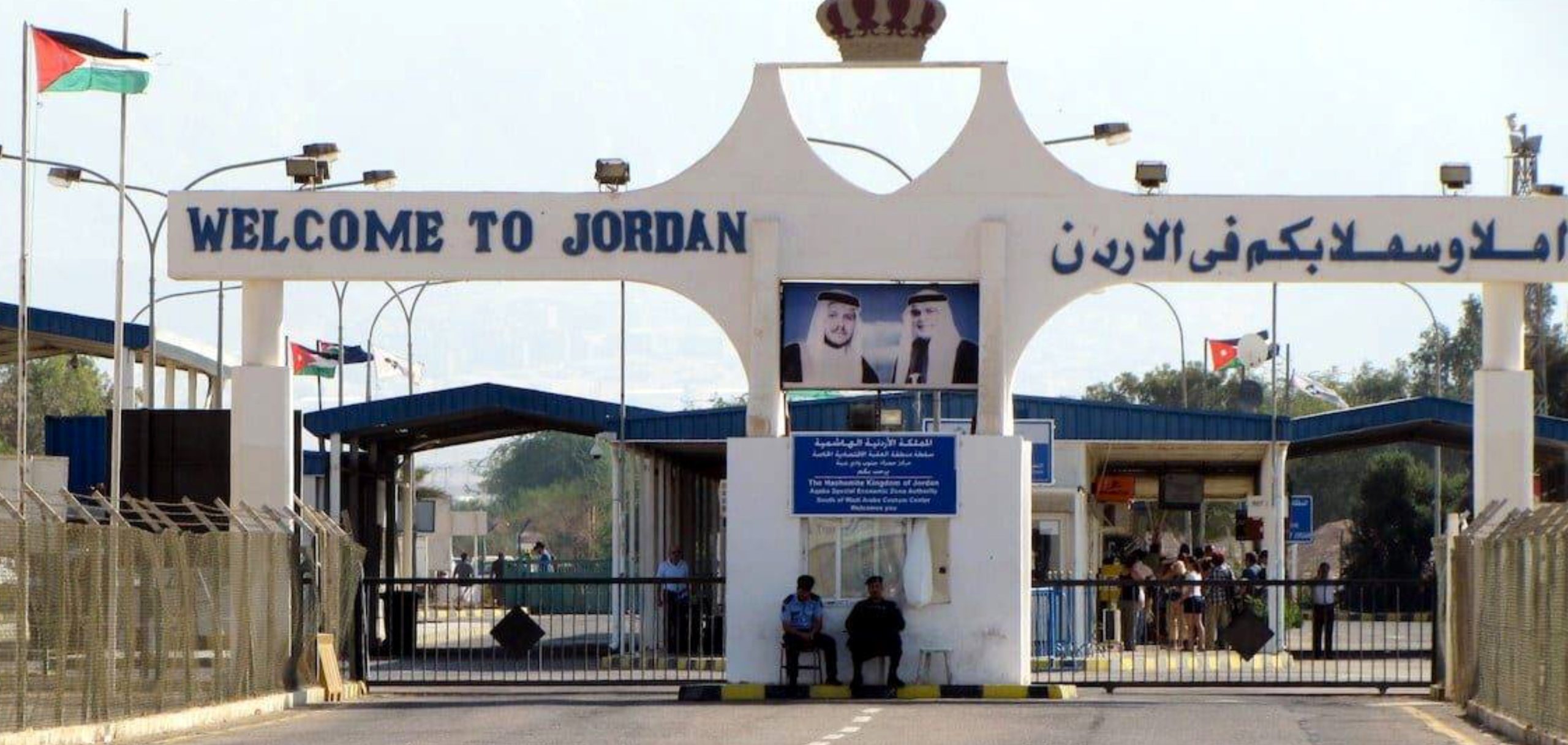
A notable increase in discussions advocating for the recognition of Jordan as a Palestinian state has emerged over recent days. This resurgence follows President Trump’s Saturday proposal to relocate residents from the Gaza Strip to neighboring countries, specifically Jordan and Egypt.
The president’s plan for those states to play a central role in resolving the decades-long Israeli-Palestinian conflict by absorbing refugees from war-torn Gaza, aims to provide Gazans with a safer living environment.
The proposal has rekindled discussions about Jordan’s role as a de facto Palestinian state.
“Jordan IS Palestine,” wrote former U.S. Ambassador to Israel David Friedman. “It was formed from 72% of the land constituting Mandatory Palestine and most of its people are Palestinians.”
“The problem is that Jordan is ‘Palestine’ — it has a majority Palestinian population and consists of land meant for that purpose during the mandate,” noted conservative writer David Harsanyi. “Why are Westerns the only people who can take refugees from the Islamic world? Let people return to their historic homelands.”
“We already have a two state solution,” wrote researcher Dr. Eli David, noting that Israel is a Jewish-majority state while Jordan is a Palestinian-majority state.
“Like Israel welcomes all Jews, Jordan should welcome all Palestinians,” he added.
“The truth is a Palestinian state already exists!” wrote prominent speaker, influencer and human rights activist Hananya Naftali.
“In 1921, more than 75% of Britain’s Palestine Mandate was cut off and renamed ‘Trans-Jordan.’ In 1946 it became a nation. Today it is simply called Jordan, with the majority of its people being Palestinian,” he added.
“Jordan is already majority Palestinian. Let the Hashemite King have the rest…,” wrote conservative commentator Dave Rubin.
“It’s worth noting that about 70% of Jordan’s population is of Palestinian descent,” wrote author and speaker Aviva Klompas.
“Over 75% of Jordan’s population is Palestinian—sharing the same culture, religion, and Arab dialect as West Bank Palestinians. It’s time to remove the Hashemite monarchy and free Palestine,” wrote Roma-Israeli peace activist Shay Szabo.
The concept of Jordan as a Palestinian state is not new. Historically, various proposals have suggested Jordan’s involvement in resolving the Israeli-Palestinian conflict, with the argument that “Jordan is Palestine” being a recurring topic primarily based on historical, geographical, and political perspectives.
Historically, the British Mandate for Palestine, established after World War I, originally included the territory of both modern-day Israel and Jordan. The mandate incorporated the Balfour Declaration of 1917, which expressed Britain’s support for a “national home for the Jewish people” in Palestine.
In 1922, the British divided the mandate into two administrative areas: west of the Jordan River, which became the Jewish national home (later, Israel); and east of the Jordan River, which eventually became the Hashemite Kingdom of Jordan. Those on the east bank, just as the Jews and Arabs on the west bank, were considered Palestinians, subject to British control and carriers of Palestinian passports.
In 1946, Britain established the Kingdom of Transjordan, with Abdullah as king, effectively turning a significant part of the Palestine Mandate into an Arab nation and leaving a much smaller portion, including the West Bank and Gaza, for Jewish statehood. The move marked a significant shift from the original mandate’s intent to create a Jewish homeland in Palestine.
In 1948, Jordan (then Transjordan) participated in the 1948 Arab-Israeli War. Following the war, King Abdullah annexed the West Bank and East Jerusalem, renaming the country the Kingdom of Jordan — not “Palestine.”
More than a decade later, in 1964, the Arab League held a summit in Jordan and the Hashemite Kingdom of Jordan produced a stamp including Jordan and Israel, both parts of territory it regarded as part of the Kingdom of Jordan.
After Israel reunified Jerusalem and captured the West Bank in the 1967 Six-Day War, King Hussein of Jordan insisted that “Jordan is Palestine and Palestine is Jordan.”
Demographically, Jordan has a significant Palestinian population, with a majority of Jordanians ethnically Palestinian. Many Palestinians either fled or were expelled from their homes during the 1948 Arab-Israeli War and the Six-Day War in 1967, and they, along with their descendants, have since lived in Jordan. In addition, most are fully naturalized, making Jordan the only Arab country to fully integrate the Palestinian refugees of 1948.
Many over the years have insisted that Jordan should be considered the true national homeland for the Palestinian people given the country’s majority Palestinian population, with a successful integration leading to a more stable regional situation.


Day 490 — Friday, February 7
US President Donald Trump is set to issue an executive order Thursday for sanctions against the International Criminal Court (ICC), Reuters reported.
Trump previously indicated he would consider how to approach the issue, following arrest warrants against Prime Minister Benjamin Netanyahu and former defense minister Yoav Gallant.
The sanctions will target individuals who assist in investigations against citizens of the US or its allies, as well as their family members.
Karim Khan, the chief prosecutor of the court, issued warrants last year against Netanyahu and Gallant, as well as major Hamas leaders. Since Israel has eliminated the Hamas leaders in targeted killings, the Israeli leaders are the only ones whose warrants Khan pursued.
Khan previously said he would be unfazed by any sanctions imposed against him.
Day 490 — Friday, February 7
The hostages who were released from Hamas captivity and returned home have shared the harsh experiences of their captivity, which attest to the extent of their abuse by the terrorists.
Kan News reported that the stories the hostages have told indicate that they were physically assaulted, with the most severe violence afflicted on the young men. Some hostages have scars and burns on their bodies that testify to this.
In some cases, the hostages were beaten by the terrorists’ gun squad, and in other cases, they were abused by the families who imprisoned them, including young children.
The released hostages said that they fell ill many times because they were given rotten or expired food.
In addition, psychological terrorism was used against them, they were told about the deaths of their family members and received frequent threats of being executed.
It was also reported that during initial interrogations, the released hostages told of other hostages who had been held captive together with them. Signs of life were also received from hostages who will be released in the second phase of the deal.
When Yarden Bibas, Keith Siegel, and Ofer Calderon were released they testified that in the last days before their release, the terrorists began to increase their food rations, apparently so that they would look healthier when they arrived in Israel.
The hostages were forced to sign documents thanking their captors, while the entire process was documented by Hamas. In addition, once every few weeks, they were forced to participate in the filming of videos that had not yet been published, in which they were made to talk to their families. In some cases, as part of the psychological abuse, the hostages were even forced to bid their families farewell in these videos.
Day 489 — Thursday, February 6
Two Israeli soldiers were killed and eight others were wounded in an accident in the Gaza Strip late last night, the military announces.
One of the soldiers is named as Sgt. First Class (res.) Nadav Cohen, 21, of the Golani Brigade’s 51st Battalion, from Beit Hanan.
The IDF says the name of the second soldier will be released later.
Of the eight wounded soldiers, one is listed in serious condition.
According to an initial IDF probe, due to harsh winds, a crane collapsed, crashing down on the soldiers.
Day 489 — Thursday, February 6
Israeli Foreign Minister Gideon Sa’ar announced on Wednesday that Israel would no longer participate in the UN Human Rights Council (UNHRC) after the US announced it would be leaving the council as well.
“Israel welcomes President Trump’s decision not to participate in the UN Human Rights Council (UNHRC). Israel joins the United States and will not participate in the UNHRC,” Sa’ar wrote in a statement.
He explained the move, stating: “The UNHRC has traditionally protected human rights abusers by allowing them to hide from scrutiny, and instead obsessively demonizes the one democracy in the Middle East – Israel.
“This body has focused on attacking a democratic country and propagating antisemitism, instead of promoting human rights.”
Sa’ar noted: “The discrimination against us is clear: In the UNHRC, Israel is the only country with an agenda item dedicated solely to it. Israel has been subjected to over 100 condemnatory resolutions, over 20% of all resolutions ever passed in the Council – more than against Iran, Cuba, North Korea, and Venezuela combined.
“Israel will not accept this discrimination any longer!” he concluded.
Day 489 — Thursday, February 6
The Nebraska Legislature Education Committee held a hearing on Monday regarding LB 538, a bill aimed at combating antisemitism in public schools and universities.
Introduced by state senator Brian Hardin, the legislation adopts the International Holocaust Remembrance Alliance (IHRA)’s working definition of antisemitism, mandates anti-discrimination policies and establishes a Title VI coordinator to address incidents.
“LB 538 takes a firm and necessary stand against discrimination, including antisemitism, in our public schools and universities,” Hardin said in his testimony on Monday. “This is not just about one group, or one issue. This is about ensuring that all students and educators in Nebraska have the right to learn and work in an environment free from hatred, harassment, and prejudice.”
He continued: “This bill ensures that antisemitism is recognized, addressed and treated just as seriously as any other form of hate or bigotry. This is not a partisan issue; it’s a matter of fundamental fairness and decency. Just as we would not tolerate racism or sexism in our schools, we cannot turn a blind eye to antisemitism, which is often ignored or dismissed.”
Supporters include the Combat Antisemitism Movement (CAM), the Jewish Community Relations Council and the Anti-Defamation League.
Adam Beren, founder of CAM, emphasized the bill’s importance in ensuring safe learning environments.
“LB 538 is a timely and critical bill that responds to the current needs of K-20 students, especially Jewish students facing an unprecedented situation,” he stated. “Passage will demonstrate that Nebraska is taking a significant step toward affirming its commitment to combating hatred in all forms while ensuring the safety and dignity of its Jewish community.”
He added, “Let’s be proactive, and keep antisemitism out of Nebraska and the Midwest, and send a clear message to the rest of the country that antisemitism will not be tolerated.”
The bill now advances in the legislative process as part of broader efforts to address antisemitism nationwide.
Day 488 — Wednesday, February 5
Trump said: “The US will take over the Gaza Strip, and we will do a job with it too. We’ll love it and be responsible for dismantling all of the dangerous bombs and other weapons on the site… and get rid of the destroyed buildings [and] create an economic development that will supply unlimited numbers of jobs and housing.”
The surprise announcement came as the president spoke alongside Israeli Prime Minister Benjamin Netanyahu, the first foreign leader to visit Trump since his Inauguration last month.
Trump had previously said that he would like to see most, or all, of the Palestinian population of Gaza moved to another Arab or Muslim country.
The idea of actually taking over Gaza, and establishing a U.S. presence, was both unexpected and completely new.
Trump added that the U.S. would develop Gaza economically, sending troops if necessary and making investments.
He called the potential of Gaza “unbelieveable,” but said that Palesitnian control of Gaza “will never work.” He added: “You have to learn from history … We have an opportunity to do something phenomenal … the Riviera of the Middle East.”
He said that he envisioned “the world’s people” living there, adding: “I think you’ll make [Gaza] into an international. unbelievable place. I think the potential in the Gaza Strip is unbelievable. And I think the entire world, representatives from all over the world will be there.”
A reporter asked Trump what right the U.S. had to take over Gaza, calling it, inaccurately, “sovereign territory” (there is no Palestinian state and no sovereign power in the territory).
Trump did not reply directly but said that American control of Gaza would increase “stability” in the region as the various nations pursued peace together.
Netanyahu, who had never publicly advocated for anything like what Trump proposed, said that the idea was “something that could change history” and that it was “worth considering.”
It is considered taboo, even in Israel, to advocate for the “transfer” of Palestinians from Gaza or from Judea and Samaria (also known as the West Bank).
Trump has previously proposed buying Greenland, so he is not averse to the idea of America taking over territory abroad. However, the idea of taking over war-torn Gaza is completely unique and quite possibly revolutionary.
Day 488 — Wednesday, February 5
Two Israel Defense Forces soldiers were killed and eight more were wounded when a terrorist opened fire at a military post near the village of Tayasir in northern Samaria on Tuesday morning.
The slain troops were identified by the military as IDF Sgt. Maj. (res.) Ofer Yung, 39, a squad commander in the Ephraim Regional Brigade’s 8211th Reserve Battalion, from Tel Aviv, and Sgt. Maj. (res.) Avraham Tzvi Tzivka Friedman, 43, a soldier in the battalion, from Ein Hanatziv.
According to an initial IDF probe, the terrorist managed to take up a position near the entrance of the military post and fired on troops as they exited. The terrorist was said to have exchanged fire with troops inside the post for several minutes before being killed.
The terrorist, who reportedly had been waiting in the area for hours before carrying out the attack, was said to have been armed with an M-16 rifle and two magazines, and was wearing a tactical vest.
According to the IDF, two of the wounded soldiers were listed as being in serious condition, while the other six victims sustained light wounds.
The death toll among Israeli troops on all fronts since the Hamas-led terror attacks in southern Israel on Oct. 7, 2023 now stands at 844.
The village of Tayasir is located near Tammun, an area where Israeli forces have been conducting a major counter-terrorism operation since Jan. 31, dubbed “Operation Iron Wall.”
On Thursday, IDF Staff Sgt. Liam Hazi, 20, of the Kfir Brigade’s Haruv reconnaissance unit became the operation’s first casualty. Hazi was killed in a firefight with terrorists in Jenin, the military said.
The IDF expanded the operation on Monday and plans to form a new battalion that will remain in northern Samaria once the operation ends.
The IDF has killed more than 50 Palestinian terrorists since the start of the operation on Jan. 21, the military announced on Sunday evening.
At least 35 gunmen were killed during ground operations in the Jenin and Tulkarem areas, while another 15 were killed in airstrikes, according to the IDF. More than 100 wanted terrorists have been detained thus far.
Israeli forces “located and confiscated dozens of weapons, destroyed hundreds of explosive devices and dozens of additional charges that were planted on roads to harm our forces,” the military stated.
Day 488 — Wednesday, February 5
US President Donald Trump announced on Tuesday that he will reimpose ‘maximum pressure’ on Iran, aimed at preventing it from obtaining nuclear weapons and reducing its regional influence.
Trump’s declaration includes additional economic sanctions and increased diplomatic pressure on Tehran. The move follows reports of an acceleration of Iran’s nuclear program and increased military activity in the Middle East.
“I hope to succeed and reach an agreement with Iran – I would be happy to talk to the leadership there, which is too close to possessing nuclear weapons, and that is an intolerable situation,” Trump said.
He added, “If Iran tries to eliminate me in response, it will be annihilated.”
Trump also signed orders to stop funding for UNRWA and for the US to leave the UN Human Rights Council.
Senior US administration officials noted that the new sanctions on Iran are aimed at key sectors of the Iranian economy, including the oil and finance industries. They stressed that the goal is to bring Iran to the negotiating table for a new nuclear agreement, which will include stricter restrictions on the development of nuclear weapons.
Day 487 — Tuesday, February 4
Israel’s Prime Minister Benjamin Netanyahu has arrived in Washington D.C. for a high stakes visit with U.S. President Donald Trump and his new administration to discuss a series of critical issues surrounding the Gaza War and regional diplomacy.
Before boarding the plane, Netanyahu said Israel’s actions in the war “already changed the face of the Middle East.”
“I believe that working closely with President Trump, we can redraw it even further and for the better. I believe that we can strengthen security, broaden the circle of peace and achieve a remarkable era of peace through strength.”
After a flight of 13 and a half hours, Netanyahu’s office said he was “welcomed at Blair House, the official and historic guest residence of the White House, by its director, who told him that this was Prime Minister Netanyahu’s 14th visit to Blair House – much more than any other foreign leader in its history since it was built in the 19th century.”
The most important part of the four-day visit will be the meeting with President Trump on Tuesday afternoon, Washington time. The pressing issue at the moment is the negotiations over the second stage of the ceasefire in Gaza, which are set to begin this week.
Trump told reporters on Monday that the “discussions on the Middle East with Israel and various and sundry other countries are progressing.”
Netanyahu had boasted about being the first foreign leader to be invited to the White House, calling it “a testimony to the strength of the Israeli-American alliance,” as well as “to the strength of our personal friendship.”
Netanyahu said he and Trump would talk about “Victory over Hamas, achieving the release of all our hostages and dealing with the Iranian terror axis in all its components – an axis that threatens the peace of Israel, the Middle East and the entire world.”
Under the terms of the ceasefire agreement, Israel and Hamas would start negotiations over the second phase sixteen days after the start of phase one.
However, Israeli media reported that Netanyahu is considering not to extend the ceasefire after the 42 days of the first stage and plans to restart the war with the goal of fully destroying Hamas’ military and governmental capabilities, as he had vowed.
Netanyahu hopes to convince Trump to support him if the decides to restart the war, three Israeli officials told Axios.
Netanyahu’s meeting with Trump’s Middle East envoy Steve Witkoff on Monday will be the official start of the negotiations. Witkoff was instrumental in finalizing the ceasefire talks and just finished a visit to the Middle East.
The Prime Minister’s Office (PMO) said on Saturday that Netanyahu and Witkoff would “discuss the Israeli positions” in the meeting.
However, “The real serious negotiations over phase two will only begin after Bibi meets Trump,” another senior Israeli official told Axios. “Nothing meaningful will happen before that.”
The PMO added that “Later in the week, Witkoff will speak with the Prime Minister of Qatar and senior Egyptian representatives. He will then discuss with the Prime Minister steps to advance the negotiations, including dates for the departure of delegations to the talks.”
Israeli media citing sources close to Witkoff said the envoy was deeply impacted by watching the Oct. 7 “atrocity film” during his visit in Israel and is committed to continuing the ceasefire until all hostages are released.
Several family members of the current hostages, including Einav Tsangauker, one of the most vocal critics of the government’s policy regarding the hostage deal, also flew to Washington, where some of them are set to meet Netanyahu.
If the ceasefire is extended to its second and third phases, it will mark the end of the war. This would shift the focus to the ongoing discussions about the “day after,” which received renewed attention last week after Trump suggested Egypt and Jordan take in Palestinians from Gaza while the enclave is being “cleaned out.”
Despite vocal opposition by Egyptian and Jordanian leaders, who were supported by a joint statement by Saudi Arabia, the United Arab Emirates, Qatar, the Palestinian Authority and the Arab League, Trump doubled down on his conviction that in the end, Egypt and Jordan would agree to receive Gazans.
After Trump talked to Jordan’s King Abdullah II on the phone last week, Jordan announced that the King accepted an invitation for a personal meeting in the White House later this month.
After the meetings with Witkoff and Trump, Netanyahu will meet new Defense Secretary Pete Hegseth at the Pentagon on Wednesday, and House and Senate leaders on Thursday.
Israeli media also reported that Netanyahu plans to meet evangelical leaders, as well as the designated U.S. ambassador to Israel, Mike Huckabee.
Day 487 — Tuesday, February 4
The 769th and 7th brigades are continuing defensive activities in southern Lebanon, in accordance with the understandings between Israel and Lebanon, and to preserve operational achievements in the area.
In recent days, IDF troops have conducted searches to remove threats in the area and destroy Hezbollah buildings.
During one of the searches, troops from the 769th Brigade located several weapons storage facilities containing mortar shells, missiles, rockets, explosives, firearms, and a large amount of military equipment. All weapons were confiscated, and the storage facilities were destroyed.
In another activity, the soldiers killed several Hezbollah terrorists in the area and distanced and detained suspects who posed a threat to the troops.
Day 486 — Monday, February 3
Defense Minister Israel Katz and Prime Minister Benjamin Netanyahu on Saturday announced Defense Ministry Director-General Maj.-Gen. (res.) Eyal Zamir as their pick to replace IDF Chief of Staff Lt.-Gen. Herzi Halevi.
Besides having the number one non-political role at the Defense Ministry, which has put him in control of much of Israel’s international defense relations and force buildup over the last two years, Zamir has been deputy IDF chief, Southern Command chief, and military secretary of the prime minister, three of the most prominent positions in the IDF high command.
Zamir came a close second to Halevi in the race for IDF chief in January 2023, but that pick was made by then-defense minister Benny Gantz toward the end of an 18-month period when Prime Minister Benjamin Netanyahu was out of power.
This time, Zamir beat out outgoing IDF Deputy Chief Maj.-Gen. Amir Baram, who may be the lead candidate to replace Zamir after his term ends, and Maj.-Gen. Tamir Yadai, who recently retired but could also be called back at some point to become IDF deputy chief or fill another key role.
Already back in December, there were not only larger calls for Halevi to step down but specifically for Zamir to replace him, both from political officials and senior defense officials.
“Fourteen months have passed… the IDF chief needs to take the decision [to resign] relatively soon, and it needs to be a rapid process to replace him because of the continuing war and because of the broader situation,” senior defense officials told The Jerusalem Post in December.
They added that “The October 7 probes must be published soon… and there must be a proper transition period” to allow the incoming chief to get used to the role before Halevi leaves, even if the process will need to be shorter than the several months normally allocated for the transition.
They also cited Zamir’s current role as the top non-political official of the Defense Ministry, his former role as deputy IDF chief, his experience in a range of other top military roles, and the fact that he managed to work as Netanyahu’s military secretary without becoming enveloped politically.
Possibly the only issue that could have derailed Zamir was the fact that he was also a Southern Command chief, which could allow some to try to tar him with the October 7 failure. However, Zamir was in that role from 2015 to 2018 – five years before the Hamas invasion – and with the three other commanders who successively filled the position, separating him from the failure.
Sources further noted that when Zamir finished his term as deputy IDF chief, he warned that the military was too small to handle its full defense roles and that the infantry was too small within the military.
Sources said, “We saw parts of this and the results on October 7,” when only 600 soldiers were guarding the border with Gaza from an onslaught of 6,000 Hamas and other terrorist invaders.
Zamir is somewhat unusual for an IDF chief given that his earlier military background is more in tank command than in traditional paratrooper and special forces infantry units, but his top posts in the later years of his resume made him a favorite from the start of the race.
Day 486 — Monday, February 3
 Israeli Defense Minister Israel Katz escalated his threats to Lebanon on Sunday, after Hezbollah attempted to launch multiple drones in recent days, prompting the IDF to carry out strikes deep inside Lebanon.
During a visit to some of the remaining IDF positions in southern Lebanon, Katz declared, “I want to send a clear message from here to Hezbollah and the Lebanese government: Israel will not accept the launching of drones from Lebanon.”
Last Thursday, the IDF intercepted a Hezbollah reconnaissance drone for the first time since the war began. The next day, the IDF shot down another “suspicious aerial target” near Zar’it in the Upper Galilee.
“We will not allow a return to the situation of October 7. We will thwart threats and respond with full force. Either there will be no drones or there will be no Hezbollah,” Katz warned.
“I suggest that the successor of Nasrallah’s successor not make a mistake about Israel’s determination as his predecessors did – lest he pay a very heavy price.”
Within the span of a week, at the end of September and the start of October 2024, Israel eliminated Hezbollah leader Hassan Nasrallah and his successor Hashem Safi al-Din. Hezbollah announced on Sunday that Nasrallah would be buried on Feb. 23.
Katz said that his visit to southern Lebanon was intended to monitor the implementation of the ceasefire arrangement. The original agreement envisioned the withdrawal of Israeli forces to be completed by Jan. 26.
However, the U.S. announced an extension of the deadline until Feb. 18 after Israel stated it would not complete the withdrawal due to the slow deployment of the Lebanese Armed Forces (LAF) and continued violations by Hezbollah.
Last Wednesday, the Israeli Air Force (IAF) struck an engineering vehicle in southern Lebanon that “was used for attempts to restore terrorist infrastructure.”
After intercepting two drones, the IDF announced on Friday morning that it had struck several Hezbollah targets in the Bekaa Valley – one of Hezbollah’s main strongholds deep inside Lebanon – which was repeatedly targeted by Israel during the war.
“Among the targets attacked: A military site with underground infrastructure for the development and production of weapons, and transit infrastructure on the Syrian-Lebanon border through which the terror group Hezbollah is trying to transfer weapons,” the IDF stated.
On Sunday morning, IDF Arabic Spokesman Col. Avichay Adraee reiterated warnings to residents of southern Lebanon not to approach the IDF’s positions.
“As you know, the IDF has recently redeployed to various locations in southern Lebanon, in accordance with the ceasefire agreement, with the aim of gradually enabling the effective deployment of the Lebanese army, and dismantling and removing Hezbollah,” Adraee stated.
“I remind you that the agreement period has been extended and IDF forces are still deployed in the field… We ask you to wait, and not allow Hezbollah to exploit you again,” he wrote on 𝕏.
Despite the IDF’s calls, there were several reports of “return marches” in different villages of southern Lebanon, with hundreds again waving Hezbollah flags and approaching Israeli-held positions while chanting slogans.
Lebanese media outlets reported that Israeli soldiers opened fire on civilians. Other reports stated that the IDF detained a fisherman off the Lebanese coast near a-Naqoura, close to the Israeli border. The IDF didn’t comment on the allegations.
Day 485 — Sunday, February 2
Security forces in the West Bank are on high alert on Saturday after the IDF’s West Bank division and the Civil Administration conducted an operation to disperse celebratory gatherings for the released Palestinian prisoners.
The IDF’s West Bank division and the Civil Administration conducted a joint operation with the Shin Bet, Israel Prison Service, and the Border Police to disperse celebratory gatherings for the Palestinian prisoners who are being released as part of the hostage, ceasefire agreement, the IDF announced in a joint Saturday statement.
On Thursday, violent riots erupted in the Binyamin Brigade region, where rioters threw Molotov cocktails and stones at Israeli security forces. The troops responded with warning shots, and the rioters dispersed.
The IDF said that they will “maintain zero tolerance for disturbances and expressions of support for Hamas.”
Zakaria Zubeidi, a former commander of the Fatah-aligned Al-Aqsa Martyrs’ Brigades in Jenin, received a hero’s welcome in Ramallah on Thursday night after he was released with 109 other Palestinian prisoners as part of phase one of Israel’s ceasefire agreement with Hamas.
And on Tuesdsay night, Israel Police arrested 12 suspects in the Binyamina area of the West Bank, north of Jerusalem, after they displayed their support for the Hamas terror organization with flags and cheered for the release of a recently released terrorist, the Israel Police said Wednesday.
Footage of the displays went viral on social media, showing the suspects participating in a celebration, waving Hamas flags, and firing weapons into the air.
During the joint operation with Border Police and the IDF, they searched through the suspects’ belongings and found Hamas flags, banners, fireworks, guns, money and more. Their vehicle was also confiscated by the security forces.
The suspects were brought into the Jerusalem District Police’s Serious Crimes Unit for further questioning.
Day 485 — Sunday, February 2
Yarden Bibas is back in Israel more than 480 days after Hamas terrorists ripped him from his home in Kibbutz Nir Oz and dragged him to the Gaza Strip. Bibas’ return, however, is bittersweet as his wife, Shiri, and their two young children, Ariel and Kfir, remain in Gaza. Their fate is unknown, and the Israel Defense Forces (IDF) has made it clear that there are “grave concerns about their wellbeing.”
Israeli Prime Minister Benjamin Netanyahu celebrated Yarden Bibas’ return, while saying the nation’s thoughts are with Shiri, Ariel and Kfir Bibas.
Day 484 — Saturday, February 1
Three hostages abducted during the October 7, 2023, attack were released by Hamas on Saturday under an ongoing ceasefire deal with the terror group, returning to Israel 484 days after they were taken from their communities near the Gaza border and kidnapped to the Strip.
Ofer Calderon, 54, and Yarden Bibas, 35, were released to the International Red Cross in south Gaza’s Khan Younis on Saturday morning, and Keith Siegel, 65, was handed over almost two hours later at the Gaza City port.
The releases were far more controlled than the chaos surrounding the Thursday release of three Israelis and five Thai nationals.
The terror group set up stages at both locations, with Calderon and Bibas freed soon after 8:30 a.m. and Siegel after 10 a.m.
Representatives of the International Red Cross sat at desks on the stages to sign the so-called handover documents produced by the terror group.
Calderon and Bibas were released first, taken onto the stage set up by Hamas in the southern Gaza town, holding the now ubiquitous certificates issued by the terror group.
Dual US-Israeli national Siegel was handed over at Gaza City’s port, paraded on a stage overlooking the sea as he carried two of the “gift bags” forced on the hostages by the terror group. According to the Walla news site, the second bag was for his wife Aviva, freed by Hamas in November 2023.
He appeared thin and pale but was able to walk, aided by masked and armed Hamas fighters.
Day 484 — Saturday, February 1
 A notable increase in discussions advocating for the recognition of Jordan as a Palestinian state has emerged over recent days. This resurgence follows President Trump’s Saturday proposal to relocate residents from the Gaza Strip to neighboring countries, specifically Jordan and Egypt.
The president’s plan for those states to play a central role in resolving the decades-long Israeli-Palestinian conflict by absorbing refugees from war-torn Gaza, aims to provide Gazans with a safer living environment.
The proposal has rekindled discussions about Jordan’s role as a de facto Palestinian state.
“Jordan IS Palestine,” wrote former U.S. Ambassador to Israel David Friedman. “It was formed from 72% of the land constituting Mandatory Palestine and most of its people are Palestinians.”
“The problem is that Jordan is ‘Palestine’ — it has a majority Palestinian population and consists of land meant for that purpose during the mandate,” noted conservative writer David Harsanyi. “Why are Westerns the only people who can take refugees from the Islamic world? Let people return to their historic homelands.”
“We already have a two state solution,” wrote researcher Dr. Eli David, noting that Israel is a Jewish-majority state while Jordan is a Palestinian-majority state.
“Like Israel welcomes all Jews, Jordan should welcome all Palestinians,” he added.
“The truth is a Palestinian state already exists!” wrote prominent speaker, influencer and human rights activist Hananya Naftali.
“In 1921, more than 75% of Britain’s Palestine Mandate was cut off and renamed ‘Trans-Jordan.’ In 1946 it became a nation. Today it is simply called Jordan, with the majority of its people being Palestinian,” he added.
“Jordan is already majority Palestinian. Let the Hashemite King have the rest…,” wrote conservative commentator Dave Rubin.
“It’s worth noting that about 70% of Jordan’s population is of Palestinian descent,” wrote author and speaker Aviva Klompas.
“Over 75% of Jordan’s population is Palestinian—sharing the same culture, religion, and Arab dialect as West Bank Palestinians. It’s time to remove the Hashemite monarchy and free Palestine,” wrote Roma-Israeli peace activist Shay Szabo.
The concept of Jordan as a Palestinian state is not new. Historically, various proposals have suggested Jordan’s involvement in resolving the Israeli-Palestinian conflict, with the argument that “Jordan is Palestine” being a recurring topic primarily based on historical, geographical, and political perspectives.
Historically, the British Mandate for Palestine, established after World War I, originally included the territory of both modern-day Israel and Jordan. The mandate incorporated the Balfour Declaration of 1917, which expressed Britain’s support for a “national home for the Jewish people” in Palestine.
In 1922, the British divided the mandate into two administrative areas: west of the Jordan River, which became the Jewish national home (later, Israel); and east of the Jordan River, which eventually became the Hashemite Kingdom of Jordan. Those on the east bank, just as the Jews and Arabs on the west bank, were considered Palestinians, subject to British control and carriers of Palestinian passports.
In 1946, Britain established the Kingdom of Transjordan, with Abdullah as king, effectively turning a significant part of the Palestine Mandate into an Arab nation and leaving a much smaller portion, including the West Bank and Gaza, for Jewish statehood. The move marked a significant shift from the original mandate’s intent to create a Jewish homeland in Palestine.
In 1948, Jordan (then Transjordan) participated in the 1948 Arab-Israeli War. Following the war, King Abdullah annexed the West Bank and East Jerusalem, renaming the country the Kingdom of Jordan — not “Palestine.”
More than a decade later, in 1964, the Arab League held a summit in Jordan and the Hashemite Kingdom of Jordan produced a stamp including Jordan and Israel, both parts of territory it regarded as part of the Kingdom of Jordan.
After Israel reunified Jerusalem and captured the West Bank in the 1967 Six-Day War, King Hussein of Jordan insisted that “Jordan is Palestine and Palestine is Jordan.”
Demographically, Jordan has a significant Palestinian population, with a majority of Jordanians ethnically Palestinian. Many Palestinians either fled or were expelled from their homes during the 1948 Arab-Israeli War and the Six-Day War in 1967, and they, along with their descendants, have since lived in Jordan. In addition, most are fully naturalized, making Jordan the only Arab country to fully integrate the Palestinian refugees of 1948.
Many over the years have insisted that Jordan should be considered the true national homeland for the Palestinian people given the country’s majority Palestinian population, with a successful integration leading to a more stable regional situation.