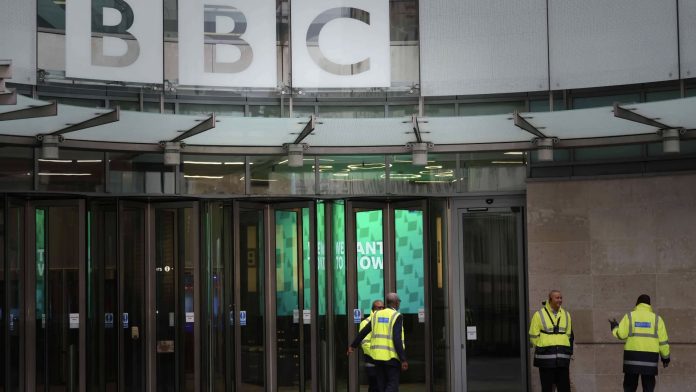
At the beginning of December, I raised alarm at a BBC article that misled the public about the nature of ‘conversion therapy’.
The article started off telling true stories of electric shock aversion therapy which took place in NHS hospitals from 1965-1973, with the hope of affecting people’s sexuality or gender identity.
These practices were indeed harmful, but the article pivoted directly to the ongoing debate about a ‘conversion therapy’ ban. It failed in any way to point out the current push for a ban is primarily to stop people having consensual conversations, prayer and ordinary talk therapy.
BBC responds to the complaint
Thanks to the many people who responded to this call, the BBC has now updated the article and addressed those concerns.
Responding to my complaint, they said:
“After reviewing your complaint we have amended the language in the article referring to the current legal position on conversion practices in the UK.
We have also added some additional context to be clearer that electro shock therapy “fell out of use in the 70s” and to explain how the British Psychological Society (BPS) defines conversion practices, and that a ban is opposed by some religious groups due to concerns that it would infringe on traditional religious teachings.
We have also added an update note advising readers of the change, and discussed your concerns with senior editors.”
This may appear to be a small matter, and the article is still far from perfect.
But I still believe that this is significant.
It is a tacit admission that the original article was not up to standard. An ordinary reader would have been given a very wrong impression of what the current conversion therapy debate is about, and been led to support the wrong side of it.
The BBC’s impartiality guidelines state “there may be occasions when the omission of views or other material could jeopardise impartiality or accuracy” – it is clear from their changes that they believe this was the case.
A line in the sand
The article is now buried in the BBC website and most of its readers will never see the amended version.
Nevertheless, our concerns have been “discussed with senior editors”.
Again, this may amount to very little in the immediate future. But those senior editors will now need to be more careful the next time they publish a story.
I have begun a research project on the BBC’s coverage of conversion therapy. Looking through more than 30 articles published over the last ten years, it is completely clear that the corporation’s output is not remotely balanced or impartial. It needs to change.
This is the first line in the sand. If we continue to see editors signing off on biased representations of this important and politically relevant topic, we will continue to hold them to account, with each infraction demonstrating their brazen attitude towards truth.
Matthew Grech’s judgment is expected soon as he is finds out the result of his prosecution for supposedly ‘advertising conversion practices’. An anti-‘conversion therapy’ campaigner is also currently being profiled in The Traitors. There will be many opportunities for the BBC to get this right – or wrong – in the coming days.
If they cannot uphold truth, we will need to do it for them.
Small actions make a difference
Several years ago, the then-Conservative government was pushing for a ban on ‘conversion therapy’. Senior political figures kept claiming that ‘corrective rape’ was a form of ‘conversion therapy’ that the government intended to act on.
People like me were quick to point out that not only is rape clearly already illegal, but that there is no evidence at all of it taking place in the UK. My colleague Carys Moseley and I submitted freedom of information requests and the Government Equalities Office was unable to provide any evidence that it was taking place – either in its response or in its later research.
After this small pushback, politicians suddenly stopped talking about ‘corrective rape’ as if it had anything to do with conversion therapy. Small actions can make a difference.
People do change and are grateful for help
Many people’s sexual desires and actions do change over time. Many people are deeply grateful for support they’ve received through churches, pastors, small groups, therapists and specialist ministries to live out their sexuality in the way God designed and calls them to.
If the BBC or any other journalists want to tell these truthful stories, it would take little more than a phone call to Christian Concern or ministries like Core Issues Trust.
Until they do, let’s keep speaking up for our brothers and sisters and ensuring they can continue to receive any support they want or need.