April 26, 2026

April, 26, 2026
April 26, 2026

give

untitled artwork

untitled artwork

World news biblically understood

TRENDING:

Crusades: God Can Use Both Large-Scale And Personal Evangelism To Get The Gospel Out

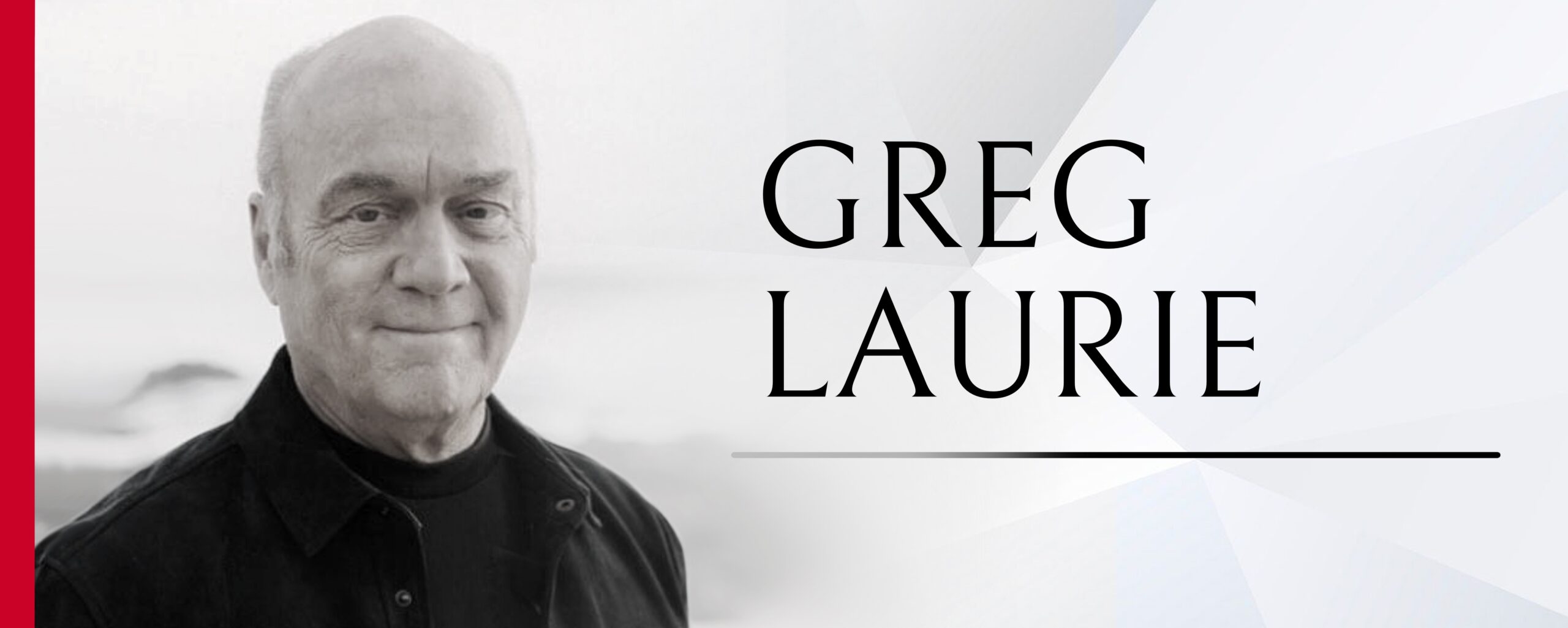
Greg Laurie

In the Book of Acts, we find two forms of evangelism. We see mass evangelism at work, and we also see examples of personal evangelism.

A prime example of mass evangelism is when we find Peter preaching to a large crowd in Jerusalem. His boldness that day led to thousands being added to the church—“about 3,000 in all” (Acts 2:41). Then, in Acts 8, we see personal evangelism with Philip, who spoke with an Ethiopian eunuch and “told him the Good News about Jesus” (verse 35).

When it comes to crusades, we have found that some 85 percent of the people who make a decision for Christ were brought by a friend. So, essentially, one-on-one evangelism—that is, personal evangelism—is coupled with large-scale evangelism.

Evangelistic Events Are Neutral Ground for Nonbelievers

An outreach event can be a catalyst for a believer to utilize in his or her evangelistic efforts. Many nonbelievers won’t go to church even when invited because they feel out of place in a typical church setting. 

The apostle Paul was a master communicator who said he became all things to all men so that he might bring some to Christ (1 Corinthians 9:22). Paul wanted to find common ground with his listeners, to arrest their attention.

In the same way, I also wish to build bridges with listeners rather than burn them. 

See, Paul was willing to go into another’s world, check out their views, philosophies, and false ideas. He made an effort to understand others so he could bring an appropriate message to those who desperately needed it. The goal was always to spread the Good News.

Crusades, like our Harvest events, similarly bridge the gap by allowing a nonbeliever to attend church without feeling entirely out of their world. They’re more likely to come and hear the gospel when invited to a stadium, an arena, or a local theater—a “neutral ground.”

Yes, it’s vital that we share our faith one-on-one with people. But it’s also important that we throw out the seeds of the gospel to as many people as we can.

By the way, those who attend a crusade are not missing out on personal connection. It’s likely they’ve been brought by a friend who has prayed for them. And when the invitation is given, and that person goes forward on the field, there are counselors there to talk with them, answer questions, and walk them through the basics. So there is a lot of personal connection, both before and after the event.

How a Stadium Event Becomes Personal

With mass evangelism, we are bringing people together.

Think about the Ethiopian official in Acts chapter 8, who was sitting in his chariot reading a scroll that had the words of Isaiah written on it. He could have just as well been watching a livestream on his iPad, if you bring it into today’s language. All the answers were there, but he didn’t quite get it. He had questions. He needed a personal touch. And that’s why God sent Philip. God loves to use people to reach other people.

With events, like the upcoming Harvest Crusade, people are trained ahead of time to be the Philips, if you will, for these people—to pray for those they are inviting, to bring them personally to the event in their community, to guide them through the basics of what it means to be a Christian, and to follow up and disciple them afterwards. That’s why I find these mass evangelistic events to be significant, but that’s not to say personal evangelism is not as important.

God can use both large-scale evangelism and personal evangelism to get the gospel out. Both serve a purpose.



Give

Give

White House Correspondents’ Dinner Gunman Apprehended; Trump: This Is Not The First Time Our Republic Has Been Attacked By A Would-Be Assassin

Greg Laurie, Pastor of Harvest Riverside, reacted to the incident, writing: "This serves as a sobering reminder of the tense and uncertain times we are living in. Acts of extreme violence and threats have become far too common, and it’s deeply concerning for our nation. It was only months ago that Charlie Kirk was assassinated. We should be praying for the safety of our president, our elected officials, and for the well-being, peace, and unity of our country."

The Modern State Of Israel Tests The Church’s Commitment To Biblical Truth

Over the last 1,500 years, anti-Semitism in the name of Christ has inflicted much pain and suffering on the Jewish people. And the church wonders why so many Jews distrust the church and reject Jesus. We are in a battle for biblical truth. Does the church accept God’s Word and live by it—including the Jewish Scriptures and the admonition to bless Israel—or does it not?

sign up

Abandoning The Duty Of A Shepherd: Should Pastors Speak About Politics From The Pulpit?

When a pastor preaches about what God has to say in His Word about gender, intimacy and marriage, sanctity of life, parental authority, stewardship of resources whether personal or societal, defending one’s family, threats of false doctrines and religions, etc., they are not being “political” but Biblical. Speaking on such topics does not imply that a pastor has an agenda; it simply means they are faithfully fulfilling their duty to proclaim the truth on such matters which God has laid out in His Word.

ABC's of Salvation

Decision

UTT

FOI

untitled artwork

Israel My Glory

Greg Laurie

In the Book of Acts, we find two forms of evangelism. We see mass evangelism at work, and we also see examples of personal evangelism.

A prime example of mass evangelism is when we find Peter preaching to a large crowd in Jerusalem. His boldness that day led to thousands being added to the church—“about 3,000 in all” (Acts 2:41). Then, in Acts 8, we see personal evangelism with Philip, who spoke with an Ethiopian eunuch and “told him the Good News about Jesus” (verse 35).

When it comes to crusades, we have found that some 85 percent of the people who make a decision for Christ were brought by a friend. So, essentially, one-on-one evangelism—that is, personal evangelism—is coupled with large-scale evangelism.

Evangelistic Events Are Neutral Ground for Nonbelievers

An outreach event can be a catalyst for a believer to utilize in his or her evangelistic efforts. Many nonbelievers won’t go to church even when invited because they feel out of place in a typical church setting. 

The apostle Paul was a master communicator who said he became all things to all men so that he might bring some to Christ (1 Corinthians 9:22). Paul wanted to find common ground with his listeners, to arrest their attention.

In the same way, I also wish to build bridges with listeners rather than burn them. 

See, Paul was willing to go into another’s world, check out their views, philosophies, and false ideas. He made an effort to understand others so he could bring an appropriate message to those who desperately needed it. The goal was always to spread the Good News.

Crusades, like our Harvest events, similarly bridge the gap by allowing a nonbeliever to attend church without feeling entirely out of their world. They’re more likely to come and hear the gospel when invited to a stadium, an arena, or a local theater—a “neutral ground.”

Yes, it’s vital that we share our faith one-on-one with people. But it’s also important that we throw out the seeds of the gospel to as many people as we can.

By the way, those who attend a crusade are not missing out on personal connection. It’s likely they’ve been brought by a friend who has prayed for them. And when the invitation is given, and that person goes forward on the field, there are counselors there to talk with them, answer questions, and walk them through the basics. So there is a lot of personal connection, both before and after the event.

How a Stadium Event Becomes Personal

With mass evangelism, we are bringing people together.

Think about the Ethiopian official in Acts chapter 8, who was sitting in his chariot reading a scroll that had the words of Isaiah written on it. He could have just as well been watching a livestream on his iPad, if you bring it into today’s language. All the answers were there, but he didn’t quite get it. He had questions. He needed a personal touch. And that’s why God sent Philip. God loves to use people to reach other people.

With events, like the upcoming Harvest Crusade, people are trained ahead of time to be the Philips, if you will, for these people—to pray for those they are inviting, to bring them personally to the event in their community, to guide them through the basics of what it means to be a Christian, and to follow up and disciple them afterwards. That’s why I find these mass evangelistic events to be significant, but that’s not to say personal evangelism is not as important.

God can use both large-scale evangelism and personal evangelism to get the gospel out. Both serve a purpose.


Trusted Analysis From A Biblical Worldview

Help reach the lost and equip the church with the living and active truth of God's Word in our world today.

YOU CARE ABOUT

BIBLICAL TRUTH. SO DO WE.


Together, We Can Deliver A Biblical Understanding

Of News Events Around The World.

White House Correspondents’ Dinner Gunman Apprehended; Trump: This Is Not The First Time Our Republic Has Been Attacked By A Would-Be Assassin

Greg Laurie, Pastor of Harvest Riverside, reacted to the incident, writing: "This serves as a sobering reminder of the tense and uncertain times we are living in. Acts of extreme violence and threats have become far too common, and it’s deeply concerning for our nation. It was only months ago that Charlie Kirk was assassinated. We should be praying for the safety of our president, our elected officials, and for the well-being, peace, and unity of our country."

The Modern State Of Israel Tests The Church’s Commitment To Biblical Truth

Over the last 1,500 years, anti-Semitism in the name of Christ has inflicted much pain and suffering on the Jewish people. And the church wonders why so many Jews distrust the church and reject Jesus. We are in a battle for biblical truth. Does the church accept God’s Word and live by it—including the Jewish Scriptures and the admonition to bless Israel—or does it not?

untitled artwork 6391

Abandoning The Duty Of A Shepherd: Should Pastors Speak About Politics From The Pulpit?

When a pastor preaches about what God has to say in His Word about gender, intimacy and marriage, sanctity of life, parental authority, stewardship of resources whether personal or societal, defending one’s family, threats of false doctrines and religions, etc., they are not being “political” but Biblical. Speaking on such topics does not imply that a pastor has an agenda; it simply means they are faithfully fulfilling their duty to proclaim the truth on such matters which God has laid out in His Word.

ABC's of Salvation

TV AD

worldview matters

Decision Magazine V AD

Decision

Jan Markell

Israel My Glory

Erick Stakelbeck

untitled artwork

YOU CARE ABOUT

BIBLICAL TRUTH.

SO DO WE.

Together, We Can Deliver A Biblical Understanding Of News Events Around The World And Equip The Church To Stand With A Biblical Worldview.

untitled artwork

Israel My Glory

YOU CARE ABOUT

BIBLICAL TRUTH.

SO DO WE.


Together, We Can Deliver A Biblical Understanding Of News Events Around The World And Equip The Church To Stand With A Biblical Worldview.