A Christian Romanian couple who formerly lived in Sweden has taken their custody battle to Washington, D.C., after being separated from their two daughters for more than three years over parental “religious extremism” allegations.
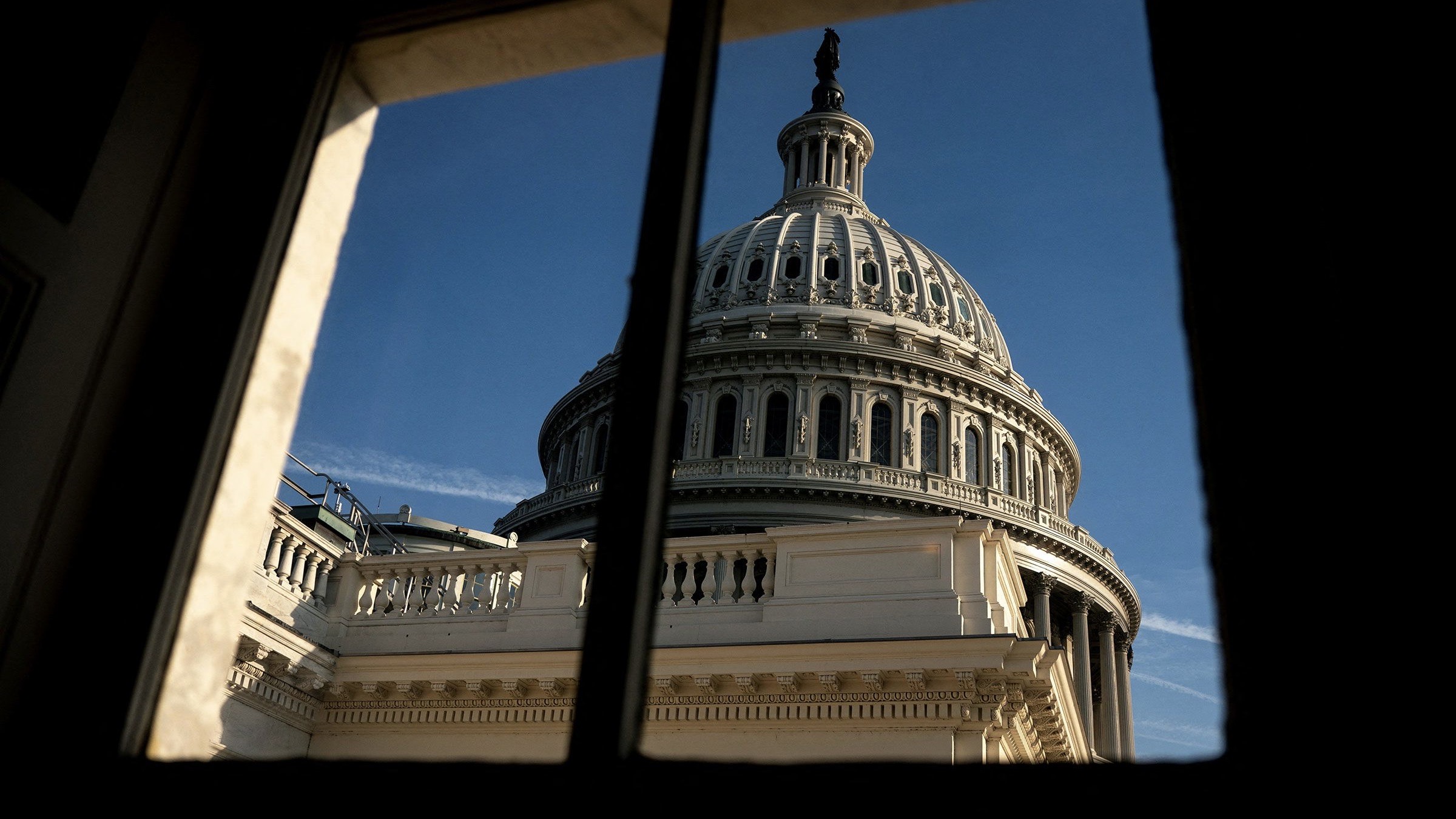
Christians and Romanian protesters rallied at the Swedish embassy in D.C. in support of Daniel and Bianca Samson whose children Sara and Tiana Samson were seized by the Swedish social services in December 2022. Sara was 11 and Tiana was 10 at the time.
The government seized the girls after Sara made a false abuse report at school. The accusation came following an argument with her parents over phone and makeup restrictions. After the girls were taken at school and without their parents’ knowledge, Sara soon admitted that she had fabricated the abuse allegations. Even though prosecutors found no evidence of abuse, the government refused to return the girls, according to Alliance Defending Freedom (ADF) International, which legally represents the parents. The child protection services called the couple “religious extremists,” citing the family’s church attendance, which was three times a week, and their refusal to allow the girls to wear make-up.
The Samsons fought for custody of their children 14 times in court. They said prosecuting attorneys cited their lack of a television in the home and their reading of Bible stories as “violent” and grounds for the religious extremist accusations.
The case reached the European Court of Human Rights (ECtHR), which ruled on March 10 that the case was “inadmissible,” a final decision that cannot be appealed.
The Samsons immigrated to Sweden from Romania. The couple retained their Romanian citizenship while living in Sweden until Bianca fled Sweden and returned to Romania after social services threatened to seize their other five children.
Romania’s Senate unanimously approved a declaration calling on Sweden to immediately return Sara and Tiana back to their family, but Sweden has ignored their demand, said Romanian Sen. Titus Corlatean. Corlatean, who raised the proposal for the declaration, and Cristian Ionescu, the senior pastor of Elim Romanian Pentecostal Church and president of the Romanian Pentecostal Churches’ Union in the U.S., spoke at the D.C. rally in support of the Samsons.
“They are not Swedish citizens, so Sweden is keeping [the girls] abusively in their custody against the will of the state of citizenship of our own citizens,” Corlatean told Fox News Digital.
He also accused Sweden of violating international law and diplomatic relations for holding the Romanian citizens in their care.
“It’s horrible, and it’s a desperate situation,” Corlatean said. “The girls are asking all the time to be given back to their parents and to Romania, and the social services are lying constantly saying the daughters are refusing to go back to their parents.”
The family has been barred from seeing the girls who have been separated into different foster homes. Both girls have attempted suicide six or seven times, and Sara is now in an adult psychiatric facility.
“I see a surge of socialist and communist politicians and this is always associated with a totalitarian society,” Ionescu told Fox News Digital. “In Romania, they didn’t confiscate the children from the families, but they were trying to educate them in a worldview and in a system contrary to Christian values, and parents that did not cooperate were persecuted.”
“I hope I will never see this in America,” he said. “This is why I left Romania almost 40 years ago. America used to be a cradle of true civilization, Christianity. Now it’s changing and not for the better, but I hope we will still hold the front line.”
Ionescu cited a 2015 case in which the U.S. helped a Christian Romanian Norwegian couple reunite with their five children who were taken from them for seven months for their Christian beliefs and occasional practice of corporal punishment.
“There were a number of congressmen, members of the Senate, and also through the State Department that signing letters, [asking] questions and putting pressure on the Norwegian case at the time,” Corlatean said. “It was very helpful. So there is already a precedent of good cooperation.”