Appealing a federal district court decision, Alliance Defending Freedom (ADF) attorneys are backing a Christian bookstore and an athletics apparel shop in two separate lawsuits against a Colorado law that blocks the businesses from communicating their beliefs on gender and sexuality.
The suits, Born Again Used Books v. Sullivan and XX-XY Athletics v. Sullivan, challenge HB 25-1312, a bill signed into law by Democrat Gov. Jared Polis in May 2025. The law amends the Colorado Anti-Discrimination Act, adding a person’s “chosen name” and “how an individual chooses to be addressed” to the definition of “gender expression.” The law effectively requires organizations to use pronouns and names inconsistent with a person’s biological sex and affirm LGBTQ ideology within advertisements and other publications.
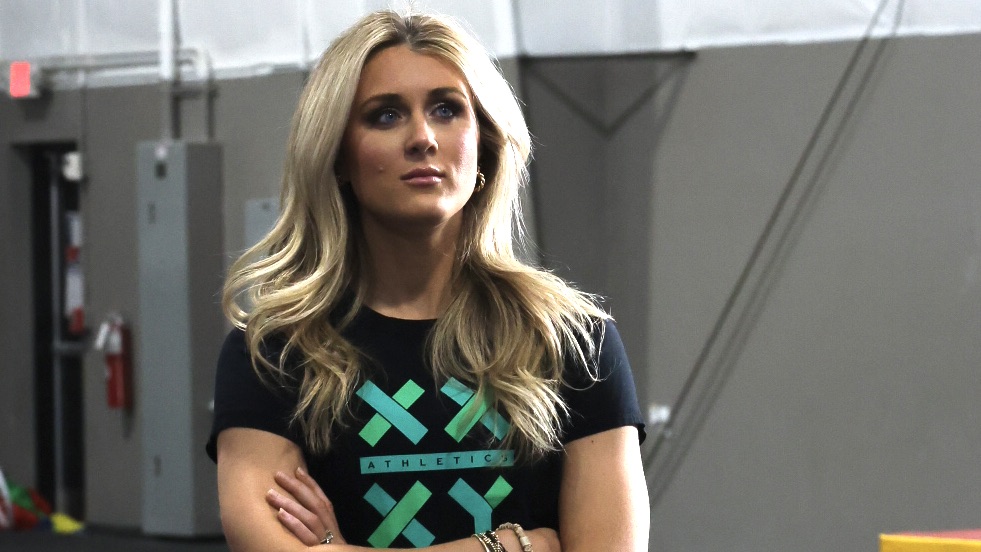
XX-XY, launched by Jennifer Sey with a vision of providing a voice to those who are advocating to protect women’s sports, filed suit last May, and Born Again Used Books,a bookstore in business for more than 20 years, filed suit in July.
Eric and Sara Smith have been managing Born Again Used Books for about five years. The store carries about 50,000 books, but none of the books have content that promotes LGBTQ lifestyles, nor do they sell books that reject Christianity.
ADF on its website explains that the bookstore “wants to put their policy on how they refer to customers into writing. And it desires to publish a blog post explaining its Christian beliefs underlying the policy,” but the amended law “prohibits this and forces them to profess an ideological viewpoint they oppose.”
The suit claims that Colorado violated its constitutional rights of free speech, press and assembly; its free exercise of religion; and the Due Process and Equal Protection clauses of the 14th Amendment.
ADF Senior Counsel Hal Frampton, director of the ADF Center for Conscience Initiatives, said XX-XY Athletics “believes that women deserve to compete fairly and holds to the commonsense view that biological differences exist between men and women,” but “Colorado’s law places them at risk for speaking the truth.”
On March 31, a federal district court denied the companies’ requests for a temporary halt to the law.
Frampton believes a recent U.S. Supreme Court ruling backs their case against the state.
“Colorado continues to place itself on the wrong side of the law by forcing Coloradans to speak against their conscience,” said Frampton. “As the U.S. Supreme Court reaffirmed this week when it ruled against another Colorado law in Chiles v. Salazar, the government shouldn’t be able to censor speech or force people to speak views they disagree with. We are asking the appeals court to protect the ability of Coloradans to openly express their beliefs on a hotly debated issue.”
The Supreme Court concluded in their ruling that “the First Amendment stands as a shield against any effort to enforce orthodoxy in thought or speech in this country. It reflects instead a judgment that every American possesses an inalienable right to think and speak freely, and a faith in the free marketplace of ideas as the best means for discovering truth. However well-intentioned, any law that suppresses speech based on viewpoint represents an ‘egregious’ assault on both of those commitments.”
Violators of the law may face up to $3,500 in fines per violation and criminal penalties.