November 4, 2026

November, 4, 2026
November 4, 2026

give

untitled artwork

untitled artwork

World news biblically understood

TRENDING:

The Reason for Judgment: It’s Not Immoral To Speak Up Against Evil

Skip Heitzig

The church at Corinth was very tolerant of certain kinds of evil behavior in their midst. And instead of being ashamed over this tolerance of evil, they were actually proud of it. They were “puffed up,” as Paul said in 1 Corinthians 5:2.

“It is actually reported that there is sexual immorality among you and such sexual immorality as is not even named among the Gentilesโ€”that a man has his father’s wife. And you are puffed up”โ€”that is, pridefulโ€””and have not rather mourned, that he who has done this deed might be taken away from among you” (v. 1-2).

The city of Corinth was a very permissive city in moral terms, and evidently, their culture was influencing the church, rather than the church influencing the community. Does this sound like today’s world? After awhile, because the culture is so strong, you get used to it. Instead of being salt and light, instead of being a strong witness, it’s just easier to go with the flow and accommodate to the thinking and values of the world around you.

So the church ends up saying, “Well, you can’t judge people. We’re not supposed to do that. We can’t police everybody. Let them do what they want. Just love on them.” The Corinthian church patted themselves on the back for what is, I think, today considered to be the biggest, most important moral value in American cultureโ€”tolerance.

untitled artwork 418

In Your Inbox

But Paul didn’t call it tolerance. He called it pride. Because when you tolerate immorality, essentially you’re saying that you’re smarter than God. Even though God forbade it in His Word, and even though pagans forbid it, you’re above it all. You’re puffed up. You’re proud.

In Revelation 2, Jesus commended the church at Ephesus for their works, their labor, and their patience, and for their resolve to not “bear those who are evil” (v. 2). He commended them not for their tolerance but for their intolerance, that they did not tolerate evil.

When you confront something that is wrong or against Scripture, a moral stance that is against a biblical value, how many times have you heard people say, “Well, Jesus said, ‘Judge not, lest you be judged'”? It’s the only verse so many people know from the Sermon on the Mount (see Matthew 7:1). All it means to them is “I want to do whatever I want. Don’t tell me I can’t.”

First of all, Jesus was not saying you can’t think, you can’t discern, you can’t discriminate, or you can’t judge at all. He was talking about a spirit of censoriousness, playing God and excluding people from fellowship with Him.

If “Judge not, lest you be judged” means to never speak up against evil or never use discernment, then Elijah the prophet was out of line when he confronted Ahab and Jezebel. Paul the apostle was out of line when he confronted the legalists in Jerusalem. And, for that matter, Jesus was out of line when he said, “Woe to you, scribes and Pharisees, hypocrites!” (Matthew 23:27).

In fact, Jesus gave His disciples a command to “judge with righteous judgment” (John 7:24). But how is that done? Go back to Matthew 7. Jesus said that if you see a speck in your brother’s eye, but you have a plank in your own, first remove the plank from your own eye and then you will see clearly enough to remove the speck from your brother’s eye (see vv. 3-5).

Righteous judgment is rooted in humility. That should always be your position when making a judgment. And the idea, the hope, is that it would provoke real repentance that leads to restoration.


Skip Heitzig is an author, the host of the nationwide radio program “Connect with Skip Heitzig,” the senior pastor of Calvary Church in Albuquerque, and serves on several boards, including Samaritan’s Purse.

We Want Politicians Who Have A Biblical Worldview… But Politics Can Never Solve Our Most Significant Problem

The Bible tells us that our ultimate problem is a spiritual problemโ€”itโ€™s sin! Itโ€™s a heart issue. Weโ€™re all sinners in rebellion against God, and sin nature is ultimately at the root of all of our problems. Crime, immorality, corruption, greed, poverty, diseaseโ€”all of these exist because of our sin and the fallen state of creation. Because our ultimate problem is sin, politics will never ultimately solve our problems. Now, donโ€™t misunderstand me: politics matter, certainly, and we want politicians who have a biblical worldview and will make decisions based on the truths of Scripture. But even a โ€œbest-case scenarioโ€ with politics wonโ€™t ultimately save anyoneโ€”even if it makes a difference in this life.

There Is Only One ‘Preparedness Plan’ The Unbelieving World Should Be Focusing On: Getting Right With God

I'm sure you've seen all the headlines and the news alerts: โ€œBe prepared,โ€ โ€œAn emergency is coming,โ€ โ€œMake a plan.โ€ We are being told a global crisis is comingโ€”and not just one in your hometown. I've read two dozen doomsday scenarios where we are to stock up on food, medicine, have a strategy to meet up with family and friends if separated, and much more because something โ€œbigโ€ is coming. I have read the reportsโ€ฆ but I'm sounding an even bigger warning.

sign up

The Church Cannot Remain Silent On Biblical Matters Because They Have Been Declared ‘Political’

Jesus called His followers the salt of the earth and the light of the world. Neither image suggests withdrawal. Both describe engagement that makes a difference. So the issue is not whether the church should become political. It is whether Christians will remain biblical when biblical truth has political consequences. Our calling is neither to become the mouthpiece of a party nor to retreat into silence. It is to stand on Godโ€™s word, defend what is right, confront what is wrong, and speak with courage โ€” even when the culture would rather we remain silent.

ABC's of Salvation

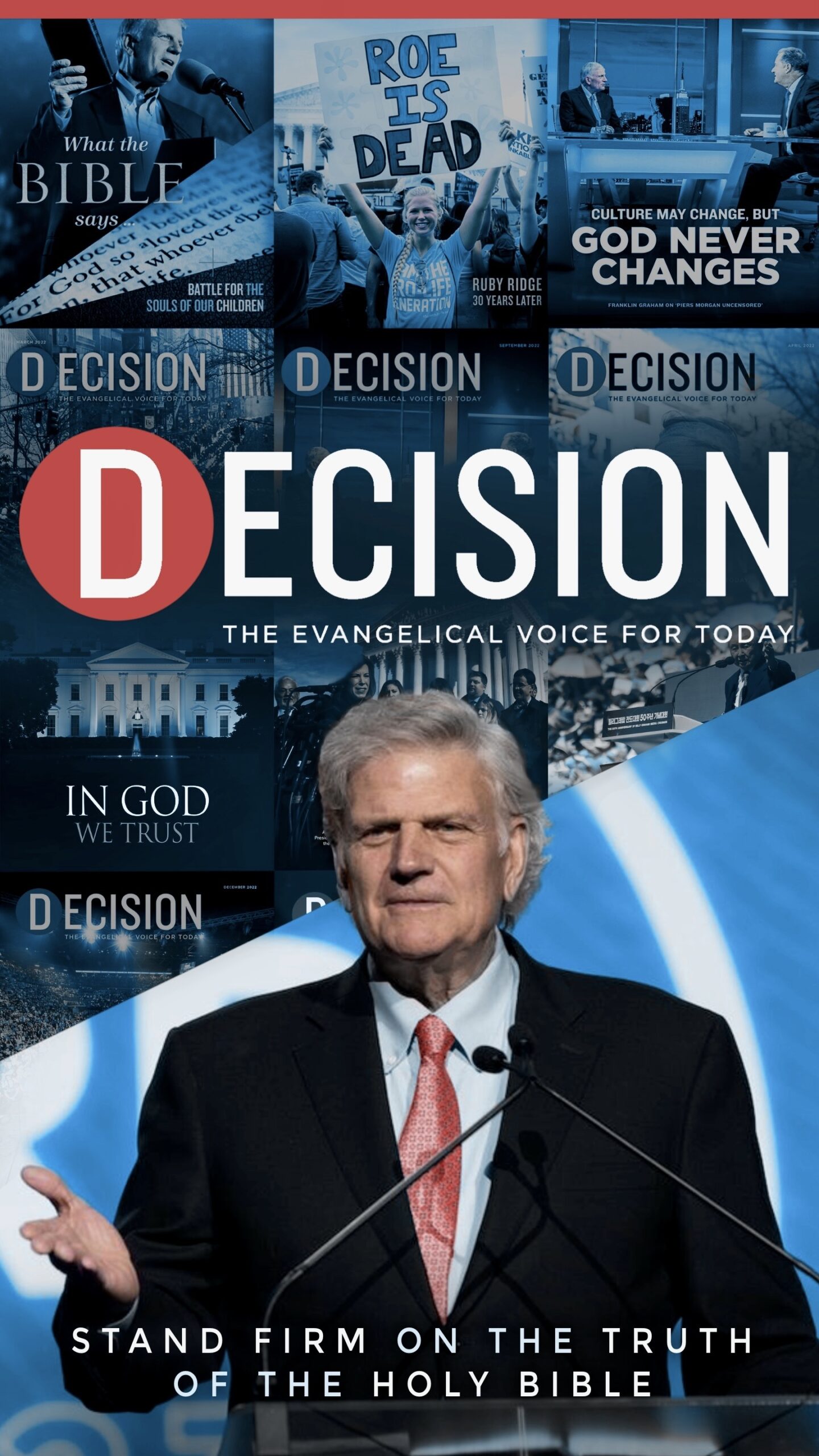
Decision

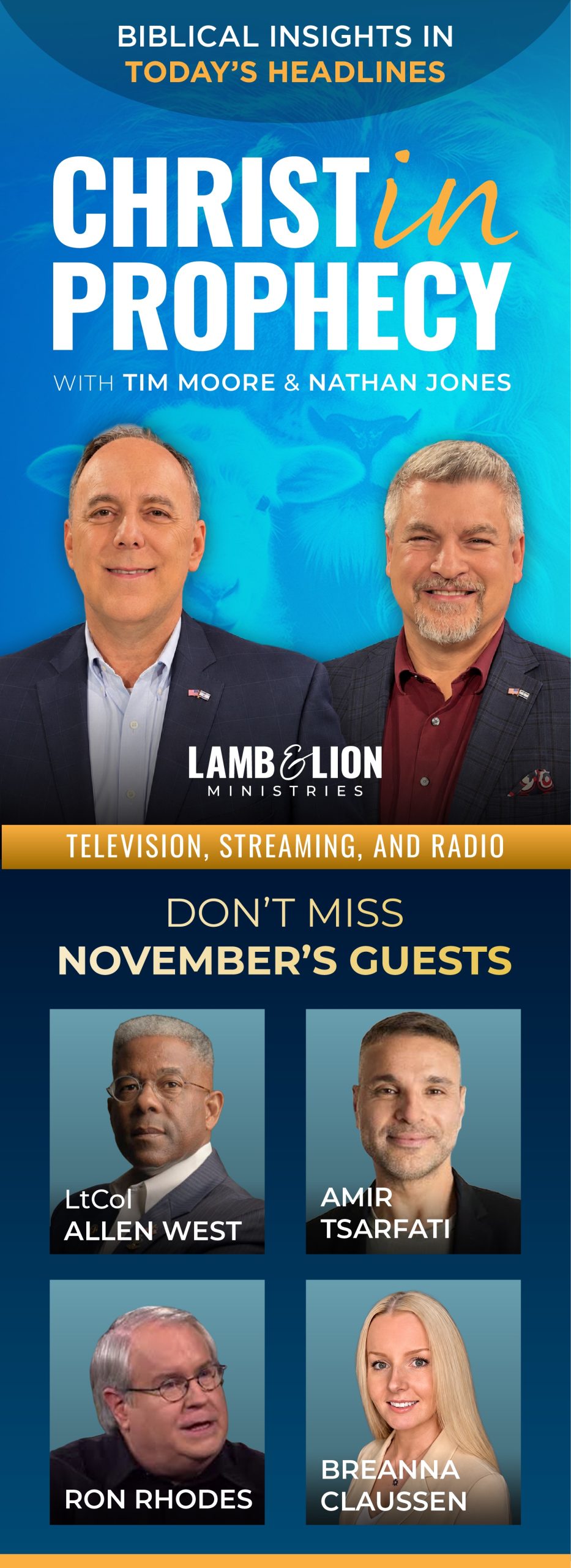
christ in prophecy

christ in prophecy

Decision

untitled artwork

Israel My Glory

Skip Heitzig

The church at Corinth was very tolerant of certain kinds of evil behavior in their midst. And instead of being ashamed over this tolerance of evil, they were actually proud of it. They were “puffed up,” as Paul said in 1 Corinthians 5:2.

“It is actually reported that there is sexual immorality among you and such sexual immorality as is not even named among the Gentilesโ€”that a man has his father’s wife. And you are puffed up”โ€”that is, pridefulโ€””and have not rather mourned, that he who has done this deed might be taken away from among you” (v. 1-2).

The city of Corinth was a very permissive city in moral terms, and evidently, their culture was influencing the church, rather than the church influencing the community. Does this sound like today’s world? After awhile, because the culture is so strong, you get used to it. Instead of being salt and light, instead of being a strong witness, it’s just easier to go with the flow and accommodate to the thinking and values of the world around you.

So the church ends up saying, “Well, you can’t judge people. We’re not supposed to do that. We can’t police everybody. Let them do what they want. Just love on them.” The Corinthian church patted themselves on the back for what is, I think, today considered to be the biggest, most important moral value in American cultureโ€”tolerance.

untitled artwork 418

In Your Inbox

But Paul didn’t call it tolerance. He called it pride. Because when you tolerate immorality, essentially you’re saying that you’re smarter than God. Even though God forbade it in His Word, and even though pagans forbid it, you’re above it all. You’re puffed up. You’re proud.

In Revelation 2, Jesus commended the church at Ephesus for their works, their labor, and their patience, and for their resolve to not “bear those who are evil” (v. 2). He commended them not for their tolerance but for their intolerance, that they did not tolerate evil.

When you confront something that is wrong or against Scripture, a moral stance that is against a biblical value, how many times have you heard people say, “Well, Jesus said, ‘Judge not, lest you be judged'”? It’s the only verse so many people know from the Sermon on the Mount (see Matthew 7:1). All it means to them is “I want to do whatever I want. Don’t tell me I can’t.”

First of all, Jesus was not saying you can’t think, you can’t discern, you can’t discriminate, or you can’t judge at all. He was talking about a spirit of censoriousness, playing God and excluding people from fellowship with Him.

If “Judge not, lest you be judged” means to never speak up against evil or never use discernment, then Elijah the prophet was out of line when he confronted Ahab and Jezebel. Paul the apostle was out of line when he confronted the legalists in Jerusalem. And, for that matter, Jesus was out of line when he said, “Woe to you, scribes and Pharisees, hypocrites!” (Matthew 23:27).

In fact, Jesus gave His disciples a command to “judge with righteous judgment” (John 7:24). But how is that done? Go back to Matthew 7. Jesus said that if you see a speck in your brother’s eye, but you have a plank in your own, first remove the plank from your own eye and then you will see clearly enough to remove the speck from your brother’s eye (see vv. 3-5).

Righteous judgment is rooted in humility. That should always be your position when making a judgment. And the idea, the hope, is that it would provoke real repentance that leads to restoration.

Skip Heitzig is an author, the host of the nationwide radio program “Connect with Skip Heitzig,” the senior pastor of Calvary Church in Albuquerque, and serves on several boards, including Samaritan’s Purse.

Trusted Analysis From A Biblical Worldview

Help reach the lost and equip the church with the living and active truth of God's Word in our world today.

YOU CARE ABOUT

BIBLICAL TRUTH. SO DO WE.

ย 

Together, We Can Deliver A Biblical Understanding

Of News Events Around The World.

We Want Politicians Who Have A Biblical Worldview… But Politics Can Never Solve Our Most Significant Problem

The Bible tells us that our ultimate problem is a spiritual problemโ€”itโ€™s sin! Itโ€™s a heart issue. Weโ€™re all sinners in rebellion against God, and sin nature is ultimately at the root of all of our problems. Crime, immorality, corruption, greed, poverty, diseaseโ€”all of these exist because of our sin and the fallen state of creation. Because our ultimate problem is sin, politics will never ultimately solve our problems. Now, donโ€™t misunderstand me: politics matter, certainly, and we want politicians who have a biblical worldview and will make decisions based on the truths of Scripture. But even a โ€œbest-case scenarioโ€ with politics wonโ€™t ultimately save anyoneโ€”even if it makes a difference in this life.

There Is Only One ‘Preparedness Plan’ The Unbelieving World Should Be Focusing On: Getting Right With God

I'm sure you've seen all the headlines and the news alerts: โ€œBe prepared,โ€ โ€œAn emergency is coming,โ€ โ€œMake a plan.โ€ We are being told a global crisis is comingโ€”and not just one in your hometown. I've read two dozen doomsday scenarios where we are to stock up on food, medicine, have a strategy to meet up with family and friends if separated, and much more because something โ€œbigโ€ is coming. I have read the reportsโ€ฆ but I'm sounding an even bigger warning.

untitled artwork 6391

The Church Cannot Remain Silent On Biblical Matters Because They Have Been Declared ‘Political’

Jesus called His followers the salt of the earth and the light of the world. Neither image suggests withdrawal. Both describe engagement that makes a difference. So the issue is not whether the church should become political. It is whether Christians will remain biblical when biblical truth has political consequences. Our calling is neither to become the mouthpiece of a party nor to retreat into silence. It is to stand on Godโ€™s word, defend what is right, confront what is wrong, and speak with courage โ€” even when the culture would rather we remain silent.

ABC's of Salvation

TV AD

worldview matters

Decision Magazine V AD

Decision

Jan Markell

Israel My Glory

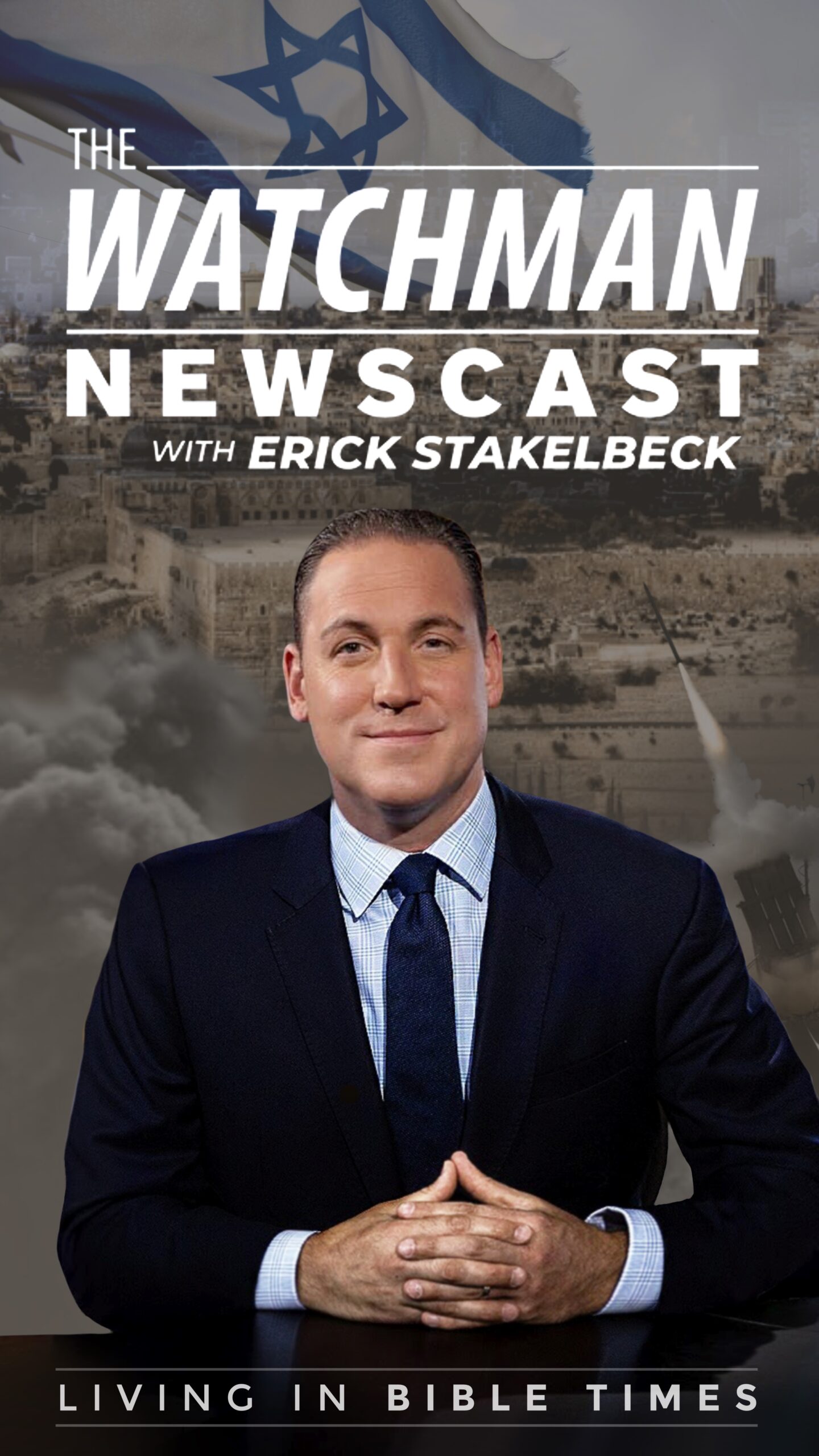
Erick Stakelbeck

untitled artwork

YOU CARE ABOUT

BIBLICAL TRUTH.

SO DO WE.

Together, We Can Deliver A Biblical Understanding Of News Events Around The World And Equip The Church To Stand With A Biblical Worldview.

untitled artwork

Israel My Glory

YOU CARE ABOUT

BIBLICAL TRUTH.

SO DO WE.

ย 

Together, We Can Deliver A Biblical Understanding Of News Events Around The World And Equip The Church To Stand With A Biblical Worldview.