January 16, 2026

January, 16, 2026
January 16, 2026

give

untitled artwork

untitled artwork

World news biblically understood

TRENDING:

The Trump Admin Has Provided A Delay, But Social And Financial Persecution Is Still Coming To Our Country

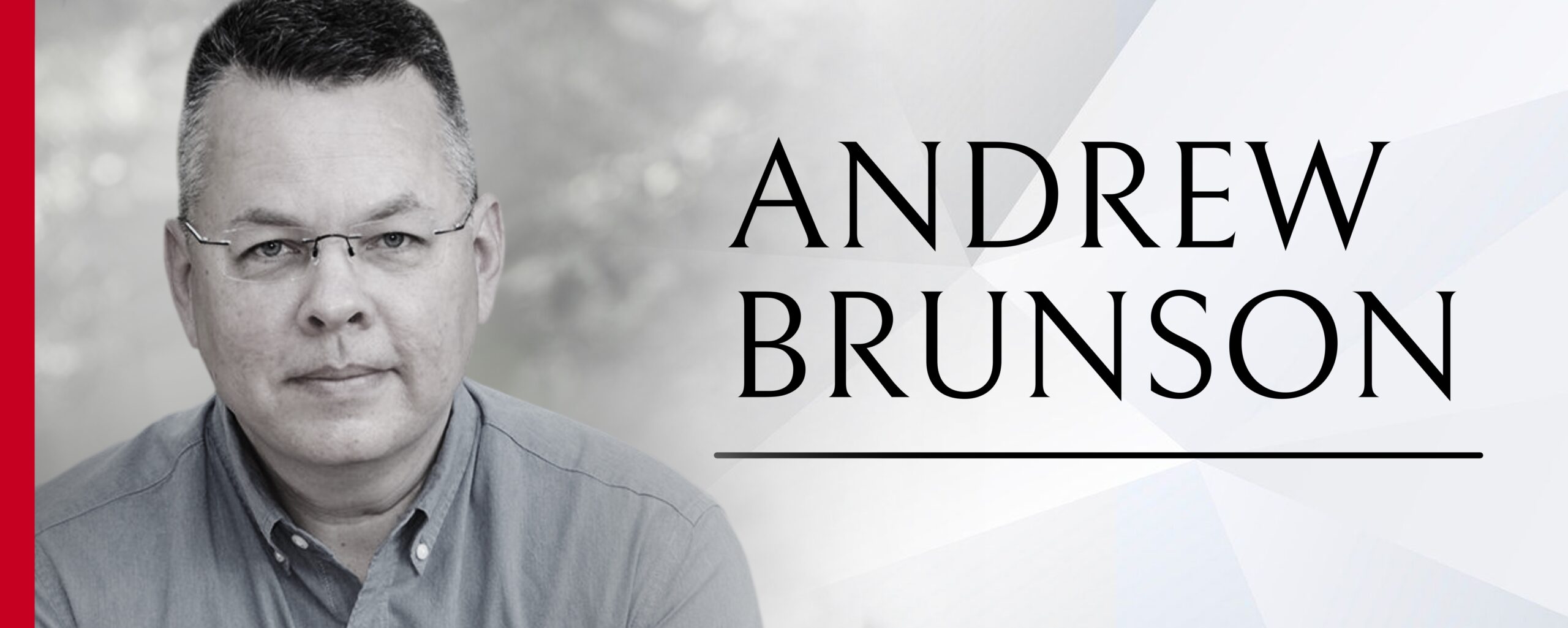
“I do not covet what they covet.” Roland Fryer’s words have stuck in my mind for months. Fryer, an African American, was a celebrated economist and professor at Harvard when his research into racial bias in fatal police shootings showed there was no bias—a conclusion that went against his own biases and the accepted narrative. 

Colleagues warned him not to publish the results—that it would ruin his career—but he did it anyway. Afterward, he had to live with police protection for a time, colleagues turned on him, his research methods were criticized, and he became a target for what appeared to be a retaliatory university investigation that led to a suspension without pay.

Most people would look to preserve career, status, prestige, popularity, reputation. When asked what pushed him to make the opposite choice—a choice that would lead to all the consequences he suffered—Fryer answered simply: “I do not covet what they covet.”

People are driven by what they hunger after. And once they have it, they are driven by fear of losing it. This is one reason why individuals compromise and conform—they realize how much there is to lose, and they don’t want to risk it. All the normal incentives push us to conform.

What do you “covet”? What are you afraid to lose? I ask because the answer reveals something about how vulnerable we may be to pressures that I believe faithful followers of Jesus are going to face in the near future. 

My wife, Norine, and I recently prayed at Metekhi Bridge in Tbilisi, the capital of the Republic of Georgia, where thousands were martyred in 1226. A Muslim sultan captured the city and placed an image of Christ on the bridge. Those who refused to revile Christ by stepping on the image and turning to Islam were beheaded. I felt so proud and grateful for those believers who stood strong. I often hear that we need to be willing to die for Christ, and yes, we should be. But this is probably not the kind of pressure most of us will face.

Norine and I lived in Turkey and have been involved in the Middle East for many years. These areas used to be majority-Christian, until Islam engulfed them. Now there are few Christians left. Many converted to avoid the sword during the initial Islamic conquest, but what led to the mass turning from Christianity was more the sustained social and financial pressure. Christians were vulnerable because they had limited legal rights and could not testify against a Muslim. The majority society treated Christians as second-class citizens, discriminated against them and devised ways to humiliate them, like forbidding the riding of horses (Christians could only ride donkeys), or requiring them to wear specific kinds of clothing that marked them and displayed their inferior status. 

These are relatively minor things, especially in comparison to the sword, but it is grating to live as a despised minority. In addition, non-Muslims were required to pay a special tax, jizya, which made their lives much more difficult. One could avoid all of this simply by conforming to the majority, and in time, most did. They slipped away from their Christian identity.

I think social and financial persecution is coming to our country, and it will be enough to cause an exodus from the church in this generation, just as it did in the Middle East in past centuries. This may seem unduly alarmist, especially when many evangelicals are euphoric about the political change in the last election that is rolling back some of the excesses of the last few years and so far has been supportive of religious freedom. 

But I think this is a temporary delay. Most of the institutions in our country are led by progressives who are increasingly, aggressively anti-Christian. The rise of a new political right may encourage some, but this is not leading to a significant increase in church attendance or conversions—in fact, we are still losing numbers—and significant numbers on the right mirror the progressive left in having no Judeo-Christian moral foundation and being driven by raw will to power. Our broader culture is post-Christian, and this has not changed. Faithful followers of Jesus are in the minority, and I think will remain a minority—an increasingly despised minority. We have a delay now, and then pressure will increase. The question is, will we use the delay well?

I keep coming back to Roland Fryer’s words. He did not compromise, because there were other incentives he valued more: “Every day,” he said, “I had to look at myself in the mirror and say, ‘What are you here for?’ … I was after truth.” He refused to conform because he was in the pursuit of truth, no matter the consequences. He did not value what his colleagues valued, so he did not fear to lose what they feared to lose. 

It is normal to want to be respected, liked and popular. It is normal to want financial stability and security. This is why the drive for such things, and the fear of losing them, is such a powerful motivator. This is what makes social and financial pressure so dangerous. And it is why Jesus said, “Where your treasure is, there your heart will be also” (Matthew 6:21).

How to change what drives me? I need to retrain my heart to most value what most matters—loving God—so that I can say with confidence: I do not covet what they covet. I do not love what they love. I do not fear what they fear.


Your support helps Harbinger's Daily propel the boldest and most sound Christian voices of our day—those unwavering in their defense of the truth and passionate about reaching the unsaved world—while engaging millions to stand courageously with a worldview grounded in God's Word. 

Will you defend the truth and equip others to do the same?

Iran Is Not Simply A Political Talking Point, Its A Major Player In End Times Prophecy

We are seeing headlines of courageous men and women standing up at great personal cost to the Iranian regime. We should all be praying for the people of Iran—especially for the many Iranian Christians among them. Pray for freedom, protection, and the gospel to continue spreading. Iran is not simply a political talking point, but what many, including myself, believe is a land of biblical significance. Iran (ancient Persia) is considered a major player in end times prophecy.

Though Its Implications Are Overwhelming, The Sound Doctrine Of Hell Is Vitally Important

With that terse observation, the late church historian Martin Marty summarized our attitude toward a vanishing doctrine that received a great deal of attention in previous generations. Hell is scarcely mentioned in most evangelical churches today. I must ask: When is the last time you heard a sermon or a serious Bible lesson on the topic? Sometimes it is given a quick mention, but yes, Marty is right, hell has disappeared, and we didn’t even notice.

sign up

Wednesday, January 14th: A Call To Prayer And Repentance For America

If you think our nation is in trouble now, just wait… As our streets boil over with hate, anger, crime, drugs, and just sheer hopelessness, is there something we can do? You bet there is. I would like to call for a time of prayer and repentance this Wednesday, January 14, at 12:00 noon. As a nation our sins are so great. We have increasingly turned our backs on God and His commands, embracing godless secularism. We need to ask His forgiveness and seek His face.

ABC's of Salvation

Decision

UTT

untitled artwork

Israel My Glory

“I do not covet what they covet.” Roland Fryer’s words have stuck in my mind for months. Fryer, an African American, was a celebrated economist and professor at Harvard when his research into racial bias in fatal police shootings showed there was no bias—a conclusion that went against his own biases and the accepted narrative. 

Colleagues warned him not to publish the results—that it would ruin his career—but he did it anyway. Afterward, he had to live with police protection for a time, colleagues turned on him, his research methods were criticized, and he became a target for what appeared to be a retaliatory university investigation that led to a suspension without pay.

Most people would look to preserve career, status, prestige, popularity, reputation. When asked what pushed him to make the opposite choice—a choice that would lead to all the consequences he suffered—Fryer answered simply: “I do not covet what they covet.”

People are driven by what they hunger after. And once they have it, they are driven by fear of losing it. This is one reason why individuals compromise and conform—they realize how much there is to lose, and they don’t want to risk it. All the normal incentives push us to conform.

What do you “covet”? What are you afraid to lose? I ask because the answer reveals something about how vulnerable we may be to pressures that I believe faithful followers of Jesus are going to face in the near future. 

My wife, Norine, and I recently prayed at Metekhi Bridge in Tbilisi, the capital of the Republic of Georgia, where thousands were martyred in 1226. A Muslim sultan captured the city and placed an image of Christ on the bridge. Those who refused to revile Christ by stepping on the image and turning to Islam were beheaded. I felt so proud and grateful for those believers who stood strong. I often hear that we need to be willing to die for Christ, and yes, we should be. But this is probably not the kind of pressure most of us will face.

Norine and I lived in Turkey and have been involved in the Middle East for many years. These areas used to be majority-Christian, until Islam engulfed them. Now there are few Christians left. Many converted to avoid the sword during the initial Islamic conquest, but what led to the mass turning from Christianity was more the sustained social and financial pressure. Christians were vulnerable because they had limited legal rights and could not testify against a Muslim. The majority society treated Christians as second-class citizens, discriminated against them and devised ways to humiliate them, like forbidding the riding of horses (Christians could only ride donkeys), or requiring them to wear specific kinds of clothing that marked them and displayed their inferior status. 

These are relatively minor things, especially in comparison to the sword, but it is grating to live as a despised minority. In addition, non-Muslims were required to pay a special tax, jizya, which made their lives much more difficult. One could avoid all of this simply by conforming to the majority, and in time, most did. They slipped away from their Christian identity.

I think social and financial persecution is coming to our country, and it will be enough to cause an exodus from the church in this generation, just as it did in the Middle East in past centuries. This may seem unduly alarmist, especially when many evangelicals are euphoric about the political change in the last election that is rolling back some of the excesses of the last few years and so far has been supportive of religious freedom. 

But I think this is a temporary delay. Most of the institutions in our country are led by progressives who are increasingly, aggressively anti-Christian. The rise of a new political right may encourage some, but this is not leading to a significant increase in church attendance or conversions—in fact, we are still losing numbers—and significant numbers on the right mirror the progressive left in having no Judeo-Christian moral foundation and being driven by raw will to power. Our broader culture is post-Christian, and this has not changed. Faithful followers of Jesus are in the minority, and I think will remain a minority—an increasingly despised minority. We have a delay now, and then pressure will increase. The question is, will we use the delay well?

I keep coming back to Roland Fryer’s words. He did not compromise, because there were other incentives he valued more: “Every day,” he said, “I had to look at myself in the mirror and say, ‘What are you here for?’ … I was after truth.” He refused to conform because he was in the pursuit of truth, no matter the consequences. He did not value what his colleagues valued, so he did not fear to lose what they feared to lose. 

It is normal to want to be respected, liked and popular. It is normal to want financial stability and security. This is why the drive for such things, and the fear of losing them, is such a powerful motivator. This is what makes social and financial pressure so dangerous. And it is why Jesus said, “Where your treasure is, there your heart will be also” (Matthew 6:21).

How to change what drives me? I need to retrain my heart to most value what most matters—loving God—so that I can say with confidence: I do not covet what they covet. I do not love what they love. I do not fear what they fear.


Trusted Analysis From A Biblical Worldview

Help reach the lost and equip the church with the living and active truth of God's Word in our world today.

YOU CARE ABOUT

BIBLICAL TRUTH. SO DO WE.


Together, We Can Deliver A Biblical Understanding

Of News Events Around The World.

Iran Is Not Simply A Political Talking Point, Its A Major Player In End Times Prophecy

We are seeing headlines of courageous men and women standing up at great personal cost to the Iranian regime. We should all be praying for the people of Iran—especially for the many Iranian Christians among them. Pray for freedom, protection, and the gospel to continue spreading. Iran is not simply a political talking point, but what many, including myself, believe is a land of biblical significance. Iran (ancient Persia) is considered a major player in end times prophecy.

Though Its Implications Are Overwhelming, The Sound Doctrine Of Hell Is Vitally Important

With that terse observation, the late church historian Martin Marty summarized our attitude toward a vanishing doctrine that received a great deal of attention in previous generations. Hell is scarcely mentioned in most evangelical churches today. I must ask: When is the last time you heard a sermon or a serious Bible lesson on the topic? Sometimes it is given a quick mention, but yes, Marty is right, hell has disappeared, and we didn’t even notice.

untitled artwork 6391

Wednesday, January 14th: A Call To Prayer And Repentance For America

If you think our nation is in trouble now, just wait… As our streets boil over with hate, anger, crime, drugs, and just sheer hopelessness, is there something we can do? You bet there is. I would like to call for a time of prayer and repentance this Wednesday, January 14, at 12:00 noon. As a nation our sins are so great. We have increasingly turned our backs on God and His commands, embracing godless secularism. We need to ask His forgiveness and seek His face.

ABC's of Salvation

TV AD

worldview matters

Decision Magazine V AD

Decision

Jan Markell

Israel My Glory

Erick Stakelbeck

untitled artwork

YOU CARE ABOUT

BIBLICAL TRUTH.

SO DO WE.

Together, We Can Deliver A Biblical Understanding Of News Events Around The World And Equip The Church To Stand With A Biblical Worldview.

Israel My Glory

untitled artwork

YOU CARE ABOUT

BIBLICAL TRUTH.

SO DO WE.


Together, We Can Deliver A Biblical Understanding Of News Events Around The World And Equip The Church To Stand With A Biblical Worldview.