
giv

Pastor Dean Dwyer

(Queensland, Australia) — These days, it appears as if the word “smart” appears before nearly everything. Smart TV’s, smartphones, smart watches, smart meters. The list goes on. 

In a world where we are constantly connected, it is little surprise that there is an increasing demand for smart meters. Smart meters do what the name implies: they use smart technology to measure and record how much electricity a household or business is using at 30-minute intervals, removing the need for manual readings and allowing energy bills to reflect your exact rather than your estimated usage. 

We are told that smart meters can provide several key services which home and business owners may deem beneficial. For instance, they enable you to track your energy usage in more detail than before and they provide a range of information to electricity companies to help them to better manage their distribution network. They also provide more solar export data compared to the old analogue meters, which could help you find ways to be more energy efficient. 

But how does this technology work, and do these devices pose any risks to our health? The Australian Radiation Protection and Nuclear Safety Agency (ARPANSA) assures us that they’re perfectly safe as they’re manufactured and installed to Australian Standards and therefore must comply with their stipulated electromagnetic exposure limits. They transmit information about power use over a wireless network via radio frequency (RF) signals: the same waves that mobile phones, Wi-Fi routers and baby monitors transmit. According to ARPANSA there is no established scientific evidence that low-level electromagnetic energy exposure from smart meters causes any adverse health effects.

However, as is usually the case there are two sides to every story. Arthur Firstenberg – author of The Invisible Rainbow: A History of Electricity and Life and administrator of International Appeal to Stop 5G on Earth and in Space – recently asked people to email the New Mexico Public Regulation Commission in the USA about their experiences with smart meters. Heartbreaking testimonies poured in from around the world, one of which was from a New Mexico resident. She is a nurse and a veteran who knew nothing about smart meters prior to the incident, which occurred on the Kirtland Air Force Base in Albuquerque. For 3½ months she slept with her head approximately one foot away from a wall, on the other side of which was an electrical panel that contained two smart meters. Any device that emits electromagnetic radiation now causes her headaches, brain numbness and internal burning. She can no longer tolerate living in an urban area, having moved to South Dakota to a cleaner environment in the country. She still has her nursing license but can no longer work in her profession.

Another person – also in the USA – had this to say: “Until I researched the matter I couldn’t understand why I had such fragmented sleep or why I had no ability to function well the morning afterwards. Finally I looked, and found the place I had moved to had a smart meter outside the bedroom wall. A neighbour also asked me why she felt unwell when working for hours in a particular room in her house, noting that any plants she put in that room died when they had been thriving in other rooms. There was a smart meter directly on the other side of a wall of that room; also a neighbour’s smart meter situated at fairly close proximity.” 

While industry continues to profit from the uptake of electromagnetic technologies, more and more people are becoming sensitive to electromagnetic radiation (EMR) and more people with electromagnetic hypersensitivity (EHS) will continue to suffer from their effects. Improvement in the EHS condition of a person will most likely occur after a few days or weeks of exposure reduction, but this can happen only if the person understands the source of his/her symptoms and is willing to take steps to limit their use. The lack of acknowledgment – both by medical professionals and government – not only makes it harder for EHSto be accepted, but also makes it more difficult for people to learn the cause of their symptoms. These people unknowingly continue to use their devices and therefore be exposed to EMR, while their condition deteriorates even further.

One concern with regard to the use of smart meters (including here in Australia) has been based on breach of privacy. Smart meters have access to real-time data about a household’s energy use as they are able to capture information pertaining to the activity inside the home – including which appliances are used, at what time and for how long – on a regular basis. This detailed data can generate a lot of information about the lives and habits of the residents. Last summer 22,000 households in Colorado lost the ability to control their air conditioners’ thermostats after their power company seized control of them during a heatwave. After temperatures soared past 90 degrees F (32 degrees C) residents were left confused when they tried to adjust their air-cons and found locked controls displaying a message that said “energy emergency.” 

I would imagine that losing control over the temperature inside your own home was not something disclosed to the public when they were coerced into installing smart meters. Yet, it’s another example of how forcefully governments wish to advance their agenda and how smart meters will pave the way for energy rationing and the continued erosion of freedom. 
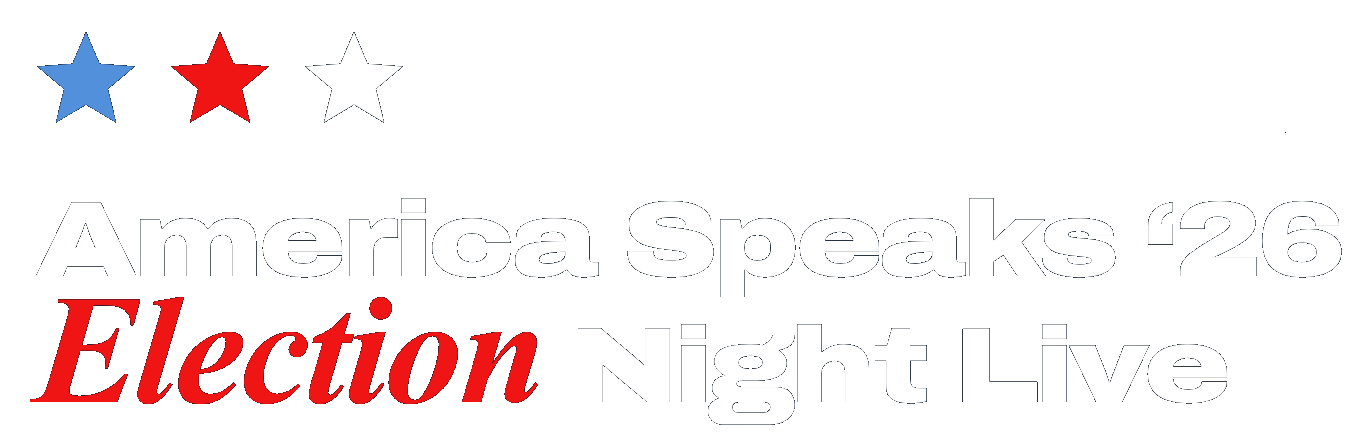
Watch LIVE Election Night Coverage Tuesday, November 3 at 8 pm ET | 5 pm PT

Election Night Coverage From A Biblical Worldview 

SIGN UP FREE FOR REAL LIFE NETWORK 

Stream Real Life Network directly from your TV. Available on all major smart TVs, mobile devices, and streaming platforms.

Stream Real Life Network directly from your TV. Available on all major smart TVs, mobile devices, and streaming platforms.

SIGN UP FREE FOR REAL LIFE NETWORK 

Stream Real Life Network directly from your TV. Available on all major smart TVs, mobile devices, and streaming platforms.

Stream Real Life Network directly from your TV. Available on all major smart TVs, mobile devices, and streaming platforms.

November 3, 2026

Watch LIVE Election Night Coverage Tuesday, November 3 at 8 pm ET | 5 pm PT

Election Night Coverage From A Biblical Worldview 

Stream Real Life Network for free directly on your TV. Available on all major smart TVs, mobile devices, and streaming platforms.

Stream Real Life Network directly from your TV. Available on all major smart TVs, mobile devices, and streaming platforms.

November, 3, 2026

untitled artwork

untitled artwork

World news biblically understood

TRENDING:

Smart Meters: Another Erosion Of Freedom?

Pastor Dean Dwyer

(Queensland, Australia) — These days, it appears as if the word “smart” appears before nearly everything. Smart TV’s, smartphones, smart watches, smart meters. The list goes on. 

In a world where we are constantly connected, it is little surprise that there is an increasing demand for smart meters. Smart meters do what the name implies: they use smart technology to measure and record how much electricity a household or business is using at 30-minute intervals, removing the need for manual readings and allowing energy bills to reflect your exact rather than your estimated usage. 

We are told that smart meters can provide several key services which home and business owners may deem beneficial. For instance, they enable you to track your energy usage in more detail than before and they provide a range of information to electricity companies to help them to better manage their distribution network. They also provide more solar export data compared to the old analogue meters, which could help you find ways to be more energy efficient. 

But how does this technology work, and do these devices pose any risks to our health? The Australian Radiation Protection and Nuclear Safety Agency (ARPANSA) assures us that they’re perfectly safe as they’re manufactured and installed to Australian Standards and therefore must comply with their stipulated electromagnetic exposure limits. They transmit information about power use over a wireless network via radio frequency (RF) signals: the same waves that mobile phones, Wi-Fi routers and baby monitors transmit. According to ARPANSA there is no established scientific evidence that low-level electromagnetic energy exposure from smart meters causes any adverse health effects.

However, as is usually the case there are two sides to every story. Arthur Firstenberg – author of The Invisible Rainbow: A History of Electricity and Life and administrator of International Appeal to Stop 5G on Earth and in Space – recently asked people to email the New Mexico Public Regulation Commission in the USA about their experiences with smart meters. Heartbreaking testimonies poured in from around the world, one of which was from a New Mexico resident. She is a nurse and a veteran who knew nothing about smart meters prior to the incident, which occurred on the Kirtland Air Force Base in Albuquerque. For 3½ months she slept with her head approximately one foot away from a wall, on the other side of which was an electrical panel that contained two smart meters. Any device that emits electromagnetic radiation now causes her headaches, brain numbness and internal burning. She can no longer tolerate living in an urban area, having moved to South Dakota to a cleaner environment in the country. She still has her nursing license but can no longer work in her profession.

Another person – also in the USA – had this to say: “Until I researched the matter I couldn’t understand why I had such fragmented sleep or why I had no ability to function well the morning afterwards. Finally I looked, and found the place I had moved to had a smart meter outside the bedroom wall. A neighbour also asked me why she felt unwell when working for hours in a particular room in her house, noting that any plants she put in that room died when they had been thriving in other rooms. There was a smart meter directly on the other side of a wall of that room; also a neighbour’s smart meter situated at fairly close proximity.” 

While industry continues to profit from the uptake of electromagnetic technologies, more and more people are becoming sensitive to electromagnetic radiation (EMR) and more people with electromagnetic hypersensitivity (EHS) will continue to suffer from their effects. Improvement in the EHS condition of a person will most likely occur after a few days or weeks of exposure reduction, but this can happen only if the person understands the source of his/her symptoms and is willing to take steps to limit their use. The lack of acknowledgment – both by medical professionals and government – not only makes it harder for EHSto be accepted, but also makes it more difficult for people to learn the cause of their symptoms. These people unknowingly continue to use their devices and therefore be exposed to EMR, while their condition deteriorates even further.

One concern with regard to the use of smart meters (including here in Australia) has been based on breach of privacy. Smart meters have access to real-time data about a household’s energy use as they are able to capture information pertaining to the activity inside the home – including which appliances are used, at what time and for how long – on a regular basis. This detailed data can generate a lot of information about the lives and habits of the residents. Last summer 22,000 households in Colorado lost the ability to control their air conditioners’ thermostats after their power company seized control of them during a heatwave. After temperatures soared past 90 degrees F (32 degrees C) residents were left confused when they tried to adjust their air-cons and found locked controls displaying a message that said “energy emergency.” 

I would imagine that losing control over the temperature inside your own home was not something disclosed to the public when they were coerced into installing smart meters. Yet, it’s another example of how forcefully governments wish to advance their agenda and how smart meters will pave the way for energy rationing and the continued erosion of freedom. 

Billy Graham: Voting Is A ‘God-Given Responsibility,’ And A Means To ‘Drive Back The Forces Of Evil’   

In the United States, Christians have the right to vote. “Millions [of people around] the world,” Billy Graham once reminded us, “do not know the meaning of this freedom.” At the voting booth, believers can support leaders who are committed to serving the public and standing for the unchanging truths found in God’s Word. Yet this freedom often goes unused. While turnout changes from one election to the next, research suggested that more than 40 percent of Christians did not vote in the last election. Throughout his life, Billy Graham encouraged believers to make their voices heard in politics. “The Bible plainly teaches that we are to participate in good citizenship and that we are to respect men in authority,” he said, “and we are to pray for those who govern us.” The evangelist considered voting a “God-given responsibility,” a means to “drive back the forces of evil.”

Why Christians Have A Biblical Responsibility To Participate In The Political Process

With the 2026 midterm elections just days away, millions of Americans are preparing to cast their ballots in an election that will have significant implications for the nation’s future. With control of Congress hanging in the balance, voters will help determine the legislative agenda and political trajectory of the next two years. For Christians, the election raises questions that go beyond political parties, candidates, and policy preferences. Is voting merely a civic privilege, or does Scripture provide a theological framework for understanding it as an act of stewardship and love of neighbor? And what role should pastors and churches play in equipping believers to exercise this responsibility faithfully? As Americans prepare to head to the polls next Tuesday, these questions invite us to consider a more fundamental issue: whether Christians have a Biblical responsibility to participate in the political process.

sign up

The Church Cannot Remain Silent On Biblical Matters Because They Have Been Declared ‘Political’

Jesus called His followers the salt of the earth and the light of the world. Neither image suggests withdrawal. Both describe engagement that makes a difference. So the issue is not whether the church should become political. It is whether Christians will remain biblical when biblical truth has political consequences. Our calling is neither to become the mouthpiece of a party nor to retreat into silence. It is to stand on God’s word, defend what is right, confront what is wrong, and speak with courage — even when the culture would rather we remain silent.

ABC's of Salvation

Decision

christ in prophecy

christ in prophecy

Decision

untitled artwork

Israel My Glory

Pastor Dean Dwyer

(Queensland, Australia) — These days, it appears as if the word “smart” appears before nearly everything. Smart TV’s, smartphones, smart watches, smart meters. The list goes on. 

In a world where we are constantly connected, it is little surprise that there is an increasing demand for smart meters. Smart meters do what the name implies: they use smart technology to measure and record how much electricity a household or business is using at 30-minute intervals, removing the need for manual readings and allowing energy bills to reflect your exact rather than your estimated usage. 

We are told that smart meters can provide several key services which home and business owners may deem beneficial. For instance, they enable you to track your energy usage in more detail than before and they provide a range of information to electricity companies to help them to better manage their distribution network. They also provide more solar export data compared to the old analogue meters, which could help you find ways to be more energy efficient. 

But how does this technology work, and do these devices pose any risks to our health? The Australian Radiation Protection and Nuclear Safety Agency (ARPANSA) assures us that they’re perfectly safe as they’re manufactured and installed to Australian Standards and therefore must comply with their stipulated electromagnetic exposure limits. They transmit information about power use over a wireless network via radio frequency (RF) signals: the same waves that mobile phones, Wi-Fi routers and baby monitors transmit. According to ARPANSA there is no established scientific evidence that low-level electromagnetic energy exposure from smart meters causes any adverse health effects.

However, as is usually the case there are two sides to every story. Arthur Firstenberg – author of The Invisible Rainbow: A History of Electricity and Life and administrator of International Appeal to Stop 5G on Earth and in Space – recently asked people to email the New Mexico Public Regulation Commission in the USA about their experiences with smart meters. Heartbreaking testimonies poured in from around the world, one of which was from a New Mexico resident. She is a nurse and a veteran who knew nothing about smart meters prior to the incident, which occurred on the Kirtland Air Force Base in Albuquerque. For 3½ months she slept with her head approximately one foot away from a wall, on the other side of which was an electrical panel that contained two smart meters. Any device that emits electromagnetic radiation now causes her headaches, brain numbness and internal burning. She can no longer tolerate living in an urban area, having moved to South Dakota to a cleaner environment in the country. She still has her nursing license but can no longer work in her profession.

Another person – also in the USA – had this to say: “Until I researched the matter I couldn’t understand why I had such fragmented sleep or why I had no ability to function well the morning afterwards. Finally I looked, and found the place I had moved to had a smart meter outside the bedroom wall. A neighbour also asked me why she felt unwell when working for hours in a particular room in her house, noting that any plants she put in that room died when they had been thriving in other rooms. There was a smart meter directly on the other side of a wall of that room; also a neighbour’s smart meter situated at fairly close proximity.” 

While industry continues to profit from the uptake of electromagnetic technologies, more and more people are becoming sensitive to electromagnetic radiation (EMR) and more people with electromagnetic hypersensitivity (EHS) will continue to suffer from their effects. Improvement in the EHS condition of a person will most likely occur after a few days or weeks of exposure reduction, but this can happen only if the person understands the source of his/her symptoms and is willing to take steps to limit their use. The lack of acknowledgment – both by medical professionals and government – not only makes it harder for EHSto be accepted, but also makes it more difficult for people to learn the cause of their symptoms. These people unknowingly continue to use their devices and therefore be exposed to EMR, while their condition deteriorates even further.

One concern with regard to the use of smart meters (including here in Australia) has been based on breach of privacy. Smart meters have access to real-time data about a household’s energy use as they are able to capture information pertaining to the activity inside the home – including which appliances are used, at what time and for how long – on a regular basis. This detailed data can generate a lot of information about the lives and habits of the residents. Last summer 22,000 households in Colorado lost the ability to control their air conditioners’ thermostats after their power company seized control of them during a heatwave. After temperatures soared past 90 degrees F (32 degrees C) residents were left confused when they tried to adjust their air-cons and found locked controls displaying a message that said “energy emergency.” 

I would imagine that losing control over the temperature inside your own home was not something disclosed to the public when they were coerced into installing smart meters. Yet, it’s another example of how forcefully governments wish to advance their agenda and how smart meters will pave the way for energy rationing and the continued erosion of freedom. 

Trusted Analysis From A Biblical Worldview

Help reach the lost and equip the church with the living and active truth of God's Word in our world today.

YOU CARE ABOUT

BIBLICAL TRUTH. SO DO WE.


Together, We Can Deliver A Biblical Understanding

Of News Events Around The World.

Billy Graham: Voting Is A ‘God-Given Responsibility,’ And A Means To ‘Drive Back The Forces Of Evil’   

In the United States, Christians have the right to vote. “Millions [of people around] the world,” Billy Graham once reminded us, “do not know the meaning of this freedom.” At the voting booth, believers can support leaders who are committed to serving the public and standing for the unchanging truths found in God’s Word. Yet this freedom often goes unused. While turnout changes from one election to the next, research suggested that more than 40 percent of Christians did not vote in the last election. Throughout his life, Billy Graham encouraged believers to make their voices heard in politics. “The Bible plainly teaches that we are to participate in good citizenship and that we are to respect men in authority,” he said, “and we are to pray for those who govern us.” The evangelist considered voting a “God-given responsibility,” a means to “drive back the forces of evil.”

Why Christians Have A Biblical Responsibility To Participate In The Political Process

With the 2026 midterm elections just days away, millions of Americans are preparing to cast their ballots in an election that will have significant implications for the nation’s future. With control of Congress hanging in the balance, voters will help determine the legislative agenda and political trajectory of the next two years. For Christians, the election raises questions that go beyond political parties, candidates, and policy preferences. Is voting merely a civic privilege, or does Scripture provide a theological framework for understanding it as an act of stewardship and love of neighbor? And what role should pastors and churches play in equipping believers to exercise this responsibility faithfully? As Americans prepare to head to the polls next Tuesday, these questions invite us to consider a more fundamental issue: whether Christians have a Biblical responsibility to participate in the political process.

untitled artwork 6391

The Church Cannot Remain Silent On Biblical Matters Because They Have Been Declared ‘Political’

Jesus called His followers the salt of the earth and the light of the world. Neither image suggests withdrawal. Both describe engagement that makes a difference. So the issue is not whether the church should become political. It is whether Christians will remain biblical when biblical truth has political consequences. Our calling is neither to become the mouthpiece of a party nor to retreat into silence. It is to stand on God’s word, defend what is right, confront what is wrong, and speak with courage — even when the culture would rather we remain silent.

ABC's of Salvation

TV AD

worldview matters

Decision Magazine V AD

Decision

Jan Markell

Israel My Glory

Erick Stakelbeck

untitled artwork

YOU CARE ABOUT

BIBLICAL TRUTH.

SO DO WE.

Together, We Can Deliver A Biblical Understanding Of News Events Around The World And Equip The Church To Stand With A Biblical Worldview.

untitled artwork

Israel My Glory

YOU CARE ABOUT

BIBLICAL TRUTH.

SO DO WE.


Together, We Can Deliver A Biblical Understanding Of News Events Around The World And Equip The Church To Stand With A Biblical Worldview.