May 16, 2026

May, 16, 2026
May 16, 2026

give

untitled artwork

untitled artwork

World news biblically understood

TRENDING:

Refined Faith: Why The Persecuted Church May Be The Most Faithful In The World 

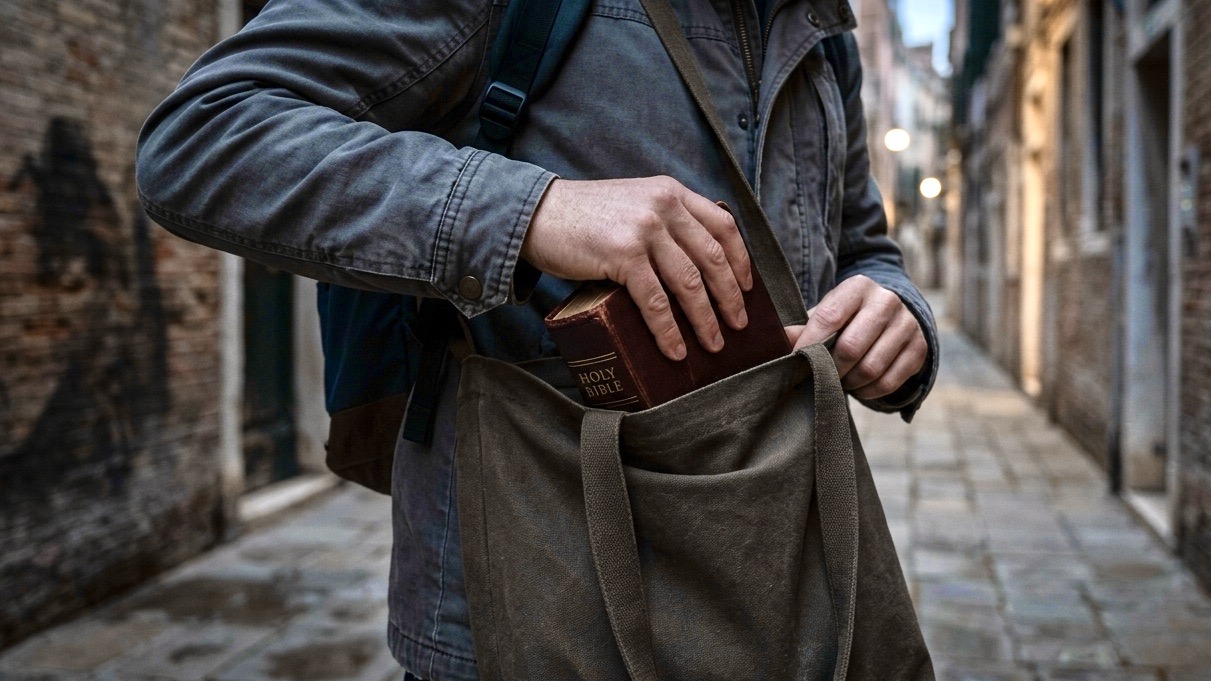
Across the world today, millions of Christians gather to worship Christ under circumstances that most believers in the West can scarcely imagine. Some meet in secret apartments. Others gather in forests, deserts, or remote villages. In some places, churches cannot display a cross, ring a bell, or publicly identify themselves as Christian without risking harassment, imprisonment, or violence. 

For these believers, faith is not merely a cultural identity or a Sunday activity. It is a decision that carries real consequences. The reality is sobering: in many parts of the world, following Jesus may cost believers their jobs, their families, their freedom, or even their lives. 

Yet something remarkable happens in these environments of pressure and opposition. Repeatedly, observers notice that the church under persecution often displays extraordinary spiritual vitality, deep prayer, courageous evangelism, sacrificial community, and unshakable faith. 

In other words, the persecuted church frequently embodies a form of Christianity that closely resembles the faith we encounter in the New Testament. 

This observation raises an important question for the global church: Could it be that the persecuted church is not an exception to Christianity, but a clearer reflection of it?

The Normal Pattern of the Christian Life 

When we open the pages of the New Testament, one truth quickly becomes apparent: the early Christians expected persecution. 

Jesus himself warned his followers that suffering would accompany discipleship. “If the world hates you, keep in mind that it hated me first.” (John 15:18) He continued with a sobering reminder: “A servant is not greater than his master. If they persecuted me, they will persecute you also.” (John 15:20) 

For the first followers of Christ, persecution was not a surprising interruption of their faith. It was an anticipated part of their mission. The Apostle Paul expressed the same reality in stark terms: “Everyone who wants to live a godly life in Christ Jesus will be persecuted.” (2 Timothy 3:12) 

From the earliest days of the church, suffering was understood as part of the cost of discipleship. The first Christian martyr, Stephen the deacon, was stoned to death shortly after the resurrection of Jesus (Acts 7:54–60). The Apostle James was executed by King Herod (Acts 12:1–2). The apostles were beaten, imprisoned, and threatened for preaching the gospel (Acts 5:40–42). 

Yet the remarkable thing about the early church is that persecution did not silence them. Instead, it strengthened their witness. 

Luke records an extraordinary response from the apostles after the authorities flogged them: “The apostles left the Sanhedrin, rejoicing because they had been counted worthy of suffering disgrace for the Name.” (Acts 5:41) To modern ears, such a response sounds almost incomprehensible. Why would anyone rejoice in suffering? The answer lies at the heart of the Christian gospel. 

The Cross at the Center 

Christianity is unique among world religions in that its central symbol is an instrument of execution. The cross stands at the center of the Christian story. Jesus did not conquer evil through political power or military strength. Instead, He defeated sin and death through sacrificial suffering. 

The prophet Isaiah foretold this centuries earlier: “He was despised and rejected by men, a man of sorrows and acquainted with grief … he was pierced for our transgressions.” (Isaiah 53:3,5) When Jesus called his followers, he made it clear that the path of discipleship would mirror his own. “If anyone would come after me, let him deny himself and take up his cross daily and follow me.” (Luke 9:23) 

In the first century, the meaning of this statement was unmistakable. The cross was a Roman execution device used to humiliate and kill criminals. To “take up the cross” meant embracing a life of radical obedience, regardless of the cost. 

For the early Christians, therefore, suffering for Christ was not viewed as a failure of faith. It was seen as participation in the life of Christ himself. The Apostle Peter wrote to believers experiencing persecution: “Dear friends, do not be surprised at the fiery ordeal that has come on you to test you … But rejoice inasmuch as you participate in the sufferings of Christ.” (1 Peter 4:12–13) 

Today’s Global Reality  

Two thousand years later, the pattern has not changed. Across the globe today, millions of Christians face various forms of persecution because of their faith. Some endure social pressure or discrimination. Others face imprisonment, violence, or death. 

These believers live out the same biblical reality described in the New Testament. Yet their stories rarely reach the global church. For many Christians living in freedom, persecution can feel distant, something that happens somewhere else, to someone else. But the New Testament refuses to allow this distance. 

The Apostle Paul describes the church as a single body united in Christ: “If one part suffers, every part suffers with it.” (1 Corinthians 12:26) This means that the suffering of believers in one part of the world is not merely a news story. It is the suffering of our own family. 

Lessons from the Persecuted Church 

Those who have spent time with persecuted believers often report a similar experience: they expected to bring encouragement, but instead they left deeply challenged by the faith of those they met. 

Why? Because persecution tends to refine faith. When following Christ carries real cost, believers are forced to ask profound questions: Is Jesus truly worth everything? Is the gospel worth suffering for? Is eternal hope stronger than temporary fear? 

In many persecuted communities, the answer to these questions is a resounding yes. As a result, these churches often demonstrate remarkable spiritual strength. Prayer becomes central. Scripture is treasured. Community becomes deeply sacrificial. Evangelism continues even when it invites danger. 

The persecuted church reminds the global body of Christ of a truth that the early Christians understood well: The gospel is most powerful when believers are willing to suffer for it. 

What the Western Church Can Learn 

The purpose of reflecting on the persecuted church is not to romanticize suffering. Persecution is painful, unjust, and tragic. It destroys families, wounds communities, and often leaves deep scars. But the witness of persecuted believers offers a powerful challenge to Christians living in comfort. Their faith invites us to examine our own discipleship. Do we treasure Christ as deeply as they do? Do we rely on prayer as desperately as they do? Do we value the gospel as highly as they do? 

These questions are not meant to produce guilt. They are meant to inspire transformation. The persecuted church reminds us that Christianity is not merely a belief system; it is a life of devotion to Jesus Christ. 

Persecuted, But Not Forsaken 

The Apostle Paul stated: “We are hard pressed on every side, but not crushed; perplexed, but not in despair; persecuted, but not forsaken.” (2 Corinthians 4:8–9) This paradox captures the story of the Christian church across the centuries. Empires have tried to destroy it. Governments have attempted to silence it. Movements have sought to extinguish its witness. 

Yet the church continues to grow. Why? Because the foundation of the church is not human strength, political power, or cultural influence. Its foundation is the risen Christ. And the same Lord who sustained the early martyrs continues to sustain his people today. For in the faith of persecuted believers, we may discover a deeper understanding of what it truly means to follow Christ. 


Give

Give

In Mind-Boggling Move, Pope Leo Awards Top Iranian Regime Official With The Vatican’s Highest Diplomatic Honor

When I read it, I thought there was no way that such a lack of moral clarity—outright insanity—could be possible. Then I did some research, digging into multiple sources confirming that this top official from one of the world's most bloodthirsty regimes, that's fresh off slaughtering 43,000 of its own people in January alone (according to President Trump’s latest figures) is getting top honors at the Vatican.

After Federal And State Prosecutors Had It Over A Barrel, Texas Hospital Agrees To Open Nation’s First Detransition Clinic

Clearly, the hospital realized federal and state prosecutors had it over a barrel. So, like any self-interested business, it finally decided to cut its losses and reach the best deal that it could. This entailed significant cooperation with authorities, which the DOJ publicly recognized. Over the course of a five-year investigation, the hospital turned over more than five million documents to investigators.

sign up

We Really Are In A Raging War: University Professor Says He Is Waiting For Me To Die

The evolutionary worldview is a religion, one that’s practiced by those who attack Christianity. They have a nontheistic religion; in fact, evolution fits one of the Merriam-Webster dictionary definitions of religion: “a cause, principle, or system of beliefs held to with ardor and faith.” The dictionary definition of religion certainly describes the worldview of evolutionary naturalism. The beliefs of evolutionism purport to explain the entire world’s existence by means of evolutionary naturalism, and thus, it is an all-encompassing faith—a religious worldview.

ABC's of Salvation

Decision

UTT

FOI

untitled artwork

Israel My Glory

Across the world today, millions of Christians gather to worship Christ under circumstances that most believers in the West can scarcely imagine. Some meet in secret apartments. Others gather in forests, deserts, or remote villages. In some places, churches cannot display a cross, ring a bell, or publicly identify themselves as Christian without risking harassment, imprisonment, or violence. 

For these believers, faith is not merely a cultural identity or a Sunday activity. It is a decision that carries real consequences. The reality is sobering: in many parts of the world, following Jesus may cost believers their jobs, their families, their freedom, or even their lives. 

Yet something remarkable happens in these environments of pressure and opposition. Repeatedly, observers notice that the church under persecution often displays extraordinary spiritual vitality, deep prayer, courageous evangelism, sacrificial community, and unshakable faith. 

In other words, the persecuted church frequently embodies a form of Christianity that closely resembles the faith we encounter in the New Testament. 

This observation raises an important question for the global church: Could it be that the persecuted church is not an exception to Christianity, but a clearer reflection of it?

The Normal Pattern of the Christian Life 

When we open the pages of the New Testament, one truth quickly becomes apparent: the early Christians expected persecution. 

Jesus himself warned his followers that suffering would accompany discipleship. “If the world hates you, keep in mind that it hated me first.” (John 15:18) He continued with a sobering reminder: “A servant is not greater than his master. If they persecuted me, they will persecute you also.” (John 15:20) 

For the first followers of Christ, persecution was not a surprising interruption of their faith. It was an anticipated part of their mission. The Apostle Paul expressed the same reality in stark terms: “Everyone who wants to live a godly life in Christ Jesus will be persecuted.” (2 Timothy 3:12) 

From the earliest days of the church, suffering was understood as part of the cost of discipleship. The first Christian martyr, Stephen the deacon, was stoned to death shortly after the resurrection of Jesus (Acts 7:54–60). The Apostle James was executed by King Herod (Acts 12:1–2). The apostles were beaten, imprisoned, and threatened for preaching the gospel (Acts 5:40–42). 

Yet the remarkable thing about the early church is that persecution did not silence them. Instead, it strengthened their witness. 

Luke records an extraordinary response from the apostles after the authorities flogged them: “The apostles left the Sanhedrin, rejoicing because they had been counted worthy of suffering disgrace for the Name.” (Acts 5:41) To modern ears, such a response sounds almost incomprehensible. Why would anyone rejoice in suffering? The answer lies at the heart of the Christian gospel. 

The Cross at the Center 

Christianity is unique among world religions in that its central symbol is an instrument of execution. The cross stands at the center of the Christian story. Jesus did not conquer evil through political power or military strength. Instead, He defeated sin and death through sacrificial suffering. 

The prophet Isaiah foretold this centuries earlier: “He was despised and rejected by men, a man of sorrows and acquainted with grief … he was pierced for our transgressions.” (Isaiah 53:3,5) When Jesus called his followers, he made it clear that the path of discipleship would mirror his own. “If anyone would come after me, let him deny himself and take up his cross daily and follow me.” (Luke 9:23) 

In the first century, the meaning of this statement was unmistakable. The cross was a Roman execution device used to humiliate and kill criminals. To “take up the cross” meant embracing a life of radical obedience, regardless of the cost. 

For the early Christians, therefore, suffering for Christ was not viewed as a failure of faith. It was seen as participation in the life of Christ himself. The Apostle Peter wrote to believers experiencing persecution: “Dear friends, do not be surprised at the fiery ordeal that has come on you to test you … But rejoice inasmuch as you participate in the sufferings of Christ.” (1 Peter 4:12–13) 

Today’s Global Reality  

Two thousand years later, the pattern has not changed. Across the globe today, millions of Christians face various forms of persecution because of their faith. Some endure social pressure or discrimination. Others face imprisonment, violence, or death. 

These believers live out the same biblical reality described in the New Testament. Yet their stories rarely reach the global church. For many Christians living in freedom, persecution can feel distant, something that happens somewhere else, to someone else. But the New Testament refuses to allow this distance. 

The Apostle Paul describes the church as a single body united in Christ: “If one part suffers, every part suffers with it.” (1 Corinthians 12:26) This means that the suffering of believers in one part of the world is not merely a news story. It is the suffering of our own family. 

Lessons from the Persecuted Church 

Those who have spent time with persecuted believers often report a similar experience: they expected to bring encouragement, but instead they left deeply challenged by the faith of those they met. 

Why? Because persecution tends to refine faith. When following Christ carries real cost, believers are forced to ask profound questions: Is Jesus truly worth everything? Is the gospel worth suffering for? Is eternal hope stronger than temporary fear? 

In many persecuted communities, the answer to these questions is a resounding yes. As a result, these churches often demonstrate remarkable spiritual strength. Prayer becomes central. Scripture is treasured. Community becomes deeply sacrificial. Evangelism continues even when it invites danger. 

The persecuted church reminds the global body of Christ of a truth that the early Christians understood well: The gospel is most powerful when believers are willing to suffer for it. 

What the Western Church Can Learn 

The purpose of reflecting on the persecuted church is not to romanticize suffering. Persecution is painful, unjust, and tragic. It destroys families, wounds communities, and often leaves deep scars. But the witness of persecuted believers offers a powerful challenge to Christians living in comfort. Their faith invites us to examine our own discipleship. Do we treasure Christ as deeply as they do? Do we rely on prayer as desperately as they do? Do we value the gospel as highly as they do? 

These questions are not meant to produce guilt. They are meant to inspire transformation. The persecuted church reminds us that Christianity is not merely a belief system; it is a life of devotion to Jesus Christ. 

Persecuted, But Not Forsaken 

The Apostle Paul stated: “We are hard pressed on every side, but not crushed; perplexed, but not in despair; persecuted, but not forsaken.” (2 Corinthians 4:8–9) This paradox captures the story of the Christian church across the centuries. Empires have tried to destroy it. Governments have attempted to silence it. Movements have sought to extinguish its witness. 

Yet the church continues to grow. Why? Because the foundation of the church is not human strength, political power, or cultural influence. Its foundation is the risen Christ. And the same Lord who sustained the early martyrs continues to sustain his people today. For in the faith of persecuted believers, we may discover a deeper understanding of what it truly means to follow Christ. 


Trusted Analysis From A Biblical Worldview

Help reach the lost and equip the church with the living and active truth of God's Word in our world today.

YOU CARE ABOUT

BIBLICAL TRUTH. SO DO WE.


Together, We Can Deliver A Biblical Understanding

Of News Events Around The World.

In Mind-Boggling Move, Pope Leo Awards Top Iranian Regime Official With The Vatican’s Highest Diplomatic Honor

When I read it, I thought there was no way that such a lack of moral clarity—outright insanity—could be possible. Then I did some research, digging into multiple sources confirming that this top official from one of the world's most bloodthirsty regimes, that's fresh off slaughtering 43,000 of its own people in January alone (according to President Trump’s latest figures) is getting top honors at the Vatican.

After Federal And State Prosecutors Had It Over A Barrel, Texas Hospital Agrees To Open Nation’s First Detransition Clinic

Clearly, the hospital realized federal and state prosecutors had it over a barrel. So, like any self-interested business, it finally decided to cut its losses and reach the best deal that it could. This entailed significant cooperation with authorities, which the DOJ publicly recognized. Over the course of a five-year investigation, the hospital turned over more than five million documents to investigators.

untitled artwork 6391

We Really Are In A Raging War: University Professor Says He Is Waiting For Me To Die

The evolutionary worldview is a religion, one that’s practiced by those who attack Christianity. They have a nontheistic religion; in fact, evolution fits one of the Merriam-Webster dictionary definitions of religion: “a cause, principle, or system of beliefs held to with ardor and faith.” The dictionary definition of religion certainly describes the worldview of evolutionary naturalism. The beliefs of evolutionism purport to explain the entire world’s existence by means of evolutionary naturalism, and thus, it is an all-encompassing faith—a religious worldview.

ABC's of Salvation

TV AD

worldview matters

Decision Magazine V AD

Decision

Jan Markell

Israel My Glory

Erick Stakelbeck

untitled artwork

YOU CARE ABOUT

BIBLICAL TRUTH.

SO DO WE.

Together, We Can Deliver A Biblical Understanding Of News Events Around The World And Equip The Church To Stand With A Biblical Worldview.

untitled artwork

Israel My Glory

YOU CARE ABOUT

BIBLICAL TRUTH.

SO DO WE.


Together, We Can Deliver A Biblical Understanding Of News Events Around The World And Equip The Church To Stand With A Biblical Worldview.