
I am sometimes criticized as a heretic for telling sinners that they must turn from their sins. Some claim this teaches works-based righteousness. Nothing could be further from the truth.
The Bible is crystal clear that we are saved by grace alone, not by our own works: “For by grace you have been saved through faith… not of works, lest anyone should boast” (Ephesians 2:8–9).
Repentance is not a work by which we earn salvation. It is the God-ordained response to the gospel. Scripture repeatedly joins repentance and faith together:
- “Repent therefore and be converted, that your sins may be blotted out…” (Acts 3:19)
- “Repent, and believe in the gospel.” (Mark 1:15)
- “God… commands all men everywhere to repent.” (Acts 17:30)
- Paul testified, “repentance toward God and faith toward our Lord Jesus Christ.” (Acts 20:21)
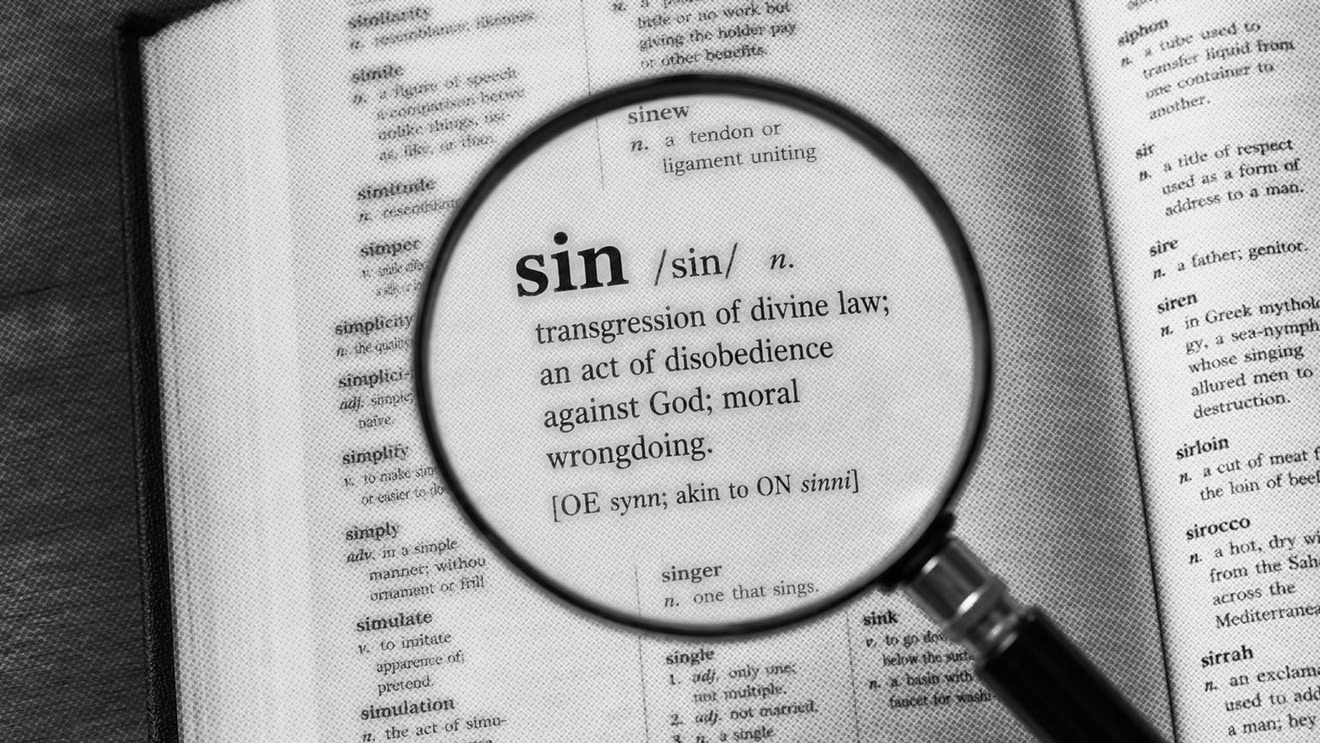
The subtle error I often encounter is redefining sin itself. Rather than accepting the Bible’s definition, some argue that sin is simply “failing to believe in Jesus.” They cite John 16:8–9: “And when He has come, He will convict the world of sin… because they do not believe in Me.”
From this, they conclude that unbelief is the only sin that matters. The implication is alarming. A person could continue lying, stealing, committing adultery, lusting, or living in fornication and still claim to be right with God because he has “believed in Jesus.” In this view, the only sin he needed to turn from was unbelief.
But that is not how Scripture defines sin. John tells us plainly: “Sin is the transgression of the law” (1 John 3:4). Paul says: “Where there is no law there is no transgression” (Romans 4:15). And: “By the law is the knowledge of sin” (Romans 3:20).
God’s Law exposes our guilt. It reveals that we are liars, thieves, blasphemers, adulterers at heart, and idolaters. That is why Jesus preached the Law so forcefully in the Sermon on the Mount, showing that lust is adultery in the heart and hatred is murder in the heart (Matthew 5:21–30). He exposed sin before offering grace. What did Jesus mean in John 16:8–9?
He was not redefining sin. Rather, He was explaining why the world stands condemned. The greatest expression of humanity’s rebellion is its rejection of God’s Son. Those who refuse Christ remain under God’s wrath because they reject the only Savior who can deliver them from their sins.
Jesus Himself said: “If you do not believe that I am He, you will die in your sins” (John 8:24).
Notice that He did not say they would die for the sin of unbelief, but for their sins. Unbelief leaves people under the guilt of all their transgressions because they have rejected the only One who can forgive them.
Imagine a tribe deep in the Amazon who has never heard the name of Jesus. Are they guilty before God?
Scripture answers yes—not because they have rejected a Savior they have never heard of, but because they have sinned against the light God has given them. Romans 1 says they are “without excuse” because God’s eternal power and divine nature are evident in creation (Romans 1:18–20). Romans 2 says that even those without the written Law have the work of the Law written on their hearts, with their conscience bearing witness (Romans 2:14–16).
If unbelief in Jesus were the very definition of sin, those who had never heard of Him would be innocent until someone preached the gospel to them. But Scripture never teaches that. It teaches that all have sinned (see Romans 3:23) and that Jesus Christ came to save sinners from their sins.
This is why we must follow the example of John the Baptist, Jesus, Peter, and Paul.
John the Baptist preached: “Repent, for the kingdom of heaven is at hand” (Matthew 3:2).
Jesus preached: “Repent, and believe in the gospel” (Mark 1:15).
Peter preached: “Repent… for the remission of sins” (Acts 2:38).
Paul declared that God “commands all men everywhere to repent” (Acts 17:30).
We are not saved by repentance. We are saved by God’s grace through faith in Jesus Christ. Yet the faith that saves is inseparable from repentance. We turn to Jesus because we have turned from sin. That is the consistent message of Scripture.