May 22, 2026

May, 22, 2026
May 22, 2026

give

untitled artwork

untitled artwork

World news biblically understood

TRENDING:

New Louisiana Laws Send A Clear Message: Churches And Synagogues Are Not Fair Game For Disruptive Political Theater

Months after protesters stormed a Minnesota church, turning a sacred space into a scene of chaos, Louisiana is taking decisive action to shield its own congregations from similar threats.

Gov. Jeff Landry (R) has signed two bills designed to safeguard the sanctity of worship and ensure that prayer and reflection are not interrupted by intimidation or disorder.

“In Louisiana,” said Landry, “we are committed to maintaining the right to worship without interference, and we remain steadfast in our commitment to safeguarding religious liberty. With the signing of these two bills, those protections just became stronger.” 

The first measure, HB 294, sponsored by Rep. Gabe Firment (R-La.), strengthens existing trespassing laws to give churches, synagogues and other places of worship clear authority to quickly remove disruptive individuals from their property. This legislation equips religious leaders and security volunteers with stronger legal tools to act decisively to prevent minor disturbances from escalating into full-blown takeovers. 

The second bill, HB 86, sponsored by Rep. Laurie Schlegel (R-La.), ramps up consequences for intentional disruptions. It adds a mandatory 30-day minimum jail sentence to disturbing-the-peace charges when they occur at houses of worship. By drawing a firm line against deliberate interference, the law aims to deter activists or agitators who might bring drama, protests or intimidation into sacred spaces.

The goal is straightforward: keep services peaceful, safe, and focused on faith rather than fear—all while respecting the constitutional rights that allow Americans to gather and worship freely. Both bills reached Landry’s desk on May 13 and were signed into law on May 21. They are expected to take effect later this year. 

These moves come as similar efforts gain traction elsewhere. In late February, the Alabama House passed legislation that would make disrupting a church service a felony. That bill still awaits Senate approval. Many observers note that these state-level initiatives reflect growing concern over the erosion of religious liberty in the public square.

The Pelican State legislation, however, has not been without pushback. Louisiana Democrat Rep. Edmond Jordan argued that HB 294 could “open the door for discrimination.” Firment pushed back, calling such concerns a “far-fetched” scenario. “When we make these laws, we have to take into consideration all of those scenarios,” he added, emphasizing that the bills are heavily focused on protecting peaceful assembly rather than suppressing dissent.

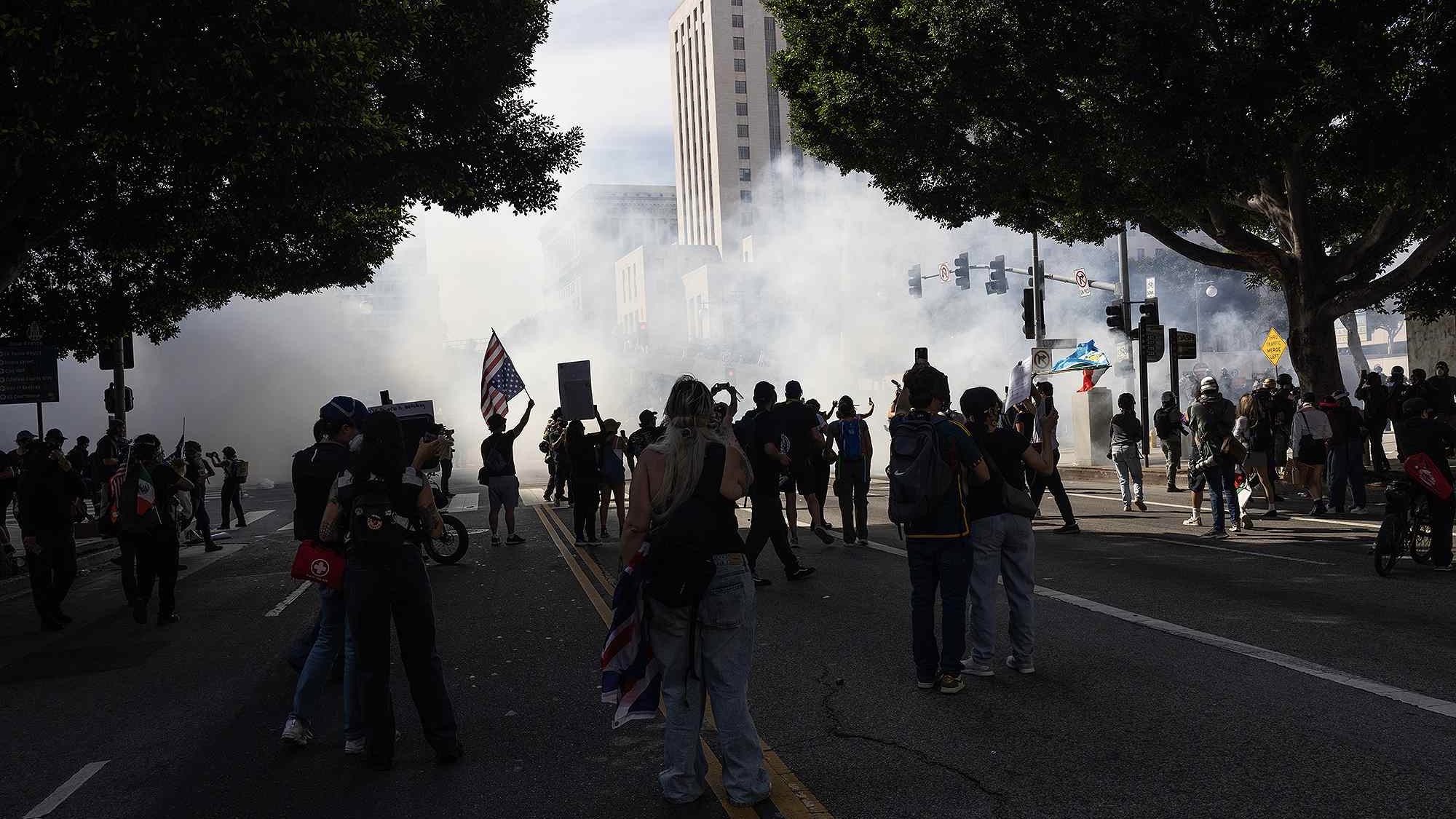
These new protections stem from a high-profile incident in January, when a group of angry protesters opposing U.S. Immigration and Customs Enforcement (ICE) burst into Cities Church in St. Paul, Minnesota. Activists, who targeted this church over one of its pastors serving as an ICE director for St. Paul, hijacked an ongoing worship service. Demonstrators chanted slogans and created an atmosphere of fear among the congregants—including young children.

The incident resulted in more than 30 people, including former CNN anchor Don Lemon, being indicted for their alleged roles. One church member has since filed a federal lawsuit accusing the protesters of civil conspiracy, intentional infliction of emotional distress, aiding and abetting, trespassing, and interference with religious exercise, according to The Christian Post.

Meanwhile, debate about the limits of free speech rights when they infringe on others’ fundamental freedoms continues. Religious liberty advocates argue that houses of worship have long served as sanctuaries in American society, and allowing them to be routinely disrupted sets a dangerous precedent in an already divided climate.

Ultimately, Louisiana’s new laws send a clear message: houses of worship are not fair game for political theater. By reinforcing both physical boundaries and meaningful penalties, the state is erecting stronger legal guardrails to help protect the sacred dignity of faith in an increasingly vociferous and polarized era.



Give

Give

Denying The Jewish People’s Connection To Jerusalem Would Be Laughable… If So Many Nations Didn’t Believe It

In December 2017, U.S. President Donald Trump decided to implement the Jerusalem Embassy Act of 1995. He recognized Jerusalem as the official capital of the State of Israel, which calls for Jerusalem to remain an undivided city, and ordered the federal government to relocate the U.S. embassy from Tel Aviv to Jerusalem—a move timed to help celebrate Israel’s 70th birthday. The UN General Assembly then countered with the “Status of Jerusalem” resolution—which passed 128 to 9, with 35 abstentions—denying the Jewish people’s connection to Jerusalem and the Temple Mount.

Global Tensions Expose The Vast Contrast Between Human Hope And God’s Promises

In the Bible, hope is closely connected to waiting. Not waiting in the sense that we are still uncertain about the outcome, but steadfastly waiting because we fully expect the outcome God promised in His Word. In other words, man’s definition of hope carries doubt. God’s does not. As such, Biblical hope is a sure foundation upon which we may base our lives, believing that God always keeps His promises.

sign up

Prophetic Pieces: As Putin Ups The Ante In The Arms Race, Russia Considers Providing Refuge To Top Iranian Leaders

Prophetic events in the end times right now are casting their shadows over the Middle East like never before. Preparations for the Gog Magog coalition prophesied in Ezekiel 38 and 39 are increasing and intensifying. Written 2,500 years ago by Ezekiel, these chapters prophesy an end-time invasion of Israel led by the nations of Russia, Iran, and Turkey. Two significant developments showcase that the prophetic pieces are falling perfectly into place.

ABC's of Salvation

Decision

UTT

FOI

untitled artwork

Israel My Glory

Months after protesters stormed a Minnesota church, turning a sacred space into a scene of chaos, Louisiana is taking decisive action to shield its own congregations from similar threats.

Gov. Jeff Landry (R) has signed two bills designed to safeguard the sanctity of worship and ensure that prayer and reflection are not interrupted by intimidation or disorder.

“In Louisiana,” said Landry, “we are committed to maintaining the right to worship without interference, and we remain steadfast in our commitment to safeguarding religious liberty. With the signing of these two bills, those protections just became stronger.” 

The first measure, HB 294, sponsored by Rep. Gabe Firment (R-La.), strengthens existing trespassing laws to give churches, synagogues and other places of worship clear authority to quickly remove disruptive individuals from their property. This legislation equips religious leaders and security volunteers with stronger legal tools to act decisively to prevent minor disturbances from escalating into full-blown takeovers. 

The second bill, HB 86, sponsored by Rep. Laurie Schlegel (R-La.), ramps up consequences for intentional disruptions. It adds a mandatory 30-day minimum jail sentence to disturbing-the-peace charges when they occur at houses of worship. By drawing a firm line against deliberate interference, the law aims to deter activists or agitators who might bring drama, protests or intimidation into sacred spaces.

The goal is straightforward: keep services peaceful, safe, and focused on faith rather than fear—all while respecting the constitutional rights that allow Americans to gather and worship freely. Both bills reached Landry’s desk on May 13 and were signed into law on May 21. They are expected to take effect later this year. 

These moves come as similar efforts gain traction elsewhere. In late February, the Alabama House passed legislation that would make disrupting a church service a felony. That bill still awaits Senate approval. Many observers note that these state-level initiatives reflect growing concern over the erosion of religious liberty in the public square.

The Pelican State legislation, however, has not been without pushback. Louisiana Democrat Rep. Edmond Jordan argued that HB 294 could “open the door for discrimination.” Firment pushed back, calling such concerns a “far-fetched” scenario. “When we make these laws, we have to take into consideration all of those scenarios,” he added, emphasizing that the bills are heavily focused on protecting peaceful assembly rather than suppressing dissent.

These new protections stem from a high-profile incident in January, when a group of angry protesters opposing U.S. Immigration and Customs Enforcement (ICE) burst into Cities Church in St. Paul, Minnesota. Activists, who targeted this church over one of its pastors serving as an ICE director for St. Paul, hijacked an ongoing worship service. Demonstrators chanted slogans and created an atmosphere of fear among the congregants—including young children.

The incident resulted in more than 30 people, including former CNN anchor Don Lemon, being indicted for their alleged roles. One church member has since filed a federal lawsuit accusing the protesters of civil conspiracy, intentional infliction of emotional distress, aiding and abetting, trespassing, and interference with religious exercise, according to The Christian Post.

Meanwhile, debate about the limits of free speech rights when they infringe on others’ fundamental freedoms continues. Religious liberty advocates argue that houses of worship have long served as sanctuaries in American society, and allowing them to be routinely disrupted sets a dangerous precedent in an already divided climate.

Ultimately, Louisiana’s new laws send a clear message: houses of worship are not fair game for political theater. By reinforcing both physical boundaries and meaningful penalties, the state is erecting stronger legal guardrails to help protect the sacred dignity of faith in an increasingly vociferous and polarized era.

Trusted Analysis From A Biblical Worldview

Help reach the lost and equip the church with the living and active truth of God's Word in our world today.

YOU CARE ABOUT

BIBLICAL TRUTH. SO DO WE.


Together, We Can Deliver A Biblical Understanding

Of News Events Around The World.

Denying The Jewish People’s Connection To Jerusalem Would Be Laughable… If So Many Nations Didn’t Believe It

In December 2017, U.S. President Donald Trump decided to implement the Jerusalem Embassy Act of 1995. He recognized Jerusalem as the official capital of the State of Israel, which calls for Jerusalem to remain an undivided city, and ordered the federal government to relocate the U.S. embassy from Tel Aviv to Jerusalem—a move timed to help celebrate Israel’s 70th birthday. The UN General Assembly then countered with the “Status of Jerusalem” resolution—which passed 128 to 9, with 35 abstentions—denying the Jewish people’s connection to Jerusalem and the Temple Mount.

Global Tensions Expose The Vast Contrast Between Human Hope And God’s Promises

In the Bible, hope is closely connected to waiting. Not waiting in the sense that we are still uncertain about the outcome, but steadfastly waiting because we fully expect the outcome God promised in His Word. In other words, man’s definition of hope carries doubt. God’s does not. As such, Biblical hope is a sure foundation upon which we may base our lives, believing that God always keeps His promises.

untitled artwork 6391

Prophetic Pieces: As Putin Ups The Ante In The Arms Race, Russia Considers Providing Refuge To Top Iranian Leaders

Prophetic events in the end times right now are casting their shadows over the Middle East like never before. Preparations for the Gog Magog coalition prophesied in Ezekiel 38 and 39 are increasing and intensifying. Written 2,500 years ago by Ezekiel, these chapters prophesy an end-time invasion of Israel led by the nations of Russia, Iran, and Turkey. Two significant developments showcase that the prophetic pieces are falling perfectly into place.

ABC's of Salvation

TV AD

worldview matters

Decision Magazine V AD

Decision

Jan Markell

Israel My Glory

Erick Stakelbeck

untitled artwork

YOU CARE ABOUT

BIBLICAL TRUTH.

SO DO WE.

Together, We Can Deliver A Biblical Understanding Of News Events Around The World And Equip The Church To Stand With A Biblical Worldview.

untitled artwork

Israel My Glory

YOU CARE ABOUT

BIBLICAL TRUTH.

SO DO WE.


Together, We Can Deliver A Biblical Understanding Of News Events Around The World And Equip The Church To Stand With A Biblical Worldview.