give

June 6, 2026

June, 6, 2026
June 6, 2026

give

untitled artwork

untitled artwork

World news biblically understood

TRENDING:

A Consequential Year: Nearly Half Of The World’s Population Set To Vote In National Elections In 2024

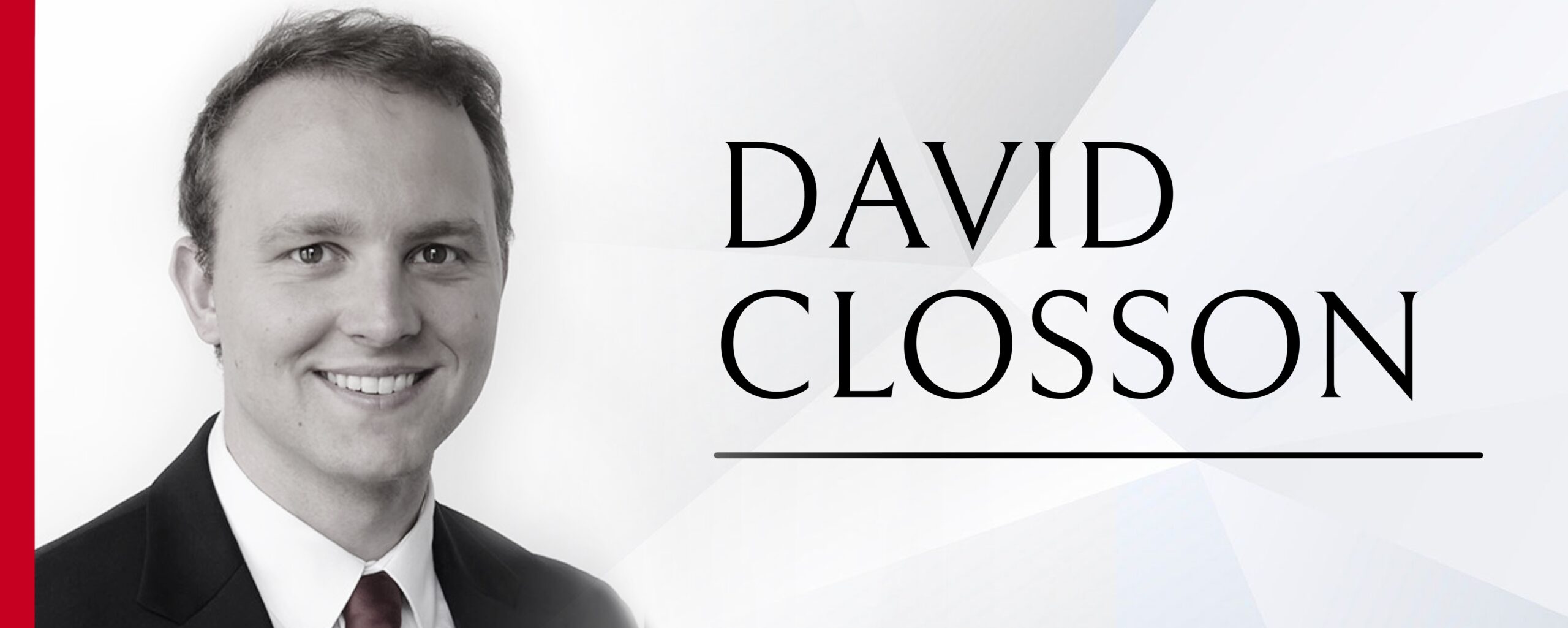
David Closson

As the 2024 U.S. presidential election comes into sharper focus, much of the political punditry has focused on the potential rematch of Joe Biden versus Donald Trump. In recent weeks, the American press has reported extensively on former President Trump’s ongoing court cases and Special Counsel Robert Hur’s characterization of President Biden as a “sympathetic, well-meaning, elderly man with a poor memory.”

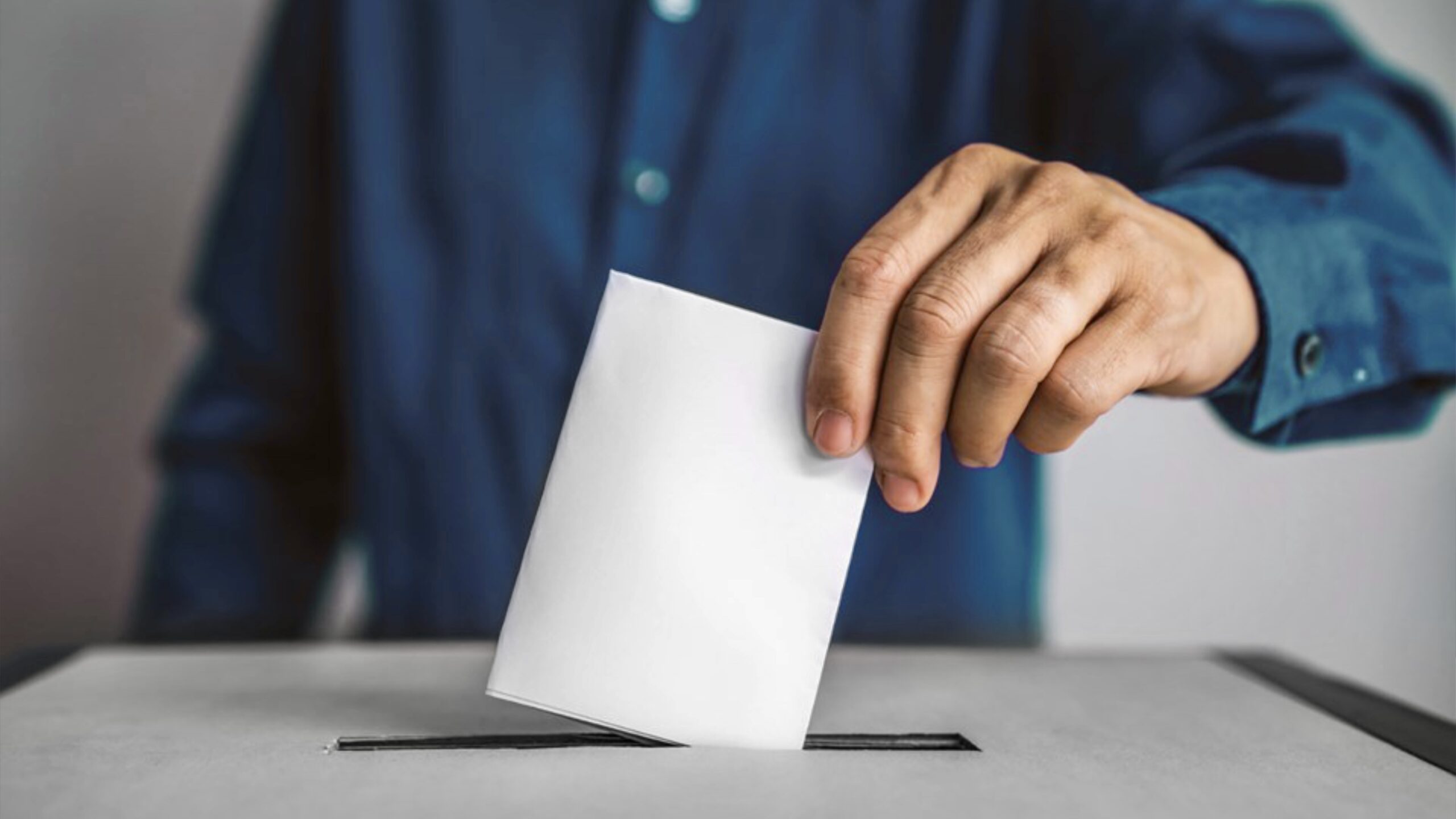
Although Americans should expect an avalanche of news related to the presidential election over the next 10 months, it is important to remember that other offices besides the presidency will also be on the ballot ?” including 34 U.S. Senate seats, all 435 U.S. House seats, 11 governorships, and legislative seats in 44 states. The results of these elections will have massive consequences for years to come.

The United States isn’t the only country engaging in national elections this year: at least 64 other countries will be choosing leaders as well. Already, millions of people have voted in elections in Bangladesh (January 7), Taiwan (January 13), Finland (January 28), El Salvador (February 4), Pakistan (February 8), and Indonesia (February 14). In the coming months, citizens in many other nations will cast ballots.

As Christians, we recognize that participating in elections is a stewardship and an opportunity to love our neighbors in a practical way. Since the outcome of these elections will affect the rights and livelihoods of so many people, Christians ought to pray that those participating in the political process make wise choices.

Africa

South Africa will hold its general election on May 29. Observers expect it will be the most competitive election in that country since the end of Apartheid. Additionally, many analysts predict that the governing African National Congress will lose its parliamentary majority for the first time since 1994. With unemployment and poverty on voters’ minds, incumbent president Cyril Ramaphosa faces a challenging re-election campaign.

Other countries with elections include Togo (legislative, April 13), Ghana (general, December 7), Botswana, Mauritius, Mozambique, Namibia, and Somaliland.

Asia

This spring, voters in India will decide whether Prime Minister Narendra Modi will be elected for a third term. Modi’s party, the Bharatiya Janata Party, is popular and holds the most seats in the Indian Parliament.

On April 10, South Korea will hold legislative elections that will determine the composition of the 300-seat National Assembly. President Yoon Suk Yeol (elected in 2022) is hoping his conservative People Power Party, currently the second largest party in the National Assembly, will wrest control from the more liberal Democratic Party of Korea.

Americas

On June 2, Mexican citizens will participate in a general election to pick a new president and legislature. Incumbent president Andrés Manuel López Obrador, who is ineligible for a second term, has endorsed former Mexico City Mayor Claudia Sheinbaum as his successor. Sheinbaum is a member of Mexico’s more liberal party and is competing against Xóchitl Gálvez, the leader of a center-right coalition.

Other countries with elections include Panama (general, May 5), the Dominican Republic (general, May 19), and Uruguay (general, October 27).

Europe

The European Parliament, the legislative body of the European Union (EU), will hold its quinquennial election on June 6-9. All 720 seats are up for election. With an estimated 400 million eligible voters, the election will be the largest transnational election in the world. It will also be the EU’s first parliamentary election since the United Kingdom’s exit in 2020. Many pollsters are predicting a strong showing by conservative parties, an outcome that would dramatically affect the EU’s political landscape.

European countries with elections this year include Portugal (legislative, March 10), Slovakia (presidential, March 23), Lithuania (presidential, May 12), Georgia (general, November 5), Croatia (general, TBD), and Romania (presidential, TBD).

Expected Elections

In addition to these confirmed elections, other nations expected to hold elections in 2024 include Austria (legislative), Jordan (legislative), Moldova (presidential), Syria (legislative), and Uzbekistan (legislative).

Worth noting is that Russia is also scheduled to hold a presidential election in March, although observers expect President Vladimir Putin to win upwards of 90% of the vote in an election a Kremlin spokesman conceded “is not really democracy.” Additionally, it is possible that the United Kingdom will hold its general election this fall, with polls indicating the ruling Conservative Party may lose 10 Downing Street to the Labour Party for the first time in 14 years.

In short, 2024 has already proved itself to be a consequential election year. By the year’s conclusion, nearly half of the world’s population will have seen a national election take place in their country. As hundreds of millions of people participate in these elections, Christians should commit to praying for voters as well as the leaders who will take office.

In an interconnected world, what happens in one country inevitably affects another. Elections matter because people matter, and the 2024 elections will undoubtedly affect an untold number of people. Thus, until King Jesus returns, Christians should pray, vote, and engage with politics, remembering that faithfulness, not results, is how we will ultimately be judged.


Shifting Public Opinion: The Appeal Of Pride Month Appears To Be Fading

For years, June brought a predictable wave of corporate logos, advertising campaigns, themed merchandise, and public celebrations. Parents learned to pay closer attention to commercials in family programming, sports fans grew accustomed to Pride-themed uniforms and promotions, and many city streets became venues for often indecent displays at Pride parades. This year is noticeably different. The symbols are not gone, but they are far less prominent. It’s premature to say Pride has fallen, but it is fair to say the appeal of Pride Month has faded.

A Wake-Up Call: Report Finds That Australian Christians Are Opting For Silence Over Societal Pushback

Over the past few years, I have spoken with countless believers who feel increasingly hesitant to express their faith openly. Teachers are unsure what they can say in the classroom. Healthcare workers worry about the consequences of acting according to their conscience. Employees feel pressure to keep their beliefs private in the workplace. Parents are concerned about the values being promoted in schools and public institutions. Perhaps the most significant finding is not that Christians are facing challenges. Jesus told us to expect opposition. Rather, it is that many believers are quietly withdrawing from public life. They are self-censoring.

sign up

Jan Markell: Is Israel’s Spiritual Blindness A Reason For Christians To Reject Them?

Ezekiel 36 emphasizes that when the Jews return to the land, they will do so in unbelief. There will be spiritual regeneration much later! The dry bones of Ezekiel 37 reflect a lack of breath or spiritual life. God states he is gathering them back “not for your sake but for my holy name’s sake,” because their presence among the nations caused his name to be profaned. Ezekiel 36 promises that once back in the land, God will cleanse them, give them a new spirit, and cause them to walk in his statutes. But much later.

ABC's of Salvation

Decision

UTT

FOI

untitled artwork

Israel My Glory

David Closson

As the 2024 U.S. presidential election comes into sharper focus, much of the political punditry has focused on the potential rematch of Joe Biden versus Donald Trump. In recent weeks, the American press has reported extensively on former President Trump’s ongoing court cases and Special Counsel Robert Hur’s characterization of President Biden as a “sympathetic, well-meaning, elderly man with a poor memory.”

Although Americans should expect an avalanche of news related to the presidential election over the next 10 months, it is important to remember that other offices besides the presidency will also be on the ballot ?” including 34 U.S. Senate seats, all 435 U.S. House seats, 11 governorships, and legislative seats in 44 states. The results of these elections will have massive consequences for years to come.

The United States isn’t the only country engaging in national elections this year: at least 64 other countries will be choosing leaders as well. Already, millions of people have voted in elections in Bangladesh (January 7), Taiwan (January 13), Finland (January 28), El Salvador (February 4), Pakistan (February 8), and Indonesia (February 14). In the coming months, citizens in many other nations will cast ballots.

As Christians, we recognize that participating in elections is a stewardship and an opportunity to love our neighbors in a practical way. Since the outcome of these elections will affect the rights and livelihoods of so many people, Christians ought to pray that those participating in the political process make wise choices.

Africa

South Africa will hold its general election on May 29. Observers expect it will be the most competitive election in that country since the end of Apartheid. Additionally, many analysts predict that the governing African National Congress will lose its parliamentary majority for the first time since 1994. With unemployment and poverty on voters’ minds, incumbent president Cyril Ramaphosa faces a challenging re-election campaign.

Other countries with elections include Togo (legislative, April 13), Ghana (general, December 7), Botswana, Mauritius, Mozambique, Namibia, and Somaliland.

Asia

This spring, voters in India will decide whether Prime Minister Narendra Modi will be elected for a third term. Modi’s party, the Bharatiya Janata Party, is popular and holds the most seats in the Indian Parliament.

On April 10, South Korea will hold legislative elections that will determine the composition of the 300-seat National Assembly. President Yoon Suk Yeol (elected in 2022) is hoping his conservative People Power Party, currently the second largest party in the National Assembly, will wrest control from the more liberal Democratic Party of Korea.

Americas

On June 2, Mexican citizens will participate in a general election to pick a new president and legislature. Incumbent president Andrés Manuel López Obrador, who is ineligible for a second term, has endorsed former Mexico City Mayor Claudia Sheinbaum as his successor. Sheinbaum is a member of Mexico’s more liberal party and is competing against Xóchitl Gálvez, the leader of a center-right coalition.

Other countries with elections include Panama (general, May 5), the Dominican Republic (general, May 19), and Uruguay (general, October 27).

Europe

The European Parliament, the legislative body of the European Union (EU), will hold its quinquennial election on June 6-9. All 720 seats are up for election. With an estimated 400 million eligible voters, the election will be the largest transnational election in the world. It will also be the EU’s first parliamentary election since the United Kingdom’s exit in 2020. Many pollsters are predicting a strong showing by conservative parties, an outcome that would dramatically affect the EU’s political landscape.

European countries with elections this year include Portugal (legislative, March 10), Slovakia (presidential, March 23), Lithuania (presidential, May 12), Georgia (general, November 5), Croatia (general, TBD), and Romania (presidential, TBD).

Expected Elections

In addition to these confirmed elections, other nations expected to hold elections in 2024 include Austria (legislative), Jordan (legislative), Moldova (presidential), Syria (legislative), and Uzbekistan (legislative).

Worth noting is that Russia is also scheduled to hold a presidential election in March, although observers expect President Vladimir Putin to win upwards of 90% of the vote in an election a Kremlin spokesman conceded “is not really democracy.” Additionally, it is possible that the United Kingdom will hold its general election this fall, with polls indicating the ruling Conservative Party may lose 10 Downing Street to the Labour Party for the first time in 14 years.

In short, 2024 has already proved itself to be a consequential election year. By the year’s conclusion, nearly half of the world’s population will have seen a national election take place in their country. As hundreds of millions of people participate in these elections, Christians should commit to praying for voters as well as the leaders who will take office.

In an interconnected world, what happens in one country inevitably affects another. Elections matter because people matter, and the 2024 elections will undoubtedly affect an untold number of people. Thus, until King Jesus returns, Christians should pray, vote, and engage with politics, remembering that faithfulness, not results, is how we will ultimately be judged.

Trusted Analysis From A Biblical Worldview

Help reach the lost and equip the church with the living and active truth of God's Word in our world today.

YOU CARE ABOUT

BIBLICAL TRUTH. SO DO WE.


Together, We Can Deliver A Biblical Understanding

Of News Events Around The World.

Shifting Public Opinion: The Appeal Of Pride Month Appears To Be Fading

For years, June brought a predictable wave of corporate logos, advertising campaigns, themed merchandise, and public celebrations. Parents learned to pay closer attention to commercials in family programming, sports fans grew accustomed to Pride-themed uniforms and promotions, and many city streets became venues for often indecent displays at Pride parades. This year is noticeably different. The symbols are not gone, but they are far less prominent. It’s premature to say Pride has fallen, but it is fair to say the appeal of Pride Month has faded.

A Wake-Up Call: Report Finds That Australian Christians Are Opting For Silence Over Societal Pushback

Over the past few years, I have spoken with countless believers who feel increasingly hesitant to express their faith openly. Teachers are unsure what they can say in the classroom. Healthcare workers worry about the consequences of acting according to their conscience. Employees feel pressure to keep their beliefs private in the workplace. Parents are concerned about the values being promoted in schools and public institutions. Perhaps the most significant finding is not that Christians are facing challenges. Jesus told us to expect opposition. Rather, it is that many believers are quietly withdrawing from public life. They are self-censoring.

untitled artwork 6391

Jan Markell: Is Israel’s Spiritual Blindness A Reason For Christians To Reject Them?

Ezekiel 36 emphasizes that when the Jews return to the land, they will do so in unbelief. There will be spiritual regeneration much later! The dry bones of Ezekiel 37 reflect a lack of breath or spiritual life. God states he is gathering them back “not for your sake but for my holy name’s sake,” because their presence among the nations caused his name to be profaned. Ezekiel 36 promises that once back in the land, God will cleanse them, give them a new spirit, and cause them to walk in his statutes. But much later.

ABC's of Salvation

TV AD

worldview matters

Decision Magazine V AD

Decision

Jan Markell

Israel My Glory

Erick Stakelbeck

untitled artwork

YOU CARE ABOUT

BIBLICAL TRUTH.

SO DO WE.

Together, We Can Deliver A Biblical Understanding Of News Events Around The World And Equip The Church To Stand With A Biblical Worldview.

untitled artwork

Israel My Glory

YOU CARE ABOUT

BIBLICAL TRUTH.

SO DO WE.


Together, We Can Deliver A Biblical Understanding Of News Events Around The World And Equip The Church To Stand With A Biblical Worldview.