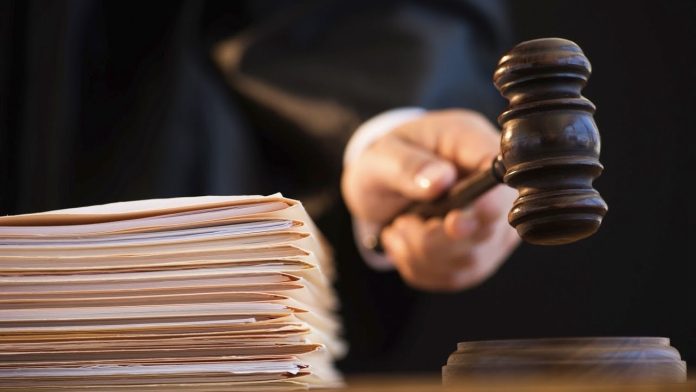
Abdulkarim Farah, a 25-year-old Minneapolis man, was sentenced Wednesday to 57 months in federal prison followed by one year of supervised release for bribing a juror in the first Feeding Our Future trial, officials announced.
Farah, along with his brothers and co-defendants, orchestrated a scheme to influence the outcome of the April 22, 2024 trial, in which seven defendants faced charges for their involvement in the charity fraud scheme. Two of Farah’s brothers were also among those on trial. The attempt targeted Juror 52, who was approached with a cash bribe in exchange for returning a not-guilty verdict.
According to Farah’s plea agreement, the plot involved detailed planning. After co-defendants identified Juror 52 as their target, Farah conducted surveillance of the juror and their home. He even created a map showing where Juror 52 parked during jury service. Co-defendant Ladan Ali was recruited to physically deliver the bribe, while Farah drove her to the juror’s home and recorded the transaction on video.
Prior to the delivery, Farah stopped at a Target store to purchase a screwdriver, which he used to remove the license plate from Ali’s rental car to avoid detection by law enforcement. On June 2, 2024, at approximately 8:50 p.m., Ali handed a gift bag containing the bribe money to a relative of Juror 52. During the handoff, she explained that additional payments would follow if Juror 52 returned a verdict of not guilty. Farah then sent the video of the delivery to his brother Abdiaziz Farah.
The bribery attempt was discovered in court the following day. In response, Farah uninstalled and deleted the encrypted messaging app Signal from his phone, destroying messages related to the scheme. Authorities say this action was an effort to cover up the conspiracy after it was exposed.
During sentencing, U.S. District Court Judge Eric C. Tostrud emphasized the importance of juries in the criminal justice system. “Properly functioning juries are the core of our criminal justice system,” Judge Tostrud said. “It is the role of the federal judiciary to safeguard citizens’ rights to fair and impartial juries.” The judge also expressed gratitude to Juror 52 for resisting the temptation to accept the bribe.
The investigation involved multiple agencies. The FBI led the effort, with support from IRS – Criminal Investigation, the U.S. Postal Inspection Service, and the Minnesota Bureau of Criminal Apprehension. The prosecution was handled by Assistant U.S. Attorneys Rebecca E. Kline and Matthew C. Murphy. Authorities say the case underscores the seriousness of attempting to compromise the integrity of the jury system and the importance of inter-agency cooperation in addressing such crimes.
Officials note that the bribery involved careful coordination and planning, highlighting how far Farah and his co-conspirators were willing to go to manipulate the judicial process. Farah’s actions, including surveilling the juror, removing identifying markers from a rental car, and attempting to erase evidence of the conspiracy, were considered aggravating factors in the sentence.
Authorities say the sentence sends a clear message: any attempt to interfere with the administration of justice, particularly through bribery of jurors, will be met with the full force of federal law.