November 17, 2026

November, 17, 2026
November 17, 2026

give

untitled artwork

untitled artwork

World news biblically understood

TRENDING:

Is Revelation Difficult To Understand… Or Difficult To Believe?

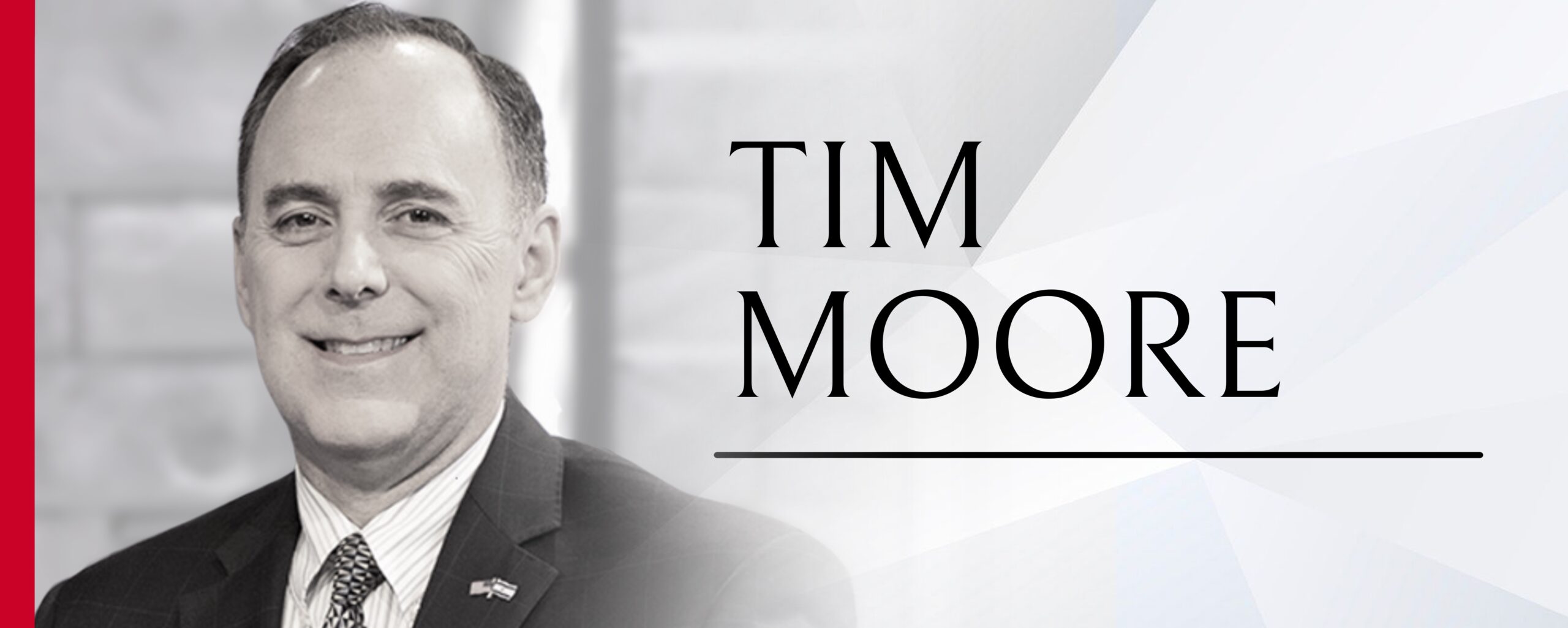
Tim Moore

Some people have a hard time accepting reality. Some things simply sound “too good to be true.” That could be said of Jesus’ promises to those who accept Him: absolute forgiveness and eternal life in the presence of God.

On the other hand, some people cannot accept the clear teaching of Scripture regarding the wrath of God that abides on all who do not obey the Son by accepting Him as Savior and Lord (John 3:36). They like the sound of a god who would not harm a fly but cannot accept the living God who will pour out His righteous indignation on a world that has rejected Him. They are even more appalled by the idea of Jesus, the Lamb who was slain, administering the wrath of God. Yet that is exactly what Revelation teaches (6:16).

It has been said that Revelation is too hard to understand. But Henry Morris, the founder of the Institute for Creation Research, once said: “Revelation is not hard to understand. It is hard to believe; but if you will believe it, you will understand it.”

It is critical that we understand up front that this final book in the canon of God’s Word is not merely the fanciful and imaginative vision of John the Apostle. The very first verse in the book establishes that it is “The Revelation of Jesus Christ.”

The same verse goes on to explain the purpose behind Jesus unveiling all that John would be tasked to record: “…which God gave Him to show to His bond-servants, the things which must soon take place; and He sent and communicated it by His angel to His bond-servant John.” Driving the point home even further, verse 2 tells us that John “testified to the word of God and to the testimony of Jesus Christ, even to all that he saw.”

Other prophets of God affirm the divine inspiration to their prophecies by frequently weaving in the phrase, “Thus saith the Lord.” But John established up front that Revelation is the testimony of none other than Jesus Christ.

Revelation is unique in one other respect. No other book offers a promise of blessing for merely reading what is written. But verse 3 says, “Blessed is he who reads and those who hear the words of the prophecy, and heed the things which are written in it; for the time is near.” Not clear enough? Jesus repeats the same promise in 22:7: “And behold, I am coming quickly. Blessed is he who heeds the words of the prophecy of this book.”

Reading and hearing can be easily done. But how do you heed a book of prophecy—especially one as expansive as Revelation? How can I heed the sweeping prophecies yet to be fulfilled and often related to God’s wrath that abides on the unbelieving world? By doing what Henry Morris advocated and believing this great book of prophecy.

In other words—taking Jesus at His Word.


give

give

Disastrous Deal Or Decisive Stand?: These Next Two Years, And How Iran Is Dealt With, Will Cement Trump’s Legacy

A quick reminder: President Trump still has two years left in office. Yes, Democrats will take control of Congress in January after sweeping Republican losses in the midterms earlier this month, but Trump is still the Commander-in-Chief until he leaves office in January 2029. That gives him plenty of time to accomplish a whole lot for our country, especially in foreign policy, despite having to deal with a Democrat-led House and Senate. Just look at Barack Obama and Ronald Reagan.

Why Atheism And Secular Humanism Cannot Provide A Foundation For Morality

Secularists and atheists frequently accuse Christians of behaving “immorally” and religion of being “evil.” But such objections to religion bring up an interesting question: how do secular humanists or atheists define evil and morality and by what authority do they make such statements? For the atheist or secular humanist, there is no foundation for morality besides his or her own subjective opinion. These individuals often throw around words such as evil, immoral, moral, or ethical, often in the context of Christian religion or Christian individuals. They will say things such as “religion is evil” or that teaching creation to children is “child abuse,” but what do they mean by these phrases?

sign up

‘Unwavering Voice For The Voiceless’: Cissie Graham Lynch Sits for Senate Confirmation Hearing for Religious Freedom Ambassador

The lessons that have shaped her most deeply, she said, came from “sitting with mothers who’ve lost sons and daughters to persecution, listening to pastors who’ve rebuilt their congregations after their churches have been burned, and meeting families driven from their homes because of their beliefs.” Those encounters remain vivid. “I’ve stood in the mass graveyards in northern Iraq,” Lynch said. “I’ve spoken with displaced women in Sudan hiding in the mountains. I’ve met with family members of the 21 Coptic Christians who have been beheaded by ISIS on the shores of Libya. They are not statistics. They have faces, names, and families, and I will carry their stories with me into this role.”

ABC's of Salvation

Decision

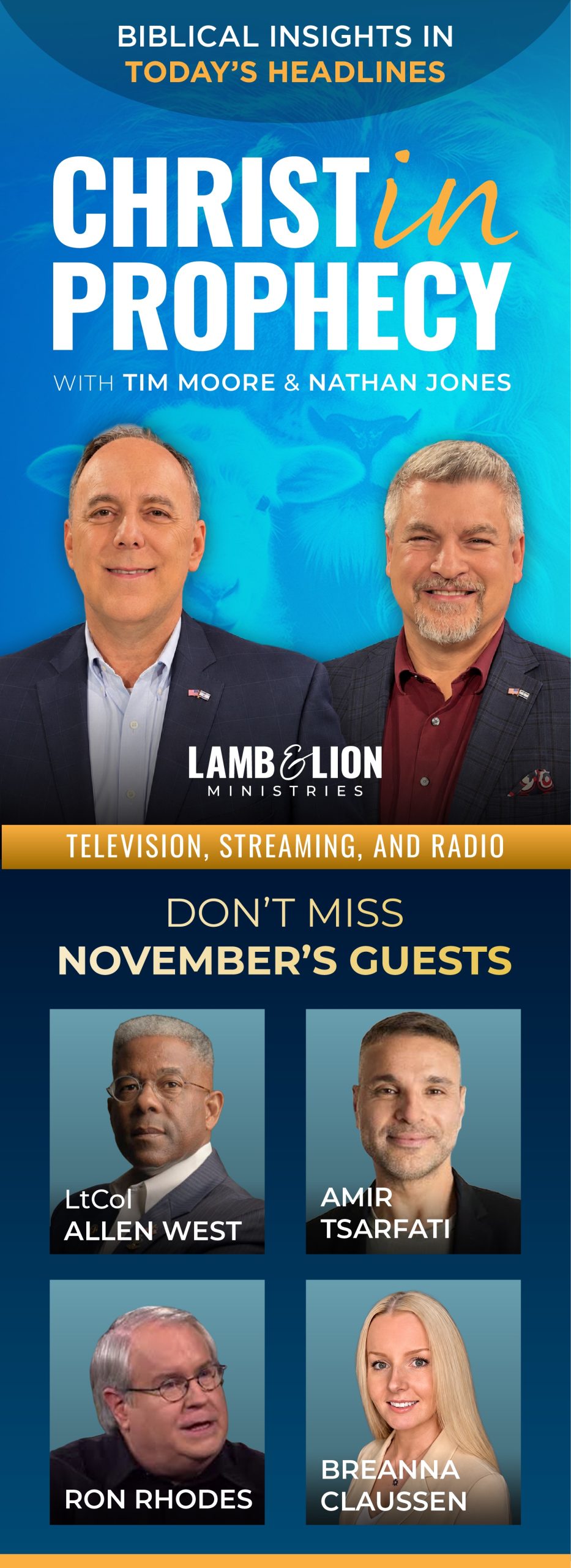
christ in prophecy

christ in prophecy

Decision

untitled artwork

Israel My Glory

Tim Moore

Some people have a hard time accepting reality. Some things simply sound “too good to be true.” That could be said of Jesus’ promises to those who accept Him: absolute forgiveness and eternal life in the presence of God.

On the other hand, some people cannot accept the clear teaching of Scripture regarding the wrath of God that abides on all who do not obey the Son by accepting Him as Savior and Lord (John 3:36). They like the sound of a god who would not harm a fly but cannot accept the living God who will pour out His righteous indignation on a world that has rejected Him. They are even more appalled by the idea of Jesus, the Lamb who was slain, administering the wrath of God. Yet that is exactly what Revelation teaches (6:16).

It has been said that Revelation is too hard to understand. But Henry Morris, the founder of the Institute for Creation Research, once said: “Revelation is not hard to understand. It is hard to believe; but if you will believe it, you will understand it.”

It is critical that we understand up front that this final book in the canon of God’s Word is not merely the fanciful and imaginative vision of John the Apostle. The very first verse in the book establishes that it is “The Revelation of Jesus Christ.”

The same verse goes on to explain the purpose behind Jesus unveiling all that John would be tasked to record: “…which God gave Him to show to His bond-servants, the things which must soon take place; and He sent and communicated it by His angel to His bond-servant John.” Driving the point home even further, verse 2 tells us that John “testified to the word of God and to the testimony of Jesus Christ, even to all that he saw.”

Other prophets of God affirm the divine inspiration to their prophecies by frequently weaving in the phrase, “Thus saith the Lord.” But John established up front that Revelation is the testimony of none other than Jesus Christ.

Revelation is unique in one other respect. No other book offers a promise of blessing for merely reading what is written. But verse 3 says, “Blessed is he who reads and those who hear the words of the prophecy, and heed the things which are written in it; for the time is near.” Not clear enough? Jesus repeats the same promise in 22:7: “And behold, I am coming quickly. Blessed is he who heeds the words of the prophecy of this book.”

Reading and hearing can be easily done. But how do you heed a book of prophecy—especially one as expansive as Revelation? How can I heed the sweeping prophecies yet to be fulfilled and often related to God’s wrath that abides on the unbelieving world? By doing what Henry Morris advocated and believing this great book of prophecy.

In other words—taking Jesus at His Word.


Trusted Analysis From A Biblical Worldview

Help reach the lost and equip the church with the living and active truth of God's Word in our world today.

YOU CARE ABOUT

BIBLICAL TRUTH. SO DO WE.


Together, We Can Deliver A Biblical Understanding

Of News Events Around The World.

Disastrous Deal Or Decisive Stand?: These Next Two Years, And How Iran Is Dealt With, Will Cement Trump’s Legacy

A quick reminder: President Trump still has two years left in office. Yes, Democrats will take control of Congress in January after sweeping Republican losses in the midterms earlier this month, but Trump is still the Commander-in-Chief until he leaves office in January 2029. That gives him plenty of time to accomplish a whole lot for our country, especially in foreign policy, despite having to deal with a Democrat-led House and Senate. Just look at Barack Obama and Ronald Reagan.

Why Atheism And Secular Humanism Cannot Provide A Foundation For Morality

Secularists and atheists frequently accuse Christians of behaving “immorally” and religion of being “evil.” But such objections to religion bring up an interesting question: how do secular humanists or atheists define evil and morality and by what authority do they make such statements? For the atheist or secular humanist, there is no foundation for morality besides his or her own subjective opinion. These individuals often throw around words such as evil, immoral, moral, or ethical, often in the context of Christian religion or Christian individuals. They will say things such as “religion is evil” or that teaching creation to children is “child abuse,” but what do they mean by these phrases?

untitled artwork 6391

‘Unwavering Voice For The Voiceless’: Cissie Graham Lynch Sits for Senate Confirmation Hearing for Religious Freedom Ambassador

The lessons that have shaped her most deeply, she said, came from “sitting with mothers who’ve lost sons and daughters to persecution, listening to pastors who’ve rebuilt their congregations after their churches have been burned, and meeting families driven from their homes because of their beliefs.” Those encounters remain vivid. “I’ve stood in the mass graveyards in northern Iraq,” Lynch said. “I’ve spoken with displaced women in Sudan hiding in the mountains. I’ve met with family members of the 21 Coptic Christians who have been beheaded by ISIS on the shores of Libya. They are not statistics. They have faces, names, and families, and I will carry their stories with me into this role.”

ABC's of Salvation

TV AD

worldview matters

Decision Magazine V AD

Decision

Jan Markell

Israel My Glory

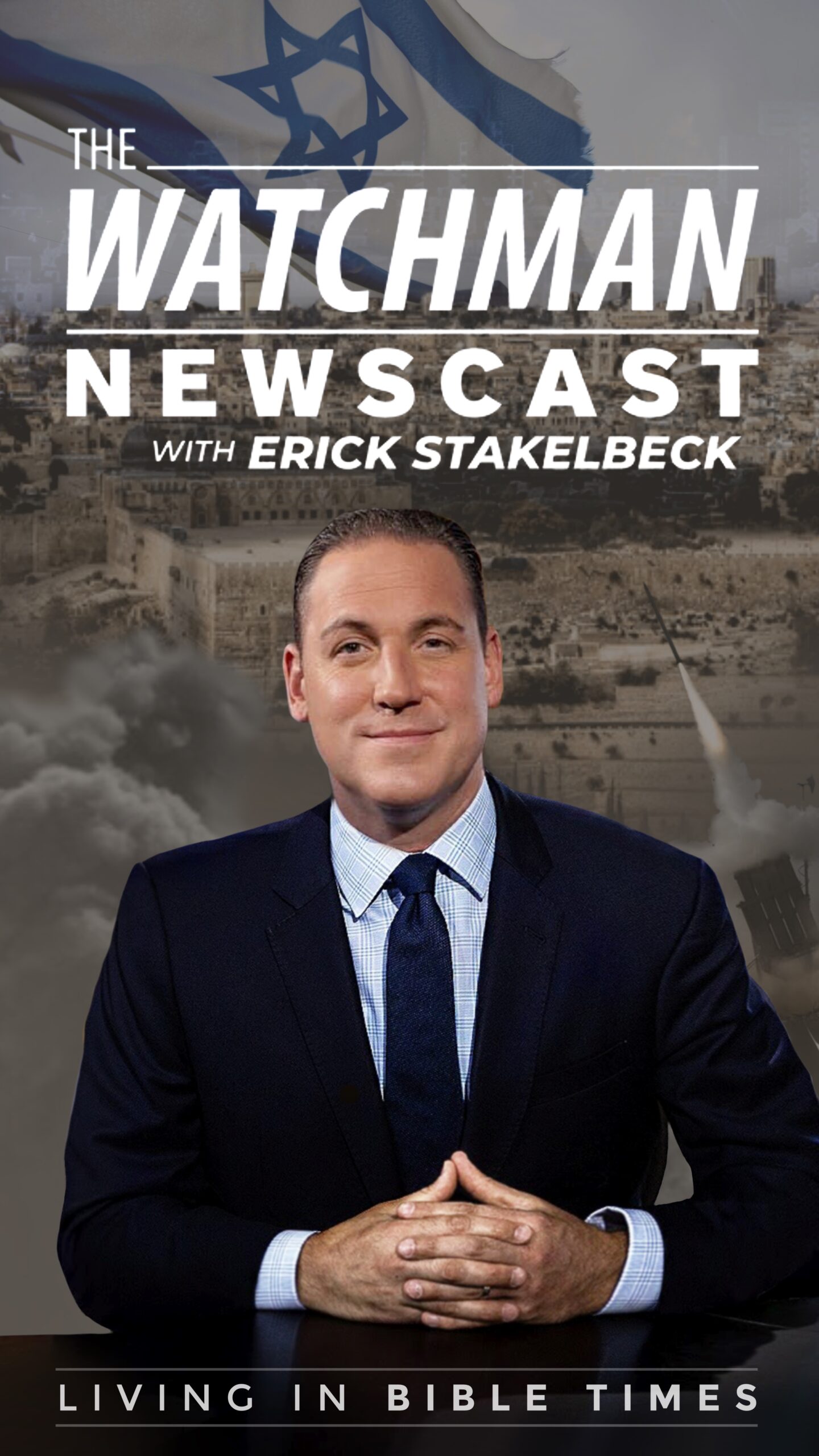
Erick Stakelbeck

untitled artwork

YOU CARE ABOUT

BIBLICAL TRUTH.

SO DO WE.

Together, We Can Deliver A Biblical Understanding Of News Events Around The World And Equip The Church To Stand With A Biblical Worldview.

untitled artwork

Israel My Glory

YOU CARE ABOUT

BIBLICAL TRUTH.

SO DO WE.


Together, We Can Deliver A Biblical Understanding Of News Events Around The World And Equip The Church To Stand With A Biblical Worldview.