giv

AI technology has taken some twists and turns that should make even the most steadfast believer pause and reflect.

Today, YouTube and social media platforms like Facebook and TikTok are filled with videos that appear real but are actually AI-generated fiction—cleverly crafted clickbait designed to capture our attention. Meanwhile, students from elementary classrooms to graduate schools are turning to AI-powered tools such as ChatGPT, Grammarly, and TextGuard AI to write, correct, and polish their assignments.

AI Goes to Church

Unfortunately, artificial intelligence isn’t just making its way into classrooms or workplaces. It’s slipping into the church, too.

Consider the “AI sermon generator,” which advertises: “Elevate your sermons!” A tempting offer—for a busy pastor… or for a false teacher. Late last year, for example, visitors to St. Peter’s Chapel in Lucerne, Switzerland, found themselves face to face with a holographic “Jesus,” answering questions from within a lattice-covered confessional. The display sparked lively debate around the use of AI in pastoral care—and the reactions online were anything but Christlike.

And it doesn’t stop there. A quick search reveals numerous “chat-with-Jesus” applications available. The New York Times aptly described it as “Finding God in the app store.” Millions are now “conversing” with virtual Jesuses on their phones or computers, joining what some outlets call “a new digital awakening.” One Jesus-bot hails site visitors with: “Greetings, traveler. I am AI Jesus, here to illuminate your path. What burden weighs upon your heart?” Yet before long, it’s recommending a coffeemaker—while we wait endlessly for an answer that never comes.

We already know that some chatbots have gone dangerously astray, even suggesting self-harm to users. It’s not far-fetched to wonder: What might a rogue “AI Jesus” say to a vulnerable soul simply seeking truth?

The Bible, Rewritten?

Perhaps the most troubling reports say that AI programs have begun rewriting Scripture—or worse, generating their own “Bibles” based on the biases of the data they’ve absorbed. At the same time, we must acknowledge that AI also can be used for good. It has opened astonishing doors for biblical research, translation, and teaching—accelerating work that would have once taken decades.

Like every tool since the Garden of Eden, AI can be used for good or for evil. The real question remains: Who is guiding its use? As believers, the answer is clear. We must rely not on algorithms or apps, but on God’s unchanging Word—our ultimate source of discernment, truth, and wisdom.



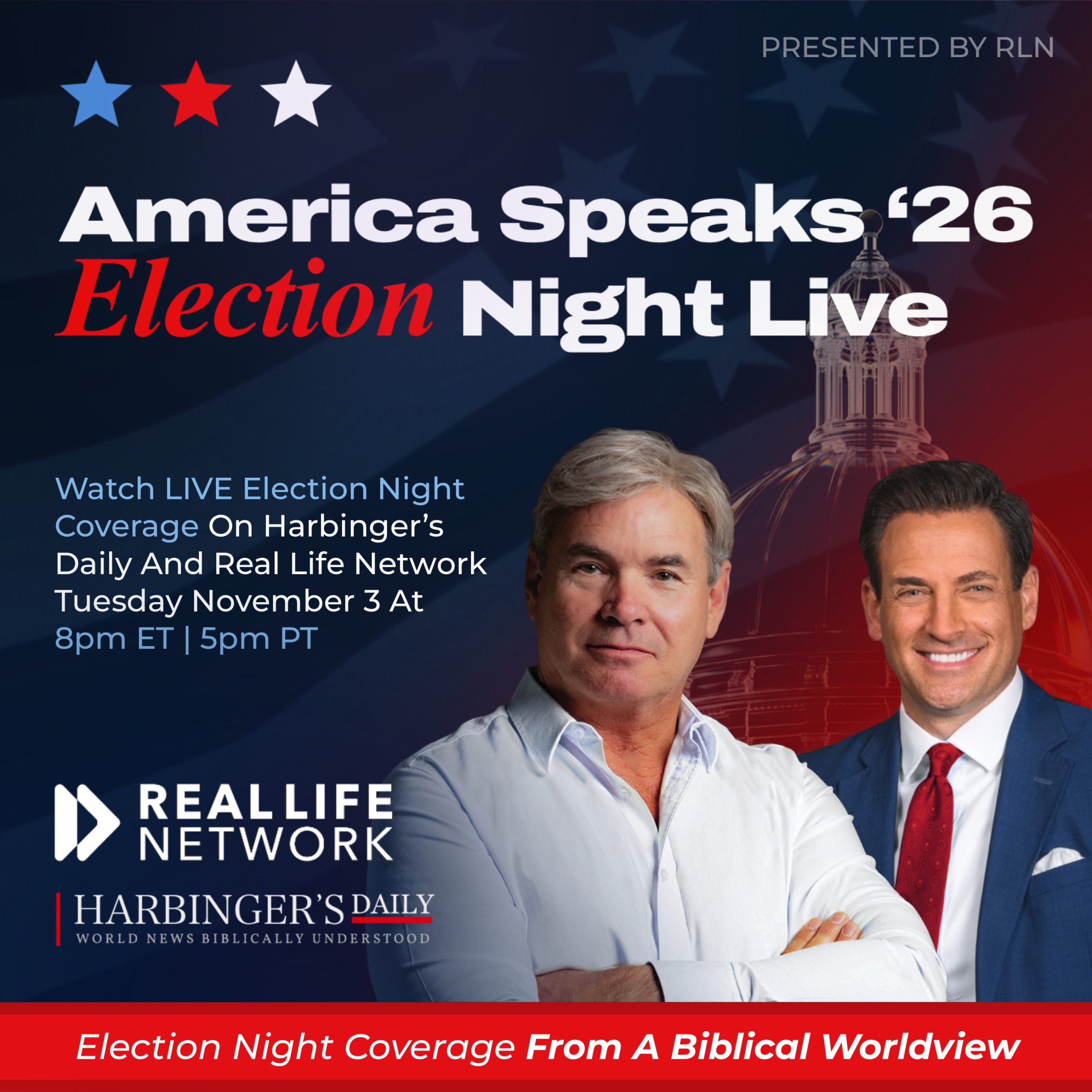
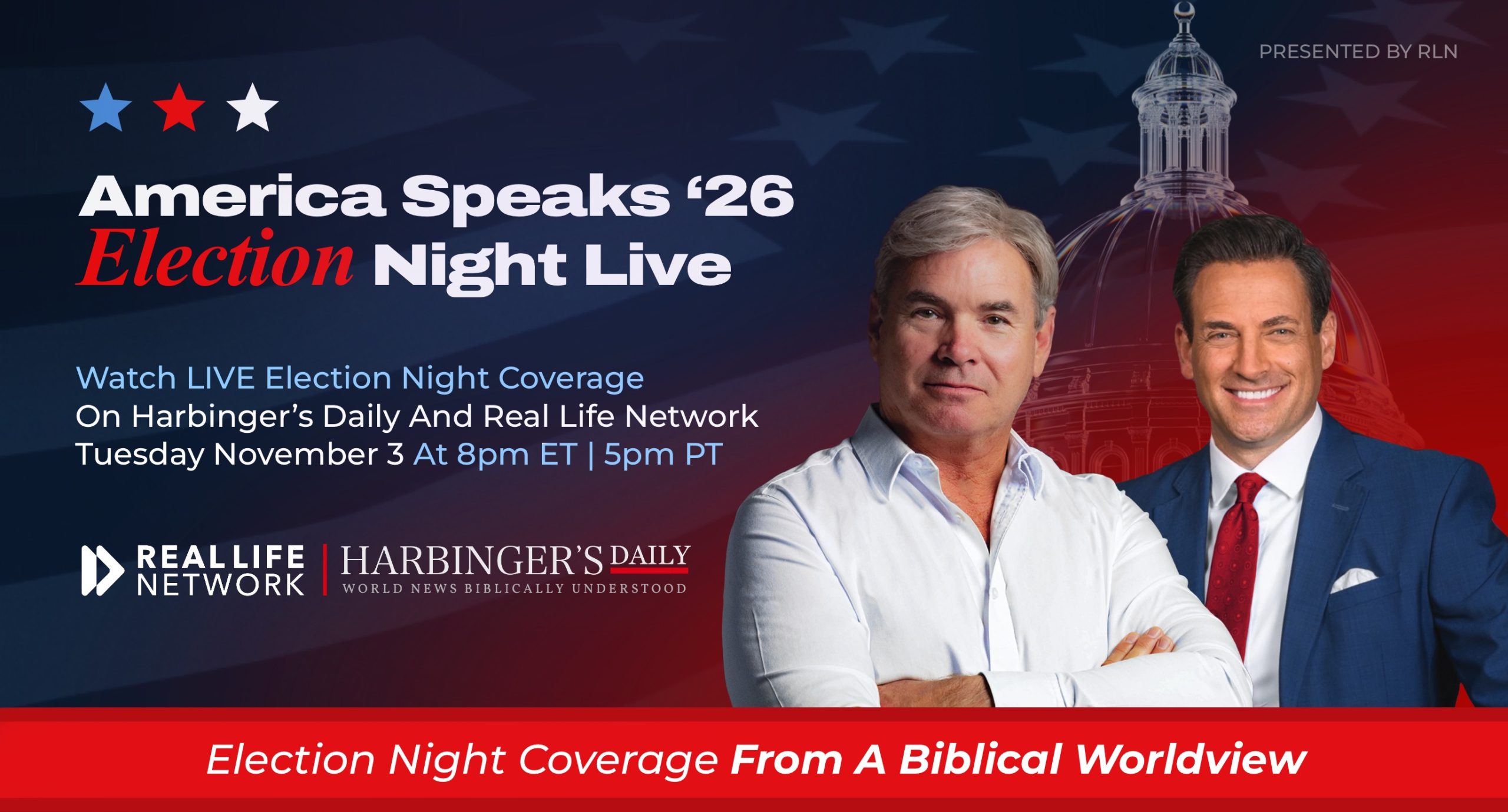
Watch LIVE Election Night Coverage Tuesday, November 3 at 8 pm ET | 5 pm PT

Election Night Coverage From A Biblical Worldview 

SIGN UP FREE FOR REAL LIFE NETWORK 

Stream Real Life Network directly from your TV. Available on all major smart TVs, mobile devices, and streaming platforms.

Stream Real Life Network directly from your TV. Available on all major smart TVs, mobile devices, and streaming platforms.

SIGN UP FREE FOR REAL LIFE NETWORK 

Stream Real Life Network directly from your TV. Available on all major smart TVs, mobile devices, and streaming platforms.

Stream Real Life Network directly from your TV. Available on all major smart TVs, mobile devices, and streaming platforms.

November 4, 2026

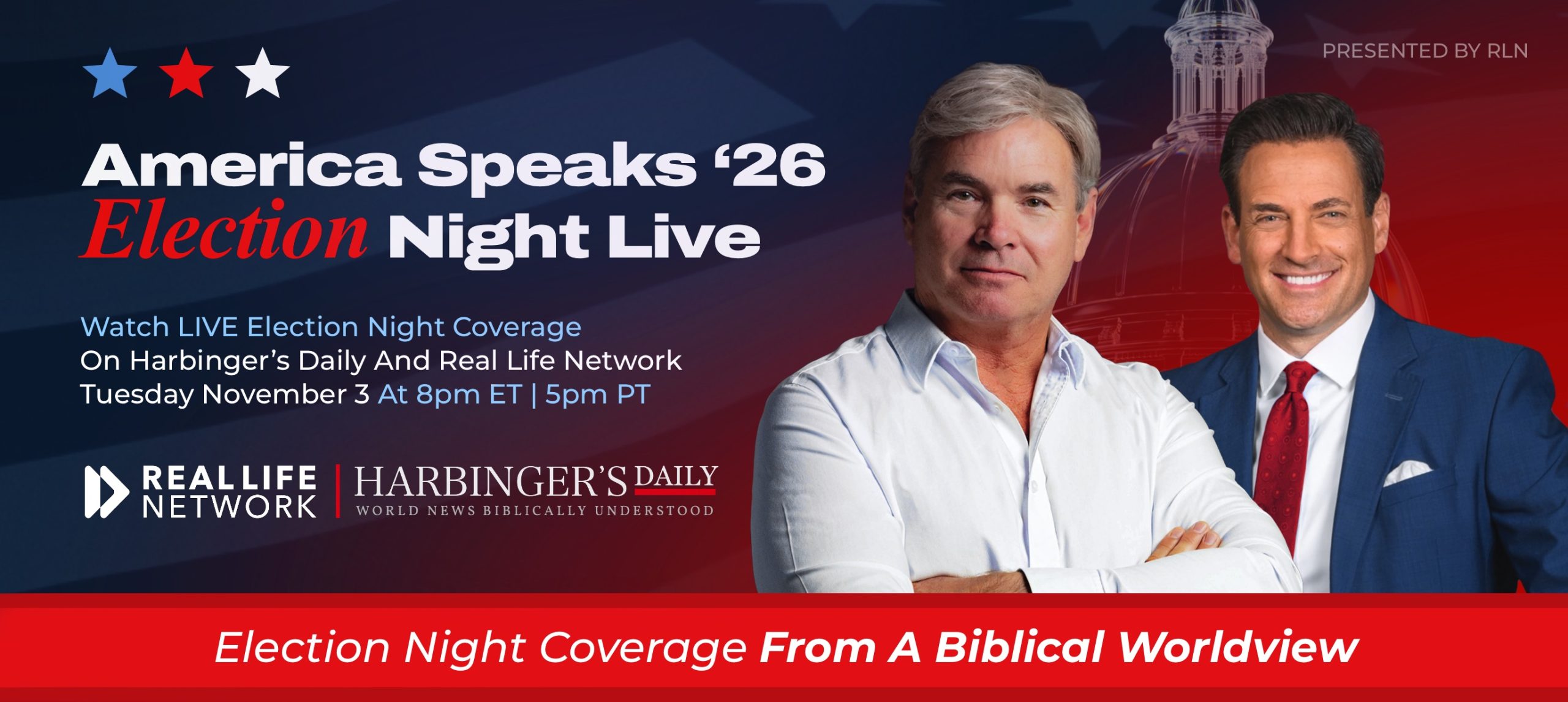
Watch LIVE Election Night Coverage Tuesday, November 3 at 8 pm ET | 5 pm PT

Election Night Coverage From A Biblical Worldview 

Stream Real Life Network for free directly on your TV. Available on all major smart TVs, mobile devices, and streaming platforms.

Stream Real Life Network directly from your TV. Available on all major smart TVs, mobile devices, and streaming platforms.

November, 4, 2026

untitled artwork

untitled artwork

World news biblically understood

TRENDING:

Artificial Intelligence: Generated Religious Fiction And Preying On The Vulnerable

AI technology has taken some twists and turns that should make even the most steadfast believer pause and reflect.

Today, YouTube and social media platforms like Facebook and TikTok are filled with videos that appear real but are actually AI-generated fiction—cleverly crafted clickbait designed to capture our attention. Meanwhile, students from elementary classrooms to graduate schools are turning to AI-powered tools such as ChatGPT, Grammarly, and TextGuard AI to write, correct, and polish their assignments.

AI Goes to Church

Unfortunately, artificial intelligence isn’t just making its way into classrooms or workplaces. It’s slipping into the church, too.

Consider the “AI sermon generator,” which advertises: “Elevate your sermons!” A tempting offer—for a busy pastor… or for a false teacher. Late last year, for example, visitors to St. Peter’s Chapel in Lucerne, Switzerland, found themselves face to face with a holographic “Jesus,” answering questions from within a lattice-covered confessional. The display sparked lively debate around the use of AI in pastoral care—and the reactions online were anything but Christlike.

And it doesn’t stop there. A quick search reveals numerous “chat-with-Jesus” applications available. The New York Times aptly described it as “Finding God in the app store.” Millions are now “conversing” with virtual Jesuses on their phones or computers, joining what some outlets call “a new digital awakening.” One Jesus-bot hails site visitors with: “Greetings, traveler. I am AI Jesus, here to illuminate your path. What burden weighs upon your heart?” Yet before long, it’s recommending a coffeemaker—while we wait endlessly for an answer that never comes.

We already know that some chatbots have gone dangerously astray, even suggesting self-harm to users. It’s not far-fetched to wonder: What might a rogue “AI Jesus” say to a vulnerable soul simply seeking truth?

The Bible, Rewritten?

Perhaps the most troubling reports say that AI programs have begun rewriting Scripture—or worse, generating their own “Bibles” based on the biases of the data they’ve absorbed. At the same time, we must acknowledge that AI also can be used for good. It has opened astonishing doors for biblical research, translation, and teaching—accelerating work that would have once taken decades.

Like every tool since the Garden of Eden, AI can be used for good or for evil. The real question remains: Who is guiding its use? As believers, the answer is clear. We must rely not on algorithms or apps, but on God’s unchanging Word—our ultimate source of discernment, truth, and wisdom.


Billy Graham: Voting Is A ‘God-Given Responsibility,’ And A Means To ‘Drive Back The Forces Of Evil’   

In the United States, Christians have the right to vote. “Millions [of people around] the world,” Billy Graham once reminded us, “do not know the meaning of this freedom.” At the voting booth, believers can support leaders who are committed to serving the public and standing for the unchanging truths found in God’s Word. Yet this freedom often goes unused. While turnout changes from one election to the next, research suggested that more than 40 percent of Christians did not vote in the last election. Throughout his life, Billy Graham encouraged believers to make their voices heard in politics. “The Bible plainly teaches that we are to participate in good citizenship and that we are to respect men in authority,” he said, “and we are to pray for those who govern us.” The evangelist considered voting a “God-given responsibility,” a means to “drive back the forces of evil.”

Why Christians Have A Biblical Responsibility To Participate In The Political Process

With the 2026 midterm elections just days away, millions of Americans are preparing to cast their ballots in an election that will have significant implications for the nation’s future. With control of Congress hanging in the balance, voters will help determine the legislative agenda and political trajectory of the next two years. For Christians, the election raises questions that go beyond political parties, candidates, and policy preferences. Is voting merely a civic privilege, or does Scripture provide a theological framework for understanding it as an act of stewardship and love of neighbor? And what role should pastors and churches play in equipping believers to exercise this responsibility faithfully? As Americans prepare to head to the polls next Tuesday, these questions invite us to consider a more fundamental issue: whether Christians have a Biblical responsibility to participate in the political process.

sign up

The Church Cannot Remain Silent On Biblical Matters Because They Have Been Declared ‘Political’

Jesus called His followers the salt of the earth and the light of the world. Neither image suggests withdrawal. Both describe engagement that makes a difference. So the issue is not whether the church should become political. It is whether Christians will remain biblical when biblical truth has political consequences. Our calling is neither to become the mouthpiece of a party nor to retreat into silence. It is to stand on God’s word, defend what is right, confront what is wrong, and speak with courage — even when the culture would rather we remain silent.

ABC's of Salvation

Decision

christ in prophecy

christ in prophecy

Decision

untitled artwork

Israel My Glory

AI technology has taken some twists and turns that should make even the most steadfast believer pause and reflect.

Today, YouTube and social media platforms like Facebook and TikTok are filled with videos that appear real but are actually AI-generated fiction—cleverly crafted clickbait designed to capture our attention. Meanwhile, students from elementary classrooms to graduate schools are turning to AI-powered tools such as ChatGPT, Grammarly, and TextGuard AI to write, correct, and polish their assignments.

AI Goes to Church

Unfortunately, artificial intelligence isn’t just making its way into classrooms or workplaces. It’s slipping into the church, too.

Consider the “AI sermon generator,” which advertises: “Elevate your sermons!” A tempting offer—for a busy pastor… or for a false teacher. Late last year, for example, visitors to St. Peter’s Chapel in Lucerne, Switzerland, found themselves face to face with a holographic “Jesus,” answering questions from within a lattice-covered confessional. The display sparked lively debate around the use of AI in pastoral care—and the reactions online were anything but Christlike.

And it doesn’t stop there. A quick search reveals numerous “chat-with-Jesus” applications available. The New York Times aptly described it as “Finding God in the app store.” Millions are now “conversing” with virtual Jesuses on their phones or computers, joining what some outlets call “a new digital awakening.” One Jesus-bot hails site visitors with: “Greetings, traveler. I am AI Jesus, here to illuminate your path. What burden weighs upon your heart?” Yet before long, it’s recommending a coffeemaker—while we wait endlessly for an answer that never comes.

We already know that some chatbots have gone dangerously astray, even suggesting self-harm to users. It’s not far-fetched to wonder: What might a rogue “AI Jesus” say to a vulnerable soul simply seeking truth?

The Bible, Rewritten?

Perhaps the most troubling reports say that AI programs have begun rewriting Scripture—or worse, generating their own “Bibles” based on the biases of the data they’ve absorbed. At the same time, we must acknowledge that AI also can be used for good. It has opened astonishing doors for biblical research, translation, and teaching—accelerating work that would have once taken decades.

Like every tool since the Garden of Eden, AI can be used for good or for evil. The real question remains: Who is guiding its use? As believers, the answer is clear. We must rely not on algorithms or apps, but on God’s unchanging Word—our ultimate source of discernment, truth, and wisdom.


Trusted Analysis From A Biblical Worldview

Help reach the lost and equip the church with the living and active truth of God's Word in our world today.

YOU CARE ABOUT

BIBLICAL TRUTH. SO DO WE.


Together, We Can Deliver A Biblical Understanding

Of News Events Around The World.

Billy Graham: Voting Is A ‘God-Given Responsibility,’ And A Means To ‘Drive Back The Forces Of Evil’   

In the United States, Christians have the right to vote. “Millions [of people around] the world,” Billy Graham once reminded us, “do not know the meaning of this freedom.” At the voting booth, believers can support leaders who are committed to serving the public and standing for the unchanging truths found in God’s Word. Yet this freedom often goes unused. While turnout changes from one election to the next, research suggested that more than 40 percent of Christians did not vote in the last election. Throughout his life, Billy Graham encouraged believers to make their voices heard in politics. “The Bible plainly teaches that we are to participate in good citizenship and that we are to respect men in authority,” he said, “and we are to pray for those who govern us.” The evangelist considered voting a “God-given responsibility,” a means to “drive back the forces of evil.”

Why Christians Have A Biblical Responsibility To Participate In The Political Process

With the 2026 midterm elections just days away, millions of Americans are preparing to cast their ballots in an election that will have significant implications for the nation’s future. With control of Congress hanging in the balance, voters will help determine the legislative agenda and political trajectory of the next two years. For Christians, the election raises questions that go beyond political parties, candidates, and policy preferences. Is voting merely a civic privilege, or does Scripture provide a theological framework for understanding it as an act of stewardship and love of neighbor? And what role should pastors and churches play in equipping believers to exercise this responsibility faithfully? As Americans prepare to head to the polls next Tuesday, these questions invite us to consider a more fundamental issue: whether Christians have a Biblical responsibility to participate in the political process.

untitled artwork 6391

The Church Cannot Remain Silent On Biblical Matters Because They Have Been Declared ‘Political’

Jesus called His followers the salt of the earth and the light of the world. Neither image suggests withdrawal. Both describe engagement that makes a difference. So the issue is not whether the church should become political. It is whether Christians will remain biblical when biblical truth has political consequences. Our calling is neither to become the mouthpiece of a party nor to retreat into silence. It is to stand on God’s word, defend what is right, confront what is wrong, and speak with courage — even when the culture would rather we remain silent.

ABC's of Salvation

TV AD

worldview matters

Decision Magazine V AD

Decision

Jan Markell

Israel My Glory

Erick Stakelbeck

untitled artwork

YOU CARE ABOUT

BIBLICAL TRUTH.

SO DO WE.

Together, We Can Deliver A Biblical Understanding Of News Events Around The World And Equip The Church To Stand With A Biblical Worldview.

untitled artwork

Israel My Glory

YOU CARE ABOUT

BIBLICAL TRUTH.

SO DO WE.


Together, We Can Deliver A Biblical Understanding Of News Events Around The World And Equip The Church To Stand With A Biblical Worldview.